
7 Effective Swimming Lesson Methods for Children
Swimming lessons for children often sound like a chore, but in reality, there's much more to it. Did you know that professional swimming lessons not only reduce the risk of fatal drowning incidents by about 88 percent but also significantly boost children's self-confidence? Many parents think of technique and rules, but it's actually all about giving children joy and safety in the water – and it can be surprisingly playful.
Table of Contents
- Introduction to Swimming Lesson Methods
- Water Familiarization for Children
- Teaching Swimming Techniques Playfully
- Using Aids in Swimming Lessons
- Fostering Group Dynamics and Social Interaction
- Water Safety: Emergency Measures
- Documenting and Celebrating Progress
Quick Summary
| Takeaway | Explanation |
|---|---|
| Water safety is crucial | Children must learn to handle water safely in swimming lessons. This includes recognizing dangers and appropriate reactions. |
| Playful learning promotes understanding | Children learn swimming techniques better when lessons are playful and creative. Fun motivates and lowers inhibitions. |
| Build positive motivation | A trusting and positive atmosphere is important to build self-confidence and reduce fears. Parents and teachers should actively support this. |
| Use aids wisely | Swimming aids provide safety and build self-confidence. However, they should be used in phases and be age-appropriate. |
| Document and celebrate progress | Recognizing swimming progress through certificates or praise motivates children and strengthens their self-esteem in the water. |
1: Introduction to Swimming Lesson Methods
Swimming lessons are a crucial skill for children that is not only fun but also teaches vital safety knowledge. Professional swimming instruction can help children love water, build confidence, and simultaneously learn basic survival techniques.
The main goals of modern swimming lessons include:
- Developing water safety and familiarity with the element
- Learning basic swimming techniques and movements
- Strengthening self-confidence and overcoming fear of water
When choosing appropriate swimming lesson methods, parents and swimming instructors must consider several aspects. Our experts recommend taking into account the individual needs and developmental stages of each child.
An age-appropriate and playful approach is crucial. Children learn best when swimming lessons are fun and not perceived as an obligation. Positive motivation and a trusting atmosphere are key elements of successful swimming courses.
For parents who want to know more about effective swimming lesson methods, we offer comprehensive information and practical tips. The basic idea is always to enable children to have a safe and joyful relationship with water.
The following sections will detail various proven methods that help children learn to swim while having fun.
2: Water Familiarization for Children
Water familiarization is the crucial first step in any swimming course for children. It forms the basis for safe swimming later on and helps to reduce initial fears. The goal is to enable children to develop a positive and trusting relationship with water.
For successful water familiarization, the following aspects are particularly important:
- Gradual and playful approach to water
- Creating a safe and relaxed environment
- Positive reinforcement and patient guidance
Experts from the German Life Saving Association recommend not forcing the process of water familiarization. Every child has an individual pace and needs different amounts of time to build trust.
The first contacts with water should be gentle and playful. It is important that children do not develop fear, but rather feel joy and curiosity. Playful exercises such as splashing, water games, or wearing swimming aids can help reduce apprehension.
For parents who want to know more about age-appropriate swimming courses, we offer comprehensive information and practical tips.
A trusting relationship between child, parents, and swimming instructor is crucial. Patience, understanding, and encouragement are key elements to enable children to have a positive water experience.
3: Teaching Swimming Techniques Playfully
Teaching swimming techniques to children requires a creative and motivating approach. Playful learning is the key to teaching children basic swimming movements in an entertaining and effective way.
Effective strategies for playful swimming include:
- Transforming exercises into exciting adventures
- Using imagination and visualization
- Incorporating movement games and competitions
Experts from the German Swimming Federation emphasize the importance of age-appropriate and motivating didactics. Children learn best when they are having fun and do not feel pressured.
A proven method is the use of metaphors and imaginative stories. For example, learning the crawl stroke can be designed as an adventure as a "dolphin in the water," where children perceive their own swimming movements as a playful journey of discovery.
Non-verbal communication methods and practical demonstrations are also important. Swimming instructors should demonstrate movements and encourage children to imitate them. Positive reinforcement and immediate feedback help to strengthen children's self-confidence.
For detailed information on age-appropriate swimming learning methods, we offer comprehensive resources.
Through creative and playful approaches, swimming lessons become a joyful experience that helps children not only develop technical skills but also gain joy and self-confidence in the water.
4: Using Aids in Swimming Lessons
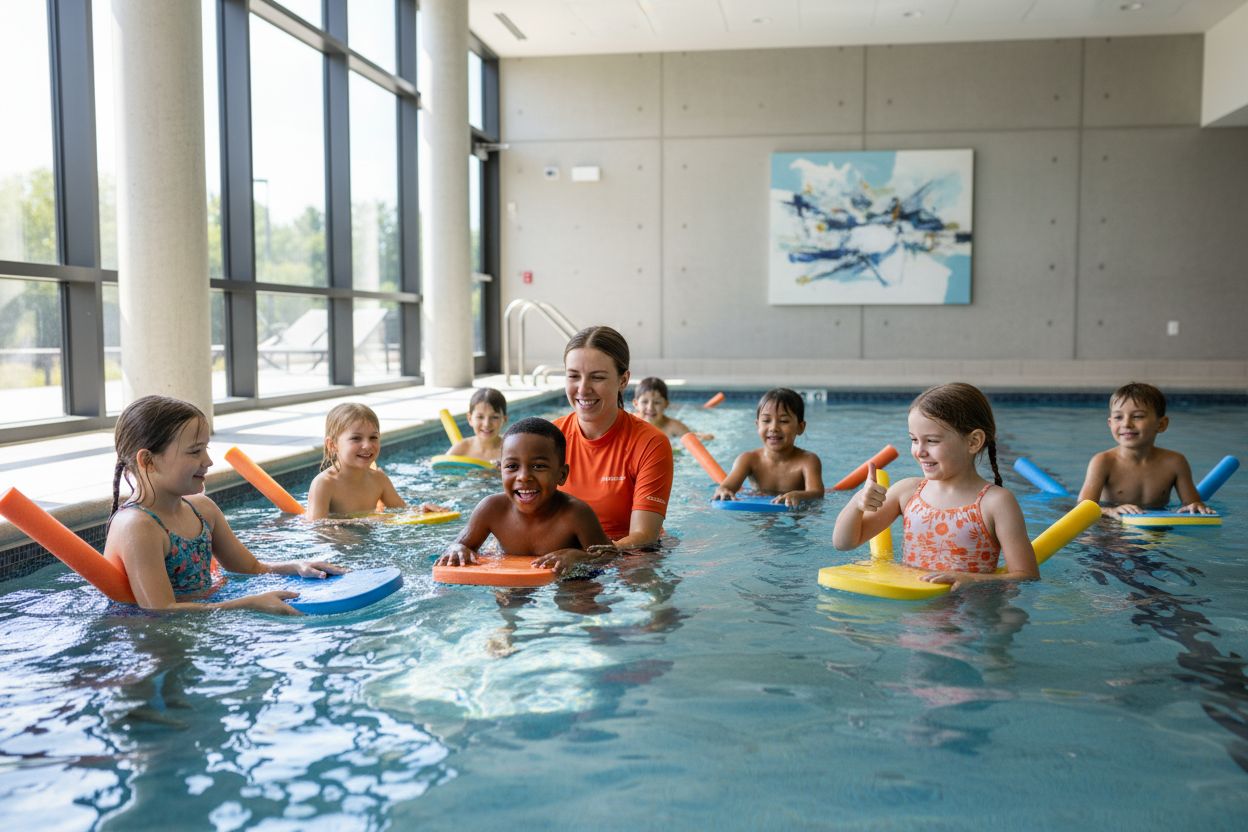
Aids play a crucial role in swimming lessons for children. They not only provide additional safety but also help build self-confidence and make learning to swim more enjoyable.
Important swimming aids for children include:
- Armbands for beginners
- Swim noodles for support
- Kickboards for technique exercises
- Diving rings for playful learning
Swimming experts from the DLRG recommend using aids purposefully and in phases. They are not a permanent solution, but rather transitional tools for learning swimming skills.
When selecting swimming aids, parents and swimming instructors should pay attention to quality and safety. An age-appropriate and size-matched selection that corresponds to the child's individual developmental stage is important.
For detailed swimming accessory recommendations, we offer comprehensive information for parents and trainers.
The key lies in the balance between support and challenge. Aids should encourage children without hindering their natural development in the water. The goal is to gradually achieve more independence and strengthen confidence in their own swimming abilities.
5: Fostering Group Dynamics and Social Interaction
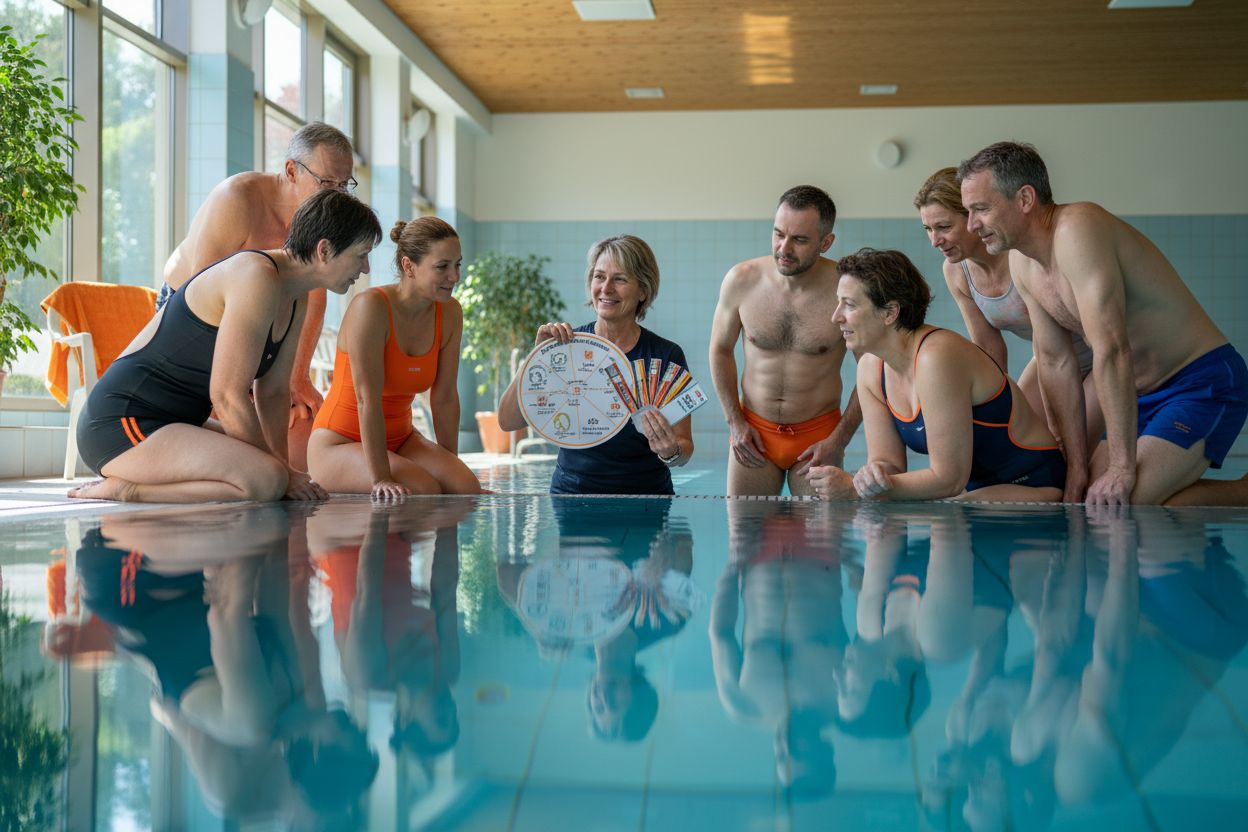
Group swimming courses offer children much more than just swimming lessons. They are an excellent platform for social learning and personal development. Interaction with peers can make the learning process playful and motivating.
The main benefits of group dynamics in swimming lessons:
- Strengthening a sense of community
- Promoting teamwork and mutual support
- Developing social skills
- Reducing fears through shared experiences
Educational experts emphasize that social learning is a crucial factor in children's development. In swimming lessons, children learn not only technical skills but also important social skills such as consideration, communication, and mutual support.
Group swimming exercises can be designed playfully. Shared games, relay competitions, and cooperative tasks make the lessons interesting and promote cohesion.
For more information on age-appropriate swimming courses, we offer comprehensive resources.
The swimming instructor plays a central role in creating a positive group atmosphere. Through targeted exercises that promote cooperation and mutual support, they can create an environment where all children feel safe and comfortable.
6: Water Safety: Emergency Measures
Water safety is the central aspect of every professional swimming lesson. Children must not only learn to swim but also learn how to behave in potentially dangerous situations.
Essential emergency measures for children include:
- Correct reaction to exhaustion
- Recognizing one's own limits
- Staying calm and calling for help
- Knowing basic rescue techniques
The German Life Saving Association (DLRG) emphasizes that early prevention is the key to water safety. Children should learn to recognize dangers and react appropriately.
Swimming instructors must teach children how to avoid panic and act controllably in the water. This includes techniques such as holding onto pool edges, calling for help, and swimming to the nearest safe spot.
For comprehensive information on child safety in water, we offer detailed resources.
Also important is psychological preparation. Children must develop self-confidence without underestimating risks. Regular exercises and age-appropriate explanations help to find a healthy balance between caution and fun.
Parents and swimming instructors share the responsibility of teaching children respect for water while also conveying the joy of swimming.
7: Documenting and Celebrating Progress
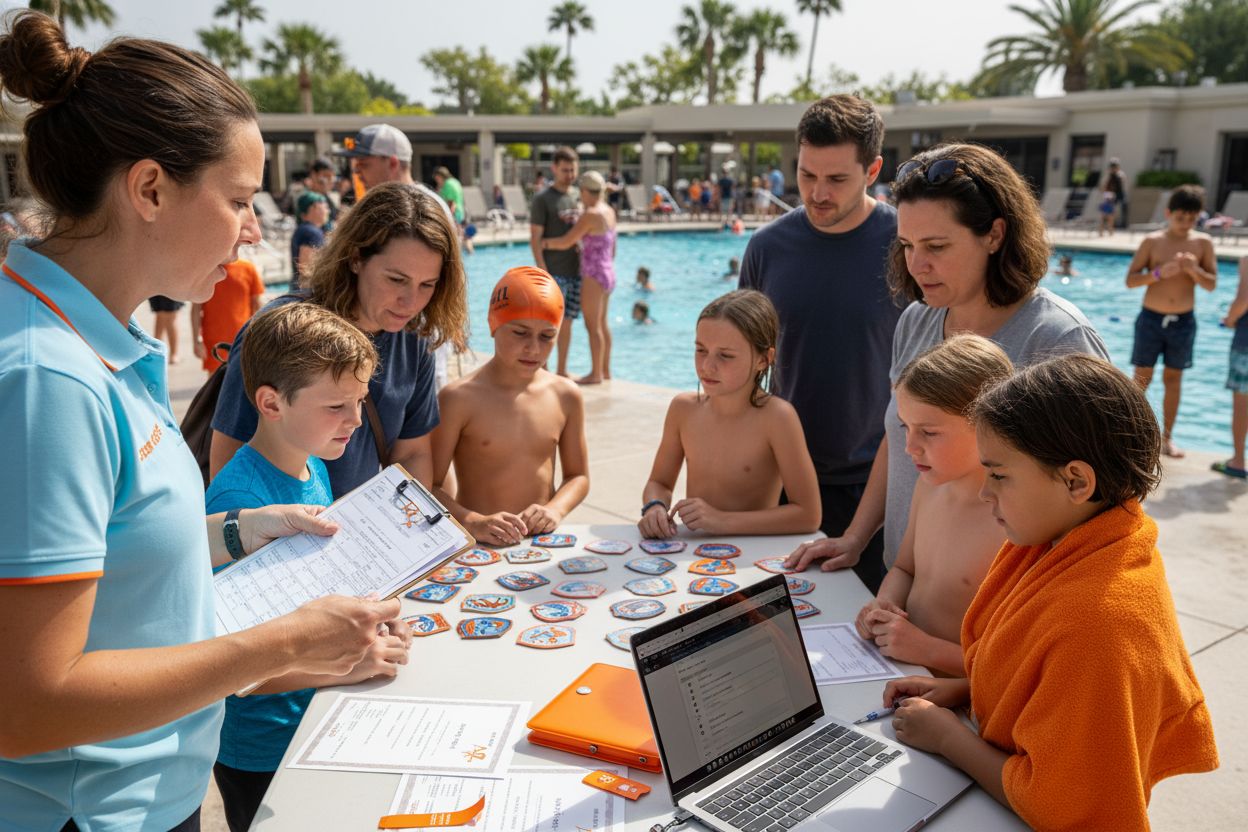
Documenting and recognizing swimming progress is crucial for children's motivation and development. Every small success deserves recognition and can sustainably strengthen the self-confidence of swimming students.
Important aspects of progress documentation:
- Regular individual learning status reports
- Visual documentation of development
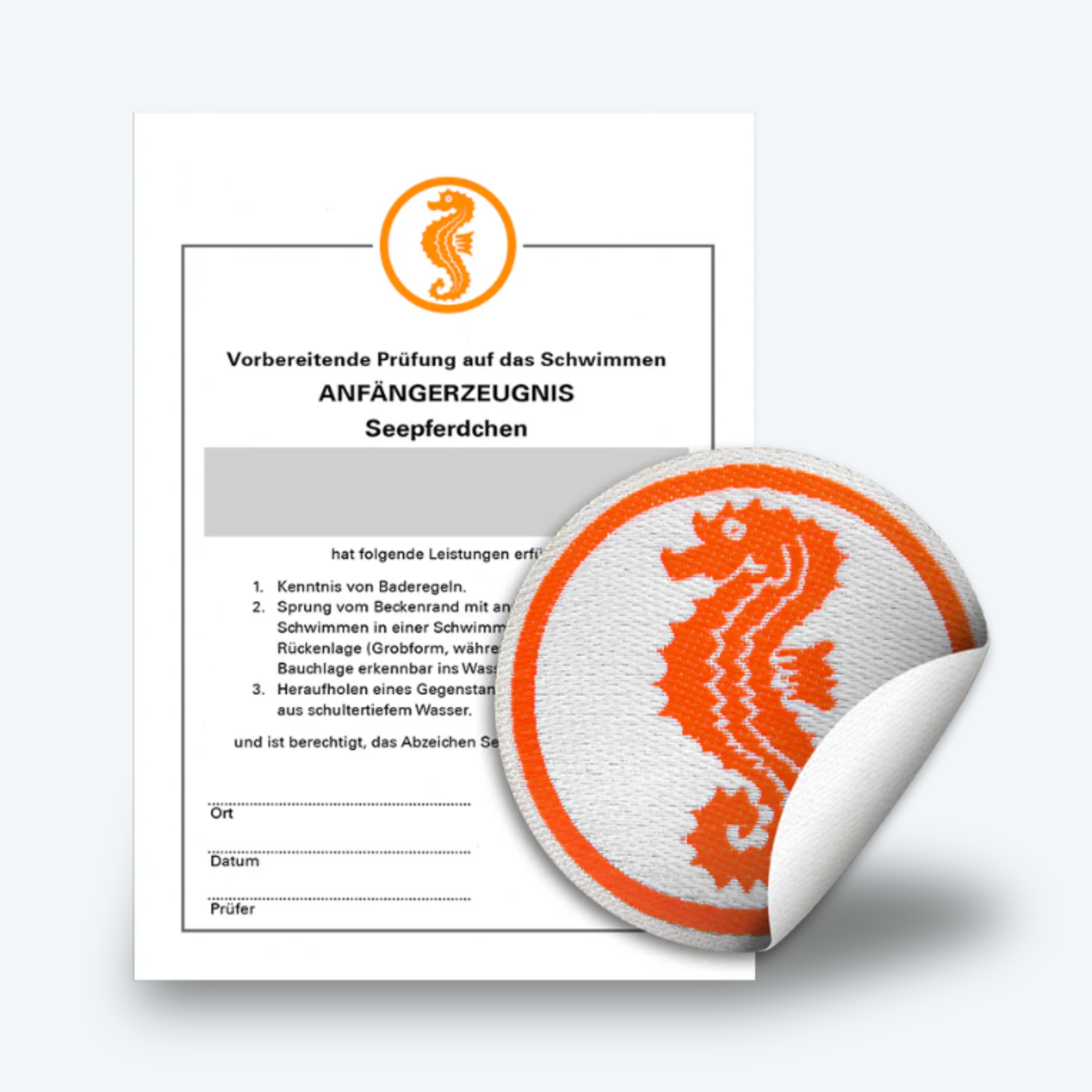
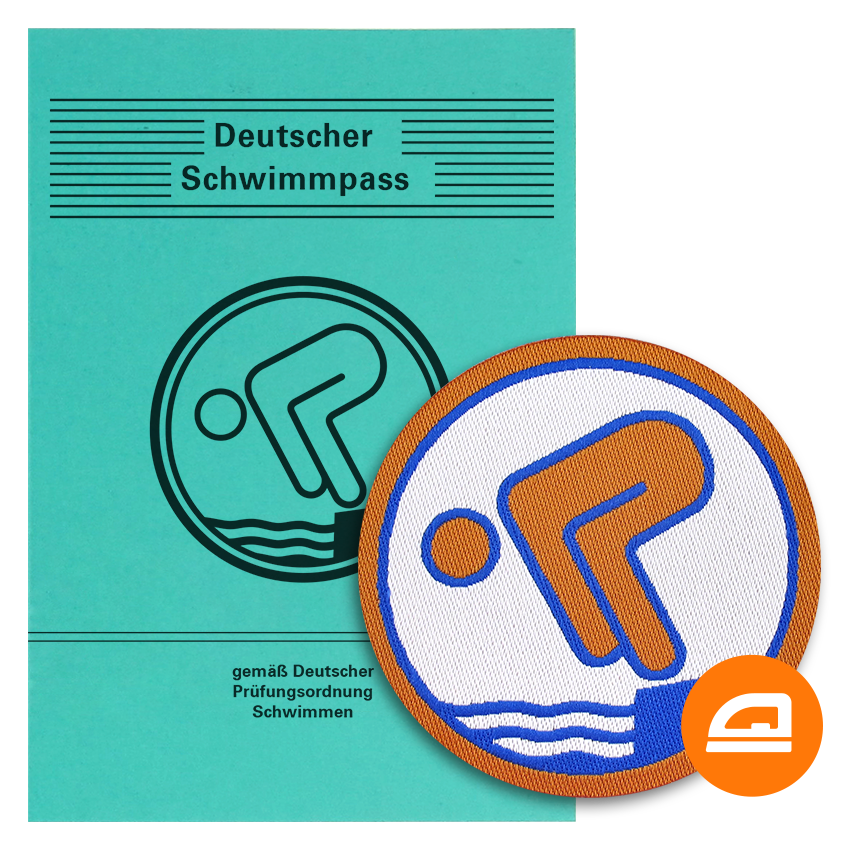
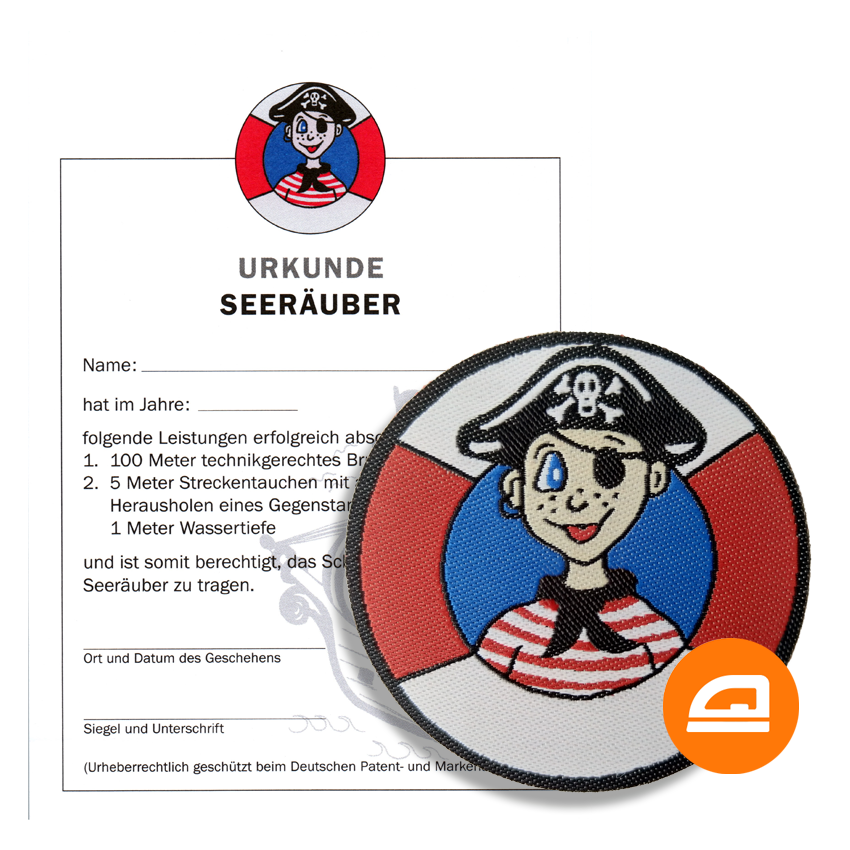
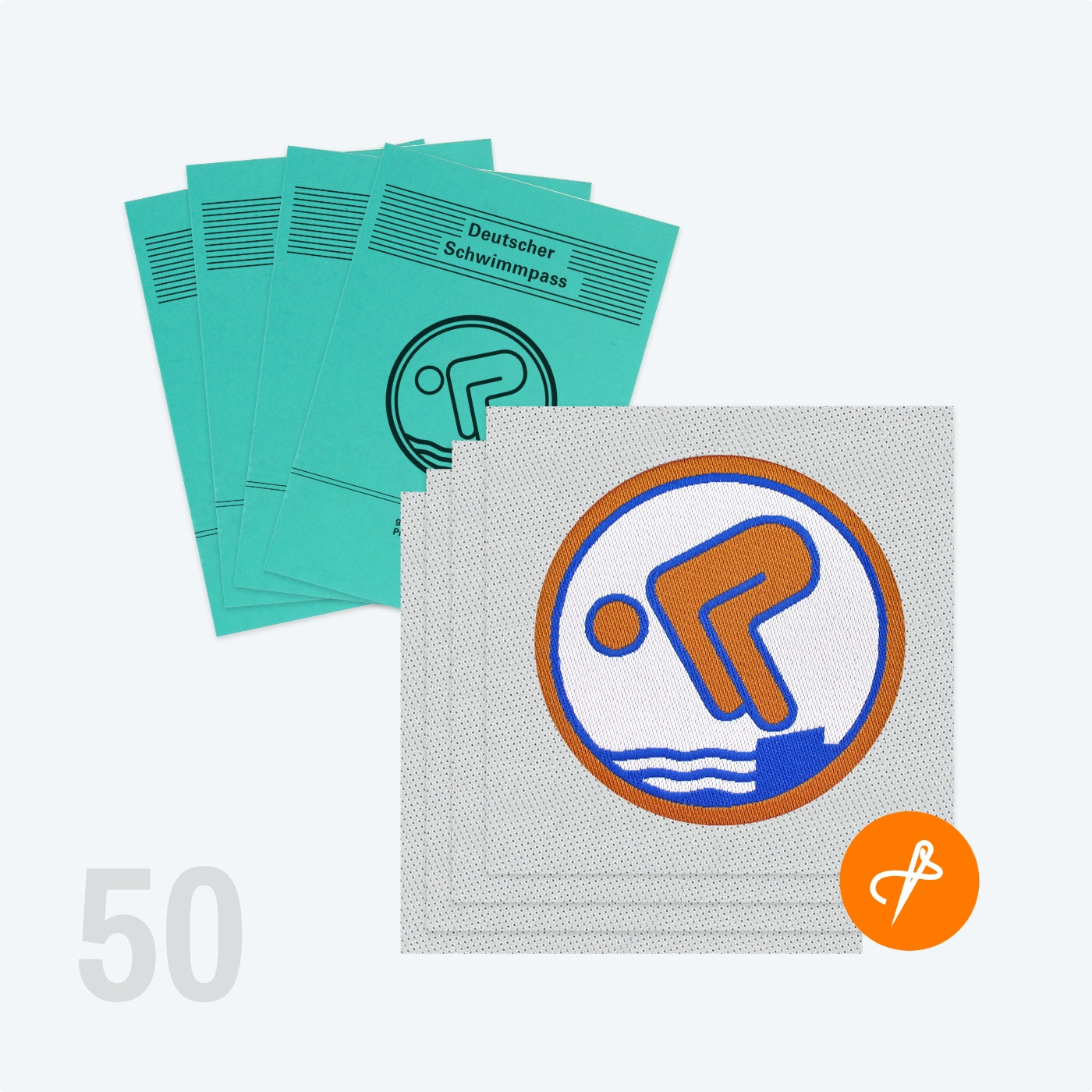
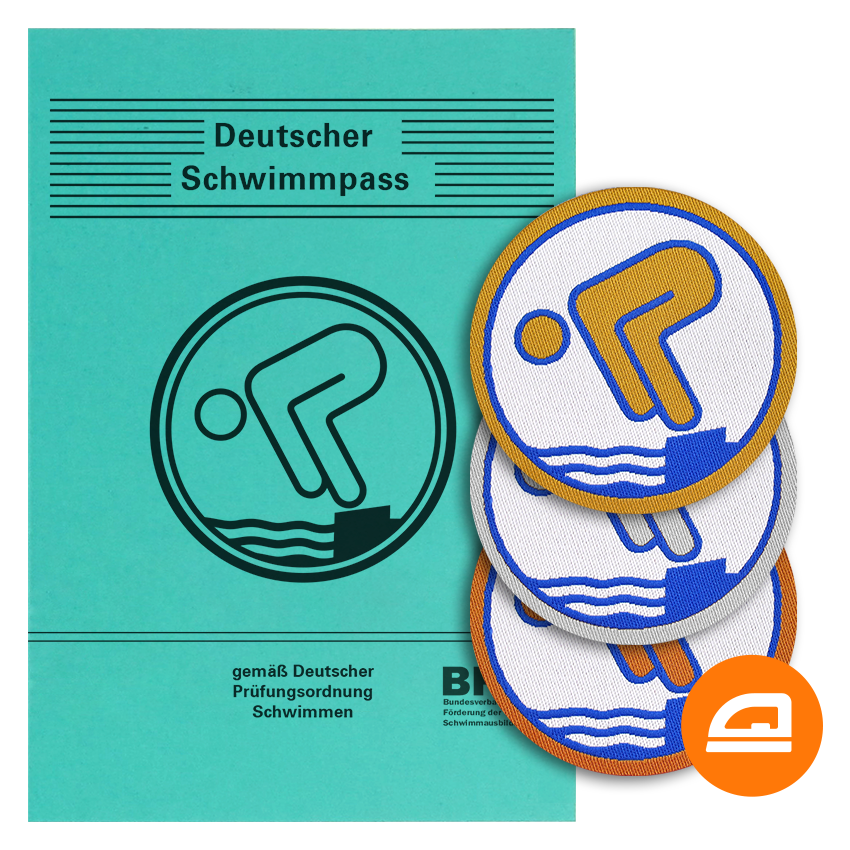
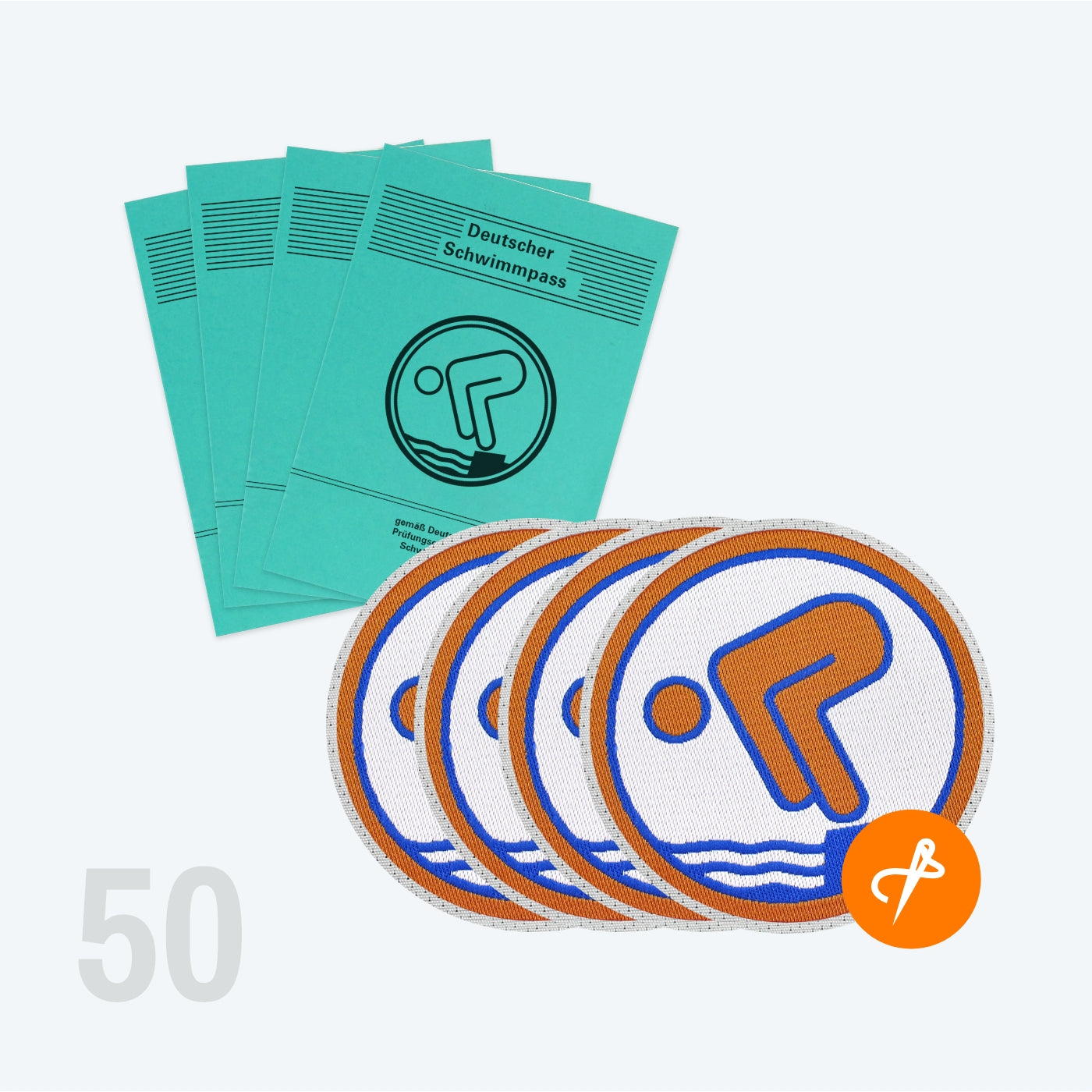
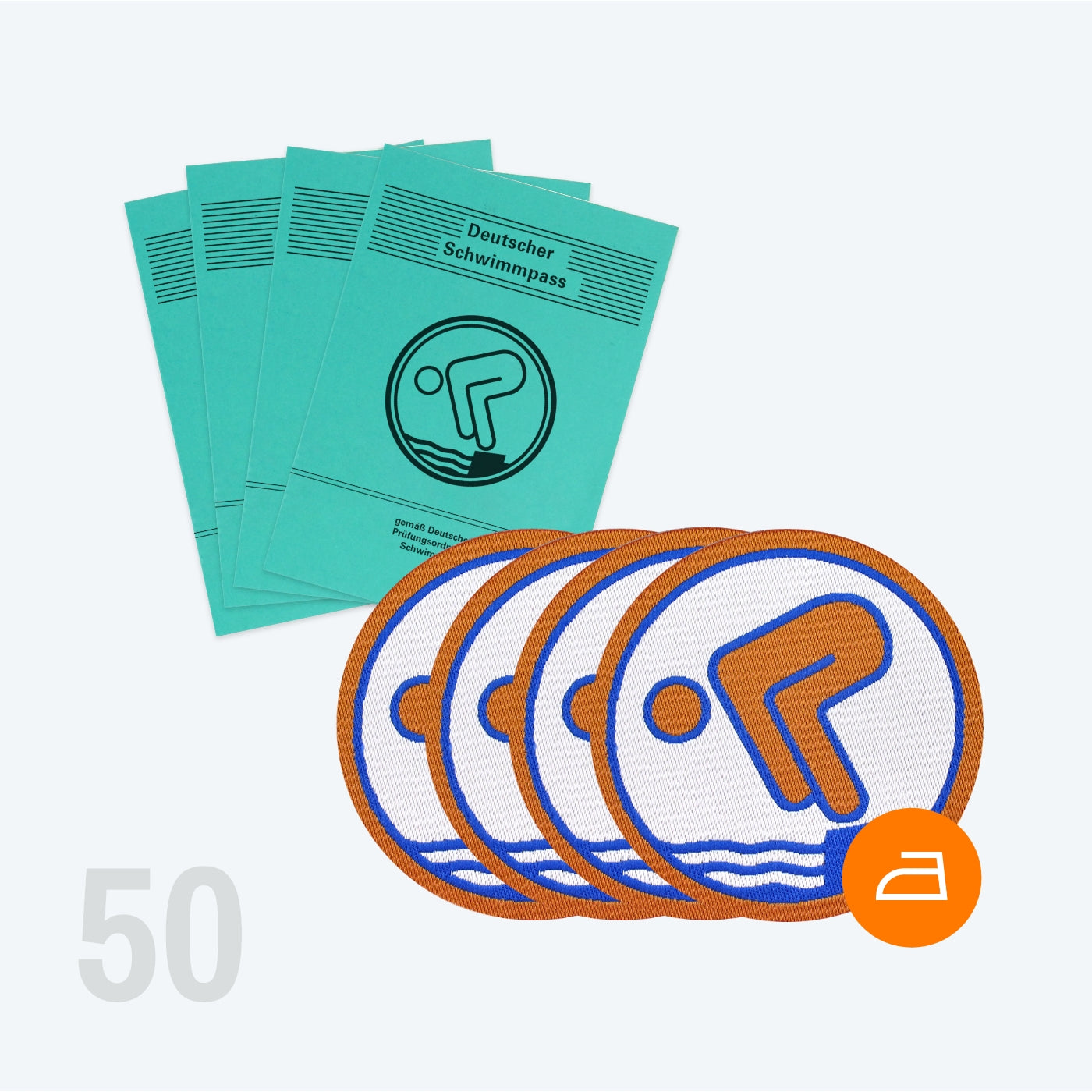
- Issuance of swimming badges
- Personal feedback and praise
Developmental psychologists emphasize that positive reinforcement is a central motivating factor for children. Swimming instructors should communicate progress transparently and appreciatively.
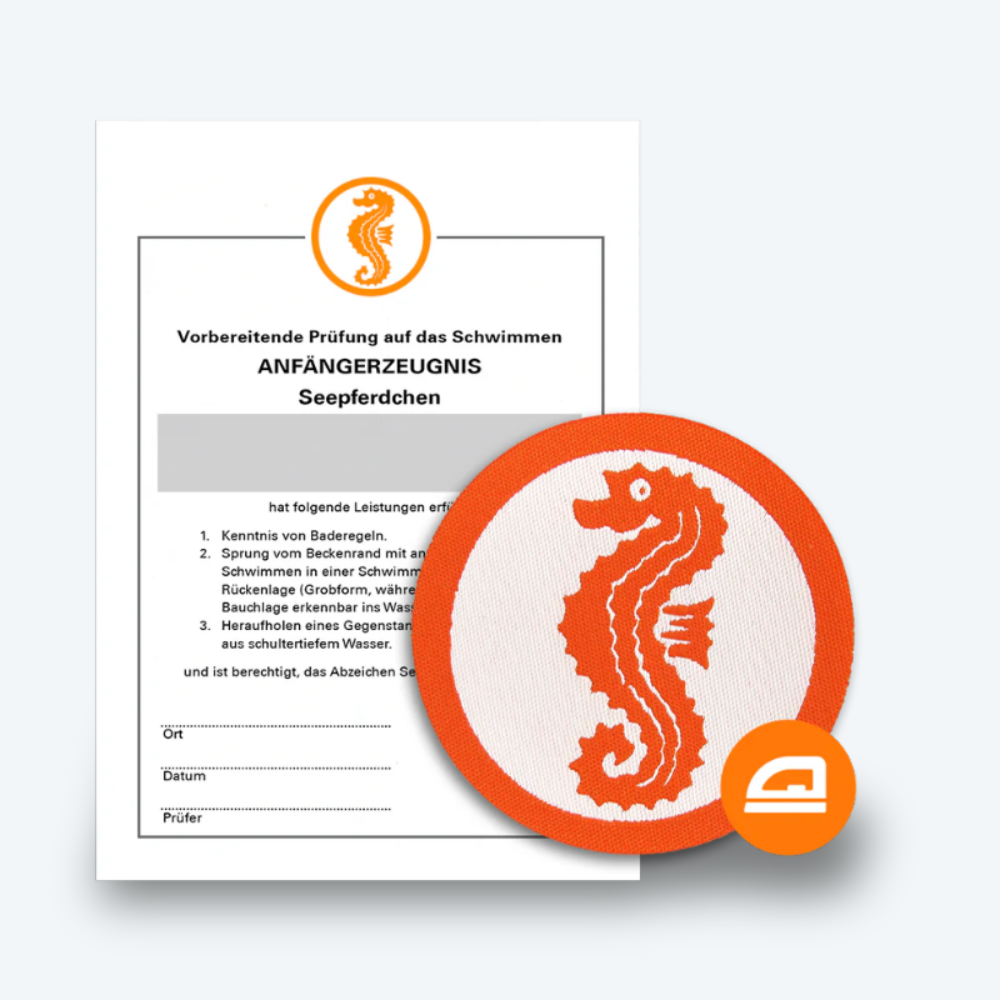
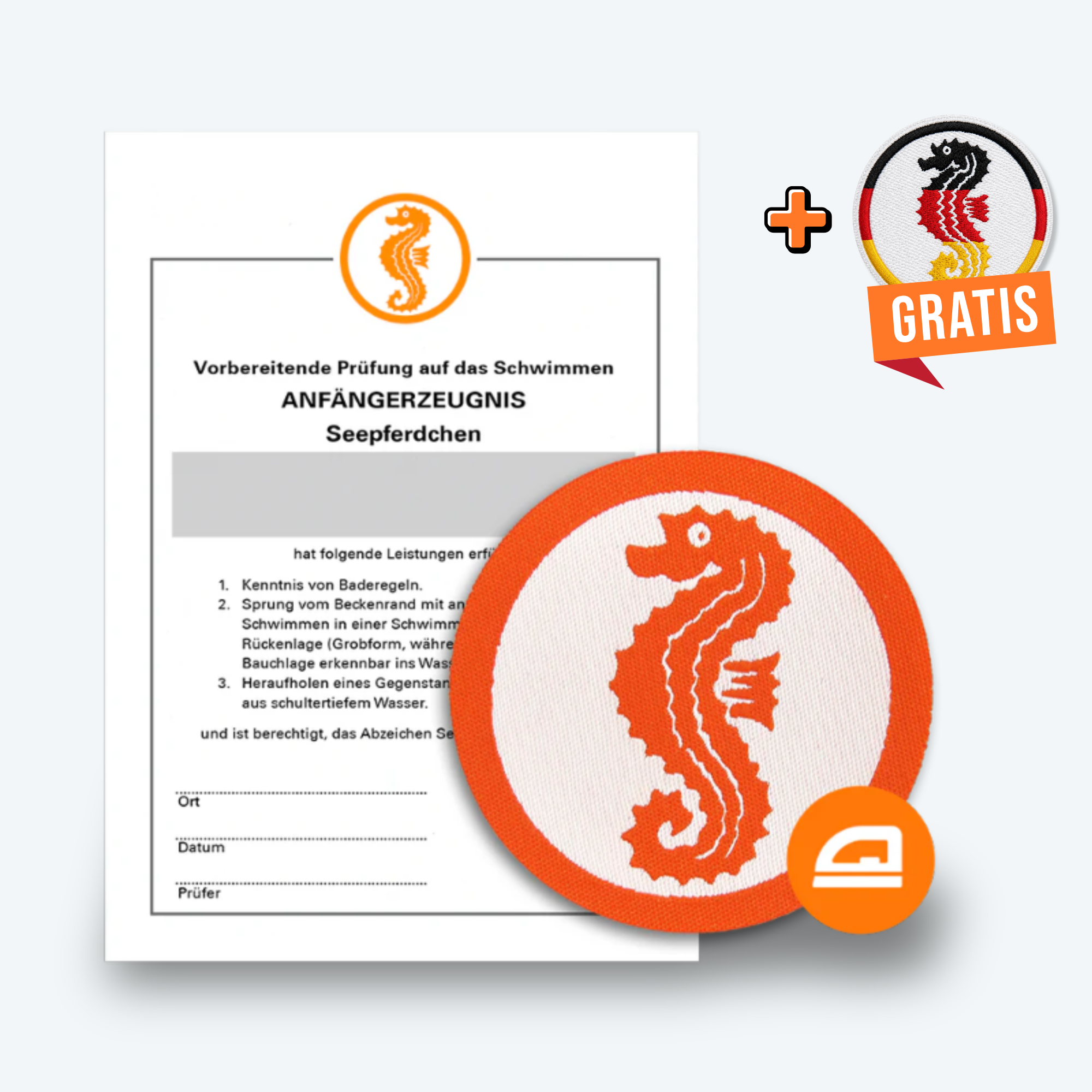
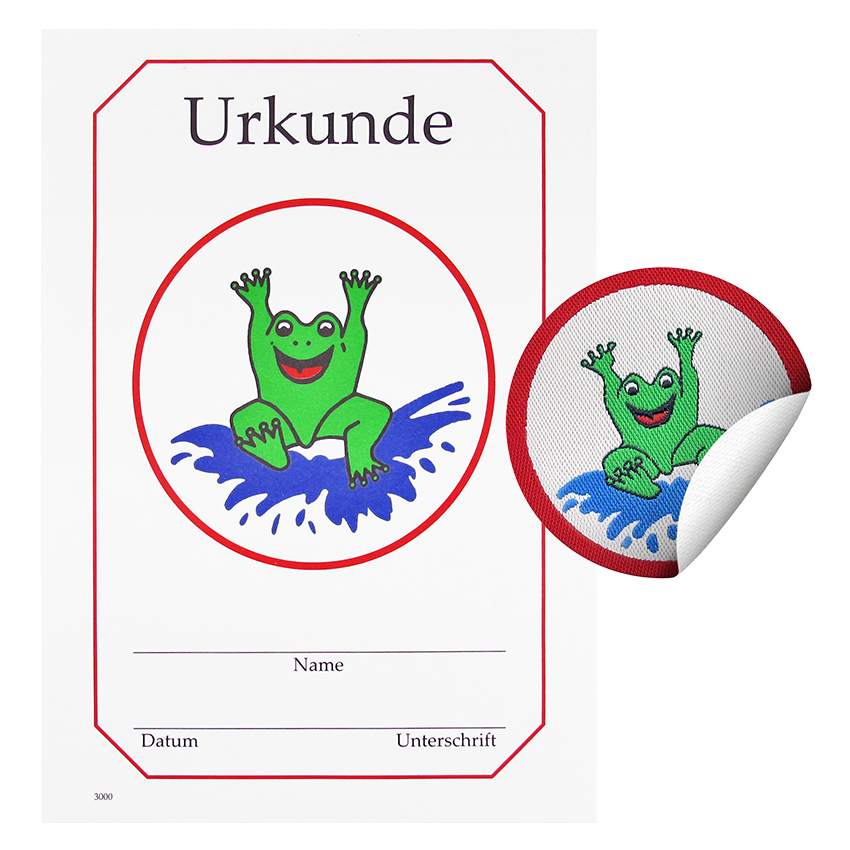
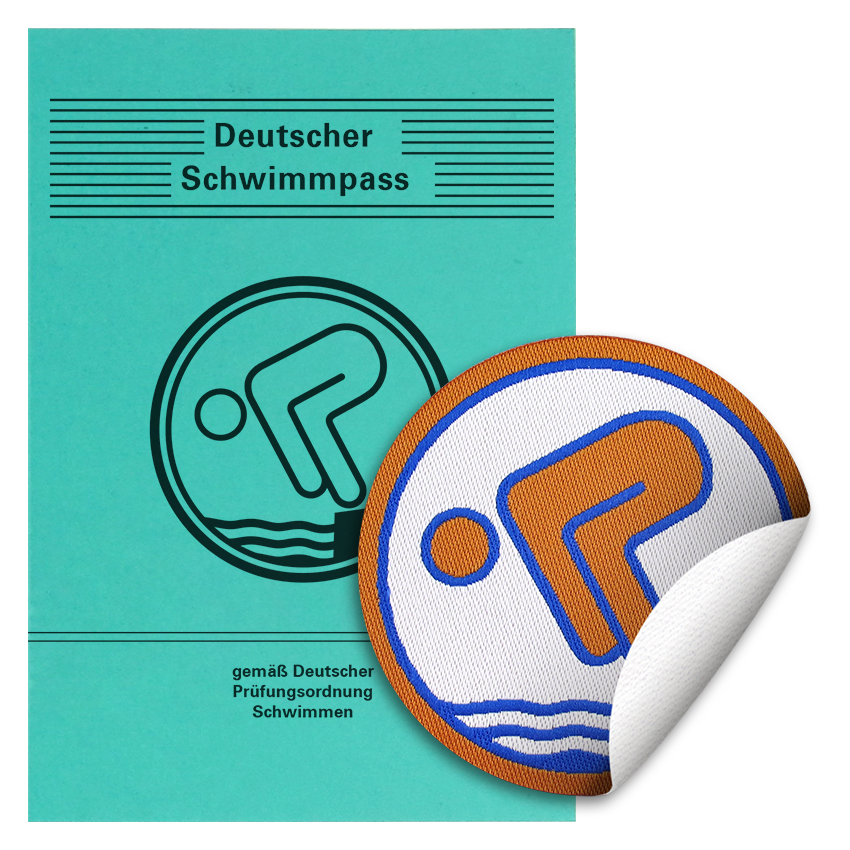
Badges and certificates play an important role in this. They not only document acquired skills but are also visible markers of success that make children proud and motivate them to continue.
For professional design of swimming certificates, we offer comprehensive advice and solutions.
An individual and appreciative approach is important. Every child develops differently, so progress should always be viewed and celebrated in a personal context. An individual approach motivates sustainably and promotes the joy of learning to swim.
To give you a complete overview of the most important contents of this article, the following table summarizes the key points and benefits of the 7 effective swimming lesson methods for children.
| Method/Aspect | Goal/Benefit | Important Notes |
|---|---|---|
| Water Familiarization for Children | Positive relationship with water, reduce fears | Gradual, playful, and patient approach |
| Teaching Swimming Techniques Playfully | Effective technique learning through fun and motivation | Imaginative exercises, adventure contexts, positive reinforcement |
| Using Aids | Increase safety, strengthen self-confidence | Use aids specifically, age-appropriately, and only in phases |
| Group Dynamics and Social Interaction | Promote social skills, teamwork, and motivation | Shared games/competitions, positive group atmosphere |
| Water Safety: Emergency Measures | Lifesaving behaviors, risk prevention | Recognize dangers, react correctly, build self-confidence |
| Documenting and Celebrating Progress | Increase motivation and self-esteem | Swimming badges, certificates, personal feedback, individual appreciation |
| General Principles | Individual support, positive motivation | Build trust, pay attention to developmental stage and fun |
How to sustainably reward and motivate young swimmers
Your child is making progress in learning to swim, but is still missing a visible reward for their diligence and overcoming their fear of water? As described in the article on the 7 effective swimming lesson methods for children, motivation and recognition are crucial for the learning process and self-confidence. Especially when children playfully master new swimming techniques or aim for their first badge, an official, high-quality badge gives a real boost. This is exactly where Pimpertz comes in.
Experience how originally certified swimming badges or lovingly designed certificates from our range make your child's efforts visible. Our swimming badges & certificates support parents, swimming schools, and clubs in documenting learning progress and celebrating it appropriately. You will also find suitable accessories for swimming badges and collector's albums with us. Get practical swimming packages now or find out more directly at www.pimpertz.de. Create an unforgettable moment today and give your child's success in the water the appreciation it deserves.
Frequently Asked Questions
What are the central goals of effective swimming lesson methods for children?
The central goals include developing water safety, learning basic swimming techniques, and strengthening self-confidence. Make sure the methods are fun and tailored to the individual needs of the children.
How can I make water familiarization easier for my child?
A playful and gradual approach to water is crucial. Start with simple water games and positive reinforcement to build your child's confidence in the water within the first few lesson units.
Which swimming aids are best suited for beginners?
Armbands, swim noodles, and small kickboards are suitable for beginners. Use these aids specifically to increase safety and simultaneously promote your child's independence within the first months of training.
How do I foster group dynamics in swimming lessons?
Make swimming lessons interesting through group exercises and team games. Promote team spirit and mutual support by regularly integrating joint competitions within the lesson hours.
What should I do to document my child's progress in swimming training?
Regularly create individual learning progress reports and visual documentation of your child's progress. Celebrate every small success, for example by awarding swimming badges, to increase your child's motivation and self-confidence.
What emergency measures are important for water safety?
Recognizing one's own performance limits, staying calm in stressful situations, and calling for help are important. Teach your child these techniques early on to ensure their safety in the water within the first few lesson units.