
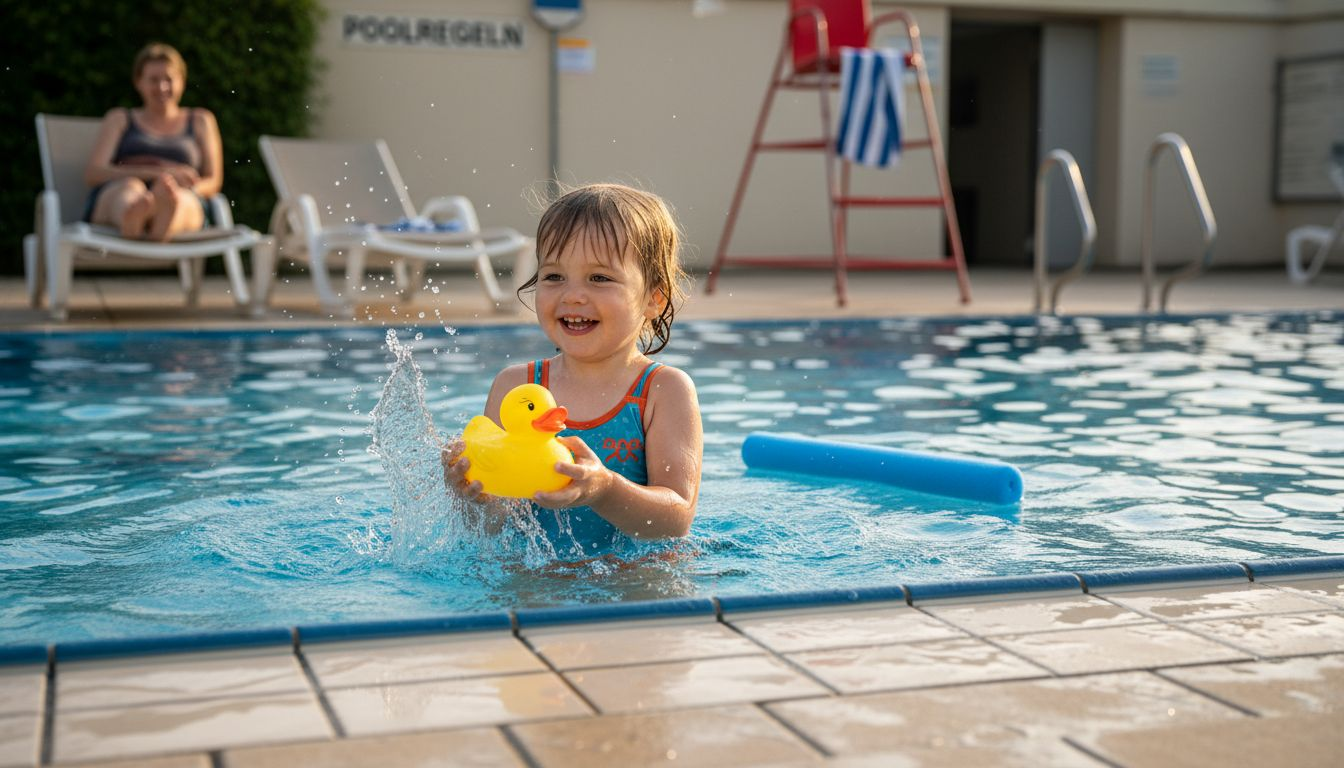
7 Creative Tips for Bathtime Fun with Preschoolers
Your child is enthusiastic about water, but uncertainty and small fears often hinder the initial swimming fun. Especially with preschoolers, a lot of sensitivity is needed to gradually build trust. Without targeted support, joy and safety in the water quickly fall by the wayside.
The best part is: there are very practical approaches you can use to give your child confidence, fun, and motivation when learning to swim. From playful water games to motivating swimming badges, you'll find solutions that really work.
Look forward to concrete tips that will help you and your preschooler overcome the most important hurdles more quickly and calmly. Behind each point, you'll find a practical piece of advice that is guaranteed to make learning to swim easier.
Table of Contents
- 1. Safe handling of water through child-friendly preparation
- 2. Fun water games to promote motor skills and confidence
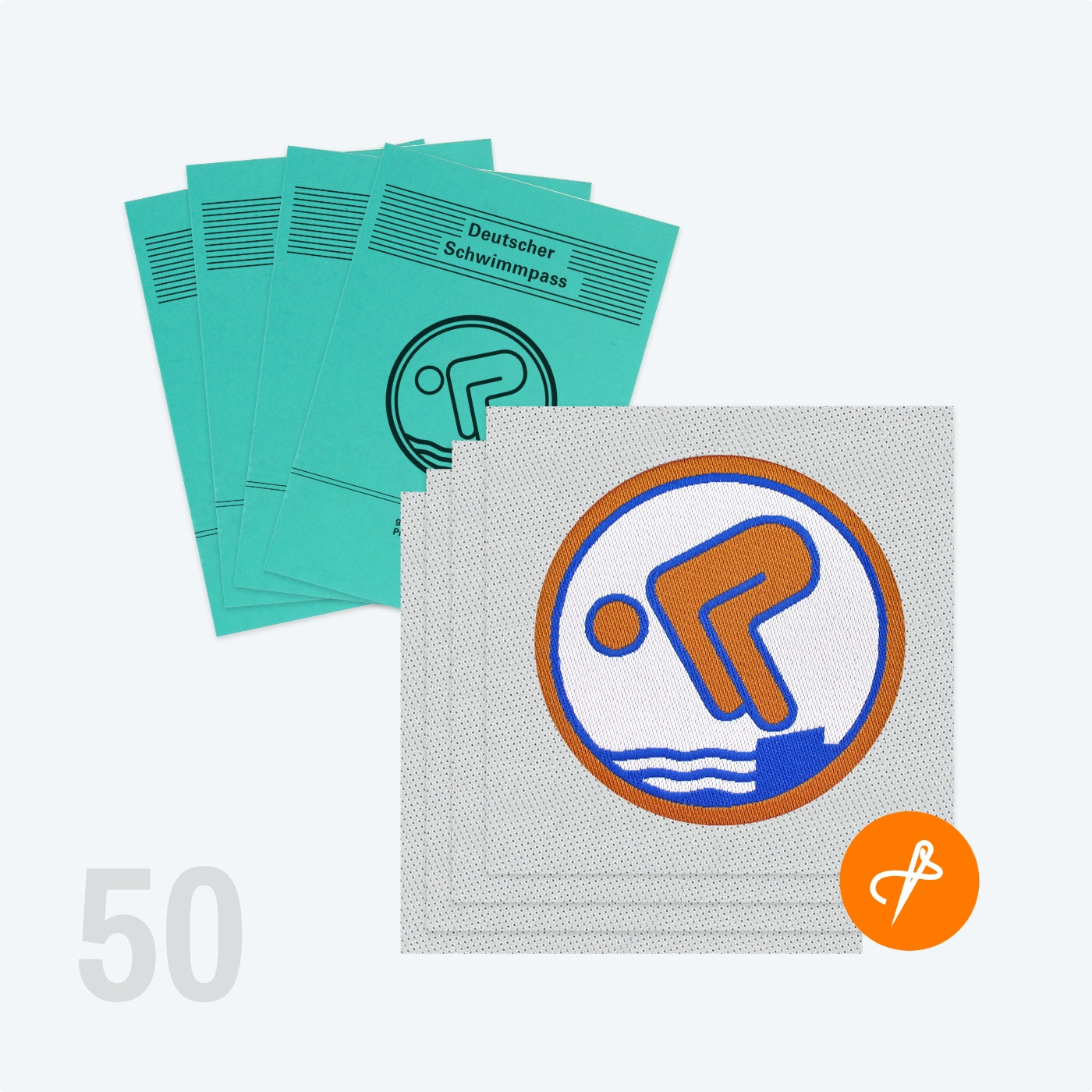
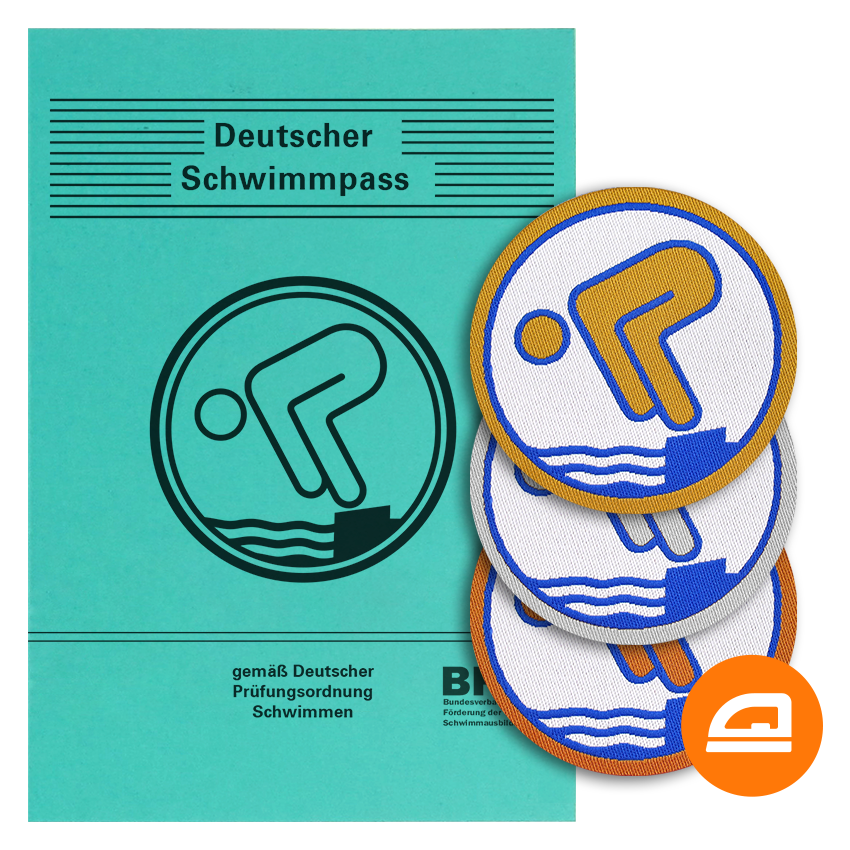
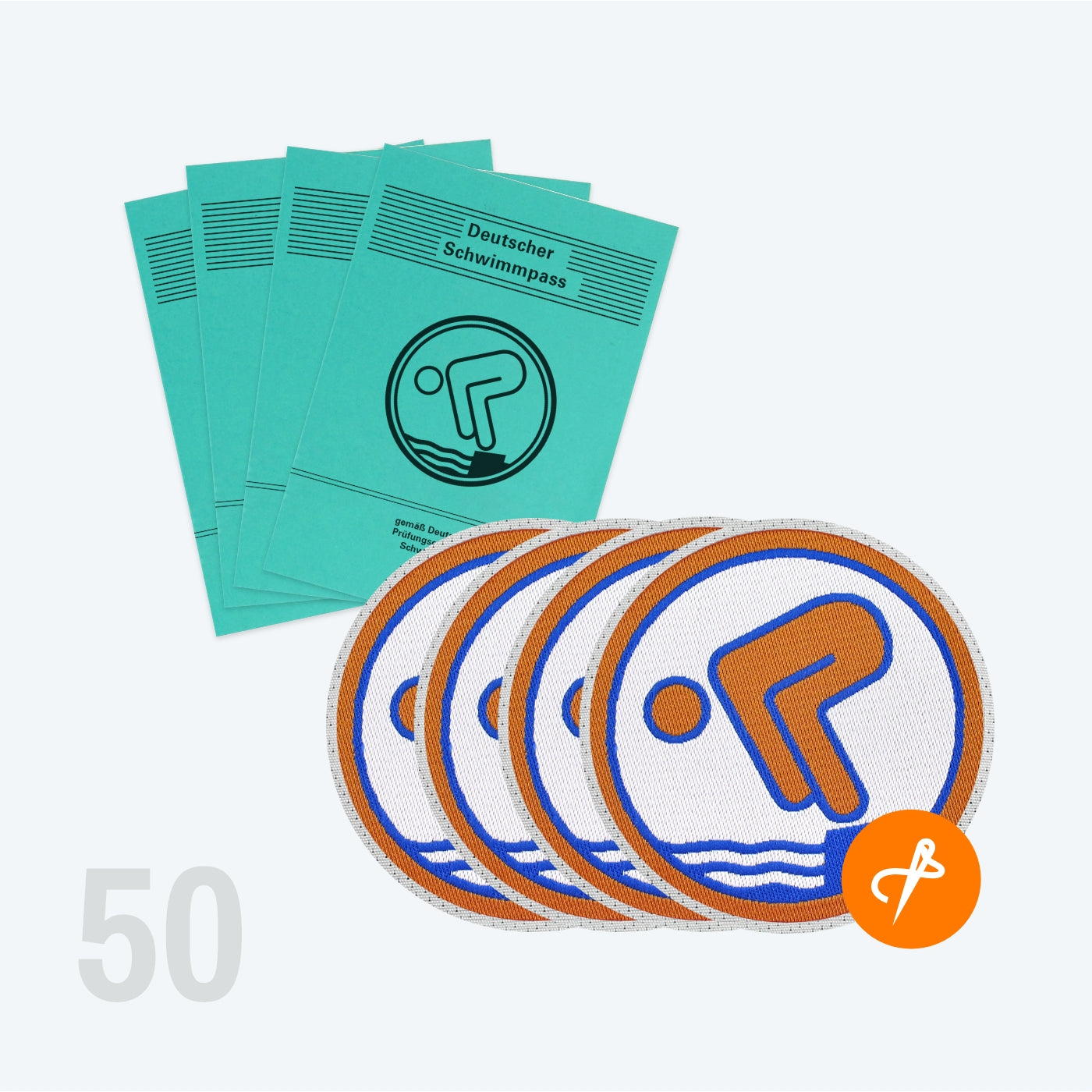
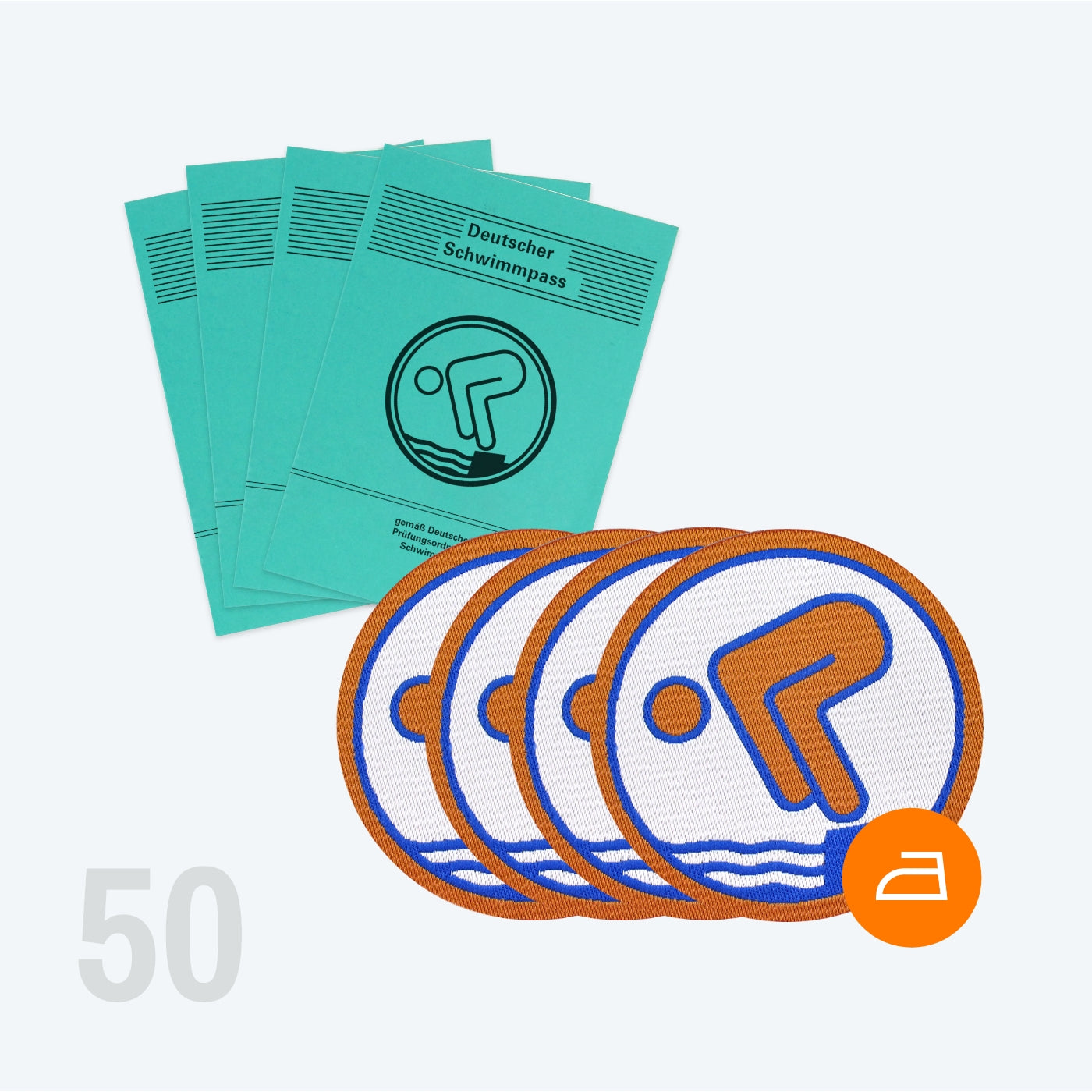
- 3. Using swimming badges as motivation for practice
- 4. Choosing suitable accessories for more comfort and protection
- 5. Playfully teaching important swimming rules
- 6. Establishing shared routines for fun and safety
- 7. Celebrating progress and appreciating swimming achievements
Quick Summary
| Key Insight | Explanation |
|---|---|
| 1. Child-friendly water acclimatization is essential | A playful and positive introduction builds trust and safety in the water. |
| 2. Water games promote motor skills and self-confidence | Creative games support motor development and make children familiar with water. |
| 3. Swimming badges motivate children | Visible achievements like badges increase joy and self-confidence when learning to swim. |
| 4. Proper accessories enhance safety | High-quality swimming aids and swimwear provide more comfort and confidence in the water. |
| 5. Use games to teach swimming rules | Playful methods help children learn and apply important safety rules more easily. |
1. Safe handling of water through child-friendly preparation
The first step towards safe swimming begins with thoughtful and child-friendly preparation. Preschoolers need a gentle introduction to the aquatic world that is fun and builds confidence at the same time.
Water acclimatization for toddlers requires a special pedagogical approach. Parents should make interaction with water playful and without pressure. This means:
- Creating a positive atmosphere
- Slowly building trust
- Awakening fun and curiosity about water
- Enabling small successes
The right equipment is also important. Children need suitable swimming aids that give them security while allowing freedom of movement. Pay attention to:
- Well-fitting life jackets
- Comfortable swimwear
- Non-slip water shoes
- Sun protection
Child-friendly preparation means: creating safety without causing fear.
Pro tip: Introduce water games that playfully strengthen your child's confidence and slowly introduce them to the element of water.
2. Fun water games to promote motor skills and confidence
Water games are not only entertaining but also an excellent way to promote the motor development and self-confidence of preschoolers. The right games can help children move safely and relaxed in the water.
Funny water games are about combining fun and learning. Some creative activities can playfully support motor skills:
- Water balloon volleyball
- Sponge relay
- Water gun target practice
- Ice block treasure hunt
Motor development is promoted on several levels through these games. Children train:
- Hand-eye coordination
- Spatial awareness
- Gross and fine motor skills
- Sense of balance
Water games are key to teaching children joy and safety in the water.
Pro tip: Vary the water games regularly to keep your child interested and create new motor challenges.
3. Using swimming badges as motivation for practice
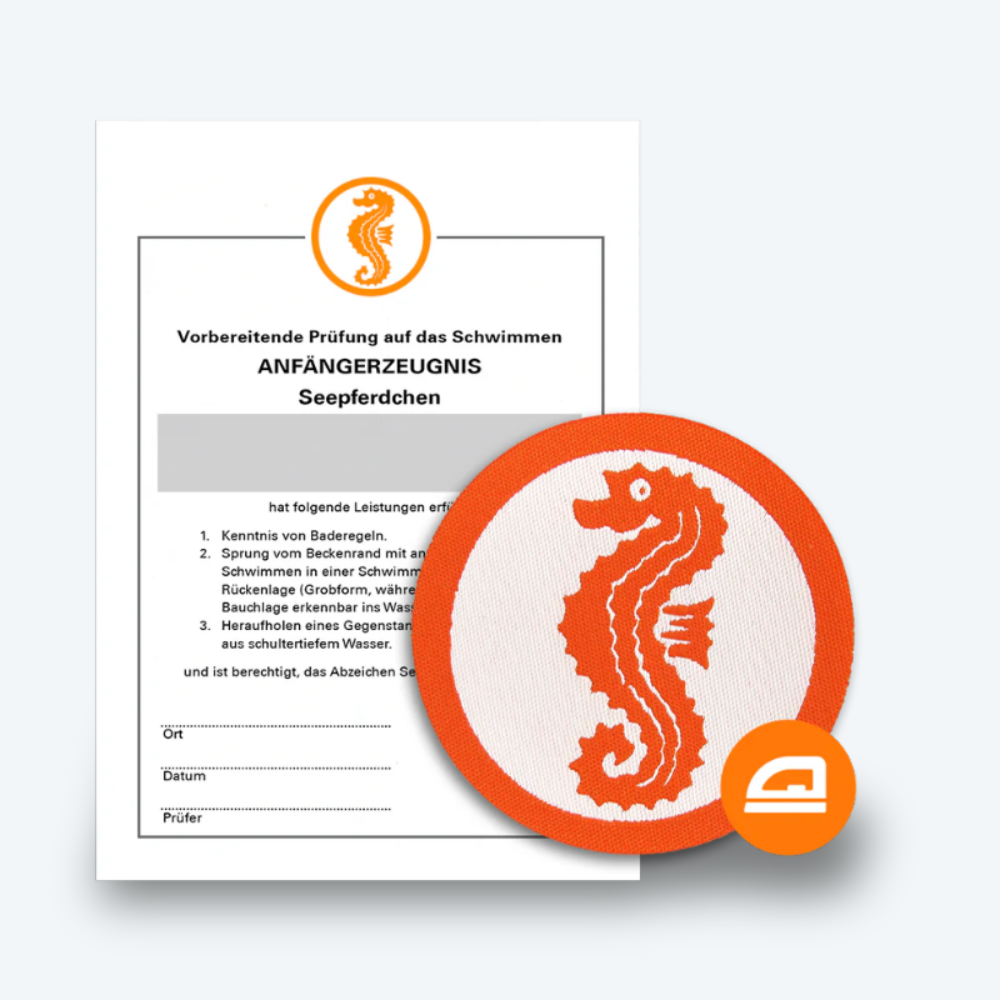
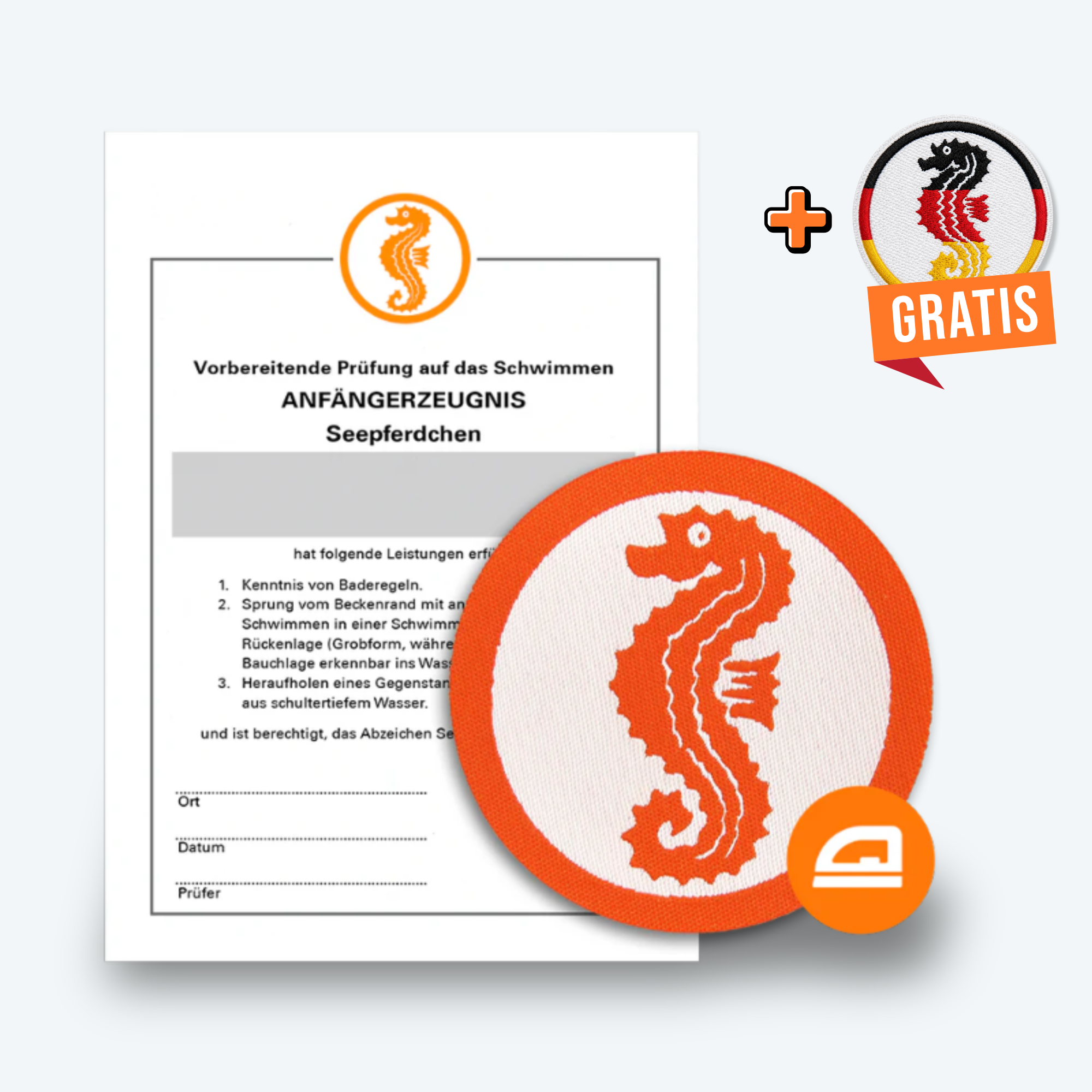
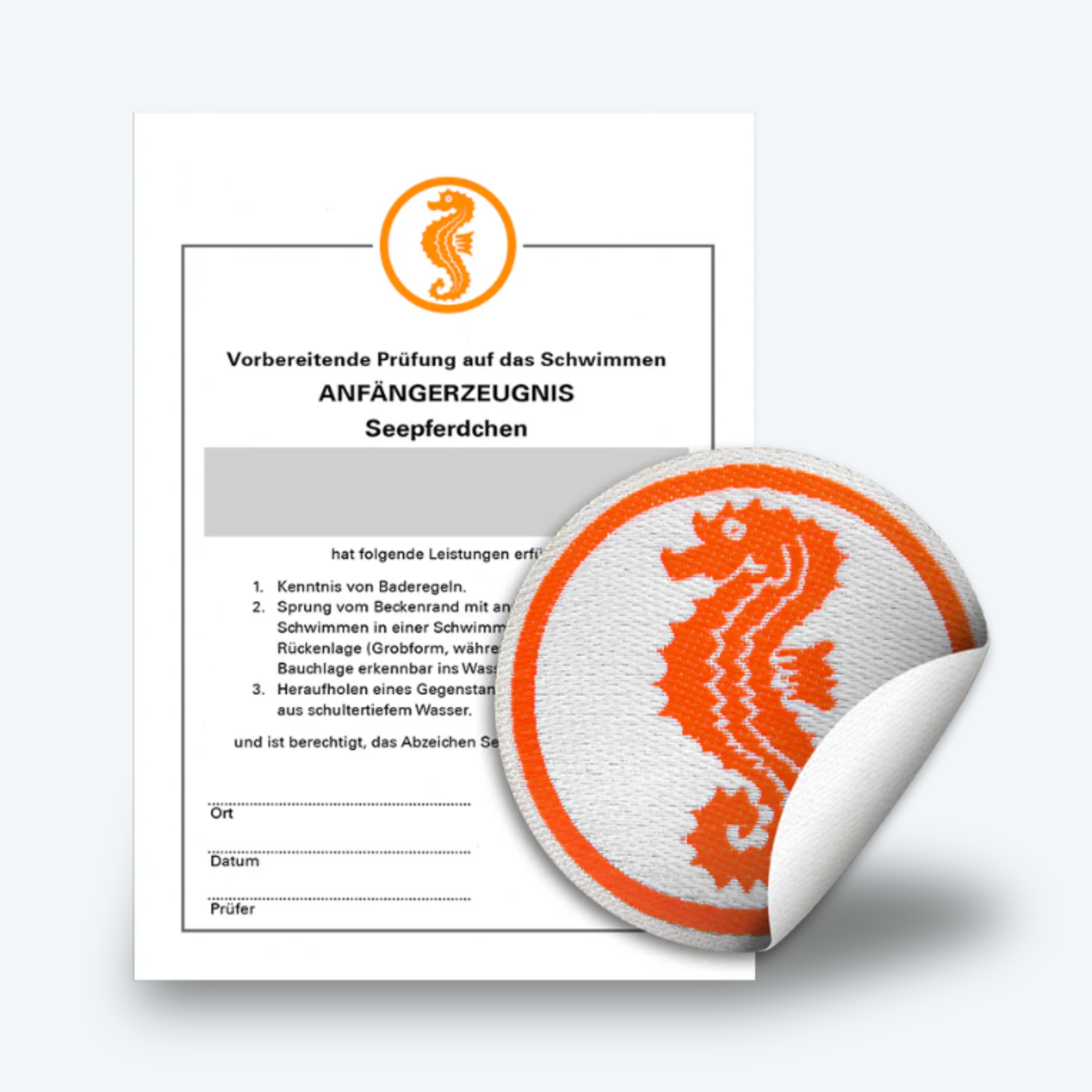
Swimming badges are more than just colorful pins. They are a powerful motivational tool for children learning to swim. With the right badges, parents can positively shape the learning process and increase their preschoolers' enthusiasm.
Motivation through swimming badges works on a simple principle. Children need visible successes to develop joy in learning. Child-friendly badges like these help:
- Seahorse badge
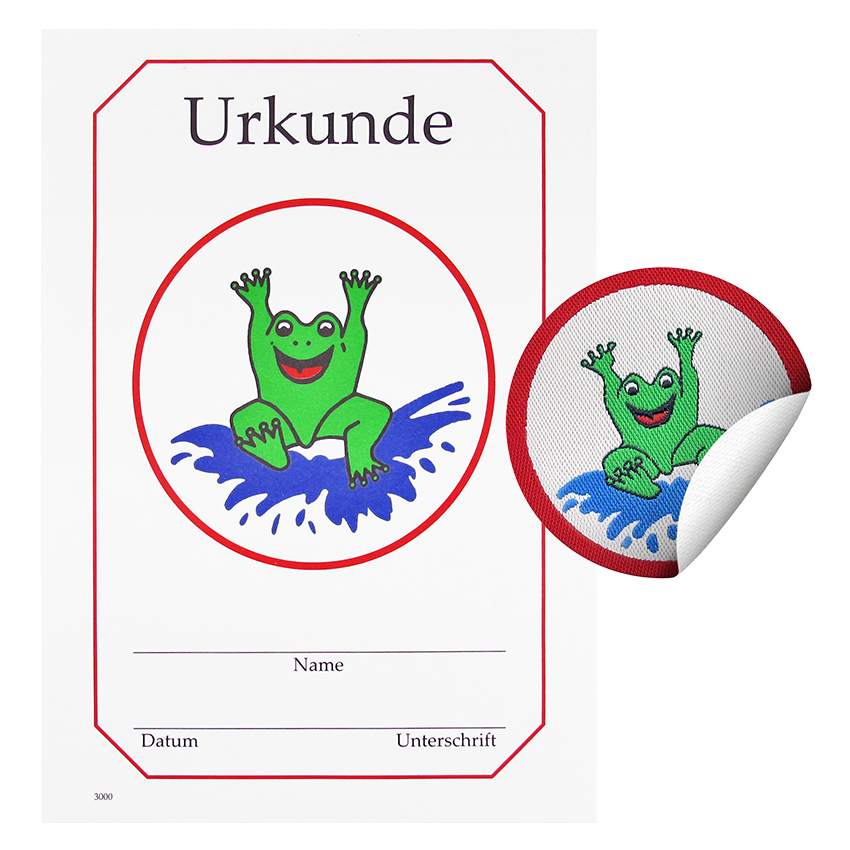
- Frog level
- Penguin swimming level
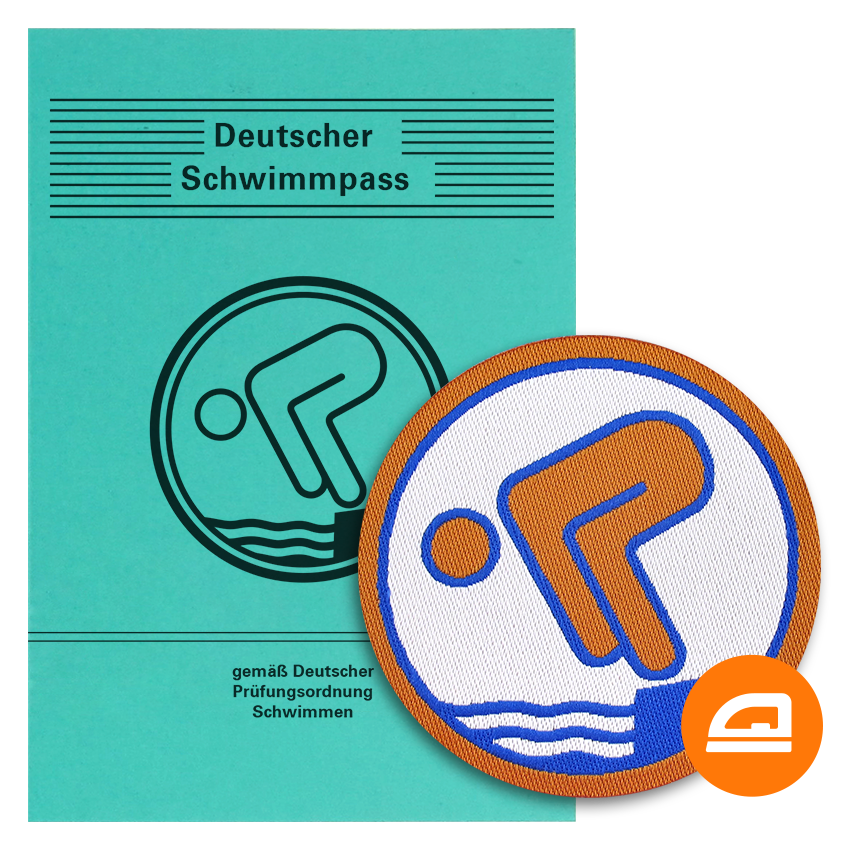
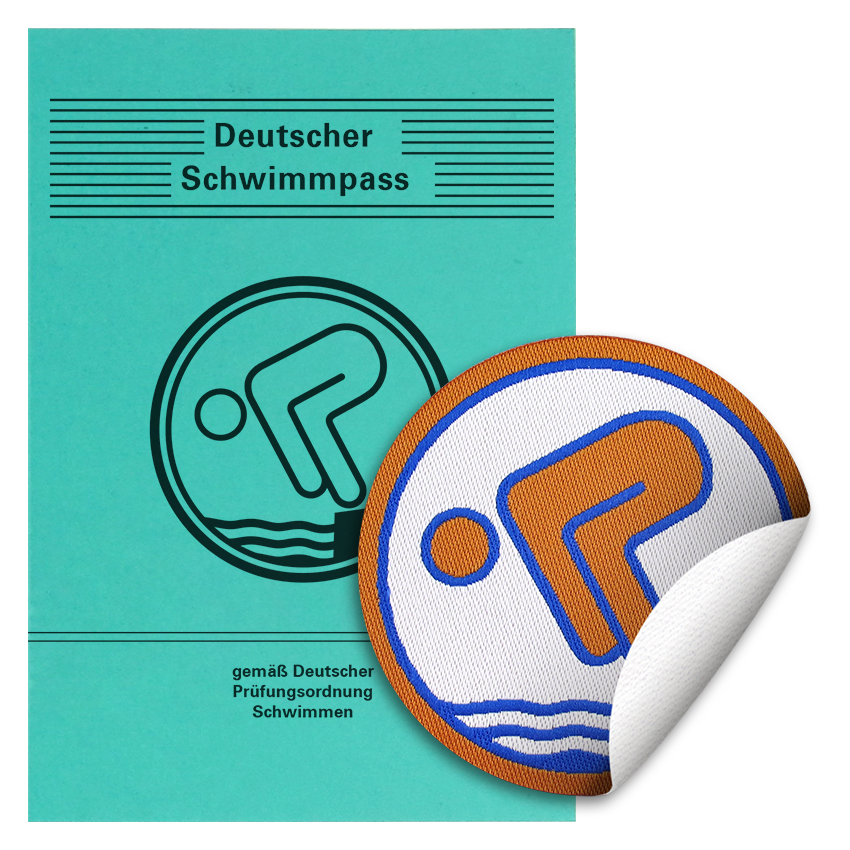
- First swimming badges
Psychological effect of badges:
- Visible recognition
- Measurable progress
- Pride and self-confidence
- Incentive to continue learning
Every swimming badge is a small milestone on the way to water competence.
Pro tip: Make the badge ceremony a special event and celebrate every success of your child extensively.
4. Choosing suitable accessories for more comfort and protection
The right equipment makes the difference between a pleasant and a stressful day at the pool with preschoolers. High-quality and well-designed accessories can make the swimming experience safer and more relaxed.
According to swimming accessory recommendations, parents should pay particular attention to the following equipment:
- Suitable swimming aids
- Child-friendly swimwear
- Non-slip water shoes
- Armbands
- Noodles
Important selection criteria for swimming accessories:
- Perfect fit
- High-quality materials
- Sufficient safety features
- Child's comfort
- Age-appropriate designs
Good accessories build trust and joy in the water.
Pro tip: Always buy swimming accessories with your child and let them help choose to increase motivation.
5. Playfully teaching important swimming rules
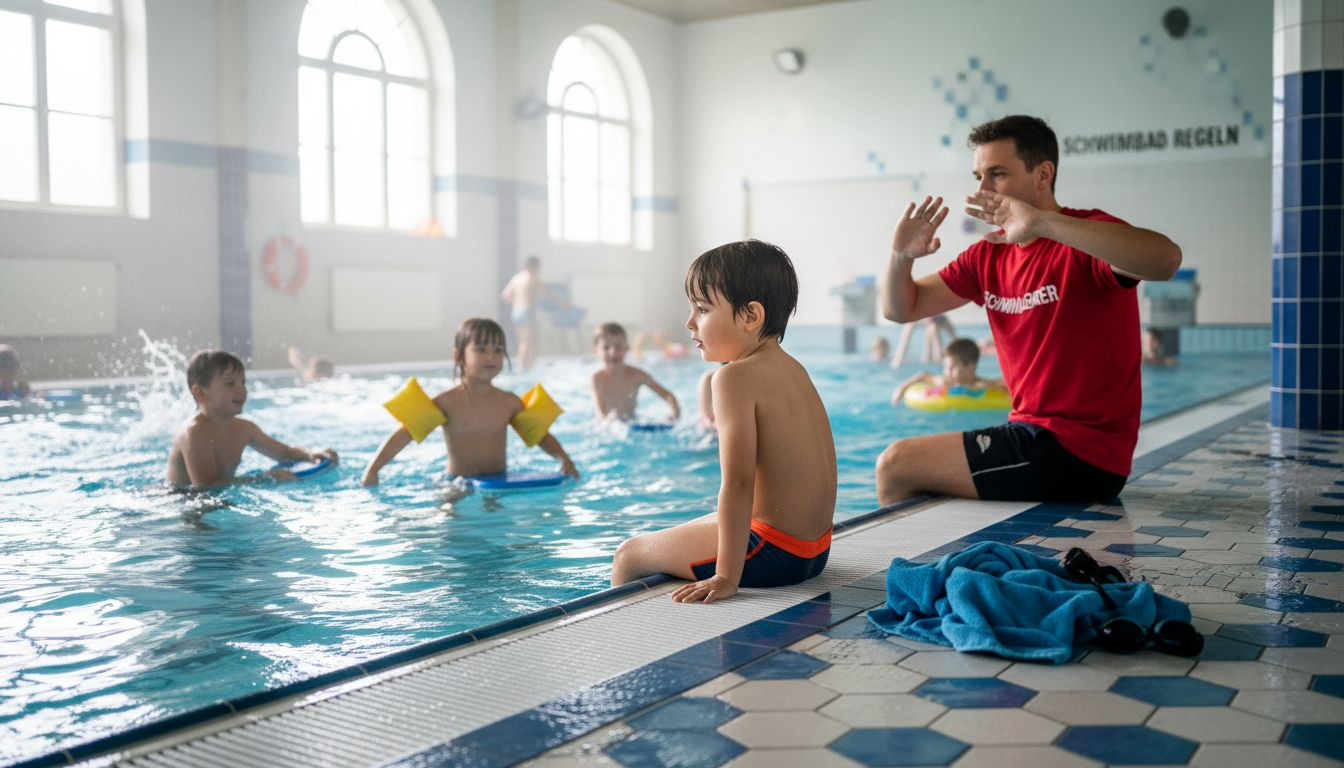
Swimming rules can quickly seem boring. Yet they are vital for children's safety. The key is to teach these rules playfully and excitingly.
Swimming rules for children should be explained in a child-friendly and entertaining way. Here are some creative approaches:
- Role-playing for water behavior
- Memory games with safety rules
- Story with water safety messages
- Reward system for correct behavior
Important basic rules for preschoolers:
- Never swim unsupervised
- Don't roughhouse wildly
- Listen to instructions
- Help others
- Recognize dangers
Safety and fun are not contradictory – they belong together.
Pro tip: Practice swimming rules through short, fun role-playing games and make serious topics playfully easy to understand.
6. Establishing shared routines for fun and safety
Routines are more than just repetitions. They create trust, structure, and a sense of security for preschoolers. Especially when swimming, shared routines can convey safety and joy at the same time.
When swimming with children, consistent routines help reduce fears and build self-confidence. Here are some proven routines:
- Jointly putting on swimwear
- Preparatory warm-up games
- Fixed greeting routine at the pool edge
- Same warm-up song before swimming
- Joint check-in of safety rules
Benefits of swimming routines for children:
- Reduce uncertainty
- Create emotional bonding
- Promote trust
- Make swimming predictable
- Increase anticipation
A well-established routine is like an invisible shield for children.
Pro tip: Design the routines individually and let your child help decide to increase motivation.
7. Celebrating progress and appreciating swimming achievements
Every small swimming movement is a success. Appreciating progress motivates preschoolers and strengthens their self-confidence in dealing with water.
Motivation through badges is an effective approach to encourage children. Various methods can help:
- Making small successes visible
- Documenting personal progress
- Highlighting individual achievements
- Giving positive feedback
Strategies for appreciating success:
- Individual progress certificates
- Personal photo documentation
- Small rewards
- Public praise
- Joint celebration
Every step forward is a step closer to water competence.
Pro tip: Create a personal progress wall where all of your child's swimming achievements can be visibly and proudly displayed.
Here is a summary of the content presented in the article using an overview table that shows the main questions, measures, and benefits.
| Topic | Measures and Approaches | Benefits and Results |
|---|---|---|
| Child-friendly Water Acclimatization | Playful interaction with water; Creating a positive atmosphere; Enabling small successes | Reducing fears; Fostering trust and curiosity |
| Fun Water Games | Creative activities like water balloon volleyball and sponge relay | Promoting motor skills; Improving hand-eye coordination |
| Motivation through Swimming Badges | Use of seahorse and other badges | Fostering children's engagement; Increasing pride and joy in learning |
| Suitable Accessories | Use of child-friendly swimwear and swimming aids like life jackets | Protection and comfort; Improving the swimming experience |
| Important Swimming Rules | Experiential methods like role-playing and reward systems | Increasing safety; Deepening understanding of correct behavior |
| Shared Routines | Repeatable processes such as greeting routines and warm-up games | Promoting trust and structure; Reducing uncertainties |
| Celebrating Progress | Documenting successes; Small rewards after achievements | Boosting self-confidence; Motivation to try new skills |
More Safety and Fun When Swimming with Preschoolers Thanks to Pimpertz
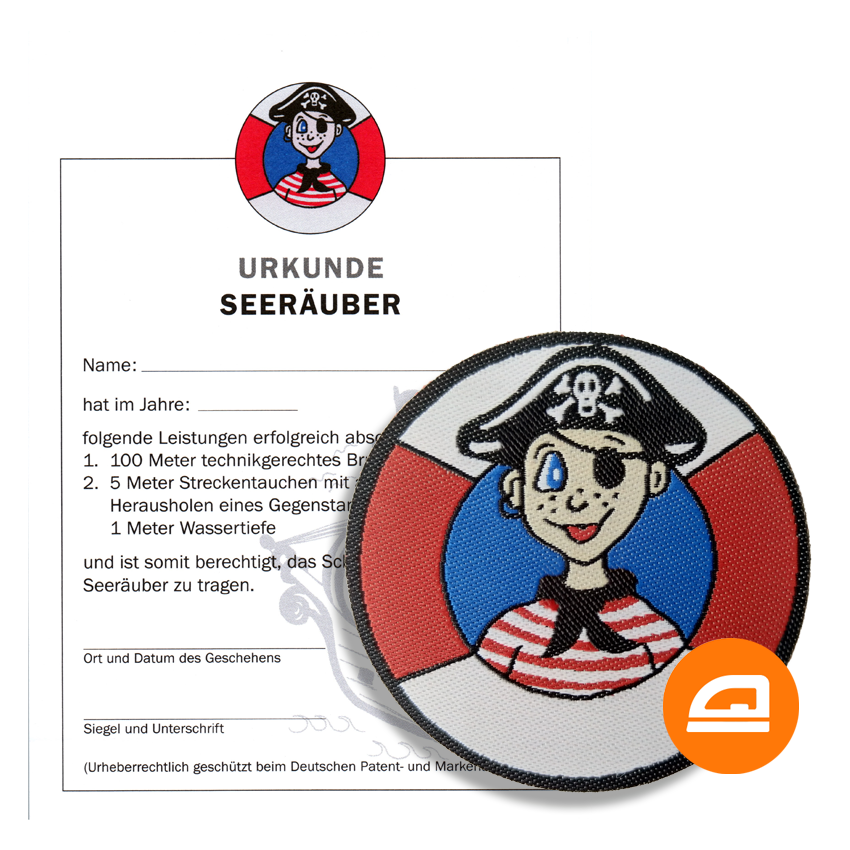
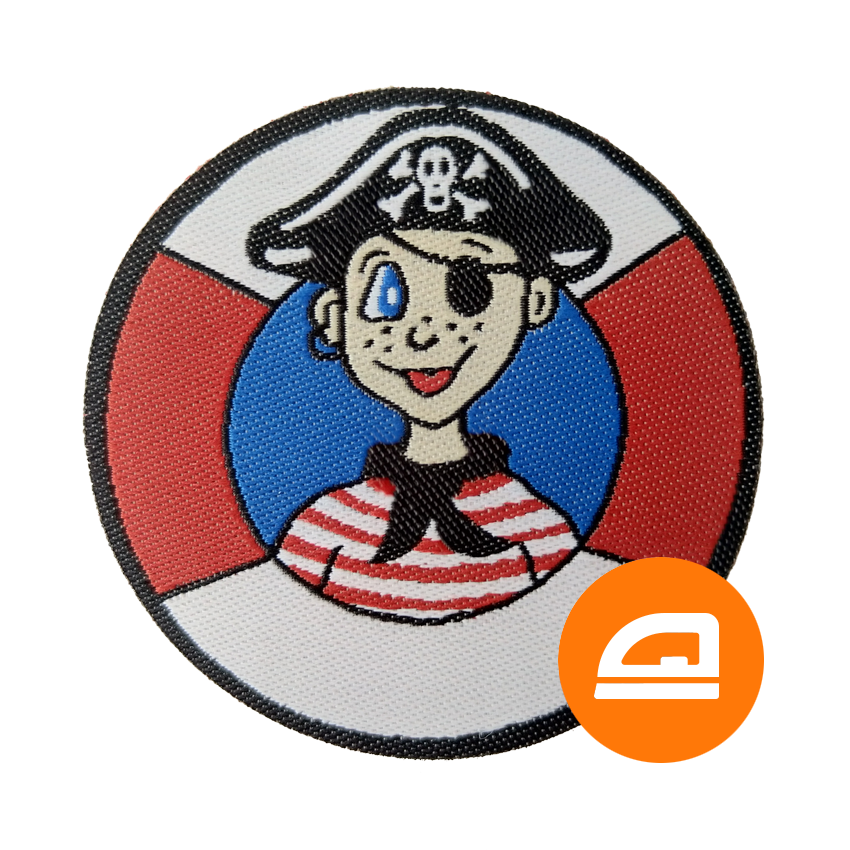
Children need loving and playful guidance when learning to swim. The 7 creative tips show how important child-friendly preparation, safe swimming aids, and motivating swimming badges are. This is exactly where Pimpertz comes in, with a comprehensive range of high-quality swimming badges such as the popular Pirat Pimpi® swimming badges & certificates. This makes it playful to celebrate progress and sustainably promote joy in the water.
Trust in over 38 years of experience and official partnerships with DLRG and BFS. Discover swimming accessories and personalized sets optimally tailored to the needs of preschoolers at pimpertz.de. Start now and make every swim day an unforgettable experience full of safety and motivation.
Frequently Asked Questions
How can I make water acclimatization playful for my preschooler?
To make water acclimatization playful for your preschooler, you should create a positive atmosphere and build trust. Introduce simple water games and familiar routines that gently introduce the child to the element of water.
Which swimming aids are recommended for preschoolers?
Recommended swimming aids for preschoolers are well-fitting life jackets and non-slip water shoes. Make sure that the swimming aids are comfortable and allow freedom of movement to ensure safety and comfort in the water.
How can I properly appreciate my child's progress in swimming?
Appreciate your child's progress in swimming by making small successes visible and giving positive feedback. Create a personal progress wall where all achievements are documented to strengthen self-confidence.
Which swimming rules should I playfully teach my preschooler?
You should teach your preschooler swimming rules like "Never swim unsupervised" and "Listen to instructions". Use role-playing or stories to convey these important rules playfully and entertainingly.
How can I increase swimming fun through shared routines?
Increase swimming fun by introducing shared routines that provide structure and security, such as putting on swimwear together or established warm-up games. Such routines reduce uncertainty and make swimming more predictable and enjoyable for your child.
Which fun water games promote my preschooler's motor skills?
Fun water games like water balloon volleyball or sponge relays are excellent for promoting your preschooler's motor skills. Vary these games regularly to keep interest high and create new motor challenges.