


7 valuable tips for successful swimming lessons
Almost every second child in Germany cannot swim safely by the end of primary school. Swimming lessons present many families and educators with major challenges, as safety and fun in the water are not a given. Parents want to give their children the best start, but often lack the right roadmap. Knowing how preparation, motivation, and age-appropriate methods interact lays the foundation for real learning success and lasting water safety.
Table of Contents
- The Right Preparation for Swimming Lessons
- Playful Learning with Age-Appropriate Exercises
- Building Water Safety and Trust
- Individual Support Based on Developmental Stage
- Creating Experiences of Success with Badges and Certificates
- Conveying Important Safety Rules in a Child-Friendly Manner
- Strengthening Collaboration Between Parents, Teachers, and Clubs
Quick Summary
| Takeaway | Explanation |
|---|---|
| 1. Emotional preparation is crucial. | Positive conversations about swimming increase anticipation and reduce fears. |
| 2. Playful learning promotes motivation. | Wrap swimming techniques into creative games to make learning enjoyable. |
| 3. Build trust through a gradual introduction. | Children should be introduced to the water step by step to reduce fears. |
| 4. Support individual development. | Adapt learning to each child's individual pace and needs. |
| 5. Acknowledge achievements with badges. | Visible symbols of success motivate children and boost their self-confidence. |
1. The Right Preparation for Swimming Lessons
The first step to successful swimming lessons begins long before arriving at the swimming pool. Thoughtful preparation is crucial to enable children to have a positive and safe learning experience.
Start with the child's emotional preparation. Talk openly and positively about learning to swim, building anticipation and curiosity. Avoid statements that could cause fear. Instead, focus on the joy and adventure of water sports.
Practical preparations include:
- Providing suitable swimwear
- Packing towels and changing items
- Having goggles and a swim cap ready
- Bringing a cuddly toy or transitional object
Another important dimension is physical preparation. Ensure adequate sleep before the swimming course and offer a light but nutritious meal. Avoid heavy foods that could make the child tired.
For additional tips on swimming lessons for young children, we recommend our Swimming Course for 5-Year-Olds: Learning to Swim Safely article.
Take time for an open dialogue with the child. Listen to concerns and take them seriously. Show understanding and support. A child who feels emotionally secure and understood will approach the swimming course with much more motivation and relaxation.
2. Playful Learning with Age-Appropriate Exercises
Children learn best when swimming is presented as an exciting adventure rather than a chore. Playful learning is the key to generating joy and motivation during swimming lessons.
The basic idea is to package swimming techniques into entertaining and age-appropriate games. For toddlers, this means imaginative tasks like "catching seahorses" or "underwater treasure hunt," which simultaneously train fundamental water movements.
Important aspects of playful learning:
- Short exercise units of maximum 15 minutes
- Varied games with clear rules
- Positive reinforcement and praise
- Consideration of individual progress
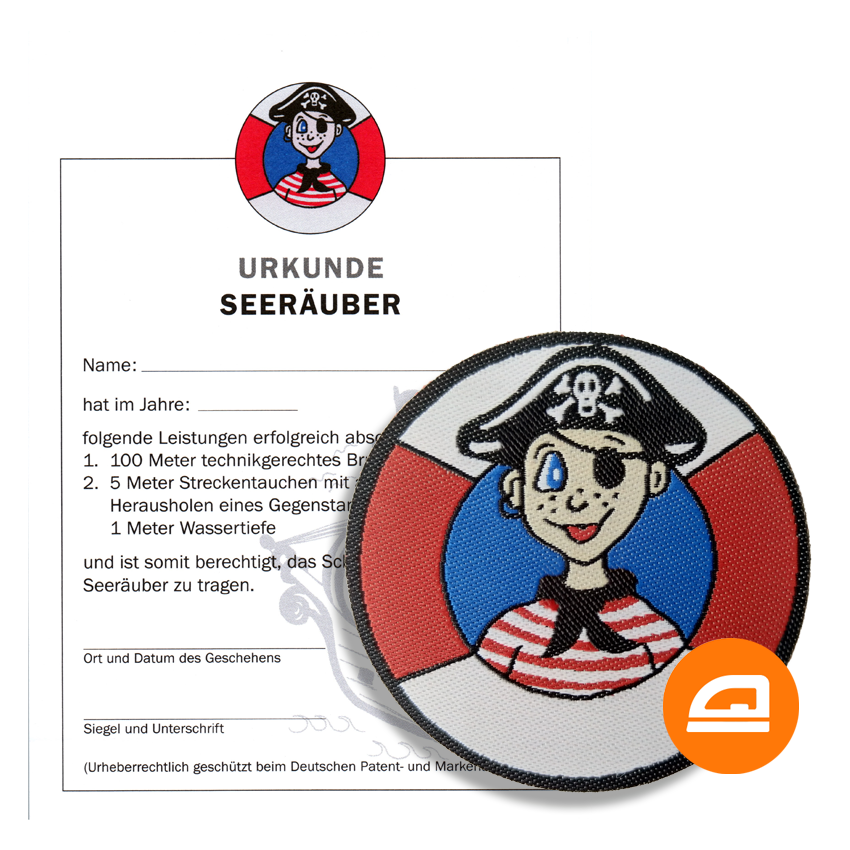
For younger children, games should be particularly creative. Transform swimming techniques into small missions like "rescue the pirate" or "swim like a dolphin." These methods make learning fun and reduce fears.
For detailed information on swimming courses for young children, we recommend our Swimming Course from 3: Learning to Swim Safely for Children article.
The goal is to build a positive relationship with the water. Every child has their own learning pace. Patience, empathy, and playful approaches are crucial for success.
3. Building Water Safety and Trust
Water safety is more than just a technical skill. It's about a deep emotional understanding and trust in and with the water. Children need to learn to feel safe and relaxed before they can learn actual swimming techniques.
Building water safety begins with the smallest steps. Gently introduce children to the water. Let them explore the water's surface first, playfully experiment with splashes, and get to know their own limits.
Practical exercises for water safety:
- Water familiarization through gentle splashing
- Breathing relaxation exercises at the pool edge
- Underwater games with minimal depth
- Partner exercises with absolute safety supervision
More important than perfect technique is building trust. A child who feels safe and accepted will be more open to learning experiences. Avoid pressure and coercion. Every child has their own pace of approaching the water.
For additional insights into child-friendly swimming courses, we recommend our 7 Important Swimming Learning Tips for Parents and Trainers article.
Consider individual fears and insecurities. A trusting relationship between swimming instructor and child is key to success. Patience, empathy, and a positive atmosphere lay the foundation for a successful relationship with water.
4. Individual Support Based on Developmental Stage
Every child is unique and has an individual developmental rhythm. Individualized swimming instruction means recognizing and specifically fostering the specific needs and abilities of each child.
The art of swimming instruction lies in identifying different developmental stages and responding accordingly. A three-year-old child needs different learning approaches than a six-year-old child. Observe motor skills, water relationship, and emotional trust closely.
Strategies for individual support:
- Differentiated exercises according to performance level
- Setting flexible learning goals
- Using different forms of communication
- Recognizing personal strengths and challenges
An important aspect is the psychological component. Some children need more time and attention. Others learn quickly and need new challenges. A good swimming instructor continuously adapts their approach.
For further insights into age-appropriate swimming courses, we recommend our Swimming Course 4 Years: Learning Safe Swimming for Children article.
Ultimately, it's about creating a trusting learning environment. Every child should feel valued and supported on their individual swimming journey.
5. Creating Experiences of Success with Badges and Certificates
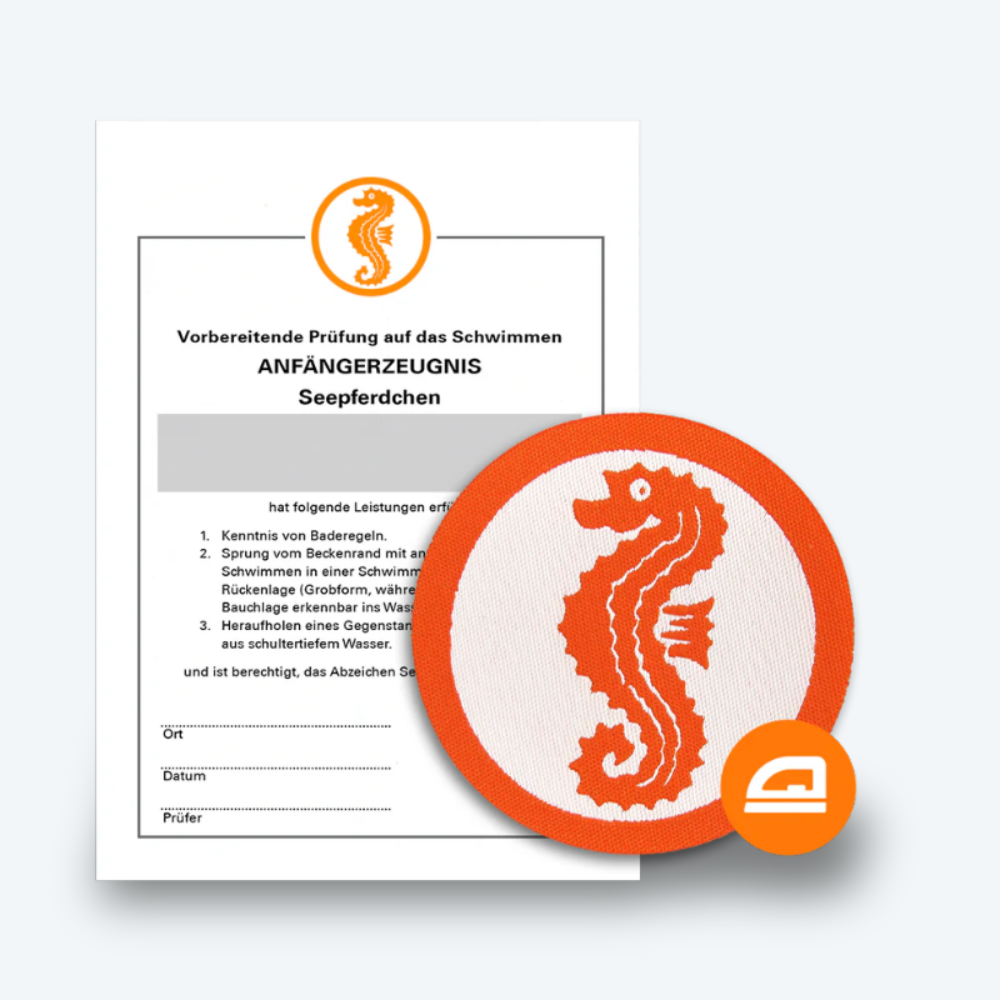
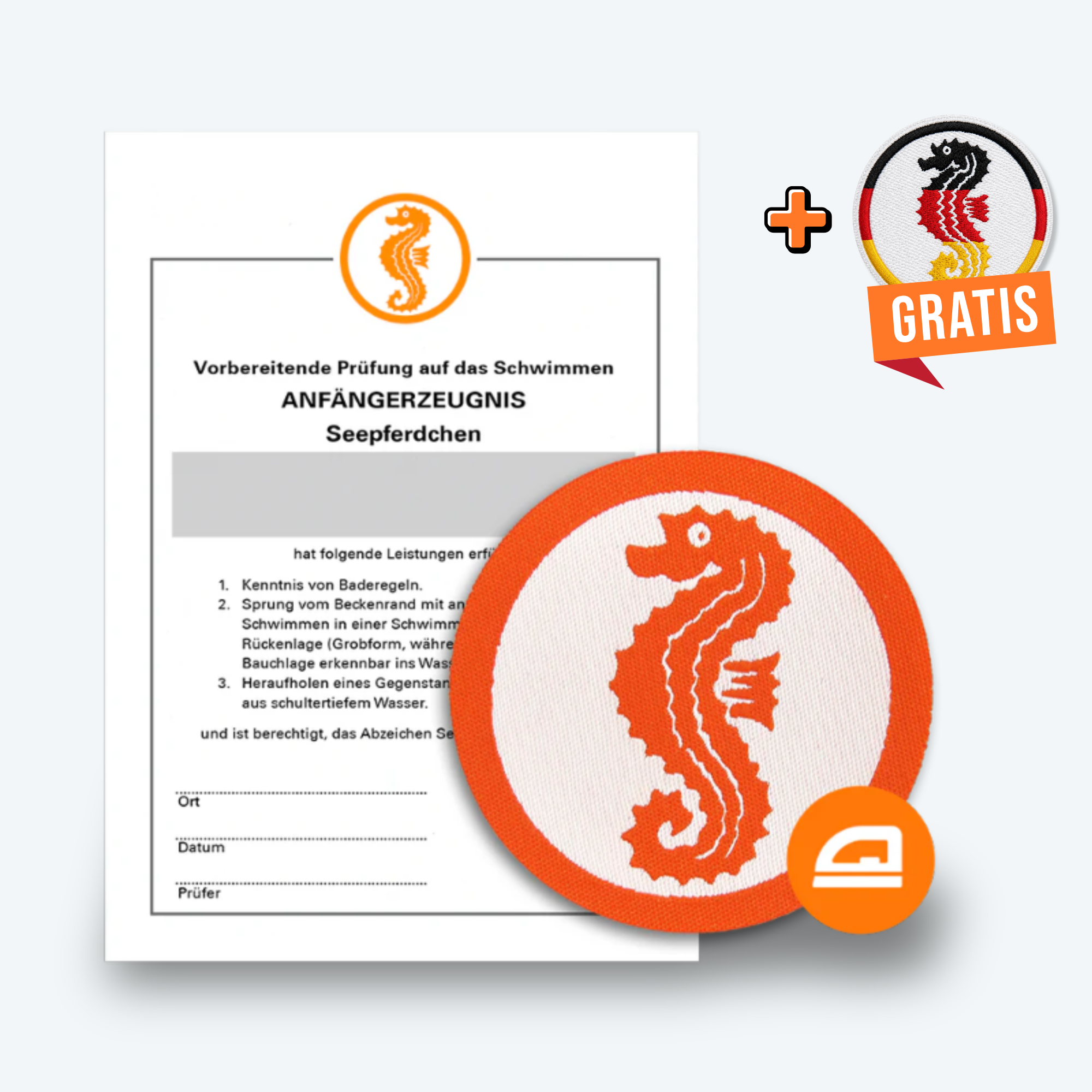
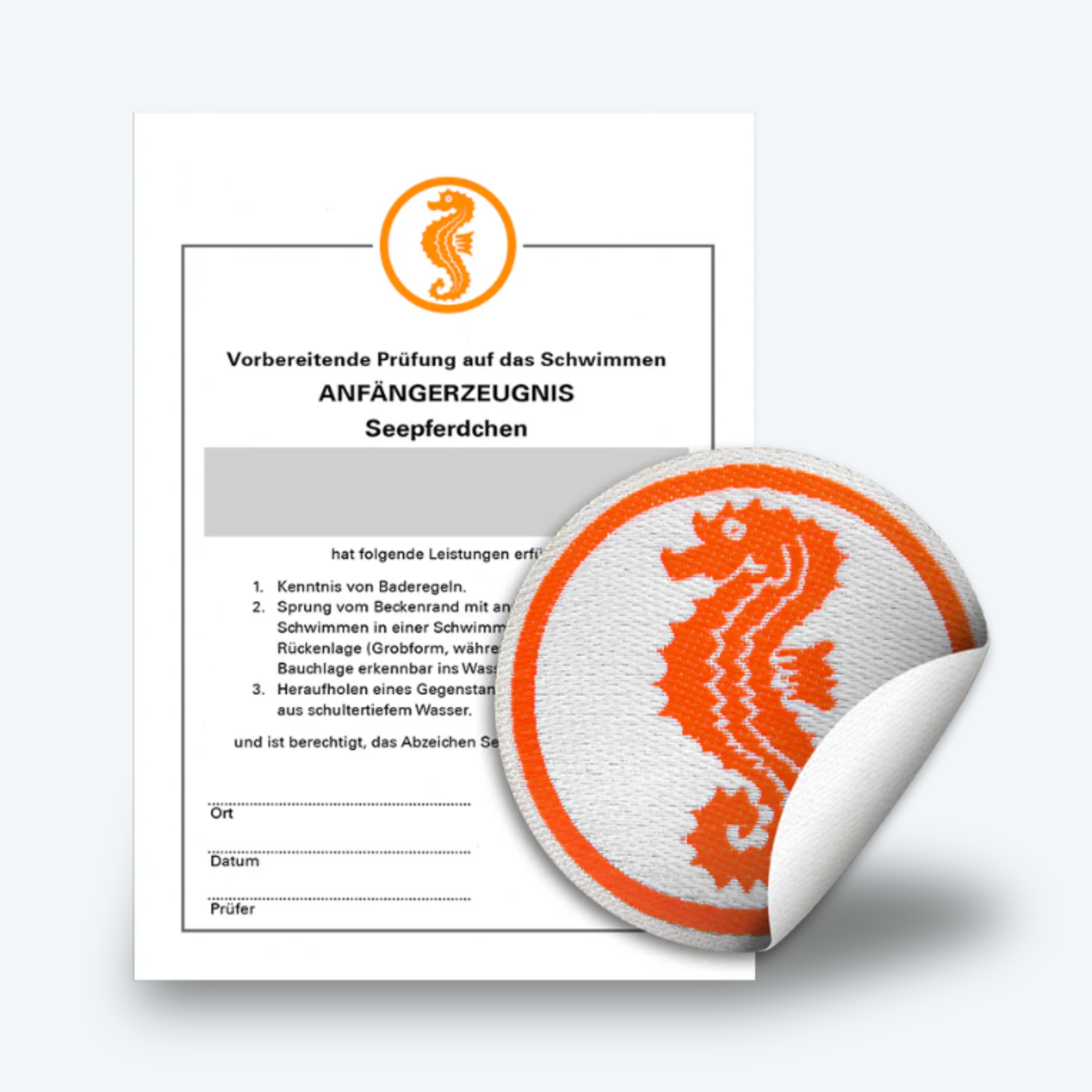
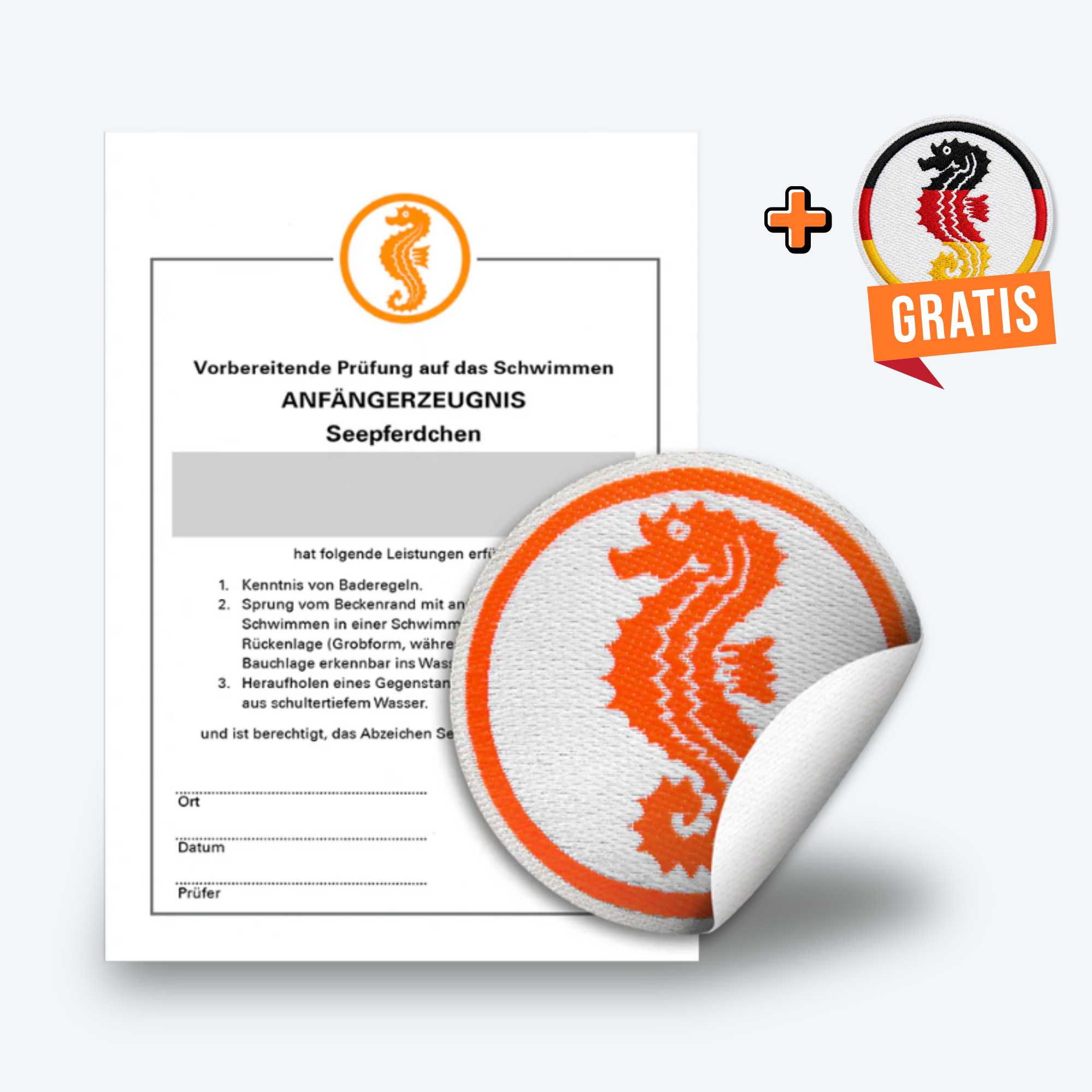
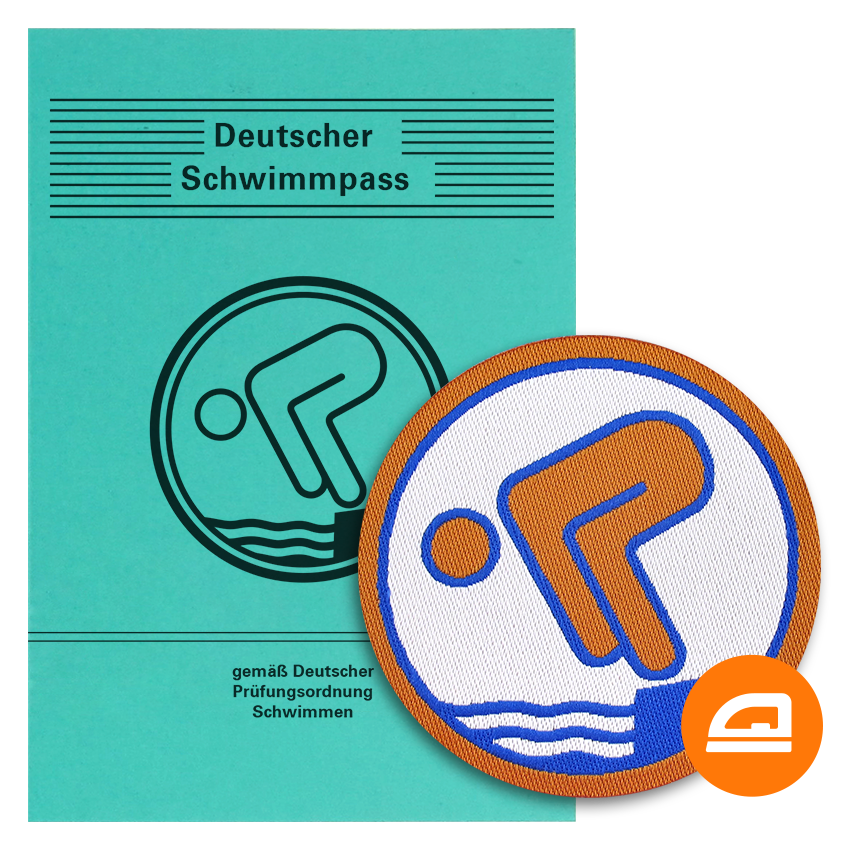
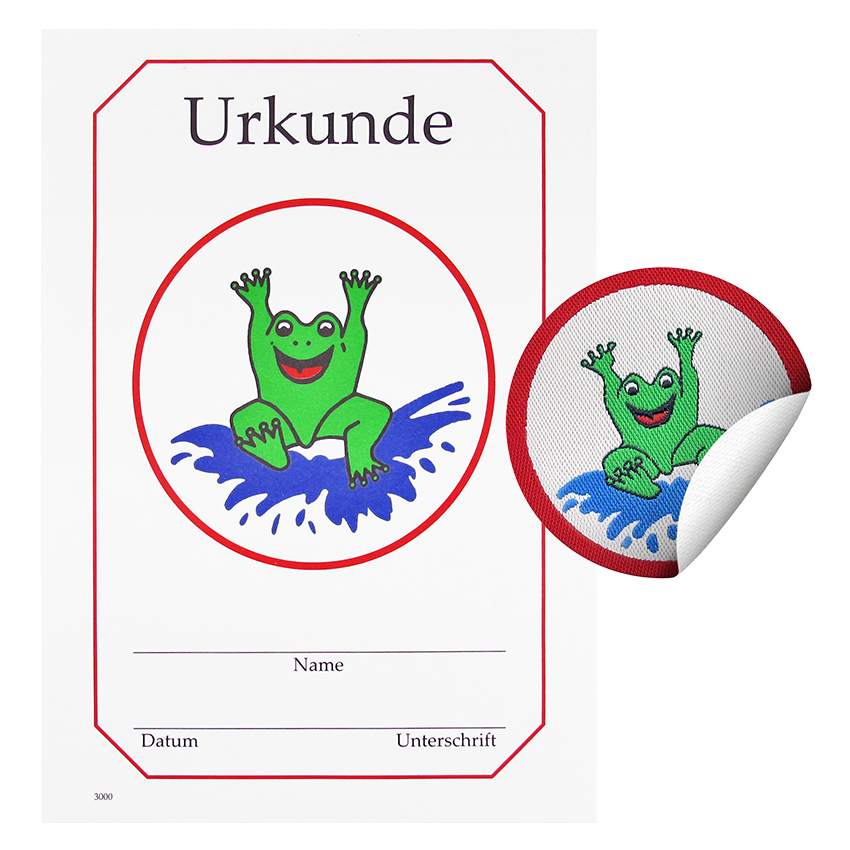
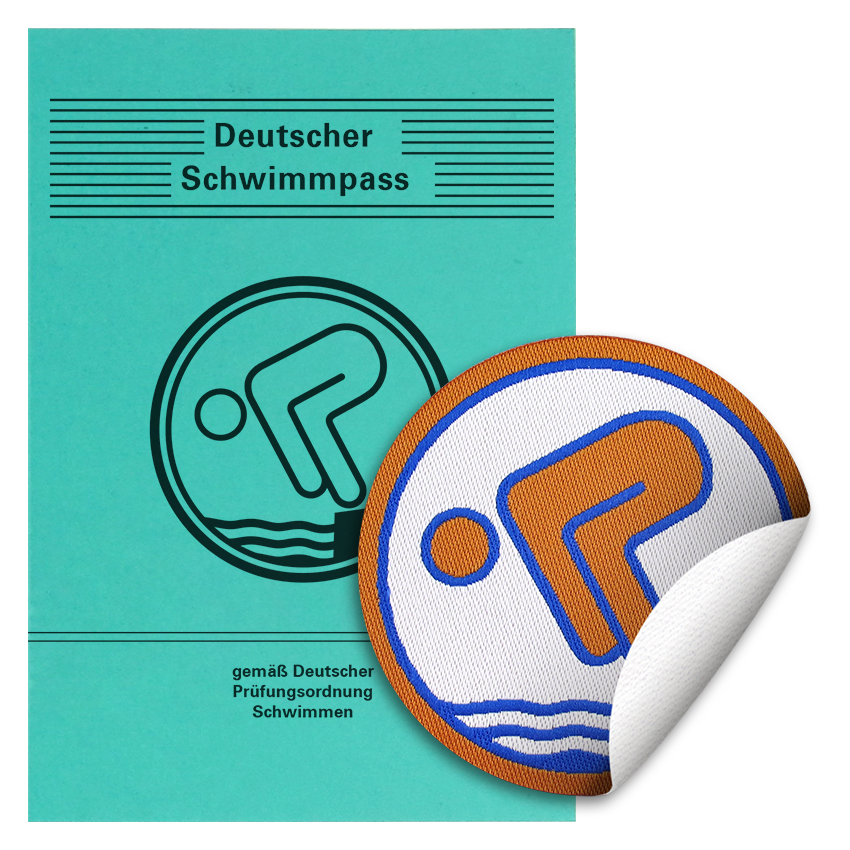
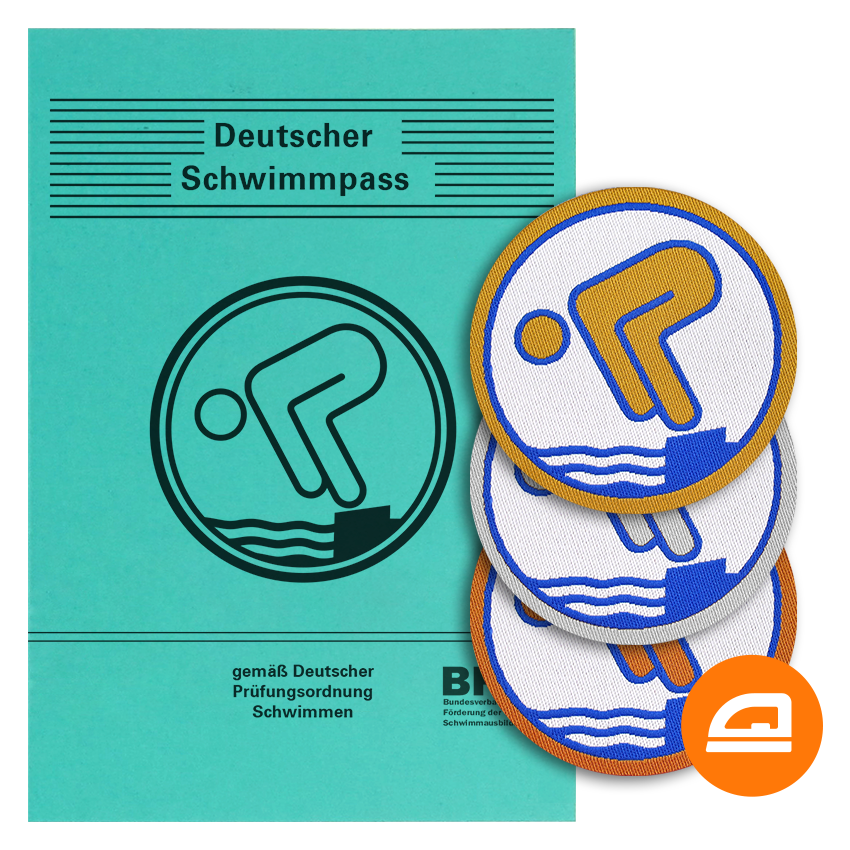
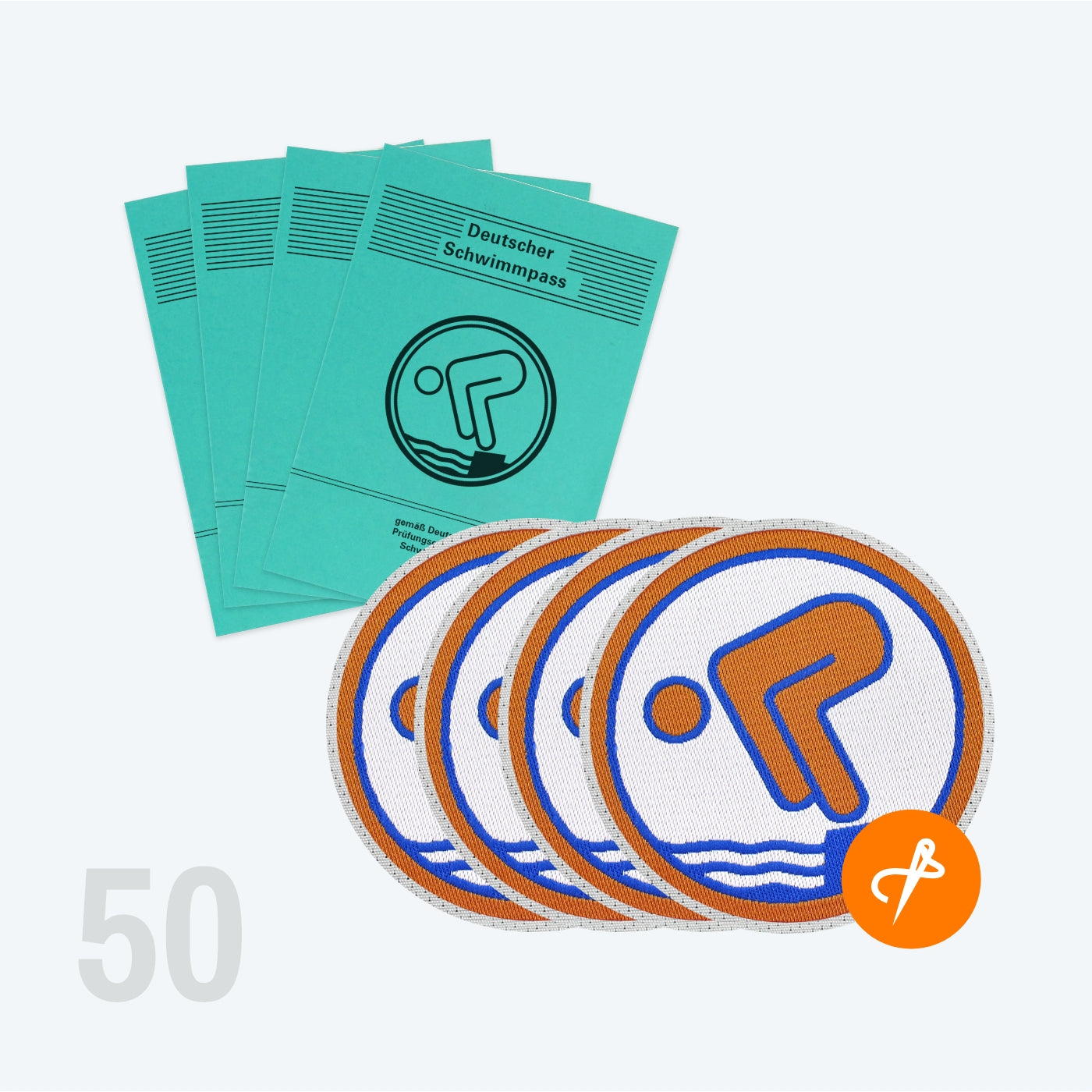
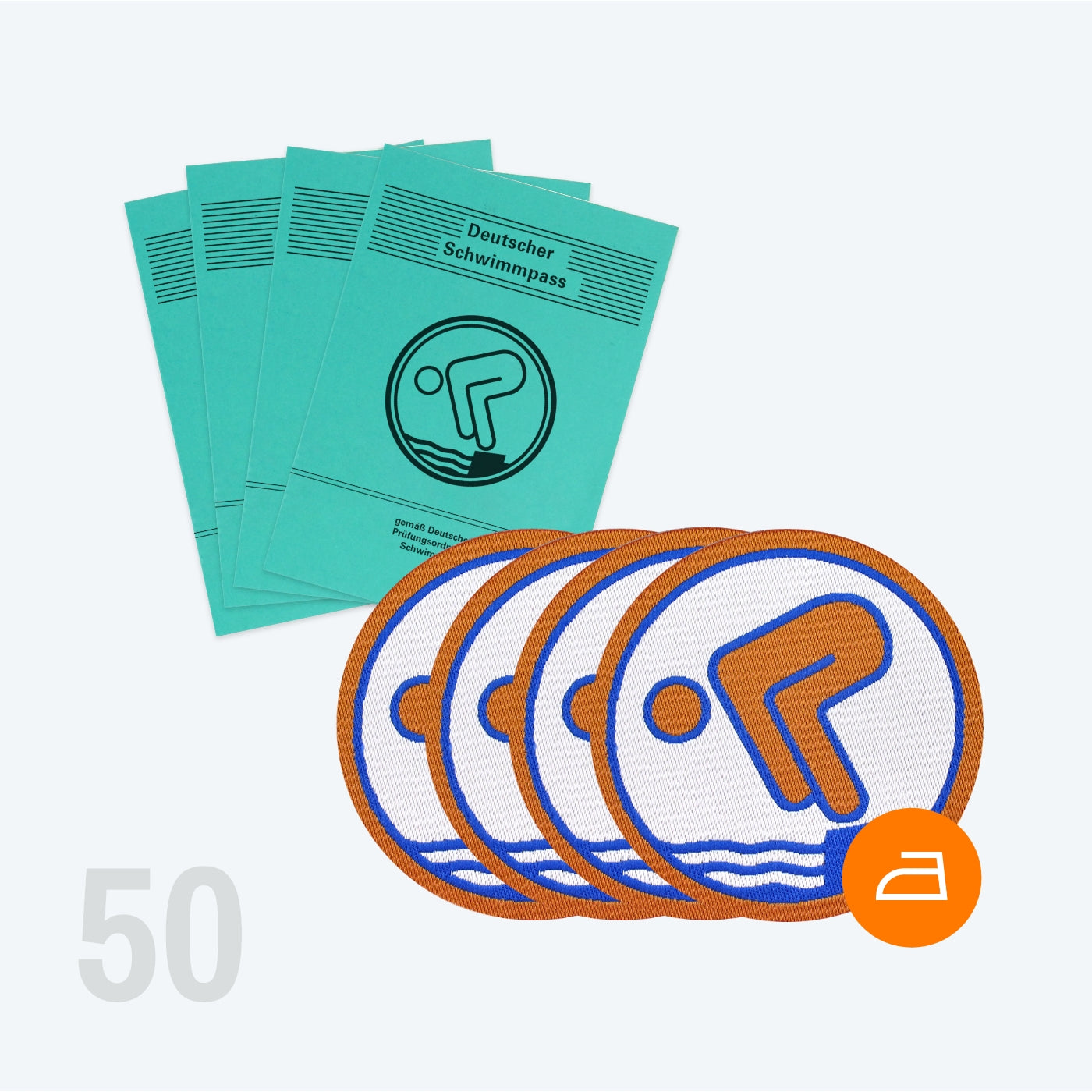
Children love recognition and visible signs of success. Swimming badges are more than just fabric patches. They are psychological motivational tools that boost self-confidence and joy in learning.
The principle is simple. Every progress is acknowledged. From the first water contact to safe swimming. Badges signal to the child: You are doing great. You are learning. You are growing.
Strategies for effective badge motivation:
- Setting clear and achievable interim goals
- Acknowledging every stage of development
- Highlighting personal progress
- Staging a ceremonial handover of the badges
The handover should be a special event. A moment of pride. A celebration of recognition. Invite parents. Take photos. Applaud.
For professional tips on badge handover, we recommend our Handing Over Swimming Badges: A Step-by-Step Guide for a Successful Handover article.
The goal is not just learning to swim. It's about self-confidence. About joy. About the realization: I can do this.
6. Conveying Important Safety Rules in a Child-Friendly Manner
Water safety is not a topic for strict lectures. Children need to absorb safety rules like exciting secret knowledge, understanding them as an adventure mission.
The key lies in communication. Safety rules become superhero missions. A child doesn't learn through prohibitions. But through understandable explanations and positive motivation.
Child-friendly safety rule communication:
- Present rules as secret missions
- Use positive language
- Utilize playful explanations
- Employ visual demonstrations
- Develop rules together
An example: Instead of "You are not allowed to swim unsupervised," better "Our swimming superheroes always look after themselves." The message remains the same. The tone makes the difference.
For additional practical tips on children's swimming lessons, we recommend our Swimming Course from 4 Years: Learning Safe Swimming article.
The goal is prevention through understanding. Not fear. But respect for the element of water.
7. Strengthening Collaboration Between Parents, Teachers, and Clubs
Successful swimming instruction is not an individual effort. It arises through a network of parents, teachers, and clubs. Harmonious collaboration is crucial for the child's development.
Each group brings important perspectives. Parents know their children best. Teachers possess pedagogical expertise. Clubs offer structured learning environments. When these forces work together, an optimal learning environment is created.
Strategies for successful collaboration:
- Regular open exchange of information
- Joint goal definition
- Transparent communication
- Mutual appreciation
- Developing flexible solutions
Communication is key. Parent information evenings. Short feedback sessions. Digital or in person. The child is always at the center.
For further insights into swimming course organization, we recommend our 7 Swimming Accessories Recommendations for Parents and Trainers article.
The goal is a trusting partnership. Only together can we enable children to have a safe and joyful swimming experience.
Below is a comprehensive table summarizing the main topics and strategies of the article on swimming lessons.
| Topic | Description | Key Strategies |
|---|---|---|
| Preparation | Emotional and practical preparation for swimming lessons | Positive conversations, sleep, light meal |
| Playful Learning | Making swimming an adventure | Short, creative and praising exercise units |
| Water Safety | Building trust and safety in the water | Water familiarization, breathing relaxation |
| Individual Support | Considering each child's developmental stage | Differentiated tasks, flexible learning goals |
| Experiences of Success | Motivation through badges | Interim goals, ceremonial handover |
| Safety Rules | Child-friendly conveyance of rules | Positive language, playful explanations |
| Collaboration | Harmony between parents, teachers, clubs | Open exchange, joint goal definition |
Making Swimming Lessons Successful with Pimpertz
The article clearly shows how important loving preparation and individual support are for children in swimming lessons. Motivation, trust, and visible successes are essential to strengthen water enjoyment and water safety. If you want to put these valuable tips into practice, high-quality and appealing swimming badges and suitable certificates are the key to lasting learning success.
At Pimpertz, for over 38 years, you'll find officially certified swimming badges and accessories that support exactly this motivation. Whether personalized badge kits for swimming courses or child-friendly collector sets – we offer professional solutions for parents, clubs, and schools. Get started now and make every swimming course an unforgettable experience of success! Discover our range and benefit from our fast service and expertise as a partner of DLRG and BFS.
Transform the tips for your swimming lessons into lasting enthusiasm and get the right products for your little swimming heroes from us. Find out more and order directly at pimpertz.de.
Frequently Asked Questions
How can I emotionally prepare my child for swimming lessons?
Start with positive conversations about learning to swim. Talk about the joy and adventure that the water sports experience brings.
What equipment should I prepare for my child's swimming lessons?
Make sure you bring suitable swimwear, towels, goggles, and possibly a cuddly toy or transitional object. Prepare everything the day before to avoid stress on the day of the course.
How can I promote my child's water safety?
Gently introduce your child to the water and do small exercises, such as splashing or shallow underwater games. Start with gentle steps and slowly increase the challenges.
How can I adapt the swimming lessons individually?
Observe your child's abilities and confidence and adjust the exercises accordingly. Set flexible learning goals and consider individual progress.
How do I create experiences of success through badges in swimming lessons?
Set clear, achievable interim goals and acknowledge every progress. Make the badge handover a special event to boost your child's self-confidence.
How can I improve cooperation between myself, the teachers, and the swimming club?
Conduct regular and open information discussions with the teachers and the club. Define goals together and use transparent communication to achieve the best results for your child.


