

At What Age to Learn to Swim: The Complete Guide
Surprising: According to the DLRG, almost 60 percent of primary school children in Germany cannot swim safely. This figure clearly shows how important early swimming lessons really are. For parents, it's not just about sport, but about added safety, body awareness, and social development. This article explains what water familiarization is all about and how to recognize the right time for your child to start swimming.
Table of Contents
- What does learning to swim mean for children?
- Recognizing physical and mental maturity
- Recommended age groups and course types
- Safety rules and legal regulations
- Parental role: Support and motivation
Key Insights
| Point | Details |
|---|---|
| Safety | Learning to swim is crucial for children's safety and self-confidence, as they learn techniques for orientation in water and behavior in dangerous situations. |
| Physical and mental maturity | Children's individual development should be considered when assessing their swimming abilities, with physical and emotional maturity being crucial. |
| Age-appropriate swimming courses | Structured, age-appropriate swimming courses promote water competency and should be adapted to the motor and emotional abilities of children. |
| Parental involvement | Emotional support and positive reinforcement from parents are important for children's self-confidence and motivation when learning to swim. |
What does learning to swim mean for children?
Learning to swim is more than just a sporting ability - it is a milestone in children's development with enormous importance for their safety, health, and psychosocial development. Water familiarity forms the basis for vital survival skills that go far beyond simple swimming.
The core aspects of learning to swim encompass several important dimensions. First, it's about safety: children learn basic techniques to orient themselves in the water and to behave calmly in dangerous situations. They develop self-confidence and at the same time reduce the risk of drowning accidents. Swimming lessons from 3 years: Teaching children to swim safely offers an excellent introduction to this process.
In addition, swimming promotes motor and physical development. Movement in the water trains coordination, muscle building, and endurance in a unique way. Children learn body tension, balance, and spatial orientation - abilities that have a positive effect on their entire physical development. The playful nature of swimming lessons makes these learning processes particularly effective and joyful.
Another central aspect is psychosocial development. For children, swimming not only means sporting activity but also social learning. In swimming courses, they make contacts, overcome fears, and develop self-confidence. They experience a sense of achievement, learn perseverance, and acquire a skill that offers them joy and security throughout their lives.
Recognizing physical and mental maturity
Assessing a child's physical and mental maturity is crucial when it comes to learning to swim. Each child develops individually and requires a differentiated assessment of their swimming abilities. Maturity is not only reflected in motor skills but also in emotional readiness and an understanding of water safety.
Physical maturity indicators include several important aspects. These include coordination, muscle strength, and the ability to control basic movements. A child should be able to perform movements such as arm strokes and leg kicks in a targeted manner. Body tension and balance play a decisive role. Learning to swim at any age: Step-by-step to success offers helpful insights into these developmental phases.
Mental maturity manifests itself in the ability to concentrate, understand safety rules, and maintain emotional stability in the water. Children must learn to follow instructions, assess dangers, and develop confidence in their own abilities. Important signs include a willingness to take on new challenges and the ability to overcome fear and focus on learning content.
The expert recommendation is to closely observe the individual development of each child. Age is not the decisive factor, but personal maturity.
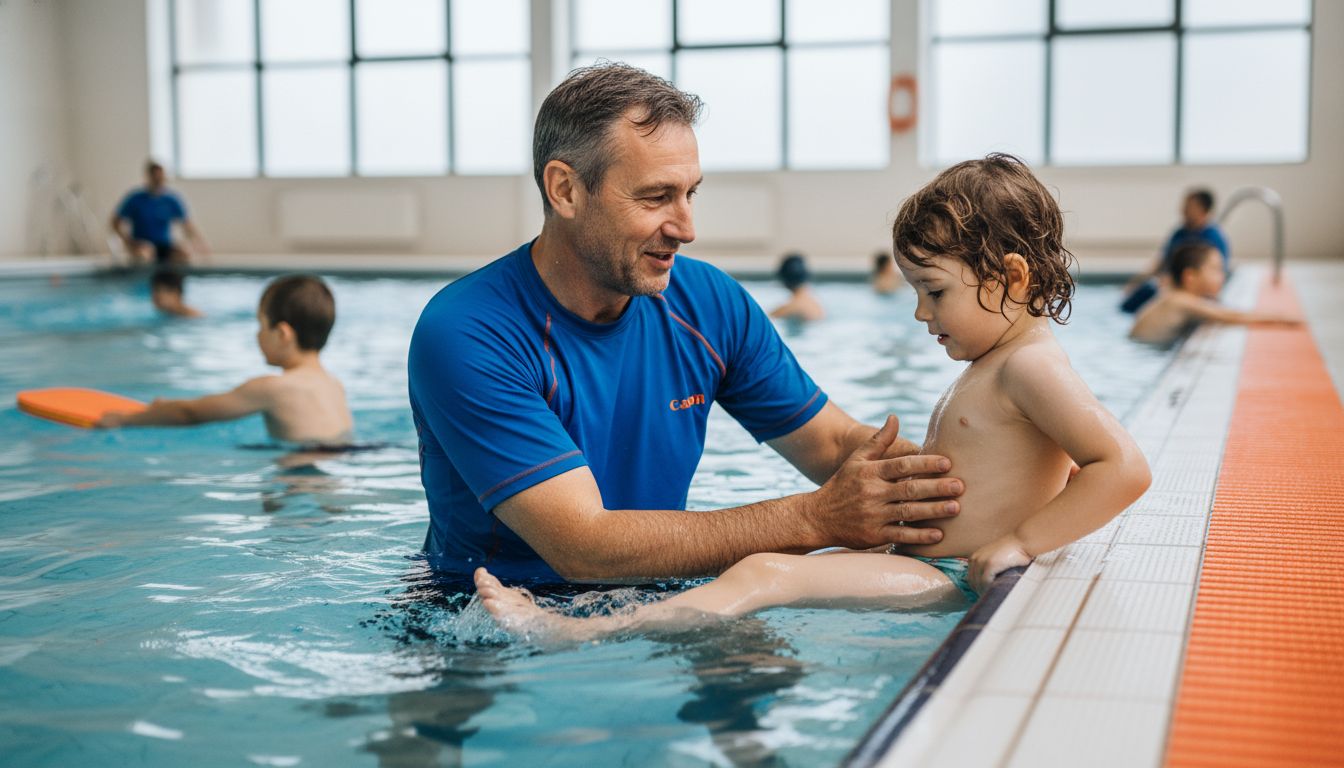 Parents and swimming instructors should jointly assess the physical and mental prerequisites and gently introduce the child to learning to swim. A positive, supportive environment is key to success and to developing water competency and self-confidence.
Recommended age groups and course types
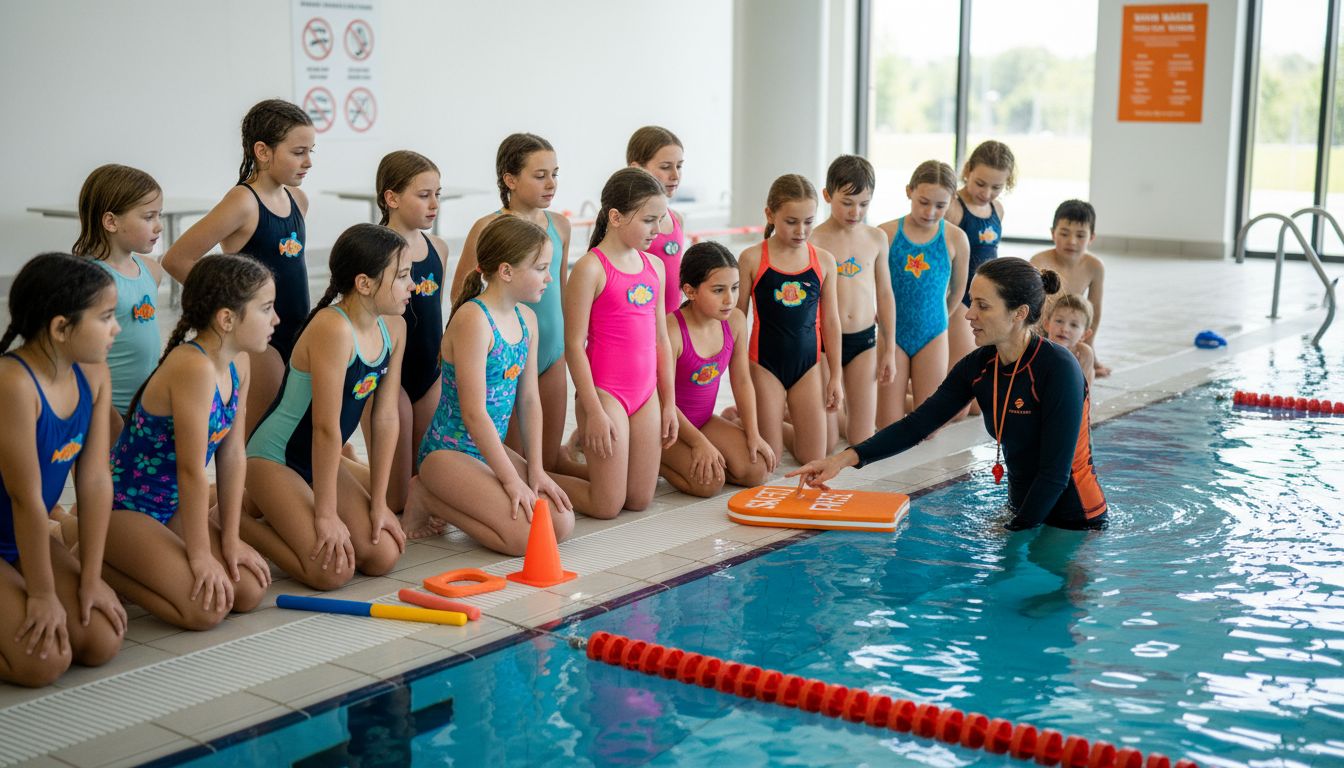
Learning to swim is an individual process that largely depends on the child's developmental stages and abilities. Age-specific swimming courses offer a structured and age-appropriate approach to teach children water competency in a playful and safe way. According to experts, courses from the age of 4 are particularly effective, as children at this age already have sufficient motor skills and concentration abilities.
The different course types can be differentiated according to age groups and developmental levels. For the youngest participants between 4 and 5 years, water familiarization courses are in the foreground. Here, children first learn to move safely and relaxed in the water. Swimming lessons for 5-year-olds: Learning to swim safely in 2025 shows how these courses are specifically tailored to the needs of the age group.
For children aged 6 and older, the phase of systematic swimming instruction begins. The courses now focus on learning swimming techniques such as crawl, breaststroke, and backstroke. According to the insights of water enthusiasts, the courses should be designed playfully and take into account both safety aspects and motor development. A positive learning atmosphere that promotes joy and self-confidence is important.
Each age group requires an individually adapted approach.
Crucial are not only age, but also the child's personal development, water experience, and emotional maturity. Parents and swimming instructors should jointly determine the optimal course format and the right time for swimming lessons. The goal is always to enable children to have a safe and positive relationship with water.
Here is an overview of age-appropriate swimming course types and their focus:
| Age Group | Course Type | Main Goals |
|---|---|---|
| 4–5 Years | Water familiarization course | Water comfort Overcoming fear Safety |
| 6–7 Years | Foundation swimming course | Swimming techniques Self-rescue Coordination |
| 8 Years and older | Advanced swimming course | Technique improvement Endurance Competition interest |
Safety rules and legal regulations
Swimming lessons are subject to strict safety standards and legal regulations designed to ensure the protection and health of children. These regulations are the result of years of experience and professional insights from the field of water safety and child education.
According to recommendations from the Conference of Ministers of Education and Cultural Affairs, swimming courses must adhere to clear safety guidelines. These include qualified supervisors, a maximum number of participants per swimming instructor, and specific safety equipment. Legal requirements include first aid training for staff, regular safety inspections of swimming facilities, and detailed emergency plans.
Water sports associations emphasize the importance of comprehensive safety concepts. This means not only supervision during swimming lessons but also systematic training of children in water safety. Important aspects include learning self-rescue techniques, assessing dangerous situations, and behaving in emergencies. Swimming lessons from 4 years: Learning safe swimming for children illustrates how early these competencies can be taught.
For parents and swimming course providers, this means a high level of responsibility. Regular training, current safety certificates, and transparent communication are essential. The ultimate goal remains not only to teach children to swim but also to instill in them safe and confident behavior in the water.
Parental role: Support and motivation
The role of parents is crucial in children learning to swim. Emotional support forms the basis for a positive and successful learning experience. Parents are not only companions but also important motivators who can shape their children's trust and enthusiasm for swimming.
An important strategy is continuous positive reinforcement. Children need encouragement and recognition for every small step forward. 7 Important Swimming Learning Tips for Parents and Coaches shows how parents can effectively motivate their children. It is important to take fears seriously, show patience, and not make comparisons with other children.
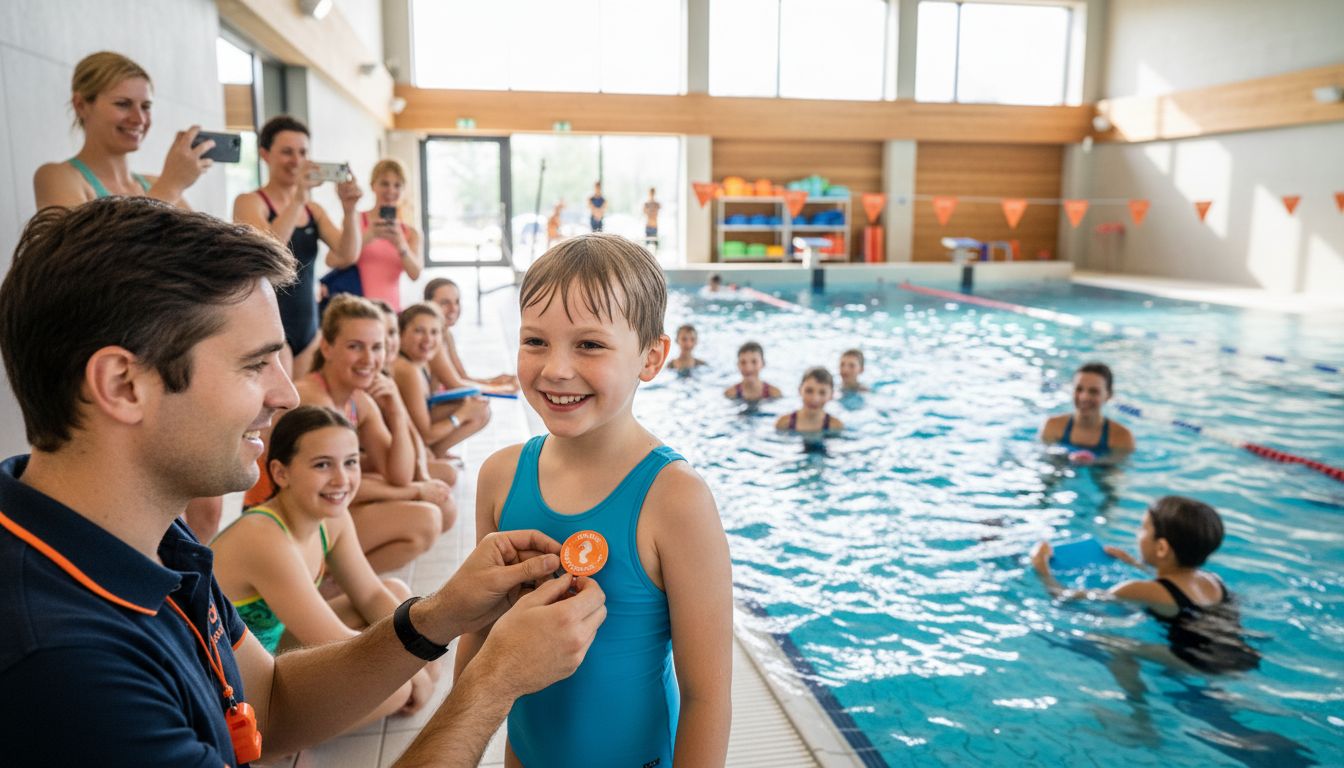
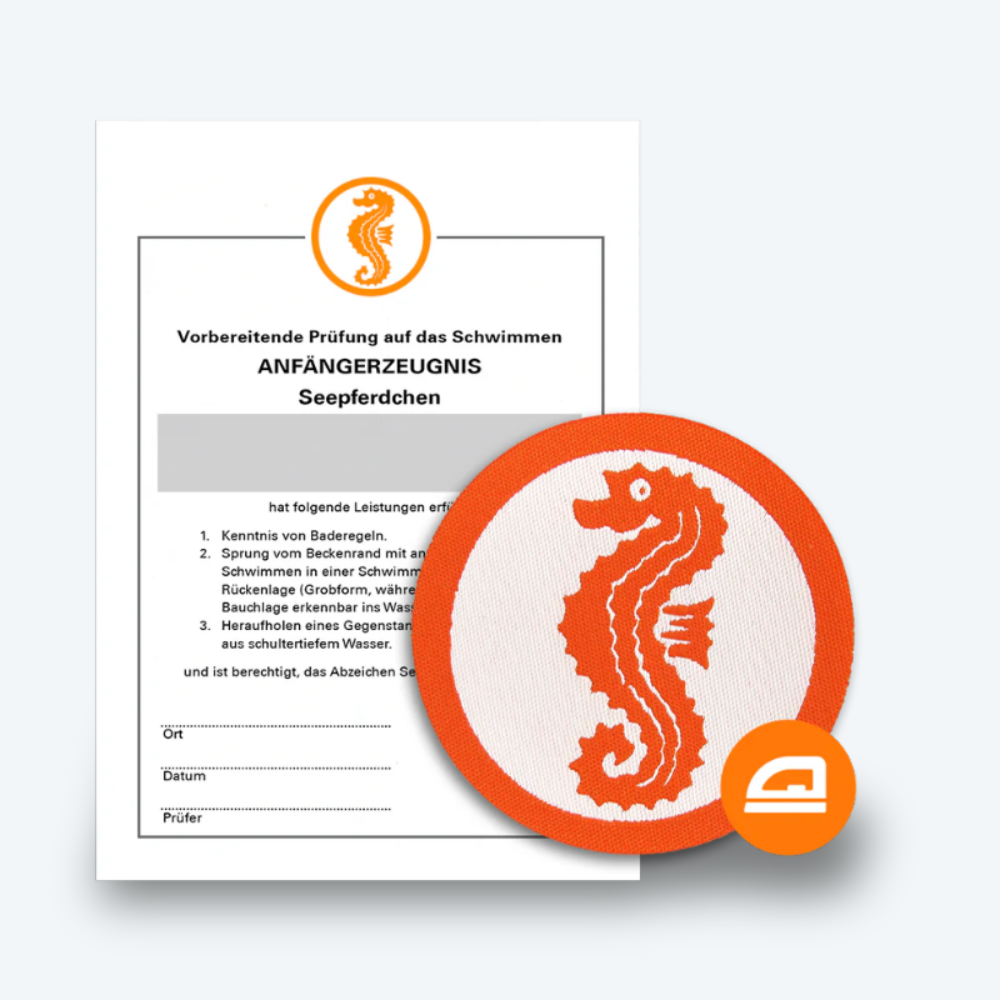
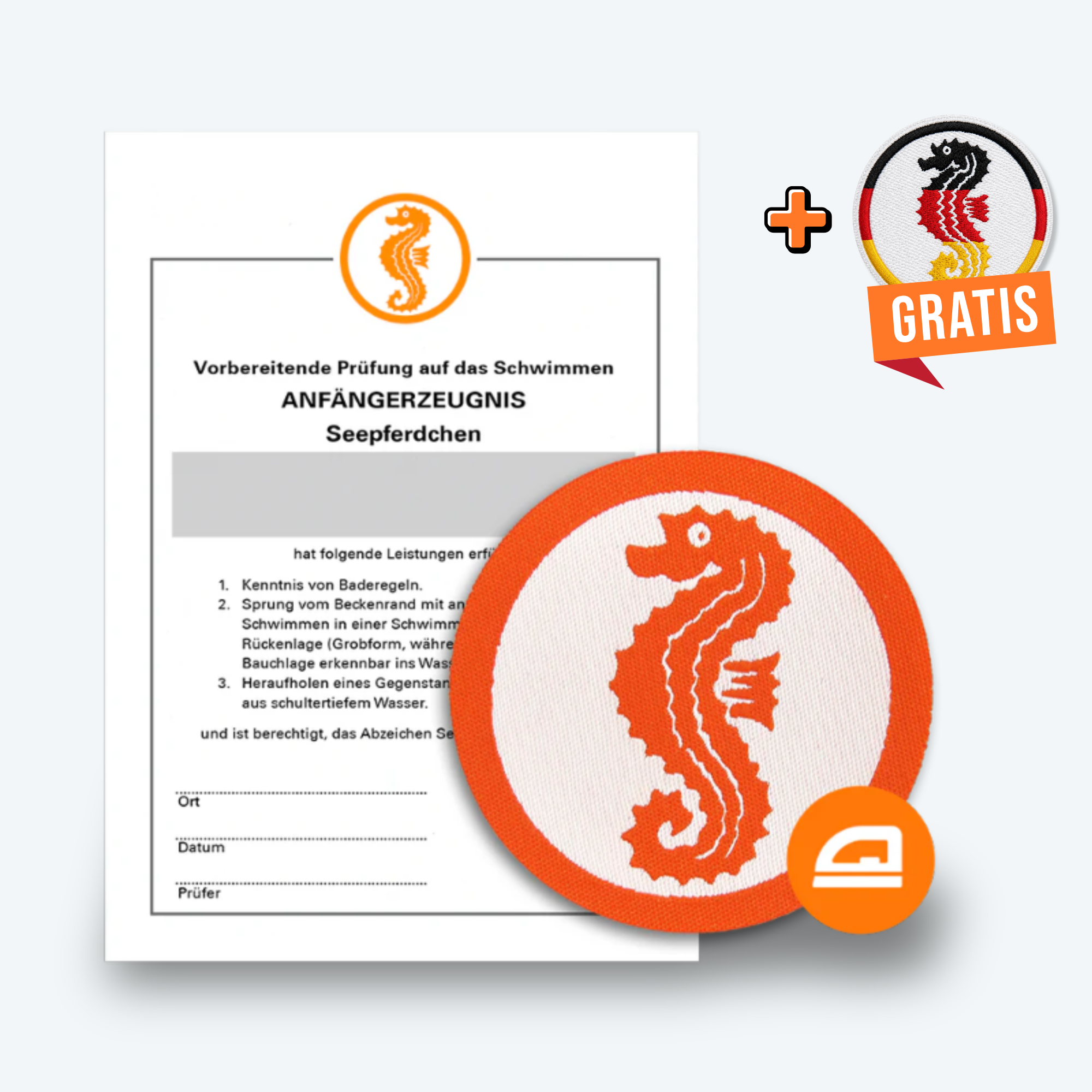
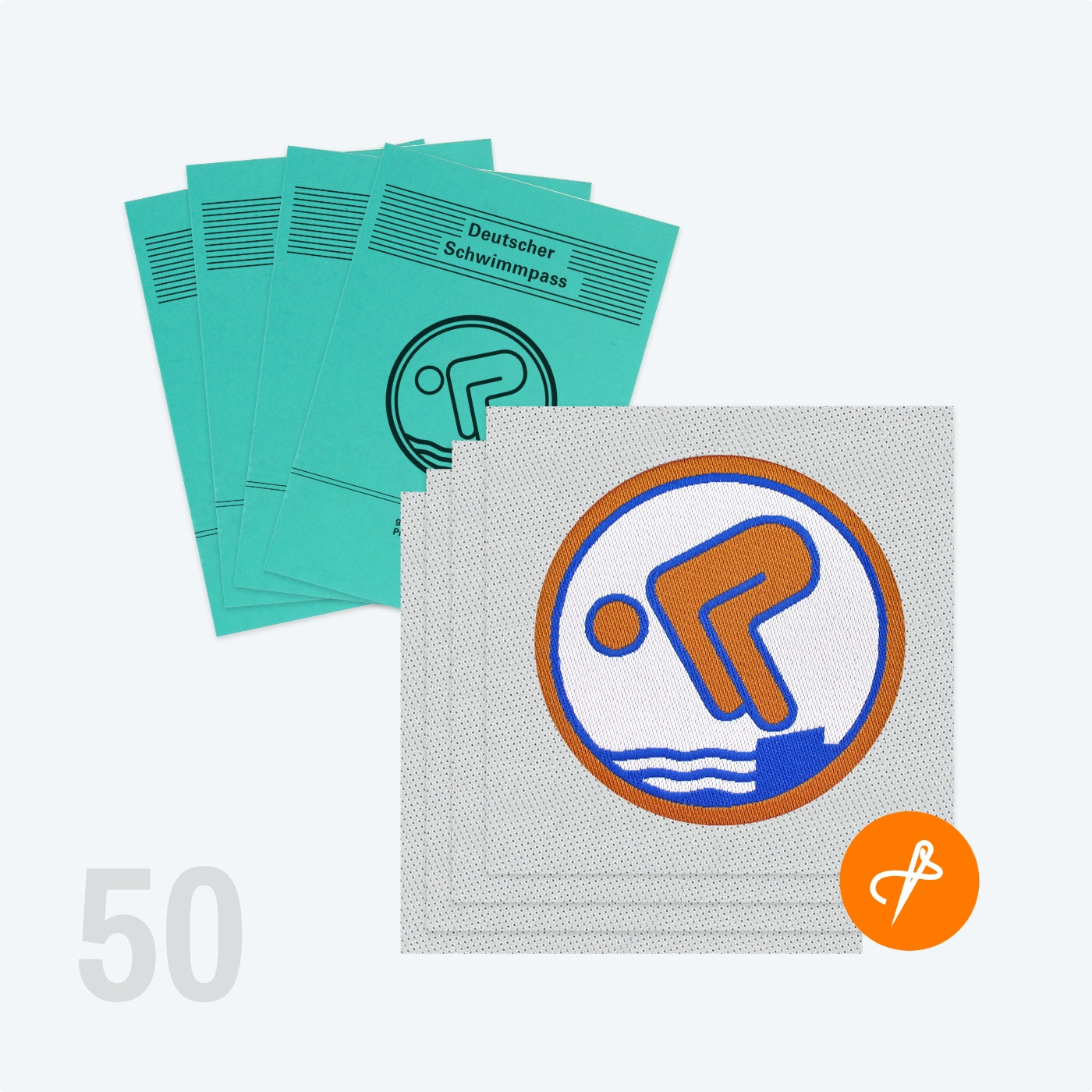
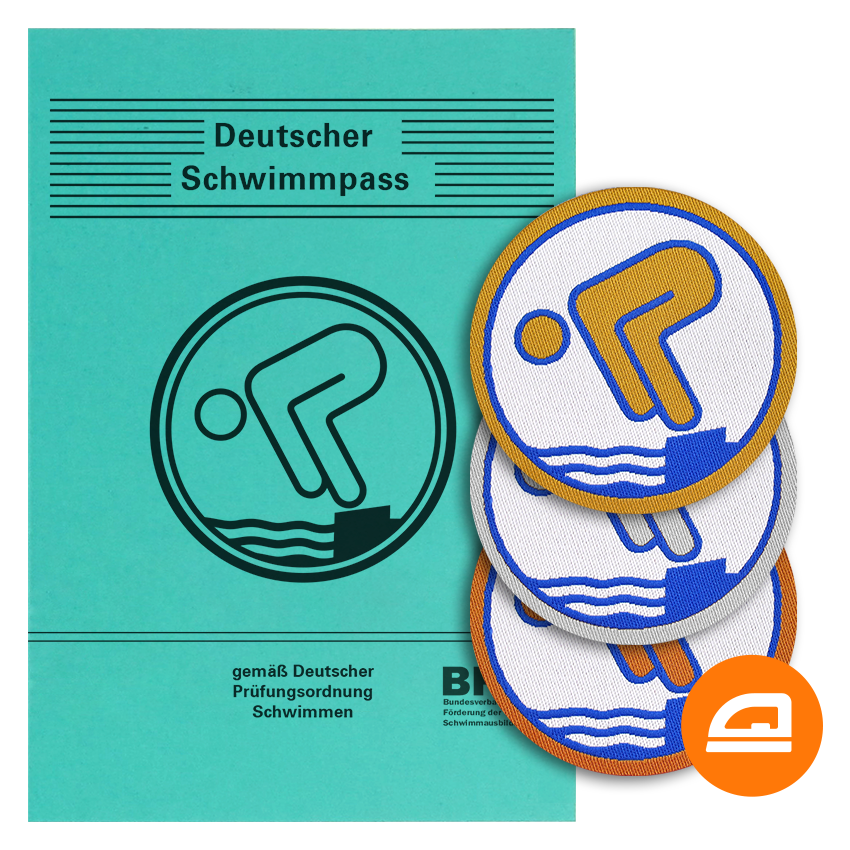
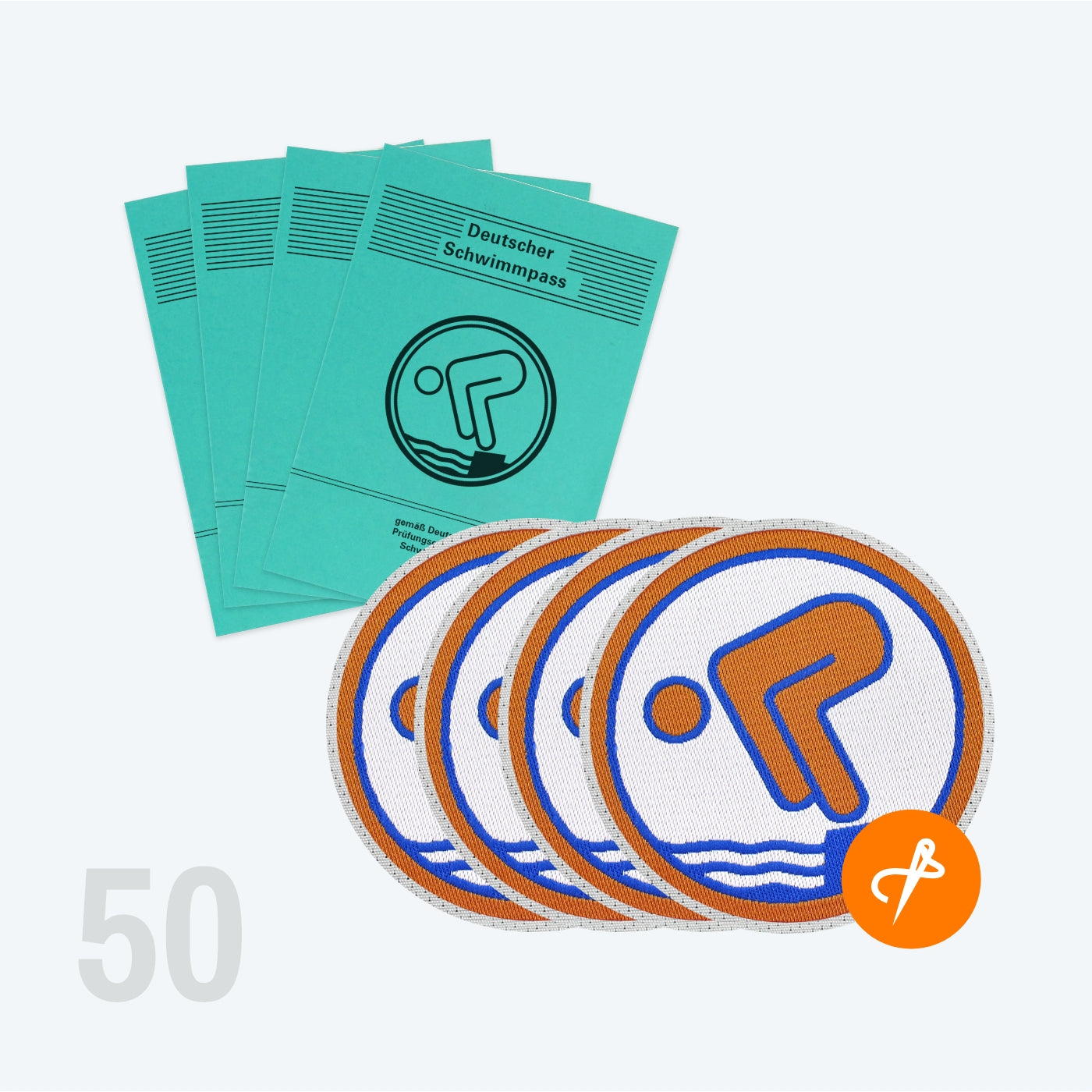
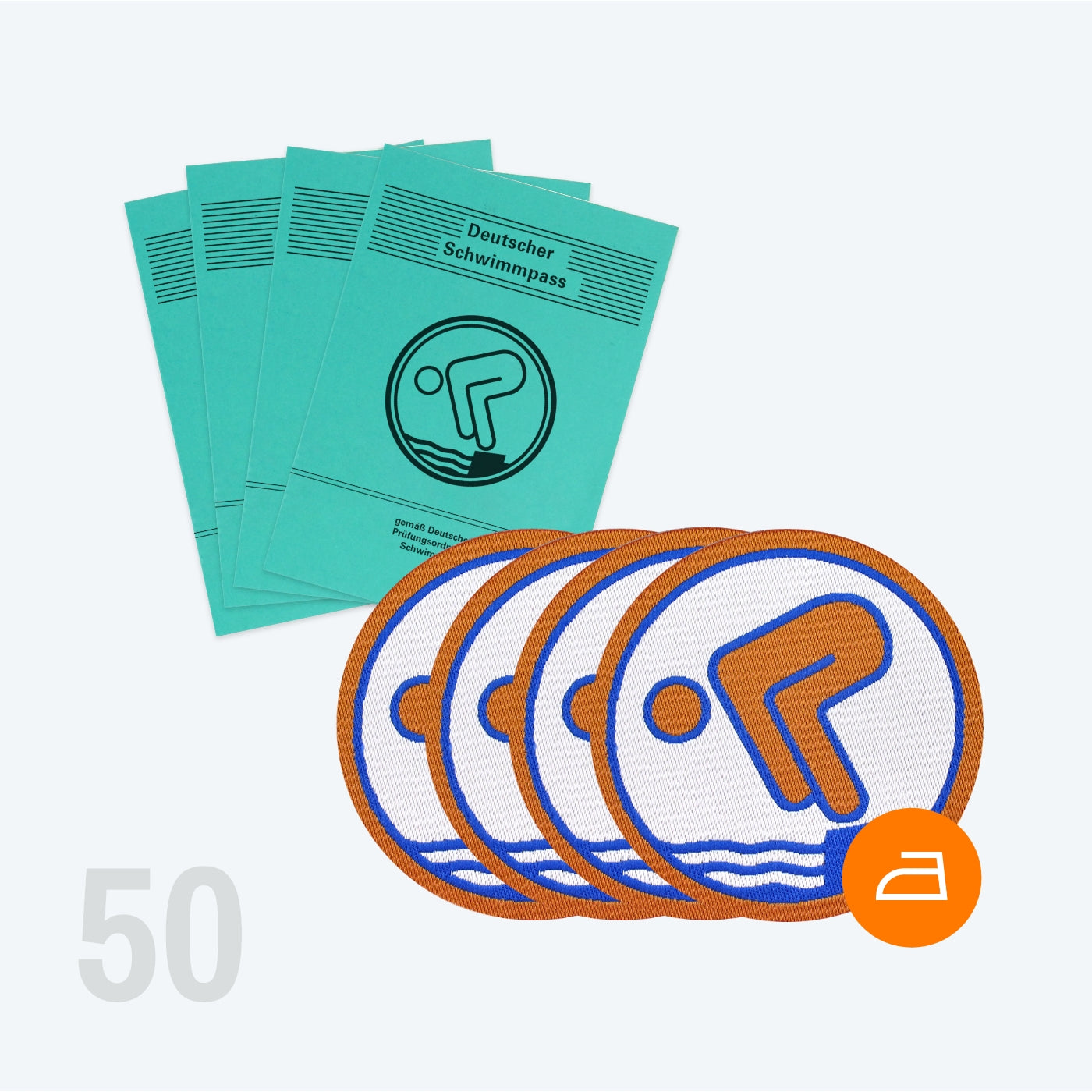
Motivation can be increased through shared activities and a positive environment. Parents should show interest in swimming progress, celebrate successes, and give the child the feeling that learning is an adventure. Swimming badges can be an excellent motivation, as they document tangible successes and strengthen children's self-confidence.
Practical support also means creating a safe and trusting environment. This includes providing the right equipment, accompanying them to swimming lessons, and maintaining a positive attitude towards swimming. The goal is not only to teach children to swim but also to give them joy, safety, and self-confidence in dealing with water.
Learning to Swim Made Easy with Pimpertz
The journey from the first contact with water to becoming a confident swimmer is full of challenges, such as building trust and finding the right support at the right time. Many parents and swimming instructors are looking for high-quality materials and motivating aids to gently support children in learning to swim and sustainably reduce fears. This is exactly where Pimpertz comes in - with over 38 years of experience and official partnerships with DLRG and BFS, we are your strong partner for all needs regarding swimming badges and accessories.
With our lovingly designed swimming badges and individual gift sets, you strengthen children's self-confidence and make every swimming goal visible and tangible. Benefit from lightning-fast shipping and expert advice, so that your child's learning journey remains full of joy and motivation. Find out more about our swimming badges & certificates now and discover how easy and fulfilling learning to swim can be from the start. Start the next step for your child's safety and development today at Pimpertz.de – your German expert for swimming badges and accessories.
Frequently Asked Questions
At what age should children start learning to swim?
It is recommended that children start with water familiarization courses at around 4 years old, as at this age they already have sufficient motor skills and concentration.
What are the most important safety rules when children learn to swim?
Important safety rules include supervision by qualified personnel, adherence to maximum participant numbers per swimming instructor, and learning self-rescue techniques.
How do I know if my child is ready to learn to swim?
Physical and mental maturity are crucial. Look for mobility, emotional understanding of water safety, and the ability to follow instructions.
What types of courses are available for different age groups when learning to swim?
There are water familiarization courses for 4- to 5-year-olds, foundation swimming courses for 6- to 7-year-olds, and advanced swimming courses for children aged 8 and older, which focus on technical skills and endurance.