
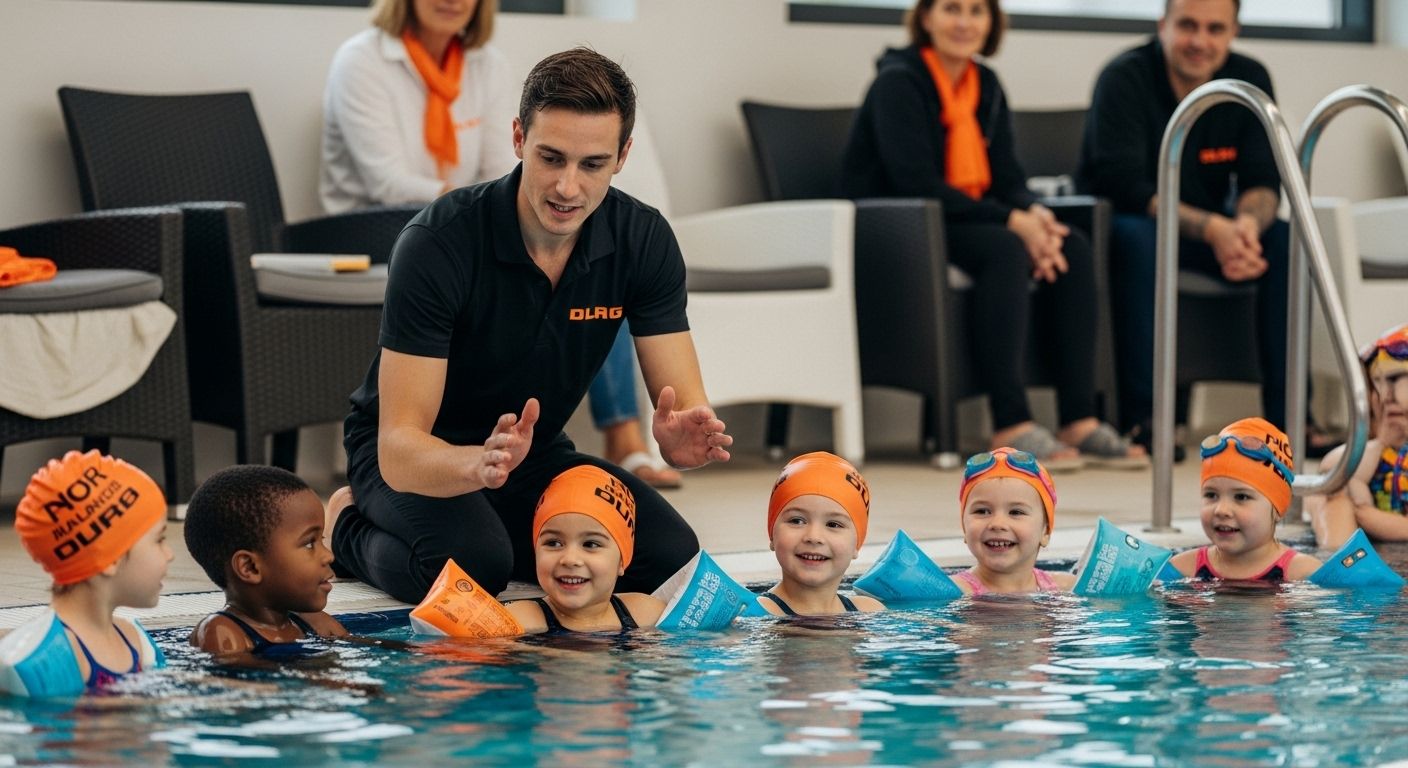
Understanding DLRG Swimming Courses: Important Information and Basics
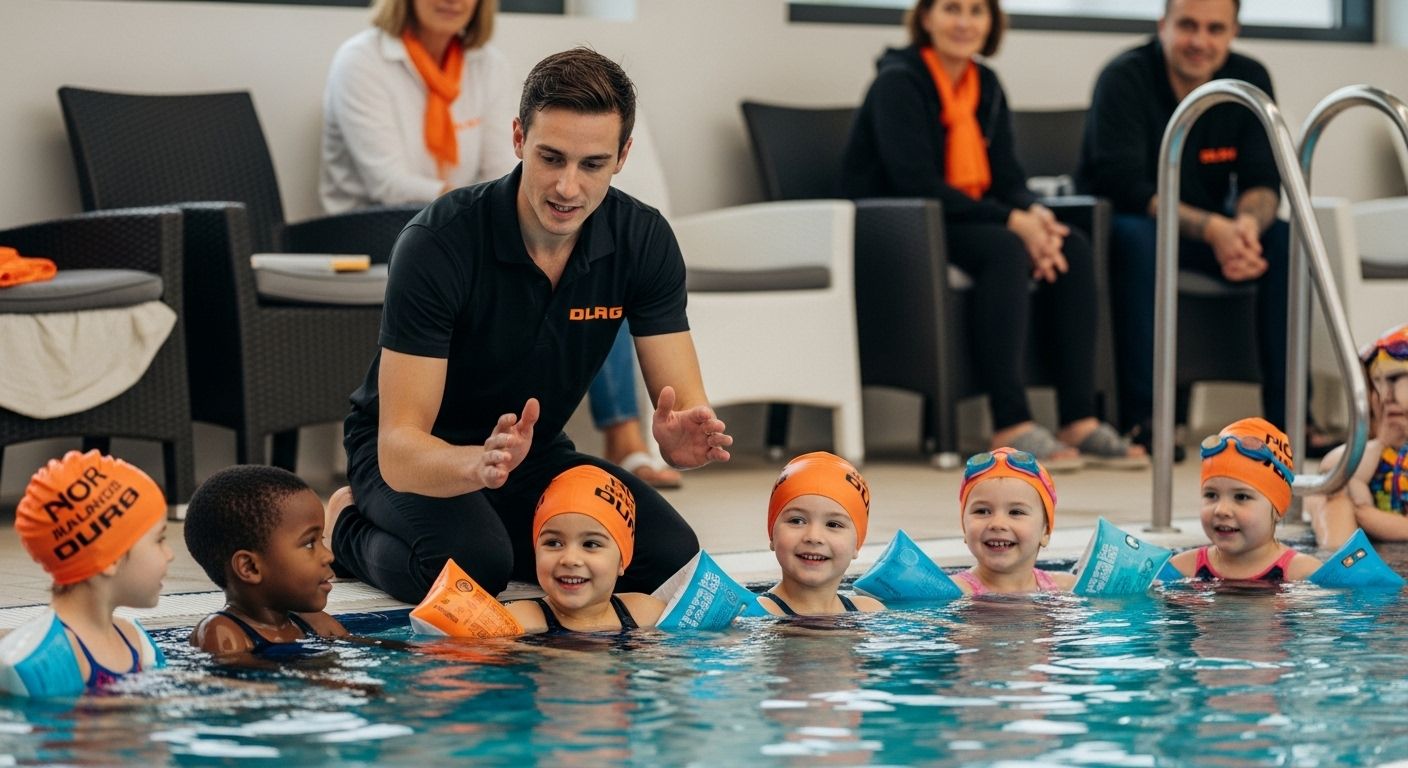
Swimming is one of the most important skills children should learn early on. Many parents are unaware that structured swimming lessons can reduce the risk of drowning in children by up to 88 percent. Nevertheless, many believe that a little splashing around is enough. The targeted training in DLRG swimming lessons goes much further and often makes the decisive difference for safety in the water.
Table of Contents
- What are DLRG swimming lessons and what are their goals?
- Why are DLRG swimming lessons important for children and adolescents?
- How do DLRG swimming lessons work and what methods are used?
- What qualifications do swimming instructors have at DLRG swimming lessons?
- How do DLRG swimming lessons affect water safety?
Quick Summary
| Takeaway | Explanation |
|---|---|
| DLRG swimming lessons promote water rescue competence. | Children not only learn to swim but also to rescue themselves and help others in distress. |
| Preventive measures reduce drowning risk. | Structured swimming lessons demonstrably reduce the risk of drowning accidents in children and adolescents. |
| Courses combine learning with play and fun. | DLRG's didactic methods are characterized by playful learning units that increase children's interest. |
| Swimming instructors are highly qualified. | DLRG trainers have completed intensive training in water rescue, first aid, and pedagogical approaches. |
| Societal safety through swimming lessons. | The training not only promotes individual skills but also contributes to general water safety in Germany. |
What are DLRG swimming lessons and what are their goals?
DLRG swimming lessons are specially developed training programs by the German Life Saving Association (Deutsche Lebens Rettungs Gesellschaft) that teach children and adolescents safe swimming. These courses are much more than just swimming instruction – they are a systematic training for water safety and life-saving.
The core goals of DLRG swimming lessons
The swimming lessons pursue several central goals that go far beyond merely learning to swim. According to CDC research, structured swimming lessons can demonstrably reduce the risk of drowning.
The main goals include:
- Water rescue competence: Children not only learn to swim but also to rescue themselves
- Accident prevention: Teaching safe behavior in and around water
- Swimming techniques: Learning various swimming styles and techniques
Structure and organization of the courses
DLRG swimming lessons are divided into various levels that systematically build upon each other. Each level teaches specific skills and safety competencies. The courses are conducted by qualified trainers who are specifically trained for teaching children and adolescents.
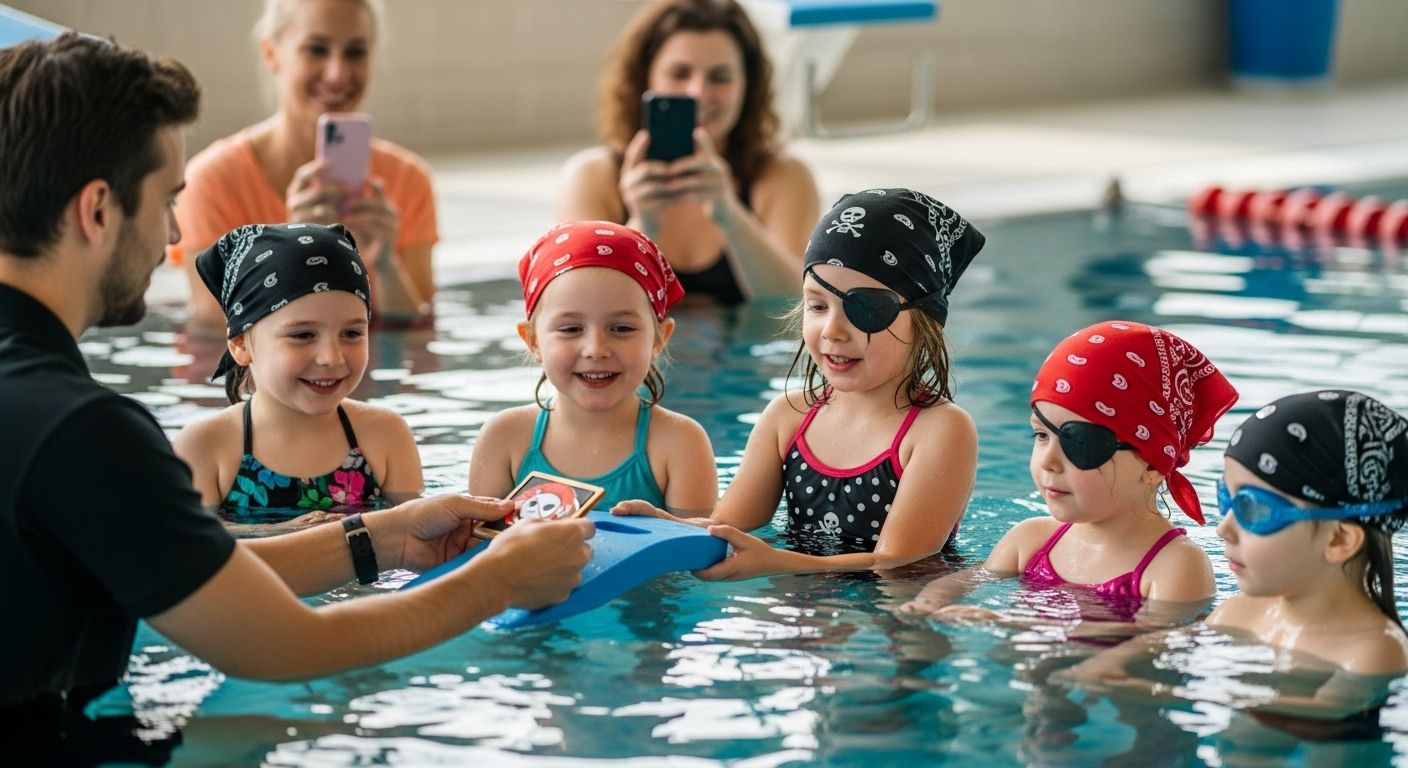
The training includes practical exercises, theoretical units, and playful elements to make learning water competence interesting and motivating for children. Safety is always the top priority.
Importance for children and society
These swimming lessons not only promote individual swimming abilities but also achieve societal goals. Children develop self-confidence, learn important life-saving techniques, and reduce their personal risk when in the water.
The DLRG thus makes an important contribution to water rescue and accident prevention in Germany.
For a better overview of the training objectives of DLRG swimming lessons, here is a table summarizing the most important goals and their explanations.
| Objective | Explanation |
|---|---|
| Water rescue competence | Children not only learn to swim but also to rescue themselves |
| Accident prevention | Teaching safe behavior in and around water |
| Swimming techniques | Learning various swimming styles and techniques |
| Self-rescue skills | Learning self-help measures in dangerous situations |
| Hazard recognition | Developing an awareness of potential risks in and around water |
| First aid in water | Basic knowledge to assist others in emergency situations |
Why are DLRG swimming lessons important for children and adolescents?
DLRG swimming lessons are much more than just sporting activities. They are crucial educational programs that teach children and adolescents life-saving skills and safety competence in dealing with water.
Life-saving safety competence
The primary goal of these courses is the prevention of drowning accidents. According to CDC research, structured swimming lessons can significantly reduce the risk of drowning in children and adolescents.
The most important safety aspects include:
- Self-rescue skills: Children learn how to help themselves in dangerous situations
- Hazard recognition: Developing an awareness of potential risks in and around water
- First aid in water: Basic knowledge to assist others in emergency situations
Holistic development
DLRG swimming lessons not only promote physical safety but also support the personal development of children and adolescents. The courses strengthen important competencies such as self-confidence, body control, and social interaction.
Participants develop:
- Motor skills and coordination
- Mental resilience
- Teamwork and communication skills
Societal contribution
The importance of these swimming lessons extends far beyond individual skills. They make an important contribution to societal safety by training children and adolescents to be responsible water sports enthusiasts and potential lifeguards.
Through systematic training, not only individual risks are minimized, but also communal safety standards are increased. The DLRG thus plays a significant role in accident prevention and water rescue in Germany.
How do DLRG swimming lessons work and what methods are used?
DLRG swimming lessons are highly structured training programs with a systematic approach to teaching water competence and safety skills. They follow a well-thought-out concept that optimally combines safety, learning, and fun.
Structured course design
According to expert guidelines, the courses are based on a precise pedagogical concept with clear quality standards. Group sizes are deliberately kept small to ensure individual supervision.
The courses are organized according to the following principles:
- Age-appropriate grouping: Participants are divided by age and skill level
- Small learning groups: Maximum 6 children per instructor
- Level-based learning: Systematic progression from basics to advanced techniques
Didactic training methods
The DLRG uses modern didactic methods to teach children swimming and water safety behavior in a playful and effective way. The focus is on child-friendly, motivating delivery of skills.
Core methods include:
- Playful learning units with a high practical component
- Gradual increase in difficulty levels
- Positive reinforcement and individual feedback
Safety and qualification
Every DLRG swimming lesson is conducted by highly qualified and specially trained instructors. They not only possess pedagogical competencies but are also trained in water rescue and first aid.
Additionally, all courses are supervised by lifeguards who can intervene immediately. The training methods combine theoretical safety instructions with practical exercises to develop a holistic understanding of water safety.
What qualifications do swimming instructors have at DLRG swimming lessons?
DLRG swimming instructors are highly qualified professionals who teach much more than just swimming techniques. they are professional educators with comprehensive training in water safety, didactics, and child pedagogy.
Comprehensive training standards
According to expert guidelines, DLRG swimming instructors must meet strict qualification requirements. The training goes far beyond basic swimming skills and includes several key areas of competence.
The most important qualification criteria are:
- Pedagogical training: Certified additional qualifications in child pedagogy
- Lifeguard status: At least Bronze Lifeguard
- First Aid Certificate: Current proof of resuscitation and emergency management
Specialized expertise
Swimming instructors undergo multi-year, systematic training that combines theoretical and practical elements. They are trained not only in swimming techniques but also in psychological aspects of child education.
Their core competencies include:
- Age-appropriate didactics and communication
- Developmental psychological foundations
- Individual support and motivation techniques
Continuous professional development
The DLRG places great importance on continuous professional development. Swimming instructors must regularly attend further training to maintain their certifications and stay up-to-date with the latest in water safety and pedagogy.
Through these comprehensive qualification requirements, the DLRG guarantees the highest safety and training standards for children and adolescents in their swimming lessons.
This table provides a structured comparison of the most important qualification areas for DLRG swimming instructors, as described in the article.
| Qualification | Description |
|---|---|
| Pedagogical training | Certified additional qualifications in child pedagogy |
| Lifeguard status | At least Bronze Lifeguard |
| First Aid Certificate | Current proof of resuscitation and emergency management |
| Age-appropriate didactics | Ability to communicate and motivate child-friendly learning content |
| Developmental psychological understanding | Knowledge for individual support and assistance of children |
| Continuous professional development | Regular participation in further training and refresher courses |
How do DLRG swimming lessons affect water safety?
DLRG swimming lessons are a crucial factor in reducing drowning risks and improving water safety. They go far beyond simple swimming techniques and develop comprehensive safety competencies.
Risk reduction through prevention
According to CDC research, structured swimming lessons can significantly reduce the risk of drowning. The courses not only teach technical skills but also a deep understanding of dangers and safe behavior.
The preventive effect includes:
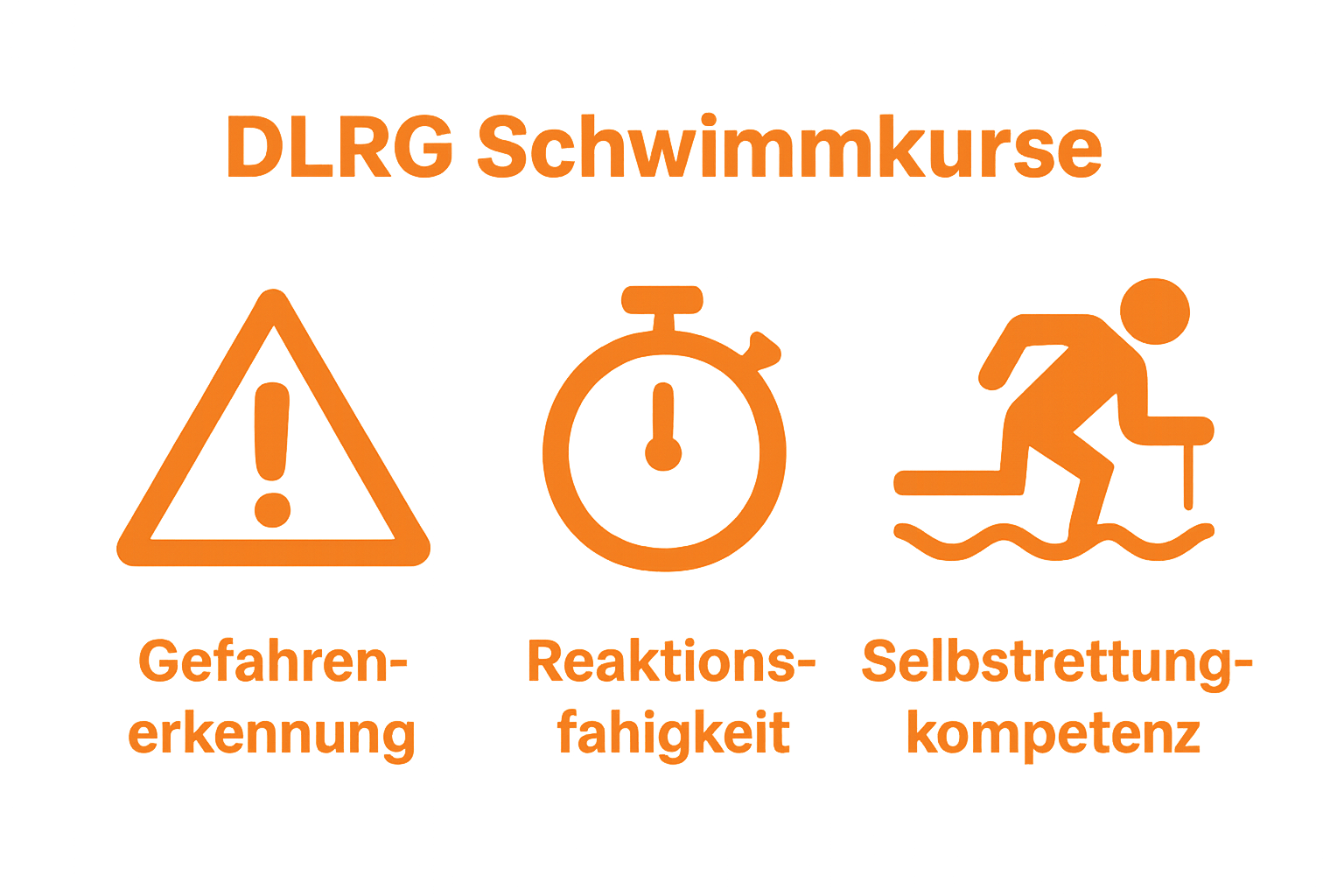
- Hazard recognition: Early detection of potential risks in the water
- Responsiveness: Quick and appropriate action in dangerous situations
- Self-rescue competence: Development of self-rescue strategies
Development of water competence
DLRG swimming lessons promote holistic water competence. Participants not only learn swimming techniques but also develop a deep understanding of the dynamics and challenges of bodies of water.
Core competencies include:
- Physical fitness and movement safety
- Mental strength and stress management
- Strategic thinking in dangerous situations
Long-term safety impacts
The effects of DLRG swimming lessons extend far beyond immediate swimming instruction. They foster a lifelong awareness of water safety and create a foundation for responsible behavior in and around water.
Through systematic training, not only individual risks are minimized, but societal safety standards are also sustainably improved.
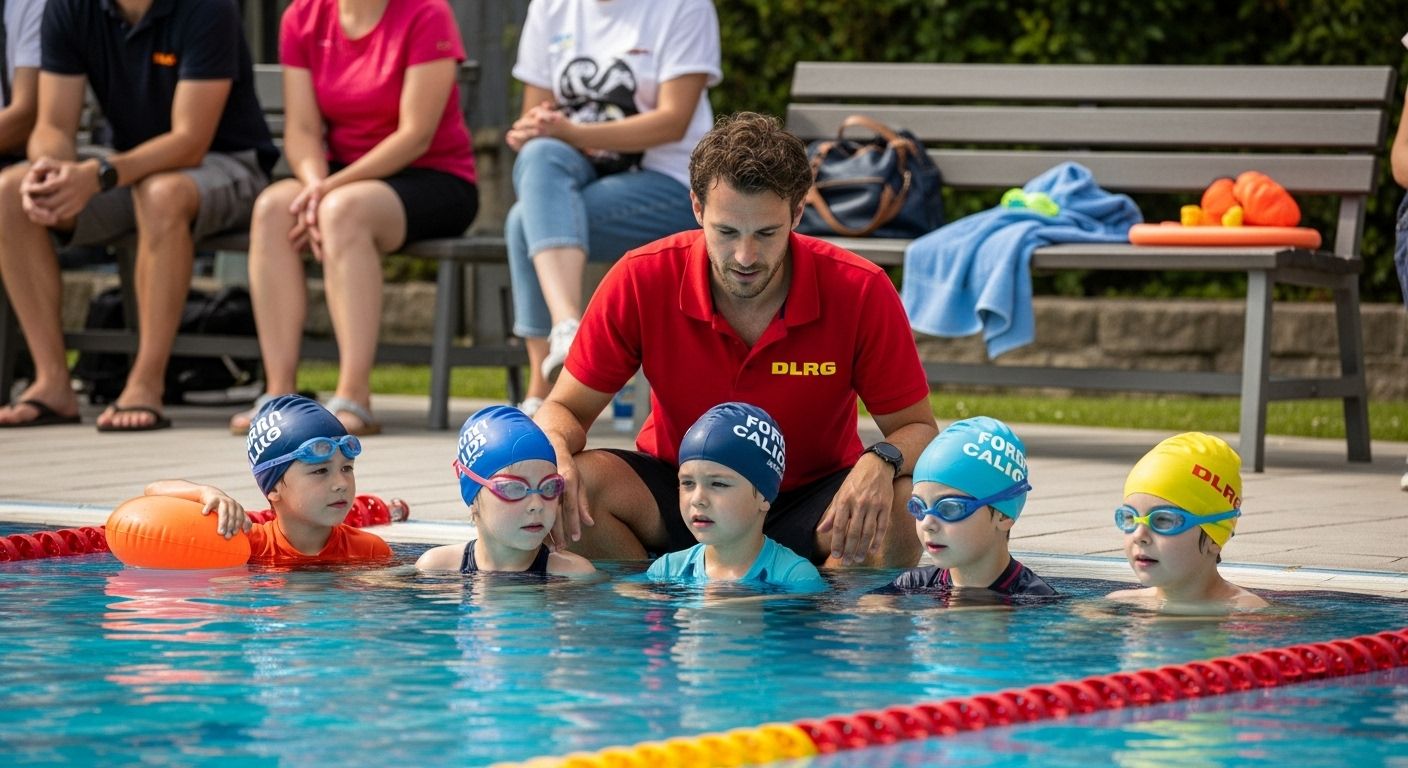
After a successful DLRG swimming course – Secure recognition and motivation now
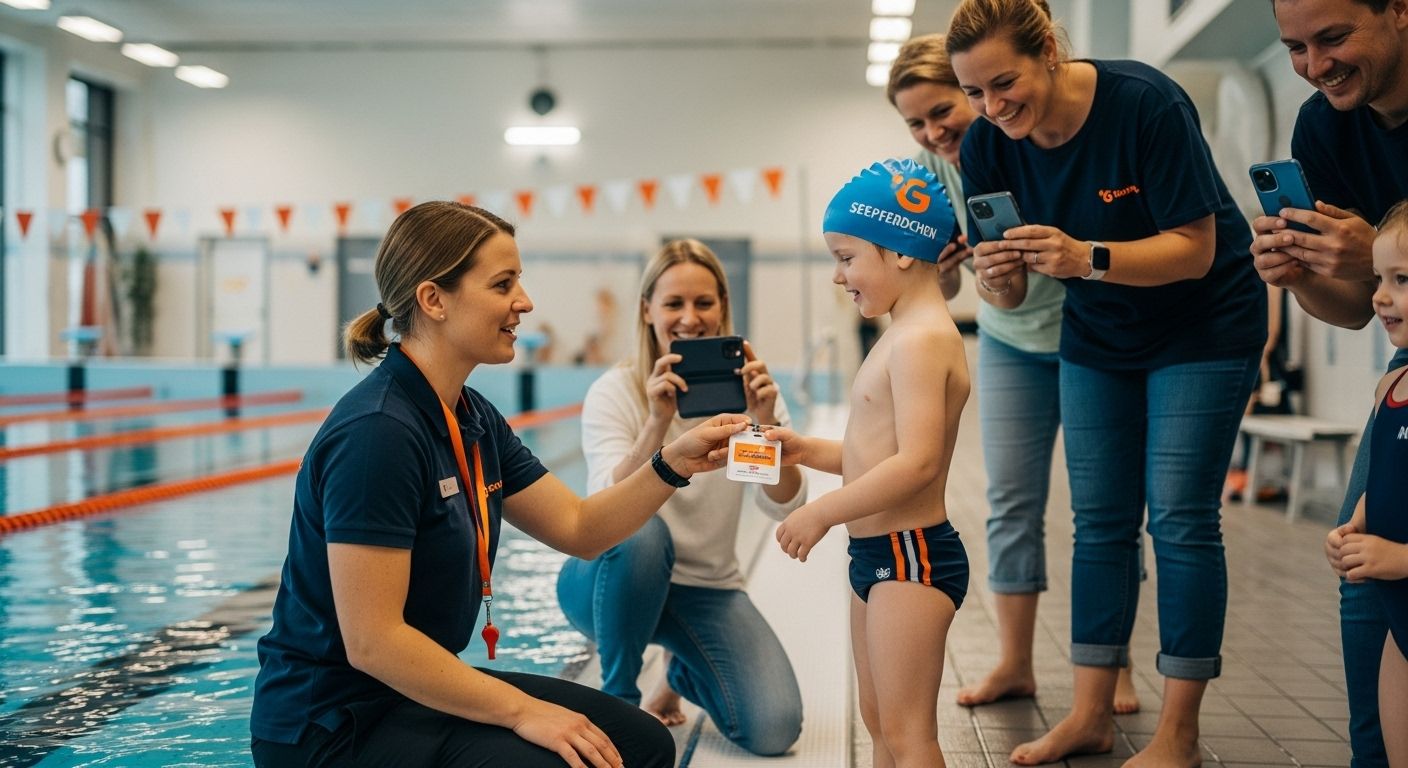
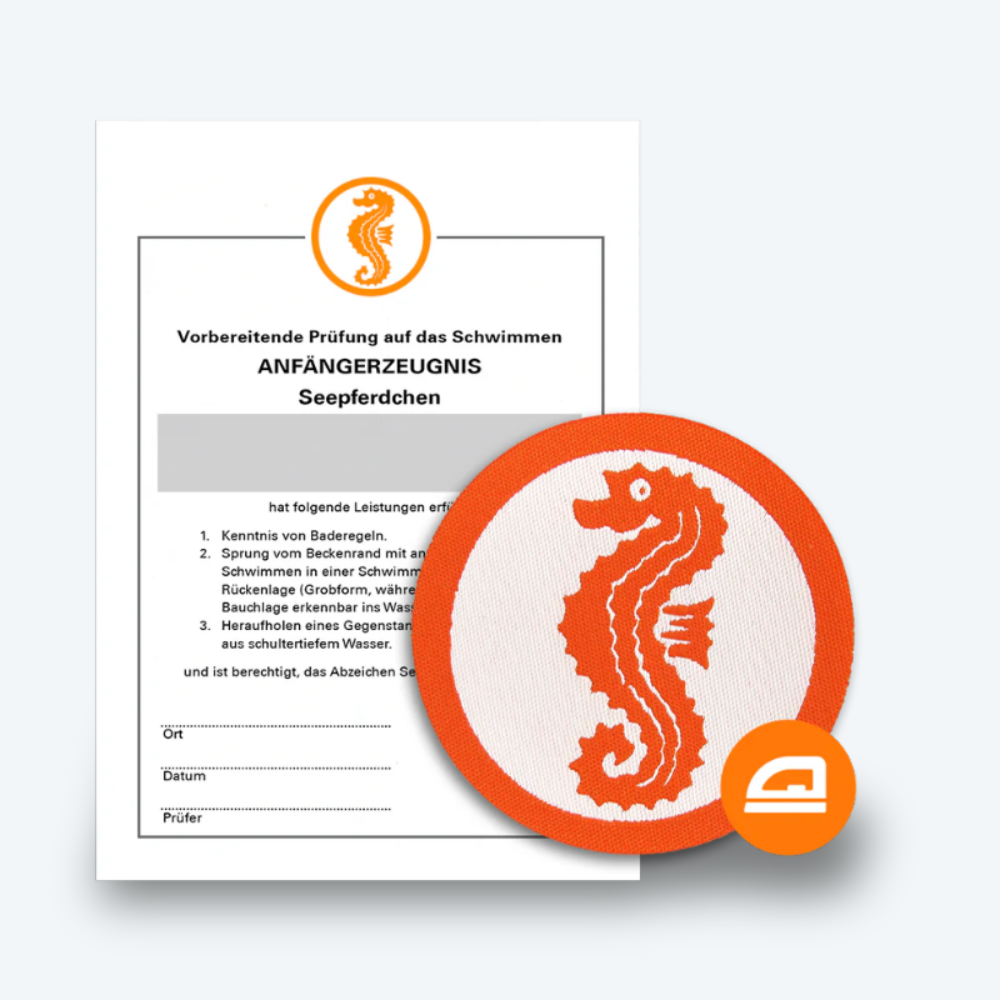
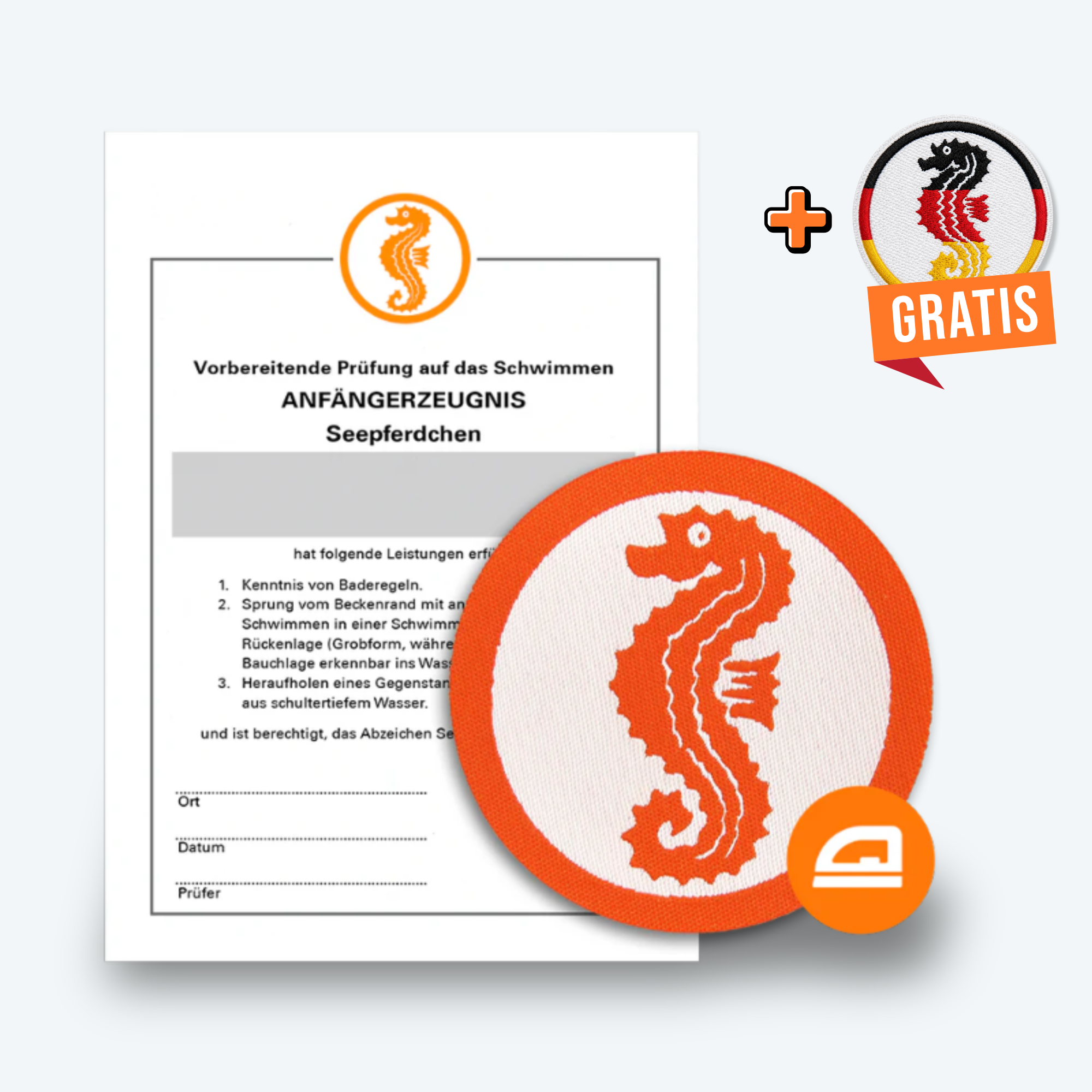
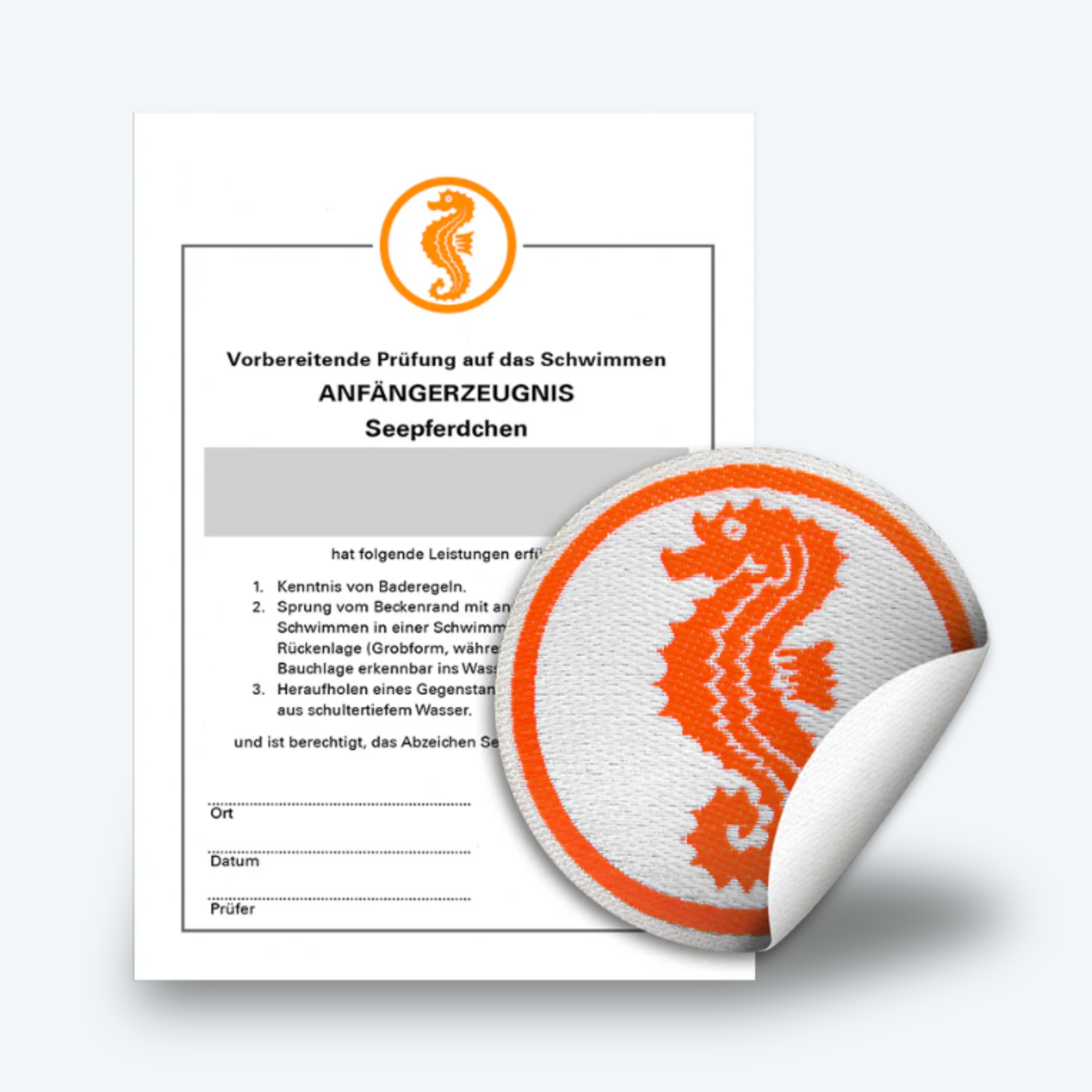
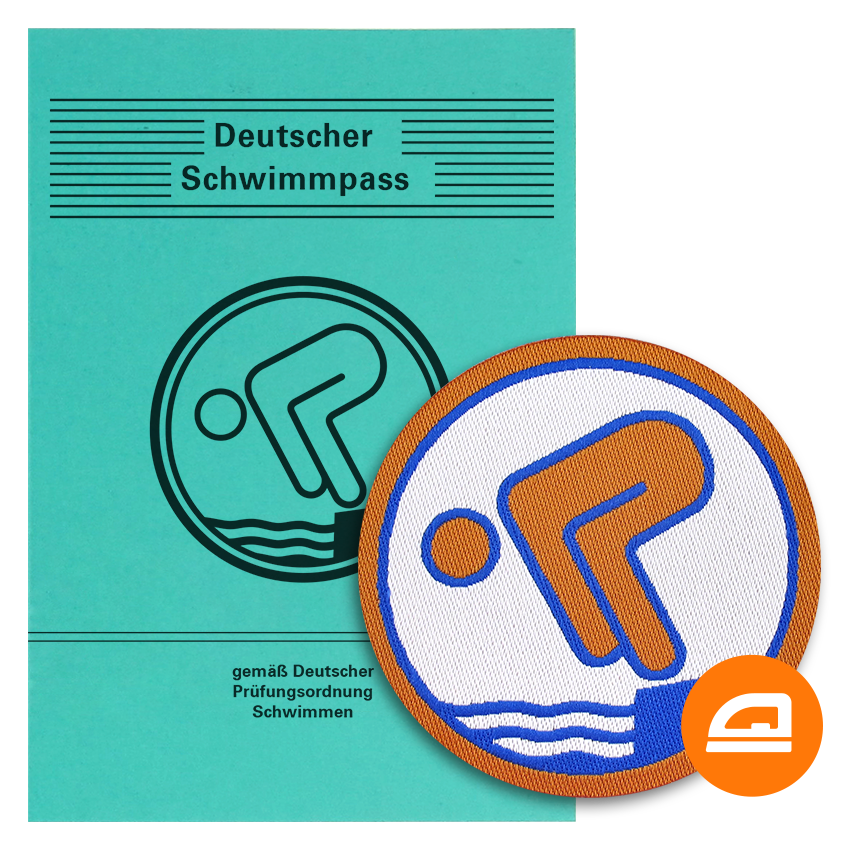
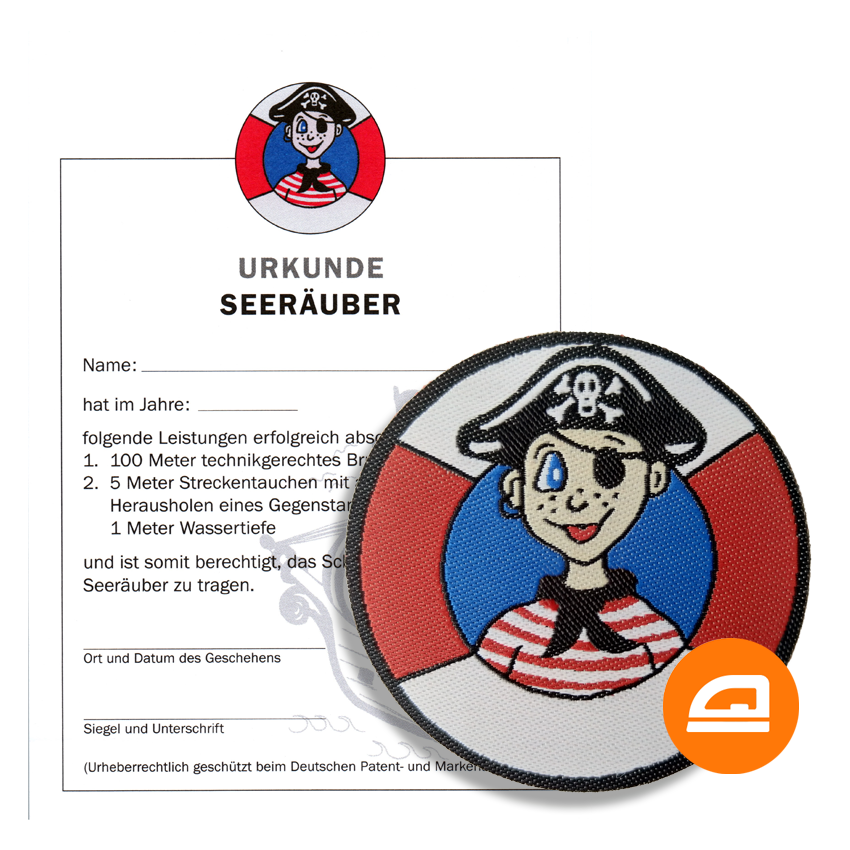
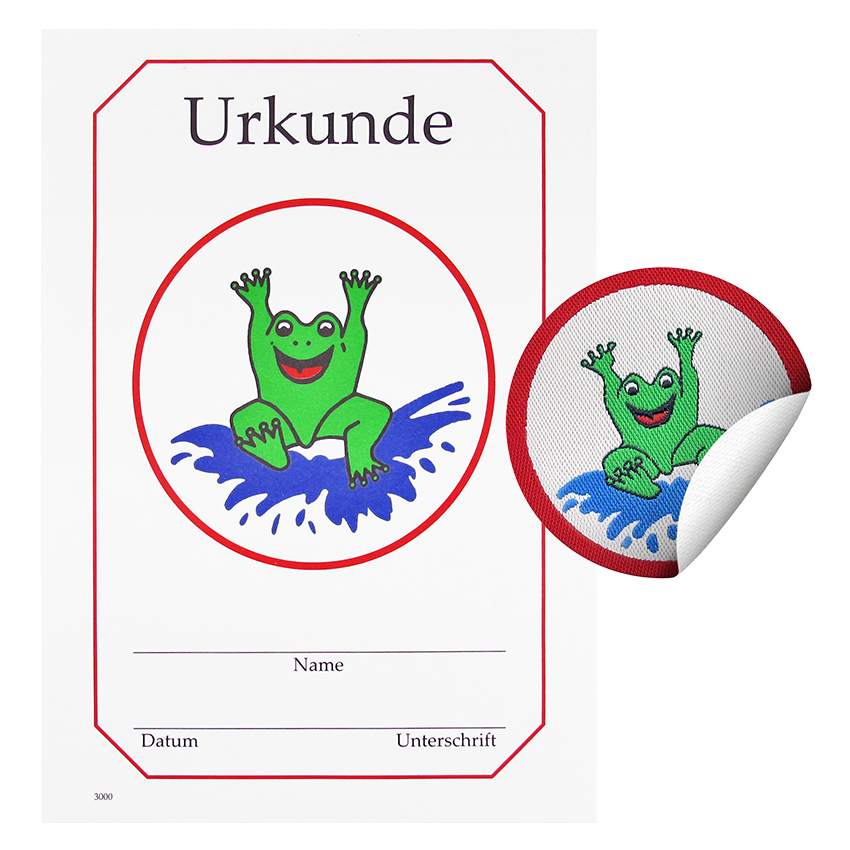
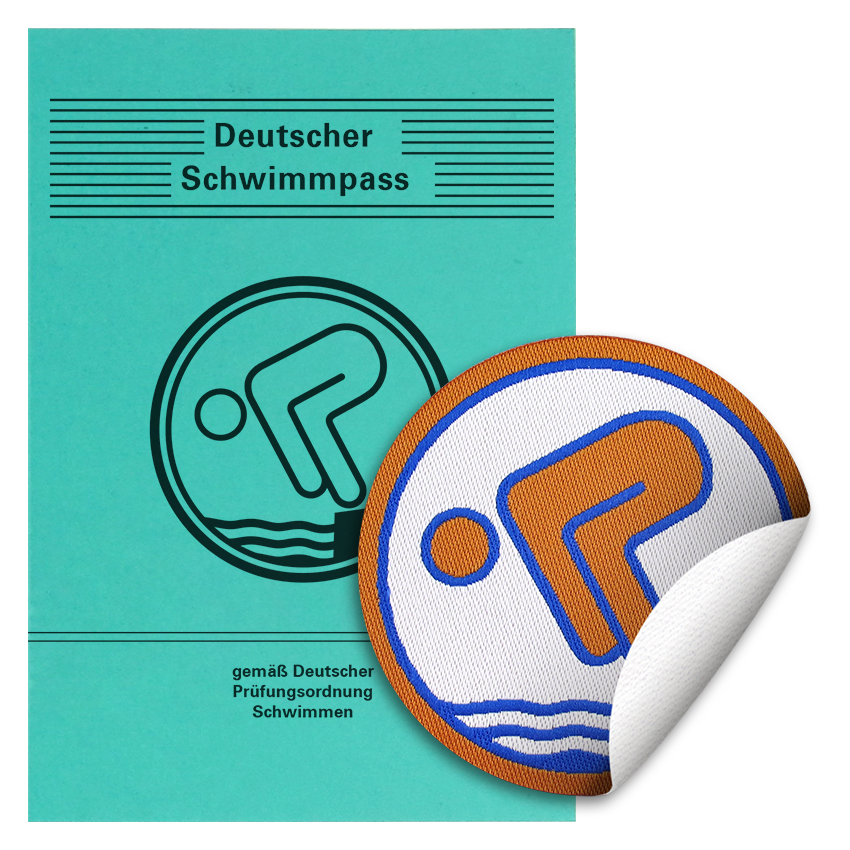
You have learned all the important details about DLRG swimming courses and understand how crucial water competence and safety are for children. It is often underestimated how much positive affirmation after successfully completing swimming courses strengthens the self-confidence of young swimmers. Many parents and clubs face the challenge of finding suitable and officially recognized swimming badges and certificates that sustainably promote motivation and pride. This is exactly where Pimpertz – an official DLRG partner for 38 years – offers a comprehensive and tested selection: original Seepferdchen (seahorse) certificates, badges for all levels, and child-friendly accessories for every occasion.
Give your young swimmers the recognition they deserve now. Discover the variety of certified badges, gift sets, and customizations at pimpertz.de. Benefit from lightning-fast delivery and our large selection to make learning progress visible and acknowledged. Enhance the joy of swimming and continue to promote water safety – visit our shop page and let us advise you.
Frequently Asked Questions
What are DLRG swimming lessons?
DLRG swimming lessons are special programs that teach children and adolescents safe swimming and important water safety competencies. They also promote self-rescue skills and accident prevention.
Why are DLRG swimming lessons so important?
These courses are crucial for reducing drowning risks and promoting safety competencies in dealing with water. They also support the personal development and self-confidence of participants.
How are DLRG swimming lessons structured?
The courses are divided into different age and ability levels. Each level teaches specific swimming techniques and safety competencies through a structured and child-friendly approach.
What qualifications do DLRG swimming instructors have?
DLRG swimming instructors are highly qualified and have comprehensive training in water safety and didactics. They hold certificates in first aid and lifeguarding and place great importance on continuous professional development.