

FAQ Swimming Badges: What they are and why they are important
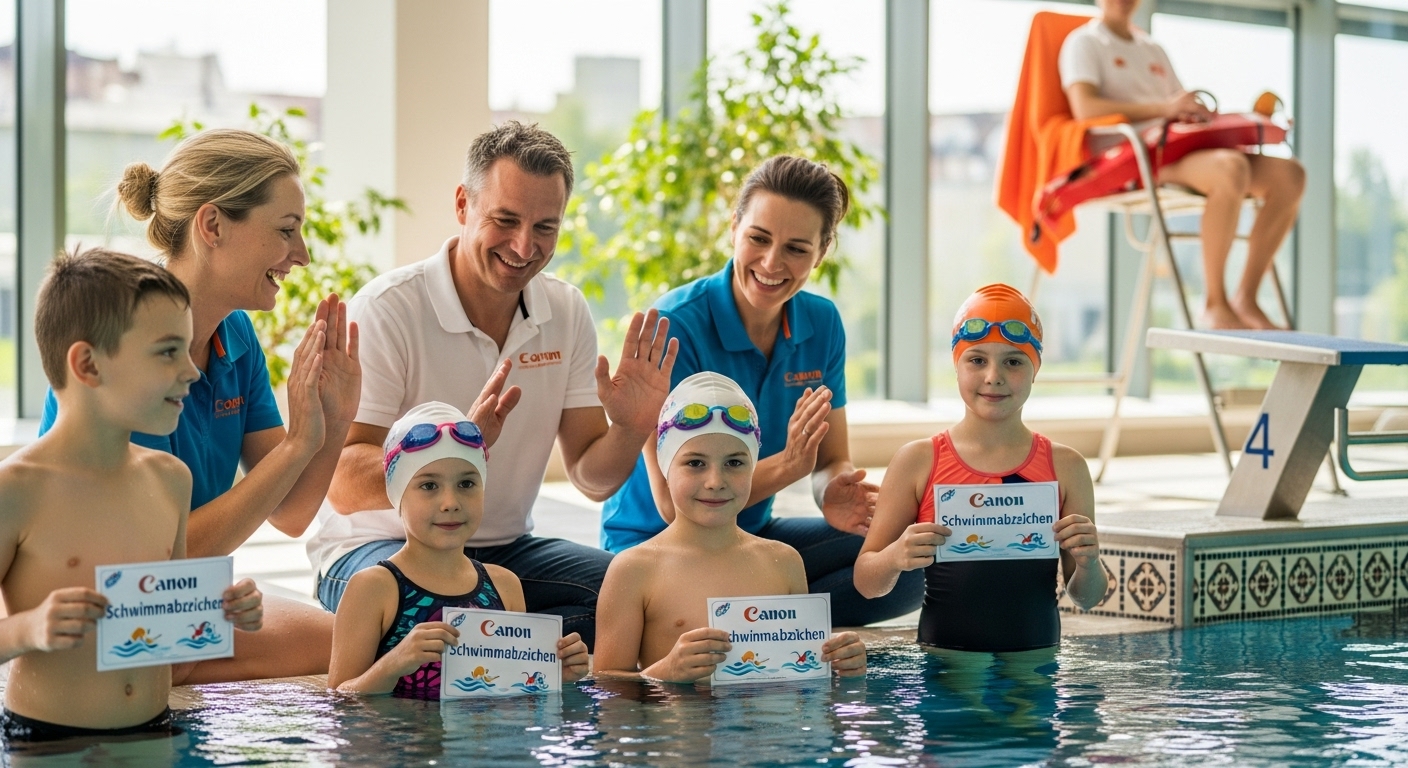
Swimming badges are far more than colorful patches on swim shorts. Children who wear such a badge haven't just managed a few laps in the pool. Surprisingly, over 60 percent of primary school children in Germany do not possess a youth swimming badge. This sounds alarming, as these very badges can save lives and make all the difference in the water.
Table of Contents
- What Are Swimming Badges and Their Significance?
- Why Are Swimming Badges Important for Children and Young People?
- How Do Swimming Badges and Their Examination Standards Work?
- Swimming Badges: Different Types and Their Requirements
- The Role of Swimming Badges in Swimming Education and Safety
Brief Summary
| Takeaway | Explanation |
|---|---|
| Swimming badges document abilities | They effectively certify the swimming competencies of children and adults. |
| Four levels for swimming badges | Seepferdchen (Seahorse), Bronze, Silver, and Gold convey different skills and safety aspects. |
| Focus on water safety | Swimming badges promote important water safety behaviors and hazard recognition. |
| Motivation through achievements | Each badge strengthens self-confidence and motivates further development of swimming techniques. |
| Examination standards are clearly defined | Acquiring a badge follows specific examination standards that include safe swimming techniques. |
What Are Swimming Badges and Their Significance?
Swimming badges are official proofs of achievement that document the swimming abilities and safety of children and adults. They are more than just colorful emblems – they are important certificates of water competence and swimming skill. According to the German Swimming Federation, these badges serve to systematically document and promote swimming abilities.
The Different Levels of Swimming Badges
Swimming badges are divided into different levels of achievement, each certifying specific requirements and competencies:
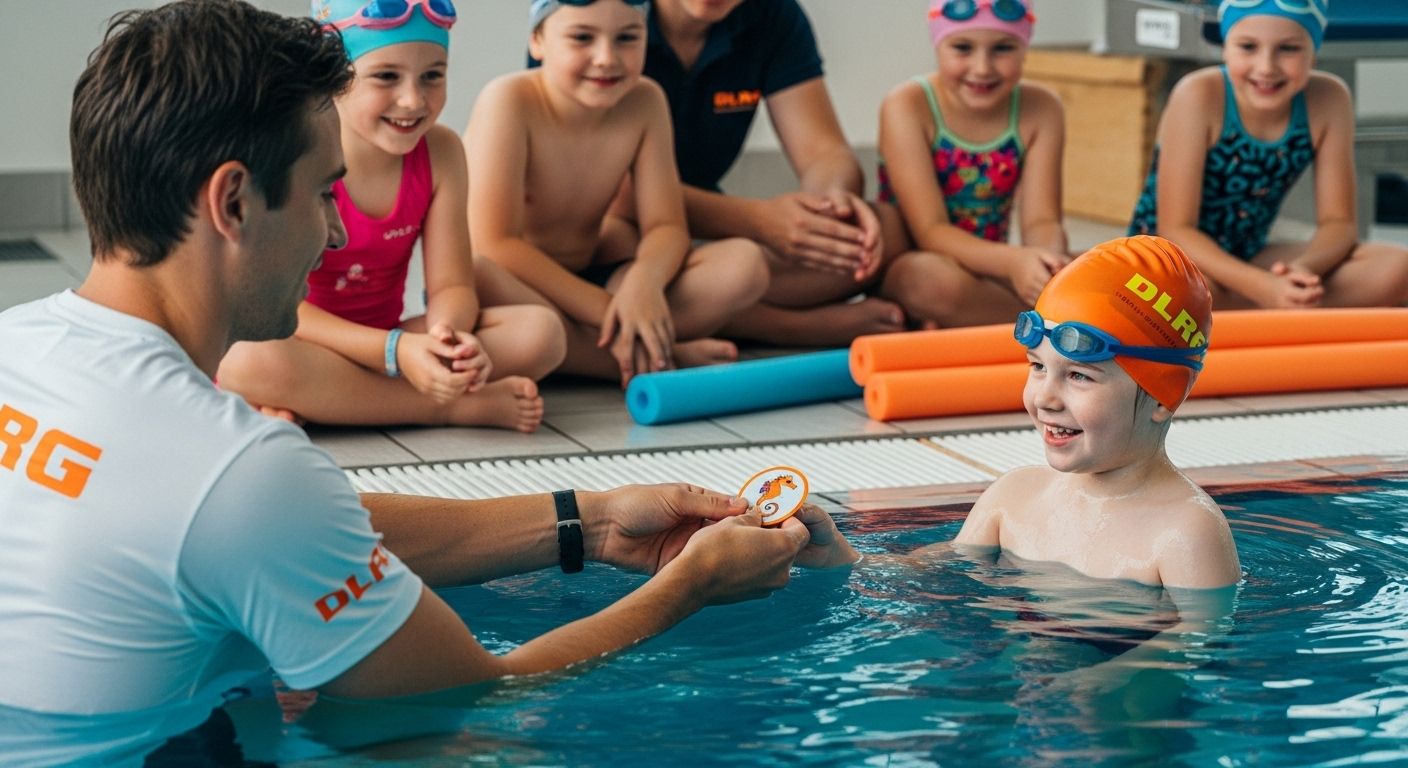
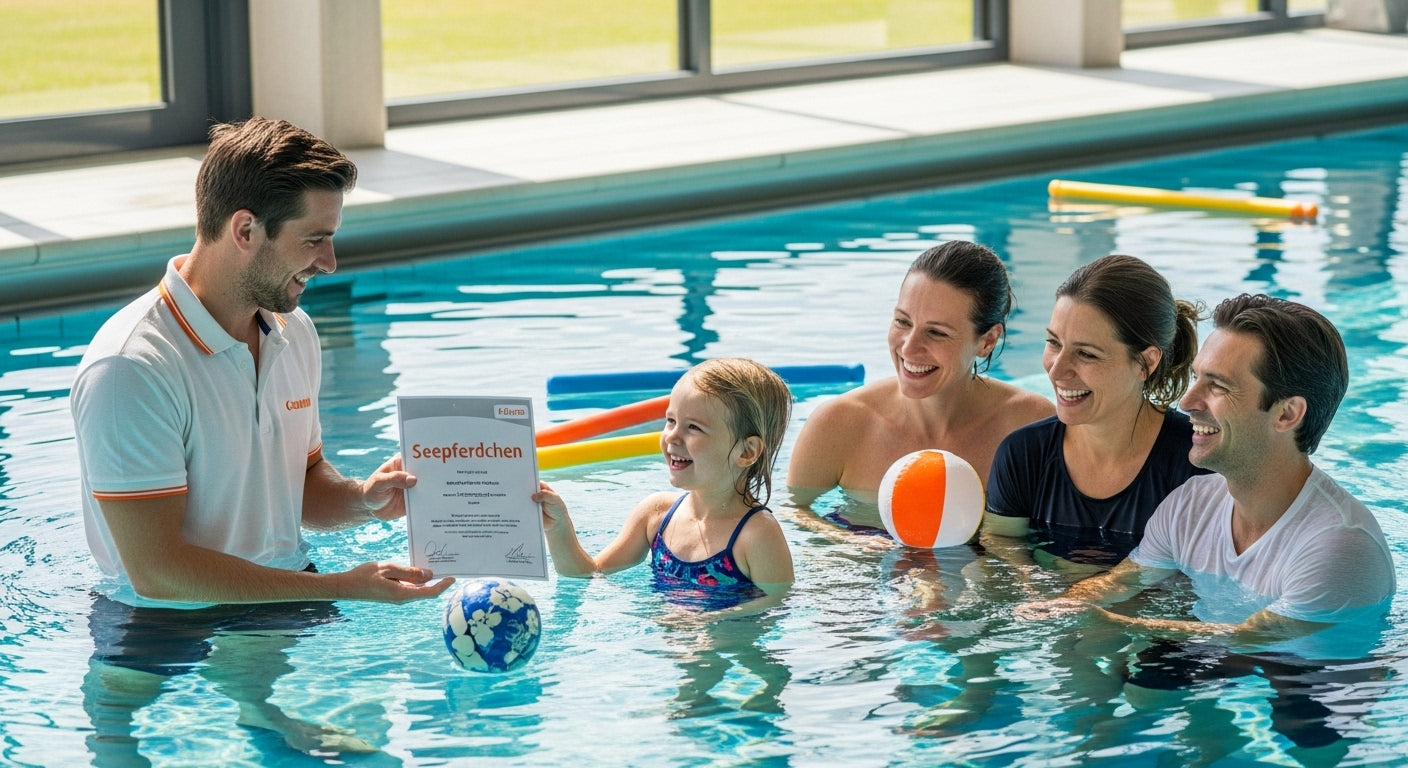
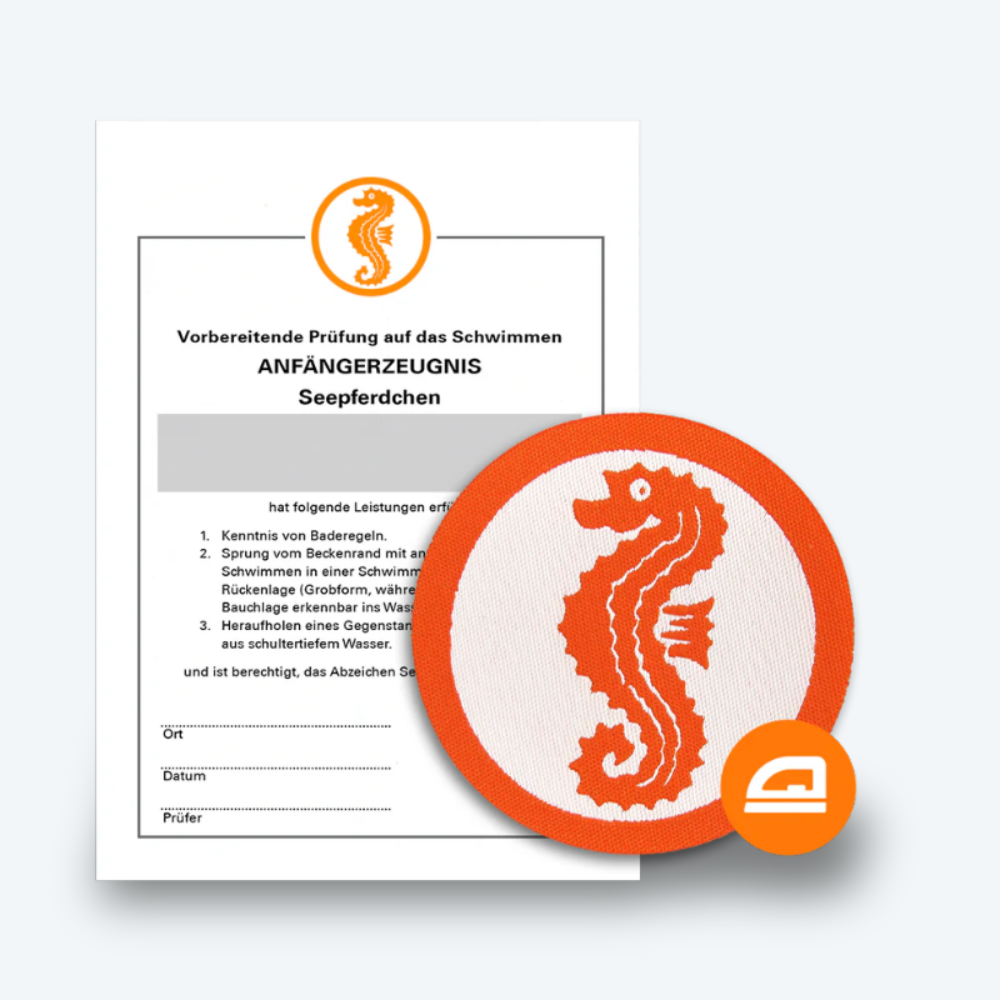
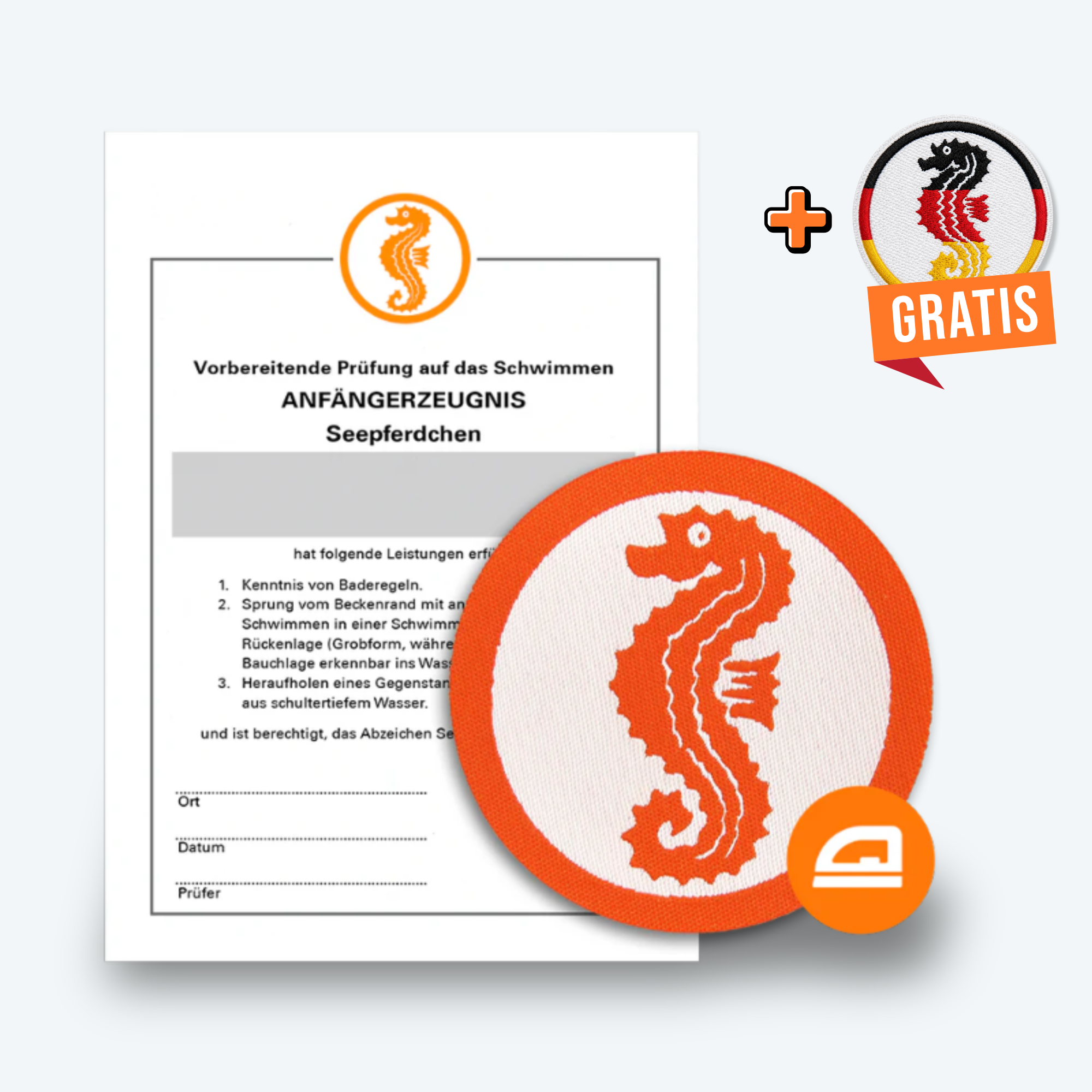
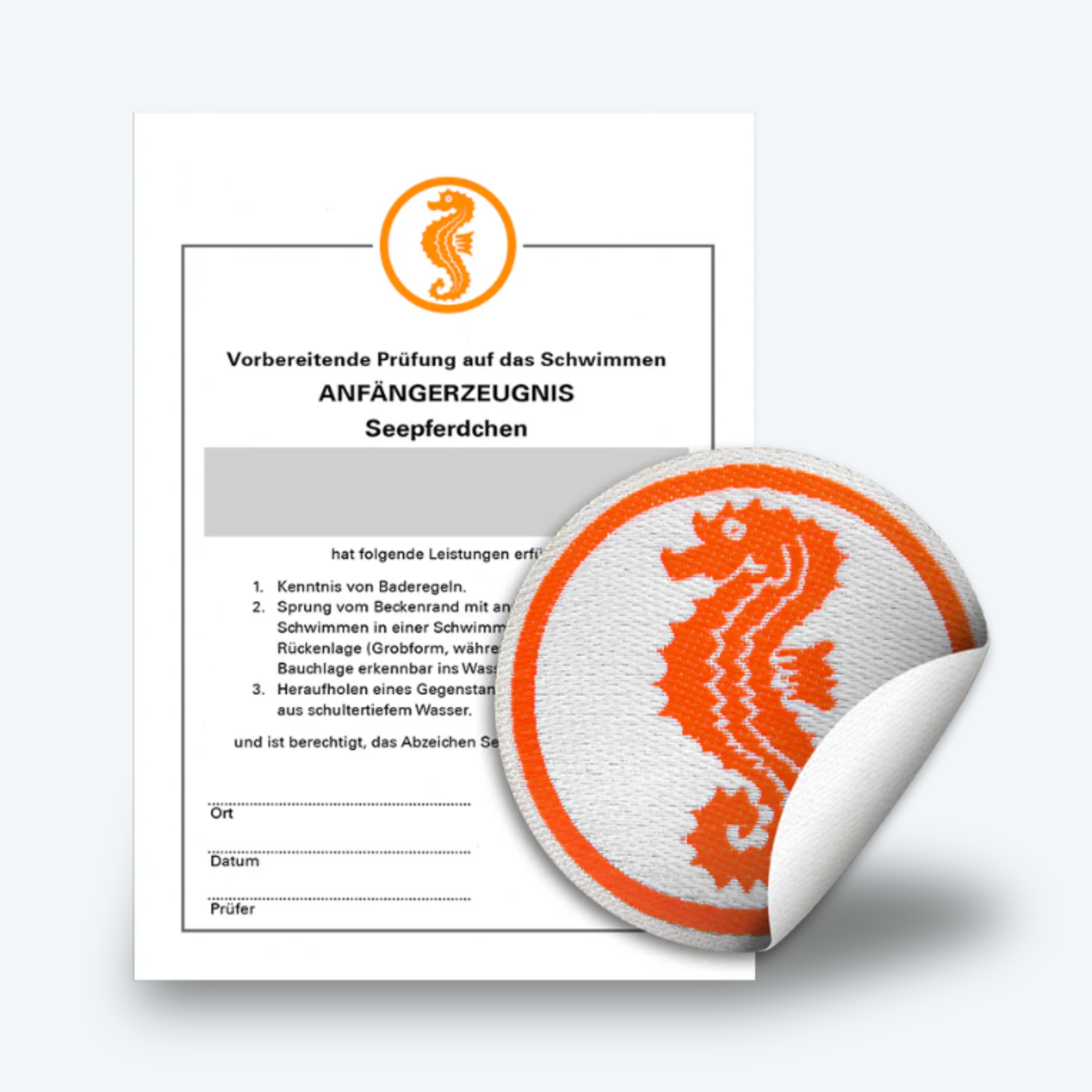
- Seepferdchen (Seahorse): The first step for children to gain confidence in the water
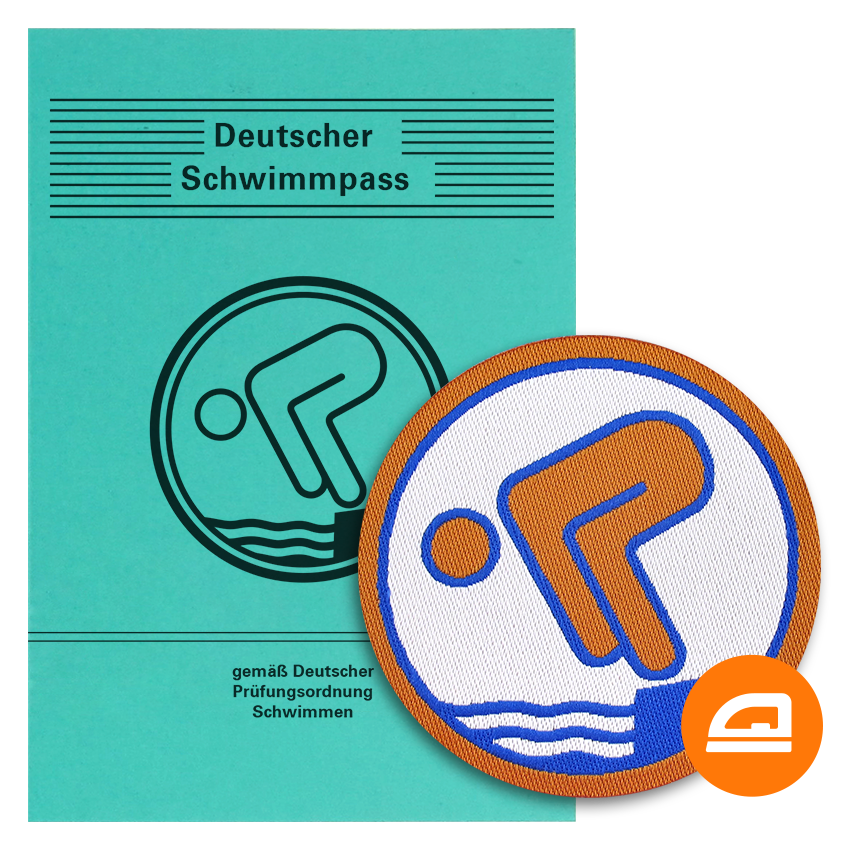
- Bronze: Proof of safe swimming and basic water knowledge
- Silver: Advanced swimming techniques and enhanced water safety
- Gold: Highest level of achievement with complex swimming skills
Each level builds upon the previous one, conveying not only technical swimming skills but also important safety aspects.
Significance for Safety and Development
Swimming badges play a central role in water education. They motivate children and young people to improve their swimming skills and provide safety to parents and supervisors. The German Red Cross emphasizes that these badges are far more than just documents – they are educational tools that can save lives.
With each badge earned, not only swimming competence but also self-confidence grows. They show children that continuous learning and practice lead to measurable progress. For further details on swimming badges in primary schools, we recommend our detailed guide.
Why Are Swimming Badges Important for Children and Young People?
Swimming badges are far more than decorative emblems – they are crucial instruments for promoting water safety, personal development, and self-confidence in children and young people. According to the Federal Association for the Promotion of Swimming Education, they represent a systematic approach to developing swimming knowledge and water competence.
Safety and Life-Saving
The most important aspect of swimming badges is the imparting of water safety. Children learn not only swimming techniques but also vital behaviors in and around water:
- Rescue ability: Basics of self-rescue behavior
- Hazard recognition: Understanding potential risks in bodies of water
- First aid: Basic knowledge for emergency situations
Each badge acquired means another step towards safety for the child and simultaneously reassures parents and supervisors.
Personal Development and Motivation
Swimming badges are powerful motivational tools. They document progress and strengthen self-confidence. The German Red Cross emphasizes that every badge is an achievement that motivates children to continue learning and practicing.
The progression from the Seahorse badge to the Gold badge shows children that continuous training leads to measurable success. For detailed information about DLRG swimming badges, we offer a comprehensive guide.
Furthermore, swimming badges promote important life skills such as perseverance, discipline, and athletic performance.
The following table structures the most important advantages and personal development aspects that children experience through acquiring swimming badges.
| Area | Specific Benefit | Description |
|---|---|---|
| Safety | Accident prevention | Conscious behavior and risk avoidance in water |
| Life-saving | Rescue ability | Knowledge of self- and external rescue |
| Motivation | Sense of achievement | Strengthening self-confidence through progress |
| Personal Development | Discipline/Perseverance | Motivation for continuous practice |
| Social Competence | Group ability | Joint learning and social integration |
How Do Swimming Badges and Their Examination Standards Work?
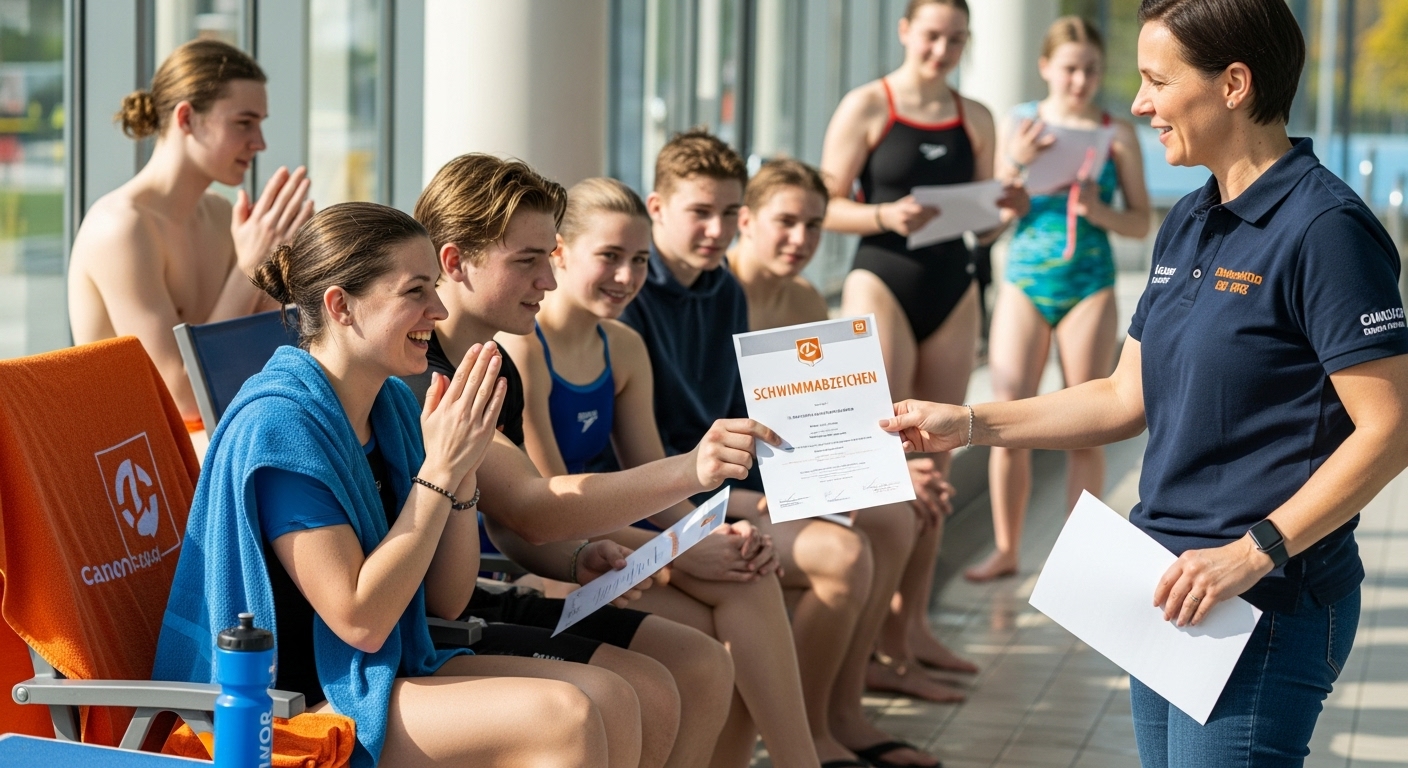
Swimming badges are precisely defined proofs of achievement, the acquisition of which follows clear examination standards. According to the German Swimming Federation, these standards are based on systematic evaluation criteria that include swimming abilities, water safety, and technical skills.
Examination Procedure and Evaluation Criteria
Acquiring a swimming badge requires meeting specific performance requirements. These are standardized and assessed according to age:
- Theoretical component: Basics of water safety and bathing rules
- Practical examination: Demonstrating various swimming techniques
- Safety check: Mastering rescue techniques and behavior in dangerous situations
Each examination is conducted by qualified swimming instructors or licensed examiners who evaluate according to uniform guidelines.
Tiered Model of Swimming Badges
The examination system follows a clearly structured tiered model that systematically guides children and young people through different levels of competence. The German Red Cross defines these levels as a progression system that promotes continuous learning and development.
From water acclimatization to the Gold badge, participants must meet increasingly complex requirements. For detailed information about swimming badge requirements, we offer a comprehensive guide.
The examination standards ensure that each badge represents a genuine proof of achievement and is not just a certificate of participation. They motivate children to continuously improve their swimming skills and simultaneously ensure their water safety.
Swimming Badges: Different Types and Their Requirements
Swimming badges are diverse and cover various competence levels and age groups. According to the Federal Ministry for Family Affairs, Senior Citizens, Women and Youth, various official swimming badges exist that systematically document swimming abilities.
Child-Specific Swimming Badges
For children, there are special badges that playfully teach water competence:
- Seepferdchen (Seahorse): First water acclimatization for children aged 5 and up
- Robbe (Seal): Basic swimming techniques and water safety
- Jugendschwimmabzeichen (Youth Swimming Badge): Advanced swimming skills
Each badge builds upon the previous one and continuously increases children's water competence.
The following table provides a clear comparison of the four central swimming badges and their typical requirements.
| Badge | Recommended Age | Focus/Skills | Difficulty Level |
|---|---|---|---|
| Seepferdchen | from 5 years | Water acclimatization, basic strokes | Beginner |
| Robbe | from 5-6 years | Basic techniques, water safety | Beginner |
| Bronze | from 6 years | Safe swimming, basic rescue skills | Fundamental |
| Silver | from 7-8 years | Advanced techniques and endurance | Advanced |
| Gold | from 9-10 years | Complex techniques, rescue, high endurance | Challenging |

Adult and Performance Swimming Badges
For young people and adults, there are more demanding swimming badges with more complex requirements. The German Red Cross distinguishes various levels of achievement here:
- Bronze: Safe swimming in indoor pools
- Silver: More complex swimming techniques and endurance
- Gold: Highest level of achievement with demanding rescue techniques
For further details on specific swimming badge requirements, we recommend our detailed guide.
The various swimming badges not only serve to document swimming abilities but also motivate continuous development and promote water safety in all age groups.
The Role of Swimming Badges in Swimming Education and Safety
Swimming badges are far more than decorative emblems – they are systematic educational instruments that comprehensively promote water competence and safety. According to the German Youth Swimming Association, they form a structured training path that systematically develops children and young people into safe swimmers.
Educational Goals and Competence Development
Swimming badges pursue clear pedagogical goals in water education:
- Technical skills: Learning various swimming techniques
- Water safety: Imparting hazard awareness and rescue techniques
- Psychosocial development: Strengthening self-confidence and perseverance
Each training level specifically builds competencies that go beyond mere swimming.
Safety Aspects and Societal Importance
Swimming badges play a decisive role in water safety. The "Mit Sicherheit am Wasser" (Safely in the Water) project emphasizes that the German Swimming Badge in Bronze is considered a binding proof of safe swimming.
They not only document individual abilities but also actively contribute to water protection and accident prevention. For detailed insights into swimming badge requirements, we recommend our comprehensive guide.
Through systematic training and continuous performance documentation, swimming badges become important instruments for water rescue and accident prevention.
Securely Document and Celebrate Swimming Badges – with Pimpertz
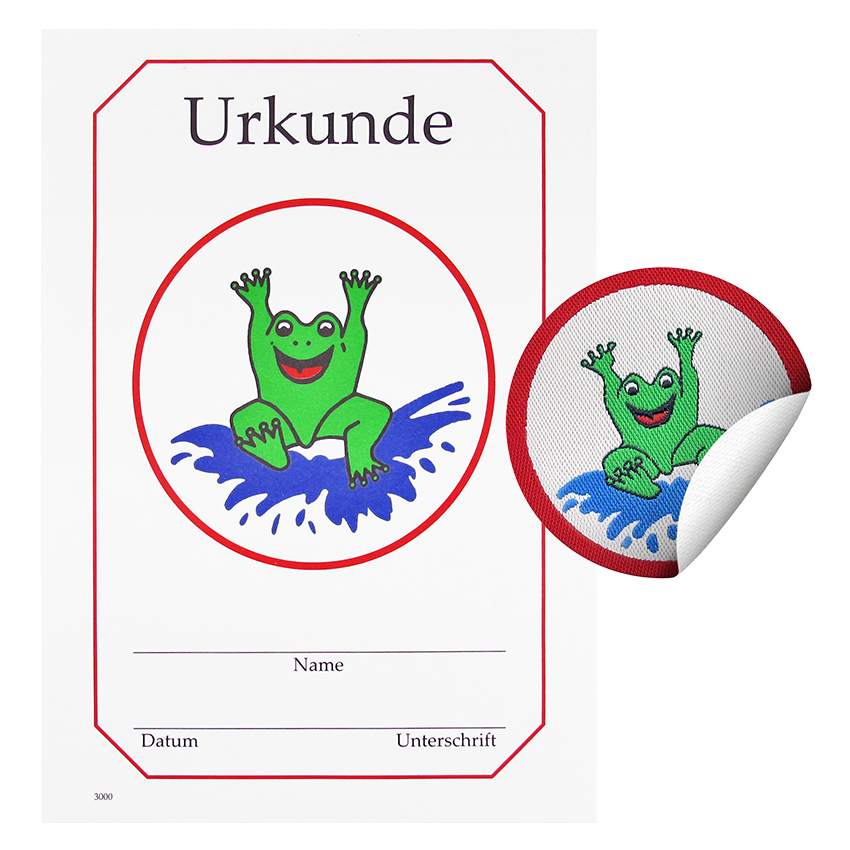
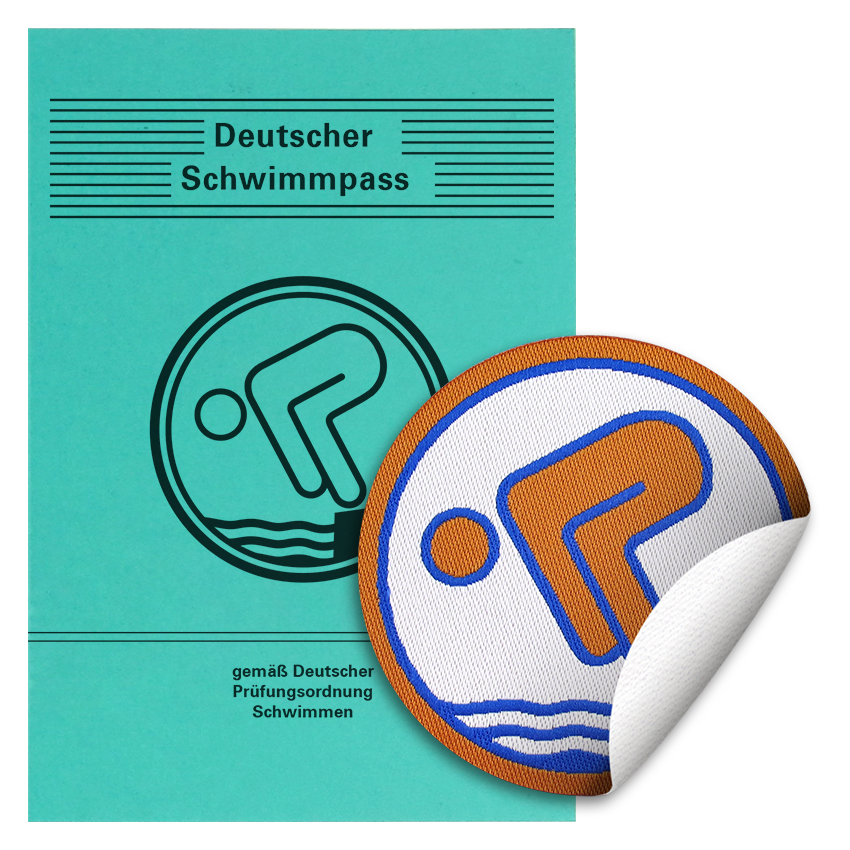
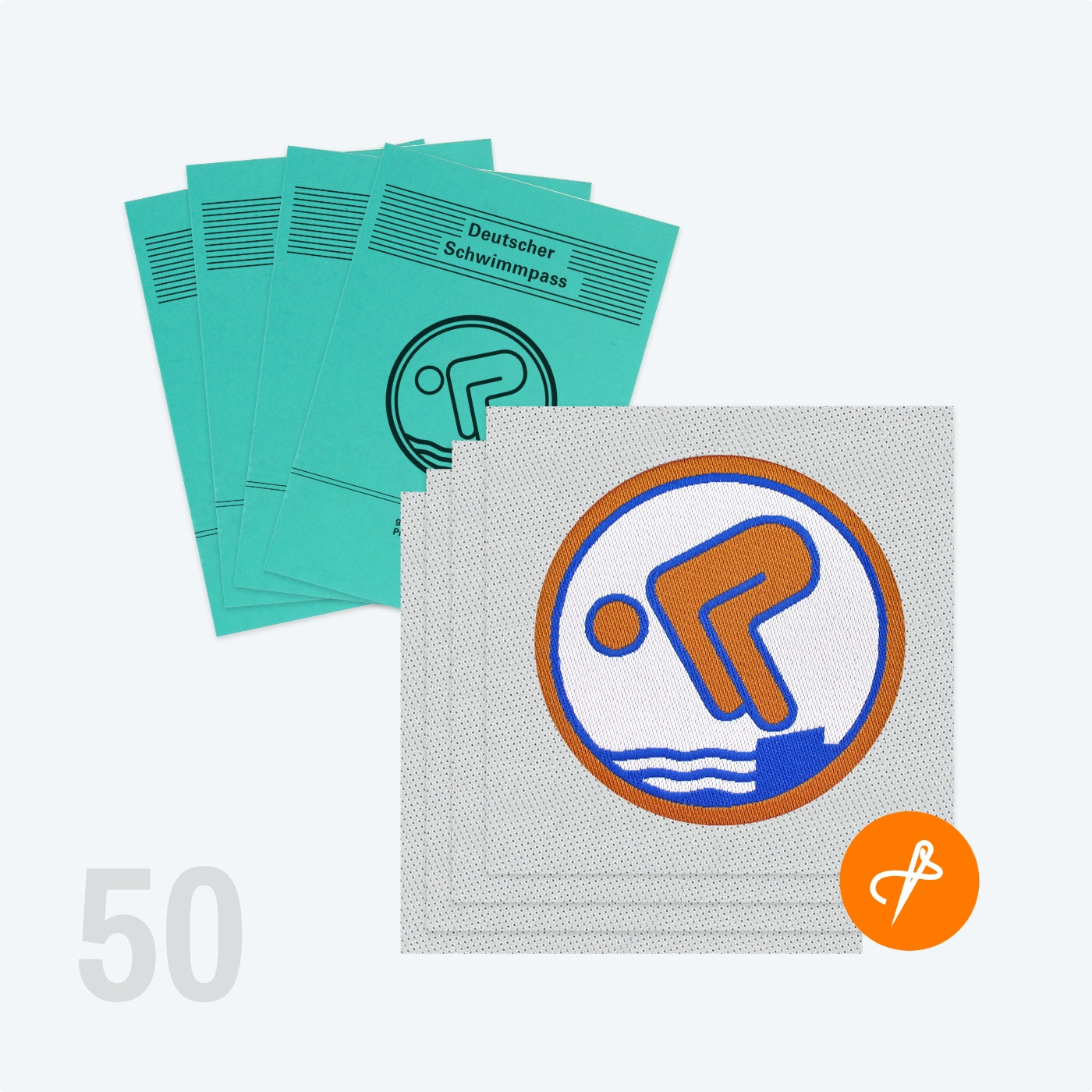
Many parents and swimming instructors face the challenge of not only reliably proving swimming progress but also long-term strengthening children's motivation and pride. Especially in the FAQ about swimming badges, it becomes clear how important it is to make recognition and safety visible for children. This requires badges and certificates that bring joy and are actually officially recognized. With our certified swimming badges, such as the Seestern Stella Swimming Badges & Certificates, progress is not only documented but also becomes a special experience for young swimmers. Parents and schools can choose from a large selection of child-friendly designs and originally tested badges.
Benefit from our many years of expertise and bring sustainability and joy to your swimming lessons. Select badges now and discover them directly in the Pimpertz online shop. Ensure safety and beaming faces today – your reliable partner for high-quality swimming badges, Seestern Stella Swimming Badges & Certificates, and much more is waiting for you.
Frequently Asked Questions
What are swimming badges?
Swimming badges are official proofs of achievement that document swimming abilities and safety while swimming. They are important for promoting water competence and swimming skills in children and adults.
Why are swimming badges important for children?
Swimming badges promote water safety and children's self-confidence. They convey important knowledge about swimming techniques and behaviors in and around water, which can be life-saving.
How does the examination procedure for swimming badges work?
The examination procedure for swimming badges includes theoretical and practical tests, where specific performance requirements must be met, such as demonstrating swimming techniques and knowledge of water safety.
What types of swimming badges are there?
There are various swimming badges for different age groups and skill levels, including the Seepferdchen (Seahorse) for children, Bronze, Silver, and Gold for young people and adults, each covering different requirements and swimming techniques.