

Over 90 percent of young people underestimate the challenge of the Gold Youth Swimming Badge. This badge not only demands endurance and safe technique but also in-depth knowledge of self-rescue and rescuing others. Those aiming for the Gold Badge face demanding examinations that require far more than mere swimming ability. Here, parents and young people can learn how optimal preparation, effort, and a clear understanding of the examination content can pay off.
Table of Contents
- What is the Gold Youth Swimming Badge?
- Requirements and Age Restrictions at a Glance
- Examination Requirements and Practical Content
- Comparison with Bronze and Silver Badges
- Rights and Responsibilities After Passing
- Common Mistakes and Preparation Tips
Key Insights
| Point | Details |
|---|---|
| Gold Youth Swimming Badge | The Gold Youth Swimming Badge is the highest award in youth swimming education and requires both perfect swimming techniques and comprehensive rescue knowledge. |
| Requirements | Participants must be at least 9 years old and have obtained the Silver Badge to be eligible for the Gold Badge. |
| Examination Requirements | The examination includes both practical swimming tests and theoretical knowledge in water safety and first aid techniques. |
| Responsibilities | After receiving the badge, holders have a moral responsibility to use their knowledge to protect others. |
What is the Gold Youth Swimming Badge?
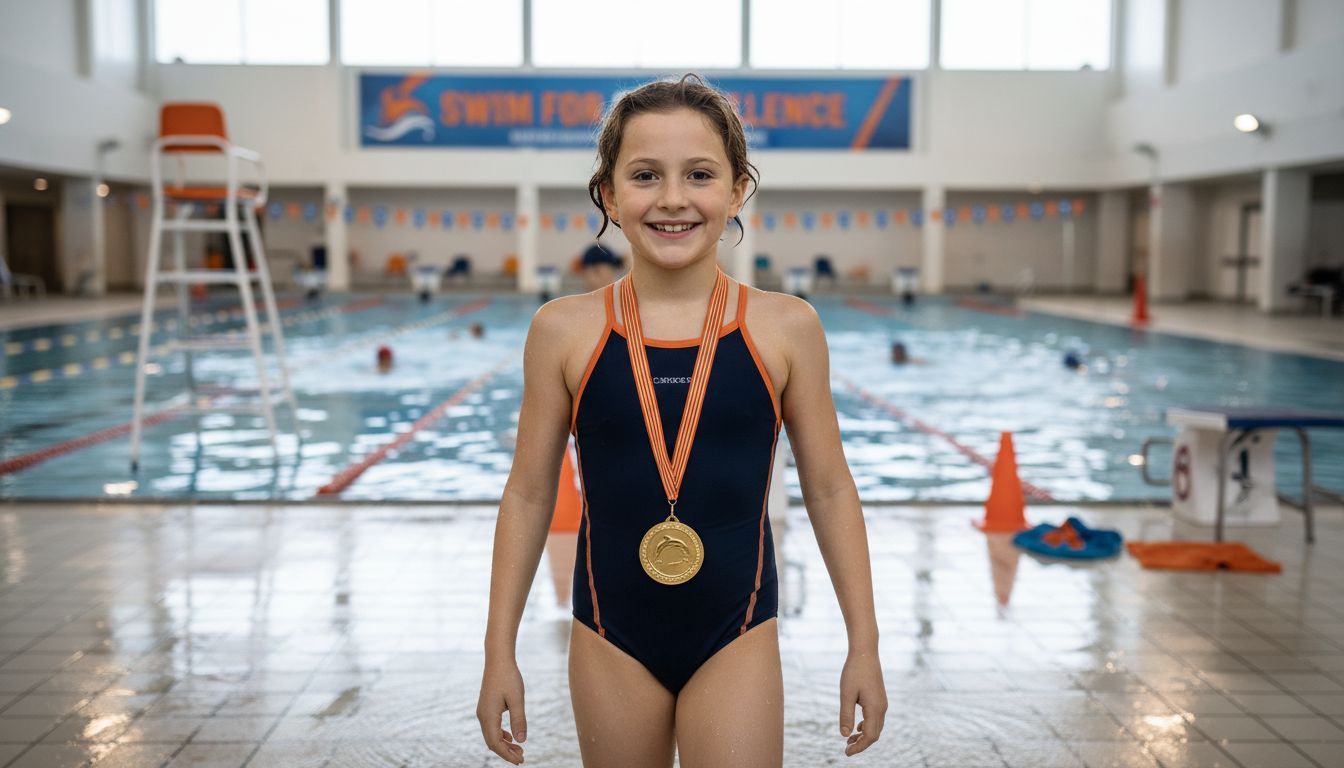
The Gold Youth Swimming Badge represents the highest award in youth swimming education. It signifies an outstanding level of achievement in the swimming abilities of young swimmers. Unlike previous badges, the Gold Youth Swimming Badge not only requires perfect swimming movements but also comprehensive rescue knowledge.
The requirements for this badge are demanding. Participants must master complex swimming techniques and at the same time be able to demonstrate lifesaving measures safely. This includes precise swimming styles, endurance performances, and practical skills for self-rescue and rescuing others in the water. These comprehensive requirements make the Gold Youth Swimming Badge a real challenge for young swimmers.
The significance of this badge extends far beyond a mere sporting award. It is an important step in water safety and the education of young people. Through the strict examination criteria, not only is physical fitness promoted, but also a sense of responsibility for safety in and around water is sharpened. Young people who acquire this badge demonstrate their outstanding swimming competence and their ability to react prudently and professionally in dangerous situations.
Requirements and Age Restrictions at a Glance
There are clear and binding requirements for the coveted Gold Youth Swimming Badge. Children aged 6 to 9 must meet certain conditions to qualify for this demanding swimming education. The minimum age and possession of previous swimming badges play a crucial role.
The most important basic requirement is the acquisition of the German Swimming Badge in Silver. At the time of registration, participants must be at least 9 years old. This age limit ensures that children already possess sufficient physical and mental abilities to meet the demanding requirements of the Gold Badge.
In addition to age and the Silver Badge, young people must also possess other competencies. These include advanced swimming techniques, endurance, and, above all, safe knowledge of self-rescue and rescuing others. Swimming clubs and instructors usually conduct an aptitude test, in which the physical fitness, water safety, and mental readiness of the participants are assessed. Only those who meet all criteria receive the prestigious Gold Youth Swimming Badge.
Examination Requirements and Practical Content
The Gold Youth Swimming Badge requires a comprehensive practical and theoretical examination that holistically assesses the swimming skills and rescue competencies of young swimmers. Swimming badge requirements include various challenging disciplines that test endurance, technique, and safety awareness.
The practical examination content includes several crucial components. Participants must first demonstrate various swimming techniques, including crawl, backstroke, and breaststroke. Furthermore, an endurance test is conducted, in which swimmers must cover a defined distance without interruption. A particularly critical aspect is the rescue exercise: here, young people must show that they can act professionally and prudently in simulated dangerous situations.
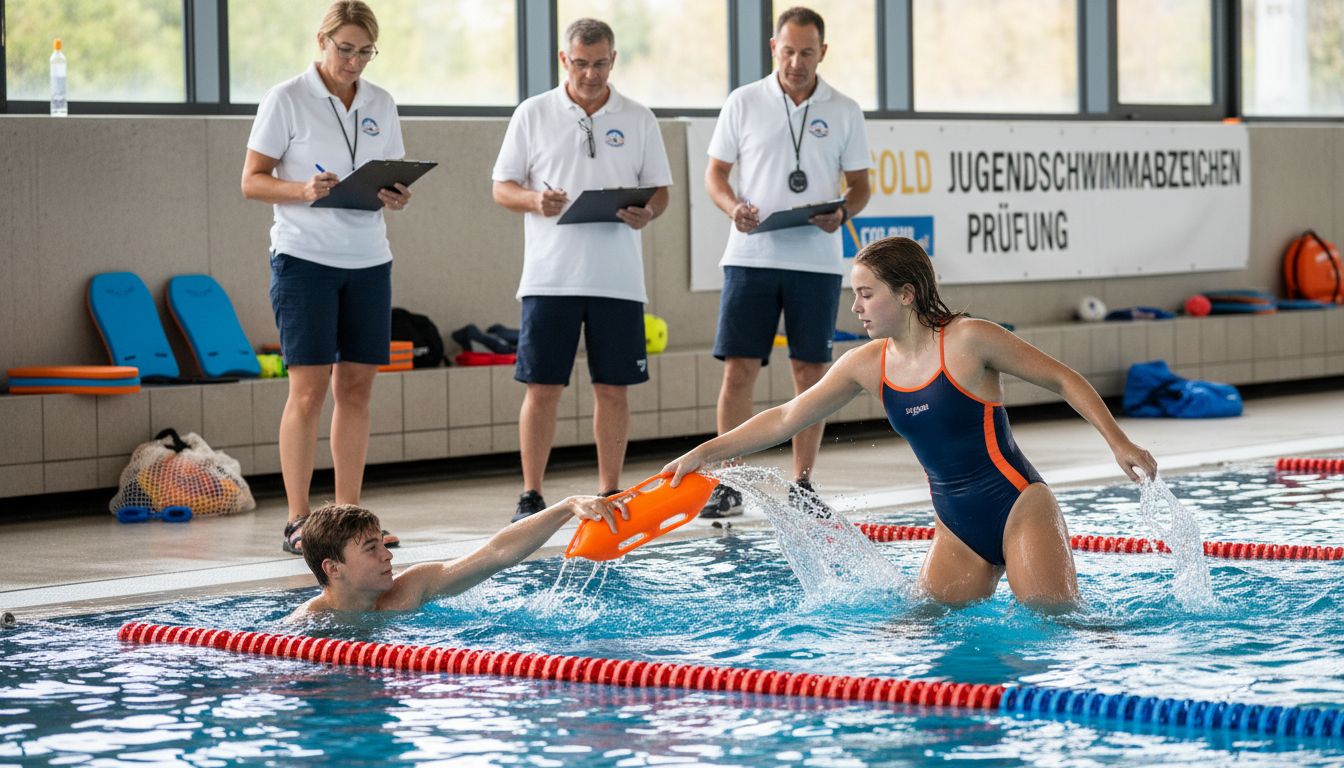
In addition to the physical requirements, the examination also includes theoretical elements. Participants must demonstrate knowledge of water safety, first aid techniques, and rules of conduct in water emergencies. This holistic assessment ensures that only truly qualified swimmers receive the coveted Gold Youth Swimming Badge. The examination is designed not only to test athletic abilities but also to assess responsibility and responsiveness in potentially dangerous situations.
Comparison with Bronze and Silver Badges
The swimming badges Bronze, Silver, and Gold represent a progressive advancement of swimming skills, with each level becoming more demanding than the previous one. The requirements systematically increase and test increasingly complex physical and safety-related competencies.
For the Bronze level, swimmers must cover about 200 m in a maximum of 15 minutes. The Silver level increases the requirements to 400 m swimming in a maximum of 25 minutes, supplemented by a jump from 3 m height. In comparison, the Gold Badge demands significantly more challenging performances: 600 m swimming in under 24 minutes, 50 m breaststroke in a maximum of 1:10 minutes, 25 m crawl swimming, and additional rescue techniques such as 50 m transport swimming.
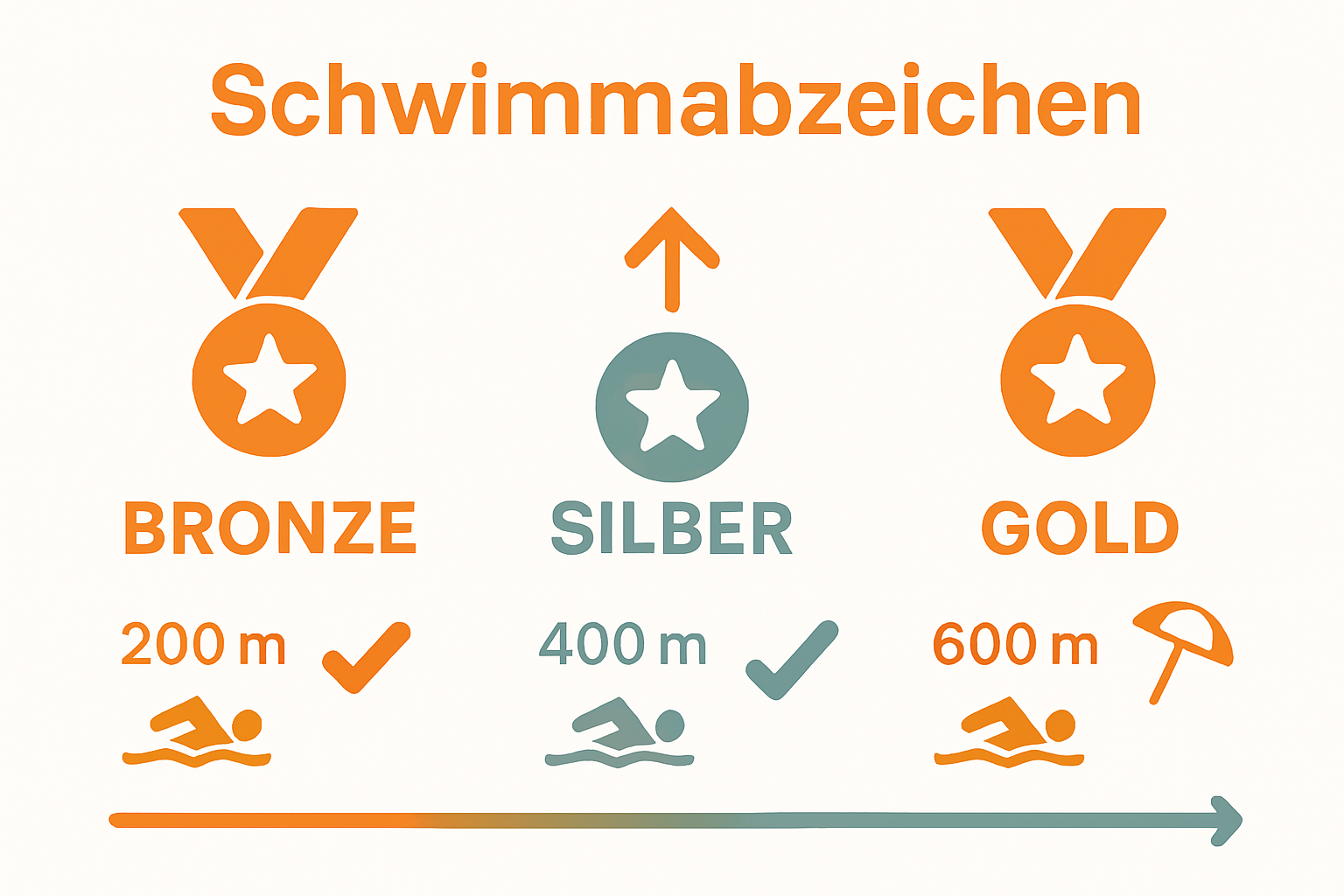
The crucial difference between the badges lies not only in the physical requirements but especially in the increasingly complex rescue and safety aspects. While Bronze primarily tests basic swimming skills, Silver expands these with more technical elements. The Gold Badge finally integrates comprehensive rescue techniques, endurance tests, and the ability to act professionally even under stress.
Rights and Responsibilities After Passing
After acquiring the Gold Youth Swimming Badge, new opportunities and responsibilities open up for young swimmers. The age groups and authorizations vary depending on the developmental stage and acquired competencies.
For young people between 9 and 12 years old, the Gold Badge signifies an important milestone. It qualifies them to participate in swimming competitions and is a prerequisite for further qualifications. Despite the acquired swimming skills, supervision is still recommended, as safety always comes first.
Rights and duties include more than just sporting aspects. Holders of the Gold Youth Swimming Badge have a moral responsibility to use their knowledge to protect others. They are able to recognize emergency situations in the water and perform initial rescue measures. At the same time, they must understand that the badge is not a guarantee of absolute water safety and situation-dependent caution remains important.
Common Mistakes and Preparation Tips
Preparation for the Gold Youth Swimming Badge requires a systematic and thoughtful approach. Successfully structuring swim training means avoiding typical mistakes and specifically developing the right skills.
One of the most common mistakes is underestimating technical complexity. Young people often focus only on endurance and speed, neglecting precise swimming movements. Perfect body posture, efficient breathing, and exact arm movements are crucial. Regular training with an experienced swim coach can help improve these technical nuances.
In addition to technique, mental preparation and stress resilience are crucial. Participants must learn to remain calm and focused even under examination pressure. Simulated examination situations, relaxation exercises, and a gradual build-up of challenges can strengthen mental resilience. It is also important to set realistic training goals and continuously document progress.
Master the Challenge of the Gold Youth Swimming Badge with Pimpertz
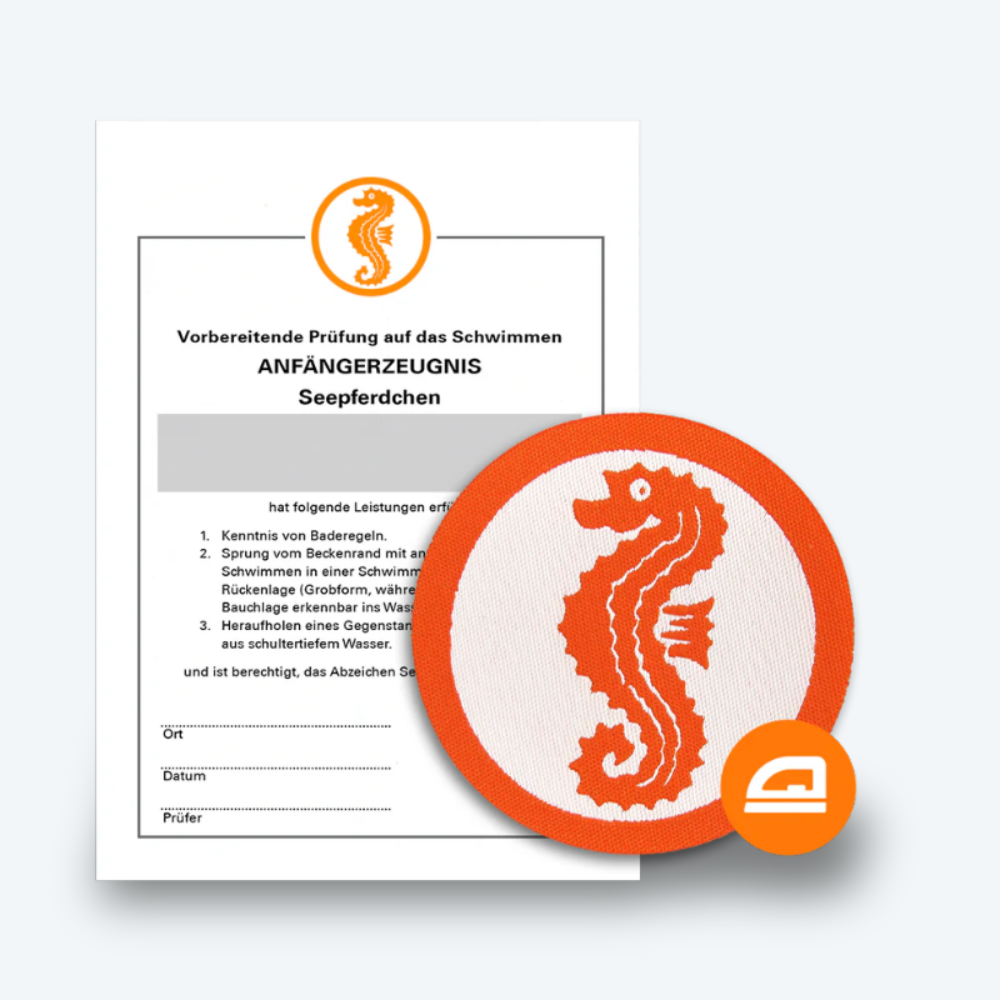
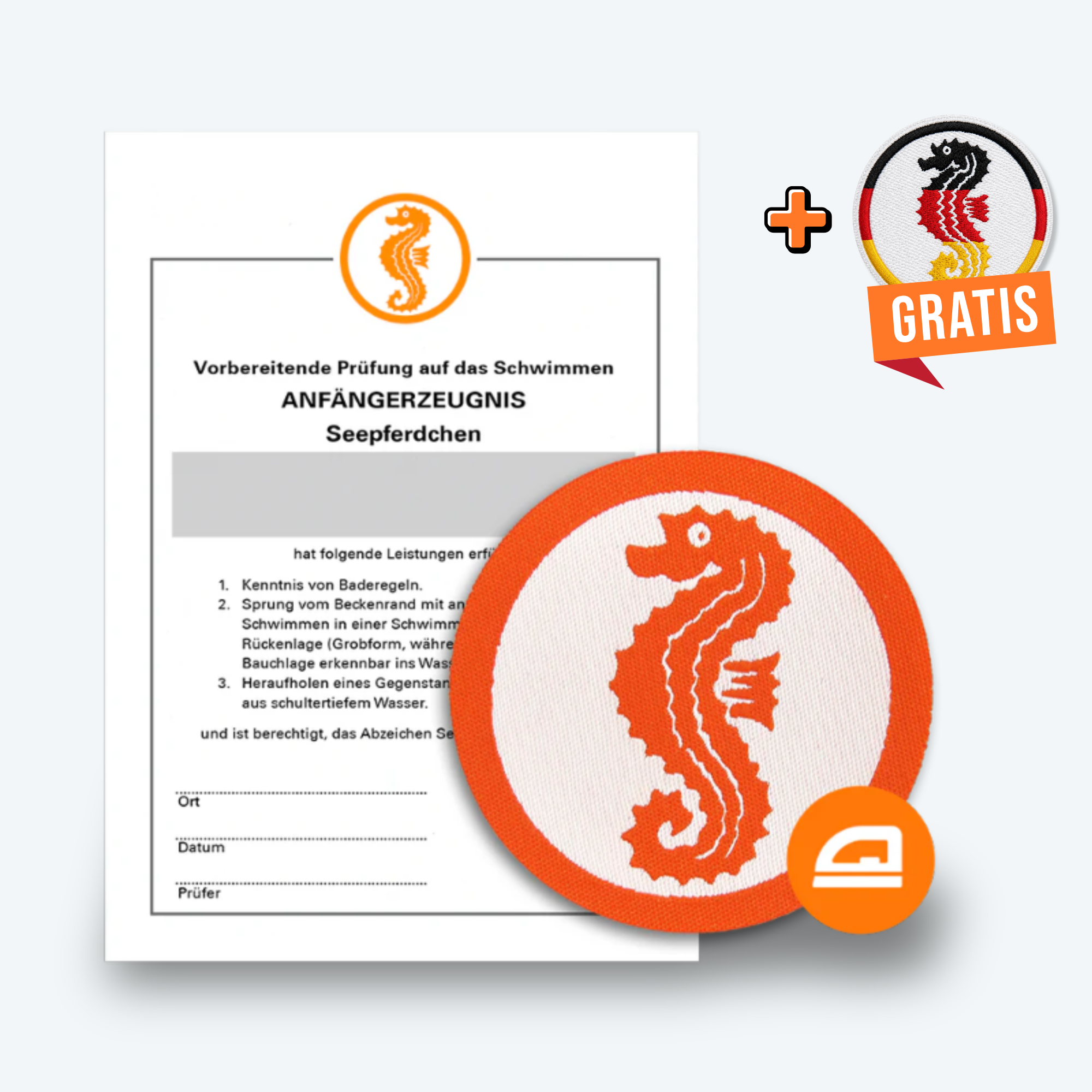
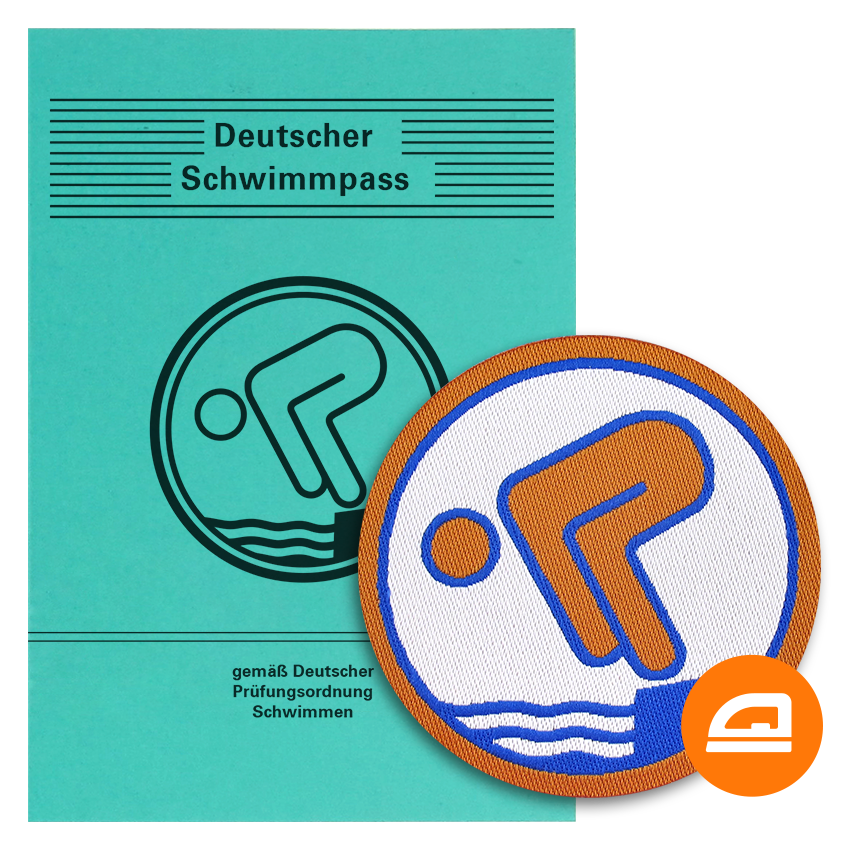
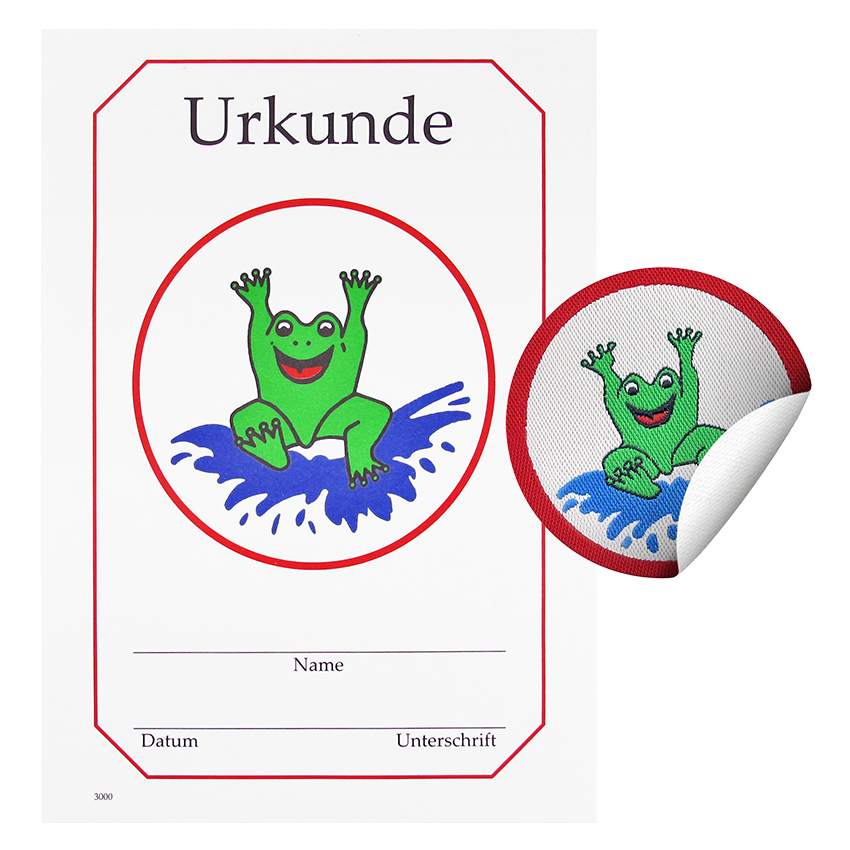
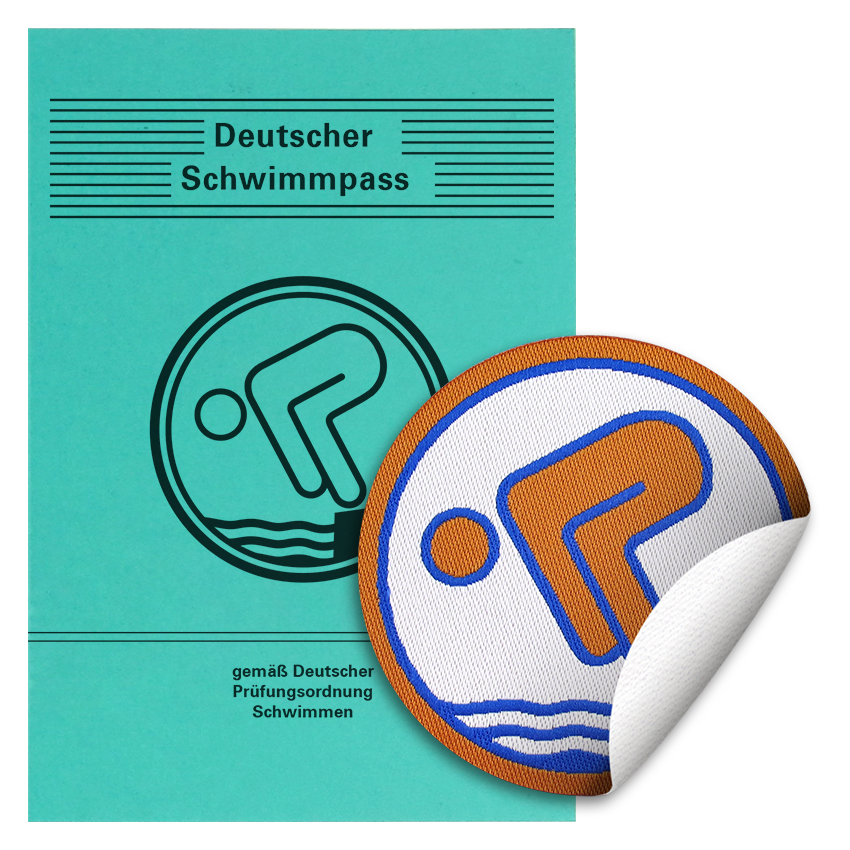
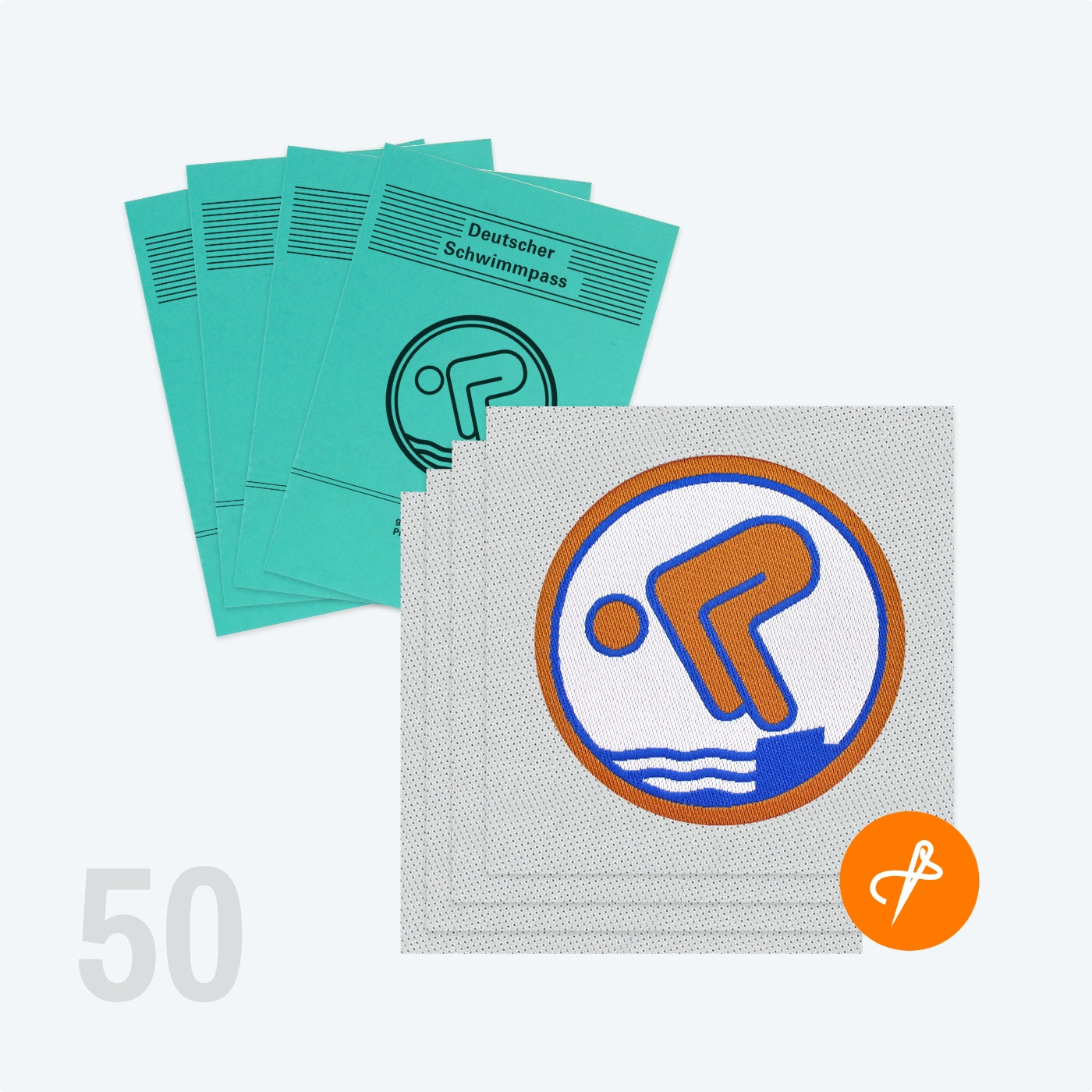
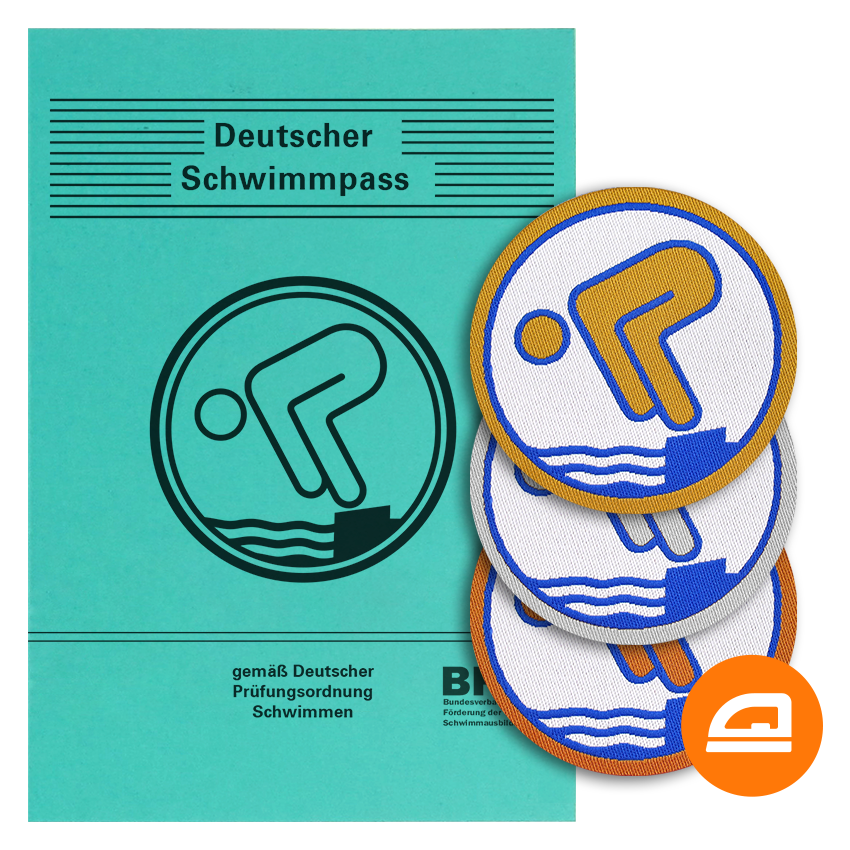
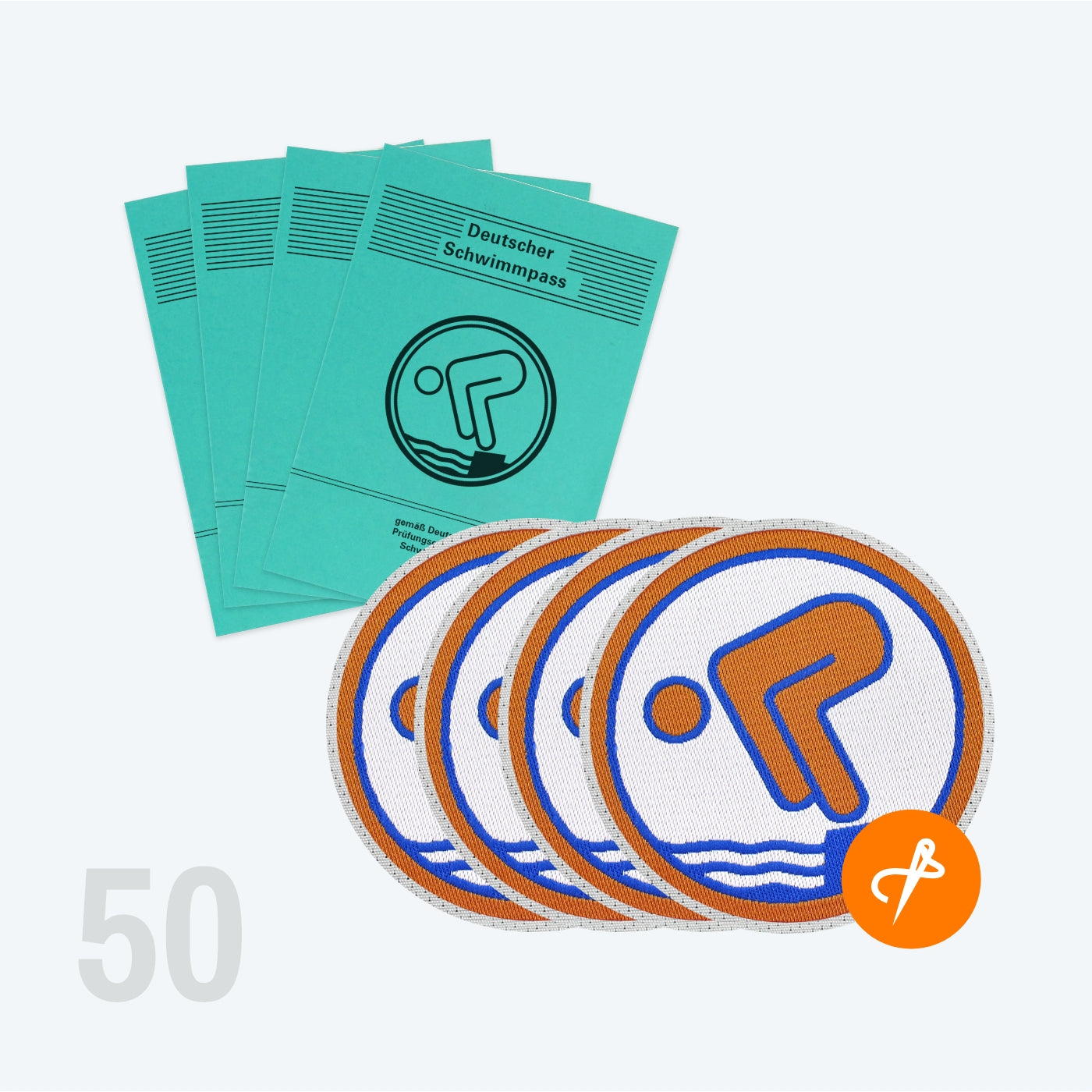
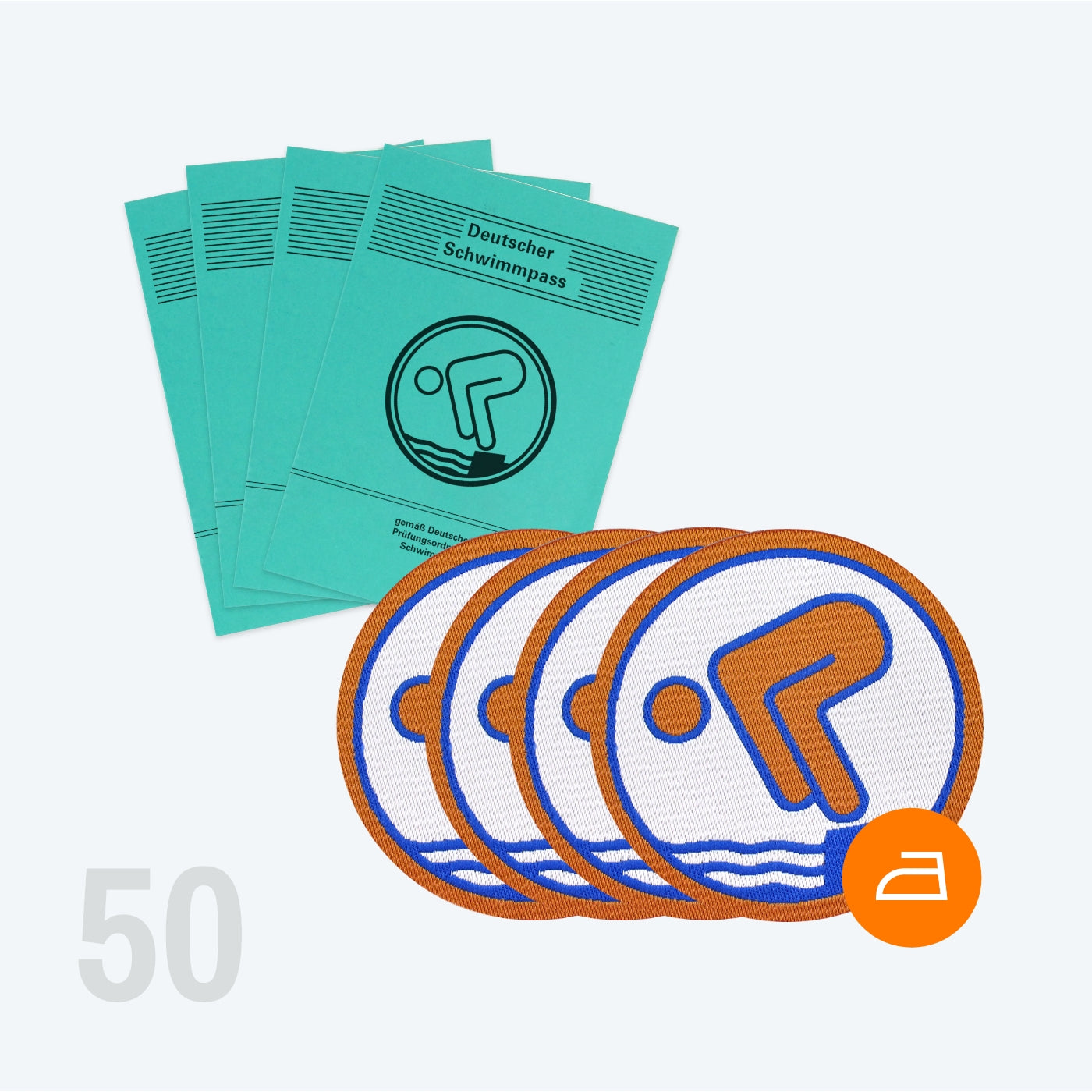
The Gold Youth Swimming Badge demands not only first-class swimming techniques but also comprehensive rescue competencies and mental strength. Many young swimmers and their parents therefore look for high-quality and official badges and certificates that appropriately recognize this success. With our original certified German Swimming Badges Bronze, Silver, Gold & German Swimming Pass, we offer you the perfect solution for a stylish completion of your achievement.
Experience over 38 years of expertise at Pimpertz and benefit from lightning-fast shipping and robust accessories for your award. Whether for personal success or as a motivating gift in the swimming club, we support you in proudly wearing the Gold Youth Swimming Badge and making your achievements visible. Visit us now at pimpertz.de and discover matching Seestern Stella Swimming Badges & Certificates that make your award unique. Choose quality and official recognition today so that your swimming career is optimally celebrated.
Frequently Asked Questions
What are the requirements for the Gold Youth Swimming Badge?
Participants must possess the German Swimming Badge in Silver and be at least 9 years old. Additionally, advanced swimming techniques and knowledge in self-rescue and rescuing others are required.
Which swimming techniques are required for the Gold Youth Swimming Badge?
The examination content includes crawl, backstroke, and breaststroke, as well as endurance tests and rescue exercises in which participants must demonstrate their abilities in handling dangerous situations.
What happens after passing the Gold Youth Swimming Badge?
After acquiring the badge, young people are allowed to participate in swimming competitions and have a moral responsibility to use their knowledge in the water. Nevertheless, supervision is recommended to ensure safety.
How can one best prepare for the Gold Youth Swimming Badge?
Regular training is important, during which technical skills such as body posture, breathing, and arm movements are practiced. In addition, mental preparation and dealing with examination pressure should be trained.