


Gold Swimming Badge: Tips and Requirements for Aspiring Swimmers
Introduction to Swimming Badges
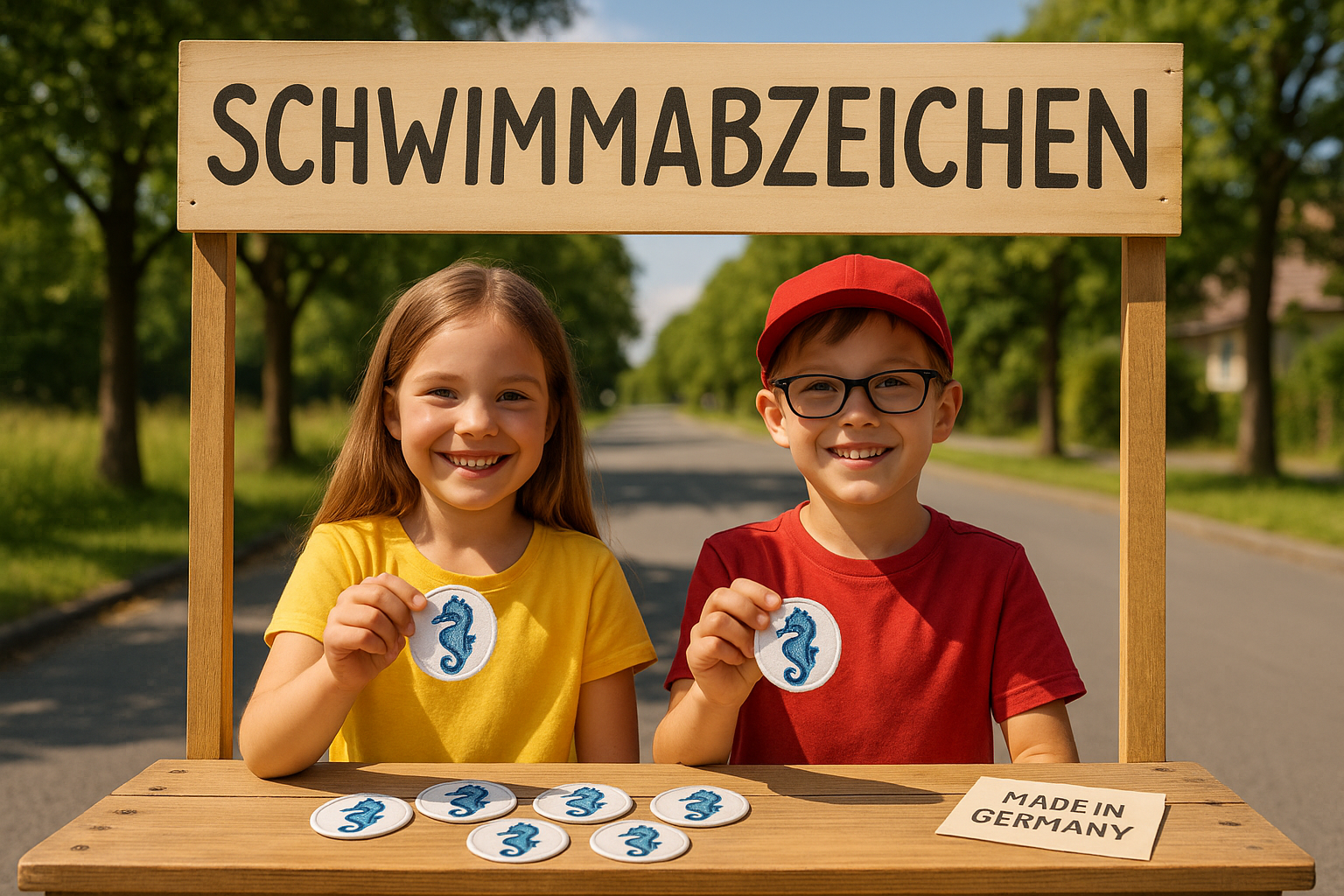
With a tiered system of exercises, the badge provides motivation and safety. Previously, there was a youth swimming badge for children and young people, but this was merged with the general badges on January 1, 2020. Starting with the Seepferdchen (Seahorse) and progressing through Bronze and Silver to Gold, the awards mark important milestones that apply equally to children and adults. The gold badge, in particular, signifies comprehensive skills and theoretical knowledge.
Overview: The Different Swimming Badges (Seepferdchen, Bronze, Silver, and Gold)
The badges offer clear stages for improving swimming skills. A swimming badge serves as official proof of swimming ability and is awarded in various examination levels such as Bronze, Silver, and Gold, with each level having different requirements. Each level demands specific techniques in the water and concrete examination performances. This keeps progress measurable and transparent.
Swimming badges particularly help children develop their swimming skills in a targeted manner and motivate them to reach further levels.
Seepferdchen (Seahorse)
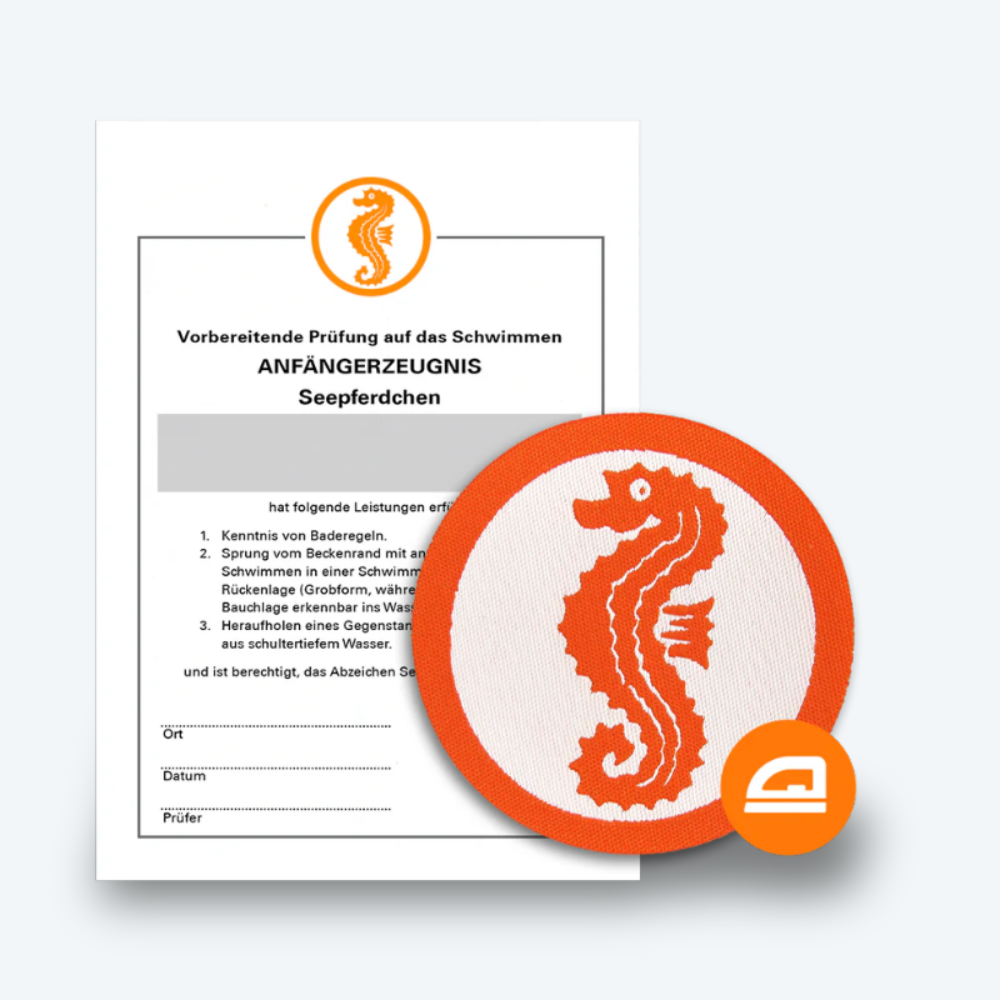
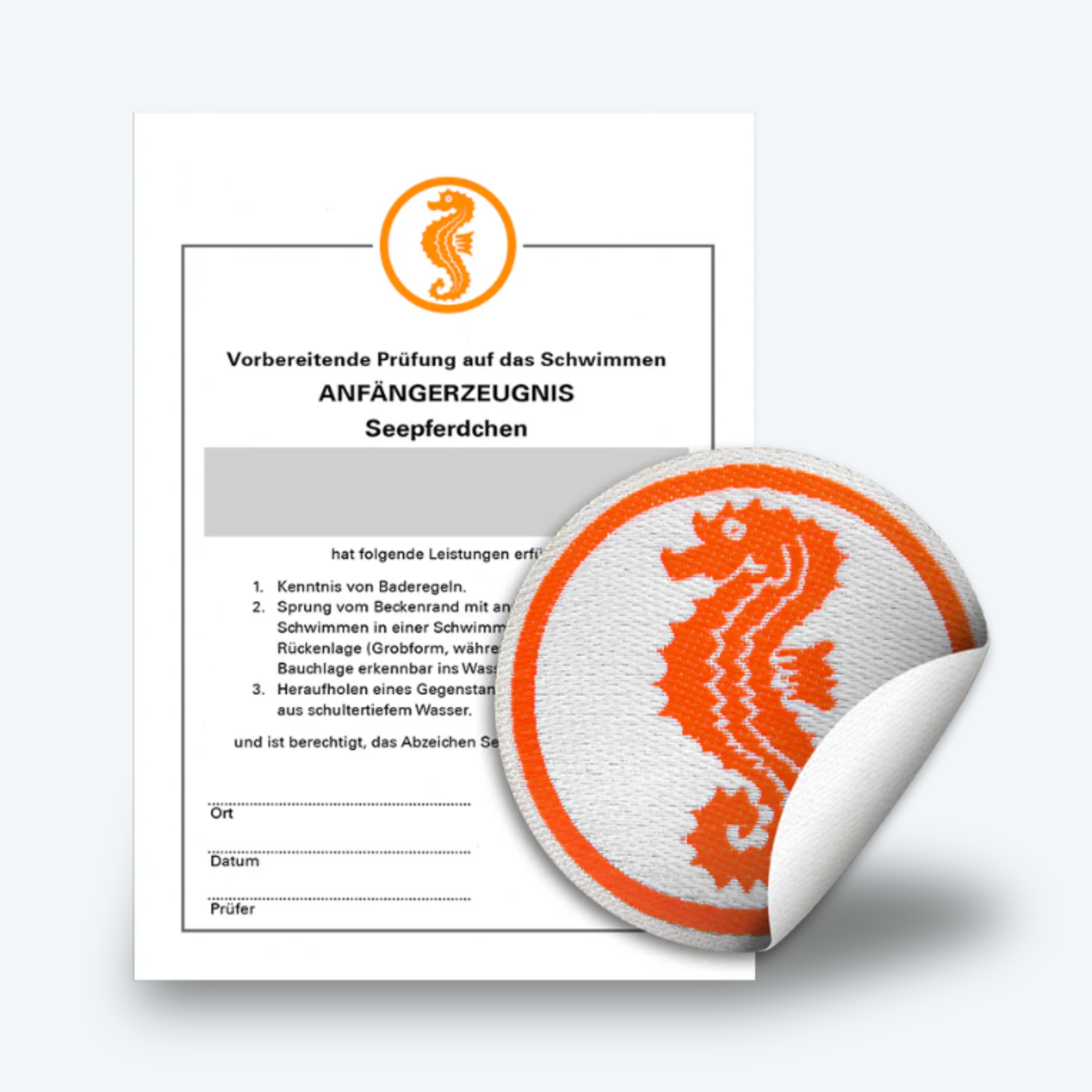
The Seepferdchen is the first proof that a swimmer can swim 25 m. Prerequisites include safe surfacing and jumping into the water. It forms the basis for further swim training.

German Swimming Badge Bronze
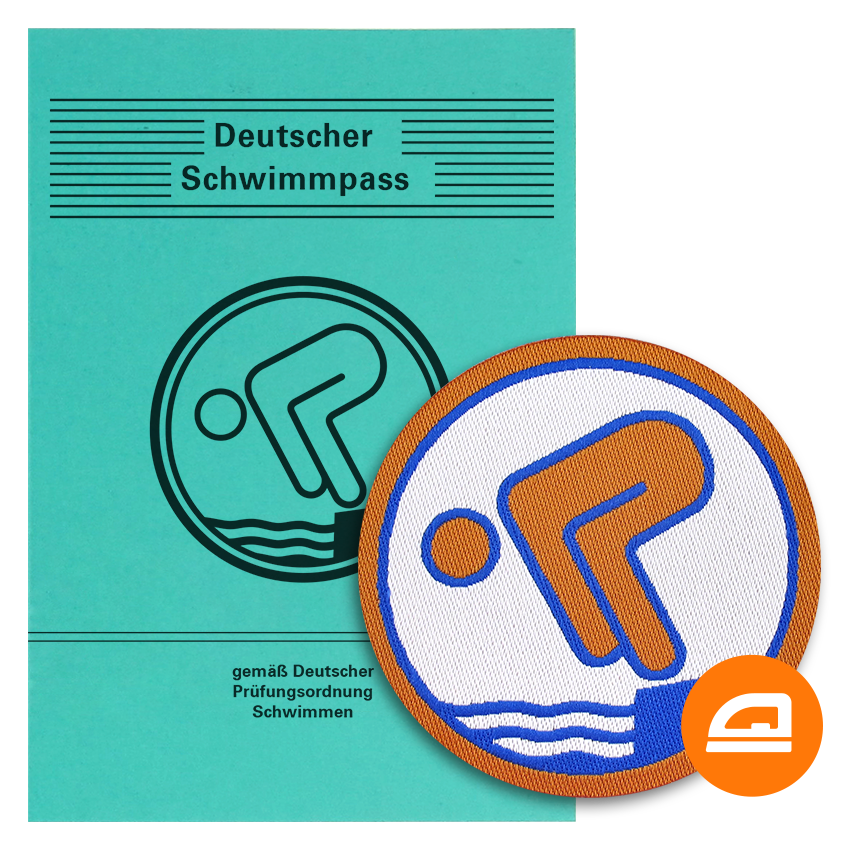
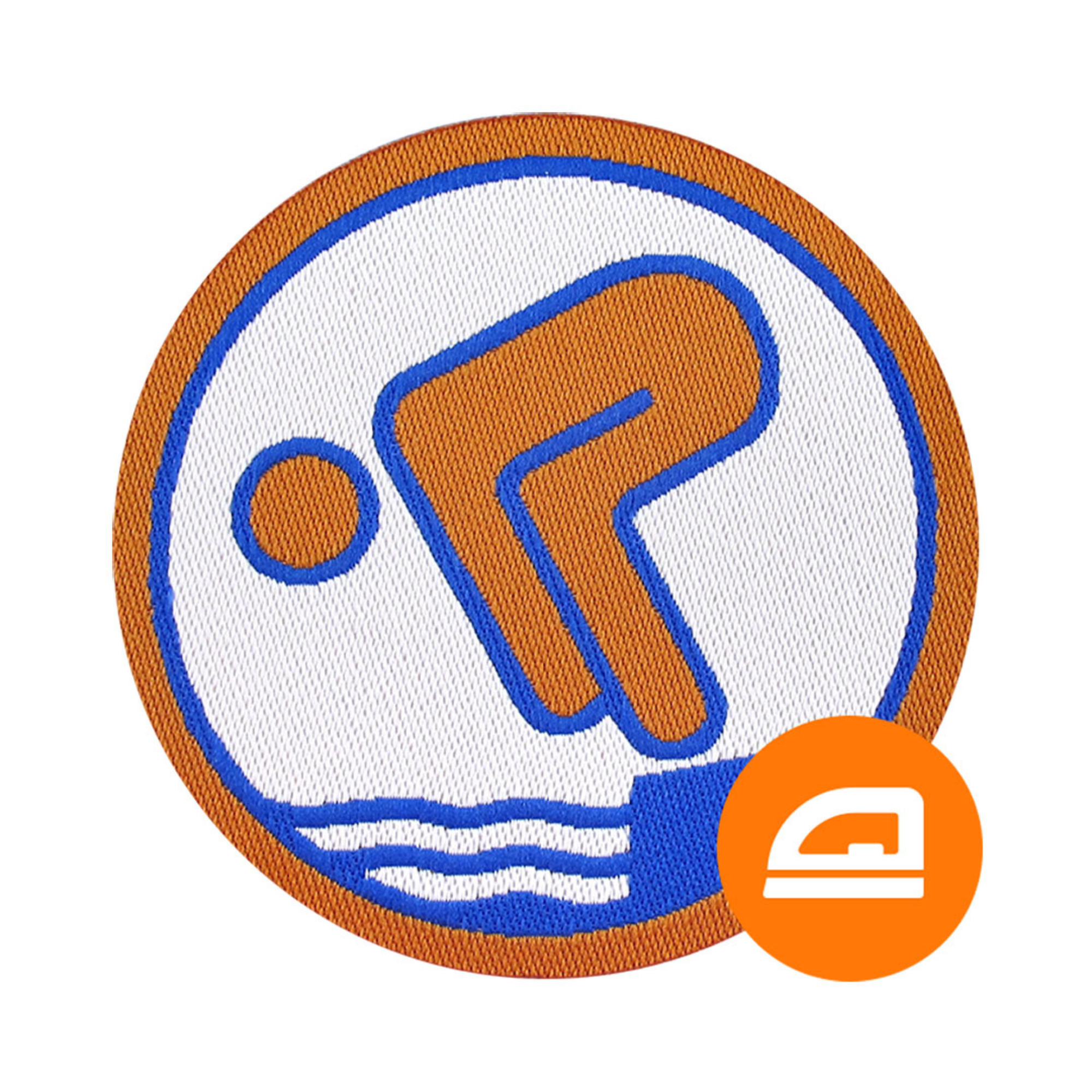
For the Bronze Swimming Badge, aspiring swimmers must swim 200 m and demonstrate a jump into the water from shoulder-deep water. Retrieving an object (e.g., small diving ring) from the water surface is also part of the examination. Combined endurance and technique are assessed.
German Swimming Badge Silver
Silver requires 400 m of swimming with changing body positions, 10 m of underwater swimming, and a head-first dive from the edge of the pool. In addition, bathing rules are tested in a short theoretical examination. The advanced swim training develops endurance and orientation.
German Swimming Badge Gold
Gold is the highest badge and requires comprehensive skills. In addition to the examination, safety and rescue are the focus. All requirements test technique, endurance, and first aid. Swimming in different positions and situations is particularly important here.
Requirements for the Gold Swimming Badge
Before the practical examination, swimmers should specifically train their skills. The following points are central:
Swimming Distance in Prone or Supine Position
The candidate must swim 800 m, demonstrating their endurance in either the prone or supine position. Within 15 minutes, breaks may not exceed 1 × 15 minutes. This tests fitness in the swimming lane.
Head-First Dive from the Pool Edge and Deep Diving from the Water Surface
For the head-first dive from the pool edge, the candidate demonstrates a clean push-off and body posture.
Diving approximately 2 m deep tests the ability to orient oneself underwater.
Deep diving from the water surface trains back and stomach positions and consolidates technique.
Retrieving Objects
The examination program includes retrieving an object (e.g., a small diving ring) from the bottom of the pool to the water surface. Participants must retrieve objects, such as a small diving ring, from the bottom of the pool and bring them to the surface. Retrieving an object strengthens strength and coordination. For an added degree of difficulty, 10 m of underwater swimming is often combined. The deep dive from the water surface with retrieval of an object must be completed within 3 minutes.
Transport Swimming, Pushing or Pulling
During transport swimming, pushing, or pulling, the candidate must secure a person and bring them to the edge of the pool. This rescue technique requires precise timing and endurance. It is relevant for realistic swimming accidents.
Assistance in Bathing, Boat, and Ice Accidents
Assistance in bathing, boat, and ice accidents (self-rescue) and first aid measures are tested in theoretical and practical form. Knowledge of bathing rules and self-rescue is essential. The examination performances also include scenarios in and on the water.
Prerequisites for Acquiring Swimming Badges
Age and Physical Abilities
There is no minimum age limit for the Gold Swimming Badge, but candidates should be physically fit. Exercises such as head-first jumping with a push-off from the 3 m high pool edge require courage and technique. A stable change of body position while swimming in the lane is a prerequisite.
Swimming Passport and Registration
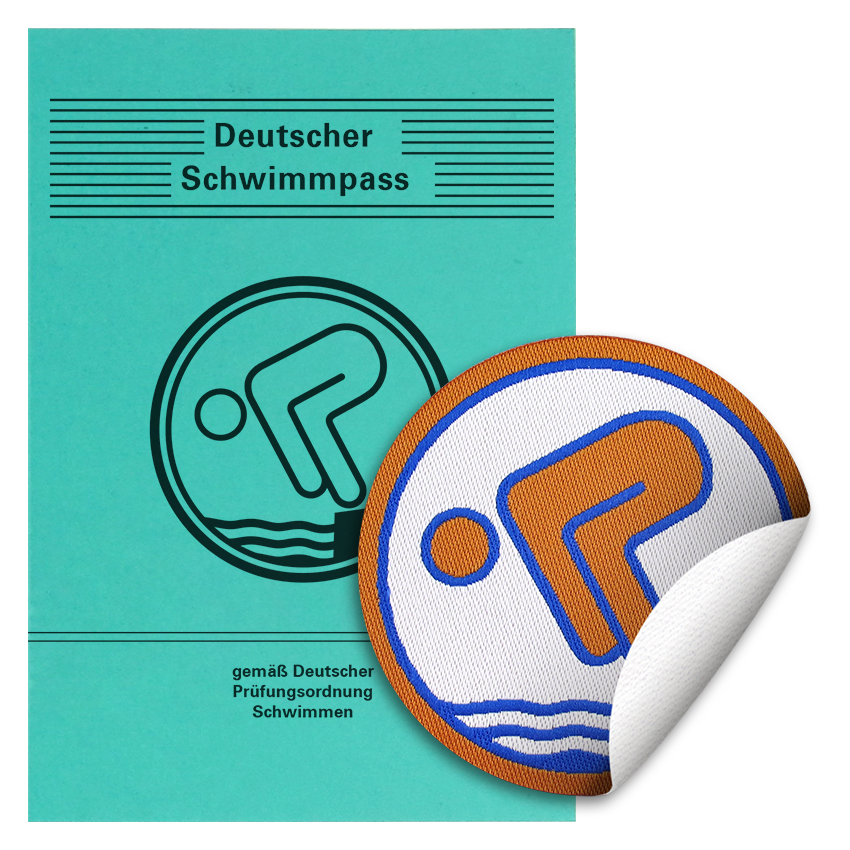
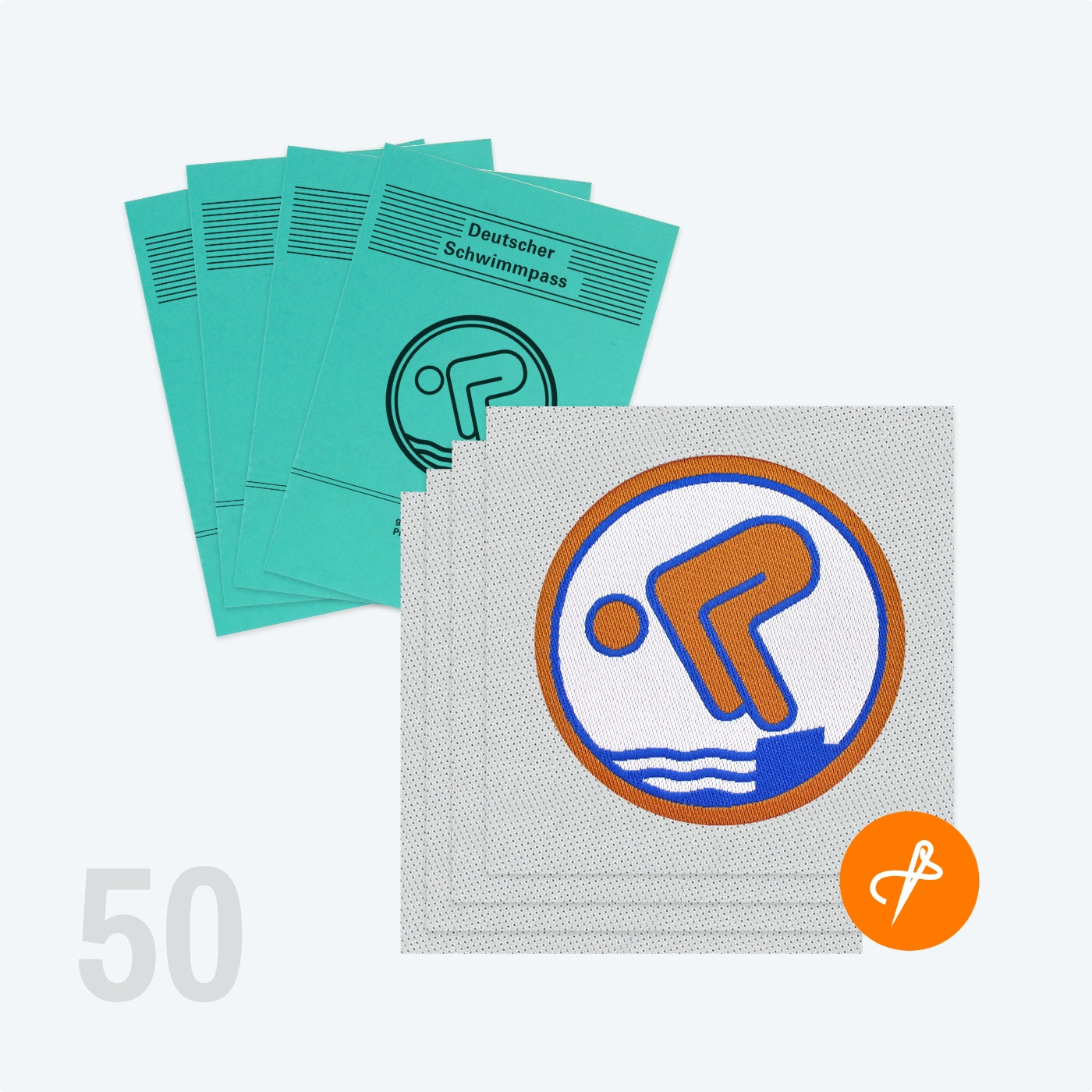
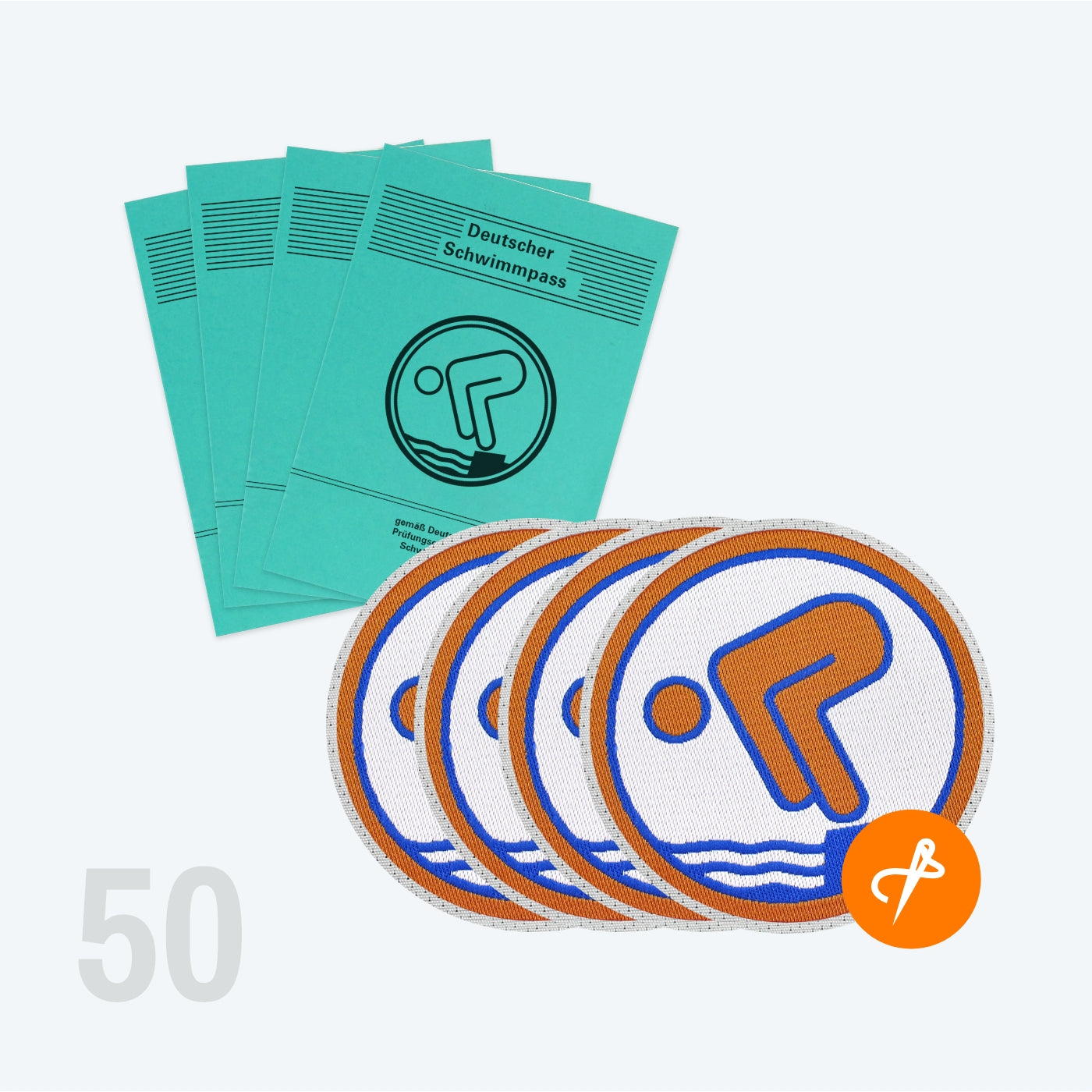
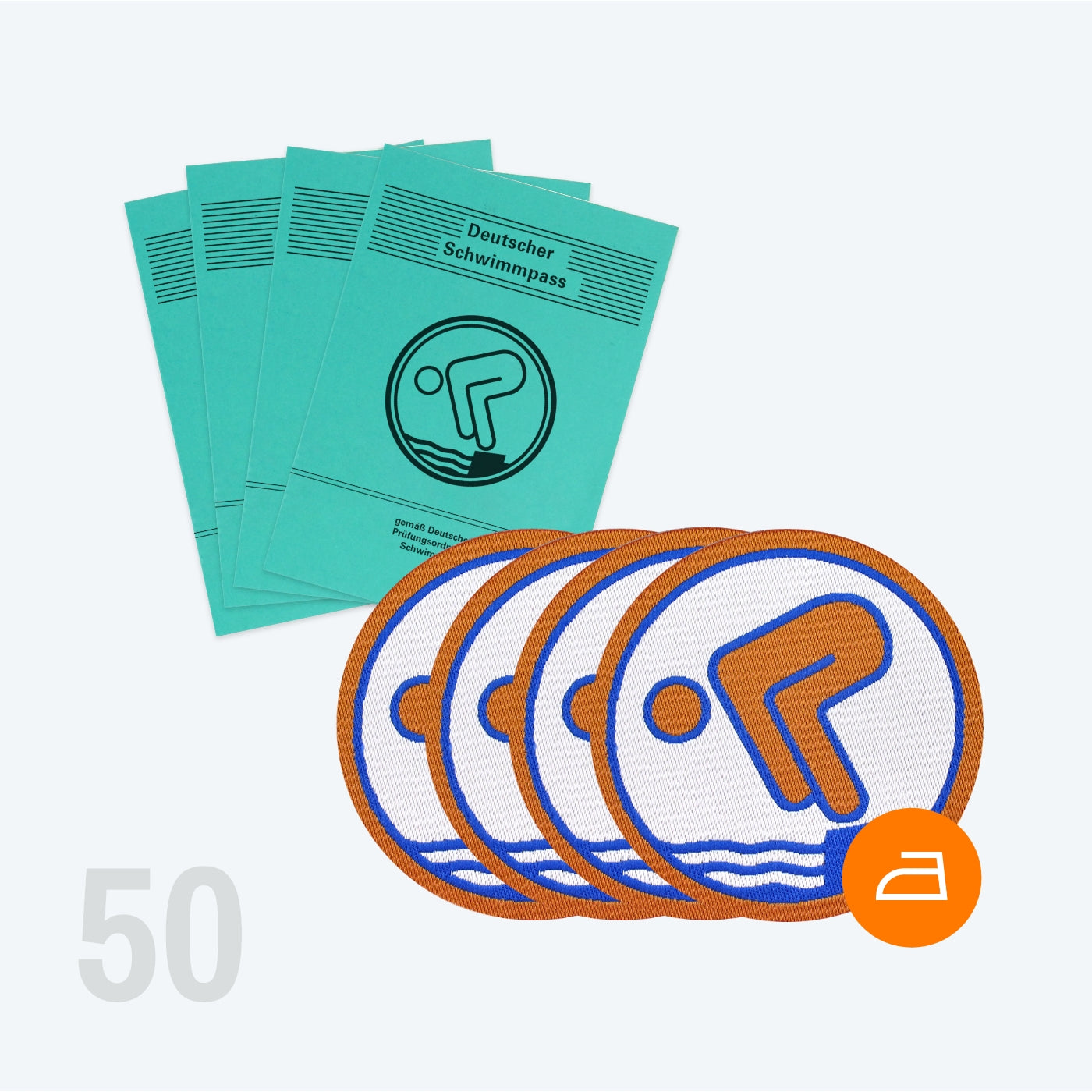
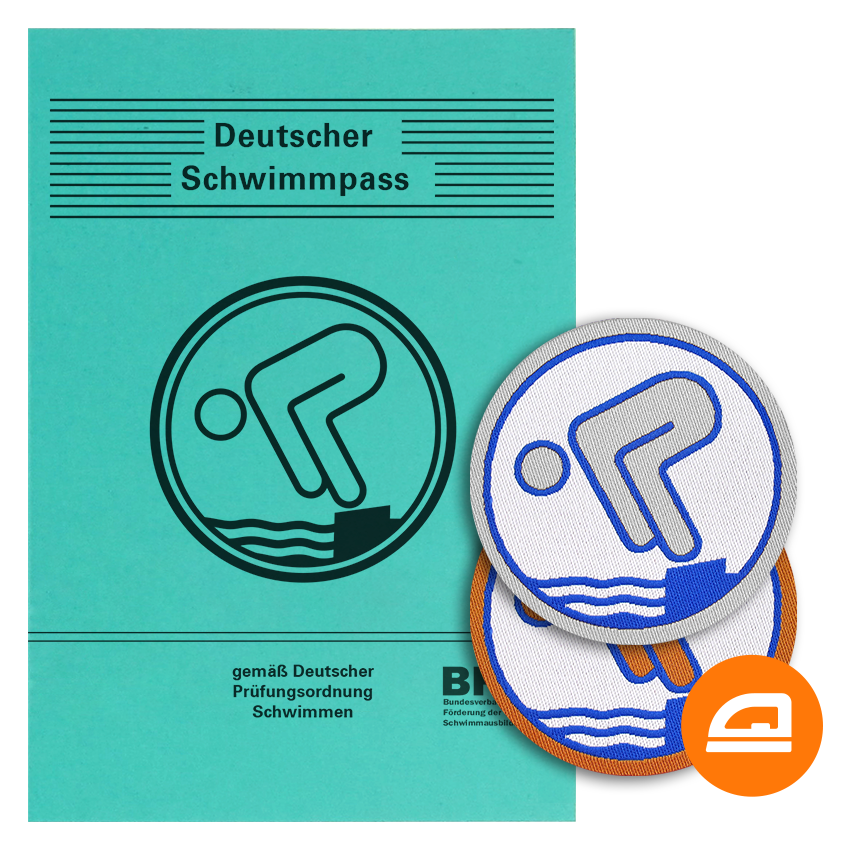
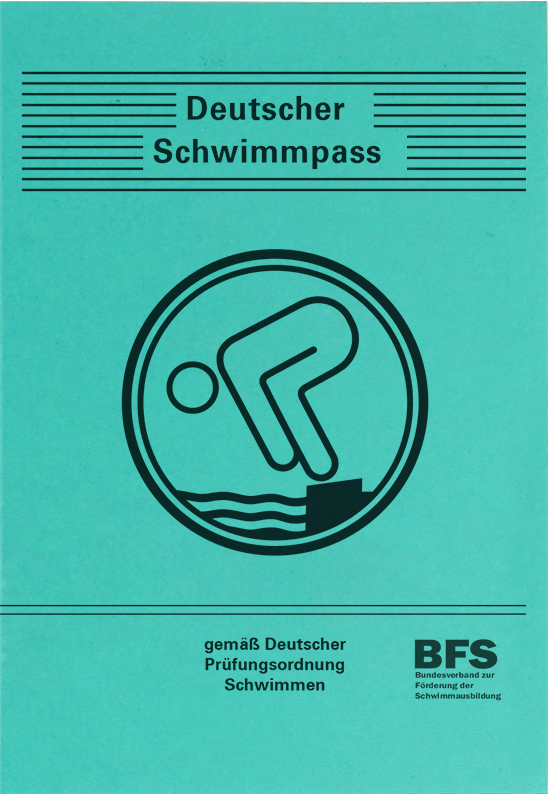
For registration, the candidate presents the German Swimming Passport. Registration through the DLRG or a local swimming school is required. This coordinates appointments and examination performances.
The Role of the DLRG
Courses and Examinations
The DLRG offers courses from Seepferdchen to the German Gold Swimming Badge. Qualified instructors teach theory and practice. In official examinations, all swimming performances are assessed according to current guidelines.
Information and Swim Training
With extensive material for swim training and online resources, the DLRG supports swimmers. The goal is to prevent water accidents and promote water safety.
The Importance of Water Safety
Water safety is a central concern for anyone who wants to learn to swim or improve their swimming skills. Especially for children, but also for adults, achieving badges like Bronze, Silver, and Gold is much more than just an award – it is a decisive step towards moving safely and confidently in the water.
With each swimming badge, not only does swimming technique grow, but also the understanding of bathing rules and the importance of safety. Knowledge of bathing rules is an integral part of every examination and forms the basis for responsible behavior in and around the water. Those who meet the examination requirements for Gold demonstrate not only endurance and technique but also comprehensive knowledge of self-rescue and rescuing others. This includes skills such as the head-first jump from the edge of the pool, safe deep diving, and transport swimming – all important elements for being able to react quickly and correctly in an emergency.
Especially in boat and ice accidents, it is crucial to know and be able to apply the right steps. Swim training teaches how to save oneself or help others and raises awareness of dangers in the water. The DLRG and other swimming schools offer targeted courses where children and adults learn how to behave in emergencies and how to avoid accidents by observing bathing rules.
The examination regulations for Gold place particular emphasis on imparting this safety-relevant knowledge. Thus, swimming becomes not only a sporting ability but a vital skill. Every step on the path from the Seepferdchen to the gold badge is a contribution to one's own safety and the safety of others in the water.
Overall, it shows: The badges are not only proof of athletic achievement but an important building block for greater water safety. Anyone who masters the knowledge of bathing rules and the techniques of self-rescue and rescuing others is well prepared – for carefree hours in the water and for emergencies.
Conclusion
The Gold Badge represents the pinnacle of swim training. Anyone who fulfills all requirements – from 800 m of swimming to transport swimming by pushing or pulling, and assistance in bathing, boat, and ice accidents – demonstrates comprehensive skills and safety in the water. With targeted training and knowledge of bathing rules, nothing stands in the way of success!