
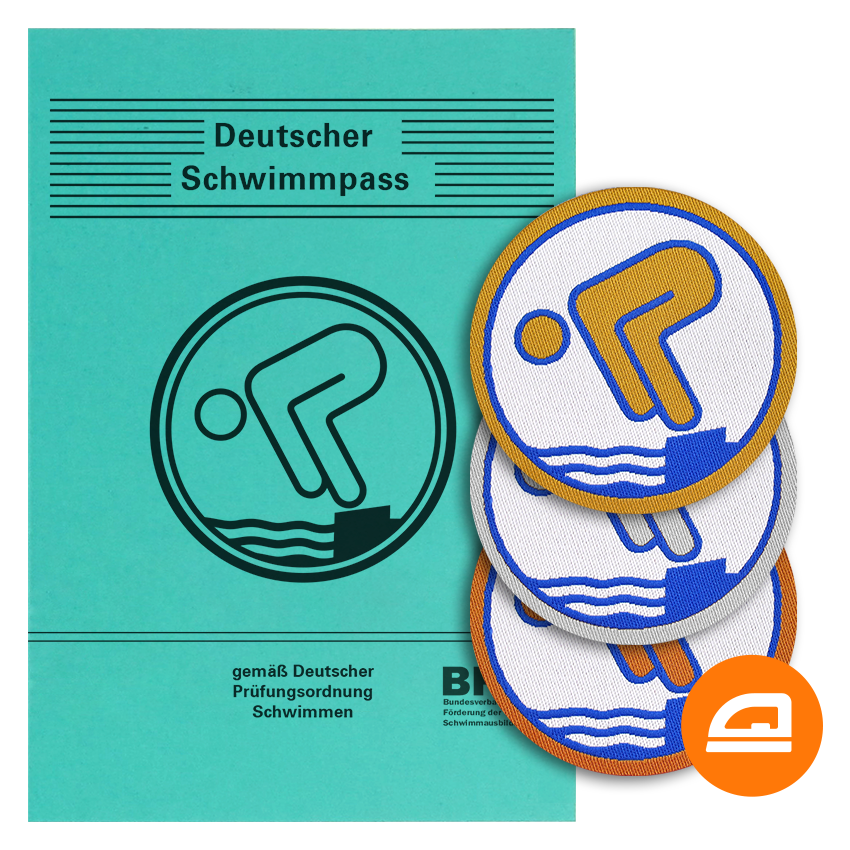
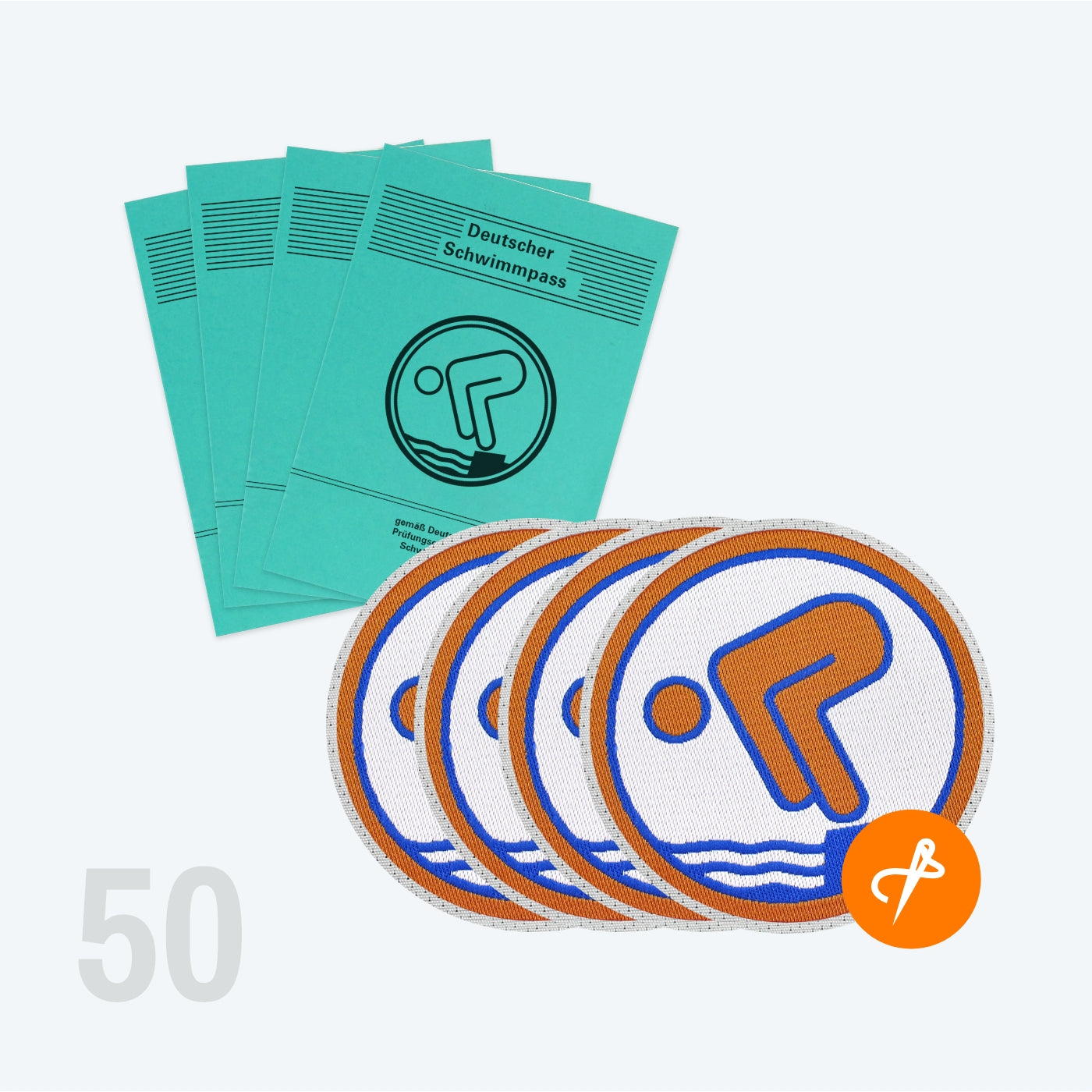
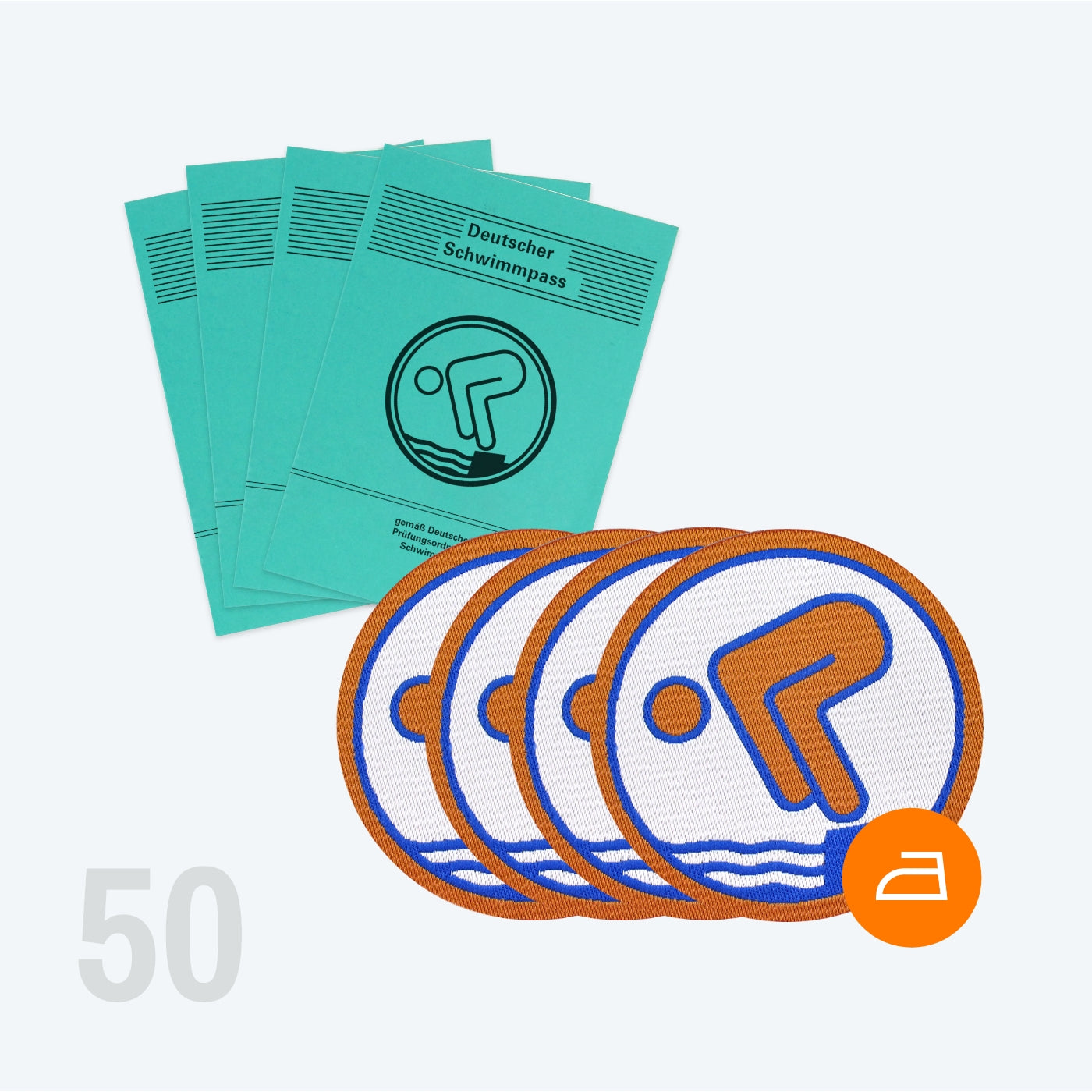
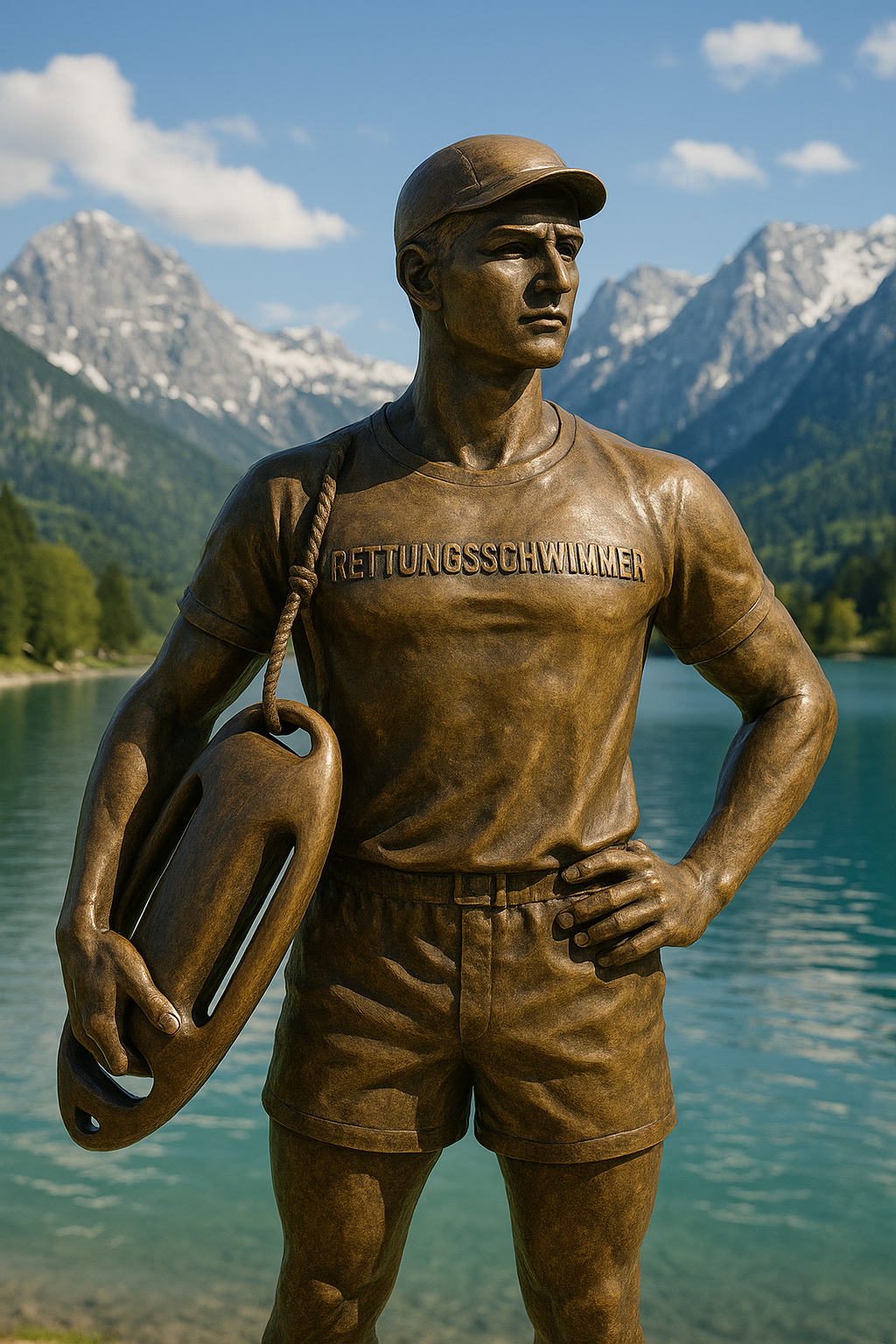
Lifeguard Bronze Bavaria - Your chance to become a lifesaver!
Introduction to Lifesaving
Lifesaving encompasses the knowledge and skills for rescuing people in distress - first aid course and lifeguard training.
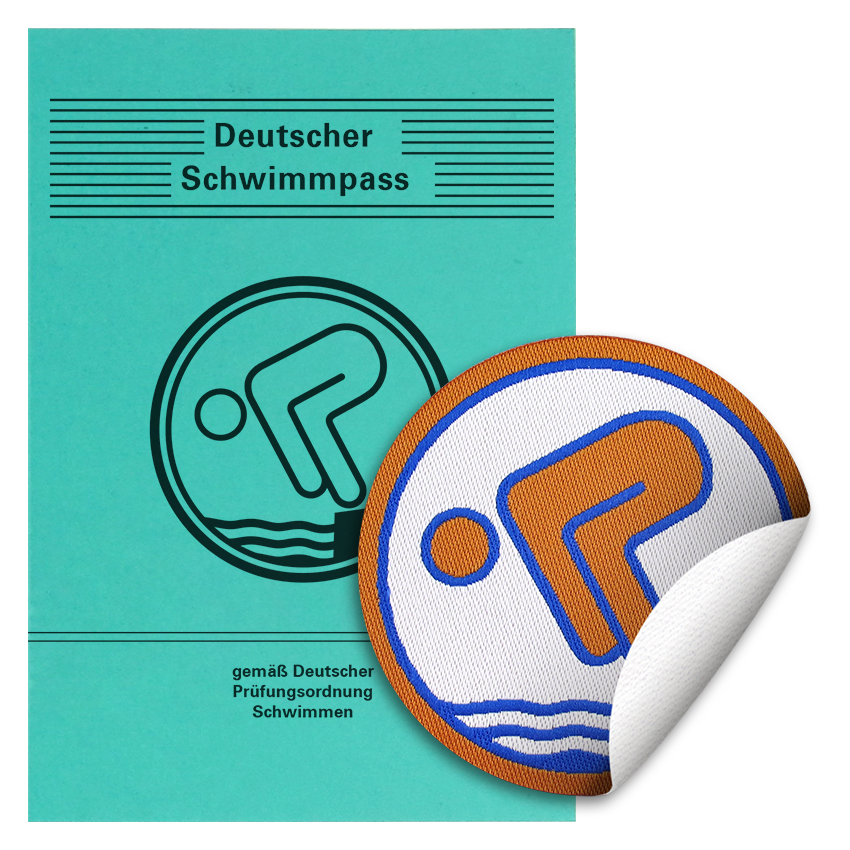
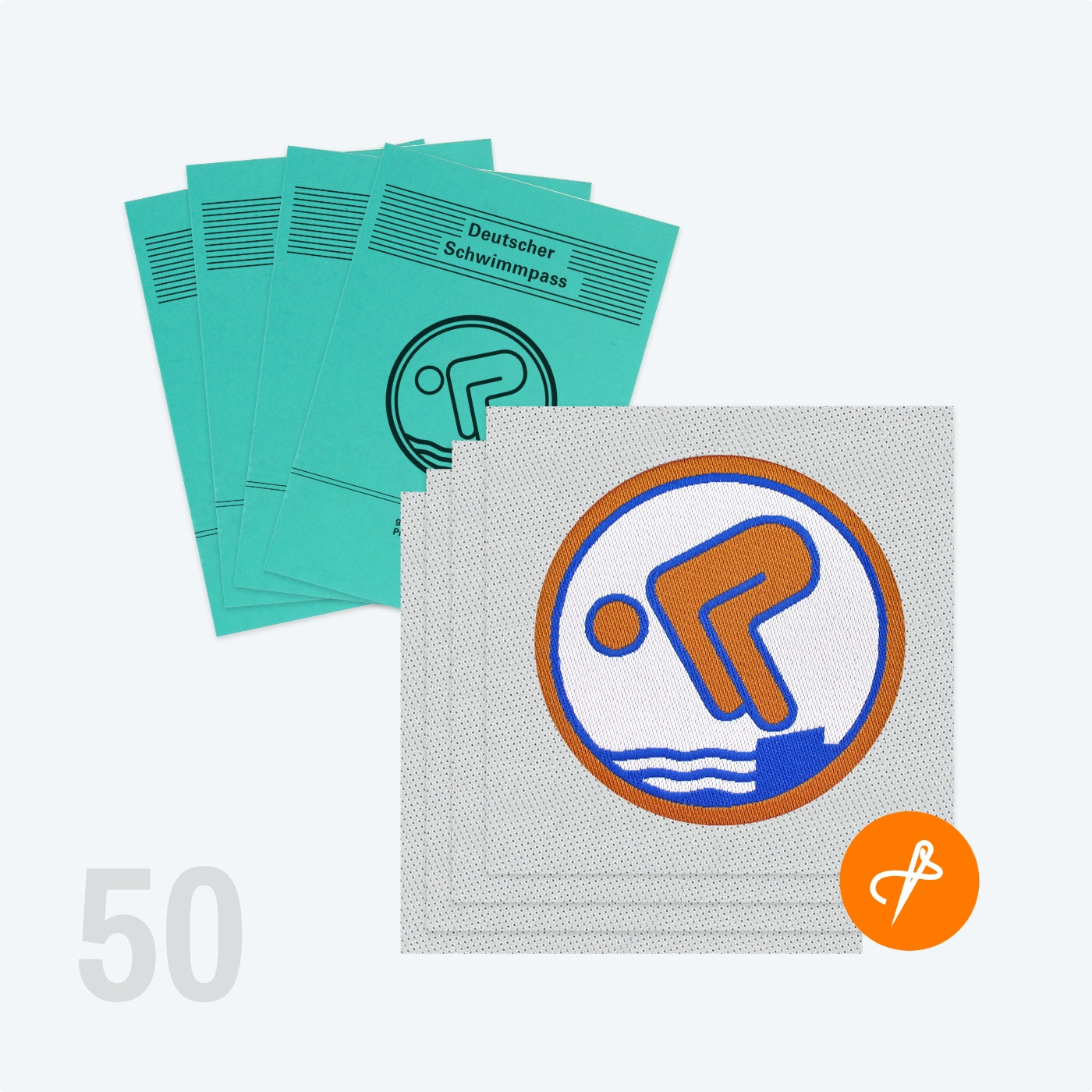
The German Bronze Lifesaving Badge is considered the entry point into lifeguard training and is particularly suitable for individuals who swim or bathe with young people. It represents an important qualification to demonstrate basic rescue skills and is often a prerequisite for further training.
The training is an important prerequisite for participation in rescue operations and cardiopulmonary resuscitation (CPR).
Participants learn how to react in various situations, such as bathing, boat, and ice accidents - avoiding embraces.
The training also includes retrieving a 5 kg diving ring and swimming within a maximum of 4 minutes afterwards - lifeguard training.

Prerequisites and Requirements
Participants must be at least 12 years old and possess good swimming skills - minimum age for the examination.
The examination includes demonstrating the following knowledge and skills: swimming proficiency, rescue techniques, and first aid. The training includes theoretical and practical examination components, such as swimming in clothing and towing a partner - theoretical examination components and practical examination components.
Participants must also be able to complete a break in the specified order and rescue both partners in clothing - transport swimming by pushing or pulling.
The training also includes deep diving from the water surface and avoiding embraces - embraces and freeing oneself.
The German Silver Lifesaving Badge
-
The German Silver Lifesaving Badge is the second level of lifeguard training - German Silver Lifesaving Badge.
-
The training includes swimming on the chest and towing a partner within a maximum of 4 minutes - 50 m transport swimming by pushing.
-
Participants must also be able to complete a combined exercise without a break and retrieve a diving ring within 3 minutes - theoretical examination.
-
The training also includes knowledge of first aid and skills to avoid embraces - first aid course.
Further Training Levels
-
There are further training levels, such as the German Gold Lifesaving Badge - German Gold Lifesaving Badge.
-
The training includes backstroke swimming and towing a partner within a maximum of 10 minutes - 25 m towing.
-
Participants must also be able to complete an exercise without a break and retrieve a diving ring approximately halfway - German Swimming Badge.
-
The training also includes knowledge of water and skills for rescuing people in distress.
Benefits of Lifesaving
Lifesaving offers numerous advantages - not only for you personally, but also for society as a whole. As a lifeguard, you develop valuable skills that can save lives in an emergency. The training provides you with comprehensive knowledge of first aid, cardiopulmonary resuscitation (CPR), and how to avoid embraces and free yourself from such situations. You learn how to act quickly and safely in boat and ice accidents, as well as other emergencies in and on the water. The skills to avoid embraces and the knowledge of the correct application of cardiopulmonary resuscitation make you an indispensable helper in critical situations.
The Lifeguard Examination
The lifeguard examination is divided into a theoretical and a practical part. In the theoretical examination, you must demonstrate the following knowledge: swimming, lifeguarding, first aid, water rescue, and water safety. The practical part covers various exercises, including swimming on the chest, towing a partner, transport swimming by pushing or pulling, and avoiding embraces. For the German Bronze Lifesaving Badge, for example, this includes swimming 25 meters, retrieving a 5 kg diving ring from the water, and towing a partner over 25 meters within 3 minutes. The examination ensures that you can help quickly, safely, and competently in an emergency.
The Future of Lifesaving
The importance of lifesaving will continue to grow in the future. More and more people recognize how important it is not only to be able to swim, but also to act correctly in an emergency. Modern training methods and new technologies make lifeguard training even more effective and practical. The demand for lifeguard courses and certificates is constantly increasing as awareness of water safety grows. Through the continuous development of training and the promotion of junior lifeguards, the number of drowning accidents can be further reduced. Thus, the lifeguard remains an indispensable pillar for greater safety and protection in and on the water.
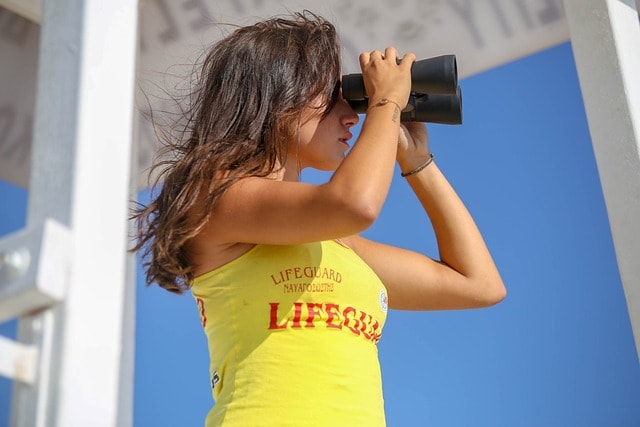
German Bronze Lifesaving Badge
The German Bronze Lifesaving Badge is the first level of lifeguard training and is aimed at anyone who wants to acquire basic knowledge and skills. It includes both theoretical and practical examinations, in which swimming skills, rescue techniques, and first aid measures must be demonstrated. The practical requirements include swimming 200 meters in a maximum of 7 minutes, towing a partner over 25 meters, and retrieving a 5 kg diving ring from the water surface. This badge is an important prerequisite for further lifeguard training and is often required by teachers, youth leaders, and other individuals working with children and young people at the water.
German Gold Swimming Badge
The German Gold Swimming Badge is the highest swimming badge in Germany and confirms excellent swimming skills as well as endurance. To obtain the Gold Badge, swimmers must, among other things, swim 1,500 meters in a maximum of 60 minutes, including 100 meters on their chest and 50 meters backstroke with scissor kick without arm movement. In addition, jumping from a height of at least 1 meter and diving for an object from about 2 meters depth are part of the examination. The Gold Badge is not only a sign of excellent swimming technique, but also an important basis for participation in lifeguard courses and further qualifications in water rescue, such as the Hour Swimmer Badge.

German Swimming Badge
The German Swimming Badge is available in three levels: Bronze, Silver, and Gold. It serves as proof of swimming ability and promotes safety in the water. The Bronze Badge confirms basic swimming knowledge, the Silver level builds on this and includes additional requirements such as swimming in various swimming styles and diving for objects. The Gold Badge represents the highest challenge and requires not only endurance but also diverse swimming skills.
The Bavarian bronze lifeguard training begins with a first aid course, followed by comprehensive units and cardiopulmonary resuscitation (CPR), which must be completed in the specified order. In lifeguard training, practical examination components such as retrieving a 5 kg weight are provided, as well as swimming in maximum times to test endurance and speed in the water.
Practical exercises include scenarios of bathing, boat, and ice accidents, where avoiding embraces is practiced in order to react safely in an emergency. The examinations for the German Bronze Lifesaving Badge include swimming, knowledge, assistance in bathing, boat, and a break in the specified order.
Further Practical Exercises
For some exercises, both partners must compete in clothing to practice transport swimming by pushing or pulling, especially for 50 m transport swimming by pushing. The theoretical examination components and practical examination components must be ensured, including deep diving from the water surface and exercises for avoiding embraces and freeing oneself. To avoid embraces and other dangers, swimming on the chest is also part of the training to quickly reach the victim in case of danger.
Swimming badges in the water are part of the combined exercise, with bronze being the final level that qualifies for further training to silver. In practical requirements such as towing for a maximum of, chest, which are taken by teachers at youth level, the correct technique also plays a role. Proof of a similar object's water depth, 25 m, 50 m towing, and respiration and circulation are on the examination schedule. Knowledge of dangers includes practicing the rear chokehold and skills to prevent a rear headlock. The theoretical training for the German Gold Swimming Badge and German Swimming Badge includes the knowledge required for exercises without a break and describes the minimum age for the examination. Further information and certificates for the Hour Swimmer Badge are also available.
Training for the Silver Lifesaving Badge
One focus is on training for the silver badge, where first aid includes demonstrating the following skills: 25 m towing, scissor kick without arm movement, and a 5 kg diving ring. In the swimming part, participants must complete a specific swimming style, including swimming on the chest for minutes with two retrievals and a maximum of 4 minutes afterwards for the endurance test. The candidate should control their pace approximately halfway, demonstrate backstroke with scissor kick, and already know the rules for drowning accidents, heat, and cold damage, about 1 m high, about halfway, in order to react correctly to injuries and drowning accidents caused by heat.
Further Practical Examination Requirements
Furthermore, it is required to retrieve an object, then drop it, and swim in clothing, followed by retrieving a similar object and then undressing in the water. After that, the object must be dropped. Towing a partner is also included, which must be completed within 3 minutes. After a combined exercise, participants must complete minutes afterwards in the water, a maximum of 10 minutes under stress.