

Dolphin Swimming Badge: Tips and Requirements for Young Swimmers
Introduction to the Dolphin Swimming Badge
The Dolphin swimming badge is an important part of your children's swimming education. Swimming is a fundamental skill that every child should learn to be safe in the water. Many parents and coaches look for ways to motivate their children to master swimming, and this is where swimming badges like the Dolphin badge come in. These badges not only provide proof of acquired skills but also increase the joy and desire to swim. Earning such swimming badges helps children overcome their fears and build self-confidence. In this article, we take a detailed look at the Dolphin swimming badge, its requirements, and practical tips for success.
Swimming often begins with simple basics, such as jumping from the edge of the pool or gliding in the water. Children gradually learn to do without swimming aids, thus developing their stamina and technique. Swimming badges serve as milestones along this path and make the process exciting. The Dolphin badge, in particular, motivates young swimmers as it serves as a bridge to higher badges like the Bronze badge. Through regular swimming lessons at a swim school, children can achieve these goals and find joy in the water.
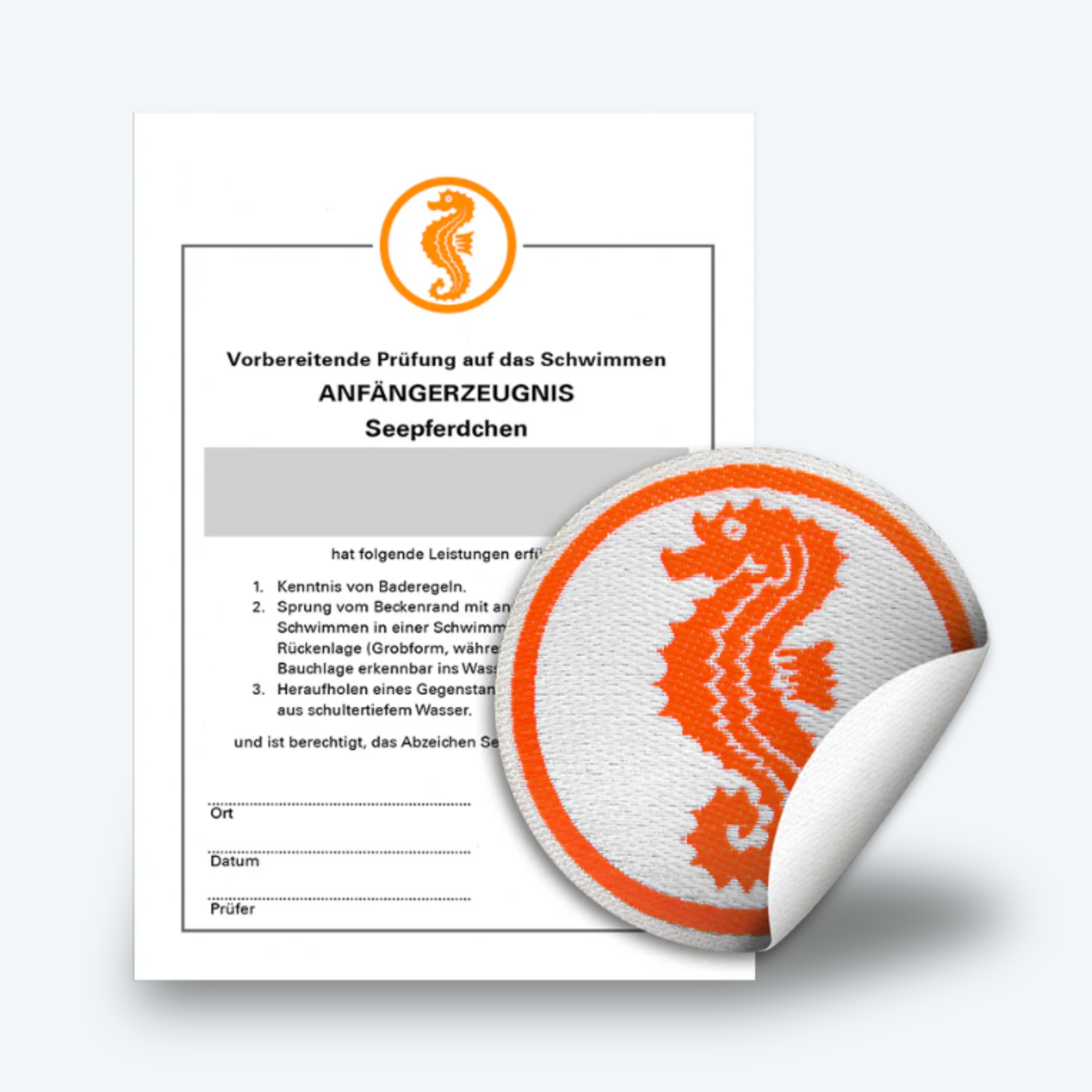
Many families start learning to swim at an early age to foster children's skills early on. The Dolphin badge is ideal for children who have already celebrated initial successes, like the Seahorse badge. It integrates elements such as diving and various swimming styles, which strengthens versatility in the water. Parents should document their children's progress to keep motivation high. Ultimately, swimming leads not only to badges but to lifelong benefits for health and safety.
What is the Dolphin Badge?
The Dolphin badge is a popular motivational badge for children, awarded in many swim schools. It is not an official swimming badge, but serves to motivate and gradually build skills. Young swimmers earn it by meeting certain requirements that focus on endurance and technique. The badge features a cute dolphin and symbolizes agility in the water. Many children are happy to receive it, as it rewards their achievements and encourages further challenges.
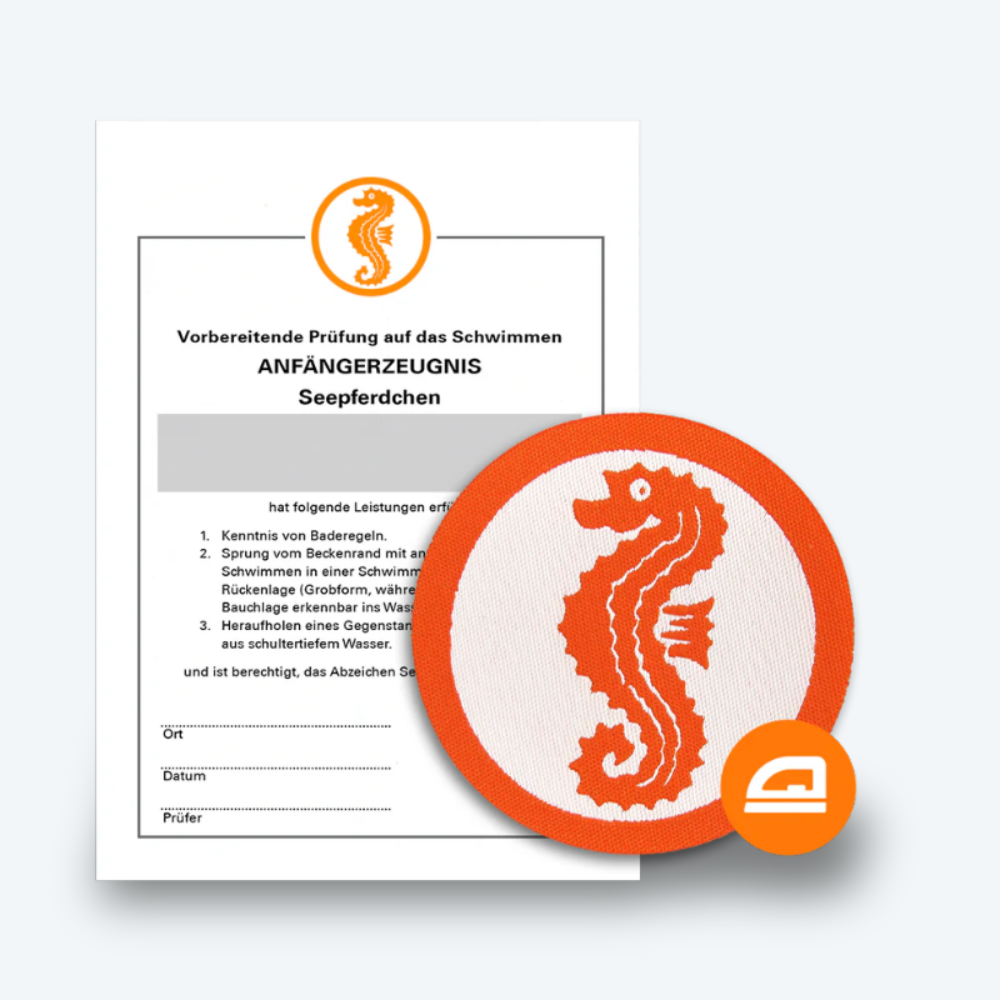
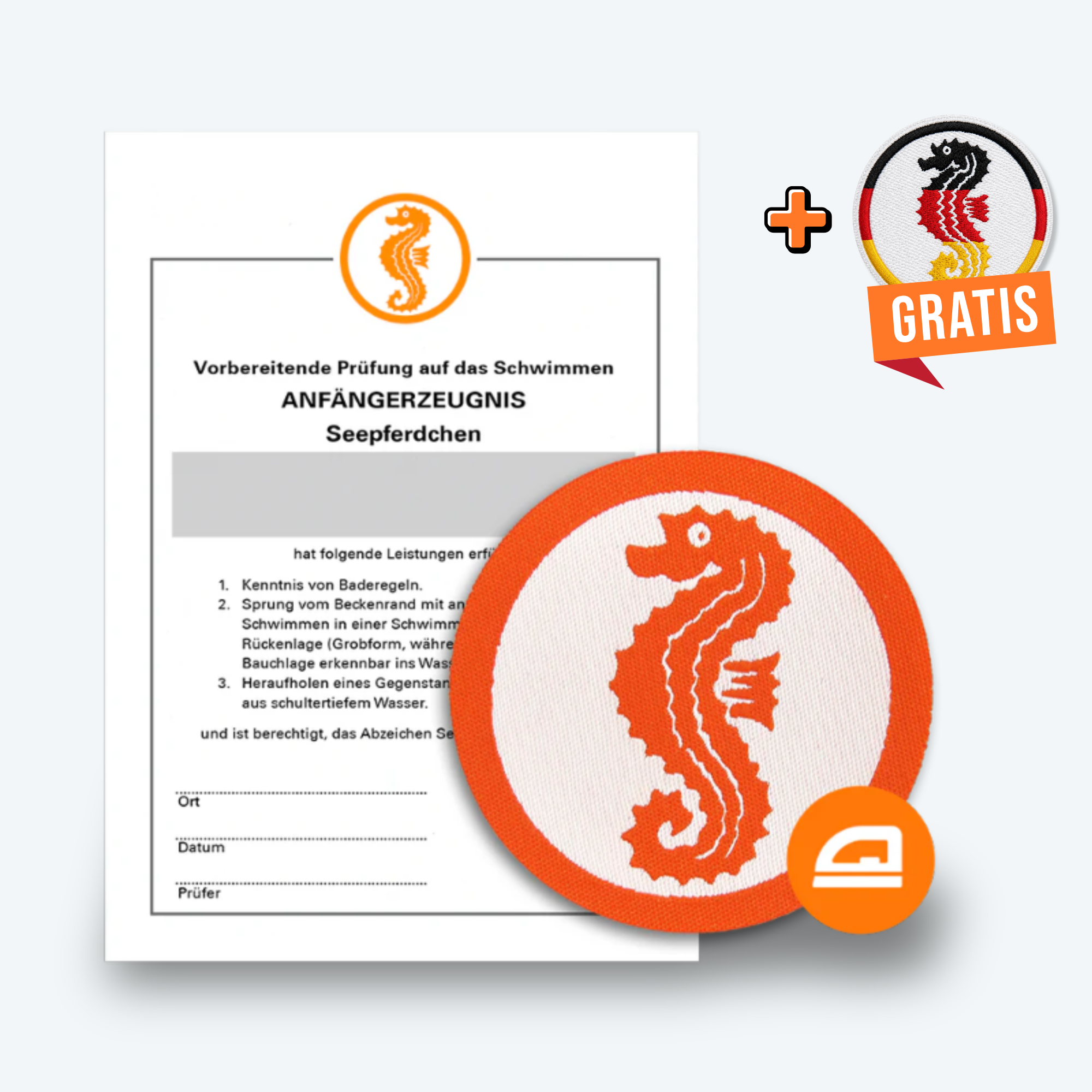
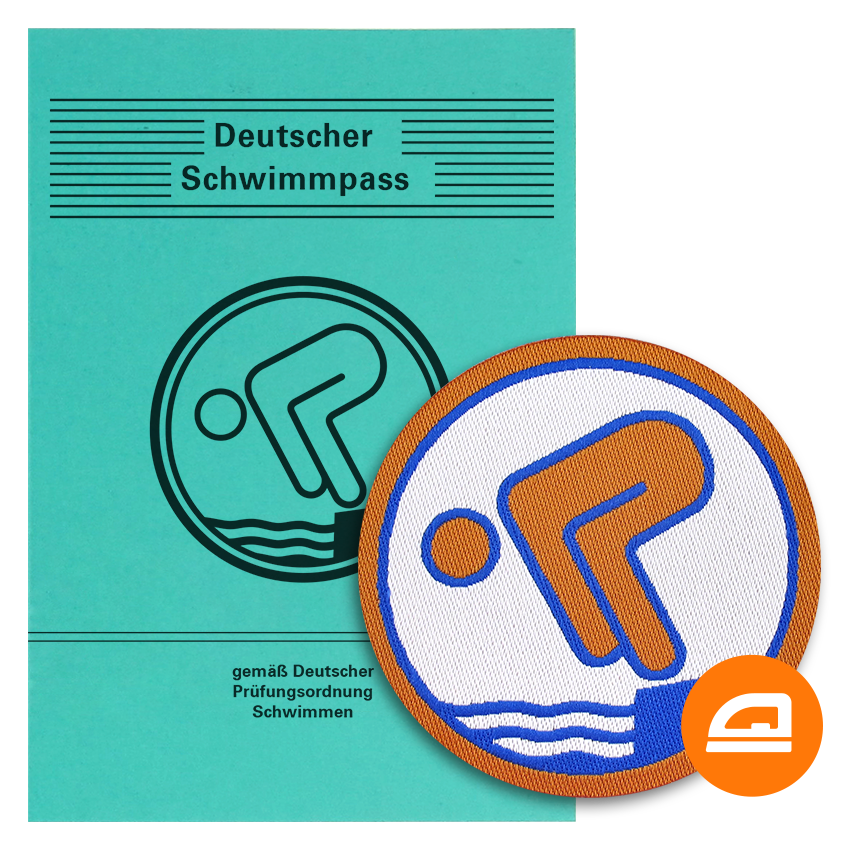
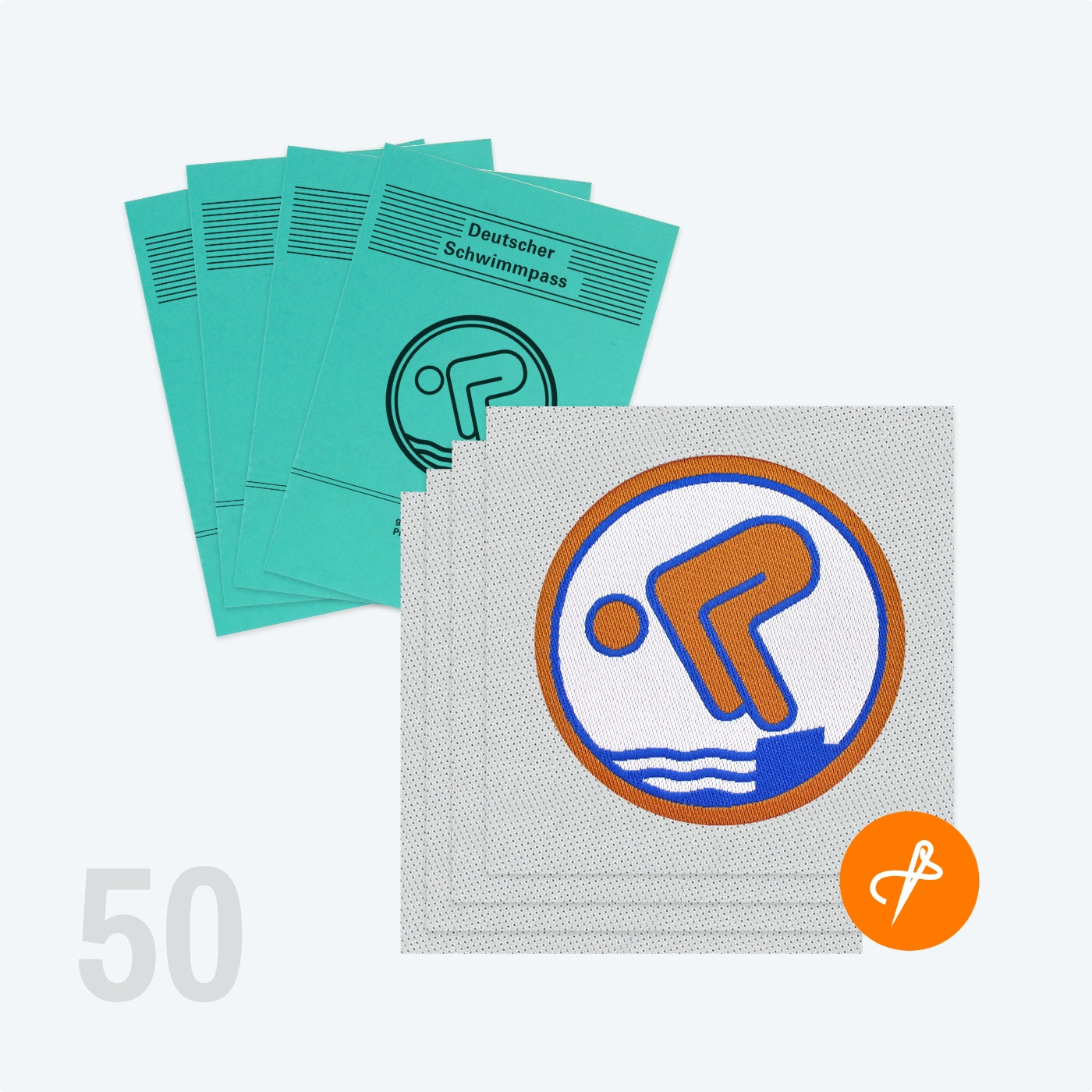
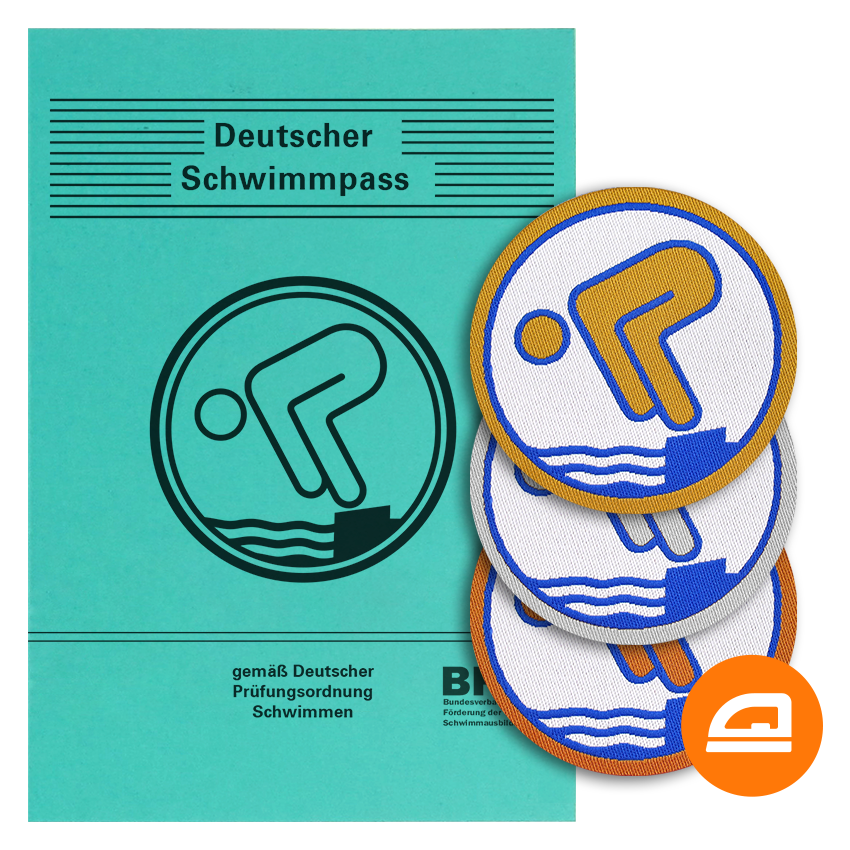
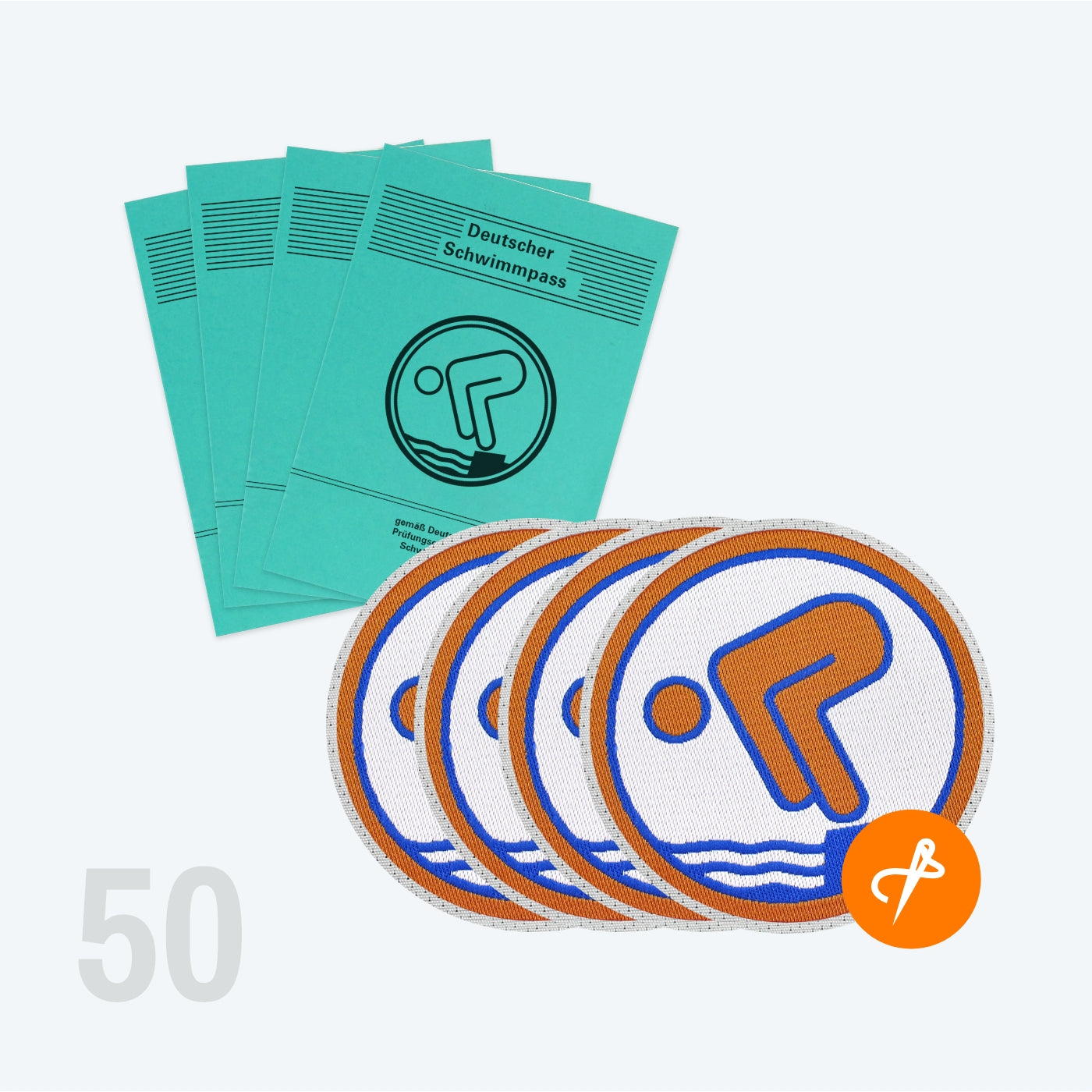
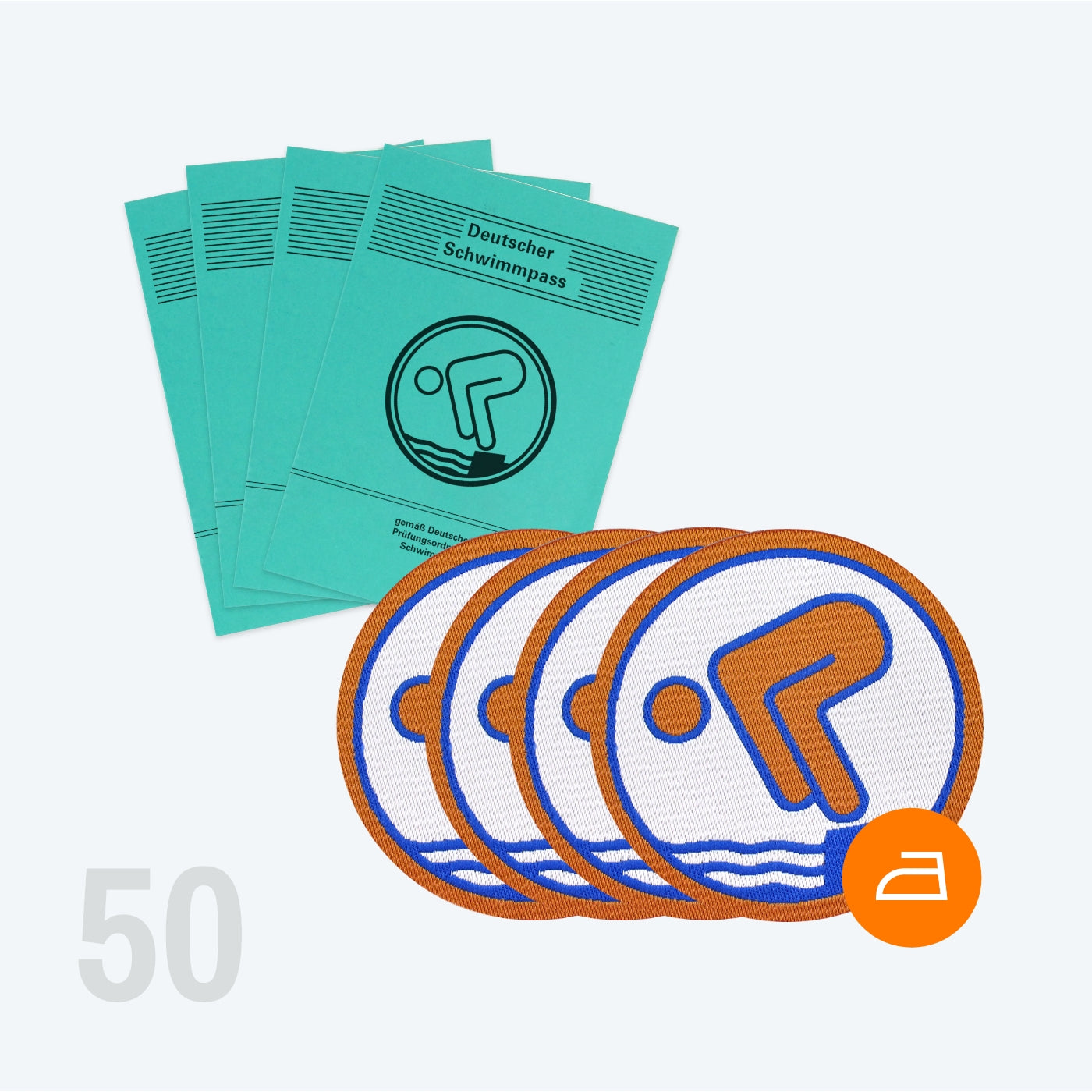
Compared to official badges like the German Swimming Badge Bronze https://pimpertz.de/products/schwimmabzeichen-bronze-zum-aufbuegeln-set , the Dolphin badge is more flexible in its requirements. Swim schools adapt it to the children's level to avoid overstraining them. The focus is on fun and progress, not on strict tests. Parents can even award it themselves to boost motivation. Overall, it is an important step on the way to safe swimming.
The Dolphin badge particularly motivates children who need further goals after the Seahorse badge. It integrates elements such as front crawl and diving, which prepare for higher badges. Many coaches recommend it as an intermediate step to maintain the desire to swim. The reward in the form of a badge strengthens self-confidence. Children learn that hard work leads to great success.
Requirements for the Dolphin Badge
The requirements for the Dolphin badge vary depending on the swim school, but typically include 50 meters of front crawl. Furthermore, a child must master 12.5 meters of underwater swimming and complete 25 meters of back crawl. Knowledge of swimming rules and self-rescue is often also required to ensure safety. A jump from the edge of the pool can be part of the test to show courage. These elements build on basics such as breaststroke and promote diverse skills.
Children should be able to swim without aids to earn the Dolphin badge. Retrieving an object from the water is a common requirement that tests diving skills. In some courses, one must glide in a prone or supine position to perfect the execution. The test usually does not take long but requires preparation. Coaches pay attention to correct swimming technique to prevent injuries.
Endurance is crucial for earning the Dolphin badge, as children must swim without a break. Elements such as deep diving or changing swimming styles make it varied. Parents should inquire about the requirements at the swim school in advance. This way, they can optimally support their child. The badge is proof of growing competence in the water.
Benefits of Swimming for Children
Swimming promotes physical endurance and strengthens the cardiovascular system in children. Regular training in the water improves coordination and muscle strength. Children who learn to swim develop a better sense of their body and more self-confidence. In addition, swimming is a gentle sport that is easy on the joints. The joy of being in the water grows with each step forward, leading to lifelong activity.
Swimming badges like the Dolphin badge motivate children to push their limits. They learn to set goals and persevere, which requires overcoming challenges. Social aspects play a role, as swimming courses bring new friends. Integration into groups strengthens team spirit. Overall, swimming contributes to holistic development.
Achieving badges rewards achievements and boosts motivation. Children feel proud when they wear the Dolphin badge. It offers a way to document and celebrate progress. Parents see the benefits in their children's safety. Swimming thus becomes a joyful habit.
Swimming Badges and Their Significance
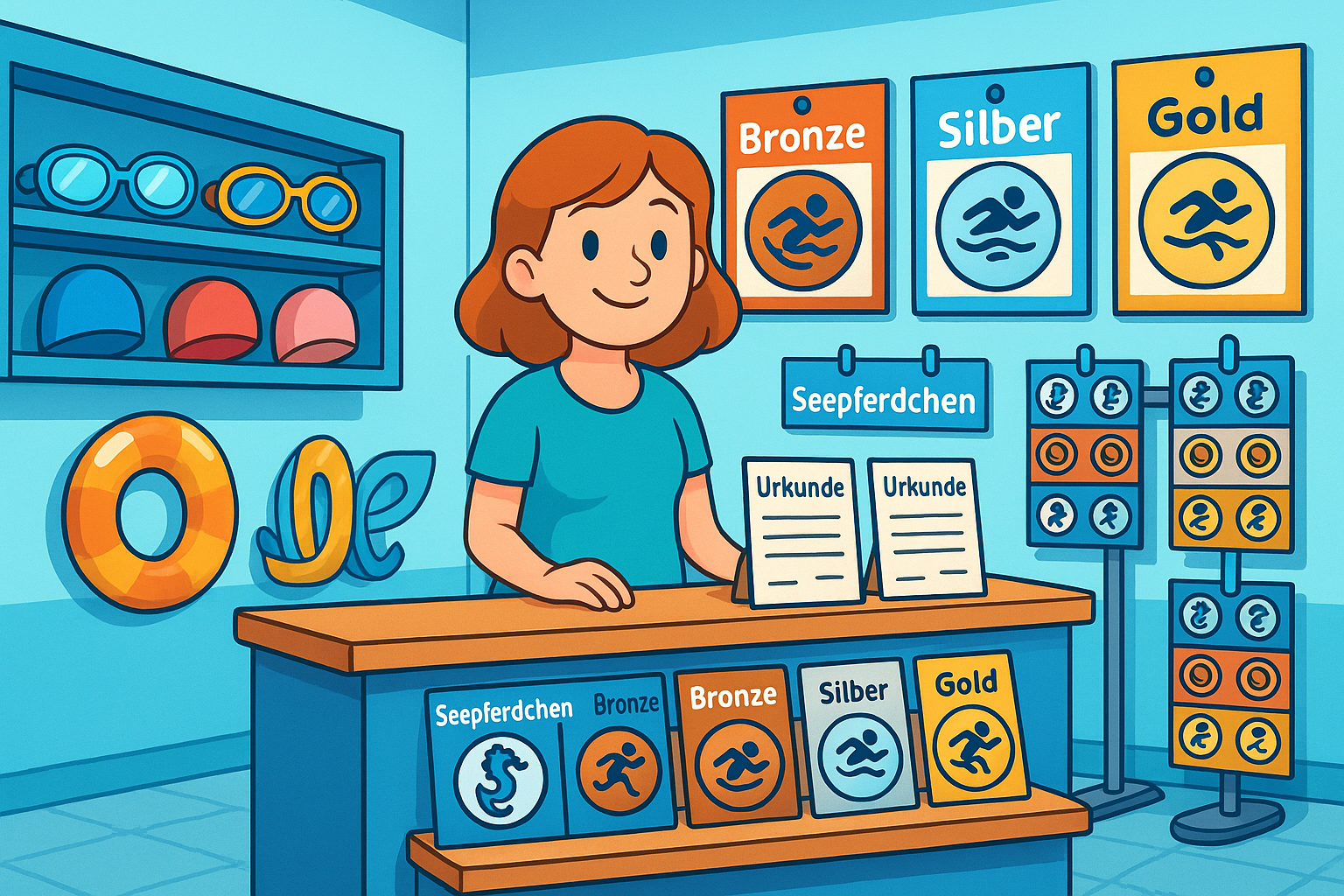
Swimming badges are important milestones that mark the path to safe swimming. The Dolphin badge serves as motivation between the Seahorse and Bronze badges. They document skills and encourage continuous training. Especially for young swimmers, they are an incentive to take on new challenges. Their significance lies in the recognition of achievements.
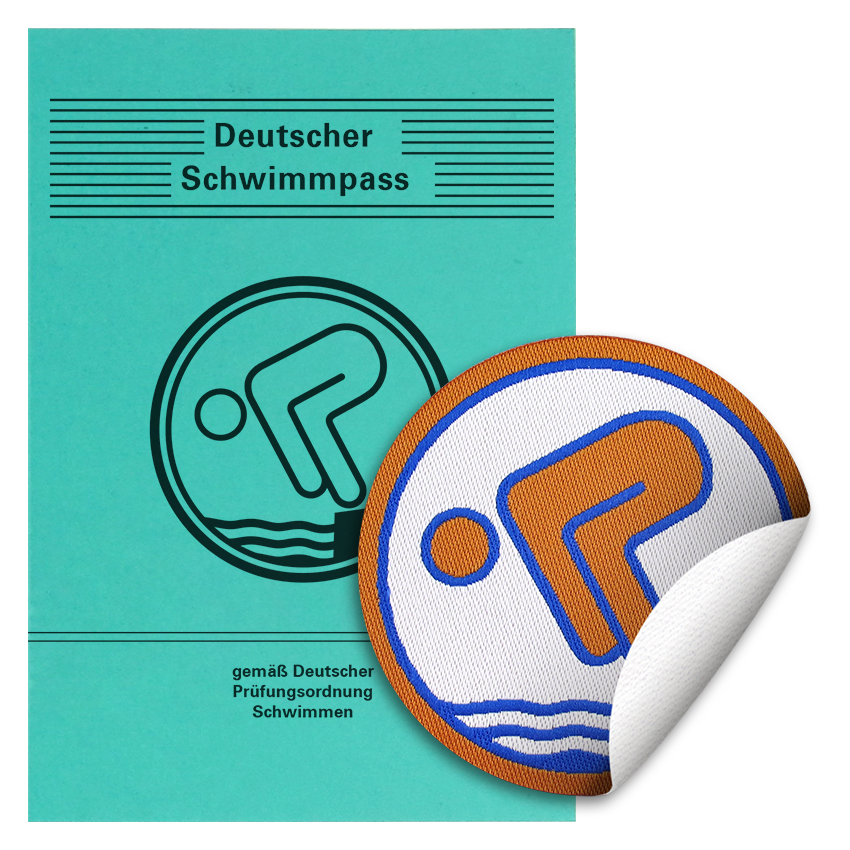
Official badges like the German Swimming Badge Bronze https://pimpertz.de/products/schwimmabzeichen-bronze-zum-aufbuegeln-set set standards for safety. Unofficial ones like Dolphin or Penguin complement them with fun elements. Children learn various swimming techniques and diving methods. The badges motivate regular swimming lessons. They are part of swimming education and build upon one another.
The Dolphin badge highlights the joy of swimming and integrates emotional elements. It shows that hard work is rewarded. Coaches use it to inspire children. The significance grows with each badge earned. Ultimately, they lead to Gold and comprehensive competence.
Other Swimming Badges for Children
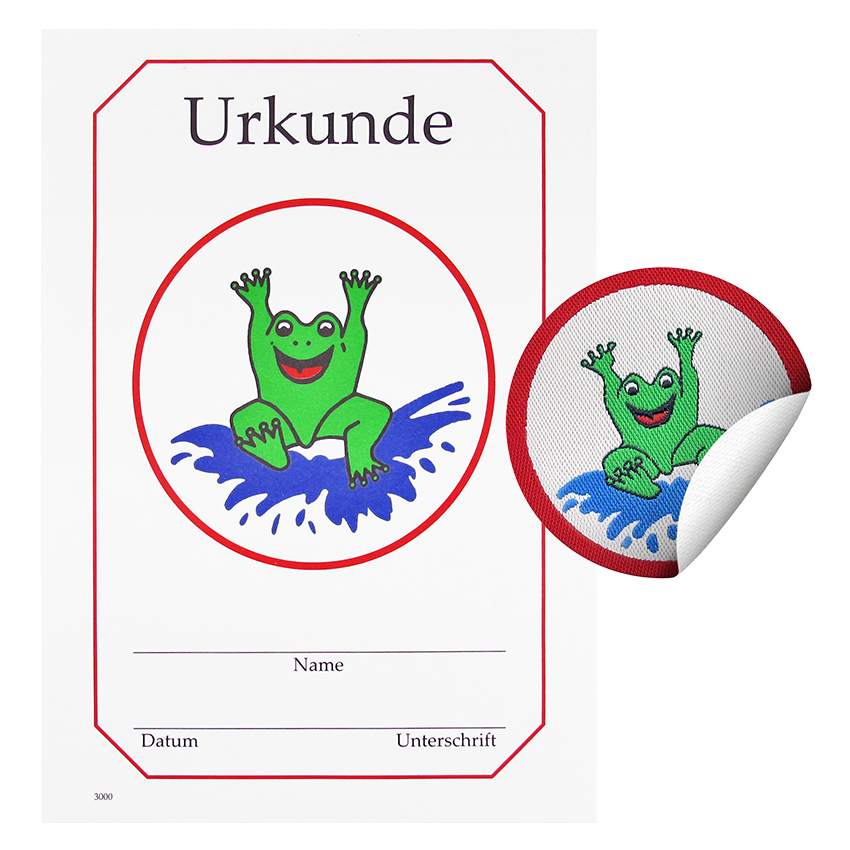
In addition to the Dolphin badge, there is the Frog badge, which rewards first steps in the water. The Penguin badge often follows and requires 10 meters of independent swimming. The Seahorse is an early swimmer's badge with a jump and 25 meters of swimming. The Bronze badge requires more stamina, such as 200 meters of swimming. These badges offer clear progression.
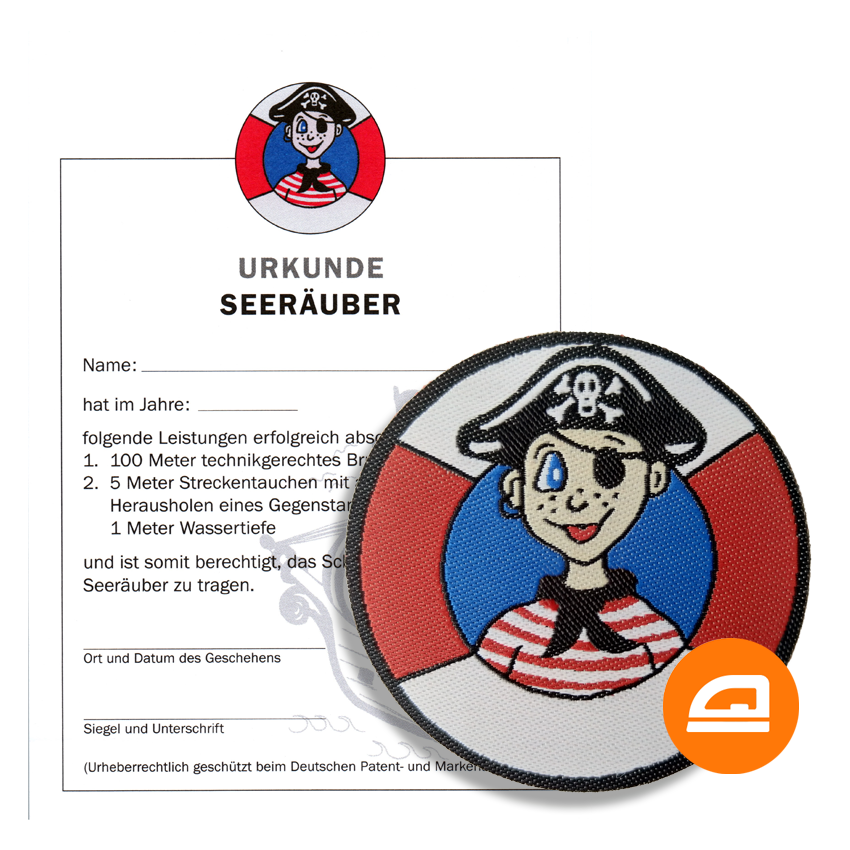
The German Swimming Badge Silver builds on Bronze and integrates diving. Gold requires 30 minutes of swimming and knowledge of rescue. Unofficial ones like Pirate provide additional motivation. Children can thus gradually expand their skills. Each level brings new challenges.
The Dolphin badge fits perfectly in between and prepares for Bronze. It includes front crawl and underwater swimming. Parents should coordinate the sequence with coaches. This keeps motivation high. Further badges promote long-term engagement.
Tips for Parents and Swimming Instructors
Parents should praise their children to increase motivation for the Dolphin badge. A positive atmosphere in the swimming course helps reduce fears. Regular practice at home, such as dryland training, improves swimming technique. Coaches can provide individual tips to accelerate progress. The reward after earning it strengthens self-confidence.
Swimming instructors should give step-by-step instructions, starting with the basics. Adhering to clear goals makes teaching effective. Parents can use resources like videos to support. Good communication among all involved is crucial. This way, children overcome challenges more easily.
Tips also include choosing the right swim school. Look for courses with small groups for personal attention. Sharing motivating stories can inspire children. Document achievements to make successes visible. The Dolphin badge thus becomes a common goal.
Preparation for the Dolphin Badge
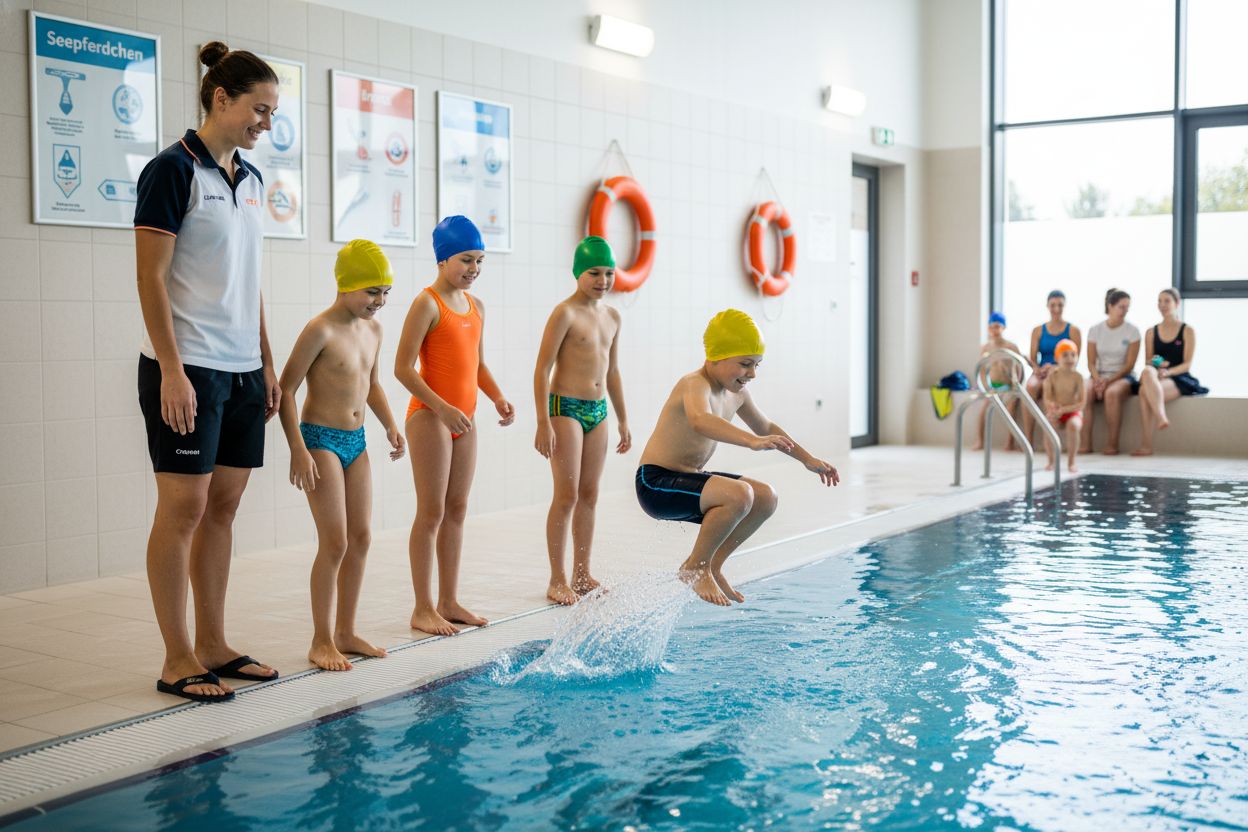
Preparation starts with learning basics like jumping from the edge of the pool. Children gradually practice front crawl and diving without aids. Regular swimming lessons at a swim school are essential. Coaches adapt exercises to the child to facilitate overcoming difficulties. The goal is to build skills naturally.
Focus on endurance by gradually extending distances. Breaststroke and backstroke should be mastered. Retrieving objects trains diving skills. Parents can practice playfully at home. The test then becomes a natural consequence.
Motivation is key: Set small goals and reward successes. Integrate fun elements to maintain enthusiasm. Preparation duration varies depending on the child. With patience, everyone achieves the Dolphin badge. It is the path to higher achievements.
Common Challenges in Learning to Swim
Children often encounter challenges such as fear of water. Jumping from the edge of the pool requires courage and practice. Diving can initially be uncomfortable, especially in deeper water. Improving swimming technique takes time and patience. Coaches help to overcome these.
Building endurance is another hurdle for young swimmers. Swimming without aids requires strength. Parents should be motivating without exerting pressure. Regular courses alleviate these problems. With tips, challenges become opportunities.
Coordination in different swimming styles is difficult. Front crawl and back crawl require practice. The Dolphin badge addresses these. Through gradual training, obstacles disappear. Children learn that perseverance is rewarded.
The Role of Swimming Technique
Swimming technique is crucial for the Dolphin badge and safe swimming. Correct arm and leg movements in front crawl save energy. Backstroke trains orientation in the water. Coaches correct errors early on. Good technique prevents fatigue.
Breaststroke as a basis helps with execution. Children learn to glide in prone and supine positions. The Dolphin badge tests these skills. Regular practice perfects them. Technique leads to better performance.
Breathing technique is part of swimming technique. Proper breathing prevents panic. Tips from professionals help. It is intensively practiced in swimming lessons. Strong technique makes swimming enjoyable.
Integration into Swimming Courses
Swimming courses integrate the Dolphin badge as a goal. They offer structured lessons for requirements. Small groups allow for individual attention. Coaches motivate with games. The course gradually leads to success.
In a swim school, children learn with peers. This increases motivation through competition. Badges like Dolphin are awarded at the end. Parents receive feedback on progress. Courses are the best way.
Transition to higher courses follows the Dolphin badge. Bronze becomes the next goal. Integration makes learning continuous. Children remain engaged. Swimming courses offer safety and fun.
Resources and Information
Swim schools have their own resources for the Dolphin badge. Books and videos on swimming technique help at home. Online platforms provide tips. Parents can find certificates and badges from providers like pimpertz.de.
Useful links: https://www.ebay.de/str/offizielleschwimmabzeichen for official swimming badges. https://www.amazon.de/stores/page/A27B2578-5A4C-4281-ACA4-CC88AB0A025A for materials. These resources support preparation. Coaches recommend suitable aids. So everything is ready for success.
Forums and blogs share experiences. Children benefit from diverse information. Resources make the journey easier. Motivation remains high with good materials. Use them wisely.
Conclusion and Next Steps
The Dolphin badge is a great milestone for young swimmers. It motivates them to earn further badges like Bronze. Children learn to achieve goals and have fun. Parents and coaches play a key role. The path to safe swimming is rewarding.
Next steps: Enroll your child in a swimming course. Practice the requirements regularly. Celebrate successes. Start today!
Tip Box: Quick Tips for Success
-
Practice diving for 10 minutes daily.
-
Praise small progress.
-
Choose a motivating swim school.
-
Integrate games into training.
A Motivating Story: The Little Dolphin Swimmer
Once upon a time, there was a child named Tim who was initially afraid of water. With much effort, he began swimming lessons and learned the basics. Soon he mastered jumping from the edge of the pool and swimming without aids. His coaches motivated him for the Dolphin badge, and after hard work, he retrieved an object from the water. Proudly, Tim wore his badge on his chest and inspired his friends to also earn swimming badges. Today, he is a confident swimmer who never lost the joy of swimming.
Another Short Story: Anna and the Dolphin Badge
Once upon a time, there was a small child named Anna, a true early swimmer, who began at the swim school with great motivation to develop her skills in the water. The child loved swimming, but challenges like jumping from the edge of the pool into the swimming lane required overcoming fear. With the help of the coach, the child learned the basics of front crawl and breaststroke, and soon mastered switching between prone and supine positions. The requirements for the Dolphin badge initially seemed daunting, but step by step, with hard work and the right swimming technique, the child retrieved an object from the water, practiced underwater swimming and deep diving, and earned the badge. The DLRG certificates and the Dolphin badge became a reward for the achievements, and the child felt like the best swimmer.
The child, as an early swimmer, practiced the starting dive and the headfirst dive, holding onto aids only at the beginning, and learned to master the swimming style with desire and joy. In the swim school, by participating in the swimming course, the child learned the path to the Bronze badge, the German Swimming Badge Bronze, and even to Silver and Gold. Motivation grew with each step forward, and the child inspired other children to improve their skills. With knowledge of the requirements, such as backstroke and back crawl, swimming became the best passion. The amount of fun was enormous, and with the help of the coaches, the child mastered every test.
Anna, the child, became a role model for early swimmers, and her Dolphin badge was proof of hard work. She practiced in the prone position, dived for objects, and showed that overcoming challenges leads to great achievements. In the swimming lane, the child learned to change swimming styles, and with tips from the DLRG, improved her swimming technique. The desire for water was endless, and the child reached her goal with joy. Proud of earning the badge, the child motivated her friends to similar challenges. Today, Anna is an experienced swimmer who passes on the basics to new early swimmers.
Call-to-Action: Visit pimpertz.de for badges and start your child's journey to the Dolphin badge today!
Facts about the Dolphin Swimming Badge
When swimming 25 meters, it is important to exhale audibly into the water.
A jump from the edge of the pool followed by a 25-meter swim and retrieving an object from the water are part of the practical test requirements.
The examinee must retrieve an object from shoulder-deep water.
The Dolphin swimming badge is usually awarded by swim schools and lifeguards.
The badge is not an official German swimming badge of the German Swimming Federation (Deutscher Schwimm-Verband) or the DLRG.