
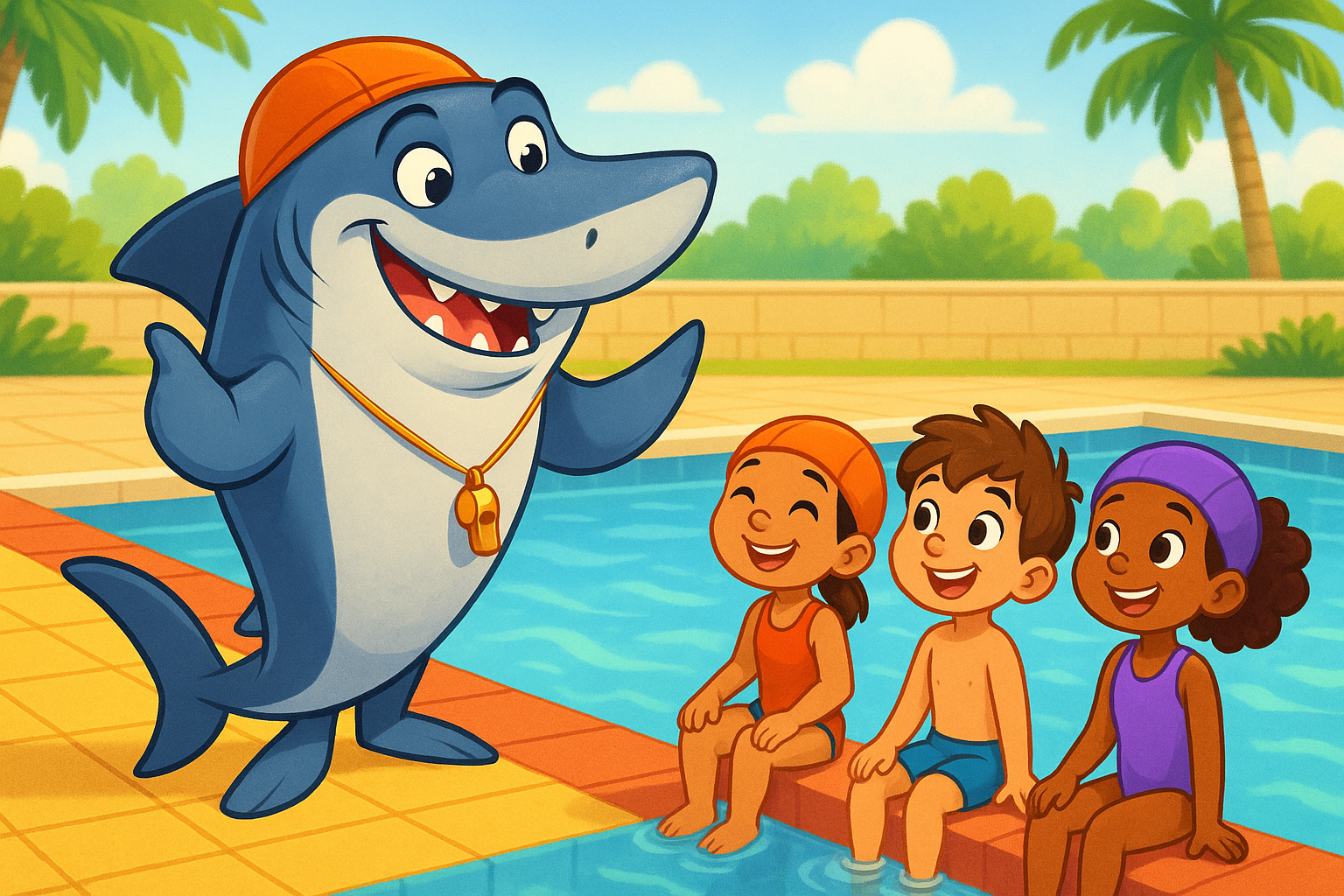
Shark Swimming Badge: Requirements and Tips for Aspiring Swimmers
Introduction to the Shark Swimming Badge
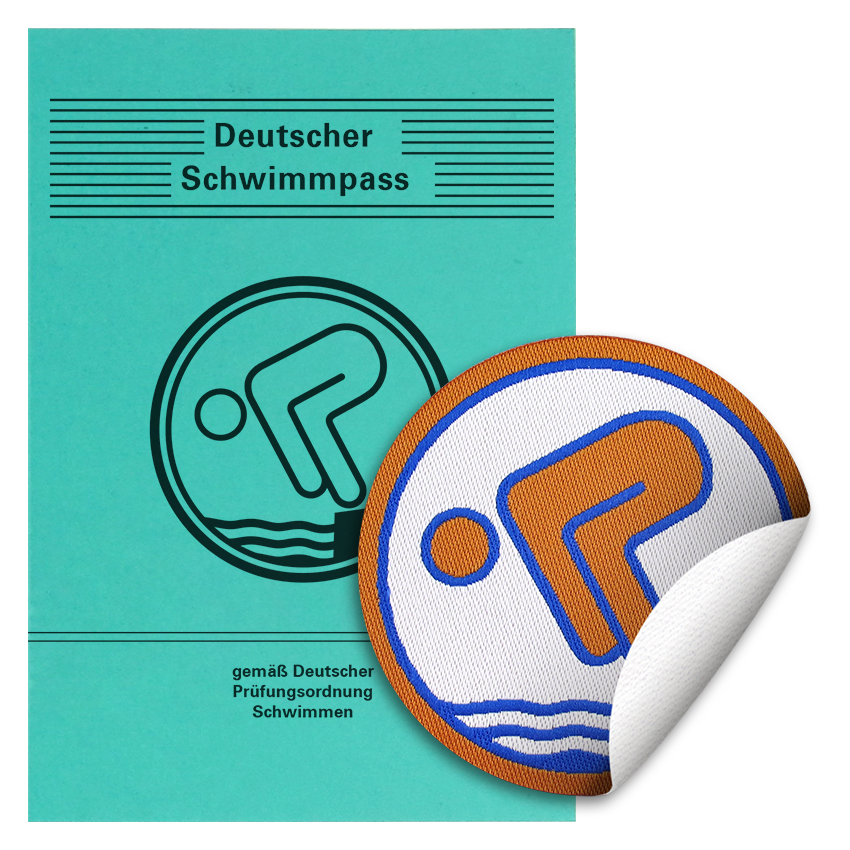
German swimming badges play a central role in swimming education, promoting water safety for children and adults. The Shark swimming badge, in particular, as part of the German Competitive Swimming Pass, is aimed at advanced swimmers who want to elevate their skills to a higher level. These badges, awarded by the German Swimming Federation (DSV), include levels such as Seahorse, Bronze, Silver, and Gold, before progressing to the Shark. Acquiring such swimming badges not only strengthens swimming skills but also motivates an active lifestyle. Many parents and coaches see these badges as an important milestone for their protégés' development.
The Shark swimming badge builds on the German Gold swimming badge and requires a combination of endurance, technique, and speed. It is ideal for children who have already mastered basic swimming strokes and now want to train performance-oriented. The DSV's examination regulations set clear requirements that can be learned in swimming courses. Regular swimming lessons further increase water safety, preventing accidents in bathing, boating, and ice incidents. Overall, these badges promote comprehensive swimming education.
The variety of swimming badges, from early swimmers to competitive swimming passes, offers suitable challenges for every age group. The Shark badge, in particular, emphasizes the transition to competitive swimming. Parents should enroll their children in swimming lessons early to gradually meet the requirements. The focus is on naturally integrating techniques such as front crawl and backstroke during swimming.
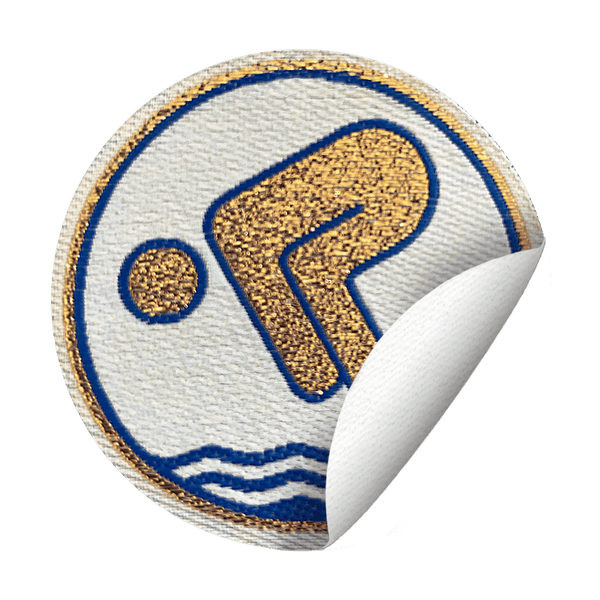
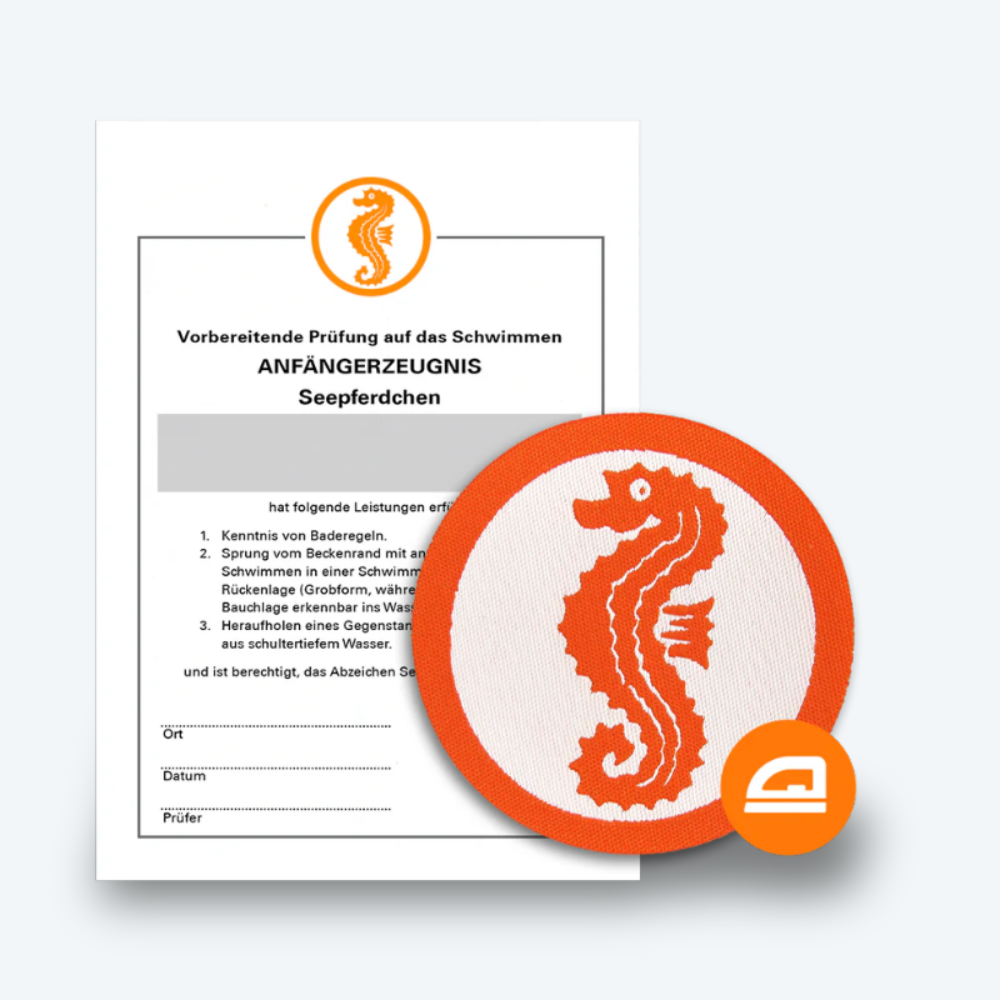
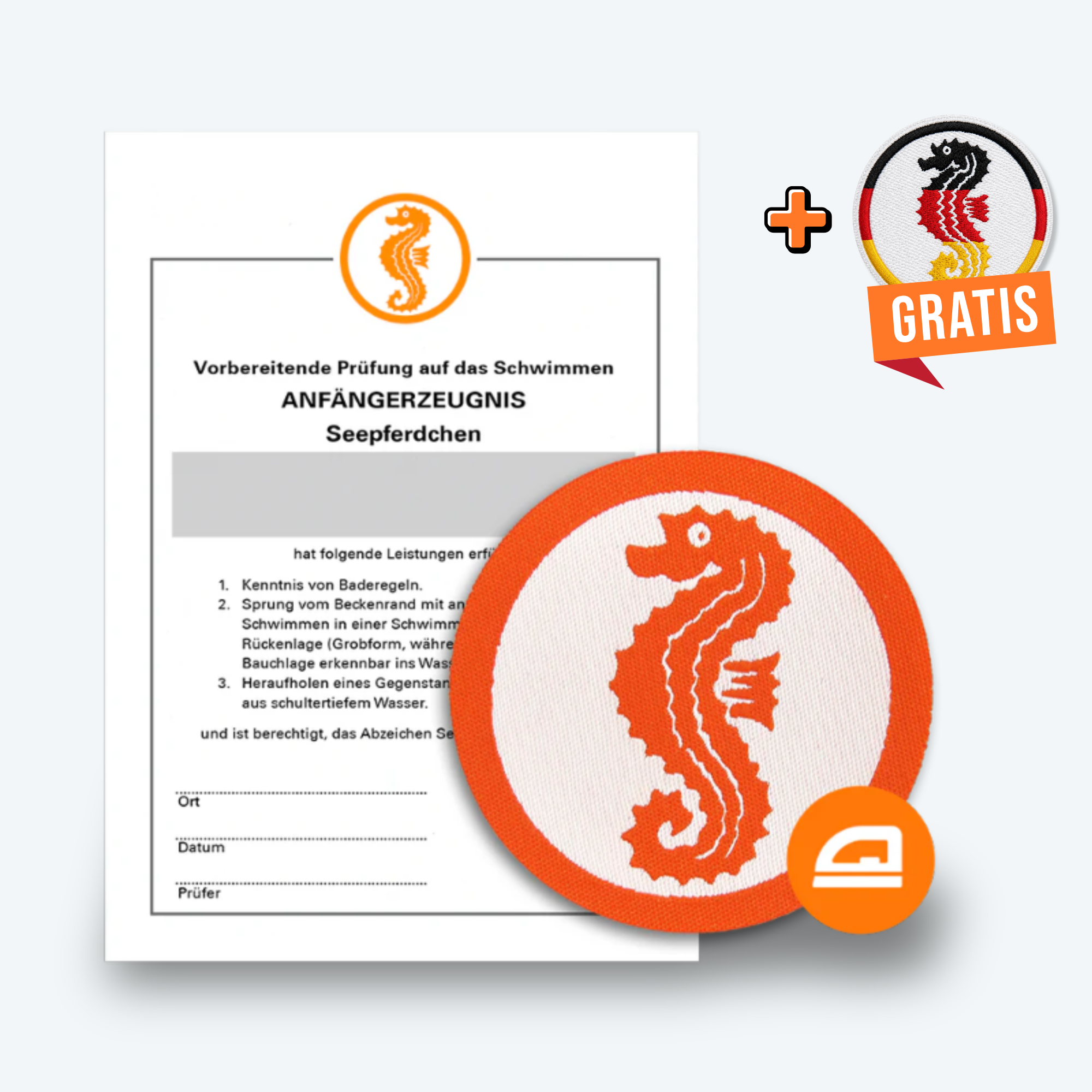
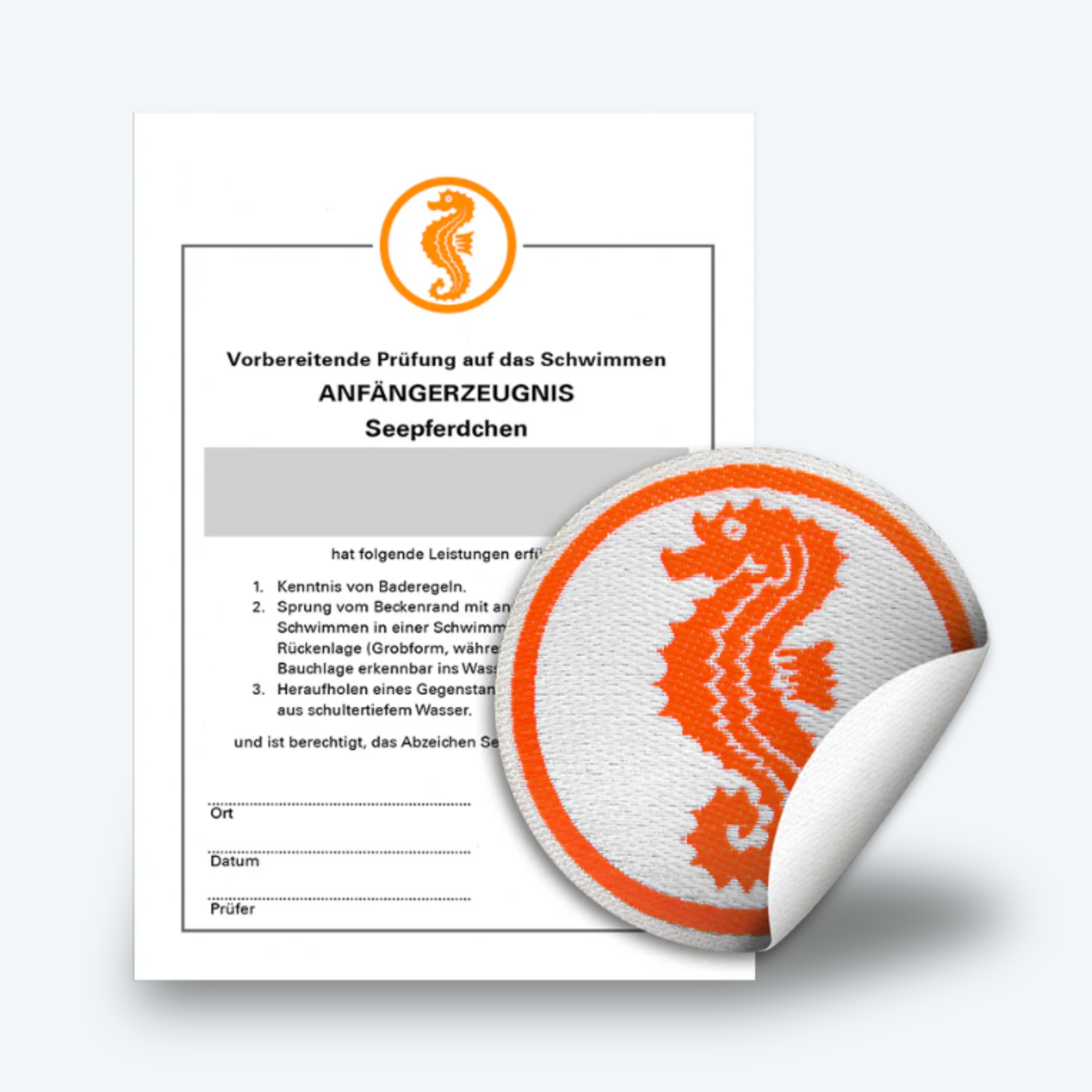
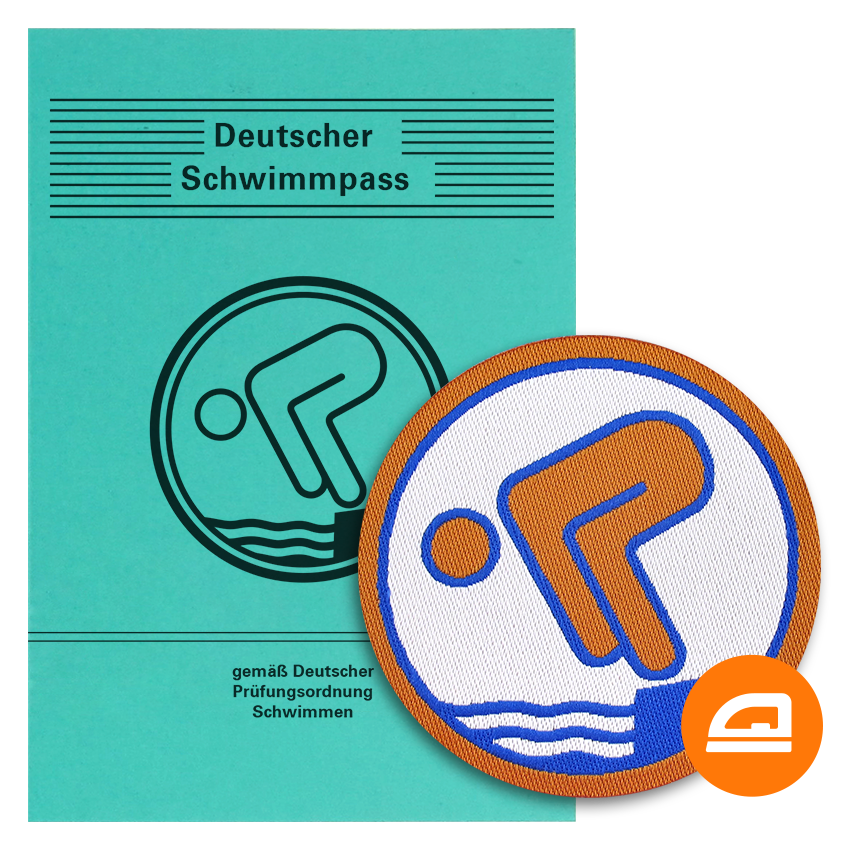
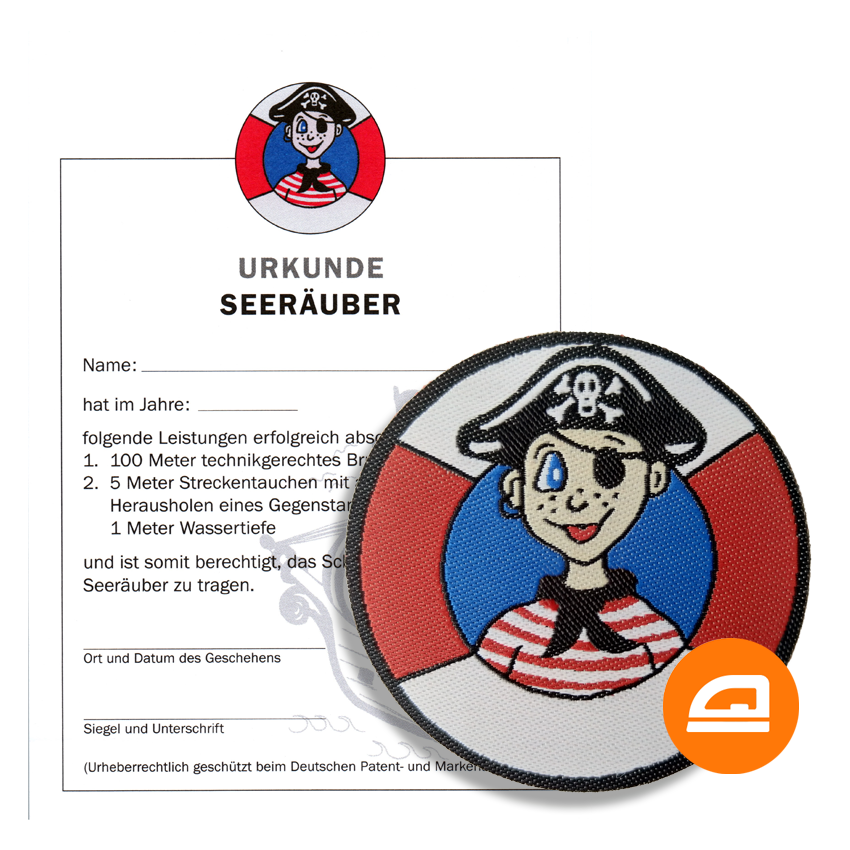
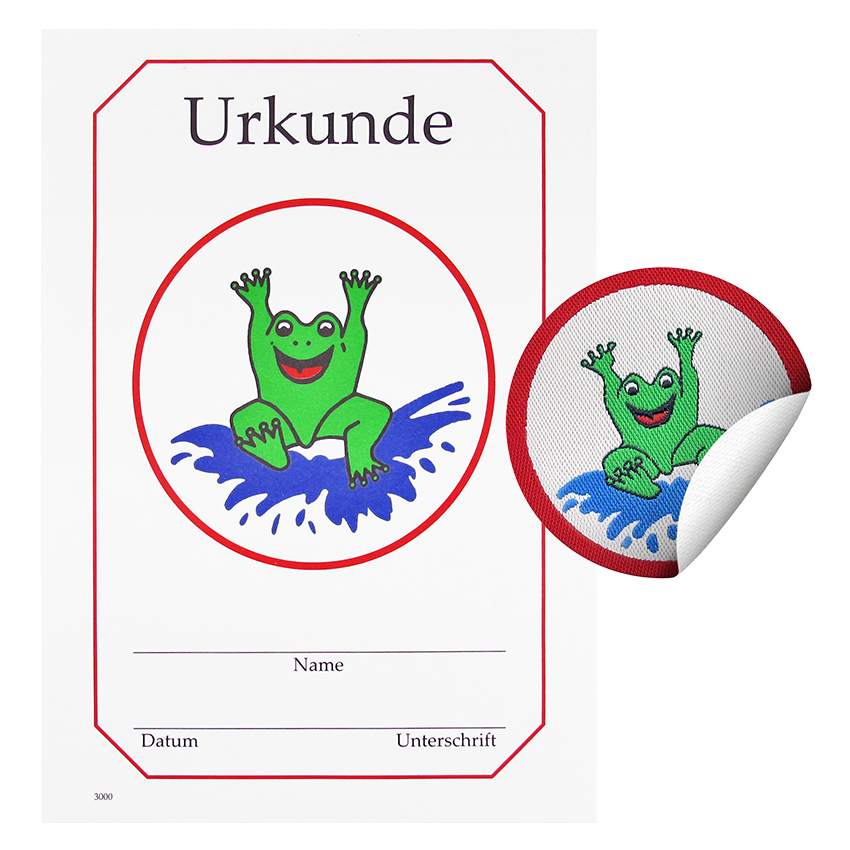
Swimming badges from the brand manufacturer Pimpertz official swimming badges Shark as a badge for advanced swimming skills. Further information on Frog swimming badges & Frog certificates.
Requirements for the Shark Swimming Badge
The requirements for the Shark swimming badge include specific swimming performances that test endurance and technique. First, you must complete 50m breaststroke in under 1:00 minute, which requires good coordination in the prone position. In addition, 50m freestyle in under 0:50 minutes is required, where body position during swimming is crucial. 50m backstroke in under 0:55 minutes is also part of it, often in a supine position in the swimming lane without holding on. The test also requires 25m water polo dribbling in under 0:25 minutes, which combines play and technique.
The German Gold swimming badge is often a prerequisite, as the Shark is positioned as a German competitive swimming badge. The test does not include a head-first dive from the edge of the pool, unlike lower levels. Instead, it emphasizes swimming in the prone or supine position with high efficiency. Children must demonstrate knowledge of bathing rules to ensure water safety. Overall, these requirements are designed to promote solid swimming education.
Deep diving from the water surface with retrieval of a small object is not directly part of the Shark, but helps in preparation. The test takes place in shoulder-deep water, where shoulder depth relative to the water surface is relevant. Swimmers learn to exhale audibly into the water in a prone position to optimize breathing. These elements make the badge an important step for aspiring competitive swimmers.
German Competitive Swimming Badge Overview
The German competitive swimming badge Shark is the entry into the competitive swimming pass and requires higher speeds than basic badges. Compared to Bronze, Silver, or Gold, this involves time limits for swimming. The German competitive swimming pass includes levels such as Shark, which build on the German swimming badge. Advanced swimmers benefit from increased endurance through long swimming in the prone or supine position. The examination regulations emphasize versatility, including water polo dribbling.
Competitive swimming badges promote swimming education through structured goals that increase motivation. For the Shark, you must cover 50m in different swimming styles, including prone or supine. There is no requirement for jumps from a height of 3m, but pushing off the edge of the pool is helpful. Water safety is paramount, with elements such as transport swimming (pushing or pulling). Overall, these badges strengthen skills for competitions.
Changing body position during swimming is crucial for success in the Shark. Swimmers practice swimming in the lane without holding on to gain stability. Approximately two meters within the time must be achieved, which requires precision. These achievements make the badge a milestone in swimming education.

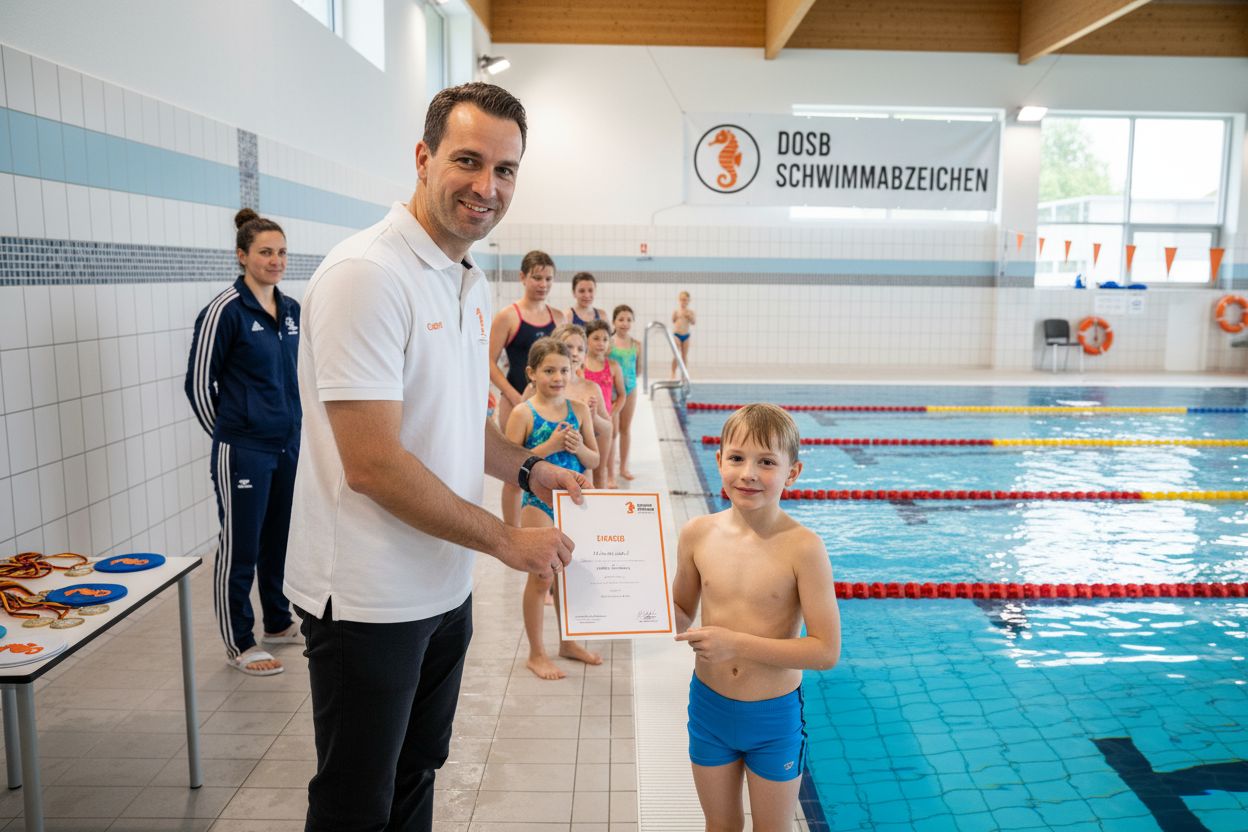
Children in swim training, preparing for the Shark swimming badge.
Benefits of the Shark Swimming Badge
The Shark swimming badge offers numerous benefits for health and water safety. It improves swimming skills and promotes endurance, strengthening the cardiovascular system. Children learn to swim efficiently in a prone or supine position, which prevents accidents. Achieving the badge motivates further training and an active lifestyle. Parents appreciate the structured swimming education that builds self-confidence.
Additionally, the badge contributes to general fitness, as swimming is a holistic sport. It integrates elements such as deep diving from the water surface with retrieval, which trains coordination. The German Swimming Federation emphasizes the benefits for preventing bathing, boating, and ice accidents through self-rescue. Overall, it is a step towards greater safety and enjoyment of water. Coaches recommend it as a basis for higher achievements.
The emotional component, such as pride in what has been achieved, is a great advantage. Swimmers develop discipline through regular practice of swimming styles such as breaststroke or freestyle. The badge opens doors to clubs and competitions. For families, it means an investment in their children's future.
Age and Prerequisites for the Gold, Silver, Bronze Swimming Badges
The Shark swimming badge can be acquired at an age when the prerequisites are met, typically after the Gold badge. Children aged approximately 8-10 are often ready, depending on individual development. The prerequisite includes mastering basic swimming strokes in prone and supine positions. An examination by qualified coaches is mandatory. Knowledge of bathing rules is essential for safety.
Prerequisites vary slightly depending on the association, but the DSV relies on standardized requirements. Deep diving from the water surface with retrieval of a small object strengthens the foundation. Swimming in shoulder-deep water, relative to shoulder depth, is part of the preparation. The badge does not require jumps from 1m height, but pushing off the edge of the pool. Overall, it is accessible to motivated young people.
Parents should consider their child's maturity before enrolling them. The prerequisites promote gradual swimming education. Regular swimming lessons help achieve the goals. This creates a solid foundation for higher badges.
Swimming Badges for Children: The Path to the Shark
Swimming badges for children often begin with Seahorse, the Pirate badge and lead via Pirate, Bronze, Silver and Gold to the Shark. These levels promote water safety and swimming skills. Children learn to swim in prone and supine positions, which is essential. The Shark badge is a highlight for ambitious young swimmers. It integrates playful elements like water polo to make it fun.
Swimming education for children emphasizes natural progress, without pressure. Prerequisites such as retrieving a small object train diving skills. Parents and coaches play a key role in motivation. The badge is a step towards a healthy lifestyle. Many children gain pride through success.
In swimming courses, children practice changing body position while swimming. The Shark requires 50m in a prone position, which builds endurance. There are also variants with somersaults or swimming across. Overall, it strengthens the connection to sports.
Tips for Aspiring Swimmers on the Way to the Shark

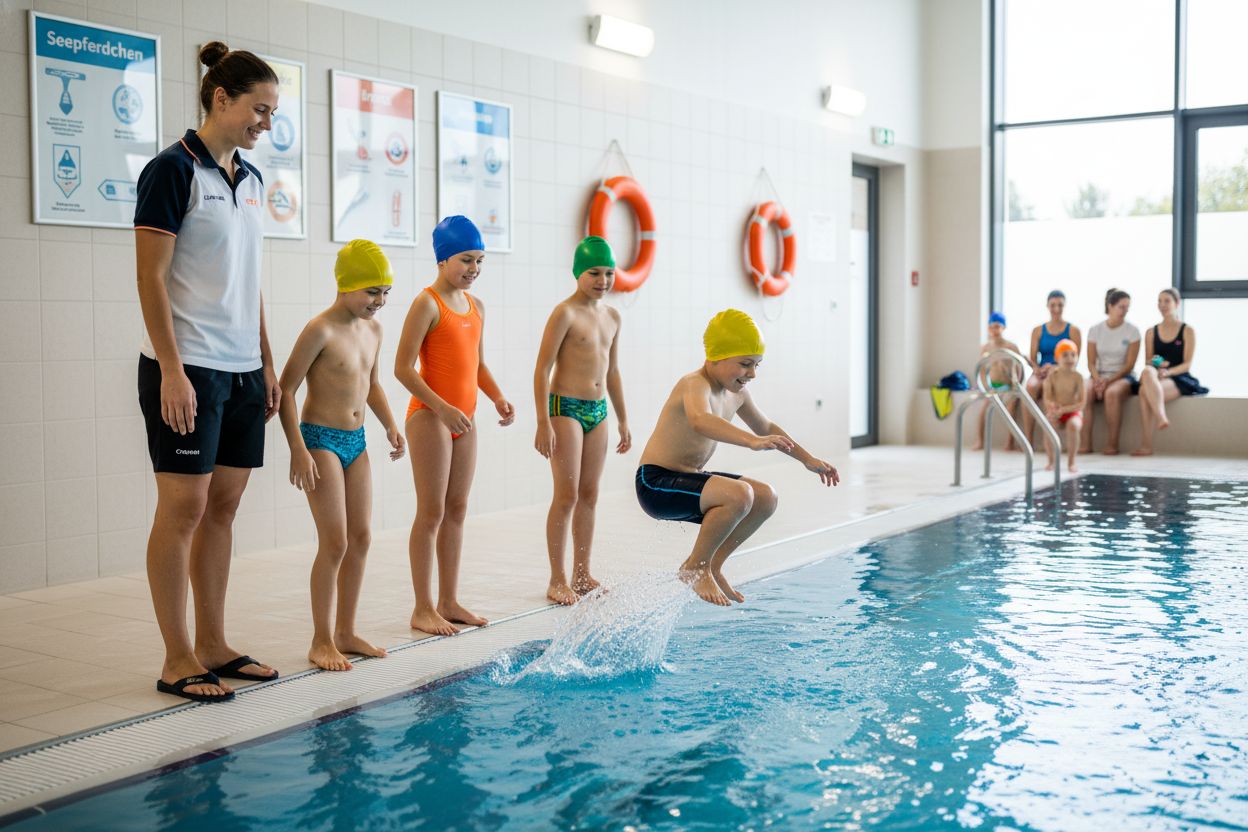
Group of children training for swimming badges.
An important tip for aspiring swimmers is regular training, ideally 2-3 times a week. Find a qualified coach who knows the requirements. Practice swimming in prone and supine positions to optimize body position. Integrate deep diving from the water surface with retrieval to improve diving technique. These tips promote a healthy lifestyle.
Pay attention to breathing: exhaling audibly into the water in a prone position helps with efficiency. Try 2 different jumps from 1m height for preparation. Avoid overexertion and build endurance gradually. Coaches recommend learning bathing rules early. This makes the path to the Shark motivating.
For water polo dribbling, practice with a ball in the water. Tips also include transport swimming (pushing or pulling) for teamwork skills. Adhere to the DSV's examination regulations. These strategies make success tangible.
The Swimming Badge Examination: Preparation and Procedure
The swimming badge examination for Shark includes swimming in prone and supine positions with time limits. A qualified coach administers it, often in a swimming pool. Deep diving from the water surface with retrieval of a small object can be practiced additionally. The examination tests endurance and technique. It is a key to swimming education.
Preparation includes swimming in the lane without holding on. Practice jumping from the edge of the pool for self-confidence. The examination lasts approximately 30-45 minutes. Water safety is the focus, with knowledge of bathing rules. Successful candidates receive the badge immediately.
Manage nervousness: breathe deeply and visualize success. Coaches provide feedback during preparation. The examination includes 50m in different styles. This strengthens motivation for further goals.
Goals and Motivation when Acquiring the Shark Badge
A central goal is to acquire the Shark swimming badge for improved swimming skills. Motivation comes from swimming education and water safety. Goals include swimming in prone and supine positions with precision. It improves the cardiovascular system. These goals promote an active lifestyle.
Set small milestones, such as 50m breaststroke under time. Motivation increases through group training with children. The German Competitive Swimming Pass offers long-term perspectives. Reward successes to strengthen perseverance. This makes swimming a passion.
Integrate family goals: parents motivate through praise. Goals like retrieving an object build self-confidence. The motivation lies in the joy of water. This leads to sustainable fitness.
Conclusion: Why the Shark Swimming Badge is Worthwhile
The Shark swimming badge is an important step for swimming education and water safety. It includes levels such as Bronze, Pirate Pimpi® swimming badge, Pirate Pimpi, Pirate Pimpi® swimming badge, Silver and Gold with varying requirements. Swimming in prone and supine positions is central. For children, starting with Seahorse, it is motivating. It promotes a healthy lifestyle.
In summary, the badge strengthens endurance and technique. The benefits outweigh, from health to self-confidence. Parents and coaches should promote it. Acquiring it opens doors to further sports. Overall, it is a milestone.
Motivational Story: The Little Shark Swimmer
Imagine an eight-year-old named Tim who initially had a fear of water. Through regular swimming lessons, he learned to swim in prone and supine positions, always aiming to earn the Shark swimming badge. After months of hard training, including deep diving from the water surface with retrieval of a small object, he passed the test. He proudly wore his badge and motivated his friends to also master the requirements. Today, Tim swims confidently and safely in the water – a true little shark!
Call to Action
Enroll your child in a swimming course today and start the journey to the Shark swimming badge! You can also find the suitable "Bobby" iron-on swimming badge with us. More information and products can be found at pimpertz.de, www.ebay.de/str/offizielleschwimmabzeichen or www.amazon.de/stores/page/A27B2578-5A4C-4281-ACA4-CC88AB0A025A.
Tip Box
-
Tip 1: Practice swimming styles weekly to meet time limits.
-
Tip 2: Memorize bathing rules for increased safety.
-
Tip 3: Integrate games like water polo dribbling into training.
-
Tip 4: Find a DSV-certified coach for optimal preparation.
Further Information on Swimming Badges
For more information, contact the German Swimming Federation (DSV). There you will find details on swimming education and water safety. Information on swimming in prone and supine positions is available online. There are also resources on health benefits such as cardiovascular improvement. This information promotes an active lifestyle.
Explore examination regulations for Bronze, Silver, the Silver Badge and Gold as well as the Lifesaving Bronze. Many associations offer swimming courses. Tips on retrieving from the water surface help with preparation. Stay informed for the best start. This makes swimming a lifelong pursuit. In the demanding freestyle swimming style, one must cover 400m, including 100m with hands from shoulder-deep water, to perfect the technique.
Motivational Story: The Little Shark Swimmer
Imagine an eight-year-old named Tim who initially had a fear of water. Through regular swimming lessons, he learned to swim in prone and supine positions, always aiming to earn the Shark swimming badge. After months of hard training, including deep diving from the water surface with retrieval of a small object, he passed the test. He proudly wore his badge and motivated his friends to also master the requirements. Today, Tim swims confidently and safely in the water – a true little shark!
In his course, everything began with the Bronze swimming badge, where he learned to master various swimming styles like breaststroke. Later, the Silver swimming badge followed, where he practiced the head-first dive from the edge of the pool. Swimming in a clearly recognizable prone position was particularly important for learning the correct breathing technique. He swam on his back in a clearly recognizable backstroke form, which helped him improve safety. He also trained self-rescue in boating and ice accidents to be prepared for emergencies. Thus, he mastered 50m in prone and built endurance.
Motivational Story: Trixi and the Seahorse Badge
In a small town, there was a swimming pool where many children took their first steps in the water under the guidance of dedicated coaches. The prerequisite for participating in the course was simply a minimum age of five years, and soon the swimming lessons became a highlight for all participants. The children learned to move their arms correctly to progress in the backstroke, and the Seahorse badge became the big goal. Safety was always paramount, as the coach emphasized the importance of keeping one's head above water and breathing in the backstroke. As part of the program, they practiced various swimming styles, including the seal Trixi, a playful method for beginners that promotes orientation in the water.
One day, little Trixi, a brave girl who wanted to learn to dive for distance, came to glide along the length of the pool. In a rough form, she began with the levels, starting in the prone position, before moving on to the examination. The school swimming pass helped each candidate gradually master the swimming techniques, including back crawl for further skill development. Men and women from the Federal Association for the Promotion of Swimming (BFS) supervised the training, and Trixi served as an example, demonstrating her competence in the starting dive. The time limit for exercises was strict to minimize the risk of exhaustion, and water familiarization was the first building block.
Trixi trained hard, learned to earn performance badges, and adapted her arm movements to the water depth, even from the 1m board. In bathing accidents, such knowledge could save lives, and she practiced breaststroke to glide. A little further in the course, the swimming pass came into play, where Trixi jumped from the starting block, swirling through the water like a starfish. Rescuing others was practiced, with diving rings in diving attempts, and the all-around badge rewarded her behavior. Help from the coaches was essential, and the tuck jump brought fun. People like Trixi's parents proudly watched her immerse her face in the water, refine her technique, and gain an overview of diving.
Through endurance training, Trixi built up endurance performance, and the concept of recognition motivated her. Movement sequences became awards, jumping milestones, and her eyes lit up during exercises in B. The foundation for motivation lay in the aquatic movement space, which enriched the world of life with activities. Goals like relieving cramps through proper arm action and whip kick made every step a success. Providers like the BFS offered breaststroke under 1 minute, head-first dive from the edge of the pool and 15 meters of distance diving, edge of the pool and 20 meters of gliding, as well as at least 200 meters of endurance. In the end, Trixi passed the test and proudly wore her Seahorse badge – a true foundation for safety and joy in the water!
A Few Facts at the End
The lifesaving badges in Bronze and Silver are only administered by specific organizations.
The DLRG recommends taking the first swimming course at the age of five.
The various swimming badges are an indicator of existing swimming skills.
The Seahorse badge is not proof of safe swimming.
Preventive endurance training in water is the best health prevention against cardiovascular diseases.
Regular training in water significantly reduces the risk of a heart attack.
Water polo dribbling over 25 meters is another requirement for the badge.
The "Shark" swimming badge is part of the former German Youth Swimming Pass and is still offered regionally.
For the "Shark" swimming badge, a head-first dive from 3 meters height is required.
Swimming achievements for the badge include 50 meters breaststroke in under 1 minute, 50 meters freestyle in under 50 seconds, and 50 meters backstroke in under 1 minute.
With special competitive swimming badges, you can delve deeper into the world of swimming.