
Swimming Badges for Children: The Best Tips for Learning to Swim Safely
The best tips for children's swimming badges: Learning to swim safely
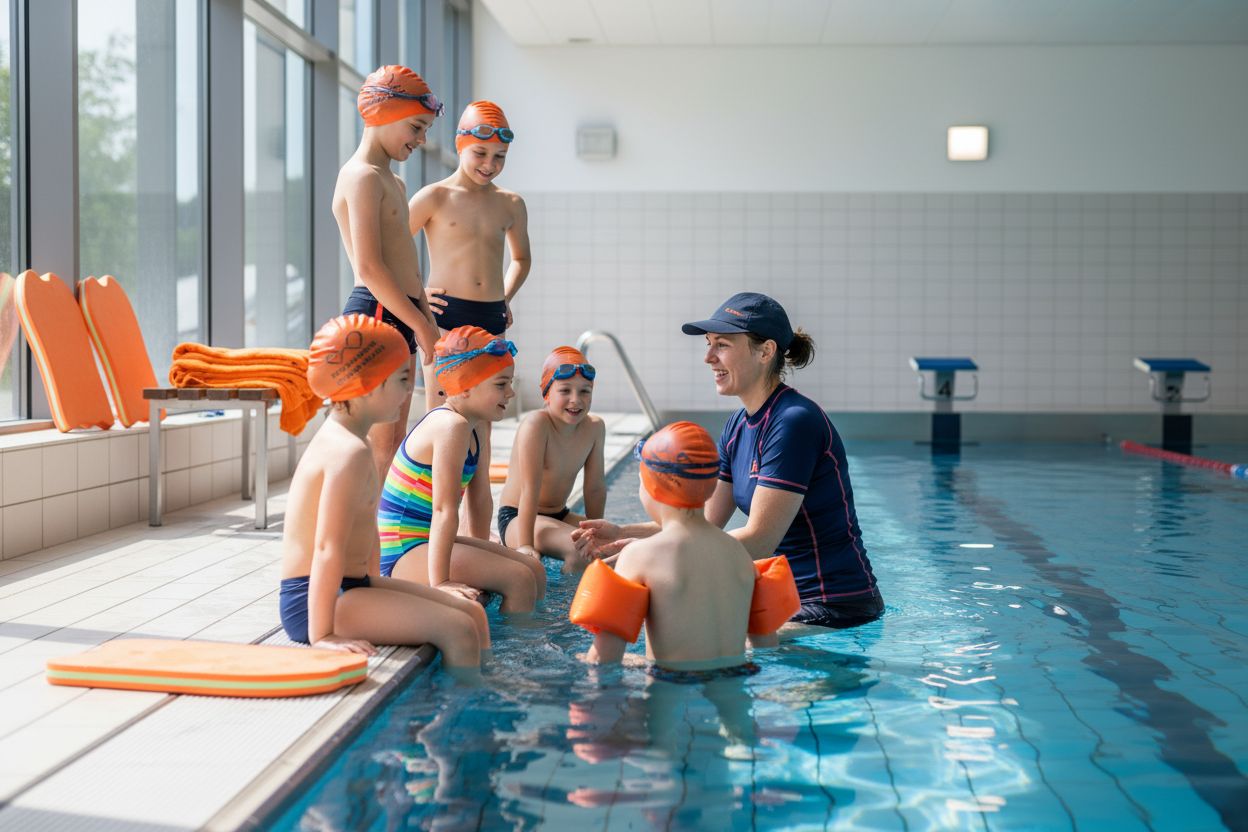
Children's swimming badges are an essential part of swimming education and help little ones learn to swim safely. Many parents and coaches are looking for the best tips to support their children in preparing for these badges. The Seahorse as an early swimmer's badge marks the beginning, followed by Bronze, Silver, and Gold in the German Swimming Pass. These swimming badges not only promote swimming skills but also children's self-confidence and motivation in the water. Through regular swimming lessons, children can master the requirements step by step and learn to swim safely on their front or back.
The examination requirements for swimming badges include both practical exercises such as swimming, diving, and jumping, as well as theoretical knowledge, such as pool rules. For children, it is important that swimming education is age-appropriate and motivating to reduce fear of water. Many swimming courses offer special programs tailored to the swimming badges, preparing children in a playful way. Earning a badge strengthens athletic ambition and teaches children to overcome challenges.
Benefits of swimming badges for children
Children's swimming badges motivate little ones to continuously improve their swimming skills and promote safe behavior in the water. Especially the Seahorse as the first badge gives children a sense of achievement and reduces the risk of accidents. Through the Bronze, Silver, and Gold levels, children learn to swim in different positions, which strengthens their endurance and technique. Parents often report that their children are more self-confident and motivated to continue after earning a badge.
Swimming training with a focus on badges also integrates elements such as deep diving and jumping, which improve coordination. Children who swim regularly develop not only physical strength but also discipline and teamwork in group classes. Knowledge of pool rules, which is required in every examination, contributes to general safety and teaches responsibility. Overall, swimming badges offer a structured method to make learning to swim an exciting adventure.
The Seahorse Badge: The Entry Level
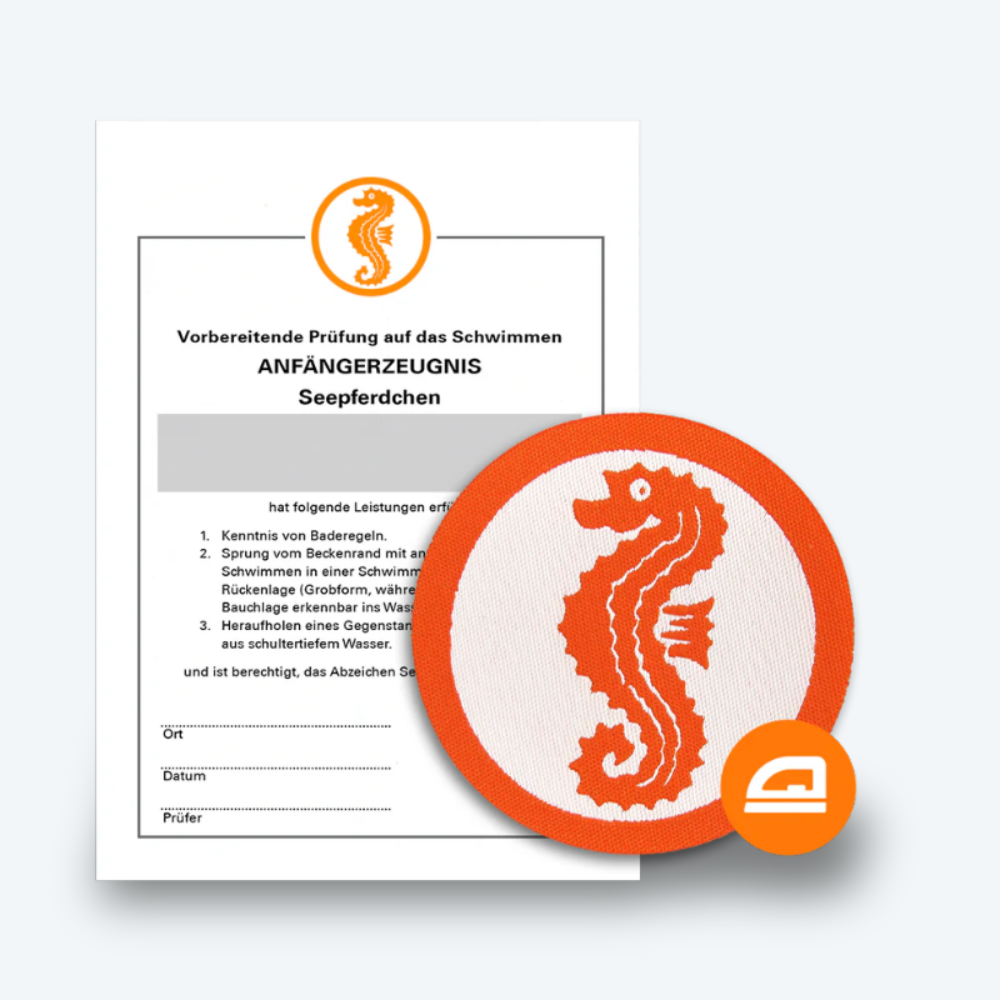
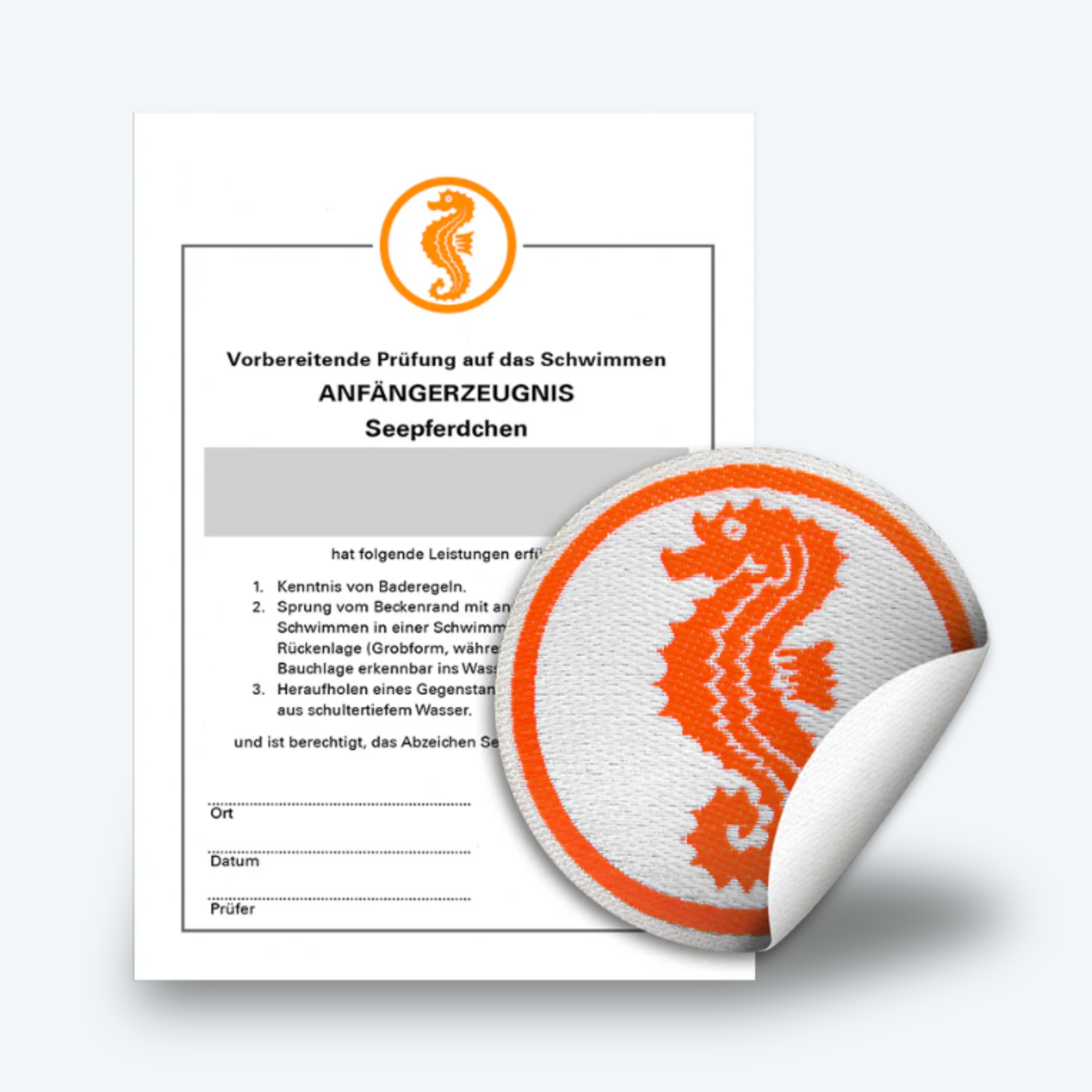
The Seahorse as an early swimmer's badge is the ideal start for swimming beginners and requires basic water skills. Children must perform a jump from the edge of the pool, followed by 25 m of swimming on their front or back. Additionally, it includes deep diving from the water's surface and retrieving an object with their hands. The examination also includes knowledge of pool rules to create early safety awareness. Many swimming courses playfully prepare children for these requirements, making the learning process enjoyable.
Parents can motivate their children by incorporating exercises at home, such as blowing bubbles in the water or gliding in the bathtub. Swimming lessons should be led by qualified instructors who cater to children's needs. After passing the Seahorse, children often feel proud and ready for higher levels like the Bronze Badge. It is important to emphasize that the Seahorse is not proof of safe swimming, but merely the beginning.
Tips for preparing for the Seahorse badge
To prepare children for the Seahorse test, start with water familiarization to reduce fears. Regular practice of swimming on the front or back helps to master the required 25 m. Integrate playful elements like diving rings to practice deep diving from the water surface. Knowledge of pool rules can be conveyed through picture books or conversations, which increases motivation.
Choose a swimming course that offers small groups so that each child receives individual attention. Parents should encourage positively and celebrate successes to awaken athletic ambition. Avoid pressure, as learning to swim should be fun. After a few weeks of training, many children are ready for the test and look forward to the badge.
Bronze Swimming Badge: The Next Step to the Bronze Badge
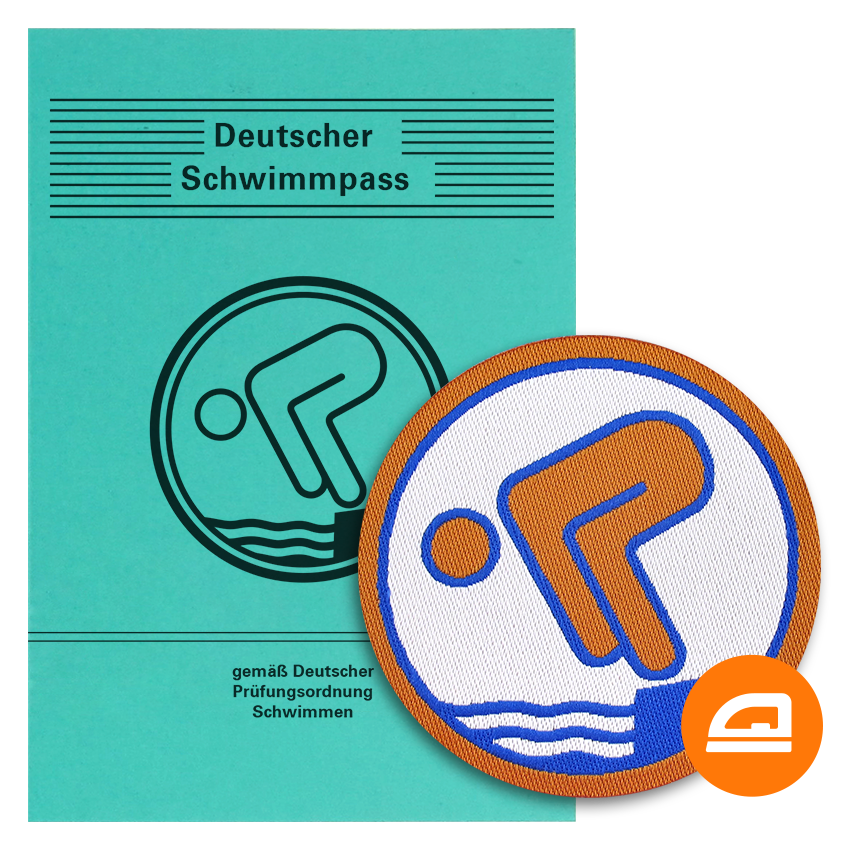
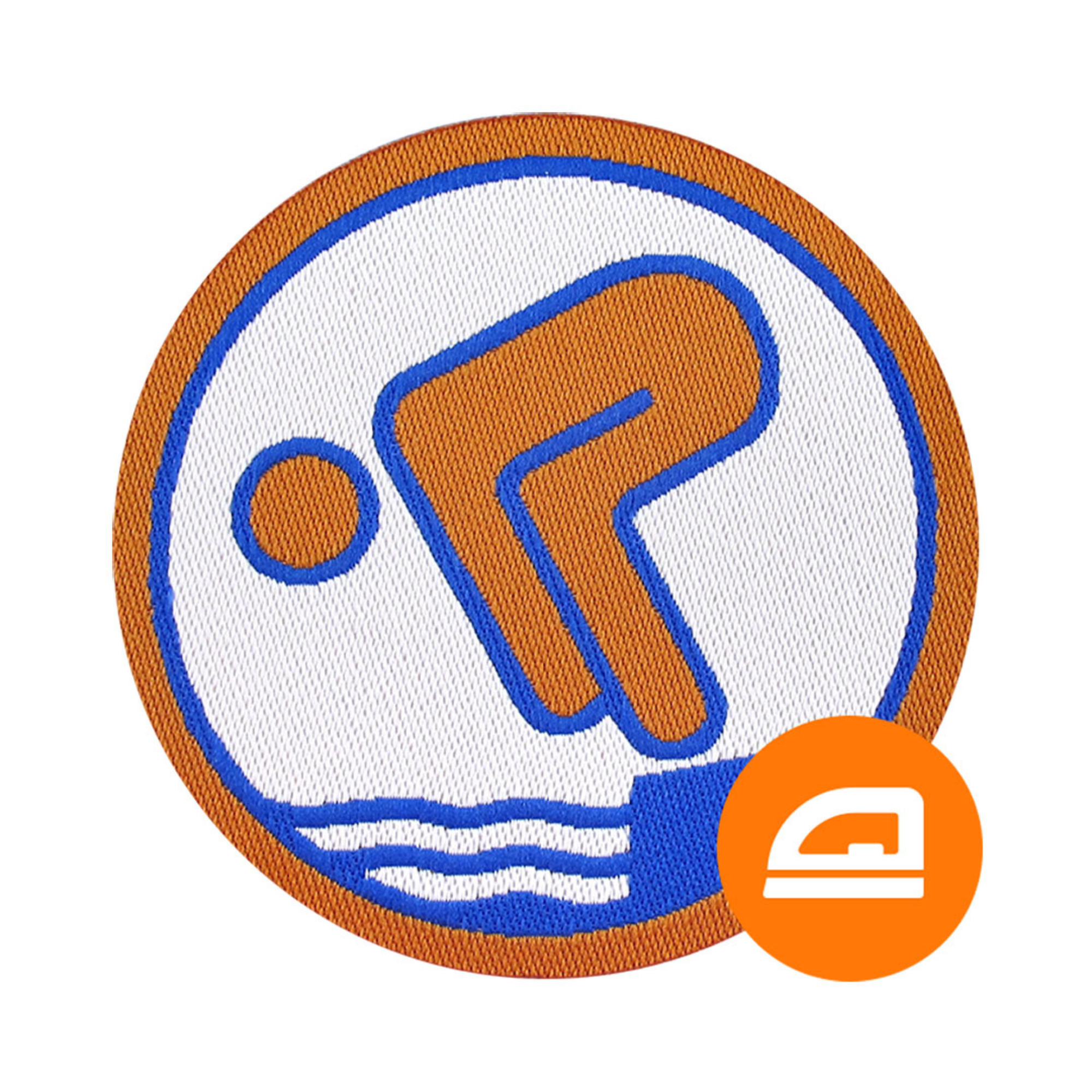
The Bronze Swimming Badge, also known as Freischwimmer, builds on the Seahorse and demands higher requirements. Children must perform a headfirst jump from the edge of the pool and swim for 15 minutes, covering 200 m. Of this, 150 m must be on their front or back and 50 m in the other position, with a change of body position without holding on. One deep dive of approx. 2 m and a compact jump from a 1 m board complete the examination. Knowledge of pool rules is still required.
This badge prepares children for safe swimming and strengthens their endurance. Many trainers recommend attending intensive swimming lessons before the exam. The Bronze Badge is an important milestone in the German Swimming Pass and motivates for Silver and Gold. Children learn to master challenges like deep diving with their hands here.
German Bronze Swimming Badge in Detail
The examination requirements for the Bronze badge include swimming 200 m in a maximum of 15 minutes with a change of body position. The headfirst jump from the edge of the pool tests courage and technique. Deep diving from the water's surface and retrieving an object promote diving skills. A compact jump from a 1 m height teaches safe entries into the water. All these elements build on basic swimming skills.
Children should focus on endurance and technique during preparation to meet the requirements. Trainers help correct swimming styles, be it breaststroke or backstroke. The examination can be taken in swimming pools or at the DLRG, often for 3-8 euros. Successful completion boosts self-confidence and opens the way to higher badges.
Tips for obtaining the Bronze "Freischwimmer" Swimming Badge
Motivate your child through small goals, such as practicing the headfirst dive from the edge of the pool. Regular swimming in different positions strengthens the endurance needed for 200 m. Integrate diving exercises to perfect retrieving an object. Swimming courses focusing on Bronze help to master the requirements step by step. Praise progress to keep motivation high.
Parents can support at home with videos or apps that explain swimming techniques. Choose a course with qualified instructors for optimal preparation. After the exam, celebrate the success to promote athletic ambition. This way, learning to swim becomes a positive experience.
Silver and Gold Swimming Badges: Higher Levels
The swimming badges Silver and Gold are more demanding levels after the Bronze badge and require advanced skills. For Silver, one must swim 400 m in 20 minutes, with 300 m on the front or back. Two deep dives of approx. 2 m and 10 m underwater swimming are required. Jumps from a 3 m height or two different ones from 1 m complete it. Gold requires 800 m in 30 minutes, including specific styles like crawl swimming.
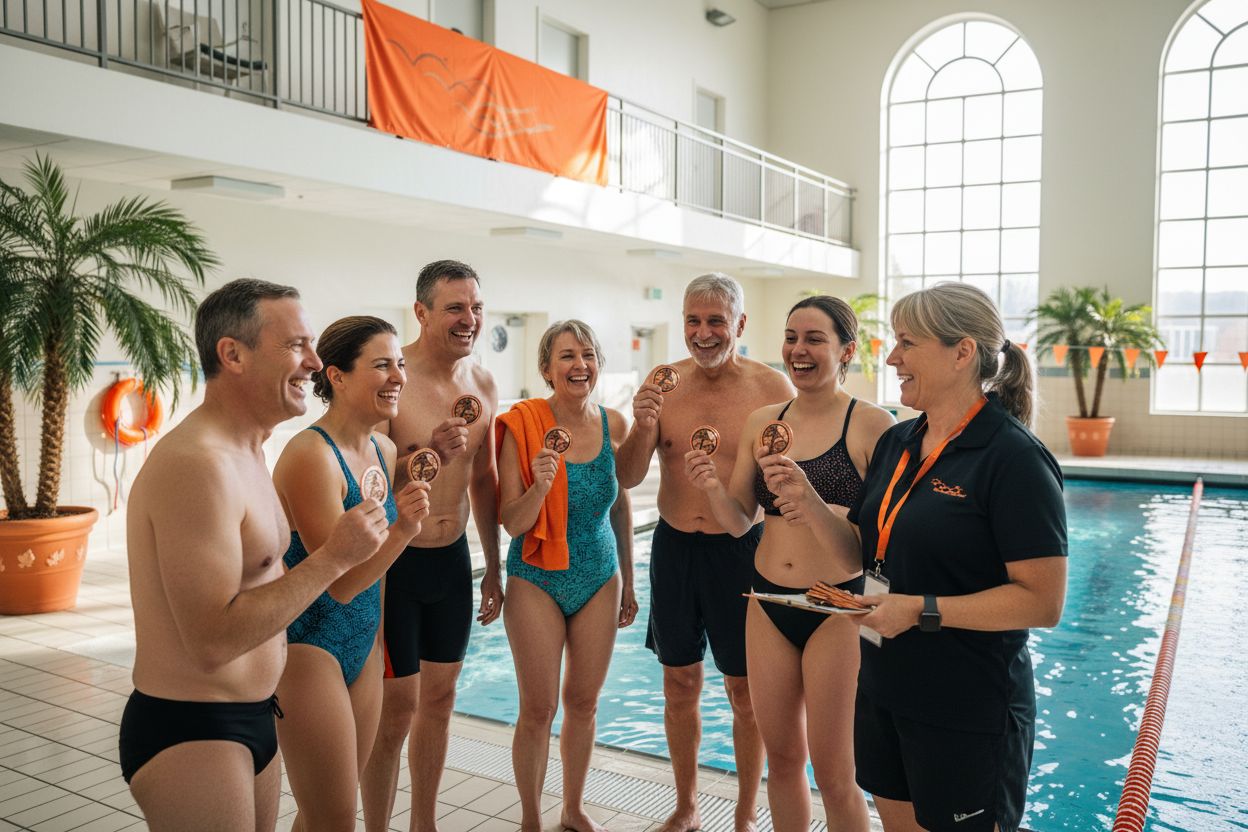
These badges prepare for lifesaving and strengthen water safety. Children learn rescue techniques and behavior in accidents. The examination regulations have been uniform for youth and adults since 2020. Successful graduates receive certificates and patches that instill pride.
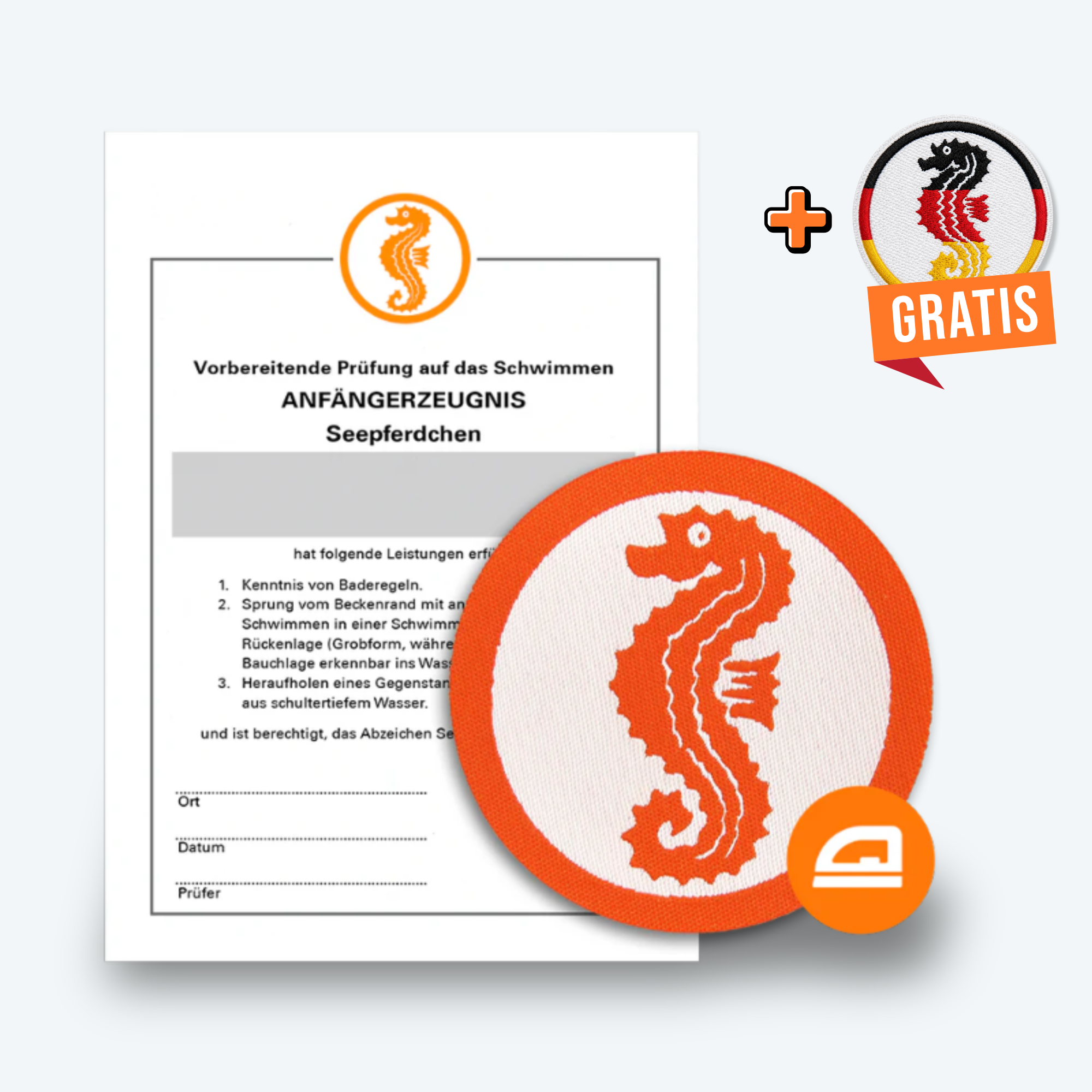
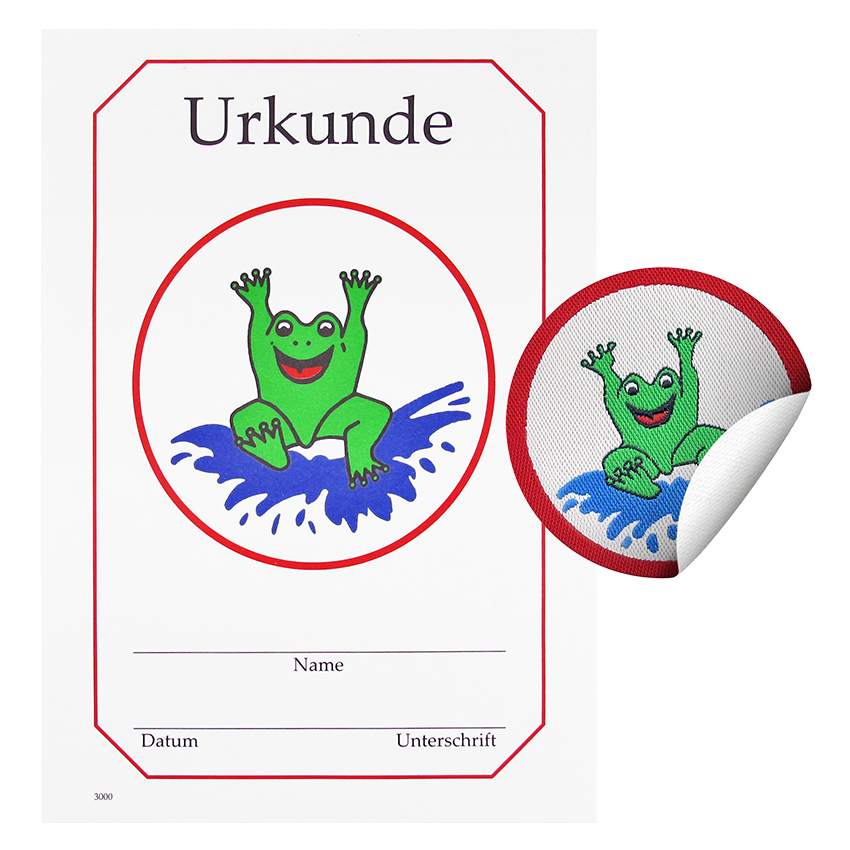
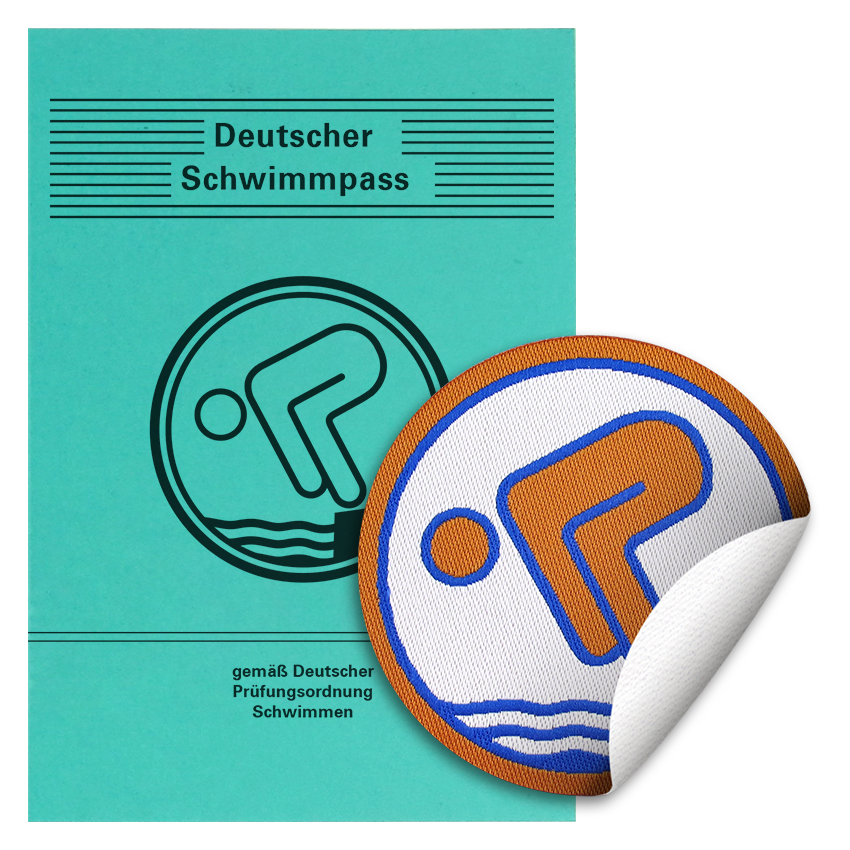
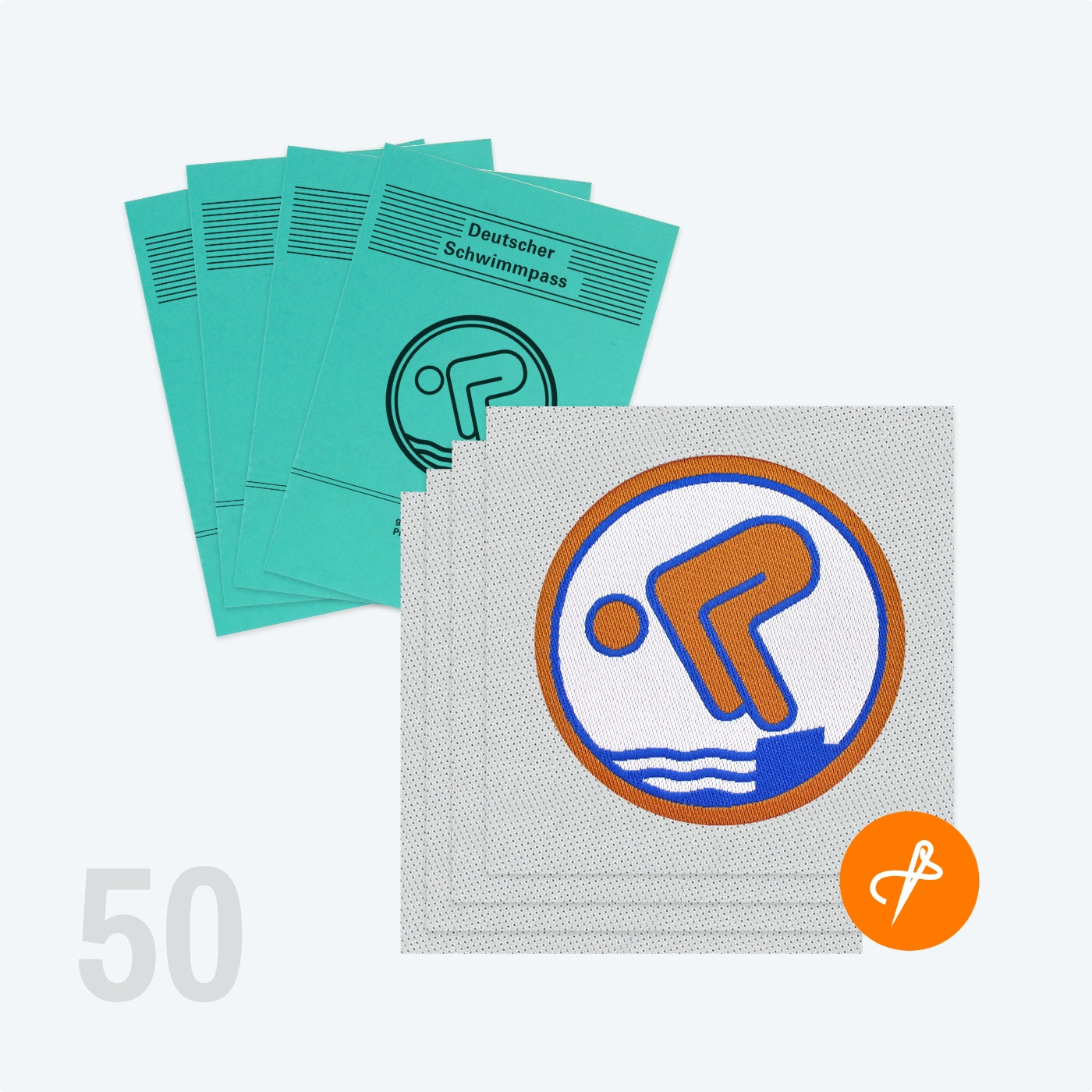
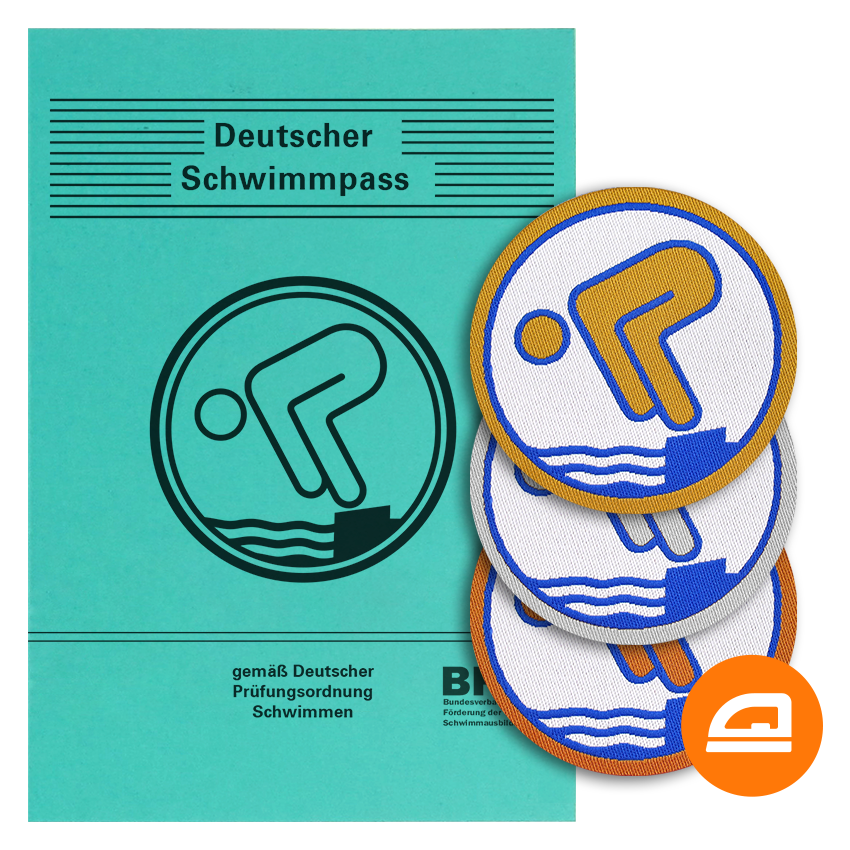
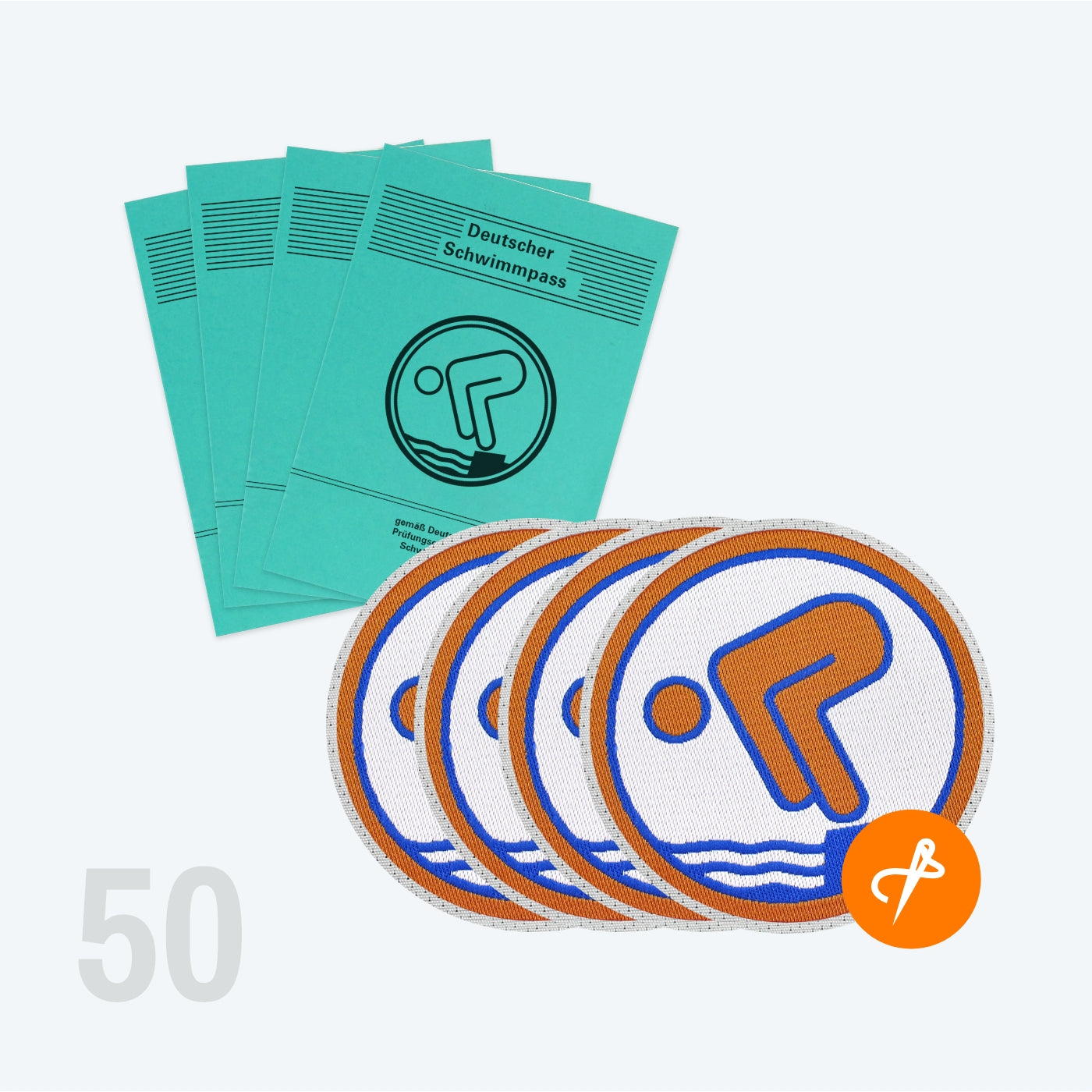
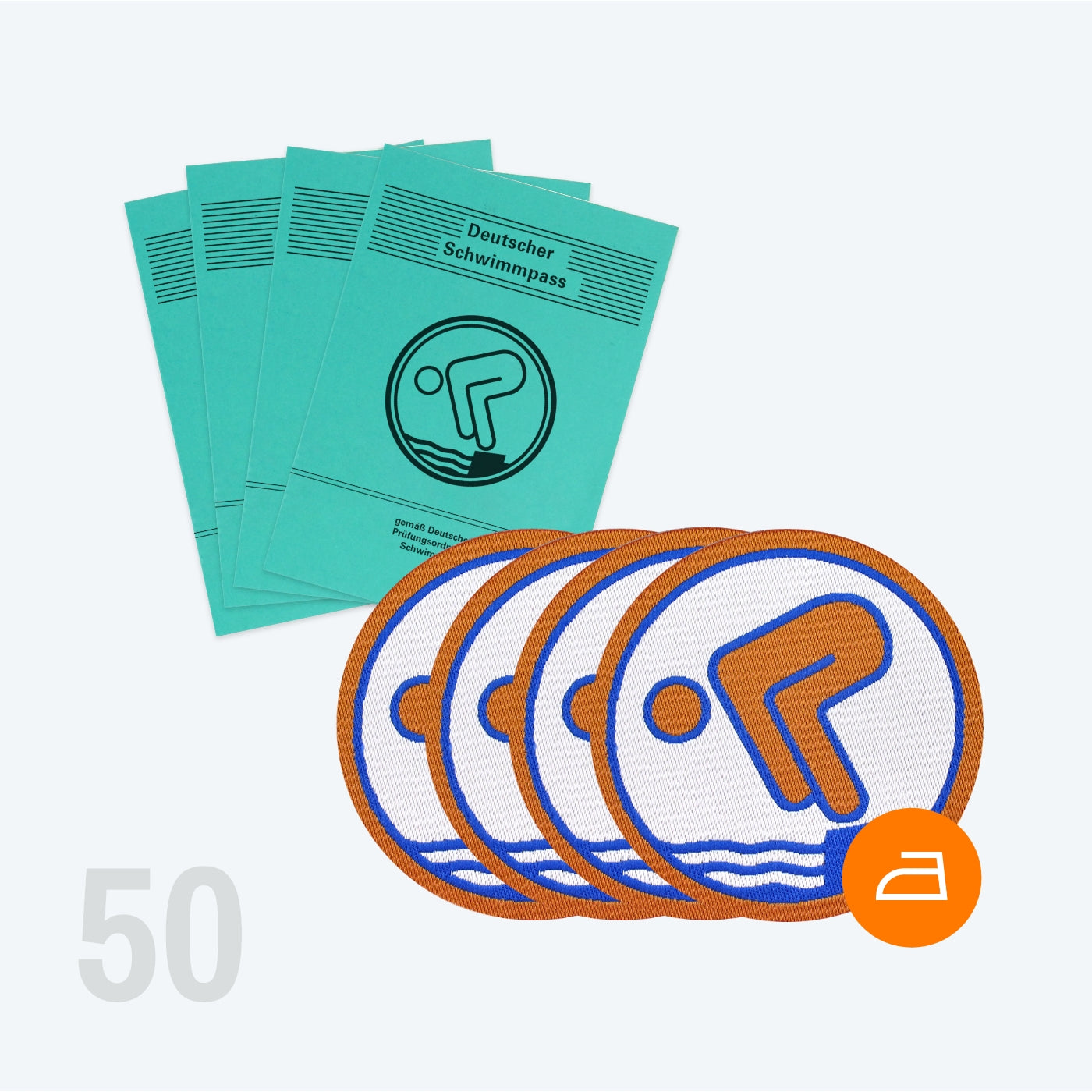
4-piece set of swimming badges Seahorse Bronze Silver Gold badge early swimmer Freischwimmer swimming patch to iron on as a gift for passing the swimming pass test swimmer round approx. 6cm: Amazon.de: Kitchen, Household & Living
Detailed Requirements for Silver
For the Silver Badge , a headfirst jump from the edge of the pool followed by 400 m of swimming is required. The change of body position must be fluid, without holding on. Two deep dives and retrieving an object each test diving skills. 10 m underwater swimming with pushing off the edge of the pool in shallow water is part of the test. Jumps from 1 m or 3 m height demand courage.
In addition, knowledge of self-rescue and pool rules is questioned. Children should complete intensive swimming training to reach this level. The examination often takes longer and requires good physical condition. Successful completion motivates for Gold and increases self-confidence.
Detailed Requirements for the German Gold Swimming Badge
The Gold Badge requires swimming 800 m in 30 minutes with a change of body position. Start jump and 25 m crawl stroke, 50 m breaststroke in a maximum of 1:15 minutes. 50 m backstroke with a scissor kick or back crawl. Three deep dives of approx. 2 m with retrieving an object each. 10 m underwater swimming and knowledge of swimming pool, boat, and ice accidents.
This highest level in the German Swimming Pass prepares for real-life scenarios. Children learn self-rescue and rescue techniques, which can be life-saving. Intensive preparation is essential, often in clubs or with the DLRG. The badge symbolizes mastery and promotes lifelong swimming.
Tips for the German Silver Swimming Badge
For Silver and Gold, experts recommend focusing on endurance training to master the long distances. Practice jumps from 1 m or 3 m height to build confidence. Diving exercises with retrieving objects strengthen skills. Learn rescue techniques through courses to meet theoretical requirements. Maintain motivation through group courses and goals.
Parents support through encouragement and shared swimming visits. Choose trainers specializing in higher badges. Celebrate every progress to awaken ambition. This way, challenges become successes.
Learning to swim: Fundamentals and Safety
Learning to swim begins with water familiarization and should be accompanied by qualified instructors. Children learn basic techniques on their front and back to swim safely. Swimming education integrates pool rules and emergency behavior. Regular swimming lessons prevent accidents and build self-confidence. Motivation is key to keeping children engaged.
Safe swimmers know rescue techniques and help others in need. Parents should choose courses that aim for badges. Practice in the water promotes joy and skills. Learning to swim saves lives and strengthens health.
Motivation and emotional support
Motivation is crucial to keep children engaged in learning to swim. Celebrate small successes like passing an exam. Success stories inspire and awaken ambition. Parents play a big role through positive feedback. Group courses promote social interaction and fun.
Emotional elements like praise and rewards increase motivation. Avoid pressure so that swimming remains enjoyable. Integrate games to make learning entertaining. This way, children develop a passion for swimming.
Conclusion: Call-to-Action: Bronze Silver and Gold
Enroll your child in a swimming course today and start the journey to the swimming badges. Find more tips on websites like the DLRG or local swimming clubs. Invest in your child's safety through professional swimming education.
Tip Box:
-
Start water familiarization early.
-
Choose certified courses.
-
Regularly practice pool rules.
-
Celebrate every badge.
Finally, a motivating story: Little Anna was initially afraid, but in the swimming course, she learned to swim and change body positions. For the Seahorse, she practiced backstroke in a recognizable form and retrieving an object with her hands from shoulder-deep water. In the swimming test, she mastered the jump from the edge of the pool followed by 25 m of swimming. Soon after, she earned Bronze, where she learned the headfirst dive from the edge of the pool and changing body positions. In the Silver youth swimming badge, she practiced two different jumps and various jumps from a 1 m height. With motivation, she achieved Silver and Gold, becoming a safe swimmer. Anna's journey shows that with practice, anything is possible – from a swimming beginner to an expert who can save lives.
Further important facts
With the Seahorse badge, one is officially no longer considered a non-swimmer.
Badges are awarded in swimming pools, swimming clubs, and by the DLRG.
The examinations for the Bronze, Silver, and Gold swimming badges must be taken in the correct order.
The Bronze, Silver, and Gold swimming badges are structured according to the DLRG examination regulations.
Each swimming badge can be obtained without compulsory swimming lessons, but these are recommended.
The patches and certificates that children receive upon successfully passing an examination make them proud and motivate them to continue.
Finally, another motivating story: The young candidate Tim wanted to master the German Bronze "Freischwimmer" Swimming Badge, so he started swimming lessons with exercises such as the headfirst jump from the edge of the pool and swimming for 15 minutes to cover at least 200 m, 150 m of which were on his front or back. His parents and the trainer from the Water Rescue Service (Wasserwacht) in Germany proudly watched him learn to dive about 2 m deep, twice about 2 m, to retrieve an object, e.g., a small diving ring, from shoulder-deep water (shoulder-deep relative to his size). With motivation and some help regarding swimming pool, boat, and ice accidents, he practiced changing body positions while swimming in the lane without holding on, including 10 m of underwater swimming with pushing off the edge of the pool. For the German Bronze Swimming Badge as the next level, he trained the compact jump from the starting block or 1 m board, jumps from 1 m height or two different ones, as well as the jump from 3 m height or two different jumps, to master the recognizable entry into the water. Tim also learned to retrieve an object or each object from the water's surface, and twice about 2 m deep diving from the water's surface with retrieval, while swimming in a recognizable style, such as frog or rough breaststroke. As an early swimmer (Seahorse or Seahorse early swimmer badge), he had already reached the minimum age, without swimming aids, and now he built up skills such as covering 200 m, 150 m of which were on his front, covering at least 400 m, 300 m of which were on his front, or for higher levels like the German Silver Swimming Badge, covering 400 m, 300 m of which were on his front, and even covering at least 800 m, 650 m of which were on his front. With a partner in Junior Lifesaver training, he practiced self-rescue, behavior for self-rescue, simple external rescue, transport swimming (pushing or pulling), 50 m transport swimming (pushing or pulling) with an armpit tow, towing or pulling, to resolve exhaustion or cramps. The swimming instructor praised his performance, preparation, and breathing technique, without interruption or pause, and Tim became a member of the Youth Swimming Pass or Performance Swimming Pass, where he collected versatility badges and fabric badges. In the water depth or depth, with aids such as a bag or clothing, he learned approach swimming, side stroke, swimming position without pushing off, underwater swimming from the swimming position, and retrieving an object or each object. For an overview in the table of contents of the training, including content on hazards, standards, and acceptance by the examiner, he mastered the difficulty level as a beginner or youth, became a performance swimmer or lifesaver, and celebrated successes with distinction. Some work and self-confidence helped him coordinate his arms and arm movements, such as scissor kick without arm movement or arm movement or back crawl, and participation in BFS or Trixi programs. Within 3 minutes, he swam 25 meters, 10 meters, 5 m, a start jump and 50 m swimming in one recognizable style, and 50 m swimming in one recognizable style, swimming style and 50 m backstroke with scissor kick without arm movement, recognizable swimming style and 100 m, swimming style and 100 m, 100 m swimming, 30 minutes of swimming, pool edge and 30 minutes, pool edge and 20 minutes, pool edge in the water, height or 2 different, 2 different jumps, m height or two, time must cover at least 200 m, 150 m of which are on the front, time must cover at least 400 m, 300 m of which are on the front, 150 m on the front, 300 m on the front, 650 m on the front, 650 m of which are on the front, 800 m to cover, 650 m of which are on the front, m to cover, 300 m of which are on the front, m to cover, 150 m of which are on the front, to cover, 150 m of which are on the front, to cover, 300 m of which are on the front, swimming style on the front, learning to swim, Co with seal or pirate, swimming safety and m swimming, B as in swimming aid, to ultimately achieve the German Bronze Swimming Badge and be proud.