

Swimming badges Penguin vs. Seahorse: an easy explanation
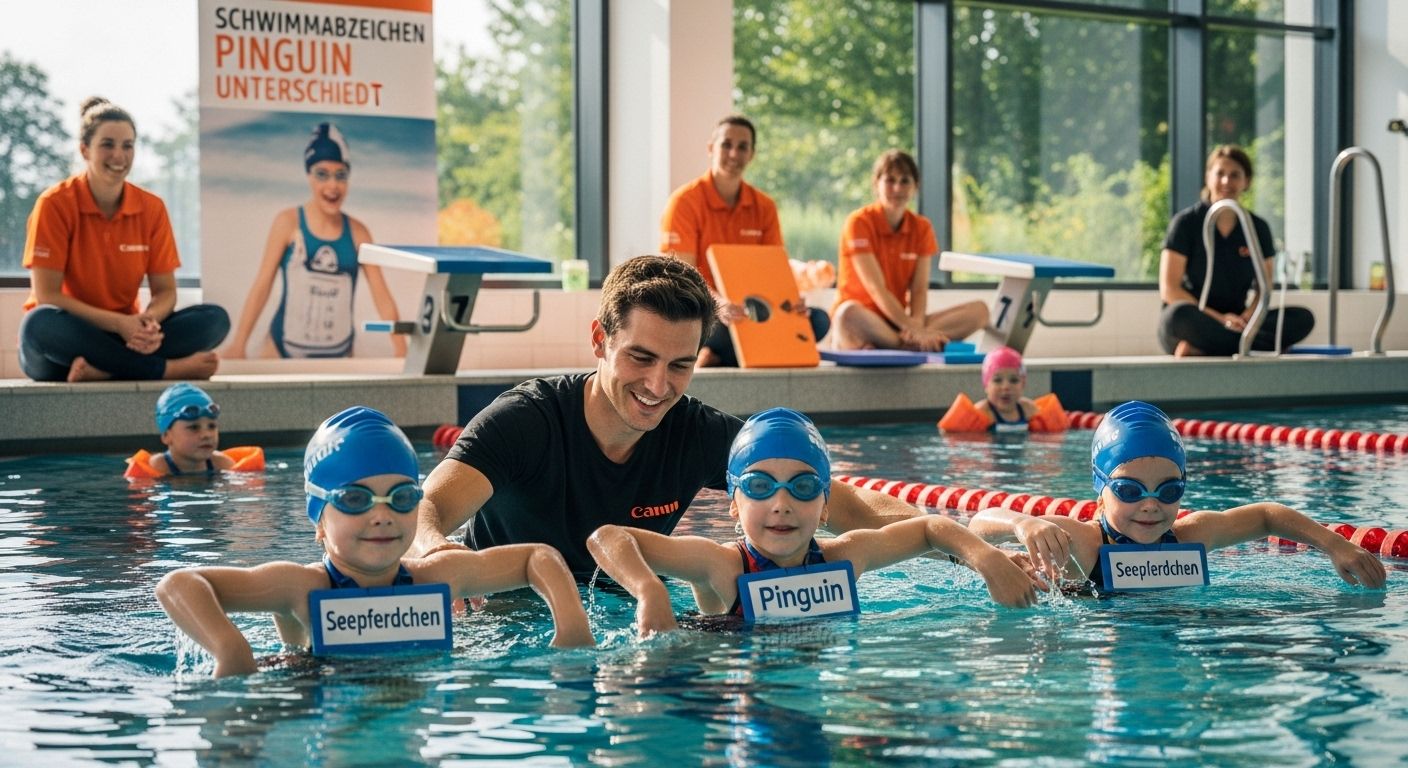
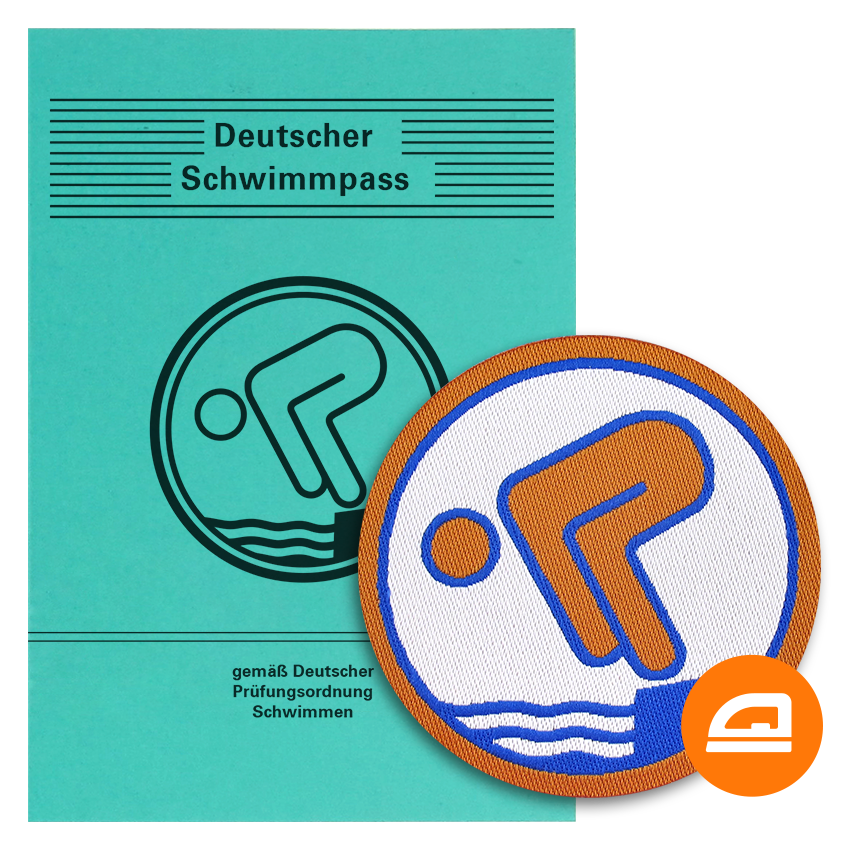
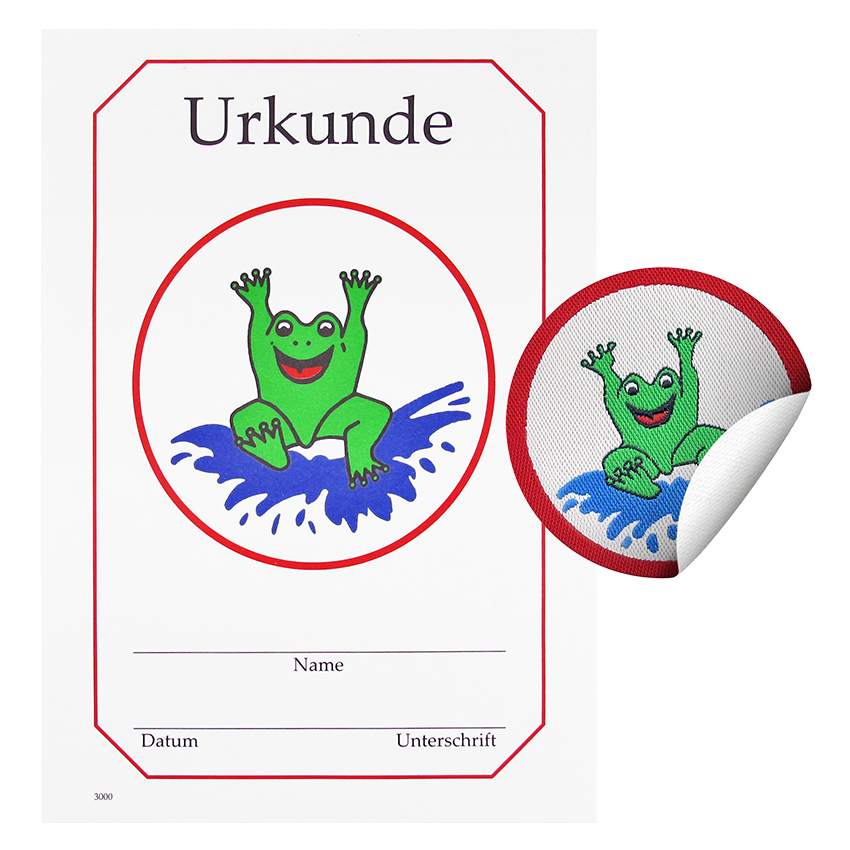
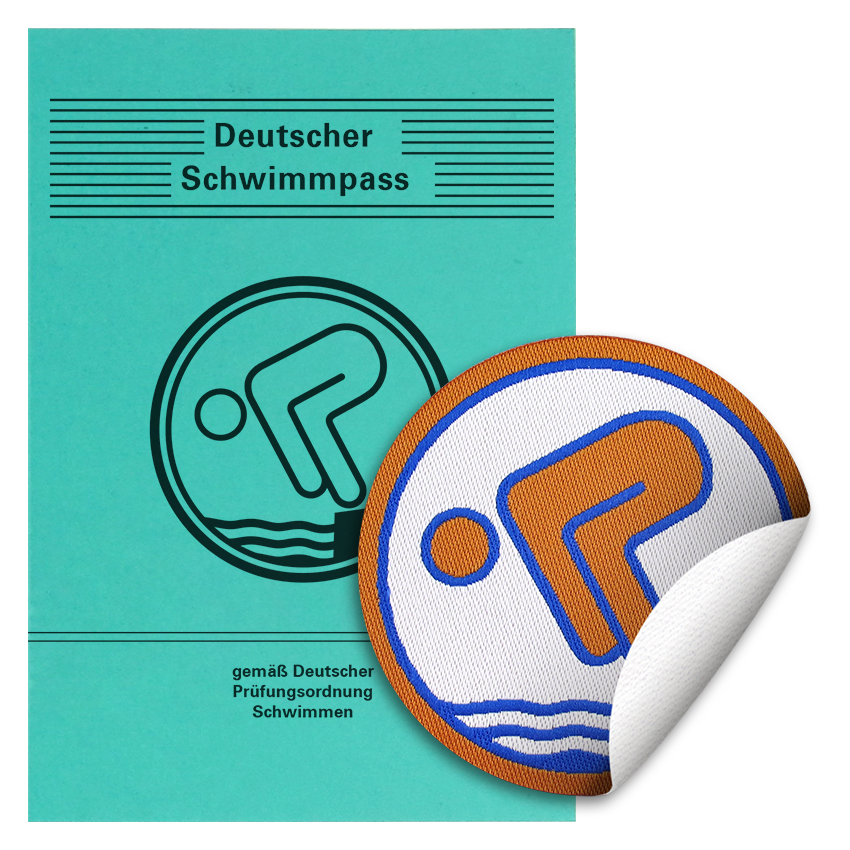
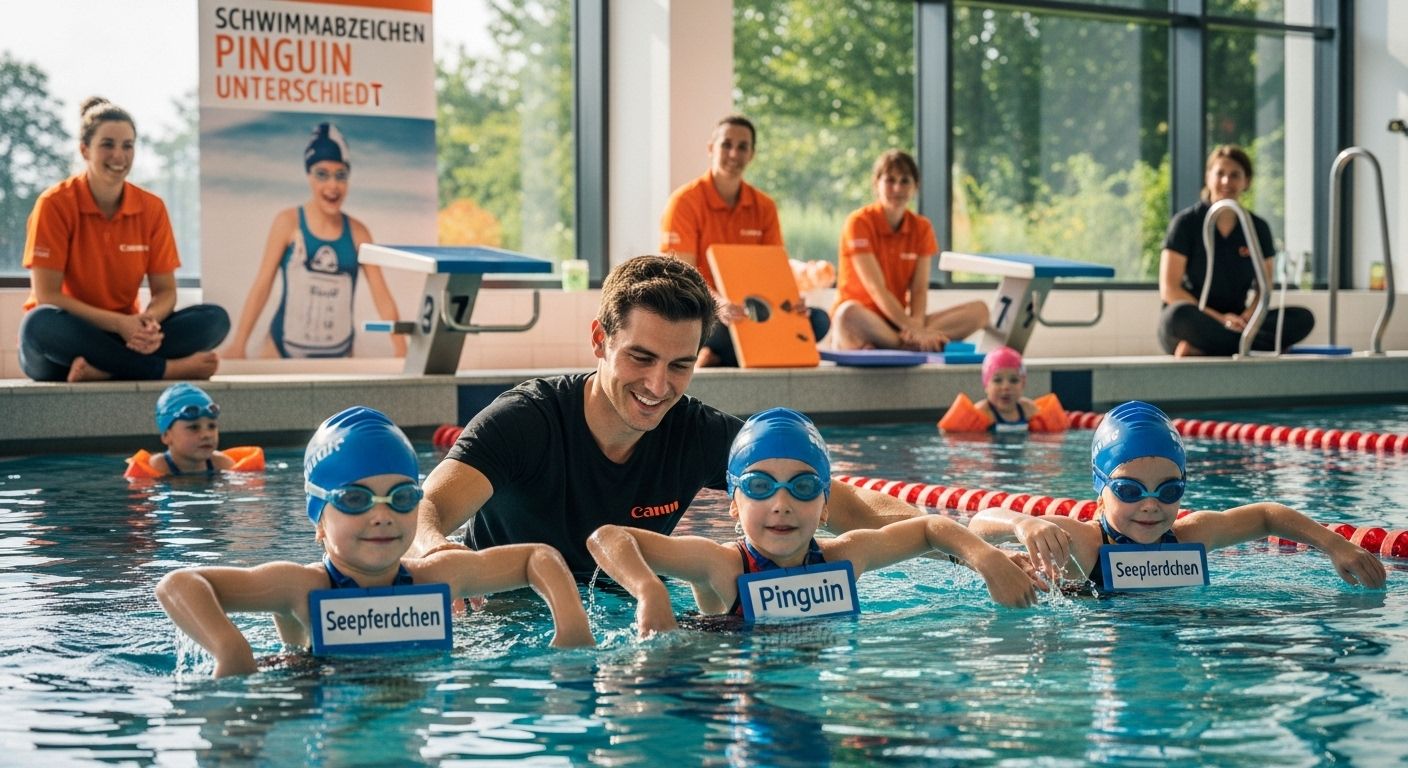
Swimming badges like Seepferdchen (Seahorse) or Pinguin (Penguin) are the first big goal in the water for many children. Many people think that the differences between the two are minor and mainly age-dependent. This is often not true, because for the Pinguin, children often have to swim twice as far as for the Seepferdchen and master several swimming styles. This makes the leap from Seepferdchen to Pinguin more exciting and challenging than initially thought.
Table of Contents
- What are the Pinguin and Seepferdchen swimming badges?
- The most important differences between Pinguin and Seepferdchen
- Which swimming badge is suitable for whom?
- Tips for preparing for the swimming badge tests
Quick Summary
| Takeaway | Explanation |
|---|---|
| Seepferdchen for beginners | The Seepferdchen is ideal for children with no swimming experience and teaches basic water safety skills. |
| Pinguin for advanced learners | The Pinguin is aimed at children with initial swimming experience and promotes more complex swimming techniques. |
| Consider individual development | Parents should keep an eye on their children's personal development and motivation when choosing a badge. |
| Regular training is important | Continuous training, at least once a week, improves children's swimming skills and self-confidence. |
| Mental preparation promotes success | Psychological support and relaxation techniques help children overcome test anxiety and build self-confidence. |
What are the Pinguin and Seepferdchen swimming badges?
Swimming badges are important certificates for children and young people that document and motivate their swimming skills. The Seepferdchen and the Pinguin are two well-known swimming badges that help children develop safety and competence in the water.
The Seepferdchen - The first swimming step
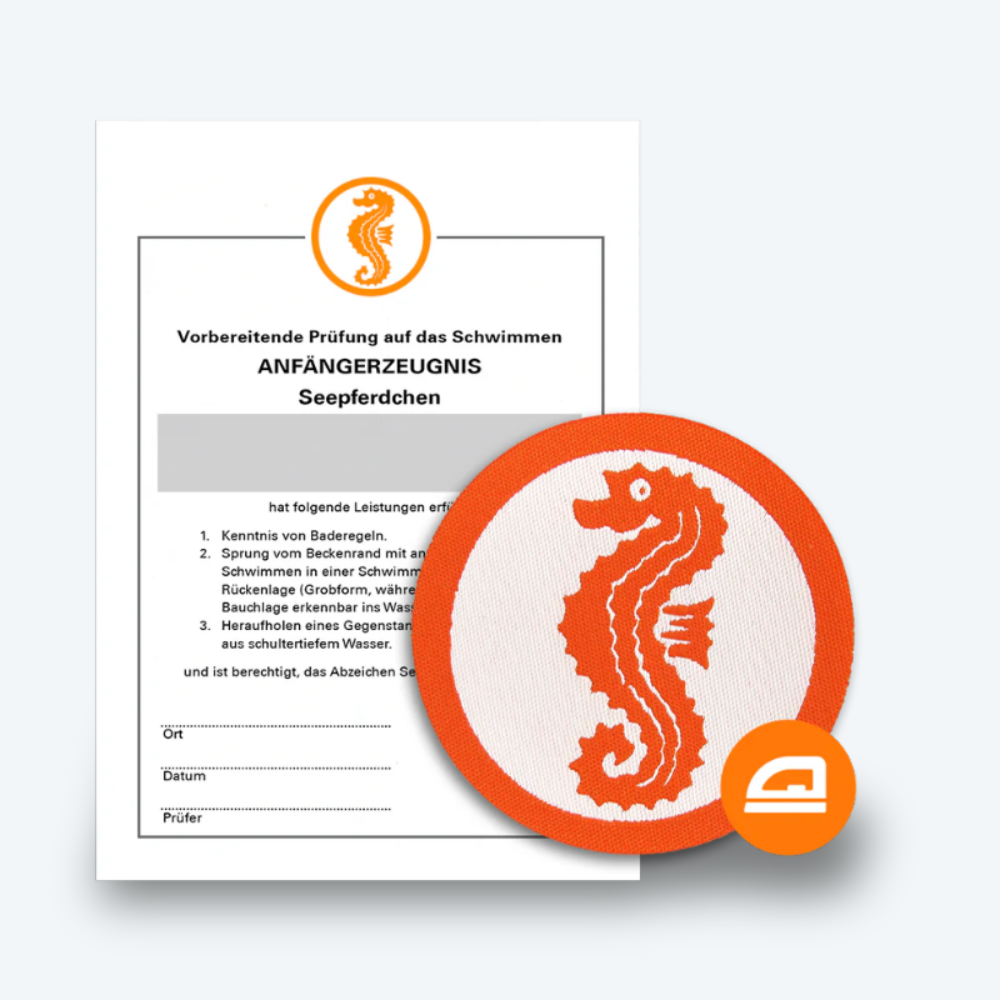
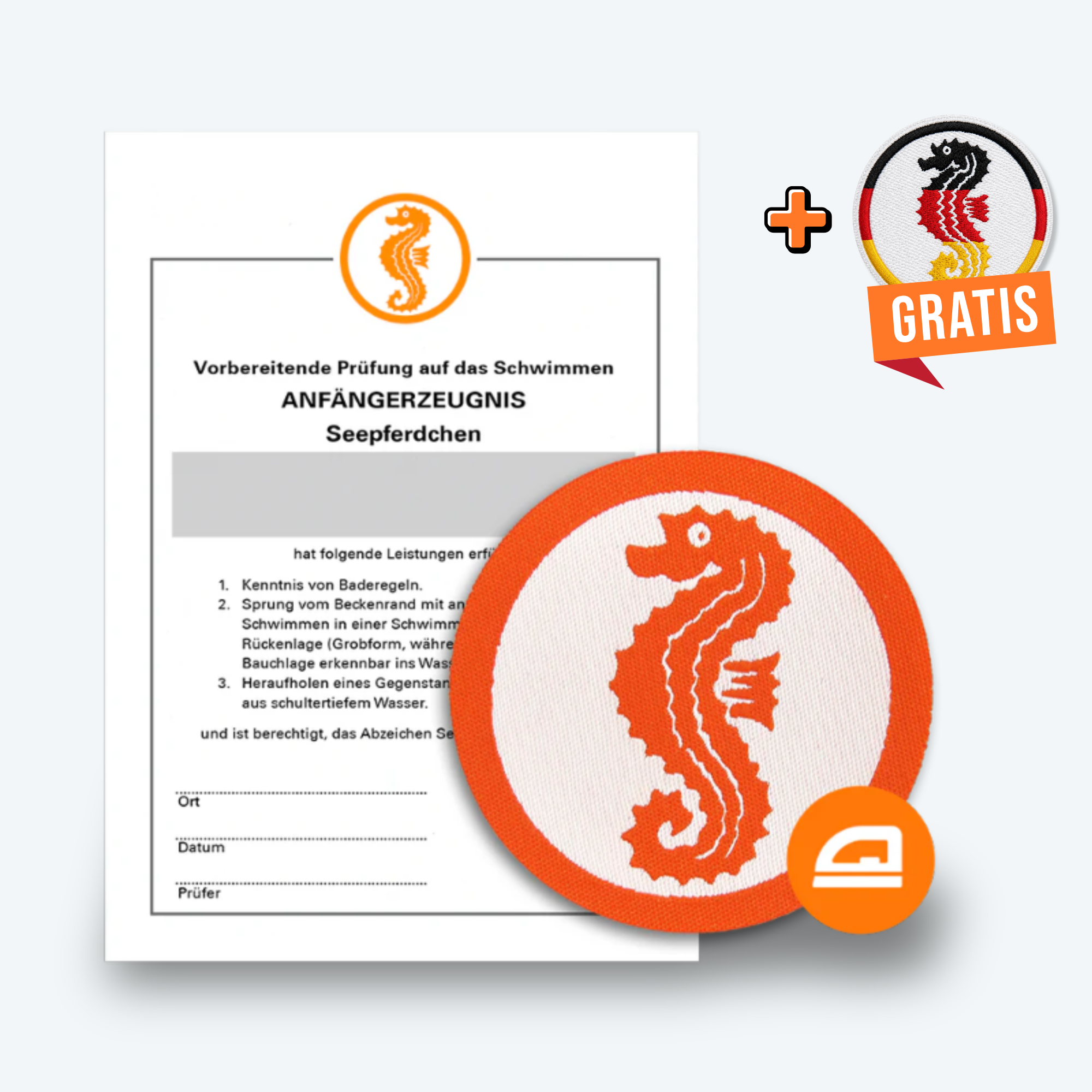
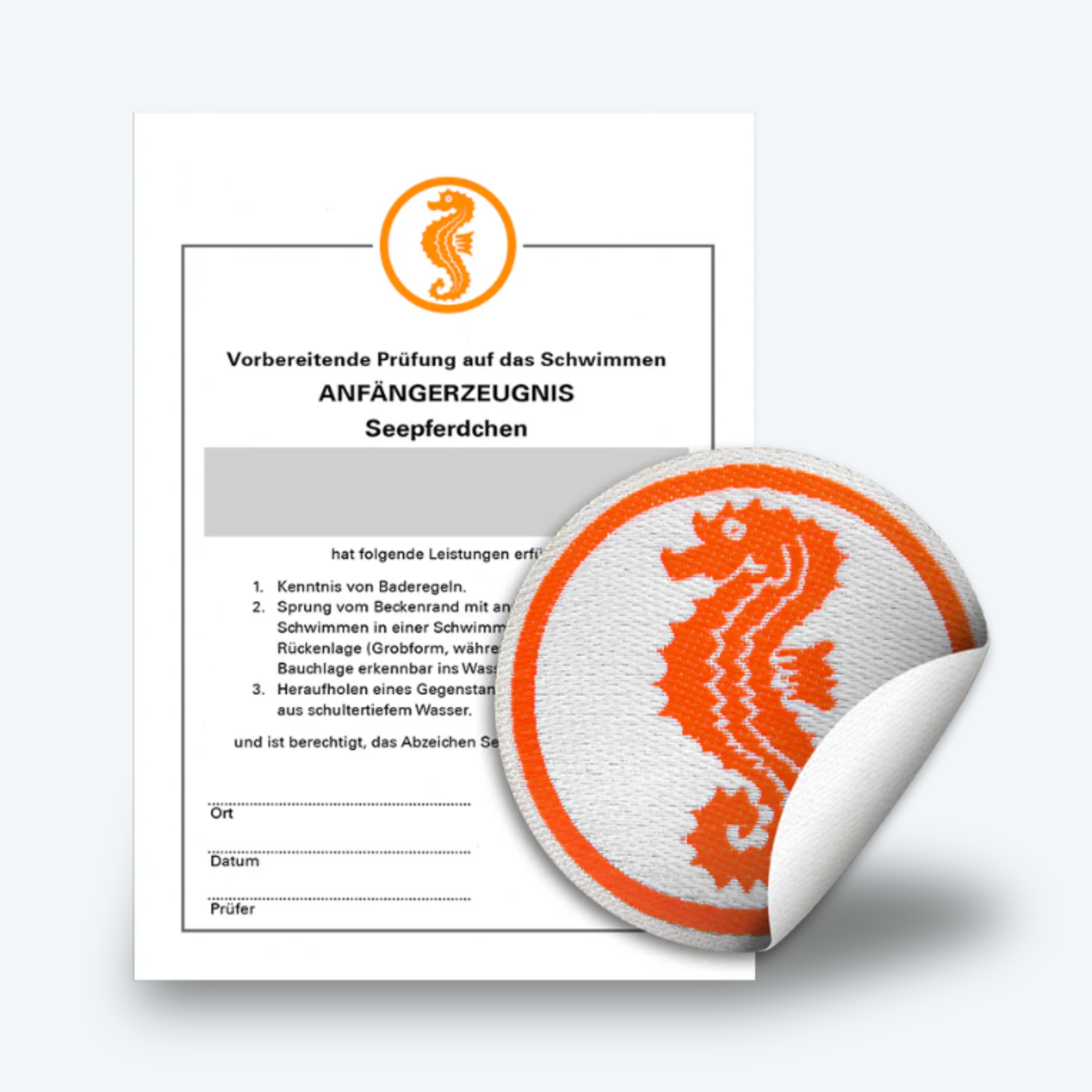
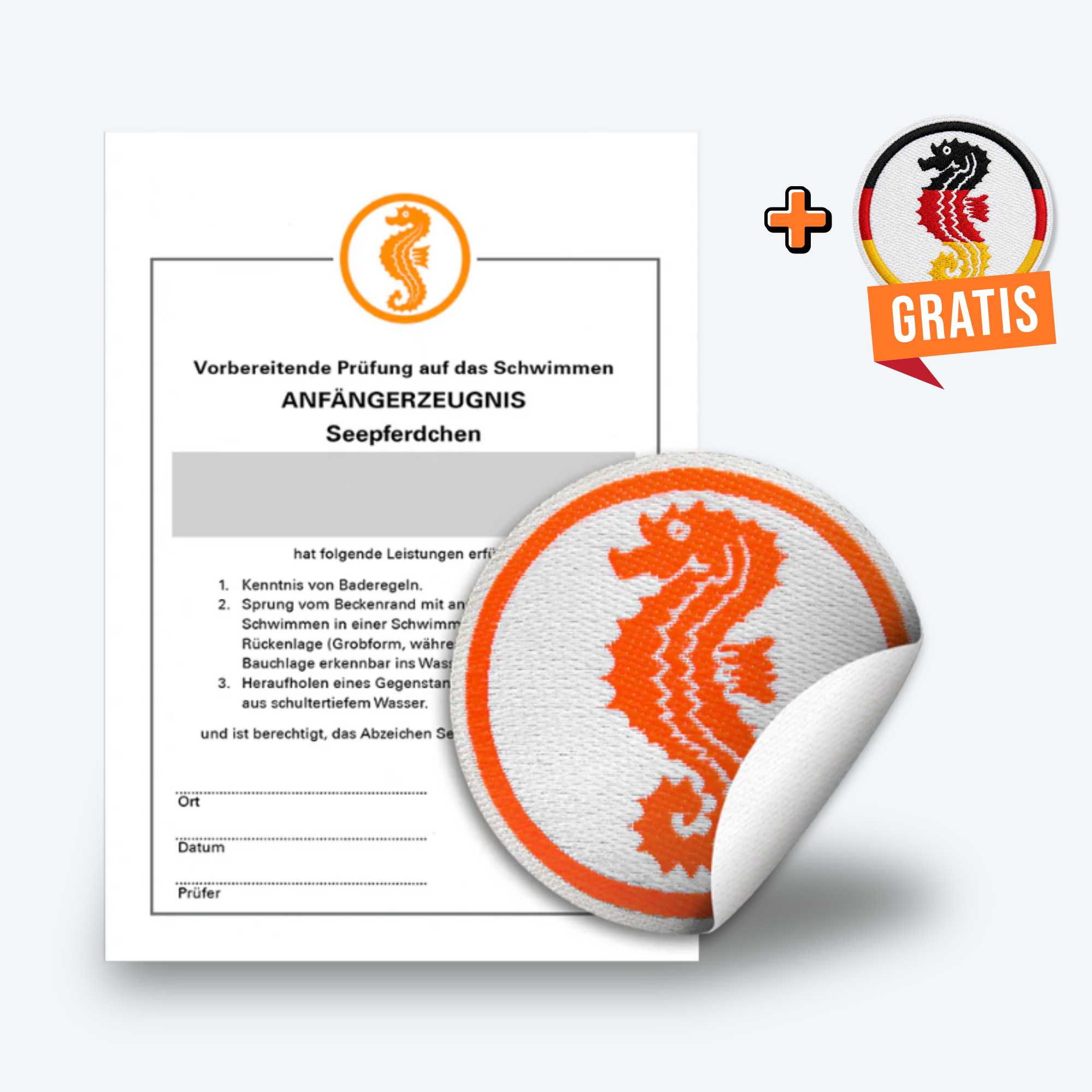
The Seepferdchen is the first official swimming badge for children in Germany. According to official guidelines, children must meet several requirements to earn this badge:
- Know bathing rules: Basic safety rules for dealing with water
- Jump from the edge of the pool: A safe jump into the water
- Swim 25 meters: In a swimming style such as breaststroke or backstroke
- Retrieve an object: Retrieving an object from shoulder-deep water
The Seepferdchen is more than just a badge. It marks the important transition from water familiarization to independent swimming and gives children self-confidence.
The Pinguin swimming badge - Advanced swimming skills
The Pinguin is a swimming badge for children who already have basic swimming skills. While the Seepferdchen represents the first level, the Pinguin represents a more advanced stage of development.
The requirements for the Pinguin are more demanding:
- Longer swimming distance: Often more than 50 meters
- Different swimming techniques: Mastering several swimming styles
- Advanced water safety: More complex rescue techniques and orientation in the water
To acquire the Pinguin swimming badge, children must significantly expand their existing swimming skills and demonstrate that they can act safely and competently in the water.
Both badges are important milestones in children's swim training and promote not only physical fitness but also safety awareness and self-confidence when dealing with water.
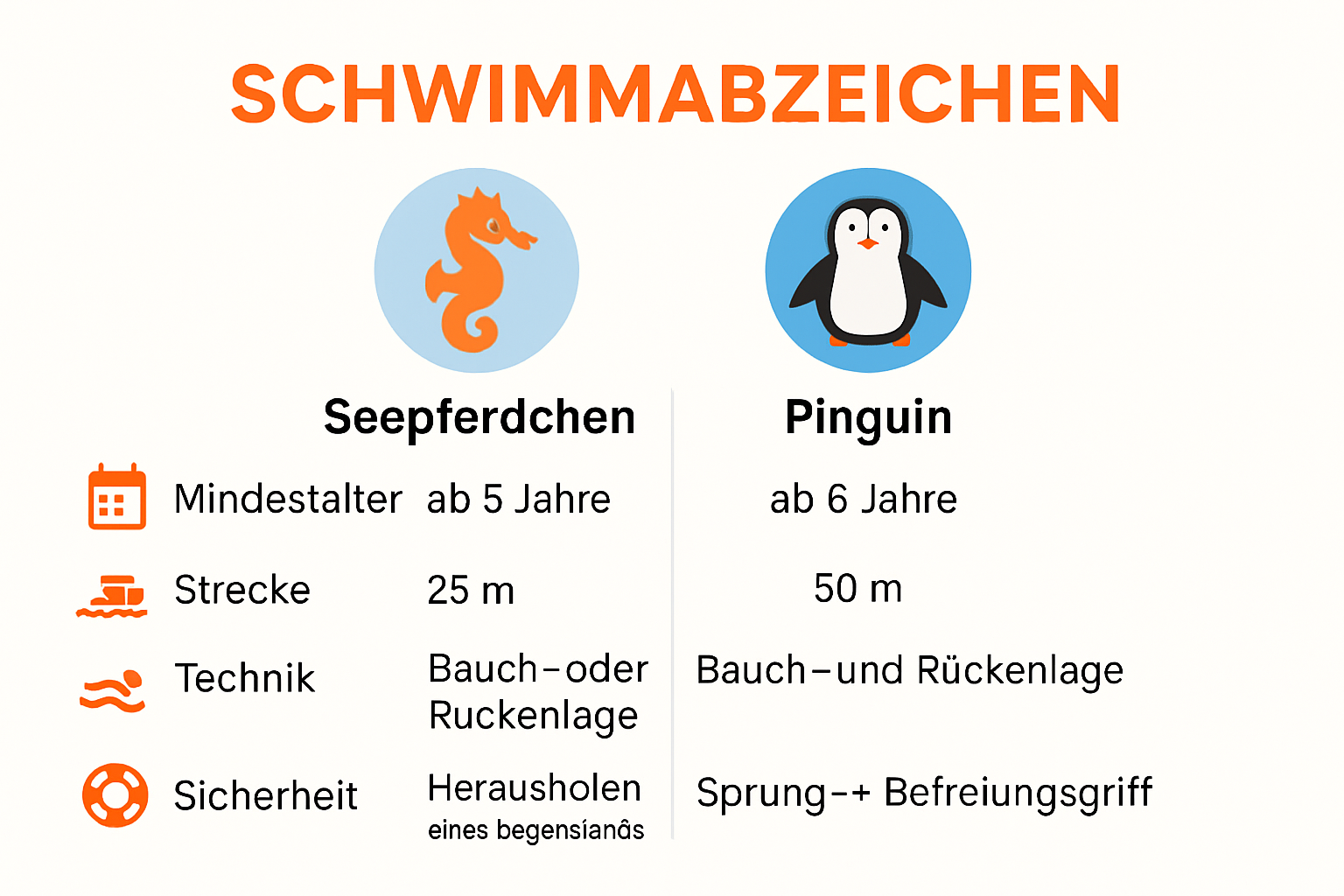
To clearly illustrate the most important differences between the Seepferdchen and Pinguin swimming badges, this comparison table provides a quick overview of requirements, difficulty level, and target group.
| Feature | Seepferdchen | Pinguin |
|---|---|---|
| Swimming distance | 25 meters | Mostly over 50 meters |
| Swimming techniques | One swimming style (mostly breaststroke) | Several swimming styles (e.g., crawl, backstroke) |
| Water safety | Basic knowledge | Advanced safety and rescue techniques |
| Recommended age | 5–7 years | 7–10 years |
| Target group | Swimming beginners | Advanced swimming beginners |
| Test requirements | Jump from the edge of the pool, retrieve an object | More complex tasks, longer distances |
| Significance | First swimming step, water familiarization | Deepening and expanding swimming skills |
The most important differences between Pinguin and Seepferdchen
Swimming badges are an important milestone in the development of children and their water safety. Although the Seepferdchen and the Pinguin both document swimming abilities, there are significant differences in their requirements and goals.
Difficulty level and requirements
The difficulty level between the Seepferdchen and the Pinguin differs significantly. According to official guidelines, the Seepferdchen is the entry-level badge for children, which teaches basic water safety. The requirements are relatively low and tailored to children aged about 5-6 years.
The Pinguin, on the other hand, represents a more advanced level. Children must already master more complex swimming techniques here. While 25 meters of swimming are sufficient for the Seepferdchen, the Pinguin often requires longer distances and more diverse swimming styles.
Technical differences in swimming abilities
With the Seepferdchen, the focus is on water familiarization and safe basic swimming. Children primarily learn one swimming style here, usually breaststroke. In Austria, the requirements differ slightly from the German guidelines, but the basic principle remains similar.
For the Pinguin, children must already master several swimming techniques. They should not only be able to swim safely but also demonstrate various swimming styles such as crawl or backstroke. In addition, more complex water safety techniques such as orientation in the water or simple rescue grips are expected.
Age groups and developmental stages
The Seepferdchen is typically intended for children of preschool and early elementary school age. It marks the first official step in swim training. The Pinguin swimming badge, on the other hand, addresses children who already have basic knowledge and want to expand their skills.
While the Seepferdchen primarily teaches fun and water familiarity, the Pinguin aims at a systematic improvement of swimming techniques. It prepares children for advanced swimming badges and possible water sports activities.
Both badges play a crucial role in child development. They not only promote physical abilities but also strengthen self-confidence, safety awareness, and motor competence in dealing with water.
Which swimming badge is suitable for whom?
Swimming badges are important benchmarks in the swim training of children and young people. Each badge is aimed at a specific age group and performance level to systematically develop water safety and swimming competence.
The Seepferdchen - Ideal for swimming newcomers
The Seepferdchen is perfect for children between 5 and 7 years old who are having their first swimming experiences. According to official guidelines, this badge is particularly suitable for:
- Children with no swimming experience: Absolute beginners who do not yet feel safe in the water
- Preschoolers and first graders: Age group that is developing motor skills
- Children with aquaphobia: A gentle introduction to overcome fears
Parents should enroll their child for the Seepferdchen if they want to learn basic water safety and build self-confidence. The requirements are deliberately kept low so as not to overwhelm children.
The Pinguin - For advanced swimming beginners
The Pinguin swimming badge is ideal for children between 7 and 10 years old who already have basic knowledge. In Austria, these badges are systematically developed for children with initial swimming experience.
This badge is suitable for:
- Children with Seepferdchen experience: Who already master basic swimming techniques
- Children enthusiastic about swimming: Who want to expand their skills
- Children with good water safety: Who want to learn more complex swimming techniques
The Pinguin swimming badge demands more competence and prepares children for more challenging swimming badges.
Additional recommendations for parents and swim coaches
When choosing the right swimming badge, individual factors should be considered:
- Individual development: Not every child develops at the same speed
- Motivation: The badge should inspire joy and enthusiasm
- Safety: The requirements must match the developmental stage
It is important not to overwhelm children, but to gradually introduce them to new challenges. Swim instructors and parents play a crucial role in encouraging children individually and motivating them.
Both swimming badges have the same goal: to teach children the joy of swimming, increase their water safety, and playfully develop motor skills.
Tips for preparing for the swimming badge tests
Preparing for swimming badge tests requires systematic training, mental preparation, and a positive attitude. Parents and swim coaches play a crucial role in optimally preparing children for their test.
Fundamentals of swim training
Successful preparation begins with regular and structured training. Experts from the German Life Saving Association (DLRG) recommend the following training approaches:
- Continuous water training: Swimming at least once a week
- Technique training: Targeted training of various swimming techniques
- Endurance building: Gradual increase in swimming distances
For the Seepferdchen, children should primarily develop fun and confidence in the water. For the Pinguin badge, the focus is on more precise swimming techniques and longer distances.
Mental and psychological preparation
Mental preparation is just as important as physical training. Psychologists emphasize the importance of:
- Strengthening self-confidence: Positive reinforcement and encouragement
- Reducing fear: Playful exercises for water familiarization
- Relaxation techniques: Breathing exercises and mental preparation
Parents should not put pressure on performance, but rather promote fun and joy in swimming. The Pinguin swimming badge can be a motivating goal, but not at any cost.
Practical training tips for the test
To be optimally prepared, swimming experts recommend the following specific preparation strategies:
- Practice techniques: Specifically train breaststroke and backstroke
- Increase endurance: Gradually extend distances
- Safety exercises: Jumps from the edge of the pool, object retrieval
- Theoretical preparation: Learn bathing rules and water safety
A holistic approach is important: not only physical abilities, but also an understanding of water safety must be developed.
Here is an overview of the recommended training steps for optimal preparation for children's swimming badge tests.
| Training step | Goal/Explanation |
|---|---|
| Regular water training | Swim at least once a week |
| Technique training | Targeted practice of breaststroke and backstroke |
| Endurance building | Gradually extend distances |
| Jumps from the edge of the pool | Practice safety during jumps |
| Retrieve an object | Practice for practical test parts |
| Bathing rules and water safety | Consolidate theoretical knowledge |
| Relaxation and breathing exercises | Mental preparation, reducing test anxiety |
The test itself should not be seen as a threat, but as an opportunity. With the right preparation, children can playfully improve their swimming skills and gain self-confidence. Every child develops individually, so it is crucial to pay attention to personal needs and progress.
Frequently Asked Questions
What are the requirements for the Seepferdchen?
To earn the Seepferdchen, children must swim 25 meters, complete a jump from the edge of the pool, retrieve an object from shoulder-deep water, and know the bathing rules.
What skills must children master for the Pinguin swimming badge?
For the Pinguin, children must be able to swim over 50 meters in several swimming styles, master various swimming techniques such as crawl and backstroke, and demonstrate an advanced understanding of water safety.
At what age can my child obtain the Seepferdchen?
The Seepferdchen is intended for children aged 5 to 7 who are having their first swimming experiences and want to learn basic water safety.
How does the Pinguin swimming badge differ from the Seepferdchen?
The main difference lies in the difficulty level: The Seepferdchen is suitable for beginners and requires less swimming distance, while the Pinguin requires advanced techniques and longer swimming.
Your next step to the optimal swimming badge experience
The leap from Seepferdchen to Pinguin presents many parents and children with real challenges. More endurance, different swimming techniques, and increased requirements often cause uncertainty and questions. Do you want your child to proudly reach the next swimming milestone and enjoy the right badge? At Pimpertz, you will find exactly the official, child-friendly certificates and swimming badges that are needed in your everyday life.
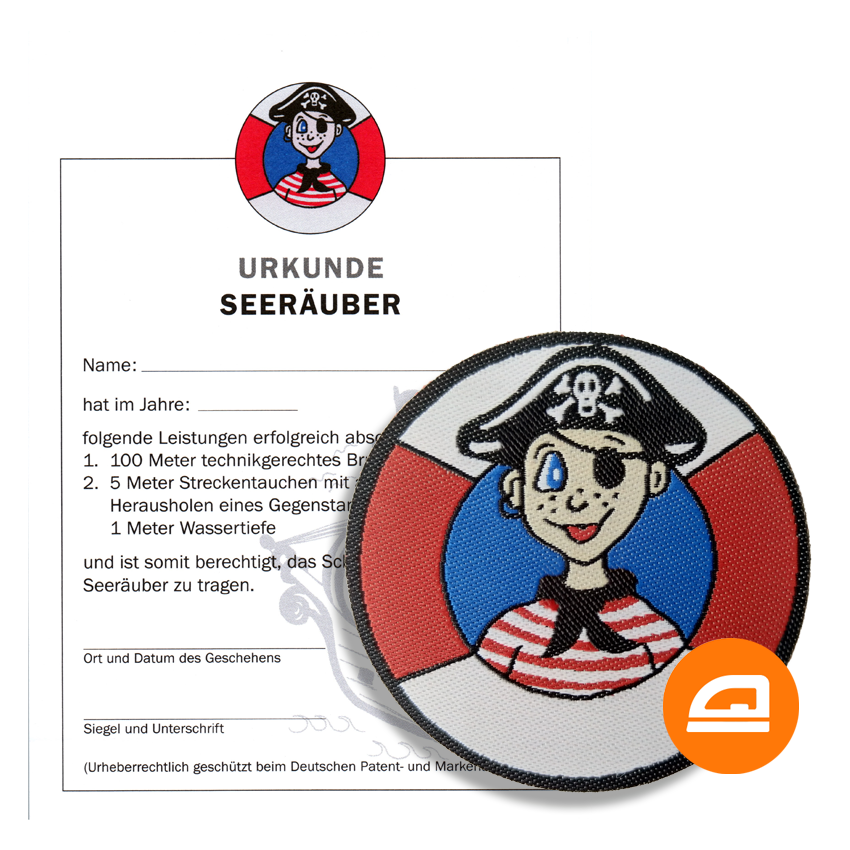
Secure original certified badges such as the Pirat Pimpi® swimming badge & certificates – ideally suited to the Pinguin and Seepferdchen swimming levels. Supplement your swimming equipment with personally customizable gift sets and practical accessories. Discover now and benefit from decades of experience: Pimpertz – swimming badges & accessories for every need. Make every swimming success an unforgettable experience.
%20or%20Pinguin%20(Penguin)%20are%20the%20first%20big%20goal%20in%20the%20water%20for%20many%20children.%20Many%20people%20think%20that%20the%20differences%20between%20the%20two%20are%20minor%20and%20main...)