










Swimming for Muscle Building: Effective Techniques and Tips for Success
Introduction
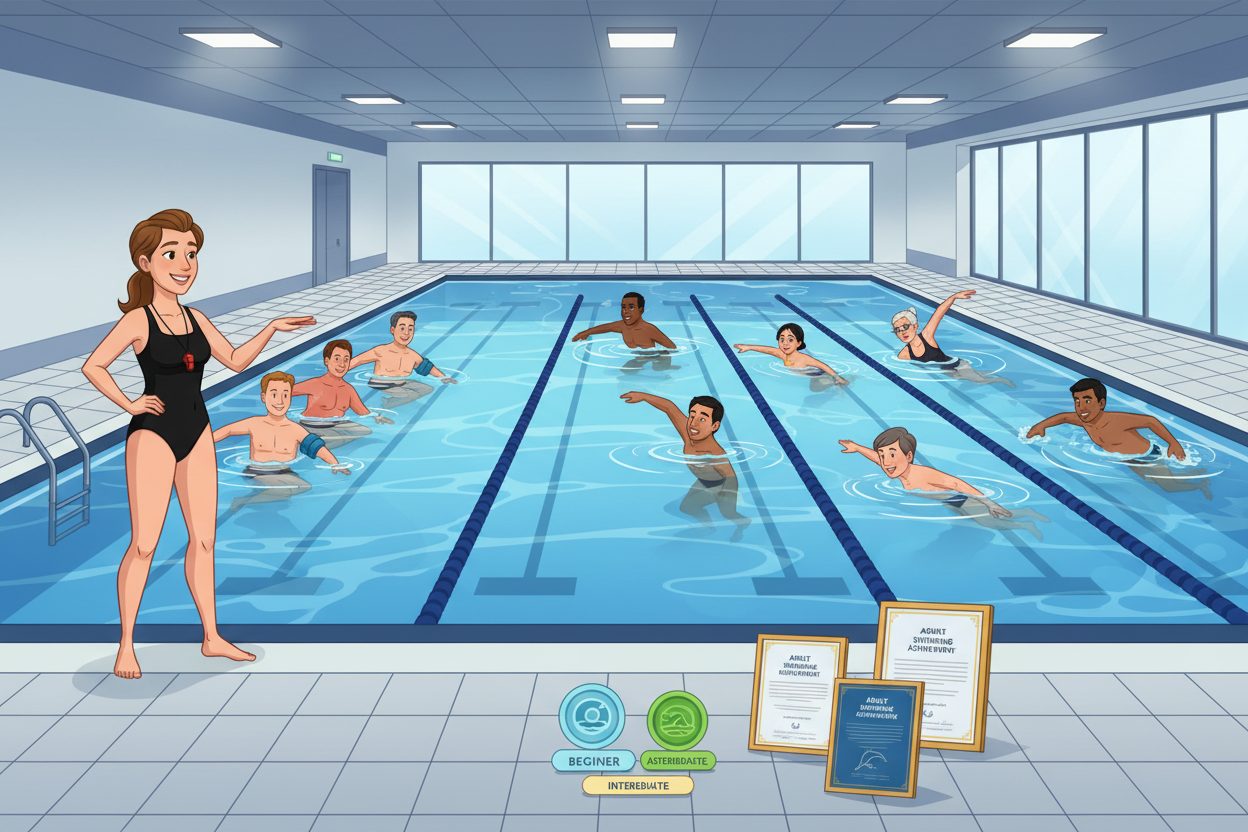
Swimming is an effective sport for building muscle and endurance – swimming engages many muscle groups. Muscle building through swimming depends on the chosen swimming style and intensity. Swimming is a joint-friendly activity that strengthens the cardiovascular system and effectively trains the muscles. A well-structured training plan is crucial for success in building muscle through swimming. Swimming can be used as both an endurance sport and strength training to build muscles.
Benefits of Swimming
Swimming offers many benefits for health and fitness, such as strengthening the immune system and improving endurance. This water sport is ideal for people with joint problems or back pain, as it is gentle on the joints. Swimming can also be used for stress reduction and promotes relaxation. The various swimming styles, such as breaststroke, freestyle, and backstroke, offer a variety of training opportunities. Swimming is a sport suitable for everyone, regardless of age or fitness.
Muscle Building through Swimming
Swimming engages many muscle groups, such as the arms, legs, back, and abdominal muscles. Muscle building through swimming depends on the intensity and swimming style. Targeted muscle training in the water can be achieved through various exercises and techniques. Swimming is an effective method to strengthen muscles and improve endurance. Muscle building through swimming can be supported by a balanced diet and appropriate supplements.
Training Plan
A well-structured training plan is crucial for success in building muscle through swimming. The training plan should include various swimming styles and exercises to train a variety of muscle groups. The intensity and duration of training should be gradually increased to promote muscle growth. It is important to train regularly and take sufficient breaks for muscle recovery. A training plan should also consider nutrition and supplements to support muscle building.
Building Muscles through Swimming
Swimming is an effective method to strengthen muscles and improve endurance. The various swimming styles, such as breaststroke, freestyle, and backstroke, offer a variety of training opportunities. Targeted muscle training in the water can be achieved through various exercises and techniques. Muscle building through swimming can be supported by a balanced diet and appropriate supplements. It is important to train regularly and take sufficient breaks for muscle recovery.
Nutrition and Supplements
A balanced diet is crucial for muscle building through swimming. Appropriate supplements can support muscle growth and promote recovery. It is important to choose the right nutrients and supplements to promote muscle building. A healthy diet and the right supplements can also improve health and endurance. It is important to consult a doctor or a nutritionist to choose the right diet and suitable supplements.
Important Facts about Swimming for Muscle Building
Swimming is a joint-friendly full-body workout that puts less stress on the joints than other sports. Swimming engages large muscle groups simultaneously, as the resistance of the water heavily challenges the upper and lower body with every movement.
Swimming is a sport suitable for almost everyone, including pregnant women and seniors. Swimming can improve heart health and lung capacity and reduce the overall risk of mortality.
Movements in the water are less stressful on the spine and joints than many land-based activities.
Swim Training and Technique for Maximum Training Effect
Proper swim training requires good swimming technique to achieve the optimal training effect. Water resistance provides constant resistance that challenges the muscles, similar to light strength training. Muscles need strength to perform movements in the water, so they are strengthened. Regular swimming with high intensity particularly challenges the muscles.
The most engaged muscle groups in swimming are the following: back, shoulders, chest, arms, legs, and core muscles. Breaststroke primarily trains the chest, shoulders, and upper body. Backstroke, on the other hand, focuses on the back muscles. The correct technique in swimming is crucial to avoid negative effects.
Swimming Styles and Their Effects on the Body
Every swimmer should master various swimming styles: freestyle primarily trains the shoulders and upper body, breaststroke strengthens the chest and core, backstroke promotes back muscles, and the demanding butterfly is a true full-body workout. In contrast to gym training, swimming offers the advantage of gravity relief.
Swimming can contribute to muscle building, but significant muscle growth, as occurs with strength training, is rather not to be expected from swimming. Swimming simultaneously trains coordination and flexibility. The effects on the body are diverse: all body parts and areas are engaged, from the abdomen to the shoulders and bones.
Practical Tips for Swimmers
For an effective training effect, one should swim several laps and gradually increase the intensity. This article provides important information for anyone who wants to learn more about swimming as a sport. The goal is to achieve sustainable effects through regular training in the swimming pool.
Swimming is one of the best endurance sports and is also fun. As a supplement to swim training, experts recommend additional strength training to specifically strengthen core and overall power. This training is an ideal combination for anyone who wants to get wet and stay fit.
Conclusion
In summary, swimming is an excellent full-body sport. Whether beginner or advanced swimmer - with the right technique and a well-thought-out training plan, everyone can achieve their goals. Reading duration and examples in this article show how diverse the possibilities are.
Style and Technique – The Basics for Effective Swim Training
The right style is crucial for effective swim training. Each swimming style has its own character and trains different muscle groups. The style in freestyle differs fundamentally from the style in breaststroke or backstroke. A clean style not only ensures better results but also prevents injuries and maximizes the training effect.
For optimal results in muscle building, experts recommend paying attention to a protein-rich diet. Those who focus on endurance should start with freestyle or breaststroke. To avoid injuries, a warm-up should be done before training and sufficient time should be allowed for recovery afterward.
Butterfly swimming intensely engages the chest and back muscles. This demanding style requires a lot of coordination and core tension. Backstroke is particularly beneficial for the hip flexors and posture. Freestyle, as the fastest style, particularly effectively trains the shoulders and upper body.
Swimming Styles in Detail – Breaststroke and Butterfly
Breaststroke particularly engages the inner thighs and chest. The chest and shoulder muscles are also intensely trained, while the leg muscles work through typical movements. This style is excellent for beginners.
Butterfly swimming intensely trains the abdominal muscles, glutes, back, and shoulders. Butterfly swimming requires a lot of strength and engages almost all large muscle groups, especially shoulders, arms, and core. This demanding style is ideal for advanced swimmers.
Training Optimization for Maximum Muscle Building
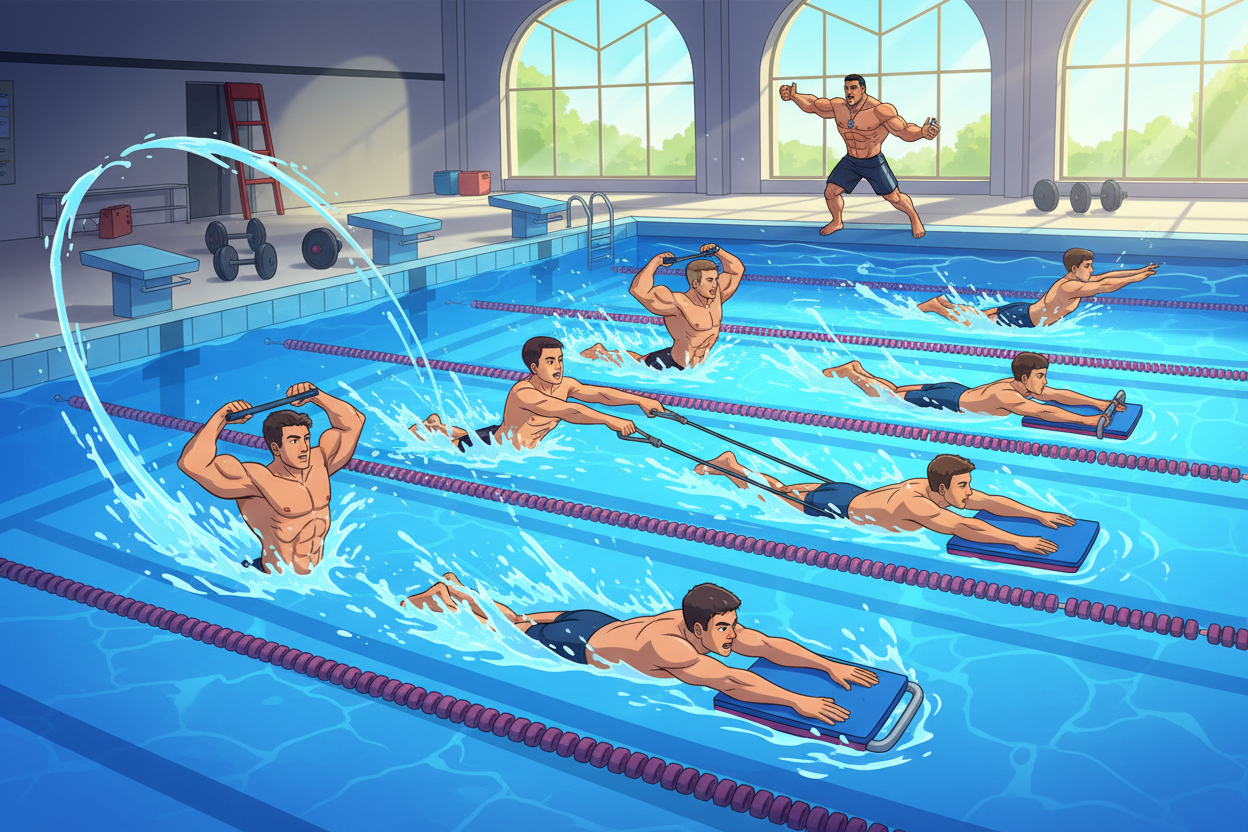
Intensity in swimming can be increased by high frequency, greater resistance through paddles or pull buoys, and by special swimming weights. These aids significantly enhance the training effect.
Traditional strength training in the gym is recommended if you want to effectively build muscles. A balanced diet plays an important role for many athletes when it comes to their training routine. The combination of swimming, strength training, and conscious nutrition leads to the best results.
Conclusion: Successfully Building Muscles through Swimming
Traditional strength training in the gym is recommended if you want to effectively build muscles. Swimming perfectly complements this training, as it improves endurance and flexibility.
A balanced diet plays an important role for many athletes when it comes to their training routine. Only with the right combination of training and nutrition can optimal results be achieved in muscle building through swimming.