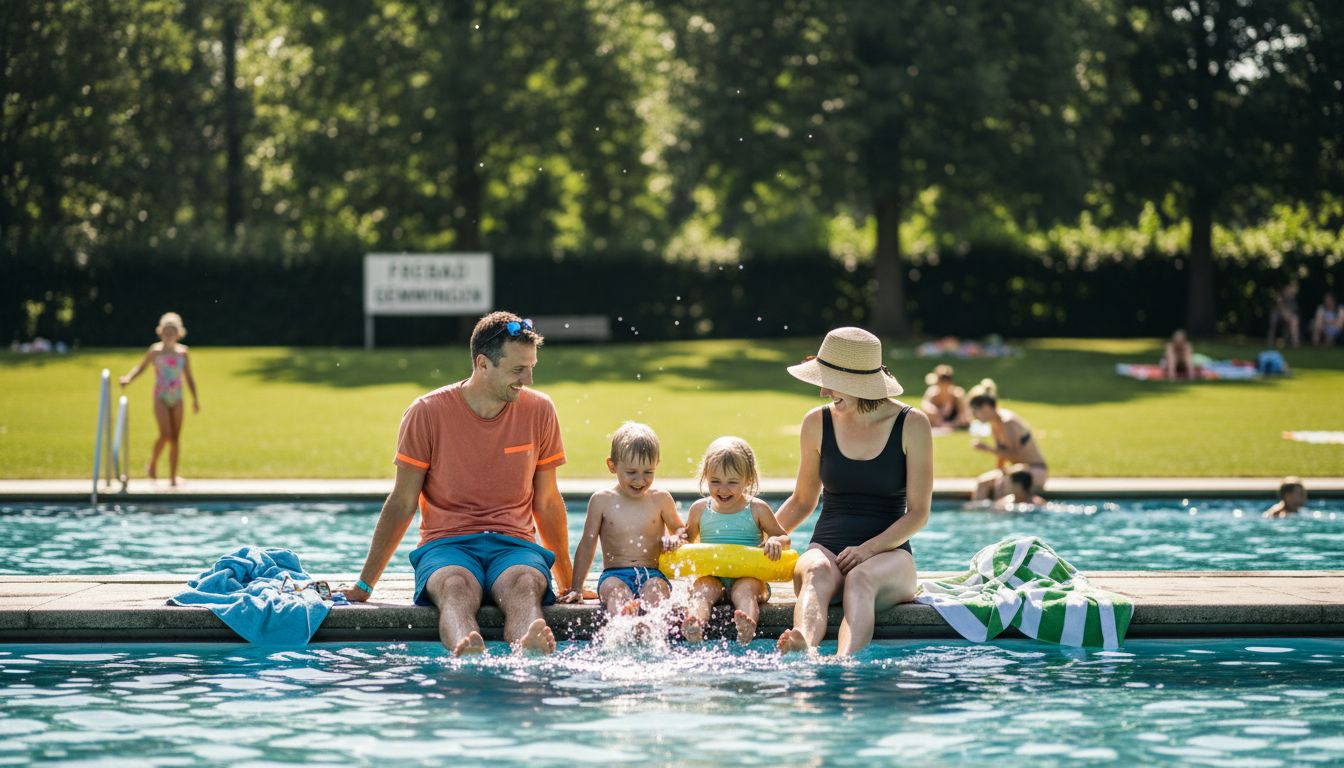

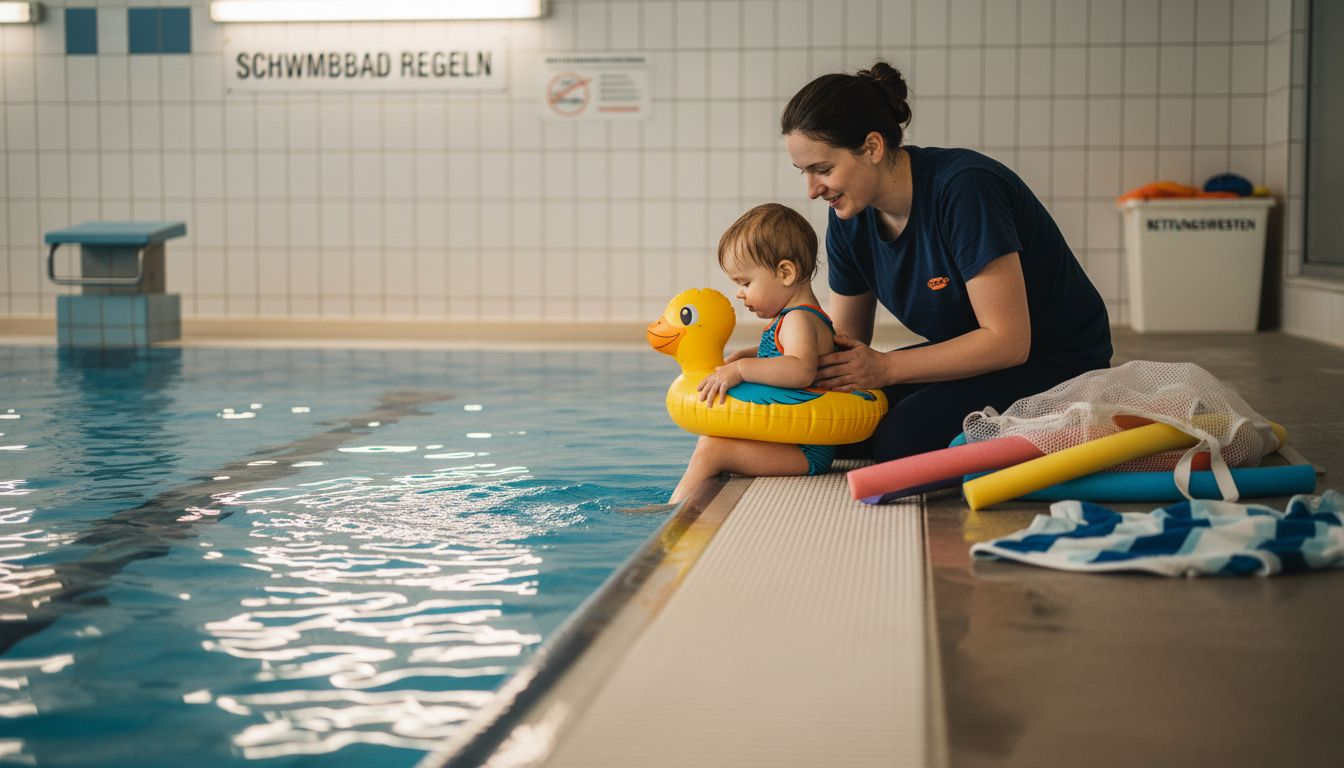
Swimming course from 1 year: Learning to swim safely for toddlers
The first swimming course for your toddler can feel like a big step, especially if you want to contribute to their safety and enjoyment in the water. Parent-child courses from 1 year old, in particular, focus on playful water familiarization and actively involve you as parents. This special time lays the foundation for a positive relationship with water and helps you develop important safety skills together with your child from the very beginning.
Table of Contents
- Step 1: Choose the Right Swimming Course from 1 Year Old
- Step 2: Actively Prepare Your Child for the First Day of the Course
- Step 3: Accompany Your Child During the First Practice Sessions
- Step 4: Monitor Your Child's Swimming Progress and Safety
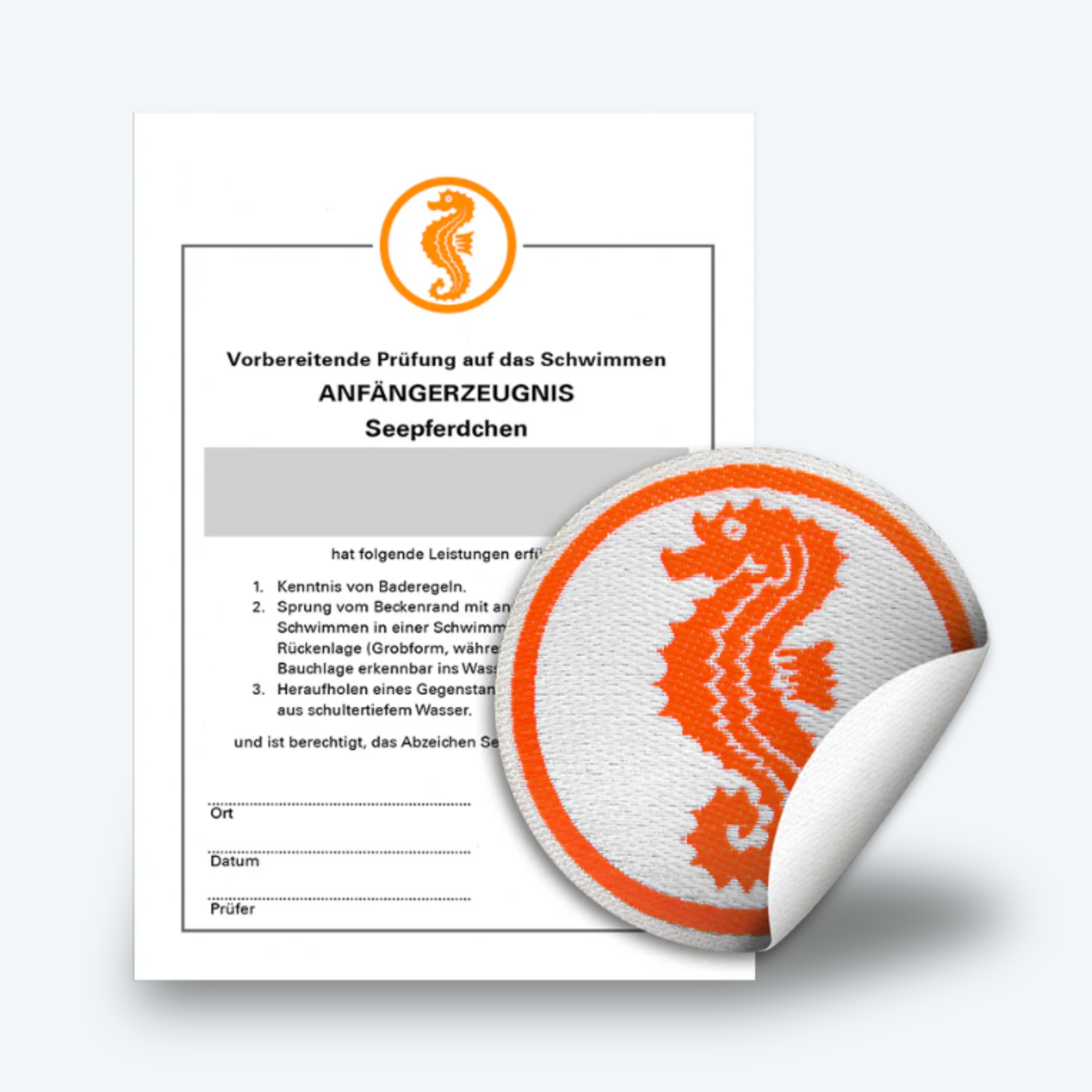
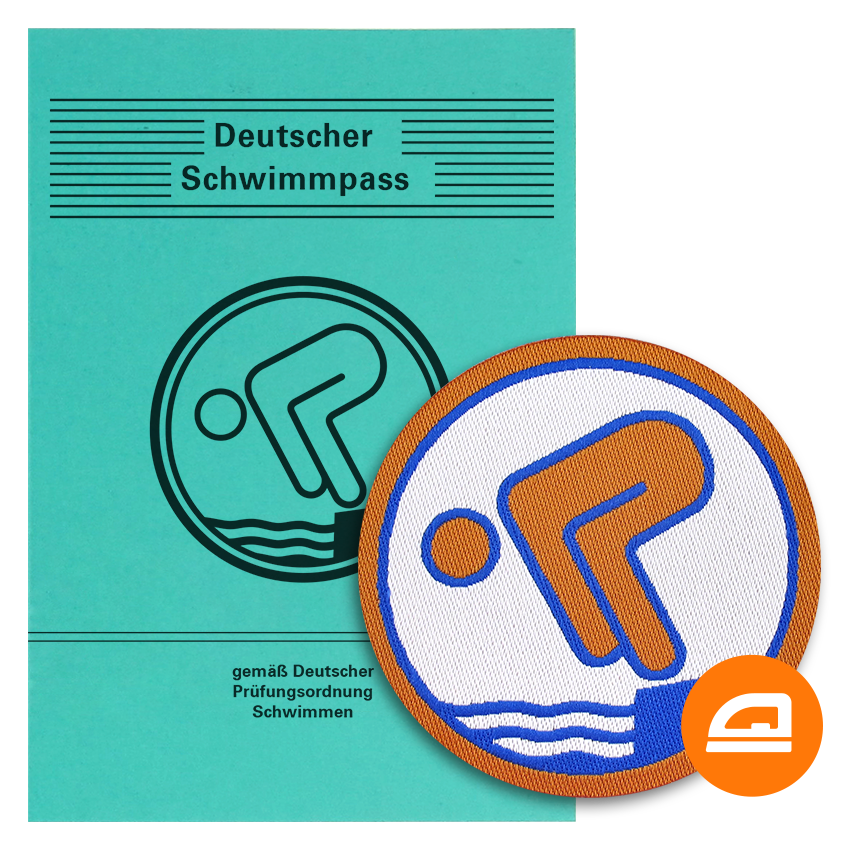
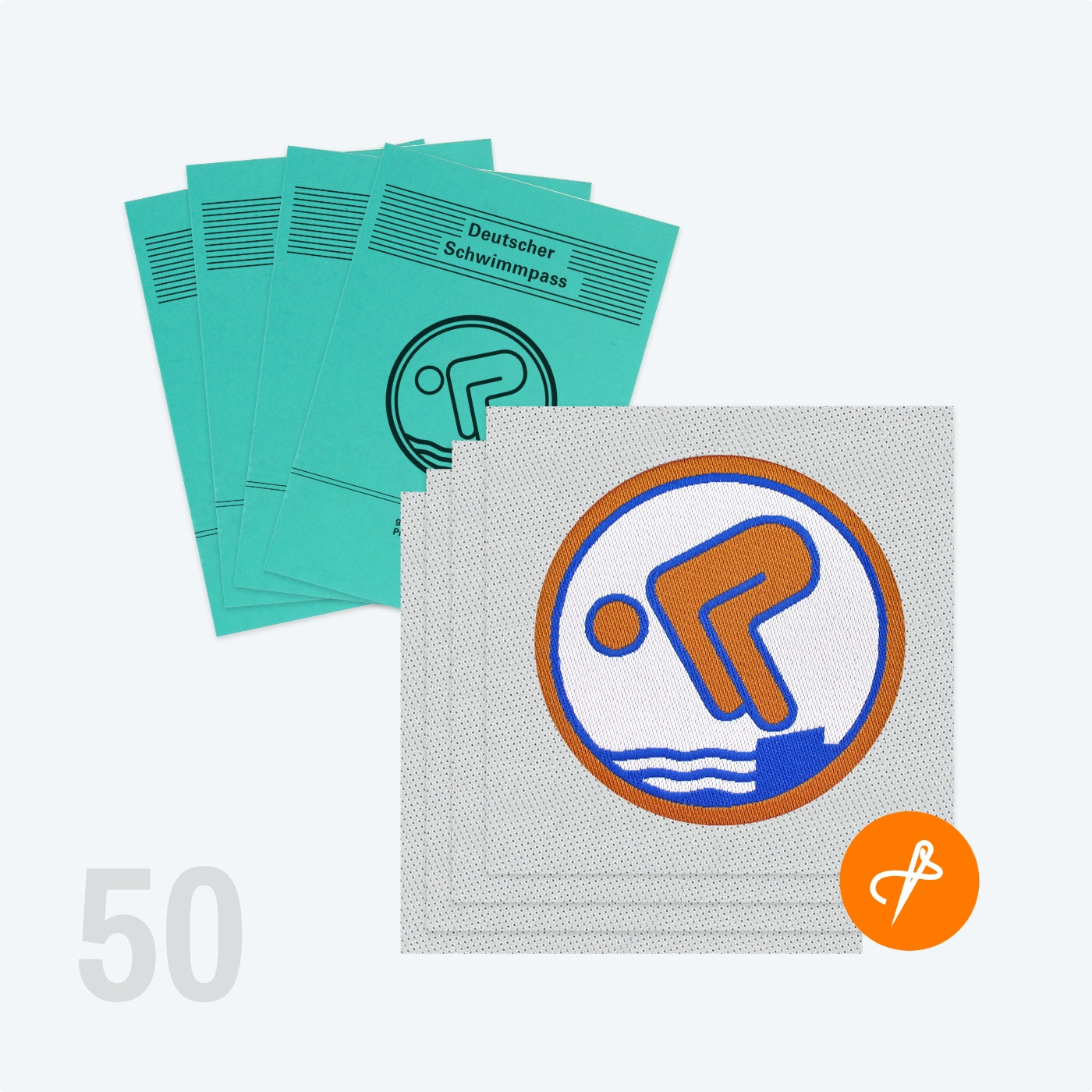
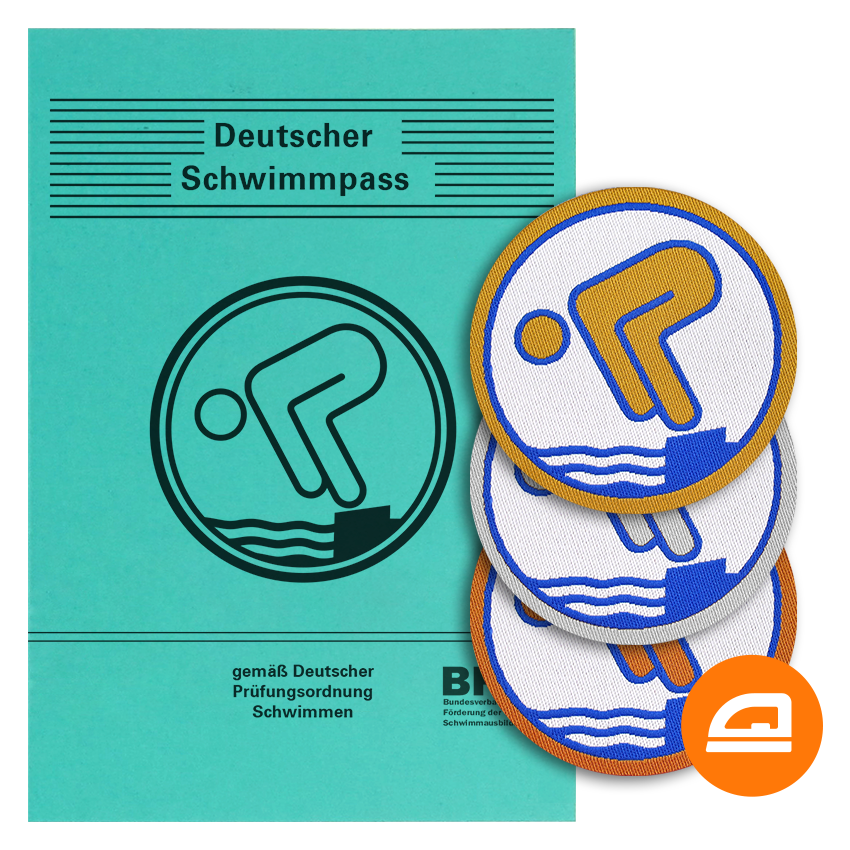
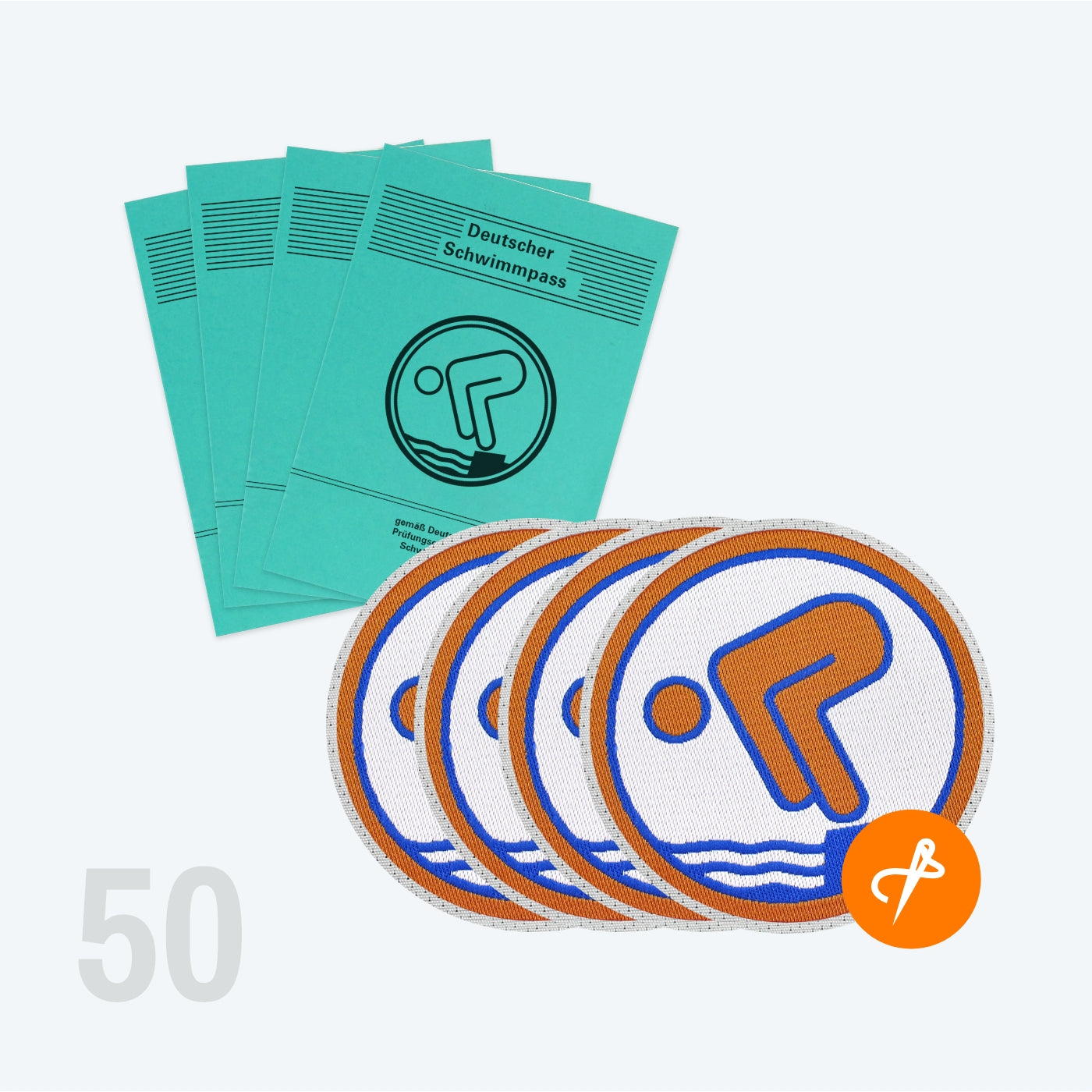
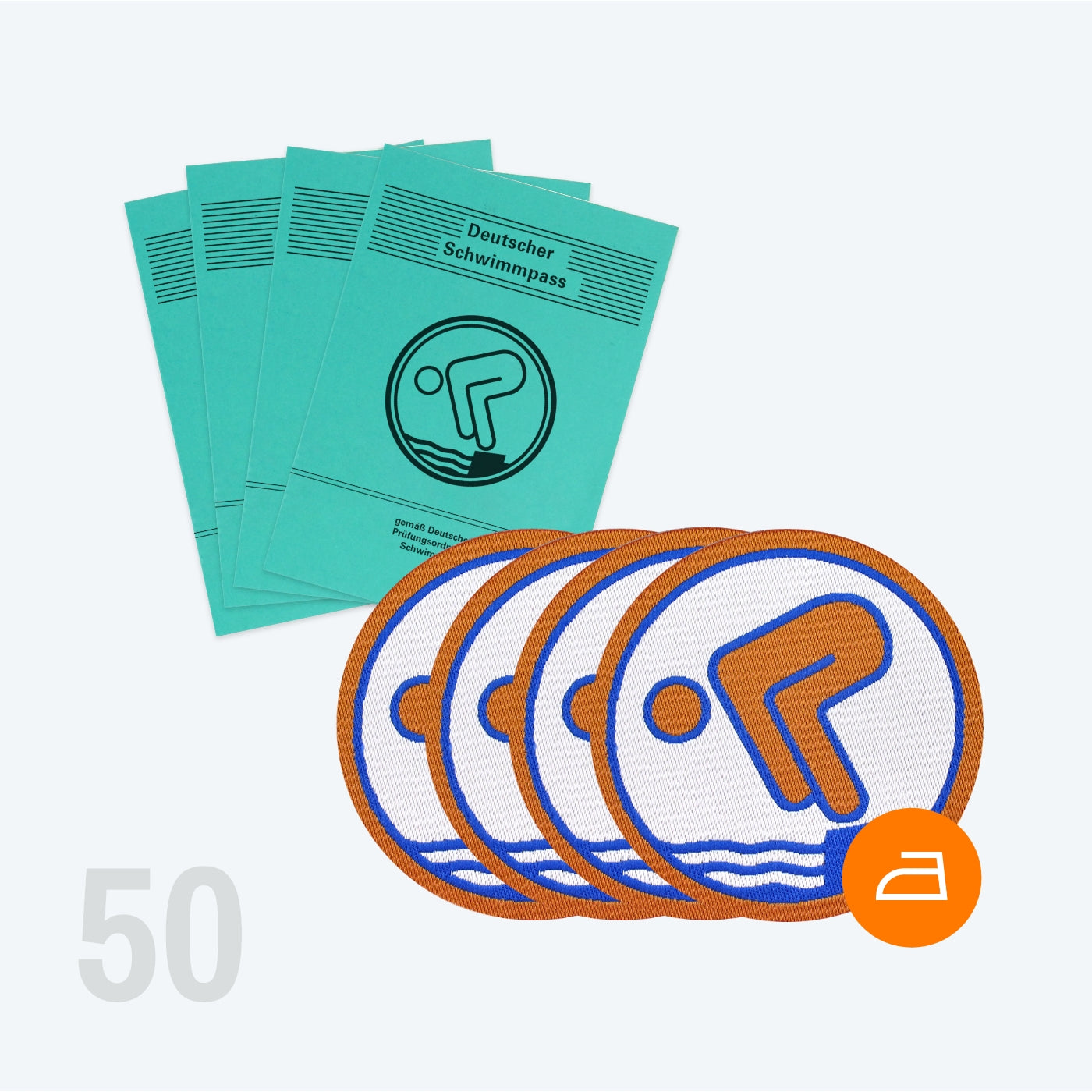
- Step 5: Provide Incentives with Certificates and Badges
Quick Summary
| Key Point | Explanation |
|---|---|
| 1. Choose the right swimming course | Consider your child's age and developmental stage when selecting a course. |
| 2. Prepare for the first day of the course | Prepare your child mentally and practically for the first swimming course; choose swimming essentials together. |
| 3. Be active during practice sessions | Support and motivate your child through positive communication and presence in the water. |
| 4. Regularly monitor swimming progress | Document progress and discuss it with the swimming instructor for increased safety. |
| 5. Provide incentives through certificates | Use certificates and badges for motivation; make the presentation ceremonial and meaningful. |
Step 1: Choose the Right Swimming Course from 1 Year Old
Choosing the first swimming course for your toddler is an important decision that should combine fun, safety, and early water familiarization. Special parent-child courses for water familiarization are ideal for children between 6–24 months and 1–3 years.
When selecting a suitable swimming course for your baby or toddler from 1 year old, you should consider several crucial criteria:
- Developmental stage of the child
- Size and quality of the course
- Active parental involvement
- Playful and child-friendly course design
The optimal swimming course does not focus on early swimming skills, but rather on a positive relationship with water. Bambini swimming courses emphasize creative movement, gliding, and playful diving – always under parental supervision.
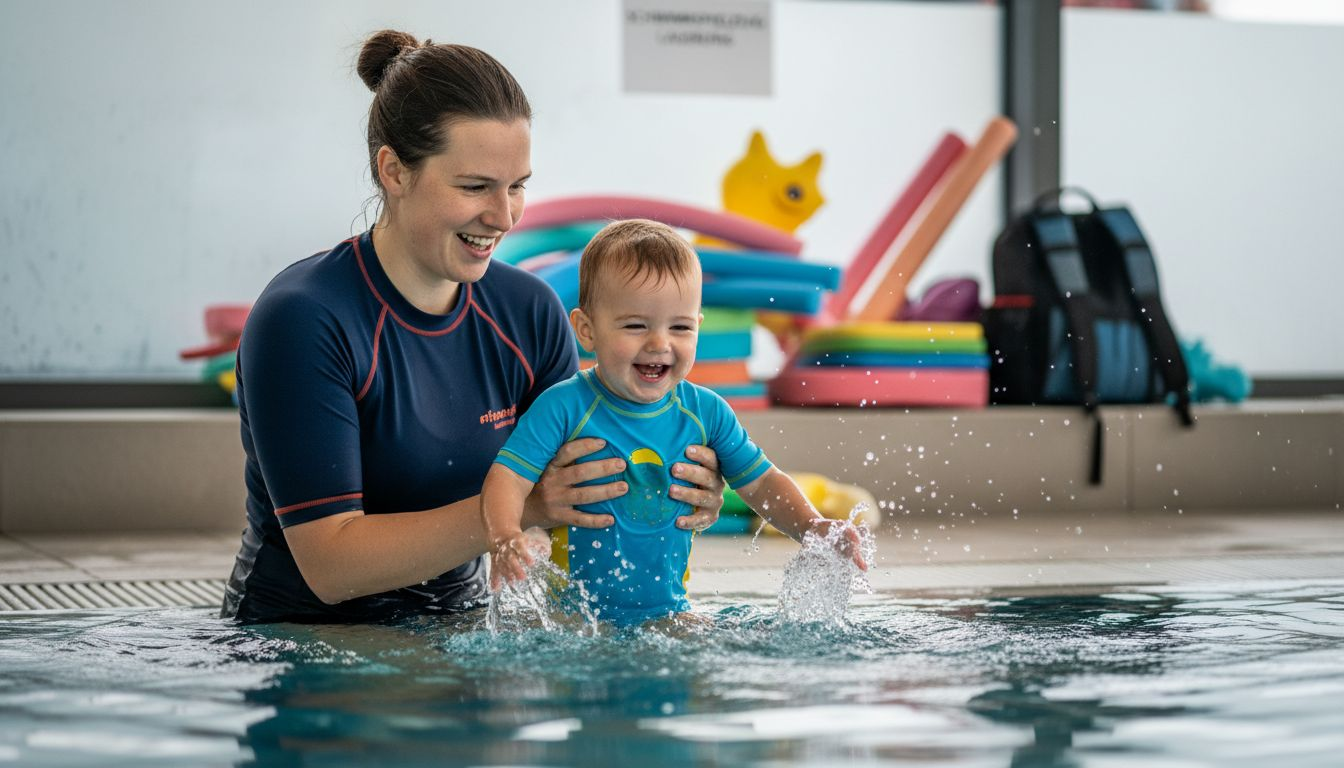
Ensure that the course has a small group size (maximum 10 children) and sufficient pedagogical support. The child should develop a joy for water without being overwhelmed.
For a better overview, here are the most important types of courses for toddlers in comparison:
| Course Type | Recommended Age | Main Goal | Parental Involvement |
|---|---|---|---|
| Parent-Child Course | 6–24 Months | Water familiarization and safety | Strong involvement |
| Bambini Swimming Course | 1–3 Years | Creative movement in water | Constant supervision |
| Miniclub Course | 2–3 Years | Playful diving and fun | Active support |
The key is to perfectly combine fun and safety.
Pro-Tip: Observe various courses beforehand to personally experience the atmosphere and quality of care.
Step 2: Actively Prepare Your Child for the First Day of the Course
The first day of a swimming course can be exciting and challenging – good preparation builds trust and security for your child. Early water familiarization through playful activities is key to a positive swimming experience.
Here are practical preparation steps for the first day of the swimming course:
-
Choose swimming gear together
- Select comfortable swimwear
- Have appropriate swim diapers ready
- Pack a cozy bathrobe
-
Mental preparation of the child
- Talk positively and calmly about the swimming course
- Do not instill fear, but rather excitement
- Possibly show picture books about swimming
Note that familiarity with the water environment is crucial. Visit the swimming pool together beforehand, let your child explore the surroundings and get used to the atmosphere.
Every child has their own pace – patience and empathy are key to success.
Pro-Tip: Pack a small surprise or a favorite toy to give your child additional security and motivation.
Step 3: Accompany Your Child During the First Practice Sessions
The first swimming lessons are an exciting journey for both you and your child. Parent-child swimming courses offer a safe learning environment and help develop trust and joy in the water.
During the practice sessions, you should pay attention to the following aspects:
-
Active support
- Be present and patient in the water
- Give your child support and security
- Show enthusiasm for every small movement
-
Positive communication
- Praise progress
- Avoid pressure and criticism
- Stay calm and relaxed
Miniclub courses offer playful movement exercises such as ball games, gliding, and gentle diving. Observe the instructor and support the activities without dominating.
Trust and fun are more important than perfect swimming movements.
Pro-Tip: Stay calm and make the swimming lesson a positive experience for your child.
Step 4: Monitor Your Child's Swimming Progress and Safety
Your child's development in the water is an individual process that requires patience and attentive observation. Learning to swim at two years old means recognizing and appreciating small steps forward.
When monitoring swimming progress, pay attention to the following aspects:
-
Water safety
- Behavior in dangerous situations
- Reaction to instructions
- Self-confidence in the water
-
Motor development
- Coordination of movements
- Balance when standing and gliding
- Initial swimming movements
Important observation criteria include emotional security, physical coordination, and confidence in the swimming environment. Talk regularly with the swimming instructor to get a comprehensive picture of development.
Every small step forward is a big success for your child.
Pro-Tip: Keep a short development diary to document and appreciate your child's progress.
Step 5: Provide Incentives with Certificates and Badges
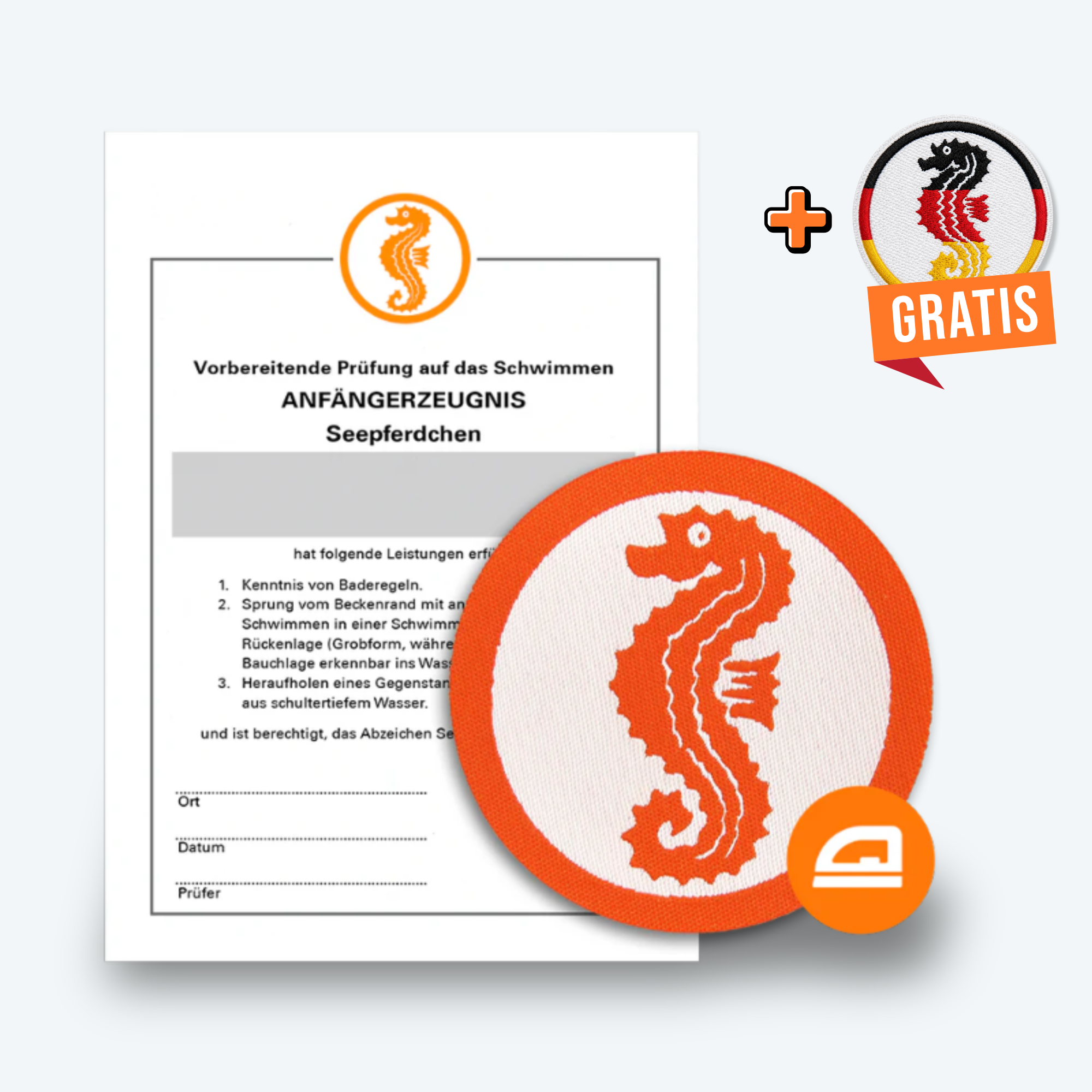
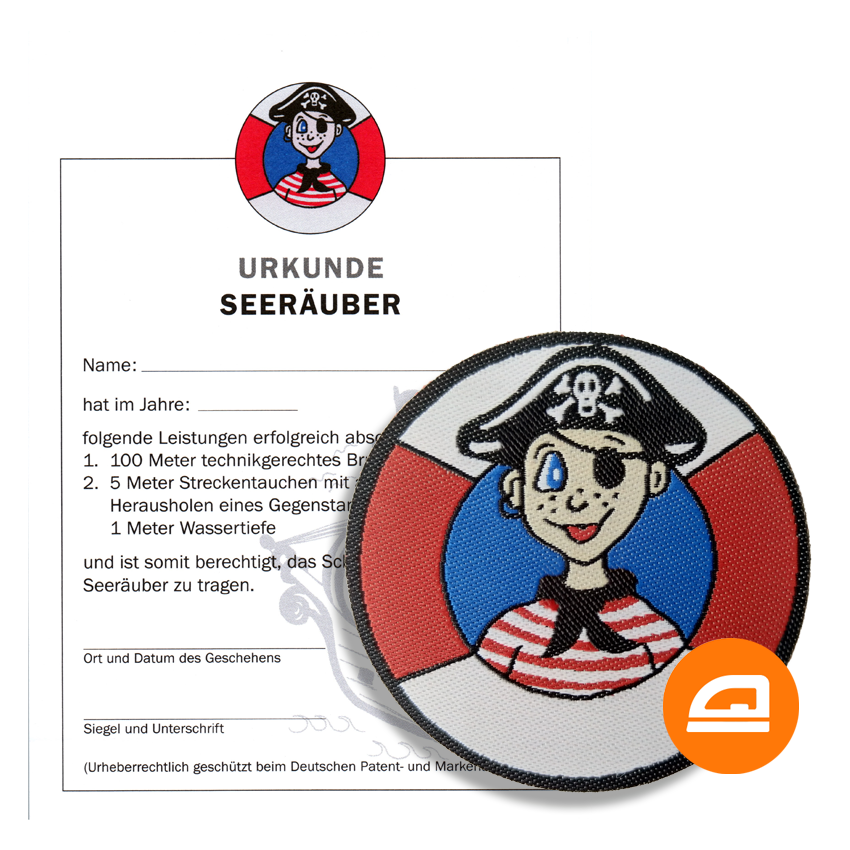
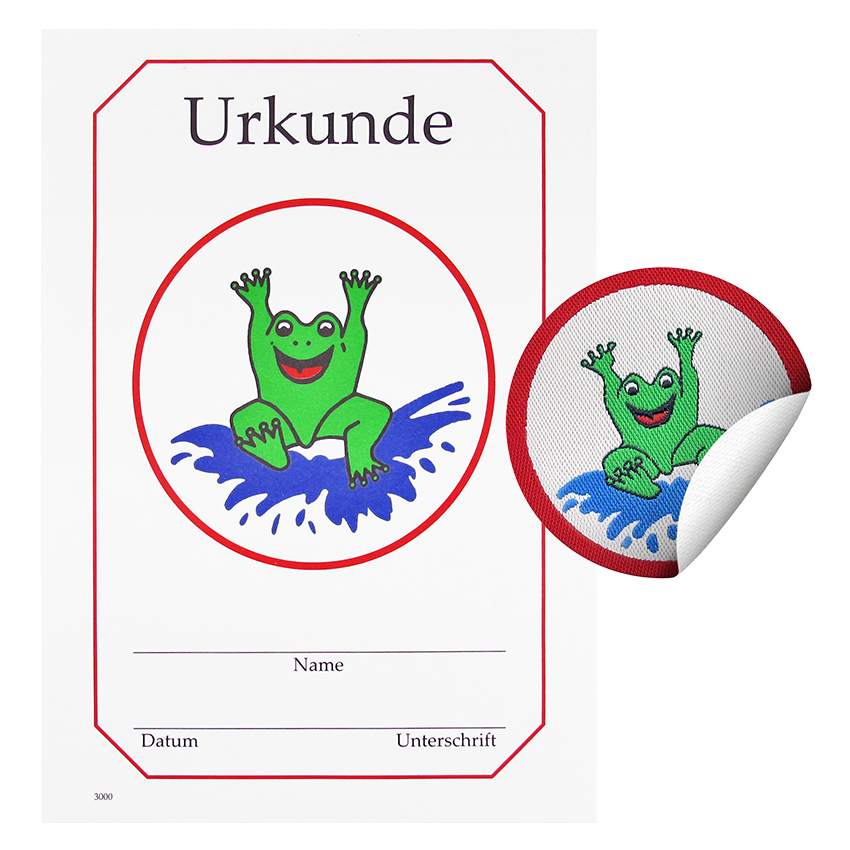
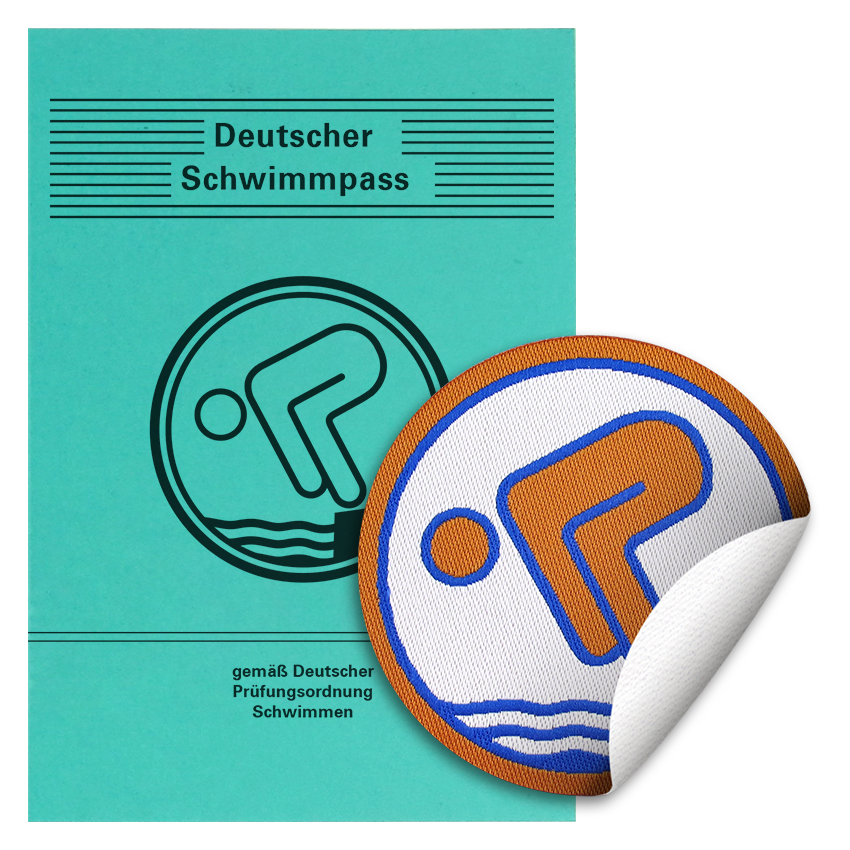
Your child's motivation can be enormously boosted by visible successes. Motivation through swimming badges is a proven method to encourage children to keep going.
When selecting and presenting certificates and badges, you should consider the following aspects:
-
Importance of recognition
- Choose age-appropriate badges
- Make the presentation ceremonial
- Praise individual progress
-
Documentation of development
- Collect certificates in a special album
- Photograph the badge presentation
- Explain the meaning of each badge
It is important that the award acknowledges your child's individual progress. Presenting swimming badges should be a positive, encouraging experience.
The following table shows how swimming progress in toddlers can be documented and what benefits this offers:
| Documentation Method | Benefit for the Child | Benefit for Parents |
|---|---|---|
| Keep a development diary | Motivation and recognition | Overview of progress |
| Collect certificates in an album | Pride in achievements | Preserve memories |
| Photo of badge presentation | Positive memory of milestones | Visible development in retrospect |
Every badge is a milestone on the way to safe swimming.
Pro-Tip: Keep the certificates and later show your child how far they have come.
Support Your Child's Swimming Start with the Right Swimming Badges
The path to safe and playful swimming begins with loving encouragement of water familiarization and small moments of success. In this article, you will learn how important it is to focus on fun, safety, and motivation – this is where Pimpertz, as an official partner of DLRG and BFS for over 38 years, comes in. With high-quality swimming badges & certificates, you can make your child's small swimming achievements visible and reward them with loving recognition.
Benefit from our large selection of child-friendly designs, practical collection albums, and customizable sets. This way, you can turn every badge into a very personal success story. Your active support during swimming courses is perfectly complemented by our accessories & gift sets, ensuring lasting memories.
Start now with Pimpertz and make the swimming course from 1 year old a safe and unforgettable adventure. Discover all possibilities at pimpertz.de and secure your child the valuable symbols for every milestone in the water.
Frequently Asked Questions
When should I enroll my child in a swimming course?
A swimming course can ideally be started from the age of 1 year. Choose a course that focuses on water familiarization and safety to foster your child's positive relationship with water.
How do I find the right swimming course for my toddler?
When choosing a course, pay attention to your child's developmental stage and the quality of the offering. Inform yourself about group size, parental involvement, and the playful design of the course.
What should I prepare for my child's first swimming course day?
Prepare by choosing swimming gear together and introducing your child to the pool environment. Positive conversations about the course and familiar objects like a favorite toy can help alleviate anxieties.
What progress should I expect from my child in a swimming course?
Pay attention to water safety, motor development, and your child's positive reactions in the water. Document progress and regularly communicate with the swimming instructor to recognize changes.
How can I support my child's motivation in a swimming course?
Incentives like certificates and badges can help boost motivation. Celebrate small successes and make the presentation of awards a positive experience to strengthen your child's self-confidence.
Is parent-child accompaniment during the swimming course important?
Yes, parent-child accompaniment is crucial for the child's safety and confidence in the water. Remain active and supportive during the course to create a relaxed learning environment.