
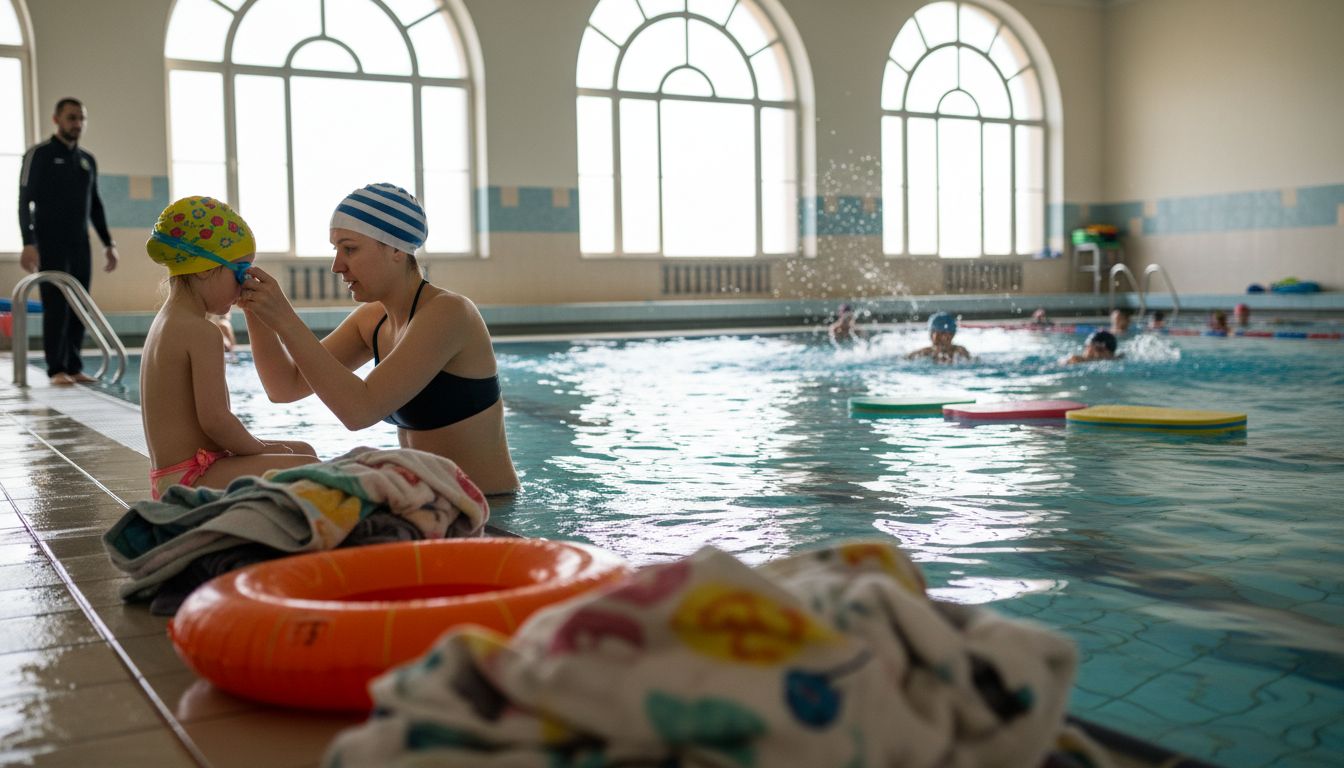
Swimming course from 3 years: Learning to swim safely made easy
More than 60 percent of parents in Germany feel insecure when looking for the right swimming course for their child. Especially at the age of three and above, learning success strongly depends on well-trained instructors, small group sizes, and a pleasant course environment. Those who know what to look for in selection, preparation, and support lay the perfect foundation for relaxed swimming days and genuine success experiences in the water.
Table of Contents
- Step 1: Choose the right course
- Step 2: Prepare your child and equipment optimally
- Step 3: Introduce child-friendly water familiarization
- Step 4: Teach basic swimming techniques
- Step 5: Review learning progress and continue to motivate
Quick Overview
| Important point | Explanation |
|---|---|
| 1. Pay attention to the qualification of the swimming instructors | Look for specially trained instructors who have experience with three-year-olds. |
| 2. Prepare optimally and choose equipment | Prepare your child psychologically and with suitable swimming equipment for the course. |
| 3. Use playful water familiarization | Use playful methods to ensure your child has a positive relationship with water. |
| 4. Gradually teach the basics of swimming | Focus on simple, playful movements that build confidence. |
| 5. Regularly check learning progress | Observe and praise progress to boost your child's motivation. |
Step 1: Choose the right course
When it comes to finding a swimming course for your child from three years old, there are some important aspects to consider. The agony of choice can initially seem overwhelming, but with the right information, you will make an informed decision.
When selecting a swimming course, you should first examine the qualifications of the swimming instructors carefully. Make sure that the instructors are specially trained for toddlers and have experience working with three-year-olds. Important criteria include child-friendly teaching methods, a calm and patient atmosphere, and an age-appropriate approach.
Also, consider the group size and course times. Ideally, the course should not exceed six to eight children so that each child receives sufficient attention. Courses specifically designed for three-year-olds often offer playful approaches that combine fun and water familiarization. The Familienportal NRW brochure also recommends paying attention to a child-friendly environment with warm changing rooms, non-slip floors, and a pleasant water temperature.
One last tip: Before committing, attend a trial lesson or observe a course briefly. This will give you a direct impression of the quality of teaching and how the instructors interact with the children. The chemistry between the swimming instructor and the child is crucial for learning success and enjoyment of swimming.
Step 2: Prepare your child and equipment optimally
Preparation is crucial for a successful and pleasant swimming course. A well-prepared child feels secure and enjoys learning in the water more.
Start with the psychological preparation of the child. Talk positively about swimming and create anticipation. Tell stories about great experiences in the water and how proud you will be when your child can swim. For equipment, choose comfortable and well-fitting swimwear: a well-fitting swimsuit or swimming trunks, swimming goggles for protection, and optionally a swimming cap.
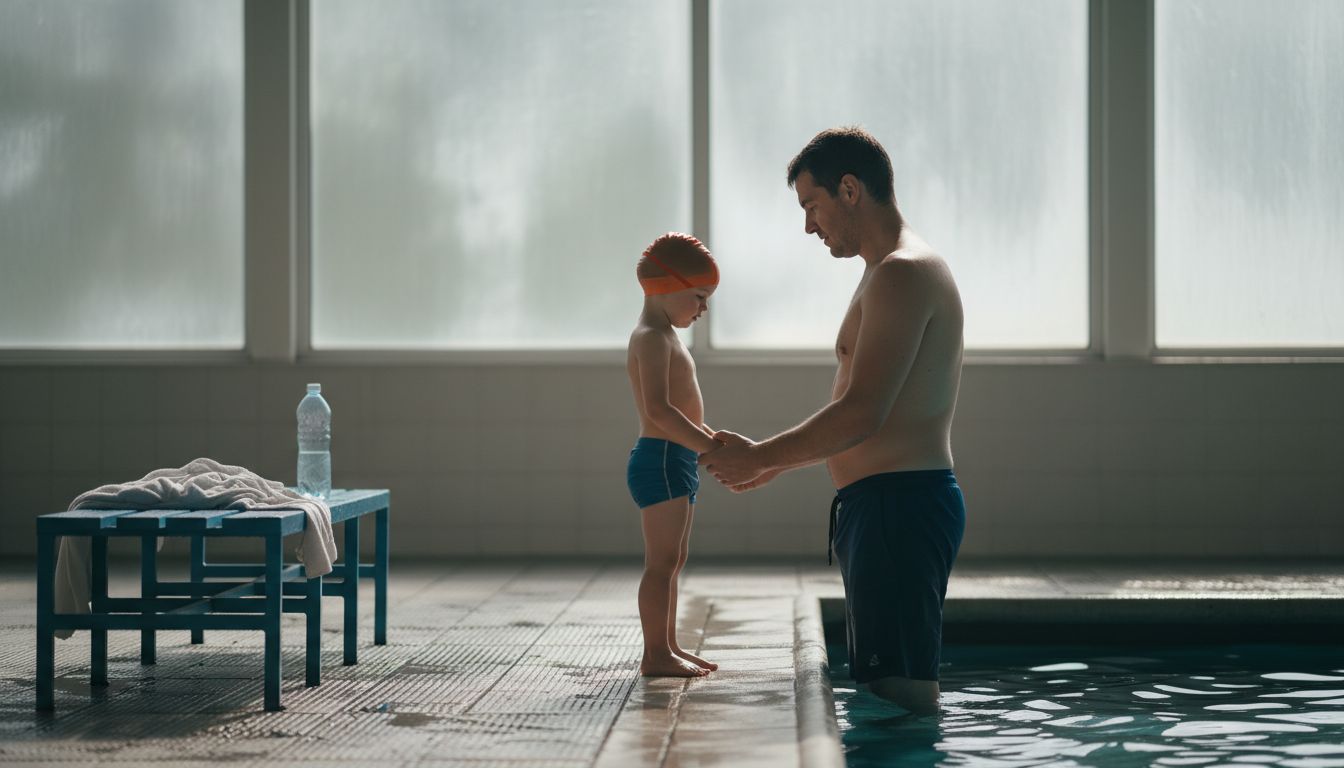
In addition to clothing, other equipment is important. Recommended swimming accessory tips will help you find the right equipment. Look for soft towels, a non-slip bathrobe, and swim shoes for a secure grip. An extra towel and a change of clothes are also useful. Prepare everything the evening before so that the morning of the swimming course is relaxed and stress-free.
One final tip: practice handling water playfully beforehand. A paddling pool in the garden or shared bath games can gently support water familiarization. This way, your child gains confidence and joy in the element of water.
Step 3: Introduce child-friendly water familiarization
Water familiarization is the key to successful swimming instruction. This step is about enabling your child to develop a positive and fearless relationship with water.
Start with playful methods of approaching water that combine fun and safety. First, let your child explore the water surface without pressure. Encourage them to touch the water with their feet, play water games, and create small splashes. A calm atmosphere is important, in which your child feels safe and secure.
The safe guidance of water familiarization for toddlers requires patience and empathy. Accompany your child and show them how exciting and fun water can be. Play games like scooping water, collecting small objects, or throwing balls into the water. It is important that your child decides how far they want to go and does not develop fear.
One last tip: always stay in close proximity and radiate calm and confidence. Your positive attitude will directly transfer to your child, making water familiarization a relaxed and joyful experience.
Step 4: Teach basic swimming techniques
The time has come to teach your child the first swimming techniques. First, focus on simple and playful movements that are fun and build confidence.
For the basics of breaststroke, start with body posture. Teach your child to keep their head above water and adopt a horizontal position. The leg movement resembles a frog – a trick that often comes easily to children. Demonstrate the movement and have your child imitate it.
With swimming lesson tips for parents and coaches, you can teach the technique playfully. Use kickboards or pool noodles as aids to give the child confidence. Make sure the exercises are short and varied. Praise every effort and every small improvement.
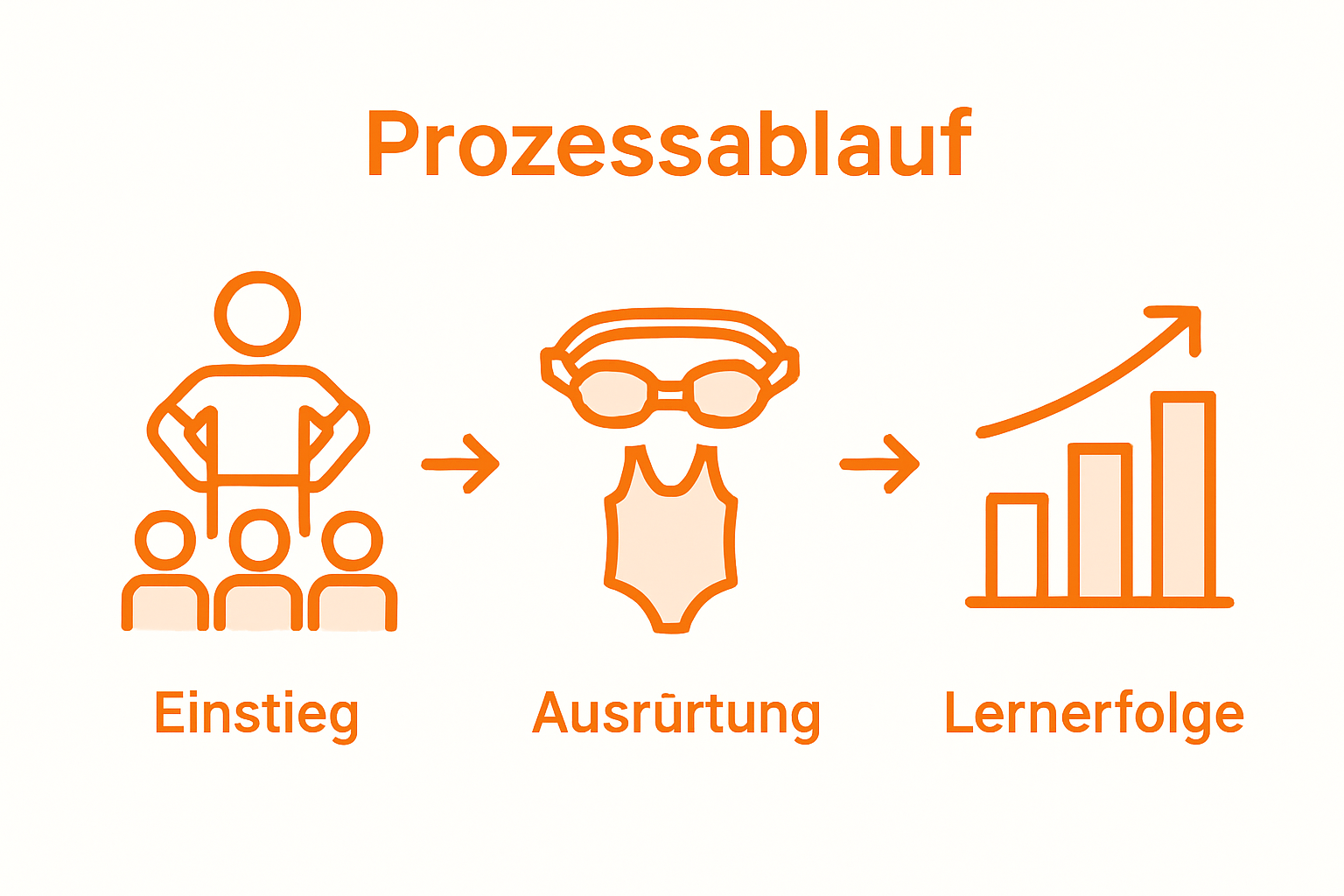
An important tip: take it slow and don't overwhelm your child. Every child learns at their own pace. Be patient, positive, and make learning to swim a joyful experience.
Step 5: Review learning progress and continue to motivate
After the first swimming lessons, it is important to carefully observe and acknowledge your child's progress. Every small success deserves recognition and can significantly boost motivation.
The progress check in learning to swim should be playful and positive. Pay attention to any new movements your child tries in the water. Can they already hold their head underwater? Do they dare to swim a few meters without aids? Praise even the smallest improvement and make progress visible.
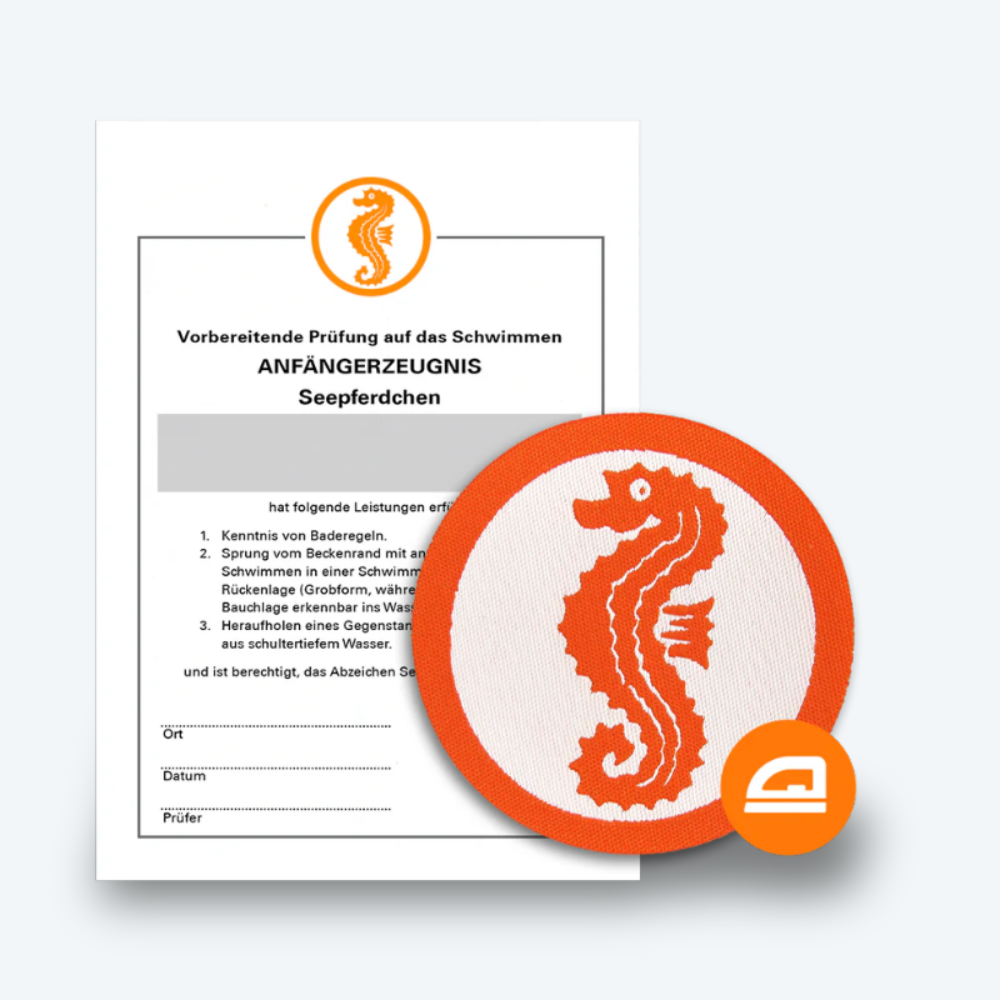
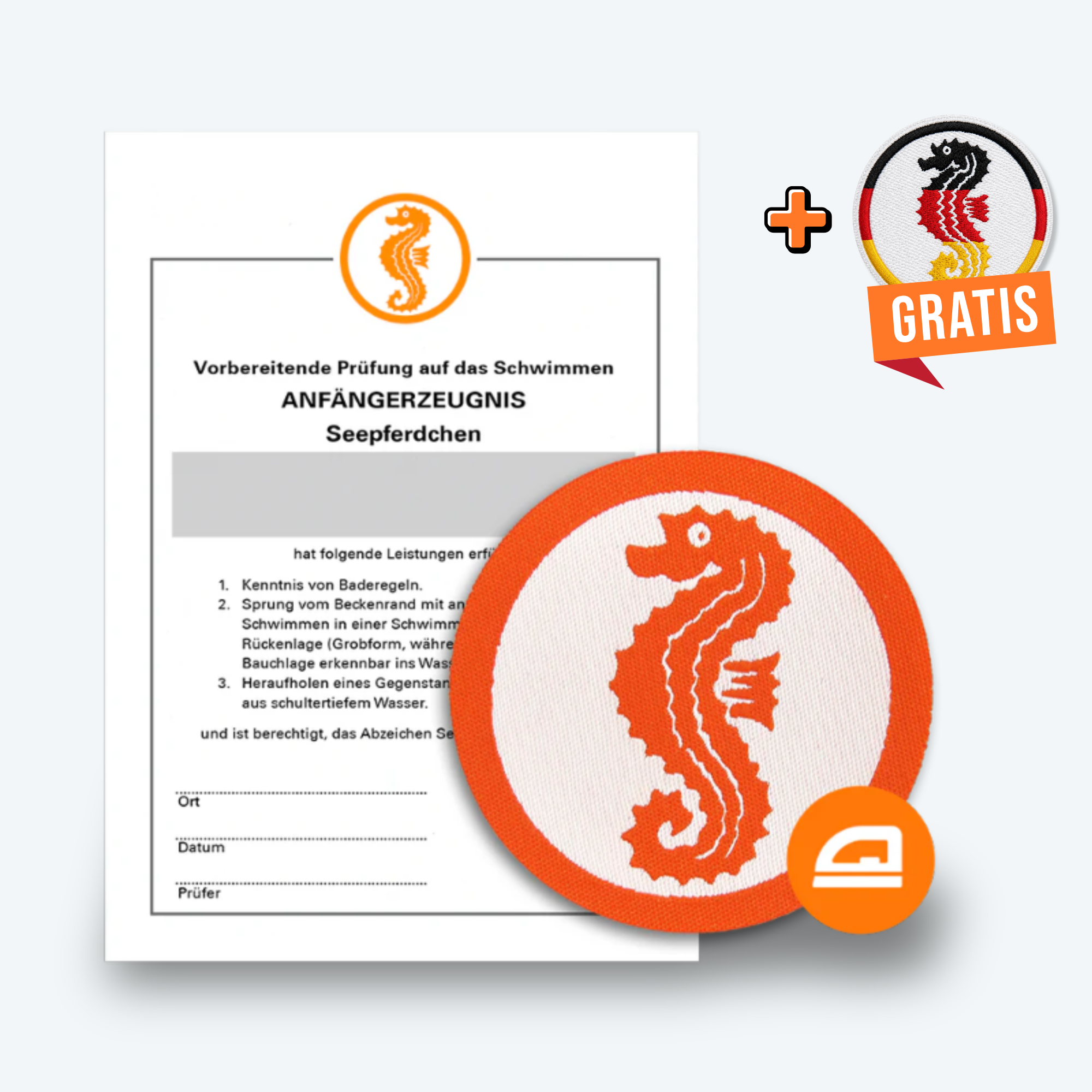
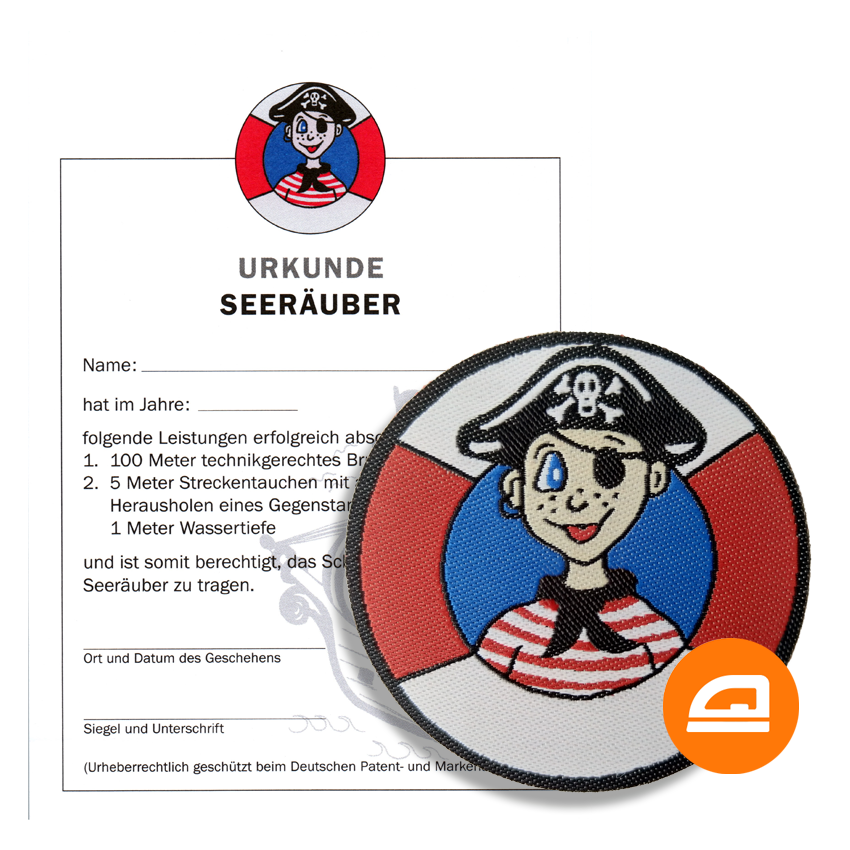
With motivation techniques for collecting swimming badges, you can maintain your child's enthusiasm. Set small goals, keep a progress diary, or reward courage with a special badge. The key is to take the pressure off and focus on fun.
One last tip: be patient. Not every child learns at the same pace. Don't compare your child to others, but focus on their individual progress.
Make your child's start in swimming unforgettable and safe
The article “Swimming course from 3 years: Learning to swim safely made easy” shows how important thorough preparation, playful water familiarization, and learning initial swimming techniques are for children. Parents often face the challenge of supporting their child in this sensitive process and keeping motivation high. High-quality materials and official swimming badges play a crucial role in making learning successes visible and strengthening your child's self-confidence.
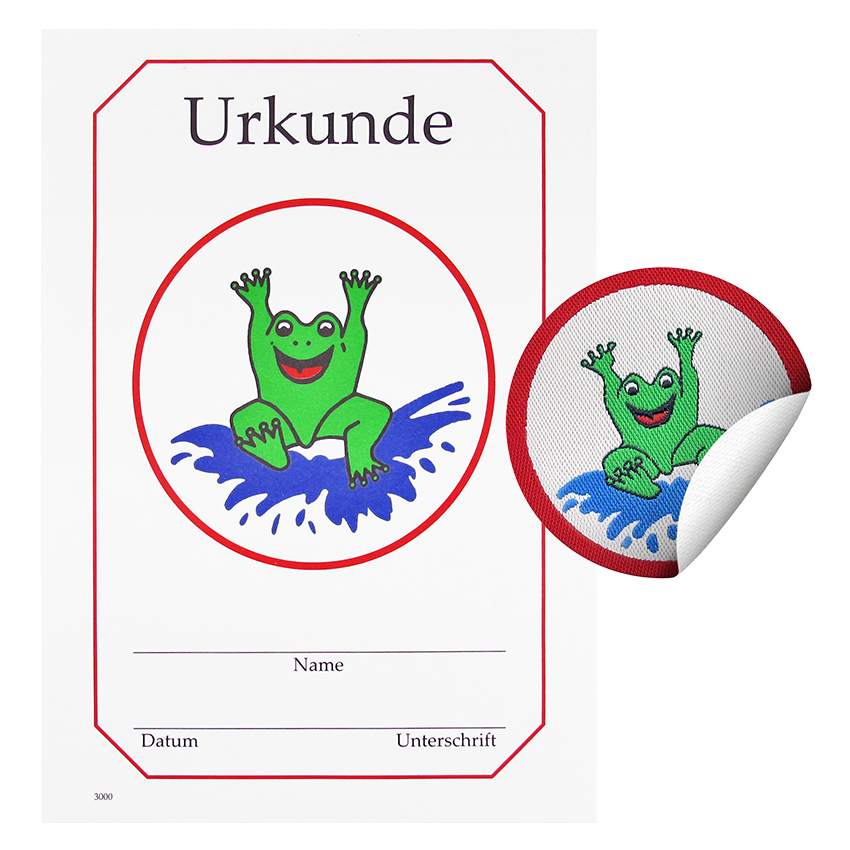
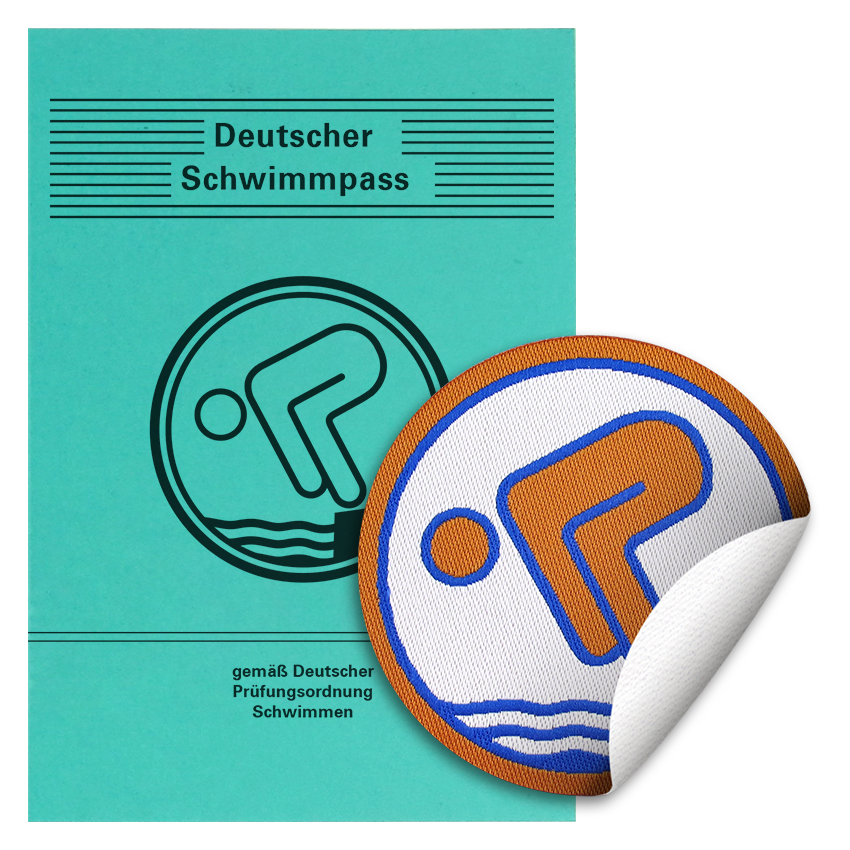
With Pimpertz, you benefit from 38 years of experience as an official partner of the DLRG and the BFS. Discover our diverse range of tested swimming badges, child-friendly certificates, and useful swimming accessories. This way, you can playfully accompany and motivate your child's progress. Take advantage of our exclusive bundle offers and personalized sets, perfectly tailored for swimming courses for toddlers. Let your little swimmer shine with a genuine official badge and give them a sense of pride and security.
Get started now and make learning to swim a joyful experience for your child. Find out more about our swimming badges and practical accessories at pimpertz.de and secure fast delivery with the best service. This way, the first swimming course is guaranteed to be a success.
Frequently Asked Questions
When can I enroll my child in a swimming course?
Your child can participate in a swimming course from the age of three. Make sure that the course is specifically designed for toddlers to ensure an age-appropriate approach.
How do I choose the right swimming course for my child?
Choose a swimming course that has qualified instructors with experience with three-year-olds. Pay attention to the group size and teaching methods to create a positive learning environment.
What should my child bring for the swimming course?
Your child should bring comfortable swimwear, swimming goggles, and possibly a swimming cap. Also, prepare a towel, change of clothes, and non-slip swimming shoes to increase comfort and safety.
How can I prepare my child for the swimming course?
Talk positively about swimming and engage in playful water activities together to increase anticipation. Practice simple water games in a paddling pool or during a shared bath to build confidence.
What swimming techniques should I teach my child first?
Start with the basics of breaststroke by practicing the correct body posture and simple leg movements. Use aids like kickboards to promote safety and make the exercises playful.
How can I check my child's progress in the swimming course?
Observe your child's new movements and skills in the water and praise every small improvement. Keep a simple progress diary to make successes visible and boost motivation.