
Swimming Lessons for Children: Learning to Swim Safely and with Fun
More and more children are learning to swim in preschool, and the demand for swimming lessons has risen sharply in recent years. Sounds like a great development, doesn't it? But even though the number of courses is growing, many courses are still booked up in a flash, and some families have to wait months for a spot. Up to 10 children often share a single instructor. So, if you want your child to learn to swim safely and with enjoyment, you should not only plan early but also pay attention to some surprising details that make all the difference.
Table of Contents
- Step 1: Choose the Right Swimming Course
- Step 2: Check Your Child's Swimming Gear
- Step 3: Register Your Child Early
- Step 4: Prepare Your Child for the Course
- Step 5: Monitor Progress During the Course
- Step 6: Organize a Final Review
Quick Summary
| Main Point | Explanation |
|---|---|
| 1. Choose an age-appropriate course | Consider your child's age and abilities when selecting a course. This maximizes learning success. |
| 2. Check swimming equipment | Ensure that the equipment fits well and meets the requirements of the swimming course. Safety and comfort are crucial. |
| 3. Register your child in time | Early registration secures a spot and allows for the best preparation for the course. Inform yourself thoroughly beforehand. |
| 4. Prepare your child emotionally | Foster positive expectations and self-confidence through open communication and playful exercises before the course. |
| 5. Actively support progress | Regularly talk to your child about the courses and their experiences to promote their motivation and development. |
Step 1: Choose the Right Swimming Course
The first step to your child's successful swimming education is carefully selecting the right swimming course. Not every course is equally suitable for every child, so an individual approach is crucial. Age group, swimming abilities, and personal developmental stage play a central role in this.
Age-Appropriate Course Selection
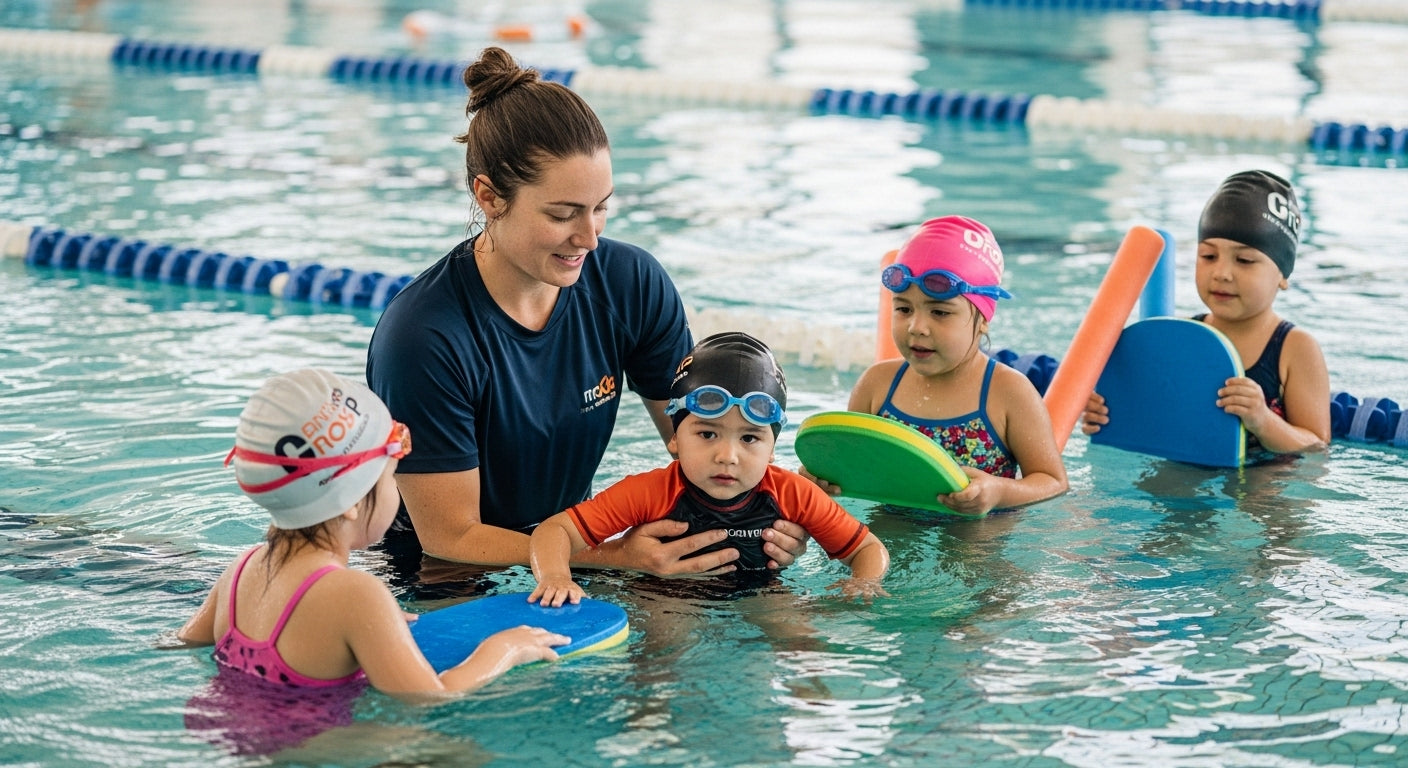
For children between three and six years old, swimming experts recommend specially designed courses that are playful and child-friendly. These courses focus less on technical swimming techniques and more on water acclimatization and building confidence. It is important for children to develop a joy for water and not feel afraid. Ensure that the instructor has experience with young children and employs a kind, patient approach.
For school children aged six and older, there are more advanced courses that systematically teach swimming techniques. Our guide to swimming courses provides detailed information on age-appropriate selection. Always consider your child's individual abilities and fears.
When choosing a course, parents should also pay attention to group sizes and supervision ratios. Ideally, there should be no more than eight to ten children per swimming instructor to ensure optimal supervision. Speak with the course instructors beforehand to get a feel for their pedagogical approach and ensure your child will be in good hands.
Step 2: Check Your Child's Swimming Gear
The right swimming gear is more than just a fashion accessory – it is crucial for safety, comfort, and enjoyment while learning to swim.
Before your child starts the swimming course, you should carefully assemble and check the equipment.
Choosing the Right Swimwear
Swimwear and swimming aids must fit perfectly to ensure maximum freedom of movement and safety. Make sure that swim shorts or a swimsuit fit snugly but not too tightly. Clothing that is too loose can hinder swimming. For beginners, experts recommend close-fitting models made of quick-drying material.
For younger children, swimming aids such as swim vests or swim belts are important. Our experts recommend informing yourself about age-appropriate swimming equipment to make the right choice. Important: Inflatable swimming aids are not a substitute for supervision and swimming lessons. They can provide additional safety but do not replace the vigilance of parents and instructors.
Another crucial aspect is the fit of swimming goggles and swim caps. Goggles should rest gently on the face without exerting pressure. Goggles that are too tight can be uncomfortable, while those that are too loose can let water in. Swim caps protect hair and reduce water resistance. Have your child try on the equipment before the course to avoid discomfort during swimming.
The following table provides an overview of the most important swimming equipment for beginners and their recommended features according to the article content.
| Equipment Item | Recommended Features | Purpose |
|---|---|---|
| Swimwear | Snug-fitting, elastic, quick-drying | Freedom of movement and comfort |
| Swimming Aid | Age-appropriate, swim vest or belt | Safety for non-swimmers |
| Swimming Goggles | Gently fitting, not too tight/loose | Eye protection, clear vision underwater |
| Swim Cap | Good fit | Hair protection, less water resistance |
Step 3: Register Your Child Early
Registering for a swimming course is a crucial moment in your child's swimming education. Timeliness and preparation are key to success here. Swimming courses are often in high demand and can fill up quickly, especially during the summer months and school holidays.
Preparatory Steps for Registration
Before registering your child, you should consider a few important aspects. First, research local swimming schools and courses in your area. Talk to other parents, consult sports clubs, or inquire at municipal swimming pools about available courses. Our guide will help you choose the right swimming course to find the best option for your child.
When registering, pay attention to details such as group size, training times, and age groups. Ideal courses have a maximum of 8-10 children per instructor to ensure individual attention. Ask about trial lessons or introductory courses to find out if the course suits your child. Many swimming schools offer introductory appointments where children and parents can get to know the environment and the instructor. Prepare your child emotionally for the course by talking positively about learning to swim and building anticipation.
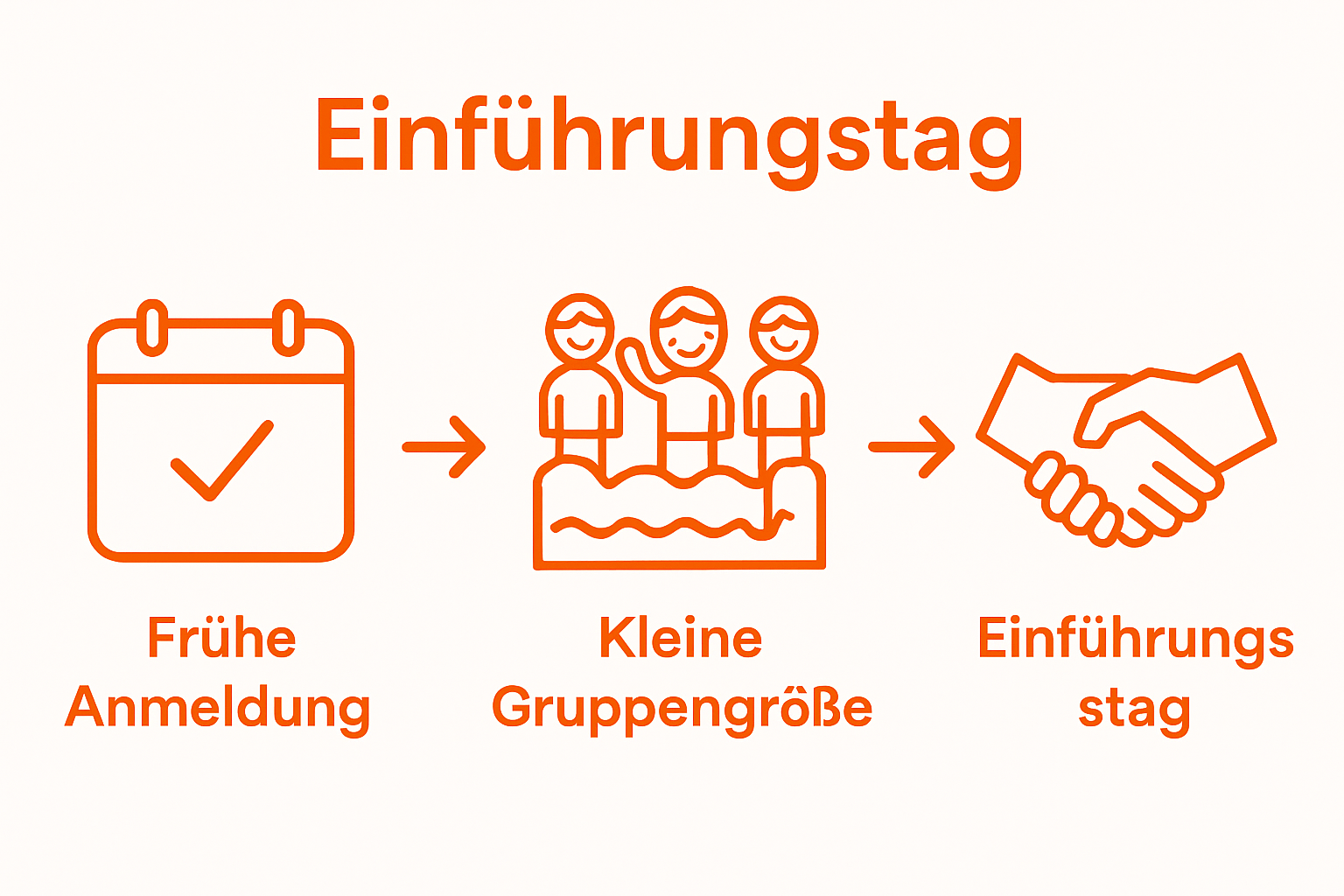 Open, encouraging communication helps reduce possible fears and increase motivation.
Step 4: Prepare Your Child for the Course
Mental and emotional preparation is just as important as physical equipment for the upcoming swimming course. Positive anticipation and trust can massively influence your child's learning success. A child who feels safe and motivated will approach swimming lessons with more enthusiasm and openness.
Emotional Preparation and Building Trust
Talk openly and positively with your child about the upcoming swimming course. Avoid statements that could cause fear, and instead focus on the exciting aspects of learning to swim. Tell them about the friends they will meet, the cool swimming techniques they will learn, and how proud you will be when they can swim. Our guide offers further tips for preparing children for swimming courses to reduce fears and build anticipation.
Practical preparatory exercises can give the child additional security. Practice water acclimatization together in the bathtub or while splashing in a paddling pool. Show basic movements such as scooping water, submerging the face underwater, and simple gliding movements. These playful activities help build confidence and gently prepare motor skills. Also, let your child try on the swimming equipment several times before the course so they get used to it and feel comfortable. A positive attitude and playful preparation are key to a successful start in the swimming course.
Step 5: Monitor Progress During the Course
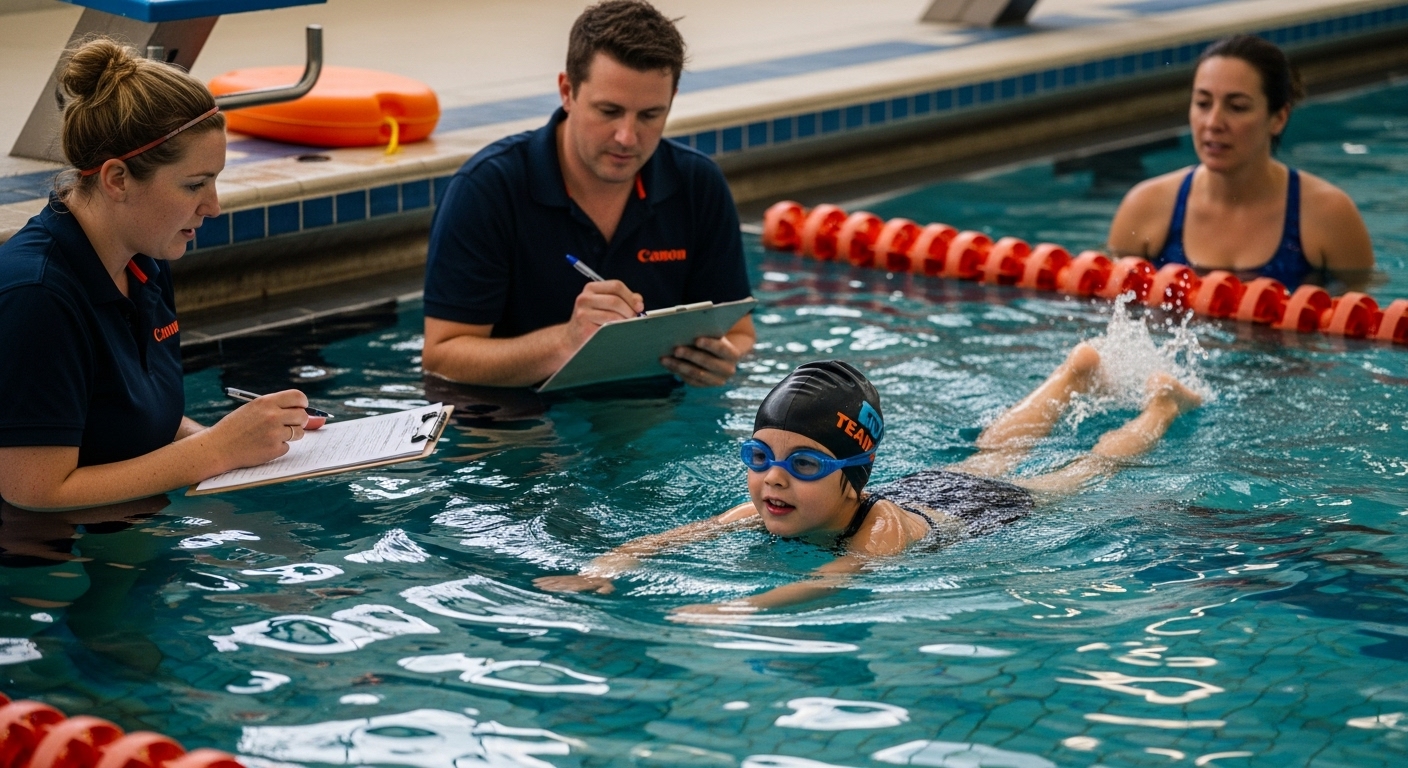
The swimming course is a journey full of challenges and successes, where your active involvement is crucial. Regular communication and attentive observation help your child make progress and overcome challenges. Parental support can make the difference between frustration and motivation.
To give you a quick overview of the most important steps, we have summarized the individual phases of learning to swim for children in this table.
| Step | Description | Difficulty Level | Key Result |
|---|---|---|---|
| Course Selection | Choose a suitable course according to age/ability | Medium | Course meets individual needs |
| Swimming Equipment | Check and select appropriate clothing/equipment | Easy | Child is safely & comfortably equipped |
| Registration | Timely registration and information gathering | Easy | Spot secured in desired course |
| Emotional Preparation | Open conversations, practicing water acclimatization | Medium | Child is motivated and fearless |
| Course Support | Observe progress, communicate regularly | Medium | Continuous development and motivation |
| Final Check | Participation in exam, celebrating learning successes | Medium | Certificate or badge as a reward |
Communication and Support
After each swimming lesson, take time to talk with your child about their experiences. Don't just ask about technical details, but also listen to the emotional aspects. Which exercises were fun? Were there moments of uncertainty? Our guide for swimming courses provides additional insights into monitoring progress to optimize your support.
Pay attention to subtle changes in self-confidence and physical movement. A child who initially feared water and is now bravely trying swimming movements shows significant progress. Talk regularly with the swimming instructor to get a comprehensive picture of their development. Ask about specific exercises you can support at home and areas where your child might need additional encouragement. Always remain positive and constructive to maintain your child's motivation.
Step 6: Organize a Final Review
Completing a swimming course is more than just a final lesson. It's a significant moment where your children can demonstrate their newly acquired skills and acknowledge their progress. A structured review helps document learning achievements and boost your child's self-confidence.
Preparation and Execution of the Review
Speak with the swimming instructor in good time about the details of the final assessment. This should not be seen as a threat, but as an opportunity to showcase learned skills. A positive, encouraging atmosphere is important to instill joy and pride in the child. Our guide to issuing swimming certificates provides additional insights into this process.
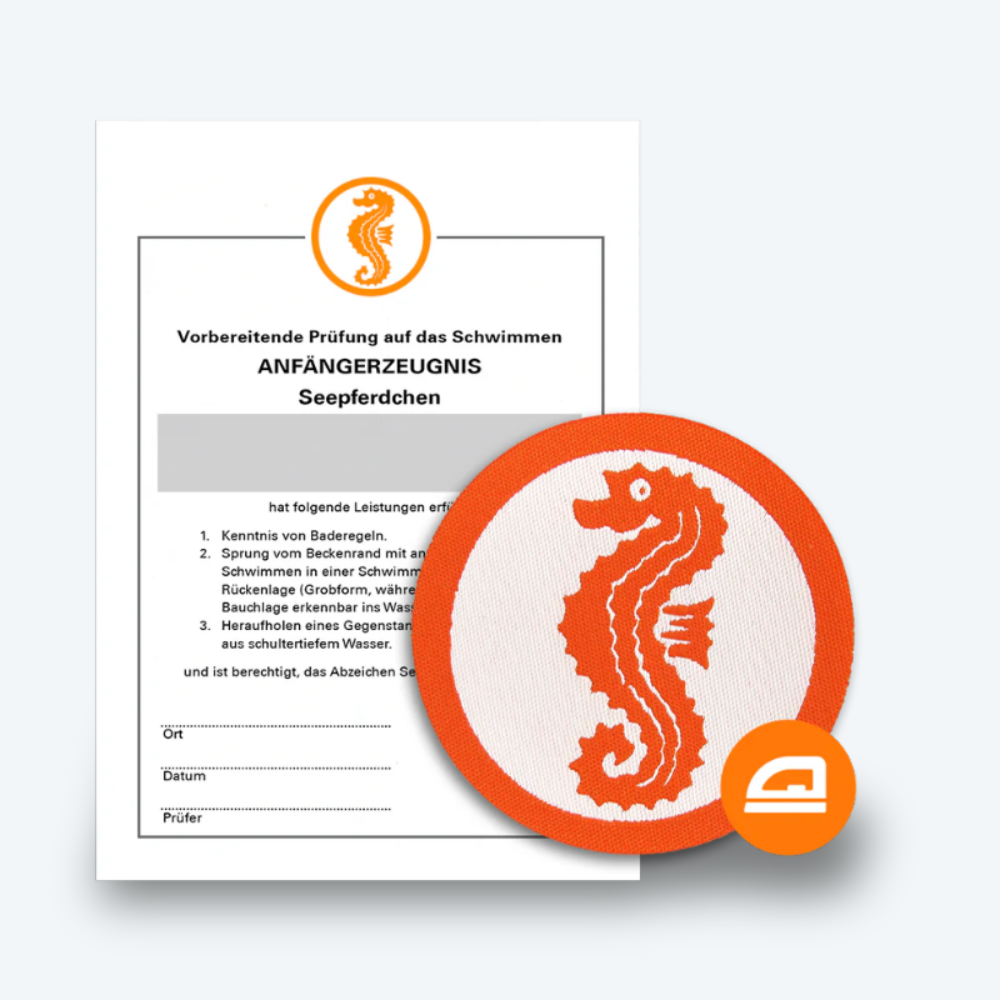
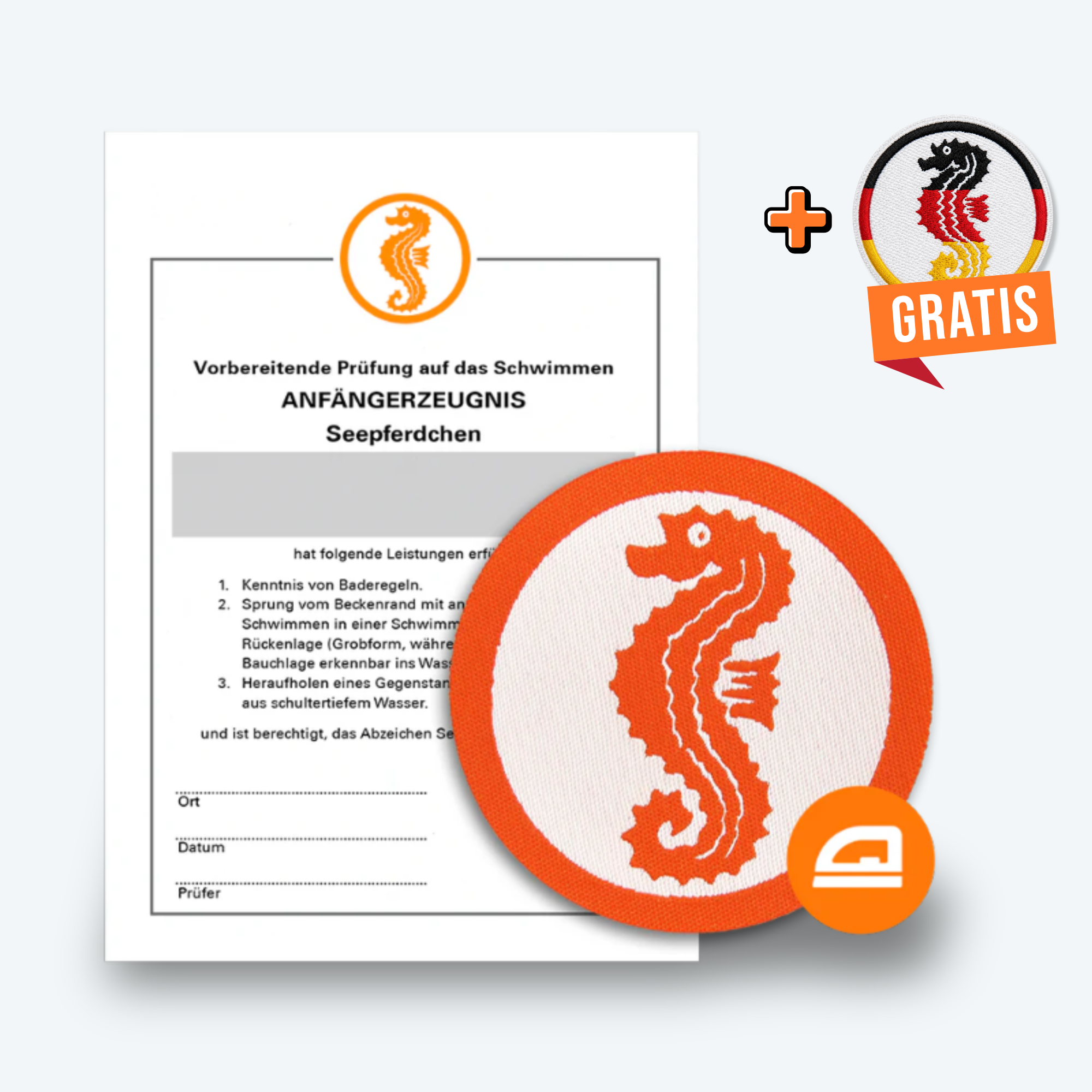
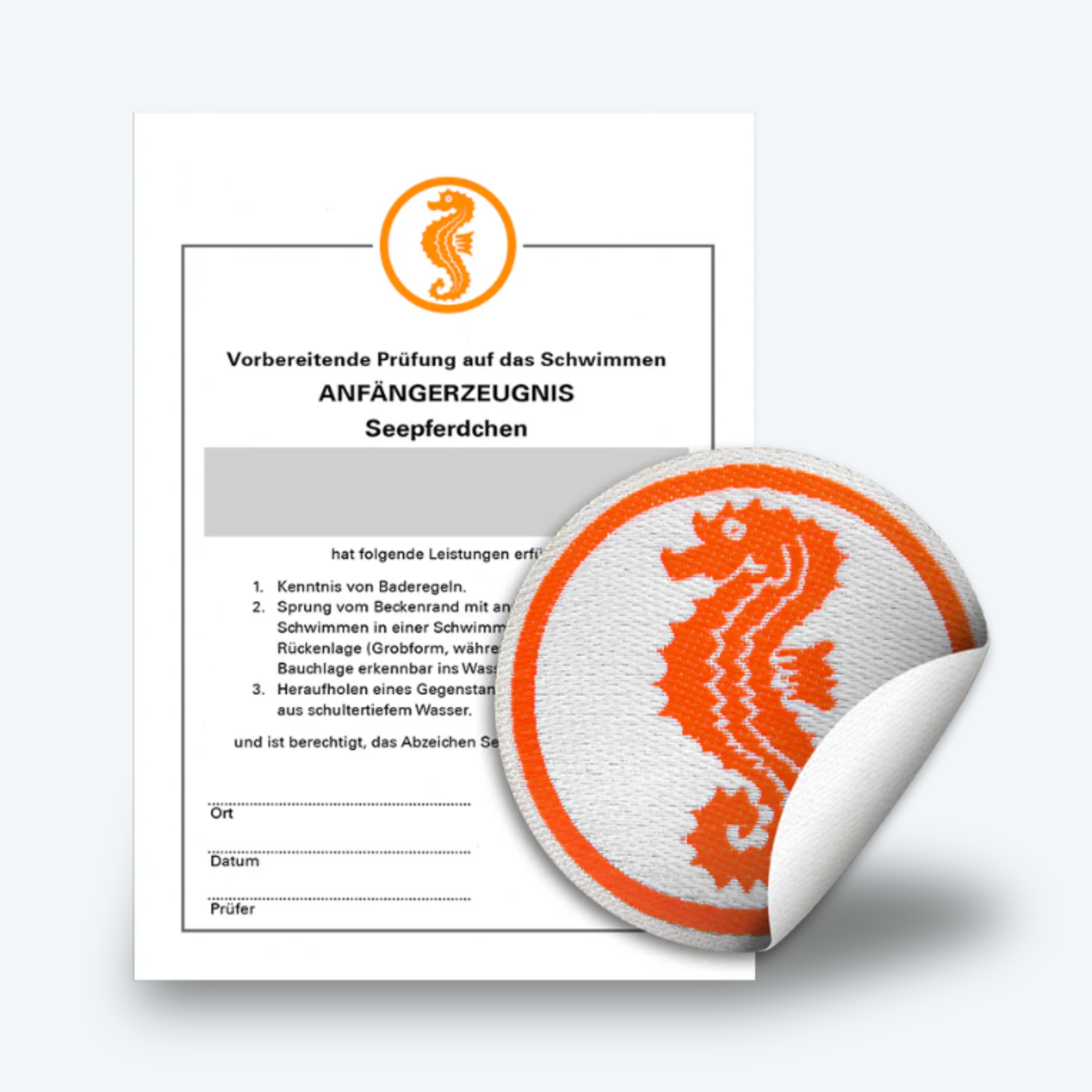
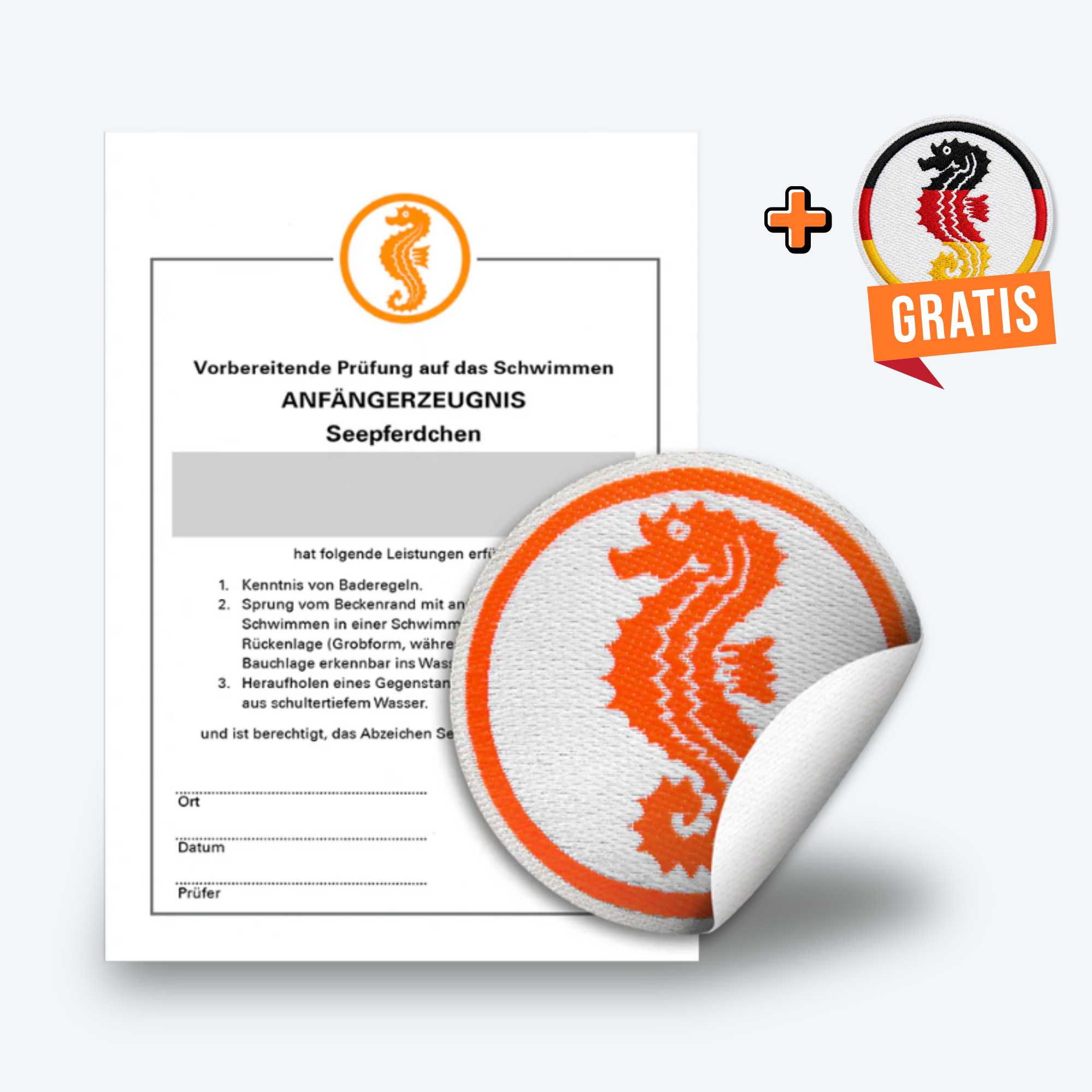
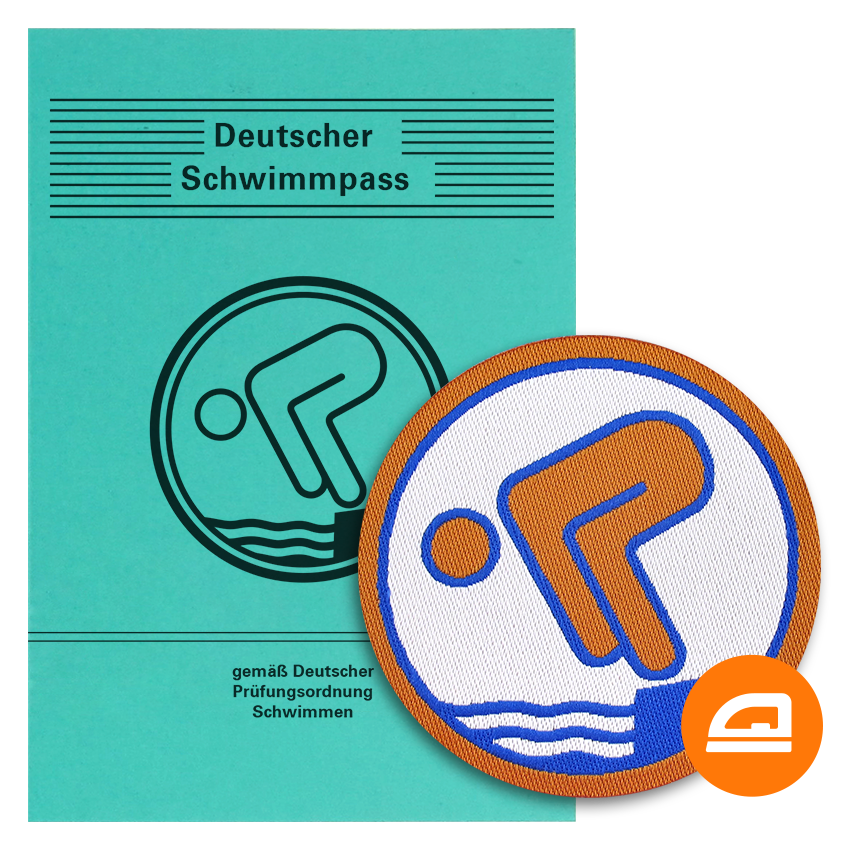
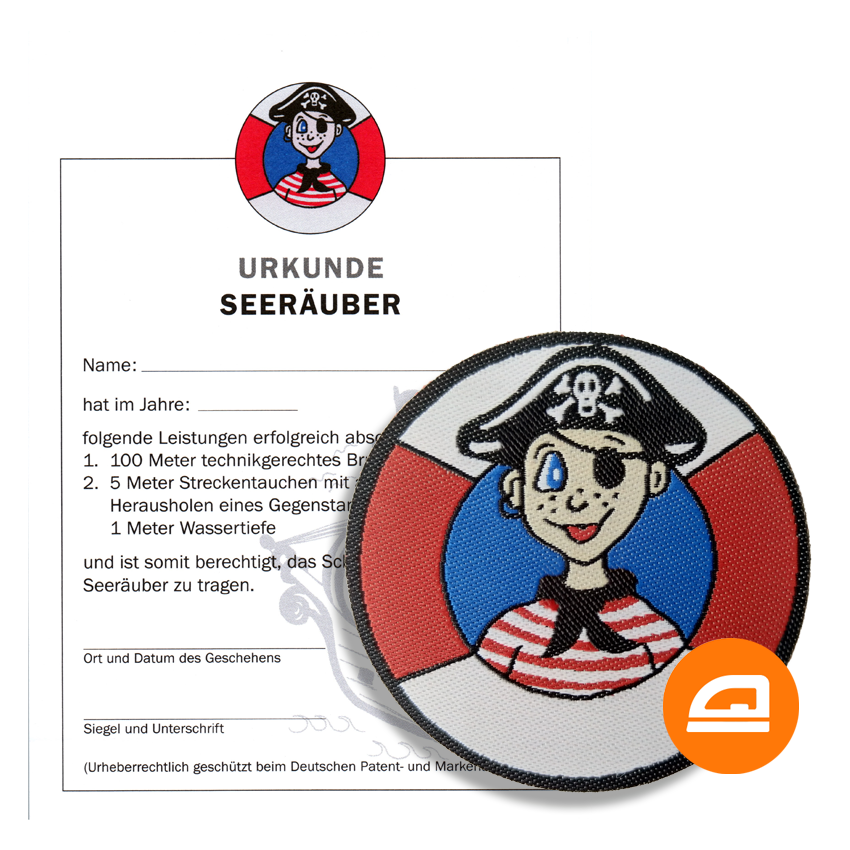
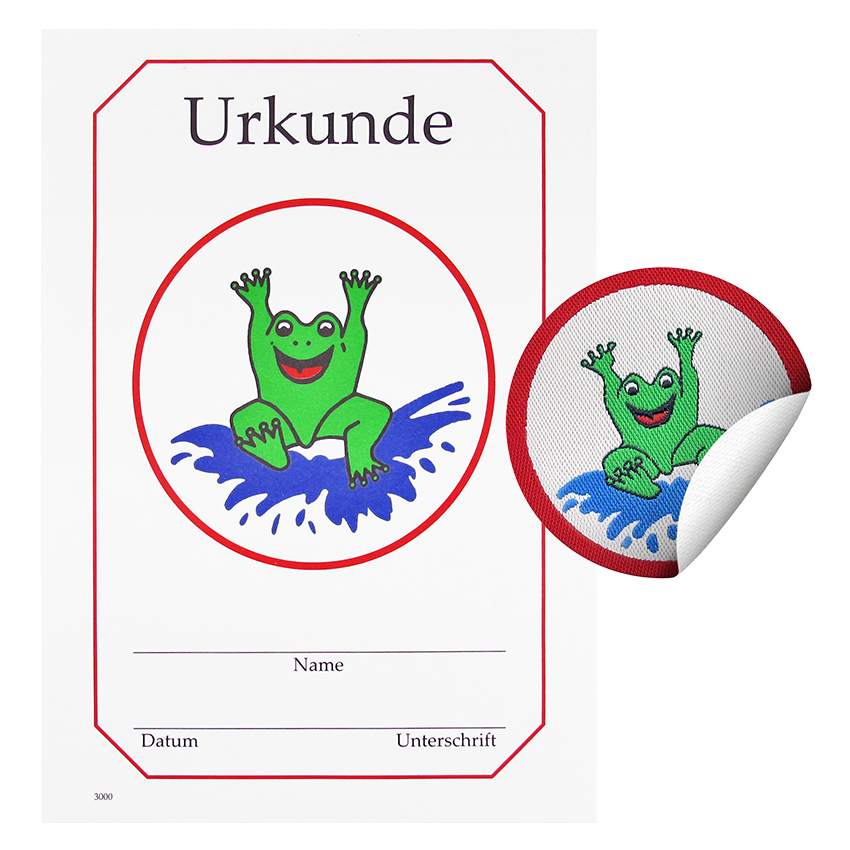
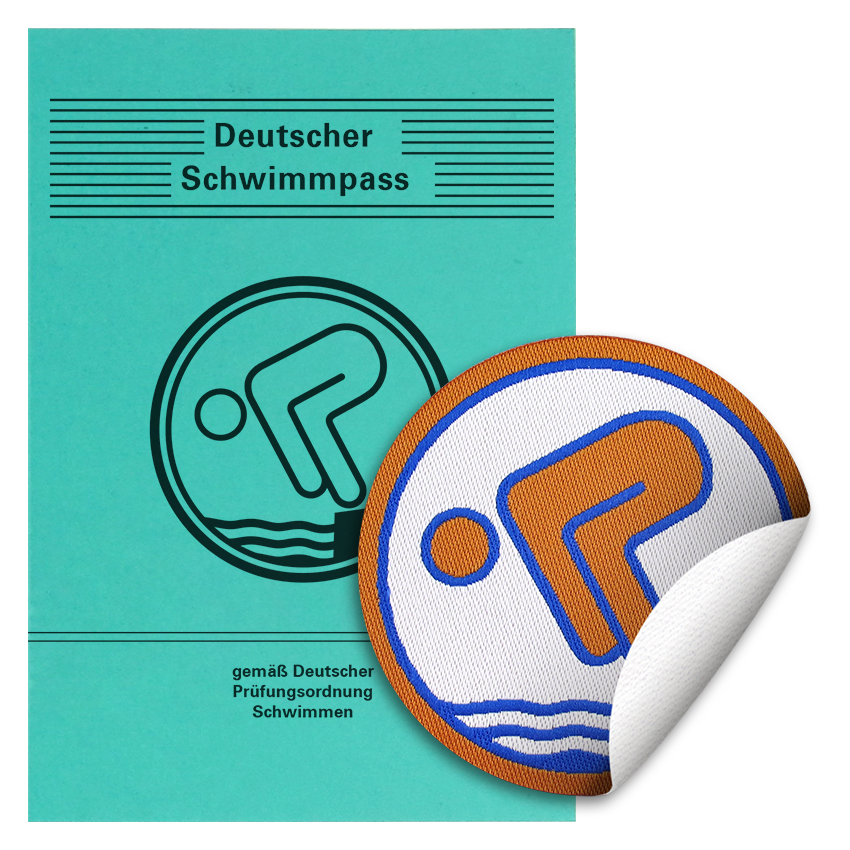
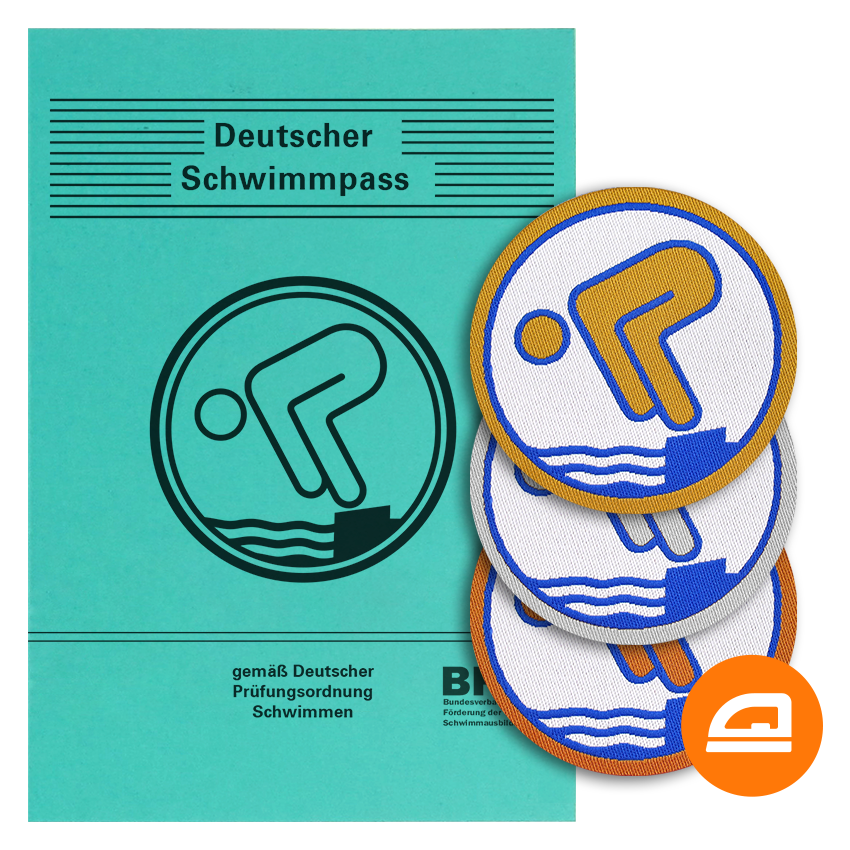
The review typically involves demonstrating basic swimming techniques such as water entry, gliding movements, swimming a short distance, and safety exercises like treading water and simple rescue techniques. Encourage your child to present what they have learned without performance pressure. Successful completion is often rewarded with a certificate or badge—a fantastic motivator for further athletic development. Celebrate this achievement together and show your child how proud you are of their progress.
Your Child Deserves a Successful Start to Learning to Swim
You want your child to learn to swim safely and proudly receive their first swimming badge. Often, the challenges are great. Choosing the right swimming course, suitable equipment, and motivating the child are concerns for many parents. Additionally, there's the question of how to document your child's successes long-term. This is where Pimpertz supports you. We offer original certified swimming badges and personalized certificate packages that help your children achieve goals and increase their joy in swimming. We also provide individual sets for swimming courses and child-friendly swimming accessories for a motivating start. Trust in decades of experience and official collaboration with DLRG and BFS.
Take the next step for your child now. Discover our extensive range at Pimpertz – Swimming Badges and Accessories and learn how you can make your child's swimming course unforgettable with our certificates and collection albums. Order today for fast delivery and give your child's learning success a special place. Fair advice and the highest quality can be found directly at pimpertz.de.
Frequently Asked Questions
What should I consider when choosing a swimming course for my child?
Pay attention to the age group, individual swimming abilities, and the pedagogical approach of the instructor. Ideally, there should be smaller group sizes of maximum 8-10 children per instructor.
Which swimming equipment is recommended for beginners?
Beginners should wear snug-fitting swimwear, appropriate swimming aids like swim vests, and well-fitting swimming goggles. Ensure that the equipment provides safety and freedom of movement.
How can I prepare my child emotionally for the swimming course?
Positive conversations about the swimming course, sharing exciting aspects of swimming, and practical exercises in the water can help reduce fears and build anticipation.
How can I monitor my child's progress in the swimming course?
After each swimming course, talk to your child about their experiences, observe changes in self-confidence, and communicate regularly with the swimming instructor about any potential support needs.
Recommendation
- 7 Important Tips for Parents and Coaches to Teach Swimming
- Swimming Course 3 Years: Teaching Children to Swim Safely
- Swimming Course from 3: Teaching Children to Swim Safely
- Swimming Course 4 Years: Learning Safe Swimming for Children