
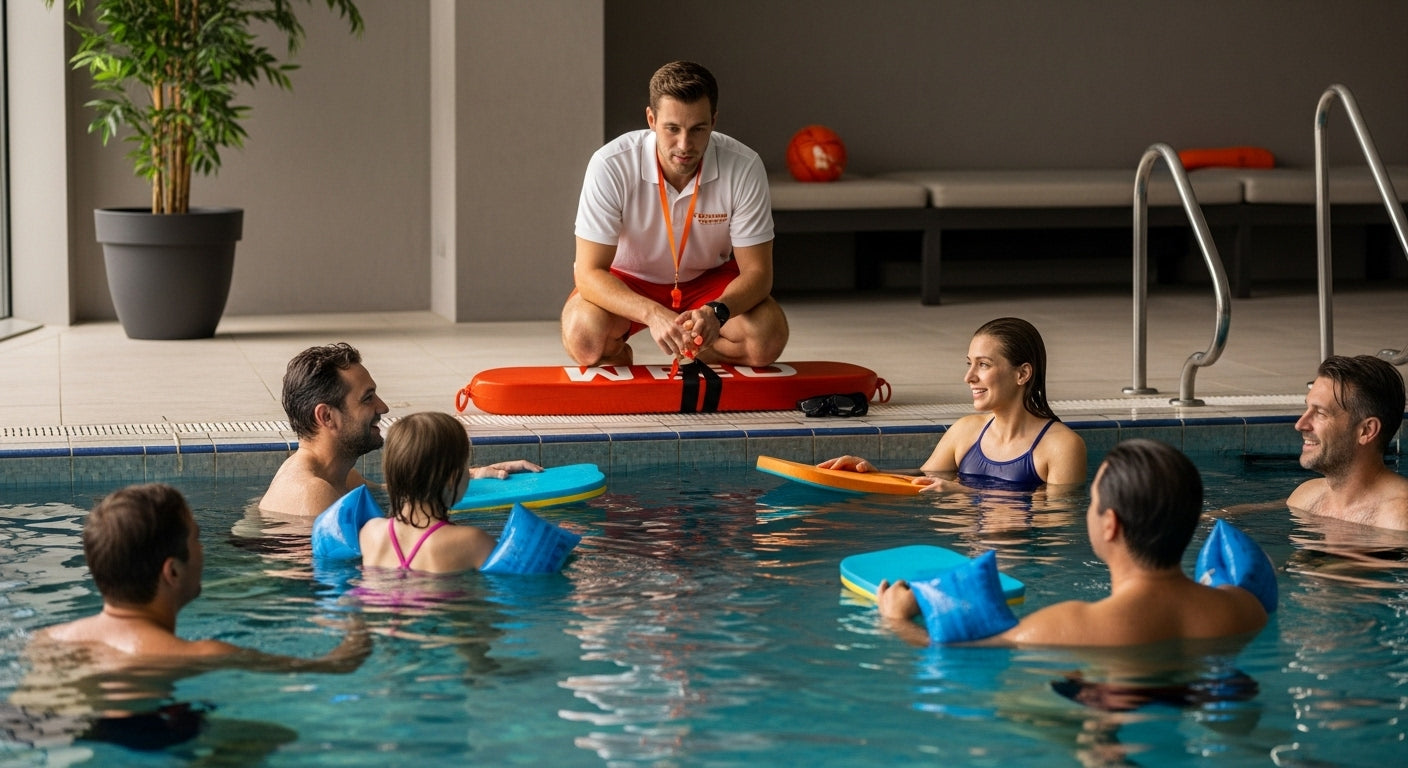
Pool Safety: What You Should Know
Swimming pools attract millions of people every year for sports, fun, and recreation. Yet, many overlook the hidden dangers lurking in these places. According to the German Life Saving Association (Deutsche Lebens-Rettungs-Gesellschaft), numerous children are in danger in the water every year. However, the real secret to safe swimming pools lies less in swimming itself, and more in the combination of awareness, professional supervision, and consistent rules.
Table of Contents
- Understanding Safety Aspects in Swimming Pools
- The Importance of Safety for Children and Families
- How Swimming Pools Are Monitored and Regulated
- Essential Components for Safe Swimming
- Influence of Education and Training on Safety
Quick Summary
| Takeaway | Explanation |
|---|---|
| Pool safety starts with awareness | Bathers must be aware of the risks in the swimming pool to ensure they protect themselves and others. |
| Child safety is crucial | Parents should always supervise their children and ensure they develop swimming skills and understand risks. |
| Professional supervision is essential | Lifeguards are necessary to detect dangers early, act quickly, and ensure safety. |
| Conduct regular safety checks | Pool operations must undergo regular inspections and checks to maintain hygiene and safety standards. |
| Education and training are continuously necessary | Swimmers should continuously train and update their knowledge of safety techniques to act effectively. |
Understanding Safety Aspects in Swimming Pools
Swimming pools are popular places for relaxation, sports, and fun. At the same time, they require a high degree of safety awareness to minimize risks and ensure a pleasant stay for all bathers. Safety aspects encompass more than just swimming itself.
Understanding Basic Safety Risks
Various hazard areas exist in swimming pools that must be carefully observed. These include:
- Slippery floor surfaces around pools and in shower areas
- Depth differences in the swimming pool
- Possible overcrowding and jostling
- Hygienic challenges such as germ contamination
Each of these aspects requires specific prevention measures and attentive behavior. Water safety begins with awareness and does not end with individual swimming abilities.
The following provides an overview of central safety risks in swimming pools and their typical manifestations to highlight the importance of targeted preventive measures.
| Safety Risk | Description | Typical Consequences |
|---|---|---|
| Slippery floor surfaces | Wet areas around pools and showers | Falls, bruises, injuries |
| Depth differences | Sudden changes in water depth | Drowning risk, uncertainty |
| Overcrowding and jostling | High visitor numbers, poor overview | Crowding, panic, accidents |
| Hygienic challenges | Danger from germs and contamination | Infections, health problems |
| Lack of supervision | Unsupervised children in the water | Increased risk of accidents and drowning |
Importance of Professional Supervision
Professional lifeguards play a crucial role in ensuring safety. They are trained to recognize potential danger situations early and react quickly. According to the German Lifesaving Society, well-trained rescue personnel can save lives and prevent serious accidents.
The most important safety measures include:
- Permanent visual monitoring of swimming areas
- Clear communication of rules of conduct
- Immediate intervention in dangerous situations
- Regular safety training for pool staff
To improve your swimming safety, we also recommend our comprehensive guide to learning to swim, which explains important fundamentals and safety aspects in detail.
Swimming pool safety is a shared responsibility of bathers, staff, and operators. Through attentive behavior, respectful interaction, and continuous training, we can minimize risks and ensure a safe, relaxed swimming experience for everyone.
The Importance of Safety for Children and Families
A visit to the swimming pool is a popular family experience, but it requires careful safety planning. Children are particularly vulnerable because they often lack the ability to assess risks. Studies by the German Lifesaving Society show that numerous children are at risk in the water each year.
Risk Factors for Children in Swimming Pools
Children differ fundamentally from adults in their perception and reaction capabilities. Important risk factors include:
- Limited swimming abilities
- Lack of hazard assessment
- Quick fatigue in the water
- Unpredictable movements
- Distractibility due to play situations
Parents must always keep these factors in mind and actively implement protective measures. Permanent supervision is not an option, but a duty.
Practical Safety Strategies for Families
To ensure water safety, experts recommend multi-layered protection concepts. Child-friendly swim training forms the basis for safe behavior in the water.
Important strategies include:
- Early swimming lessons for children
- Constant parental supervision
- Using age-appropriate swimming aids
- Establishing clear rules of conduct
- Regular practice of safety techniques
Through consistent preparation and education, families can significantly reduce the risk of water incidents. Swimming pool fun means safety and responsibility for all involved.
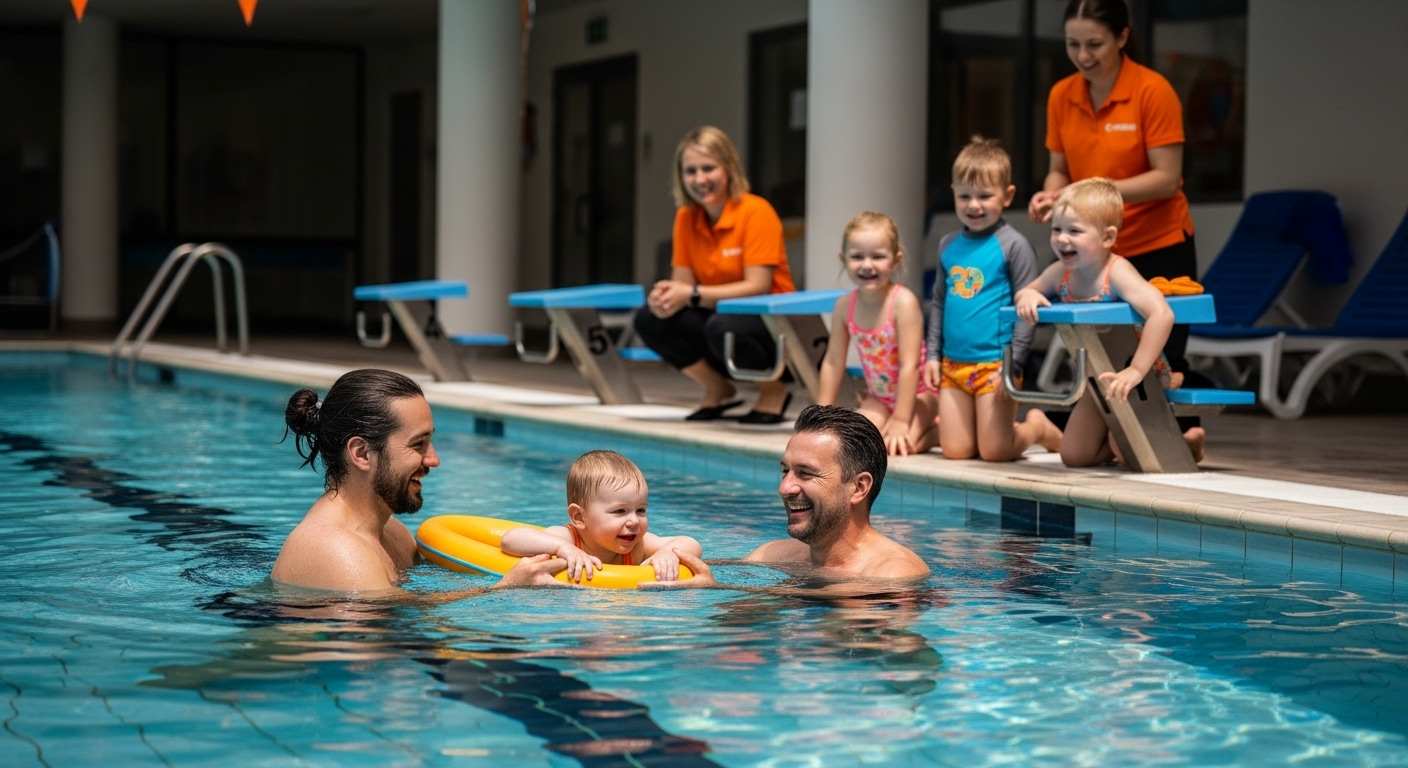
How Swimming Pools Are Monitored and Regulated
The safety of swimming pools is based on a complex system of regulations, controls, and professional supervision. Government authorities and specialized organizations play a crucial role in ensuring hygiene and safety standards. According to studies by the Federal Environment Agency, swimming pools are subject to strict regular inspections.
Legal Basis and Norms
The regulation of swimming pools is governed by various legal frameworks. Important norms include:
- DIN 19643 Swimming Pool Standard
- Infection Protection Act
- State-specific health regulations
- Technical safety regulations
Every standard aims to minimize risks and ensure the highest possible level of safety. Compliance with these regulations is mandatory for operators and is regularly checked.
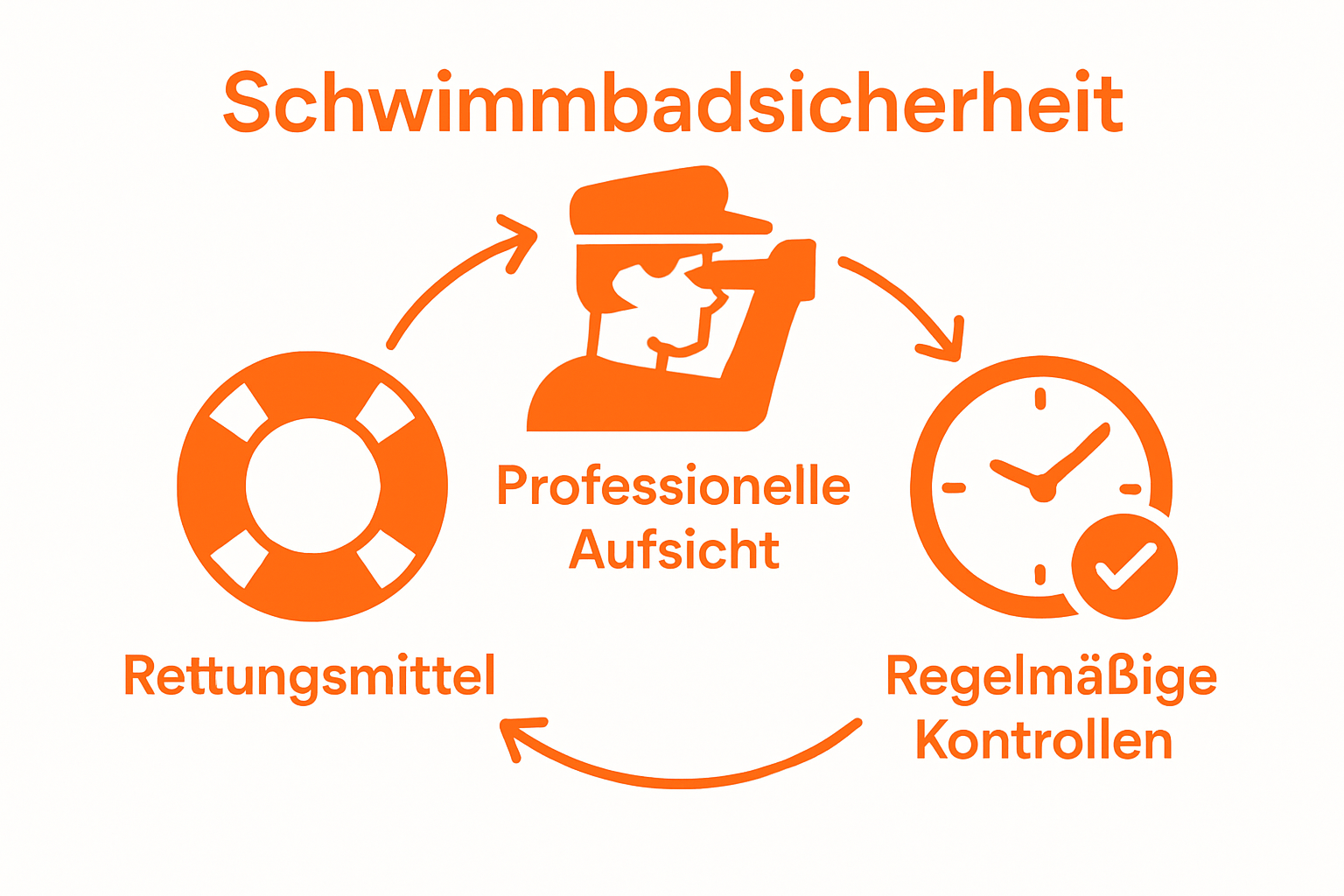
Control Mechanisms and Review Procedures
Swimming pools undergo multi-layered control processes. For swimming enthusiasts, our guide offers additional information on safety aspects.
Key review procedures include:
- Regular water quality tests
- Technical equipment inspections
- Hygiene inspections
- Safety-technical controls
- Inspection of rescue equipment
Responsibility for swimming pool safety lies not only with authorities but also requires the cooperation of all involved parties. Transparency, professionalism, and continuous training are key elements of successful safety management.
Essential Components for Safe Swimming
Safe swimming requires more than just mastering swimming techniques. The combination of equipment, technique, and awareness forms the basis for a safe water experience. Expert studies by the German Life Saving Association emphasize the importance of holistic safety competencies.
Physical and Technical Requirements
A safe swimmer is characterized by several core competencies:
- Mastery of basic swimming techniques
- Good physical fitness
- Mental control and stress resistance
- Understanding of water currents
- Correct breathing techniques
Swimming skills develop through continuous training and professional guidance. Important is not only the technique but also the understanding of potential dangerous situations.
Equipment and Safety Gear
Proper equipment plays a crucial role in safety. Our swimming accessory recommendations offer helpful guidance for beginners and advanced swimmers.
Essential safety components include:
- Proper life jacket
- Well-fitting swimming goggles
- Suitable swimming aids
- Lifebuoy or rescue buoy
- Functional swimwear
The combination of knowledge, technique, and appropriate equipment forms the basis for a safe and successful swimming experience.
This table provides a structured comparison of the essential components for safe swimming and illustrates which core areas must be combined for maximum water safety.
| Component | Example Requirements | Role in Safety |
|---|---|---|
| Swimming technique | Breaststroke, backstroke, freestyle | Enables safe movement in water |
| Physical fitness | Endurance, strength, flexibility | Reduces fatigue risk, increases performance |
| Safety equipment | Life jacket, swimming goggles, lifebuoy | Increases protection and emergency preparedness |
| Mental awareness | Hazard assessment, stress management | Prevents risky behavior |
| Regular training | Swimming lessons, rescue drills | Consolidates competence and routine |
| Continuous education and respectful handling of water challenges are crucial. |
Influence of Education and Training on Safety
Professional swim training is more than athletic training – it is a crucial safety factor. Systematic training forms the basis for competent and safe behavior in the water. Studies by the German Swimming Federation highlight the significant correlation between qualified training and water safety.
Fundamentals of Swim Training
Professional swim training encompasses much more than just swimming techniques. Central training goals include:
- Learning correct swimming techniques
- Developing water awareness
- Stress management in dangerous situations
- Mastering rescue techniques
- Understanding physical water principles
Systematic training creates safety through competence. The more comprehensive the training, the better the ability to react calmly even in challenging situations.
Advanced Training Concepts
Beyond fundamentals, specialized safety training exists. For detailed swim course information, we recommend our guide, which explains various training levels.
Important training aspects include:
- Simulation of emergency scenarios
- Self-rescue techniques
- Group rescue drills
- Psychological safety training
- Conditioning preparation
Education and training are not one-time events but lifelong processes. Regular practice, critical self-reflection, and continuous education are keys to sustained water safety.
Implementing Swimming Pool Safety Optimally – On the Safe Side with Pimpertz
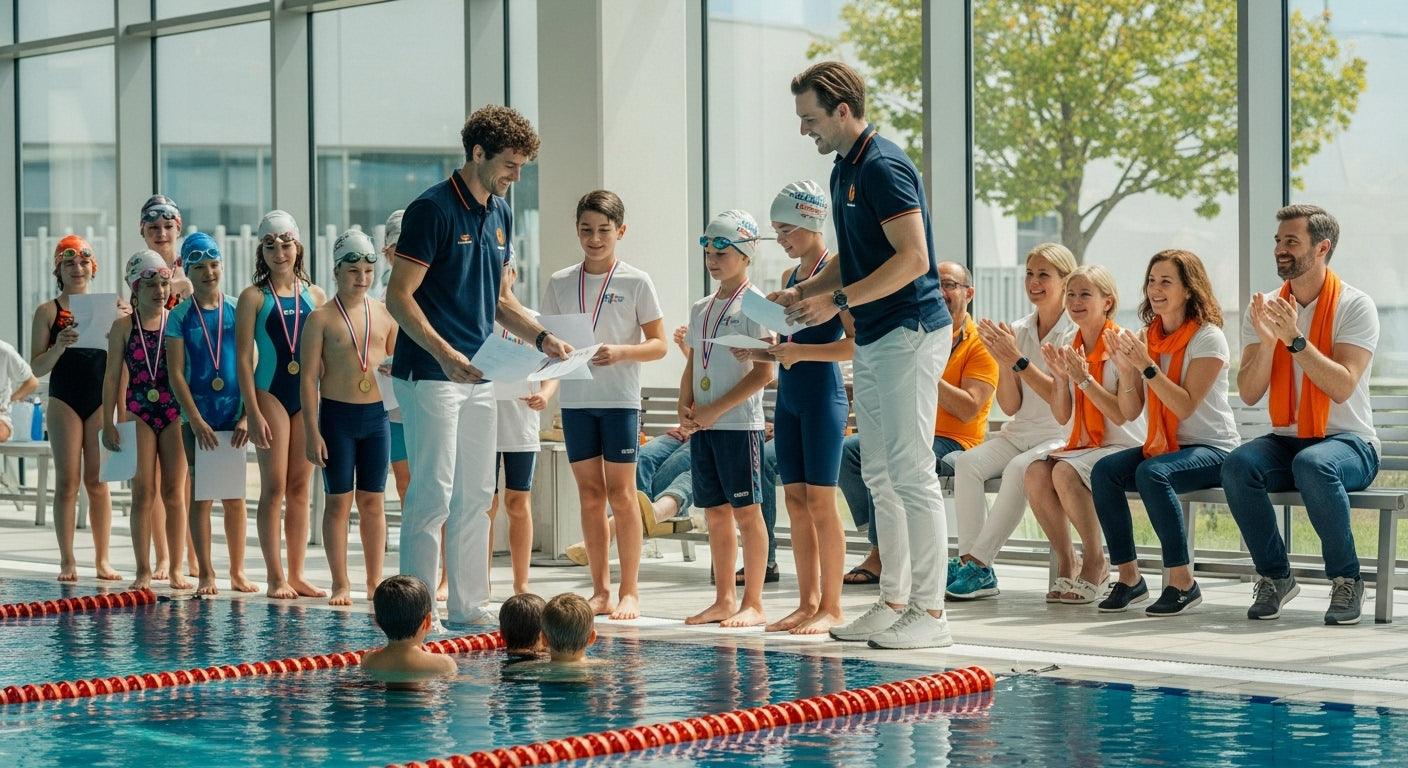
Safety in the swimming pool is more than just attention and supervision. The goal of every parent and club is to optimally protect children, clearly recognize risks, and be prepared for emergencies. However, often the right badge or accessory is missing to make learning successes and correct behavior in the water visible. Those who rely on official quality, durability, and professional solutions face the challenge of finding a competent and fast partner that even rescue services and schools trust.
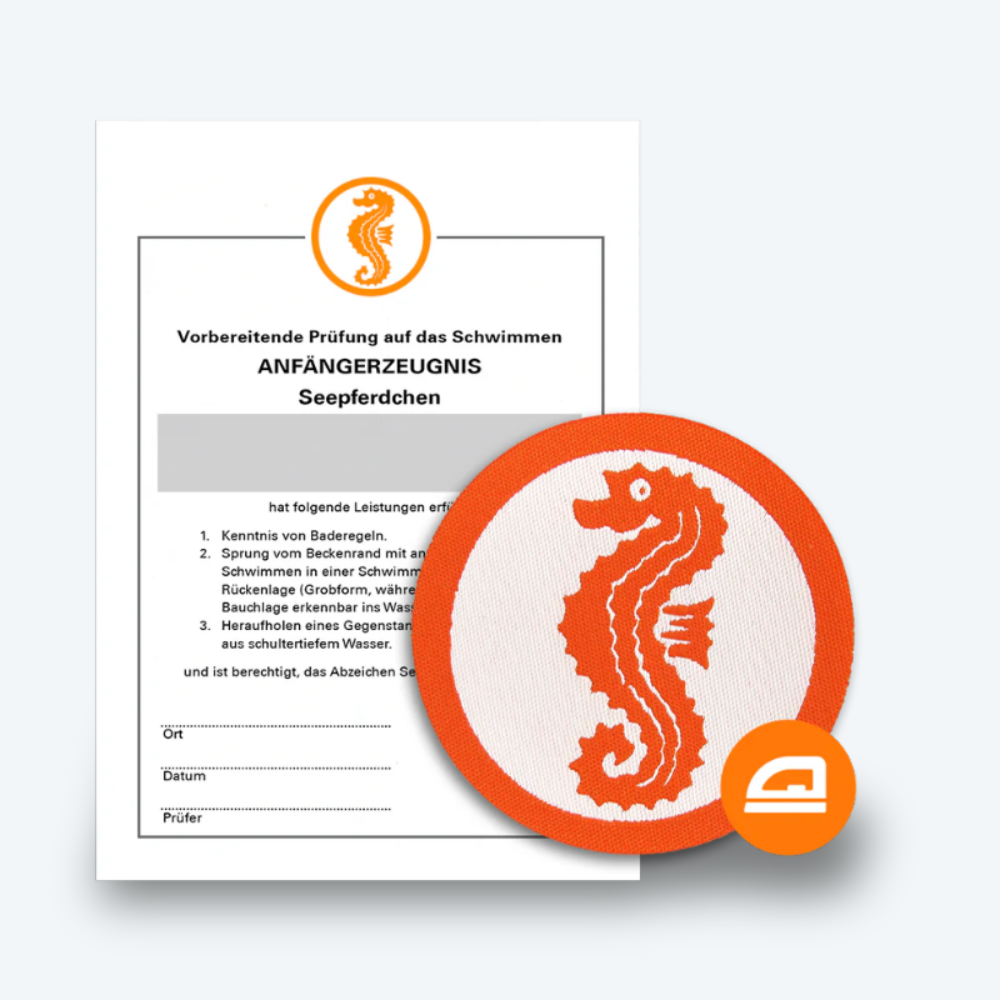
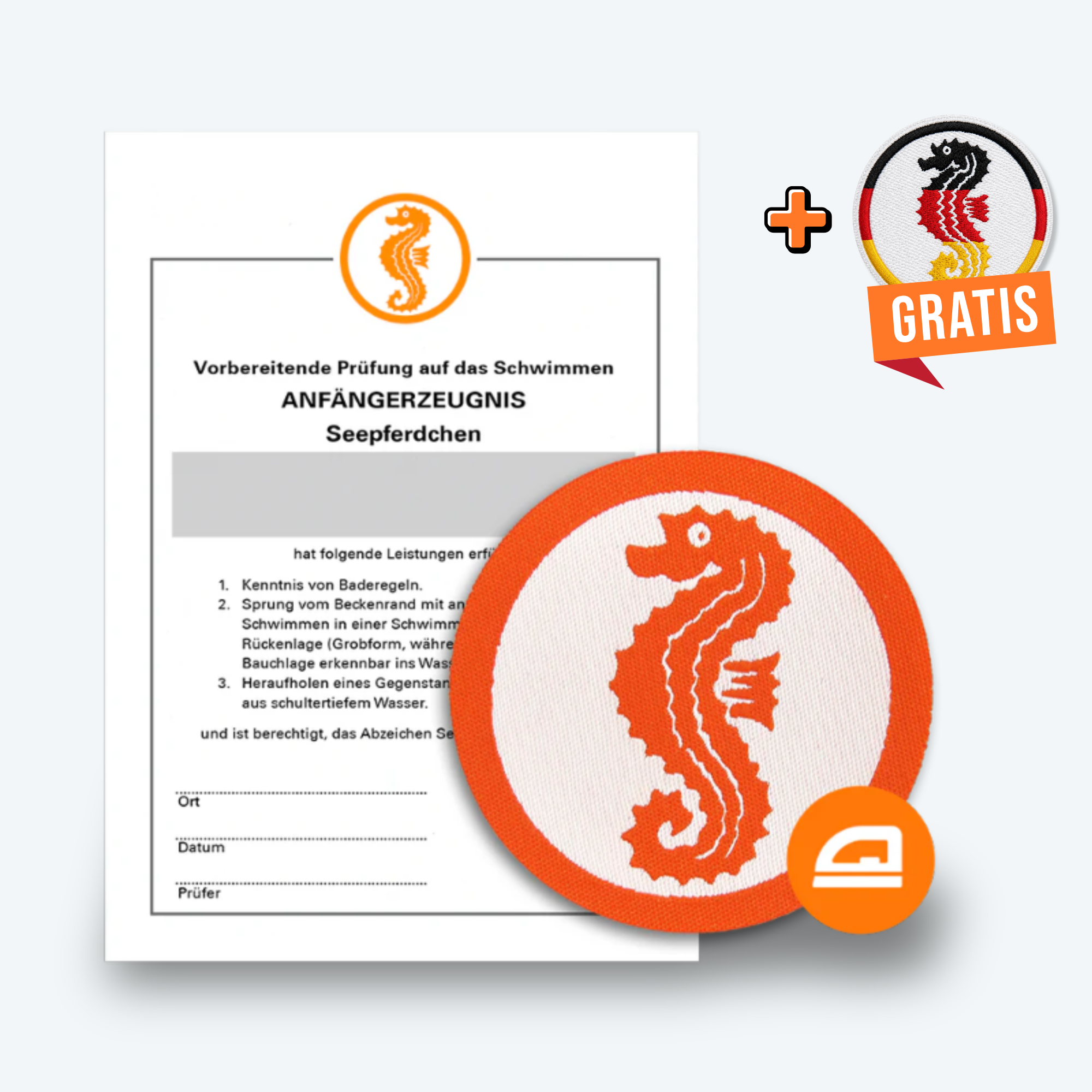
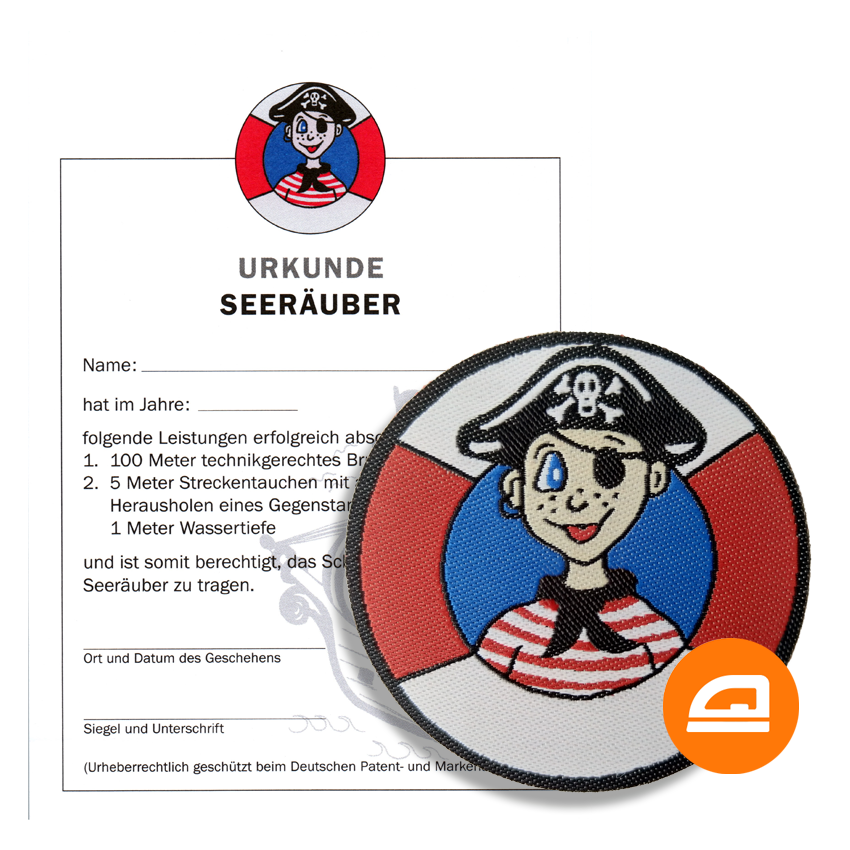
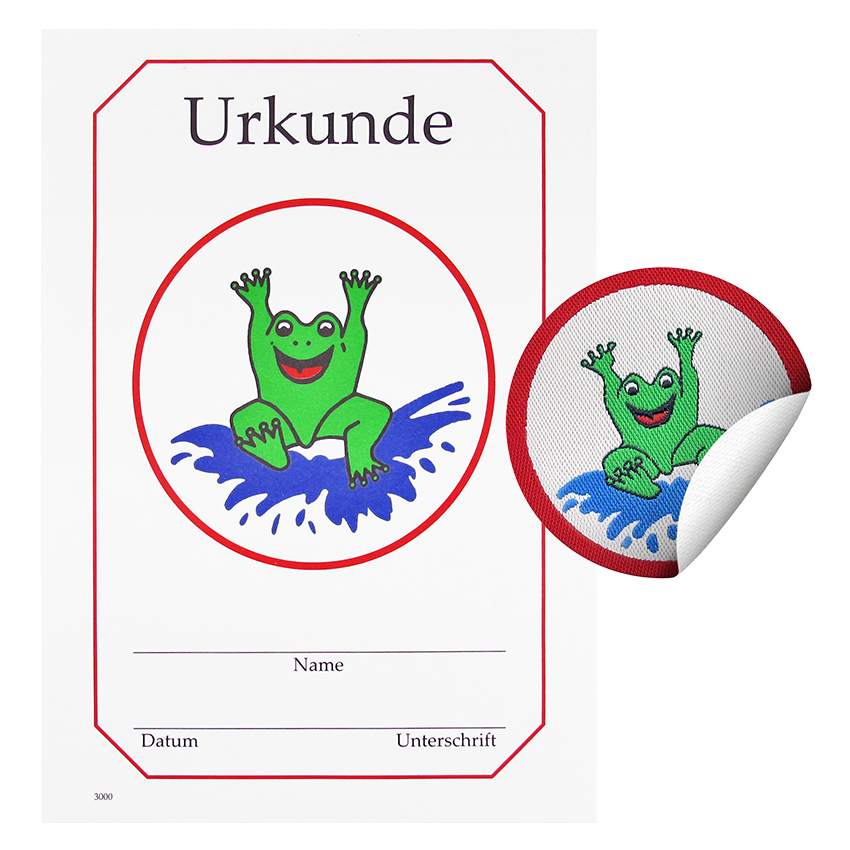
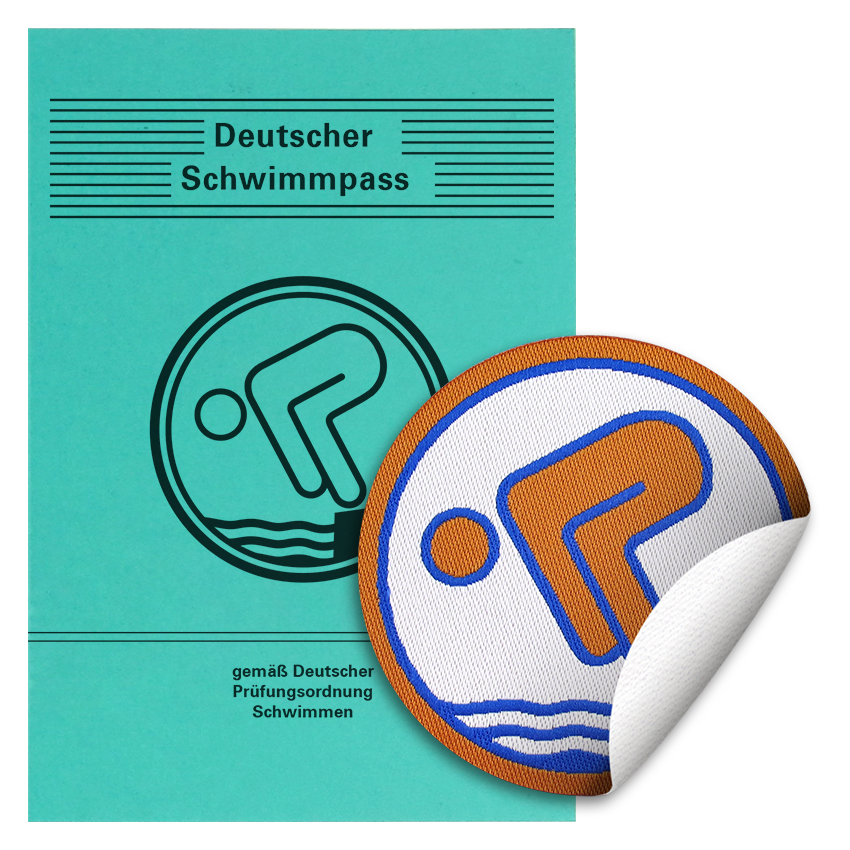
Achieve new standards in water safety. Pimpertz is your experienced partner for original swimming badges and certificates, practical swimming accessory recommendations, and strong package solutions for families, clubs, and institutions. Lay the groundwork for consistent safety and motivation in the water now. Discover our entire range and order directly at pimpertz.de – benefit from fast delivery, certified products, and personal advice. Safety begins with a good decision.
Frequently Asked Questions
What are the most important safety risks in swimming pools?
The most important safety risks in swimming pools are slippery floor surfaces, depth differences in the pool, overcrowding, and hygienic challenges such as germ contamination.
How can parents ensure the safety of their children in the swimming pool?
Parents should permanently supervise their children, use child-friendly swimming aids, and offer early swimming lessons to develop basic swimming skills.
What role do lifeguards play in swimming pools?
Lifeguards are crucial for safety as they identify potential hazards, intervene quickly, and inform bathers about rules of conduct.
What safety equipment is necessary for safe swimming?
Important safety equipment for safe swimming includes a proper life jacket, well-fitting swimming goggles, suitable swimming aids, and functional swimwear.
Recommendation
- 7 Important Tips for Parents and Coaches to Learn to Swim
- Learning to Swim at an Older Age: Step-by-Step to Success
- Swimming Course 3 Years: Kids Learning to Swim Safely
- 7 Swimming Accessory Recommendations for Parents and Coaches
- Sun Protection for Children 2025: Tips for Healthy Skin in Everyday Life
- The Power of Chlorine: Ensuring Clean and Safe Pool Water - ClearSpa™