

Creating Certificates for Swimming Courses: A Step-by-Step Guide
Presenting a certificate for a swimming course sounds like a nice gesture that can be done quickly. But beware. Even a small detail, such as the wrong date or a transposed number in the name, can invalidate the entire award. What many people don't consider: with the right preparation and a few professional tricks, every certificate can become a real motivational boost and a lasting memory.
Table of Contents
- Step 1: Define the Requirements for the Certificates
- Step 2: Choose a Suitable Design for the Certificates
- Step 3: Collect Participant Data for the Certificates
- Step 4: Create the Certificates with a Document Creation Program
- Step 5: Print and Check the Certificates for Quality
- Step 6: Distribute the Certificates to the Participants
Quick Summary
| Most Important Point | Explanation |
|---|---|
| 1. Define Requirements Precisely | Specifying the information for certificates is crucial for their quality and motivational effect. |
| 2. Choose a Suitable Design | Consider the target audience and choose colors and fonts that match the certificate and appear professional. |
| 3. Accurately Collect Participant Data | Ensure completeness and accuracy of data to avoid errors in certificates. |
| 4. Create Certificates Carefully | Use word processing programs and ensure consistent design and data integration. |
| 5. Quality Control Before Printing | Conduct test prints and check all certificates for legibility and technical accuracy to guarantee professional results. |
Step 1: Define the Requirements for the Certificates
Before you begin creating swimming course certificates, it's crucial to carefully define the specific requirements. This first step forms the foundation for professional and meaningful documents that not only acknowledge achievements but also act as a motivator.
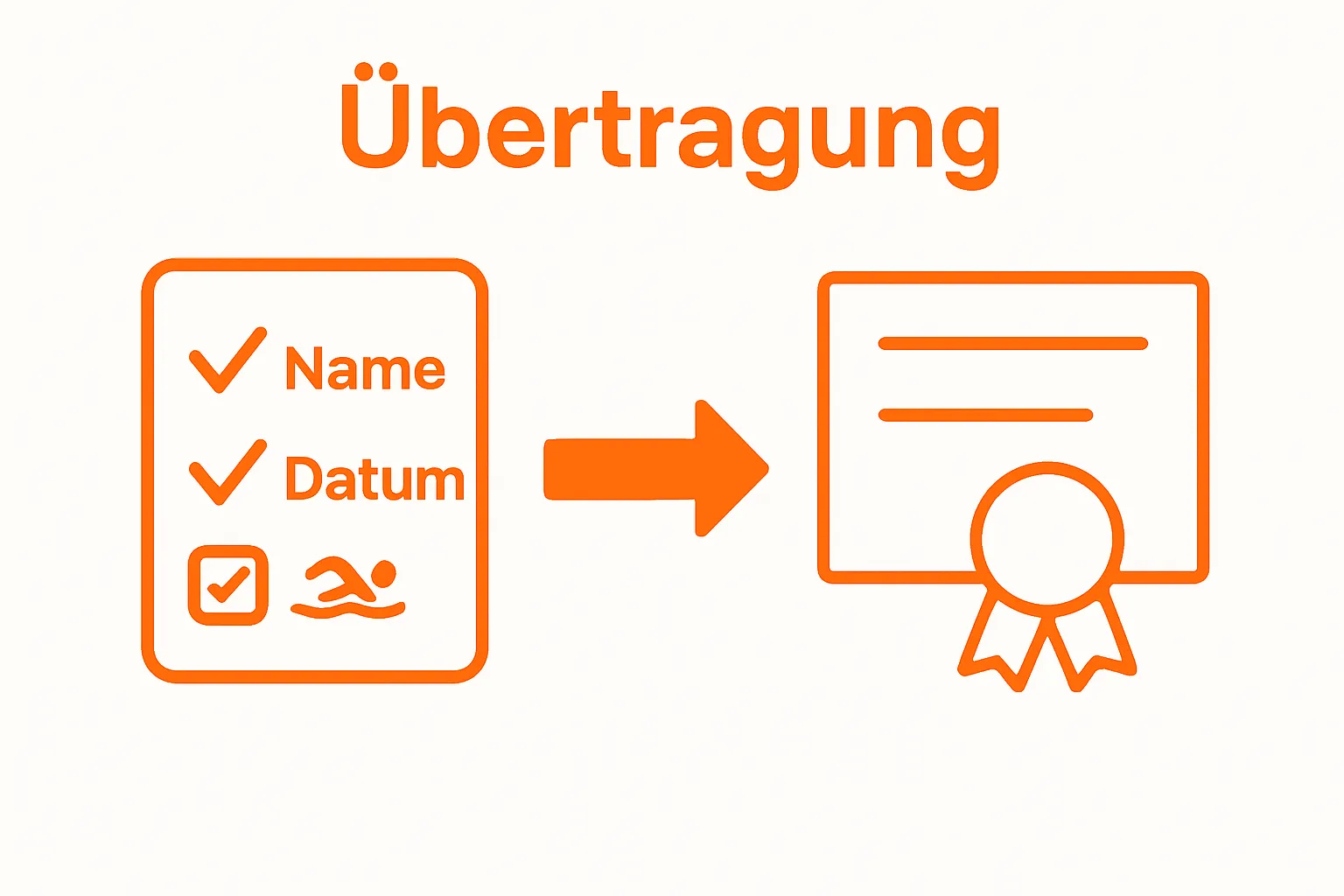
The basis of any high-quality certificate lies in precise planning. You must first determine what specific information your certificate should contain. This typically includes the swimmer's full name, the date of the completed course, the achieved swimming level or badge, and the name of the swimming school or instructor.
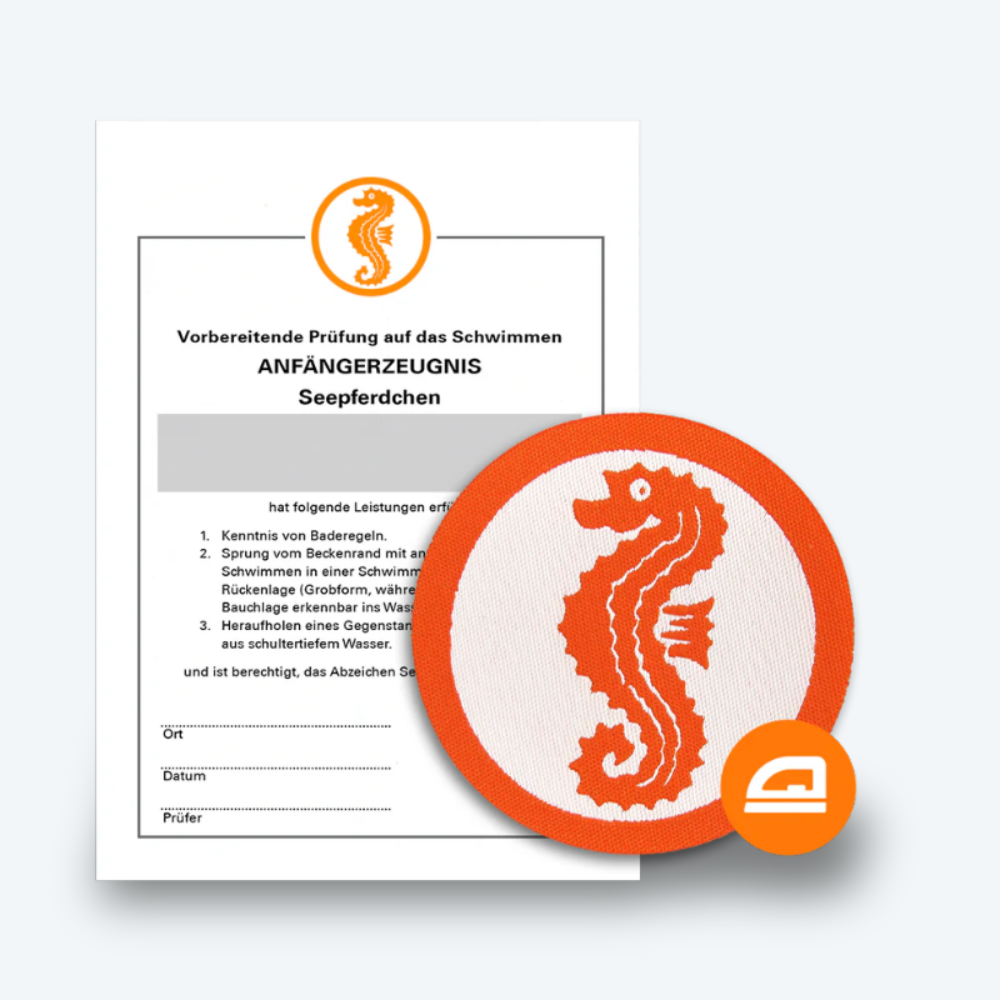
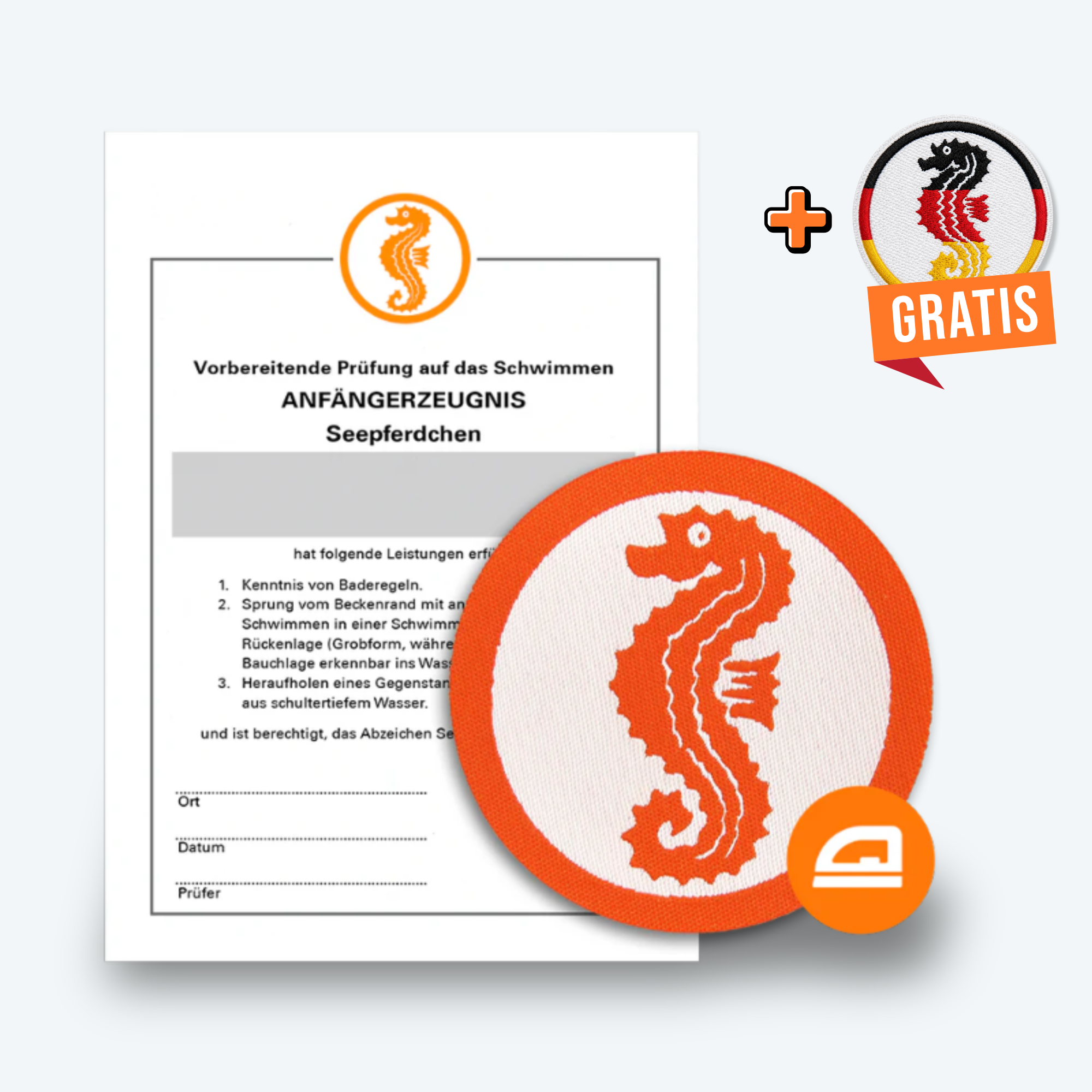
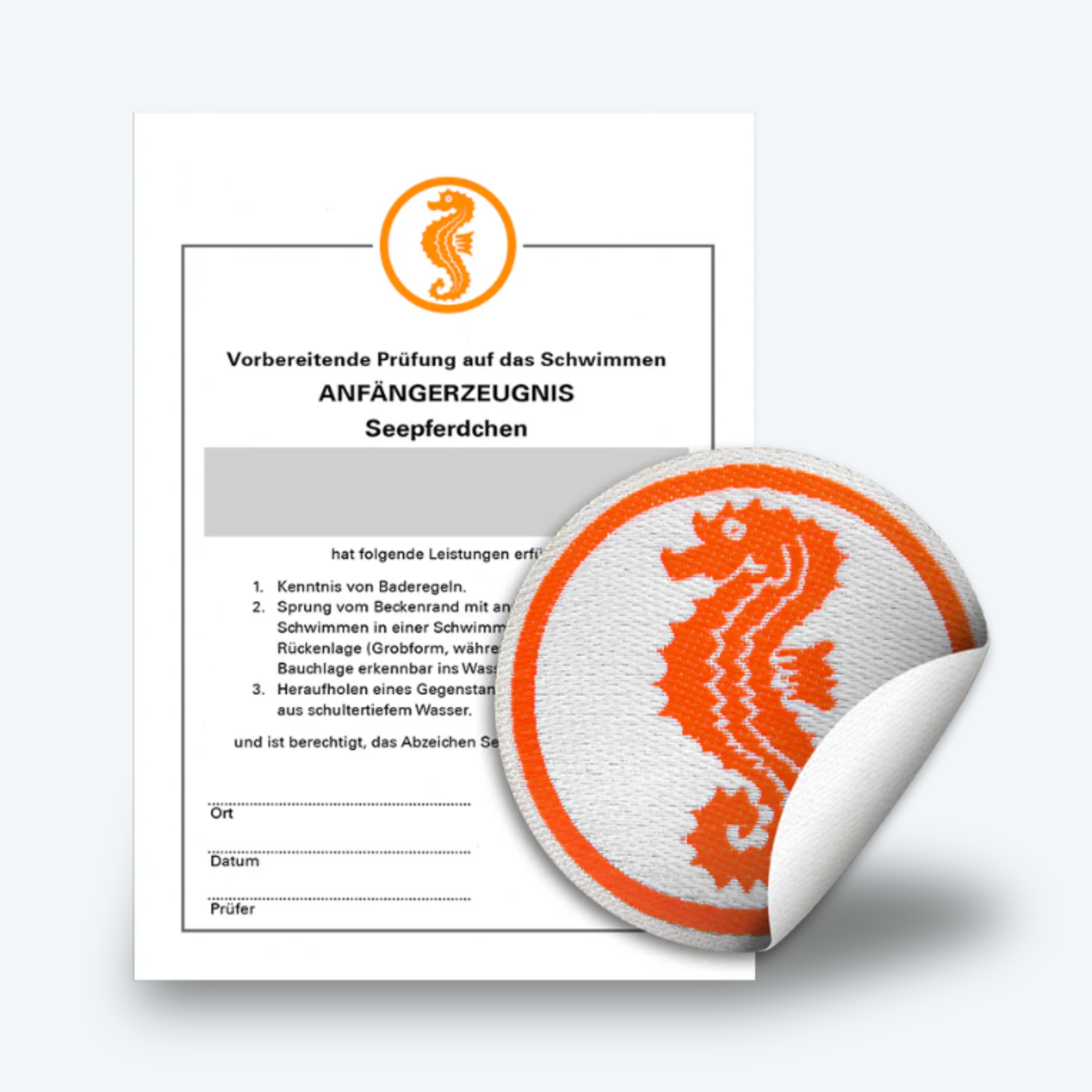
When defining certificate requirements, you should also consider their purpose. Is it a children's swimming course certificate, an achievement award for competitive swimmers, or a seahorse badge? Each category requires an individual approach in design and content. Further details on certificate design can be found in our guide for swimming schools.
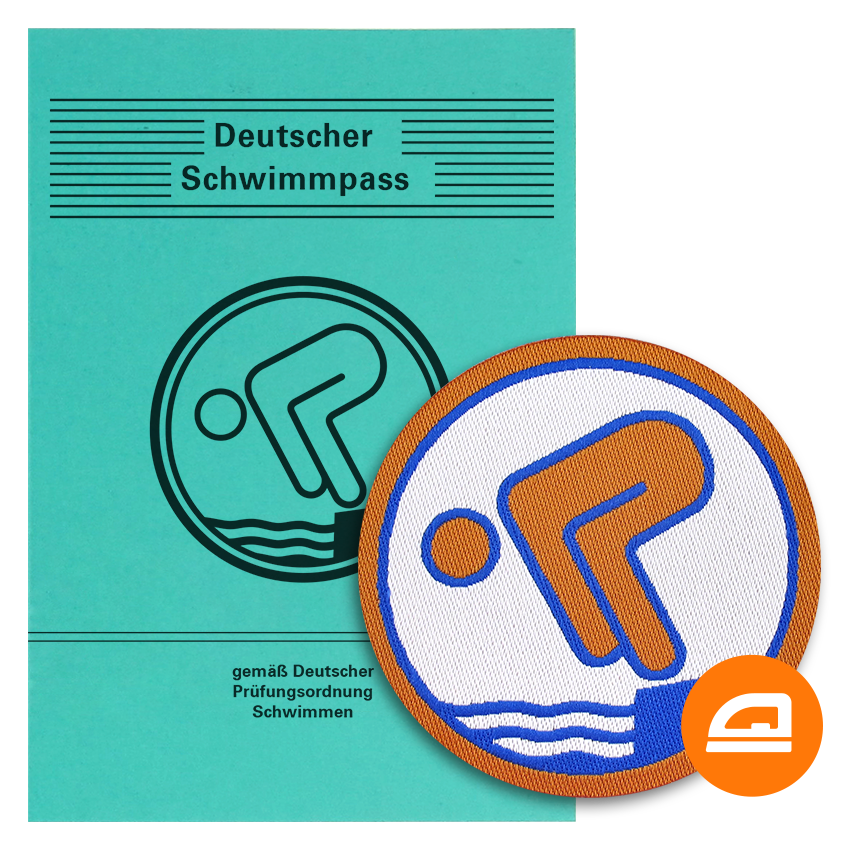
Also, pay attention to legal and association-specific requirements. Official swimming associations, such as the German Life Saving Society (DLRG), often have their own guidelines for badges and certificates. You should definitely include these in your planning to ensure standardization and recognition.
Another important aspect is the visual design. Consider what elements the certificate should have: The swimming club's logo? A motivating graphic? Space for signatures? These details not only make the certificate informative but also emotionally appealing.
To conclude the requirement definition, it's advisable to create a criteria catalog. This should include all essential points: name details, graphic elements, issue date, achieved swimming level, and any special features of the course. This ensures that no important information is forgotten and that each certificate is designed professionally and uniformly.
Step 2: Choose a Suitable Design for the Certificates
After carefully defining the requirements, the next step is to select the design for your swimming course certificates. The design is more than just a visual arrangement – it communicates appreciation, professionalism, and motivation for the swimmer.
During the design process, you must first focus on the target audience. A certificate for children in a seahorse course differs fundamentally from an achievement award for competitive swimmers. Child-friendly designs should be colorful, friendly, and feature motivating graphics, while achievement certificates should appear more elegant and serious.
Learn about our swimming badge options to get inspiration for suitable design possibilities. A professional design includes several central elements: an attractive frame, the logo of your swimming school or association, sufficient space for personalized information, and an easily readable font.
Pay special attention to the color scheme. Blue and turquoise tones are associated with water and swimming and are excellently suited for swimming course certificates. However, the color choice should not appear overloaded, but rather elegant and professional. A white background with colored accents creates a clear, uncluttered design.
For font selection, a sans-serif font like Arial or Calibri, which is modern and easy to read, is recommended. The font size should be chosen so that all information is clearly visible without creating an impression of overcrowding. Ensure that important information such as name, date, and achieved swimming level are highlighted.
Below you will find an overview table of the most important tools and materials needed for creating high-quality swimming course certificates.
| Tool/Material | Description | Purpose/Use |
|---|---|---|
| Word Processing Program | Microsoft Word, LibreOffice, Google Docs | Design and creation of the certificate |
| High-Quality Printer | Laser or inkjet printer | Sharp, color-accurate printing |
| Paper (min. 160g/m²) | Sturdy and white | Professional feel and effect |
| Participant Data (List) | Complete and verified data | Personalization of certificates |
| Logo and Graphics | Club logo, motivational designs | Increase in value |
| Protective Sleeves | Clear sleeves, envelopes | Protection against creases and dirt |
A professional tip: Let your certificate rest for a day and then look at it again with fresh eyes. Small improvements often become apparent only after a second glance. This ensures that the design truly convinces and motivates, and appropriately recognizes the swimmers' achievements.
Step 3: Collect Participant Data for the Certificates
After defining the design, the crucial step of data collection for your swimming course certificates now begins. Precise and complete data collection forms the basis for professional and personalized awards.
The first aspect of data collection is completeness. Each certificate requires at least the following core information: full name of the participant, date of birth, course date, completed swimming level, and name of the swimming school or instructor. Ensure that this data is collected directly during the course or immediately after the course ends to minimize errors and delays.
Further tips on swimming badge documentation can be found in our guide, which will help you establish efficient data management. It is advisable to use digital management systems such as spreadsheets or specialized course administration software that enable error-free and structured data collection.
When collecting data, you must absolutely adhere to data protection regulations. Obtain written consent from legal guardians for minors for certificate creation and data processing. Ensure that personal information is treated confidentially and used only for the intended purpose.
A particular challenge is data accuracy. Check names, dates, and swimming levels multiple times to avoid typos or confusion. A proven approach is to create a checklist that lists all required information and ensures its completeness and correctness.
To conclude data collection, a plausibility check is recommended. Compare the collected data with course lists, attendance records, and any existing test results. This diligence prevents errors and guarantees that each certificate is precise and meaningful. Careful data collection is the key to professional and appreciative swimming course certificates.
The following table provides a quick overview of the individual steps for the professional creation and distribution of swimming course certificates.
| Step | Goal | Estimated Effort |
|---|---|---|
| Define requirements | Establish all content and design criteria | 15-30 minutes |
| Choose design | Determine target-group-appropriate, motivating layout | 30-60 minutes |
| Collect participant data | Start complete and accurate data collection | 20-40 minutes |
| Create certificates (software) | Produce individual certificates | 30-90 minutes (depending on quantity) |
| Printing and quality control | Test print, correction, final production | 15-30 minutes |
| Distribution and documentation | Personal handover and logging | 30-50 minutes |

Step 4: Create the Certificates with a Document Creation Program
After careful data collection, the creative process of certificate creation now begins with a suitable document creation program. This step transforms your prepared data and design ideas into professional, personalized swimming course certificates.
For certificate creation, professional word processing programs like Microsoft Word, LibreOffice Writer, or Google Docs are recommended. These programs offer extensive design options and simplify creation through practical features like mail merge and templates. Discover professional methods for certificate creation to optimize your workflow.
The first step is template creation. Transfer your previously developed design into the word processing program. Ensure a clean, professional layout with enough space for all necessary information. Use text fields and frames to ensure a clear structure. It is important to use fonts and colors that precisely implement your design specifications.
Data integration is ideally done via the mail merge function. Import your previously collected participant data from an Excel spreadsheet or CSV file.
This method allows you to automatically generate personalized certificates for each participant without having to manually fill out each one. Make sure the data fields are correctly assigned.
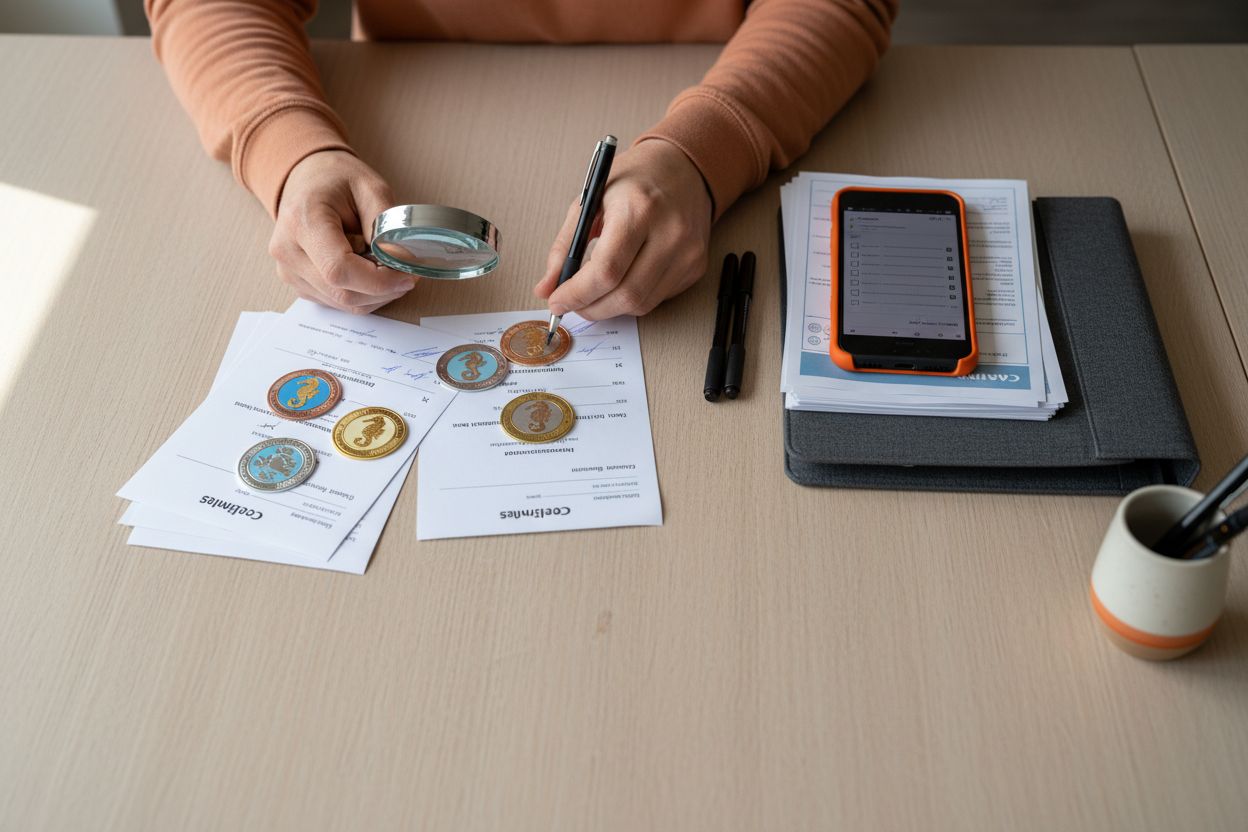
When creating certificates, you must pay particular attention to consistency and quality. Check spellings, date formats, and swimming level designations. A trial run with some test data helps to identify potential errors early. Print test versions and check font size, positioning, and legibility.
As a final step, a final quality control is recommended. Compare each generated certificate with your original design specifications and the original data. Careful review prevents errors and guarantees professional, error-free swimming course certificates that appropriately recognize achievements.
Step 5: Print and Check the Certificates for Quality
Printing and quality control of your swimming course certificates represent the crucial culmination of the creation process. In this step, your digital documents transform into tangible awards that acknowledge achievements and create lasting memories.
For optimal printing, you need a high-quality printer that accurately and sharply reproduces colors. Laser printers are particularly well-suited for certificates, as they produce sharp fonts and uniform color areas. Choose paper with at least 160g/m² grammage to achieve a stable and high-quality feel. Professional printing tips will help you create perfect certificates.
Before the main print run, a test print is recommended. First, print one certificate on the planned paper and check color reproduction, font clarity, and positioning. Pay special attention to details such as margins, font sizes, and the legibility of participant data. A test print prevents surprises during mass production.
Quality control includes several crucial aspects. Check each certificate individually for errors in names, dates, and swimming level designations. Look for consistent print quality – no faded areas, no streaks or print edges. Verify that all certificates precisely match the original design.
During the printing process, you should proceed systematically. Sort your certificates by course or group. Use a stack feeder to achieve uniform print results. Make sure to use only undamaged and clean sheets. An orderly printing process significantly contributes to a professional appearance.
Finally, a final visual inspection is recommended. Lay out each certificate individually and compare it with your original specifications. Only error-free and perfectly printed certificates should be handed over to the participants. This diligence shows respect for the swimmers' achievements and underscores the professionalism of your swimming school.
Step 6: Distribute the Certificates to the Participants
The moment of certificate presentation is more than just an administrative act – it is an emotional highlight that recognizes achievements and strengthens motivation. A well-thought-out distribution strategy makes this moment an unforgettable experience for the swimmers.
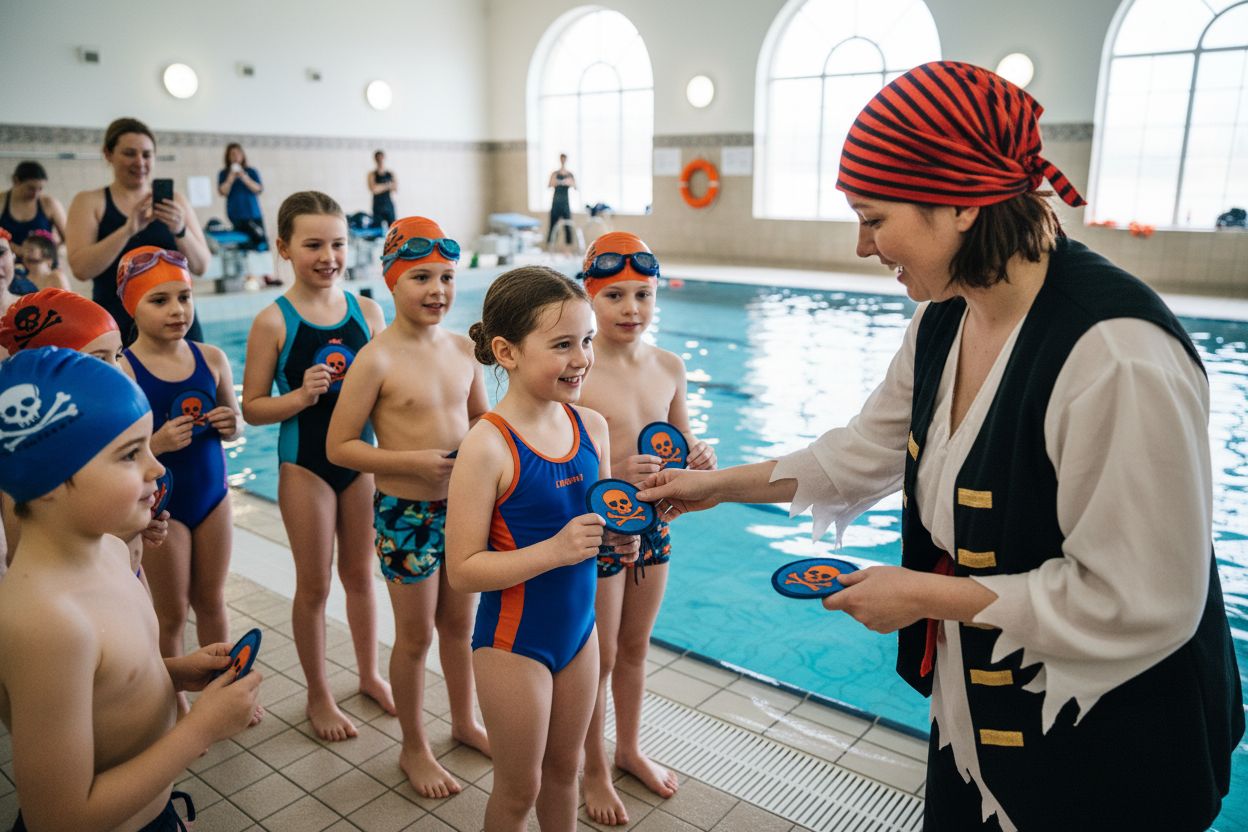
Plan a ceremonial handover that appropriately honors the participants' achievements. Organize a small closing event or ceremony where each swimmer individually receives their certificate. This moment should be respectful and motivating, with applause and personal words from the instructor. Professional tips for certificate presentation can be found in our guide, which will help you shape this special moment.
When preparing for distribution, sort the certificates beforehand alphabetically or by course. This speeds up the presentation process and avoids confusion. Ensure that each certificate is carefully folded or stored in a protective envelope to prevent damage.
Consider different handover scenarios. A joint event is not always possible. Alternative distribution channels can include personal handovers during the last course session, individual mail delivery, or distribution by instructors during regular training hours. Choose the method that is most practical for your participants.
Communication plays a crucial role. Inform parents or guardians in advance about the certificate presentation date. For children, a short written notice with details about the handover is recommended. For adult participants, an email or a brief message may suffice.
Ensure completeness and documentation during distribution. Keep a list logging which certificate was given to whom. This is not only important for your administration but also helps with any potential future inquiries. Careful documentation underscores your professionalism and reliability.
Your Perfect Swimming Course Certificate in a Few Steps – with Pimpertz
In this step-by-step guide, you've learned how much care goes into professional swimming course certificates. From collecting participant data to layout and printing – the process is often complex. Errors in names, missing badges, and legal requirements can detract from your swimmers' motivation. This is where Pimpertz comes in. We understand your challenges as an instructor, club, or school and offer ready-to-use solutions for every part of the process.
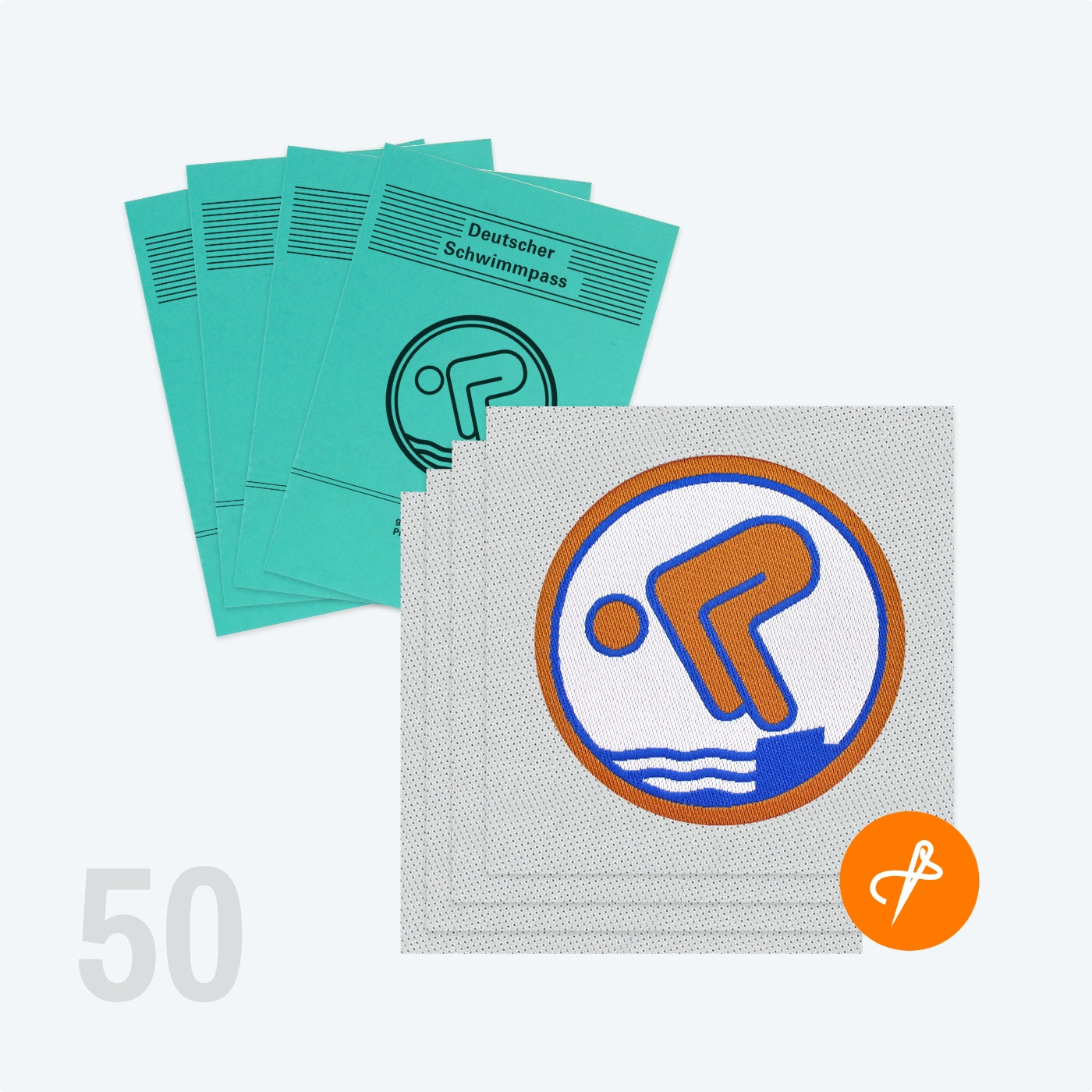
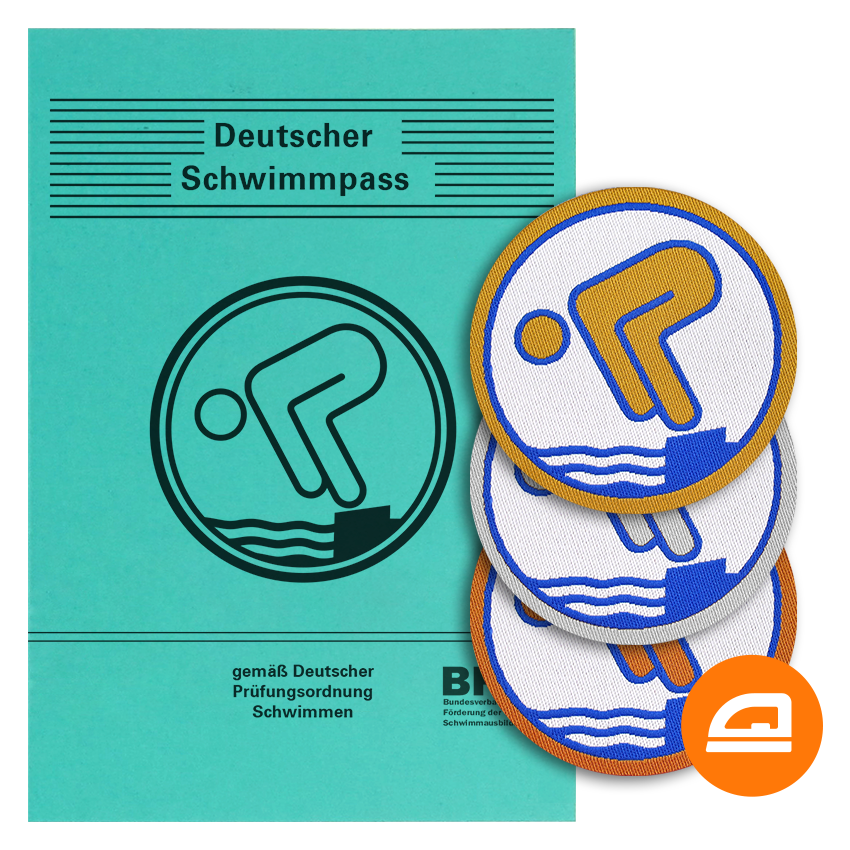
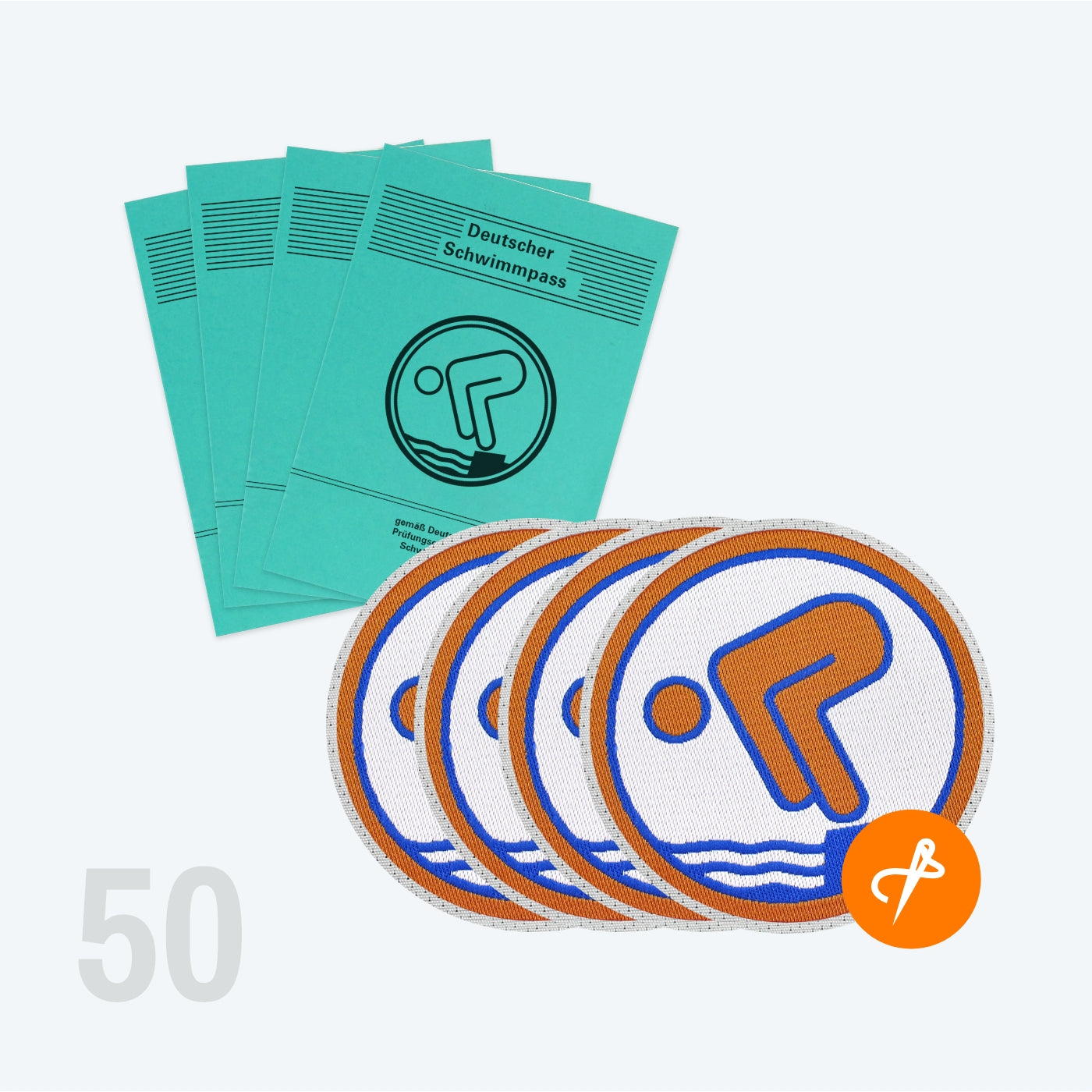
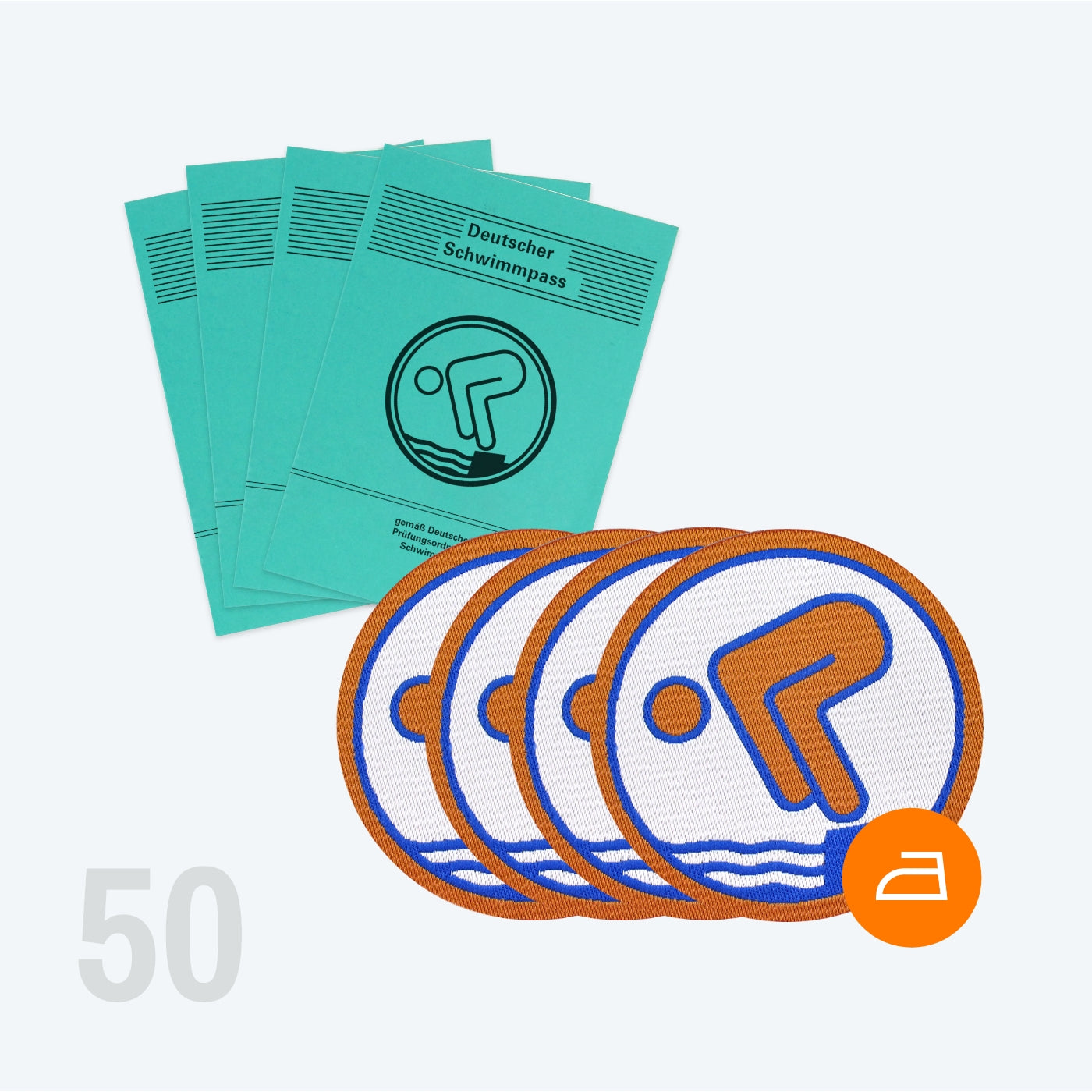
With Pimpertz, you receive verified, ready-to-use certificates and swimming badges in child-friendly designs – optionally for beginners, advanced learners, or real water rats. Each award is officially certified and can be easily personalized and distributed by you. Save time on paper selection and design. With over 38 years of experience, with express shipping and advice, your swimmer certificates will always be on time and of high quality. Take the next step and discover our category for Bronze, Silver, Gold swimming badges & swimming pass now. Reward dedicated swimmers with a certificate that truly makes an impression!
Frequently Asked Questions
What are the most important pieces of information that should be on a swimming course certificate?
The certificate should include the swimmer's full name, the date of the course, the achieved swimming level or badge, and the name of the swimming school or instructor.
What should the design of a swimming course certificate look like?
The design should be tailored to the target group. For children, colorful and friendly designs are suitable, while performance certificates should appear more elegant and serious. Color and font choice are also important to ensure a clear and appealing design.
Which programs are suitable for creating swimming course certificates?
Professional word processing programs such as Microsoft Word, LibreOffice Writer, or Google Docs are recommended. These offer design options and functions like mail merge for automating certificate creation.
How can I ensure that the participant data for the certificates is correct?
To ensure data accuracy, the information should be collected during the course and checked multiple times. A checklist can help to capture all necessary information and avoid errors.
Recommendation
- Issuing swimming certificates: A guide for swimming schools
- Swimming Course 3 Years: Children learning to swim safely
- 7 Important Swimming Learning Tips for Parents and Trainers
- Learning to Swim in Old Age: Step-by-step to Success
- Playful Learning: Creative Activities for Children 2025 – Edory AI – Educational Children's Stories