


Over 60 percent of parents underestimate the dangers that even shallow waters pose to small children. Water acclimatization is much more than just bathing fun – it lays the foundation for safety and self-confidence in the water. Those who take the right steps early on not only protect their child but also foster a love for swimming. Here you will find practical instructions to help your child become familiar with water in a playful, safe, and fearless way.
Table of Contents
- Step 1: Prepare a Child-Friendly Environment
- Step 2: Playfully Promote Water Acclimatization
- Step 3: Gradually Increase Water Safety
- Step 4: Practice Basic Water Movements with Aids
- Step 5: Check Learning Progress with Small Tests
Brief Summary
| Key Point | Explanation |
|---|---|
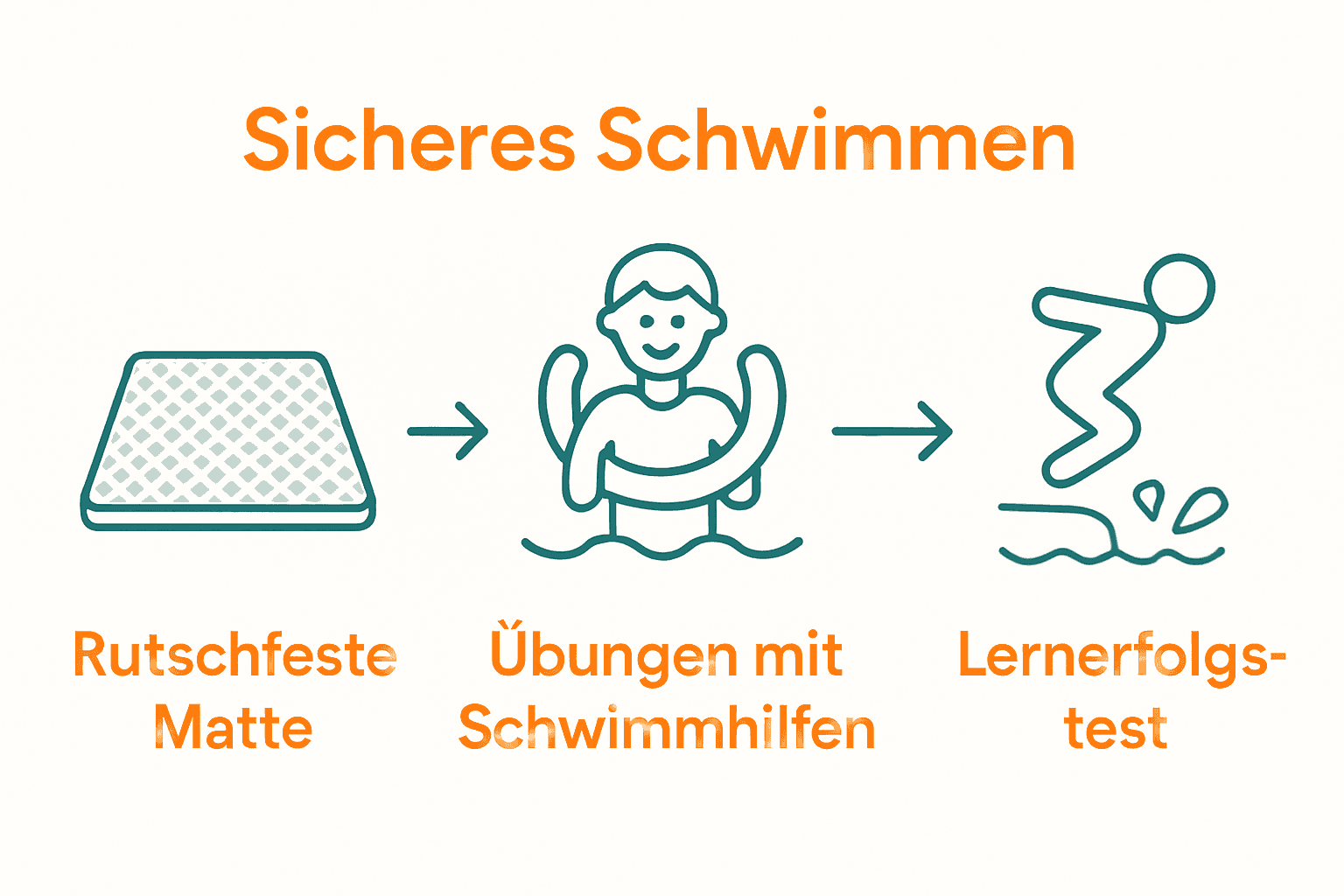
| 1. Create a Safe Environment | Remove hazards and use non-slip mats and special swimming aids. |
| 2. Promote Playful Water Acclimatization | Use games to build trust and learn safe behavior. |
| 3. Gradually Increase Safety | Practice basic techniques such as gliding and floating on your back. |
| 4. Practice Basic Movements with Aids | Use swim noodles and kickboards to introduce movements and provide security. |
| 5. Check Learning Progress with Tests | Perform simple exercises to measure your child's progress and safety reflexes. |
Step 1: Prepare a Child-Friendly Environment
The first phase of water acclimatization for toddlers begins with careful and safe environmental preparation. Your goal is to create a trusting and fearless atmosphere where your child can approach the water relaxed and curious.
Prepare the water area in a child-friendly way by first eliminating all potential hazards. burscheid.dlrg.de recommends that children should attend water acclimatization courses by the age of four at the latest. This means you need to create a safe environment beforehand. Pay attention to non-slip mats, use special children's swimming aids, and ensure that the pool edge is rounded and not too slippery.
A particularly important safety rule is based on scientific findings: kindergesundheit-info.de points out that children are particularly at risk due to their different center of gravity. They can drown silently and sink like a stone to the bottom of the pool. Therefore, uninterrupted supervision is absolutely crucial.
Important preparation tips for a child-friendly water environment:
- Use non-slip floor mats
- Provide child-friendly swimming aids
- Keep water temperature between 30 and 32 degrees Celsius
- Lay out enough towels and warm clothing
- Set up a quiet changing area
In Swimming Course from Age 3 you will find further helpful information on age-appropriate water acclimatization.
Step 2: Playfully Promote Water Acclimatization
Playful water acclimatization is crucial for your child's positive and fearless relationship with water. In this phase, it's about building trust and imparting fun, so that your child moves naturally and relaxed in the water.
DLRG emphasizes that playful activities not only bring joy but can also develop vital safety behaviors. Use simple games that help your child get familiar with the water. For example, let your child collect water toys, retrieve objects underwater, or play with foam noodles.
A particularly effective exercise is recommended by the DLRG: Encourage your child to jump into the water from the edge of the pool, only reaching for their hands once they are fully submerged. This method not only strengthens trust but also promotes water safety.
Playful activities for water acclimatization:
- Water games with toys
- Splashing and frolicking
- Joint water fun training
- Retrieving objects underwater
- Gliding exercises with kickboards
In our Swimming Course Age 3, you will find further age-appropriate tips for children's water acclimatization.
Step 3: Gradually Increase Water Safety
Gradually increasing water safety is a crucial process in the water acclimatization of toddlers. The goal is to instill self-confidence and fundamental safety techniques in your child without overwhelming them.
Burscheid DLRG recommends starting targeted water acclimatization courses by the age of four at the latest. First, focus on basic techniques such as gliding and floating on your back. These exercises help your child develop a natural feel for buoyancy and water movements.
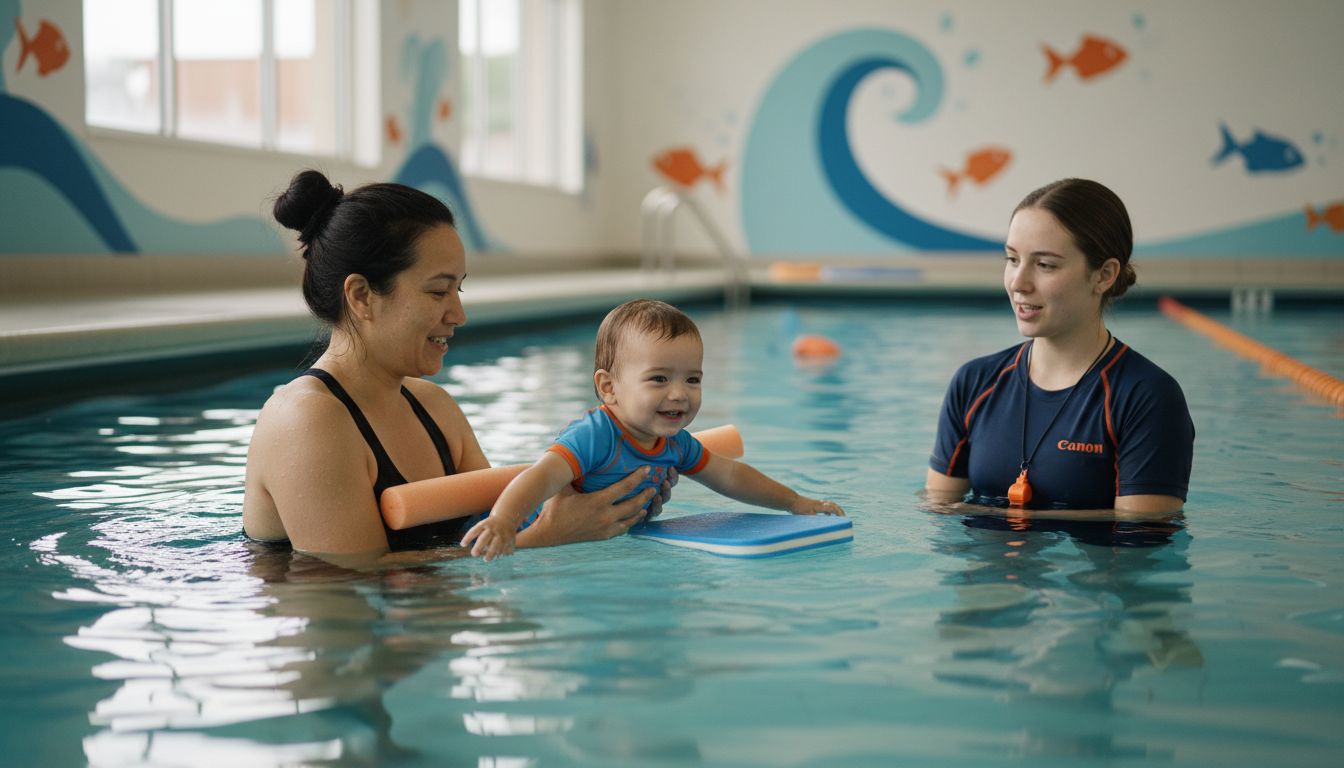
A critical safety warning comes from UKBB: toddlers can drown silently, often unnoticed by caregivers. Therefore, stay constantly vigilant and eliminate possible distractions such as mobile phones or conversations.
Important exercises to increase water safety:
- Practice back float with support
- Learn short swimming movements
- Practice diving and resurfacing
- Improve underwater orientation
- Learn safety grips and how to hold on
Further practical tips on water safety can be found in our 7 Important Swimming Learning Tips article.
Step 4: Practice Basic Water Movements with Aids
Developing basic water movements is a crucial step in the water acclimatization of toddlers. With targeted aids, you can give your child confidence and joy in learning new swimming techniques.
Schwimmschule Bär recommends systematically practicing various movements. Start with aids such as swim noodles, kickboards, or swim belts to give your child support and safety. Practice leg and arm movements together, as well as diving and gliding. These aids enable your child to gradually get used to the water movements.
A particularly effective exercise is described by the DLRG: Let your child float on their back on the water. Their ears are under water, their gaze directed towards the ceiling. First, support their back and hold your child. With increasing practice, they will learn to float independently.
Aids for basic water movements:
- Swim noodles for stabilization
- Kickboards for movement exercises
- Swim belts for added safety
- Diving ring for diving
- Small water toys for motivation
Our article on Swimming Accessories Recommendations will help you choose the right swimming equipment.
Step 5: Check Learning Progress with Small Tests
Checking learning progress is a crucial step in water acclimatization for toddlers. Small tests help you assess your child's progress and identify any areas for improvement.
DLRG recommends practical exercises that not only measure learning success but also strengthen your child's confidence in the water. An effective test method is jumping from the edge of the pool. Let your child jump into the water independently and only reach for their hands when they are fully submerged. This tests courage, water safety, and responsiveness.
According to DLRG guidelines, these tests should aim to develop behaviors that can save your child in an emergency. Conduct small exercises to show whether your child has already developed basic safety reflexes:
Small tests to check learning progress:
- Short swimming distance without assistance
- Diving and resurfacing
- Back float without support
- Underwater orientation
- Responding to instructions in the water
For more information on developing swimming skills, we recommend our Swimming Course for 5-year-olds article.
Safely and Joyfully Introducing Toddlers to Water
Introducing toddlers to water is a sensitive topic that requires a lot of care and the right equipment. For your child to experience their first contact with water fearlessly and safely, you need not only patience and playful exercises but also high-quality swimming badges and accessories that combine motivation and safety. In this article, you have learned how important a child-friendly environment with non-slip mats and swimming aids is, as well as the gradual promotion of confidence in the water and the checking of learning progress with small tests.
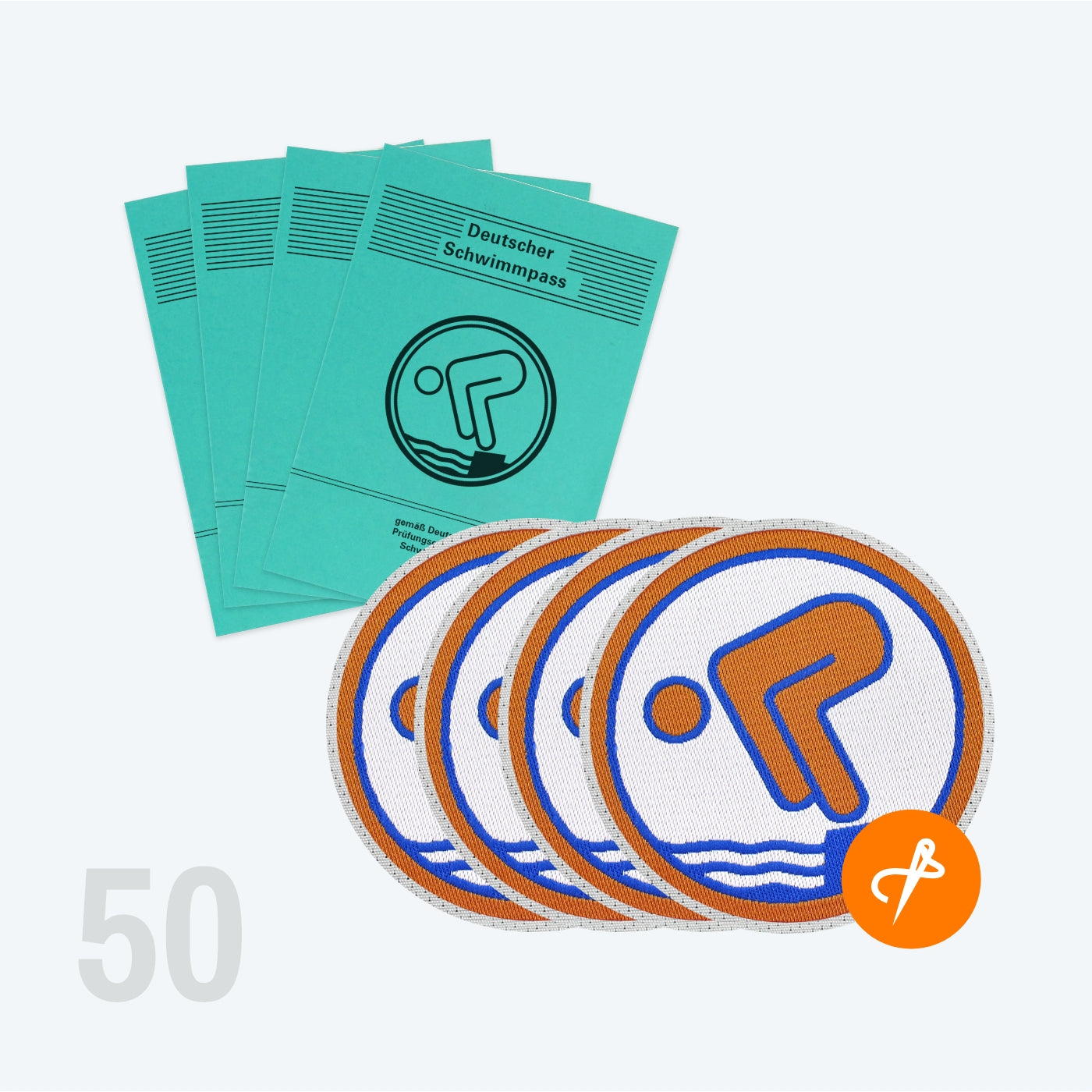
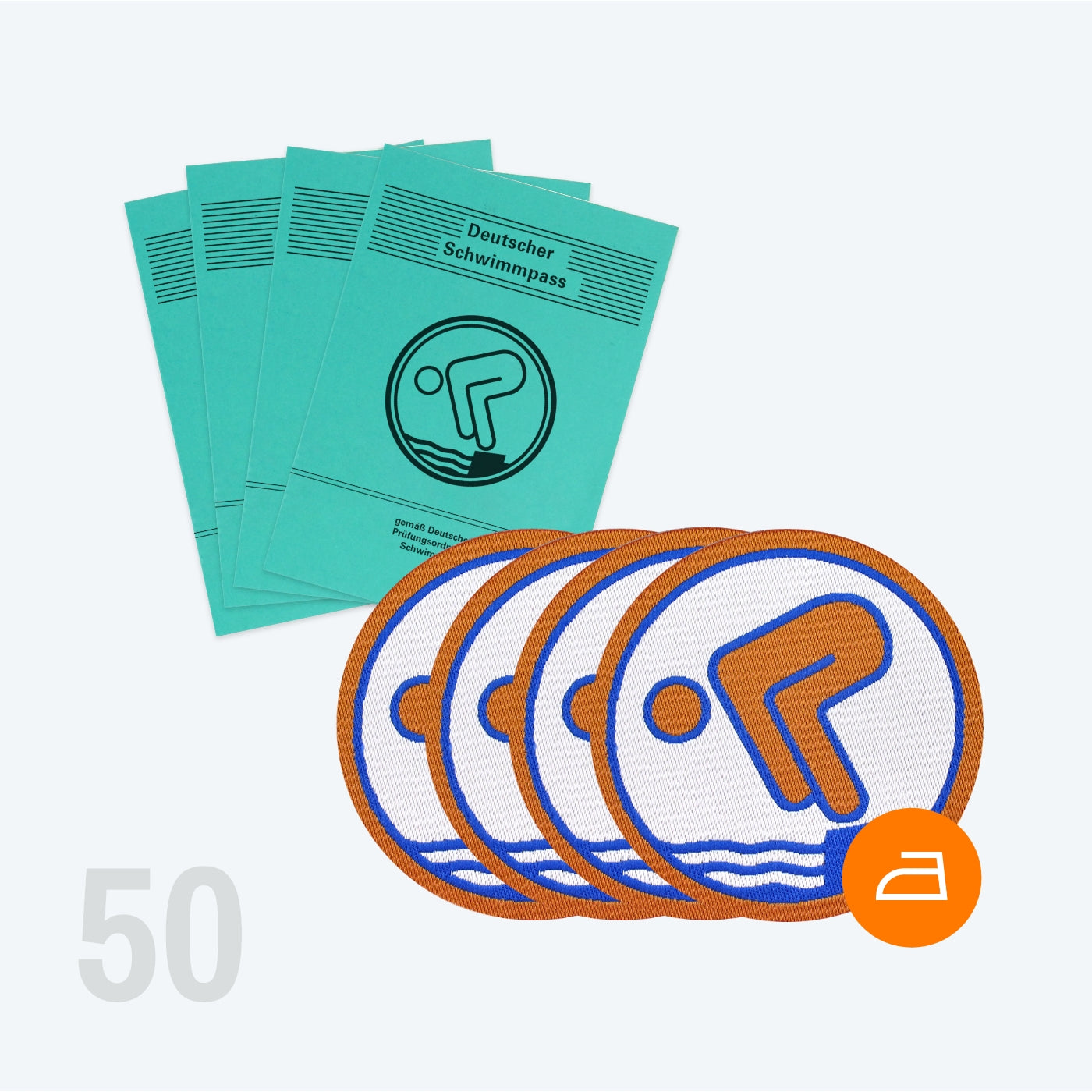
To ideally accompany this journey, you will find everything you need at Pimpertz. Whether officially certified swimming badges from Seepferdchen (seahorse) to advanced awards, or child-friendly certificates and practical collection albums – we support you with over 38 years of expertise and official partnership with the DLRG. Trust in the best quality, fast delivery, and individual service to make learning and practicing in the water a beautiful and safe experience for your child. Discover our customizable badge kits and attractive accessory sets for swimming courses, specially tailored to the needs of parents and swimming instructors.
Start today with Pimpertz and create a water-friendly learning environment that makes your child proud. Visit us at https://pimpertz.de and secure high-quality equipment for your child's safe water acclimatization.
Frequently Asked Questions
How can I make the environment safe for my toddler's water acclimatization?
To make the environment safe, you should use non-slip mats and eliminate sharp edges. Ensure the water temperature is between 30 and 32 degrees Celsius and set up a quiet changing area.
What playful activities are suitable for water acclimatization for toddlers?
Use simple water games such as collecting water toys or splashing in the water. These activities build trust and help your child develop a love for water.
How do I gradually increase my child's safety in the water?
Start with basic techniques such as gliding and floating on your back. Conduct appropriate exercises to develop a natural feel for water movements within 30 days.
What aids are useful for developing basic water movements?
Use swim noodles, kickboards, and swim belts to give your child confidence. Practice simple leg and arm movements together to promote independence in the water.
How can I check my child's learning progress during water acclimatization?
Test learning progress through simple exercises such as independently jumping into the water or diving. Regularly perform small tests to recognize progress and promote it specifically if necessary.
At what age should I start water acclimatization?
It is recommended to start water acclimatization by the age of four at the latest. Prepare the environment and suitable activities beforehand to optimally prepare your child.
Recommendation
- Swimming Course Age 3: Teaching Children to Swim Safely
- Swimming Course from Age 3: Teaching Children to Swim Safely
- Swimming Course Age 4: Learning Safe Swimming for Children
- 7 Important Swimming Learning Tips for Parents and Coaches
- Playing with Children Under 3: Creative Activities for the Little Ones – Edory AI – Educational Children's Stories


