



Become a DLRG Swimming Instructor: Your Path to Becoming an Instructor
1. Prerequisites: Membership and Lifesaving Badge
Are you interested in teaching others how to swim? To become a DLRG swimming instructor, you need the German Lifesaving Badge Silver, a minimum age of 18, a first aid course, and DLRG membership. Swimming instructors must join the local DLRG group to access training opportunities. The German Lifesaving Badge Silver must be current, often not older than 2 years. Additionally, a medical fitness certificate is required for lifesaving.
However, there are exceptions: teachers, police officers, or pool staff can participate in training under certain conditions without being DLRG members. DLRG membership is usually required, with exceptions for public service personnel.
2. Levels of Training: From Assistant to Instructor (Trainer)
2.1 Swimming Training Assistant
Entry often begins as an assistant. The DLRG also trains dedicated assistants who wish to gain experience. The "Swimming Training Assistant" course comprises approximately 30 learning units and provides initial insights into methodology and practice. Here, you learn the basics of how to help children and beginners overcome their fear of water and develop a love for movement.
3.1 Swimming Instructor (Lehrschein)
The "Swimming Instructor" course consists of approximately 75 learning units and qualifies you to independently lead courses and administer examinations. To become a DLRG swimming instructor, a series of courses must be completed, including practical experience under the guidance of an experienced trainer. Additional qualifications and modules may be added depending on specialization, for example, for children, young people, and adults, or trainer licenses.
The path to becoming a DLRG swimming instructor requires prior experience in swimming instruction. Planning and conducting swimming courses, as well as the methodology of swimming lessons, are part of a DLRG swimming instructor's responsibilities.
4. Practice in the Swimming Pool: Parents, Children, and Safety
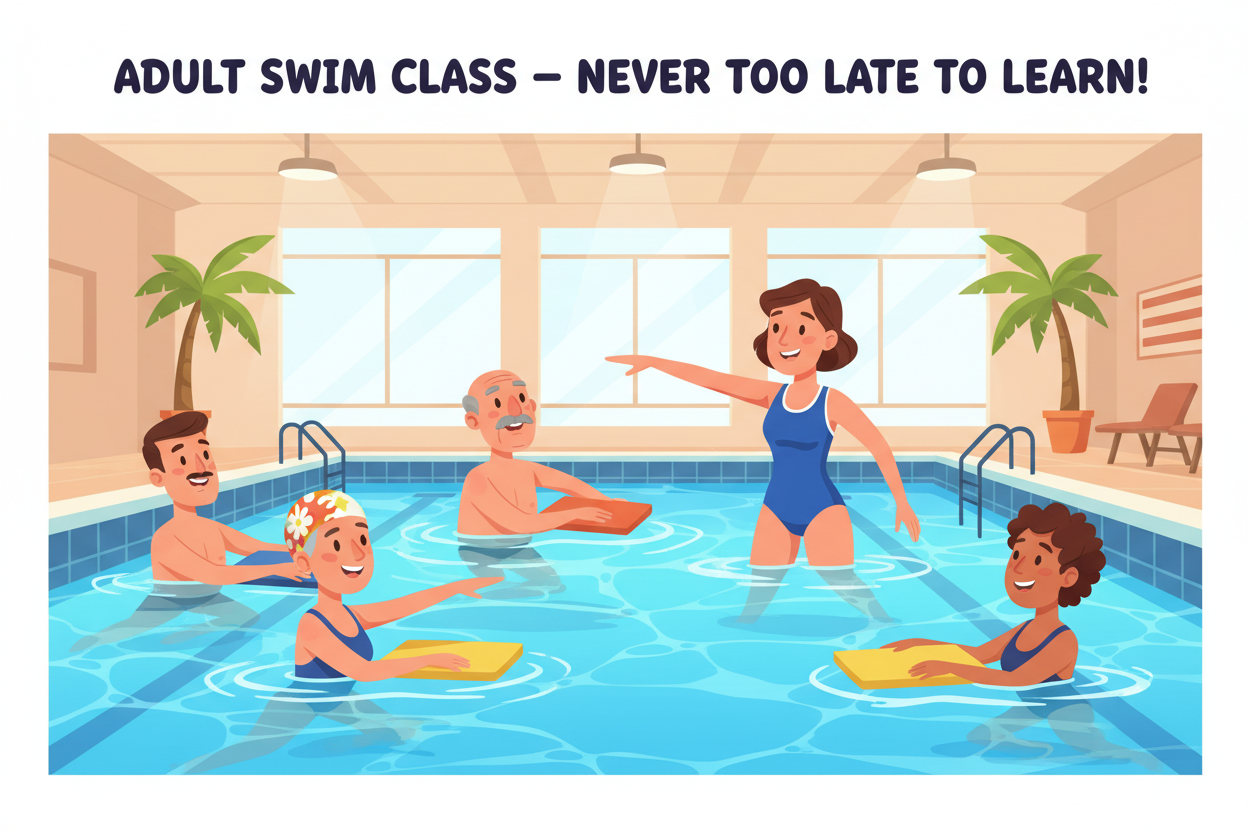
In the swimming pool, you not only work with participants but also interact with parents and professionals. Your communication and organizational skills are essential here. Safety is paramount, but fun should not be overlooked during training. As a swimming instructor, you bear responsibility for the group and ensure the smooth running of activities.
5. Information and Open Questions
Those seeking further information can find everything about the current examination regulations on the DLRG website. For questions, instructors in the local group are available. Whether you are a teacher, student, or professional – the DLRG is always looking for support.
Seize the opportunity to expand your skills. There is great interest in swimming courses, and qualified professionals are urgently needed. Find out about the next event near you.
6. Why the DLRG? Community and Goals
The DLRG is more than just an association. It connects people with the common goal of saving lives. Everyone who gets involved makes an important contribution to society. Cooperation with schools and pools expands the offerings and the possibility of making swimming accessible to everyone. Regular feedback helps to continuously improve the quality of training. Safety is always at the forefront.
7. Qualifications and Certificates in Detail
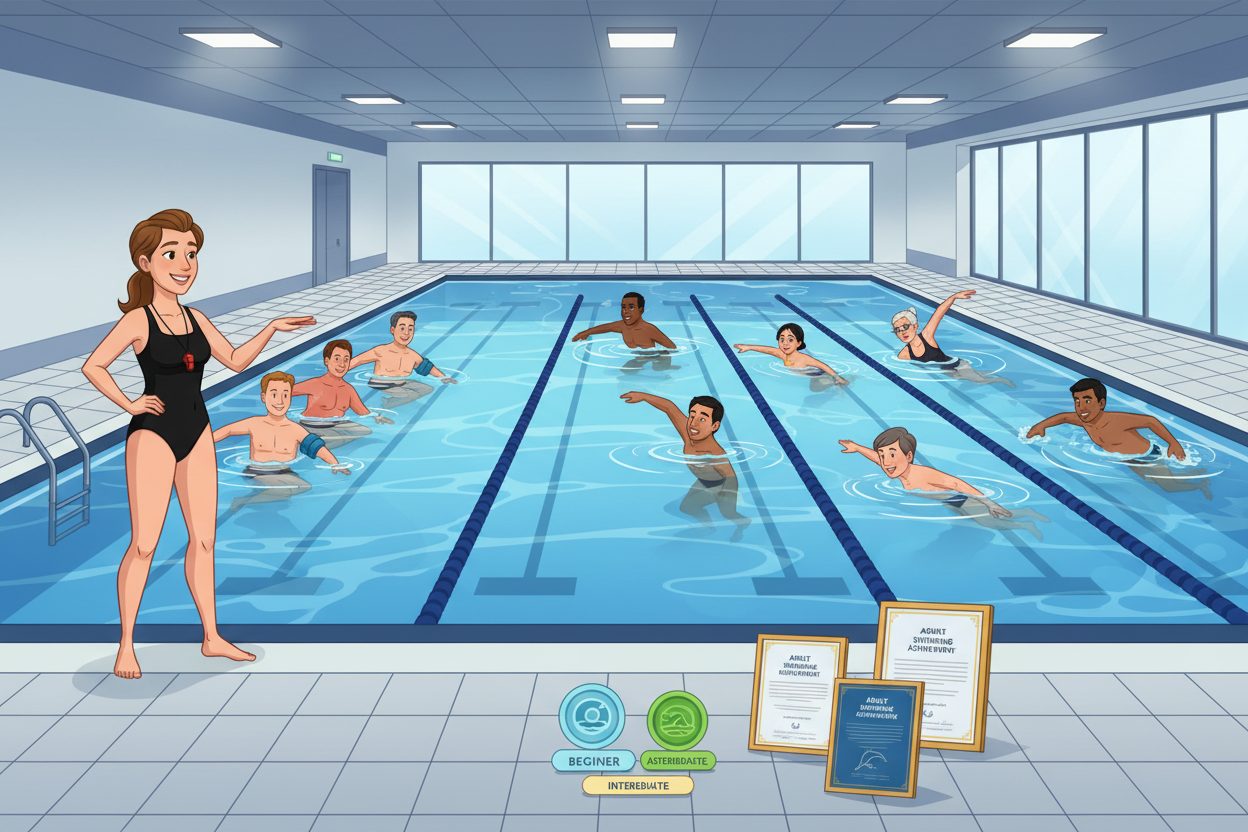
In addition to the teaching certificate, there are a variety of other qualifications. Certificates and swimming badges document learning progress. Lifesaving is the basis for all further courses. Many instructors specialize and acquire additional badges. Working with lifeguards requires a high degree of expertise and a willingness for continuous training. The swimming badges also serve as motivation.
8. Challenges: Technique, Risk, and First Aid
Dangers lurk in the water. As an instructor, you must be able to assess risks and act correctly in an emergency. Improving swimming techniques and coordination is essential for safe movement in the water. You will encounter people with different prerequisites – patience and often a strong nerve are required here. But the joy of teaching and the satisfaction of success compensate for the effort.
9. Organization: Registration and Costs
Participation in courses is often tied to membership. The fee is usually low and covers insurance and materials. The number of places is often limited, so early registration is advisable. For organizational questions, such as accommodation during courses or billing, the managing director or the board of the local group is often responsible. A special lifesaving course may also be part of the offering.
10. Further Facts in German and English
Schwimmlehrer müssen der DLRG-Ortsgruppe beitreten, um Zugang zu den Ausbildungsangeboten zu erhalten.
The training to become a DLRG swimming instructor includes obtaining a rescue swimming badge as a prerequisite for the assistant instructor role.
DLRG swimming instructors must complete additional foundational courses to qualify as full instructors.
Participants in DLRG swimming instructor training must learn how to handle emergency situations effectively.
The DLRG emphasizes the importance of continuous education for swimming instructors to maintain their qualifications.
DLRG Schwimmkurse sind speziell entwickelte Ausbildungsprogramme, die Kindern und Jugendlichen das sichere Schwimmen beibringen.
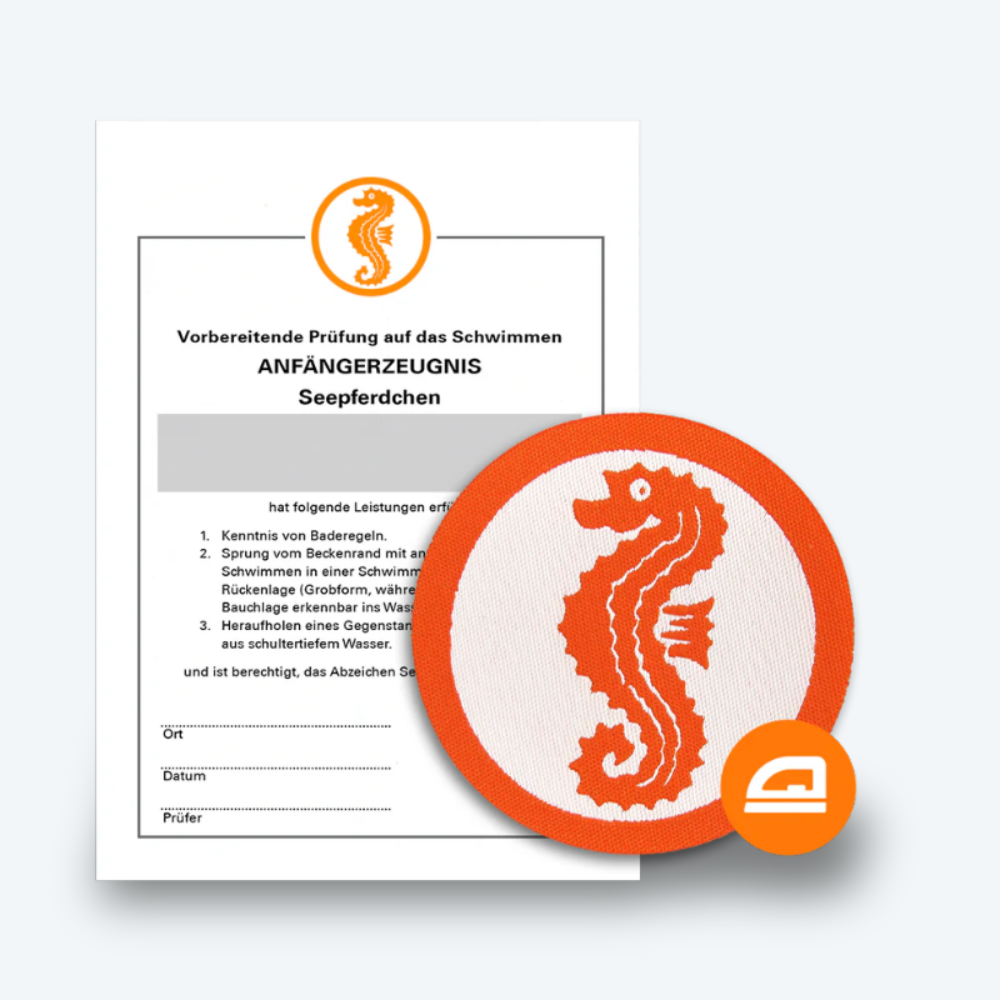
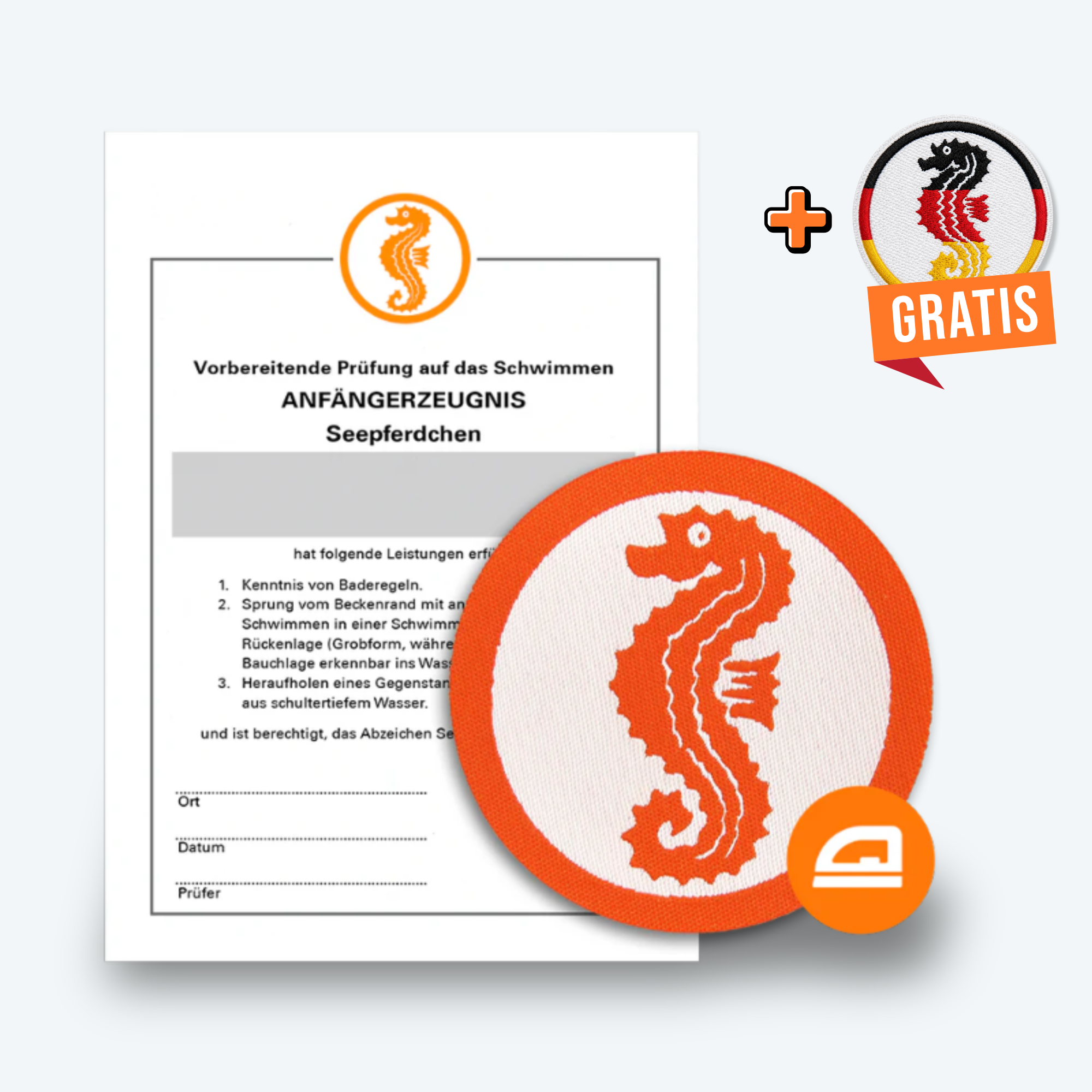
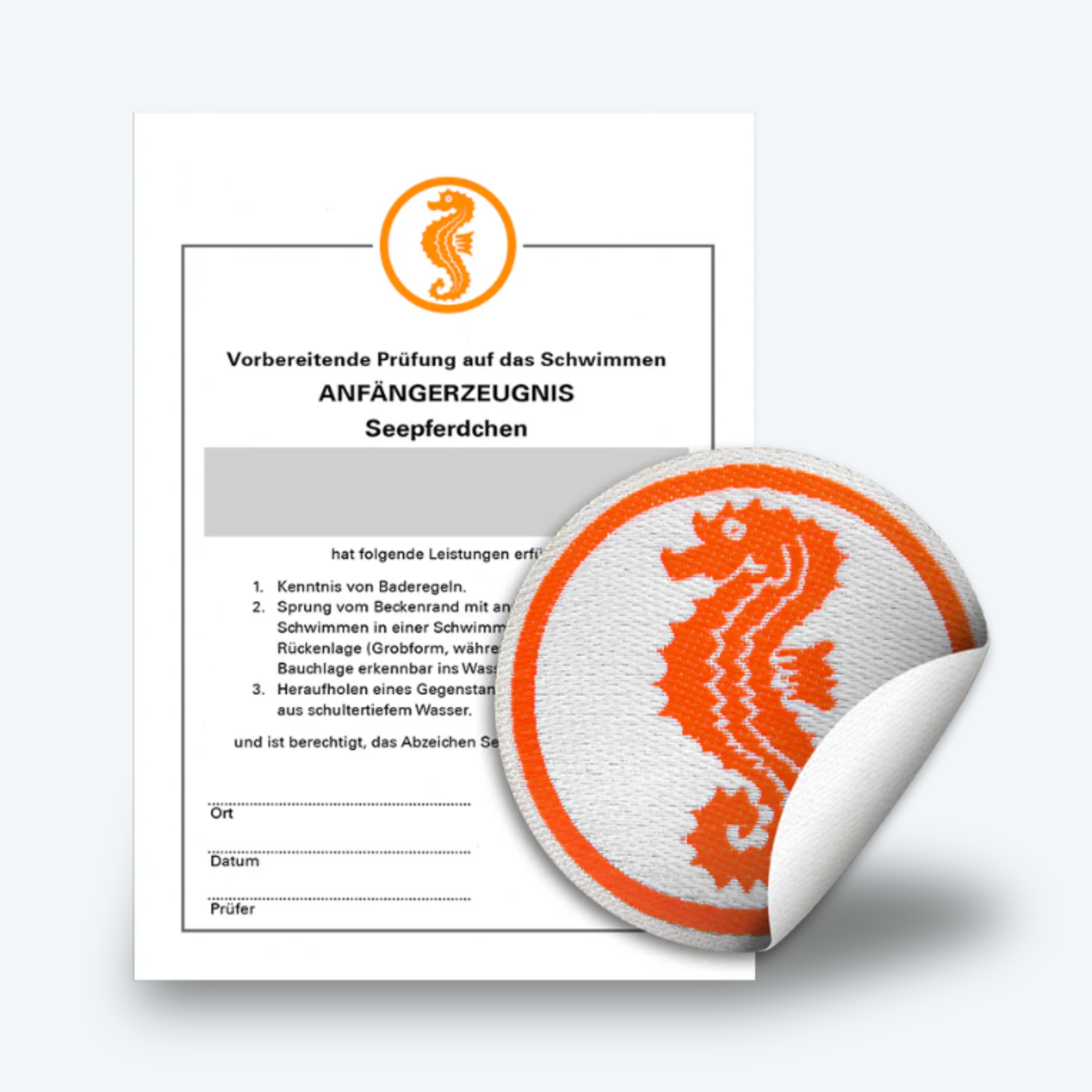
Strukturierte Schwimmkurse können das Ertrinkungsrisiko bei Kindern um bis zu 88 Prozent senken. Ein Beispiel hierfür sind spezielle Schwimmabzeichen für Kinder, wie das Seestern Stella Abzeichen zur Wassergewöhnung.
Die DLRG leistet einen wichtigen Beitrag zur Wasserrettung und Unfallprävention in Deutschland.
DLRG Schwimmkurse sind entscheidende Bildungsprogramme, die lebensrettende Fähigkeiten und Sicherheitskompetenz im Umgang mit Wasser vermitteln.
Die Kurse sind in verschiedene Alters- und Fähigkeitsstufen unterteilt, die spezifische Schwimmtechniken und Sicherheitskompetenzen vermitteln.
Jeder DLRG Schwimmkurs wird von hochqualifizierten und speziell ausgebildeten Trainern durchgeführt.
Die DLRG Schwimmkurse vermitteln nicht nur technische Fähigkeiten, sondern auch ein tiefes Verständnis für Gefahren und Sicherheitsverhalten im Wasser.
DLRG swimming teachers are highly qualified professionals with extensive training in water safety and pedagogy.
DLRG swimming teachers are trained in first aid and rescue swimming techniques.
DLRG swimming teachers are responsible for teaching swimming techniques and ensuring water safety for their students.
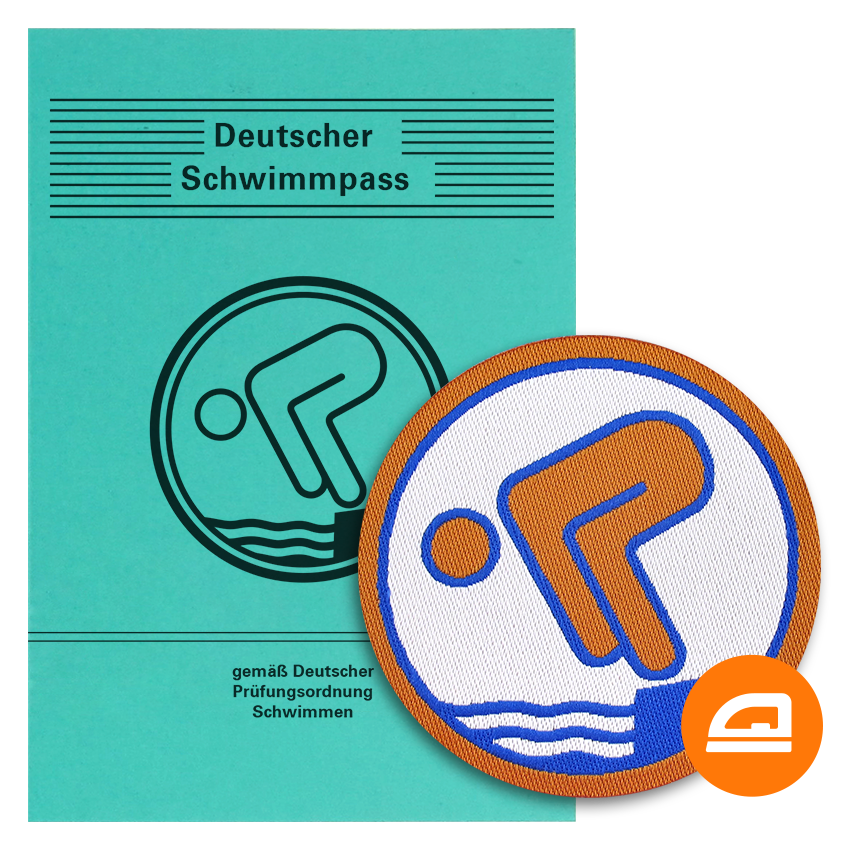
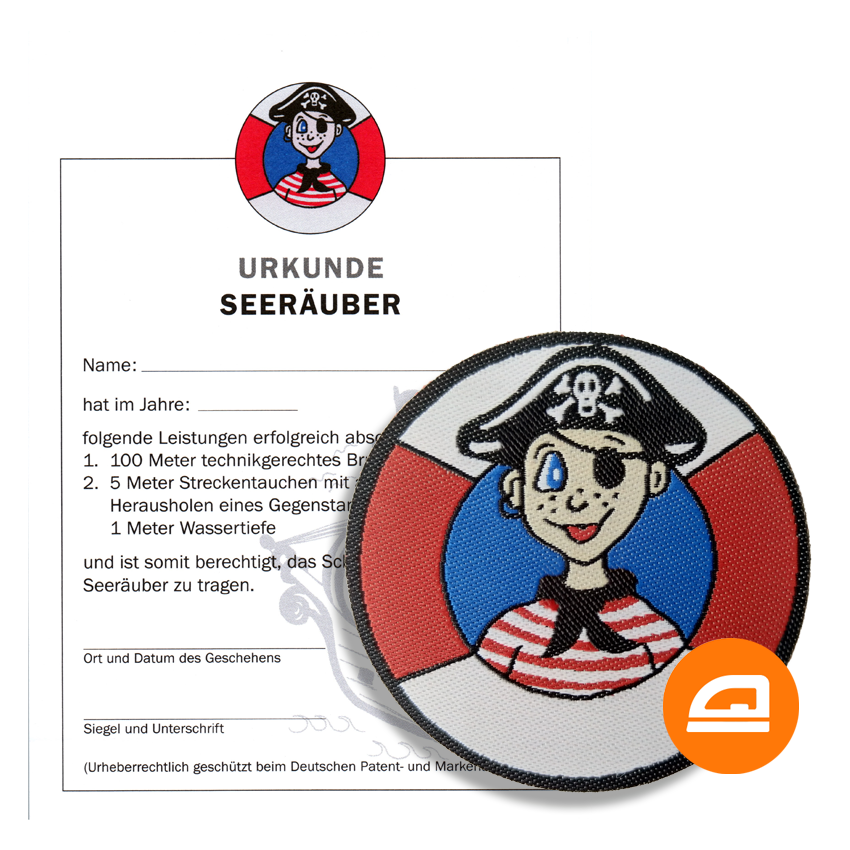
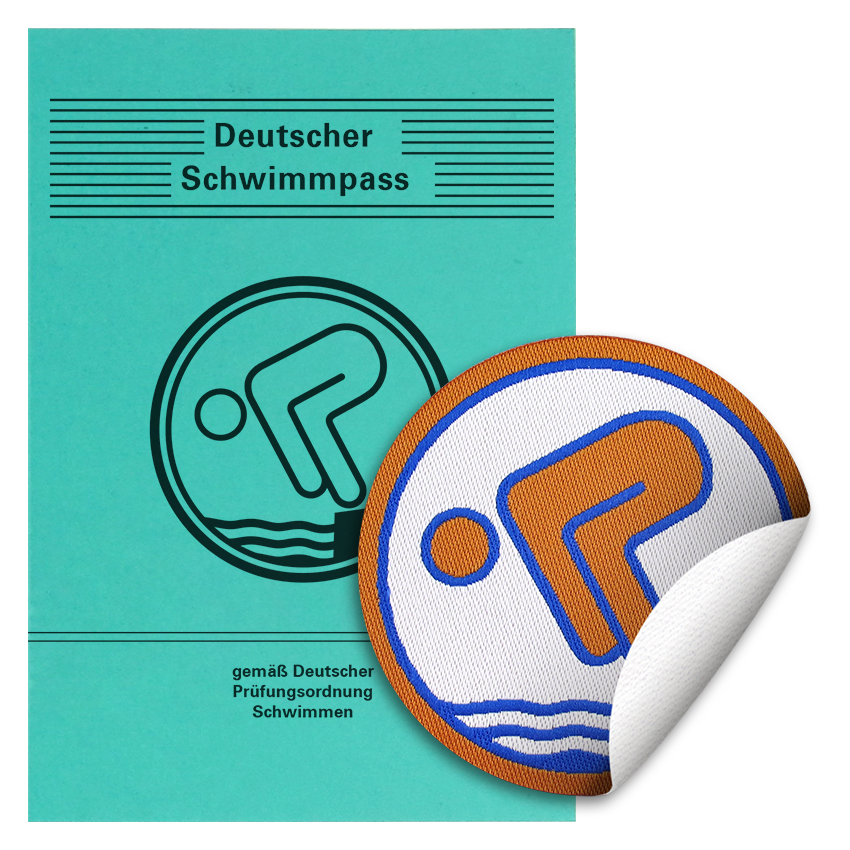
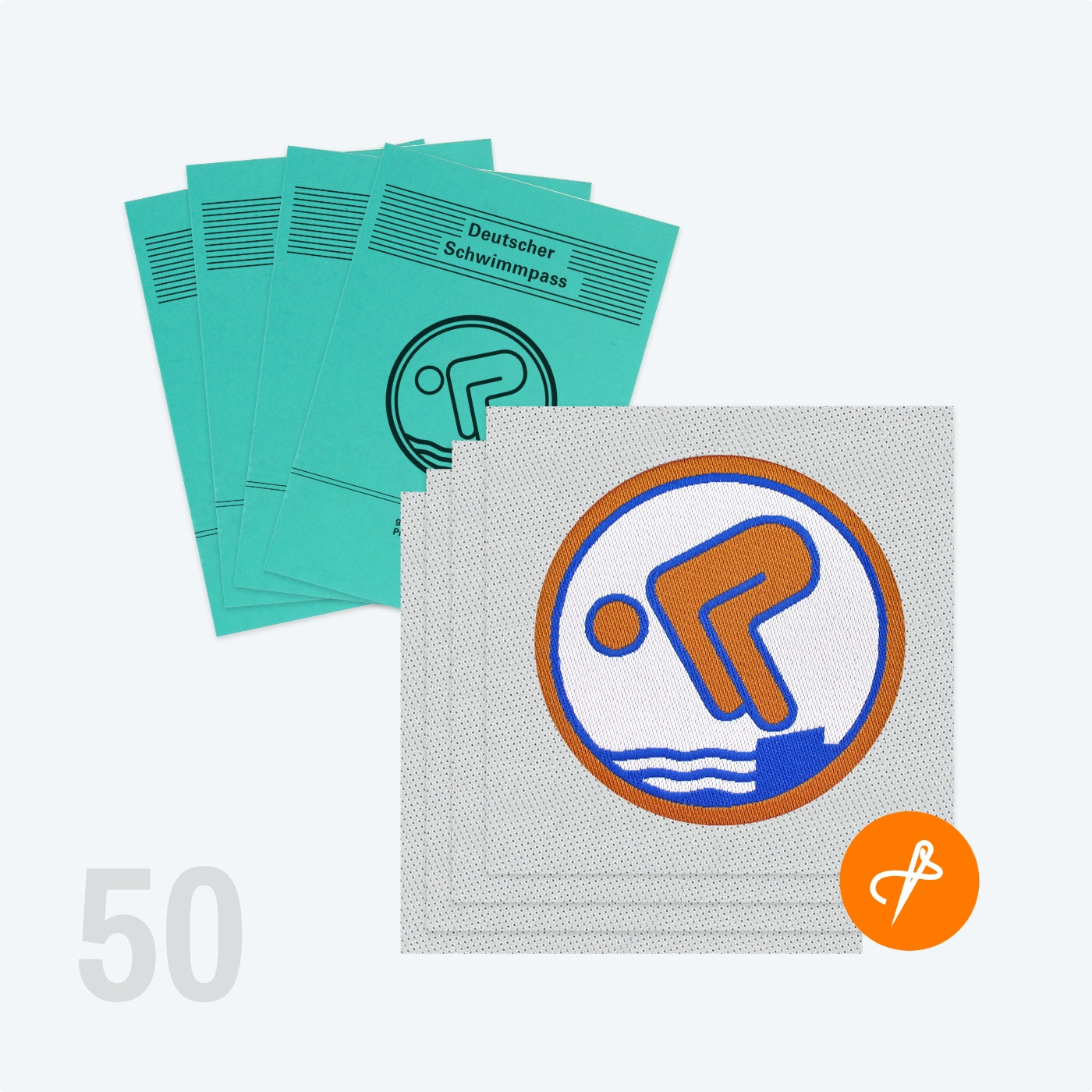
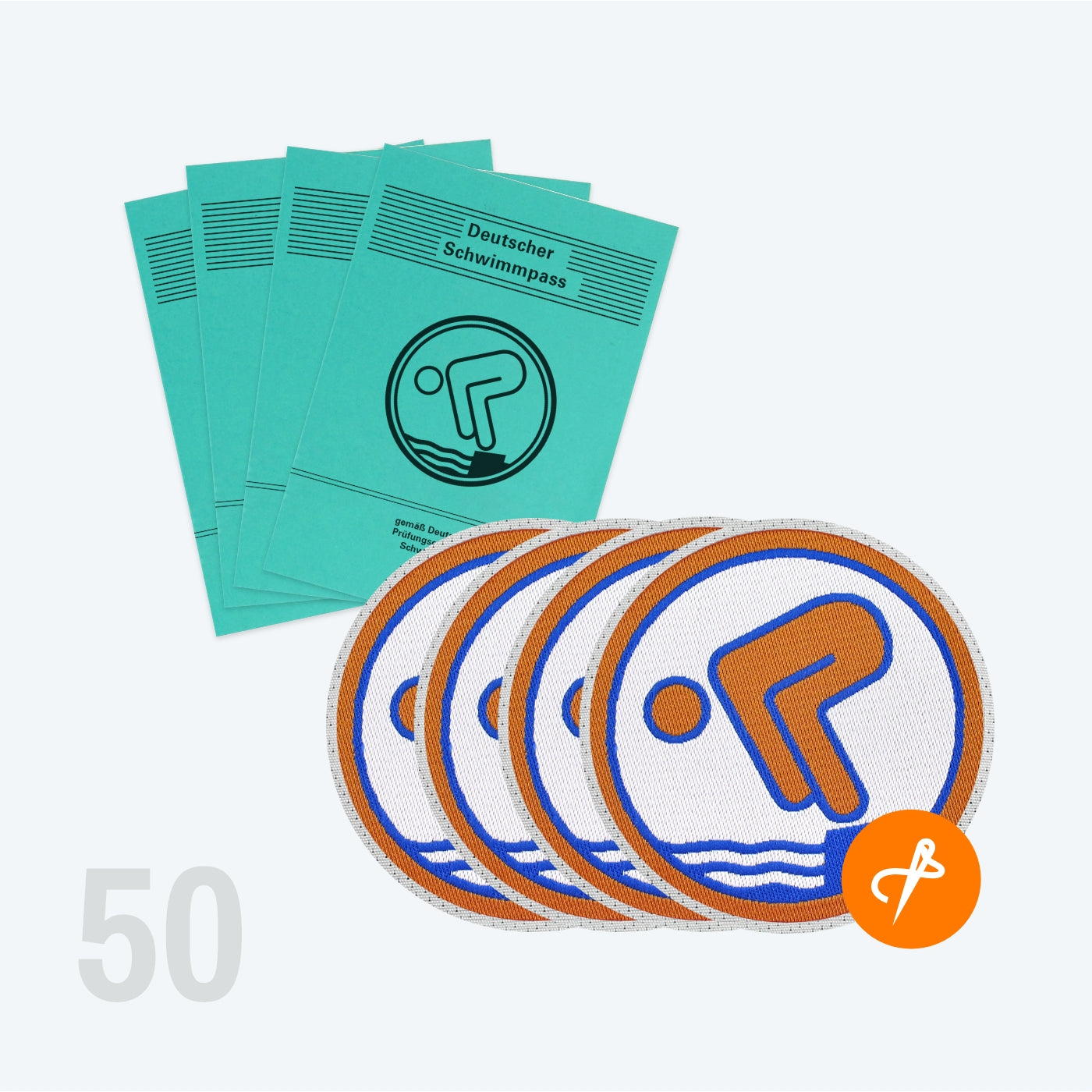
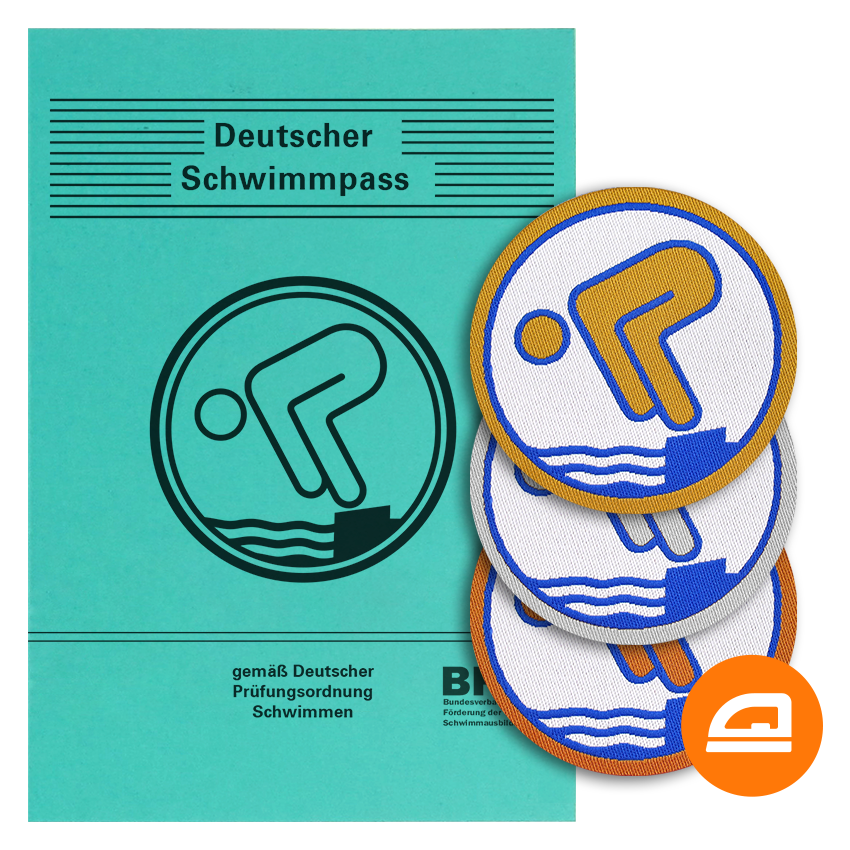
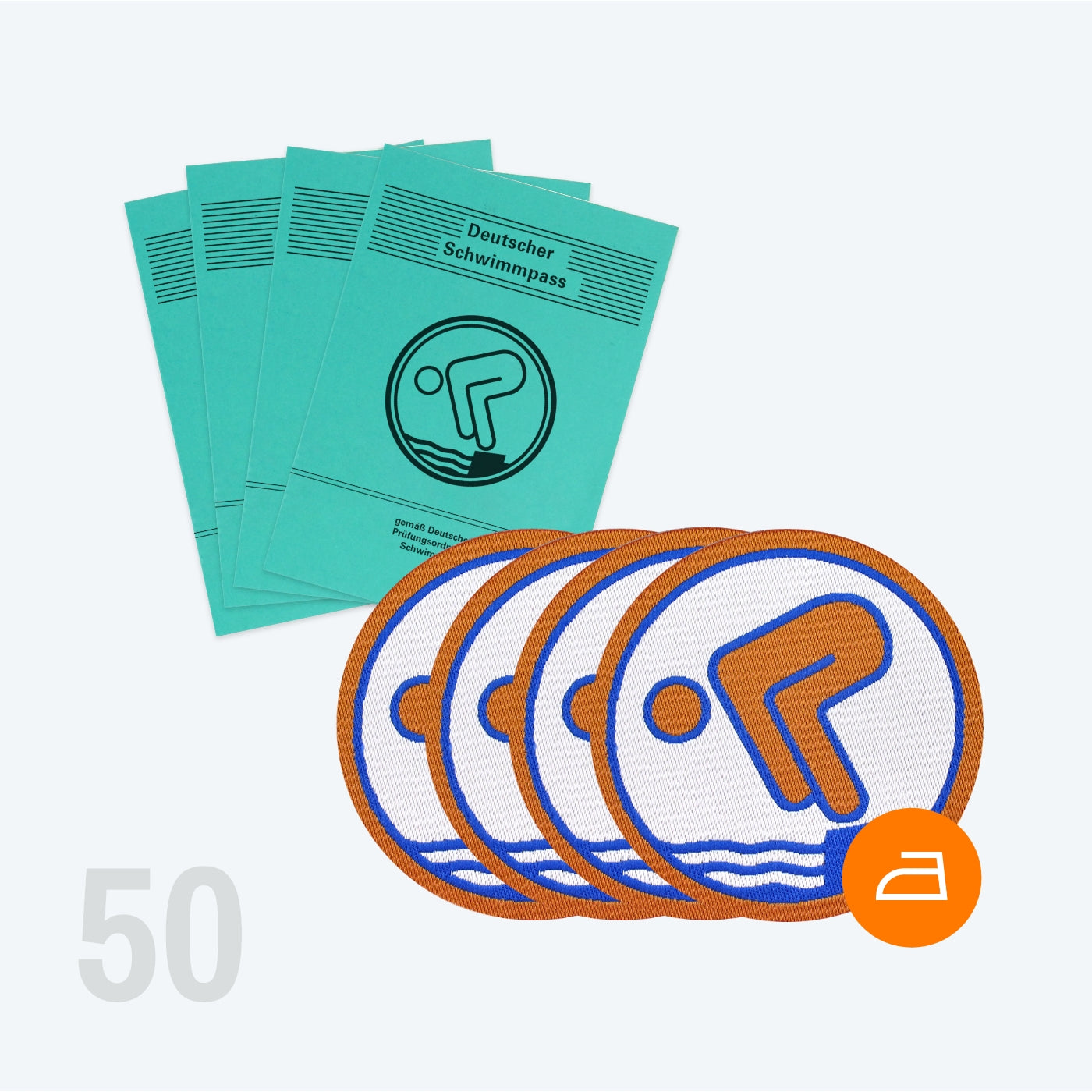
Wer hochwertige Abzeichen benötigt für seine Kurse, kann diese bei pimpertz erwerben.
Become a DLRG Swimming Instructor: Your Path to Becoming an Educator
1. Prerequisites: Membership and Lifesaving Badge
Are you interested in teaching others how to swim? To become a DLRG swimming instructor, you need the German Lifesaving Badge Silver, a minimum age of 18, a first aid course, and DLRG membership. Swimming instructors must join the local DLRG group to access training opportunities. The German Lifesaving Badge Silver must be current, often not older than 2 years. Additionally, a medical fitness certificate is required for lifesaving.
However, there are exceptions: teachers, police officers, or pool staff can participate in training under certain conditions without being DLRG members. DLRG membership is usually required, with exceptions for public service personnel.
2. Levels of Training: From Assistant to Instructor (Trainer)
2.1 Swimming Training Assistant
Entry often begins as an assistant. The DLRG also trains dedicated assistants who wish to gain experience. The "Swimming Training Assistant" course comprises approximately 30 learning units and provides initial insights into methodology and practice. Here, you learn the basics of how to help children and beginners overcome their fear of water and develop a love for movement.
3.1 Swimming Instructor (Lehrschein)
The "Swimming Instructor" course consists of approximately 75 learning units and qualifies you to independently lead courses and administer examinations. To become a DLRG swimming instructor, a series of courses must be completed, including practical experience under the guidance of an experienced trainer. Additional qualifications and modules may be added depending on specialization, for example, for children, young people, and adults, or trainer licenses.
The path to becoming a DLRG swimming instructor requires prior experience in swimming instruction. Planning and conducting swimming courses, as well as the methodology of swimming lessons, are part of a DLRG swimming instructor's responsibilities.
4. Practice in the Swimming Pool: Parents, Children, and Safety
In the swimming pool, you not only work with participants but also interact with parents and professionals. Your communication and organizational skills are essential here. Safety is paramount, but fun should not be overlooked during training. As a swimming instructor, you bear responsibility for the group and ensure the smooth running of activities.
5. Information and Open Questions
Those seeking further information can find everything about the current examination regulations on the DLRG website. For questions, instructors in the local group are available. Whether you are a teacher, student, or professional – the DLRG is always looking for support.
Seize the opportunity to expand your skills. There is great interest in swimming courses, and qualified professionals are urgently needed. Find out about the next event near you.
6. Why the DLRG? Community and Goals
The DLRG is more than just an association. It connects people with the common goal of saving lives. Everyone who gets involved makes an important contribution to society. Cooperation with schools and pools expands the offerings and the possibility of making swimming accessible to everyone. Regular feedback helps to continuously improve the quality of training. Safety is always at the forefront.
7. Qualifications and Certificates in Detail
In addition to the teaching certificate, there are a variety of other qualifications. Certificates and swimming badges document learning progress. Lifesaving is the basis for all further courses. Many instructors specialize and acquire additional badges. Working with lifeguards requires a high degree of expertise and a willingness for continuous training. The swimming badges also serve as motivation.
8. Challenges: Technique, Risk, and First Aid
Dangers lurk in the water. As an instructor, you must be able to assess risks and act correctly in an emergency. Improving swimming techniques and coordination is essential for safe movement in the water. You will encounter people with different prerequisites – patience and often a strong nerve are required here. But the joy of teaching and the satisfaction of success compensate for the effort.
9. Organization: Registration and Costs
Participation in courses is often tied to membership. The fee is usually low and covers insurance and materials. The number of places is often limited, so early registration is advisable. For organizational questions, such as accommodation during courses or billing, the managing director or the board of the local group is often responsible. A special lifesaving course may also be part of the offering.
10. Further Facts in German and English
Schwimmlehrer müssen der DLRG-Ortsgruppe beitreten, um Zugang zu den Ausbildungsangeboten zu erhalten.
The training to become a DLRG swimming instructor includes obtaining a rescue swimming badge as a prerequisite for the assistant instructor role.
DLRG swimming instructors must complete additional foundational courses to qualify as full instructors.
Participants in DLRG swimming instructor training must learn how to handle emergency situations effectively.
The DLRG emphasizes the importance of continuous education for swimming instructors to maintain their qualifications.
DLRG Schwimmkurse sind speziell entwickelte Ausbildungsprogramme, die Kindern und Jugendlichen das sichere Schwimmen beibringen.
Strukturierte Schwimmkurse können das Ertrinkungsrisiko bei Kindern um bis zu 88 Prozent senken. Ein Beispiel hierfür sind spezielle Schwimmabzeichen für Kinder, wie das Seestern Stella Abzeichen zur Wassergewöhnung.
Die DLRG leistet einen wichtigen Beitrag zur Wasserrettung und Unfallprävention in Deutschland.
DLRG Schwimmkurse sind entscheidende Bildungsprogramme, die lebensrettende Fähigkeiten und Sicherheitskompetenz im Umgang mit Wasser vermitteln.
Die Kurse sind in verschiedene Alters- und Fähigkeitsstufen unterteilt, die spezifische Schwimmtechniken und Sicherheitskompetenzen vermitteln.
Jeder DLRG Schwimmkurs wird von hochqualifizierten und speziell ausgebildeten Trainern durchgeführt.
Die DLRG Schwimmkurse vermitteln nicht nur technische Fähigkeiten, sondern auch ein tiefes Verständnis für Gefahren und Sicherheitsverhalten im Wasser.
DLRG swimming teachers are highly qualified professionals with extensive training in water safety and pedagogy.
DLRG swimming teachers are trained in first aid and rescue swimming techniques.
DLRG swimming teachers are responsible for teaching swimming techniques and ensuring water safety for their students.
Wer hochwertige Abzeichen benötigt für seine Kurse, kann diese bei pimpertz erwerben.