
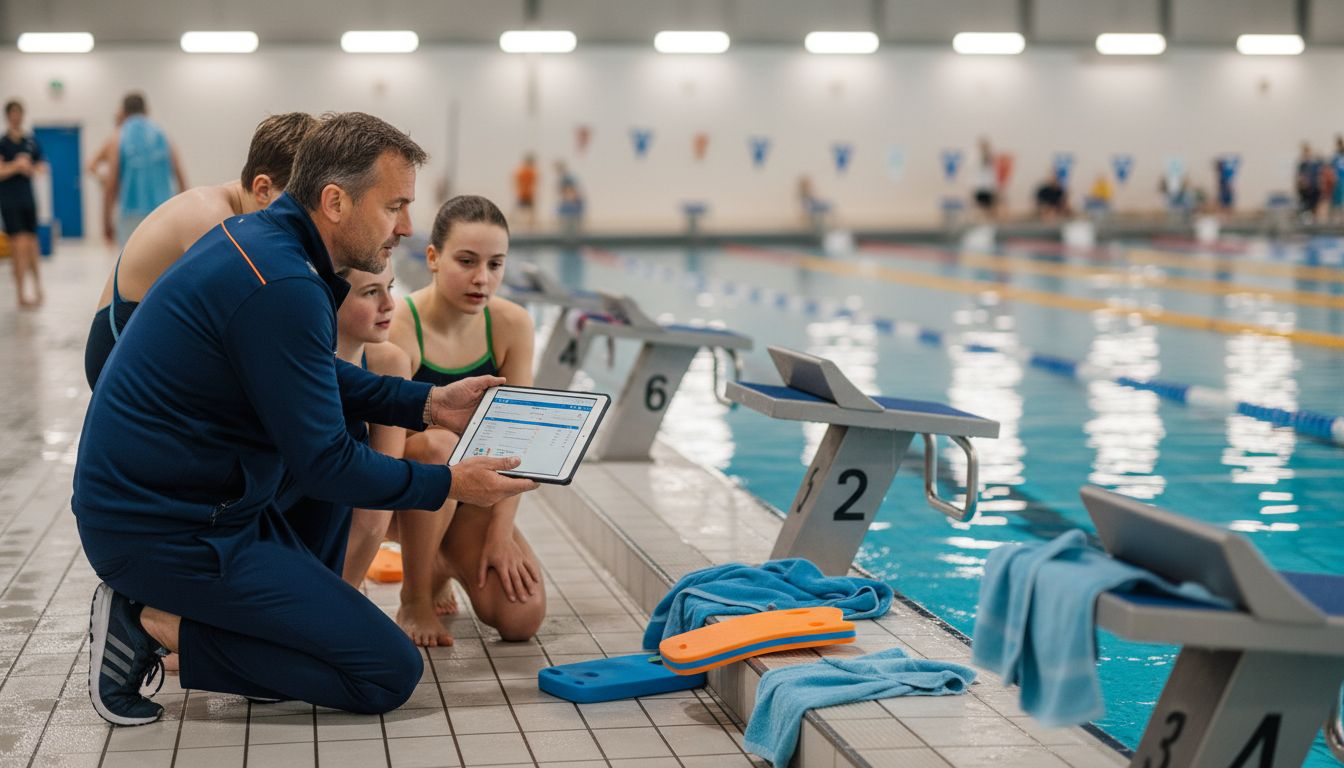
6 New Trends in Swimming 2025 for Coaches and Clubs
As a coach or club leader in swimming, you are constantly faced with the challenge of making your training innovative, effective, and sustainable. Expectations for modern swimming programs are growing – whether it's about smart technology, new training methods, or sustainability in the swimming pool. However, there is often a lack of a clear overview of how to practically use current trends for your training work.
This overview shows you how digital tools, environmentally friendly solutions, and motivating concepts can make your swimming training easier and more successful. You will learn which innovations really work and how you can immediately implement them in your daily routine.
Look forward to concrete tips and surprising ways that will advance you and your team. This way, you get the best out of your athletes and your swimming pool – and set modern impulses that benefit everyone.
Table of Contents
- Smart Technology: Modern Training Aids in the Water
- Sustainability in the Swimming Pool: Environmentally Friendly Approaches
- Individualized Training Plans through Digital Tools
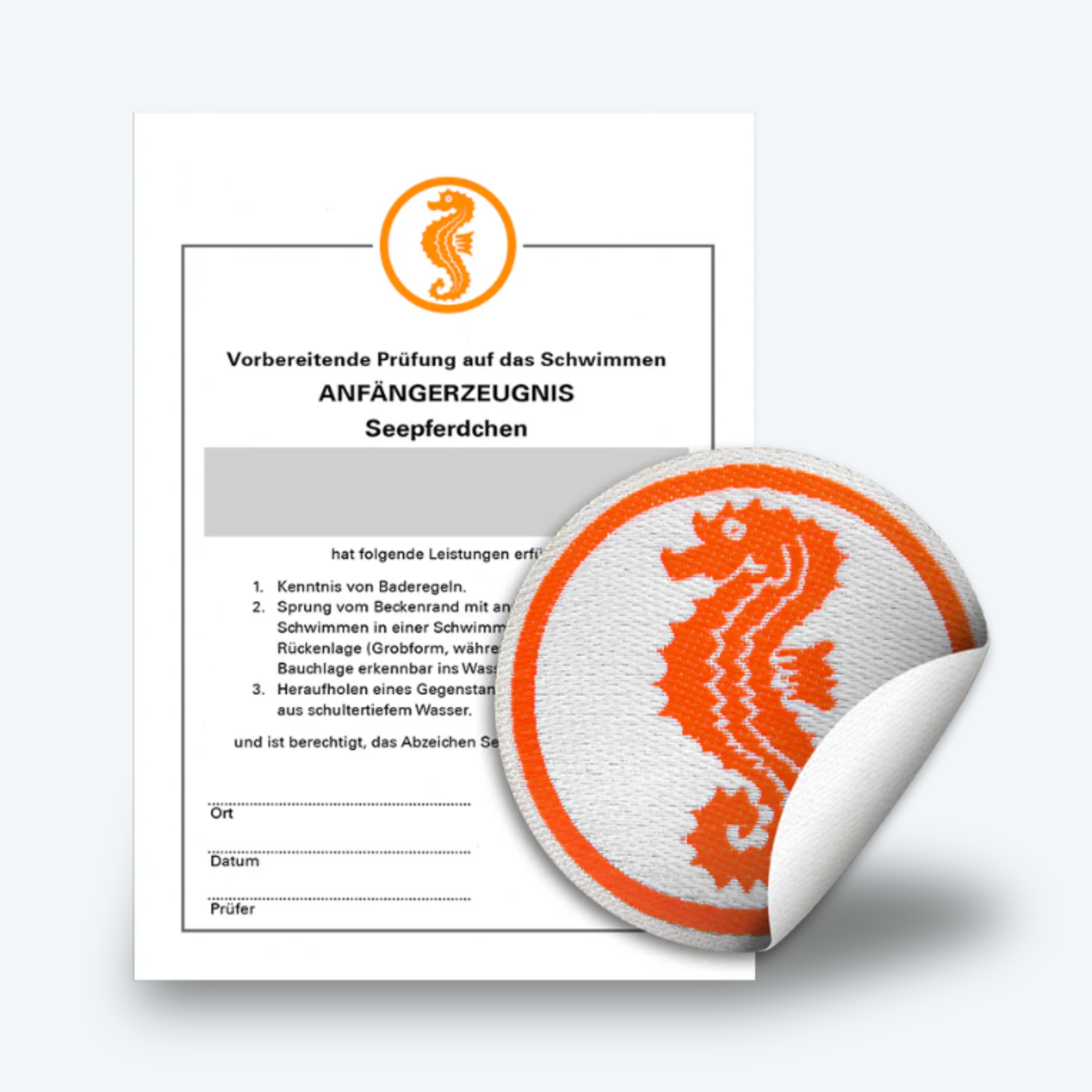
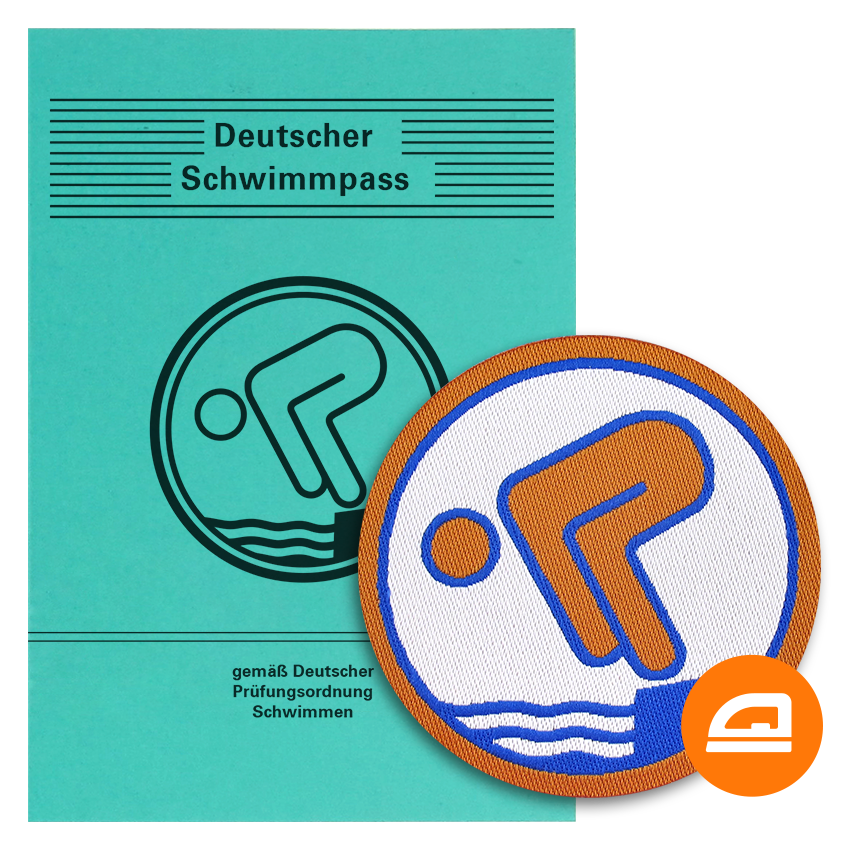
- New Swimming Badges and Motivating Reward Systems
- Strengthening Inclusion and Accessibility in Swimming
- Using Social Media Effectively in Swimming Training
Quick Summary
| Key Insight | Explanation |
|---|---|
| 1. Utilize Smart Training Aids | Wearables like smartwatches help accurately record training data and make individual progress visible. |
| 2. Promote Sustainability in the Swimming Pool | Environmentally friendly solutions like solar heating reduce energy costs and demonstrate environmental responsibility. |
| 3. Create Individual Training Plans | Digital tools enable personalized training plans based on each athlete's goals, saving time. |
| 4. Use Badges for Motivation | New swimming badges set clear goals and foster motivation in swim students by making progress visible. |
| 5. Strengthen Inclusion in Swimming | Accessibility and specialized coaching enable people with disabilities to participate in swimming. |
1. Smart Technology: Modern Training Aids in the Water
Modern training equipment transforms how coaches guide their athletes and clubs optimize their programs. Smart training aids precisely collect data during training, allowing you to elevate your planning and performance analysis to an entirely new level.
Wearables such as smartwatches and sensors on swimming goggles continuously measure your heart rate, distance, and swimming pace. These devices are no longer affordable only for Olympic athletes but also for ambitious recreational athletes and training groups. Data collection through wearables helps you precisely control training intensity and make individual progress visible.
The benefits for your training are concrete:
- Real-time feedback on heart rate zones, so athletes train within the correct intensity range
- Detailed performance metrics that support motivational talks with real data
- Long-term tracking of training adjustments and improvements
- Individual training plans based on personal data instead of assumptions
Smart devices not only help you train better but also motivate your athletes. Progress you can see is progress you can trust.
In addition to digital wearables, there are also classic and modern training devices that specifically improve water position, body posture, and arm and leg strokes. Modern swim trainers range from classic kickboards and fins to resistance belts, which can be used at various performance levels.
This variety allows you to individualize your training. You can sustainably motivate swim students by showing how new technology supports their goals.
Integrating these devices into training is practically easier than before. Many sensors are waterproof, quick to put on, and work without cumbersome connections. You don't need expensive infrastructure to start professional data collection.
The key is to use technology not as a replacement, but as an addition to your coaching knowledge. Devices provide you with numbers, but you, as a coach, bring the understanding of what those numbers mean.
Pro-Tip: Start with just one wearable device and learn to interpret its data correctly before introducing more devices, to avoid overload from too much information.
2. Sustainability in the Swimming Pool: Environmentally Friendly Approaches
Sustainability is no longer optional for modern swimming pools and clubs. More and more facilities are realizing that environmentally friendly operations save costs in the long run while fulfilling their responsibilities.
Swimming pools are among the most energy-intensive public buildings. Heating, ventilation, and water pumps consume enormous amounts of energy. However, this consumption can be significantly reduced through targeted measures.
The good news: You don't have to change everything at once. Small, thoughtful changes quickly add up to large savings. And in doing so, you show your members and the community that your club thinks with a future-oriented approach.
Concrete measures for your swimming pool:
- Solar-powered heating systems reduce energy costs by up to 40 percent
- Energy-saving pumps and automated controls minimize unnecessary operating times
- Rainwater harvesting for refills and cleaning reduces water consumption
- Innovative filter technologies work more efficiently and require fewer chemicals
- LED lighting throughout the pool saves electricity without compromising quality
Sustainable energy concepts such as heat pumps and photovoltaics enable you to significantly improve your pool's carbon footprint. Many associations now offer advice on how to make realistic progress.
The key to sustainability is not perfection, but continuous improvement.
If your club takes these issues seriously, you will notice how it strengthens your public image. Parents want to send their children to clubs that take responsibility. Coaches prefer to work in facilities that consider the future.
In addition to technological solutions, there is also simple staff training. When everyone understands why water circulation needs to be optimized or how to correctly set pumps, true sustainability emerges in everyday life.
Swimming pool safety and maintenance go hand in hand with sustainable processes. Modern filter systems improve both water quality and environmental performance.
Getting started is easy: Look at your current energy consumption, talk to your team about potential savings, and then prioritize two or three measures that fit your budget and infrastructure.
Pro-Tip: Utilize available funding programs and grants for sustainable renovations, as many federal states and municipalities support swimming pools with investment funds to increase energy efficiency.
3. Individualized Training Plans through Digital Tools
The era of standardized training plans is over. Modern digital tools enable you to create a tailored training plan for each swimmer that precisely matches their goals and performance level.
Every athlete is different. One wants to get faster, another is working on their technique, and a third is training for a competition. A digital tool automatically adapts to these different needs and saves you, as a coach, an enormous amount of time in planning.
Digital training plans go far beyond simple lists. Personalized swim training plans take into account individual training volumes, focal points, and performance levels. Videos and detailed explanations help your athletes implement the correct technique and specifically improve their endurance.
How does this work practically for your training?
- The swimmer enters their performance goal (e.g., 100m freestyle under 60 seconds)
- The tool creates a weekly training plan with variable workouts
- Each unit is equipped with explanatory videos and technique tips
- Progress is automatically tracked and the plan adjusted
- Integration with smartwatches allows seamless training without manual input
Individual training plans not only increase performance but also the motivation of your athletes.
The flexibility is particularly valuable. If a swimmer is sick for a week, the plan adjusts. If they make faster progress than expected, the intensity increases. It's almost like having a coach in your smartphone.
For clubs, this means you no longer need to spend hundreds of hours writing individual plans by hand. Instead, you can focus on what you do best – training, coaching, motivating.
If you integrate new teaching methods into your lessons, they can also be wonderfully combined with digital tools. Technology supports your method, but does not replace it.
Getting started is easier than you think. Many tools offer free trials or affordable club licenses. Invite your team to try an app and see how it feels.
Pro-Tip: Start with a small group of motivated athletes to test the tool, gather feedback, and then scale it up to the entire club to ensure a smooth rollout.
4. New Swimming Badges and Motivating Reward Systems
Badges are more than just souvenirs. They are psychological drivers that motivate your swim students to continue and show them that their hard work is recognized.
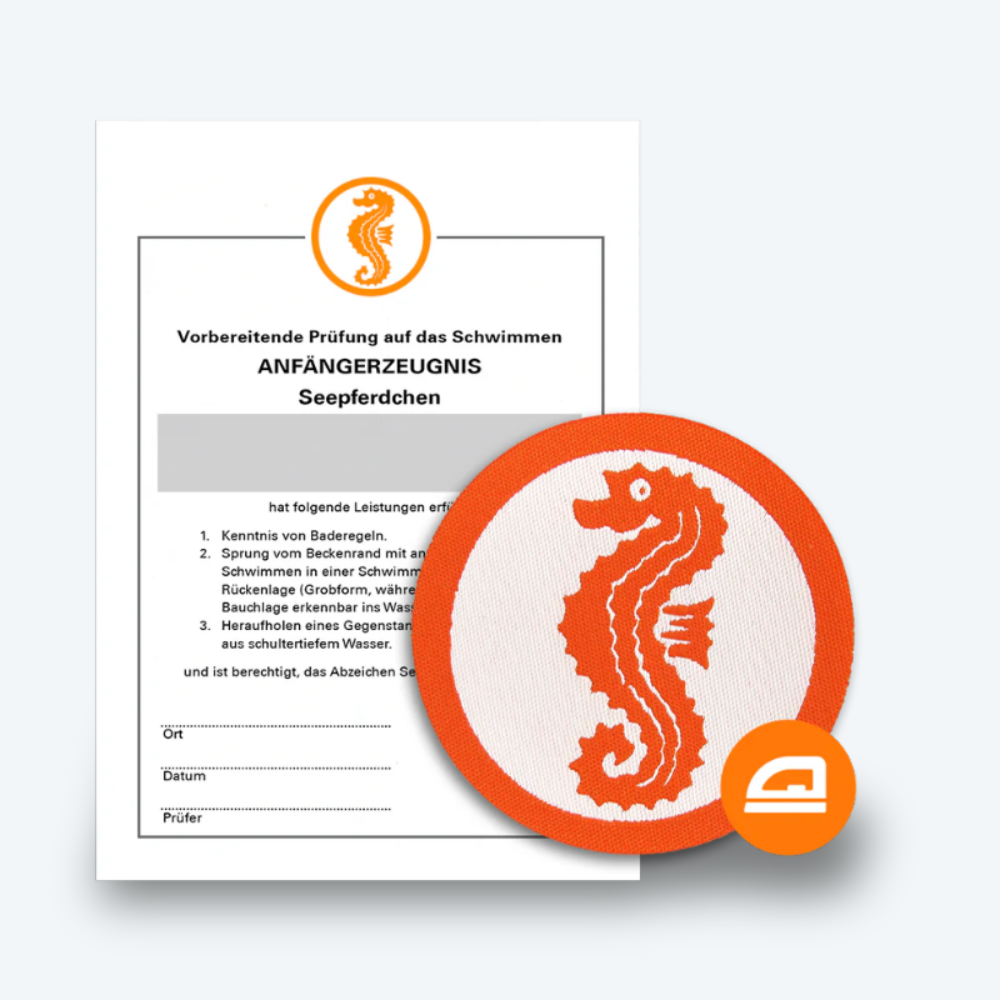
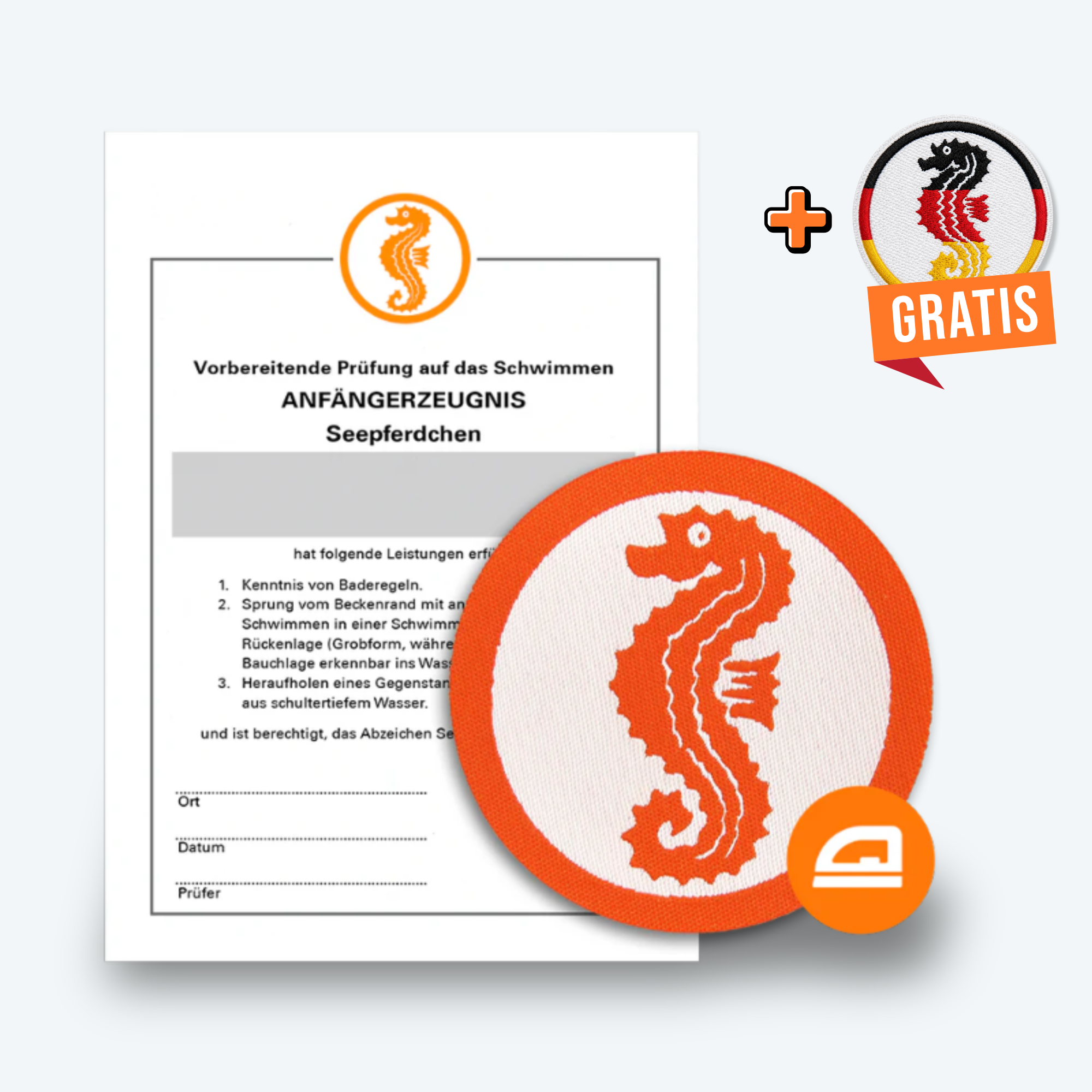
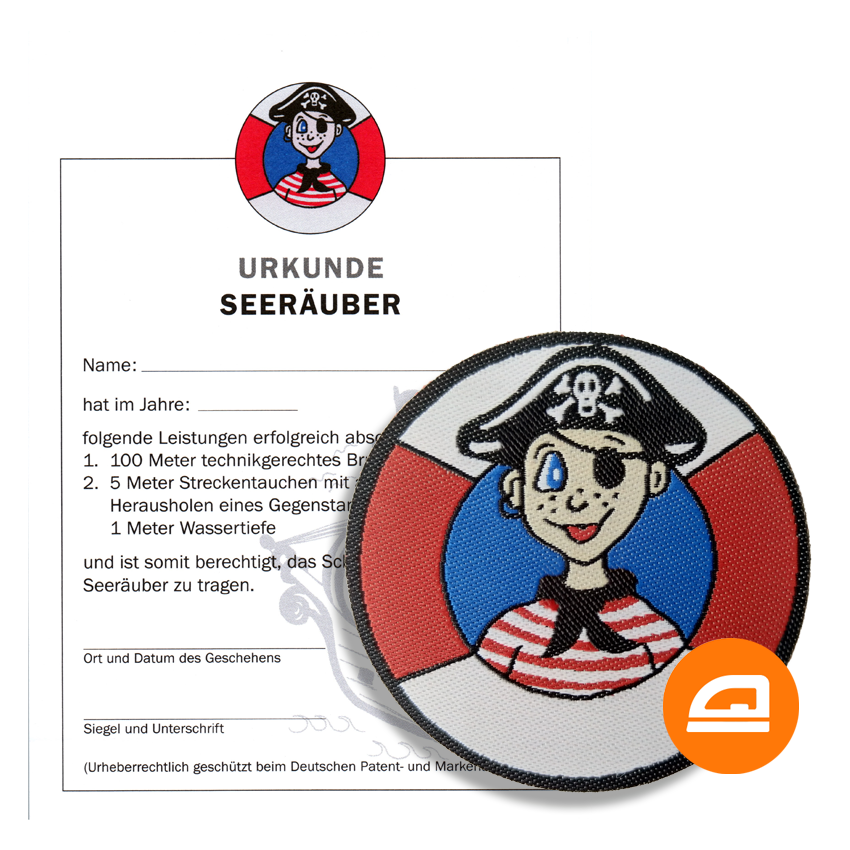
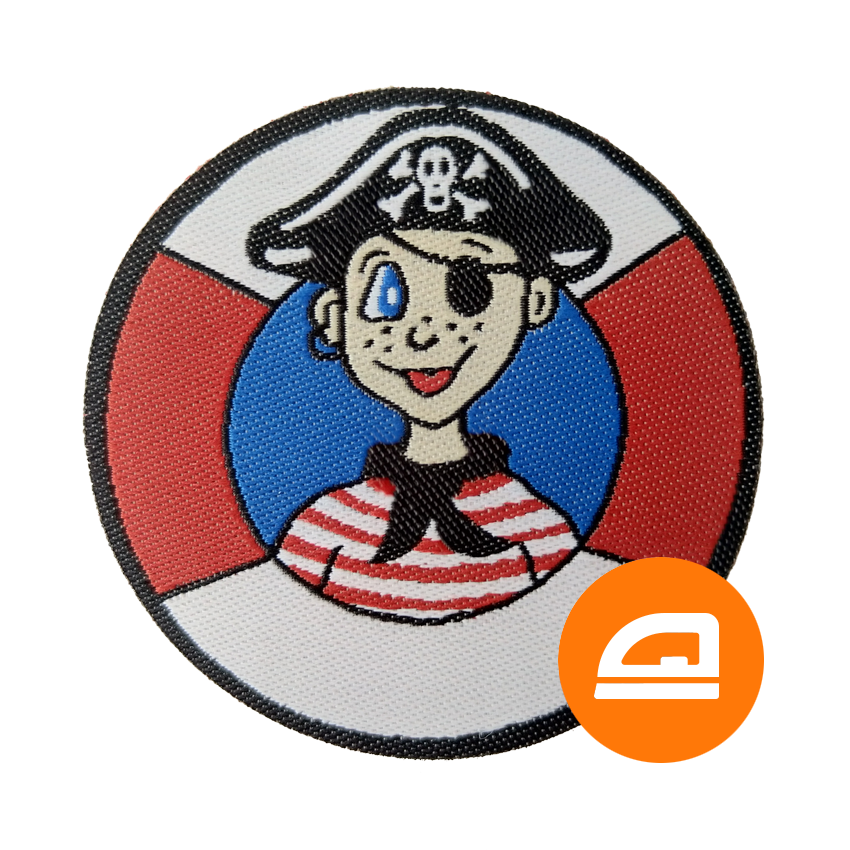
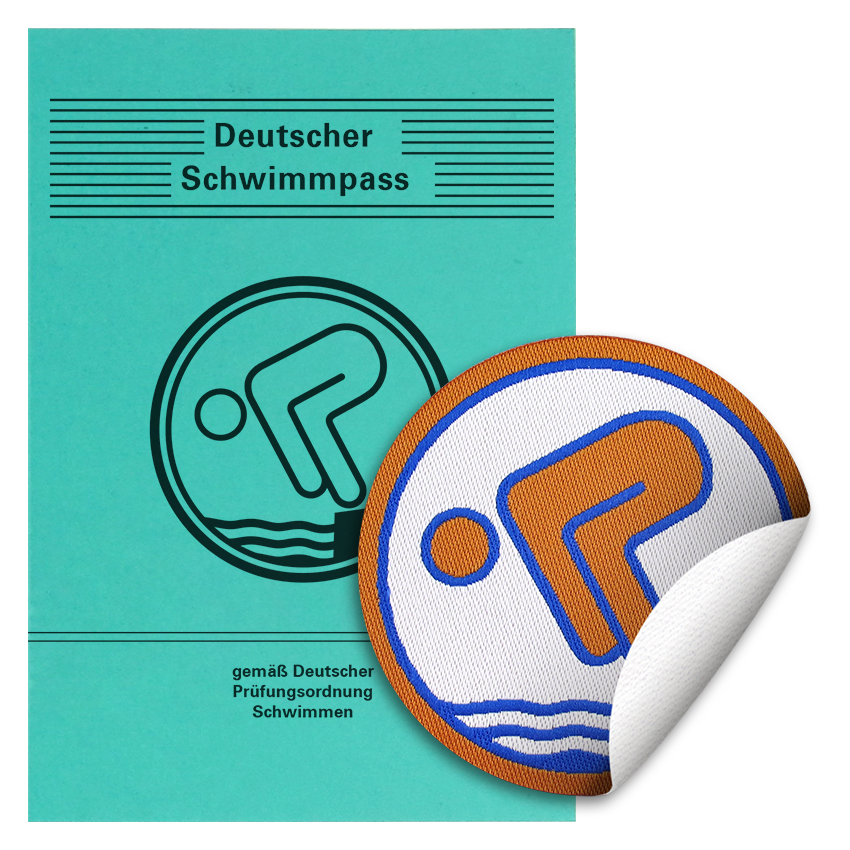
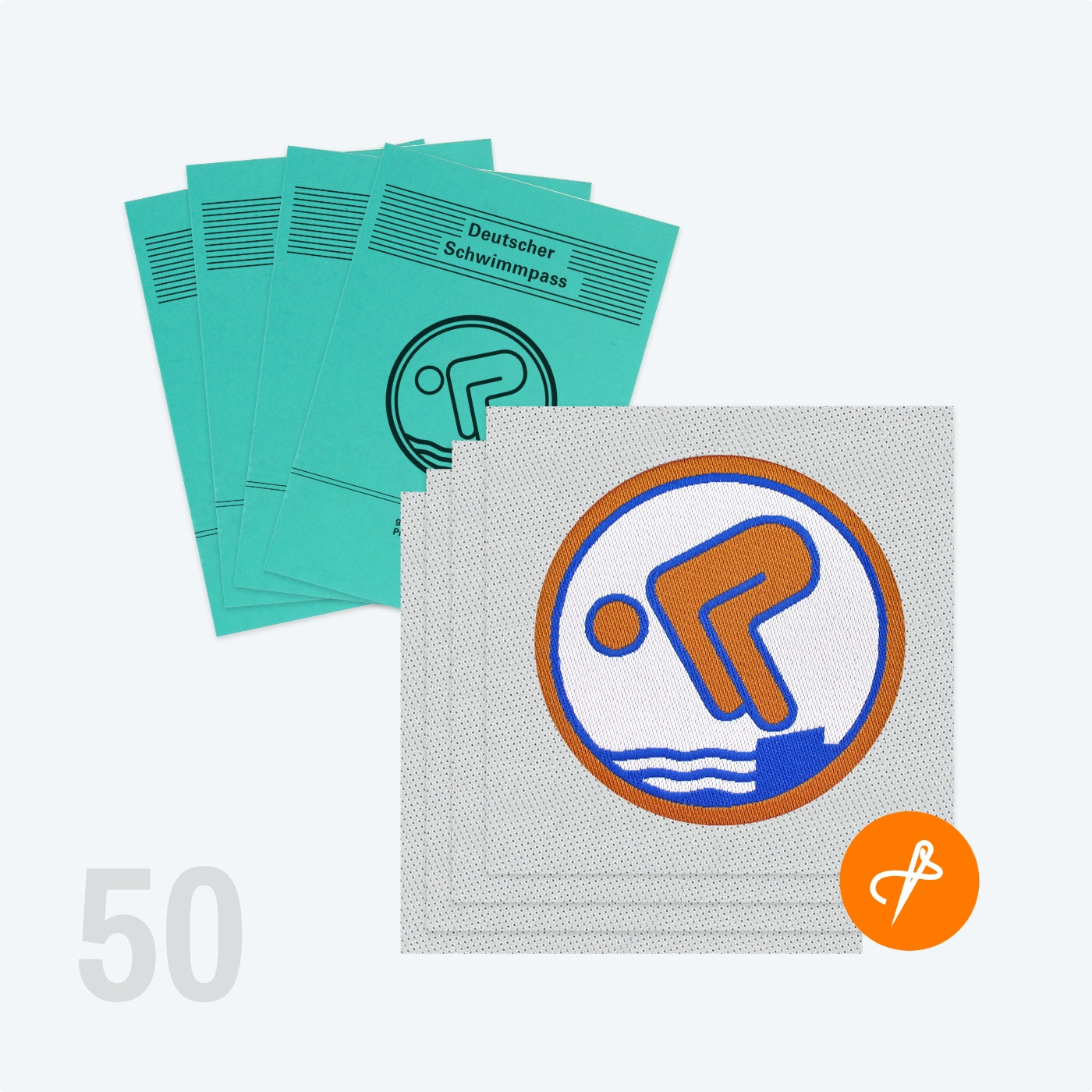
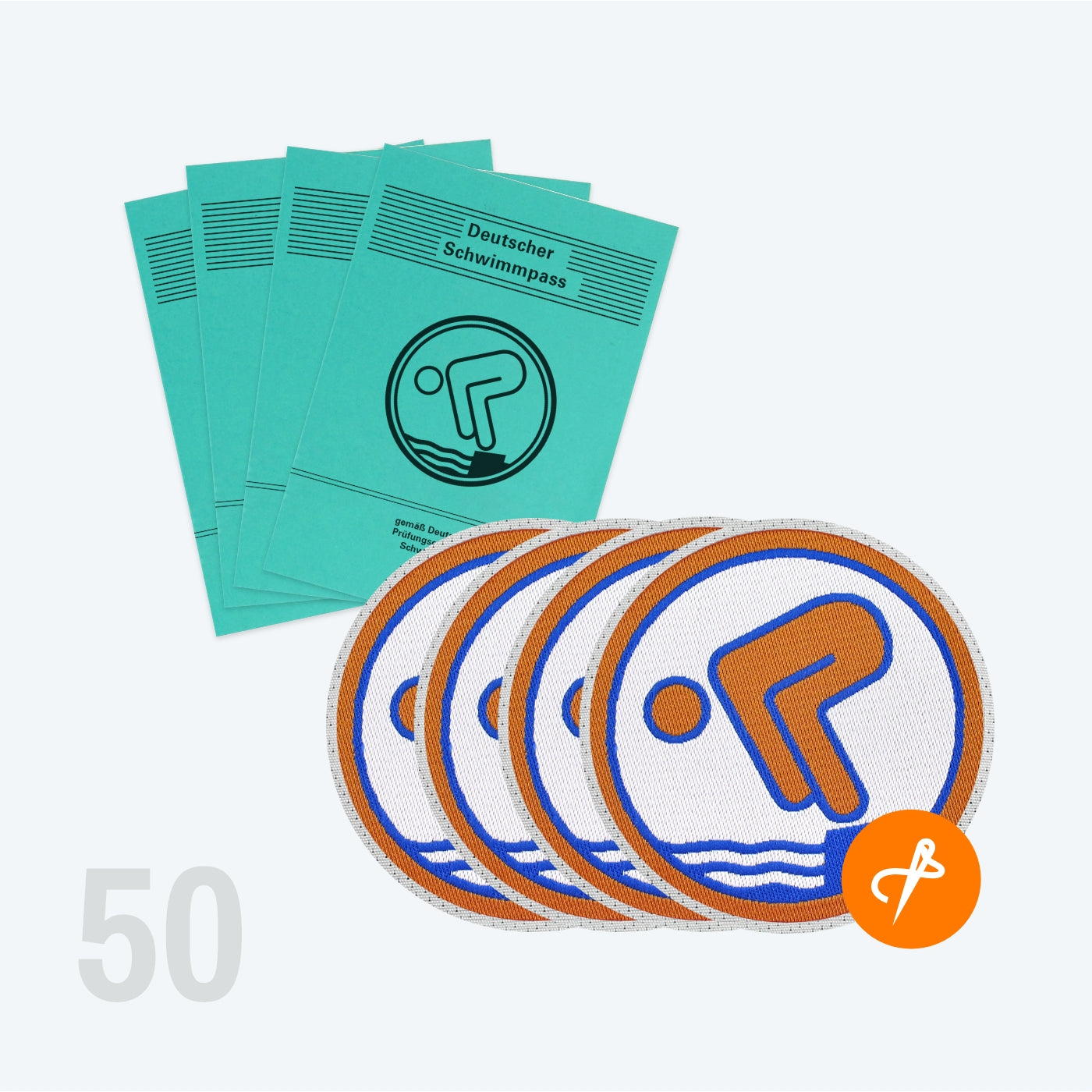
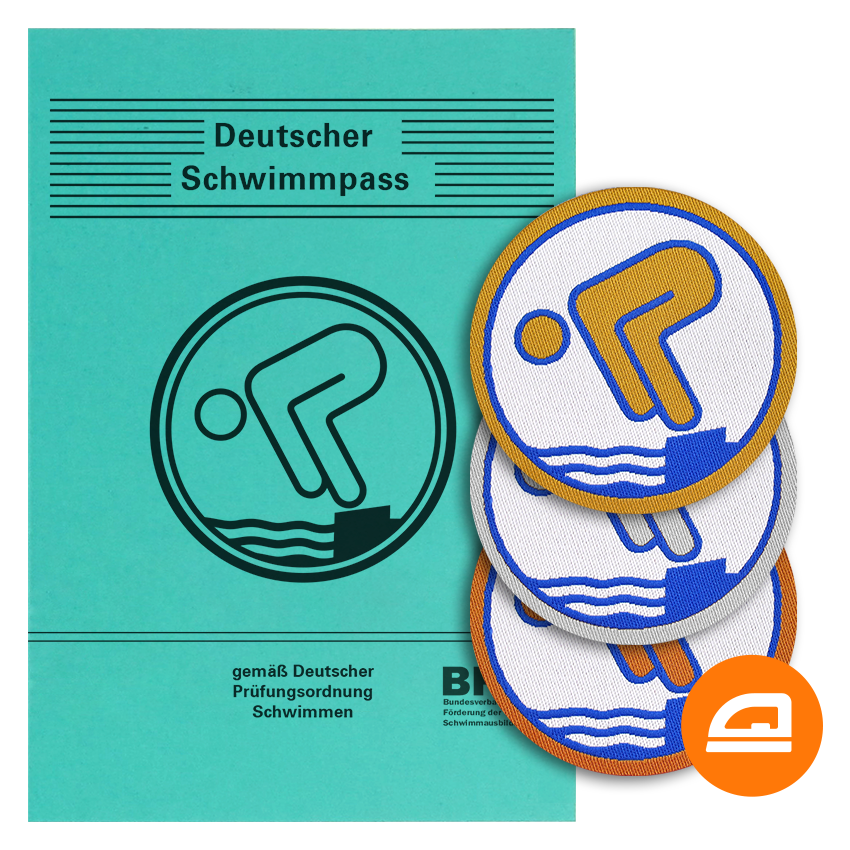
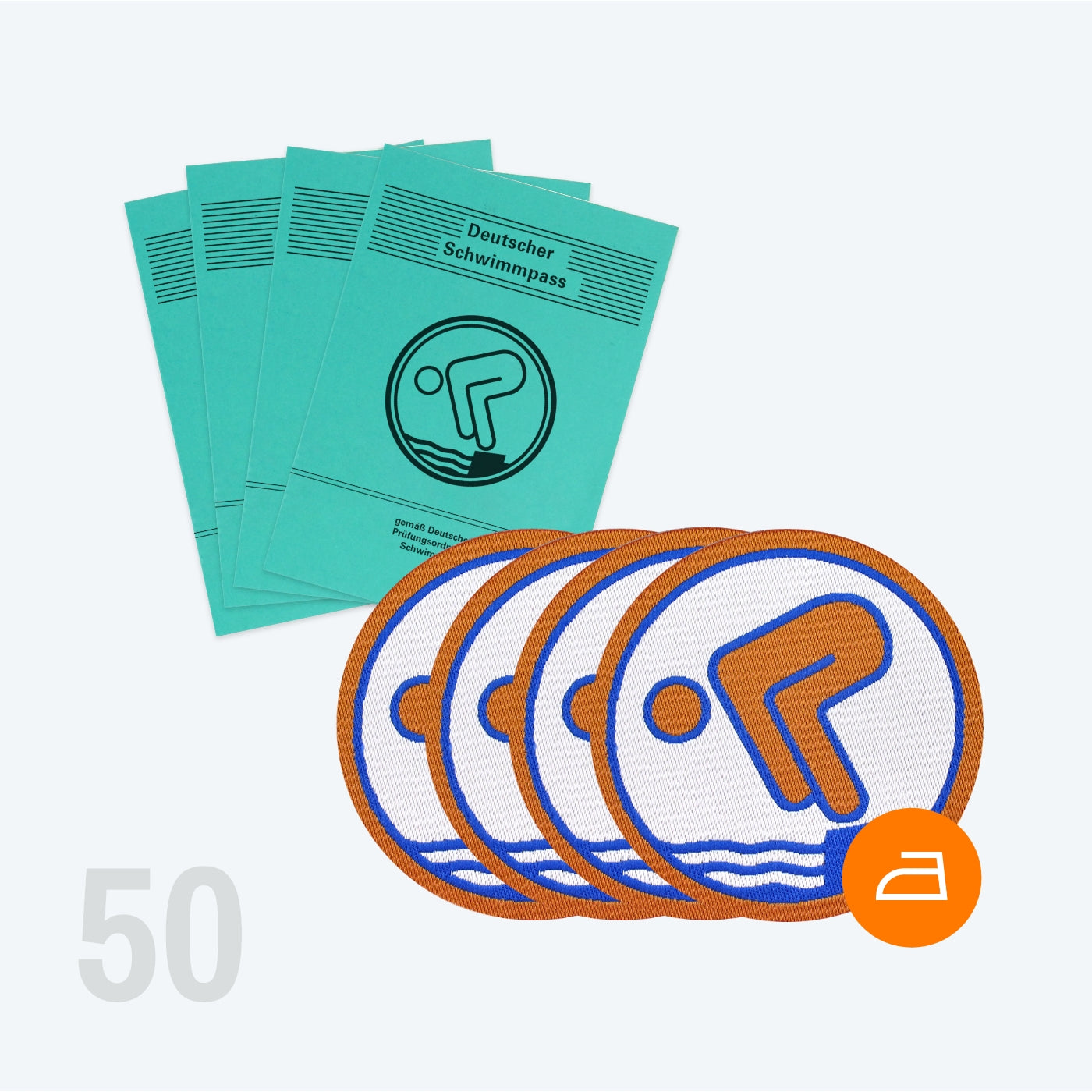
2025 brings exciting innovations to the badge system. The German Snorkeling Badge comes in three levels: Bronze, Silver, and Gold. These new options give your training groups additional goals and more flexibility to support each individual swimmer.
Why do badges work so well? Because they set concrete milestones. A child doesn't see "three more years of training ahead," but "in two months I'll have Bronze." Psychologically, that's a huge difference.
The new badge system offers you the following advantages:
- New swimming badges give your courses additional motivational goals
- Multiple levels enable progressive challenges for all performance levels
- Regular swimming badge days create festive training days nationwide
- Badges act as rewards that make real progress visible
- Parents see clear markers in their children's development
Motivation through swimming badges works particularly well when the badge system is regular and fair. Your athletes should know exactly what they need to train to earn a badge.
Badges are not just plastic and paper. They are visible proof of personal progress and perseverance.
Practically for your club, this means: Plan your annual calendar with swimming badge dates. Incorporate badge tests into your training planning. Use them as regular checkpoints for performance levels and motivation.
This not only motivates the swimmers. It also creates a culture of progress in your club. When badges are regularly awarded, a positive dynamic emerges. New children see: "Something is happening here, performance is rewarded here."
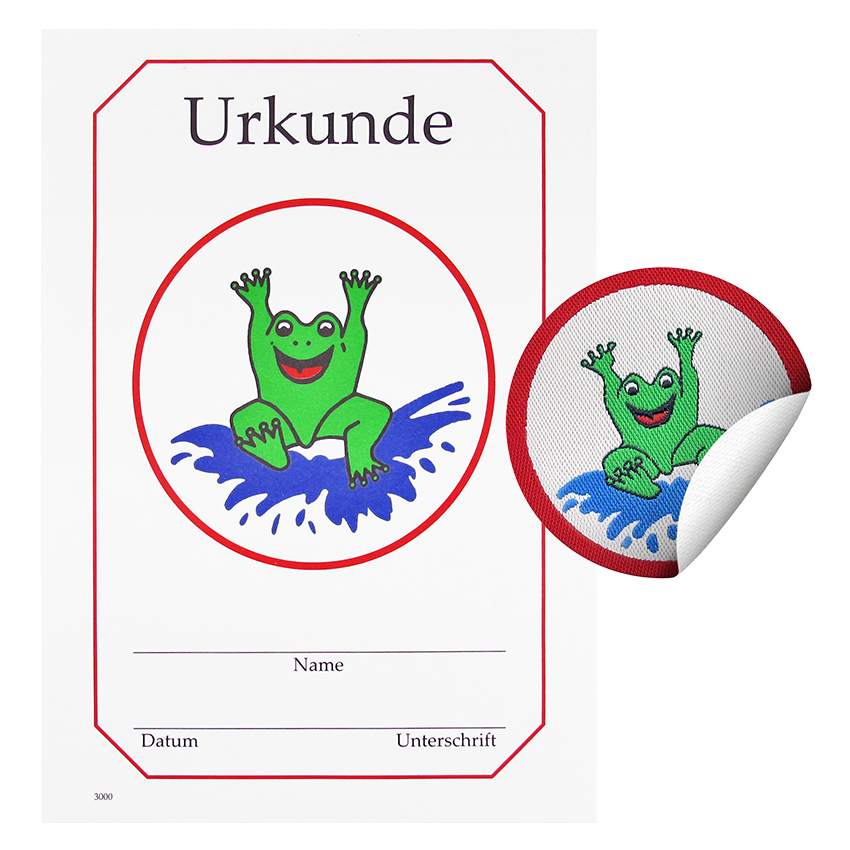
For your reward system, you can combine the badges with other incentives. Some clubs provide small collector cards, some award certificates in addition to the badges. This reinforces the psychological effect even more.
Pro-Tip: Create a visual reward system at your training facility where your swimmers' badge achievements are clearly visible to foster a culture of recognition.
5. Strengthening Inclusion and Accessibility in Swimming
Swimming is for everyone. Or at least it should be. Inclusion in swimming means that people with disabilities go into the water as naturally as everyone else.
2025 is the year when many clubs and training facilities take this idea seriously. It's not about pity, but about genuine participation. People with physical or cognitive impairments enjoy the water just as much as anyone else.
The good news: You don't have to be perfect to start. Small steps lead to big changes. Specialized training courses help you coach people with disabilities safely and effectively.
What does accessibility practically mean for your swimming pool?
- Wheelchair-accessible entries to the water and barrier-free changing rooms
- Personal lift or ramp for safe entry and exit from the pool
- Specially trained coaches who know how to coach individually
- Flexible course times for people who depend on care or transport
- Sensitive staff who welcome, not exclude
Inclusion in swimming not only opens up new members to your club but also a whole new perspective on sport and community.
Inclusion is not a great sacrifice. It is an investment in a fairer swimming community.
Practically, you can proceed in three steps. First: Look at your current infrastructure. Where are there hurdles? Then: Talk to affected people and their families. They know what they need. Finally: Make small, concrete improvements that make a real difference.
The emotional component is important. Children with disabilities often experience exclusion. If your club shows them "You are welcome here, you belong here," you make a real difference in their lives.
Further training is key. Your coaches need to know how to deal with various limitations. This is not rocket science, but it requires knowledge and sensitivity.
Start with what is possible. Maybe you only have one barrier-free changing room. That's a start. Maybe you can initially train one coaching team. That also counts.
Pro-Tip: Contact local disability associations and self-help groups to understand what barriers your community faces, and work together on realistic, stepwise solutions.
6. Using Social Media Effectively in Swimming Training
Social media isn't just for influencers. It's a powerful tool for coaches and clubs to strengthen their community, motivate athletes, and make their work visible.
Your club can communicate directly with parents, swimmers, and interested parties via Instagram, TikTok, or Facebook. This creates closeness and authenticity that was unthinkable before. Your target audience sees not only the successes but also the people behind the training.
Social media specifically allows you to:
- Share training videos to demonstrate technique and provide feedback
- Document and appreciate the success stories of your athletes
- Direct contact with parents, without detours via email or phone
- Transparent communication about training times, events, and badge days
- Brand building for your club as a modern, open place
Direct contact with fans and athletes strengthens motivation and engagement. German top swimmers frequently use Instagram to share their training journeys, successes, and personal insights. This works not only in professional sports but also for local clubs.
Authenticity in social media beats perfect staging. Show your real training culture.
Practically, you can start with small pieces of content. A short video from training, a photo from a badge test, a message about a swimmer's success. It doesn't have to be professional. It just has to be real.
Consistency is important. Don't post randomly, but regularly and with a clear message. Your club stands for quality, safety, and progress. This should also be reflected in your posts.
Training content and live communication make swimming more personal and accessible. You can share training tips, answer questions, and build a community.
But also: Use social media in moderation. It doesn't replace personal interaction with your swimmers. It complements it. The best communication still happens at the poolside.
Data protection is important. Especially with children. Make sure you have parental permission before sharing photos. This builds trust and security.
Pro-Tip: Create a weekly social media content plan with a mix of training tips, success stories, and community content to maintain consistency and avoid spontaneous posting.
This table summarizes the main themes and core messages of the article on modern developments, strategies, and technologies in swimming. It provides an overview of smart technology, sustainability, digital tools, new badges, inclusion, and the use of social media.
| Topic | Description | Advantages |
|---|---|---|
| Smart Technology in Swimming | Use of wearables such as smartwatches and sensors to improve training. | Real-time data for analysis, individualized performance enhancement, easy integration. |
| Sustainability in the Swimming Pool | Use of environmentally friendly technologies such as solar systems and efficient filter systems. | Cost reduction, resource conservation, ecological responsibility. |
| Digital Tools for Individualized Plans | Creation of personalized training plans based on target specifications and data. | Time saving, motivation, flexible adaptation. |
| New Swimming Badges | Introduction of new snorkeling badges in three levels to increase performance. | Increased motivation, setting tangible goals, fostering a culture of progress. |
| Inclusion in Swimming | Adaptation of facilities and training of staff for barrier-free participation. | Access for all, promotion of diversity, social responsibility. |
| Use of Social Media | Use of platforms for public relations and community nurturing. | Promotion of engagement, strengthening of club presence, direct contact with members. |
These topics show the potential and developments that can make swimming modern, sustainable, and motivating.
Mastering Innovative Swim Training for 2025 with Pimpertz
The new trends in swimming for 2025 present coaches and clubs with exciting challenges such as smart training aids, sustainable swimming pool concepts, and motivating swimming badges. One thing is clear: visible success and individual encouragement play a decisive role in the motivation of your swimmers. This is where Pimpertz comes in, supporting you with original certified swimming badges & certificates as well as child-friendly accessories to effectively implement your training goals.
Rely on tangible recognition for progress and build a reward system with personalized bundle offers that ensures lasting motivation. Combine modern training methods with proven badges that are not only visible but also officially recognized. Make your training more sustainable and inclusive with motivating swimming badges and benefit from our over 38 years of expertise as a partner of DLRG and BFS.
Start today with the right products from Pimpertz and strengthen your coaching team with high-quality solutions for tomorrow's swimming trends. Discover our comprehensive range and take your swimming courses to the next level.
Frequently Asked Questions
What smart training aids are available for swimmers in 2025?
Modern training aids include wearables such as smartwatches and sensors that measure heart rate, distance, and pace. Use these devices to precisely control your swimmers' training intensity and make progress visible.
How can I implement sustainable measures in my swimming pool?
You can start with small changes such as installing energy-saving pumps or using solar energy. Plan to identify and implement at least two concrete measures within the next 30 days.
How do I create individual training plans for my swimmers?
Use digital tools that capture individual performance goals and automatically create training plans. Focus on adapting each plan to the specific needs of your athletes to increase their motivation and performance.
What are the benefits of the new swimming badges in 2025?
The new swimming badges offer your swim students clear, motivating goals and diverse challenges. Integrate these badges into your training to make your swimmers' progress visible and promote their performance.
How can I promote inclusion in swimming?
Implement barrier-free access to your swimming pool and train your coaches to work with people with disabilities. Start with simple steps that you can implement within the next few months to create an inclusive environment.
What role do social media play in swim training?
Social media allows you to communicate directly with athletes and parents and share training successes. Start by posting content regularly to increase motivation and engagement in your community.
Recommendation
- 7 Important Swimming Badge Trends 2025 for Clubs & Parents
- Mastering 7 Key Challenges for Swim Clubs in 2025
- 7 Current Swimming Badge Design Trends 2025 Explained
- 7 Proven Tips for Events for Swim Clubs in 2025
- 7 Key Drone Trends 2026 for Professionals in the Rental Market
- 7 keys for sustainable cycling events 2025 in Germany and Switzerland - Cyclist Blog