
7 Proven Tips for Swimming Club Events in 2025
Did you know that more than 60 percent of German children cannot swim safely? Swimming clubs therefore bear a great responsibility. Those who plan events in the club can specifically foster talent, strengthen community, and ensure greater safety. Practical tips and creative approaches help to make events not only successful but also unforgettable.
Table of Contents
- Target Group-Oriented Event Planning for Swimming Clubs
- Checklist for Safe and Smooth Operations
- Designing Attractive Badge and Certificate Awards
- Utilizing Partnerships with Local Sponsors
- Innovative Swimming Competitions and Creative Activities
- Effective Communication with Parents and Helpers
- Creating Lasting Memories and Motivation
Quick Overview
| Takeaway | Explanation |
|---|---|
| 1. Prioritize target group-oriented event planning | Event design should be tailored to the needs of participant groups to achieve maximum motivation and participation. |
| 2. Ensure safety with comprehensive checklists | A detailed checklist for safety and operational planning minimizes risks and increases efficiency at events. |
| 3. Make badge awards emotional | The awarding of swimming badges should be creative and express emotional appreciation to strengthen club spirit. |
| 4. Strategically involve local sponsors | Communicate clear benefits for sponsors to foster long-term partnerships that open new opportunities for the club. |
| 5. Promote effective communication with parents | Engaging parents through regular information and feedback ensures that all involved feel valued and informed. |
1. Target Group-Oriented Event Planning for Swimming Clubs
Successful event management in swimming clubs begins with a clear understanding of the target group. Every event must be precisely tailored to the needs and interests of the participants.
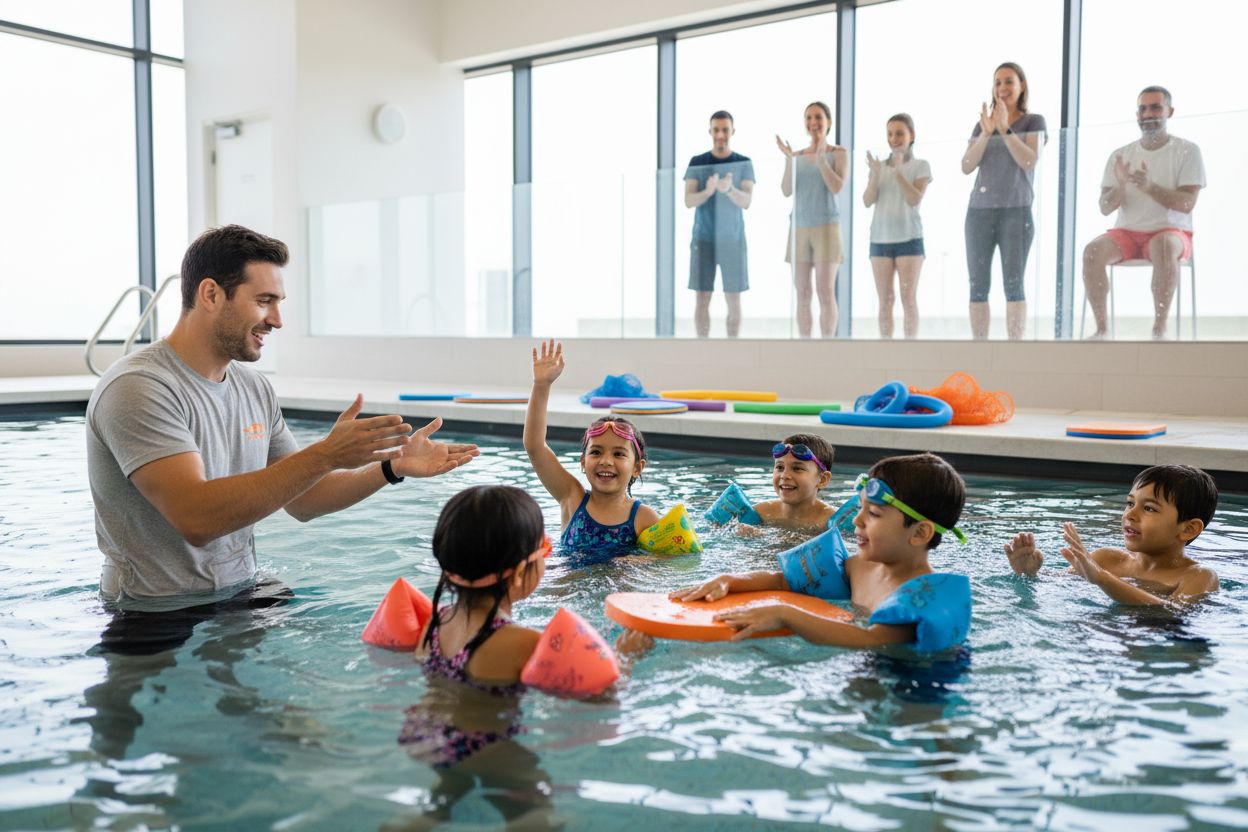
Target group-oriented planning distinguishes between different swimmer categories such as children, beginners, advanced, and competitive swimmers. Each group requires a specific approach. For children, this means playful activities and child-friendly design. Teenagers need challenging training concepts and social interaction opportunities.
Key planning strategies for target group-specific events:
- Precisely consider the age of participants
- Include individual performance levels
- Understand the motivational factors of the respective age group
- Create suitable frameworks and infrastructure
The involvement of parents and guardians plays a crucial role. They should not only act as passive spectators but be actively involved in event planning. This increases the acceptance and motivation of children and young people.
For successful implementation, a preparation guide for club events with detailed steps for target group analysis is recommended. Considering individual needs makes the difference between a standardized and an outstanding club event.
Communication is key. Regularly collect feedback from participants, parents, and coaches to continuously optimize your event planning. This way, your swimming club develops into an attractive and dynamic community.
2. Checklist for Safe and Smooth Operations
Safe and well-organized swimming events require detailed preparation. A structured checklist is the most important tool for swimming clubs to minimize risks and guarantee smooth operations.
Core areas of safety and operational planning:
- Rescue workers and medical personnel on site
- Functional communication systems
- Clear responsibilities for each helper
- Complete safety equipment
- Detailed emergency plan
Preparation begins weeks before the actual event. Every team member must know and have trained their specific tasks. Communication is key to success. Regular meetings and practice runs help to identify weaknesses early on.
Important safety aspects:
Check the swimming pool or body of water for potential hazards in advance. Ensure that all rescue equipment is ready for use and that staff are trained in its use. The number of supervisors must match the number of participants.
A detailed guide for club events can provide additional guidance. Document all safety measures in writing and have them co-signed by a club official.
The checklist should include the following elements: attendance lists, health checks, communication channels, emergency contacts, and a clear division of tasks. The more precise the planning, the safer the event.
A final tip: Conduct a debriefing after each event. Analyze what went well and where there is room for improvement. This way, you continuously optimize your club processes and increase safety at future events.
3. Designing Attractive Badge and Certificate Awards
The awarding of swimming badges is more than just a formal act. It is a crucial motivational factor for swimmers and can sustainably strengthen club spirit. A well-thought-out and creative design makes the difference between an ordinary and an unforgettable award.
Basic principles of attractive badge awarding:
- Individualization of certificates
- Dignified award ceremony
- Emotional appreciation
- Age-appropriate design
- Transparent performance criteria
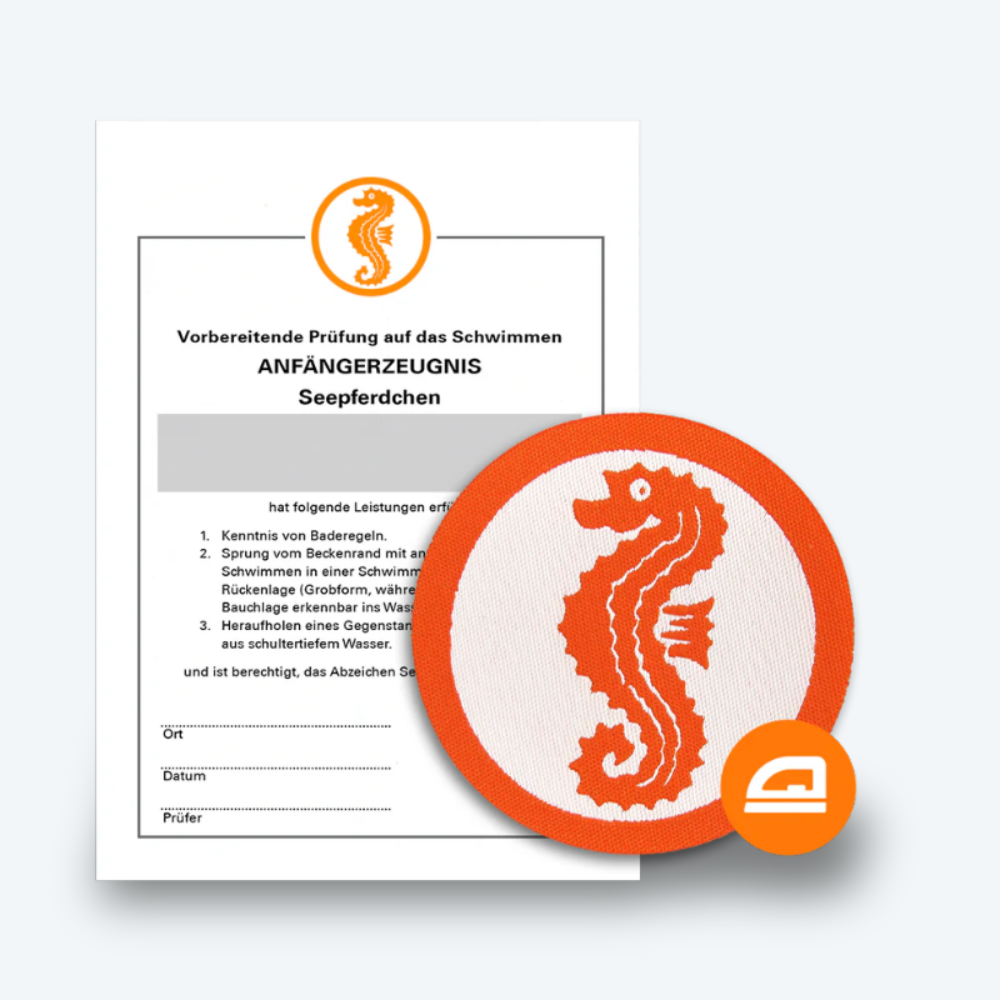
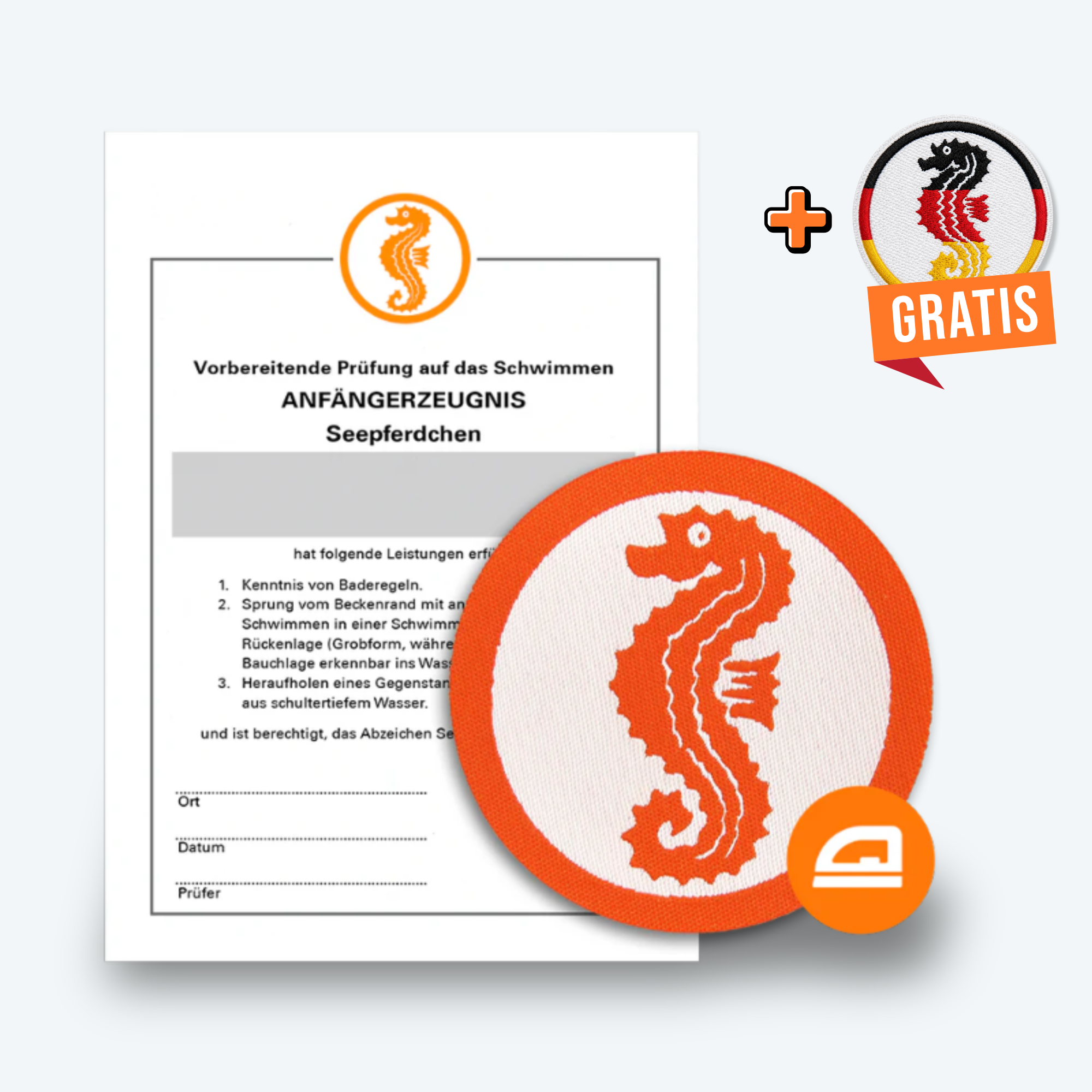
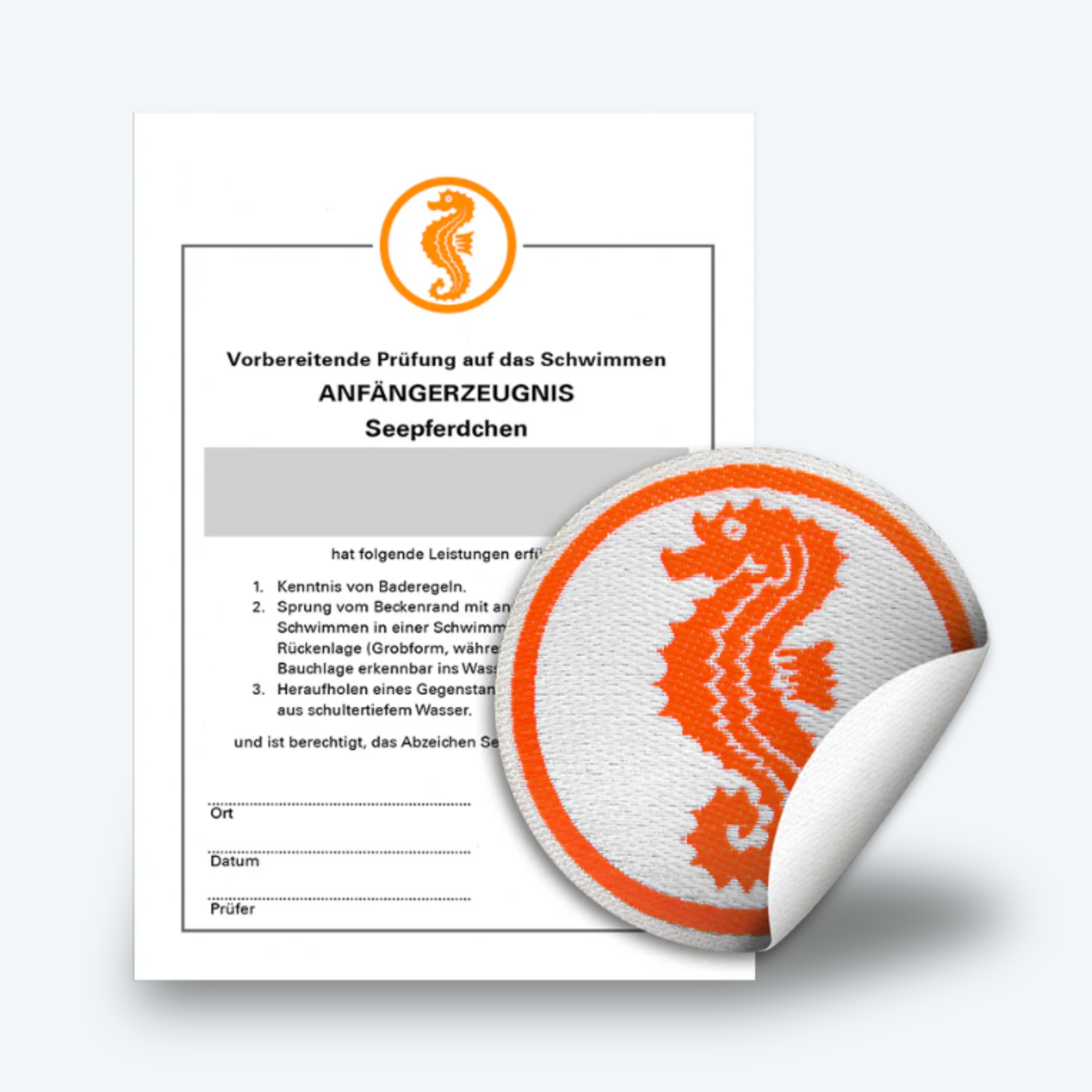
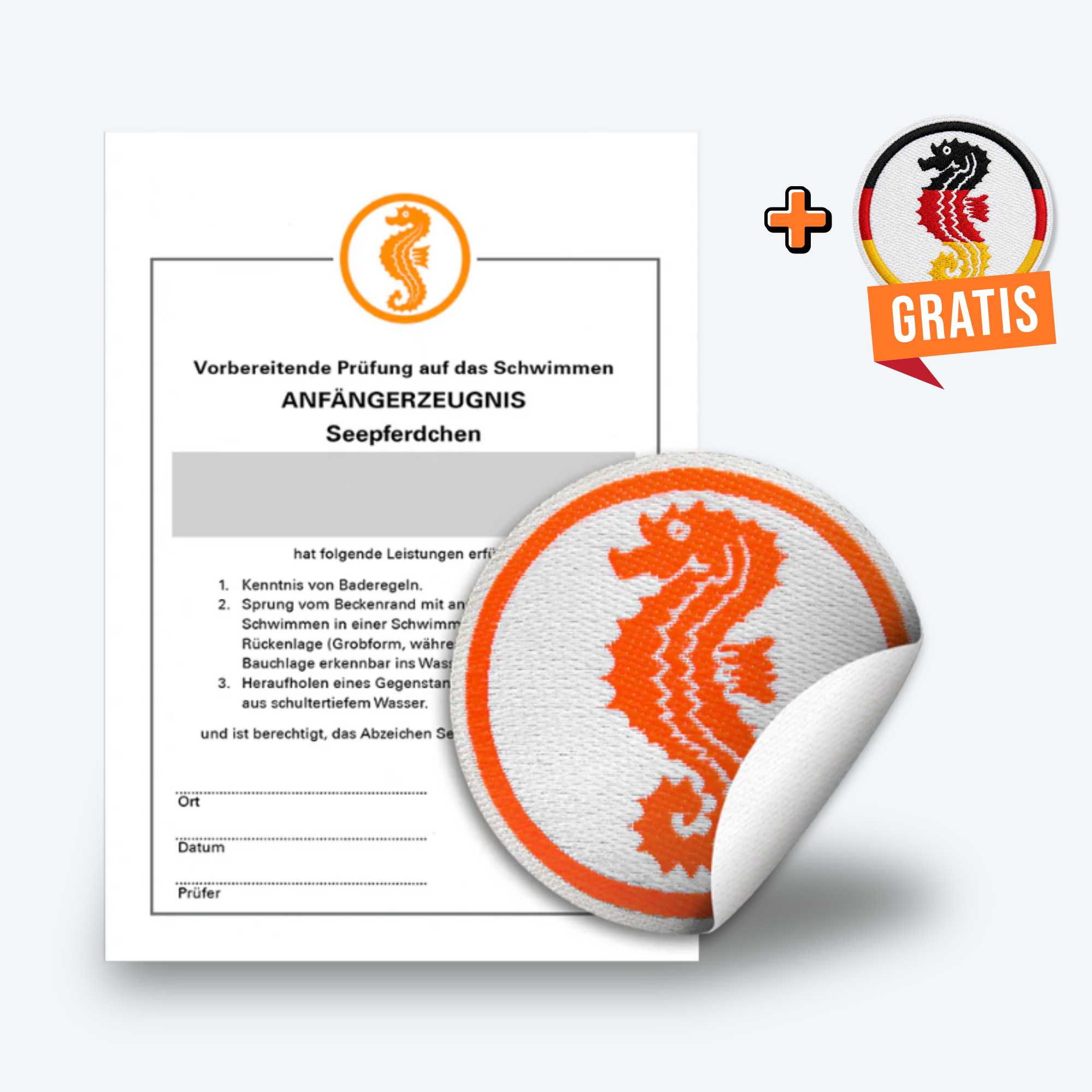
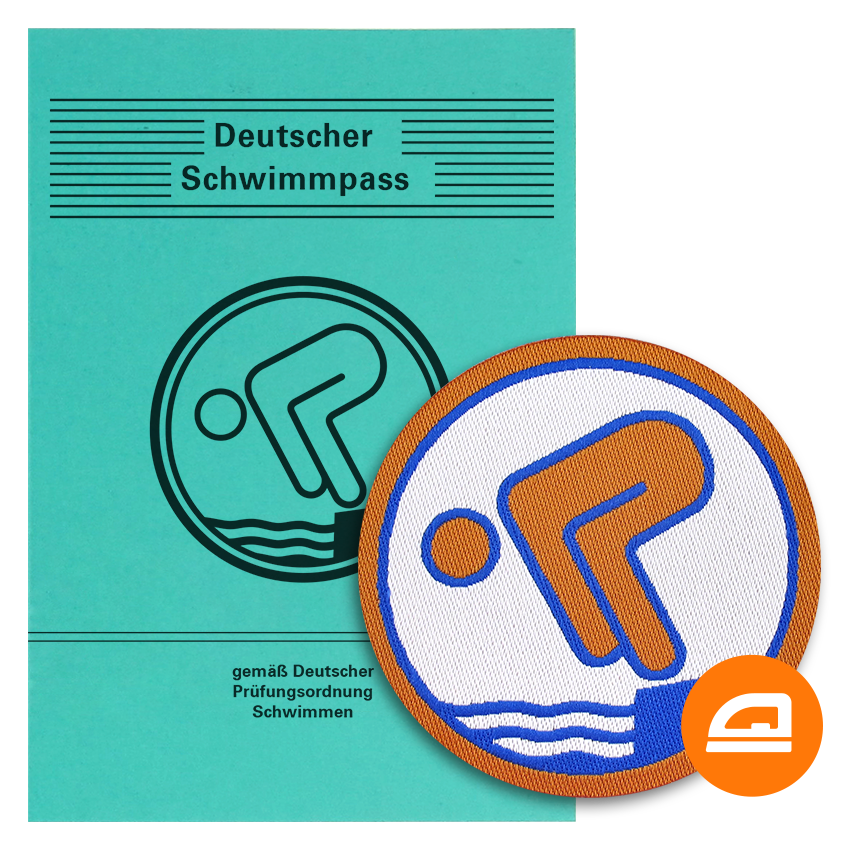
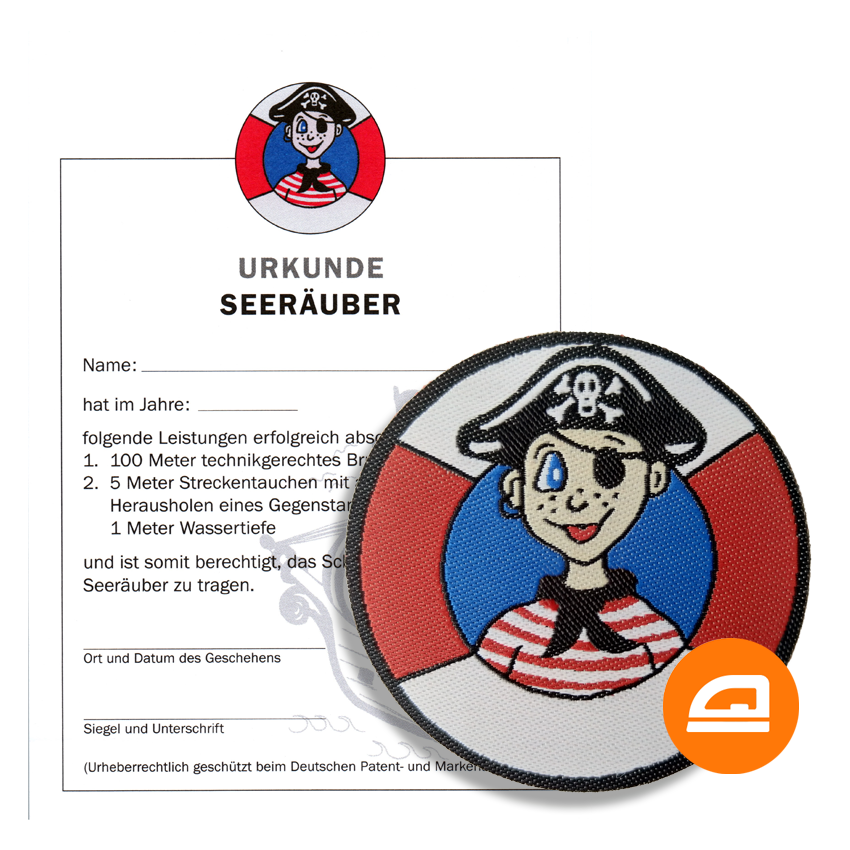
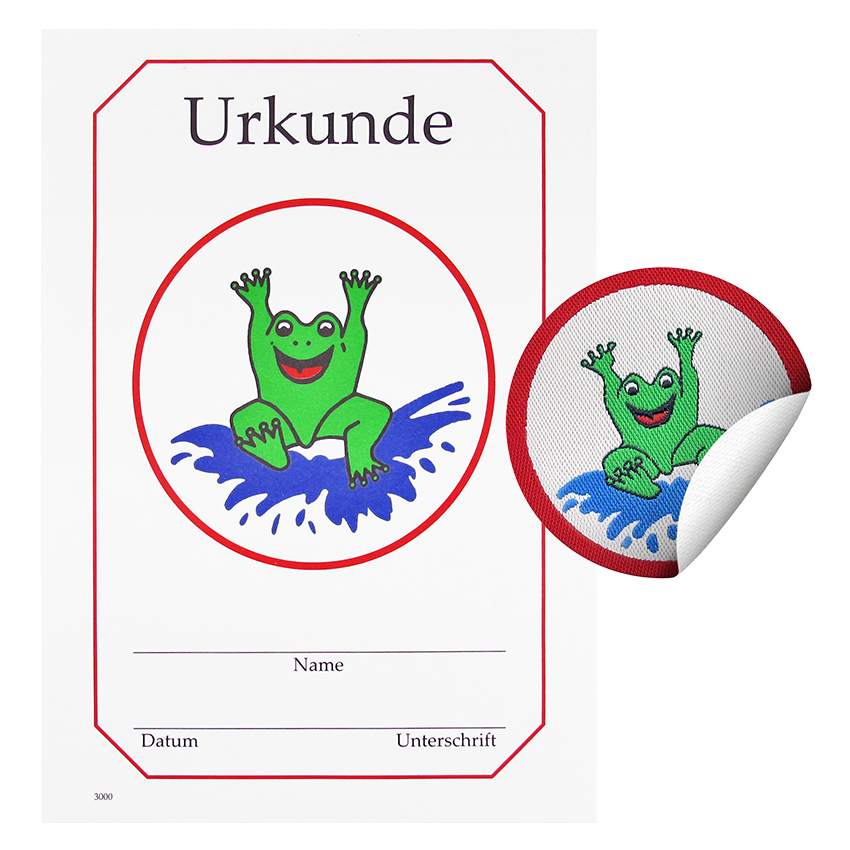
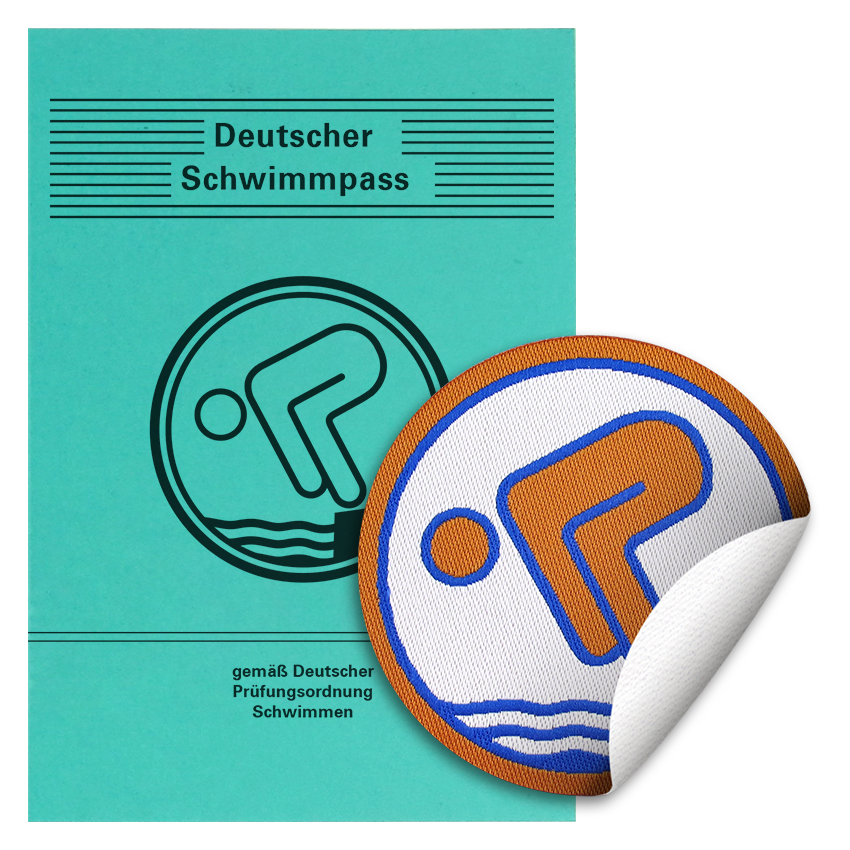
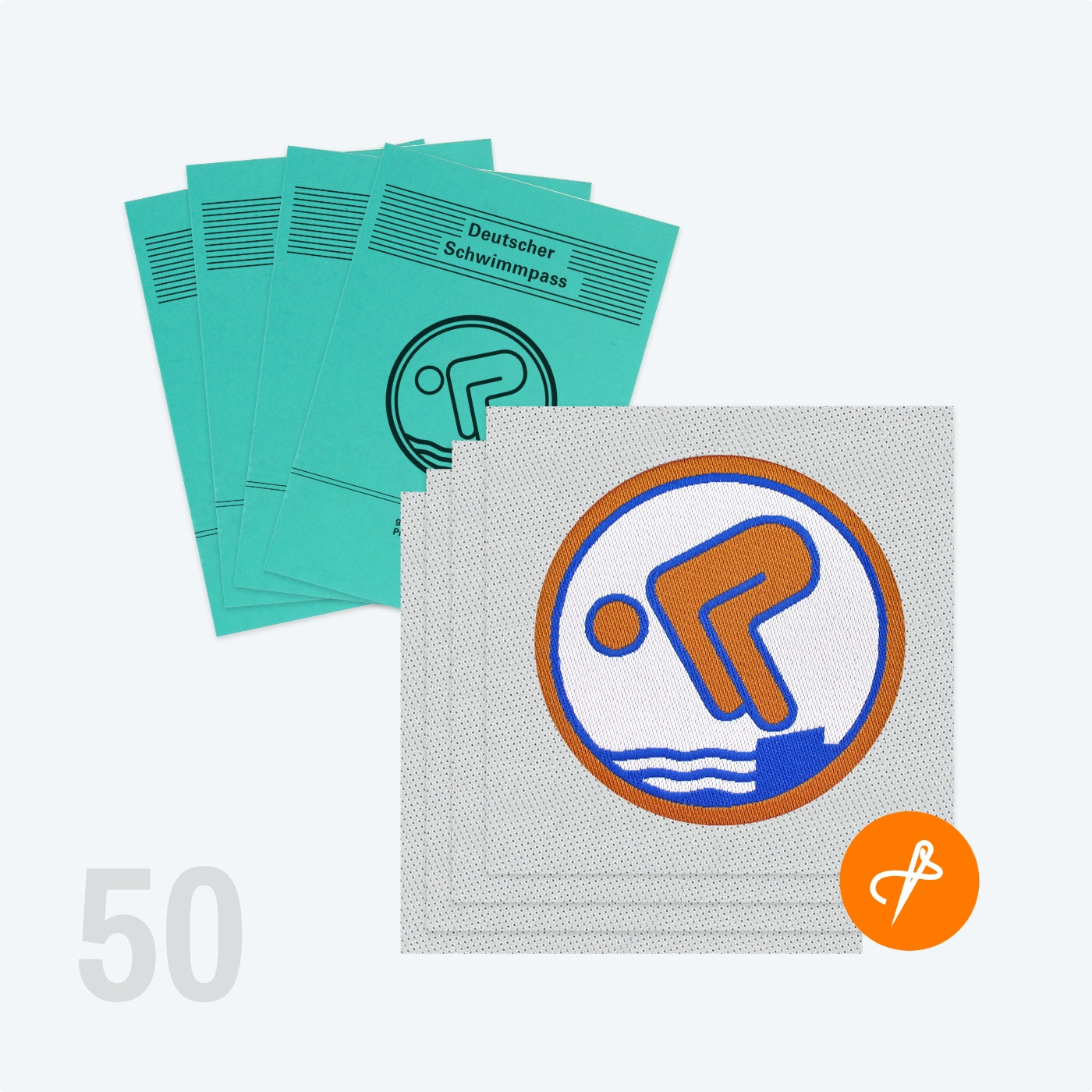
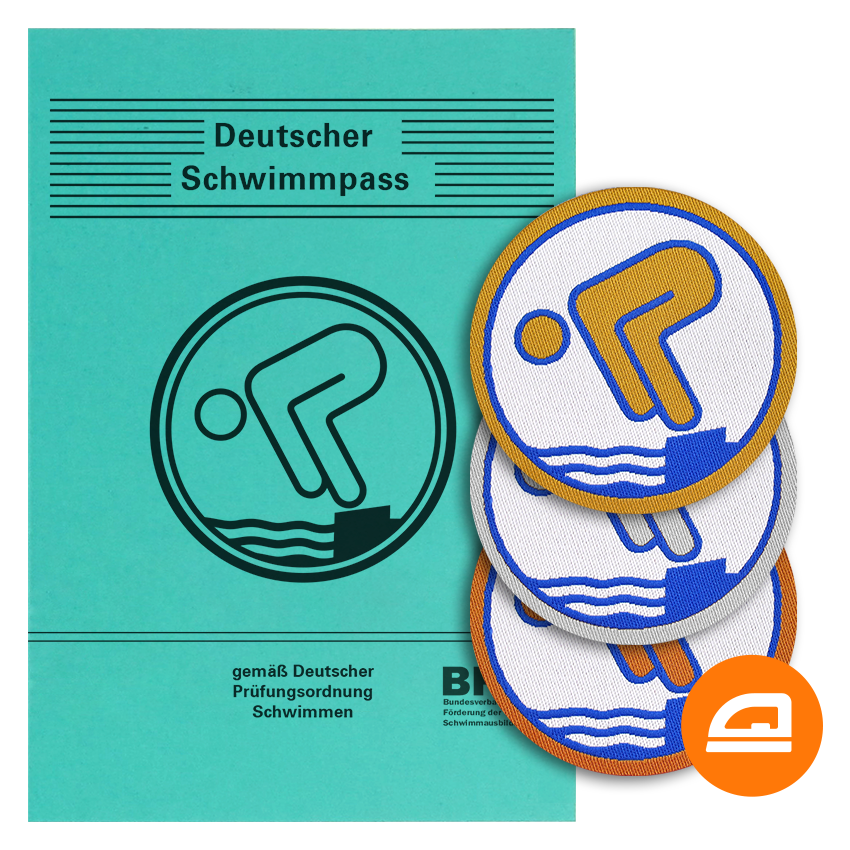
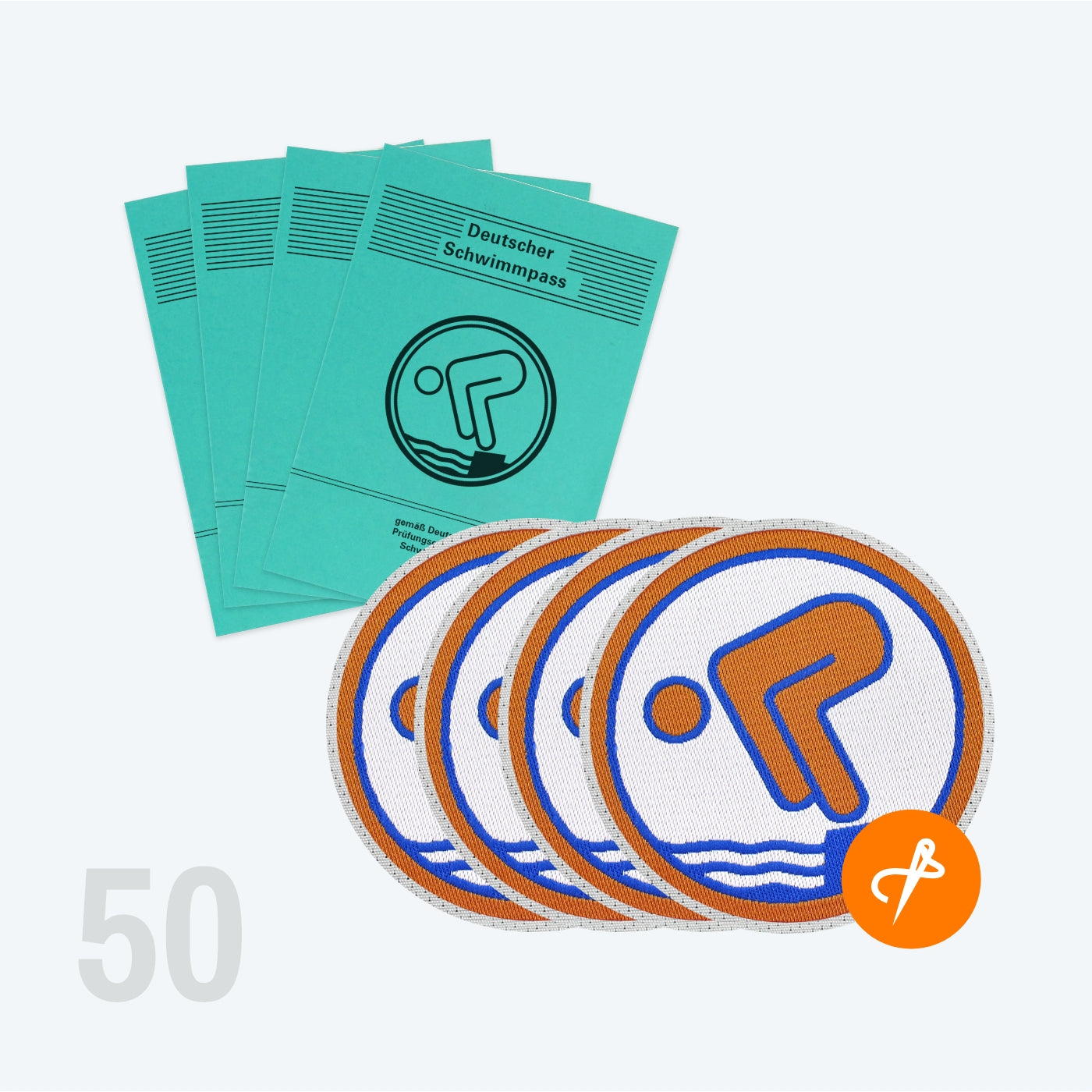
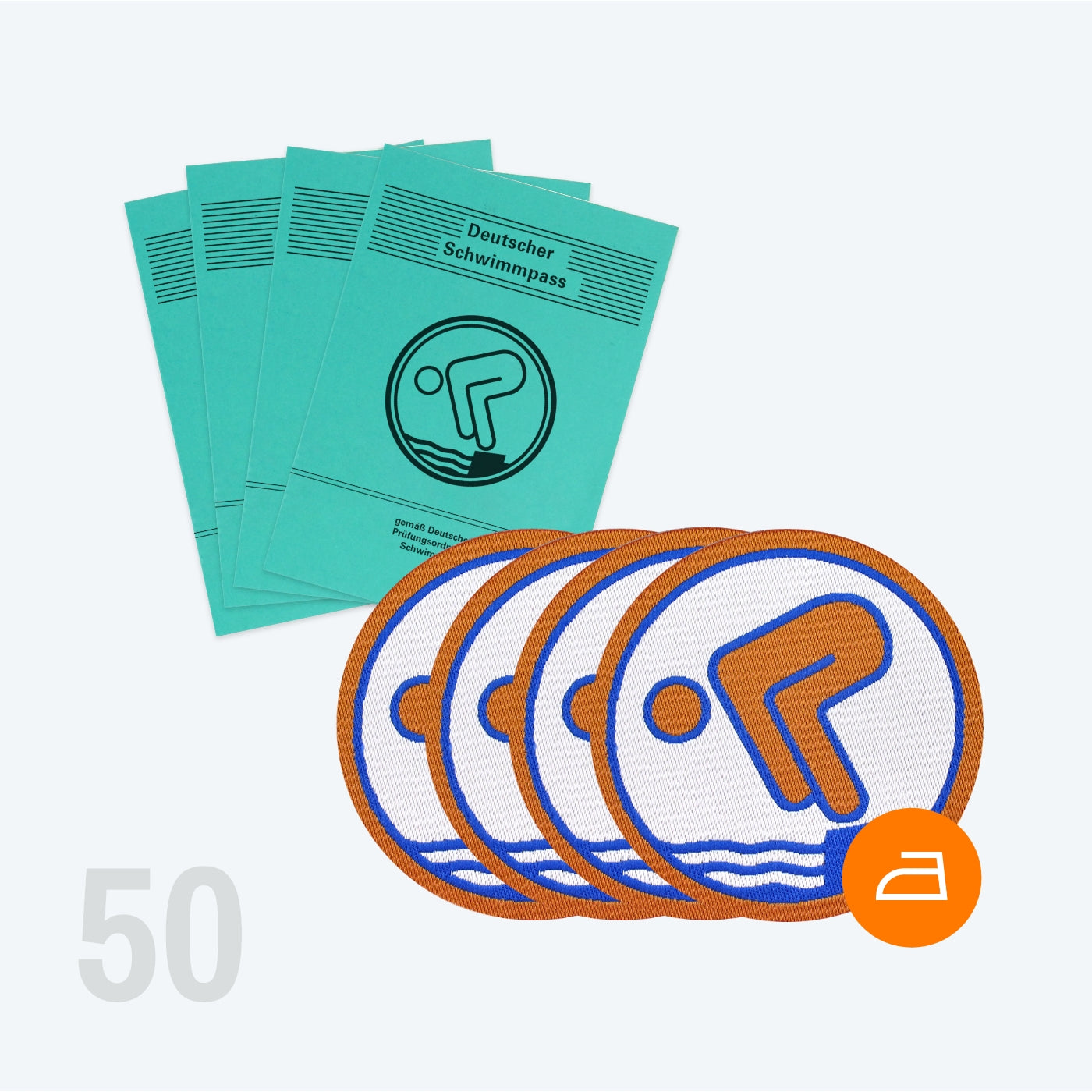
When designing badges and certificates, clubs should pay attention to quality and appeal. Children and young people are delighted by colorful, vibrant certificates with a personal touch. Personalized badges can add a special touch here.
The German Olympic Sports Confederation emphasizes the importance of the swimming badge as a step towards swimming safety. Therefore, the award should not only be a distinction but also motivation for further development.
Practical tips for a successful badge presentation:
Organize a small celebration with parents and club members. Let each participant briefly present their achievement. Provide professional photos and create an atmosphere of recognition.
Particularly important is the transparency of the performance criteria. Explain exactly what requirements had to be met. This builds trust and motivates further efforts.
A well-thought-out badge award not only strengthens the self-confidence of the swimmers but also their bond with the club. Make the presentation an experience that will be remembered.
4. Utilizing Partnerships with Local Sponsors
Local sponsorships are more than just financial support. They are a strategic partnership that strengthens both sides and opens up new perspectives for the swimming club.
Core strategies for successful sponsor acquisition:
- Present clear club goals
- Develop win-win situations
- Professional communication
- Target local businesses specifically
- Transparent service offerings
The sports industry demonstrably benefits from strategic partnerships. Local businesses often look for ways to increase their brand awareness. A swimming club can provide precisely this platform.
When establishing contact, it is important to clearly communicate the benefits for the sponsor. Offer visibility through logo placement on club certificates or swimming badges with sponsor branding.
Practical steps for sponsor acquisition:
Create a professional presentation that documents the reach of your club. Show membership numbers, event frequency, and media visibility. Local banks, swimming pool accessory dealers, or sports shops are often the first points of contact.
Agree on clear reciprocal services. A sponsor does not just want to donate but also receive added value. Think about advertising space, mentions on social media, or joint events.
The key lies in authenticity. Build genuine relationships that go beyond purely financial interests. This creates long-term partnerships that sustainably support your swimming club.
5. Innovative Swimming Competitions and Creative Activities
Swimming clubs need more than traditional competitions. Innovative events excite members, motivate junior swimmers, and strengthen club spirit in a whole new way.
Creative competition concepts:
- Theme-based swimming events
- Family-friendly challenge formats
- Interdisciplinary sports activities
- Charity swims
- Technology-supported competitions
Germany offers numerous opportunities for unusual swimming events. Open water events at bathing lakes can be an exciting alternative to classic indoor competitions. The DLRG provides helpful insights into modern competition formats.
An example of an innovative approach is the family relay swim. Here, parents and children compete against each other. Such events not only promote team spirit but also make swimming a cross-generational experience.
Practical implementation ideas:
Organize competitions with social added value. A charity swim where a donation is collected per kilometer motivates participants beyond sports. Technological elements such as digital timekeeping or live tracking can generate additional excitement.
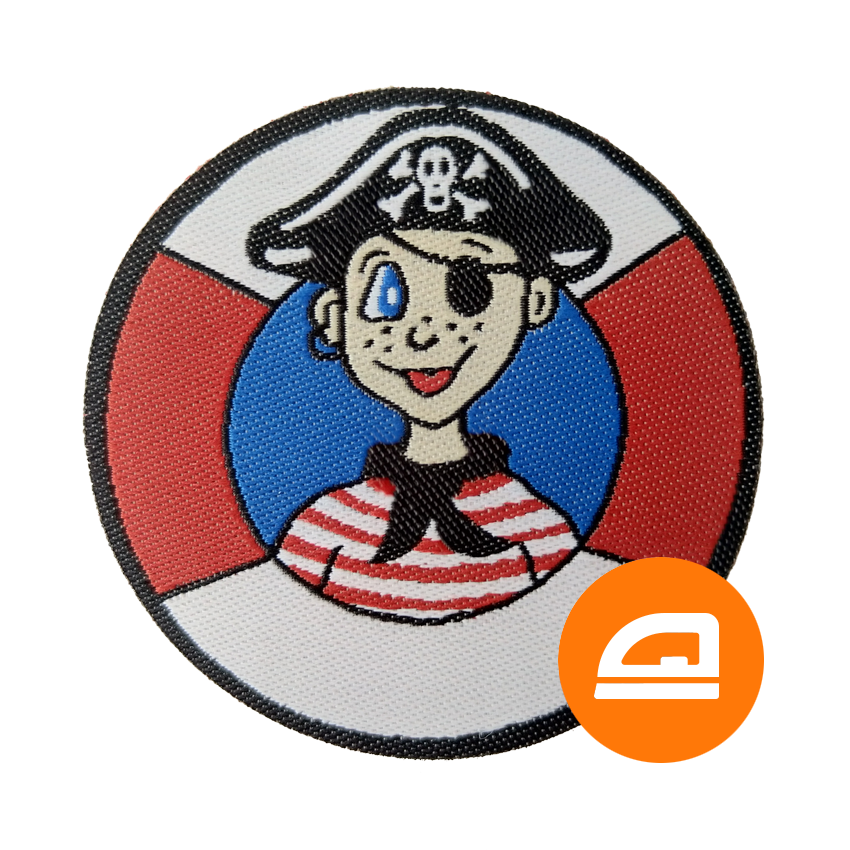
Theme-based events such as a pirate swimming festival or an environmental protection swim can also attract new target groups. The balance between fun, challenge, and safety is important.
The key lies in creativity. Leave well-trodden paths and develop competitions that perfectly combine joy, community, and athletic performance.
6. Effective Communication with Parents and Helpers
The cooperation between swimming clubs, parents, and helpers is crucial for the success and safety of swimming activities. Clear, transparent, and appreciative communication forms the foundation for a trusting partnership.
Communication strategies for swimming clubs:
- Regular information evenings
- Utilize digital communication channels
- Establish an open feedback culture
- Specifically involve and train helpers
- Transparency in club activities
Parents play a central role in swimming education. The German Olympic Sports Confederation emphasizes the importance of education about swimming safety. Practical tips for learning to swim can support both parents and coaches.
Modern communication means more than just sending information. It's about creating a community where all stakeholders feel valued and included.
Concrete implementation recommendations:
Set up WhatsApp groups or closed Facebook groups to inform parents promptly. Send monthly newsletters with club activities, training times, and important dates.
Organize semi-annual parent evenings where not only information is conveyed but also feedback is gathered. Show appreciation for volunteer helpers through small tokens of appreciation, training, or joint club activities.
The message is clear: communication is not a one-way street. The more parents and helpers are involved, the stronger the cohesion in the swimming club.
7. Creating Lasting Memories and Motivation
A successful swimming event leaves more than just athletic impressions. It creates emotional connections and lasting motivational anchors for young swimmers.
Strategies for memory creation:
- Personalized badges and certificates
- Photo and video recordings of the events
- Individual performance feedback
- Joint memory albums
- Symbolic awards
Motivation plays a decisive role in the development of young swimmers. Understand the deeper mechanisms of motivation through swimming badges to generate lasting enthusiasm.
Photographic and digital documentation helps children and parents visualize progress. A digital scrapbook or a club app can present achievements transparently and motivationally.
Practical motivational approaches:
Create experiences that go beyond mere competition. Small surprises like personalized badges or group photos increase emotional attachment.
Attention to sustainability means not only environmental protection but also the sustainable development of swimming talents. Every positive experience can be a catalyst for long-term commitment.
The goal is not only to train swimmers but to awaken passion and joy for the sport. Lasting memories are the key to this.
In this table, we summarize the main strategies and considerations for organizing events in swimming clubs as detailed in the article.
| Aspect | Description | Important Considerations |
|---|---|---|
| Target group-oriented planning | Different approaches for children, teenagers, and competitive swimmers. | Consider age, performance level, and motivational factors; involve parents. |
| Safety and operational planning | Structured checklists and safety measures. | Rescue workers on site, clear responsibility, emergency plan. |
| Badge and certificate awards | Creative and individual design increases motivation. | Transparent performance criteria, individual and dignified presentation. |
| Partnerships with sponsors | Utilizing local sponsorships. | Win-win situations, professional communication. |
| Innovative competitions | Creative and technology-supported swimming events. | Balance fun elements and safety. |
| Communication with parents and helpers | Clear, transparent communication strengthens cohesion. | Utilize digital channels, foster a feedback culture. |
| Memories and motivation | Create personalized and emotional experiences. | Photo and video recordings, lasting connection to sports. |
Make Your Swimming Events 2025 Unforgettable with Pimpertz
Do you want to organize events that are both safe and motivating, and that give all participants positive memories? Swimming clubs often struggle with individual badges, uniform certificates, and sufficiently robust accessories to meet the demands of their target groups. At the same time, it's a challenge to get high-quality materials quickly and reliably in large quantities and to design everything appealingly – especially when children and families' eyes should light up.
Rely on certified swimming badges and personalized certificates from our Seestern Stella Swimming Badge & Certificates program. Strengthen the motivation of your club members with individual sets and creative accessories.
Combine professional event planning with emotional highlights. Thanks to Pimpertz, you benefit from a wide selection, fast delivery times, and official partnership with DLRG and BFS. Discover all solutions for your next club competition now and secure enthusiastic participants – visit pimpertz.de and start your preparation today.
Frequently Asked Questions
How can I effectively analyze the target group for my swimming event?
Effective target group analysis begins with identifying swimmer categories such as children, teenagers, and competitive swimmers. Create surveys or discussions to capture specific interests and needs, and use this information to tailor your event.
What safety precautions are essential for swimming events?
Important safety precautions include the presence of rescue workers, clear communication channels, and a detailed emergency plan. Create a checklist to review these aspects at least two weeks before the event to minimize risks.
How do I make the awarding of swimming badges appealing?
An appealing award involves individual design of certificates and a ceremonial award ceremony. Plan emotional highlights, such as personal recognition of achievements, and create an engaging atmosphere to reinforce swimmers' appreciation.
What steps are necessary to gain local sponsors?
To attract local sponsors, you should present a clear overview of your club's goals and highlight the benefits sponsors can expect. Create a document outlining your reach and use targeted communication strategies to establish initial contacts within 30 days.
How can I improve communication with parents and helpers?
Promote an open communication culture through regular information evenings and digital channels such as WhatsApp groups or newsletters. Schedule monthly meetings to ensure all questions are answered and helpers' commitment is fostered.
What creative ideas can I use for innovative swimming competitions?
Creative ideas for competitions include theme-based swimming events or charity events where donations are collected per kilometer. Develop at least two new event formats in the coming months to increase interest and team spirit among members.