
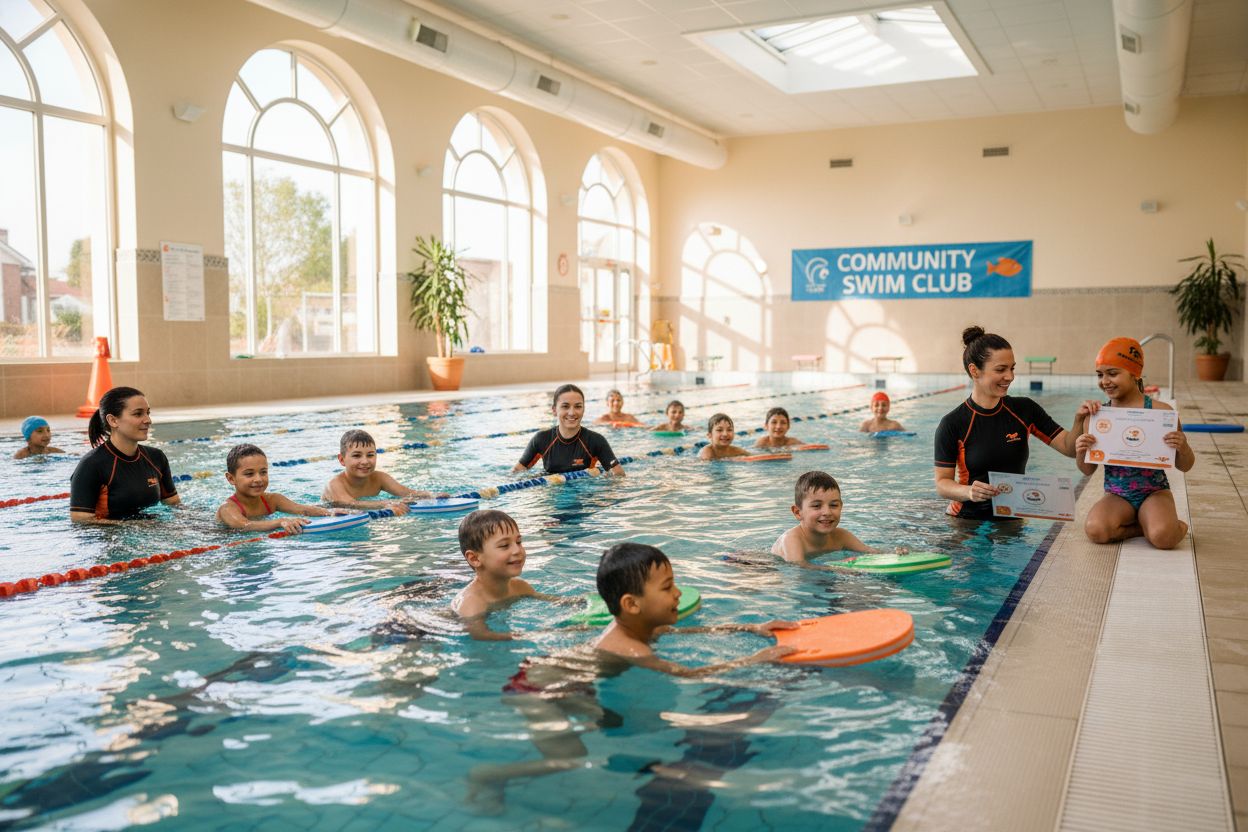
7 unbeatable benefits of swim clubs for children and clubs
Did you know that around one in four primary school children in Germany cannot swim safely? Learning to swim saves lives and strengthens children on many levels. Early and professional guidance gives children confidence in the water, promotes health and teamwork, and is even a lot of fun. Experts show how modern swimming clubs provide individual support and thus holistically support children in their development.
Quick Summary
| Takeaway | Explanation |
|---|---|
| 1. Professional guidance promotes swimming skills | Professional swimming clubs offer targeted training and structured swimming lessons for children. |
| 2. Community and motivation in the swimming club | Swimming clubs teach social skills and strengthen self-confidence through team-oriented learning. |
| 3. Badges systematize progress | Swimming badges encourage motivation and document each child's individual development. |
| 4. Health through regular exercise in water | Swimming is gentle on the joints and improves children's fitness, endurance, and motor skills. |
| 5. Continuous professional development for coaches | The quality of swimming education depends on the regular professional development and support of coaches. |
Table of Contents
- Early Swimming Skills through Professional Guidance
- Motivation and Fun in a Safe Community Environment
- Promoting Social Skills and Team Spirit
- Structured Training and Courses for All Ages
- Health Promotion through Regular Exercise
- Recognition and Reward through Swimming Badges
- Support and Professional Development for Coaches and Clubs
1. Early Swimming Skills through Professional Guidance
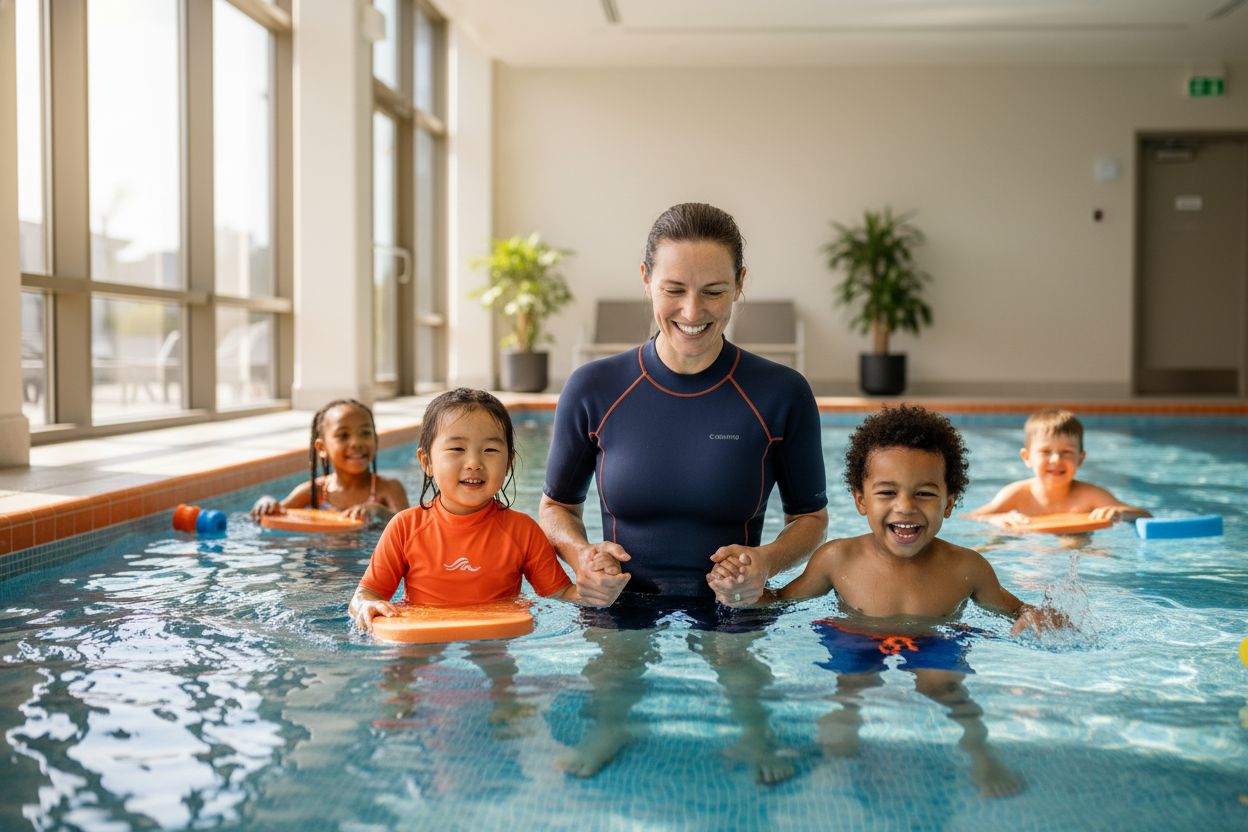
Learning to swim is more than just a sport; it is a vital skill that gives children safety and joy. Professional swimming clubs play a decisive role in this by enabling children to receive systematic and structured swimming education from an early age.
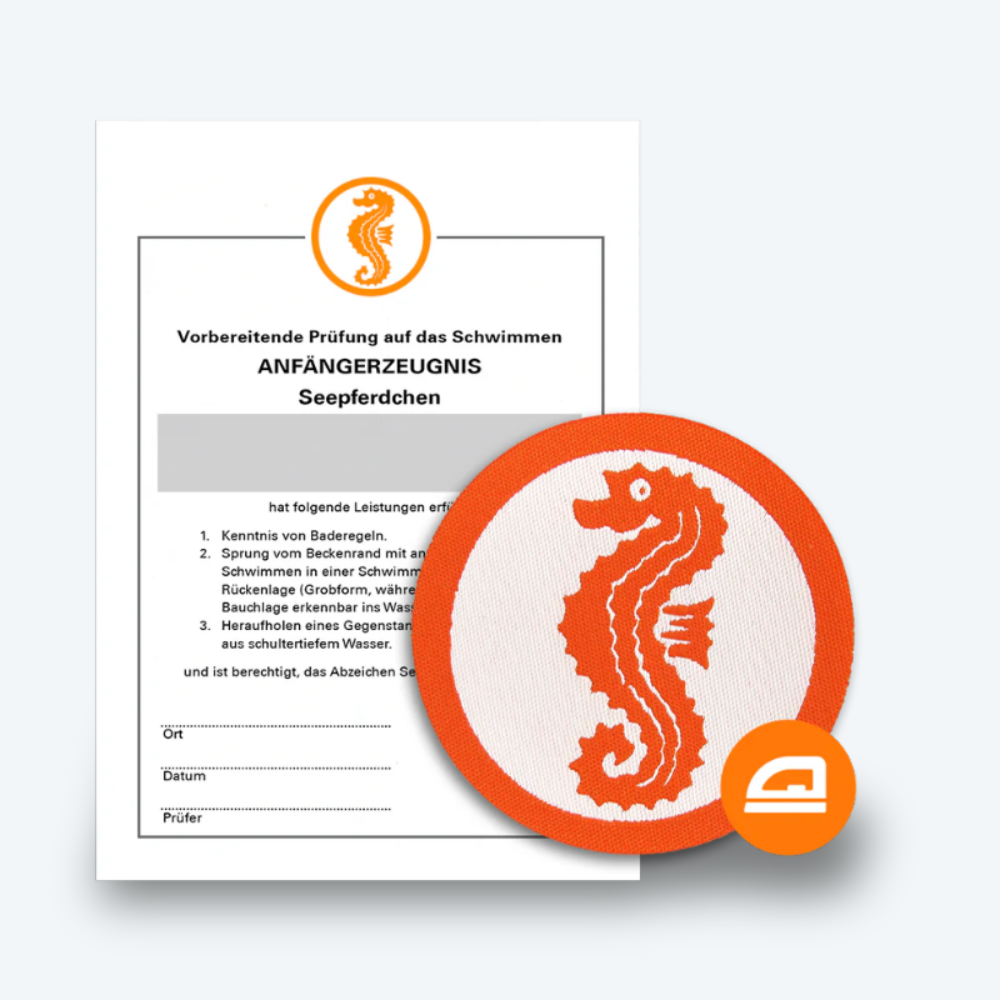
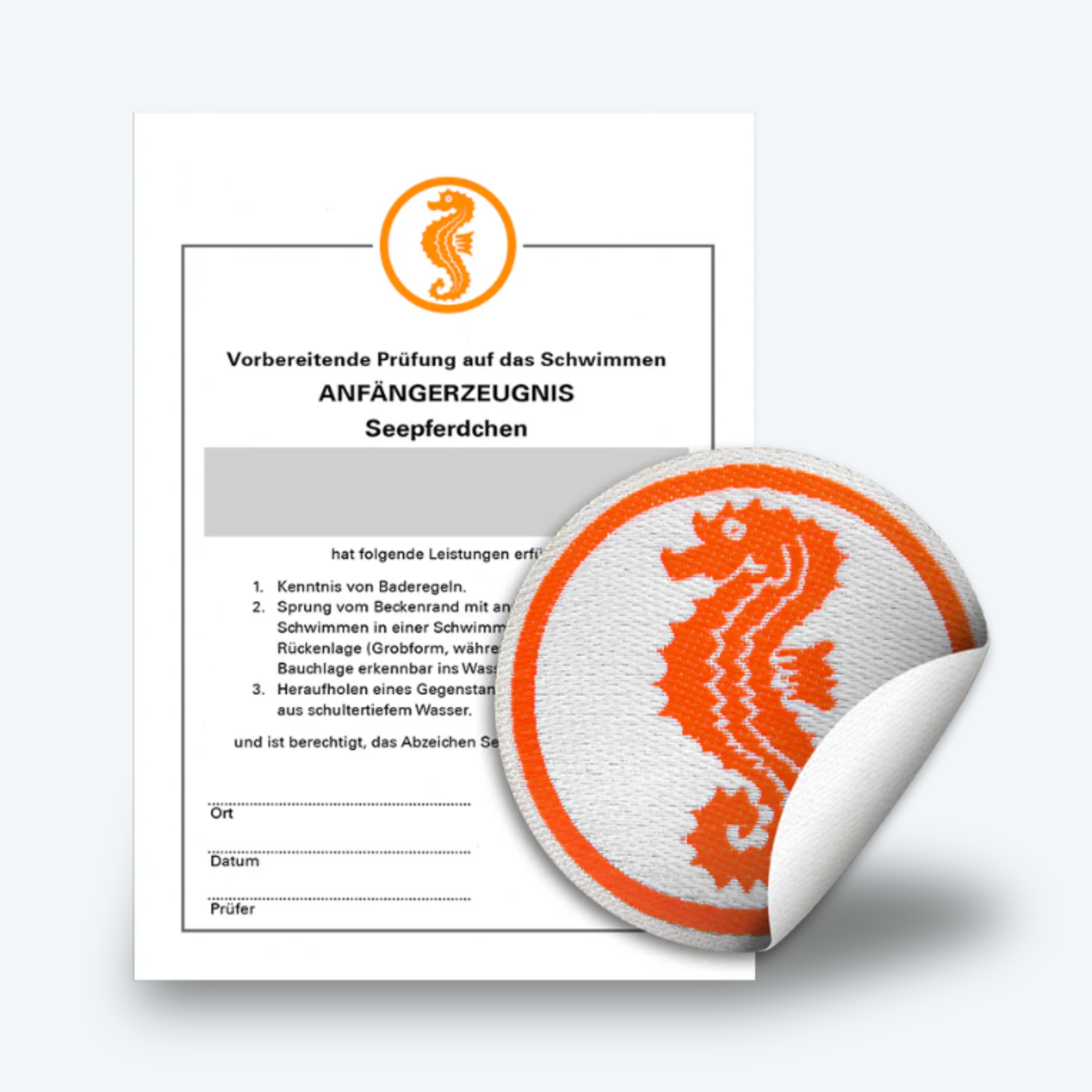
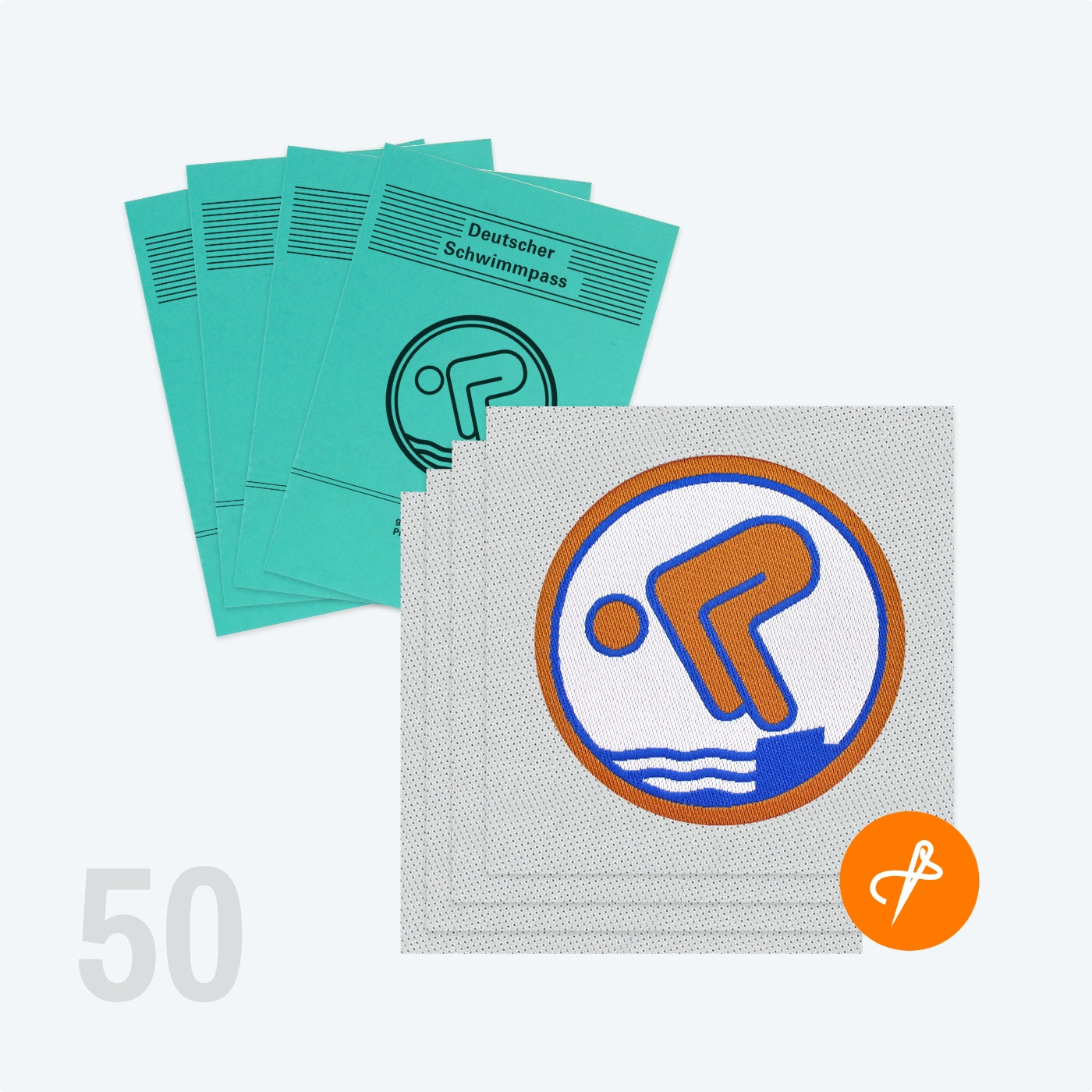
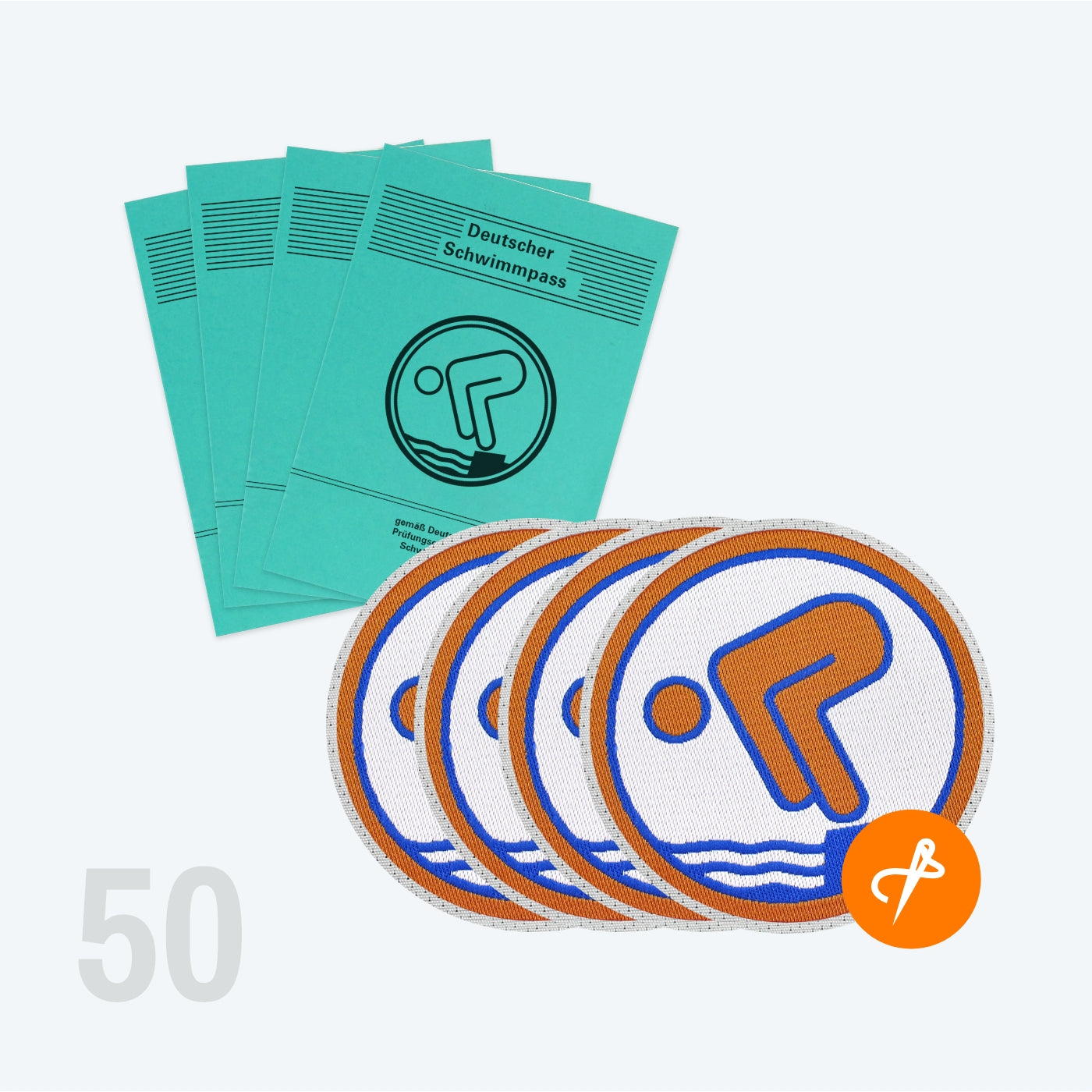
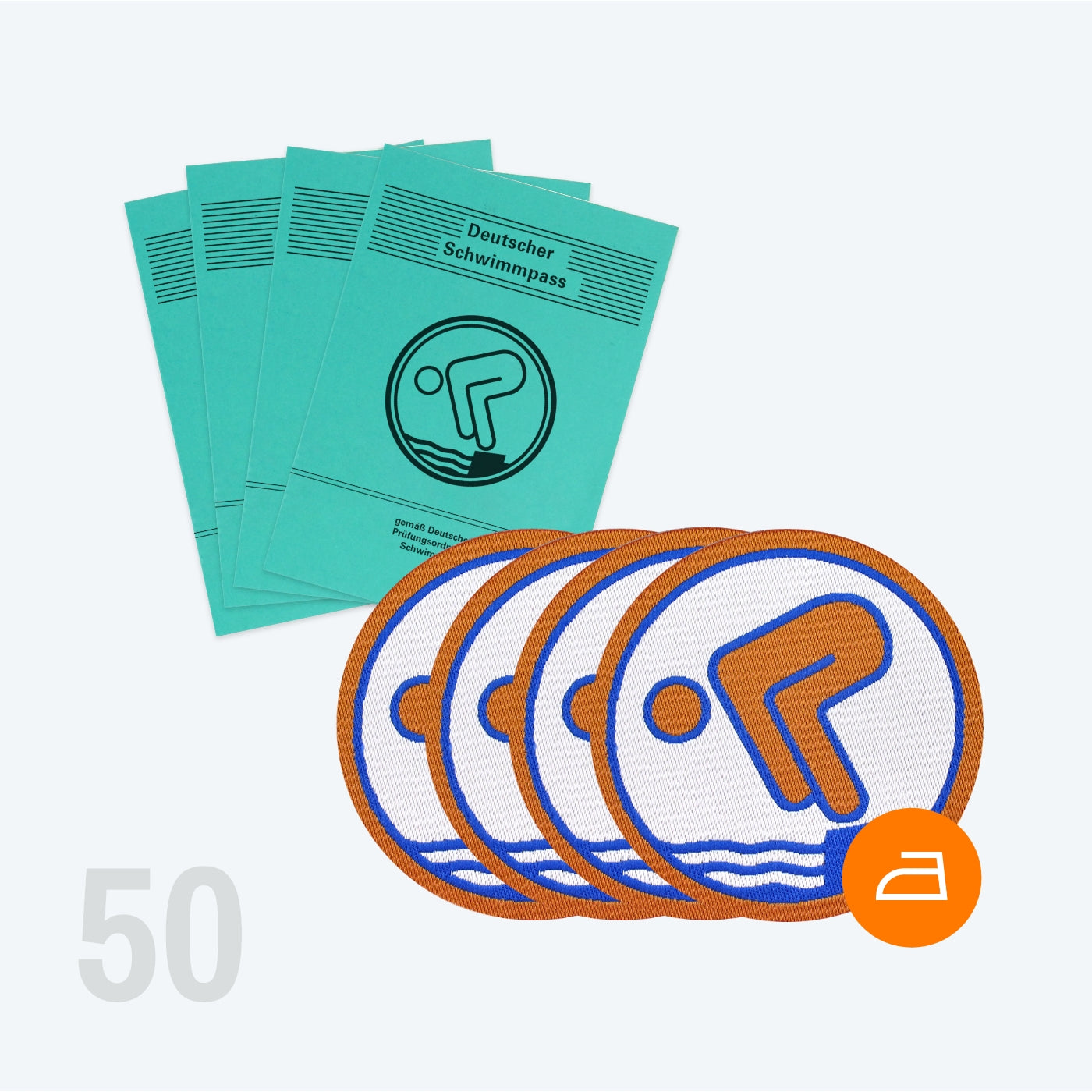
The Federal Association for the Promotion of Swimming Education (BFS) has developed clear standards that help clubs teach children swimming skills in a targeted and safe manner. The Seepferdchen Badge marks the first important milestone in water familiarization.
Professional guidance differs fundamentally from unstructured swimming. Trained coaches focus on:
- Systematic water familiarization
- Building self-confidence
- Learning correct swimming techniques
- Teaching water safety
It's not just about swimming 25 meters. It's about holistic development: children learn respect for water, overcome fears, and develop important motor skills. This early professional guidance lays the foundation for a lifelong relationship with swimming.
Every child is different, which is why professional swimming clubs adapt their methods individually. They observe exactly where the strengths and challenges of each child lie and promote them accordingly.
2. Motivation and Fun in a Safe Community Environment
Swimming clubs are much more than just places of training; they are communities that instill joy, self-confidence, and cohesion in children. In these safe and supportive environments, children not only learn to swim but also develop important social and emotional skills.
The playful atmosphere in swimming clubs makes all the difference. Motivational badge programs help children track their progress and continuously improve. Every lesson is characterized by laughter, encouragement, and a sense of belonging.
What makes this community so special? Here are key aspects:
- Professional coaches as role models and mentors
- Positive group atmosphere
- Regular joint activities
- Playful learning with a fun factor
Group dynamics play a key role. Children motivate each other, celebrate shared successes, and learn to feel part of a team. A child who is initially insecure in the water can quickly gain self-confidence with the support of their swimming buddies.
Emotional safety is just as important as physical safety. Coaches create an atmosphere where mistakes are allowed and progress is celebrated. This motivates children to grow beyond themselves and take on new challenges.
3. Promoting Social Skills and Team Spirit
Swimming is more than just a sporting activity; it is a fantastic opportunity for children to develop fundamental social skills. In swimming clubs, children learn much more than just swimming techniques; they acquire important life skills.
Interactive group courses create a perfect environment for social learning. Children develop trust, empathy, and cooperation skills through shared challenges in the water. They learn to pay attention to each other, help each other, and function as a team.
The social learning aspects include:
- Mutual support
- Communication skills
- Respect for individual differences
- Collaborative problem-solving
Team spirit does not arise by chance but is actively fostered by professional coaches. They design exercises that require cooperation and motivate children to stand up for each other. A child who helps a swimming buddy improve their technique develops empathy and self-confidence.
The Barmer also emphasizes that group courses teach children how to react correctly in dangerous situations. They not only learn to swim but also to pay attention to each other and cooperate in an emergency. These are skills that go far beyond swimming lessons and remain valuable throughout life.
4. Structured Training and Course Offerings for All Ages
Swimming clubs are not just sports venues, but systematic educational institutions for water competence. They offer a well-thought-out range of courses that enable children and young people to develop their swimming skills in a targeted and age-appropriate manner.
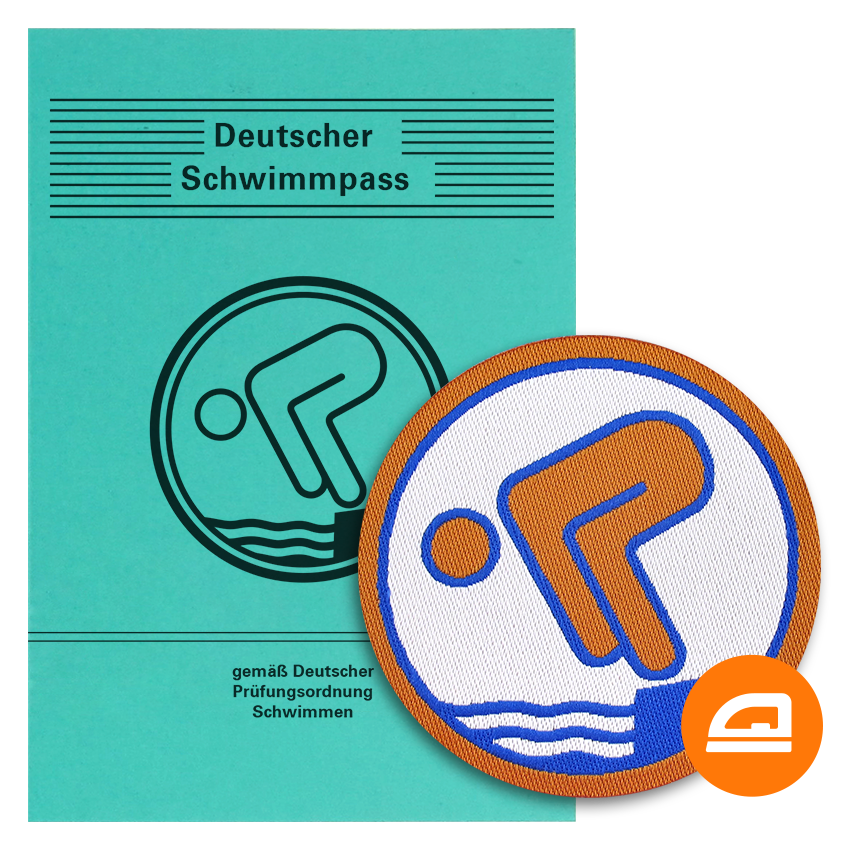
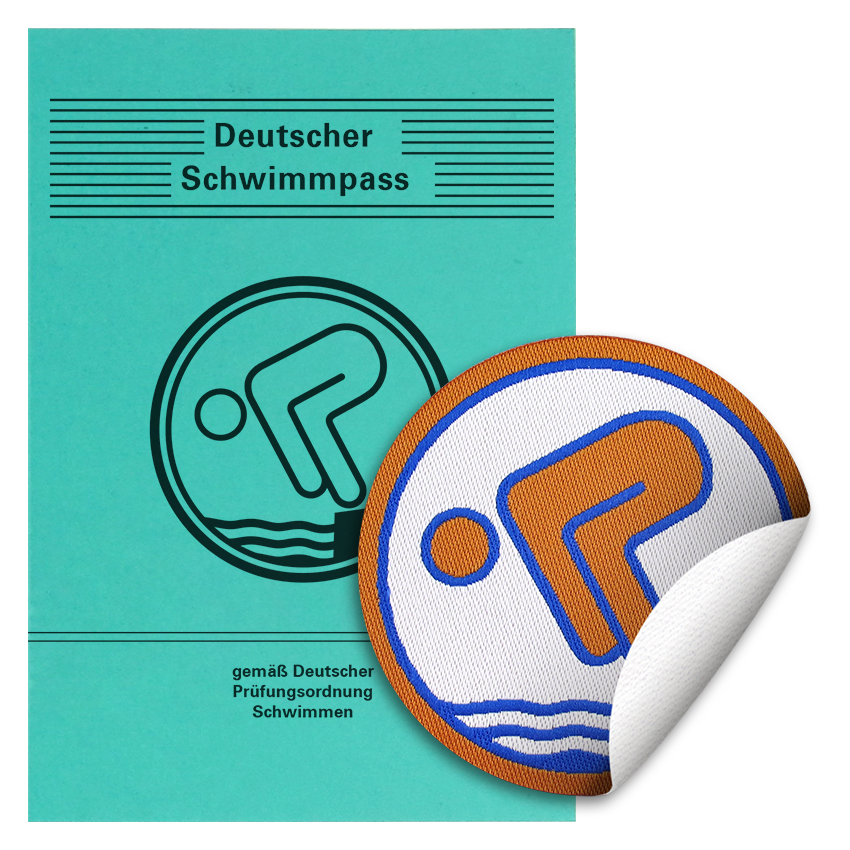
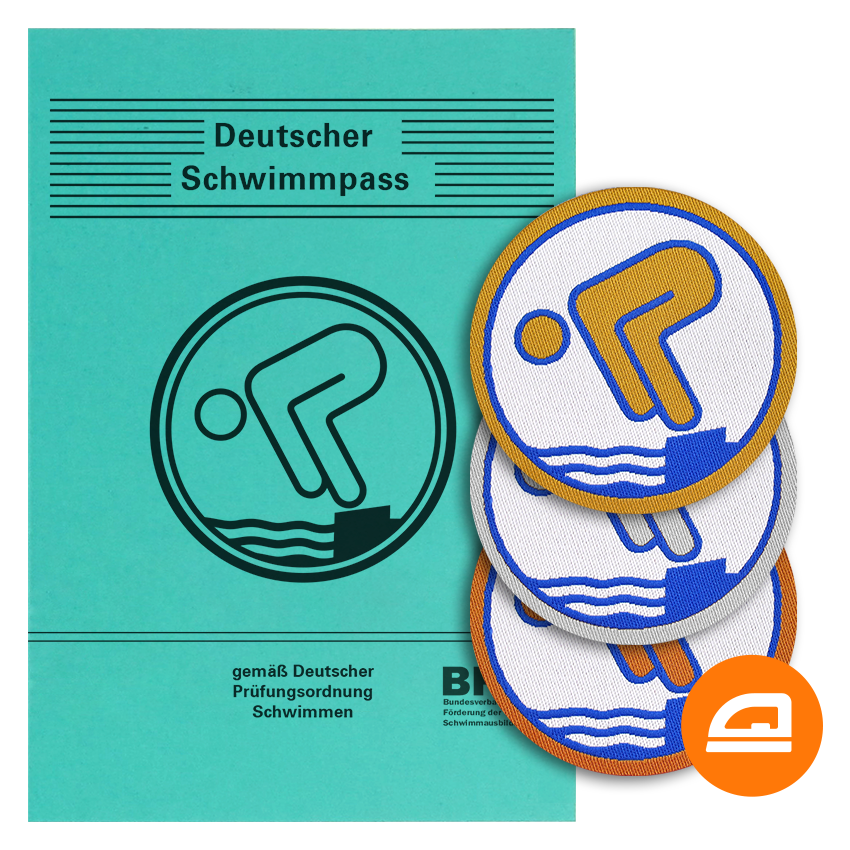
Swimming courses for different age groups follow a clear, scientifically sound concept. The German Swimming Pass defines a uniform three-stage badge system with Bronze, Silver, and Gold, which makes progress transparent and measurable.
The advantages of structured course offerings include:
- Individually adapted learning content
- Clear learning goals for each age level
- Systematic performance improvement
- Motivating achievements
The examination regulations are standardized nationwide. This means reliability and quality assurance for parents and children. A Silver badge in Hamburg has the same value as in Berlin or Munich.
Coaches base their methods on scientifically developed concepts and adapt them individually to the needs of the participants. Thus, swimming lessons become more than just a sporting activity; they become a holistic educational experience.
5. Health Promotion through Regular Exercise
Swimming is much more than just a sport. It is a holistic health promotion that helps children optimally develop their bodies and motor skills. Regular training in swimming clubs offers a unique combination of fitness, fun, and health benefits.
The Barmer emphasizes that swimming teaches children to move safely in the water for several minutes. Swimming lessons support physical development in many ways and promote central aspects of health.
Health benefits of swimming include:
- Improved cardiovascular fitness
- Strengthening of muscles
- Development of coordination and balance
- Promotion of endurance
Physical activity in water is particularly gentle on the joints. Unlike high-impact sports, swimming acts as a holistic workout that trains strength, flexibility, and breathing simultaneously. Children not only develop physical abilities but also learn to perceive and control their bodies better.
Regular exercise in swimming clubs also lays the foundation for an active lifestyle. Children who discover the joy of movement early often remain active and health-conscious throughout their lives.
6. Recognition and Reward through Swimming Badges
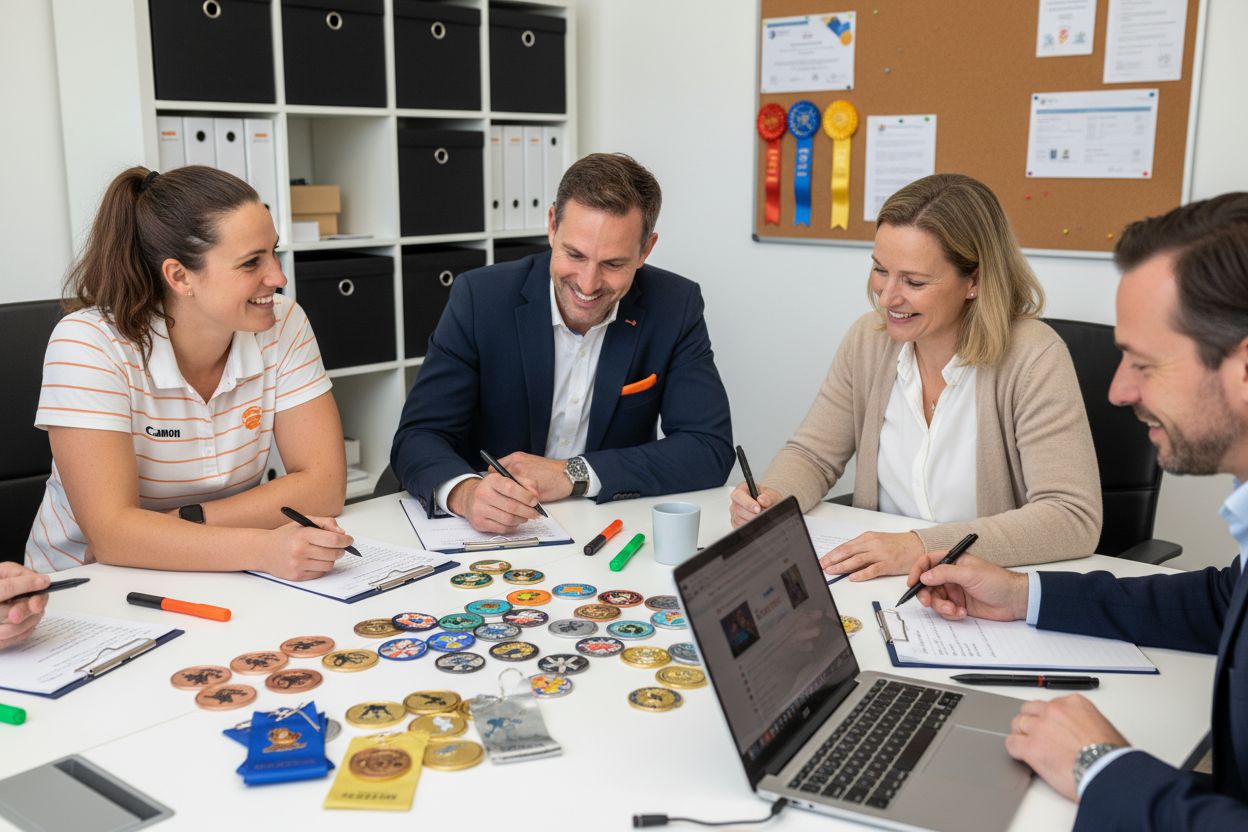
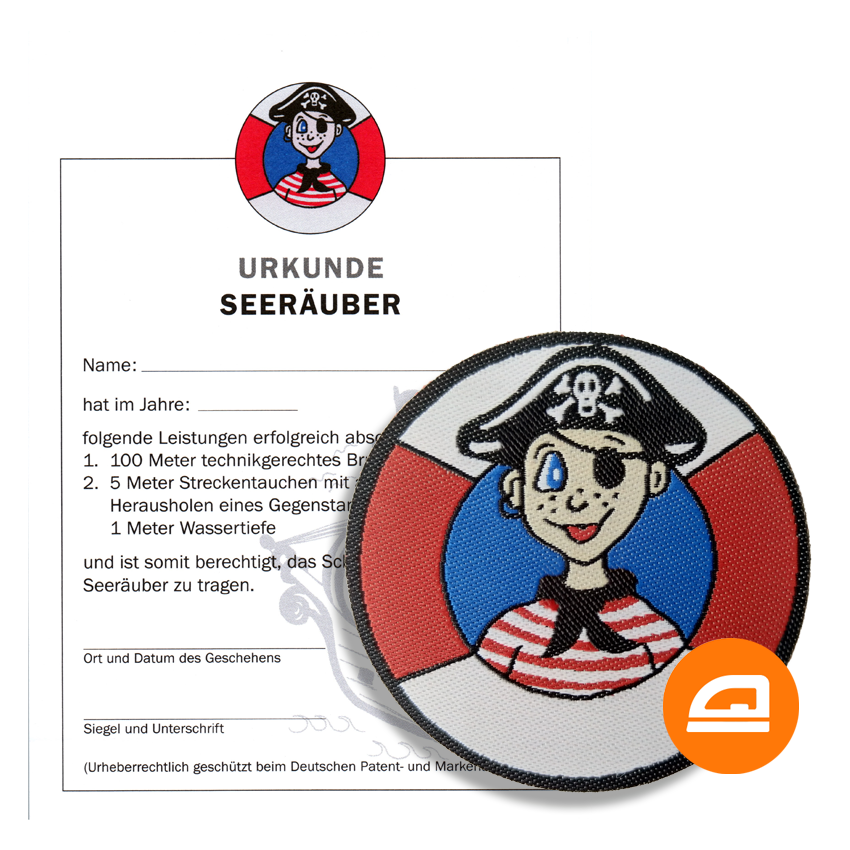
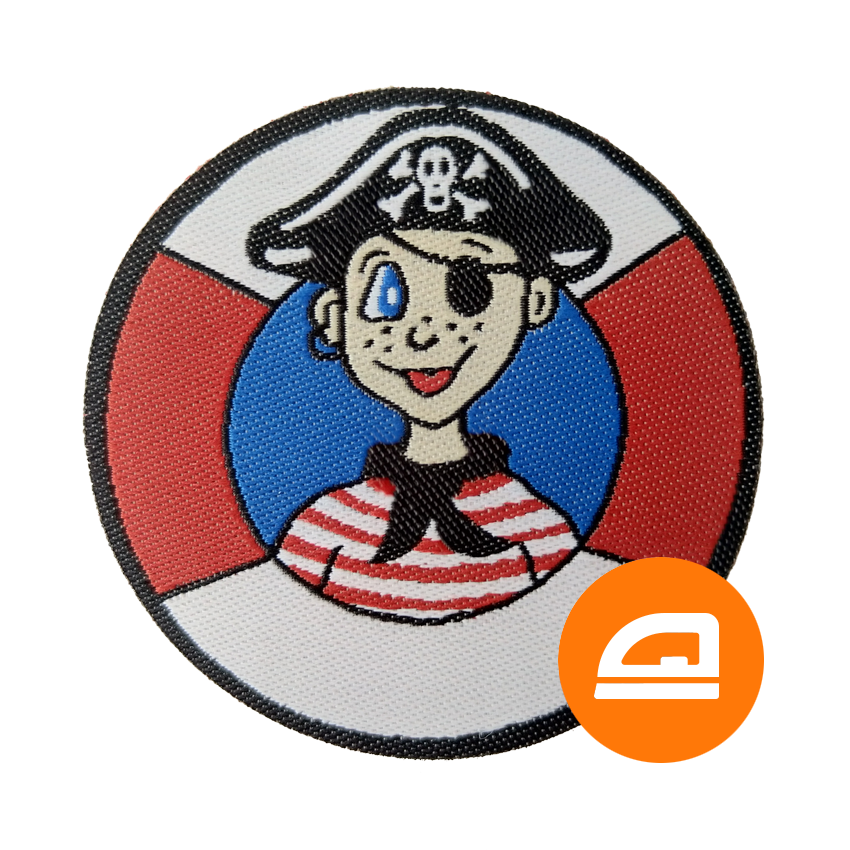
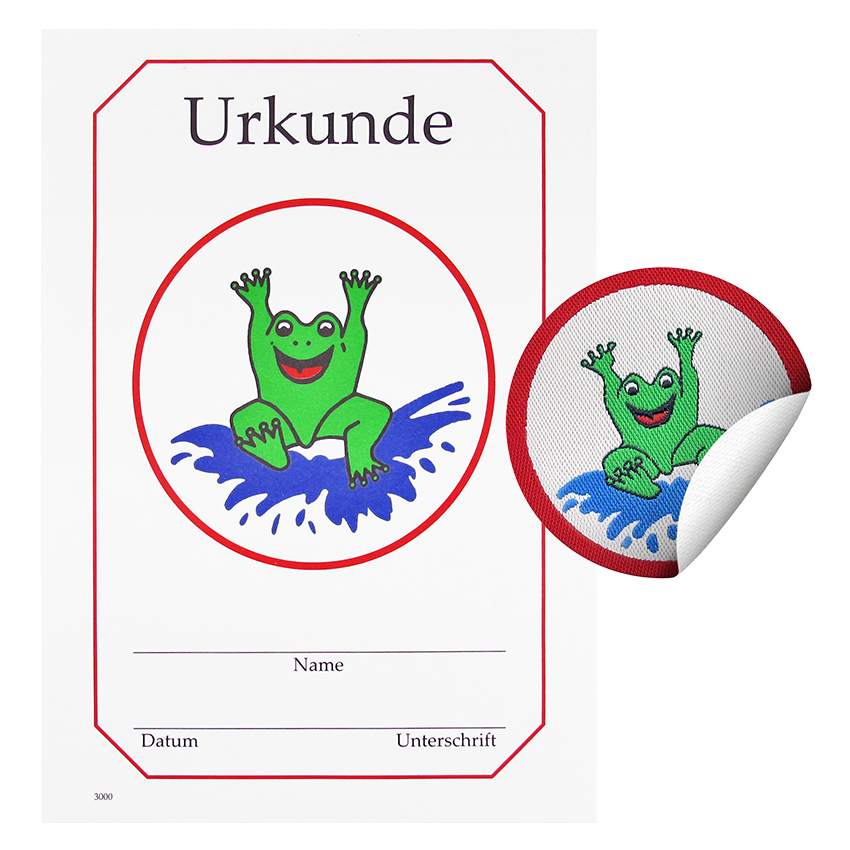
Swimming badges are far more than just colorful fabric patches. They are important motivational tools that offer children recognition, pride, and an incentive for further development. Each badge marks a significant milestone in swimming development.
The world of swimming badges ranges from the popular Seepferdchen qualification to Bronze, Silver, and Gold badges. In 2024 alone, over 95,300 badges were awarded nationwide—proof of the continued importance of these awards.
The most important aspects of badge culture:
- Visible recognition of individual progress
- Increased motivation through tangible goals
- Strengthening self-confidence
- Documentation of swimming abilities
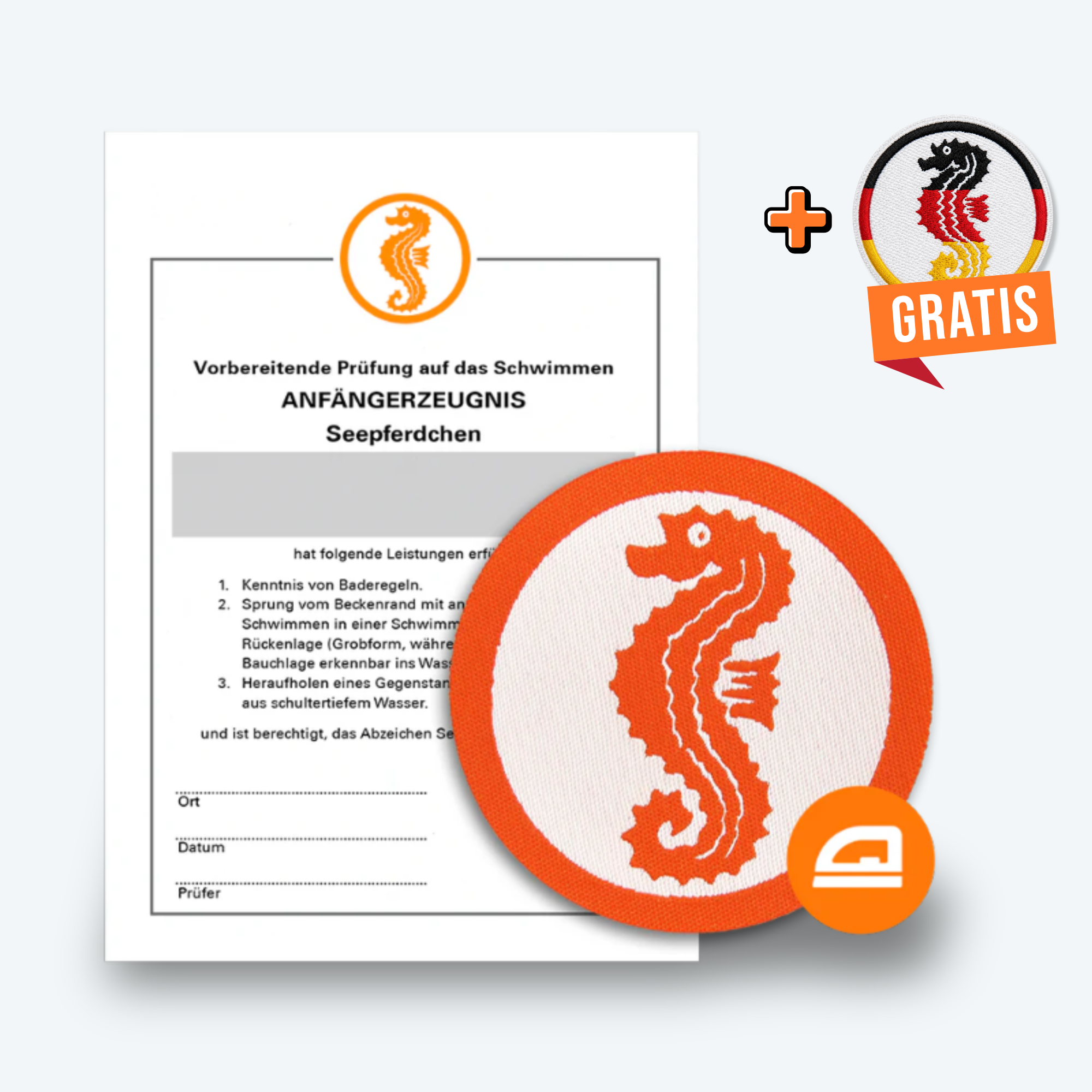
The Seepferdchen marks a significant entry point. Although it is not proof of safe swimming, it marks the first great success for children. It symbolizes overcoming challenges, willingness to learn, and the beginning of an exciting swimming career.
The badges function like a sporting educational diary. They not only document skills but also tell each child's individual development story in the water.
7. Support and Professional Development for Coaches and Clubs
Swimming clubs are dynamic organizations that continuously evolve. Professional development is the key to quality assurance and guarantees the highest training standards for children and young people.
Coaches undergo comprehensive training programs that go far beyond basic swimming techniques. The Federal Association for the Promotion of Swimming Education ensures that training standards are uniform and high-quality nationwide.
Important aspects of coach support include:
- Regular further training
- Child protection and safety training
- Exchange of teaching methods
- Pedagogical further qualification
The associations ensure systematic knowledge exchange. Coaches learn not only to impart technical swimming skills but also develop pedagogical competencies. They are trained how to motivate children, reduce fears, and provide individual support.
This continuous professional development ensures the high quality of swimming education. Clubs invest in their coaches as the most important resource for successful and safe swimming education.
This table provides a summary of the main points of the article on the importance and benefits of early swimming education through professional swimming clubs.
| Topic | Description | Benefits |
|---|---|---|
| Early Swimming Skills | Professional guidance and systematic water familiarization | Safety, self-confidence, motor skills |
| Motivation & Fun | Community environment with positive, playful activities | Social and emotional development, team building |
| Social Competencies | Development of empathy and team spirit through group courses | Communication skills, mutual support |
| Structured Training Offers | Age-appropriate courses with clear learning goals and badges | Measurable progress, motivation through success |
| Health Promotion | Swimming as a joint-friendly, holistic sport | Cardiovascular fitness, muscle strengthening, coordination |
| Recognition through Swimming Badges | Motivational tools for developmental milestones | Self-confidence, visible recognition |
| Support for Coaches | Regular training and quality assurance | Highest training standards, pedagogical further qualification |
Your Success in the Swimming Club Begins with the Right Badges and Accessories
You know the challenges from the article: teaching children safe water handling, strengthening team spirit, and creating genuine success experiences in the club. The importance of swimming badges for motivation, recognition, and structured learning progress was particularly emphasized. However, there is often a lack of official, robust, and child-friendly badges as well as flexible accessories to ensure that all these benefits last.
Trust Pimpertz – since 1987, your official partner for swimming badges, certificates, and gift sets in professional quality. Discover genuine club accessories for lasting success and bright children's eyes in your daily training. Secure your needs directly from Pimpertz – your expert for swimming badges and motivation – and support your swimming children with special awards today.
Frequently Asked Questions
What advantages do swimming clubs offer for the early swimming education of children?
Swimming clubs offer professional guidance that promotes systematic water familiarization, building self-confidence, and learning correct swimming techniques. Parents can enroll their children in a swimming club to benefit from this high-quality education from an early age.
How do swimming clubs motivate children to improve their swimming skills?
Swimming clubs create a positive group atmosphere and use motivational badge programs that help children track their progress. Join a group class to compete with others and celebrate successes together.
What social skills do children develop in swimming clubs?
In swimming clubs, children learn to develop trust, empathy, and team spirit. Enroll your child in interactive group classes to help them strengthen social skills through cooperative challenges in the water.
How are the training and course offerings structured in swimming clubs?
Swimming clubs offer age-appropriate, systematic course offerings with clear learning goals for each age level. Find out about the available courses and choose one that suits your child's individual abilities and needs.
What are the health benefits of swimming for children?
Regular swimming improves cardiovascular fitness, strengthens muscles, and promotes coordination and endurance. Register your child for weekly swimming lessons to promote physical health sustainably.
How do swimming badges contribute to children's motivation?
Swimming badges offer children visible recognition and strengthen their self-confidence. Encourage your child to participate in badge programs to set clear goals and document progress.