


All About the Silver Badge: Requirements and Tips for Swimmers
The Silver Badges are a proven system for promoting swimming skills and water safety. The German Silver Swimming Badge represents an important milestone in swimming education. After successfully completing the Bronze Badge, the Silver Badge is the next logical step for ambitious water enthusiasts.
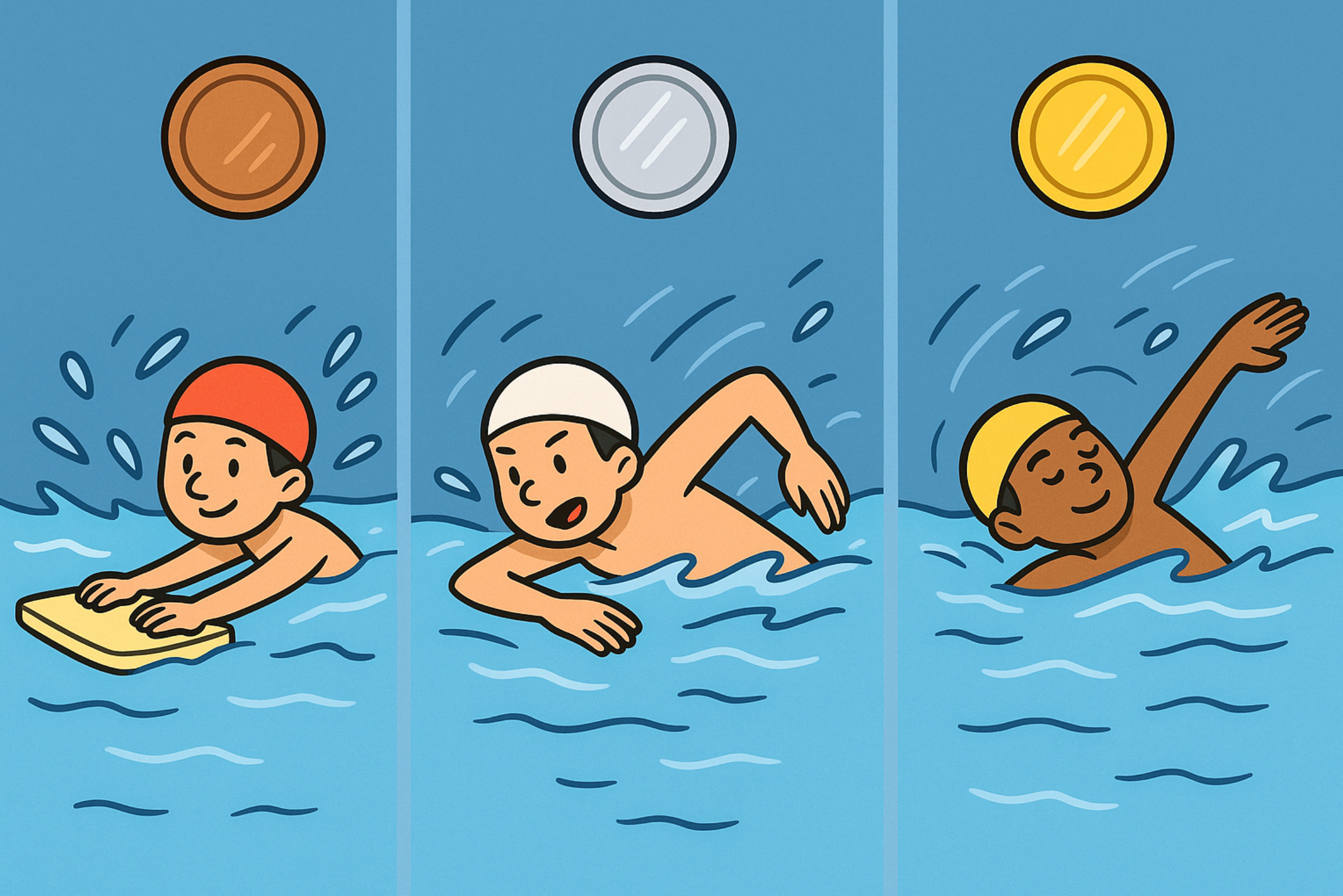
The German swimming badge system is divided into different levels: Bronze, Silver and Gold. Each badge builds on the skills of the previous one and systematically increases the requirements. The Silver Badge optimally prepares you for the demanding German Gold Swimming Badge and teaches important self-rescue skills.
Especially for children and teenagers, swimming badges are a great motivation. They not only document progress but also instill confidence in dealing with the element of water. The Silver Badge shows that the swimmer already has solid basic knowledge and is ready for more demanding challenges.
The specific requirements for the Silver Swimming Badge
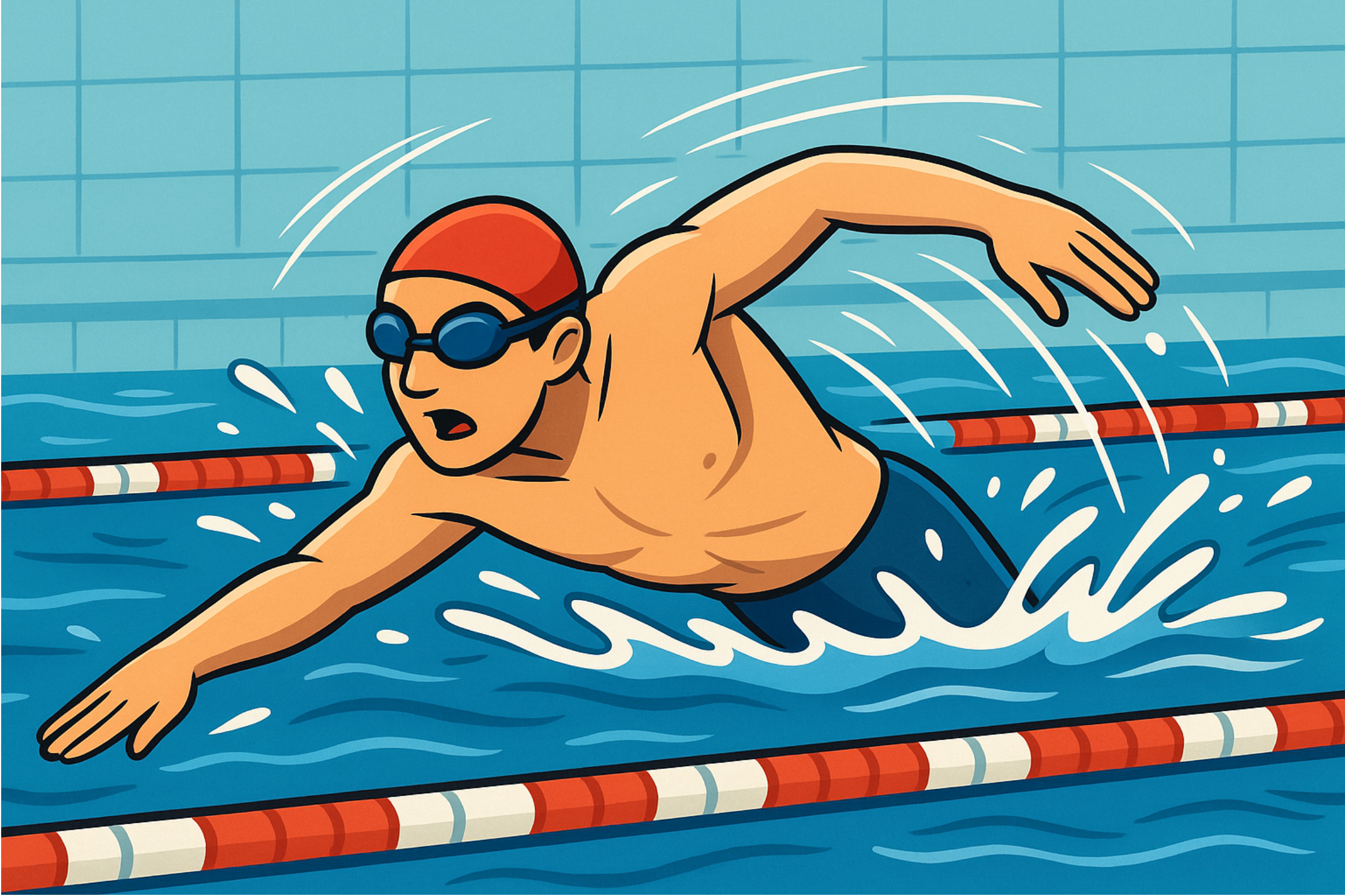
The German Silver Swimming Badge places clear demands on candidates. The most important discipline is swimming a distance of at least 400 meters, of which 300 meters must be completed in a prone or supine position. The remaining 100 meters can be swum according to the candidate's ability and preference.
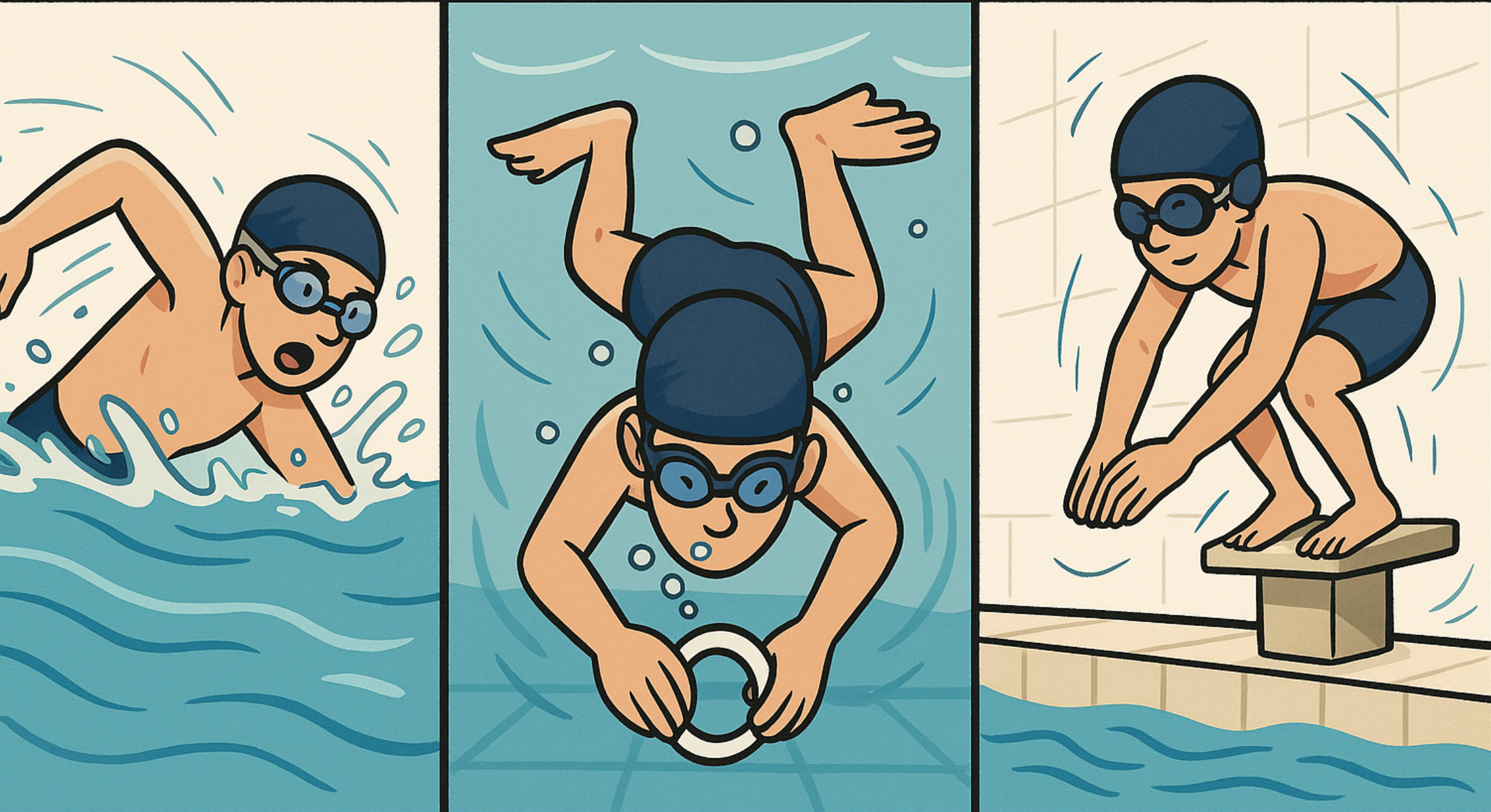
A central part of the test is underwater swimming with a push-off from the pool edge over a distance of at least 10 meters. Candidates must also master the headfirst jump from the edge of the pool, which requires technical skill and courage. This exercise not only tests diving abilities but also body position while swimming underwater. The candidate must maintain a calm and efficient posture during this.
Deep diving from the water surface to retrieve an object from approximately 2 m deep is also one of the core tasks. Often, a small diving ring or a similar object is used. This exercise requires good orientation underwater and the ability to deep dive twice to approximately 2 m.
Additionally, candidates must demonstrate various jumps from 1 meter height or from the edge of the pool. An important component is the headfirst jump from the edge of the pool, which requires technical skill and courage. Changing body position (prone or supine) while swimming must also be mastered.
Theoretical knowledge and bathing rules
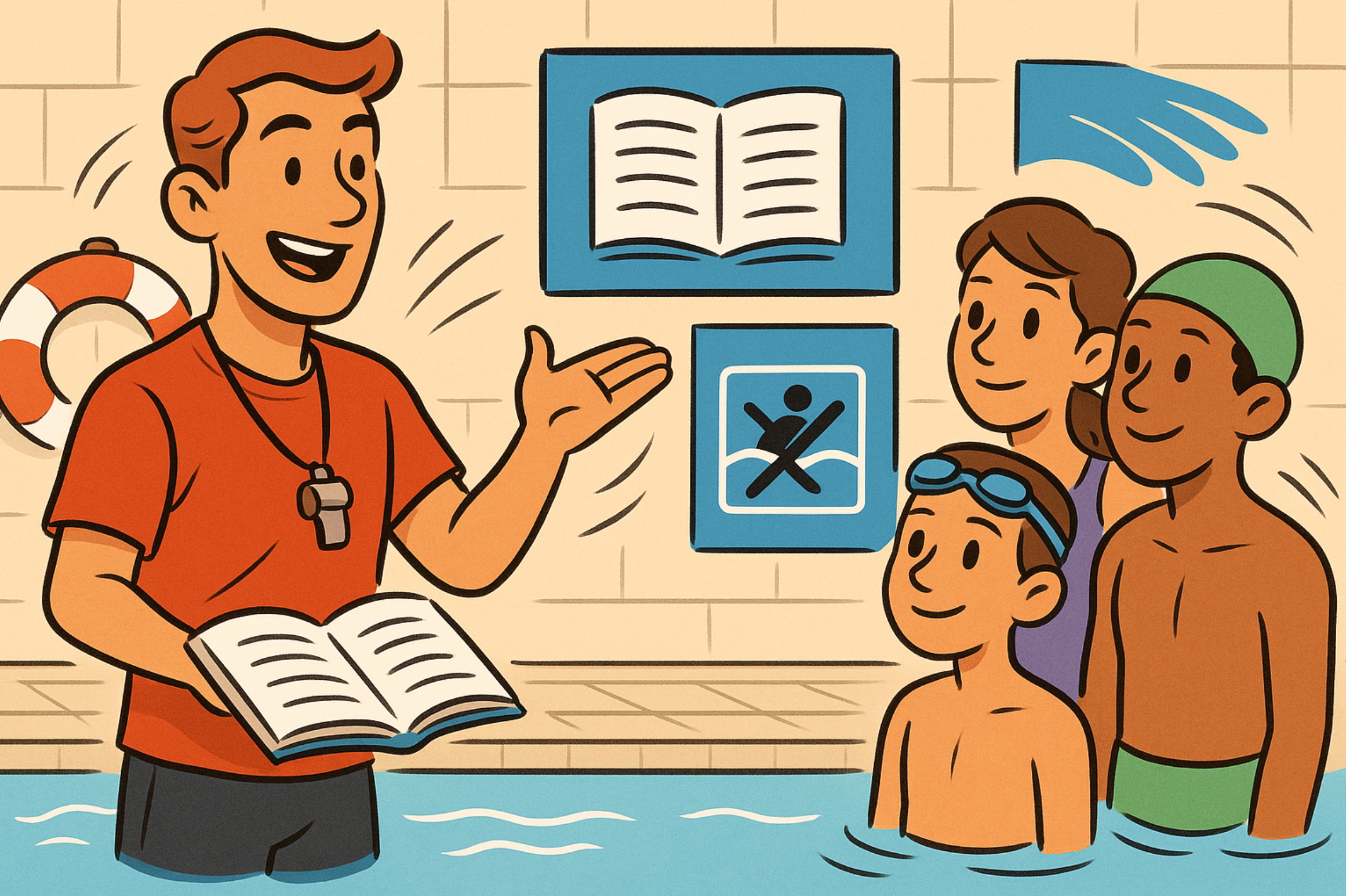
In addition to practical skills, the Silver Badge also requires theoretical knowledge. The bathing rules must be fully mastered, as they form the basis for safe behavior in and around water. These rules include behaviors in various bodies of water and situations.
An important aspect is how to behave in case of exhaustion and cramps. Candidates must know how to act in emergency situations and what self-rescue measures can be taken. This knowledge is particularly important as it can save lives in critical moments.
Self-rescue behavior includes various techniques and strategies. This includes correct behavior in case of bathing, boating, and ice accidents. Even if these situations hopefully never occur, it is important that candidates are prepared for them and can react appropriately.
The theoretical examination complements the practical exercises and ensures that the candidate is not only technically proficient but also possesses the necessary background knowledge. This combination of practice and theory makes the Silver Badge a valuable proof of swimming competence.
Preparation and training for the Silver Swimming Badge
Systematic preparation is the key to success for the Silver Badge. Training should begin at least six to eight weeks before the exam and cover all relevant areas. Regular swimming is a prerequisite for a successful exam.
Endurance training is central to the preparation. The 400-meter distance requires good basic fitness, which can only be built up through regular training. Special attention should be paid to swimming in a prone position, as 300 meters of the total distance must be completed in this position.
Diving requires special preparation. Both underwater swimming and deep diving from the water surface to retrieve an object must be practiced regularly. It is important to perfect breathing technique and improve orientation underwater.
Jumping techniques should also be intensively trained. The headfirst jump from the edge of the pool requires practice and courage. Various jumps from 1 meter height or 2 different heights must also be mastered. Safe swimming in the lane (prone or supine position) without holding on is another important skill.
Examination procedure for the Silver Swimming Badge and practical tips according to the examination regulations
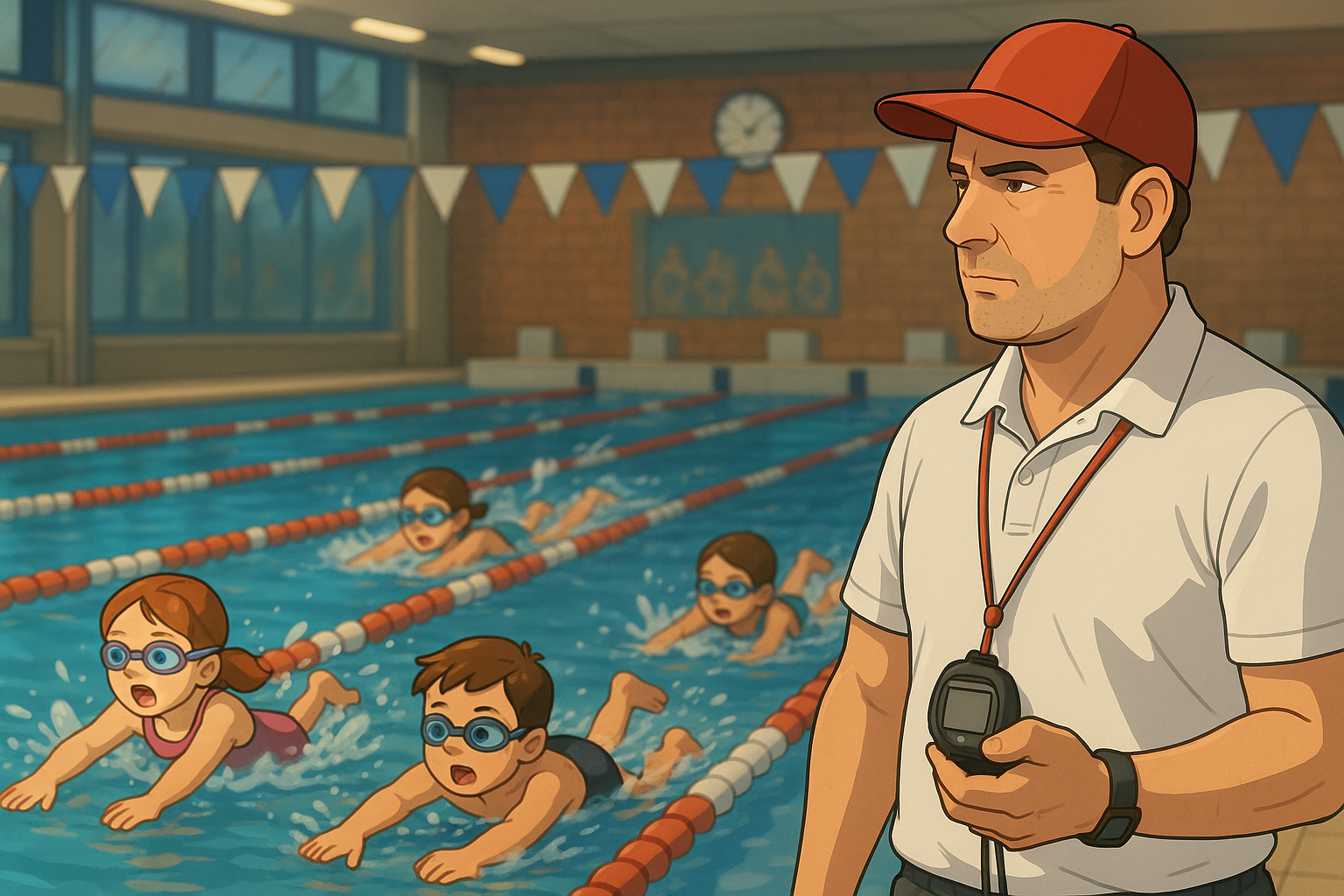
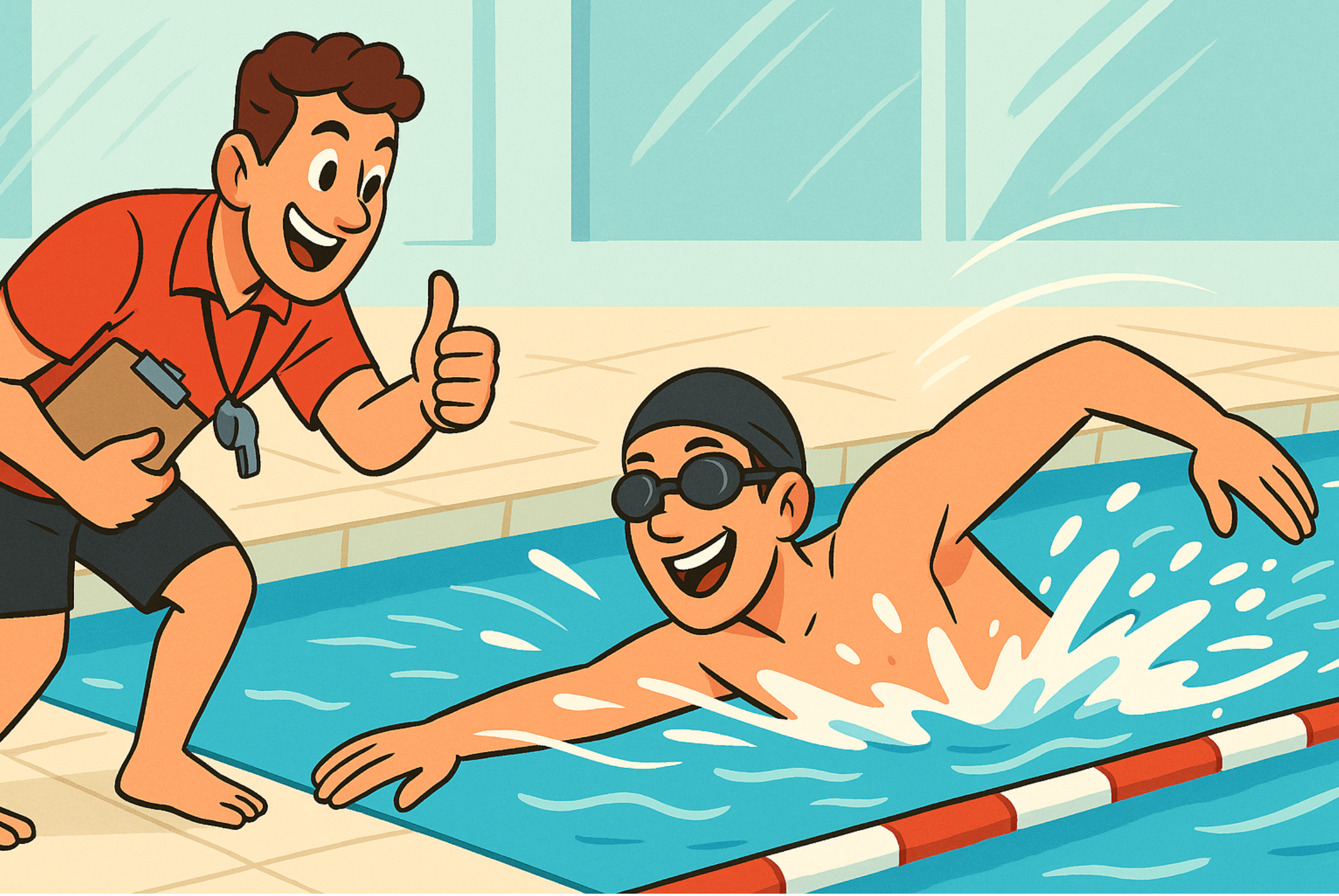
The examination for the Silver Badge is administered by qualified swimming instructors or examiners. The procedure is standardized and includes all required disciplines. Good preparation and the right mindset are crucial for success.
At the beginning of the examination, the 400-meter endurance swim is usually on the agenda. It is important to conserve energy and maintain a steady pace. Swimming on your back in a recognizable and relaxed posture can help to recover in between. Therefore, changing body position while swimming in the lane without holding on is recommended.
Underwater swimming with a push-off from the edge of the pool requires good technique. The push-off should be powerful, and the body position while swimming underwater must be streamlined. Calm and controlled breathing before the dive is important for a good performance.
When deep diving from the water surface to retrieve an object, candidates should proceed calmly and focused. Retrieving an object (e.g., a small diving ring) requires good orientation and efficient movements underwater. Swimming in the lane without holding on (prone or supine position) should be mastered safely throughout the entire examination. A good command of the bathing rules is also essential.
The path from the Bronze Badge to the German Gold Swimming Badge
The Silver Badge is an important step on the way to the Gold Badge. After successfully passing it, ambitious water enthusiasts can further develop their skills and prepare for the next challenge.
The Gold Badge places significantly higher demands than the Silver. The swimming distance is 800 meters, 600 meters of which are in a prone position. The diving requirements are also more challenging, and additional theoretical knowledge is required. Preparation for the badge therefore requires an even more intensive training phase.
For many, the badge is the entry point into more specialized areas such as lifeguarding or competitive sports. The skills acquired through the swimming badges form a solid foundation for further activities in water sports.
The continuous development of swimming skills is important for water safety. Even after acquiring the badges, swimming enthusiasts should regularly train and refresh their knowledge. A refresher course can be very helpful.

Importance of the Bronze, Silver, and Gold Swimming Badges for Water Safety
The German swimming badges Bronze, Silver, and Gold play a central role in water safety. They ensure that badge holders not only possess technical skills but also the necessary knowledge for safe behavior in water.
The Silver Badge marks the transition from beginner to advanced swimmer. With this badge, swimmers can already handle more complex situations in the water and have acquired basic self-rescue knowledge. These skills are invaluable in emergency situations.
The combination of practical skills and theoretical knowledge makes swimming badges a valuable tool for water familiarization and safety. They not only motivate learning but also build confidence in one's own abilities.
Especially for children and teenagers, the badges are an important motivational factor. They show progress and set clear goals. The Silver Badge is often a particularly proud moment, as it marks the transition to advanced swimmers.
Special challenges for Silver and Gold Badges
The Silver Badge brings with it some special challenges that go beyond the Bronze. The endurance performance of 400 meters swimming in the lane without holding on requires good physical condition and mental strength. Many candidates underestimate this distance and are not sufficiently prepared. Changing body position is recommended to conserve energy.
Diving to approximately 2 meters with retrieval of an object (e.g., a small diving ring) represents another challenge. This exercise requires not only technical skill but also courage and self-confidence. The deep dive must be performed in a flowing motion.
Jumps from a height of 1 meter require overcoming and technique. Many candidates initially have respect for the height and must learn to overcome their fear. The procedure for exhaustion and resolving cramps is another important aspect that must be mastered theoretically and practically.
The self-rescue procedure, e.g., in emergency situations, must also be comprehensively understood. This knowledge can be crucial in critical situations and should be refreshed regularly. This includes behavior for self-rescue, e.g., behavior in case of exhaustion, resolving cramps, bathing rules, etc.
Conclusion: The Silver Badge as a milestone
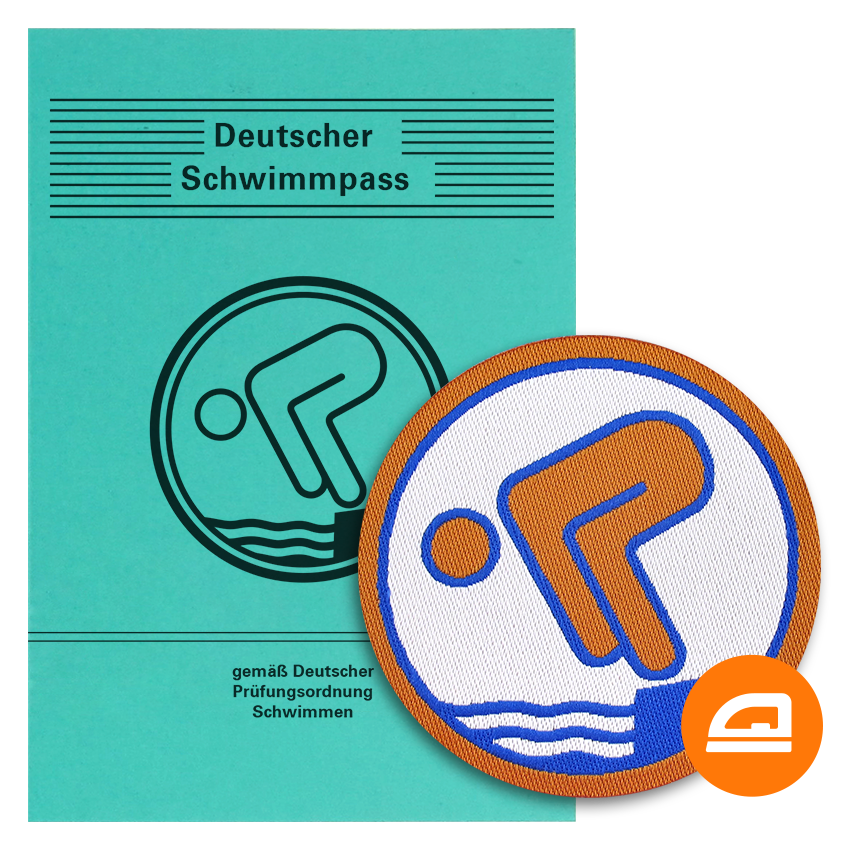
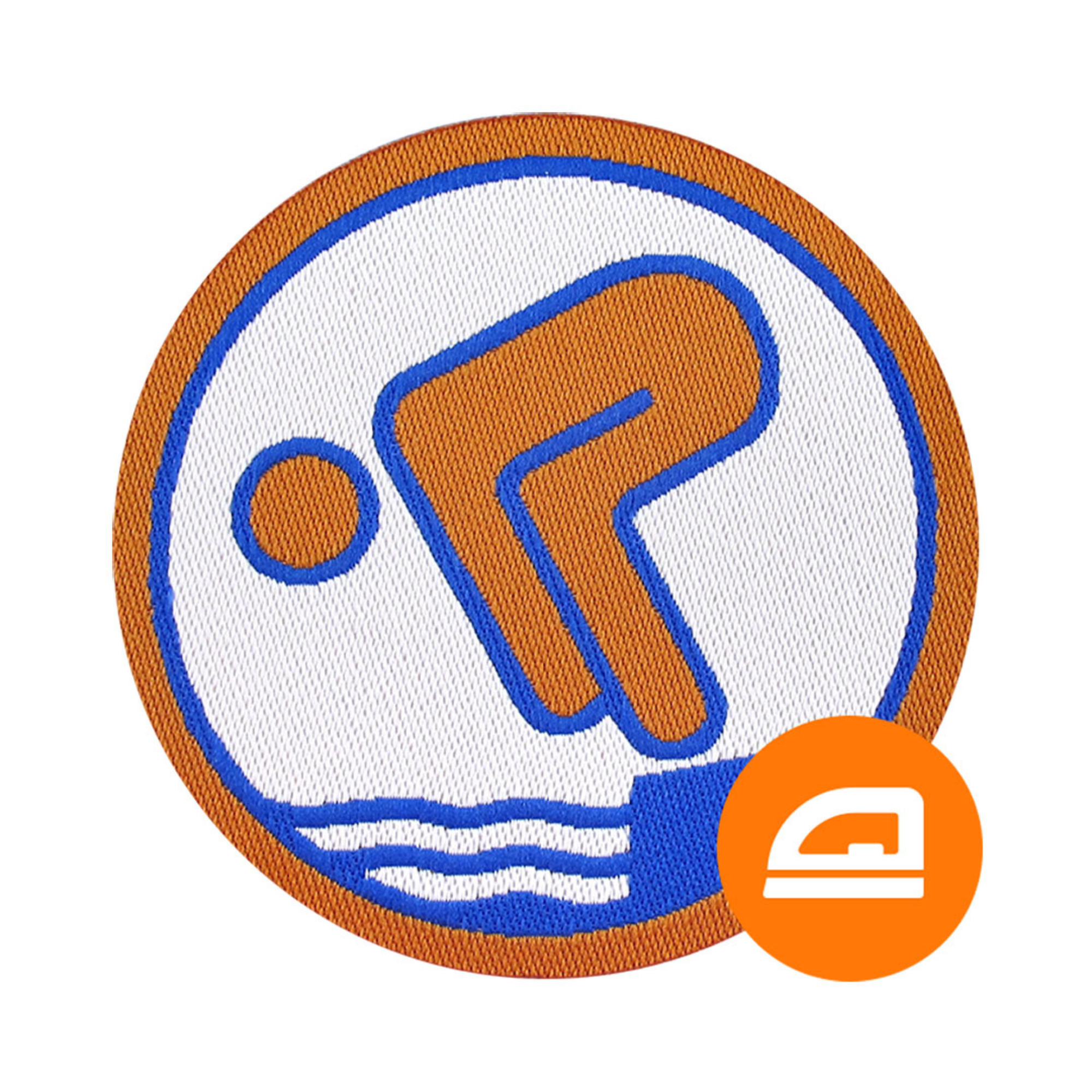
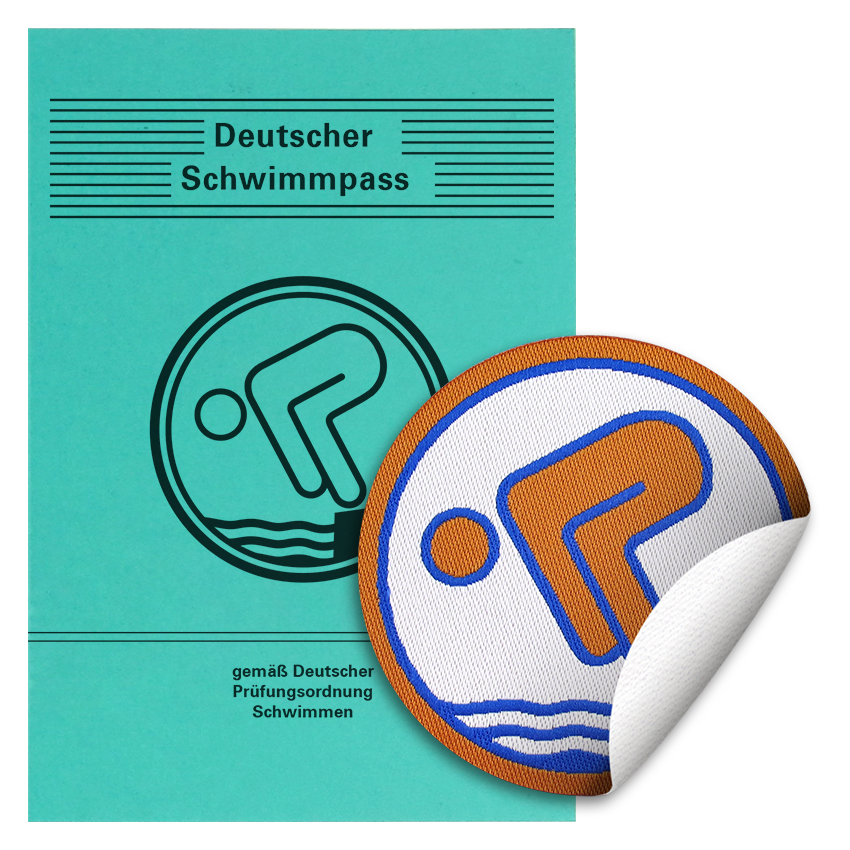
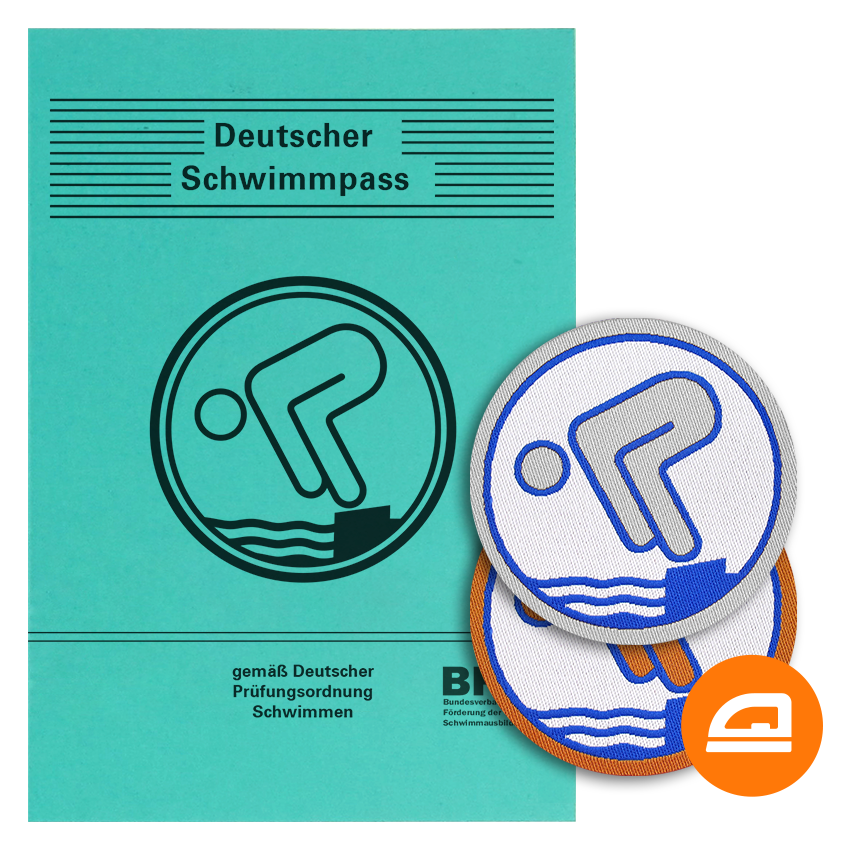
The German Silver Swimming Badge is more than just a piece of fabric or metal – it is proof of skill, endurance, and safety awareness. For every swimmer, it represents an important step on the path to complete water safety.
The requirements for the Silver Swimming Badge are indeed demanding, but with the right preparation and sufficient training, they can be mastered. The 400-meter swimming distance, diving from the water surface to retrieve an object, and jumps from 1 meter height (or 2 different heights) require good physical condition and technical skills.
Furthermore, the Silver Badge imparts important theoretical foundations for safe behavior in water. This knowledge is of great practical importance and can save lives in critical situations, such as self-rescue behavior, e.g., behavior in case of exhaustion (resolving cramps).
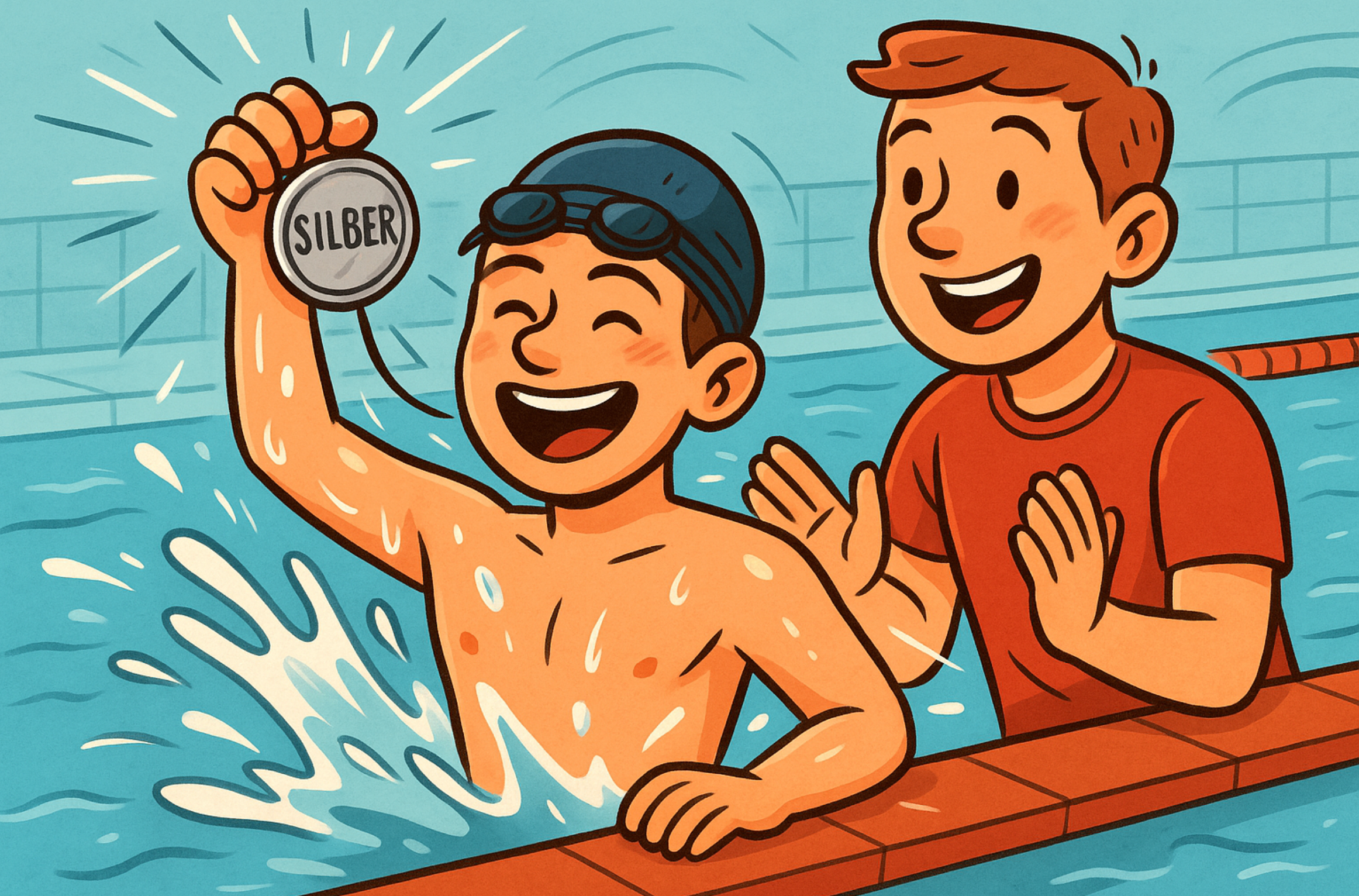
Anyone who has successfully completed the Silver Badge can be proud of their achievement. It is a sign that the swimmer has solid fundamentals and is ready for new challenges. The path to Gold is now open, and with it further exciting developments in the world of swimming.
Order the German Silver Swimming Badge
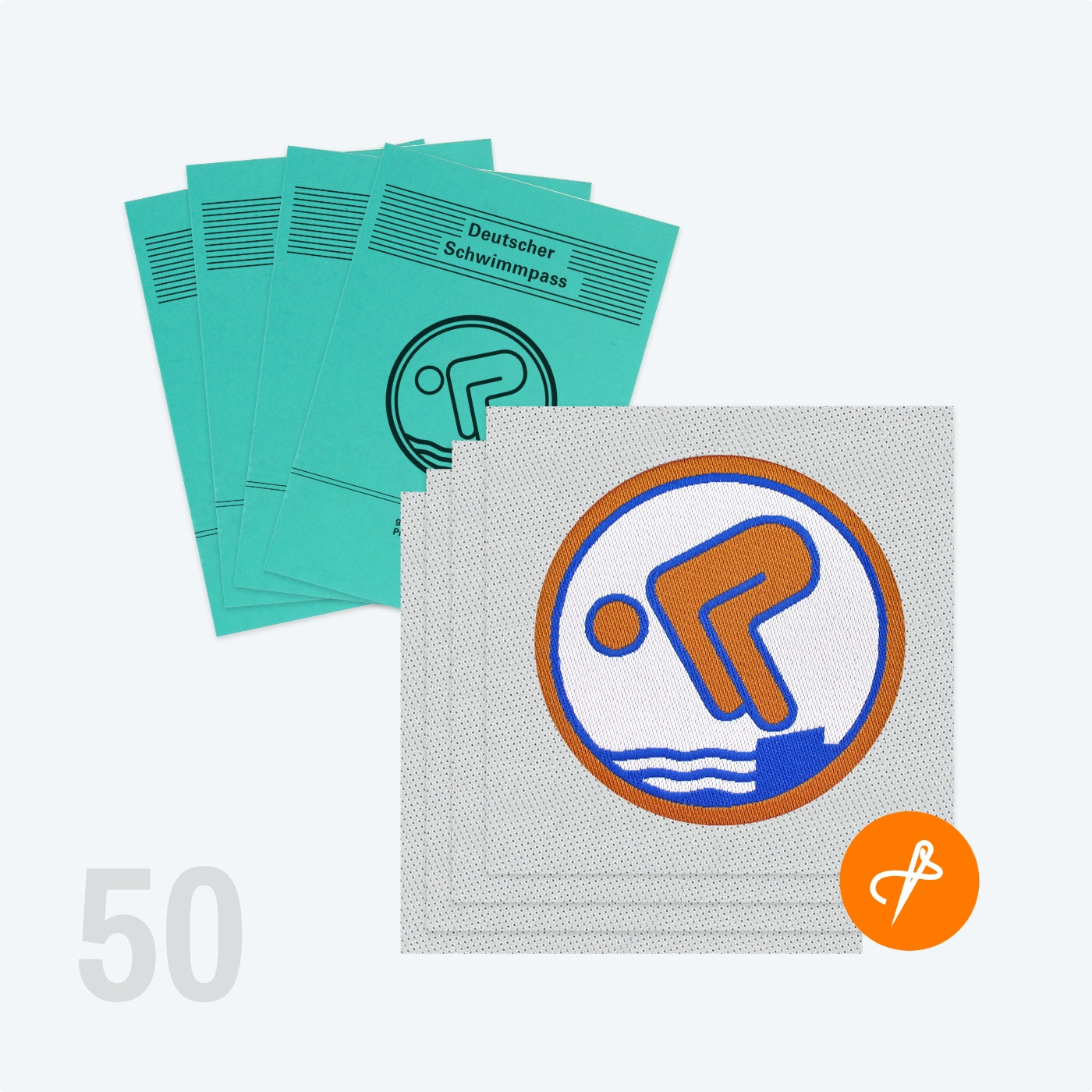
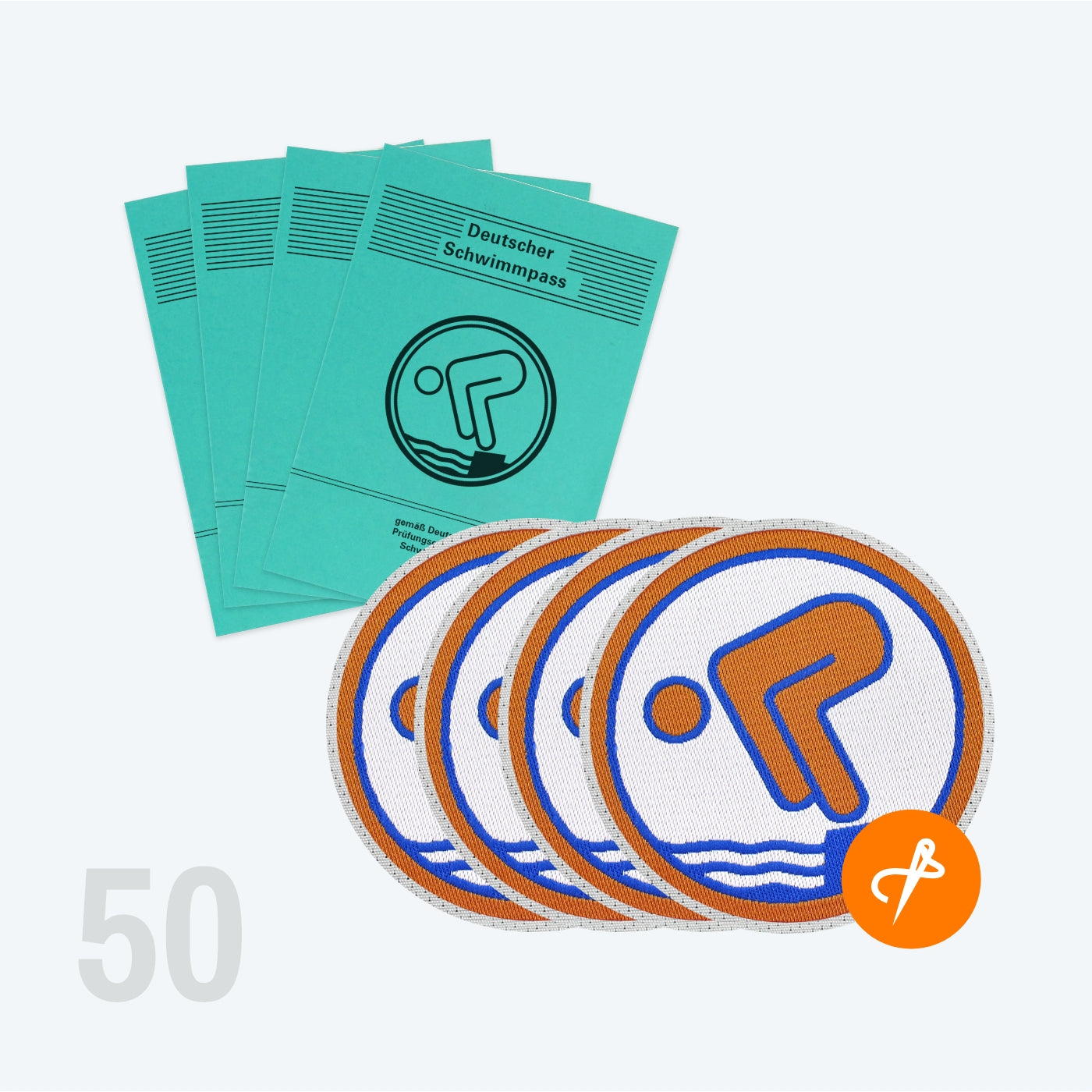
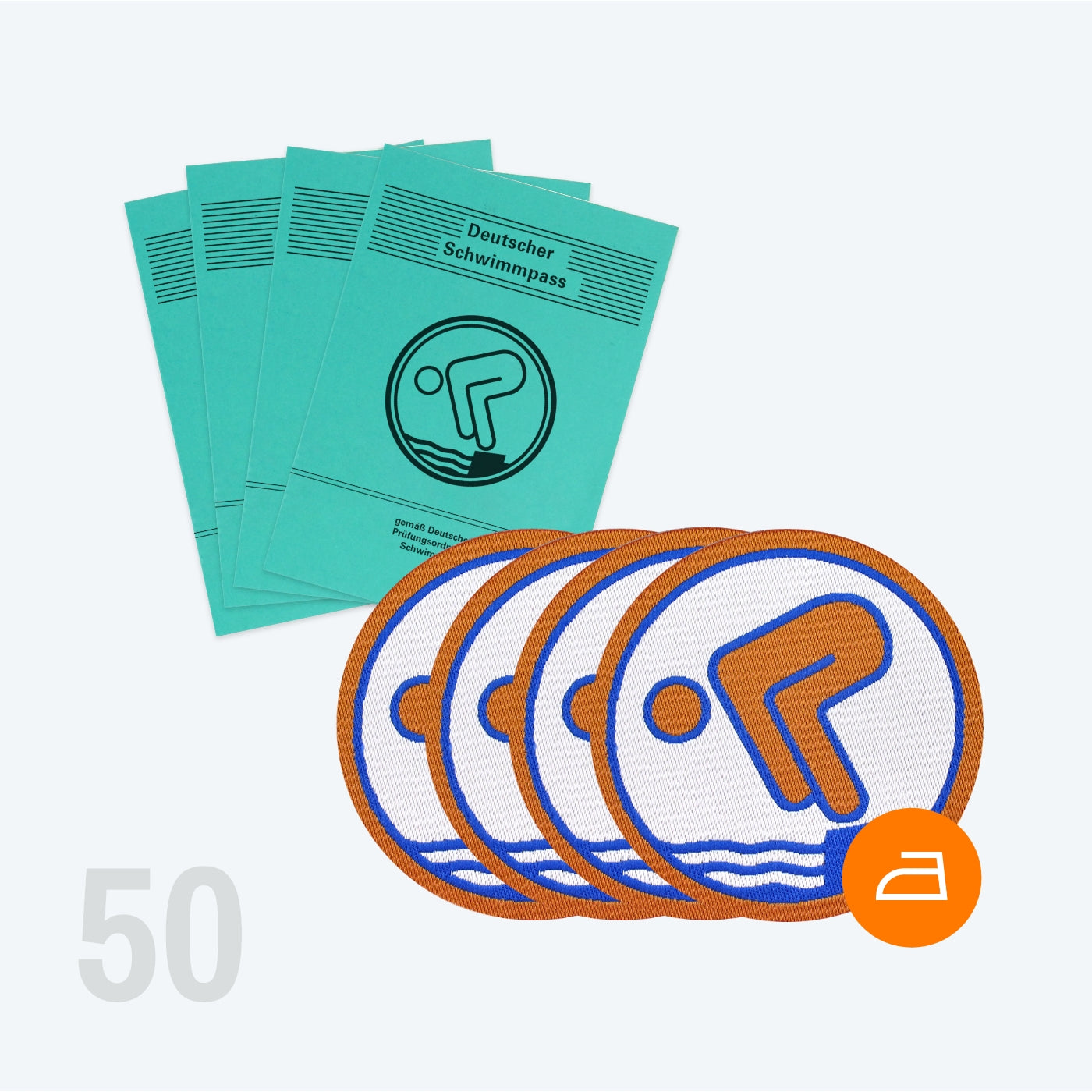
You can conveniently and reliably purchase the German Silver Swimming Badge from Pimpertz. Pimpertz offers a large selection of swimming badges in various sizes and designs – ideal for clubs, swimming schools, or private use.