

Seahorse Test: A Successful Start to Swimming
The Seepferdchen (Seahorse) test is the first milestone on the path to safe swimming for children. It motivates early beginners to enjoy moving in the water. The focus is on a playful approach, so the test appears far less intimidating than its name suggests.
What is the Seepferdchen Badge?
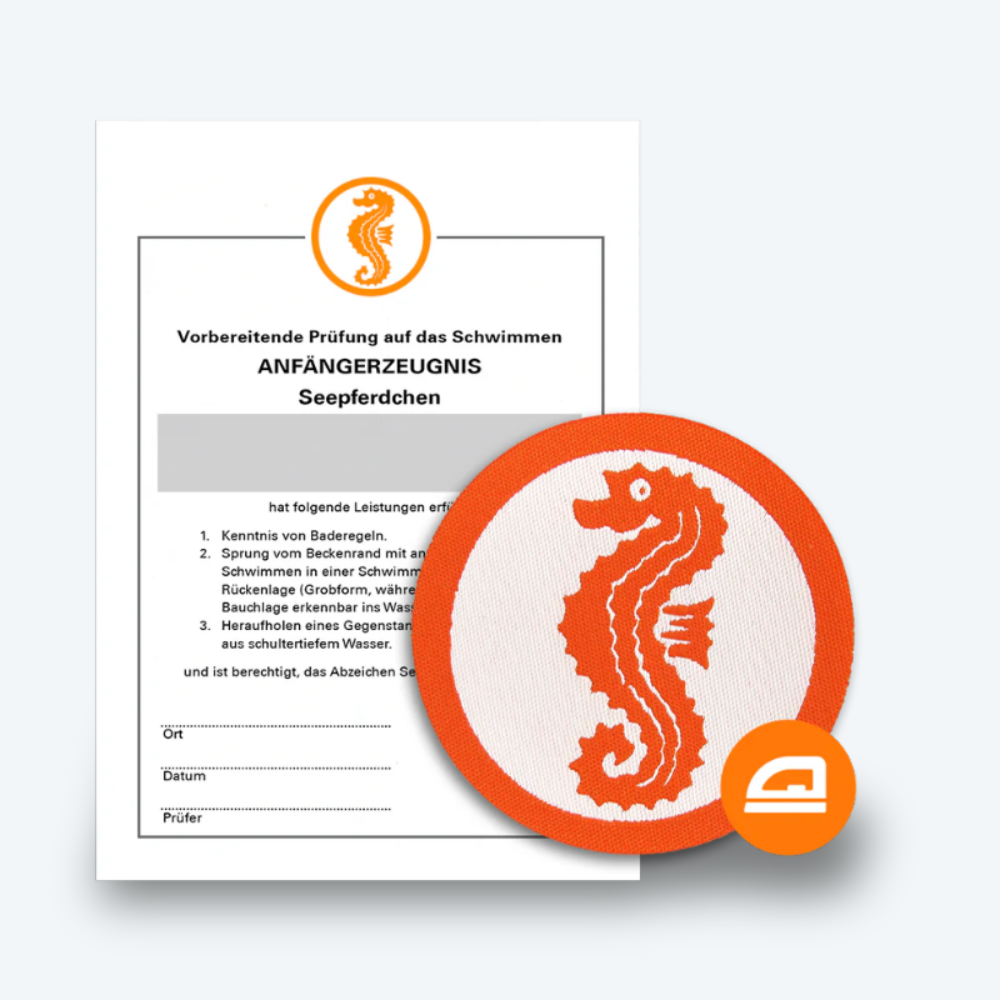
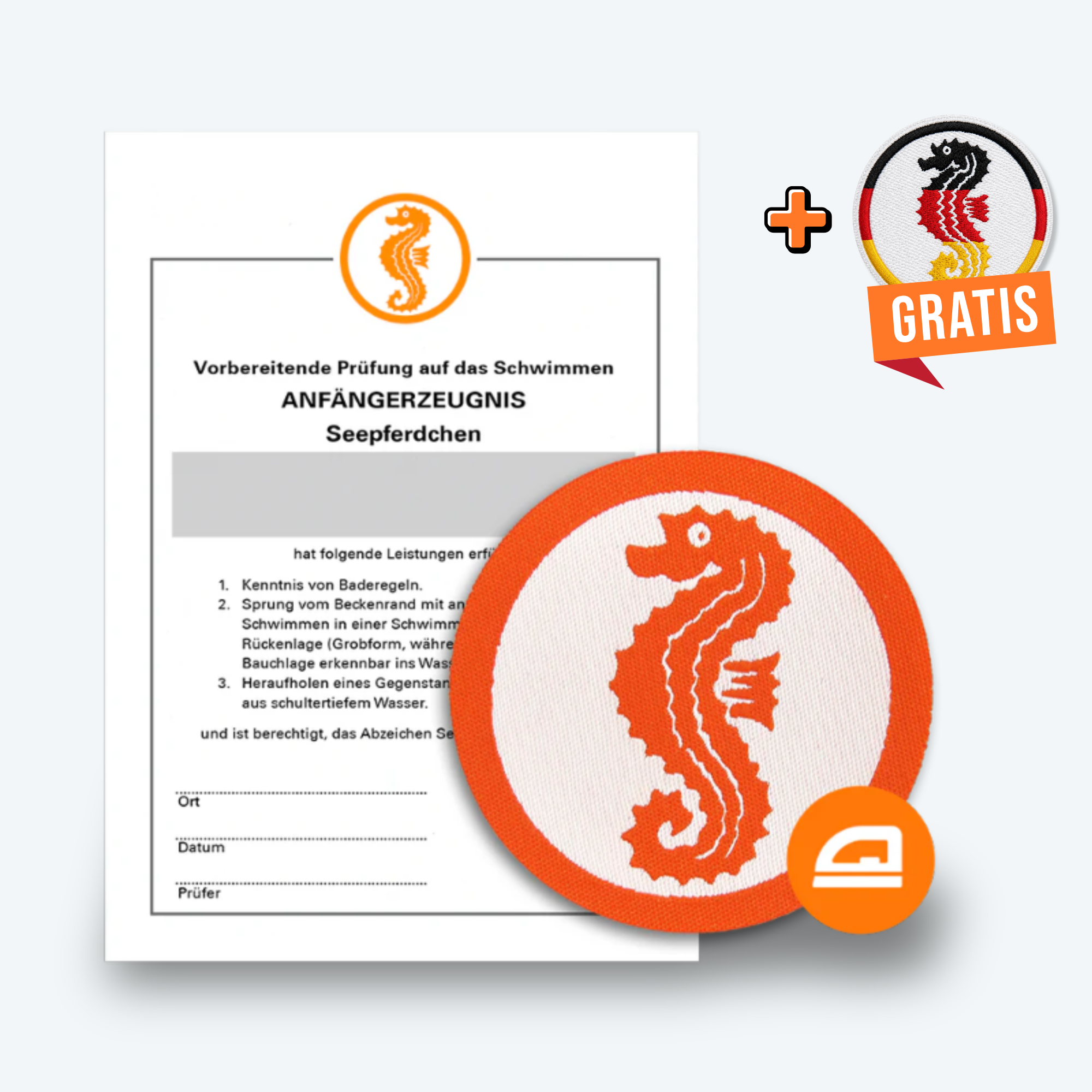
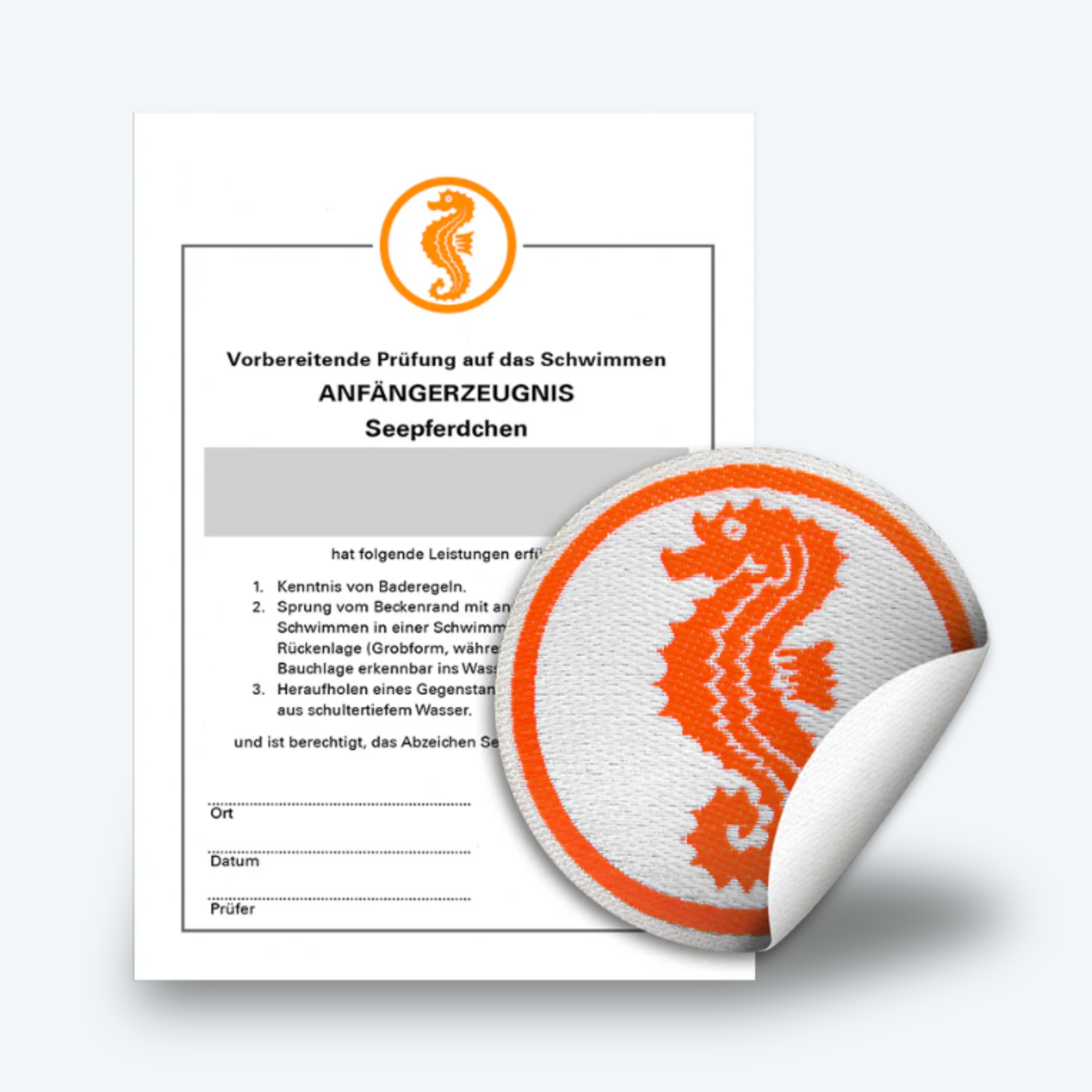
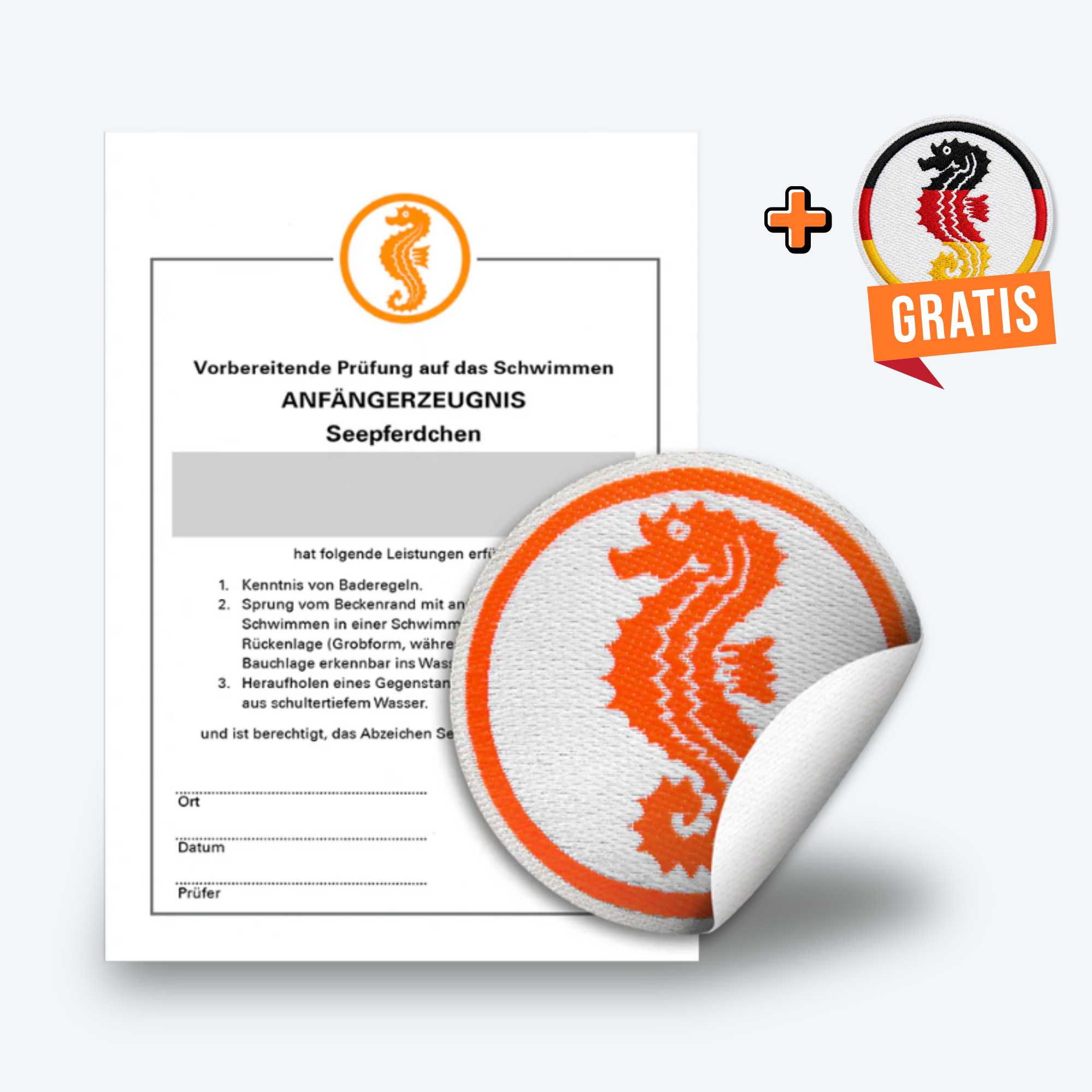
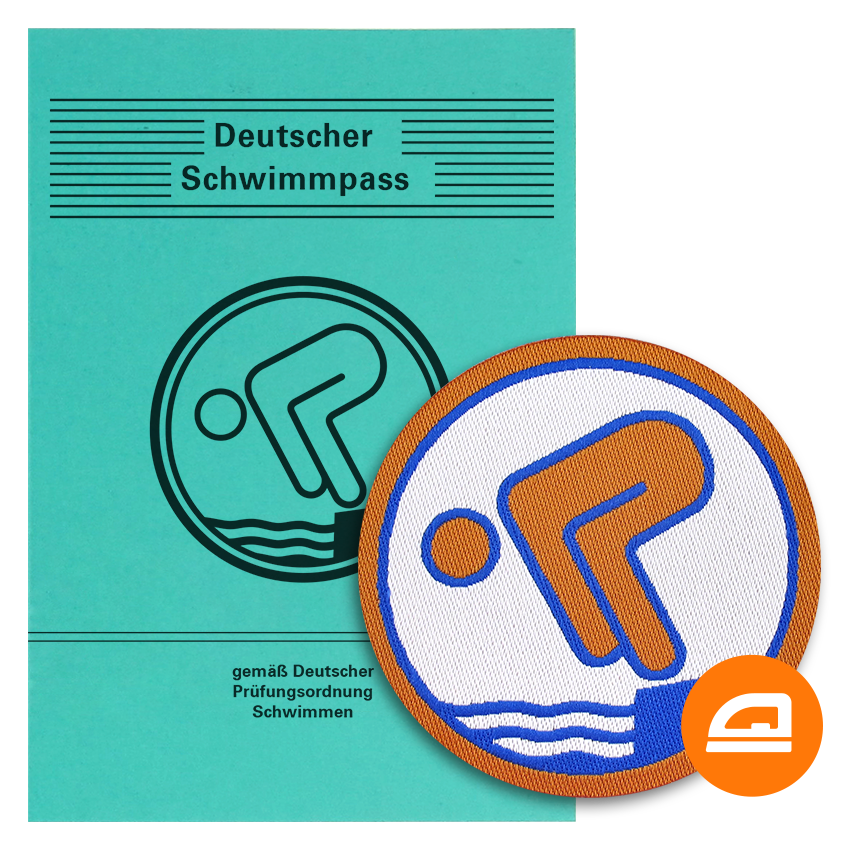
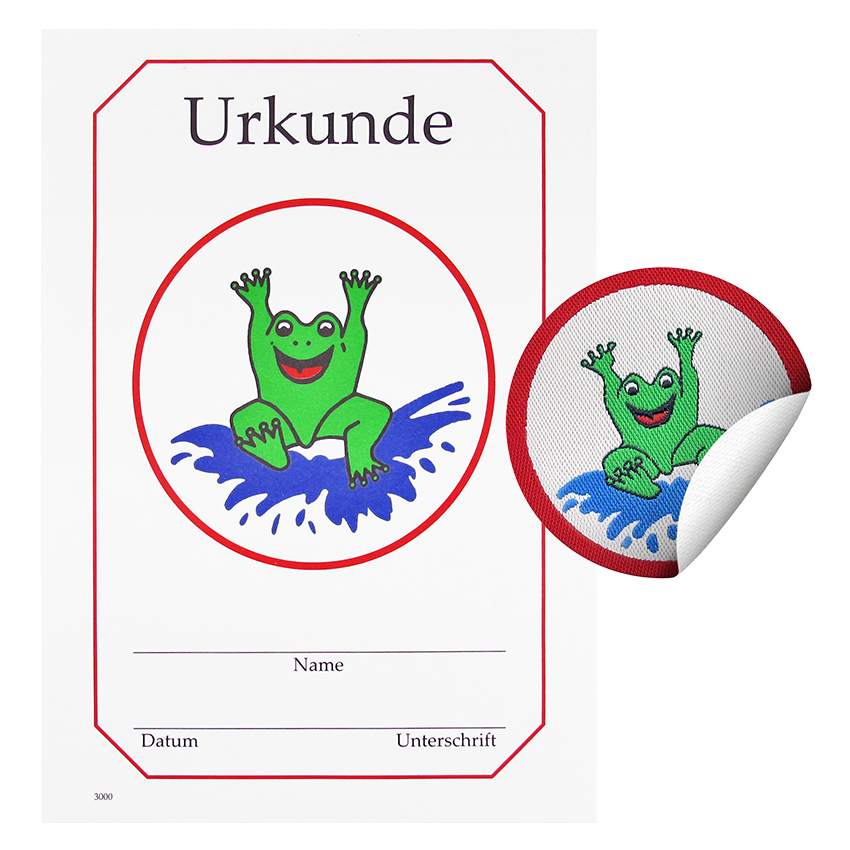
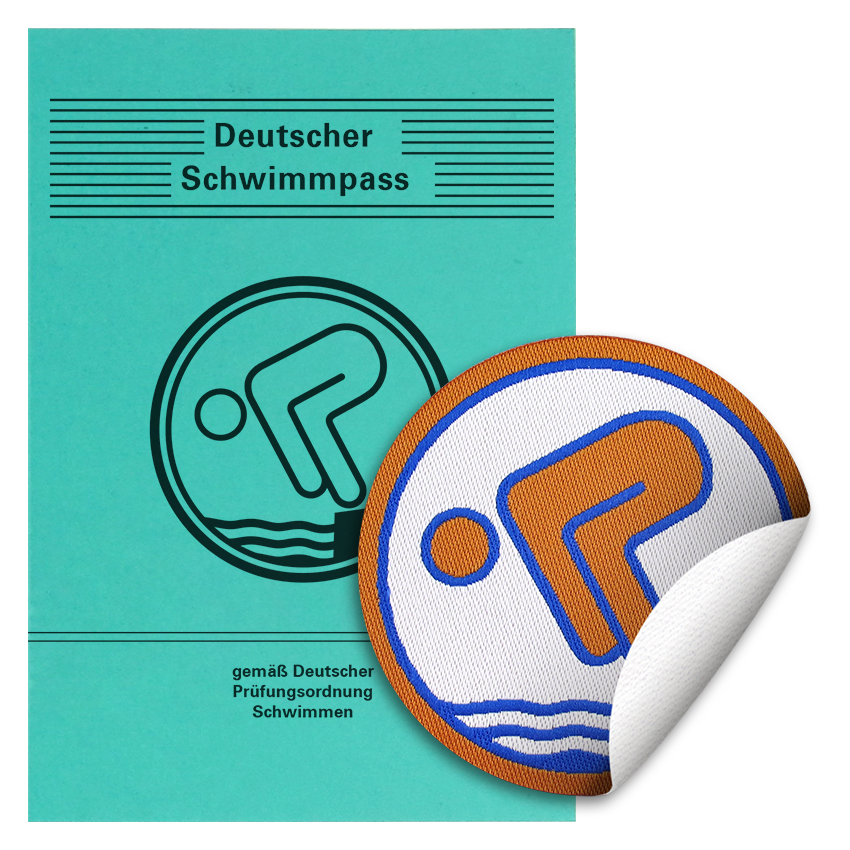
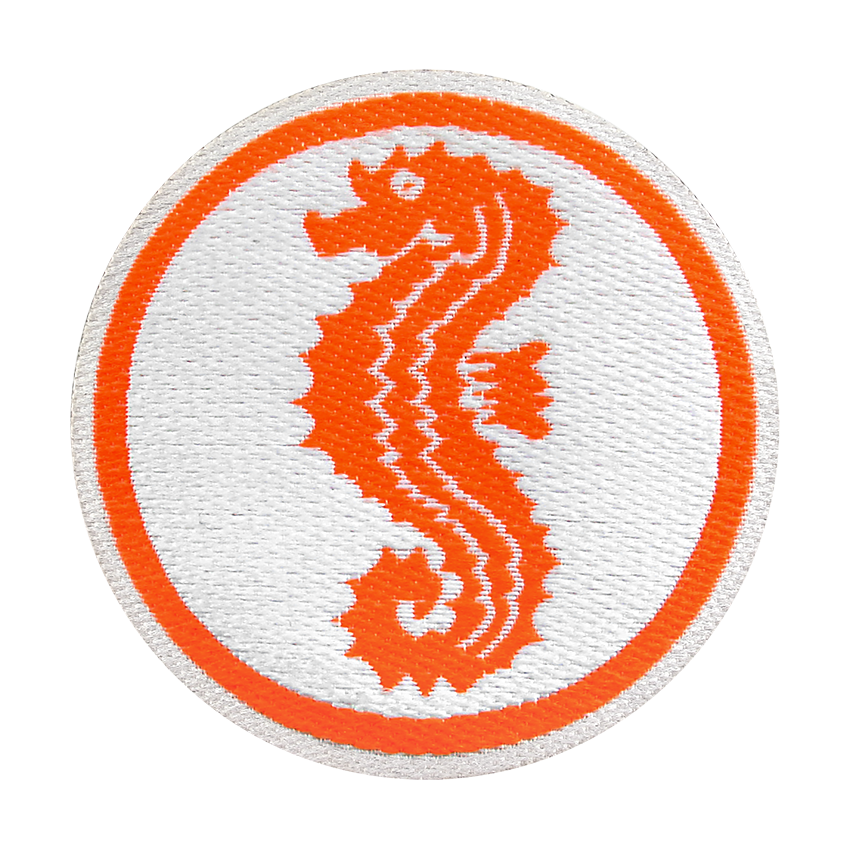
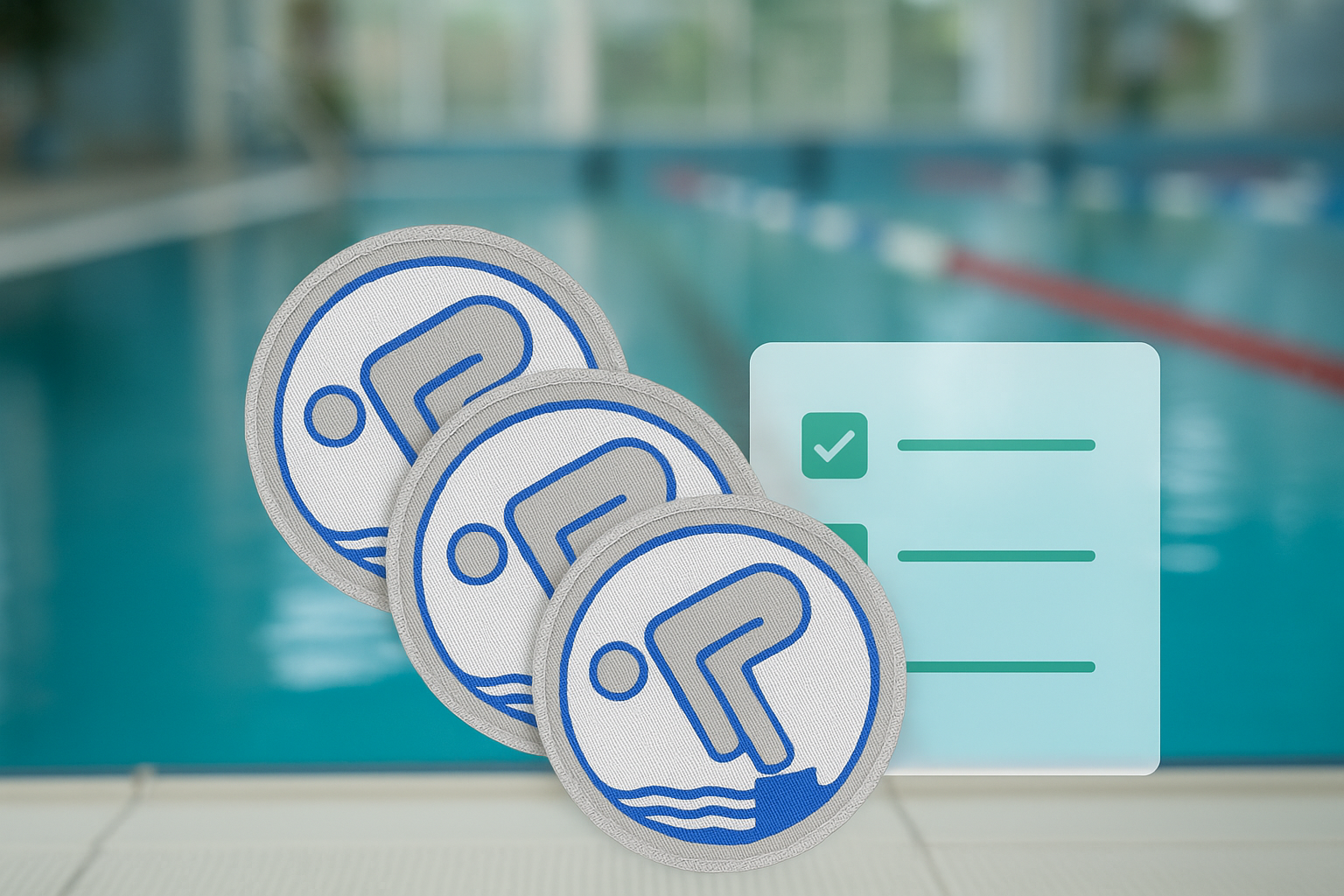
The Seepferdchen Badge (early swimmer badge) is the first swimming badge from the DLRG and an officially recognized certificate for young swimmers. It certifies that candidates have mastered basic swimming skills and know important bathing rules. As part of swimming lessons, it lays the foundation for further badges such as Bronze, Silver and Gold.
Qualification and Assessment
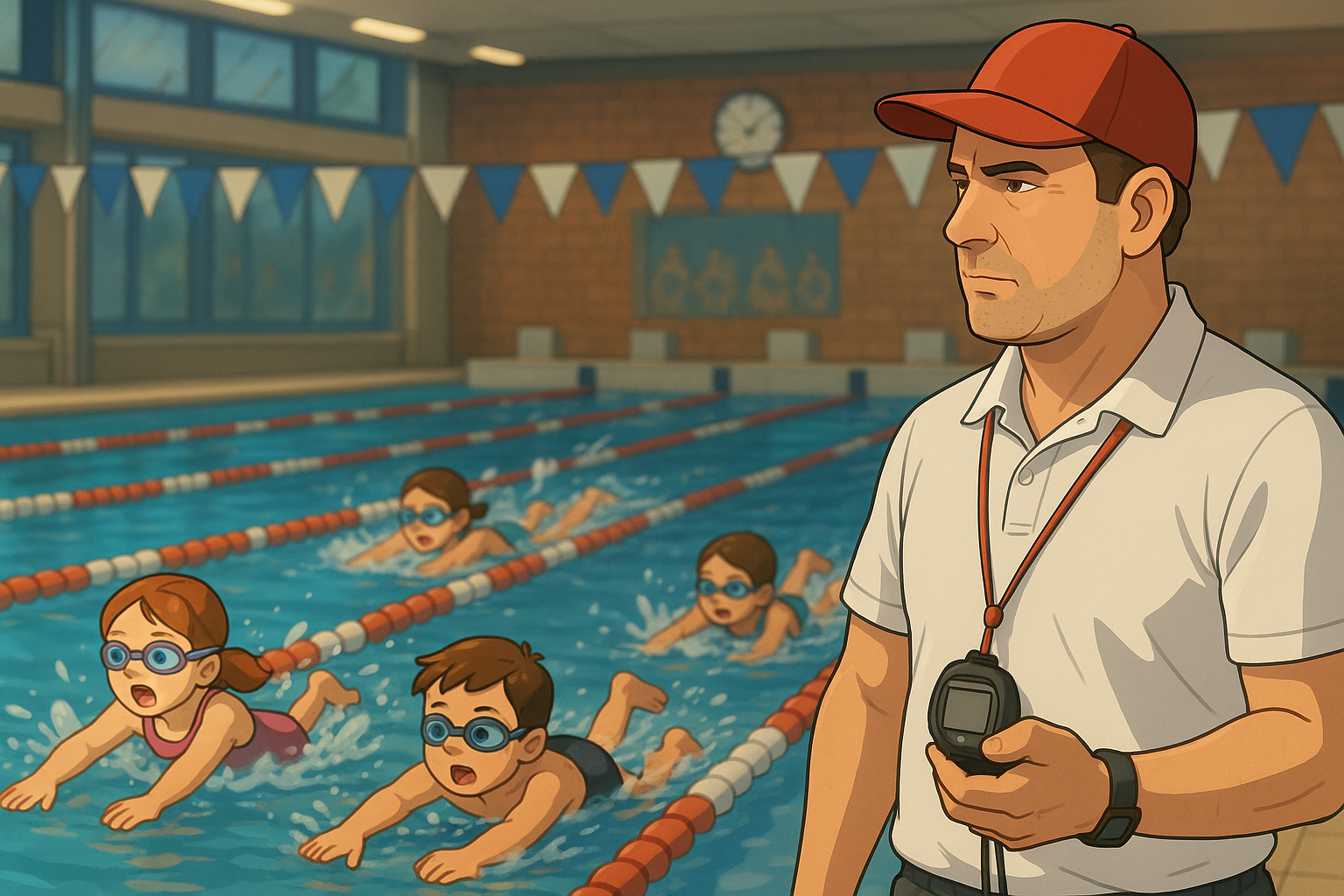
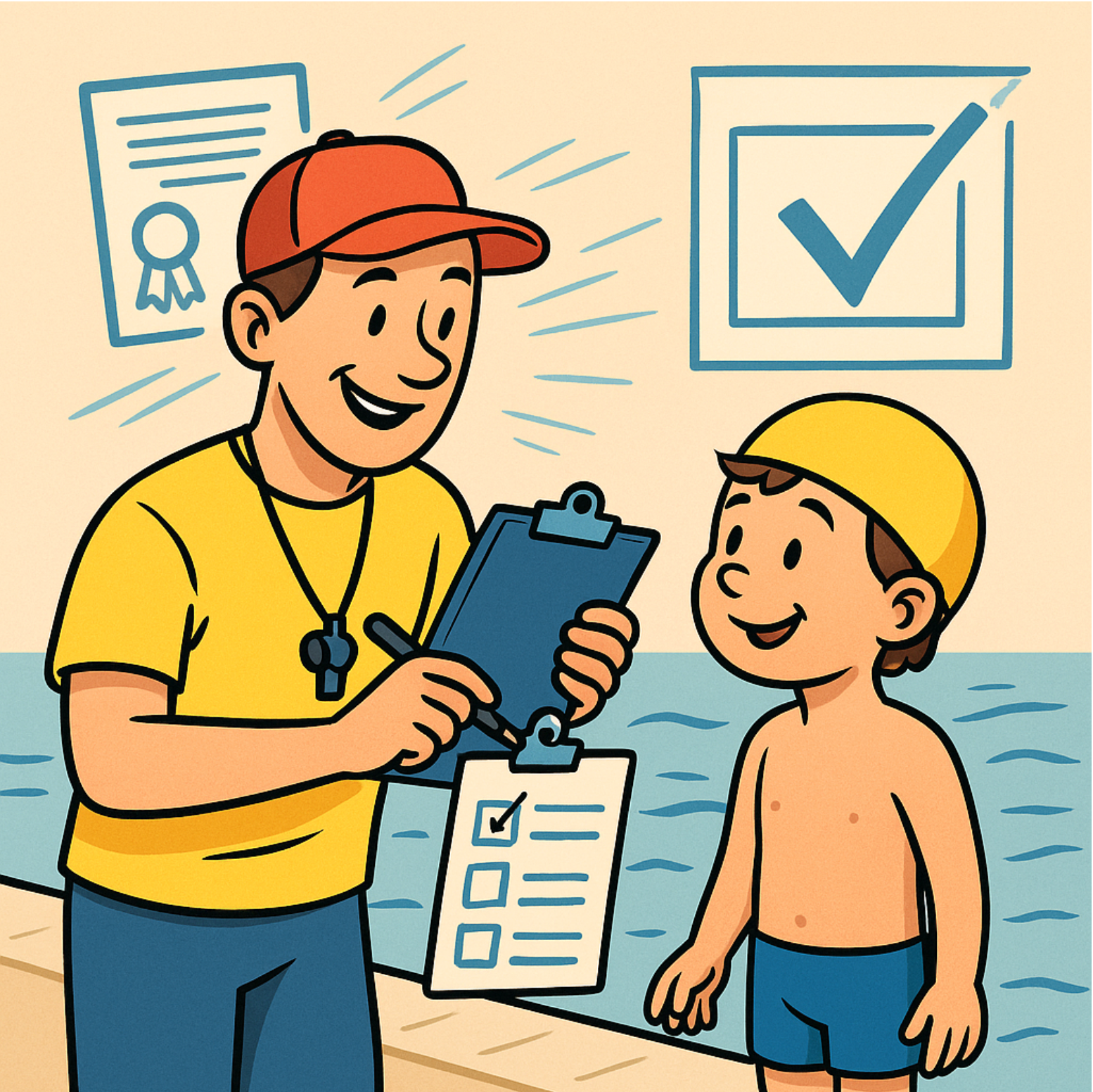
The assessment may only be carried out by trained swimming instructors or DLRG-certified examiners. Each test is based on defined requirements of the German examination regulations. This ensures that every child provides the same proof of their abilities.
Significance for Beginner Swimmers
Even small successes boost the self-confidence of young early swimmers in the water. With the Seepferdchen Badge, children realize how much fun swimming is. At the same time, they gain the necessary knowledge to avoid dangers.
Regular practice in prone or supine position not only promotes coordination but also optimally prepares for the early swimmer badges. The playful approach soon turns uncertain beginners into enthusiastic swimmers.
Examination Achievements in Detail
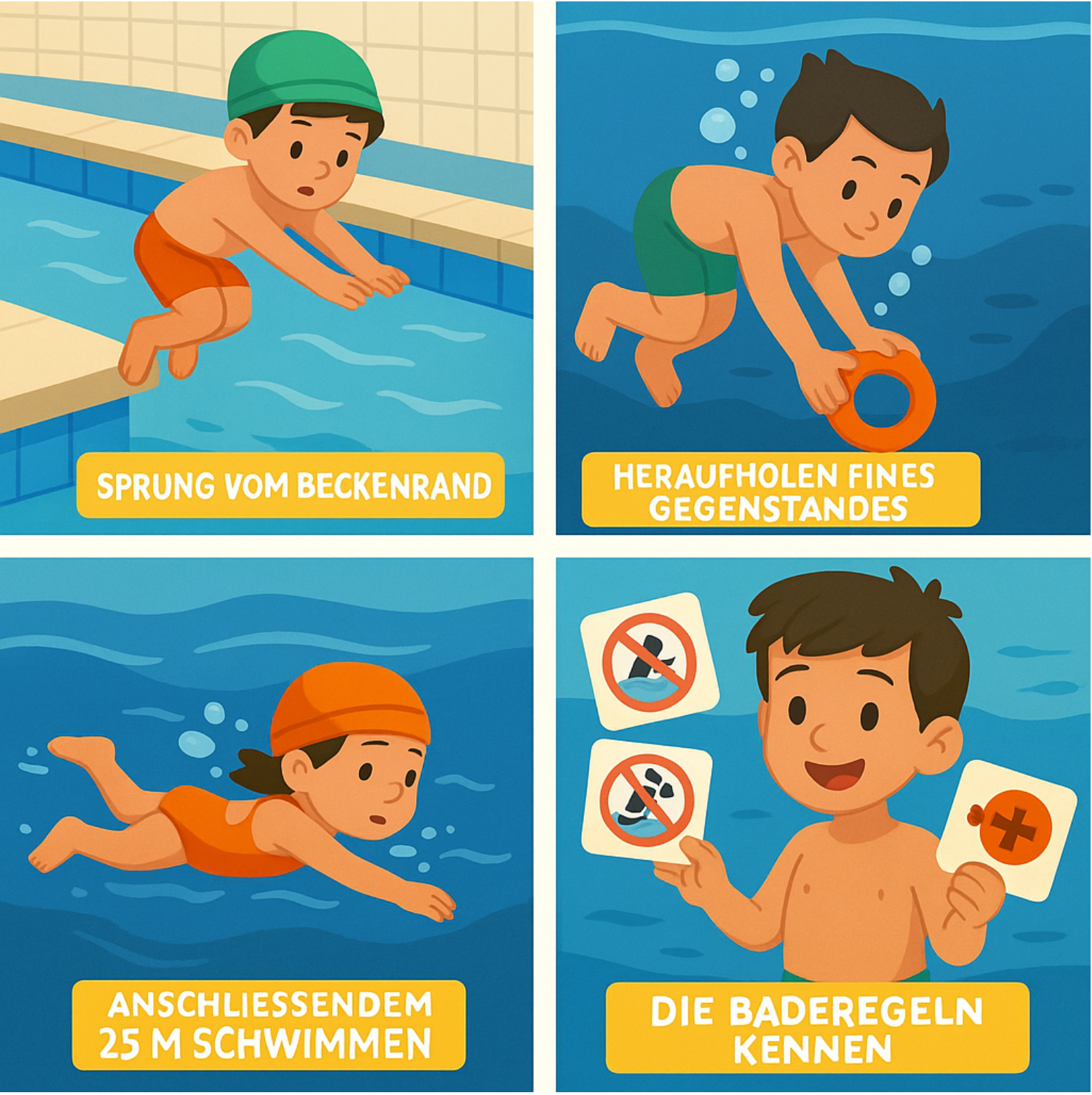
Before the actual Seepferdchen test, children complete four examination achievements that must be mastered without aids. The requirements relate to jumping, diving, swimming technique, and breathing.
Jump from the Pool Edge
In the first step, the candidate jumps safely from the edge of the pool into the water. A straight entry without assistance is important. This jump from the pool edge shows that the child is not afraid of the depth of the water.
Retrieving an Object with Hands from Shoulder-Deep Water
Subsequently, the child should retrieve a diving ring or object with their hands from shoulder-deep water. The hands reach for the object, which is located at least shoulder-deep in the water.
Followed by 25 m Swimming in Prone or Supine Position
A common misconception is the belief that swimming styles are changed during the Seepferdchen test. In fact, the young swimmer must choose one swimming style and swim the 25 meters either in prone or supine position in a rudimentary form.
Knowing the Bathing Rules
A central component of the Seepferdchen test is knowledge of bathing rules, because safety is always paramount.
-
Never swim unsupervised
-
Never jump into unknown water
-
Only use swimming aids with permission
-
Know lifeguard signal
Through games like Memory or quiz rounds, children playfully consolidate their knowledge of rules.
Procedure and Assessment of the Seepferdchen Test
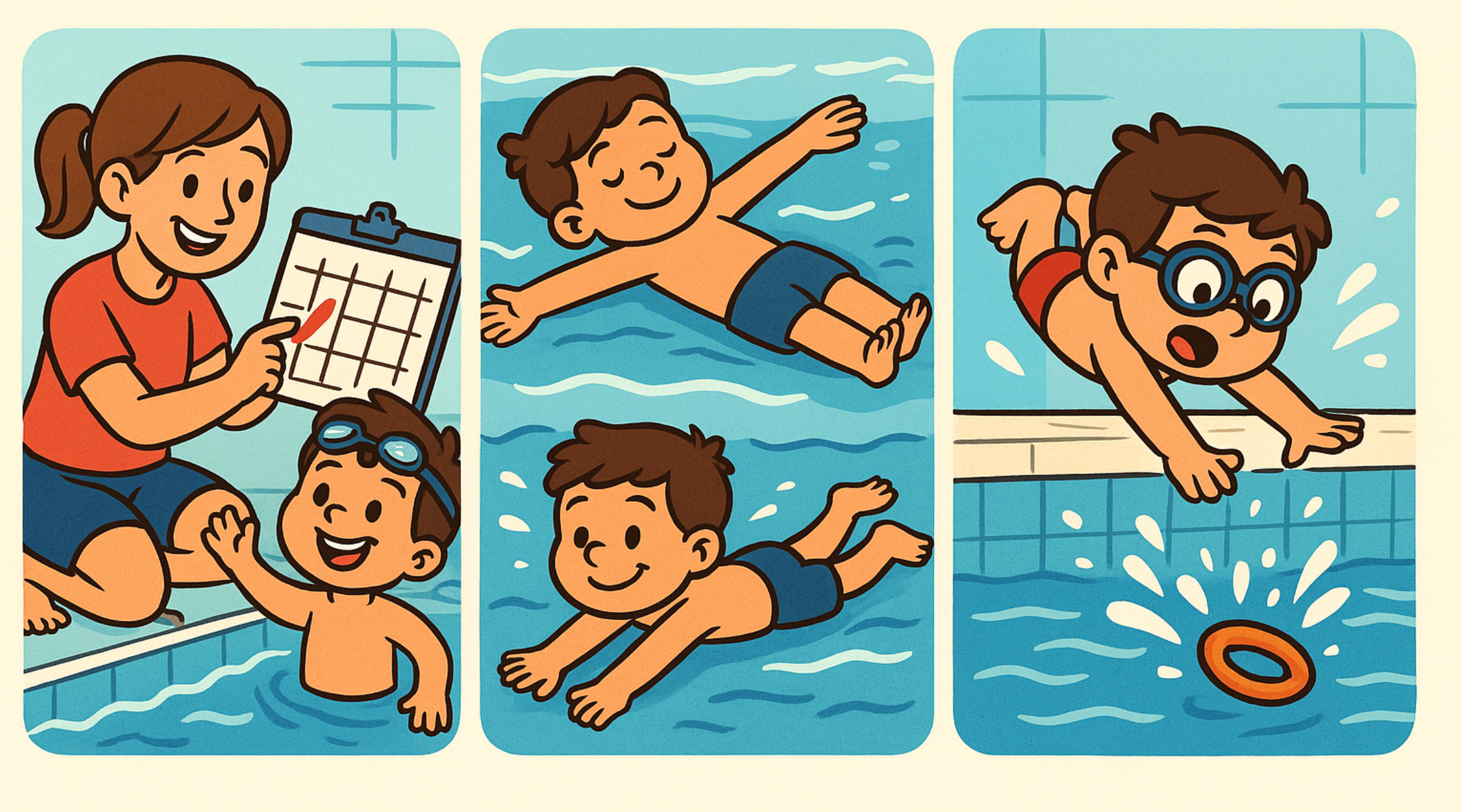
Typically, the Seepferdchen test takes place within a swimming course or is offered by public swimming pools. The assessment is individual, so that each child can pass at their own pace.
Parents can find out about dates and locations in advance on the official DLRG website. This avoids waiting times and makes the test efficient.
Aids: Allowed vs. Forbidden
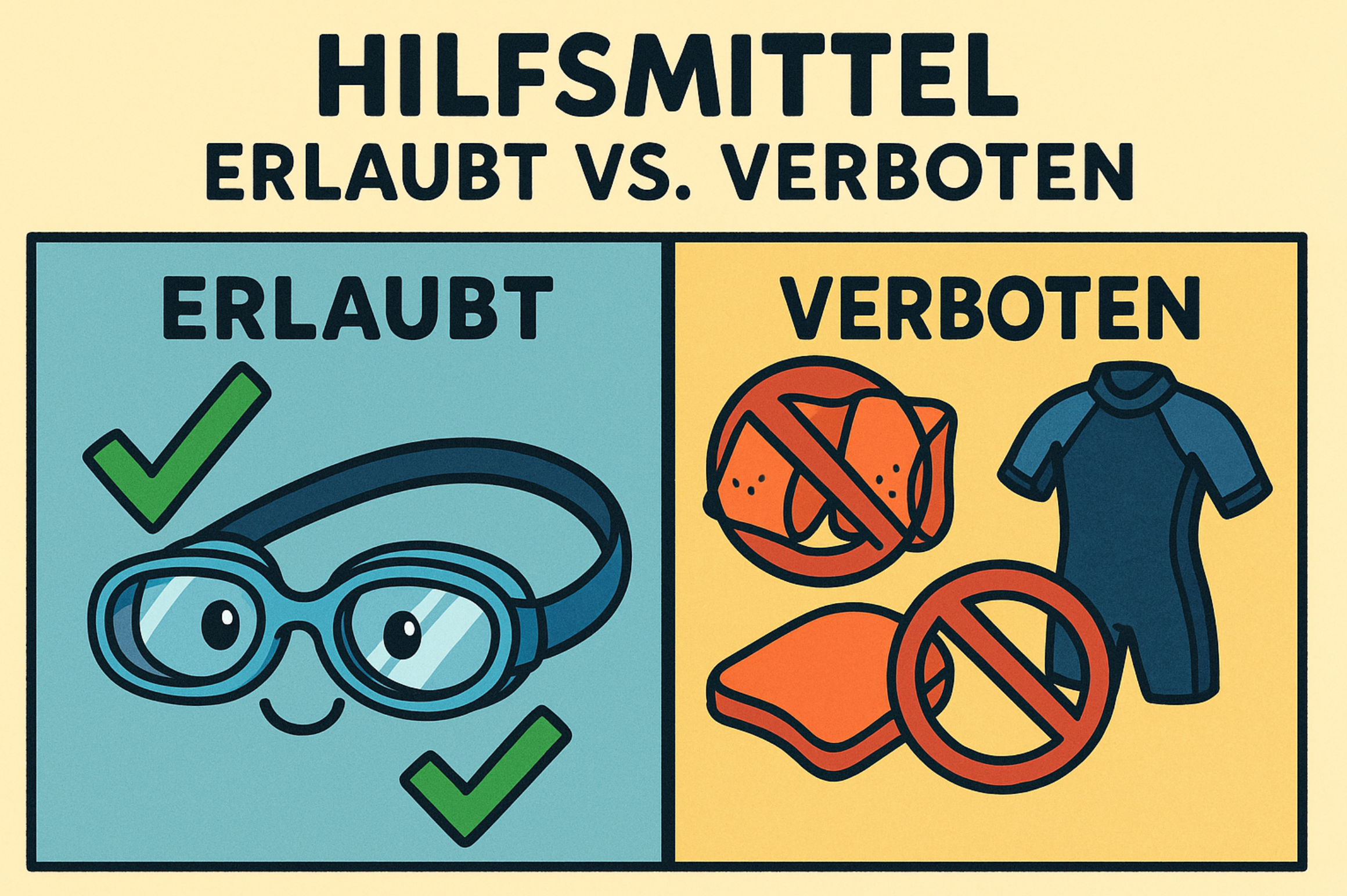
For the Seepferdchen test, swimming aids such as boards or armbands are taboo. Wetsuits are not allowed as they provide buoyancy. Swimming goggles, however, may be worn to make orientation easier for the children.
The prohibition of buoyancy aids ensures proof of real swimming competence. This builds confidence and reduces frustration.
Costs and Duration of the Test
The costs for the Seepferdchen Badge are usually between 4 and 6 euros, including a certificate. Approximately 30 minutes should be planned per candidate.
Different providers promise "fixed units until the badge." Parents should ensure that regular practice beyond crash courses remains essential.
Where Can You Take the Seepferdchen Test?
Many municipal swimming pools offer the Seepferdchen test, often as part of elementary school swimming lessons. Private swimming schools also conduct assessments.
Parents should inquire early about available dates. The regionally varying availability makes timely planning advisable.
Tips for Preparation
-
Schedule weekly practice sessions in a swimming course or outdoor pool.
-
Specific exercises for prone and supine positions: legs straight, hands pushing into the water.
-
Regularly practice jumps and retrieving an object.
This way, the Seepferdchen test becomes a joyful experience instead of an obstacle.
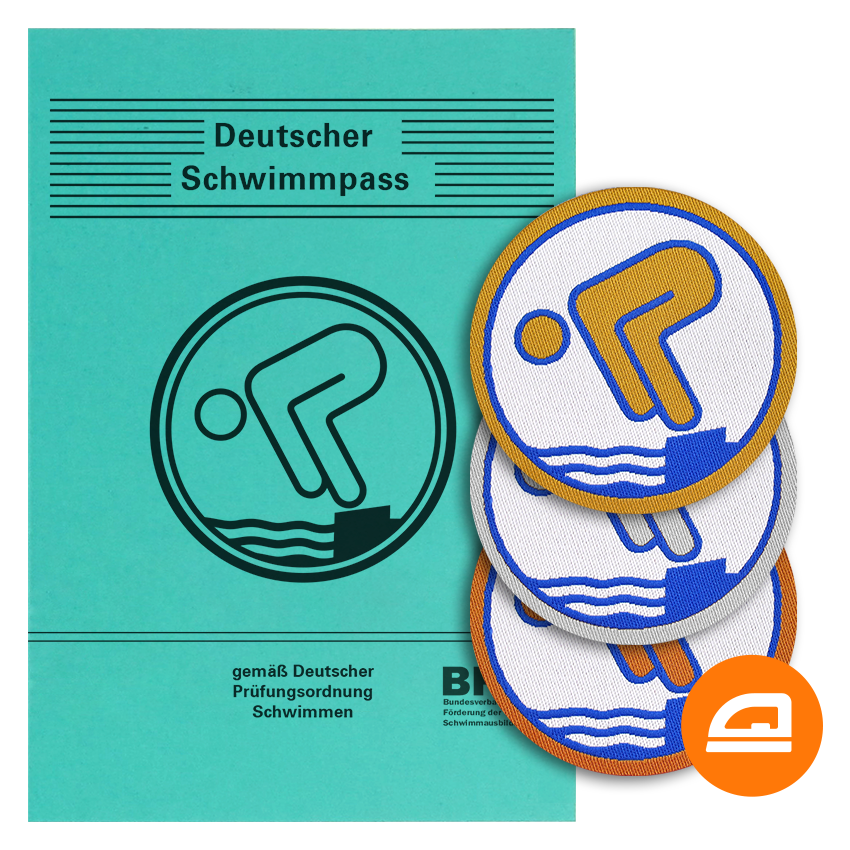
The Next Steps: Bronze, Silver, and Gold Swimming Badges
Bronze
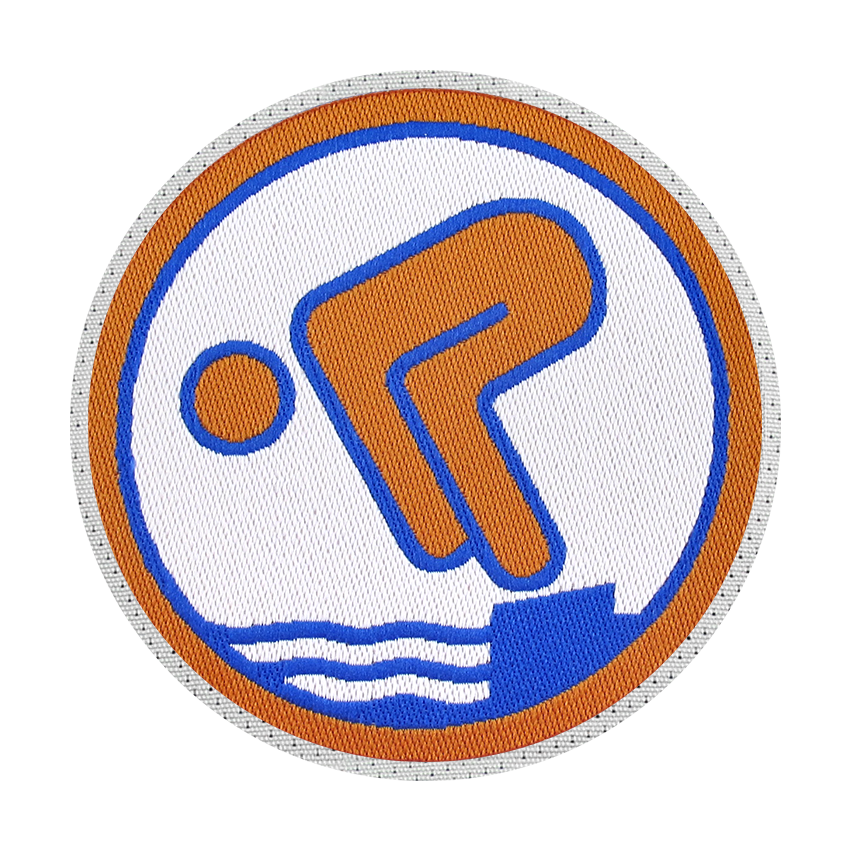
After the Seepferdchen badge, many children immediately take the next big step and aim for the Bronze Swimming Badge . Contrary to common assumption, Bronze not only involves pure 25-meter swimming but also requires comprehensive self-assessment and endurance: First, a headfirst dive from the pool edge must be performed safely. Then, within a 15-minute timeframe, at least 200 meters must be swum – 150 meters in a recognizable swimming style (either prone or supine position) and 50 meters in the other body position, all without holding on. Another test element is deep diving to about 2 meters water depth, where a small object (e.g., a ring) is retrieved. Only when all these requirements are met is the Bronze badge considered proof of a confident swimmer.
Silver
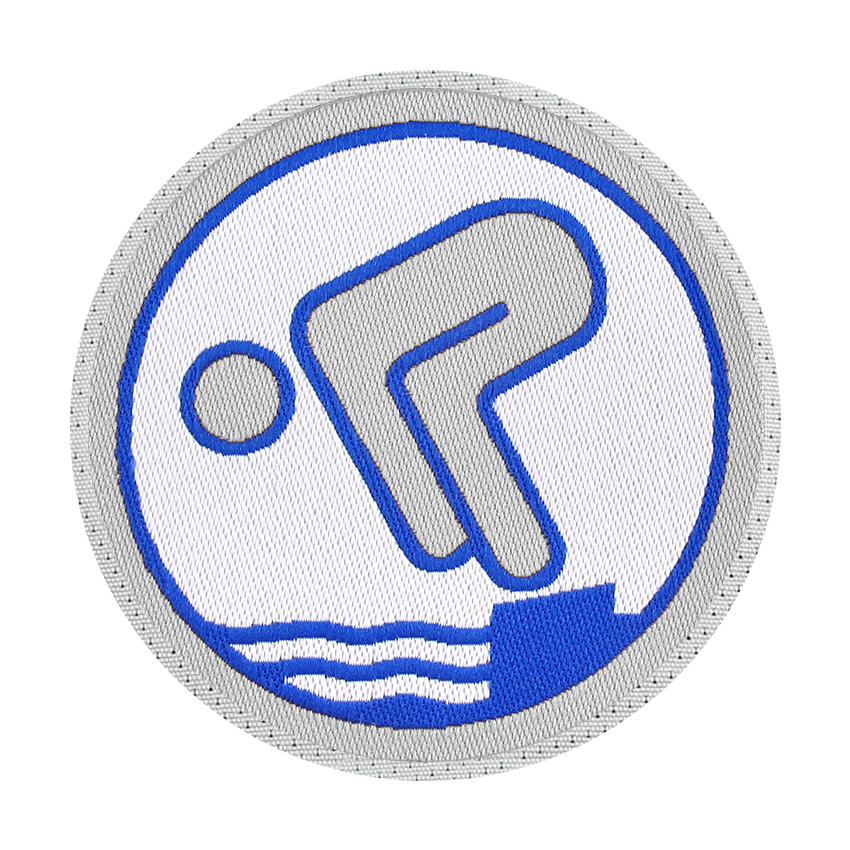
With the Silver Badge , young swimmers expand their skills to include distance, breathing technique, and initial rescue skills. In addition to theoretical knowledge of bathing rules and self-rescue, a headfirst dive must be successfully performed again. This time, 400 meters must be swum in 20 minutes: 300 meters in a recognizable swimming style and 100 meters in the other position – again without holding on. This is followed by two deep dives to 2 meters depth and a 10-meter underwater swim.
Gold
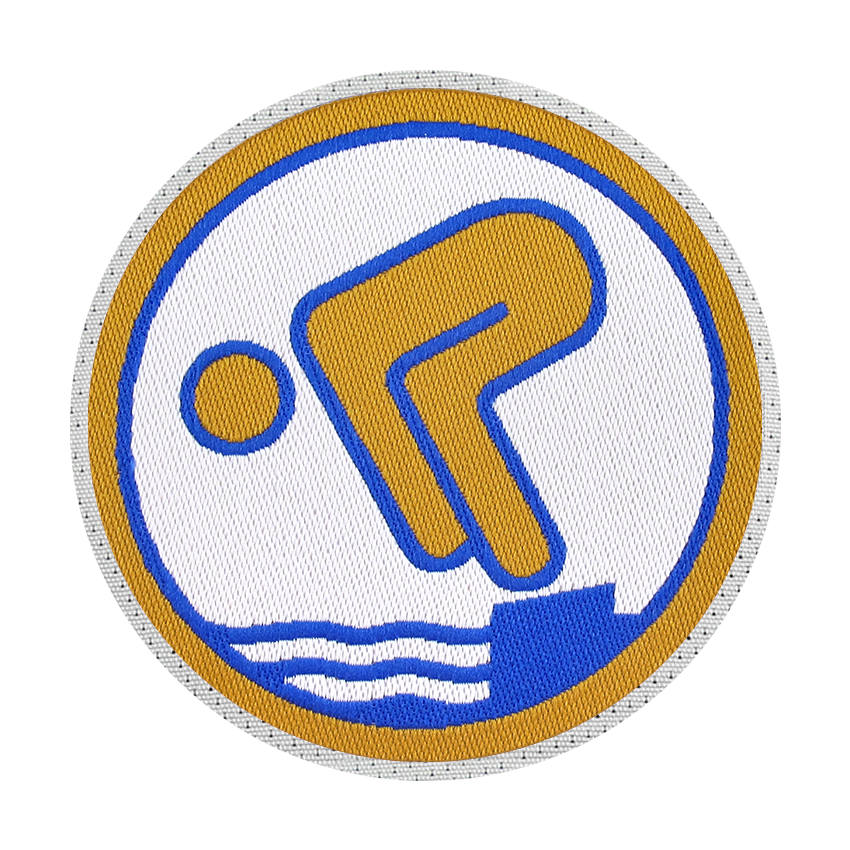
Finally, the Gold Badge focuses on endurance, speed, and emergency skills. The theoretical test includes bathing rules and behavior in case of swimming, boat, and ice accidents. Practically, swimmers must cover 800 meters in 30 minutes (650 meters in one and 150 meters in the other position), perform a starting dive and 25 meters of crawl stroke, 50 meters of breaststroke in a maximum of 1 minute 15 seconds, and 50 meters of backstroke or scissor kick. In addition, a 10-meter underwater swim without pushing off, three deep dives with object retrieval from shoulder-deep water, a jump from 3 meters height (or two different jumps from 1 meter), and 50 meters of transport swimming are part of the examination.
By acquiring the Bronze, Silver, and Gold swimming badges, children (and adults) not only develop their swimming technique but also gain important rescue skills and self-confidence in the water – the perfect preparation for all situations in and around the pool. Swimming in prone or supine position in a rudimentary form, such as breaststroke, is a central part of the examination requirements.
Tips for Parents
Parents should always actively supervise at the poolside and provide motivating support. Praise after passing the test works wonders for self-confidence at any age.
To reduce excitement, it helps to discuss the four examination achievements together beforehand. And: No pressure – fun in swimming is paramount.

Water Safety
The DLRG offers comprehensive materials on water safety. These include interactive instructional videos and online quizzes.
Important knowledge: Children should never swim unsupervised and should always follow the bathing rules. This is the only way to sustainably prevent swimming accidents.
FAQ on the Seepferdchen Test
Who is allowed to administer the Seepferdchen test?
Trained DLRG trainers or swimming instructors with appropriate qualifications administer the Seepferdchen test.
At what age is the Seepferdchen test possible?
A minimum age of five years is recommended, as soon as children can stand safely and perform initial swimming movements in shallow water.
Which swimming style is prescribed?
A common misconception concerns changing between swimming styles: During the Seepferdchen test, there is no change between prone and supine positions. Instead, the young swimmer chooses one swimming style and swims the 25 meters either in prone or supine position in a rudimentary form.
Exhaling into the water is also not a separate examination point but is demonstrably shown during the 25-meter prone swimming.
Is the Seepferdchen badge synonymous with the early swimmer badge?
Indeed, "early swimmer" and the Seepferdchen badge are two terms for the same swimming badge, the first official certificate for young swimmers.
Conclusion and Outlook
The Seepferdchen test is in any case an elemental step in children's swimming education. It combines playful learning with important bathing rules and lays the foundation for further badges.
Adults should encourage their children to practice regularly and, after passing the test, above all, continue swimming with motivation. With Bronze, Silver, and Gold, skills and safety increase sustainably – for worry-free swimming fun.
The official examination requirements in Germany are set by recognized associations such as the DLRG. These include, among other things, jumping from the edge of the pool followed by swimming 25 meters. This requires demonstrating swimming in a rudimentary prone or supine position, for example, breaststroke. Additionally, an object must be retrieved from shoulder-deep water, with hands clearly reaching into shoulder depth. It is also important that exhaling into the water is recognizably shown in the prone position. These swimming certificates and minimum requirements are not only relevant for children but also prepare adults for emergencies – such as boat and ice accidents, where rescue workers must act quickly as silent heroes.
Further detailed information on the various swimming badges (Seepferdchen, Bronze, Silver, Gold) and their requirements can be found on our website.
Seepferdchen Story about Depth:
The height is related to shoulder depth in shoulder-deep water. This way, children learn the rudimentary prone or supine position particularly safely and playfully. And after passing, they then receive the Seepferdchen beginner's certificate.
%20test%20is%20the%20first%20milestone%20on%20the%20path%20to%20safe%20swimming%20for%20children.%20It%20motivates%20early%20beginners%20to%20enjoy%20moving%20in%20the%20water.%20The%20focus%20is%20on%20a%20playful%20approach,%20so%20...)