

Seahorse Requirements: Complete Guide for 2025
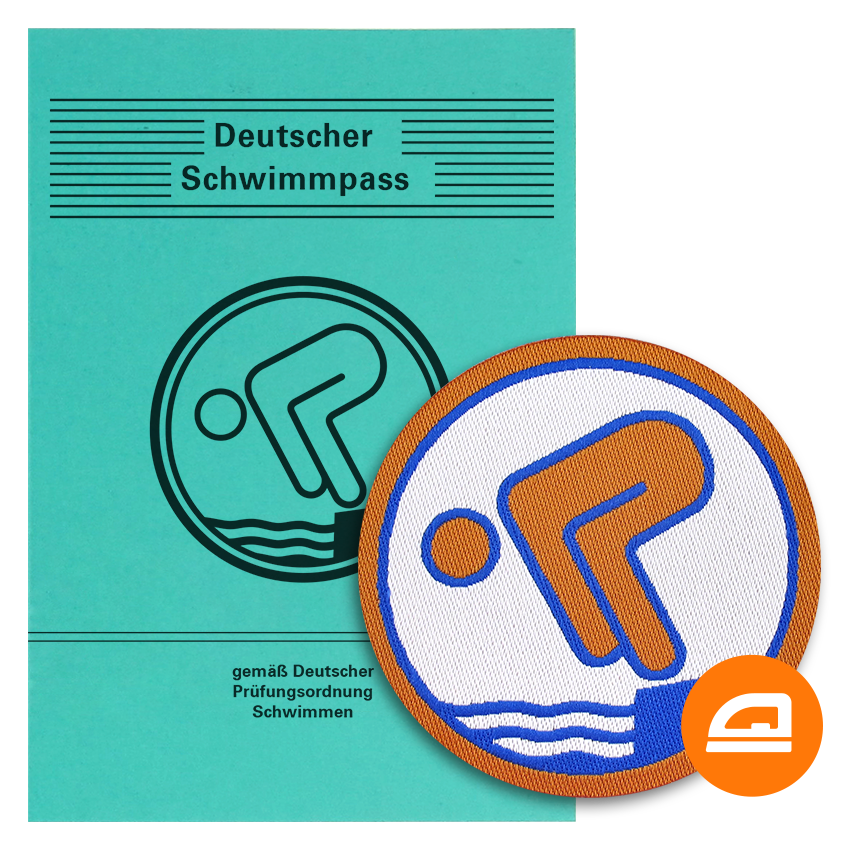
Over 80 percent of children in Germany obtain their first swimming badge during elementary school age. The "Seepferdchen" (Seahorse) badge marks a significant milestone, instilling not only courage but also self-confidence in the water. Understanding the requirements helps parents and coaches specifically encourage children and prepare them for the test. This overview shows what truly matters for the Seepferdchen and what parents should know.
Table of Contents
- What does the Seepferdchen badge mean?
- Detailed examination requirements and content
- Prerequisites and recommended preparation steps
- Relevant safety instructions and swimming rules
- Avoiding common mistakes in the Seepferdchen test
Key Insights
| Point | Details |
|---|---|
| Seepferdchen Badge | The badge confirms basic swimming skills and is an important milestone in children's swimming education. |
| Examination Requirements | Children must meet three central requirements: jumping from the pool edge, swimming 25 meters, and retrieving an object from the water. |
| Preparation | Fun and confidence in the water are crucial; children should be introduced to swimming techniques, jumps, and endurance training in a playful way. |
| Safety Rules | Knowledge of swimming rules is essential; children must learn to swim safely and realistically assess their own abilities. |
What does the Seepferdchen badge mean?
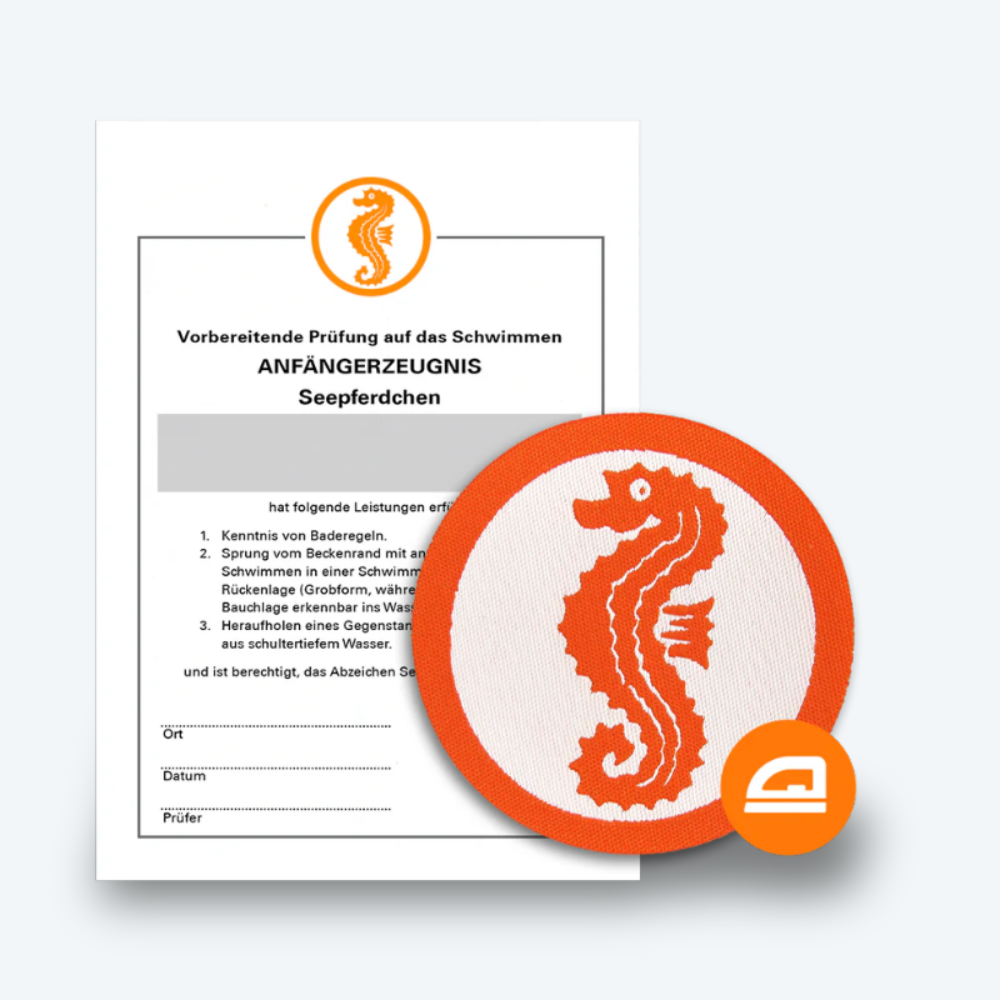
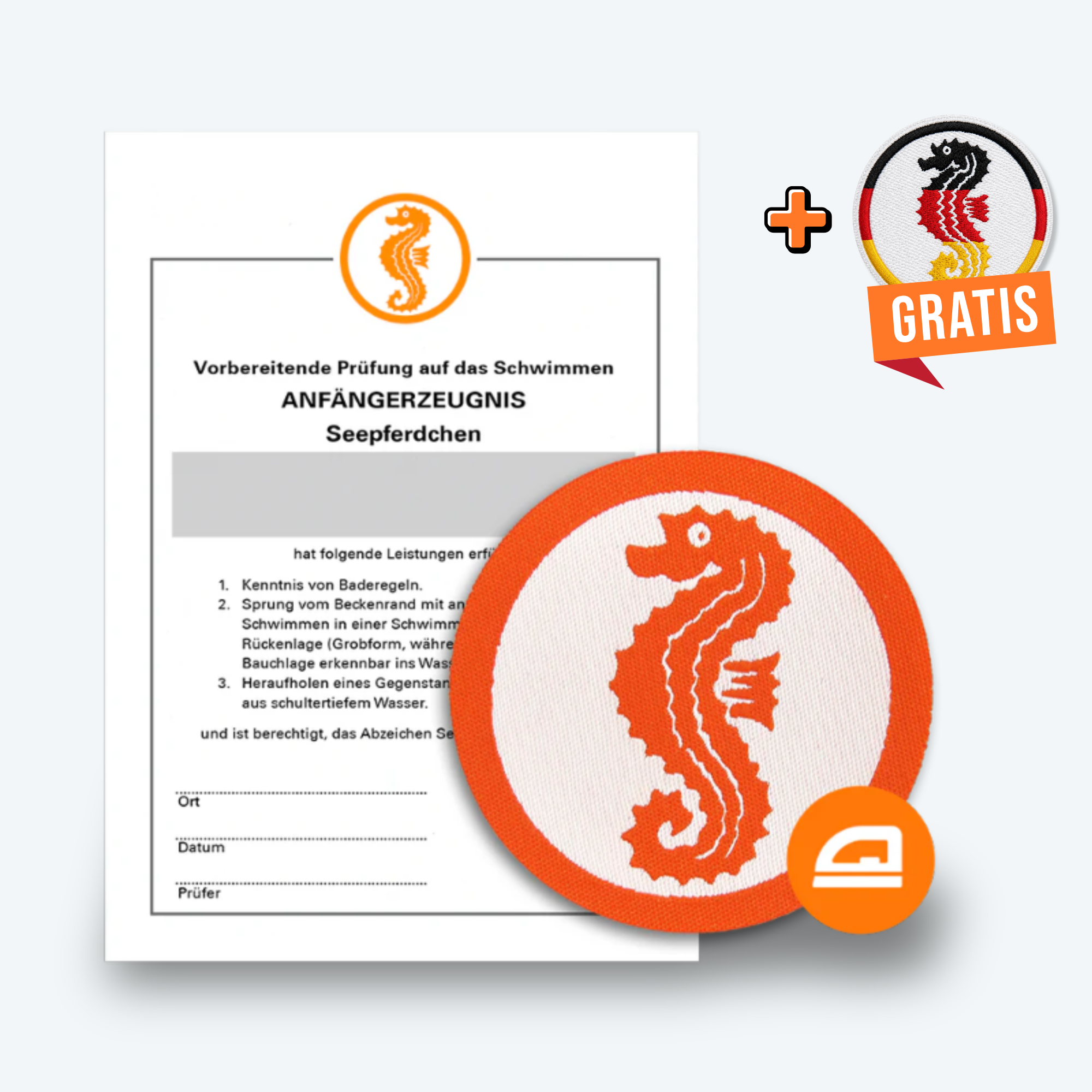
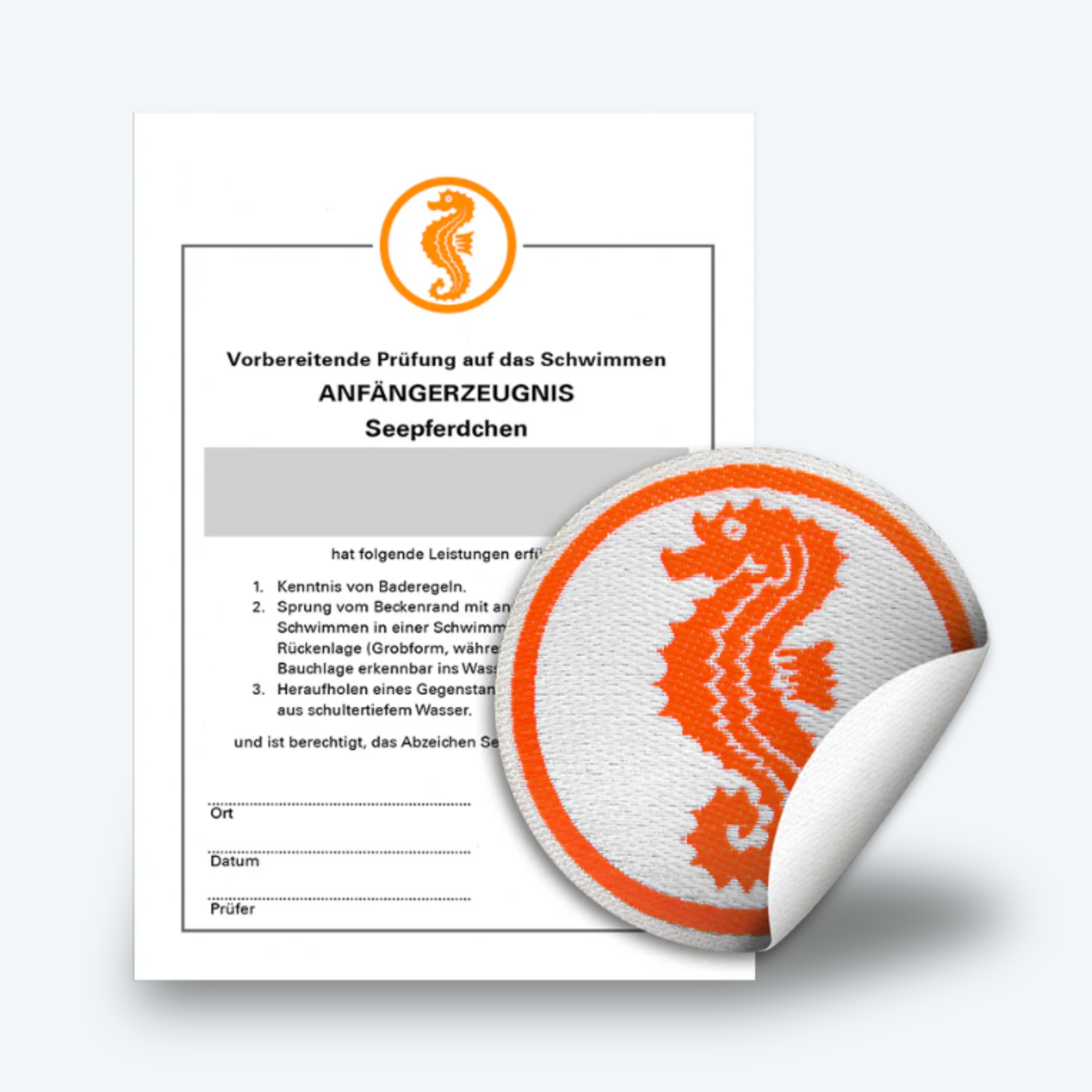
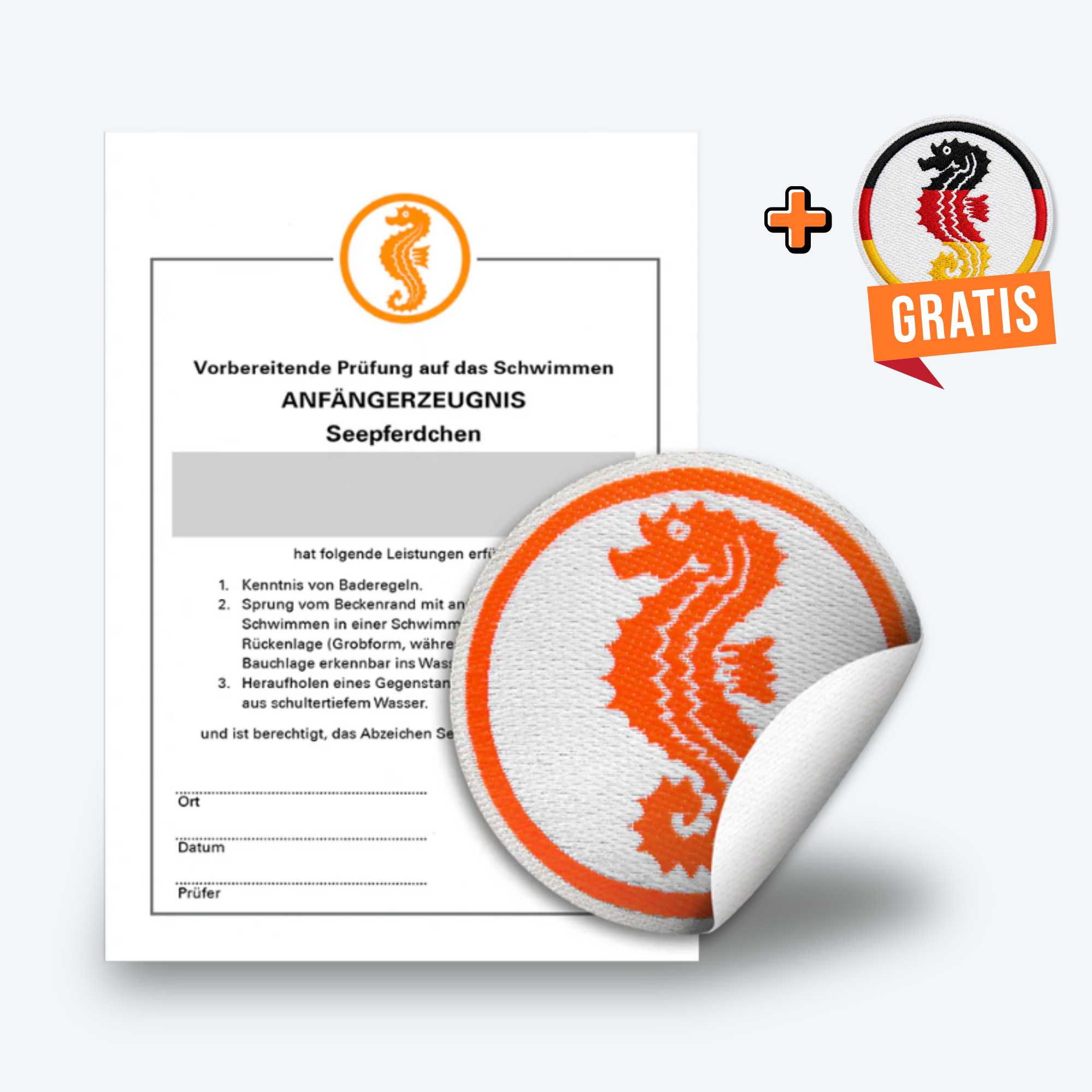
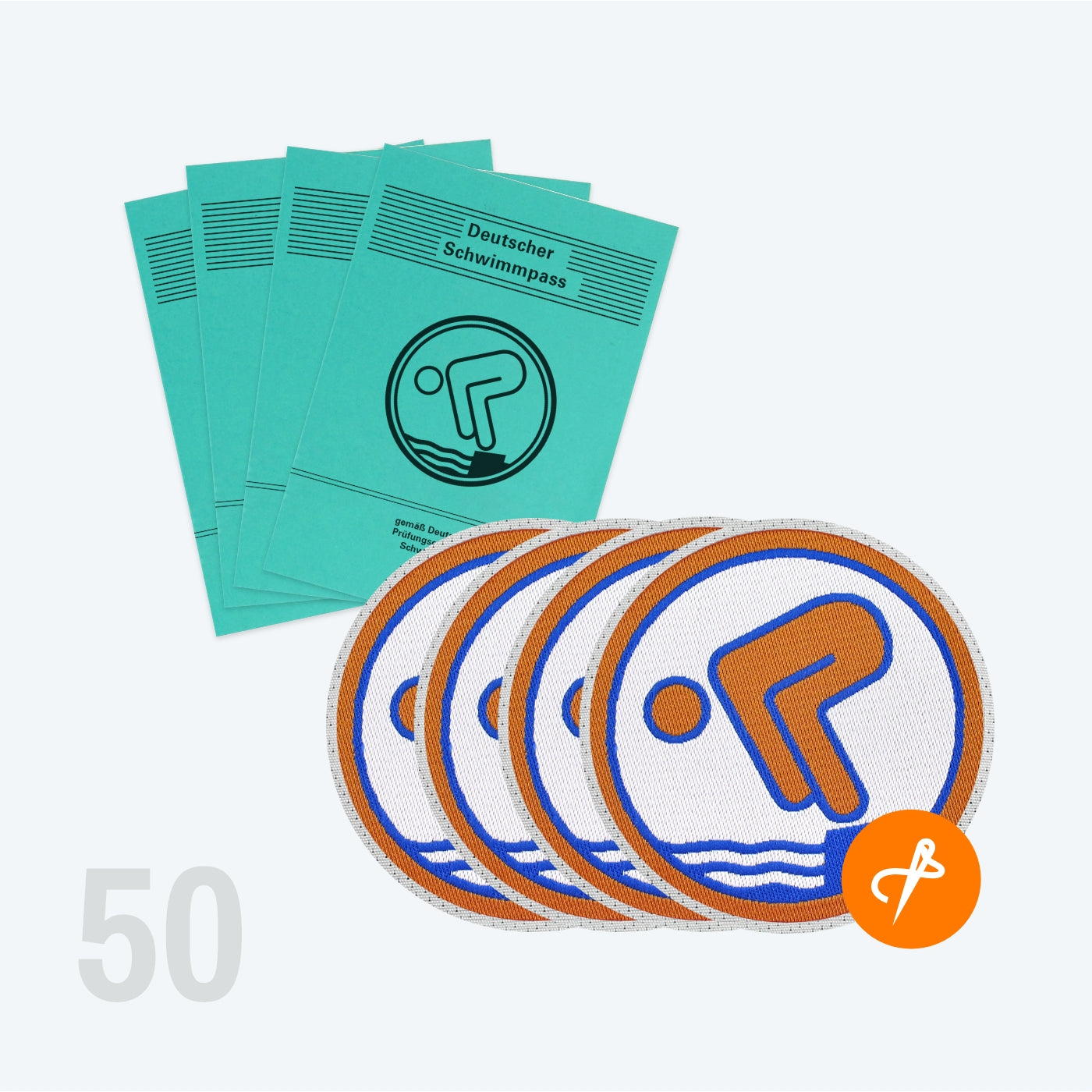
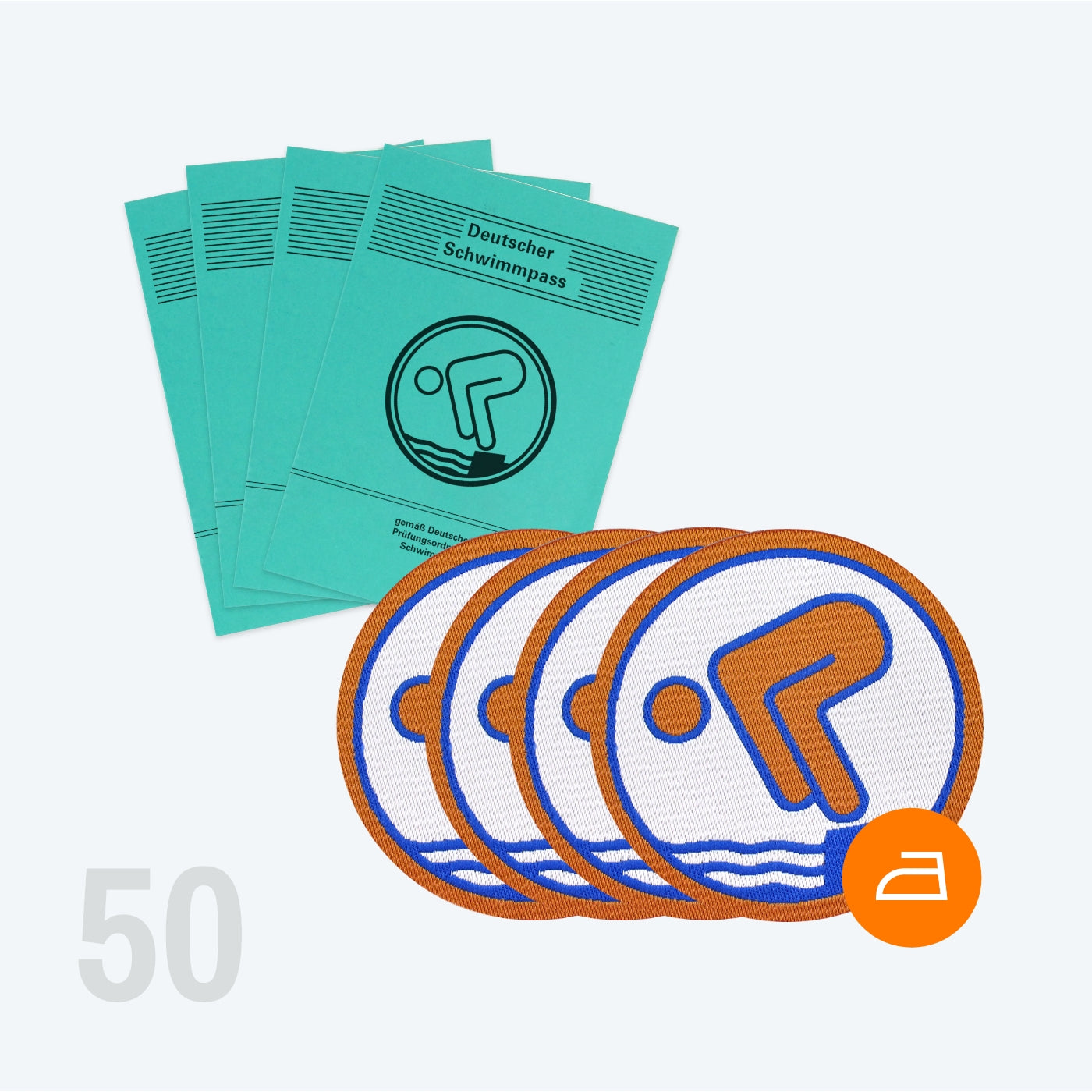
The Seepferdchen badge is an important milestone in children's swimming education. According to Nivea, it certifies basic swimming skills and knowledge of swimming pool rules. It marks a child's first official step in swimming and serves as proof of elementary water competence.
For children, the Seepferdchen means more than just a badge. It is a symbol of independence and courage. The badge confirms that a child has learned the basics of safe swimming and can already move relatively confidently in the water. Typically, children between the ages of 5 and 7 acquire this first swimming badge, which is often celebrated as a great personal achievement.
The main goals of the Seepferdchen are:
- Teaching basic swimming techniques
- Strengthening self-confidence in the water
- Promoting water safety
- Learning important swimming pool rules
With the Seepferdchen Badge Requirements Guide, parents and children can get comprehensive information about the specific test criteria and prepare targetedly for obtaining the badge.
Detailed examination requirements and content
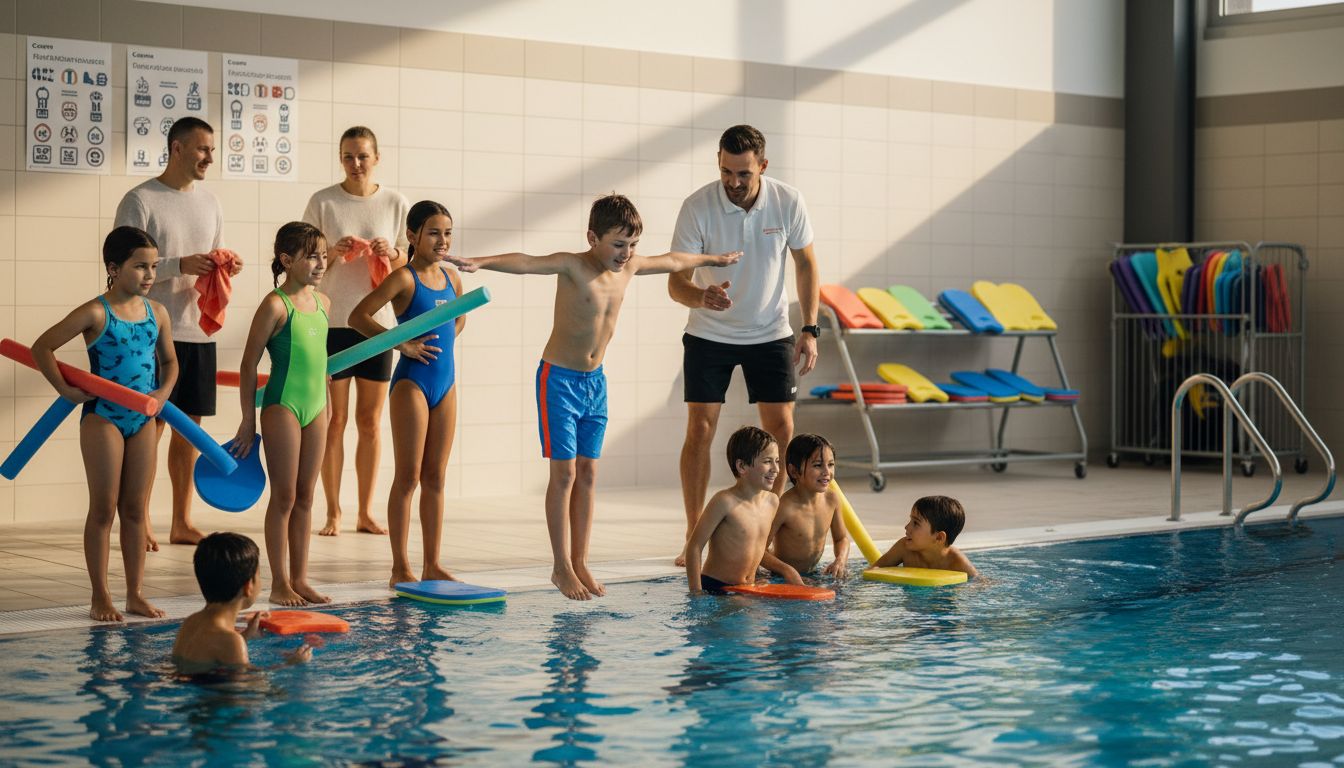
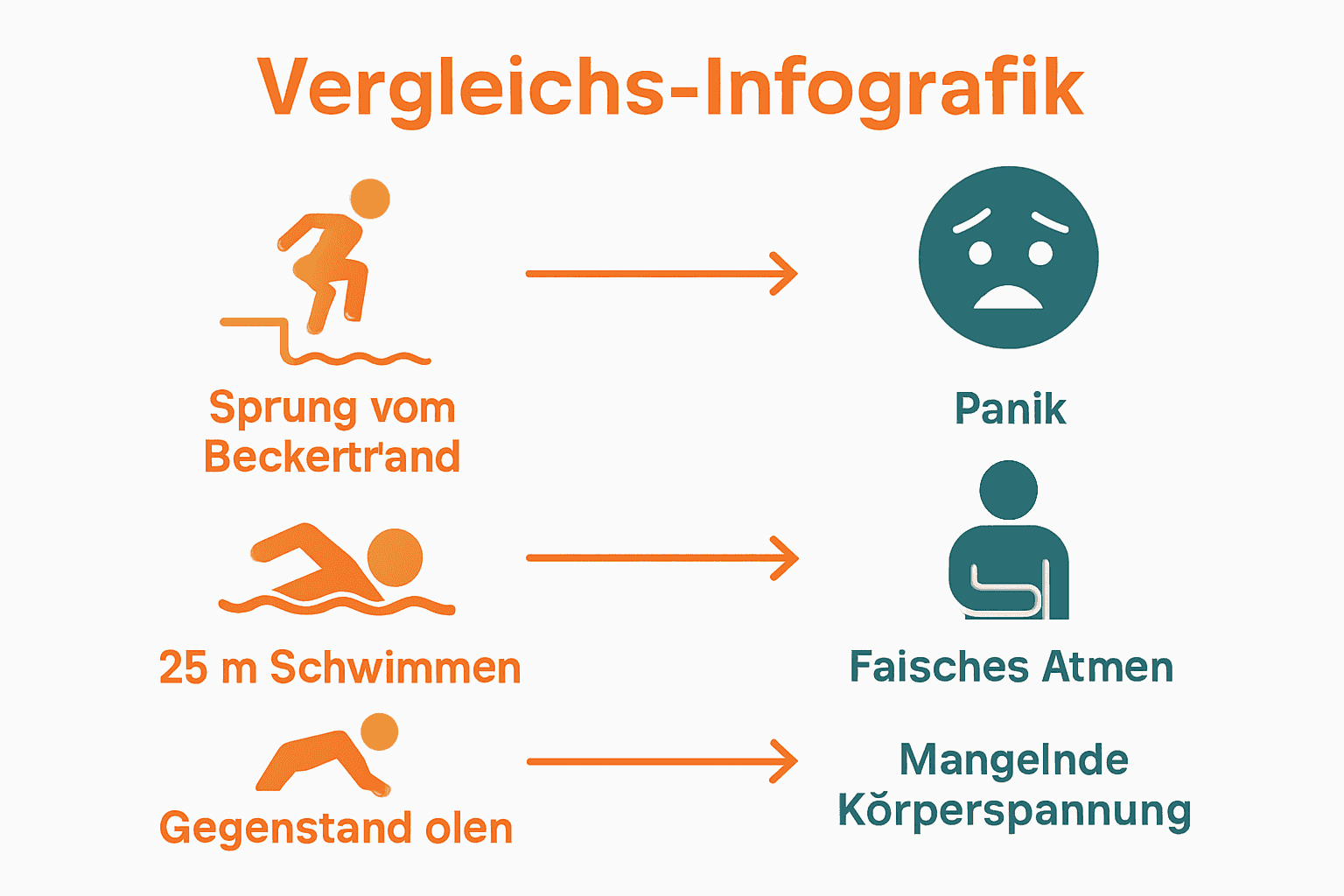
The Seepferdchen badge represents an important examination in swimming education. According to sichere-schule, children must meet three central requirements for this badge: complete a jump from the edge of the pool, swim 25 meters, and retrieve an object from shoulder-deep water.
The test is designed to assess basic swimming skills and water safety. Each component of the test has a specific purpose: The jump from the pool edge trains courage and initial water acclimatization, the 25-meter swim demonstrates endurance and technique, and retrieving an object shows orientation and control in the water.
The most important examination requirements at a glance:
Here is an overview of the most important examination requirements for the Seepferdchen badge and their significance:
| Requirement | Purpose | Typical Mistakes |
|---|---|---|
| Jump from the pool edge | Courage and water acclimatization | Panic before jumping |
| 25-meter swim | Endurance and technique | Lack of body tension |
| Retrieve object from water | Orientation and control | Incorrect breathing underwater |
| Swimming technique (e.g., breaststroke) | Basic technique | Stiff movements |
| Observe swimming rules | Water safety | Overestimation of abilities |
- Safe jump from the pool edge
- Uninterrupted swimming over 25 meters
- Retrieving an object from shoulder-deep water
- Basic mastery of a swimming technique (usually breaststroke)
- Demonstrating water safety and self-confidence
For comprehensive preparation, the Swimming Badge Requirements 2025 Guide is recommended, which offers detailed insights into the current examination criteria.
Prerequisites and recommended preparation steps
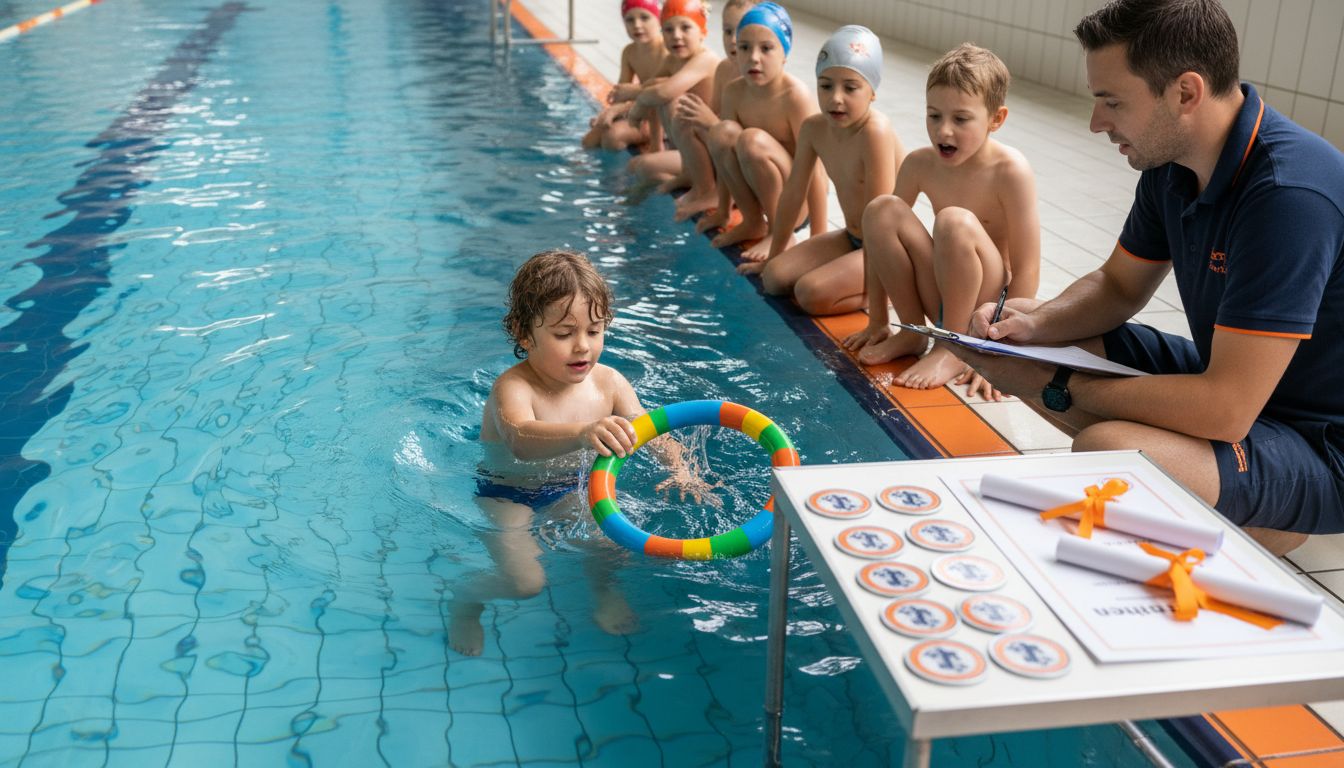
According to Nivea, preparing for the Seepferdchen badge involves systematically practicing jumps into the water, gliding, swimming techniques, and building stamina. This preparation is crucial for imparting confidence and competence in the water to children.
For successful preparation, parents and children should consider several aspects. The psychological component is initially important: the child should develop joy and confidence in the water. This is best achieved through a playful approach, positive motivation, and addressing fears. Regular swimming sessions help to gradually build confidence and technique.
The most important preparation steps for the Seepferdchen badge:
- Water familiarization and overcoming fears
- Learning basic swimming techniques
- Practicing jumps from the edge of the pool
- Training endurance through continuous swimming
- Mastering gliding techniques and water surface control
For parents specifically looking for a swimming course for their five-year-olds, the Swimming Course for 5-year-olds offers valuable tips and guidance in choosing the right course.
Relevant safety instructions and swimming rules
According to Nivea, knowledge of swimming rules is an essential part of the Seepferdchen test. Key safety rules include basic behaviors such as never going into the water alone and not swimming on a full stomach. These rules are not just test requirements, but life-saving fundamental principles for children.
Water safety is based on a comprehensive understanding of potential dangers and appropriate preventive behavior. Children must learn to be attentive, to realistically assess their own abilities, and to seek help if in doubt. It is also important to recognize one's own limits and to avoid overconfidence in unfamiliar water situations.
The most important safety rules for young swimmers:
-
Never swim unsupervised
-
Do not go into the water on a full stomach
-
Listen to the instructions of supervisors
-
Realistically assess your own swimming abilities
-
Always ask for help if unsure
-
Do not carelessly enter the pool edge and water surface
-
Do not endanger other swimmers
For a comprehensive overview of safety aspects, the Safety in the Swimming Pool Guide is recommended, which offers deeper insights into prevention strategies.
Avoiding common mistakes in the Seepferdchen test
According to swimy, there are two particularly common technical mistakes in the Seepferdchen test: insufficient exhalation into the water and unsafe jumping from the pool edge. These technical challenges can cause problems even for well-prepared children and jeopardize passing the test.
Swim.de also points out that a widespread misconception is the assumption that the Seepferdchen badge certifies complete swimming safety. In fact, it only confirms basic skills, which parents and children should realistically assess. The test is a first step, not a guarantee of comprehensive water competence.
Common mistakes in the Seepferdchen test include:
- Panic fear of jumping
- Incorrect breathing underwater
- Lack of body tension while swimming
- Overestimation of one's own swimming abilities
- Lack of concentration during the test
- Insufficient water acclimatization
- Tension instead of relaxed movements
For comprehensive preparation and avoiding typical mistakes, the Seepferdchen Requirements and Swimming Rules Guide is recommended, which offers helpful tips and strategies.
Ready for the Seepferdchen 2025? Get started at Pimpertz and learn to swim safely
Achieving the Seepferdchen badge is a big step for every child and a sign that they have safely mastered basic swimming techniques and swimming pool rules. The challenge lies in meeting all requirements bravely and confidently, from jumping and swimming 25 meters to safe handling of water safety. High-quality original badges and motivating certificates are crucial to make success visible and encourage children to continue.
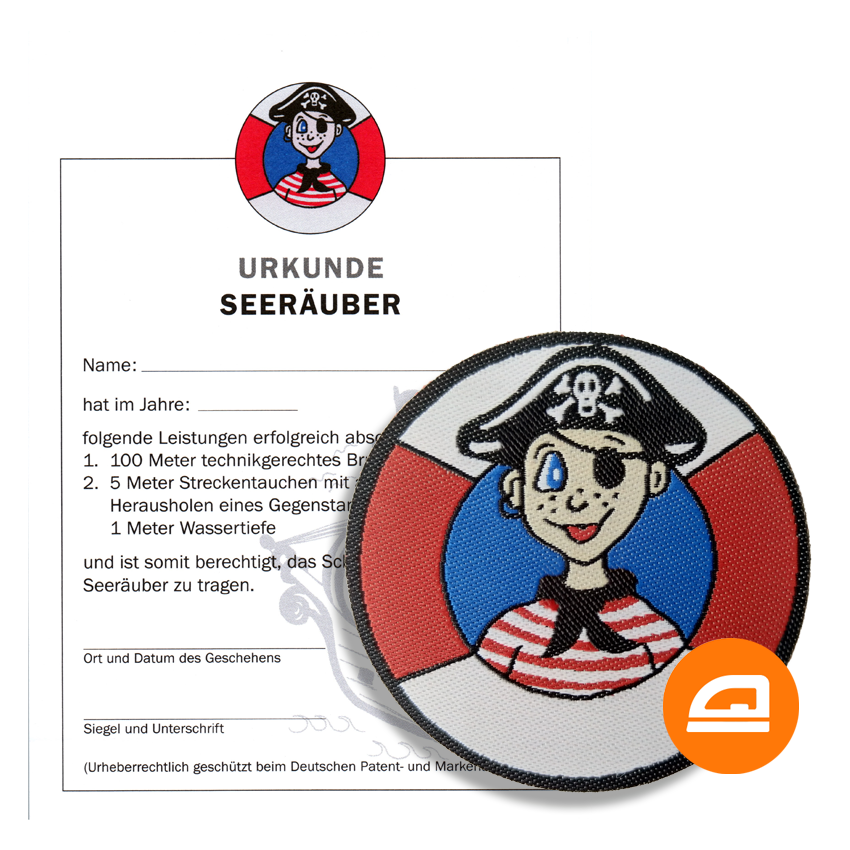
Trust in over 38 years of experience with swimming badges and benefit from the official partner of DLRG and BFS at Pimpertz.de. Discover our lovingly designed assortment such as the child-friendly Seestern Stella swimming badges & certificates or the cute Pirat Pimpi® swimming badges & certificates. Order your badges today, including customizable sets, and set an important milestone with your child on the path to swimming safety. Visit us now at Pimpertz.de and start motivated together.
Frequently Asked Questions
What are the main requirements for the Seepferdchen badge?
To earn the Seepferdchen badge, children must jump from the edge of the pool, swim 25 meters, and retrieve an object from shoulder-deep water.
At what age can children receive the Seepferdchen badge?
Children can typically acquire the Seepferdchen badge between the ages of 5 and 7, with the exact timing depending on their individual developmental stage.
What tips are there for preparing for the Seepferdchen badge?
Important preparation tips include regular water acclimatization, practicing swimming techniques, improving stamina, and approaching swimming in a playful way.
Why is the Seepferdchen badge important for children?
The Seepferdchen badge is important because it certifies basic swimming skills, strengthens children's self-confidence in the water, and promotes water safety.
Recommendation
- Seepferdchen requirements and swimming rules explained
- Swimming Badge Requirements 2025: Understanding and Explaining
- Seepferdchen Badge Requirements: Everything you need to know
- The Seepferdchen swimming badge: The perfect introduction to swimming
- Top Electrical Installation Tools – Expert Comparison 2025 - Elektrotechnik Ernst
- Guide to using laser services: Step-by-step to perfect implementation – Laserdienstleistungen


%20badge%20marks%20a%20significant%20milestone,%20instilling%20not...)