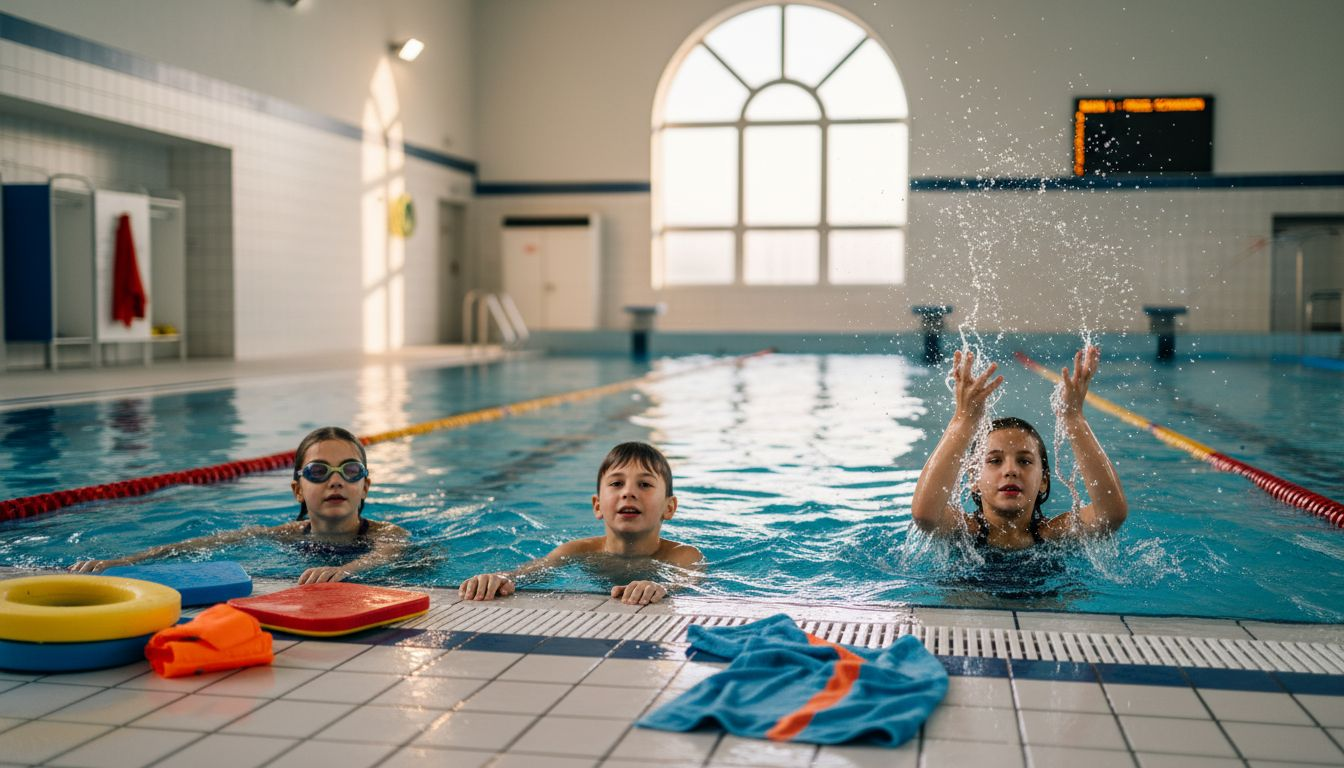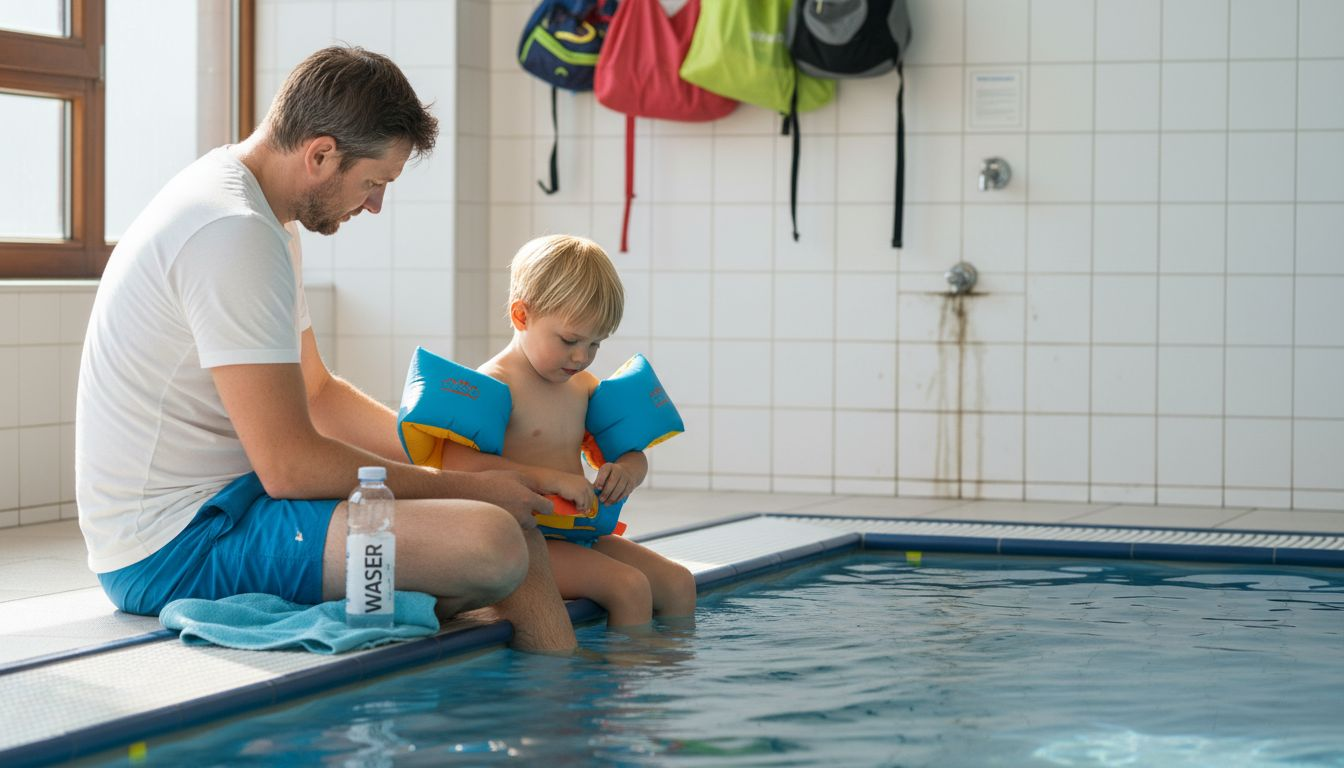

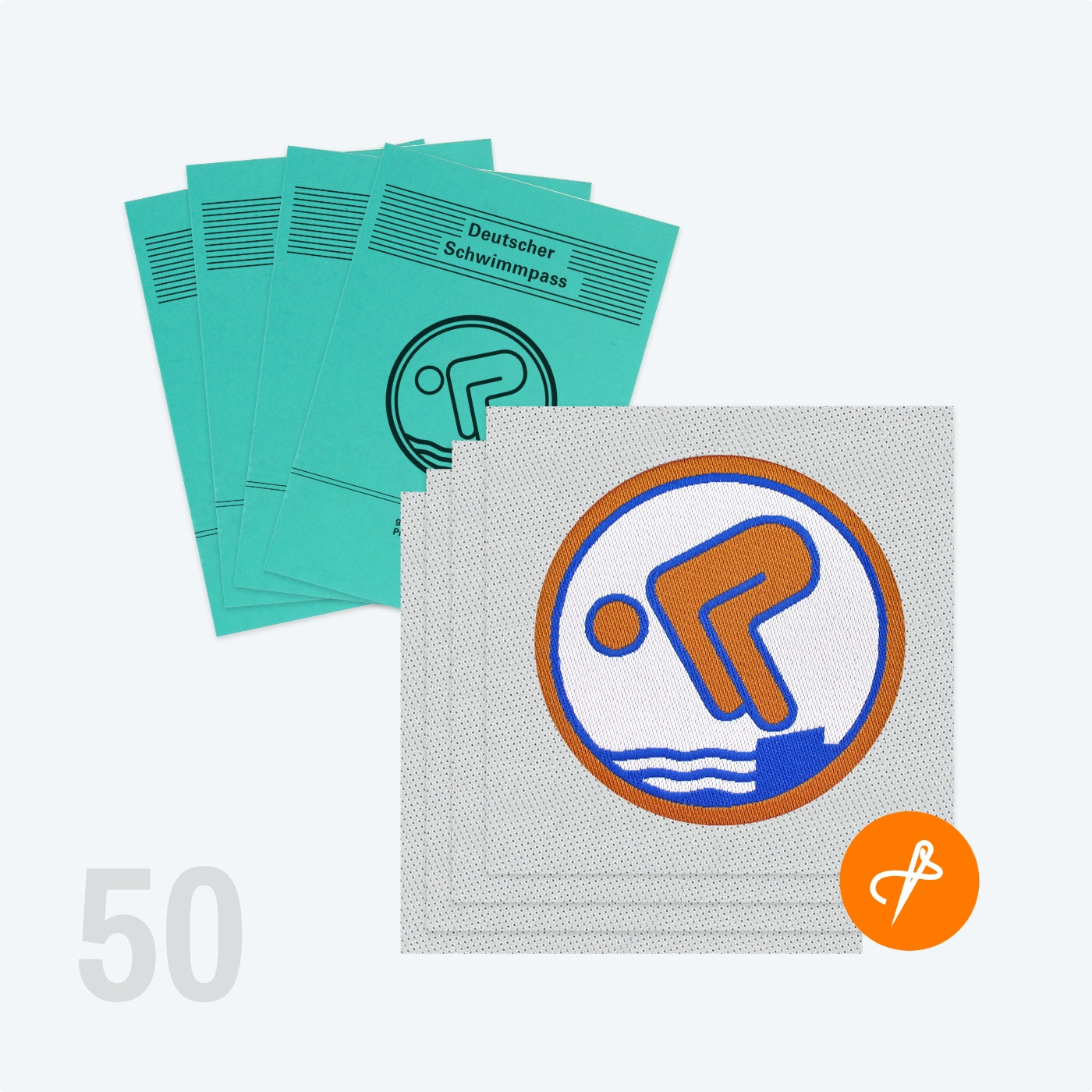
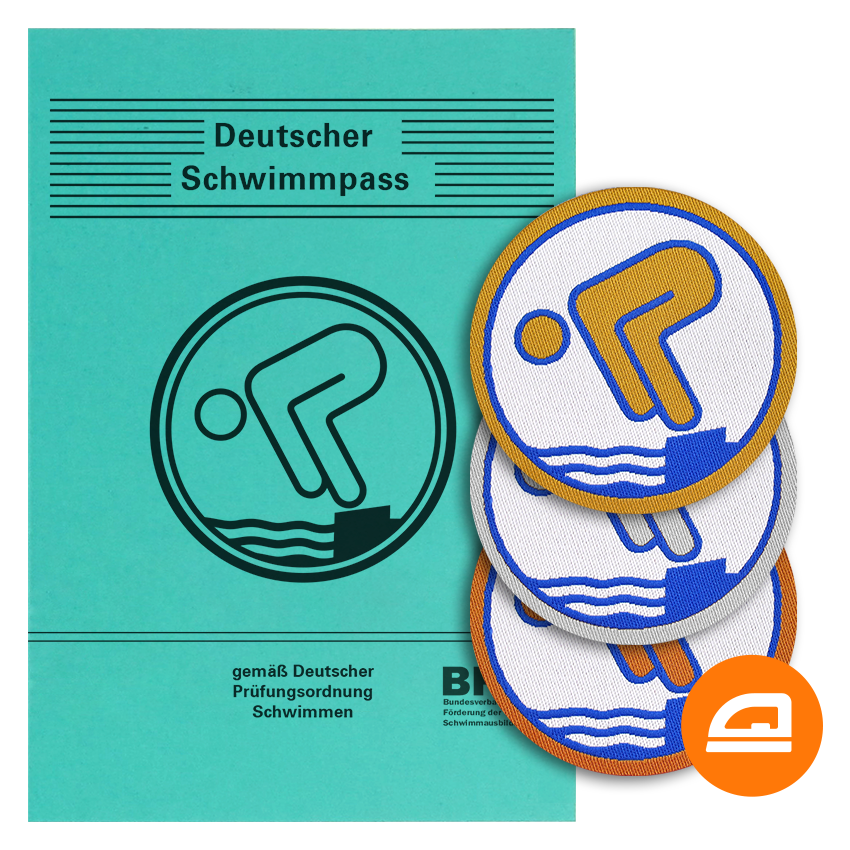
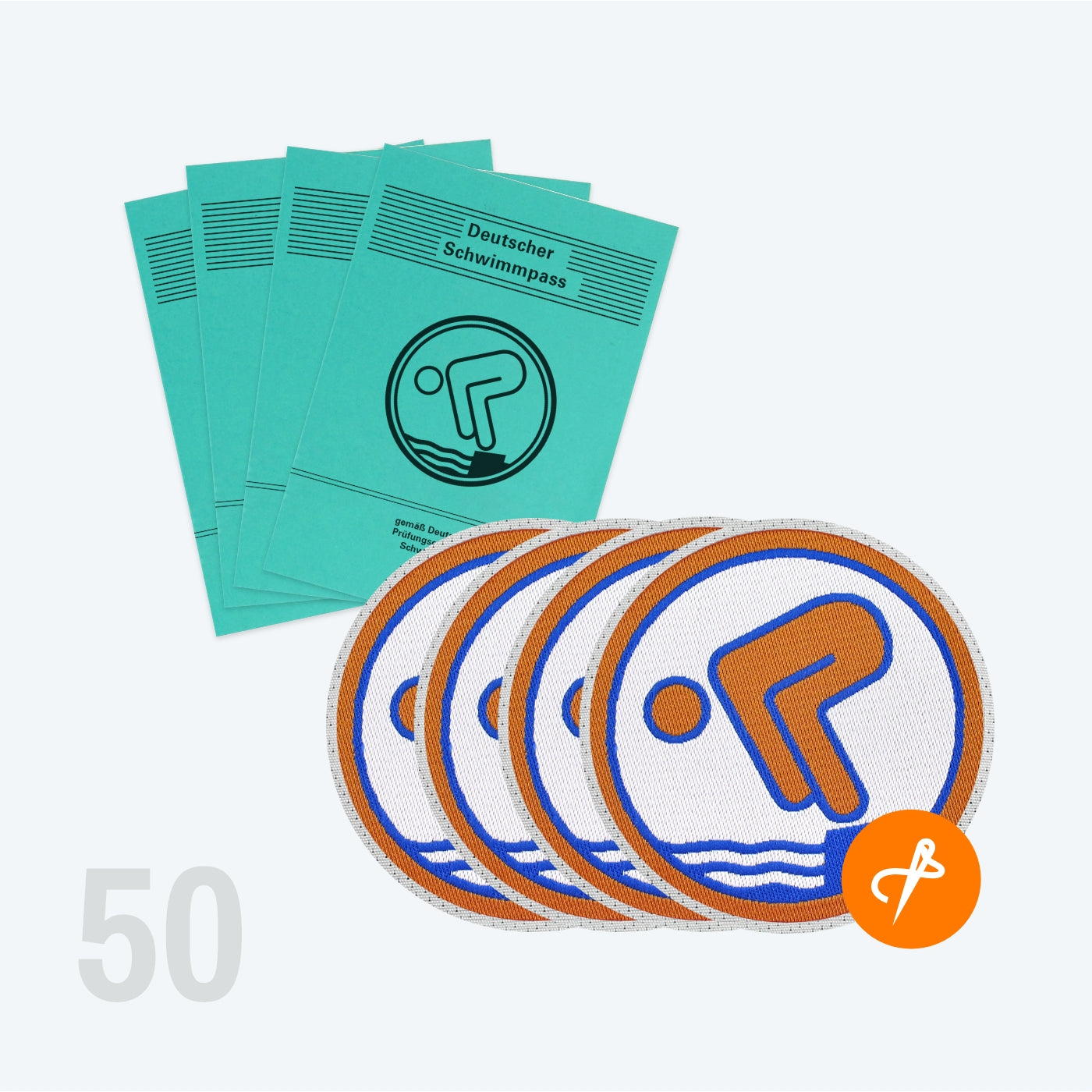
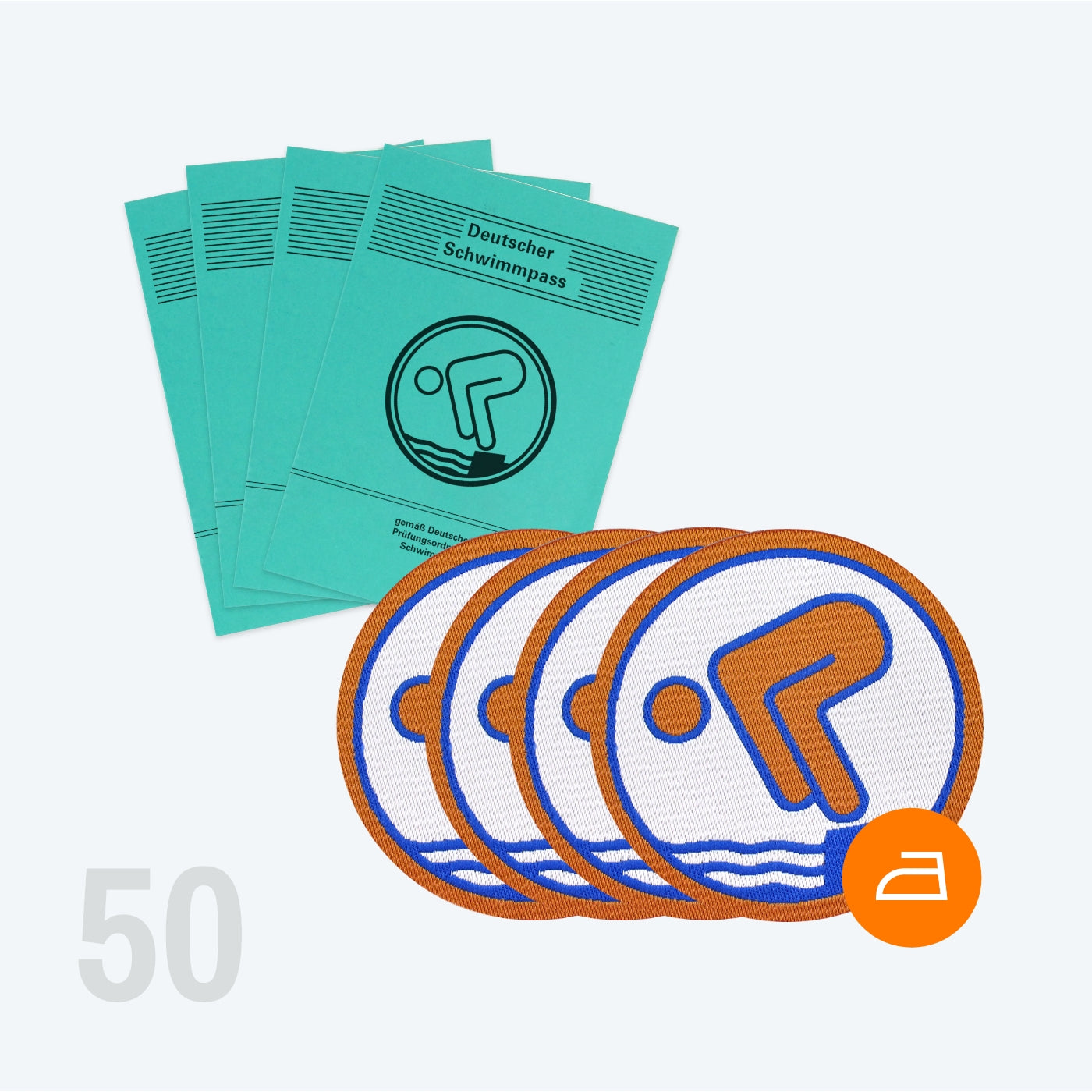
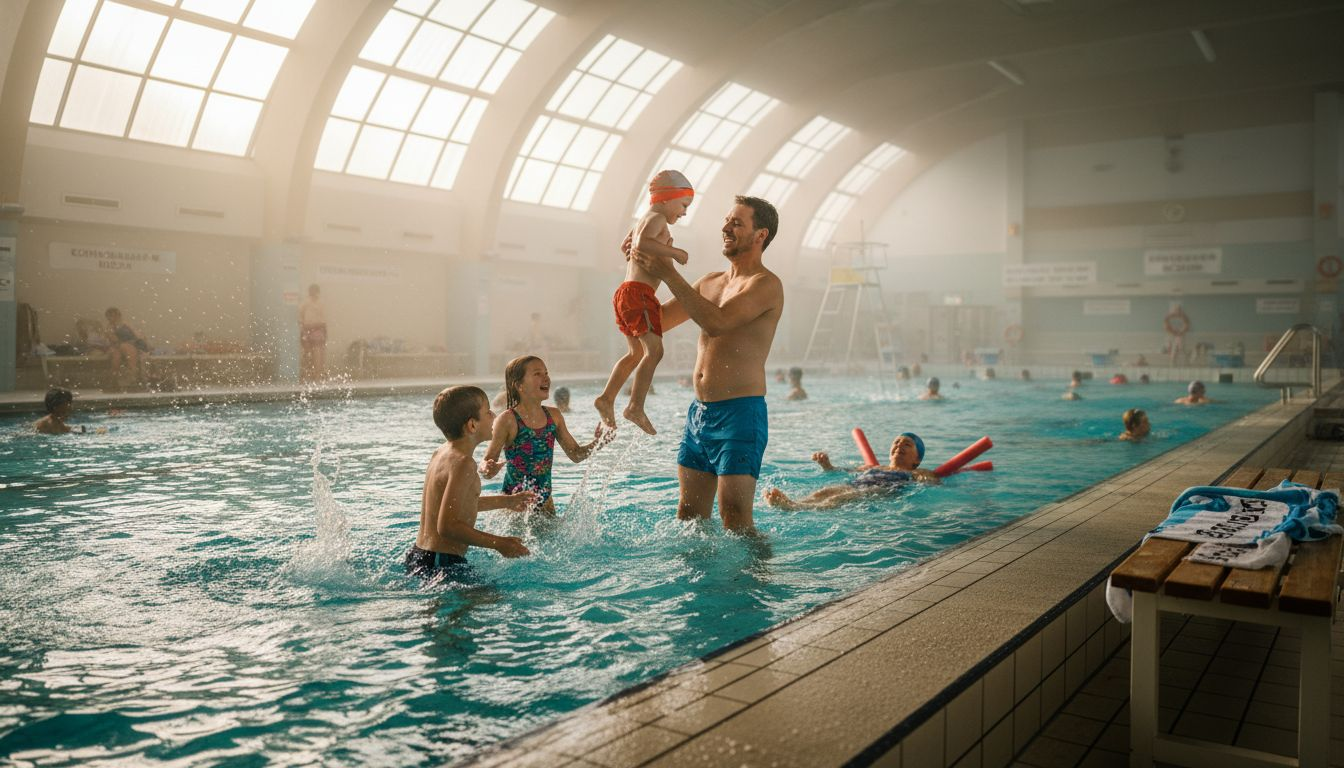
Over 60 percent of parents in Germany are considering how to get their children excited about swimming without creating stress. Early water acclimation and playful learning strengthen self-confidence and create safety in the water. This guide provides an overview of how recreational swimming brings real joy and movement into family life – from the first badges to the right accessories that promote motivation and learning success.
Table of Contents
- What recreational swimming truly means
- Differences to competitive swimming and leisure sports
- Swimming badges: motivation and important stages
- Role of clubs, schools, and partner shops
- Safety aspects and parental responsibility in focus
Key Takeaways
| Point | Details |
|---|---|
| Recreational swimming promotes health | It combines physical activities with social interaction and well-being. |
| Difference to competitive sports | Recreational swimming focuses on personal development rather than competitive pressure. |
| Swimming badges motivate | They offer clear progress documentation and boost self-confidence. |
| Role of clubs and schools | Close collaboration between clubs, schools, and parents is crucial for water safety. |
What recreational swimming truly means
Recreational swimming is more than just a sports activity – it's a lifestyle that focuses on joy, health, and social connection. Unlike competitive sports, it's not about competition results, but about the comprehensive development of individual swimming skills for people of all ages.
Recreational swimming is defined by its holistic perspective: It encompasses leisure-oriented and health-promoting activities in the water, which consider both physical and mental aspects. Typical offerings range from aquaball and aquafitness to classic club groups that appeal to children and adults alike.
The central goals of recreational swimming are diverse:
- Improvement of individual swimming techniques
- Strengthening body awareness
- Promotion of social interaction
- Stress reduction and mental relaxation
- Building water safety
Especially for families and children, recreational swimming offers an excellent opportunity to be active together and learn basic swimming skills. The health benefits are diverse, from improved coordination to increased endurance.
Swimming Pro Tip: Start with short, regular training sessions and slowly increase your intensity. It's important to enjoy the movement and not to put too much emphasis on performance pressure.
Differences to competitive swimming and leisure sports
Recreational swimming fundamentally differs from competitive swimming and leisure sports due to its holistic approach. The core differences are evident in the objectives, structure, and motivation that characterize each sport.
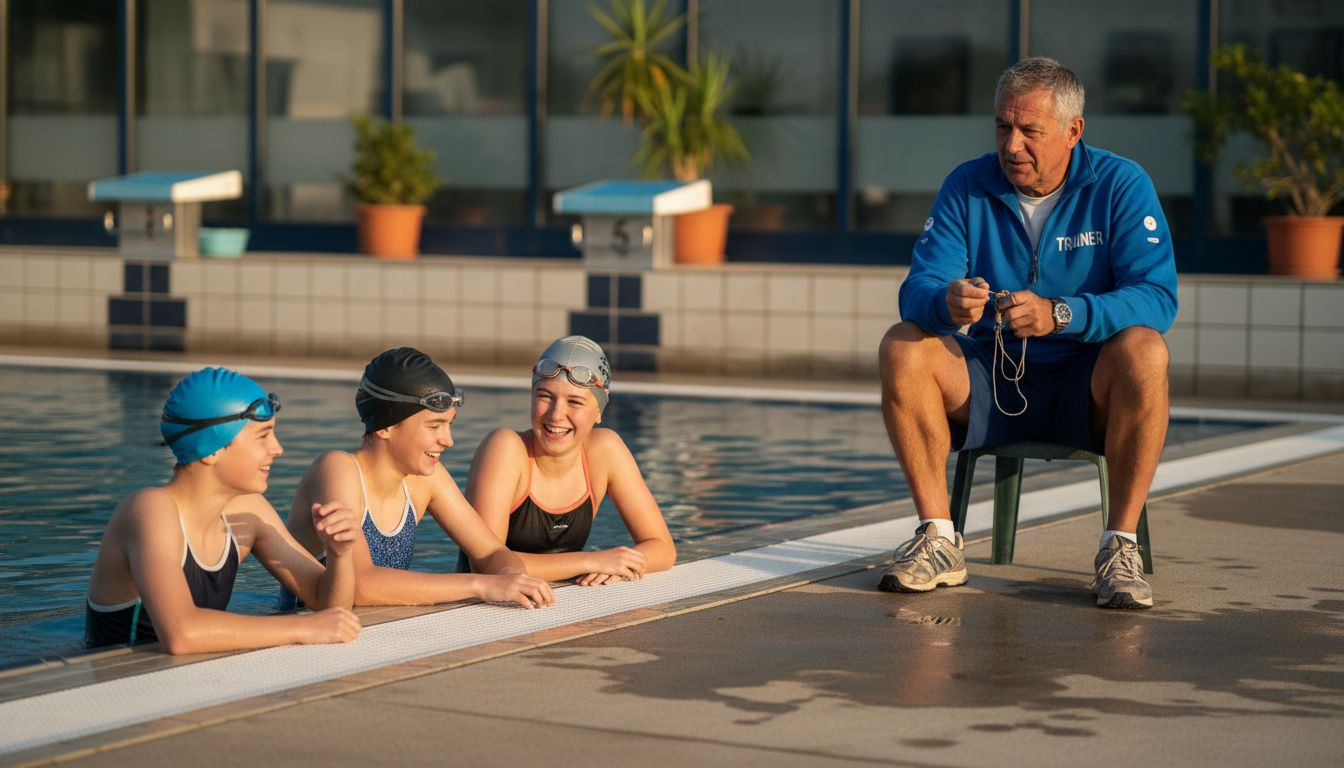
Competitive swimming is highly performance-oriented and focuses on the highest possible athletic achievements. It is characterized by intensive training sessions, systematic talent development, and preparation for tournaments and championships. Here, timing, technique optimization, and individual peak performance are paramount.
Leisure sports, on the other hand, take a much more relaxed approach:
- No mandatory training structures
- Maximum enjoyment of movement
- Health aspects take precedence
- No performance documentation or comparisons
- Flexibility in participation and commitment
Recreational swimming positions itself between these poles and combines the best of both worlds: It offers structured training opportunities without competitive pressure and simultaneously allows for continuous development of individual swimming skills.
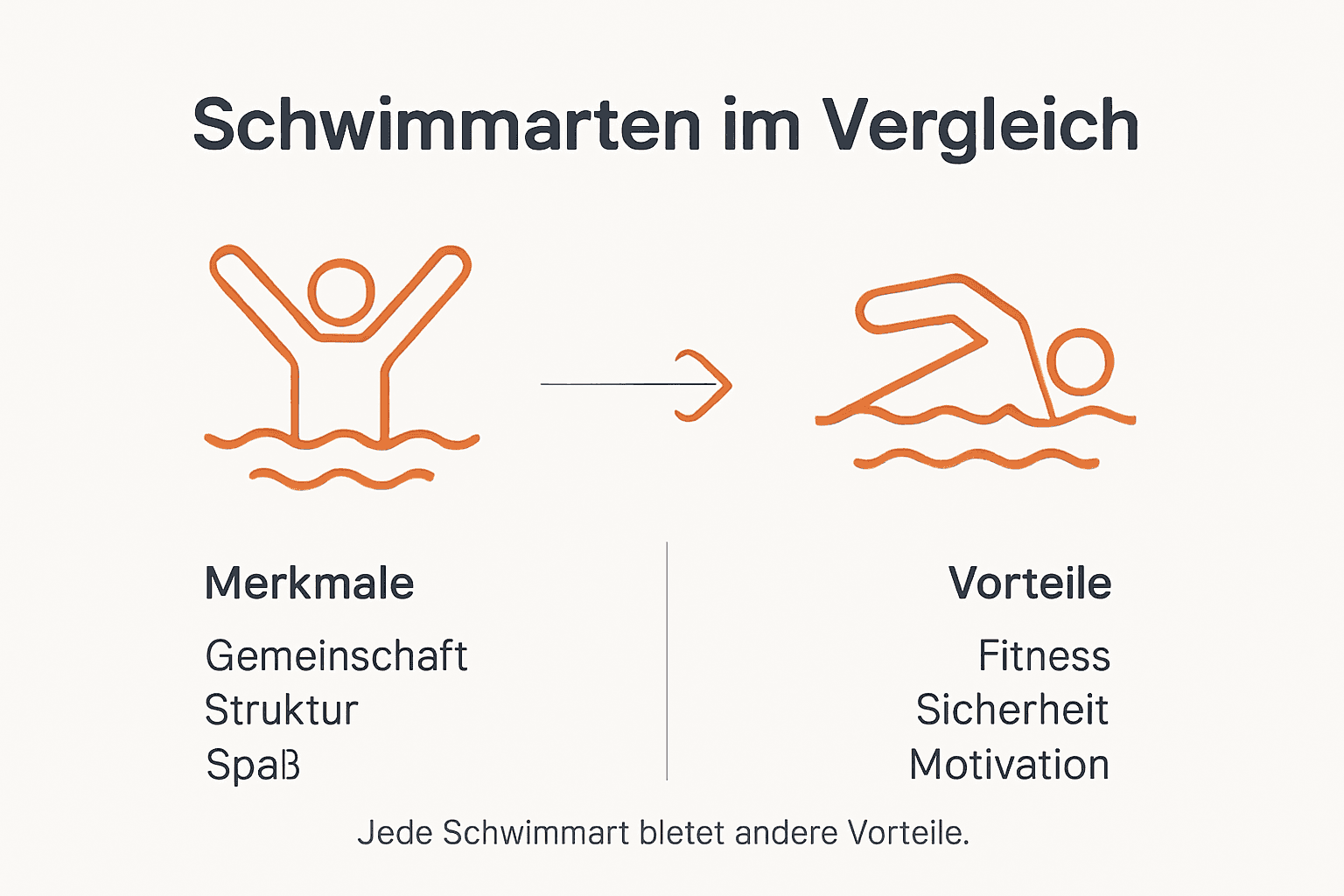
The following overview shows the most important differences between the three forms of swimming:
| Feature | Competitive Swimming | Recreational Swimming | Leisure Swimming |
|---|---|---|---|
| Training Intensity | Very high, multiple sessions | Moderate, regular | Low, unplanned |
| Objective | Medals, records | Skill development | Fun and relaxation |
| Performance Pressure | Strongly present | Low, barely present | Not relevant |
| Participation Requirements | Age and performance limits | Open to all age groups | No requirements |
Swimming Sport Pro Tip: Choose the sport that suits your personal goals and motivation. The key is to enjoy the movement and not to put yourself under pressure.
Swimming badges: motivation and important stages
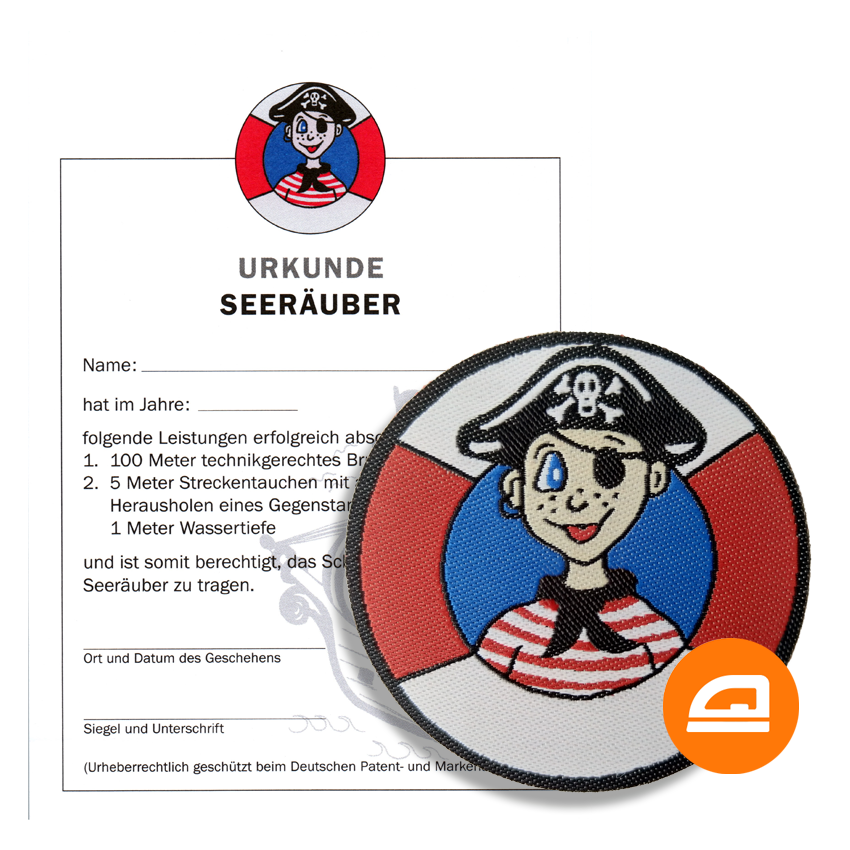
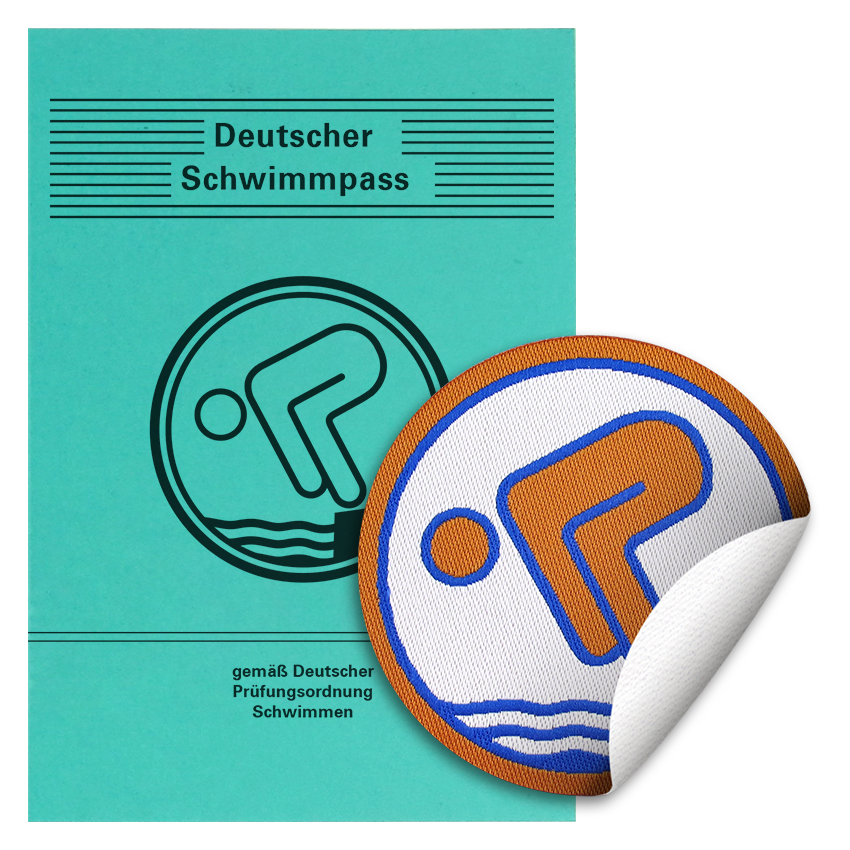
Swimming badges are more than just emblems – they are important milestones in swimming development that motivate children and adults and document their progress. The badges form a systematic progression that gradually builds swimming skills and water safety.
The most important swimming badges in Germany include a clear progression:
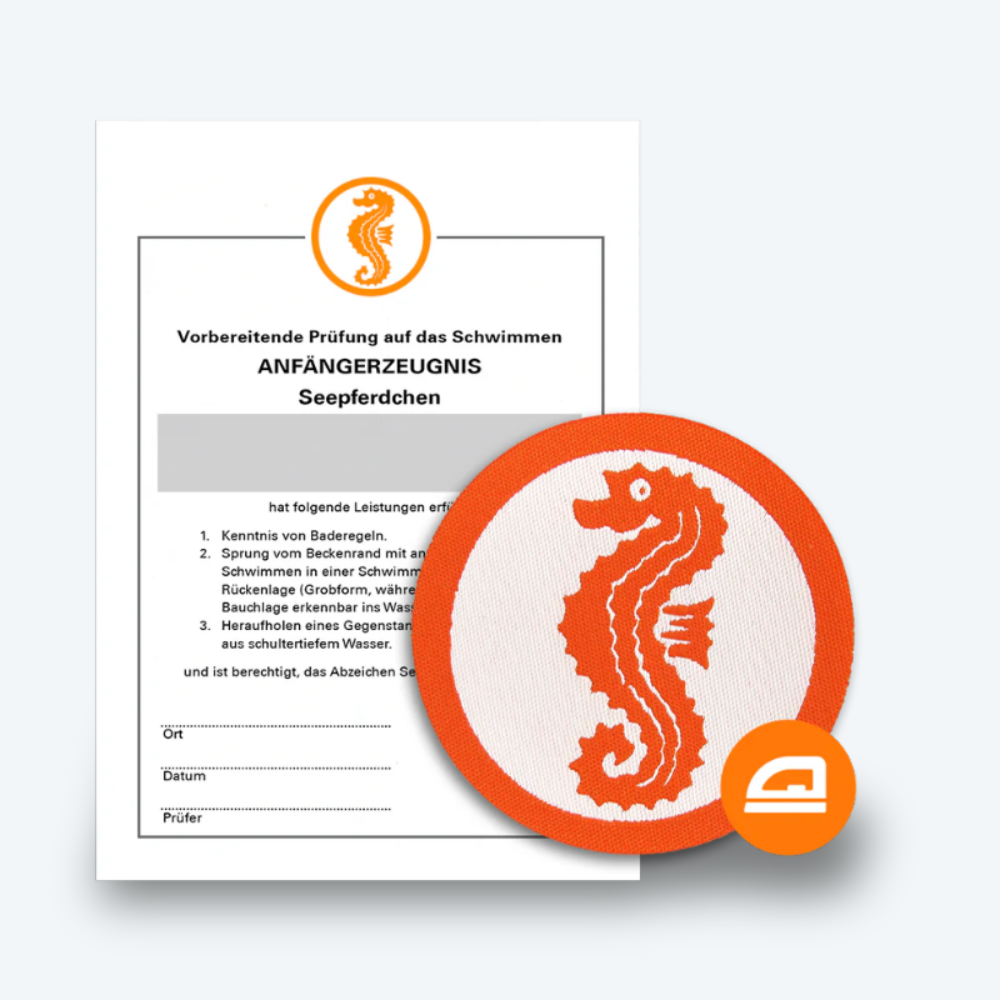
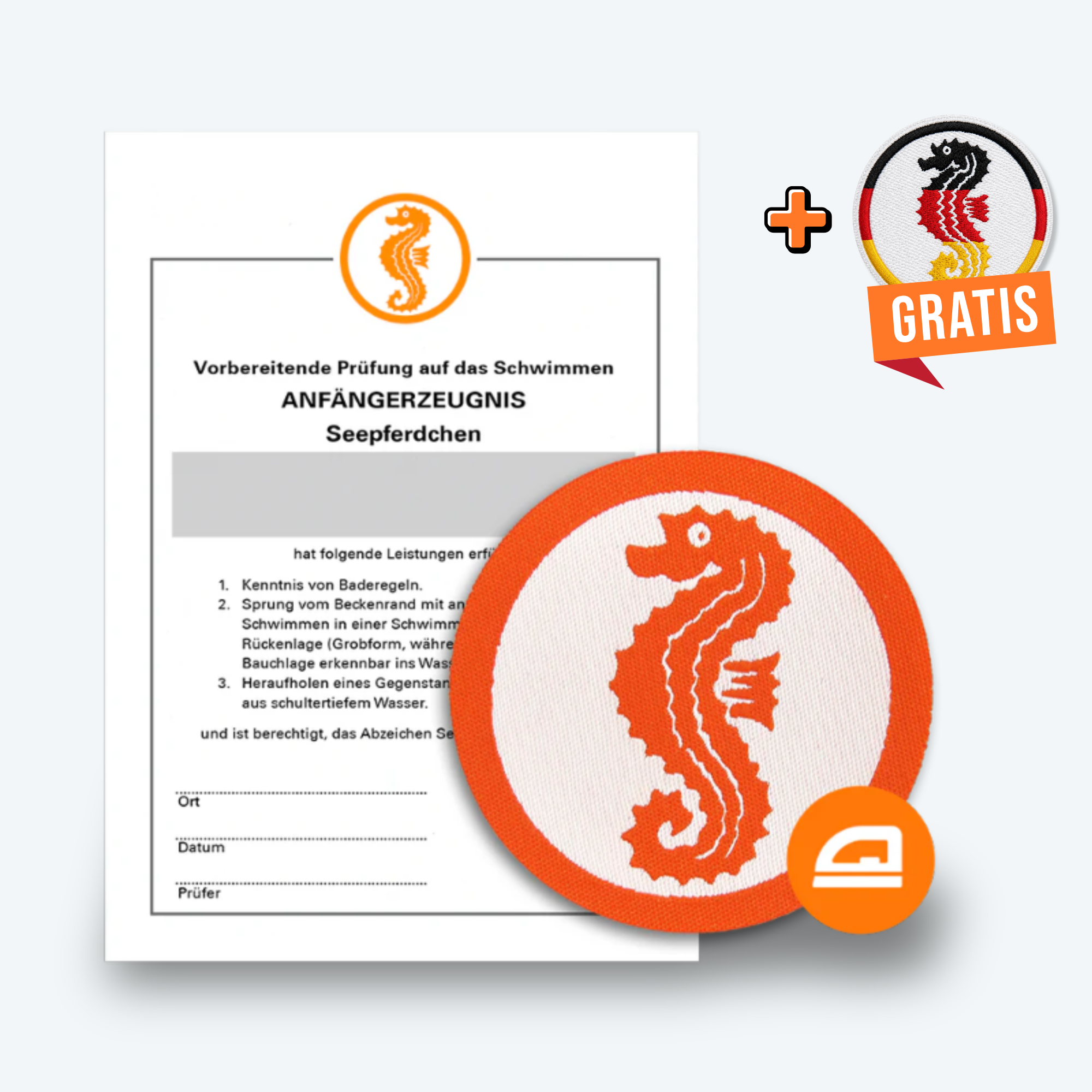
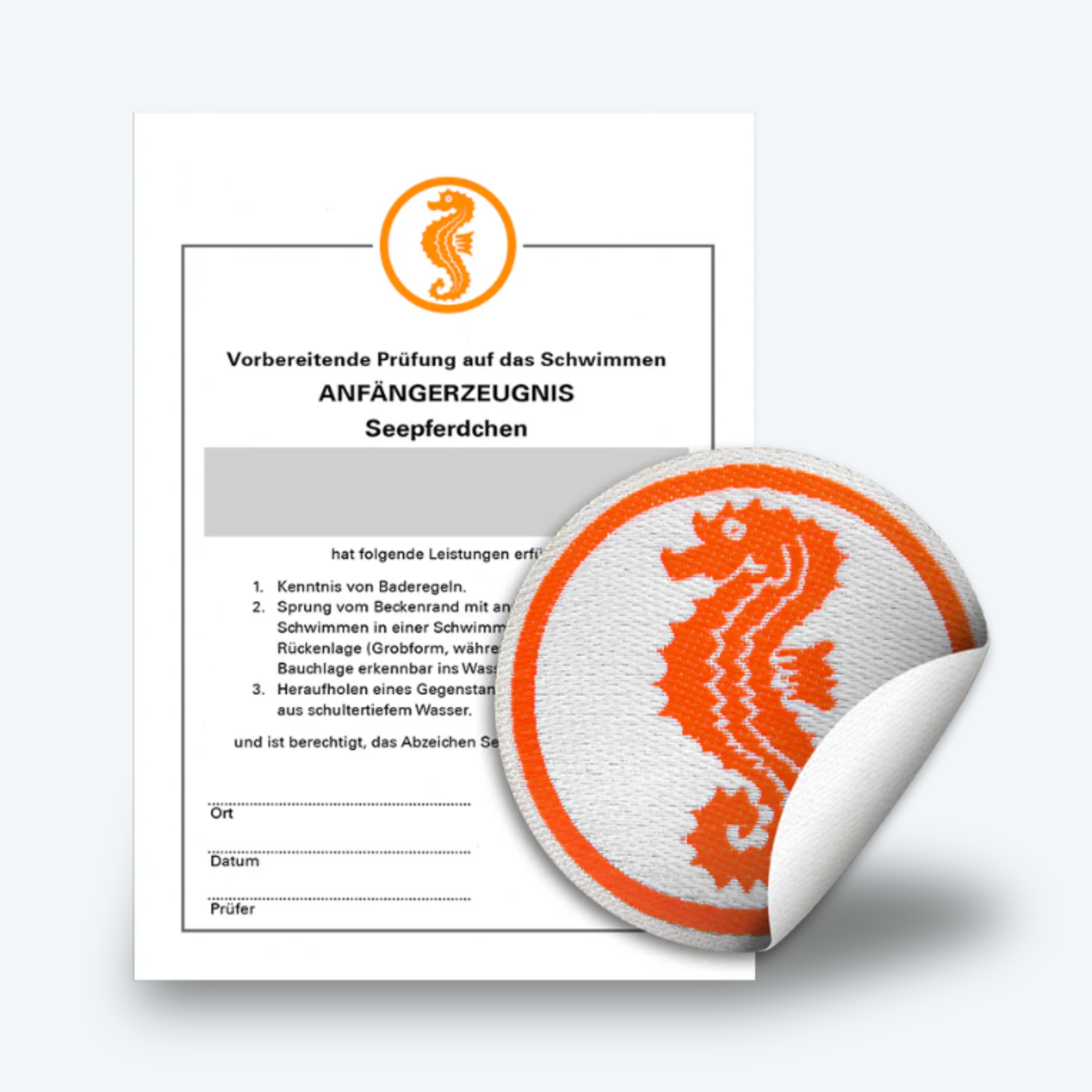
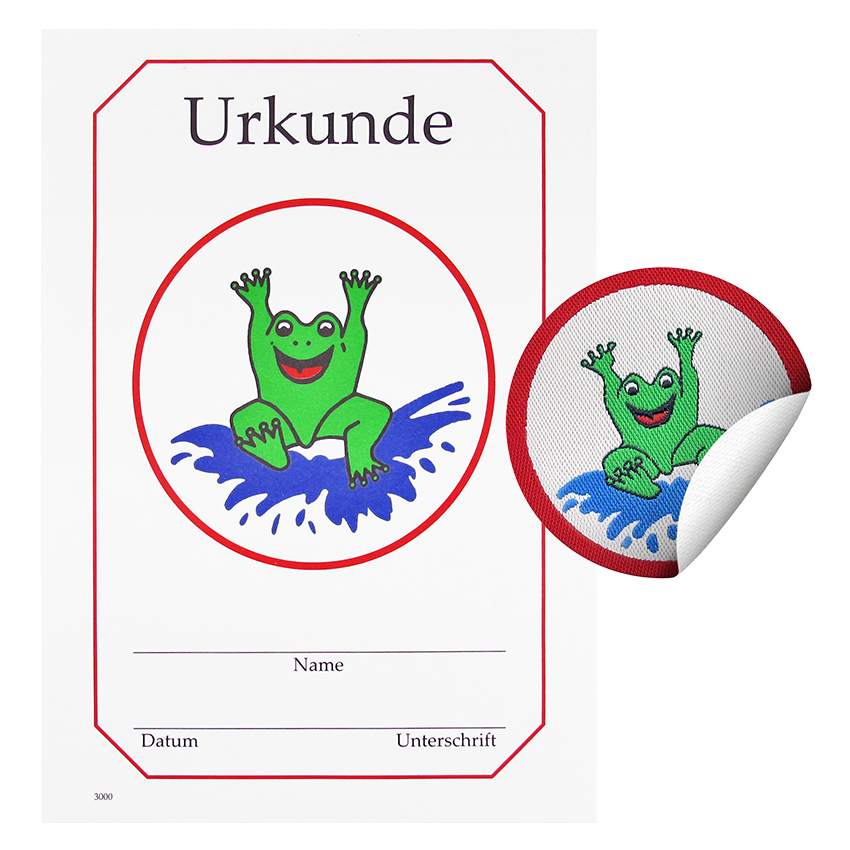
- Seepferdchen (Seahorse): First water familiarization and basic movement safety
- Trixi: Promotion of swimming diversity and technique improvement
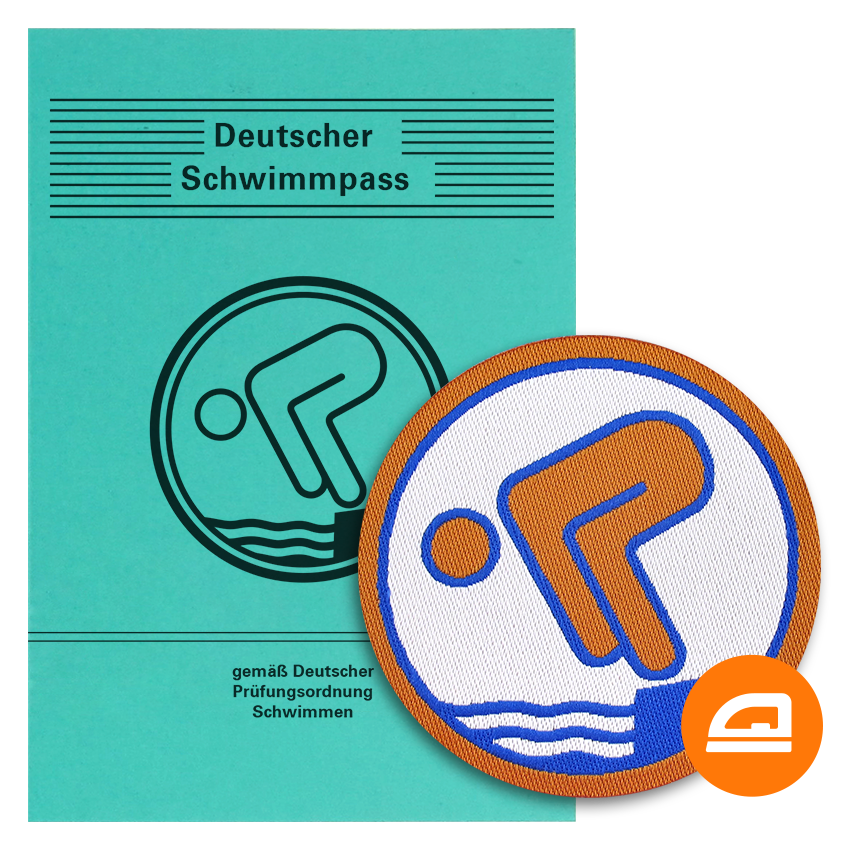
- Bronze: First stage of safe swimming
- Silver: Advanced swimming techniques and endurance
- Gold: Highest level with complex rescue competencies
Swimming badges motivate through a structured learning path and continuously increase self-confidence. Important to know: Only from the bronze level is one officially considered a safe swimmer. Each level presents new challenges in technique, safety, and rescue competence.
This table summarizes the swimming badges and their significance in a compact form:
| Badge | Recommended Age | Requirements | Significance for Safety |
|---|---|---|---|
| Seepferdchen | From 5 years | Water familiarization, first distance | Basic safety |
| Bronze | From 7 years | Longer swimming distance, diving | Officially safe swimmer |
| Silver | From 8 years | Longer distances, new techniques | Extended competencies |
| Gold | From 9 years | Rescue exercises, long distances | Complex rescue competencies |
Swimming Badge Pro Tip: Set realistic goals and celebrate every progress. The joy of learning is more important than rapid advancement.
Role of clubs, schools, and partner shops
Swimming education is a complex interplay of various actors who collectively promote water safety and swimming competence in Germany. The "School-Club Cooperation" funding program forms a central basis for networking different institutions.
Swimming clubs play a key role in this ecosystem:
- Extracurricular swimming education
- Talent promotion
- Social integration
- Continuous training offers
- Competitive and recreational sports formats
The 'SchwimmWelten' project actively supports this networking and creates a platform for clubs, schools, and families. Partner shops complement this ecosystem with special offers such as discounted swimming badges, teaching materials, and equipment, which help clubs and schools optimize their swimming education.
Swimming Education Pro Tip: Actively seek exchange between schools, clubs, and local swimming experts. Only through cooperation can we sustainably improve swimming competence and water safety.
Safety aspects and parental responsibility in focus
Safety in water begins with responsible and informed behavior – this requires a coordinated interaction between parents, schools, and swimming clubs. Parents' responsibility extends far beyond mere supervision; it includes an active role in water safety education.
The most important safety aspects for parents include:
- Constant and attentive supervision
- Gradual water acclimatization
- Avoiding pressure and overexertion
- Learning basic swimming rules
- Fostering self-confidence in the water
Safety competence is taught through structured and playful methods, with schools and clubs working closely with parents. Especially with small children, every water situation is potentially risky, so prevention and continuous education are crucial.
Water Safety Pro Tip: Participate in swimming lessons with your child and learn together. Regular practice and a relaxed approach to water are the key to greater safety.
More fun and safety in recreational swimming with Pimpertz
Recreational swimming stands for fun, health, and above all, safety in the water. For children and adults to fully enjoy this zest for life while swimming, the right equipment plays a crucial role. Pimpertz helps you use swimming badges and certificates that motivate and make learning progress visible. This way, you not only promote swimming ability but also self-confidence in water safety.
Benefit from over 38 years of experience as an official partner of DLRG and BFS. Discover our wide range of high-quality swimming badges & certificates, which, with child-friendly designs and official certification, perfectly meet the requirements of recreational sports. Our practical accessories and customizable bundle offers make it easier for clubs and schools to implement swimming training programs.
Start your successful swimming promotion now and experience how motivating and safe swimming becomes with Pimpertz. Visit us at pimpertz.de and quickly secure your equipment for more fun and safety in the water.
Frequently Asked Questions
What is recreational swimming?
Recreational swimming is a leisure-oriented swimming activity that promotes joy, health, and social interaction and is not focused on competitive performance.
What are the benefits of recreational swimming?
The benefits include improving swimming techniques, strengthening body awareness, promoting social interaction, stress reduction, and building water safety.
How do recreational swimming and competitive swimming differ?
Recreational swimming focuses on the development of individual skills and enjoyment of movement, while competitive swimming is performance-oriented and aims for medals and records.
What role do swimming clubs play in recreational swimming?
Swimming clubs offer structured swimming education, talent development, and continuity in training programs and are crucial for social integration and water safety.