
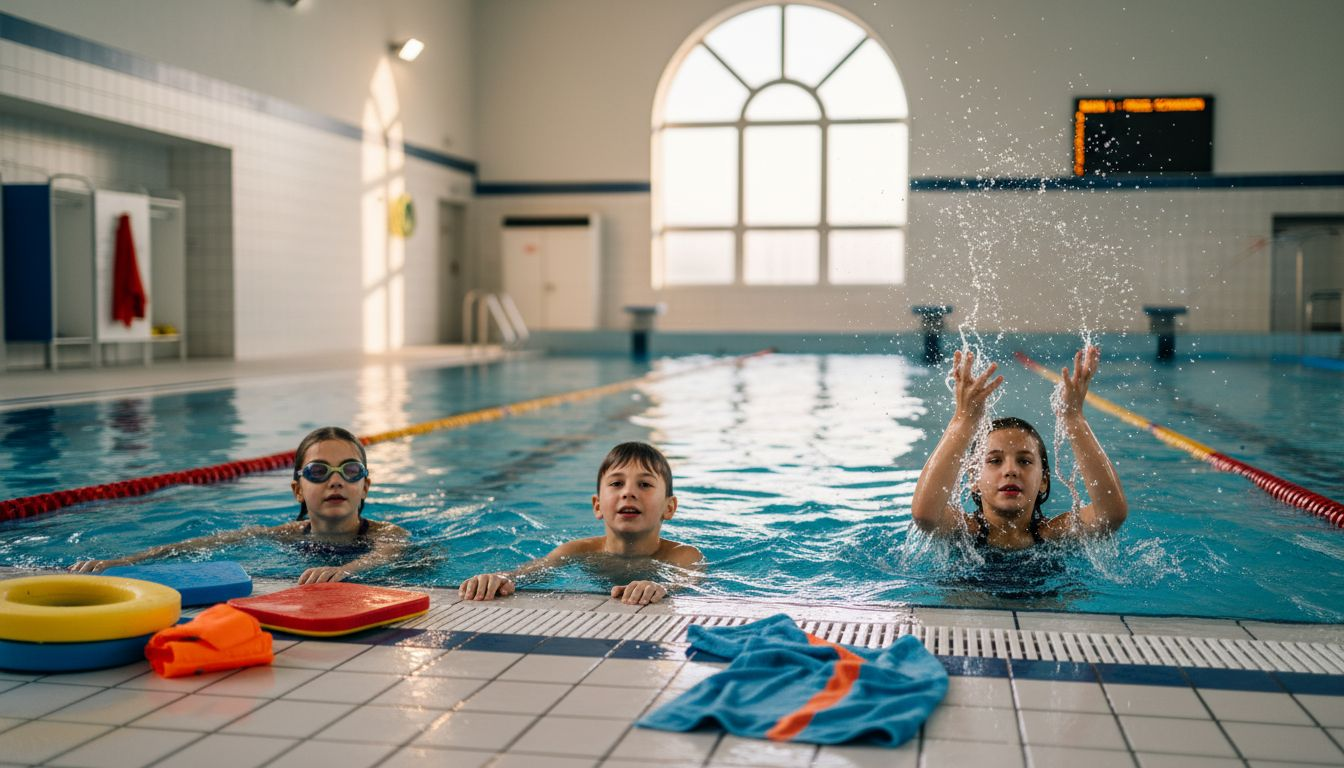
Many parents in Germany are surprised that swimming can burn up to 900 calories per hour while being particularly gentle on children's joints. Especially for young swimming beginners who are overweight, the water offers ideal conditions for playful activity and sustainable weight reduction. Those who want to know specifically how different swimming styles and positive motivation can sustainably help with weight loss will find practical tips and valuable information here.
Table of Contents
- Swimming as an effective way to lose weight
- Which swimming styles promote fat burning?
- Consider special aspects of children's swimming
- Combine nutrition and swimming effectively
- Parents as motivation – tips for everyday life
Key Takeaways
| Point | Details |
|---|---|
| In-depth benefits of swimming | Swimming is gentle on joints and effectively supports weight loss through high calorie consumption. |
| Swimming styles for weight reduction | Freestyle swimming burns the most calories, while breaststroke and backstroke are also effective. |
| Combine nutrition & training | A balanced diet enhances the weight loss effects of swimming and provides the body with necessary nutrients. |
| Parents as motivators | Parents should make swimming a positive shared activity to motivate their children to exercise regularly. |
Swimming as an effective way to lose weight
Swimming is an excellent sport for children that can effectively support weight loss. According to experts, swimming engages almost all muscle groups and leads to a remarkably high calorie expenditure. Unlike many sports, swimming is particularly gentle on the joints, which makes it ideal for overweight children.
The resistance of the water provides intensive full-body exertion. Even 30 to 45 minutes of moderate swimming per week can boost metabolism and effectively support fat burning. Water temperature and buoyancy also help burn more calories than comparable land activities.
For children, swimming offers additional benefits: it's fun, strengthens muscles, and improves coordination. Playful movement motivates children to exercise regularly and helps with long-term weight regulation. It is important to make swimming a positive experience and not a punishment.
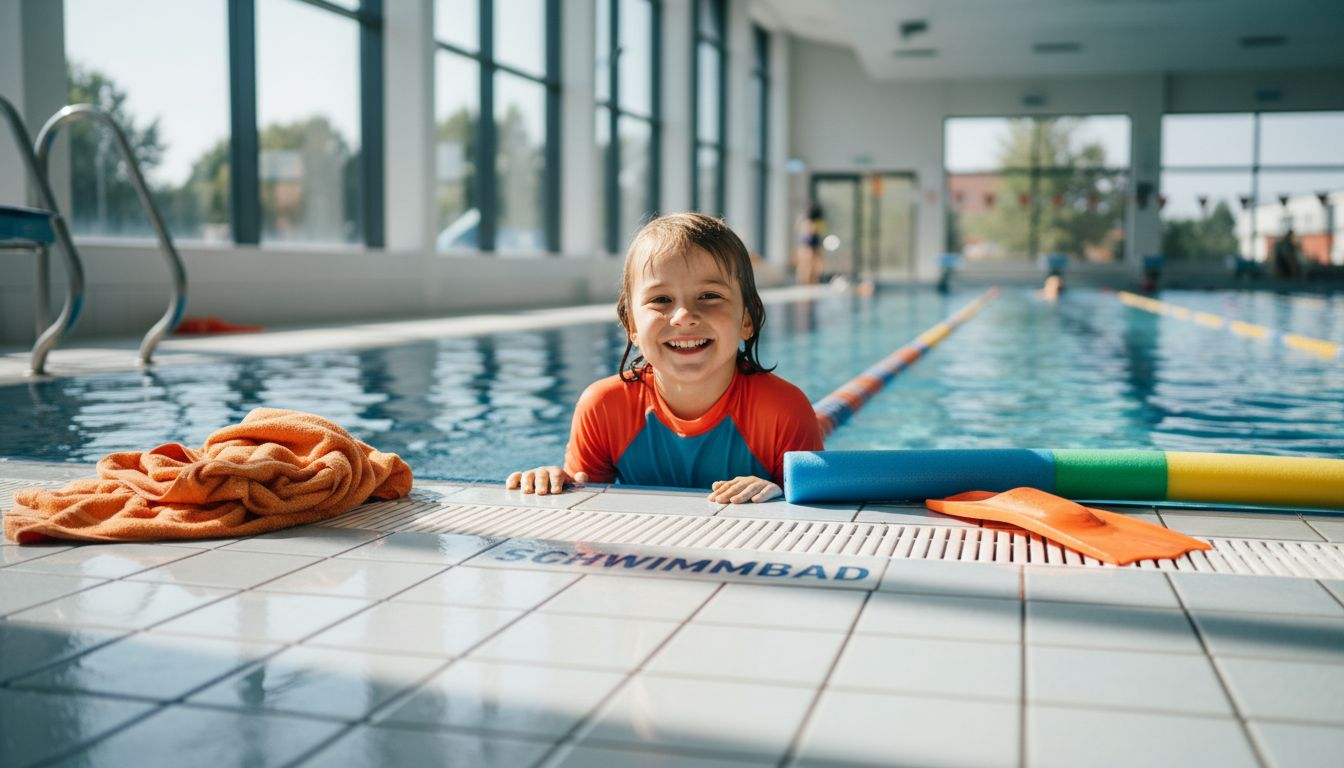
Pro tip for parents: Make swimming a family experience. Accompany your children to the pool, support them in learning, and show joy in movement. This way, sport becomes a shared, motivating activity.
Which swimming styles promote fat burning?
Freestyle swimming is undoubtedly the most effective swimming style for fat burning. One hour of freestyle swimming can burn up to 900 calories, making it the top performer among swimming techniques. The fast and dynamic movement challenges almost all muscle groups and ensures an intense metabolism.
In addition to freestyle, other swimming styles also offer considerable benefits for weight loss. Fitness studies show that butterfly and backstroke are also very effective in calorie burning. Although breaststroke burns fewer calories, it is still an excellent training method for children who want to lose weight.
Here's an overview of the most important swimming styles for children and their calorie consumption:
| Swimming Style | Calories burned/hour* | Suitable for beginners | Benefits for children |
|---|---|---|---|
| Freestyle | up to 900 kcal | Medium | High calorie expenditure, dynamic |
| Breaststroke | approx. 500–700 kcal | Yes | Easy to learn, gentle on joints |
| Backstroke | approx. 500–700 kcal | Yes | Promotes posture, relaxes neck |
| Butterfly | up to 900 kcal | Rather no | Very intensive full-body workout |
*Values vary depending on intensity and body weight.
For children, it is important to choose the swimming style they enjoy most. Motivation and enjoyment of movement are crucial for long-term weight reduction. Parents should encourage their children to try different swimming styles and find the one that is most comfortable for them.
Pro tip for parents: Start with short, playful swimming sessions. Encourage your child to have fun in the water and explore different techniques without putting pressure on performance.
Consider special aspects of children's swimming
Swimming is a particularly gentle and effective form of exercise for children that can support weight loss. Joints are not stressed, while muscles are specifically trained. It is important for children to learn the correct techniques from the beginning to avoid injuries and develop a love for movement.
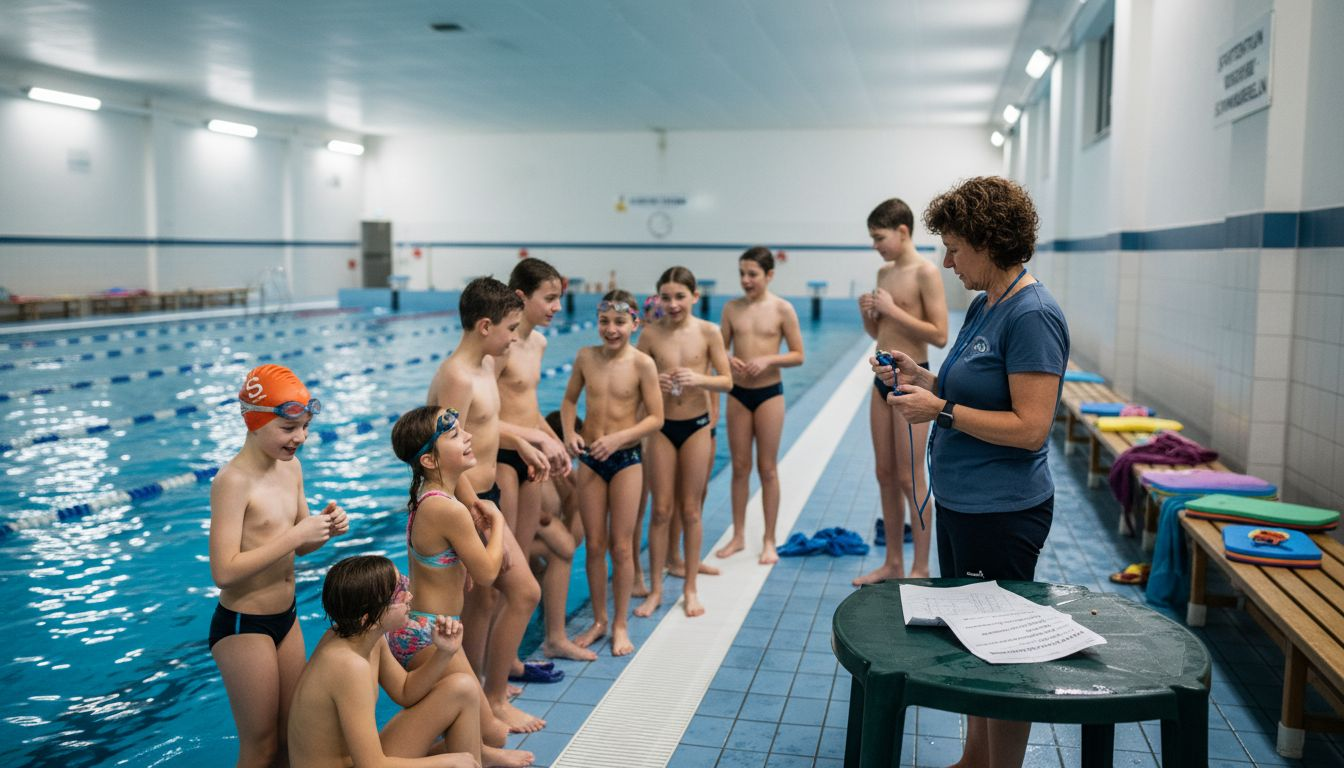
When it comes to children's swimming, some specific aspects must be considered. Aqua fitness exercises can be specially adapted for children to playfully promote their flexibility and endurance. Training sessions should be age-appropriate so that children have fun and are not overwhelmed. Playful elements such as water games, small competitions, or obstacle courses motivate children to enjoy moving.
For overweight children, swimming offers an excellent opportunity to lose weight and simultaneously build self-confidence. The importance of water acclimatization and professional guidance cannot be overemphasized. Swimming lessons with qualified instructors not only help in learning the technique but also impart water safety and joy in movement.
Pro tip for parents: Make sure that swimming is a positive experience. Praise progress, be patient, and make shared water experiences a highlight.
Combine nutrition and swimming effectively
Combining swimming with a balanced diet is crucial for sustainable weight loss, especially in children. A well-thought-out nutritional strategy can significantly enhance the training effects of swimming and support weight loss. It is important to provide the body with the right nutrients to supply energy for movement in the water and muscle building.
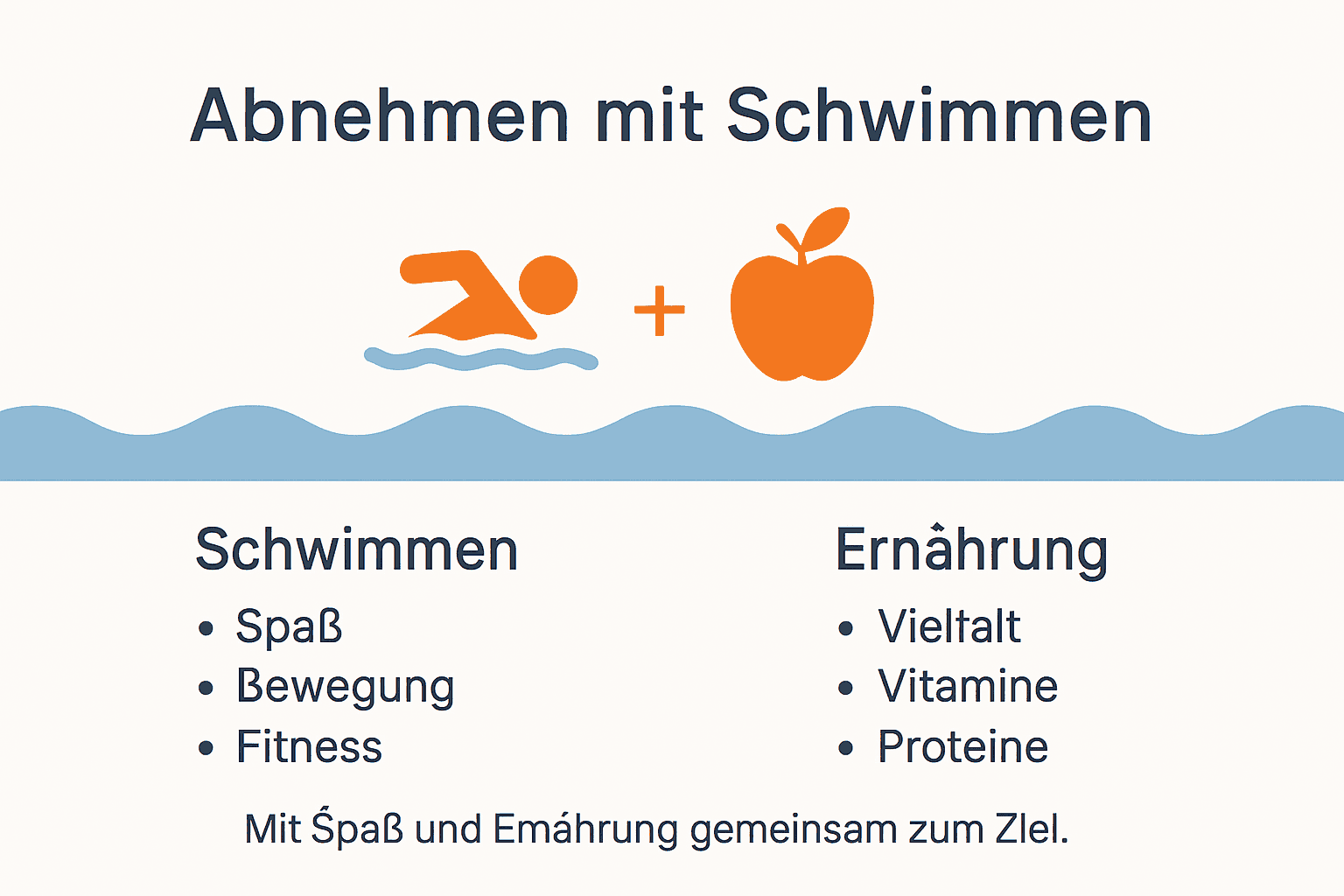
After swimming, children should receive a protein-rich meal that promotes muscle building and prevents cravings. Swimming burns calories and trains the entire body, so a balanced diet is particularly important. Light but nutritious snacks such as yogurt with fruit, whole-grain bread with cheese, or a smoothie are recommended.
Parents should ensure that the diet is varied and child-friendly. Small portions, plenty of vegetables and fruits, and lean protein sources help with weight loss. At the same time, it is important to reduce sweets and fast food and drink enough water, especially after swimming.
This table shows how swimming and nutrition complement each other to promote weight loss in children:
| Aspect | Contribution to weight loss | Important for children |
|---|---|---|
| Swim training | Burns calories, strengthens muscles | Promotes motor skills and fun |
| Balanced nutrition | Provides energy, breaks down fat | Supports growth, satiety |
| Combination | Accelerates weight loss | Sustainable weight loss success |
Pro tip for parents: Make nutrition a shared experience. Cook together with your child, let them choose ingredients, and playfully explain how good nutrition helps the body.
Parents as motivation – tips for everyday life
Parents play a crucial role in motivating their children to swim. Through their own behavior and active support, they can lay the foundation for a positive culture of movement. It is important to make swimming not a duty, but a shared, joyful experience.
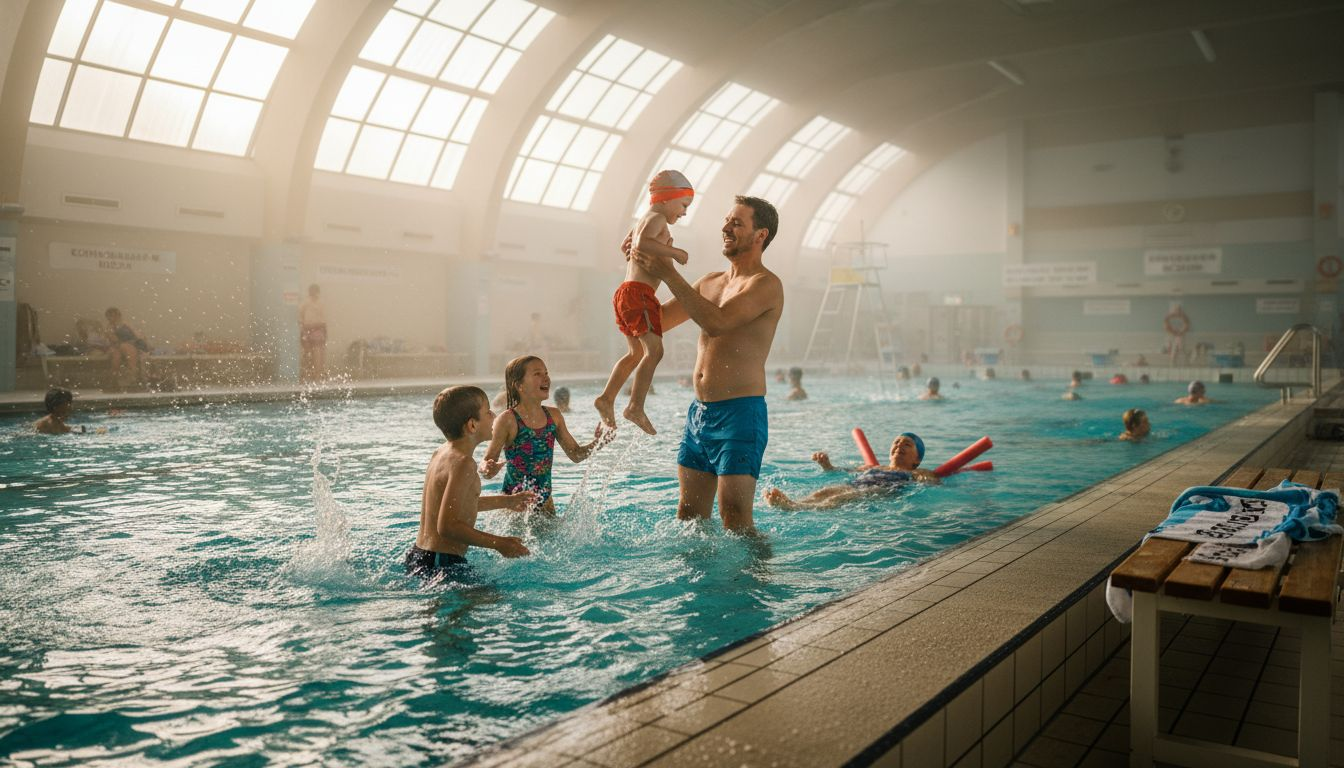
Shared activities are the key to motivation. Aqua fitness classes can not only keep families fit but also strengthen cohesion, helping children playfully develop a love for movement. Regular visits to the swimming pool, where parents actively participate, show children that sport is fun and not a burden.
Parents can further boost motivation through small rituals and reward systems. For example, progress can be documented in a shared swimming diary or small goals can be set. It is important to focus on fun, development, and joy, not on performance pressure or weight loss.
Pro tip for parents: Be an authentic role model. Show enthusiasm for movement, make swimming a positive family experience, and praise every small step your child takes.
Playfully supporting children's motivation to lose weight through swimming
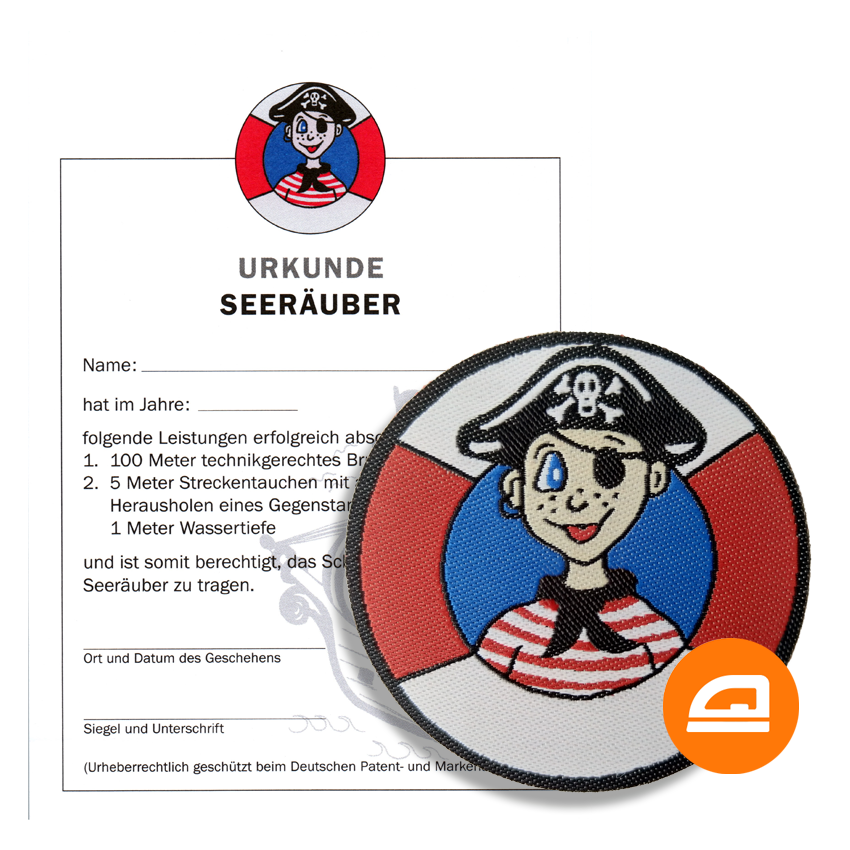
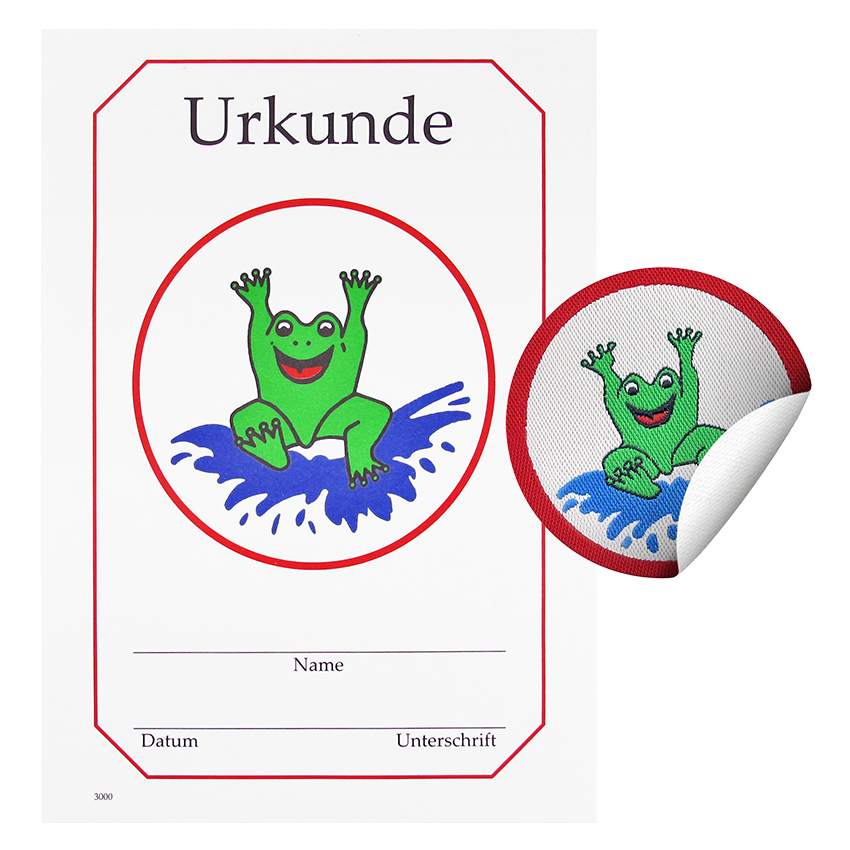
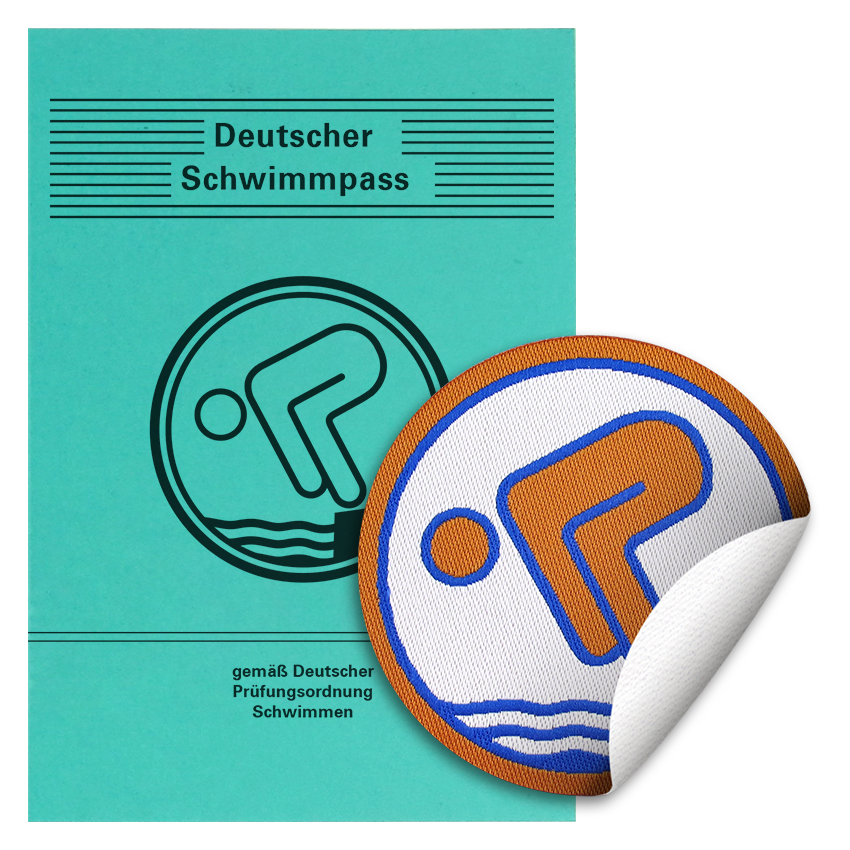
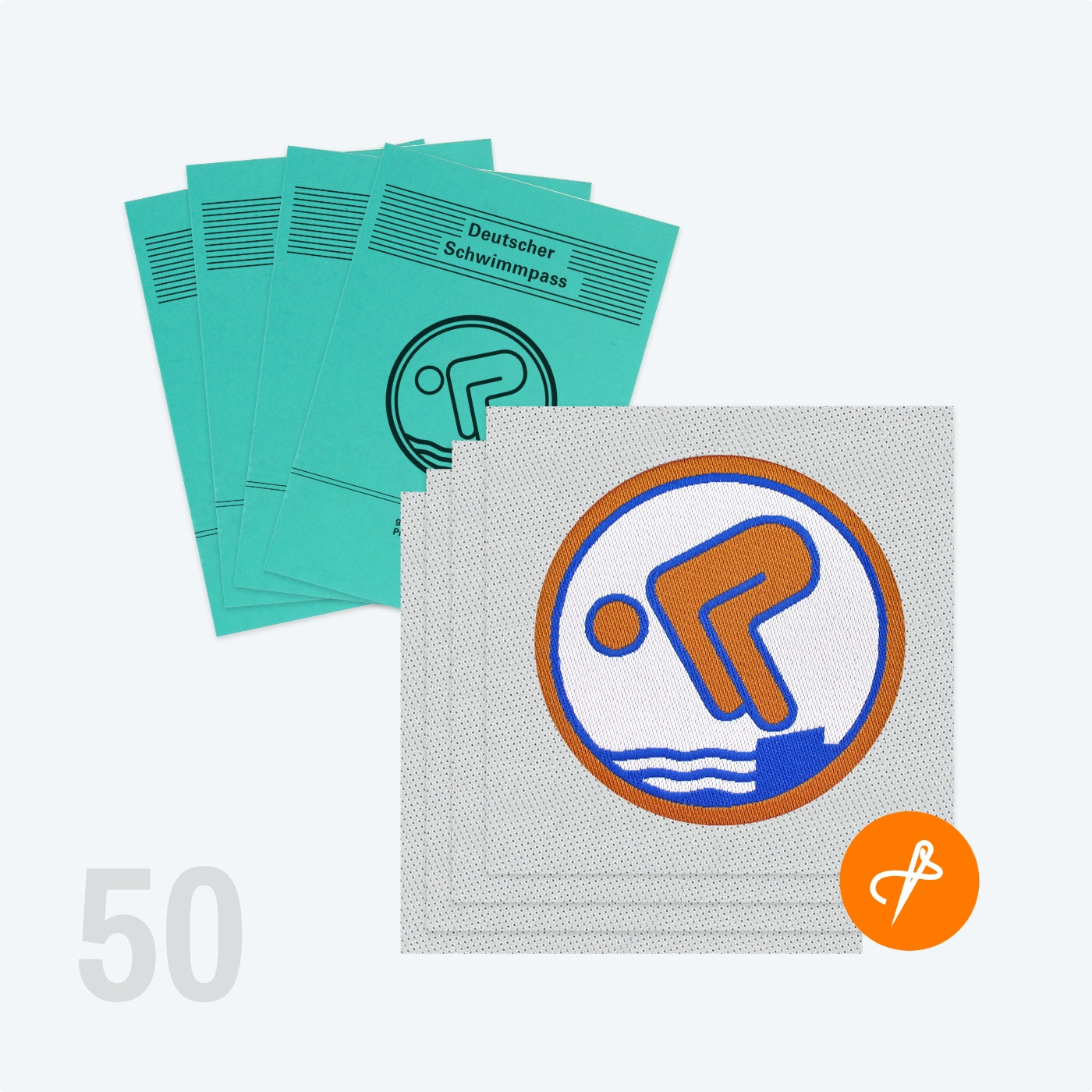
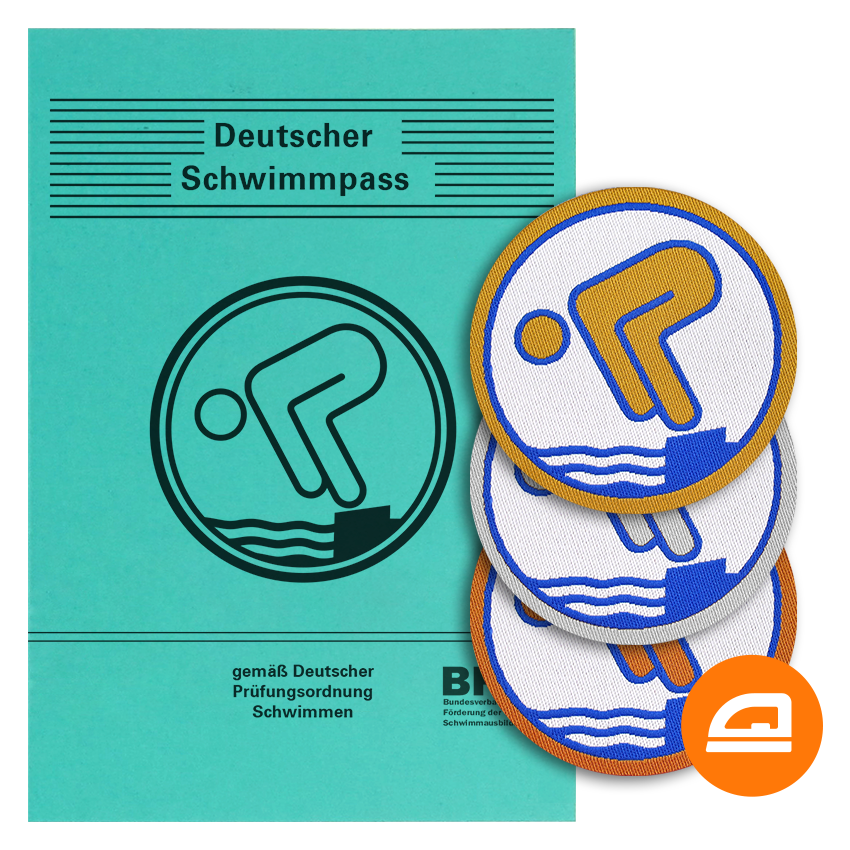
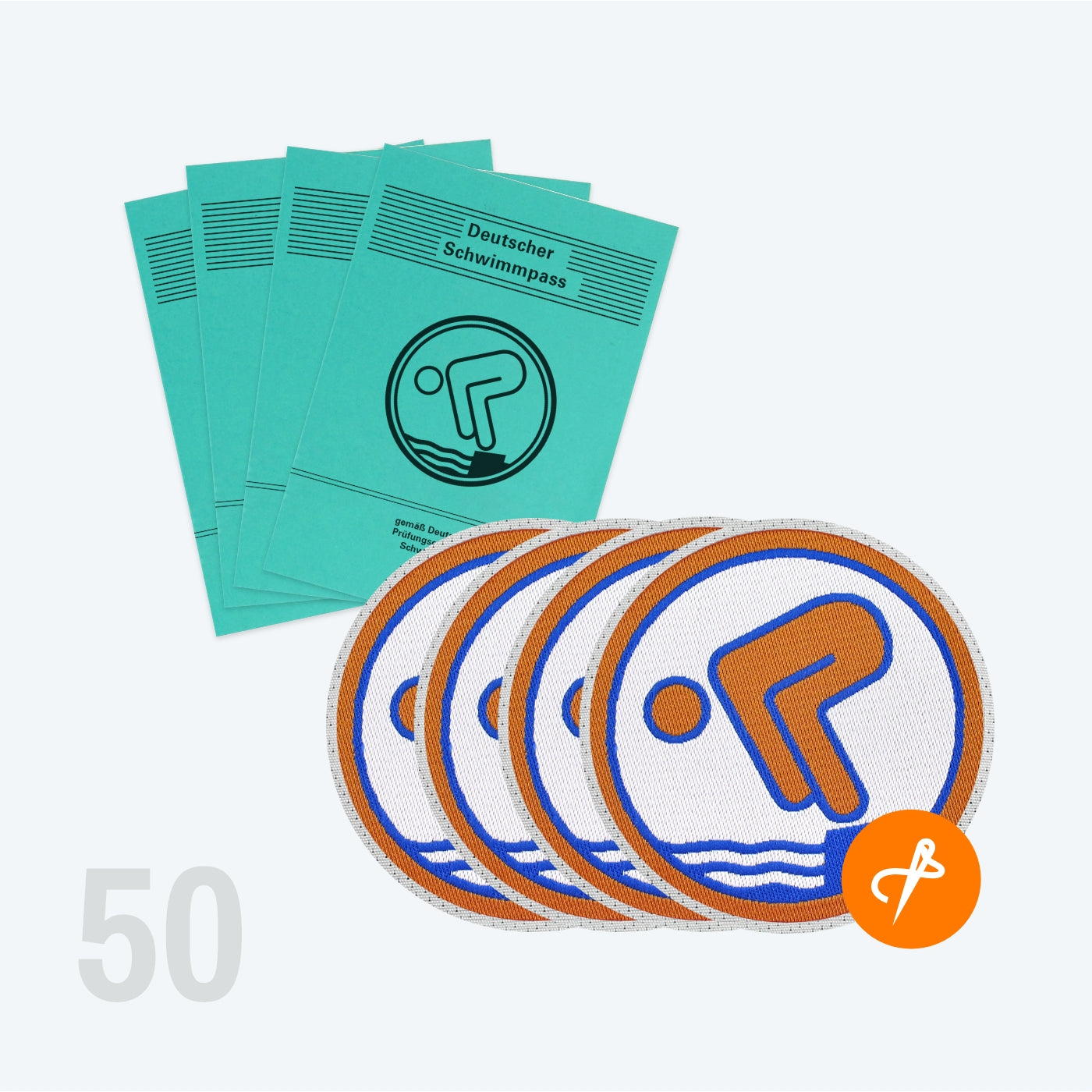
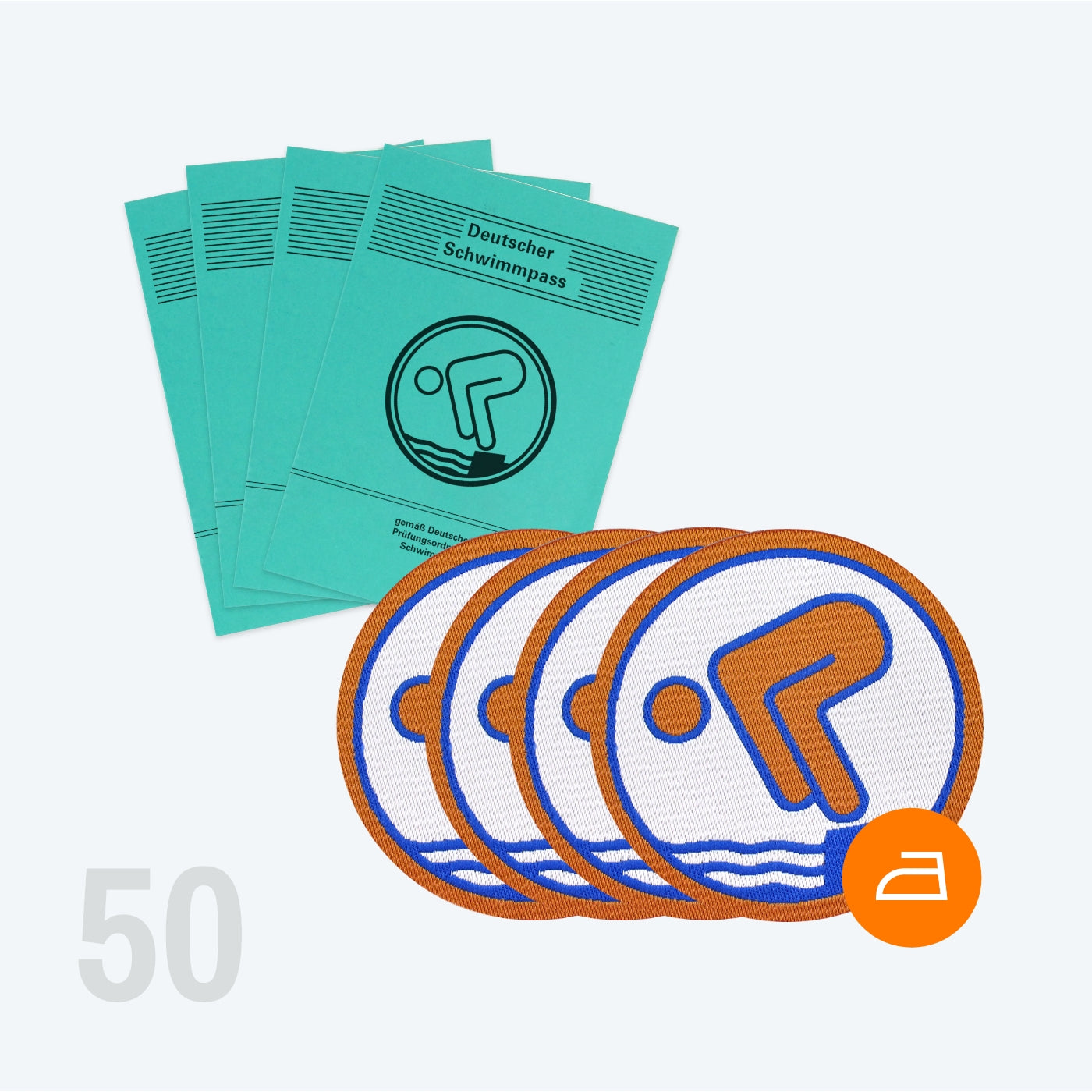
This article clearly shows how important swimming is as a joint-friendly sport to give children joy and motivation for weight loss. Especially when promoting different swimming styles and playful movement, fun is paramount to achieve long-term success. This is where swimming badges come into play, making achievements visible and strengthening self-confidence.
With Pimpertz, you've found a trusted partner of DLRG and BFS for over 38 years, offering original certified swimming badges and child-friendly accessories. Use personalized certificates and collector's albums as a playful reward for your child. This way, you combine training with recognition and motivate your child to go swimming regularly. Start now to make swimming and weight loss a positive experience for the whole family and discover the diverse solutions at Pimpertz.
Discover our offer today and support your child on their journey to more fun in swimming and a healthy lifestyle with child-friendly swimming badges. Find out more and get started now!
Frequently Asked Questions
How does swimming promote weight loss in children?
Swimming is a joint-friendly sport that engages almost all muscle groups and leads to a high calorie expenditure. Even 30 to 45 minutes of moderate swimming per week can boost metabolism and support fat burning.
Which swimming styles are most effective for weight loss?
Freestyle is the most effective swimming style for fat burning, followed by butterfly and backstroke. These styles offer high calorie expenditures, while breaststroke is also a good option for beginners.
How should the diet of children who swim be structured?
A balanced diet rich in protein and nutrients supports weight loss. After swimming, protein-rich snacks such as yogurt or whole-grain bread are ideal to prevent cravings.
What should parents consider to motivate their children to swim?
Parents should make swimming a positive experience, offer shared activities, and encourage children to engage in playful elements in the water. Support and praise for progress foster children's motivation.