

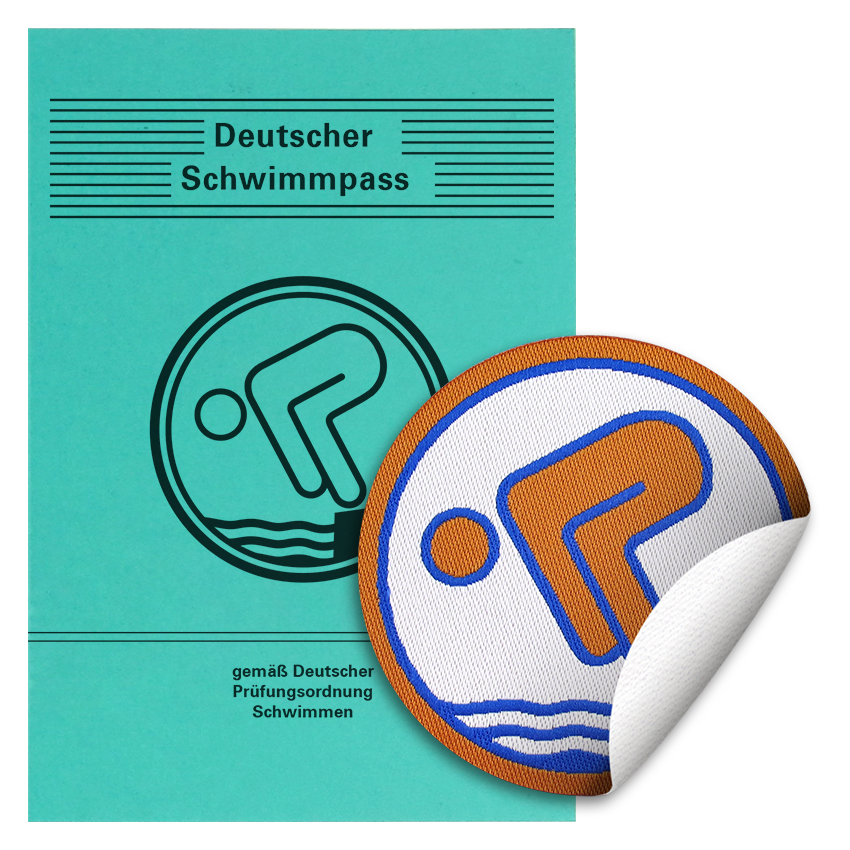

Bronze Swimming Badge Berlin
Introduction to Swimming
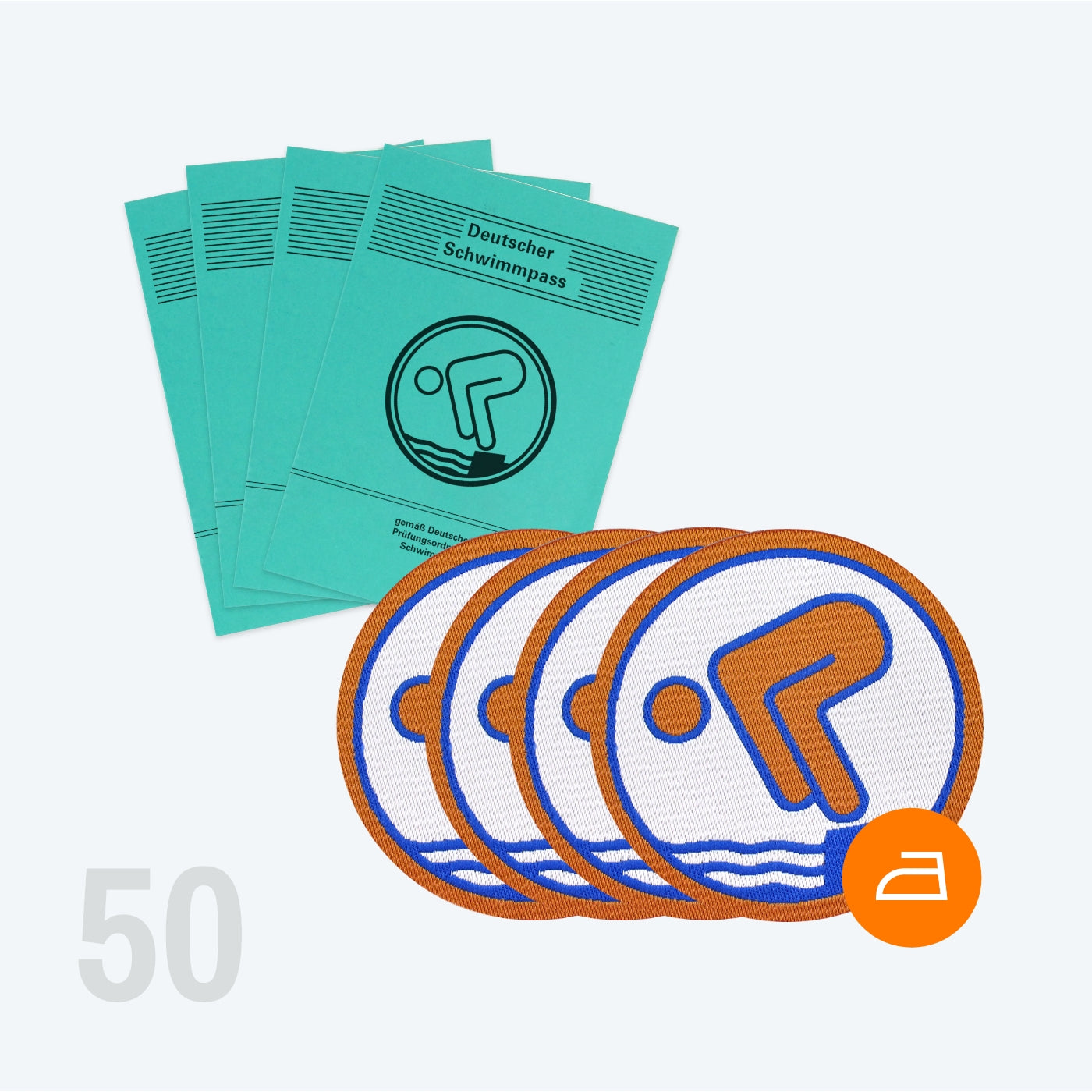
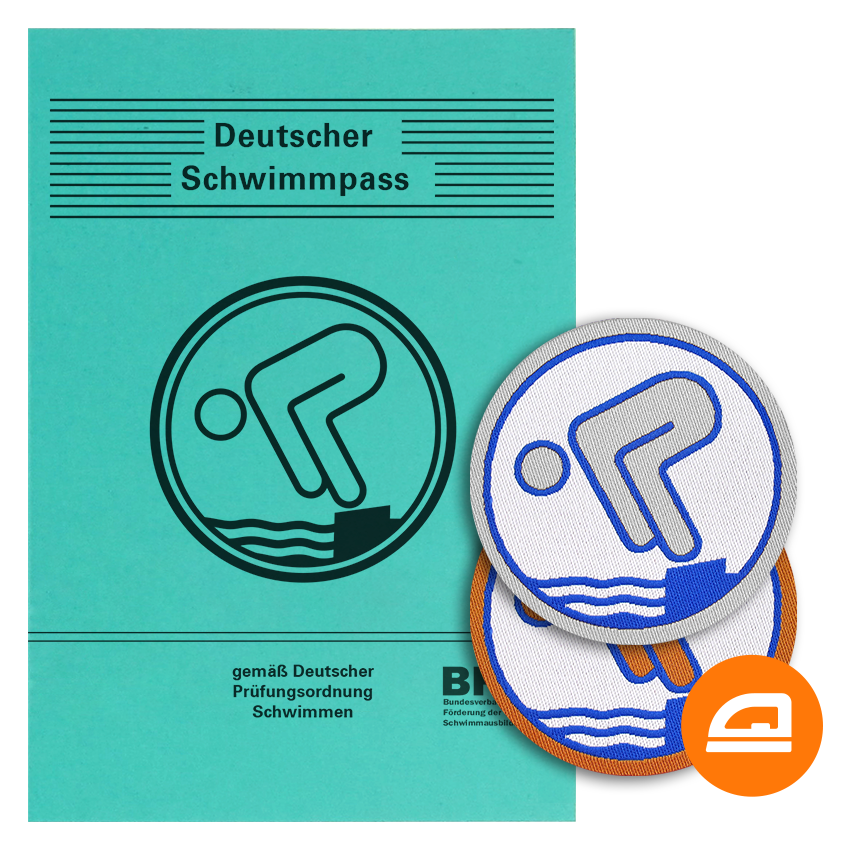
The German Bronze Swimming Badge is an important milestone for children who want to improve their swimming skills.
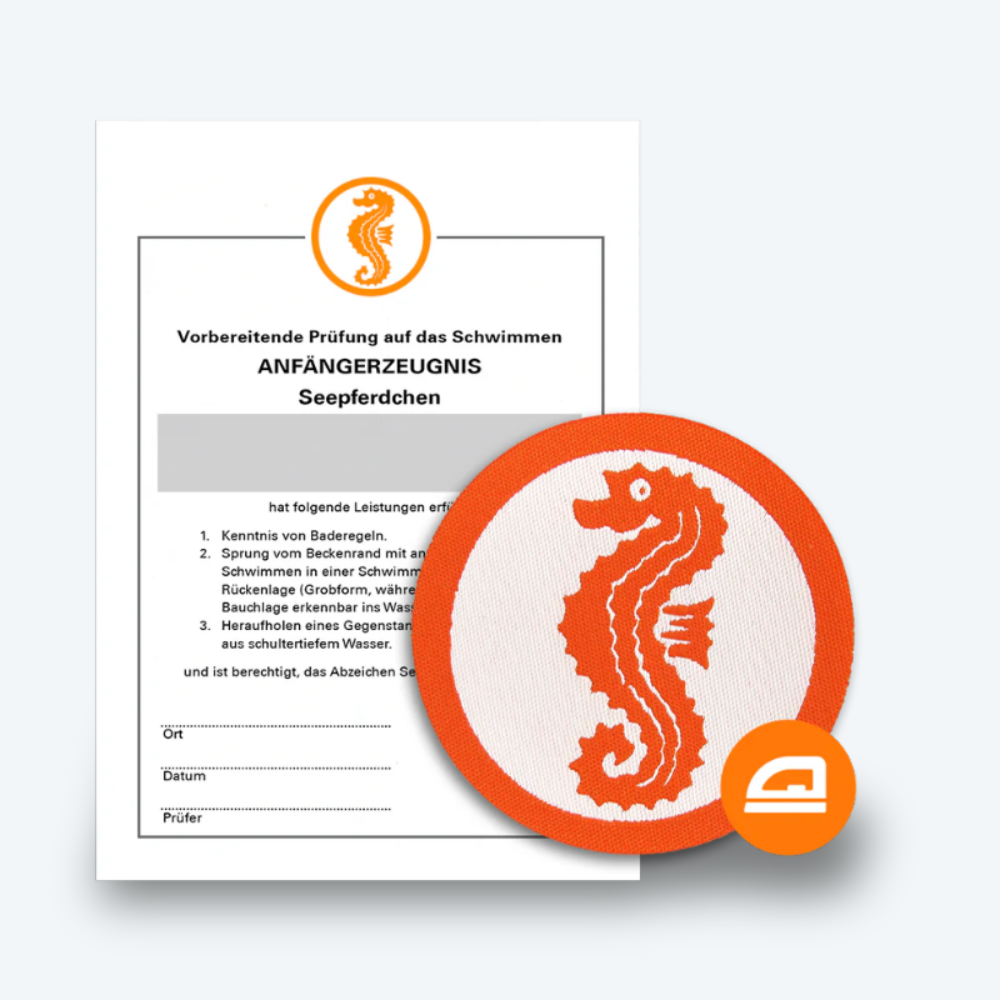
This badge is far more than just a certificate; it is an expression of acquired skills and growing self-confidence in the water. Children who aim for the Bronze Badge already have basic swimming skills, usually in the form of the Seahorse Badge, and build upon them. This foundation is crucial for facilitating the transition to more advanced swimming techniques and skills. In Berlin, many swimming schools offer courses that aim to establish swimming as a lifelong, health-promoting activity. The goal is not only to improve physical fitness but also to enhance personal well-being through the joy of being in the water.
The Bronze Badge course focuses on teaching various swimming techniques, including breaststroke and backstroke. These techniques are not only the basis for advanced swimming styles but also essential for safe movement in the water. Another focus is on optimizing breathing techniques, which are indispensable for effective and safe swimming. Children are also taught how to perform diving techniques safely, which contributes to improving motor coordination and balance.
Course Structure and Procedure
The swimming course for the Bronze Badge in Berlin is flexibly designed to meet the diverse needs of the participants.
The course consists of between 8 and 12 lessons, each lasting 45 minutes. These units can be attended one to five times a week, allowing families to integrate the course into their individual schedules. The lessons usually begin with a review of already known techniques, which helps children feel secure and build on their existing knowledge. Gradually, more complex exercises are introduced during the course, aiming to deepen children's skills and strengthen their self-confidence.
Experienced swimming instructors accompany the children throughout the course. These professionals are not only able to teach the best swimming techniques but also to address the individual learning needs of the children. They provide additional support if required and help ensure that every child learns in a supportive environment where they feel safe and motivated.
Practical Exam Requirements for the Bronze Badge
To receive the German Bronze Swimming Badge, children must successfully complete a series of practical exams.
These exams are designed to assess both swimming abilities and an understanding of safe behavior in the water. One of the exam requirements is to dive approximately two meters deep and retrieve an object, such as a small diving ring, from the bottom of the pool. This exercise is not only a test of diving ability but also preparation for safe movement and orientation underwater. Other exam components include swimming a certain distance within a specified time and demonstrating various swimming techniques learned during the course.
The exams are intended to ensure that children can move in the water in a controlled and safe manner. They promote awareness of one's own capabilities and motivate children to push their limits and master new challenges. The successful completion of these exams is proof of the participants' commitment and skills and marks the transition to a safer and more confident swimming experience.
Safety and Fun in the Water
Learning to swim goes hand in hand with ensuring safety in the water, and fun should not be neglected.
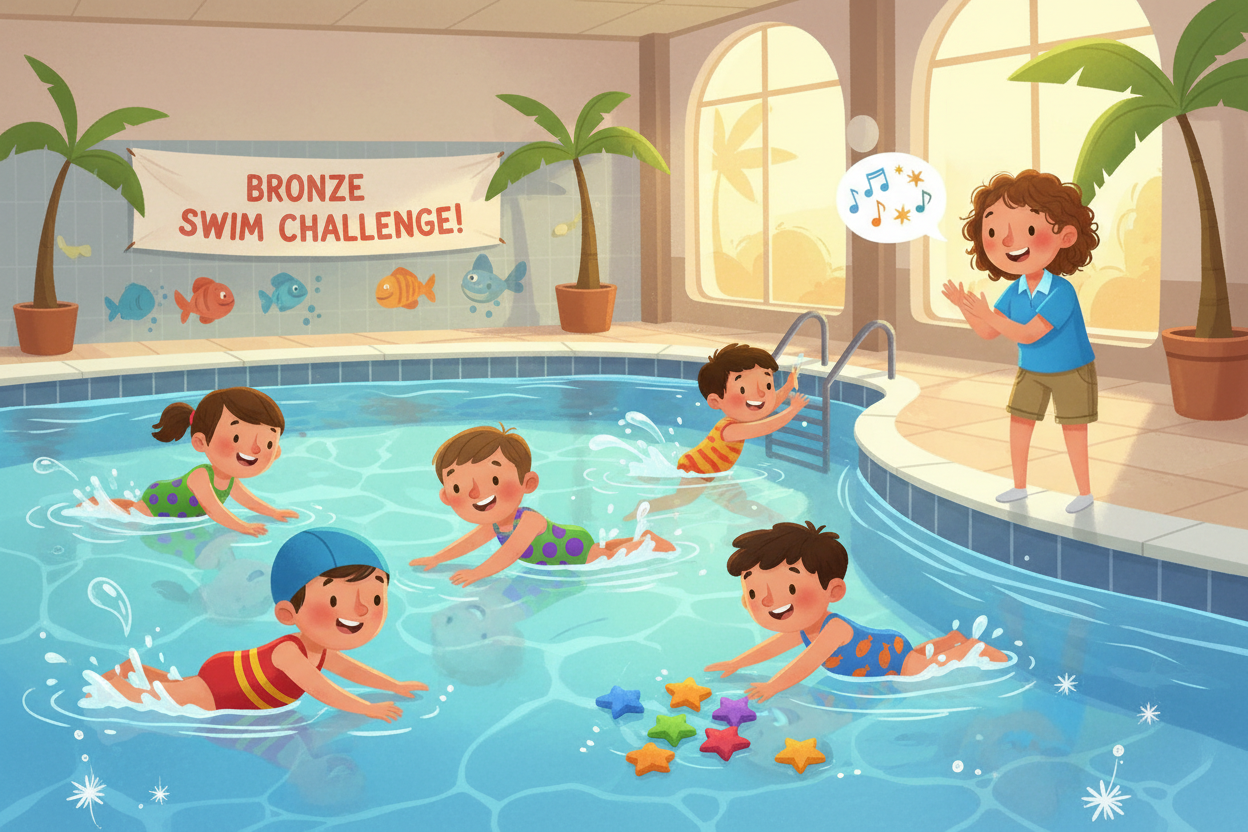
A central goal of the course is to instill a sense of security in children in the water. This is achieved by developing skills that enable them to move safely in various situations. The instructors place great importance on teaching children how to recognize and avoid risks. At the same time, care is taken to make learning fun, as this increases children's motivation and encourages their active participation in the course.
Playful elements are integrated into the lessons to support the learning process and foster a love for the water. This combination of safety and fun is crucial for strengthening children's confidence in the water and igniting their enthusiasm for swimming as a leisure activity. The focus is on ensuring that children have positive experiences that will stay with them throughout their lives.
Long-Term Benefits of Swimming
Learning to swim offers not only short-term benefits but also promotes long-term health and well-being.
Swimming is one of the few sports that works the entire body while being gentle on the joints. It improves endurance, muscle strength, and flexibility, leading to better physical fitness. In addition, swimming also has positive effects on mental health. It can reduce stress, improve mood, and boost self-confidence, especially when children learn new skills and overcome challenges.
The skills taught in the course are not only important for safety in the water but also contribute to developing a lifelong love for swimming. This love can form the basis for an active and healthy lifestyle. By learning to move safely and freely in the water, children lay the foundation for a variety of water sports they can try throughout their lives.
Frequently Asked Questions
How long does it take to get the Bronze Swimming Badge?
The duration can vary depending on the child's individual learning progress and the number of weekly sessions. Typically, the course includes 8 to 12 lessons.
What are the prerequisites for participating in the Bronze swimming course?
Participants should already have the Seahorse Badge or be able to demonstrate comparable swimming skills to ensure the necessary basic knowledge in the water.
What safety measures are taken in the course?
Experienced instructors lead the course and place great importance on the children's safety. They teach important safety rules and continuously supervise the children throughout the learning process.
What swimming techniques are taught in the course?
The course focuses on basic swimming techniques such as breaststroke and backstroke, as well as improving breathing and diving techniques.
Why is learning to swim important for children?
Learning to swim not only promotes physical fitness and safety but also self-confidence and enjoyment of the water, leading to a lifelong positive attitude towards sports.
Requirements: German Bronze Swimming Badge
The German Bronze Swimming Badge is an important milestone for swimmers of all ages. It is not only a prerequisite for the Silver Badge but also proof of basic swimming skills. Sports awards such as the swimming badge or the German Cycling Badge promote motivation for exercise in people of all ages in Germany. Participants must swim at least 200 meters in 15 minutes, requiring various swimming styles, such as front crawl or backstroke. A particular challenge is the head-first jump from the edge of the pool, which requires skill and courage.
Requirements: Object, e.g., Small Diving Ring
Another important component of the Bronze Swimming Badge is diving. Participants must dive approx. 2 m deep to retrieve an object, such as a small diving ring, from the bottom of the pool. This exercise not only promotes the ability to deep-dive from the water surface but also safety and confidence in the water. During swimming in the lane, attention is also paid to the correct body position while swimming to ensure efficient propulsion.
Especially in the area of backstroke in a recognizable position, it is evident that the Youth Swimming Badge requires not only physical fitness but also technical precision. These skills are essential for a safe and enjoyable stay in the water and form the basis for further swimming badges.
Requirements: Head-First Jump from the Edge of the Pool
Obtaining the Bronze Swimming Badge in Berlin is a significant step for many young swimmers. One of the essential requirements is the head-first jump from the edge of the pool. This headfirst dive can be performed either from the poolside or a starting block and is an important part of the practical examination. The swimming style shown during the examination should be safe and fluid.
Another important aspect is the ability to break through the water surface while retrieving an object. This requires not only skill but also the correct technique. Changing body position in the water is also part of the examination and shows that the swimmer is able to move safely in the water. The required time is at least 15 minutes, during which the swimmer must demonstrate that they can swim 200m in front crawl without holding on or leaving the lane without holding on.
The theoretical examination includes questions on various safety and swimming topics and is as important as practical skills. In Berlin, there are numerous courses that prepare for the Bronze Swimming Badge. The Seesternchen swimming school, as well as private providers such as Wellenflitzer or the Sport Club Siemensstadt (SCS), offer comprehensive training. Registration for these courses usually takes place online, for example, via the websites of Berliner Bäder-Betriebe and DLRG.
The Requirements of the Bronze Swimming Badge in Berlin
The Bronze Swimming Badge is the first step in swimming training and is organized by the German Life Saving Society (DLRG) in Berlin. The examination includes knowledge of various swimming techniques and skills, including retrieving an object, e.g., from the bottom of the pool. Children learn to cover at least 200 m, 150 m of which in a swimming position of their choice. An important part of the examination is also the "Paketsprung" (tuck jump) from the starting block, which promotes the jumping ability and self-confidence of young swimmers. Learn more about the requirements and content of the Gold Swimming Badge.
Training for the Bronze Badge typically takes place in a course with 8 to 12 lessons, each lasting 45 minutes. During this time, children playfully improve their breaststroke and backstroke techniques, as well as their breathing and diving techniques. The "Paketsprung" (tuck jump) is also practiced to ensure the necessary safety for jumps from the starting block. Additionally, jumping from the 1-meter board is among the tasks that students must master.
To successfully complete the examination, it is important to demonstrate knowledge of swimming rules and safety precautions. A total of 200 m must be covered, 150 m of which in a chosen swimming position. These requirements ensure that children can not only swim but also understand the basics of water rescue.
The Path to the Bronze Swimming Badge in Berlin
The Bronze Swimming Badge is the first step in the series of German swimming badges, which also include Silver and Gold. In Berlin, training for the Bronze Badge is organized by the German Life Saving Society (DLRG) through local districts. Many young swimmers begin their journey with the goal of achieving the Freischwimmer (intermediate swimmer) by successfully completing the Bronze Badge.
An important component of the Bronze Swimming Badge is the training, which includes various skills. This includes pushing off the edge of the pool and swimming in a recognizable swimming style. Participants must swim 150 meters in a recognizable swimming style in 15 minutes and another 50 meters in a different body position. In addition, swimmers are expected to demonstrate knowledge of bathing rules. The bathing rules are essential to ensure safety in the water.
Another criterion for the Bronze Badge is performing various jumps from a height of 1 meter. These jumps are practiced during training to prepare swimmers for the challenge. At the end of the course, a water party takes place, offering participants the opportunity to celebrate their newly acquired skills and prepare for the next goal, the Silver Badge.
The Significance of the Bronze Swimming Badge in Berlin
The Bronze Swimming Badge is an important milestone for young swimmers in Berlin. The German Life Saving Society (DLRG) organizes the training and assessment of this badge through its local districts in the capital. This badge is not only proof of basic swimming skills but also a first step towards safe swimming and rescue capability.
An essential part of the examination for the Bronze Swimming Badge is the ability to swim for 15 minutes without interruption. It is important that swimmers start from the edge of the pool and safely return after this time. This requirement ensures that participants have sufficient endurance and technique to cover longer distances in the water.
Furthermore, during the assessment of the badge, the change of body position is also tested. Swimmers must demonstrate that they can switch between different swimming styles to show their adaptability in the water. This ability is crucial for swimming safely and efficiently in different situations.
The Bronze Swimming Badge in Berlin: An Entry into the World of Swimming
In Berlin, the Bronze Swimming Badge enjoys great popularity as it is considered the first step into the world of swimming. The challenge that the test brings is particularly exciting. During the examination, participants must, among other things, demonstrate that they can move safely in the water. An important criterion here is to swim for 15 minutes without interruption. It is important to train endurance and to hold onto the edge of the pool to successfully complete the required time.
Another element assessed in the Bronze examination is the ability to change body position. This ability shows that the swimmer has control over their body in the water and can move safely in various situations. Changing body position is not only a technical skill but also an important safety aspect that can be life-saving in the water. Equipped with these skills, swimmers are well prepared to move safely in Berlin's swimming pools and further refine their techniques.
The Importance of the Bronze Swimming Badge
The Bronze Swimming Badge is an important milestone for swimmers in Berlin and a sign of basic swimming skills. It is not only proof that one can swim but also that one is capable of moving safely in the water. Many swimming schools and coaches in Berlin place great emphasis on their students receiving this award, as it forms the basis for further swimming badges.
Requirements for the Badge
To obtain the Bronze Swimming Badge, swimmers must meet certain requirements. This includes being able to swim for 15 minutes without a break. This challenge is an important part of the examination, as it demonstrates endurance and safety in the water. During this time, it is crucial that swimmers do not touch the edge of the pool to ensure the integrity of the examination. This rule helps prepare swimmers for situations where they cannot rely on external aids.
Training and Preparation
Preparation for the Bronze Swimming Badge requires regular training and commitment. In Berlin, there are numerous swimming clubs and schools that offer special courses to prepare swimmers for the examination. Through targeted exercises and continuous training, not only is swimming technique improved, but also the necessary endurance is built up to withstand the required 15 minutes in the water.
Exam Requirements (Wording from Checklists)
The following terms correspond to the exact wording of various examination regulations:
Exam requirement: examination includes knowledge.
Exam requirement: various jumps from 1.
Exam requirement: water surface with retrieval.
Exam requirement: theoretical examination includes.
For the discipline of covering 200 m, the participants' endurance and technique are tested.
For the discipline of covering 150 m, the participants' endurance and technique are tested.
For the discipline of the tuck jump from the starting block, the participants' endurance and technique are tested.
Exam requirement: to cover 150 m.
Exam requirement: retrieve an object, e.g.
Time limit according to examination regulations: edge of the pool and 15 minutes.
For the discipline of covering at least 200 m, the participants' endurance and technique are tested.
For the discipline of the 1 m board, the participants' endurance and technique are tested.
Exam requirement: swimming lane without holding on.