
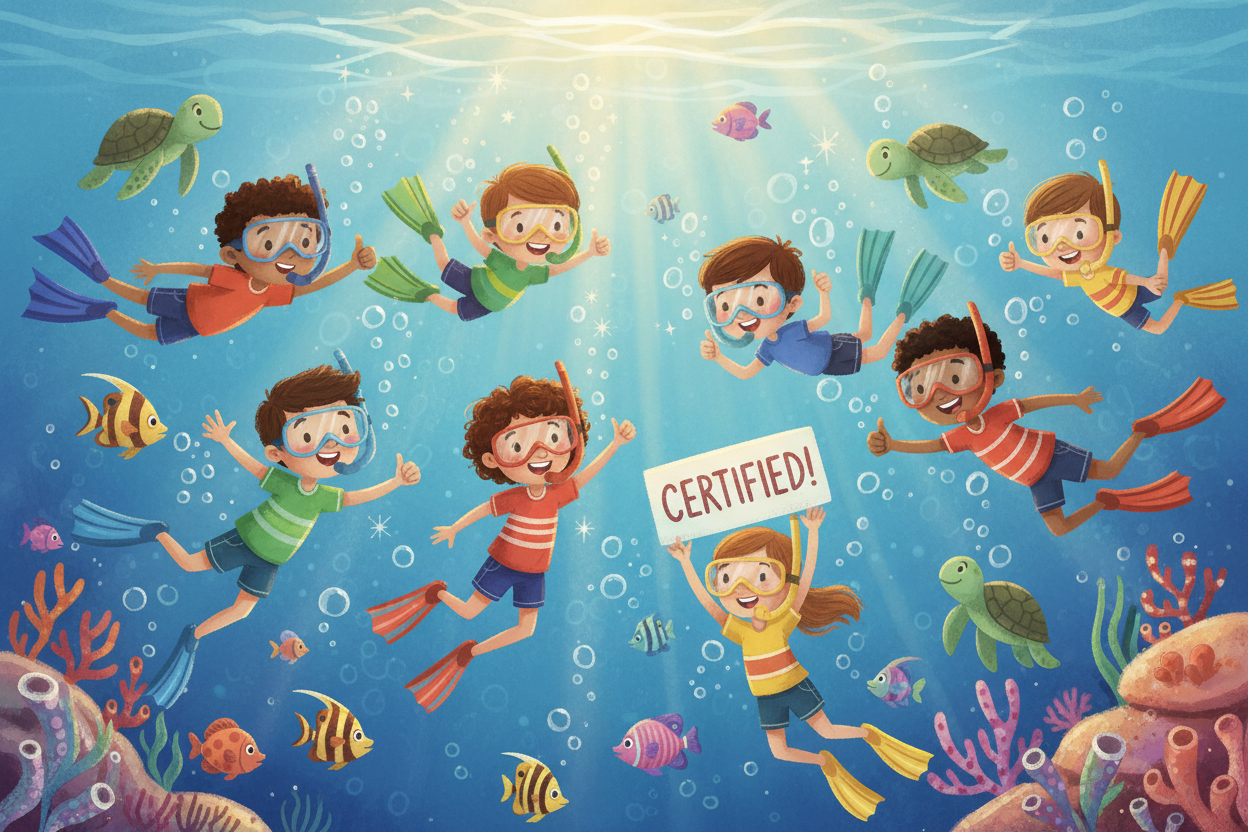
Snorkeling Badge: A Comprehensive Guide
Preparation and Fundamentals
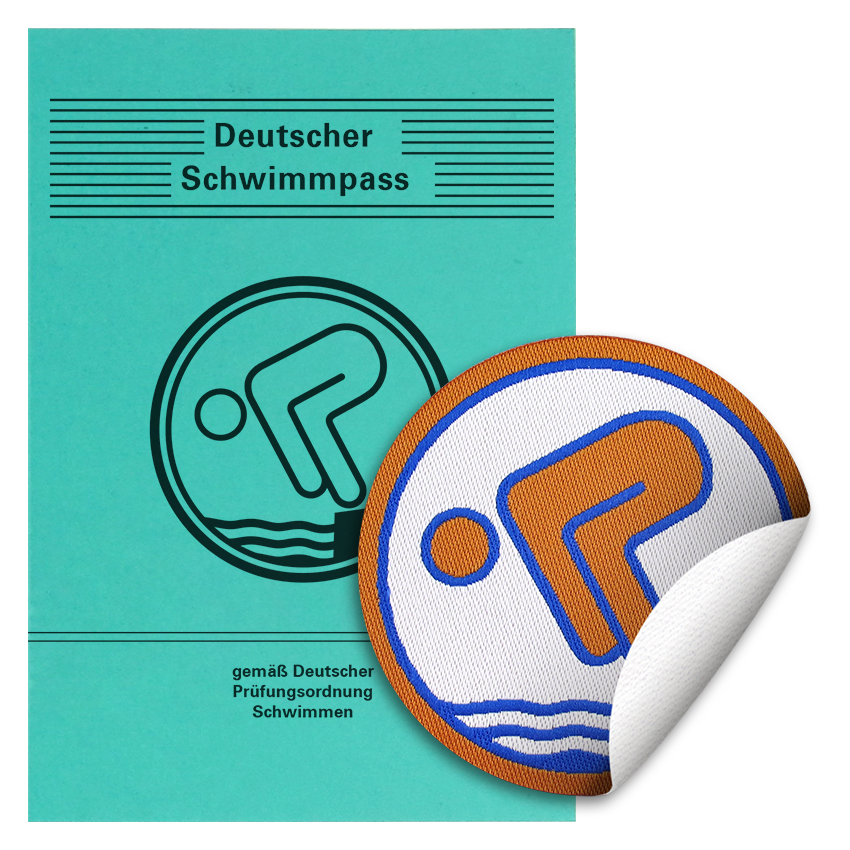
Earning the snorkeling badge is an exciting step for anyone looking to expand their water skills. However, before starting to snorkel, basic swimming skills are required. This includes the German Swimming Badge (DSA) in Silver, which ensures that the applicant has the necessary safety in the water. Likewise, a minimum age of 8 years is required to ensure that the child possesses the physical and cognitive abilities necessary for snorkeling.
The right equipment is crucial for a safe and enjoyable snorkeling experience. A good mask is essential for clear vision underwater, while a high-quality snorkel facilitates breathing on the surface. Fins are also important as they improve the efficiency of swimming movements, thus reducing fatigue. Diving goggles protect the eyes from irritation from salt water or chlorine, which is particularly beneficial during longer snorkeling trips.
Another element of preparation is understanding the physical conditions in the water. Water pressure and water temperature have a significant impact on safety and performance while snorkeling. Breathing technique also plays a crucial role. Pendulum breathing, where one breathes gently and evenly through the snorkel, helps to increase endurance and prevent panic attacks by promoting a calm and controlled airflow.
Diving Theory
Theoretical knowledge is just as important for snorkeling as practical skills. Diving and retrieving dive rings are essential techniques that every snorkeler should master. These skills allow one to safely recover objects from the depths while maintaining control of one's body in the water. A good understanding of these techniques promotes confidence and safety in the water.
Water pressure increases with depth and exerts a significant influence on the body. This is particularly important when diving, as the pressure on the ears and other body parts increases. It is crucial to understand the effects of water pressure and to take measures to avoid pressure injuries, such as by equalizing the pressure in the ears. Safety measures when snorkeling ensure that one can move safely and confidently in the water.
To move efficiently in the water, various swimming techniques are important. The prone, supine, and face-down positions are basic positions that are useful not only for snorkeling but also for rescue operations and in unforeseen situations. The correct breathing technique is also crucial. Hyperventilation should be avoided as it can impair the body's oxygen supply and lead to dizziness or panic.
Practical Exercises
Practical exercises are an essential part of earning the snorkeling badge. One of the most important exercises is fin swimming over a distance of 200 meters without a time limit. This exercise strengthens endurance and control over one's breathing. It helps snorkelers get used to rhythmic breathing and the efficient use of fins, which is crucial for longer snorkeling trips.
Diving and retrieving dive rings are other practical elements that need to be practiced. These exercises sharpen awareness of the underwater environment and improve the ability to move quickly and safely. The ability to retrieve dive rings from the depths is not just a matter of technique, but also of physical fitness and mental preparation.
Another essential aspect of practice is recognizing dangers and developing prevention strategies. Snorkelers must learn to identify and avoid potential hazards such as strong currents, sharp corals, or dangerous marine life. Understanding the environment and one's own abilities helps to prevent accidents and make snorkeling a safe and enjoyable experience.
Safety Measures and Dangers of Snorkeling
Safety is paramount when snorkeling. Knowledge of safety measures is essential to minimize the risk of accidents or injuries. This includes awareness of the surroundings, identification of hazards, and the ability to act quickly and correctly in emergencies.
One of the greatest dangers when snorkeling is currents. These can surprise even experienced swimmers and carry them away. Therefore, it is important to check current conditions before snorkeling and not to venture too far from the coast. The presence of sharp corals or dangerous marine life should also not be underestimated. Respect for nature and knowledge of one's own limits are crucial for safety.
Another important aspect of safety is snorkeling with a buddy. This increases safety, as you can help each other in an emergency. Communication with hand signals and understanding emergency procedures are also important components of safety measures. Thorough preparation and knowledge of potential dangers help to make snorkeling a safe and fulfilling experience.
Benefits of the Snorkeling Badge
The snorkeling badge offers numerous advantages and is a valuable certificate for every water sports enthusiast. It not only demonstrates the skills and knowledge required to snorkel safely but also strengthens self-confidence and competence in the water. Earning the badge encourages exploring new areas and experiencing the underwater world in all its beauty.
The skills learned when earning the snorkeling badge are not only beneficial for snorkeling itself but also for other water sports. The techniques and knowledge acquired help one to move more safely and efficiently in the water. This can also be the basis for learning other water sports such as diving or sailing.
Furthermore, snorkeling promotes physical fitness, as it requires both endurance and muscle strength. It offers an excellent opportunity to enjoy nature while promoting health. The snorkeling badge is thus not only a step towards greater safety in the water but also towards an active and healthy lifestyle.
FAQ about the Snorkeling Badge
What are the prerequisites for the snorkeling badge?
To earn the snorkeling badge, candidates must possess the German Swimming Badge in Silver and be at least 8 years old. These prerequisites ensure that participants have basic swimming skills and the necessary maturity.
What equipment is needed for snorkeling?
The essential equipment for snorkeling includes a mask, a snorkel, fins, and diving goggles. These items provide clear vision, facilitate breathing on the surface, improve swimming performance, and protect the eyes.
Why is understanding water pressure important when snorkeling?
Water pressure increases with depth and can affect the body, especially the ears. Understanding water pressure helps to avoid pressure injuries and ensures safety when diving to observe seahorses.
How does the snorkeling badge contribute to water safety?
The snorkeling badge strengthens confidence and skills in the water, leading to increased safety. Participants learn to identify hazards, react appropriately, and move efficiently in the water.
What benefits does the snorkeling badge offer beyond snorkeling?
The snorkeling badge teaches skills that are also useful for other water sports and promote physical fitness. It also encourages exploration of the underwater world and contributes to an active and healthy lifestyle.
Requirements: Pendulum Breathing Water Pressure
When achieving the German snorkeling badge, mastering pendulum breathing under water pressure plays a crucial role. This technique allows snorkelers to efficiently cope with pressure differences during diving and thus stay underwater longer. This is particularly important for successfully passing the exam, which includes, among other things, covering a distance of 20 meters underwater without a snorkel with the "OK" sign.
Requirements: German Snorkeling Badge
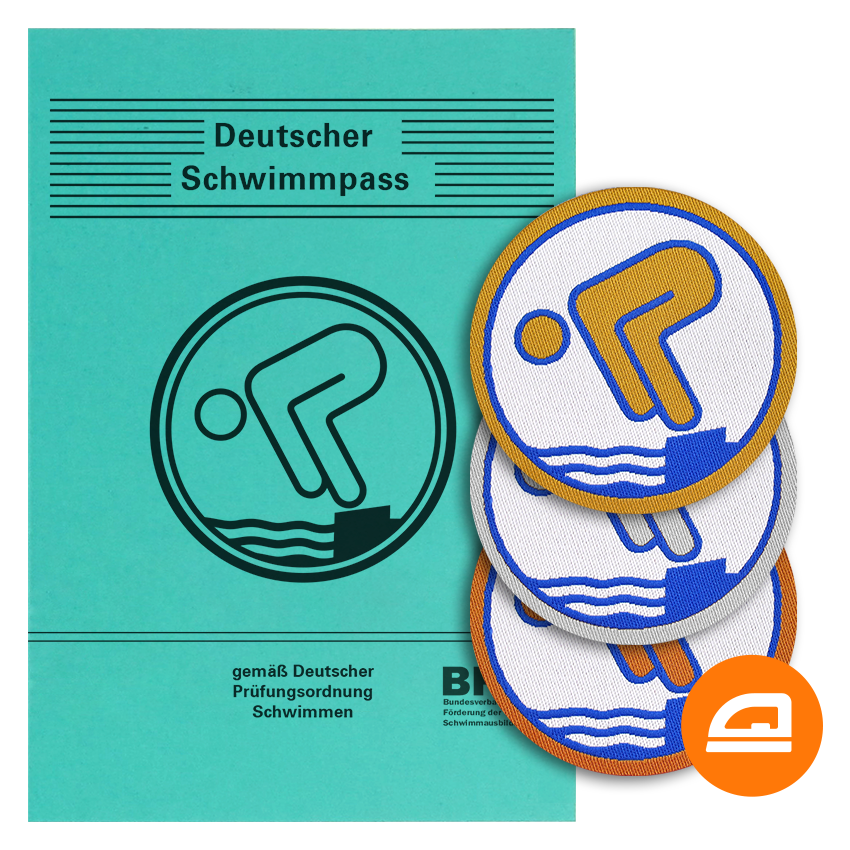
The German snorkeling badge is more than just proof of swimming abilities; it requires comprehensive knowledge of fin swimming and the properties and care of snorkel fins. The examination includes snorkeling for 100 meters with basic equipment and diving and retrieving a small dive ring four times. The Water Rescue Service and other authorized institutions offer the badge, which is sold exclusively to authorized examiners or organizations. Interested parties can purchase sets of ten snorkeling badges at a price starting from €22.95.
The requirements for the DSA Silver are demanding, as they require a high level of skill and endurance in the water. The Bronze badge also presents a challenge, where technique and knowledge of handling the equipment are crucial. For all those who wish to deepen their snorkeling skills, the German snorkeling badge is an excellent opportunity to demonstrate their abilities.
Important Information
Training for the snorkeling badge is often offered by associations such as the DLRG or the Water Rescue Service DRK. There are different levels (Bronze, Silver, Gold) with increasing requirements.
Rescue exercises include towing a partner 50 meters without fins. A medical examination is recommended.
Equipment handling includes putting on, clearing, and reapplying the mask.
Further Details on Training
When it comes to swimming, fin swimming, swimming, retrieving one small, diving and retrieving one, retrieving one small dive ring are important aspects.
Additionally, diving and retrieving four times, fin swimming without time limit including, snorkeling technique, training, fin swimming without time limit play a role.
Requirements: DSA Silver
The DSA Silver area is an important part of the training and is tested in the exam.
Requirements: Bronze Swimming Badge
The bronze swimming badge area is an important part of the training and is tested in the exam .
Important Techniques and Equipment for the Snorkeling Badge
When earning the snorkeling badge, mastering the correct breathing plays a crucial role. Breathing, hyperventilation, and pendulum breathing are essential techniques to master. Correct breathing not only ensures more endurance but also safety when snorkeling. The basic snorkeling technique equipment should therefore be carefully selected to optimize the snorkeling experience. This naturally includes a good dive mask that fits snugly and allows clear vision.
Another component of the examination performance for the badge is the headfirst dive. This allows for a dynamic entry into the water and is particularly important for quickly getting into the snorkeling position. It is crucial to keep the stomach flat to optimally cut through the water surface. The 200m fin swim is also part of the requirements and demands a combination of technique and endurance. For endurance swimming, there are also special swimming badges for longer distances.
Removing and reapplying snorkeling equipment underwater presents another challenge. This ability is particularly important for reacting flexibly in unexpected situations. A photo of this exciting moment can be a great memory and shows how to successfully implement the basic techniques of snorkeling.
The Significance of the Snorkeling Badge
The swimming badge swimming badge is an important milestone for many swimmers who wish to expand their skills in the water. It not only offers an exciting challenge for children and adults but also promotes understanding of important swimming rules. During the course, participants learn to move efficiently in the water and master diving four times. This ability is particularly important when it comes to acting quickly and safely in emergency situations.
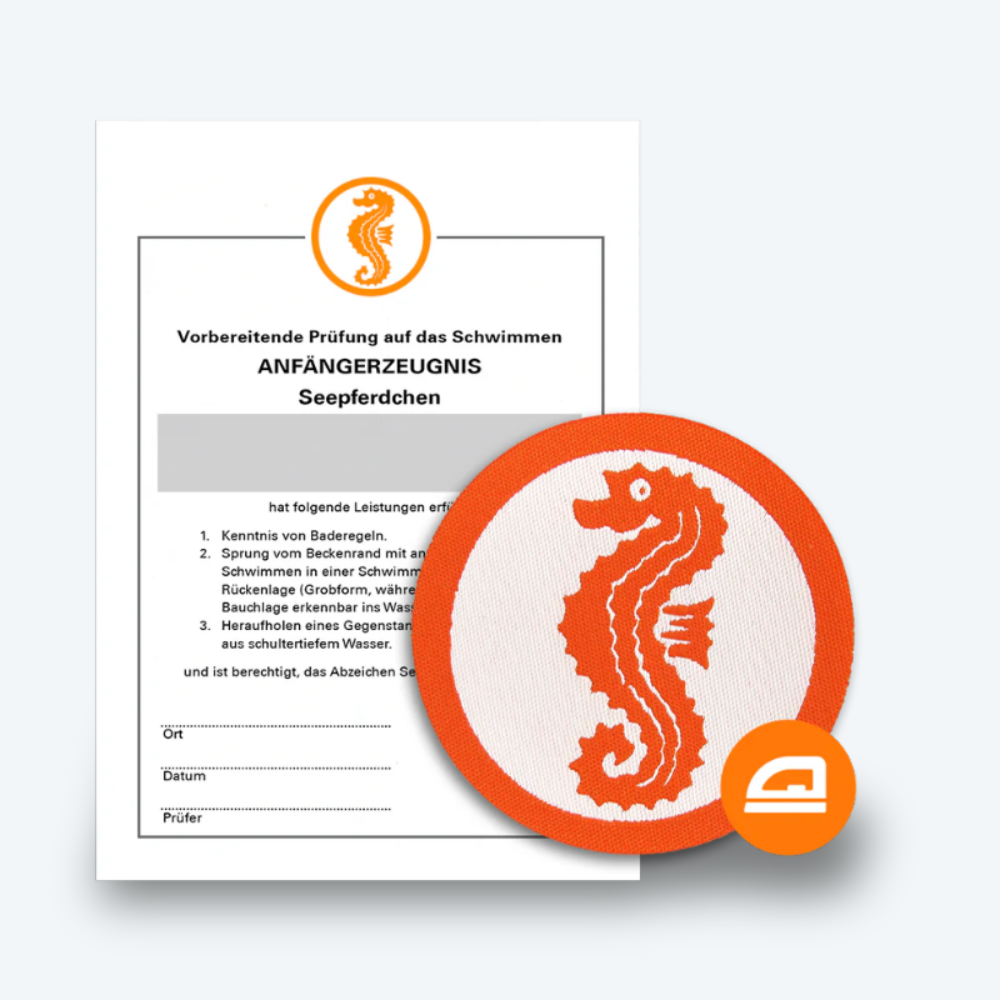
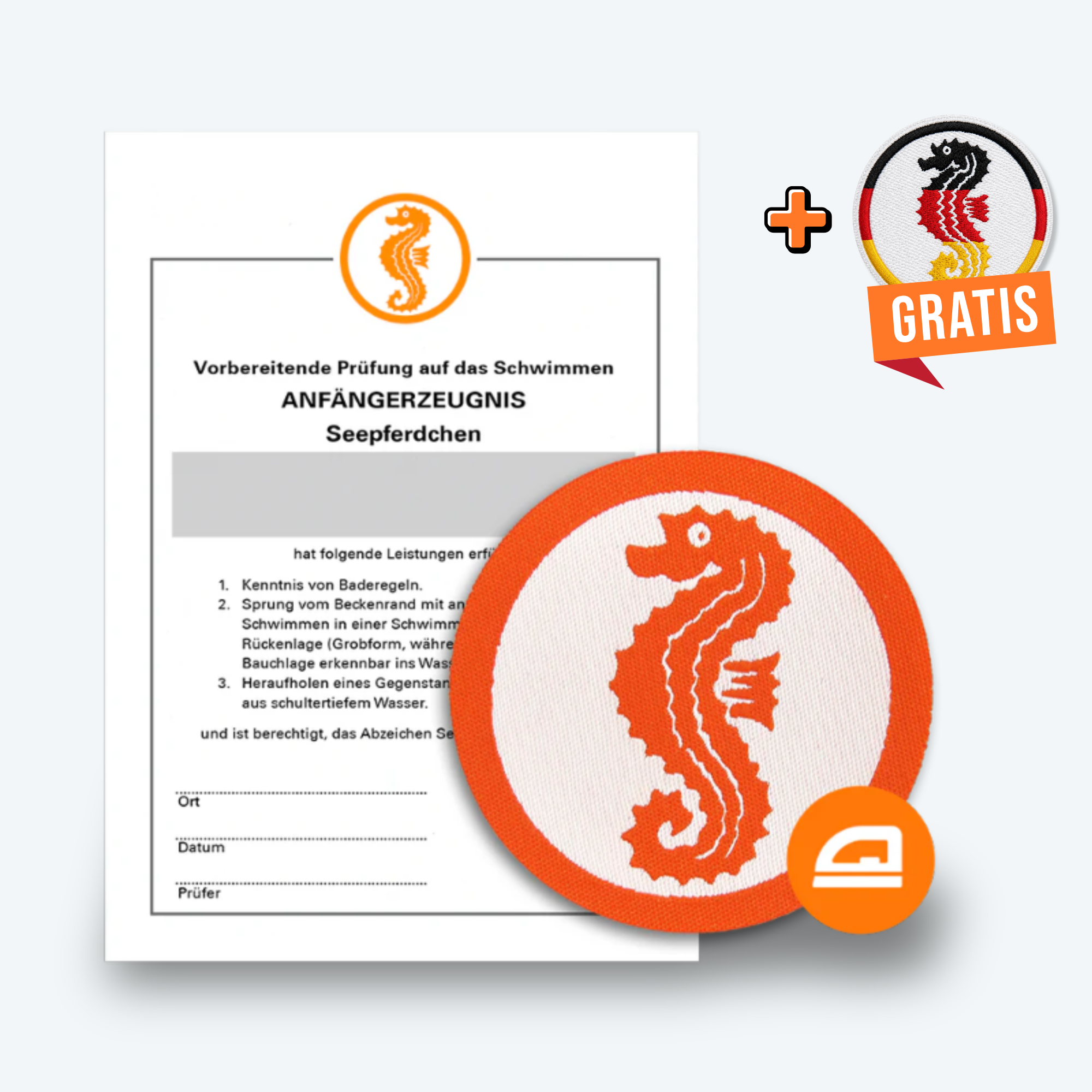
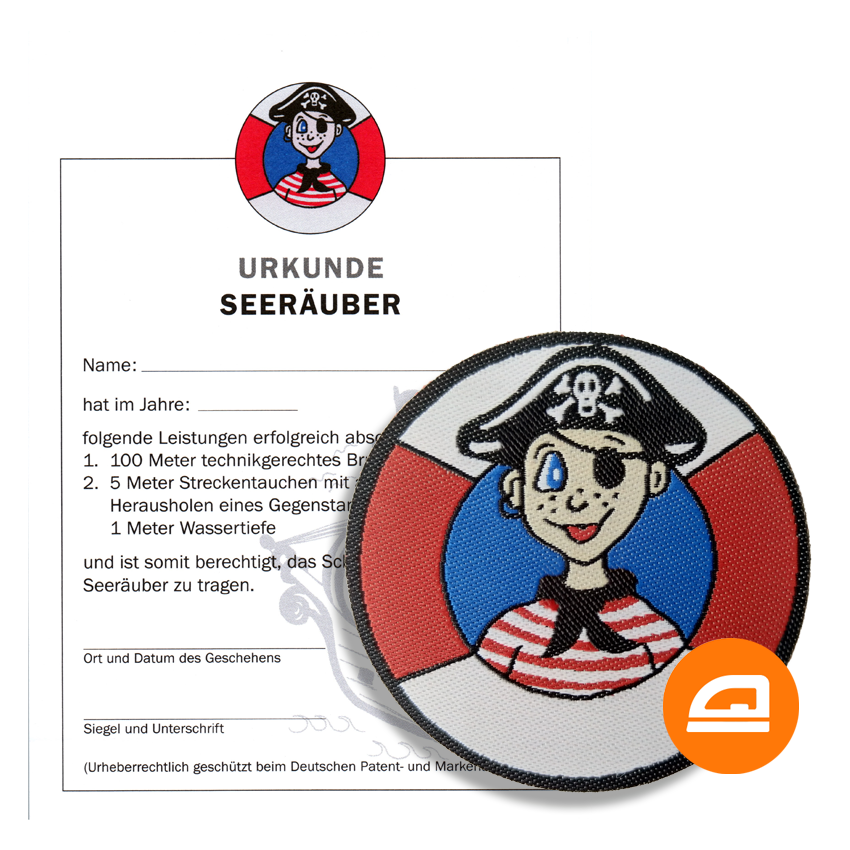
Another aspect covered within the snorkeling badge is lifeguarding. Participants learn how to rescue others in an emergency, which is a valuable skill for both children and adults. Mastering the basics of lifeguarding can be the reason for increased safety in the water, whether in the swimming pool or in the open sea. Many start with the Seahorse, then do the Pirate badge, and slowly work their way up to more demanding badges like the snorkeling badge.
A snorkeling badge is not just another piece of paper to proudly display, but also a sign that one is willing to take responsibility in the water. The acquired skills are invaluable and contribute to preventing accidents and being able to intervene effectively if necessary.
Tips for Snorkeling with Teenagers
Snorkeling is a wonderful way to explore the underwater world and playfully improve movement in the water. Especially for teenagers, snorkeling offers an exciting change that promotes both the spirit of discovery and physical fitness. Teenagers are often curious and adventurous, which makes them ideal candidates for snorkeling. It is important to teach them the basics so that they are safe and confident in the water.
Movement while snorkeling differs slightly from normal swimming, as the focus is more on calm and even movements. This not only helps not to scare away fish and other marine creatures but also saves energy, making longer snorkeling trips possible. Teenagers learning to snorkel should be encouraged to improve their breathing technique and familiarize themselves with the equipment to get the most out of their underwater adventure.