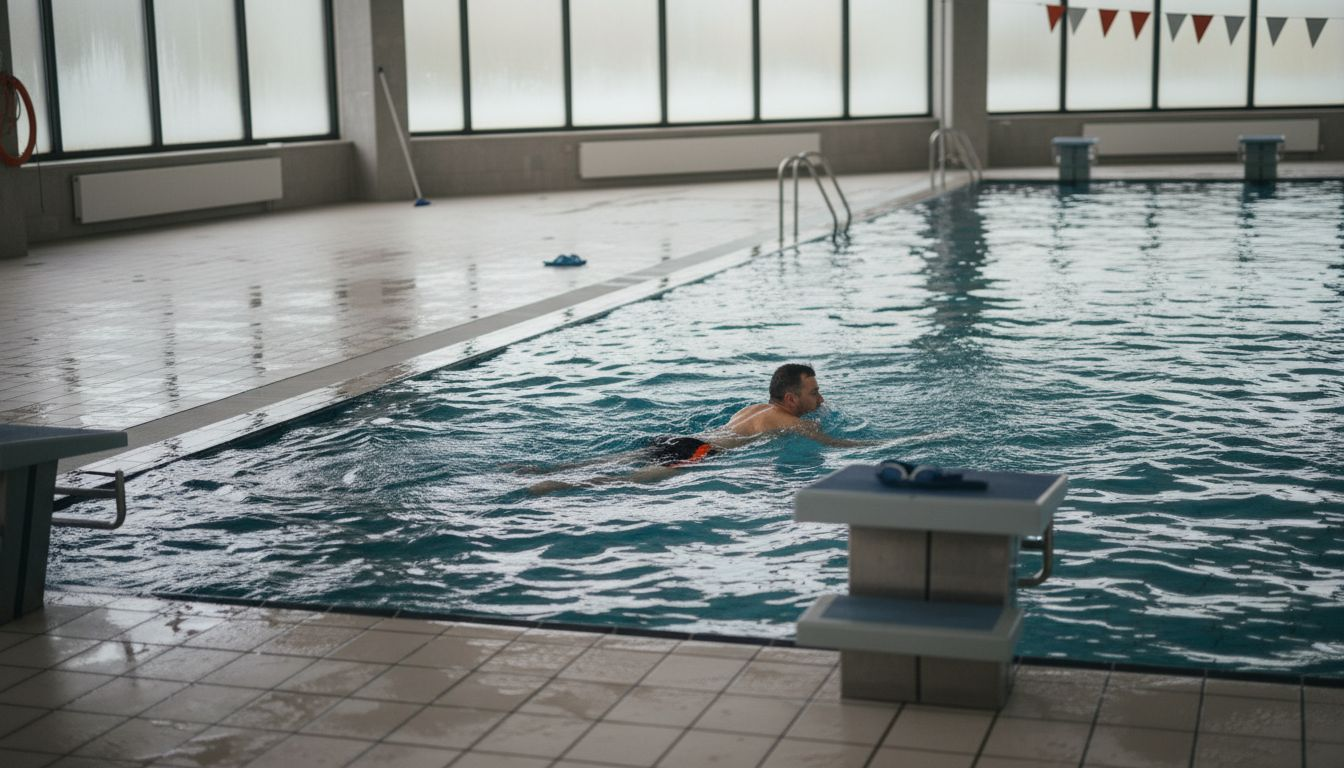






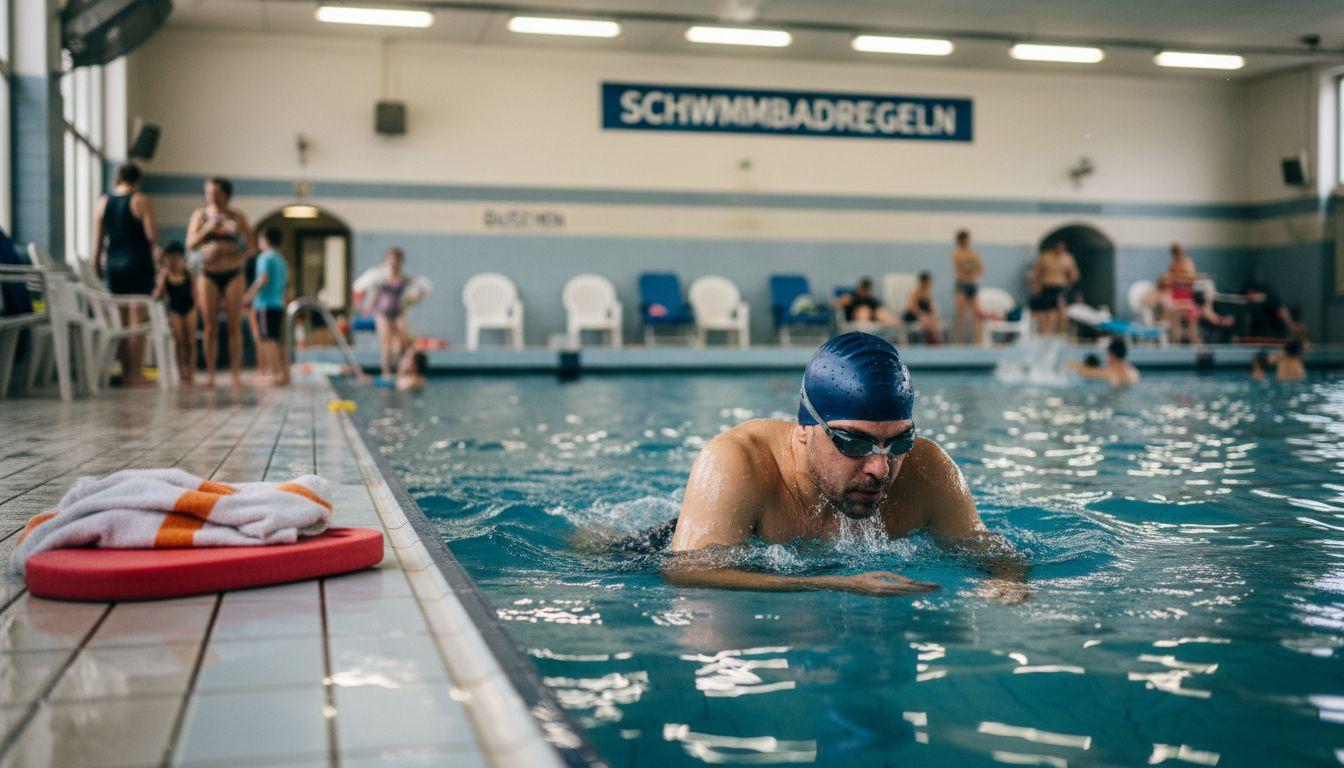
More than 60 percent of adults in Germany complain of back pain at least once a year. Precisely for this reason, many are looking for a sport that strengthens the back and simultaneously protects the joints. Breaststroke is considered a particularly gentle method to specifically strengthen the back muscles and release tension. Those who train with the correct technique can significantly improve both their posture and overall well-being.
Table of Contents
- What Breaststroke Means for Your Back
- Correct Technique for Your Back
- Avoid Typical Mistakes and Strains
- When Breaststroke Makes Sense
- Alternatives for Back Problems in Swimming
Key Insights
| Point | Details |
|---|---|
| Breaststroke strengthens back muscles | This swimming technique specifically activates muscle groups along the spine and promotes healthy posture. |
| Correct technique is crucial | Precise body posture minimizes the risk of injury and maximizes therapeutic effects. |
| Avoid mistakes for best training results | Common technical errors such as asymmetrical arm movements can cause back strain and injuries. |
| Alternatives for back problems | Backstroke and front crawl often place less strain on the spine and are recommended. |
What Breaststroke Means for Your Back
Breaststroke is an excellent swimming technique that not only trains the entire body but also specifically strengthens the back muscles in a very effective way. The specific movement of breaststroke specifically activates muscle groups along the spine, thereby supporting healthy posture.
In this swimming technique, the erector spinae, shoulder blade muscles, and deep back muscles are particularly intensely used. Through the rhythmic movement of swimming, these muscles are strengthened evenly, which leads to improved body stability and back health in the long term. Swimming in physical education offers children an excellent opportunity to develop their body coordination and muscle strength.
The movement sequence of breaststroke also provides a natural stretching of the spine and helps to release tension. The water resistance simultaneously relieves the joints, so that even people with back problems can practice this swimming technique without much strain. The coordination of arm and leg movements not only strengthens the back muscles but also improves posture and overall balance.
Pro tip for back health: When swimming breaststroke, maintain an extended body posture and avoid a hollow back. A conscious, upright swimming technique maximizes the positive effects for your back and effectively prevents back pain.
Correct Technique for Your Back
When swimming breaststroke, correct posture and technique are crucial to optimally strengthen and protect the back. Precise execution of movements minimizes the risk of injury and maximizes the therapeutic effects for the back muscles. The foundation is an extended, upright body posture, in which the spine remains in a natural, slightly undulating position.
The sequence of movements begins with controlled arm technique, actively involving the shoulder blades in the movement. Learning to swim, especially in adulthood, requires particular attention to technical details to avoid poor posture. Symmetrical arm movements are important to ensure even loading on both sides of the body and prevent spinal misalignment.
A central aspect of breaststroke technique is the coordination of arm and leg movements. The legs should work parallel and extended, with a slight external rotation of the feet optimizing propulsion. Pelvic movement must be in sync with arm technique to avoid tension and create a fluid motion.
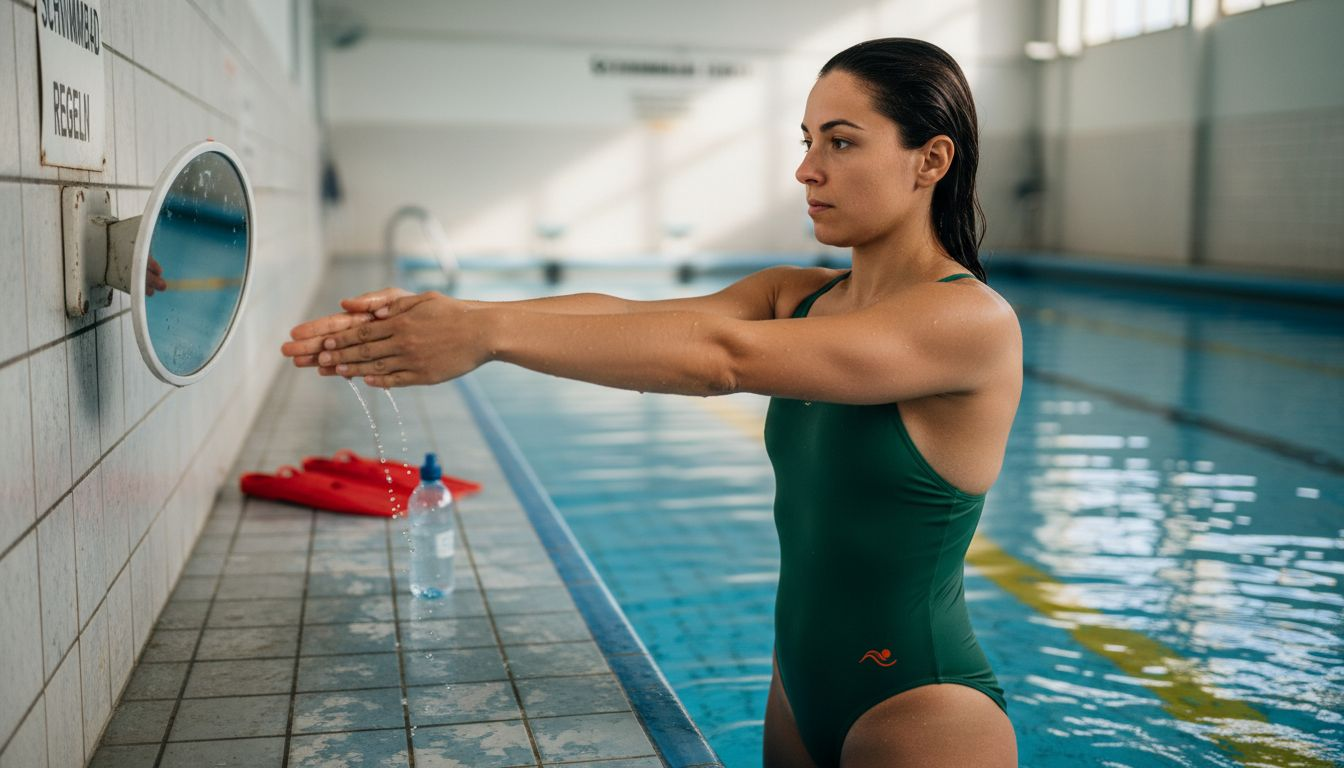
Pro tip for perfect breaststroke technique: Practice the sequence of movements on land first, using a mirror to observe and optimize your posture. Pay particular attention to an extended spine and avoid hollow back or excessively rounded back positions.
Avoid Typical Mistakes and Strains
When swimming breaststroke, various technical errors can lead to unnecessary back strain and potential injuries. A particularly common poor posture is holding the head above water, which creates unnatural body tension. Swimming tips for parents and coaches help to identify and correct such technical errors early.
The most common sources of error in breaststroke include incorrect posture, which leads to unnecessary back strain. These primarily include sagging of the lumbar spine, asymmetrical arm movements, and uneven leg movements. These errors can not only significantly reduce swimming efficiency but also cause long-term back problems.
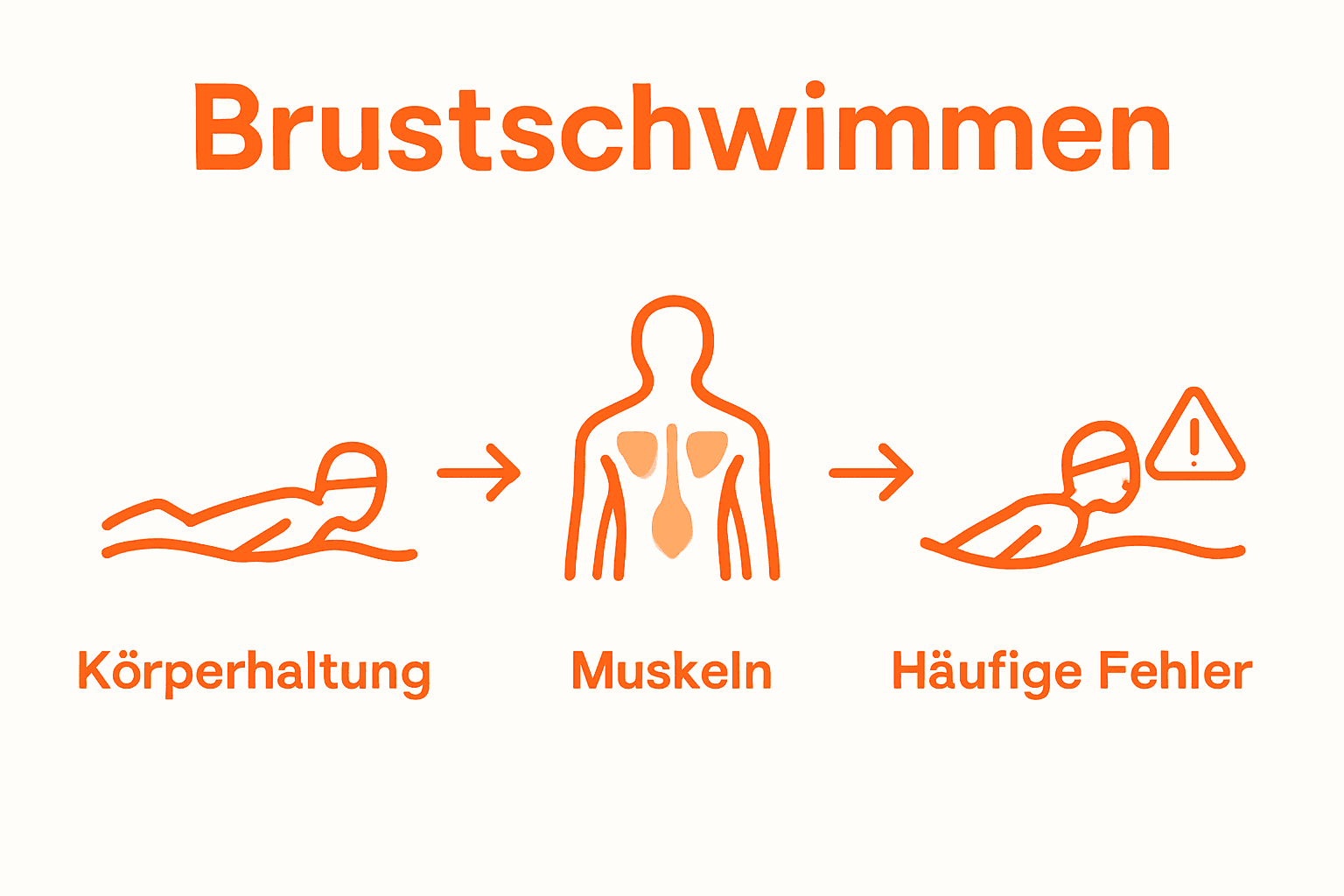
An important strategy for avoiding errors is conscious body tension. The spine should be held in a slightly undulating but stable position throughout the swim. This means avoiding both excessive hollow back and a severely rounded back. The abdominal and back muscles must be activated simultaneously to ensure optimal posture.
Below you will find typical breaststroke errors and their possible effects:
| Faulty Technique | Possible Impact | Preventive Measure |
|---|---|---|
| Head too far above water | Neck tension | Head in line with the spine |
| Asymmetrical arm movements | Unilateral back strain | Practice symmetrical arm movement |
| Sagging of the lumbar spine | Hollow back, back pain | Actively maintain core tension |
| Uneven leg movement | Unfavorable strain on knees | Leg movement technique training |
Pro tip for minimizing errors: Have your technique regularly analyzed by an experienced swimming instructor. An external perspective can reveal postural weaknesses that you may not perceive yourself.
When Breaststroke Makes Sense
Breaststroke is a versatile swimming technique that can offer particular health benefits under certain conditions. For people with minor back problems and a desire for gentle exercise, this swimming style can be an excellent option. Important swimming accessory recommendations can help you increase your training efficiency.
Breaststroke is particularly suitable for individuals without specific health limitations. However, there are some precautions to consider. People with knee problems should approach the classic whip kick carefully, as it can place significant strain on the medial collateral ligament and lead to what is known as 'swimmer's knee'. At the same time, breaststroke offers an excellent opportunity to gently train the back muscles.
However, there are special situations where alternative swimming techniques are recommended. For problems with the cervical spine, affected individuals should opt for backstroke or front crawl to avoid overexertion. The body posture in breaststroke can lead to additional strain if the technique is incorrect, which is why professional instruction and regular technique training are crucial.
Pro tip for swimming technique: Consult a swimming instructor individually before starting training. A personal technique analysis can help minimize potential health risks and find the optimal swimming technique for your body.
Alternatives for Back Problems in Swimming
For back problems, there are several alternative swimming techniques that place less strain on the spine. Backstroke and front crawl can often be better options for people with chronic back pain. Swimming can be learned at any age, with the correct technique being crucial.
Here is an overview of how different swimming styles affect back health:
| Swimming Style | Back Support | Joint Strain | Suitable for Back Pain |
|---|---|---|---|
| Breaststroke | Strengthens back muscles | Low | Yes, with correct technique |
| Backstroke | Relieves spine | Very low | Especially recommended |
| Front Crawl | Even muscle load | Low | Suitable for discomfort |
| Sidestroke | Gentle mobilization | Very low | Possible, with targeted execution |
The most important alternative swimming styles for back patients include:
- Backstroke: Relieves the spine and allows for an extended body posture
- Front Crawl: Promotes symmetrical movement and minimizes spinal rotation
- Sidestroke: Can gently train the back muscles with targeted execution
For individuals with acute back problems, experts recommend consulting a doctor first. Aqua fitness or therapeutic swimming can offer alternative training options specifically designed for back health. It is important to have an individually adapted form of movement that avoids pain while strengthening the muscles.
Pro tip for back swimmers: Consult a physiotherapist or swimming instructor before starting a new training regimen, who can take your individual physical needs into account.
Strengthen Your Back with Breaststroke and Pimpertz
Breaststroke offers a targeted way to gently but effectively strengthen the back muscles and thus prevent back pain. However, to truly relieve and strengthen the back, the correct technique and suitable accessories are essential. This is where Pimpertz comes in as your experienced partner for swimming badges and accessories – we support you in making training progress visible and staying motivated.
Discover high-quality swimming badges and personalized certificates at Pimpertz that make children and adults proud. Benefit from practical accessory sets that help in learning the correct swimming technique. Especially for learning to swim in old age or targeted back support in swimming lessons, our shop offers suitable solutions. Start your journey to better back health now with Pimpertz – visit us at pimpertz.de and secure high-quality products with lightning-fast shipping and competent advice.
Frequently Asked Questions
How does breaststroke strengthen back muscles?
Breaststroke specifically activates the erector spinae and shoulder blade muscles, which contributes to strengthening the back muscles and improves body stability.
Which technique is important for the back in breaststroke?
An extended, upright body posture is crucial. The coordination of arm and leg movements should be symmetrical to avoid tension and promote a natural extension of the spine.
What typical mistakes can occur during breaststroke?
Common mistakes include holding the head above water, asymmetrical arm movements, and sagging of the lumbar spine, which can lead to back pain.
Is breaststroke suitable for people with back problems?
Yes, breaststroke can be gentle for people with minor back problems, as long as the technique is applied correctly. However, for specific complaints, alternative swimming techniques should be considered.
Recommendation
- Learning to Swim in Older Age: Step-by-Step to Success
- 7 Important Swimming Learning Tips for Parents and Coaches
- How much does a swimming lesson cost? Understanding for Parents and Providers
- 7 Swimming Accessory Recommendations for Parents and Coaches
- Spinal Alignment – Why It Matters for Active Aussies