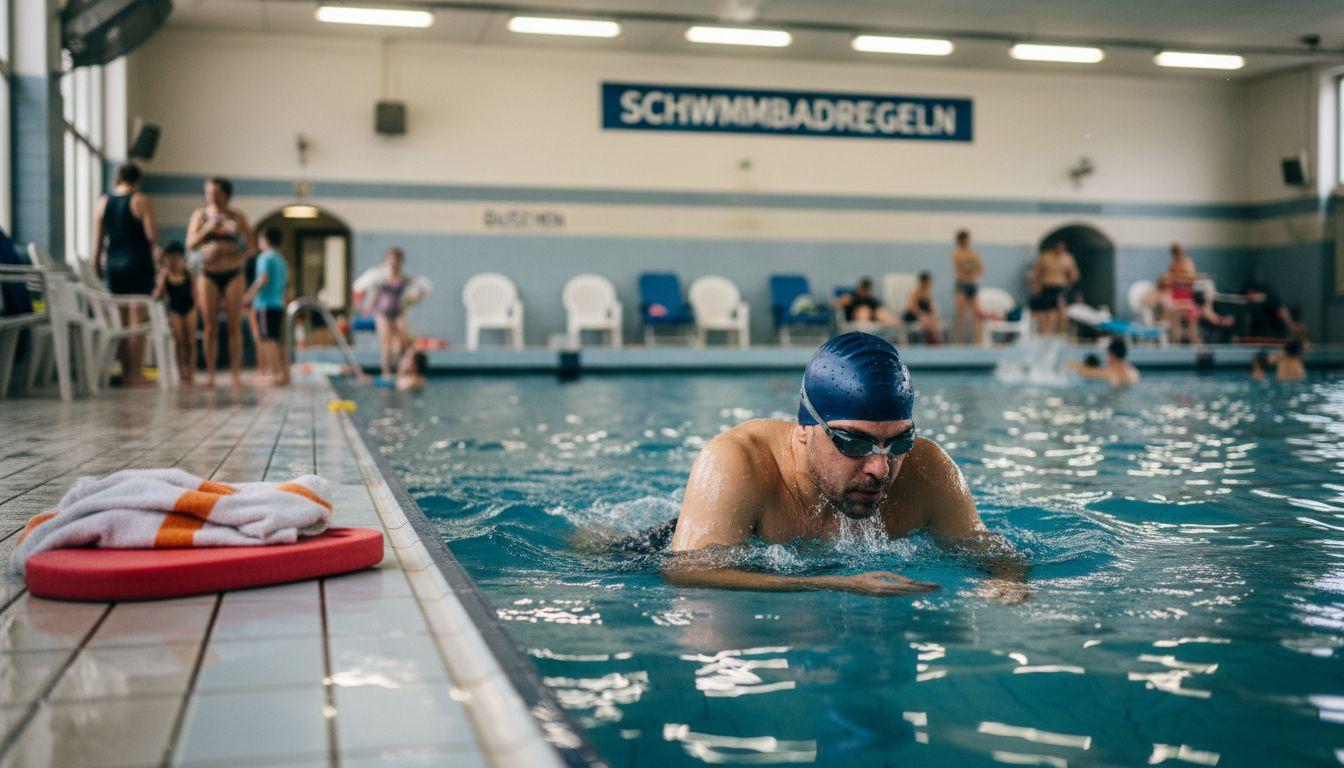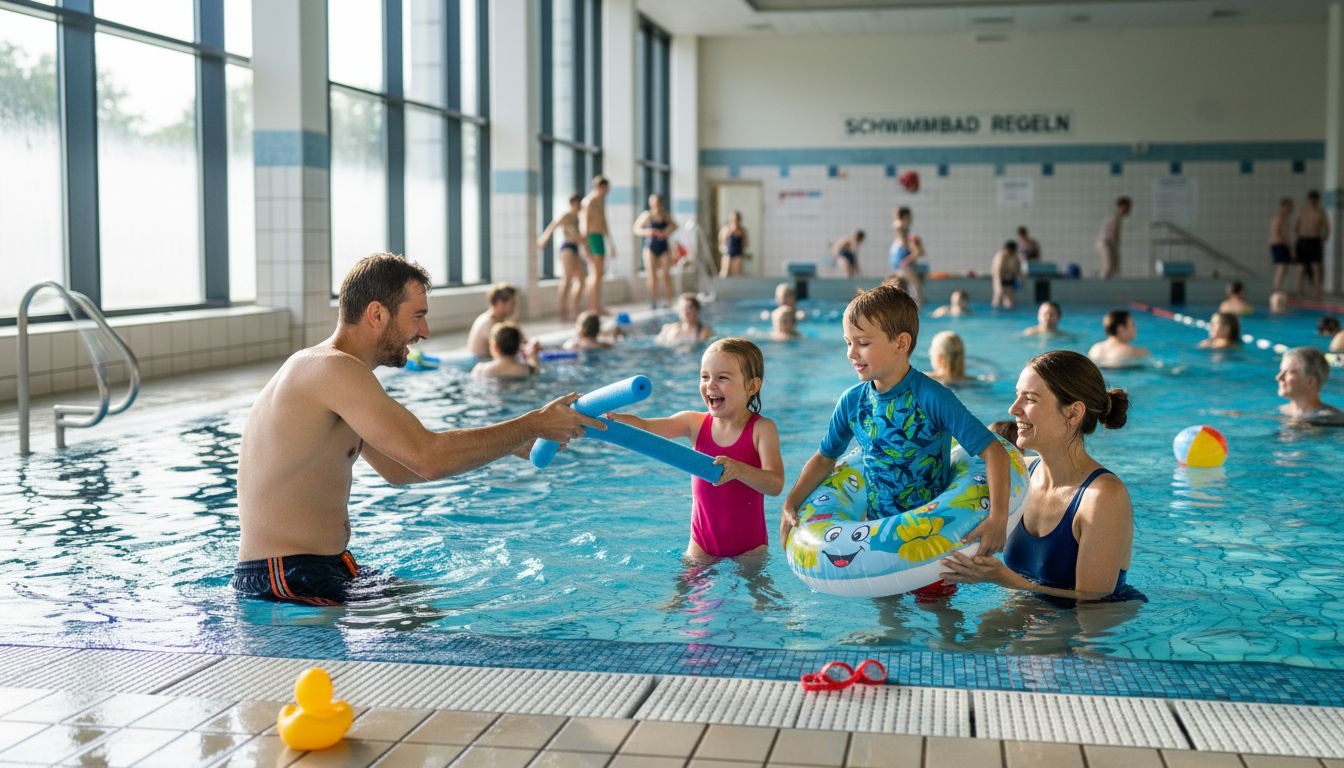







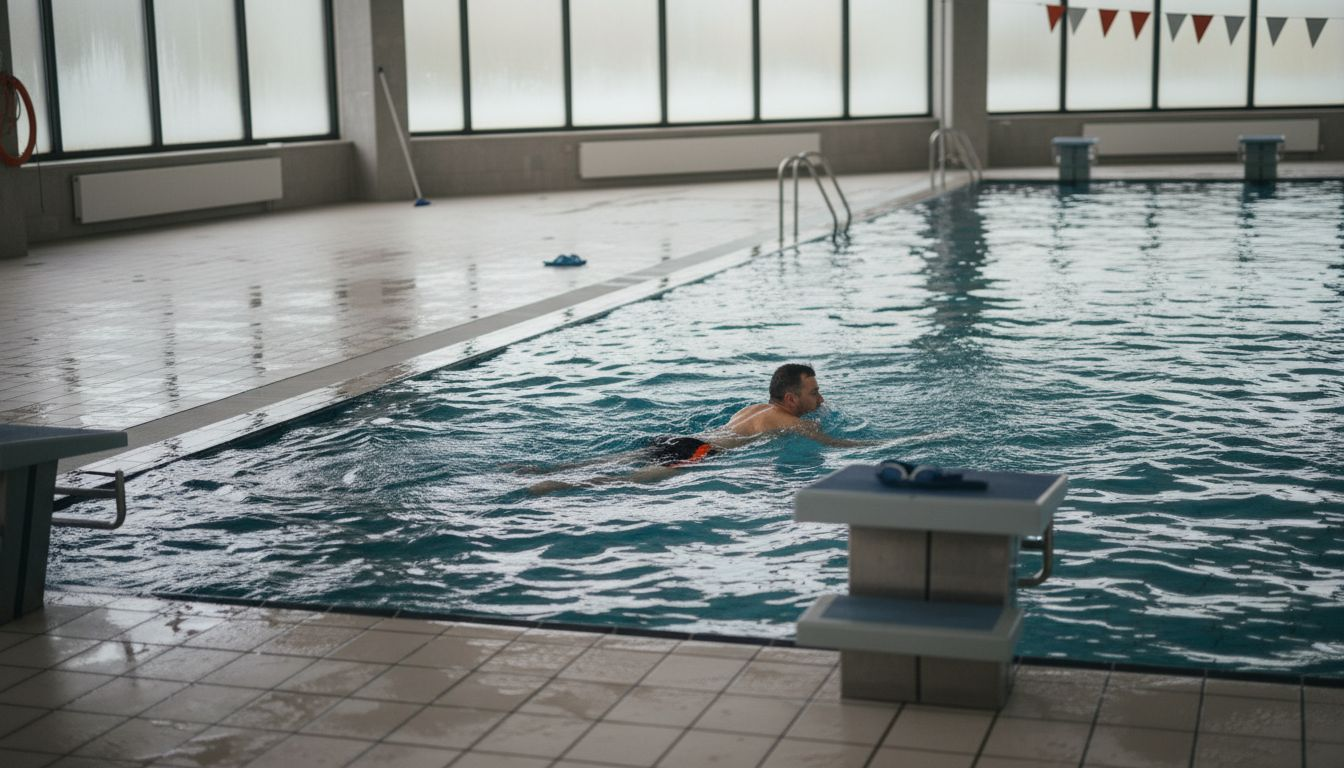
Around 16 million people in Germany regularly use swimming pools or lakes for their training. Swimming is fascinating because it challenges both body and mind. Whether for fitness, relaxation, or prevention – gliding through the water offers unique health benefits. What truly lies behind the myth of swimming as an all-rounder and the truth in the statement "swimming is healthy" can be found here, concisely and understandably.
Table of Contents
- What does "swimming healthy" truly mean?
- Positive Effects on Body and Mind
- Different Swimming Styles and Their Benefits
- Important Prerequisites and Safety Rules
- Risks, Misconceptions, and Prevention Tips
Key Insights
| Point | Details |
|---|---|
| Swimming promotes health | Swimming strengthens the cardiovascular system, builds muscles, and improves endurance without stressing joints. |
| Psychological benefits | The calm water environment helps reduce stress and increases well-being by releasing endorphins. |
| Variety of swimming styles | Different swimming techniques offer various physical benefits; each style has specific requirements and uses. |
| Safety measures are essential | Before swimming, warm-up exercises and a medical check-up should be done, especially for individuals with pre-existing conditions. |
What does "swimming healthy" truly mean?
Swimming is much more than just a sport – it's a holistic training concept that uniquely strengthens both body and mind. According to National Geographic research, swimming is considered a particularly gentle and effective form of exercise that challenges and promotes people of all ages and fitness levels equally.
The health benefits of swimming are diverse. Muscle building and cardiovascular strengthening are at the forefront. At the same time, this sport is easy on the joints, making it particularly joint-friendly. Unlike jogging or strength training, movements in swimming are soft and without impact, so virtually everyone – from children to seniors – can practice this sport.
Health experts emphasize that swimming not only trains the muscles but also improves endurance, promotes lung function, and strengthens the immune system. The correct technique is crucial to avoid overexertion and to maximize the positive effects.
Pro tip for beginners: Start slowly and focus initially on correct swimming technique. A swimming course with professional guidance can help you learn the right movements and minimize the risk of injury.
Positive Effects on Body and Mind
According to medical research, swimming is a sport that positively influences both body and mind. The holistic benefits extend to various health areas, making swimming one of the most effective forms of exercise available.
For the body, swimming means comprehensive training. It trains nearly all muscle groups without overstraining the joints. Due to buoyancy in the water, movements are performed softly and gently, minimizing the risk of injury. Experts confirm that regular swimming strengthens the cardiovascular system, improves endurance, and relieves back strain.
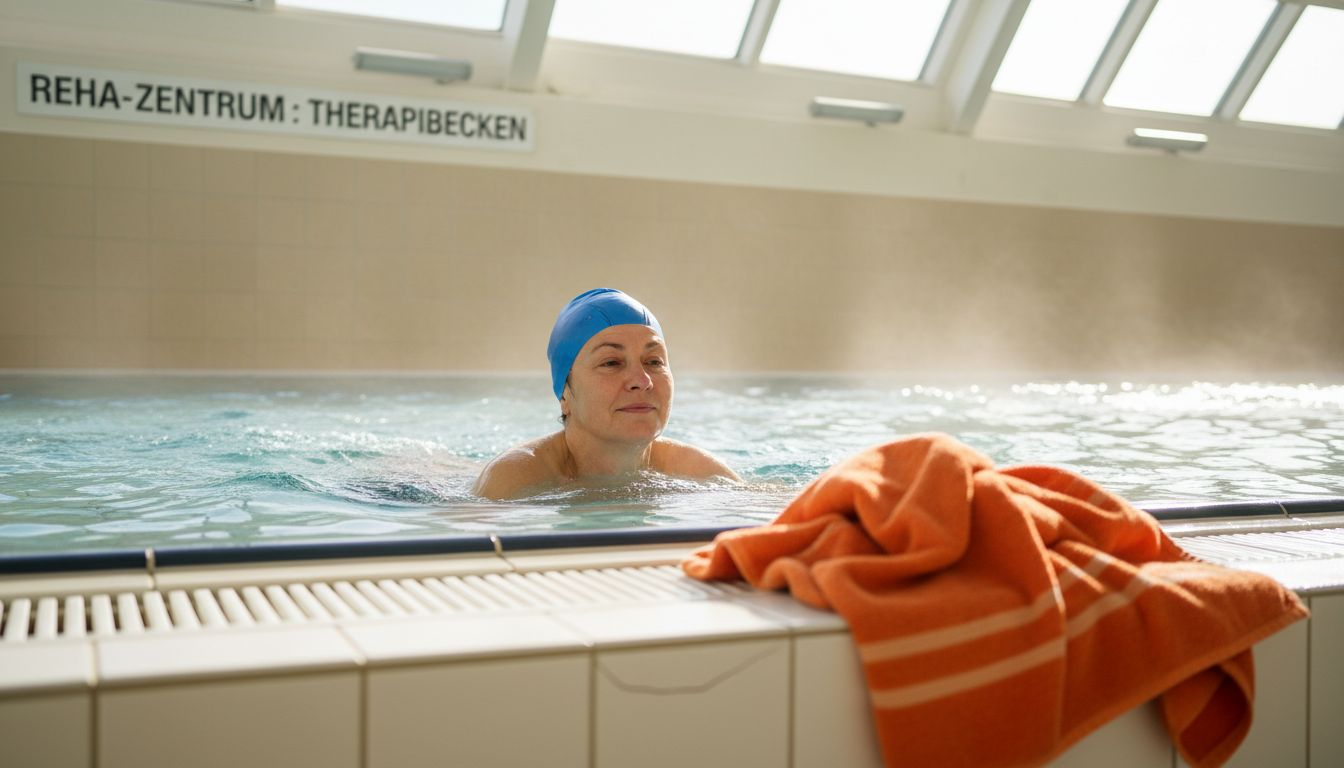
Mental health also benefits greatly from swimming. The water environment has a calming effect and helps reduce stress. Through the rhythmic movements and the meditative atmosphere of swimming, one can achieve mental calm. Additionally, swimming releases endorphins, which boost mood and well-being.
Pro tip for mental fitness: Combine different swimming styles such as freestyle, breaststroke, and backstroke to challenge yourself not only physically but also mentally. Maintain a regular training frequency to enjoy the positive effects long-term.
Different Swimming Styles and Their Benefits
Swimming offers a fascinating variety of techniques, each with different physical and health benefits. According to medical studies, swimming styles vary not only in their technique but also in their strain and effects on the body.
The freestyle stroke is considered particularly efficient and energetic. It primarily trains the shoulder and back muscles and improves endurance. In breaststroke, the focus is on the leg muscles and core stability. However, with this technique, one must pay particular attention to posture, as incorrect execution can strain the cervical spine. Studies show that brisk breaststroke can burn up to 700-800 calories per hour.
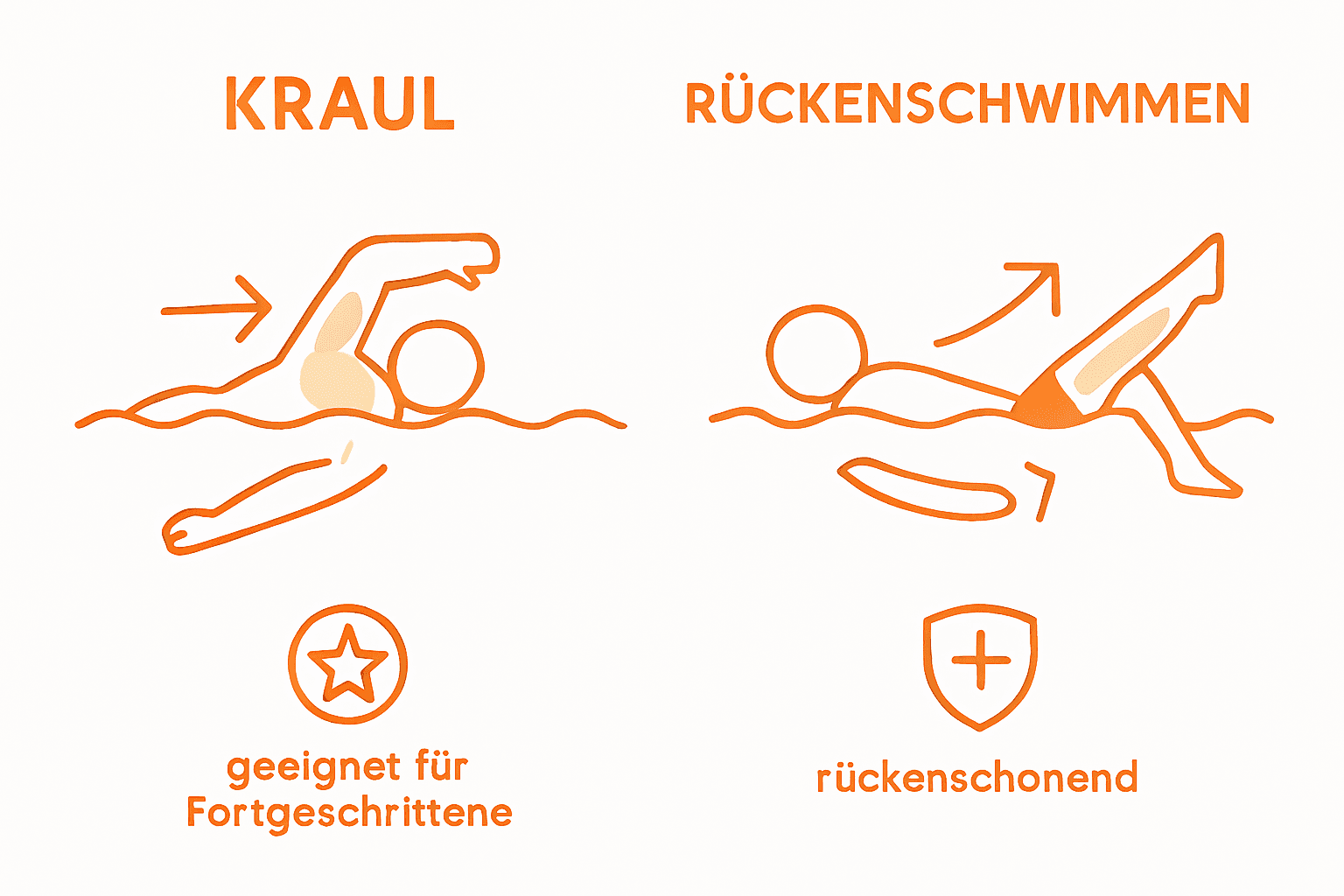
The backstroke style is particularly back-friendly and excellent for people with back problems. It relieves the spine and simultaneously trains the arm and back muscles. The butterfly stroke is technically demanding and requires a lot of strength, which is why it is usually only practiced by advanced swimmers and professionals.
Below is an overview of the most important swimming styles and their specific features:
| Swimming Style | Muscles Used | Suitable for | Special Feature |
|---|---|---|---|
| Freestyle | Shoulders, back, arms | Advanced | High speed, endurance-promoting |
| Breaststroke | Legs, core, chest | Beginners & Seniors | Easy to learn, increased risk of neck strain |
| Backstroke | Back, arms, legs | People with back problems | Back-friendly, good visibility in water |
| Butterfly | Chest, shoulders, core | Experts & Professionals | Very strength-intensive, technical challenge |
Pro tip for technique improvement: Learn each swimming style first under professional guidance. Pay attention to correct body posture and breathe rhythmically to optimize your swimming technique and minimize injury risks.
Important Prerequisites and Safety Rules
Safety is always paramount when swimming. Health experts recommend that correct swimming technique is crucial to avoid overexertion and minimize the risk of injury.
Key prerequisites include basic swimming skills and a realistic assessment of one's own abilities. Not every swimmer has the same performance level, which is why it's important to start slowly and continuously improve technique. Expert studies show that targeted warm-up before swimming significantly reduces the risk of injury and improves performance.
Specific safety aspects apply to different environments: different rules apply in swimming pools than in open water. Important are good self-assessment, adherence to swimming rules, and swimming in supervised areas. Professional supervision is essential for children and beginners.
Pro tip for safety: Do a short stretching session and warm up your body before each swimming workout. Never swim alone and respect your personal performance limits.
Risks, Misconceptions, and Prevention Tips
Health risks in swimming are real, but can be well avoided with proper preparation and caution. National Geographic research shows that people with pre-existing conditions like high blood pressure or heart problems should exercise particular caution, as water pressure can additionally influence blood pressure.
One of the most common misconceptions is the assumption that swimming is equally suitable for everyone. In fact, individual preconditions and health statuses vary considerably. Certain swimming styles can pose risks if performed incorrectly. Health experts emphasize that particularly with breaststroke, incorrect technique can strain the cervical spine.
Key prevention measures include a medical pre-examination, learning the correct swimming technique, and observing one's own physical limits. It is also important never to swim alone, especially in unfamiliar waters. Beginners should always attend professional swimming courses and seek individual advice from experienced coaches.
Here is an overview of common misunderstandings and effective prevention measures in swimming:
| Misconception | Correct Assessment | Prevention Recommendation |
|---|---|---|
| Swimming is suitable for everyone | Health status must be considered | Medical examination before starting |
| Technique is unimportant | Incorrect technique can cause harm | Attend a beginner's course with a trainer |
| All waters are equally safe | Open water carries additional risks | Only swim in supervised areas |
| Stretching is not necessary | Warming up reduces risk of injury | Stretch and warm up before every workout |
Pro tip for safety: Get a medical check-up before starting intensive swim training. Listen to your body and only gradually and controlled increase your training intensity.
Swimming Healthy and Motivated with Pimpertz – Your Partner for Swimming Badges and Accessories
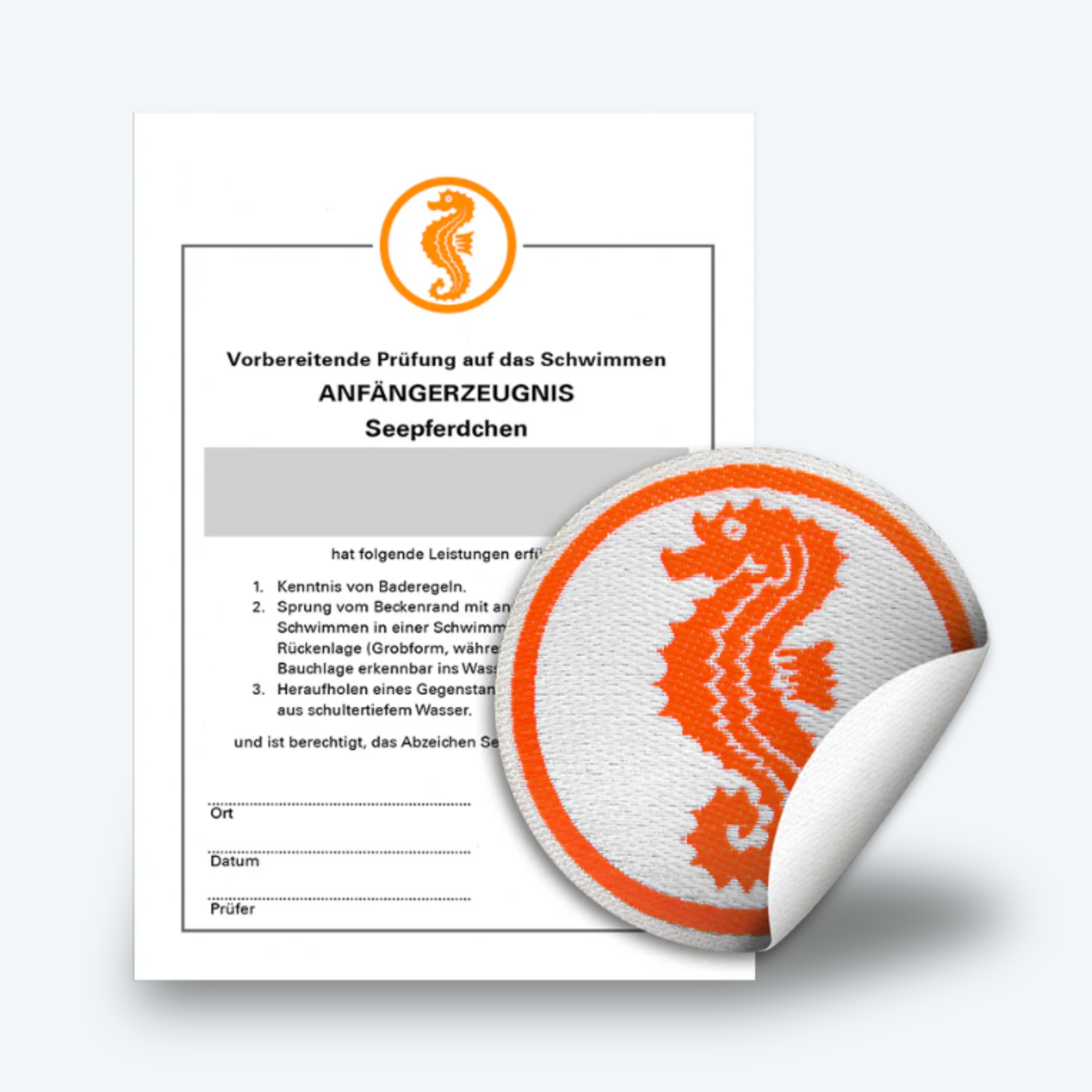
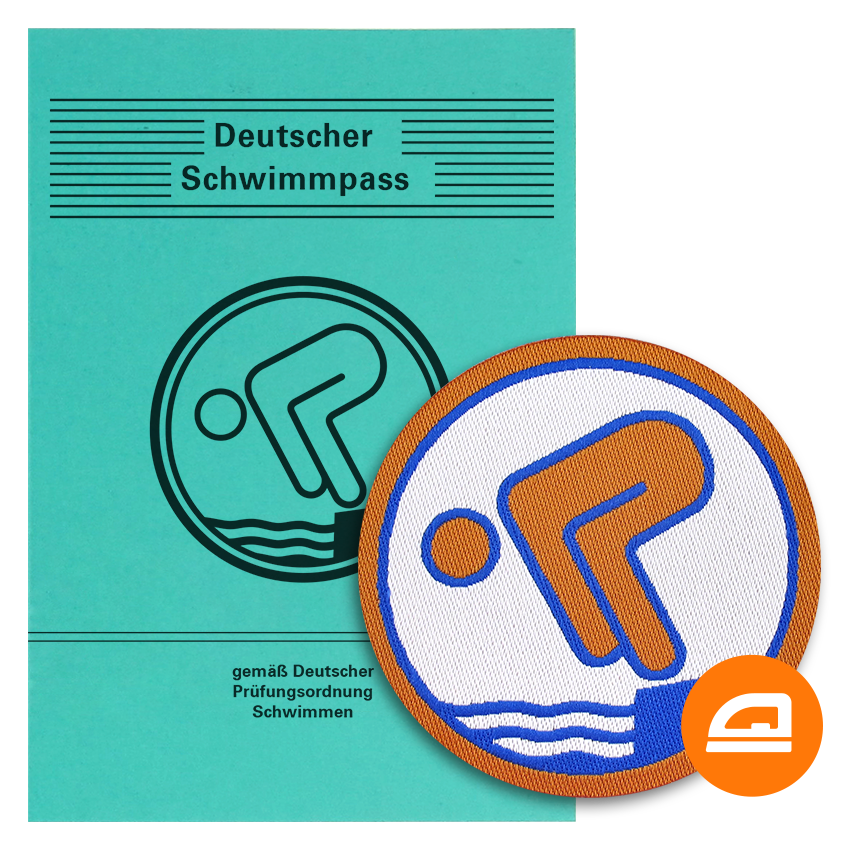
Swimming strengthens body and mind in a special way and requires targeted motivation and recognition for every progress. Especially correct technique and continuous improvement are crucial for sustainable success and physical well-being. If you are looking for high-quality swimming badges and certificates to motivate children, adults, or clubs, Pimpertz has been offering exactly the right solution for you for over 38 years.
Trust in our official partnerships with DLRG and BFS and benefit from top quality and lightning-fast shipping. With our customizable sets and practical accessories, you ensure that swimming not only remains healthy but is also rewarded with visible recognition. Take the opportunity now and visit Pimpertz – your German partner for swimming badges and accessories to perfectly equip your swimming courses, clubs, or individual project. Start today and make swimming an experience that sustainably strengthens body and mind.
Frequently Asked Questions
What are the health benefits of swimming?
Swimming strengthens the cardiovascular system, promotes muscle building, and improves endurance, while being gentle on the joints.
How can I improve my swimming technique?
To optimize your technique, you should learn to swim under professional guidance and pay attention to correct body posture and rhythmic breathing.
Which swimming styles are best for beginners?
Breaststroke is easy for beginners to learn, while backstroke offers a joint-friendly advantage. Both styles are recommended for laying the foundation.
Are there special safety rules for swimming?
Yes, it's important to realistically assess your own abilities, only swim in supervised areas, and include a short warm-up phase before training.
Recommendation
- How much does a swimming course cost? Understanding for parents and providers
- Learning to swim in old age: Step-by-step to success
- 7 Important Swimming Learning Tips for Parents and Coaches
- Swimming course 3 years: Teaching children to swim safely
- Why Build a Pool in Texas – Transforming Outdoor Living