



The Mysterious Seahorse: A Journey Through Habitats, Characteristics, and Conservation Measures
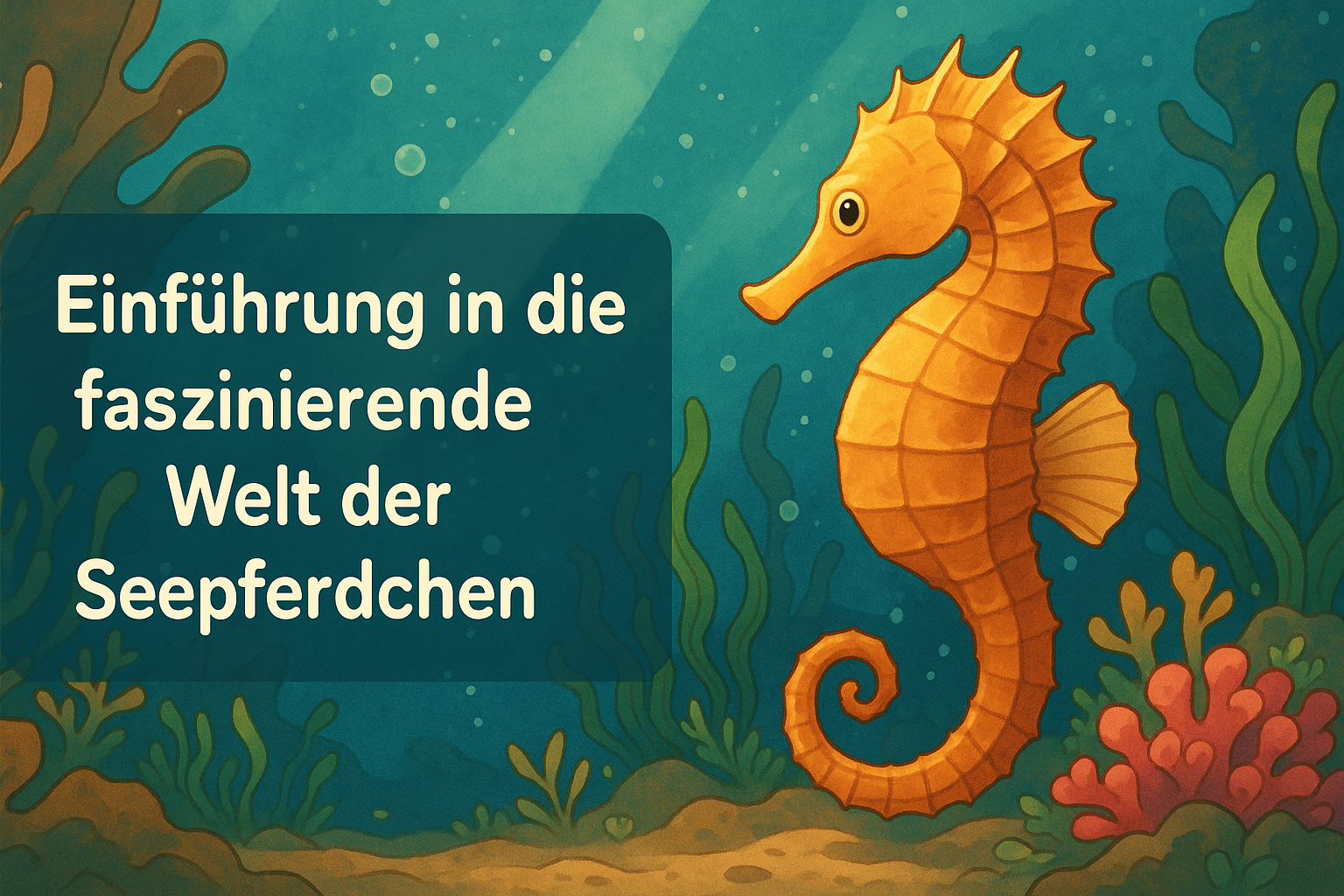
Introduction to the Fascinating World of Seahorses
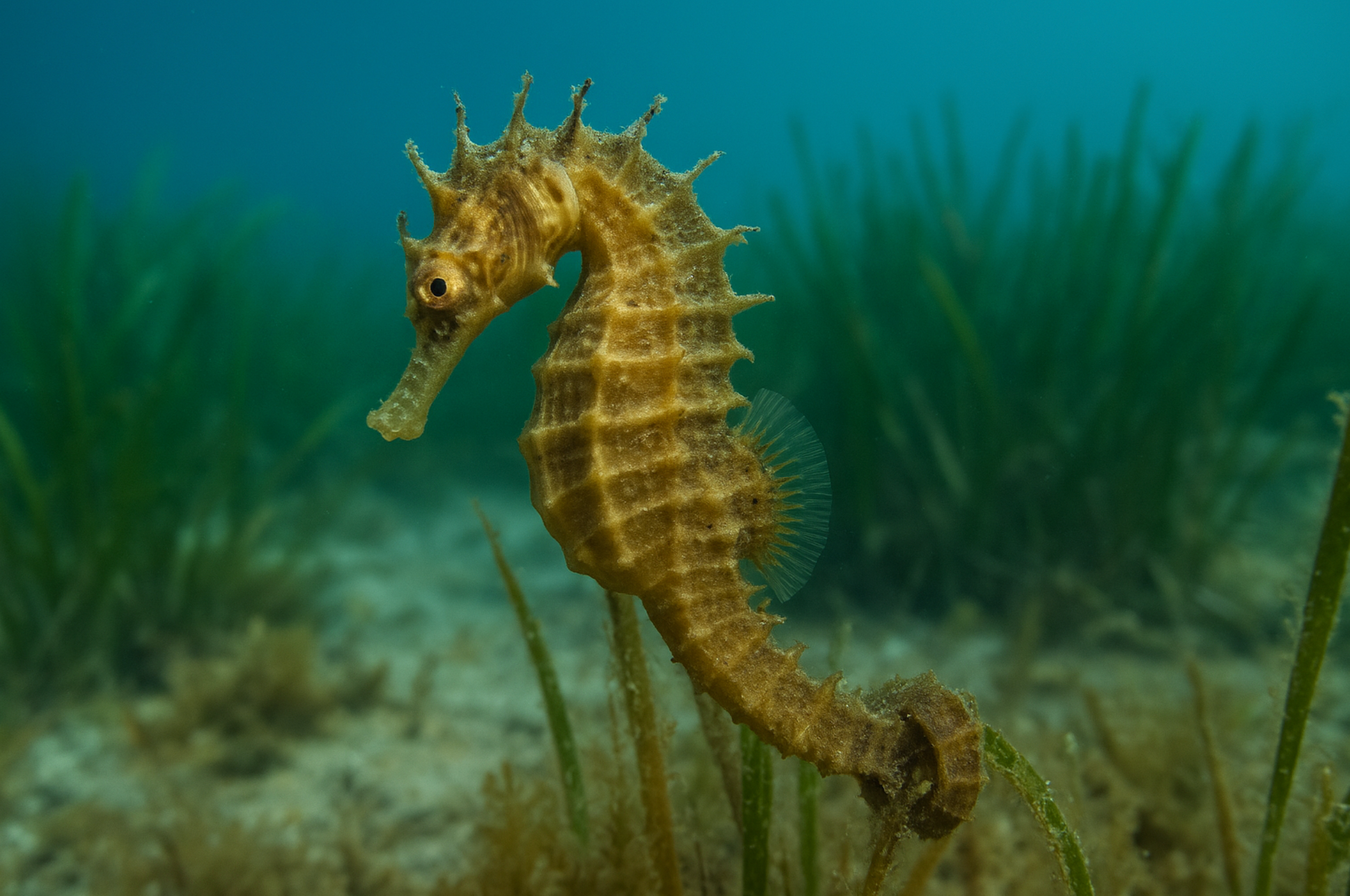
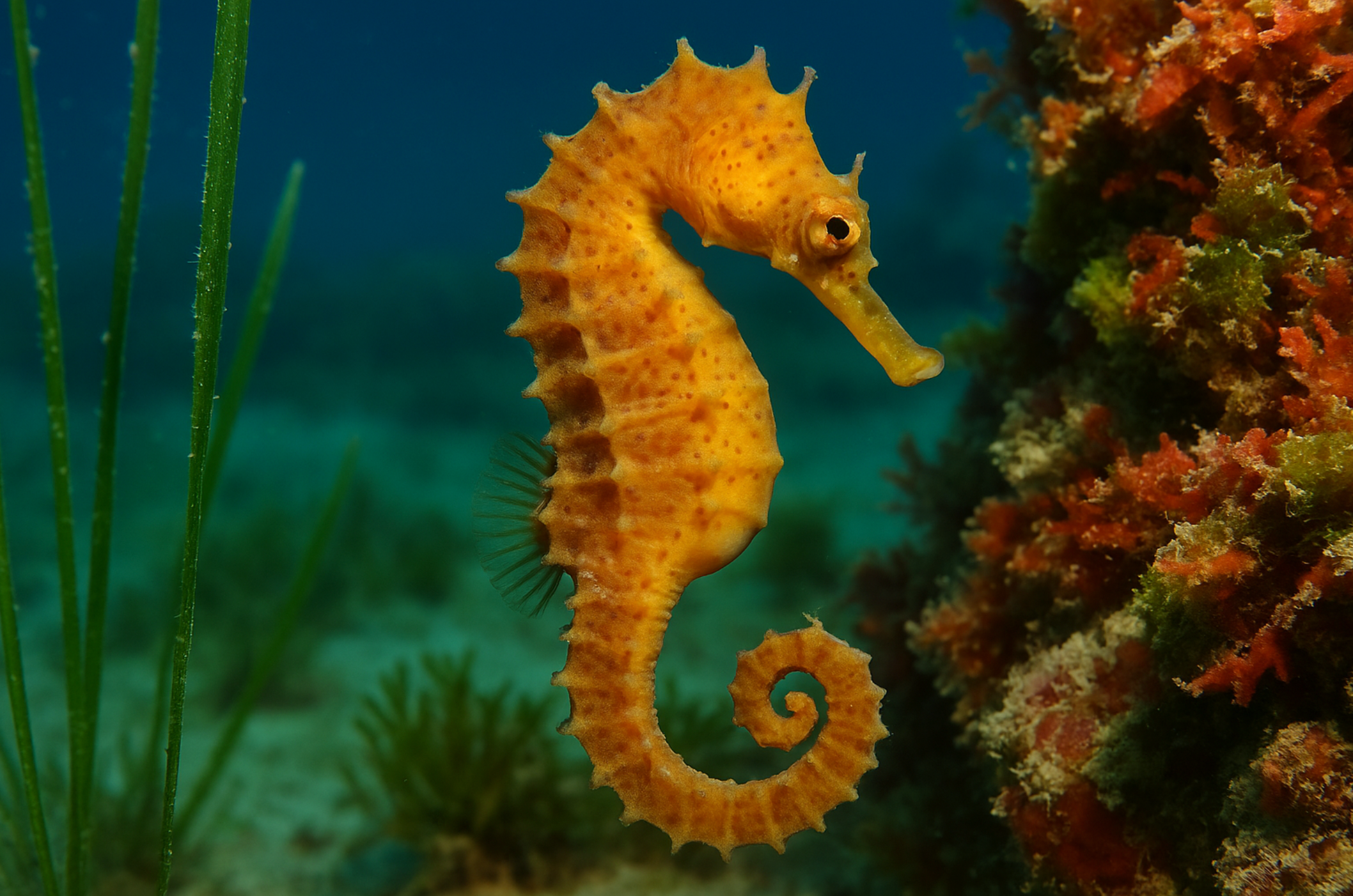
The seahorse is a unique marine creature that has inspired mythology and literature for centuries. With its horse-like head and slender body, supported by ring-shaped bony plates, it belongs to the family Syngnathidae (pipefishes and seahorses), making it a bony fish.
Despite all the known facts, something mysterious and unexplained about seahorses continues to fascinate researchers.
In the marine world, seahorses are extraordinary: they move upright, have no teeth, and the offspring are carried by the male – a rarity in the animal kingdom.
The WWF has published numerous articles about seahorses and provides information about their protection and way of life. Those who would like further information can contact the WWF seahorse expert directly via the provided email address.
Seahorse Habitat: From the North Sea to the Red Sea
Seahorses prefer shallow, calm waters with dense vegetation. Algae, seagrasses, and corals, in particular, offer ideal protection from predators and strong currents. Typical habitats for various seahorse species include different areas such as coastal zones, seagrass meadows, and sublitoral regions. In the North Sea, for instance, you can find the long-snouted and short-snouted seahorses, which cleverly hold onto plants or substrates with their tails.
Their distribution ranges from the cool Atlantic to the North Sea and into the warm Red Sea. Worldwide, there are numerous seahorse species that have adapted to different areas and conditions. These species demonstrate how adaptable seahorses are – they live at depths of up to 80m and survive even in changing environmental conditions. One example is the pygmy seahorse, a seahorse species that lives in corals and can camouflage itself particularly well there.
Seahorses in the Wadden Sea
A particularly exciting article deals with the occurrence of seahorses in the Wadden Sea. Here, stable populations have become rare, making the work of conservation organizations like the WWF Seahorse Program all the more important. The information from this habitat helps to gather evidence on migration, locomotion, and reproduction – for example, which animals only traverse the Wadden Sea and which use it as a long-term habitat. These findings are incorporated into conservation concepts to identify suitable retreat areas and preserve them specifically.
Water and Ecosystem: The Role of Seahorses in Marine Balance
Seahorses are far more than just fascinating loners – they are an indispensable part of the marine ecosystem. In the colorful coral reefs and dense seagrass meadows, they play an important role: as skilled hunters, they regulate the number of small crustaceans and other tiny marine animals, thereby maintaining the balance in these sensitive habitats. At the same time, seahorses themselves serve as prey for larger fish and other marine creatures, making them a significant link in the food chain.
But the balance in the water is delicate. Even small changes, such as marine pollution or the destruction of corals and seagrass beds, can have dramatic consequences for seahorses and many other species. That is why the WWF Seahorse Program is specifically committed to protecting these animals and their habitats. With every purchase of products that support marine conservation, people can make a contribution – whether through the selection of sustainable items or through donations to organizations like the WWF.
Seahorses also have their firm place in mythology and literature: they symbolize the connection between land and sea and stand for the beauty and mystery of the underwater world. This fascination is reflected in numerous stories and works of art and inspires people worldwide to work for the preservation of marine life.
For aquarium enthusiasts: keeping seahorses in an aquarium is a particular challenge. Only when the conditions – from water quality to the selection of the appropriate species and the right number of animals – are optimal, do the animals feel comfortable. Information on species-appropriate keeping, the size of the aquarium, and care can be found in our detailed articles and descriptions. Our customers can also specifically select seahorse items in the shopping cart and contact our team by email for any questions.
Whether as part of an intact ecosystem, as a symbol in literature, or as demanding aquarium inhabitants – seahorses are a fascinating part of our world. With the right knowledge and commitment, we can together contribute to ensuring that these unique animals continue to enrich the oceans in the future.
Characteristics and Anatomy: How to Recognize a Seahorse?
The seahorse has 15 to 30 ring-like segments that run over its trunk and tail. This structure provides stability in currents without losing mobility. Its eyes are particularly remarkable: they can move independently of each other – perfect for spotting prey or enemies without moving the body. The animals come in various colors, which can be changed depending on the environment and mood – an important means of communication within the species and during courtship. The sex of some seahorse species is also difficult to distinguish, as the differences between females and males are subtle. The sex distribution does not follow a fixed rule, but varies greatly depending on the species and habitat.
Nutrition and Digestion: Why Seahorses Must Eat Constantly
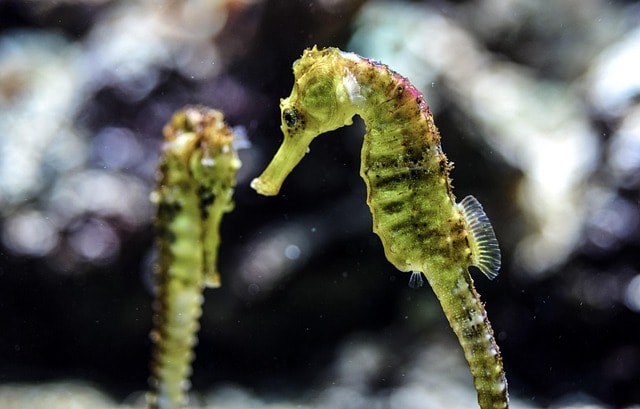
Seahorse food consists of tiny fish, small crustaceans, larvae, and zooplankton. With their tube-shaped snout, they suck in prey in a quick "snout-snapping" motion – supported by a clever negative pressure system in the hyoid apparatus. The snout opening is closed with a skin valve to intensify the suction. Interestingly: the seahorse has no stomach. For this reason, it must eat almost continuously to maintain enough energy – a constant hunt, even in an aquarium, which makes this type of keeping very demanding. Compared to other marine fish, seahorses need food much more frequently due to their lack of a stomach, which makes them particularly sensitive to undernourishment. Reproduction: The Extraordinary Role of the Male
Males play a special role in seahorse reproduction. After an elaborate courtship with synchronized movements, the female transfers her eggs into the male's brood pouch. There they are fertilized and develop in a kind of "artificial uterus".
After about 20 days – for example, in the North Sea – the male gives birth to 50 to over 1,000 young. This number varies depending on the species and size of the parent animal. A male can become pregnant several times per season, which further increases the number of offspring.
The young animals initially drift as plankton through the water and are highly vulnerable. Only a small portion of them reach adulthood at 5–6 years. The life cycle is fascinating, but also vulnerable – an insight that makes protective measures all the more urgent.
Communication and Behavior: Clicking Sounds Underwater
Even though seahorses may seem silent – they do communicate. Through clicking and grunting sounds, produced by skull bones and muscle contraction, they can communicate. The frequencies range from 50 to 800 Hz.
Communication is particularly active during mating season. The animals change color for communication and show moods through color and posture. In the wild, they usually live monogamously – a close bond between two animals who greet each other daily with "dance movements."
Unlike other animals, seahorses rarely shirk social obligations, as they actively maintain their monogamous pair bond.
The Seahorse in the Aquarium – but Only with Expert Knowledge
Keeping seahorses in an aquarium is not impossible, but it is extremely demanding. The space must be generously sized – small tanks or typical nano-aquariums are unsuitable. The water parameters must also be exactly right. Ideally, saltwater is used, as freshwater species are extremely rare.
The quality of the food and its constant availability are particularly crucial for well-being. Therefore, the number of feedings per day is high – this makes care complex and difficult for customers without experience.
The filtration must not create strong currents, otherwise seahorses will be thrown through the water. Instead, calm conditions, plenty of algae, and attachment points for the tail are needed.
Research: What Scientists are Discovering About Seahorses
In the scientific world, seahorse species are regularly studied to better understand their adaptations, metabolism, and reproductive behavior. Research provides new insights into hormonal processes in males, the functioning of their suction feeding mechanism, and their reaction to environmental toxins. Research into the brain structure of seahorses is particularly exciting. Although their central nervous system differs greatly from that of mammals, studies show that seahorses have a primitive structure functionally comparable to the human hippocampus – the area responsible for learning and spatial memory in humans. In addition, genetic studies help to analyze the genus and origin of individual seahorse populations – also in relation to trade.
Protection and Threats: Why Seahorses Need Our Help
Many seahorse species are currently threatened – not only in the North Sea but worldwide. The decline is over 40% in just ten years, especially for short-snouted and long-snouted species. The main causes are habitat destruction by trawl fishing, environmental pollution, reckless construction projects on beaches, and the overexploitation of tourist areas.
Illegal trade also contributes to the threat. Thousands of dried specimens are often fished from the sea and end up in alternative medicine, although their effectiveness has not been proven. The number of these practices is decreasing, but not yet sufficiently.
The Role of the WWF Seahorse Protection Program
The WWF Seahorse Program is committed to the global preservation of these sensitive animals. It supports projects for the renaturation of seagrass meadows, the monitoring of seahorse species, and public awareness. To this end, the WWF regularly provides new articles and publishes current information on the status of populations.
Anyone who wants to get actively involved can find not only technical advice on the website but also a direct email address to contact experts. These are also available for schools, aquariums, or diving clubs.
What Everyone Can Do – Even Without Snorkeling Gear
It doesn't take much to contribute to the protection of the seahorse. Conscious use of plastic, avoiding coral souvenirs, or sharing reputable articles on social media all help to raise awareness. Even as a child, you can get involved in protection – many organizations offer hands-on activities for young swimmers and children. However, a suitable age recommendation is important: many programs are specifically aimed at children aged six and over, as they already have the necessary fine motor skills and attention at this age to take responsibility in the water and for nature conservation. On your next vacation: make sure not to destroy habitats in algae or corals and respect the seahorse's habitat. Nature will thank you.
Seahorse and Swimming Badge? A Small Curiosity
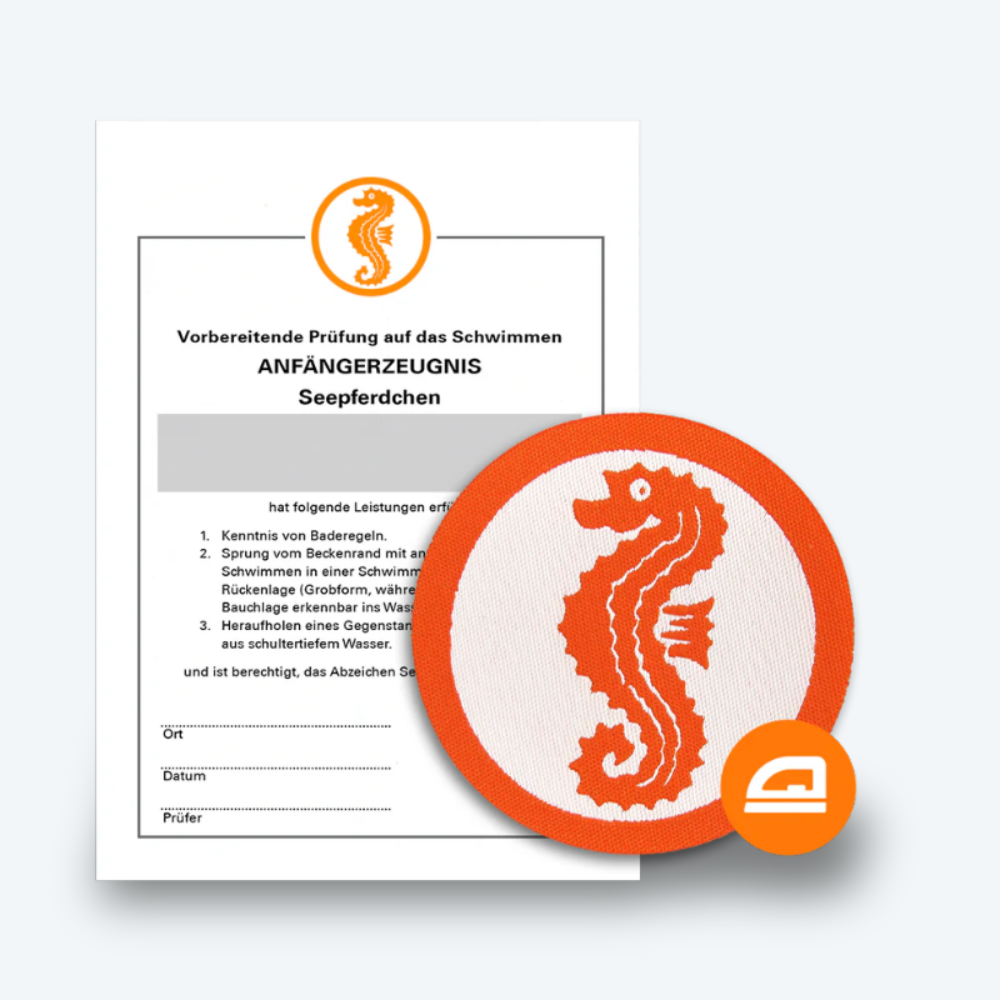
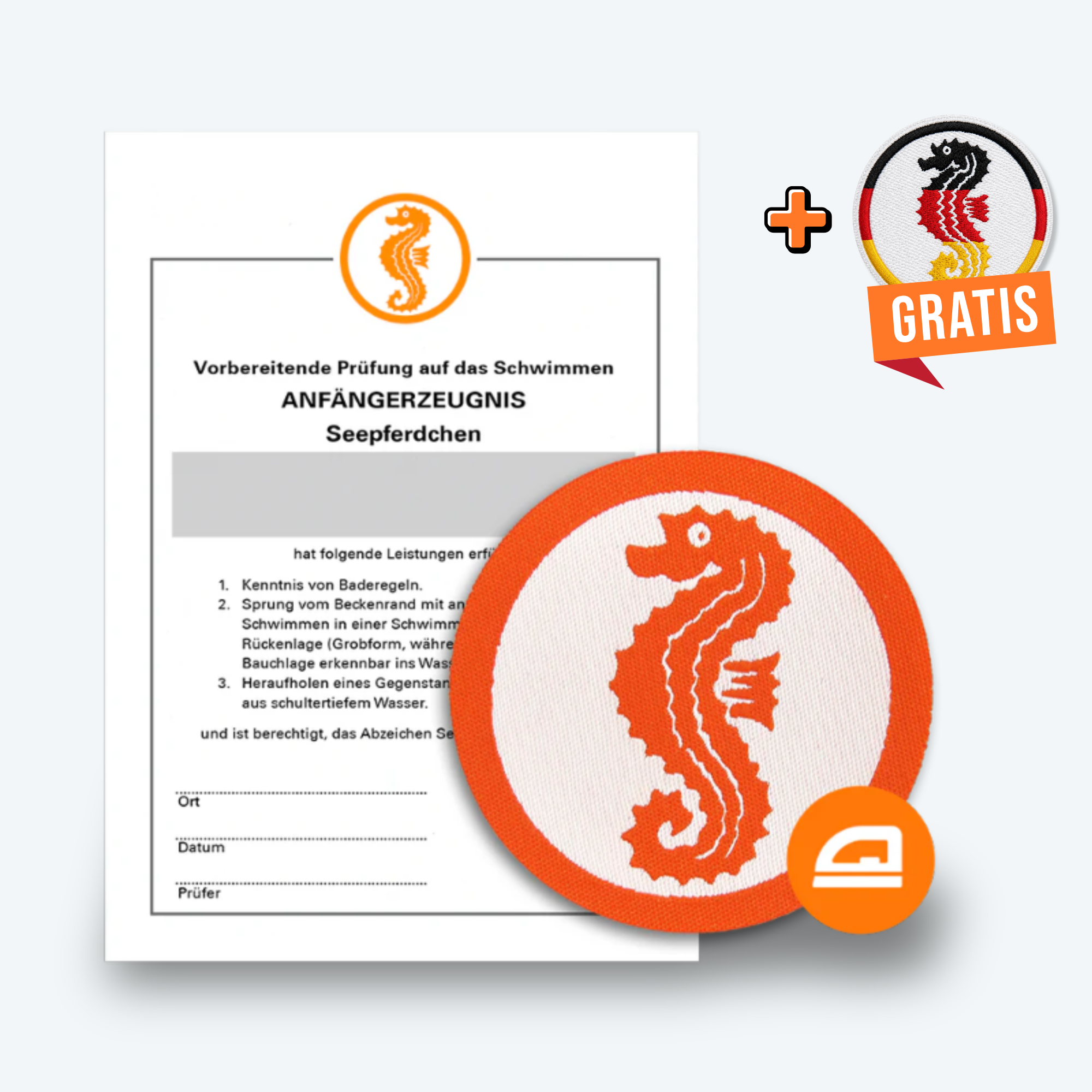
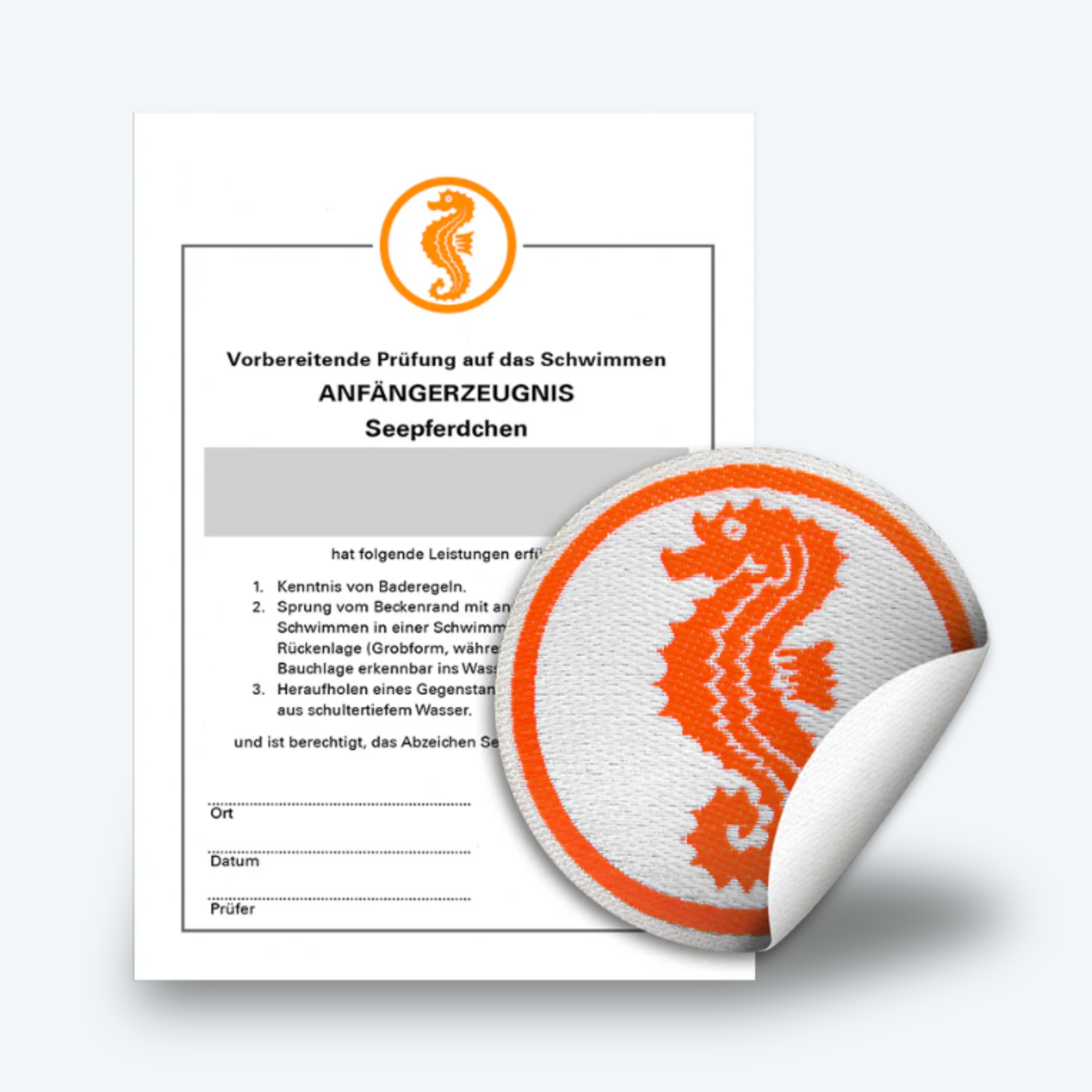
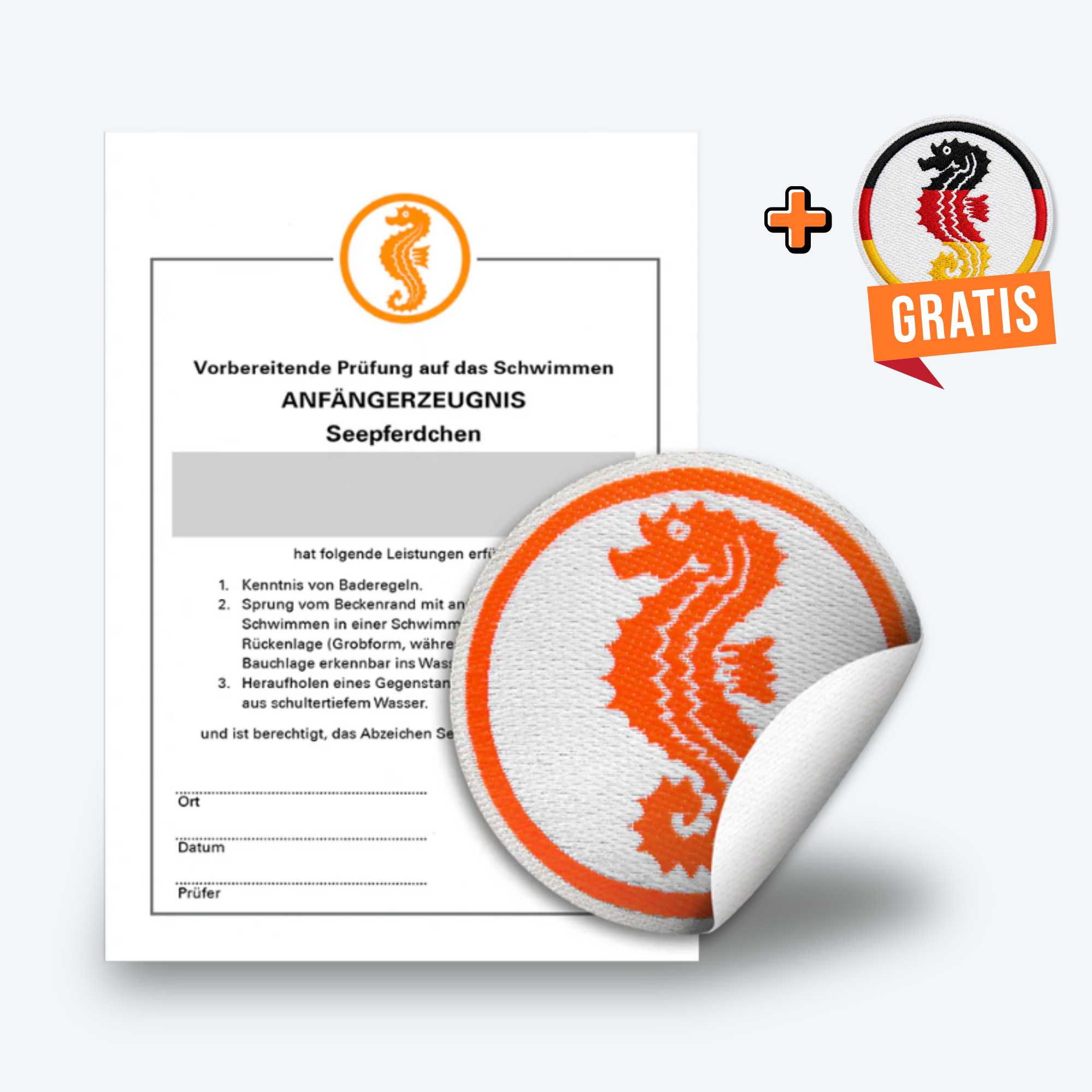
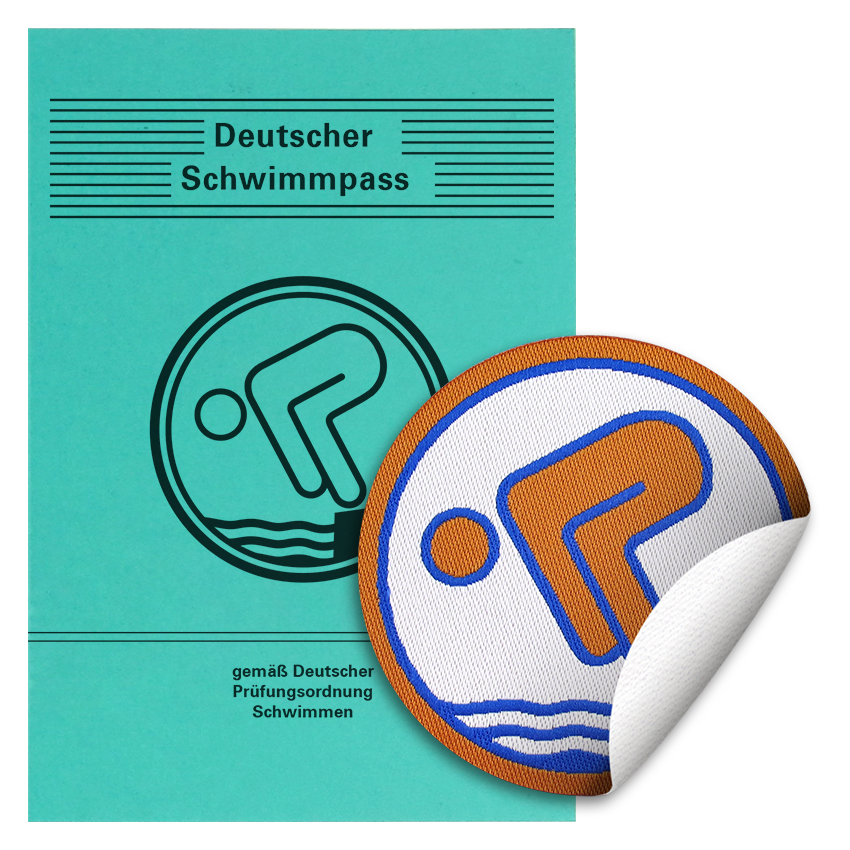
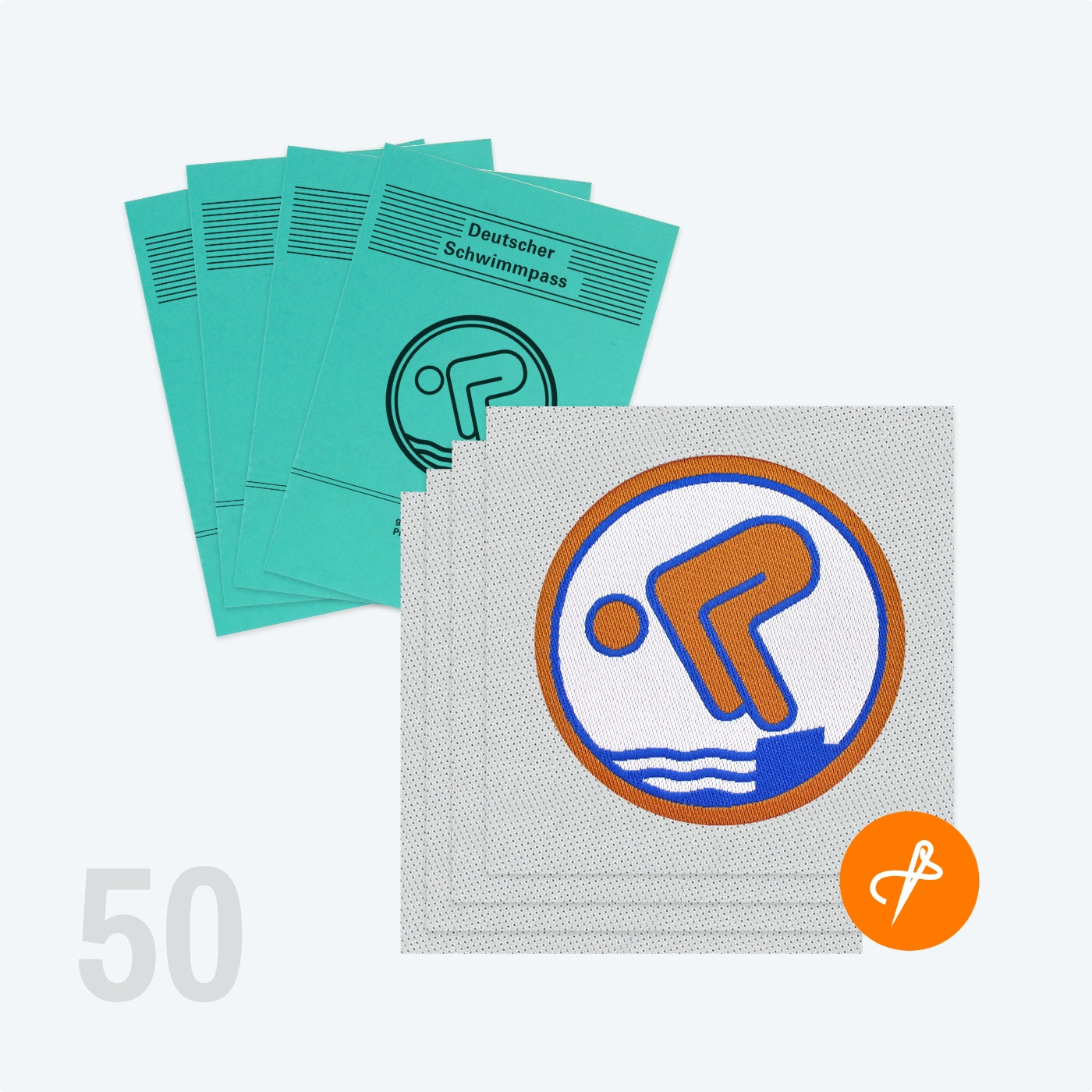
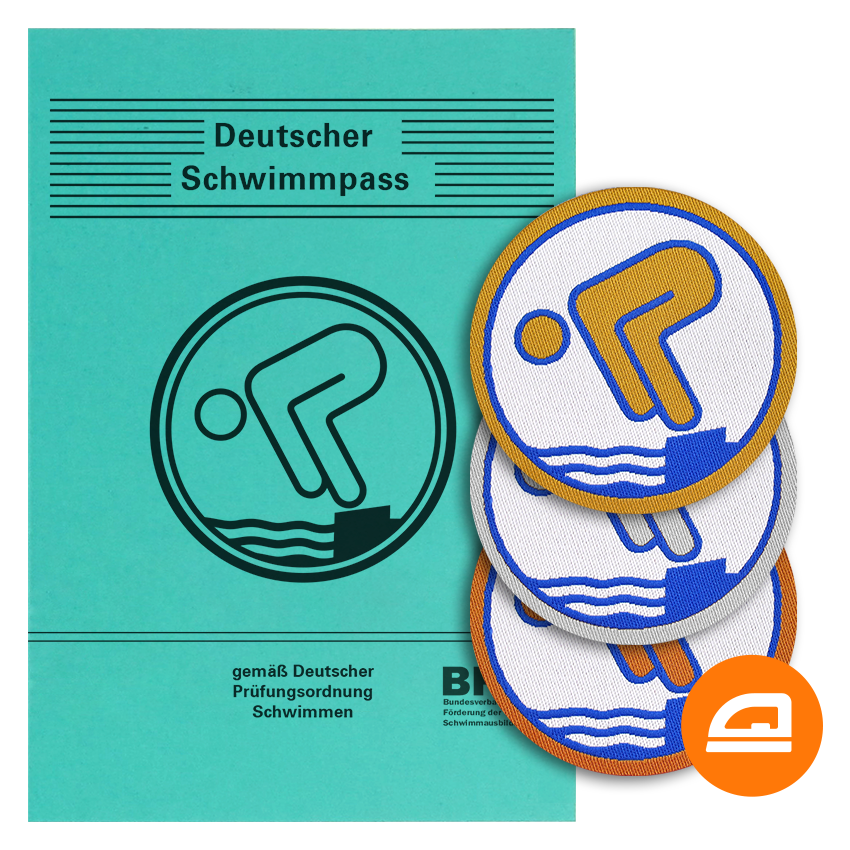
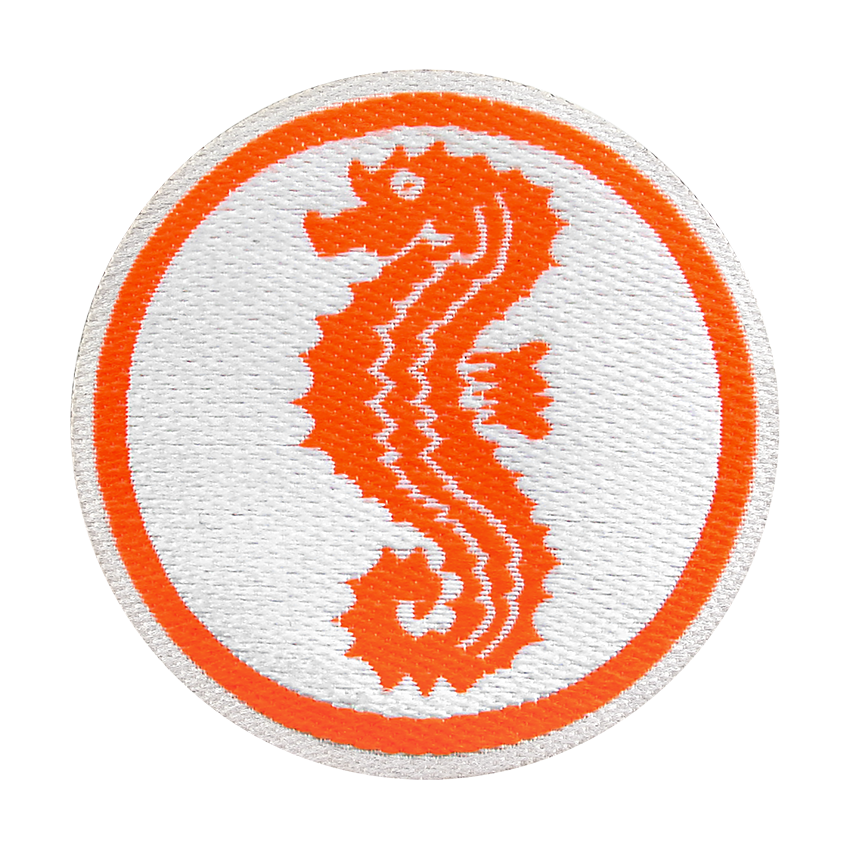
By the way: In Germany, many people associate the seahorse with the first swimming badge for children. Even though the real animal has nothing to do with it, the name shows how much the seahorse enters our lives at a young age. The symbol stands for courage, first successes – and for trust in the water. A beautiful thought that shows that the seahorse is not only a biological but also a cultural being.
Buy Seahorse Badges on Pimpertz.de
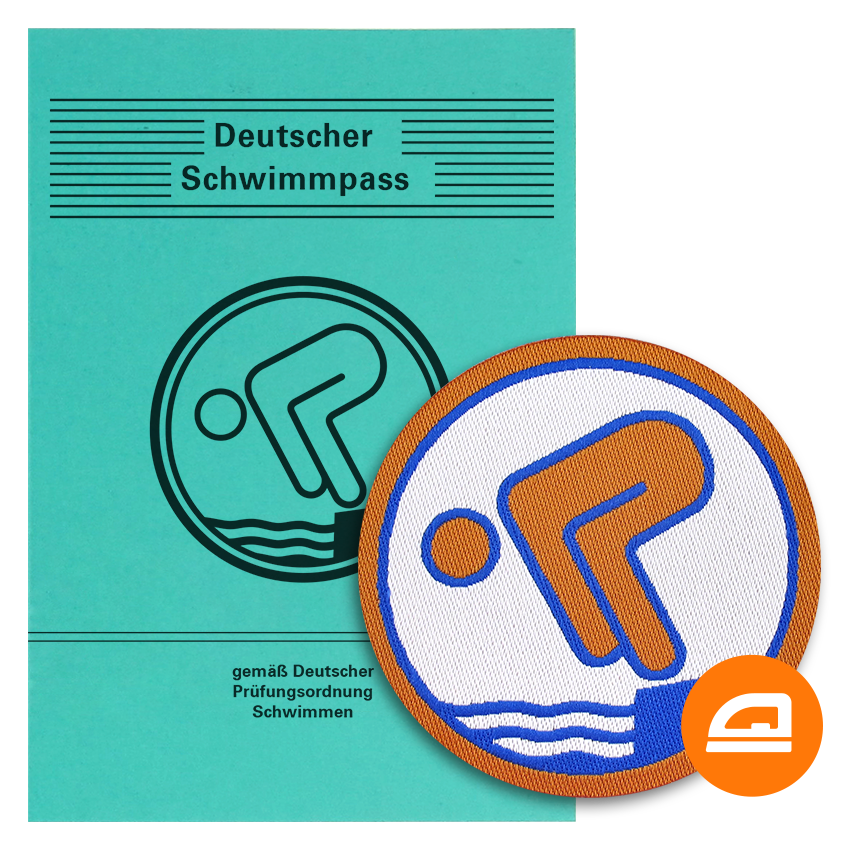
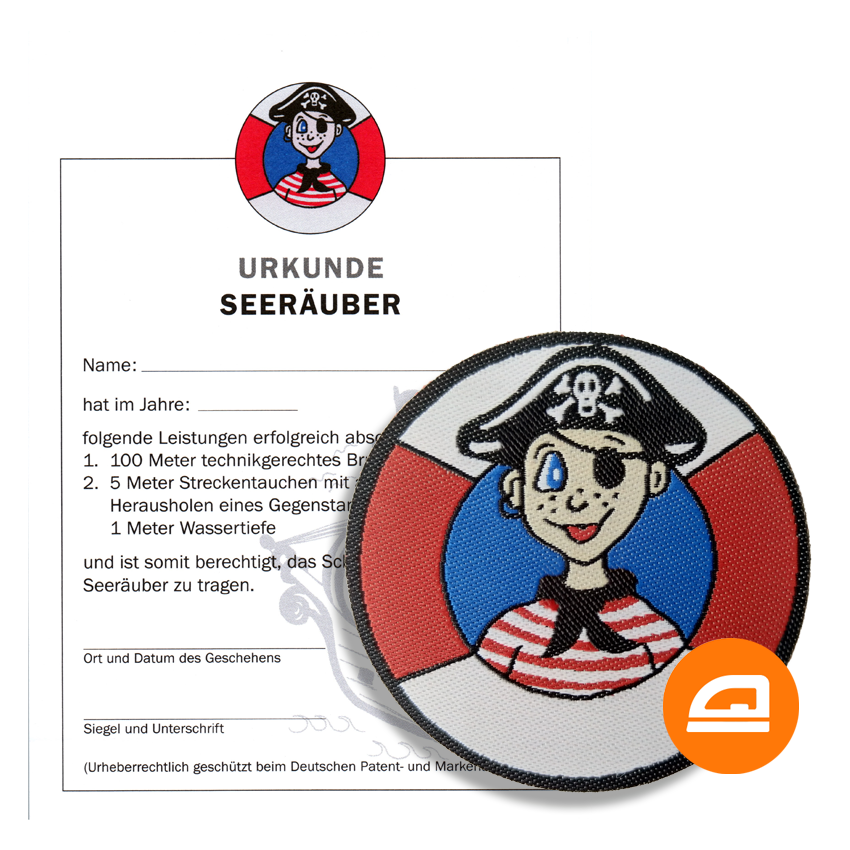
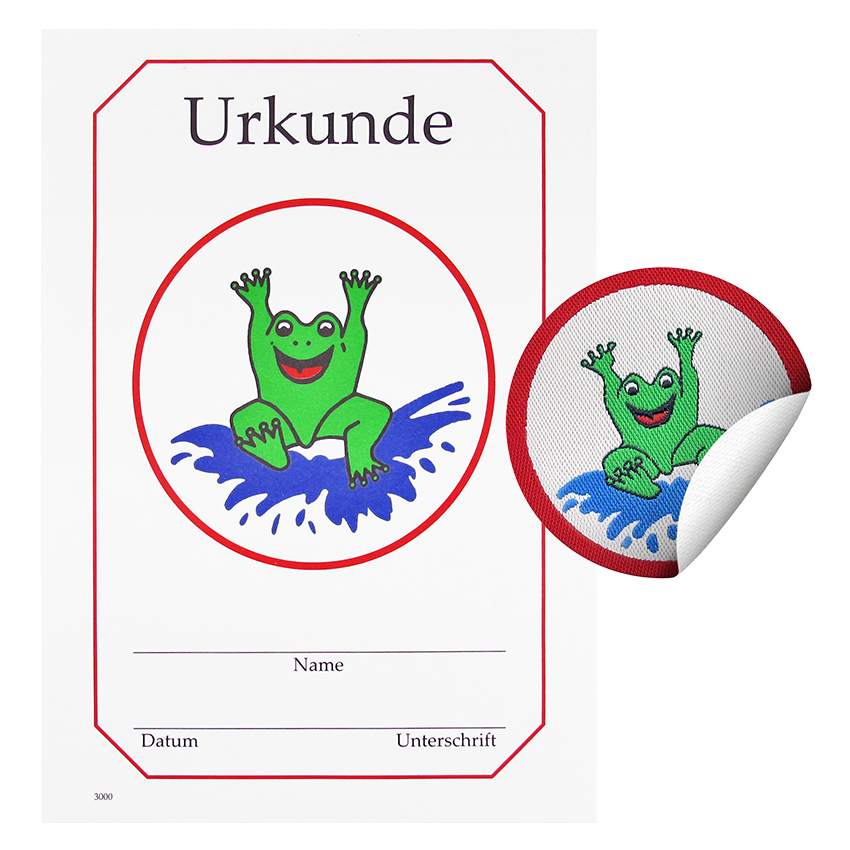
On Pimpertz.de, you'll find a wide selection of high-quality seahorse badges that are perfect as a symbol of courage and success – ideal for children who are just learning to swim. The badges are lovingly designed and available in various sizes and colors. Whether as a gift or for your own motivation: with a seahorse badge or a certificate from the Pimpertz online shop, you can celebrate your first swimming progress in style. Simply select the desired quantity in the shopping cart, order, and look forward to receiving it at home soon.
Conclusion: An Animal with History, Beauty, and a Need for Protection
Whether as part of mythology, as a fascinating bony fish, or as a species worthy of protection – the seahorse is a creature that deserves admiration. With its unique color, upright body, prehensile tail, and paternal brood care, it is unique in the animal kingdom.
As part of our marine world, it also symbolically represents the fragility of ecosystems, evolutionary sophistication, and the responsibility we as humans have towards nature.
Would you like to learn more or get actively involved yourself? Then send a message to the email address of the WWF Seahorse Program or browse through the provided articles on our website Pimpertz.de.