








The Benefits of Swimming: Why It's Good for Body and Mind
Swimming – Entry into a Lifelong Passion
For many, swimming is a sport that begins in childhood and conveys a sense of freedom. Children and adults alike discover how the body moves in water when learning to swim, with targeted body control being crucial for learning success. Every step on the way to a safe technique – from the first glide in the swimming pool to coordinated breaststroke or crawl – not only strengthens muscles but also builds self-confidence. Our ancestors already understood the value this sport holds for body and brain, developing simple jumping and paddling exercises in early times to overcome gravity. An example of this is imitating animal movements in water to learn basic swimming skills.
Experiencing Water: Buoyancy and its Significance
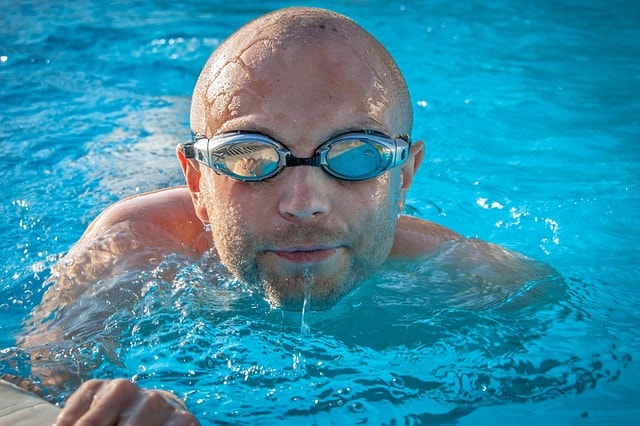
In water, a unique movement unfolds: buoyancy relieves the joints and acts like an invisible trainer that softens every exertion of force. When swimming, people feel the support that water provides – a significant advantage over land sports like rowing or running, which put a lot of strain on joints. A photo of relaxed swimmers emphasizes: water is the ideal partner for movement, as it protects the body while simultaneously challenging every muscle group.
Sport in Water: Swimming as an Ideal Endurance Sport
As an endurance sport, swimming combines elements of swimming techniques, strength, and coordination. Unlike many land-based endurance sports, swimming trains all major muscle groups: arms, legs, core, and back. The continuous resistance of the water ensures a high calorie expenditure without straining the joints. This allows for targeted weight loss and endurance building during training – although the actual calorie consumption can vary depending on the person and chosen swimming style, as both factors play a crucial role.

Movement in the Element: Full-Body Training for Muscles and Joints
Movement in water promotes flexibility and stability. Unlike on land, where gravity supports one's body weight, swimming makes muscles work in a targeted way: breaststroke, freestyle, and backstroke each activate different muscle groups, thus improving coordination and balance. Sports physician Dr. Müller emphasizes that thanks to buoyancy, even people with joint limitations can train safely. Thus, swimming becomes an inclusive sport that appeals to people of all ages.
Learning to Swim: The Path from Non-Swimmer to Safe Swimmer
Learning to swim begins with overcoming initial fears. Experts recommend structured swimming courses that use sequential measures: water familiarization, breathing technique, floating exercises, and finally breaststroke and crawl. Recommendations from a German sports university also emphasize the importance of scientifically sound methods for beginners. An article in the magazine Spiegel.de highlights how important age-appropriate swimming education is to achieve lasting safety. Learning to swim not only strengthens the body but also shapes the brain through constant coordination.
Swimming for Beginners: Why Swimming is Particularly Beginner-Friendly
Swimming is one of the few sports that is equally suitable for beginners of all ages and fitness levels. The buoyancy of water ensures that joints are protected and the body can move freely – a decisive advantage for people with limitations or little sports experience. Beginners, in particular, benefit from being able to try out initial movements in the water without fear of overexertion or injury. Whether in an indoor pool, outdoor pool, or the open sea: swimming is possible everywhere and offers a welcome change from everyday life.
The best way to start is with simple swimming techniques like breaststroke or crawl. These movements are easy to learn and train the entire body without overstraining it. Regular swimming not only improves endurance and strength but also fosters enjoyment of movement in water. It is particularly advisable to seek out a qualified swimming instructor or swimming school to learn the correct technique from the beginning. This way, swimming becomes a sport that brings long-term joy and paves the way for a healthy life.
Heart and Circulation: Health Benefits of Swimming
Swimming has positive effects on the heart and circulation. As an endurance sport, it increases cardiac performance and lowers blood pressure long-term. According to sports physician Prof. Becker, regular training in water can halve the risk of cardiovascular diseases. Furthermore, the brain benefits from improved blood circulation, which reduces stress. Thanks to the low risk of joint limitations, even older individuals and adults with minor complaints can enter the water without hesitation. Thus, swimming becomes a simple advantage for general health, especially because it promotes the performance of all muscles, lungs, and heart, thereby strengthening the cardiovascular system as a whole.

Endurance Sports Compared: Swimming, Rowing, and Co.
While rowing is considered an elaborate equipment sport, swimming scores with minimal financial and time effort: a swimming pool, swimwear, and fun are enough. Rowing places more strain on hip and shoulder joints, whereas swimming distributes pressure evenly throughout the body. Those looking to lose weight will find a higher calorie burn in the water than when jogging. And unlike competitive sports, recreational swimming avoids many obstacles – no wind, no obstacle course, just the calming feeling of being carried by the water.
Calorie Consumption and Weight Loss: Efficient Training in Water
Compared to many land sports, swimming burns a particularly high number of calories in the water without the joints suffering from the resistance. Studies show that during moderate breaststroke and crawl, calorie consumption can range from 400–600 calories per hour, depending on intensity. This makes swimming an attractive option for weight loss that builds muscles and strengthens the heart at the same time. A photo of training sessions in the swimming pool can motivate and inspire efficient endurance sports in everyday life.
Joint Protection Through Swimming: Movement Without Strain
The buoyancy in water relieves pressure on joints and the spine, allowing people with limitations or joint problems to train without concern. Unlike jogging or rowing, which heavily strain the joints, swimming gently promotes the movement of all muscle groups. Even older individuals or adults in old age benefit from the gentle resistance, which simultaneously trains coordination and balance.
Back Pain and Neck Problems: Swimming as Therapy and Prevention
For many people suffering from back pain or neck problems, swimming offers an effective way to relieve and prevent them. The buoyancy of the water relieves pressure on the spine and joints, allowing the muscles in the back and neck to be specifically strengthened without overstraining the body. The gentle movements in the water release tension and promote blood circulation – an important contribution to regeneration and well-being.
Swimming styles such as backstroke or crawl with aids like a swim noodle are particularly suitable. These techniques allow for targeted training of the back and neck muscles while avoiding poor posture. It is advisable to consult a doctor or physiotherapist before starting training to receive individual recommendations and choose the appropriate swimming techniques. With regular swimming, people with back or neck complaints can sustainably improve their symptoms and increase their quality of life. The water thus becomes an ideal partner on the path to more health and mobility.

Psychological Effects: Stress Reduction and Well-being in Water
Swimming has a positive effect on the brain: rhythmic movement and contact with water reduce stress and promote a relaxed feeling. Sports physician Dr. Lehmann emphasizes that regular sessions in the water prevent depression and increase concentration. Swimming allows people to switch off, leave everyday life behind, and harmonize body and mind.
Especially after a strenuous day at work, swimming is particularly effective in reducing work-related stress and recharging energy.
Swimming Education and Courses: Quality Features and Tips
For successful swimming learning, structured swimming courses are essential. Look for qualified coaches and recognized swimming instruction that offers individual measures in small groups. An article on Spiegel.de highlights the importance of paying attention to exams and award guidelines. Swimming lessons according to official regulations ensure that beginners and advanced swimmers safely find their way to independent swimming.
Focus on Technique: Breaststroke, Crawl, and Other Swimming Styles
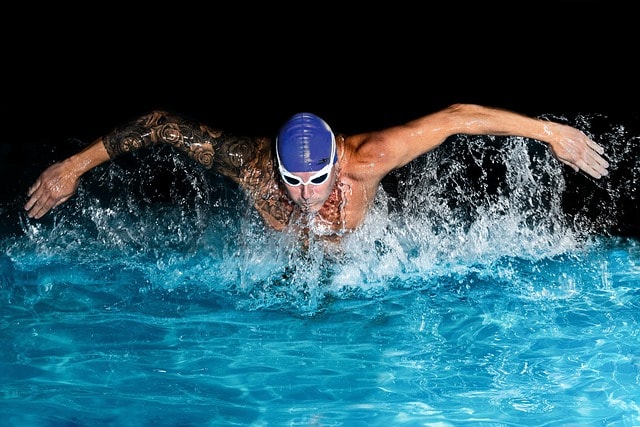
The correct execution of breaststroke and crawl is at the heart of any swimming technique training. Each swimming style differs in technique, muscle strain, and health benefits and drawbacks – for example, backstroke is particularly suitable for people with back problems, while butterfly promotes high calorie consumption. Through targeted exercises, swimmers improve their arm and leg movements to glide more efficiently through the water. Other swimming styles like butterfly or backstroke engage different muscle groups and add variety to the training plan.
Setting Training Goals: Building Endurance, Strength, and Muscle Groups
A clearly defined goal helps to measure training success. Those who want to improve endurance plan long distances at a moderate pace. Adults and children can also define strength goals, such as through intervals with fast sprints or jumps from the starting block. Club swimming also offers motivation through competitions, while recreational swimmers choose personal pace and distance goals.
Swimming Badges: Milestones on the Path to Becoming a Safe Swimmer
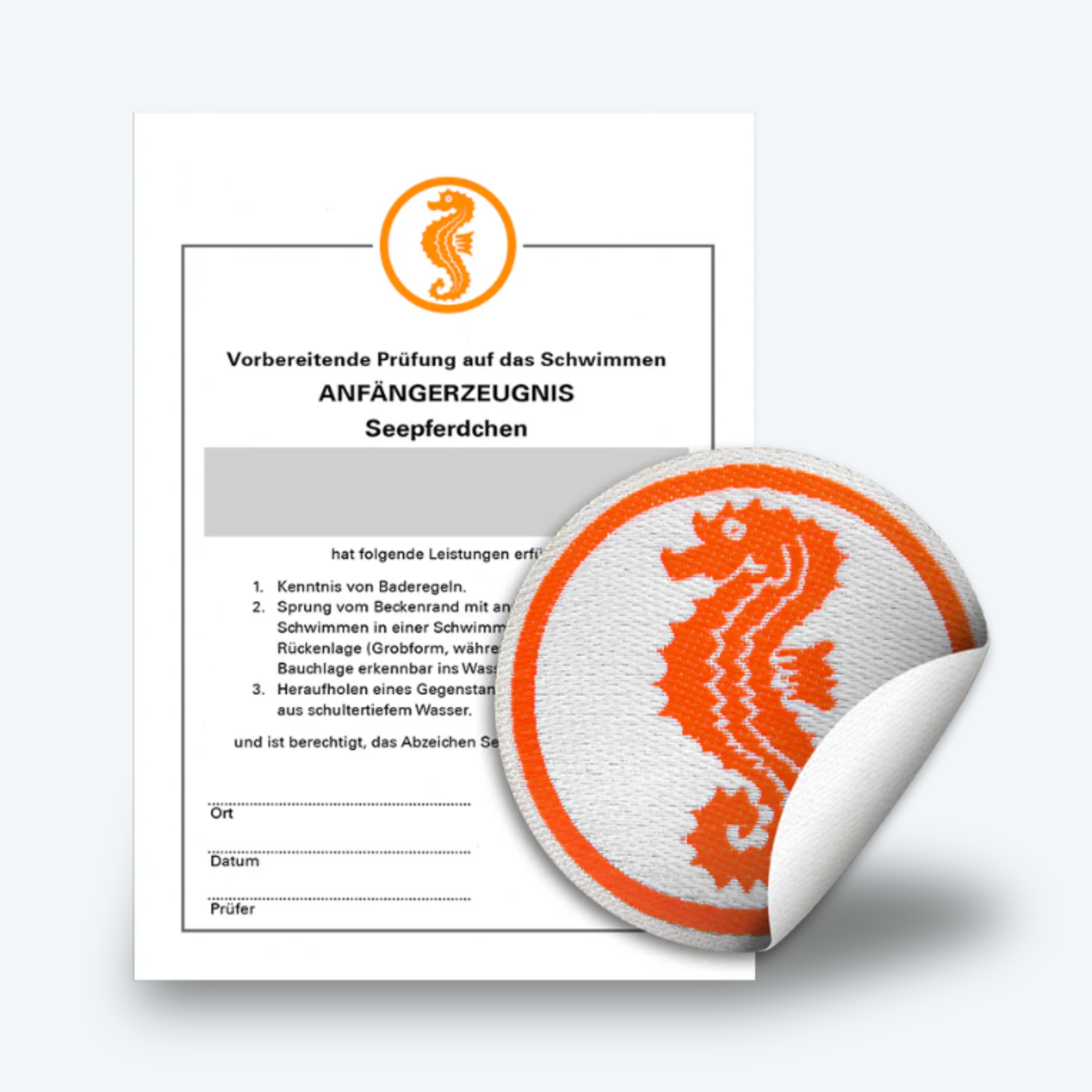
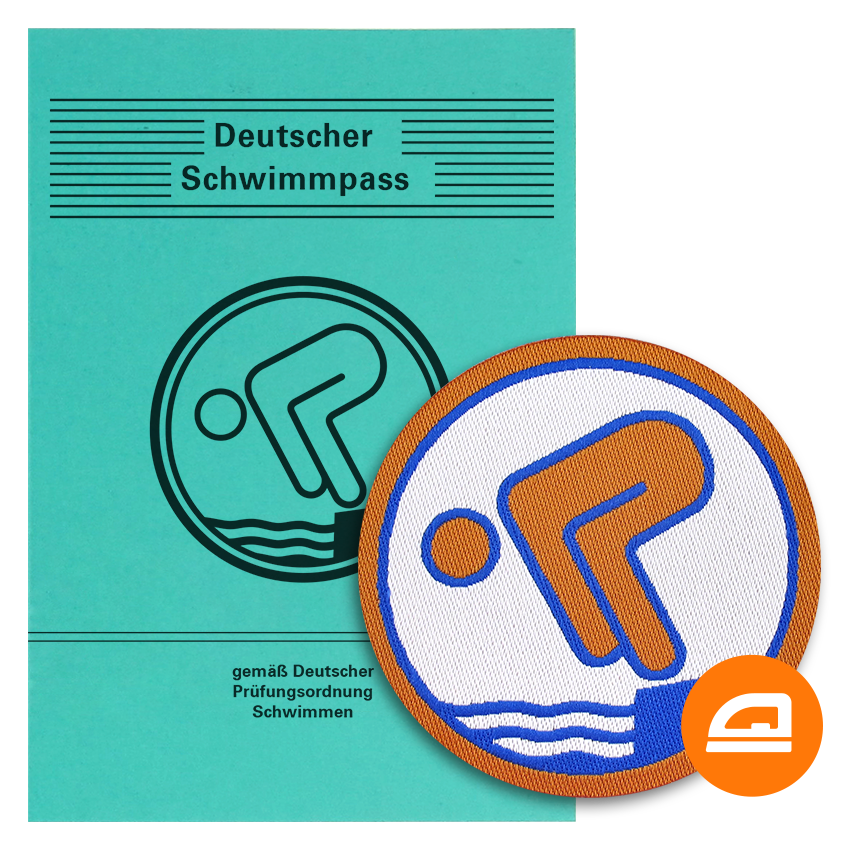
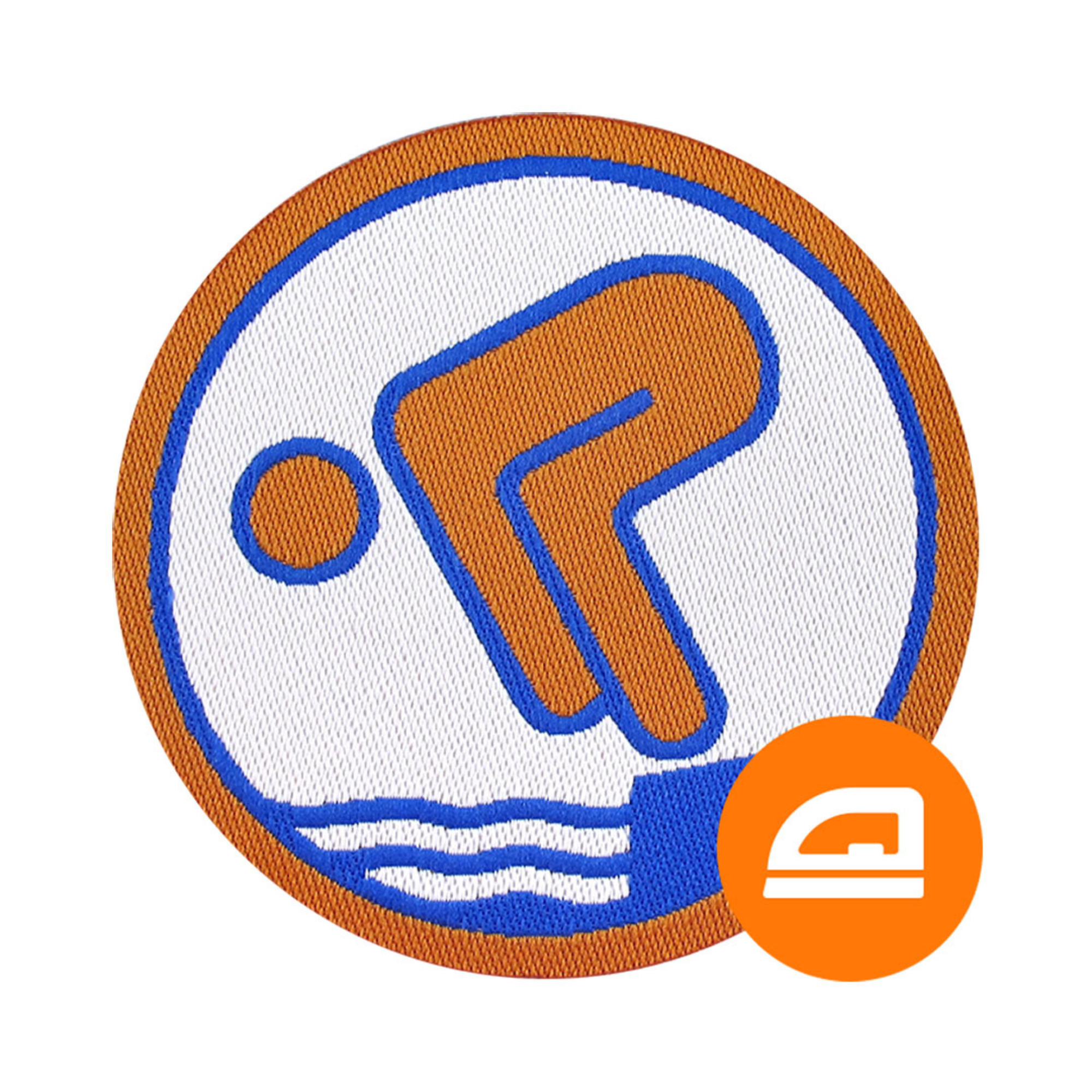
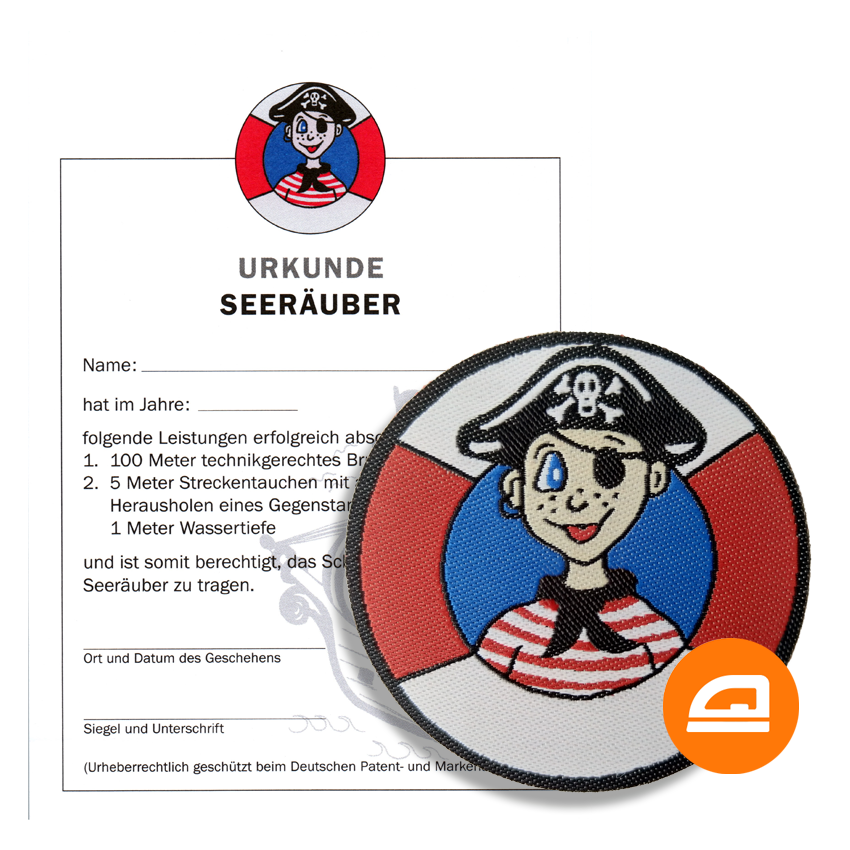
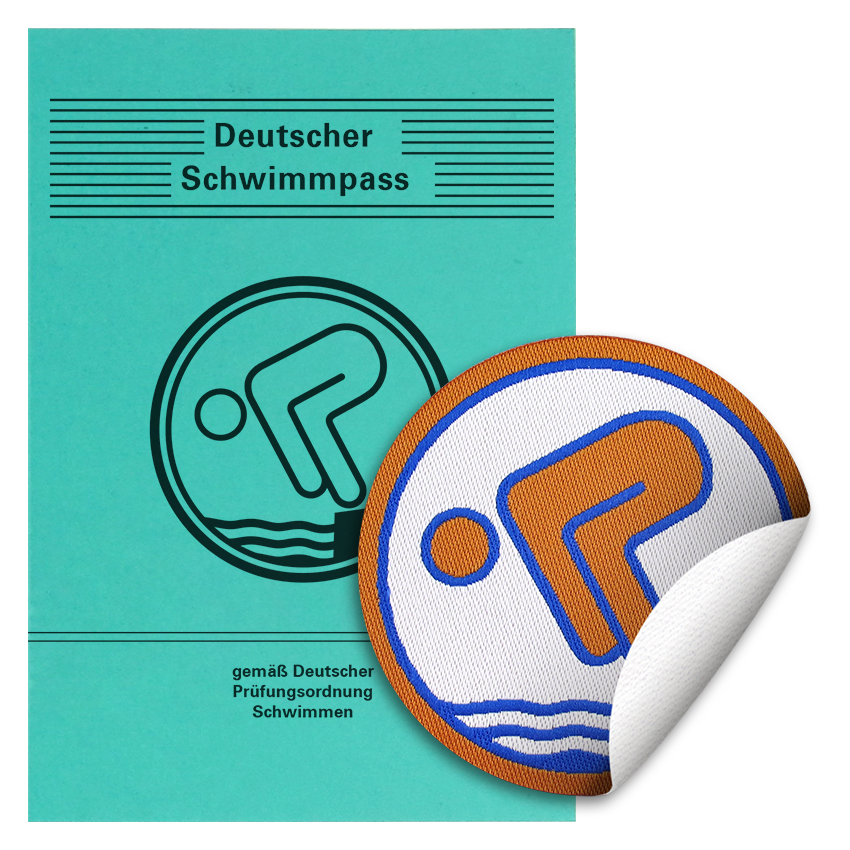
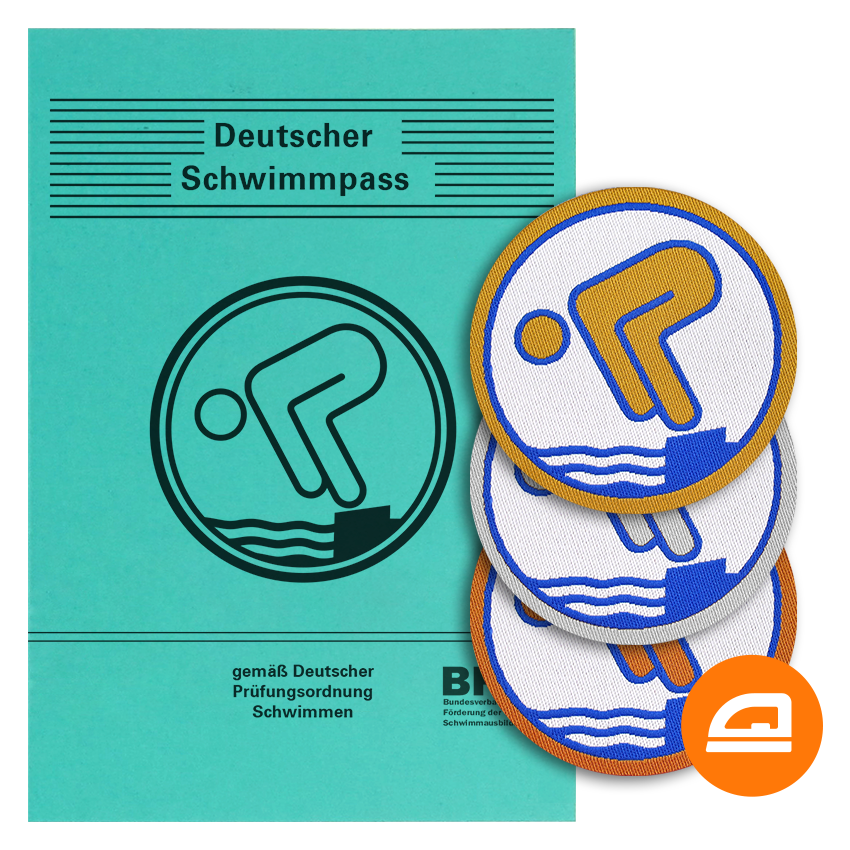
Swimming badges are important guides and motivational tools in learning to swim and in swimming education. They serve to document and confirm the swimming abilities of children, young people, and adults. In Germany, the most well-known swimming badges are the Seepferdchen (Seahorse), the Youth Swimming Badge in Bronze, Silver, and Gold, as well as other special badges. The Seepferdchen is often the first badge and certifies that the swimmer can safely jump into the water, swim a distance of 25 meters, and retrieve an object from shoulder-deep water. Higher badges require longer swimming distances, different swimming styles, and additional skills such as diving or safe behavior in the water. Swimming badges not only promote safety in the water but also self-confidence and the motivation to continue participating in swimming. Parents and swimming instructors see the badges as an important part of swimming education that shows children and adults a clear path to systematically improve their swimming skills.
Buy Swimming Badges at Pimpertz.de
Those who wish to acquire swimming badges as recognition for their swimming skills will find a large selection of high-quality badges and accessories at Pimpertz.de. Pimpertz offers various swimming badges such as the Seepferdchen, Bronze, Silver and Gold as well as special badges that are ideal for swimming courses, clubs, and private swimmers. The badges are robust, colorful, and comply with official standards, making them perfect for motivation and reward in learning to swim. In addition, Pimpertz.de offers fast delivery and reliable customer service, so swimmers and coaches quickly receive the appropriate awards and can continue to promote swimming with joy.
On Pimpertz, interested individuals will also find more informative blog articles on the topic of swimming, swimming education, and water sports. These articles offer valuable tips for swimming beginners and advanced swimmers, recommendations on swimming techniques, and information on swimming safety and equipment. Thus, Pimpertz supports not only with products but also with helpful content that accompanies swimmers of all ages and performance levels on their journey.

Conclusion
The history of swimming is a versatile and joint-friendly sport that not only promotes physical fitness and endurance but also strengthens mental well-being. Whether beginner or advanced, young or old – swimming offers everyone the opportunity to sustainably improve health and quality of life while enjoying movement in the water. With the right technique and regular practice, swimming becomes a valuable companion for an active and healthy life.
-
Swimming is a popular sport that offers many benefits for body and mind.
-
It is a good way to improve endurance and strength without stressing the joints.
-
Swimming can help strengthen muscles and improve mobility and flexibility.
-
It is a good alternative to other sports that put a strain on the joints.
-
Swimming should be practiced regularly and continuously to achieve the best results.