






German Swimmers: On the way to new top performances in Paris
The German Swimming Federation (DSV) forms the foundation for swimming in Germany and comprises approximately 600,000 members in about 2,500 clubs. This structure enables comprehensive support for talents and athletes. In recent years, the performance of German athletes has continuously improved, as demonstrated at the Olympic Games in Paris 2024. There, Lukas Märtens won gold in the 400-meter freestyle and Isabel Gose won bronze in the 1500-meter freestyle. The DSV sets strict qualification times to select the best swimmers for international competitions. The German Championships in Berlin serve as an important form test before major events. In the qualification period for Los Angeles 2028, the focus will be on further performance improvements.
Swimming in Germany is shaped by legends like Michael Groß and Franziska van Almsick, who laid the groundwork for current successes. These icons inspire young athletes to train hard and pursue goals. Today, stars like Florian Wellbrock shine in open water swimming and Angelina Köhler in butterfly. The DSV supports diversity and inclusion to make the sport more attractive. With successes in Paris and at the World Championships in Singapore 2025, the team looks optimistically towards Los Angeles 2028. The focus is on the world, where German swimmers challenge international competition.
The focus is on disciplines like freestyle, where German swimmers challenge international competition. The DSV invests in training conditions to enable performance improvements. Young talents benefit from programs that combine education and sports. This creates a strong foundation for future victories. In the world of swimming, diversity and hard work play a key role.
The Role of the German Swimming Federation
The German Swimming Federation (DSV) organizes swimming and promotes athletes at all levels. It offers training camps and competitions to test form. After the Olympic Games in Paris, the DSV updated its squads for 2025/2026, based on squad selection guidelines. This ensures long-term success in pool and open water swimming. The federation emphasizes diversity and actively opposes racism, with Michael Groß as an ambassador. Athletes achieve successes in pool swimming and open water swimming.
The DSV adjusts qualification standards to prepare athletes for World Championships. For Singapore 2025, they nominated a strong team that won five medals in the pool. Florian Wellbrock dominated open water swimming with four gold medals. The federation supports dual careers, allowing athletes to study alongside sports. Such measures strengthen motivation and performance. In the world of swimming, the DSV is a pillar.
Current news from 2025 shows that the DSV uses mobile facilities for teaching swimming. This helps to reach more young people. The focus is on Los Angeles 2028, where German athletes want to shine in freestyle and other events. The DSV remains the pillar of success.
German Swimming Legends: Michael Groß in Focus
Michael Groß, the "Albatross," is a legend with 21 titles at Olympic Games and World Championships. He set twelve world records and won 39 medals. His successes inspire current swimmers like Lukas Märtens. Groß warns against one-sided goals and advises a dual career. As an ambassador for diversity, he champions social issues. His swimming career is exemplary.
Other legends like Franziska van Almsick, often called "Franzi," shaped women's swimming. She won numerous medals and is a role model for Isabel Gose. Britta Steffen and Paul Biedermann set standards in freestyle. Their careers show how discipline leads to gold. German swimming builds on such pillars. In the world of swimming, they remain unforgettable.
Michael Groß emphasizes that sport is the basis for success in life. Young athletes learn from him to manage pressure. His story motivates the team for Los Angeles. The Albatross symbolizes freedom in the pool. Such names shape the history of the sport.
Current Stars: Lukas Märtens and His Achievements
Lukas Märtens won gold in the 400-meter freestyle in Paris and bronze in the 800-meter in Singapore. His times are world-class and inspire the team. Märtens trains hard in Magdeburg and benefits from DSV support. He looks towards Los Angeles 2028, where he aims for more medals. His performances continuously improve in freestyle. In swimming, he shows his form.
Märtens' successes motivate young swimmers to set goals. He perfectly combines technique and endurance. In Singapore, he competed against strong competition. His career is a role model for young talents. The DSV intensively supports such athletes. The outlook for the Olympics is motivated.
Isabel Gose: Strong Performances in Freestyle
Isabel Gose won bronze in the 1500-meter freestyle in Paris and shone in Singapore. She trains daily and uses modern methods. Gose inspires female athletes with her endurance. She plans new records in Los Angeles. Her successes strengthen the women's sector in swimming. In swimming, she masters long distances.
Gose's training philosophy emphasizes mental strength. She masters long distances in freestyle. In international competitions, she shows her form. The DSV supports her in preparation. Her medals motivate the entire team. The path to more successes is paved.
Angelina Köhler: The Butterfly Specialist
Angelina Köhler is the world champion in the 100-meter butterfly and a strong candidate for Los Angeles. She stays relaxed under pressure and trains in Berlin. Köhler's technique is exemplary in butterfly. She achieved successes in Doha and Paris. Her career shows how hard work leads to titles. In swimming, she is a pillar.
Köhler motivates young female swimmers with her victories. She integrates freestyle elements into her training. In Singapore, she competed for medals. The DSV sees her as a pillar of the team. Her performances increase diversity in sports. A photo of her inspires many.
Florian Wellbrock: Dominance in Open Water Swimming
Florian Wellbrock won four gold medals at the World Championships in Singapore in open water swimming, including three individual and one relay. He is the first swimmer to achieve this triple in individual races. Wellbrock combines pool and open water swimming. His form is impressive after Paris. He looks towards Los Angeles, where he aims for further successes. In swimming, he dominates the world.
Wellbrock's successes inspire the team. He trains hard and manages pressure. In Singapore, he set standards. The DSV supports him in preparation. His medals strengthen German swimming. Such World Championship titles motivate.
Sven Schwarz: Rising Star in Freestyle
Sven Schwarz won silver in the 800 and 1500-meter freestyle in Singapore. He is a promising athlete in freestyle. Schwarz trains intensively and benefits from the DSV. His performances continuously improve. He aims for Los Angeles 2028. In swimming, he breaks records.
Schwarz motivates with his fast times. He masters long distances. In international competitions, he shows potential. The DSV promotes him as a young talent. His successes fill gaps in the sprint area. The path to the Olympics is exciting.
Josha Salchow and the Sprint Sector
Josha Salchow set records in the 100-meter freestyle and shone in Paris. He is a sprint specialist and part of the team. Salchow trains for more medals in Los Angeles. His technique combines strength and speed. He cooperates with Melvin Imoudu in breaststroke. In swimming, he shows his form.
The sprint sector has made progress, but gaps remain. Athletes like Salchow fill them. The German Championships test form. Salchow's goals extend to 2028. He motivates with fast times. In the world of sprints, every second counts.
Challenges in German Swimming: World Championship Titles
Performance pressure is increasing, as seen with Olympic champions Adam Peaty and Caeleb Dressel. In Germany, young talents decline due to effort. The DSV addresses this with programs. A lack of semi-final participations in Paris must be improved. International competition from the US is tough. In swimming, all of this is demanding.
Swimmers compete with legends like Michael Phelps and Mark Spitz. The focus is on technique in freestyle and butterfly. Psychology programs help against pressure. The sport needs more funding for youth. The DSV plans campaigns. Challenges shape strong characters.
In open water swimming, Oliver Klemet shone with successes. But in some events, athletes are missing. Singapore offered opportunities. The DSV analyzes competitions. The path to more successes is paved. The right to diversity strengthens the sport.
Female Swimmers: Strong Performances
Franziska van Almsick is a role model for women. Her successes motivate Gose and Köhler. Women show improvement in freestyle and butterfly. In Paris, they won medals. The DSV promotes equality. In swimming, they shine.
Gose trains daily and benefits from methods. Her bronze is a highlight. Köhler's title underscores strength. Female athletes are the engine of success. They aim for gold in Los Angeles. Women bring diversity.
Britta Steffen shaped freestyle. Today, Gose and Köhler dominate. Their European Championship titles strengthen the team. The focus is on 2028. A picture of strong women inspires. The history of women's swimming is impressive.
Goals After Singapore: Looking Towards Los Angeles
After Singapore, the DSV aims for Los Angeles 2028. Athletes like Märtens and Wellbrock are nominated. Goals include new records. The federation creates lists based on performances. Los Angeles is the next major event. In swimming, they plan victories.
German swimmers want to surpass successes from Paris. Training intensifies in freestyle. The DSV provides conditions. Athletes plan comebacks. The European Championships serve as a test. World Championship titles from Singapore motivate.
World Championships demand everything. Athletes compete with the elite. Goals include gold medals. The sport grows through ambitions. The road to Los Angeles is tough. Strategies are sharpened in the run-up.
Preparation and Training for Future Successes at the Olympic Games
Swimmers train daily in the pool. The DSV offers high-tech in Berlin. Techniques are refined for world record times. Training includes mental strength. The German Championships 2025 ended with norms. In swimming, precision counts.
Preparation for Los Angeles is underway. Focus on diversity in events. Young talents integrate themselves. Philosophies evolve, inspired by Biedermann. Modern methods combine strength. In pool swimming, they test form.
The DSV cooperates internationally. Athletes benefit from exchange. Preparations ensure success. In the run-up to events, form is tested. A photo of training motivates. The foundation is solid.
International Competition
Competition at the Games is brutal. Dressel sets standards. Germans must adapt. In Paris, they showed strength. The DSV optimizes strategies. In swimming, they compete globally.
Singapore demanded a lot. Athletes from the US dominate, but Germany is rising. Focus on breaststroke and freestyle. Camps strengthen the team. Competition drives heights. In the world, experience counts.
Global sport is growing. Singapore was a test field. Athletes aim for the podium. Pressure forms. Successes motivate. The history of international competitions inspires.
Conclusion: Motivation for Swimming
Swimming faces exciting times. With successes in Paris and Singapore, the scene is growing. Everyone can participate. The DSV invites to clubs. Start in the pool! In swimming, you will find success.
Tip Box: How to Get Started in Swimming
-
Find a club through the DSV.
-
Start with technique courses.
-
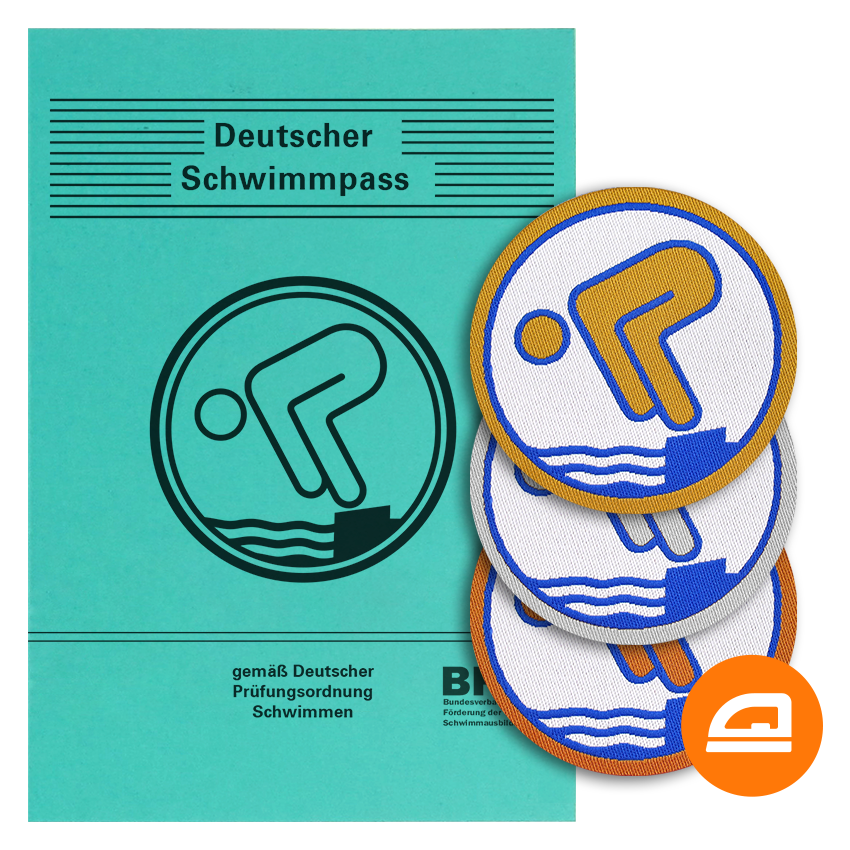
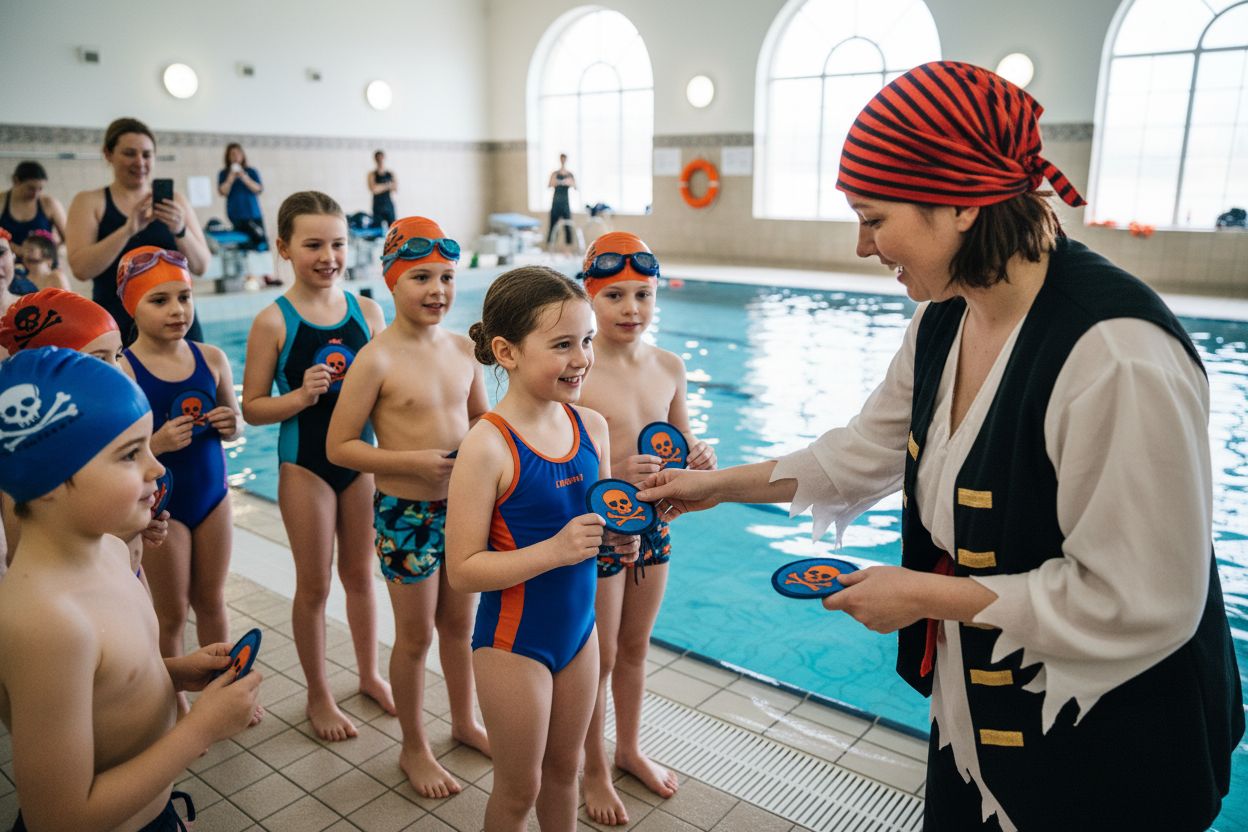
Set goals like badges.
-
Combine with education.
Finally, a motivating story: Imagine a young pool swimmer named Nok from a small club in Germany dreams of the Olympics. Like a miracle swimmer, he trains freestyle daily, inspired by world champion Michael Groß and European champion Paul Biedermann. In the run-up to the Games, he breaks a world record time and wins gold medals. This story shows that hard work and the German Swimming Federation pave the way for new peak performances, just like in the US. Such names and successes inspire thousands. In his career, he becomes a men's World Champion with enormous performance enhancement.
Facts About German Swimmers
Michael Groß is described as the most successful German swimmer.
Florian Wellbrock is an Olympic champion in open water and multiple world champion.
Franziska van Almsick won ten Olympic medals, two world championship titles, and 18 European championship titles.
Lukas Märtens won gold in the 400-meter freestyle and is a role model for German swimming.
Isabel Gose won four German championship titles and has established herself as a dominant swimmer.
Angelina Köhler became a star with her World Championship title in the 100-meter butterfly.
Lukas Märtens provided the highlight at the German Championships with a time of 3:40.33 minutes in the 400-meter freestyle.
The German Swimming Federation (DSV) was founded in Berlin in 1886.
80,000 members of the DSV are registered as licensees.
Despite the establishment of school swimming, a decline in swimming abilities in the population is recorded.
Swimming has been an integral part of school education in Germany since the 1960s.
Michael Groß won gold medals in the 200-meter freestyle and 100-meter butterfly at Los Angeles 1984.
Michael Groß also won silver with the 4 x 200-meter freestyle relay at the Olympic Games in Los Angeles.
German swimmers took home two medals from the 2024 Olympic Games in Paris.
The balance of German swimmers at the 2024 Olympic Games in Paris shows an increase in performance compared to Tokyo 2020.
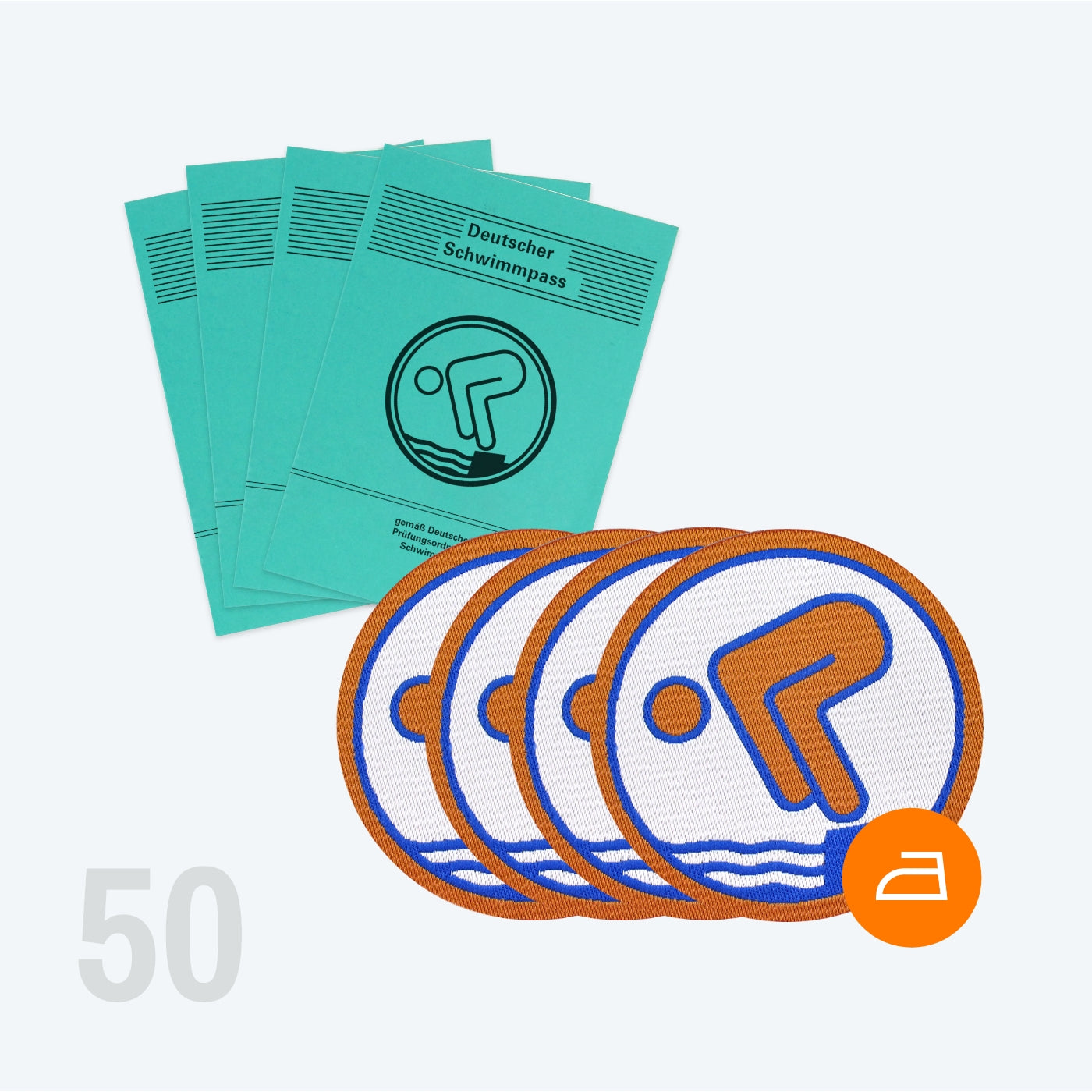
At the World Swimming Championships in Singapore, German athletes achieved impressive successes, including World Championship gold for Florian Wellbrock in open water swimming, which makes the country proud and motivates young talents like 23-year-old Isabel Gose, who shines as an Olympic champion. Getty Images capture these triumphant moments, while the Pimpertz-Shop offers swimming badges like Seahorse, Bronze, Silver, and Gold to promote entry into swimming and pave the way for international top performances.

%20forms%20the%20foundation%20for%C2%A0swimming%C2%A0in%20Germany%20and%20comprises%20approximately%20600,000%20members%20in%20about%202,500%20clubs.%20This%20structure%20enables%20comprehensive%20support%20for%20...)