
The Best Tips for Earning the Pirate Badge in Swimming Lessons
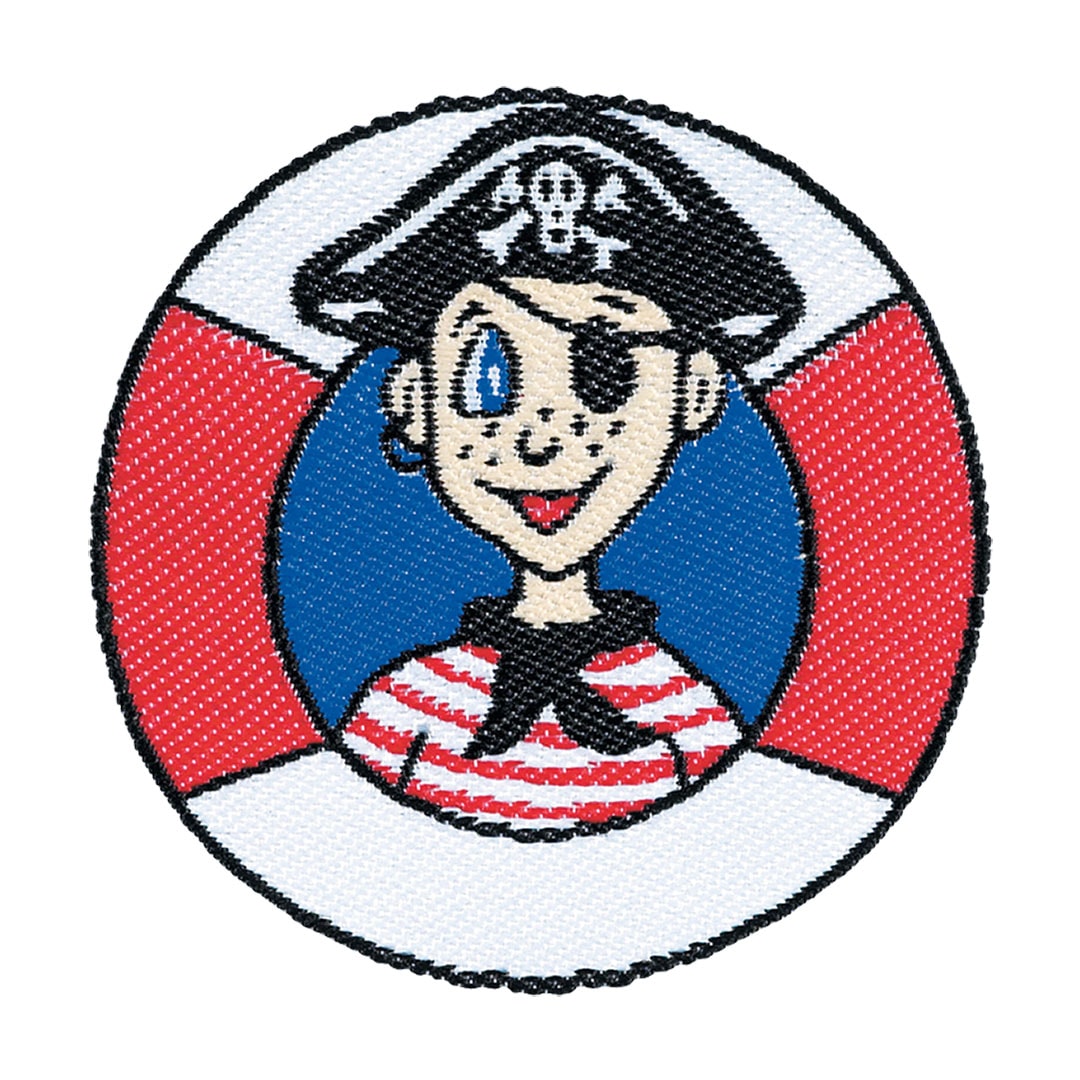
"Pirate" Swimming Badge: Introduction and Requirements
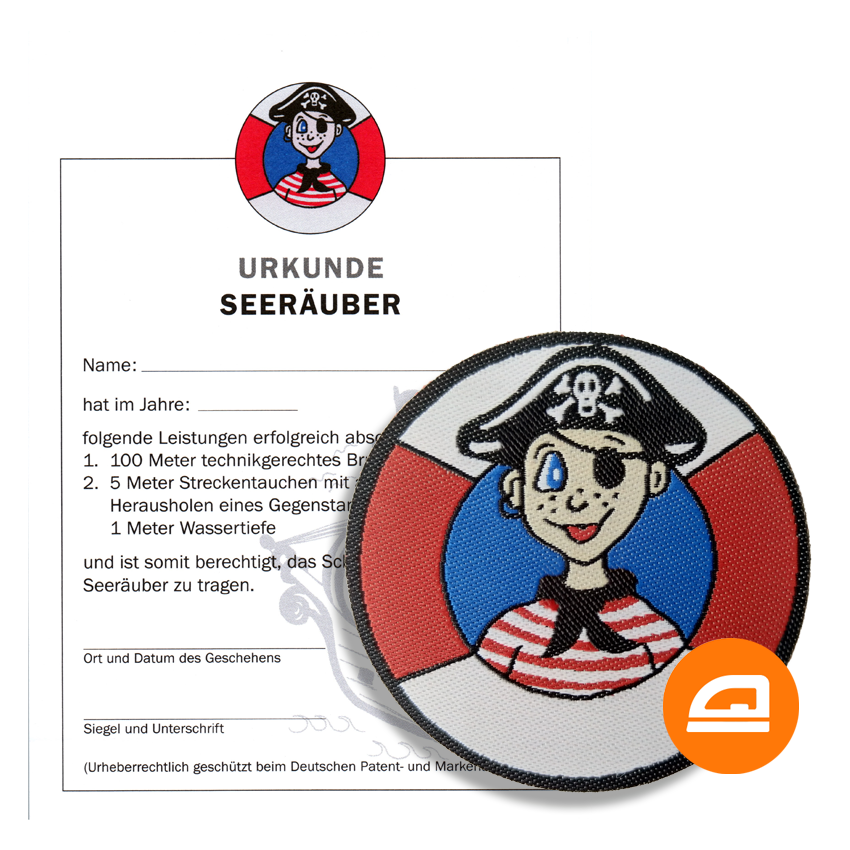
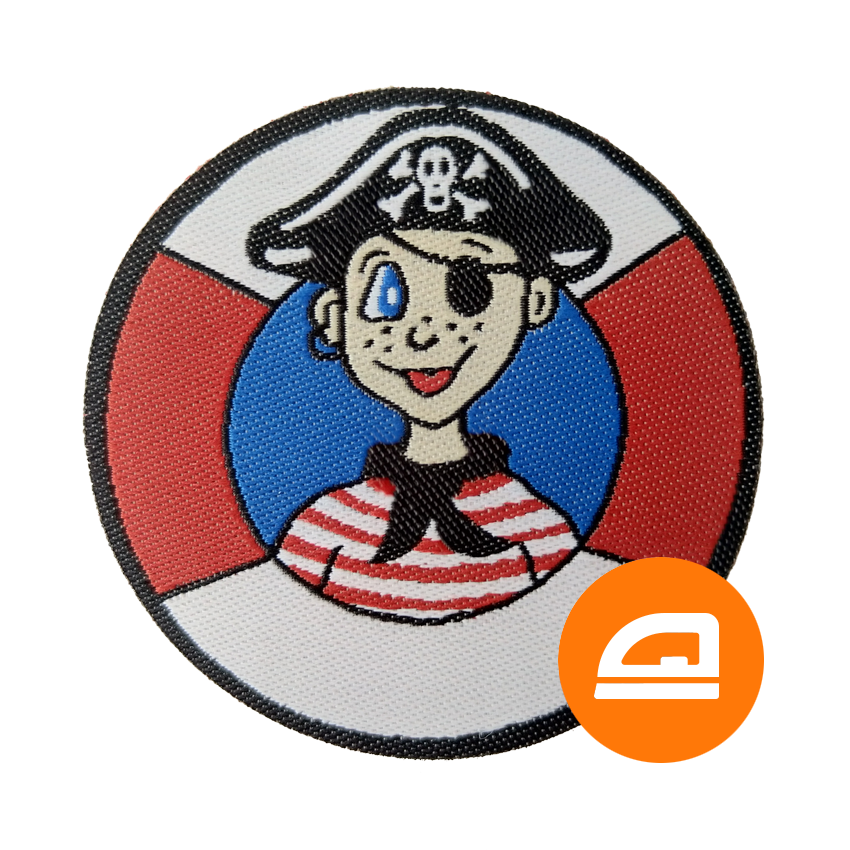
The Pirate badge is a special badge within swimming education that children can aim for after the Seahorse badge. As the next goal after Bronze, this "Pirate" swimming badge offers a motivating intermediate step with demanding requirements and a lot of fun in the water.
There is no fixed age requirement for the Pirate badge – the child's age does not matter as long as the respective requirements are met.
The requirements include:
-
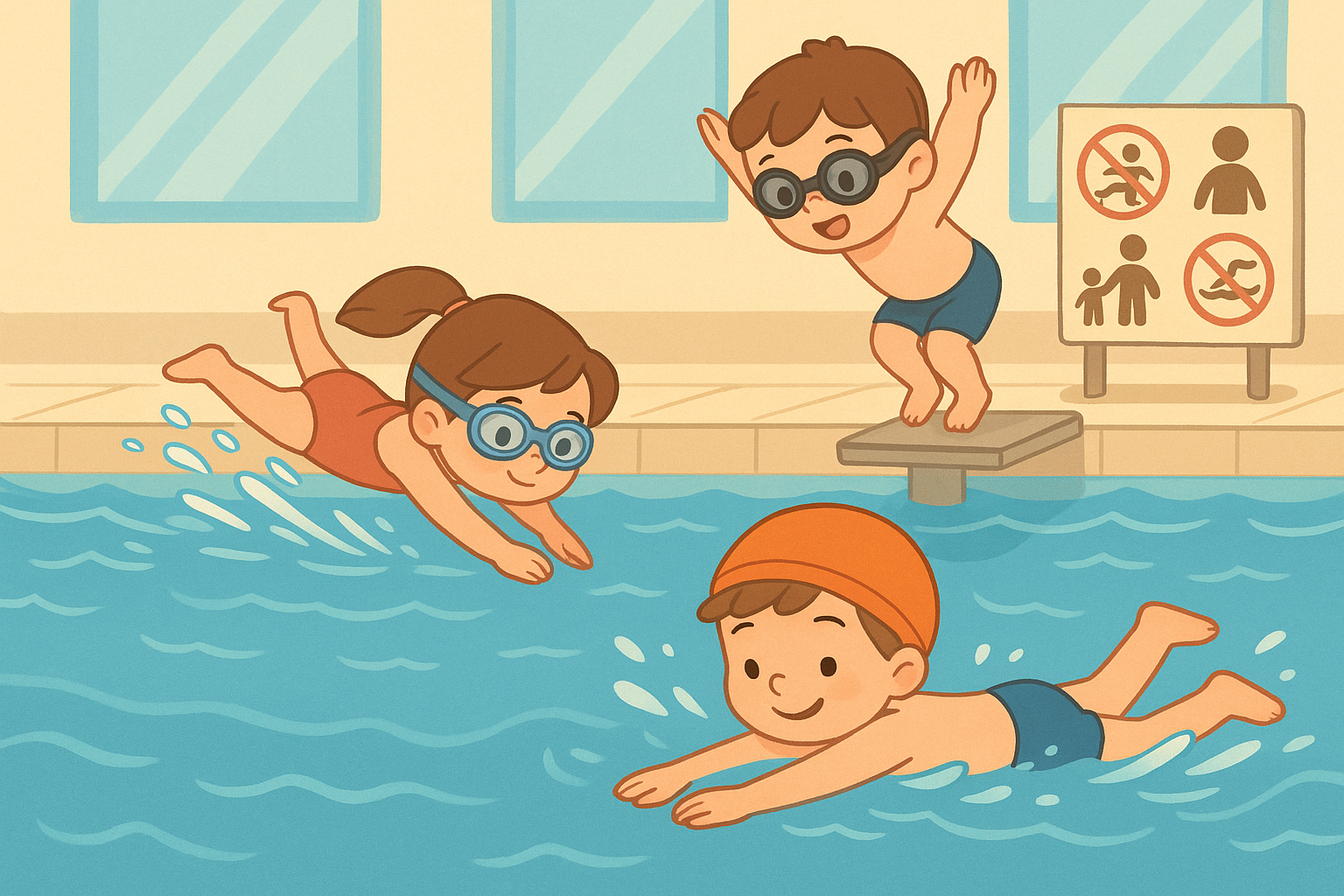
Breaststroke (100 m) and underwater swimming (5 m) strengthen endurance and safety.
-
Head-first jump from the pool edge and optional jumps from the 1 m board ensure courage and coordination.
-
Knowledge of bathing rules, guidelines for emergencies on land and in water are taught.
An important requirement is that the child safely masters the aforementioned swimming and diving skills as well as the bathing rules. The Pirate badge is not an official DLRG badge, but it is awarded by many swimming schools following similar guidelines as the DLRG.
Preparation for the Pirate badge should be carefully planned to ensure that children acquire the necessary skills and knowledge.
The requirements for the Pirate badge are more challenging than for the Seahorse badge, but are achievable with regular training and practice.
The "Pirate" swimming badge promotes endurance and coordination and teaches important bathing rules. Children can demonstrate their first rescue skills here and gain valuable knowledge in dealing with emergency situations.
The Pirate badge is one of the youth swimming badges and forms an important level in the system of swimming badges for children and young people.
Reviews from swimming schools show how well the "Pirate" swimming badge can be integrated into any swimming education program. The experience of the swimming schools in preparing and conducting the exams is an important factor for success.
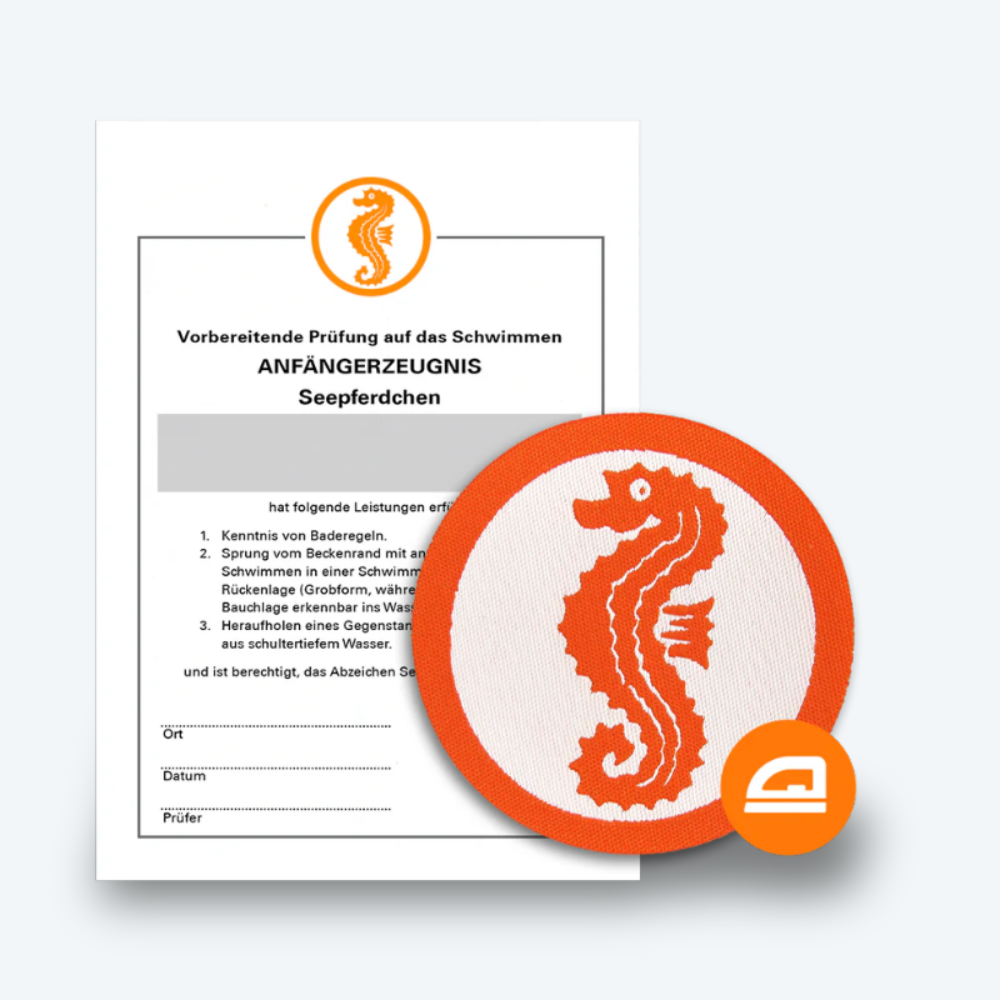
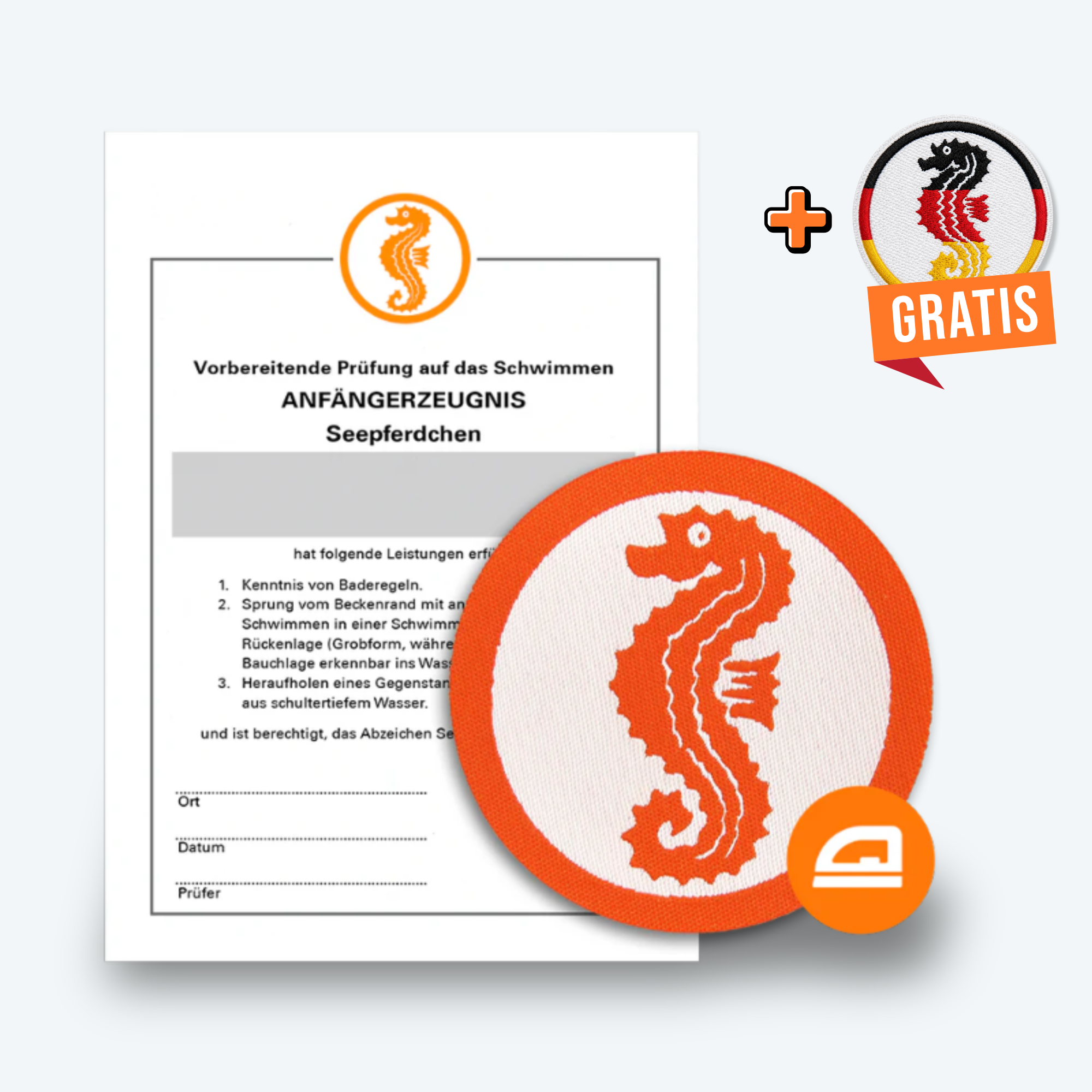
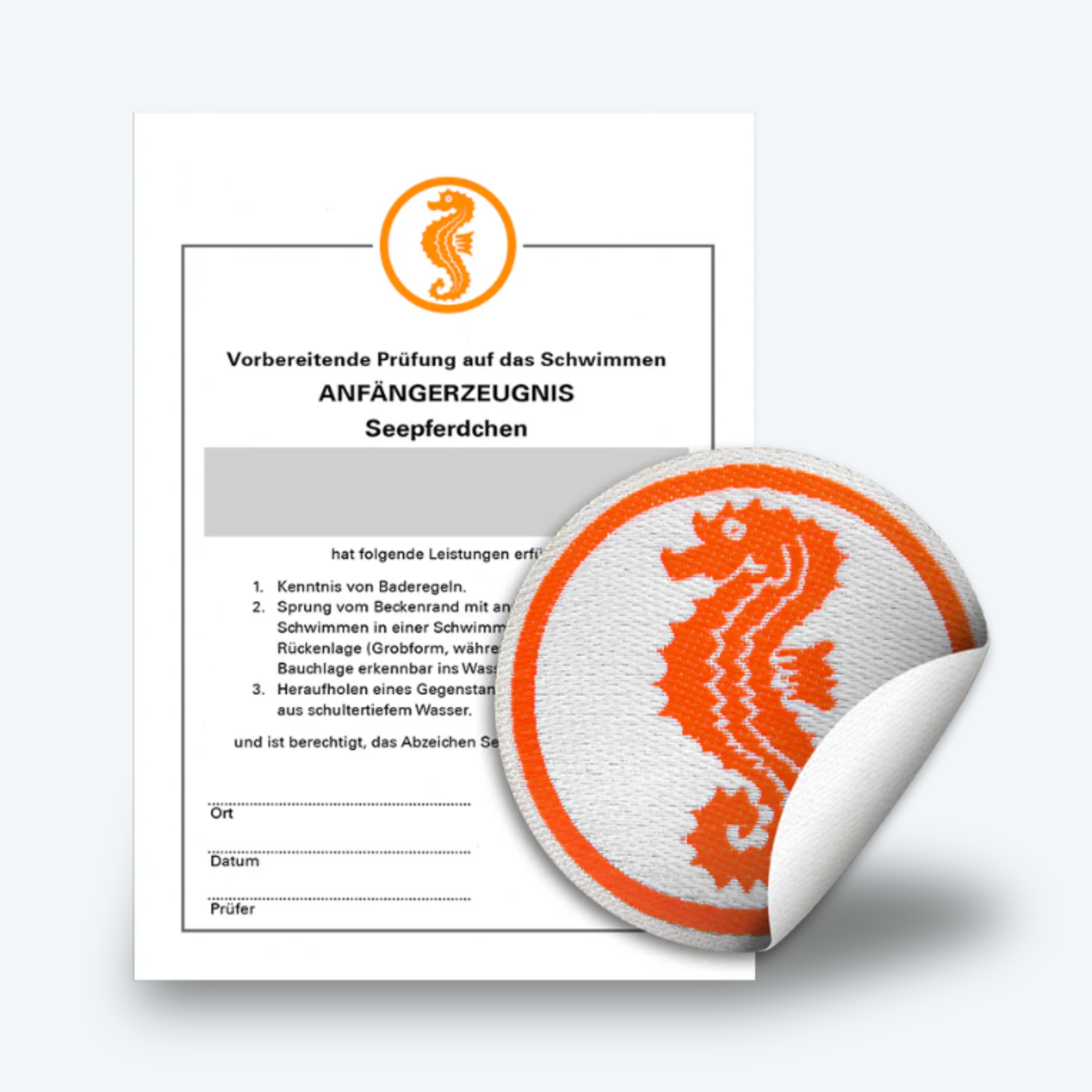
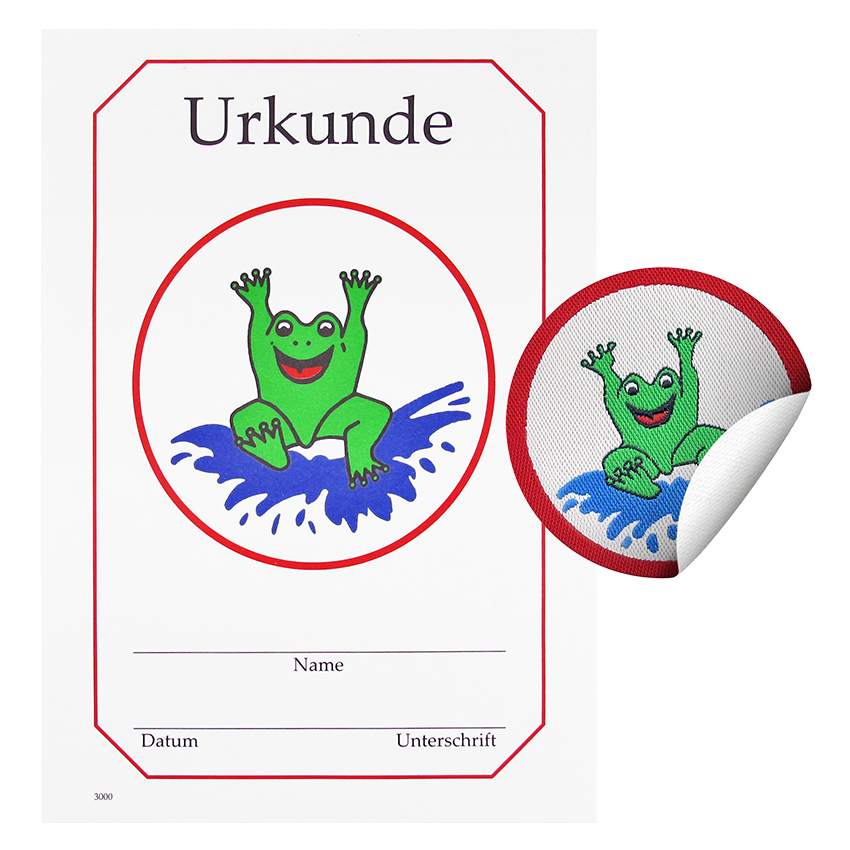
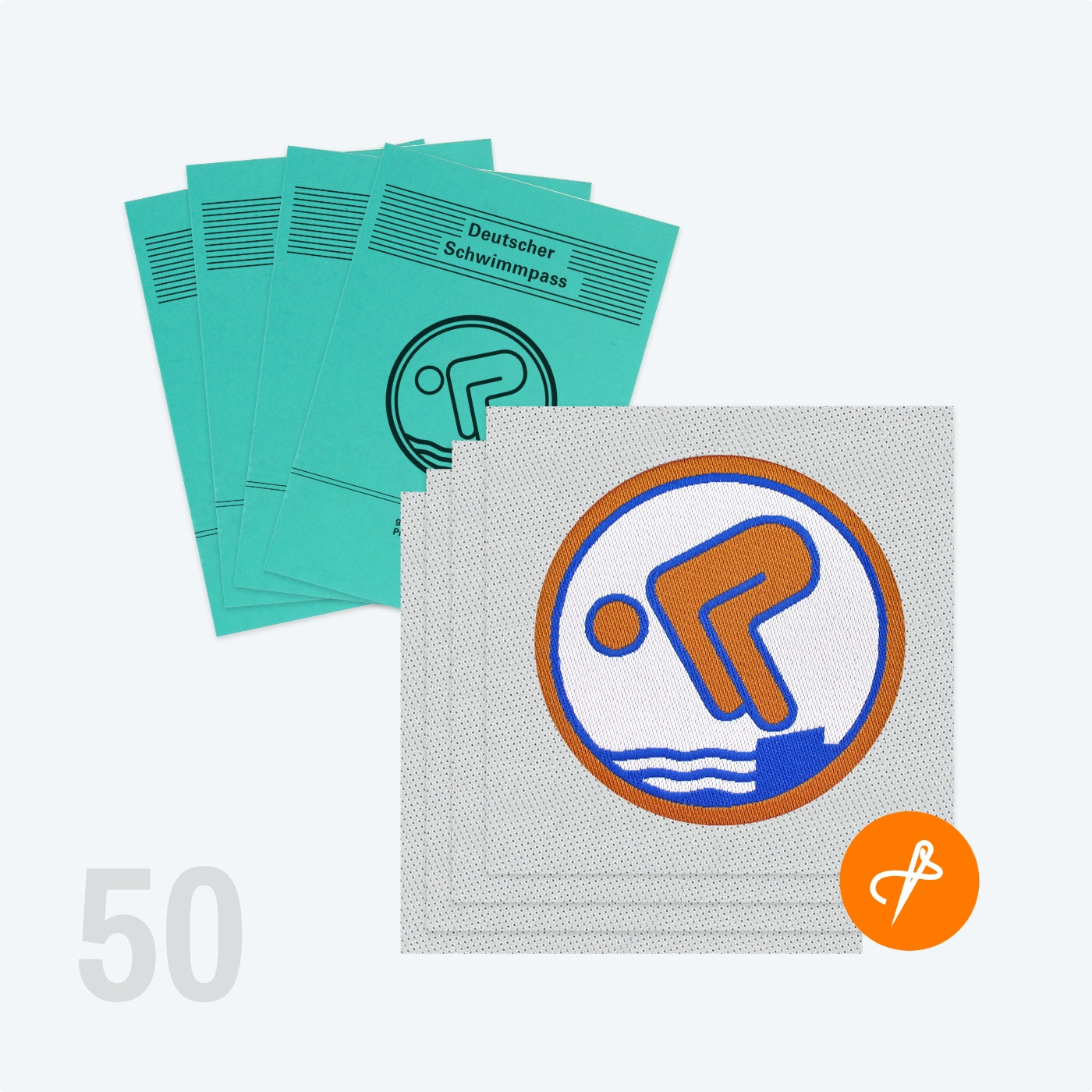
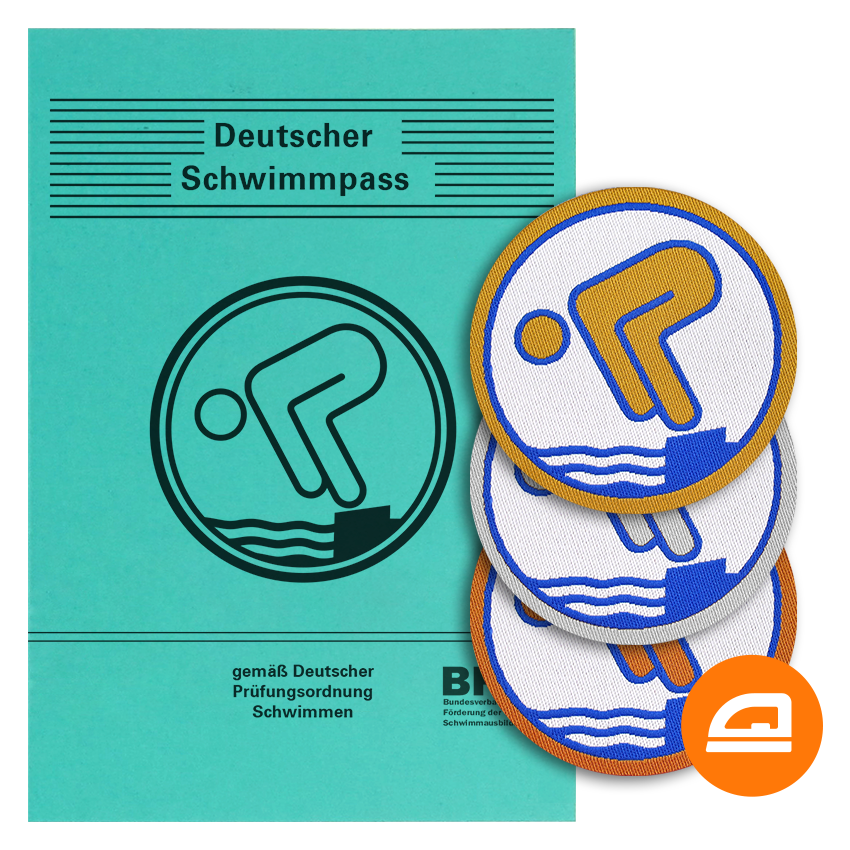
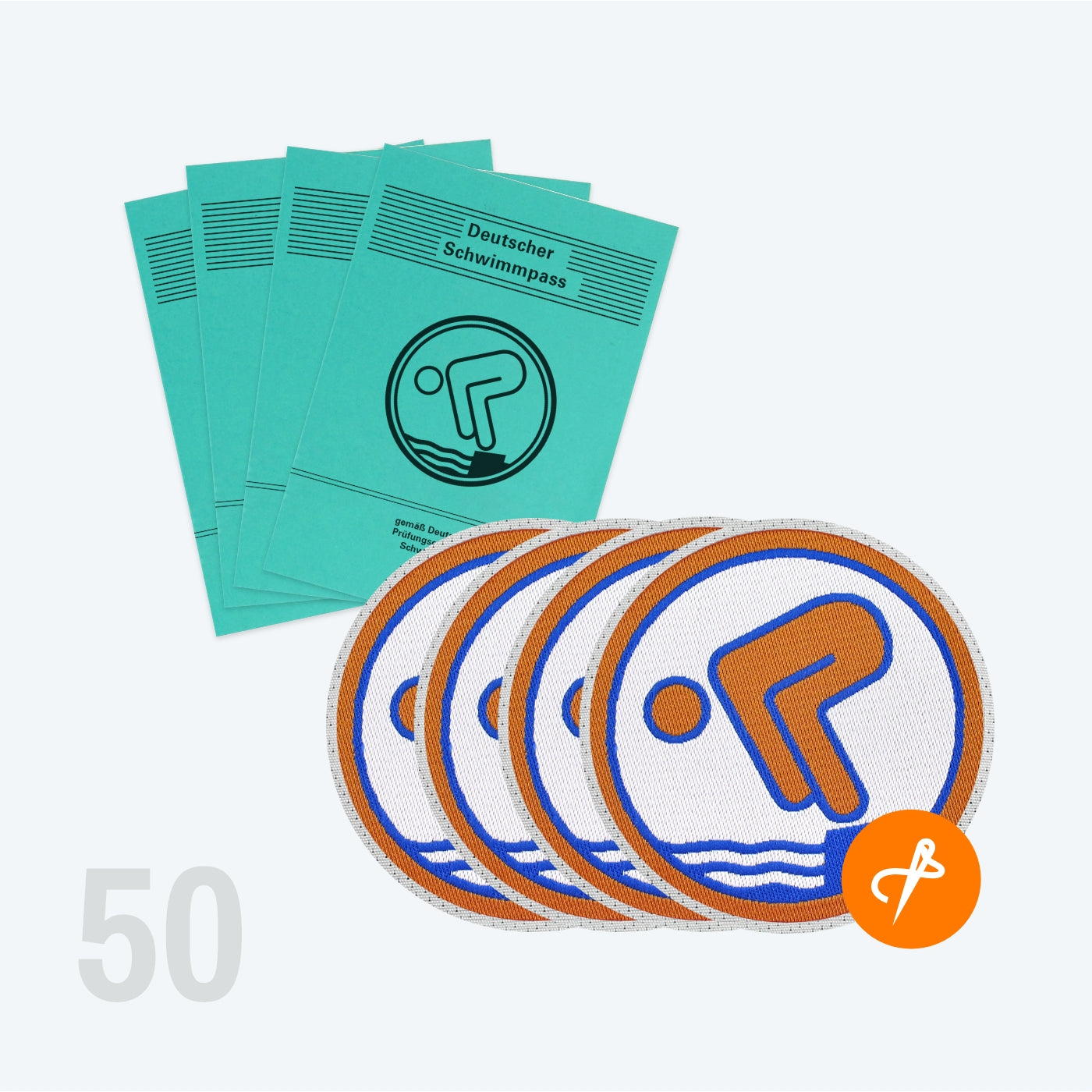
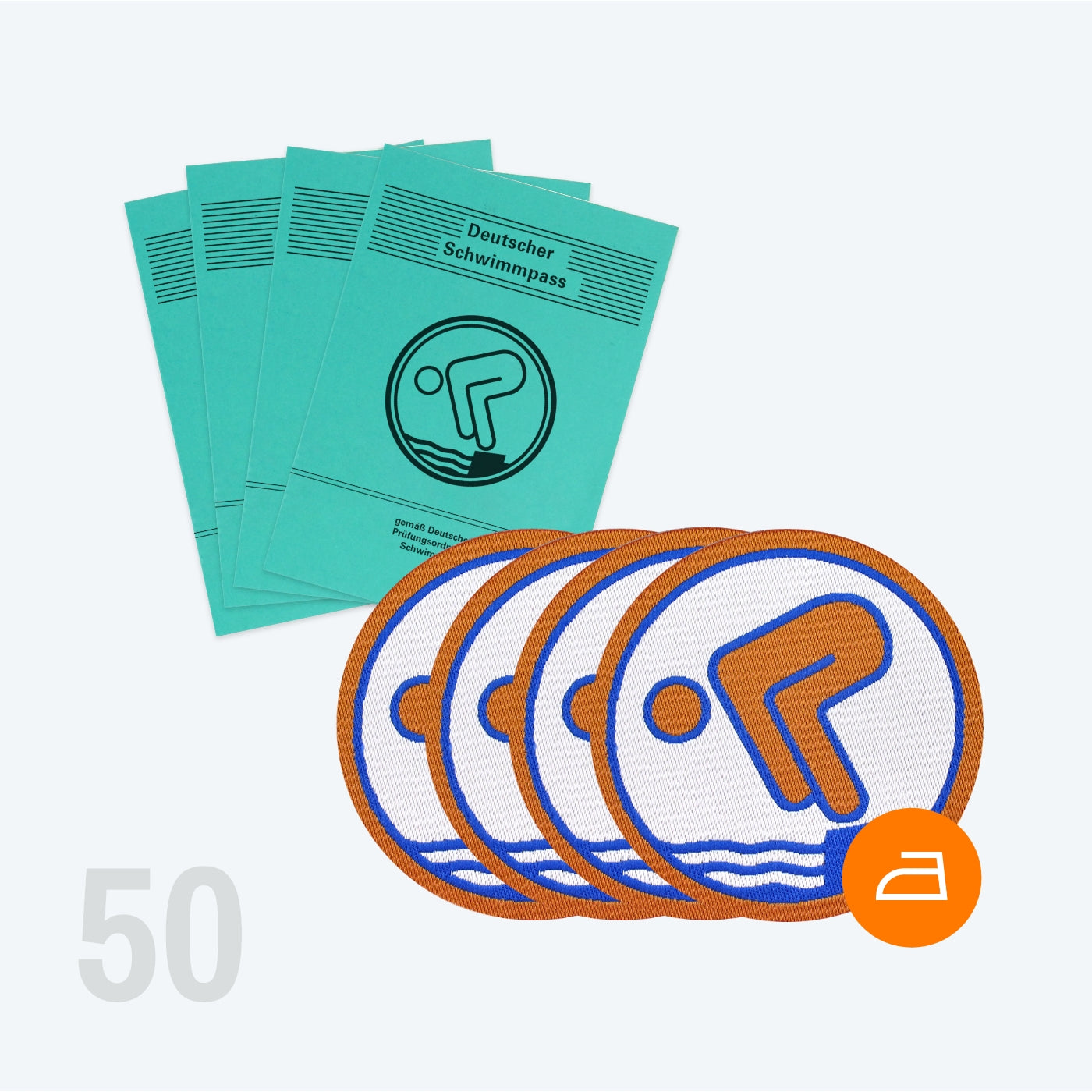
Children thus gain their first experiences, can record their achievements, and receive their early swimmer's badge including a certificate and fabric badge. Swimmers of all ages can playfully test their abilities here.
The order of the swimming badges – Seahorse, Pirate and Bronze – forms a logical sequence of swimming badges for children.
Further information on the requirements and examination details can be found on the respective pages of the swimming schools or official bodies.
Preparation and Exercises
-
Preparation for the Pirate badge should begin with breaststroke practice sessions, ideally 100 meters, to improve execution and increase endurance. Backstroke and different swimming styles should also be practiced to promote versatility.
-
Underwater swimming (5 m) as well as retrieving an object from at least 1 m water depth should also be practiced, with the object having to be picked up with the hands. In addition, diving for a diving ring and deep diving should be practiced to improve diving skills.
-
Jumping exercises: Head-first jump from the pool edge, jumps from the 1 m board in front crawl and backstroke position. Jumps should be practiced both from the starting block and from the 1 m board, with jumps possible in both front crawl and backstroke positions.
-
Another important exercise unit is making bubbles underwater to improve breathing technique and body awareness.
-
Repeated pushing off the pool edge to train coordination and initial strength.
-
Teaching bathing rules in swimming schools. The swimming school plays a central role in preparing for the Pirate badge.
-
The exercises should be gradually increased to avoid overwhelming the children and to maintain their motivation. Children are allowed short breaks between exercises to recover.
-
It is important that children also know and understand the bathing rules and safety precautions in the swimming pool.
-
The examination performances include both practical and theoretical elements, such as swimming, diving, and knowledge of bathing rules.
-
Candidates should remain underwater while diving and not just swim on the surface to correctly meet the requirements.
-
Regular breaks and adequate nutrition are important to maintain the children's endurance and health.
Seahorse Badge as a Prerequisite
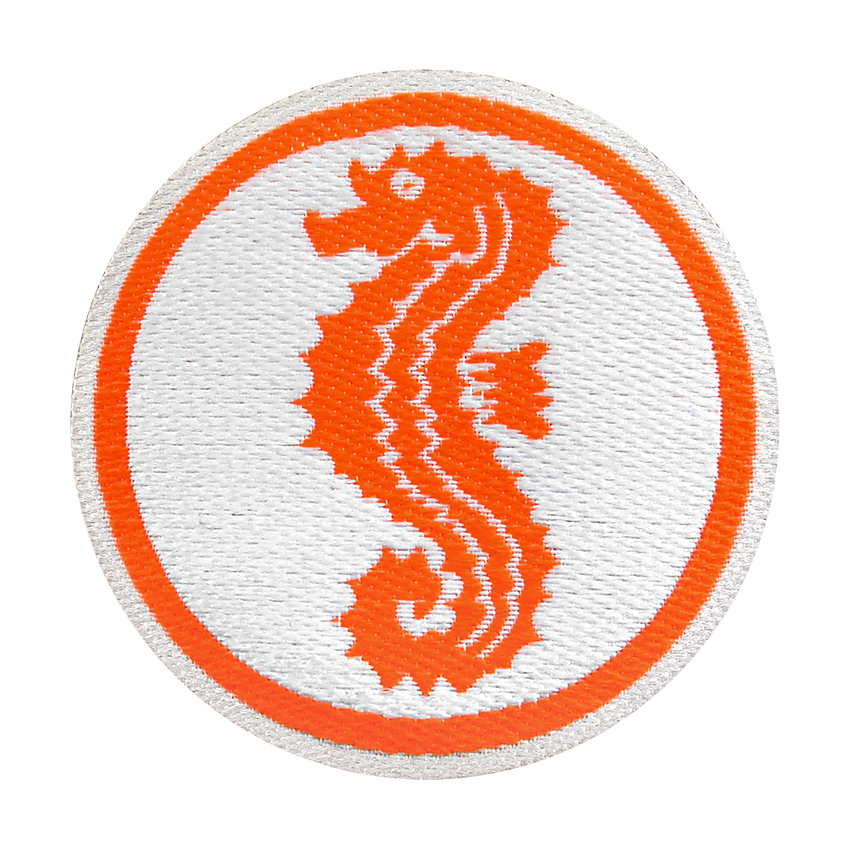
The Seahorse (early swimmer's badge) is an important prerequisite for the Pirate badge, as it teaches basic swimming skills and knowledge.
This Seahorse badge requires:
-
Head-first jump from the pool edge
-
25 m swimming in front crawl or backstroke (a rough form of swimming style is sufficient)
-
Retrieving an object from shoulder-deep water (the shoulder depth of the water is an important prerequisite for this exercise)
Children who have earned the Seahorse badge should continue to swim regularly and improve their skills to achieve the Pirate badge.
The requirements for the Seahorse swimming badge are less demanding than for the Pirate swimming badge, but it is important that children acquire the necessary skills and knowledge to swim safely.
The Seahorse swimming badges are an important part of swimming education and should be taught by qualified teachers or trainers.
The Seahorse swimming badges are also an important step on the way to the Bronze swimming badge and should therefore be taken seriously.
With the certificate and the fabric early swimmer's badge, early swimmers receive the first proof of their knowledge of bathing rules and water safety. Only then can they move on to the "Pirate" swimming badge.
"Pirate" Swimming Badge: Significance, Motivation, and Details
The "Pirate" swimming badge is an exciting milestone for many children on their way to becoming safe swimmers. As the next step after the Seahorse swimming badge, the Pirate badge offers a great opportunity to further develop one's swimming skills and master new challenges in the water. Especially breaststroke over longer distances, jumping into the water, and underwater swimming not only promote technique but also self-confidence and safety in the water.
For children, the "Pirate" swimming badge is a real motivational highlight: they experience how they improve their endurance and swimming skills with targeted exercises and regular training. The expectations – such as retrieving an object from at least 1 meter water depth or safely swimming underwater – make the preparation varied and exciting. At the same time, children learn the importance of bathing rules and careful behavior in the swimming pool.
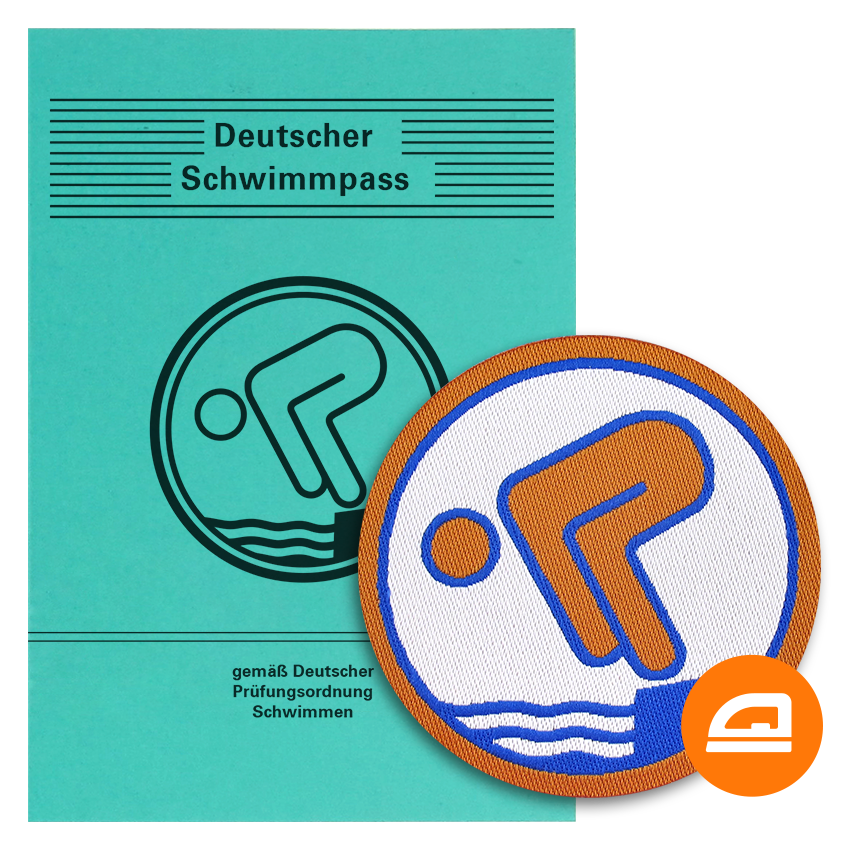
The Pirate badge is not only proof of one's swimming achievements but also a popular fabric badge that can be proudly sewn onto a swimsuit, swim shirt, or towel. Many swimming schools, kindergartens, and clubs rely on the Pirate badge to playfully introduce children to safe swimming and prepare them for the Bronze swimming badge. The joy over the passed badge and the accompanying certificate is a great incentive for many children to stay on track.
Organisationally, the Pirate badge is also uncomplicated: the costs usually range between 5 and 10 Euros, and many swimming pools regularly offer the opportunity to take the exam. It is worth inquiring beforehand when the next exam will take place and which requirements must be met. This way, children can work specifically towards the exam requirements and gain more confidence in the water with every exercise.
The Pirate badge is thus an important step towards safe swimming and a real motivational boost for all little swimmers. It combines fun, challenge, and learning success – and makes them eager for the next badges like Bronze, Silver, and Gold.
Tips for Success
-
Regular training and exercises are important to acquire the necessary skills and knowledge.
-
A healthy diet and sufficient sleep are important to maintain the children's performance and health.
-
Children should also know and understand the bathing rules and safety precautions in the swimming pool to swim safely.
-
Parents or companions should support and motivate the children to achieve their goals.
-
Swimming schools or clubs should have qualified teachers or trainers to teach and train the children.
For optimal acquisition of the Pirate badge:
-
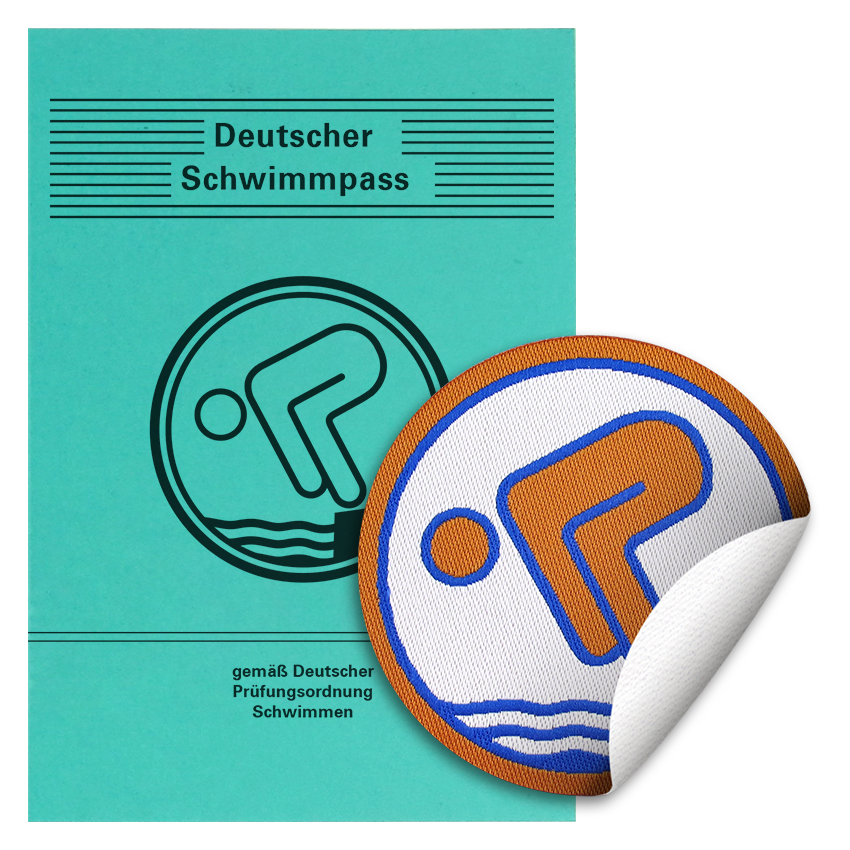
Keep a data log of your progress in the swimming pass.
-
Use small item sets with fabric badges and other items like swimming accessories to keep motivation high.
-
Practice in pairs or in groups – team spirit and fun increase ability.
-
Rely on positive reviews from experienced swimming schools and businesses.
Remember this tip: Plan the exercises according to a fixed rhythm so that you can see progress step by step.
With the Seahorse badge (early swimmer's badge), children have laid the foundation and can now confidently move into breaststroke – on the way to the "Pirate" swimming badge, further to Bronze, Silver, and Gold, and finally to the German Gold swimming badge. These badges not only document technical skills but also convey knowledge of safety and guidelines. After successful examination, official certificates are issued, confirming the acquisition of the respective swimming badge.

Visit our website Pimpertz.de to discover all swimming badges and products and order your next badge with price advantages. Good luck and, most importantly, have fun swimming!