
Inclusion in Swimming: Experiencing and Promoting Diversity in the Water
Diversity in the water begins with openness
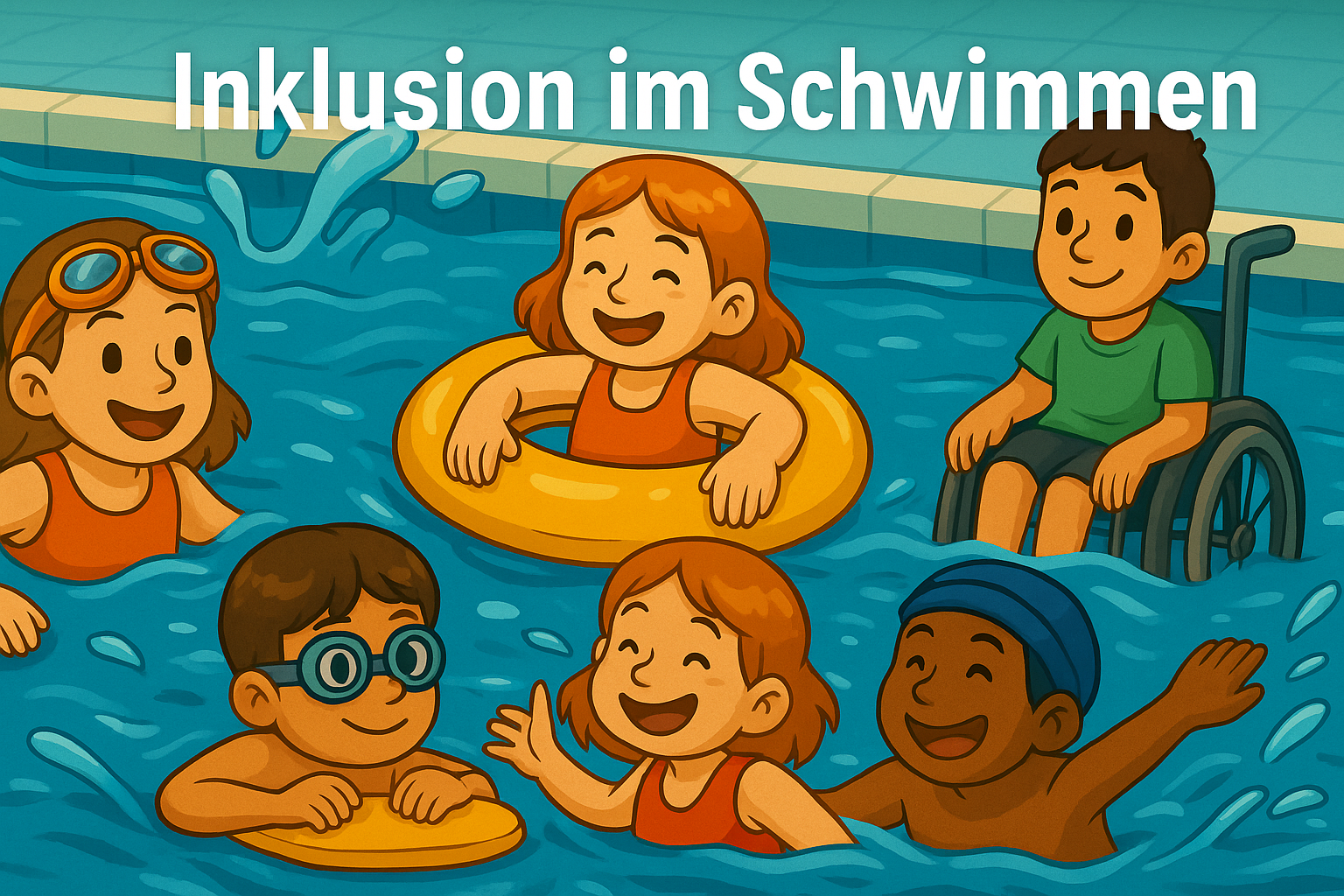
Inclusion in swimming is more than an educational concept – it is a living expression of lived diversity. When every child, regardless of disability, explores the movement space of water together, a natural access to acceptance, self-confidence, and mutual respect emerges. The water offers a special movement space that enables diverse experiences of movement and participation. Every child should have access to an inclusive program that breaks down barriers and promotes participation. Access to water for all children forms the important basis for the development of movement skills and inclusion. The goal of inclusive swimming programs is to enable all children to swim safely, enjoy accessibility, and participate. Inclusive swimming addresses various topics such as the diversity of disabilities, social relevance, and inclusive offerings.
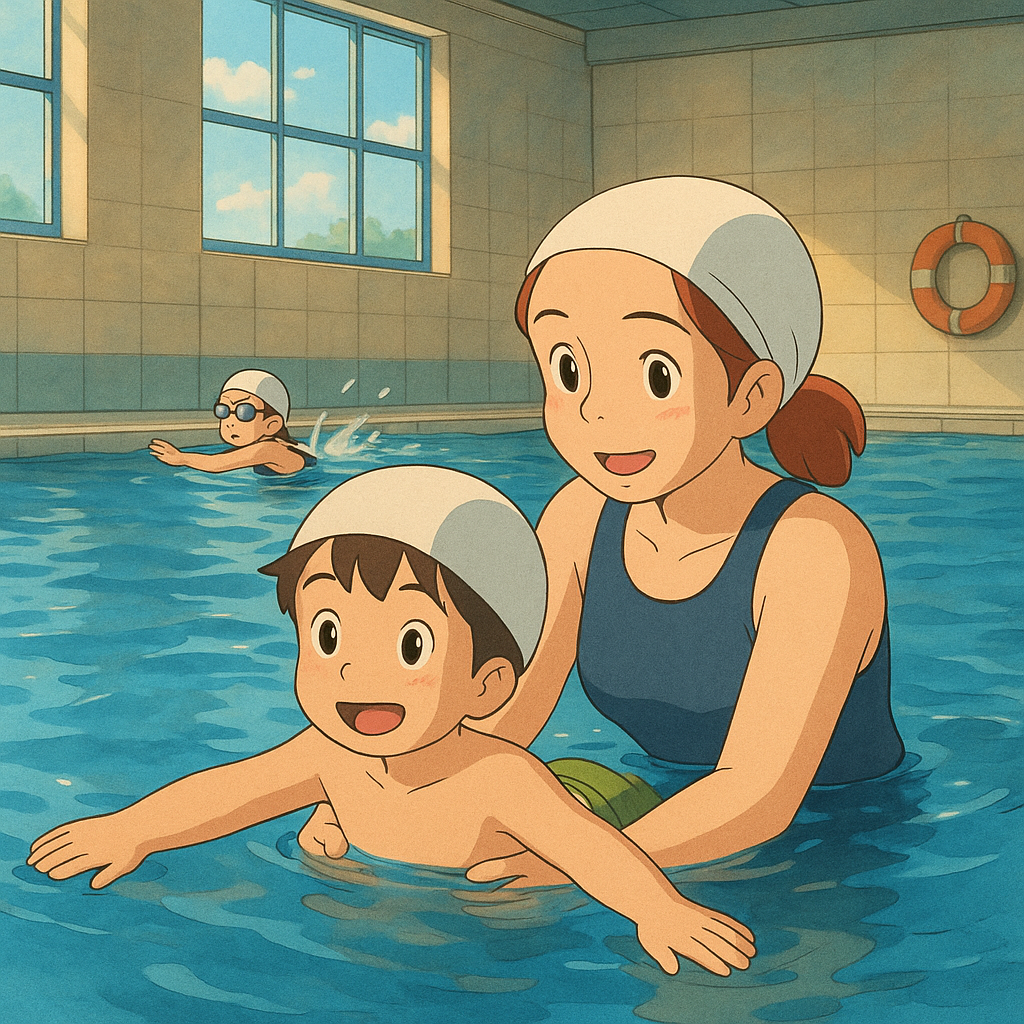
Through targeted swimming lessons, everyone involved can benefit: people with disabilities experience self-efficacy and success, while children or young people without limitations benefit from a more holistic social competence. The diversity of offerings in inclusive swimming ensures that suitable programs are available for every target group. Swimming creates an atmosphere in which everyone is on the same wavelength – literally.
Swimming – A sport for body, mind, and participation
Swimming is one of the few sports that can truly bring all people together – regardless of age, origin, or disability. In the water, many differences blur, and everyone can experience movement in their own way. For children and young people with disabilities, swimming opens up a special opportunity to discover and strengthen their abilities. Movements in the water not only promote physical fitness but also self-confidence and independence.
In inclusive swimming lessons, children with and without disabilities learn together to move safely in the water. Everyone benefits: some experience how they overcome their own limits, while others learn to be considerate and to see diversity as an enrichment. Swimming thus becomes a driving force for participation and development – and a sport that goes far beyond mere swimming. It is a place where people come together, learn from each other, and grow together.
Inclusion – Learning not side-by-side, but with each other
Inclusion in swimming means that everyone is in the water together – not side-by-side, but with each other. In inclusive swimming programs, people with and without disabilities are seen as equal participants who benefit from and support each other. Here, the focus is not on adapting to a norm, but on developing the individual abilities of each person.
Joint swimming fosters new friendships, mutual understanding, and a strong sense of community. Participation in swimming thus becomes possible for everyone, regardless of limitations or previous experience. Inclusion in swimming is an important step towards a society where diversity is a matter of course and everyone has the chance to develop. The development of skills, the overcoming of barriers, and the joy of movement are at the heart of this – for everyone.
Swimming - A sport for body, mind, and participation
Swimming is far more than a vital skill – it is a project of encounter. Activity in the water does not follow a fixed pattern of normality. Compared to land, water often offers more opportunities for movement and participation, as its special properties allow for individual development and promotion of each person's abilities – regardless of impairment, age, or background.
Especially for children with physical or mental disabilities, swimming is often the first sport that can be experienced without external aids. Floating in the water relieves joints, strengthens muscles, and improves body awareness. Swimming courses are tailored to the individual needs of the children to create an inclusive and supportive learning environment. At the same time, all participants learn to take responsibility for each other – whether in the context of school sports, in clubs, or in independent programs.
Inclusion - Learning not side-by-side, but with each other
The term inclusion is often used abstractly – but in the context of swimming, it gains tangible meaning. Inclusive swimming courses are not about "dragging along" people with disabilities, but about creating structures that enable everyone to participate.
This includes targeted further training for coaches, barrier-free environments, and a pedagogical understanding that focuses on qualities such as empathy, patience, and communication. Qualified supervision during swimming lessons is essential to address the individual needs of the children. Well-trained course leaders play a central role in the success of inclusive swimming programs, especially if they have experience in dealing with various disabilities. Swimming schools with an inclusive focus show that performance and inclusion are not mutually exclusive – on the contrary: they complement each other.
In the language of water, there is no "right" or "wrong," but only a common goal: to feel safe, free, and accepted. Anyone who takes inclusion in swimming seriously recognizes that it does not only affect people with disabilities but enriches society as a whole. This realization leads to a clear focus: inclusion must be integrated into every swimming program from the outset – not as an add-on, but as an integral part.
Learning to swim safely - Swimming safety begins with diversity
The goal of inclusive swimming education is not only to improve participation opportunities – it is also about ensuring that all children learn to swim safely, regardless of impairment or limitation. Beginner swimming instruction is a central component: with a suitable environment, trained instructors, and inclusively designed programs, the journey into the water can be made anxiety-free and motivating.
Children with mental or physical disabilities, in particular, benefit from methodically adapted swimming courses in which they receive individual support. The instructors pay attention to clear language, emotional security, and an appropriate learning pace – central prerequisites for reducing fears and building trust. The individual needs of people with disabilities are always at the center of the methodical design.
Inclusive programs also offer a valuable opportunity for young people who only discover swimming later in life to connect. The water as a space for movement thus becomes a place of empowerment – with real development opportunities for motor skills, abilities, and self-confidence. The achievements made in swimming are recognized and appreciated regardless of any impairment.
Inclusive projects: Moving together
Across Germany, there are now numerous projects specifically dedicated to inclusion in swimming. Whether in sports clubs, swimming schools, or through independent providers – the spectrum ranges from low-threshold swimming courses for children with disabilities to advanced courses in para-swimming.
These projects not only bring people together but also promote long-term priorities in movement education. Especially where clubs cooperate closely with schools, parents, and coaches, structures are created that enable real change. Building and maintaining contacts between clubs, coaches, and other stakeholders is crucial for successfully developing inclusive swimming projects and overcoming challenges together. Comprehensive information on inclusive swimming projects and offerings should also be provided so that interested parties can specifically access relevant details and contacts. Because inclusion needs more than good will – it needs expertise, attitude, and resources.
The role of the coach
Good coaches are key to successful inclusion in swimming. They must be able to do more than just teach technique: empathy, adaptability, and language are just as important as specialist knowledge. Coaches who regularly attend further training can specifically address individual impairments or limitations and provide appropriate learning impulses for all children. Particularly important is the promotion and development of all athletes, regardless of whether they have an impairment or not, to create an inclusive and supportive training environment.
The exchange between coaches, whether via email, workshops, or platforms, also contributes to professionalization – this creates a common wavelength for movement, trust, and mutual respect.
Swimming badges as a visible goal
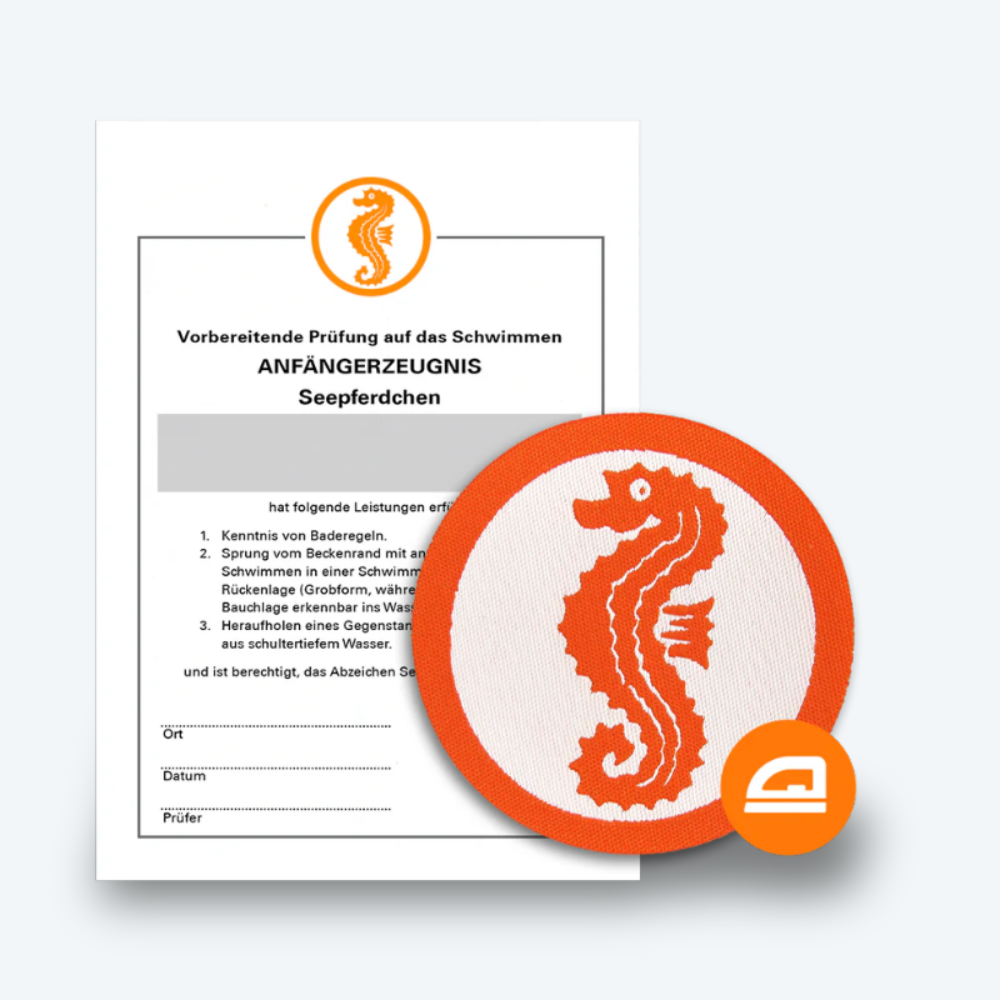
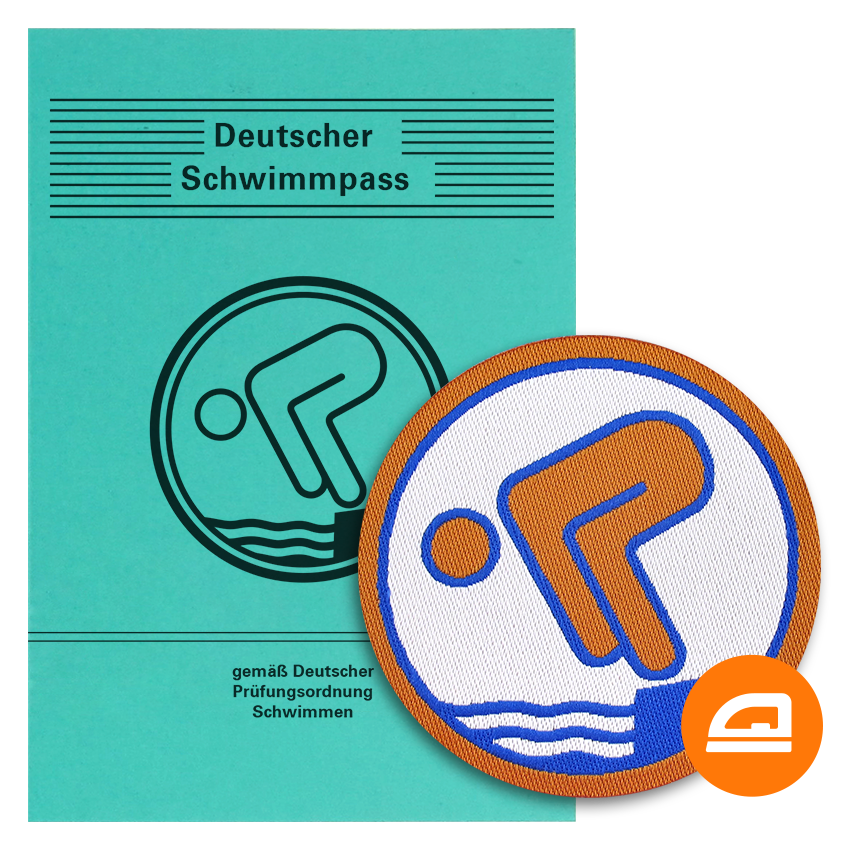
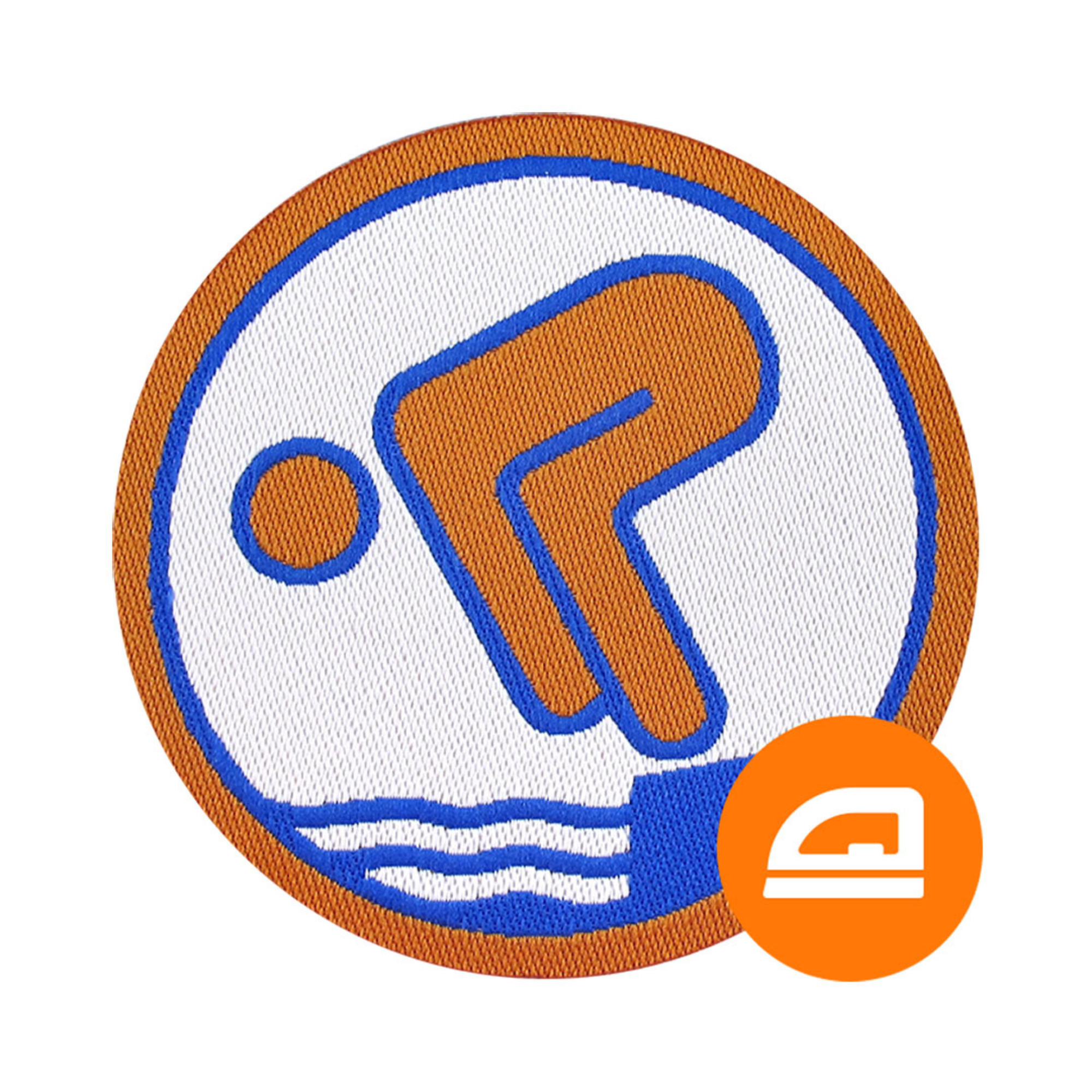
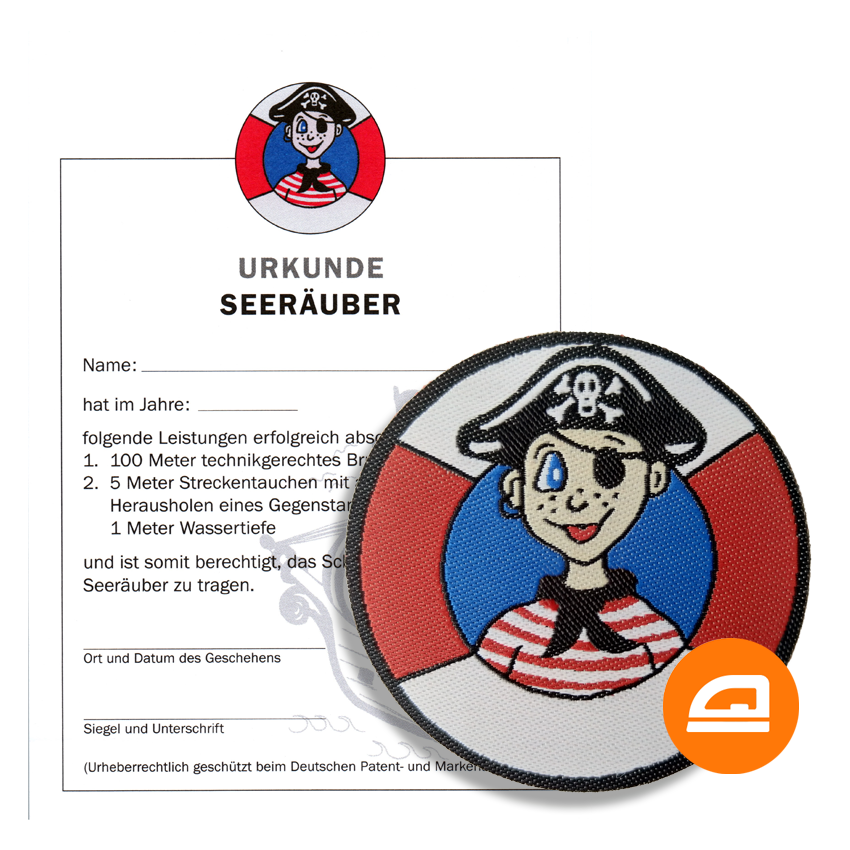
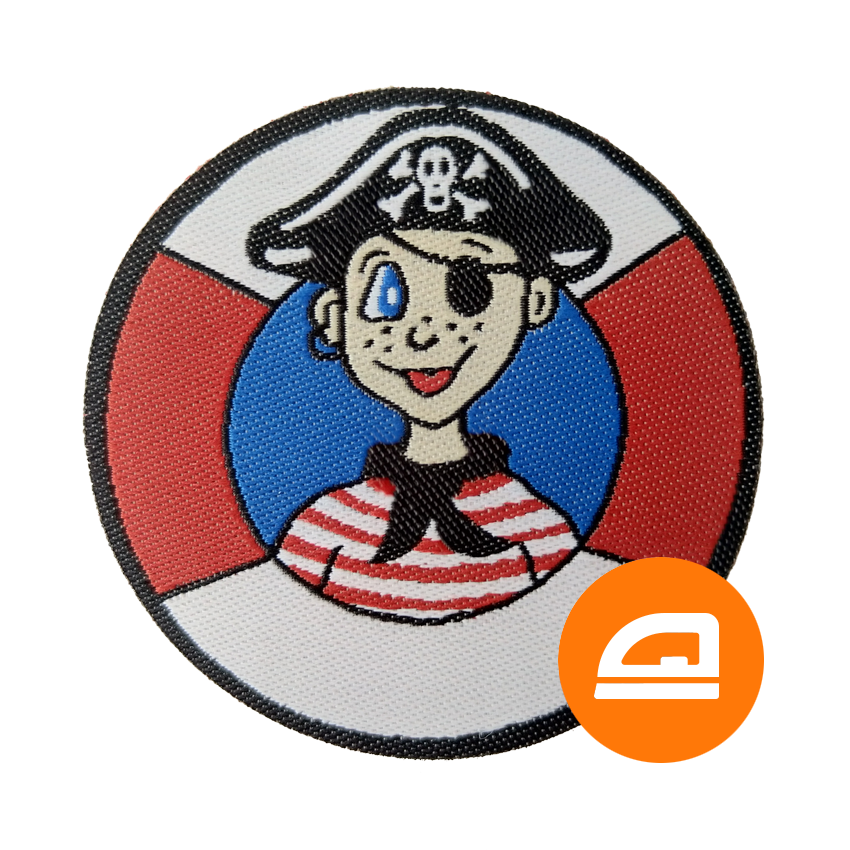
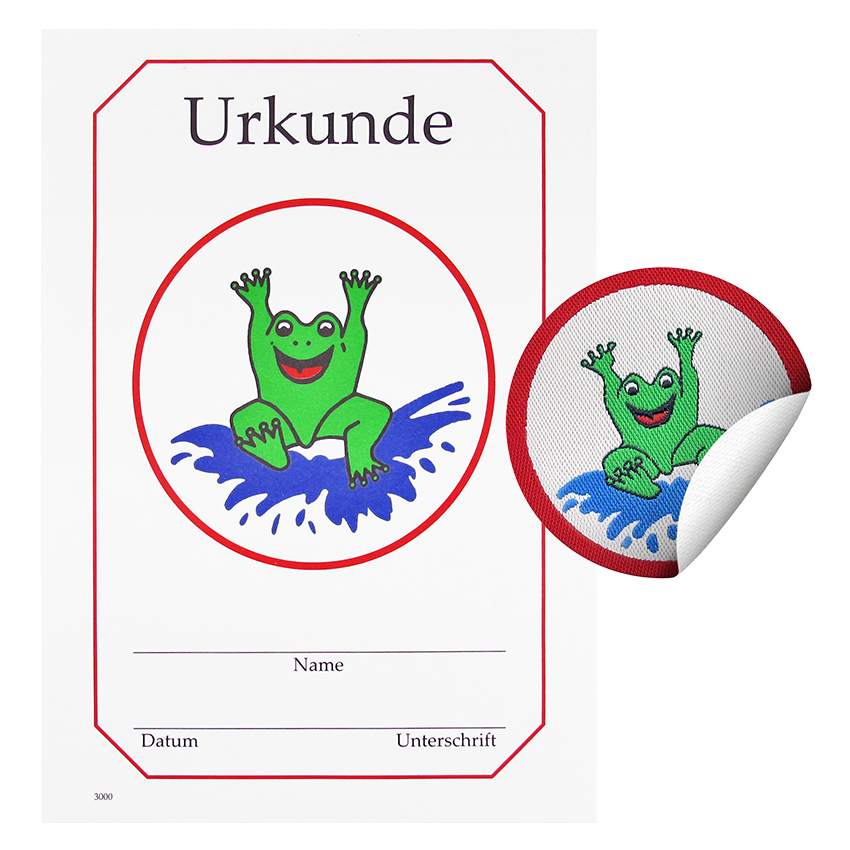
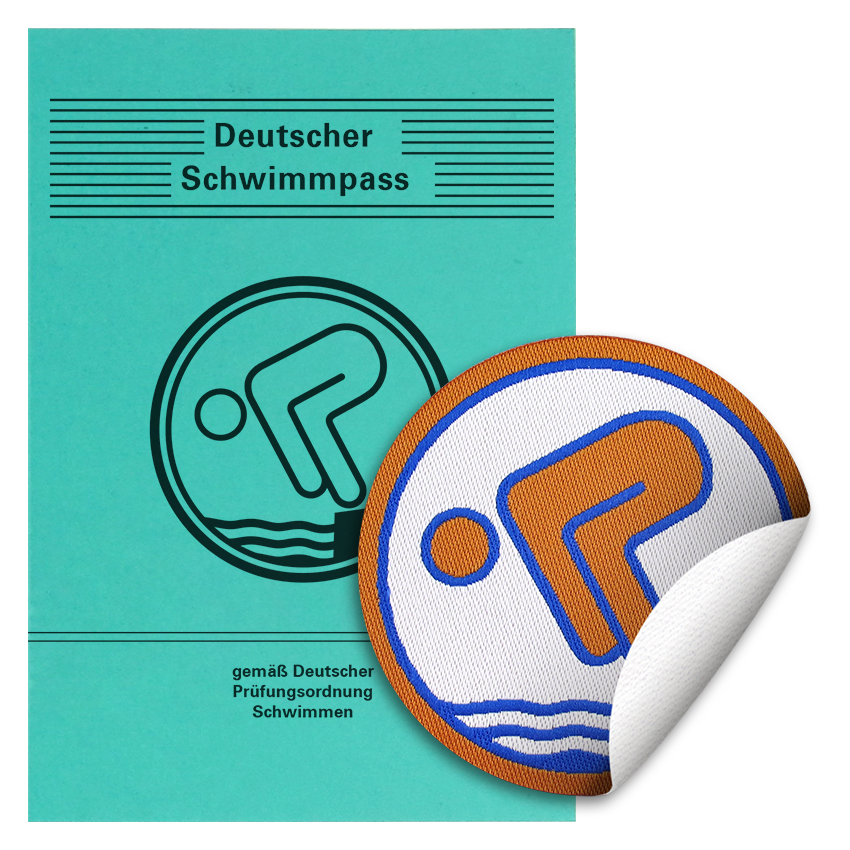
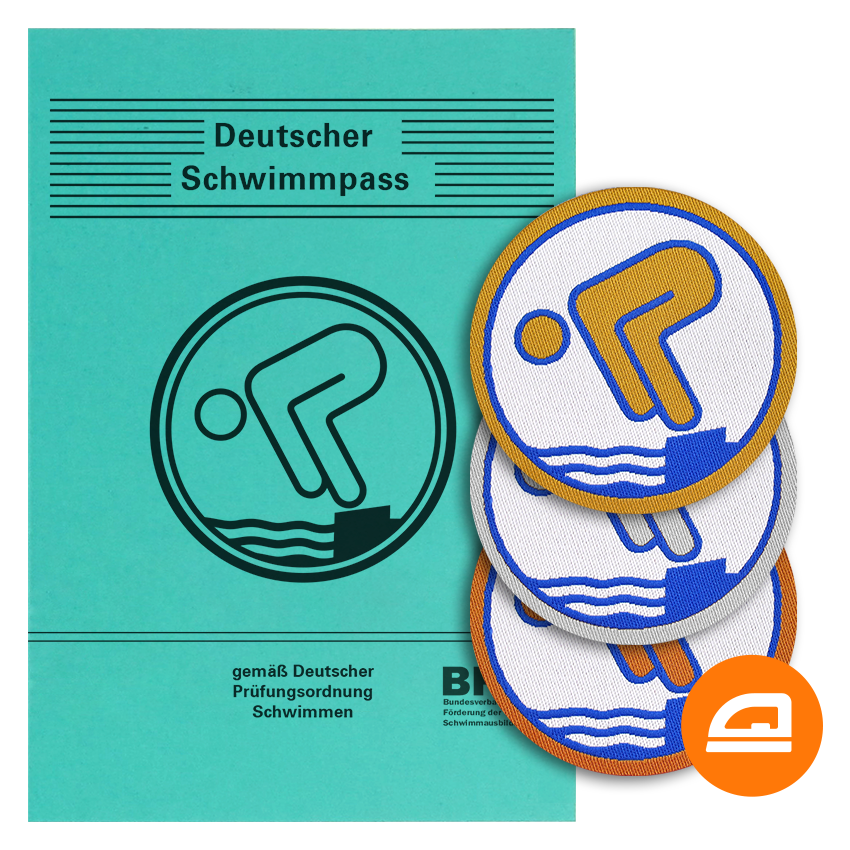
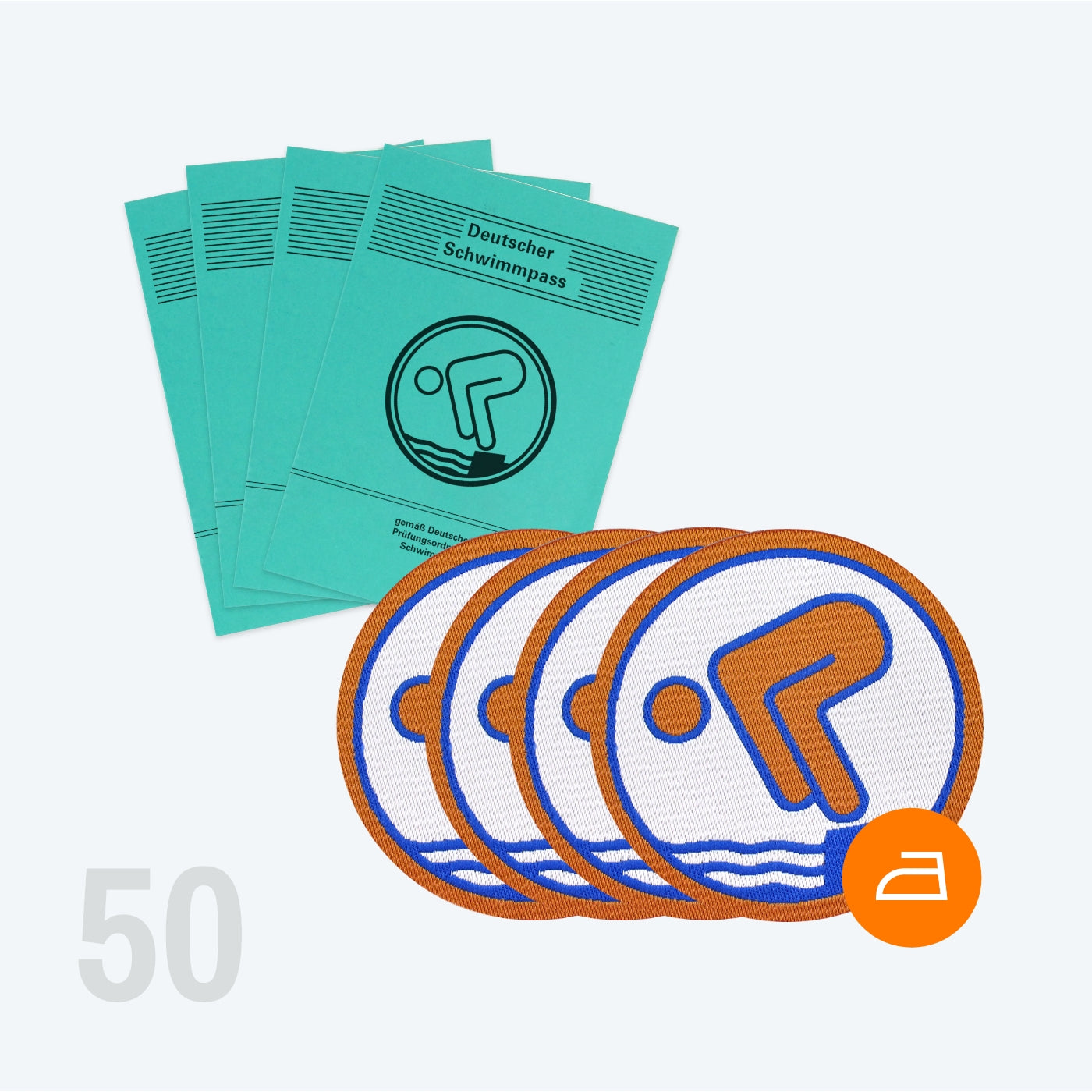
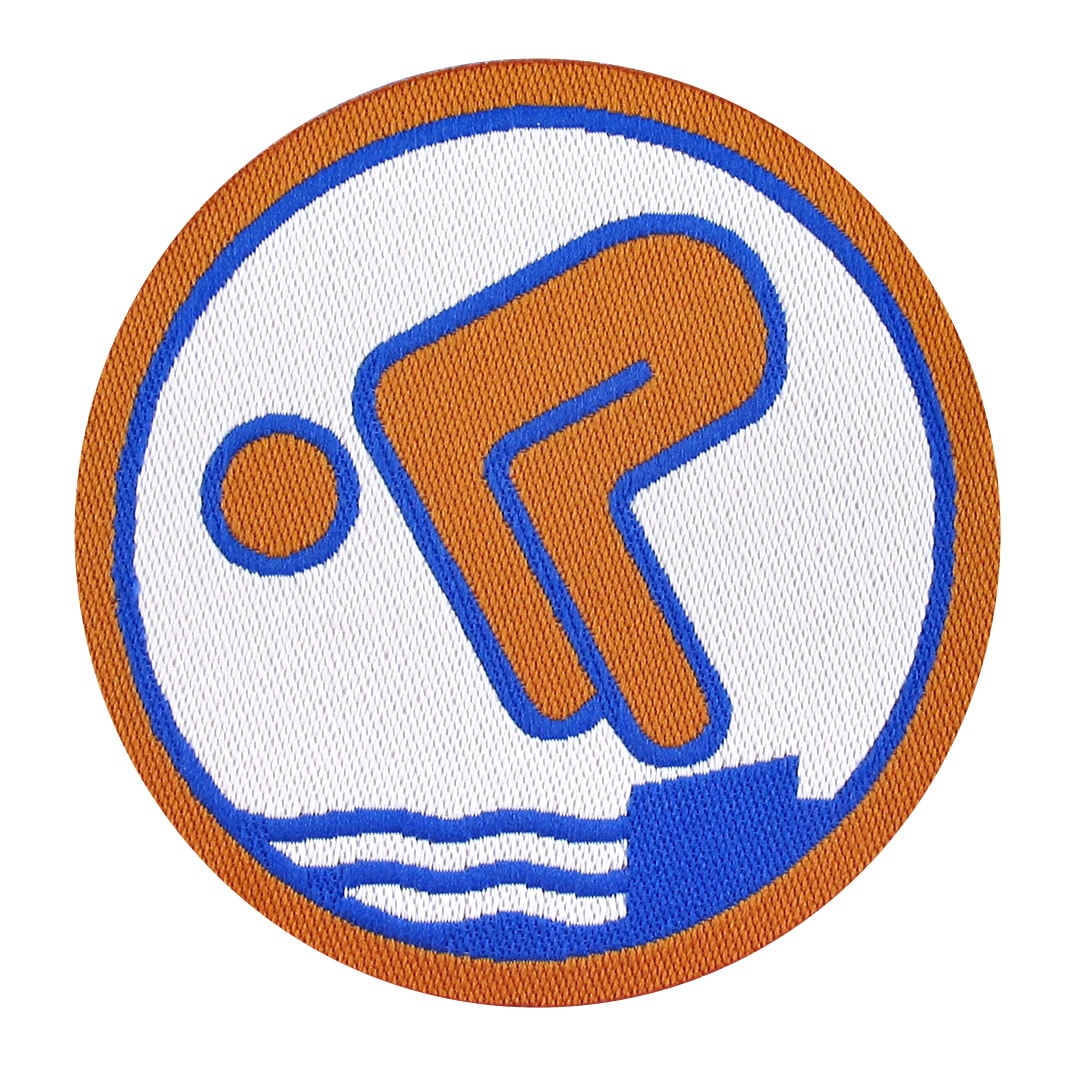
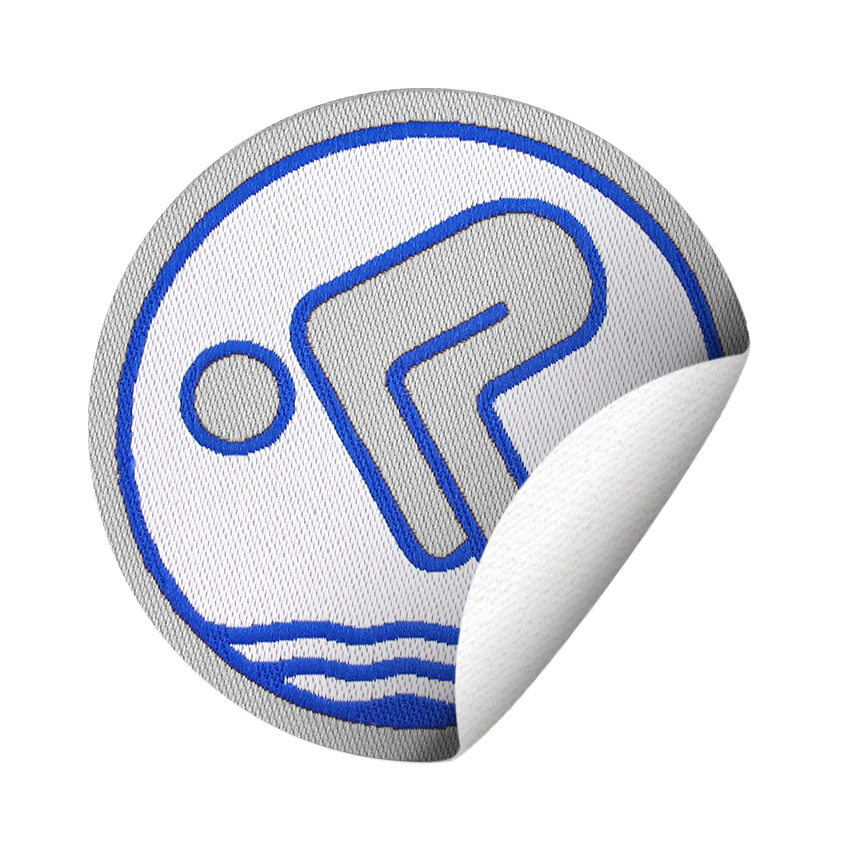
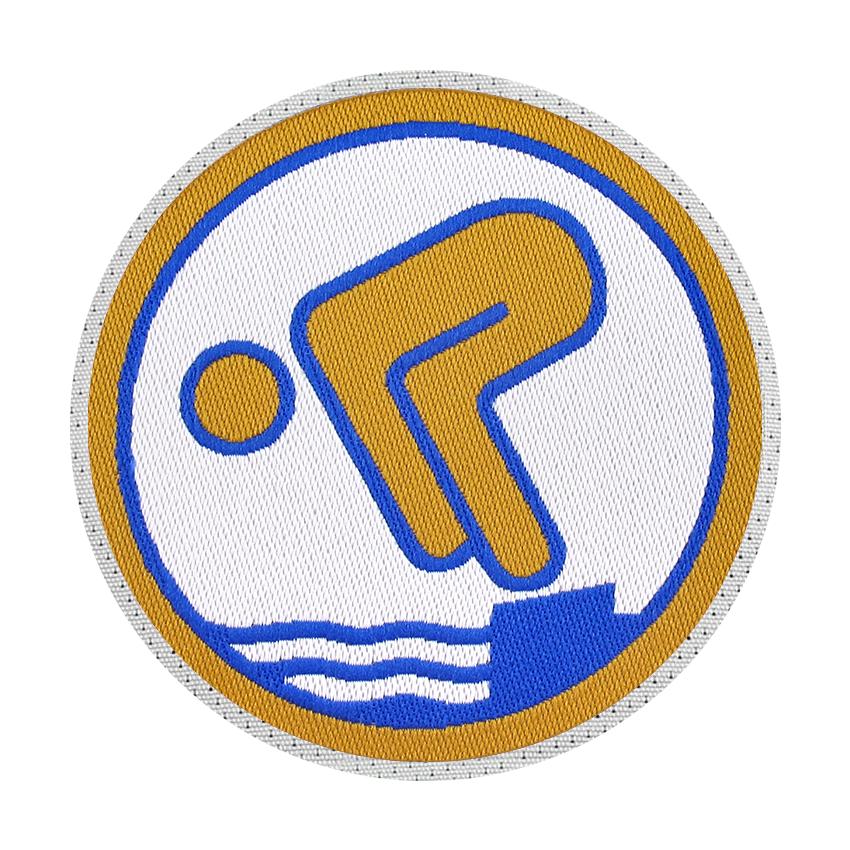
Official swimming badges are a visible and motivating goal for all participants. They not only document the skills acquired but also strengthen self-confidence – especially in children with disabilities.
In inclusive swimming, para-swimmers regularly participate in competitions. Swimmers like Kai Jürgen Pönisch, Patrizia Spaulding, and Elke Jäger are outstanding role models who show with their achievements in the pool and open water that inclusion and sporting success go hand in hand. Their successes in competitions illustrate the diversity and potential of swimmers with and without disabilities.
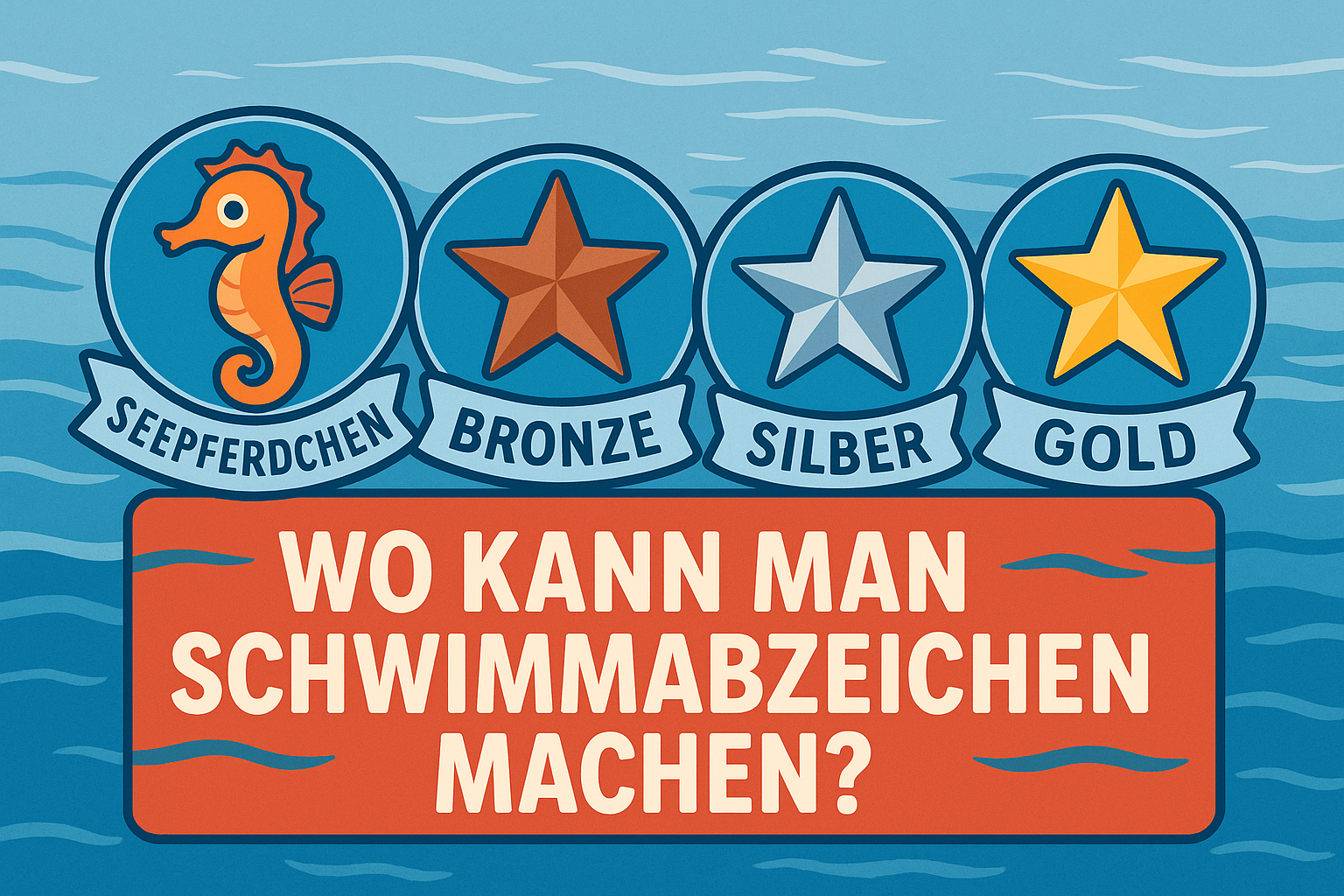
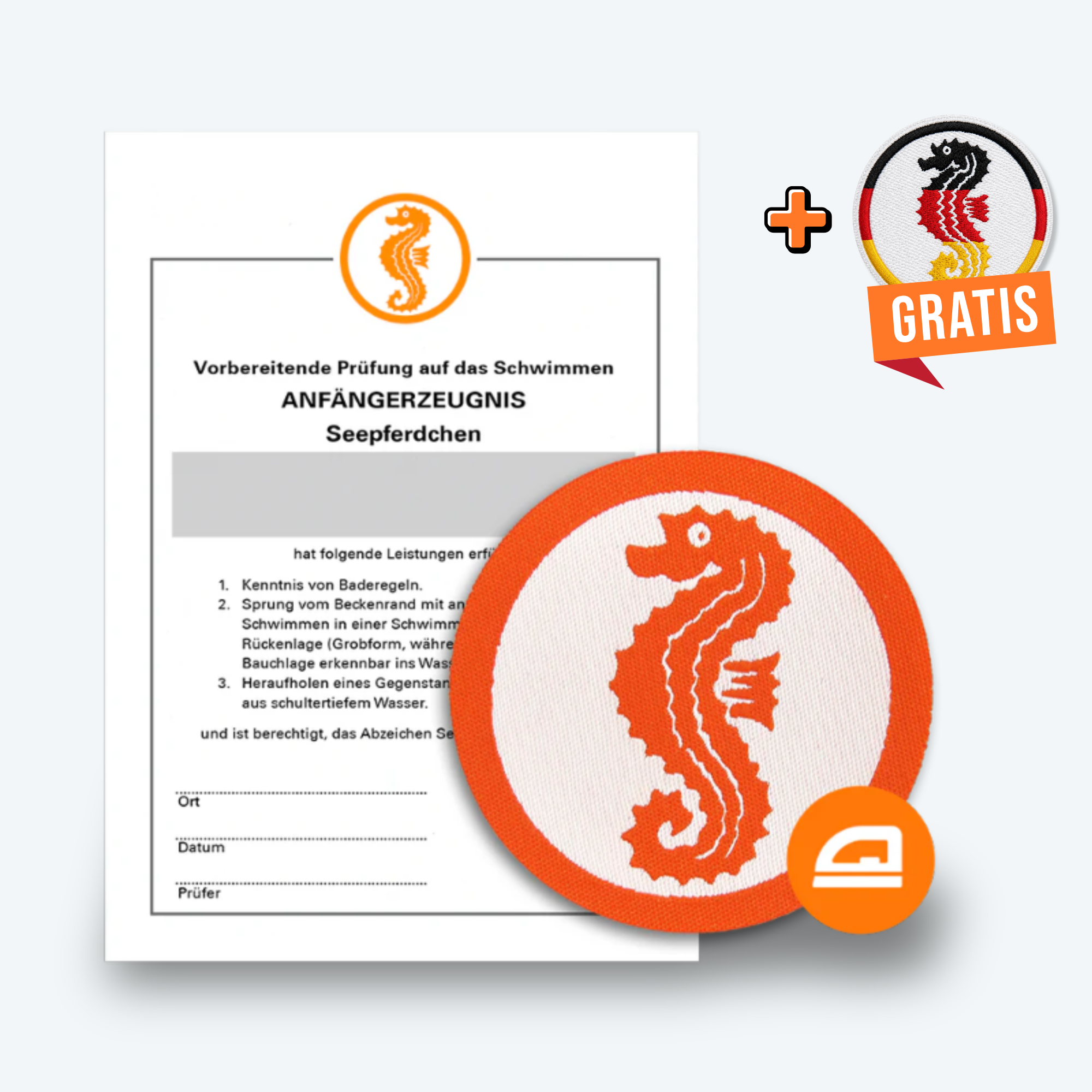
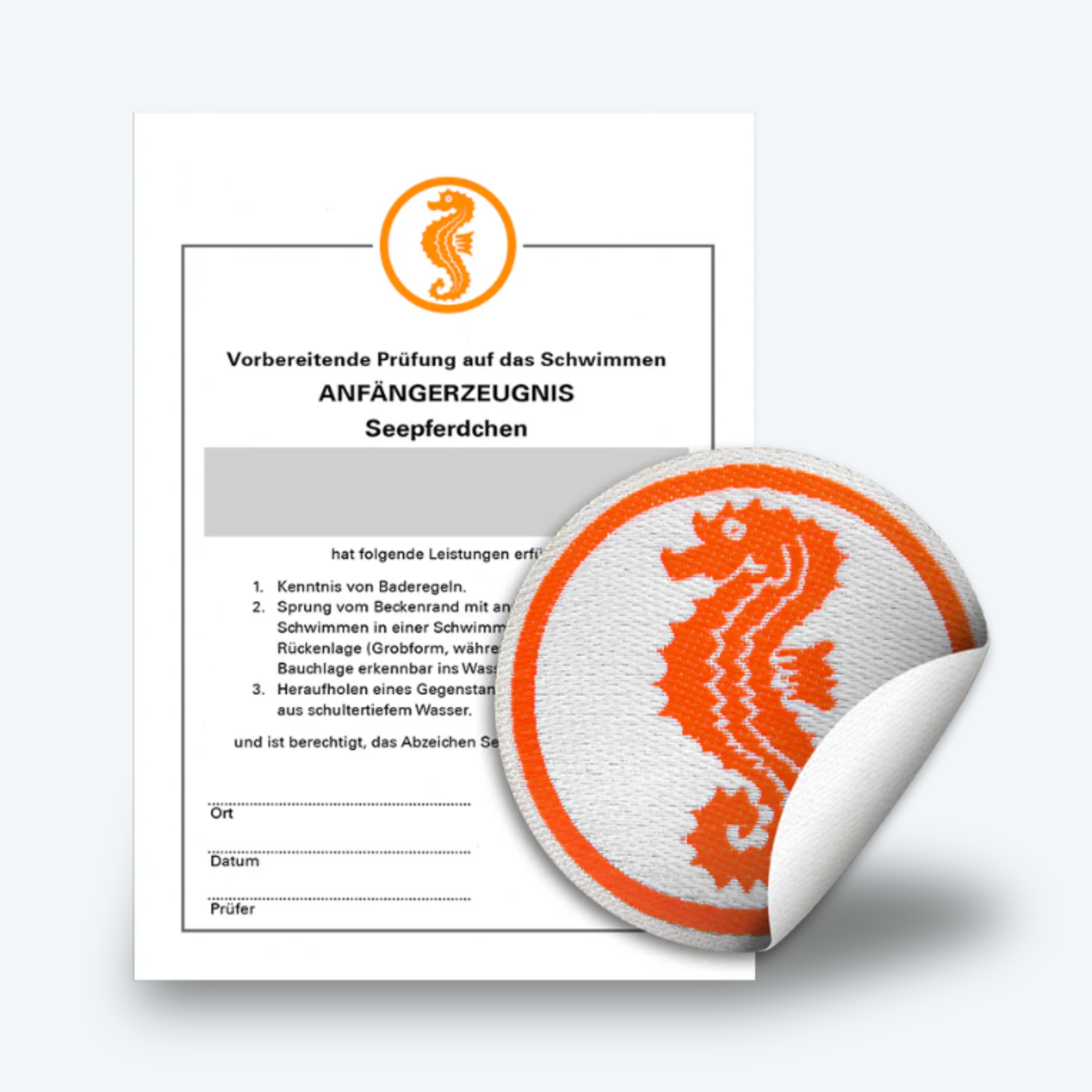
Whether Seepferdchen, Bronze, other swimming badges or individual badges for para-swimming: they are all tangible symbols for lived inclusion in swimming. Especially in school sports or in projects in clubs, these badges can be an effective element for motivation – for everyone.

Future prospects for inclusive swimming
The future of inclusive swimming is full of opportunities and possibilities. More and more sports clubs, swimming schools, and organizations are recognizing the importance of creating and further developing inclusive swimming programs. Through the close networking of sports clubs, sports associations, and dedicated coaches, new projects are emerging that facilitate access to swimming for people with disabilities.
With targeted training, barrier-free swimming pools, and innovative concepts, participation in swimming will be further improved for all people. The development of inclusive swimming courses and the promotion of swimming safety are central goals to strengthen the abilities of people with disabilities and enable their self-determined participation in swimming. The vision: a swimming sport in which every person – regardless of disabilities – can develop their strengths and become part of a vibrant community. The future of inclusive swimming is promising and offers everyone the opportunity to go new ways together in the water.
Conclusion & further information
Inclusion in swimming is a topic that deserves more attention – not only in education policy but also on every single level of our society. With suitable offers, dedicated coaches, and structural support from swimming schools, sports clubs, and projects, sustainable changes can be created.
We at pimpertz.de support this path with high-quality, sustainable swimming badges that can be used in inclusion courses. If you have any questions about our products or experiences in inclusive swimming, you can reach us at any time via email. Together we ensure that all children can learn to swim with joy, safety, and pride.