

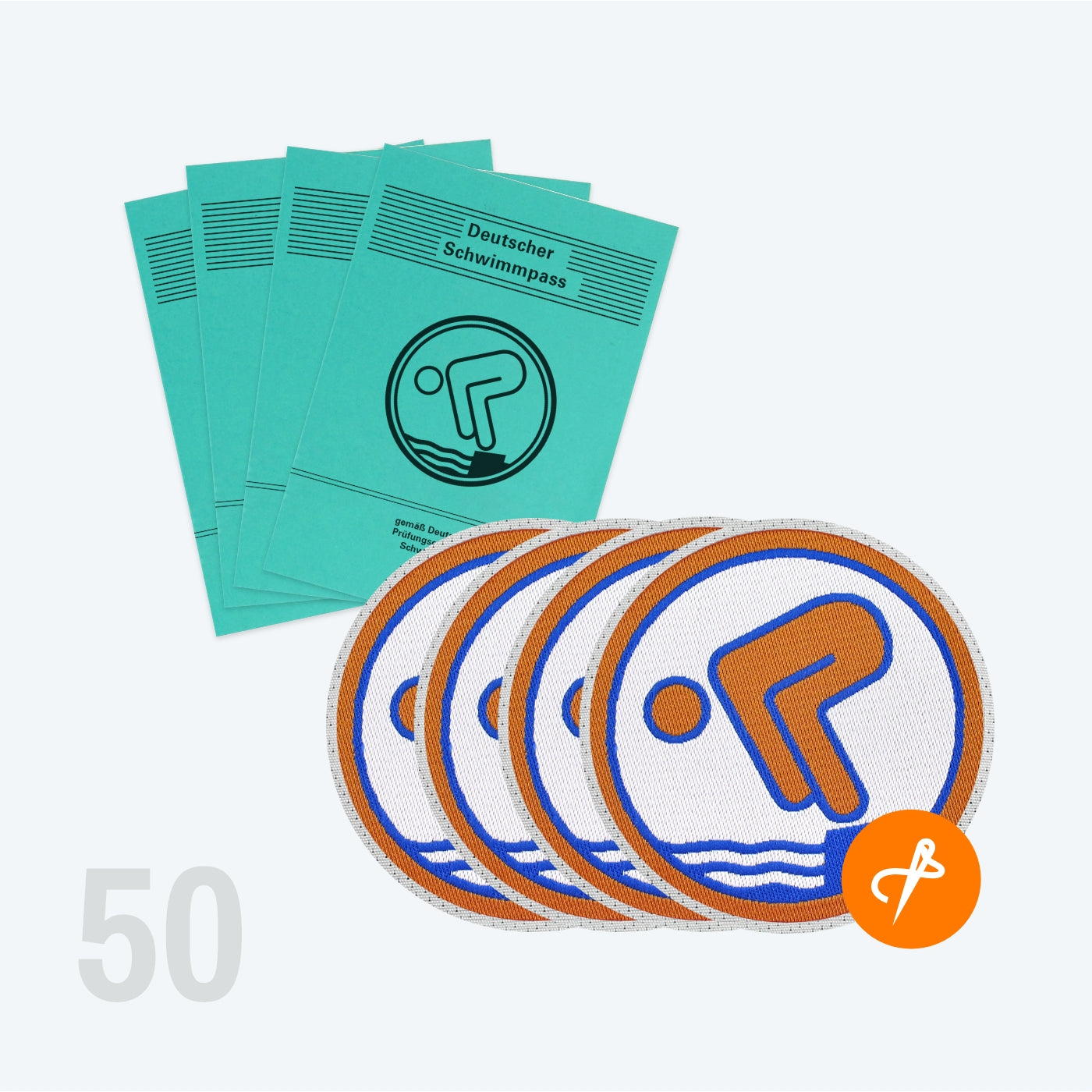
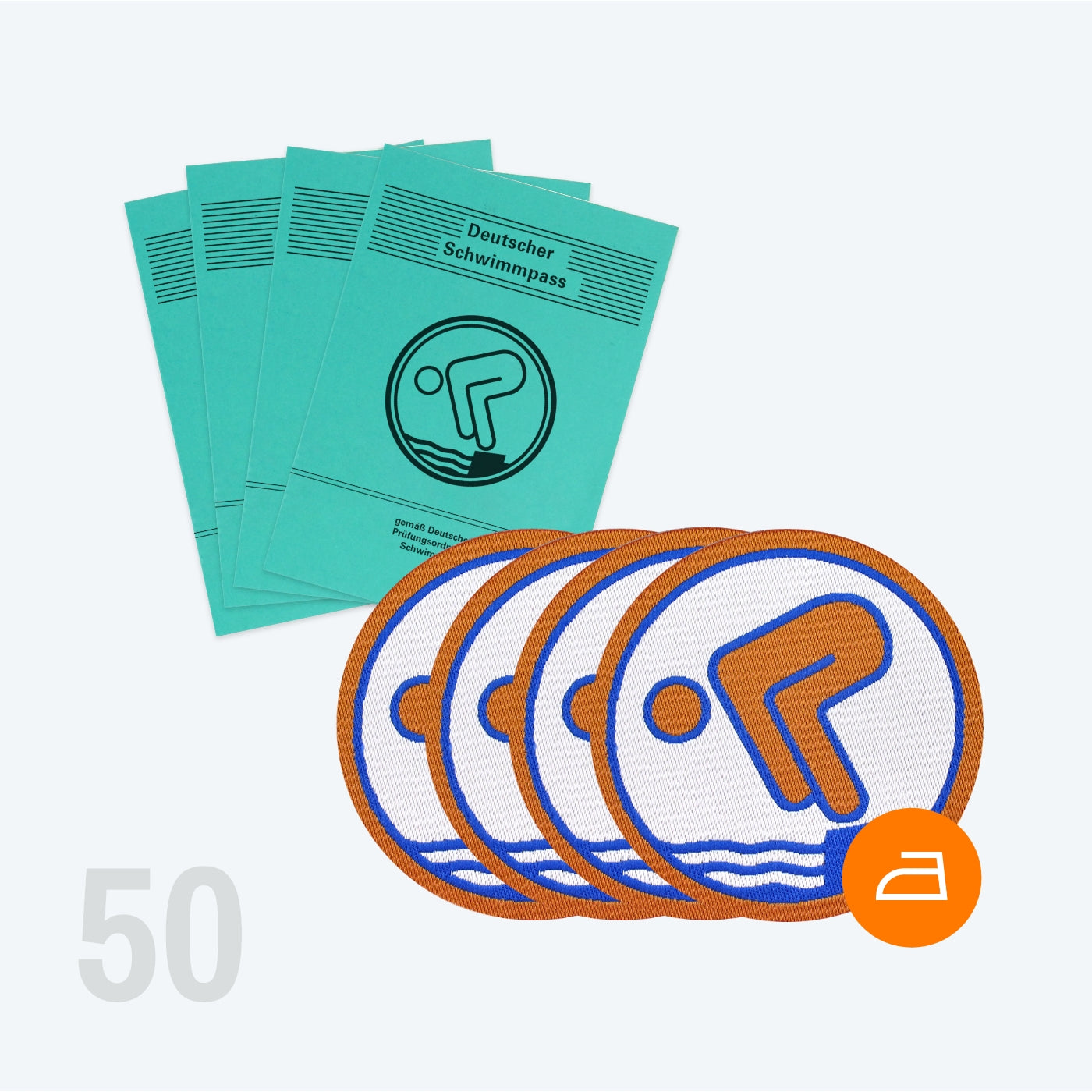
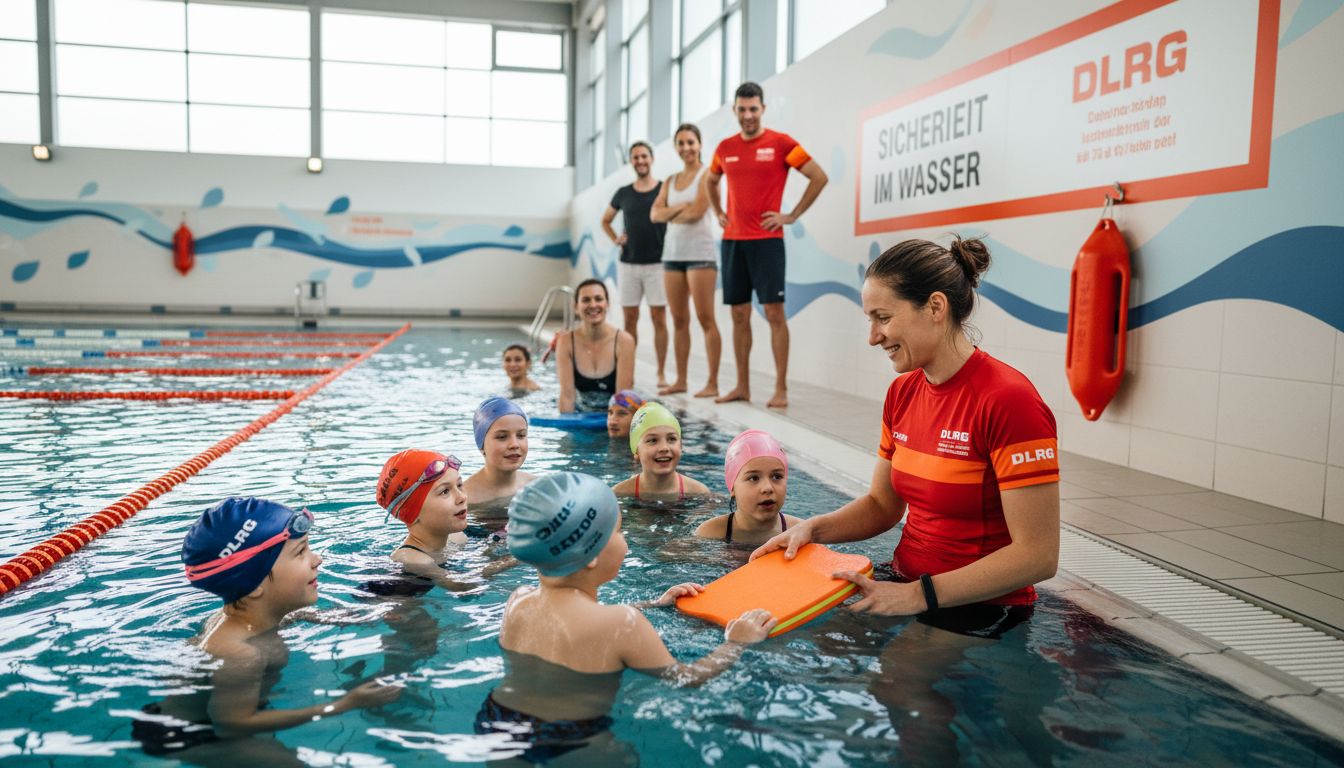
DLRG Swimming Rules Seahorse Badge: Complete Guide
According to the DLRG, almost 60 percent of elementary school children in Germany cannot swim safely after fourth grade. This shows how important it is for children to acquire the Seahorse badge early. It stands for much more than just learning swimming strokes. From water safety to initial self-rescue techniques, the badge lays the foundation for a relaxed and safe interaction with water.
Table of Contents
- What is the DLRG Seahorse Badge?
- Prerequisites and Meanings of Swimming Rules
- Examination Requirements and Procedure in Detail
- Typical Mistakes and Practical Tips for Children
- Badges, Certificates, and Official Variants
Key Findings
| Point | Details |
|---|---|
| Seahorse Badge | It is the first important step in swimming education and promotes water safety for children aged 6 and above. |
| Prerequisites | Children must know basic swimming skills and bathing rules to identify and avoid dangers in the water. |
| Examination Requirements | Acquiring the badge requires demonstrating swimming skills, including swimming 25 meters and performing safety exercises. |
| Motivation for Further Training | The badge motivates children to earn further swimming badges, while continuous practice remains important for improving skills. |
What is the DLRG Seahorse Badge?
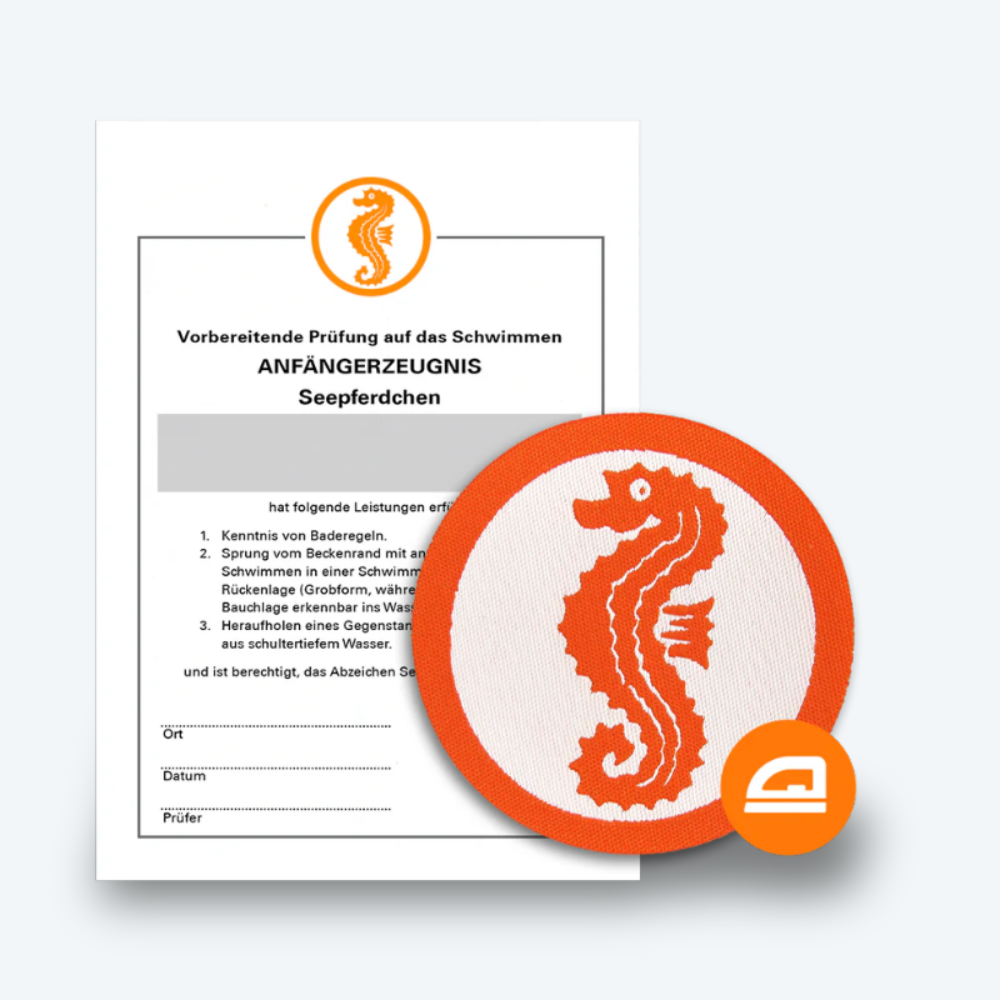
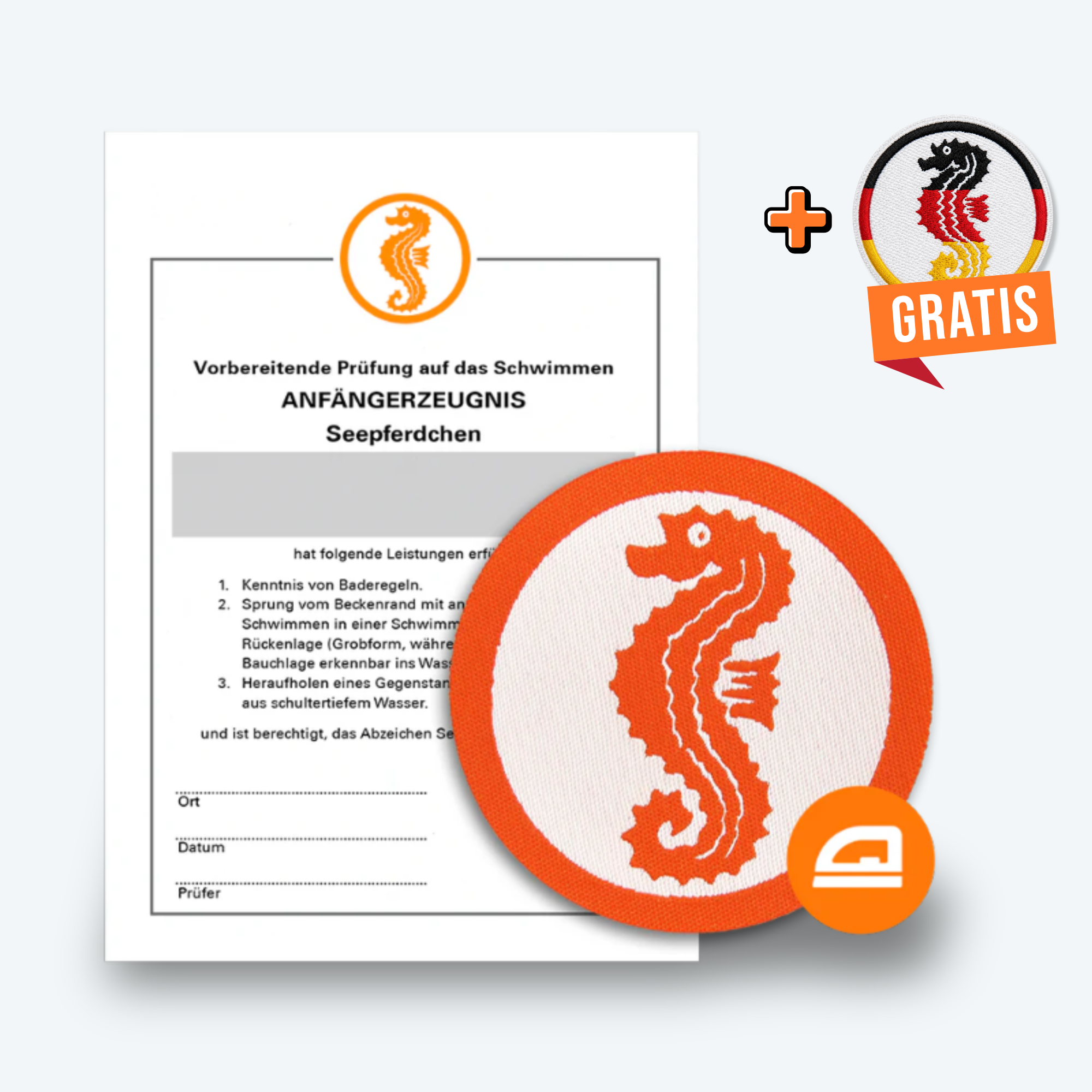
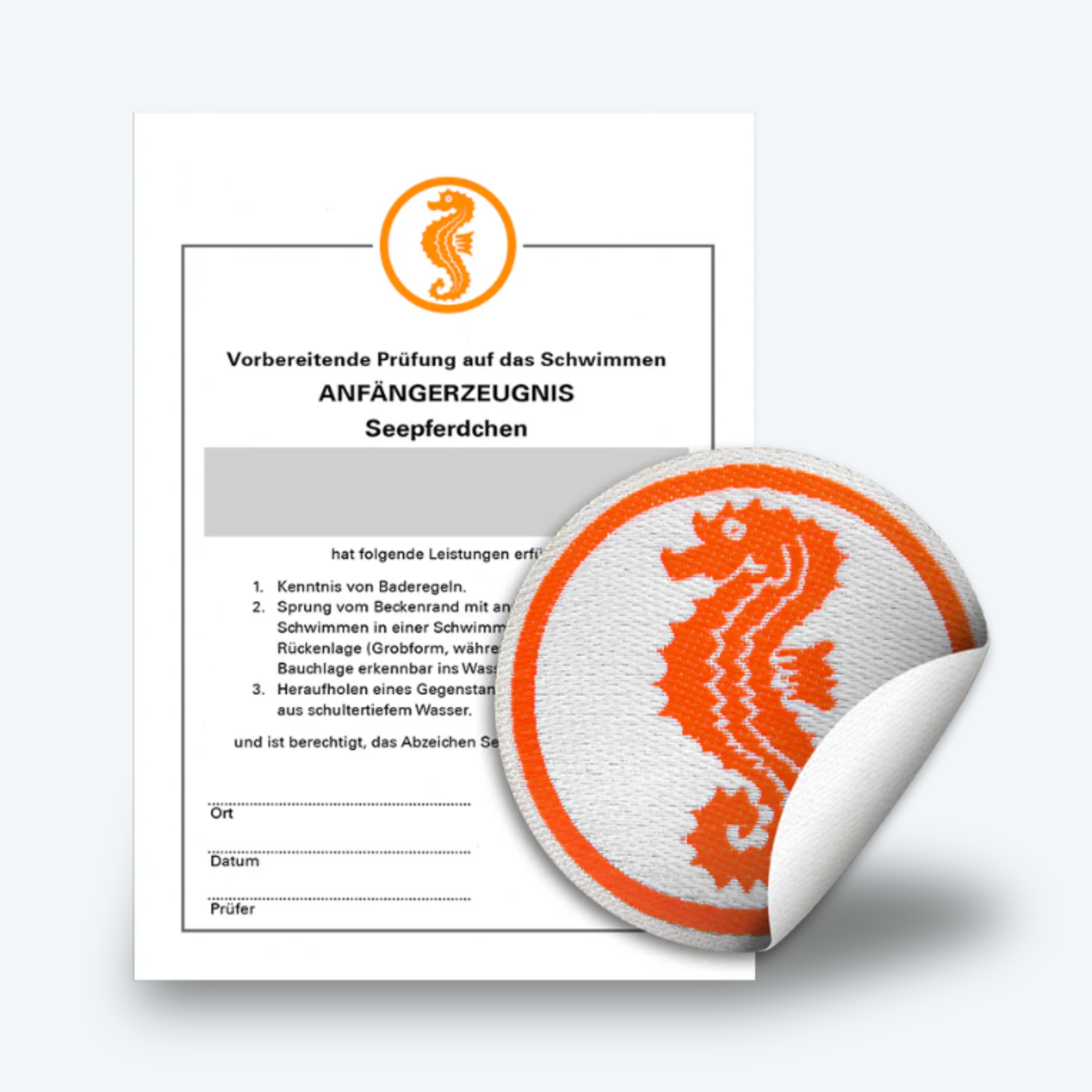
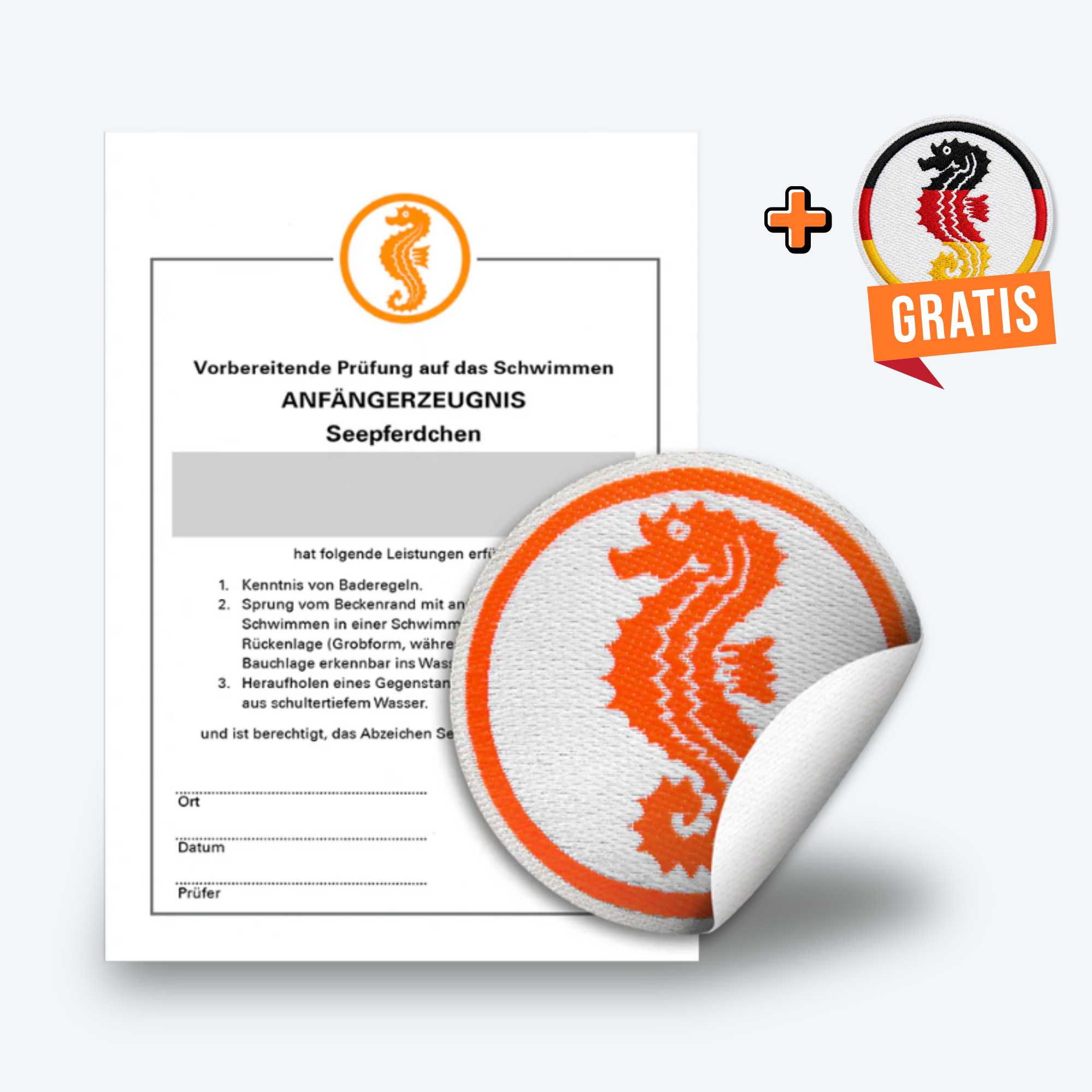
The Seahorse badge is the first important milestone in children's swimming education. According to the DLRG, it marks the entry into swimming education and significantly promotes the water safety of young swimmers.
This first swimming badge is specially designed for children aged 6 and above and teaches fundamental water safety skills. According to the DLRG local group Feuerbach, the skills are taught playfully, so children have fun in the water while learning to move safely.
The main goals of the Seahorse badge are:
- Learning basic swimming techniques
- Developing water safety and confidence
- Playful introduction to swimming
- Preparation for advanced youth swimming badges
For parents, the Seahorse badge means more than just a swimming certificate. It is an important step towards their child's safety in and around water and forms the basis for a lifelong enjoyment of swimming.
Prerequisites and Meanings of Swimming Rules
Specific prerequisites apply to obtaining the Seahorse badge, which go beyond mere swimming skills. According to the DLRG Allensbach, children must above all know the bathing rules to avoid dangers in and around water and to ensure their own safety and that of others.
According to the DLRG Bonn, bathing rules are a fundamental prerequisite for the Seahorse badge. They teach important behaviors that prevent accidents and increase water safety.
The most important prerequisites and swimming rules include:
- Being able to swim and move safely in the water
- Understanding and applying basic bathing rules
- Recognizing dangers in and around water
- Correct behavior in emergencies
- Developing self-rescue skills
Furthermore, it is not just about technical skills, but also about developing a responsible approach to water.
The Seahorse badge is thus the first step towards safe and conscious behavior in bodies of water.
Examination Requirements and Procedure in Detail
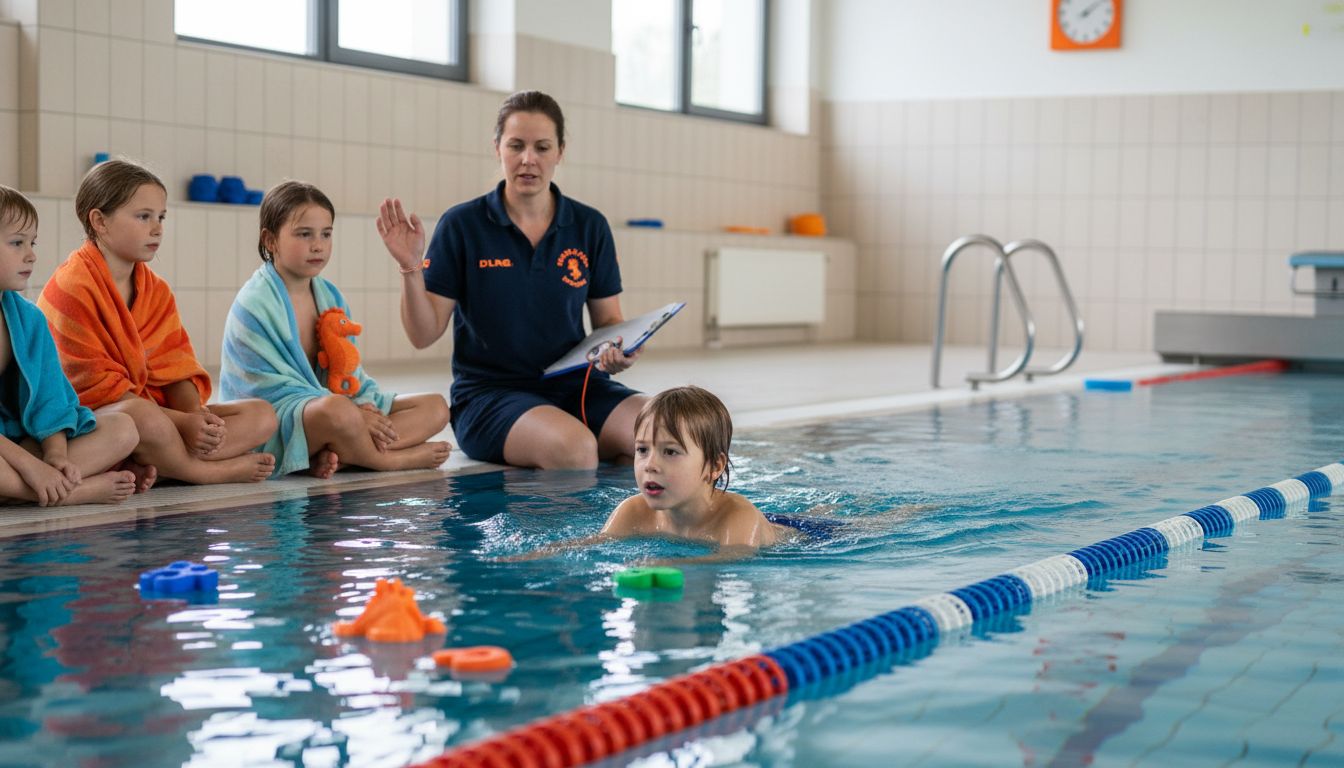
Obtaining the Seahorse badge is a structured process that includes carefully planned examination requirements. Children must first demonstrate various swimming skills that show their safety and competence in the water.
The typical examination procedure is divided into several crucial stages:
- Theoretical introduction to bathing rules
- Practical water acclimatization
- Swimming technique assessment
- Safety exercises
The specific examination requirements include:
- Swimming at least 25 meters without aids
- Pushing off the edge of the pool and swimming independently
- Diving underwater and retrieving objects
- Moving safely and controlled in the water
- Mastering basic self-rescue techniques
After successfully completing the course, children receive their official Seahorse certificate, which is not just a badge but an important milestone in their swimming development.
Typical Mistakes and Practical Tips for Children
When learning to swim, there are some common challenges that children must overcome. Water acclimatization is often the most difficult first step, where fears and insecurities must be overcome.
Here are the most common mistakes children make when learning to swim:
- Panic fear of water
- Incorrect body posture when swimming
- Too fast breathing or holding breath
- Stiff swimming instead of relaxed movements
- Lack of confidence in one's own abilities
Practical tips for children and parents:
- Gradually acclimatize to water through play
- Celebrate and praise small successes
- Develop a positive attitude towards swimming
- Practice regularly without pressure
- Prioritize fun and enjoyment in the water
For parents, this guide with swimming tips offers valuable support in teaching their children to swim. It is important to be patient and to consider the individual needs of each child.
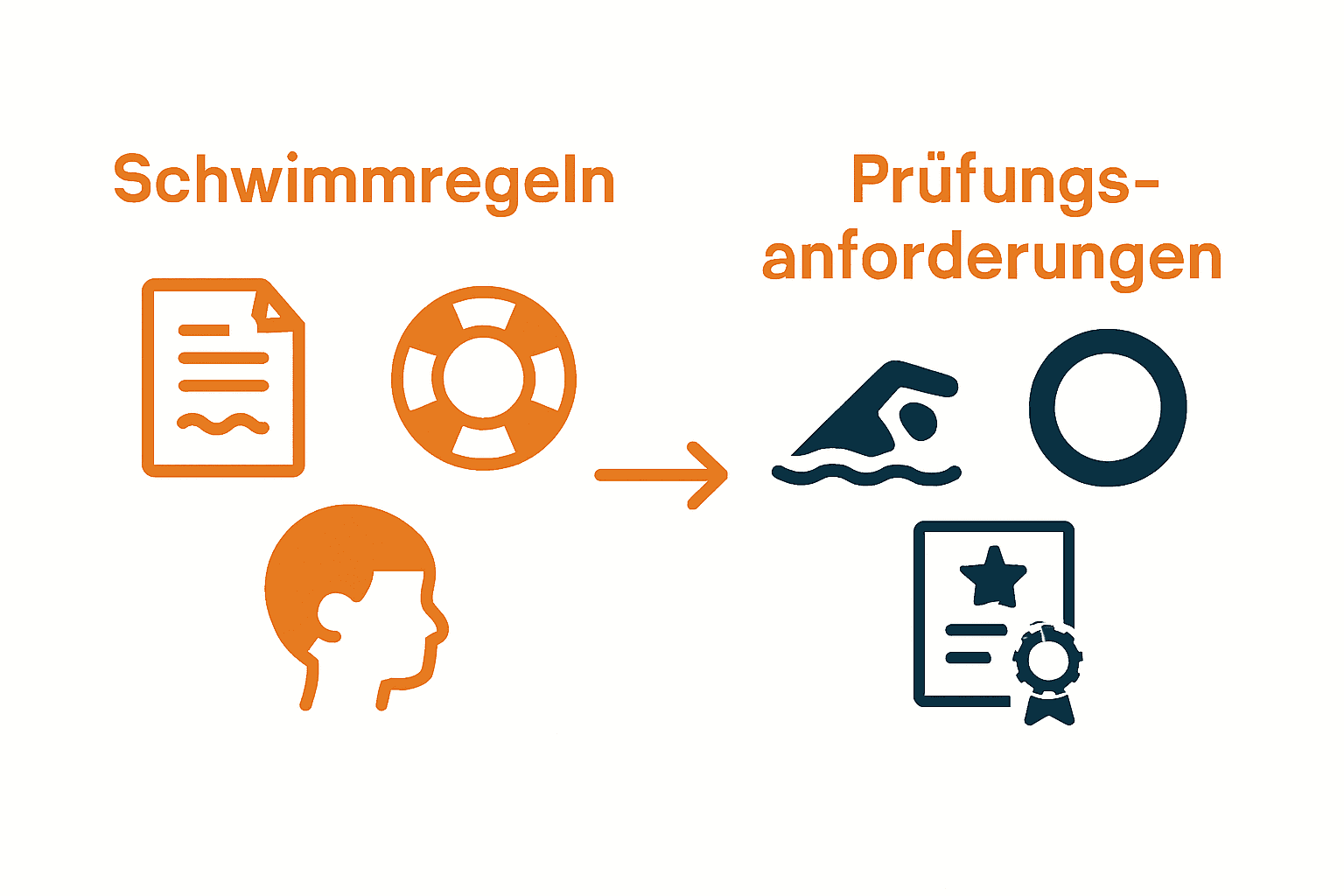
Badges, Certificates, and Official Variants
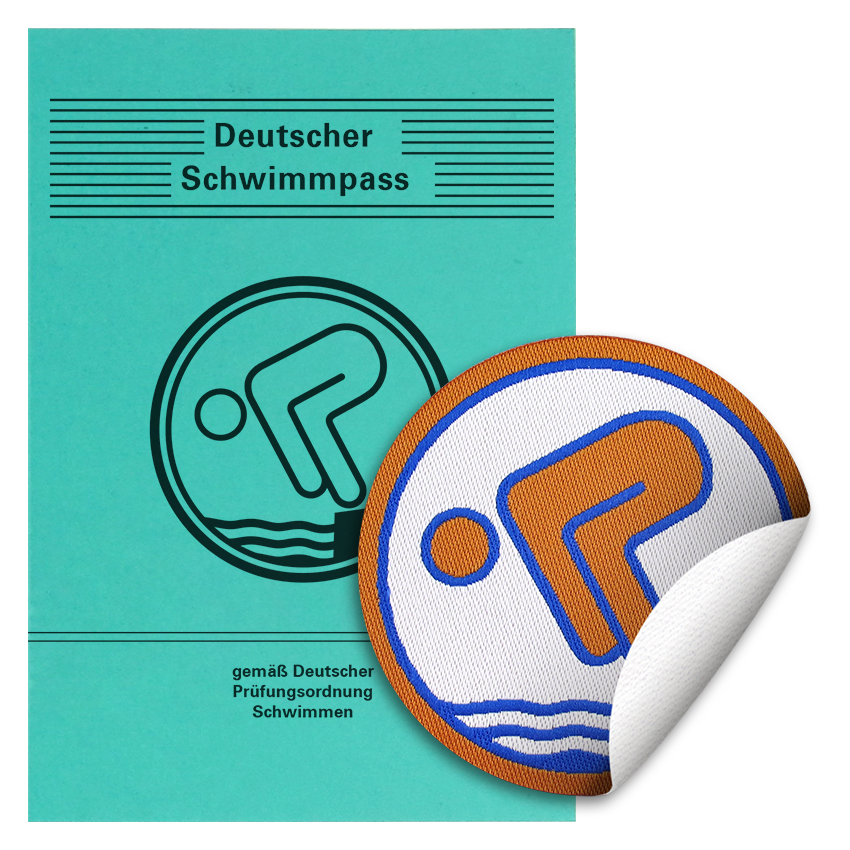
The Seahorse badge is more than just a swimming certificate. According to DLRG Bonn, it is a preparatory and motivational badge that marks the first step in a swimming career.
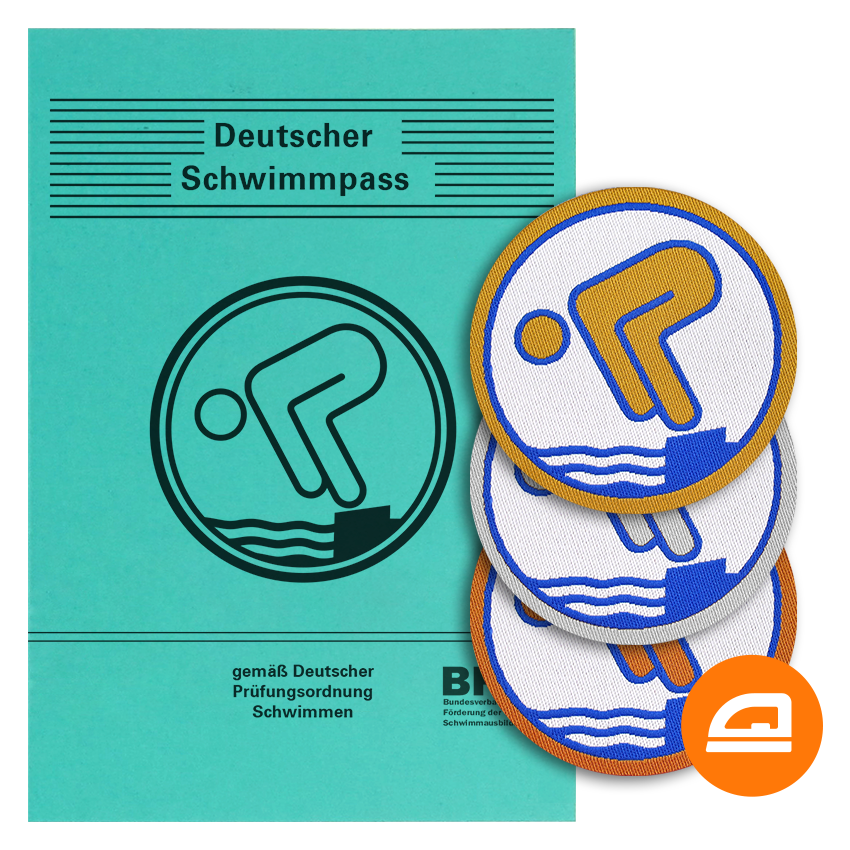
According to the DLRG Bad Neuenahr-Ahrweiler, the German Life Saving Society offers various badge levels:
- Seahorse (entry-level badge)
- German Swimming Badge Bronze
- German Swimming Badge Silver
- German Swimming Badge Gold
- German Lifesaving Badge
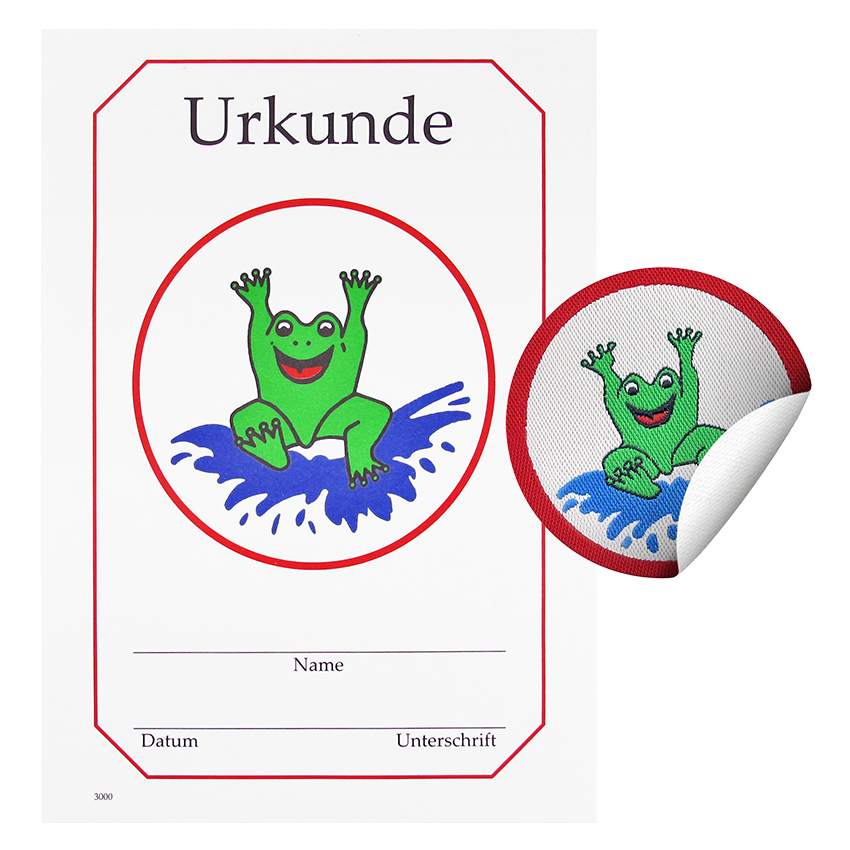
The official certificate not only documents the acquired skills but also motivates children to obtain further swimming badges. With this guide to certificate design, clubs and swimming schools can create professional certificates.
Important to know: The Seahorse badge is not a guarantee of absolute water safety. Children still require supervision and continuous training to improve their swimming skills.
Safely to the Seahorse with Pimpertz Swimming Badges
Learning the DLRG swimming rules and obtaining the Seahorse badge are crucial steps for children's safety and confidence in the water. It is important not only to master swimming techniques but also to be familiar with the bathing rules and to apply them confidently. Parents and swimming instructors want to ensure this motivation and joy in the water for their children and students. This is where Pimpertz comes in, with over 38 years of experience as an official partner of the DLRG.
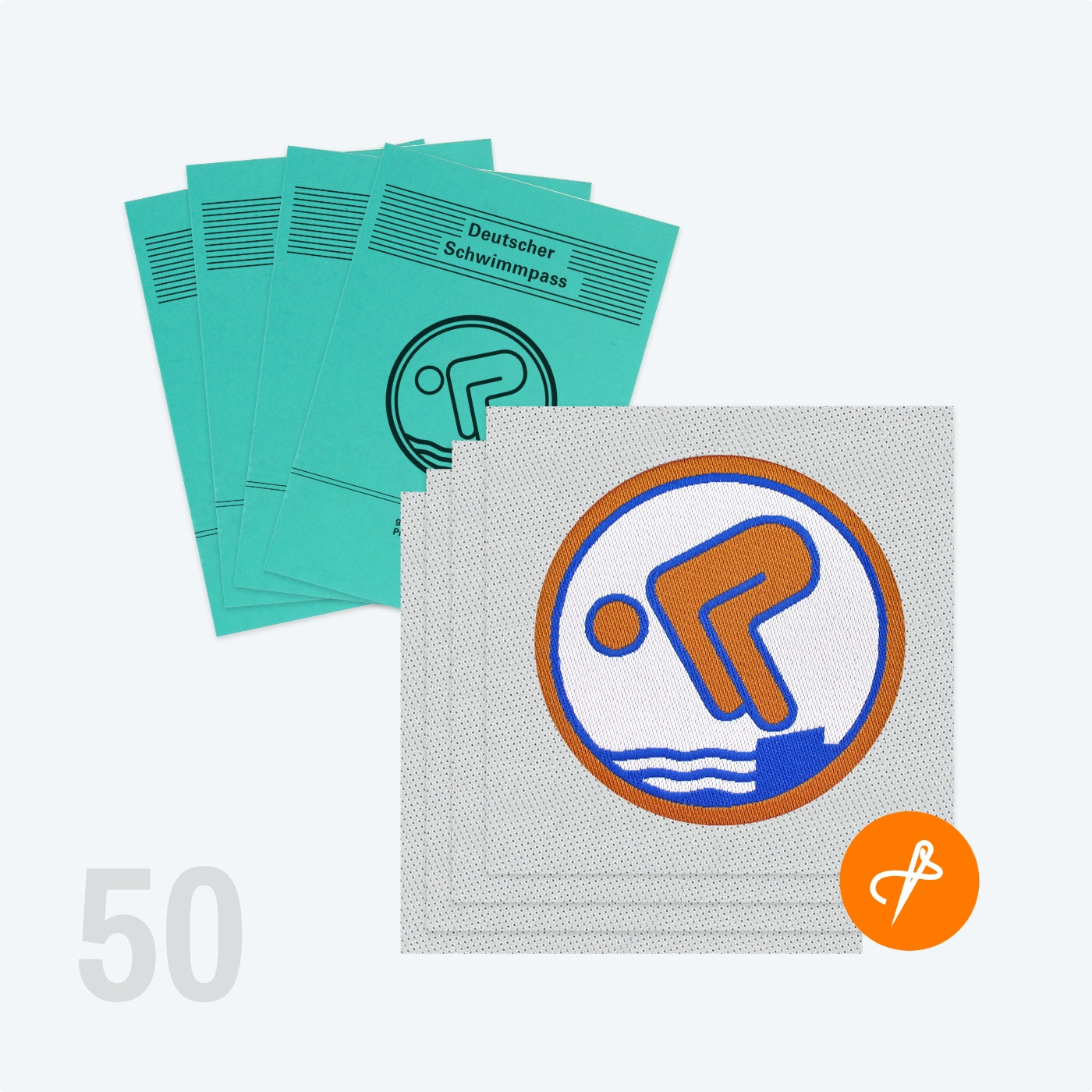
Discover high-quality and child-friendly Seastar Stella swimming badges & certificates as well as lovingly designed accessories at Pimpertz. Our certified badges are more than just proof – they are a lasting motivation for little swimming talents. Take advantage of fast shipping and our expert advice at pimpertz.de and ensure that the next swimming course ends with proud success. Start now and secure your child the perfect companion for their first big swimming milestone.
Frequently Asked Questions
What is the Seahorse badge?
The Seahorse badge is the first swimming badge for children aged 6 and above and marks the beginning of swimming training. It teaches basic water safety skills and is an important step towards safety in the water.
What prerequisites must children meet to receive the Seahorse badge?
Children must know the bathing rules, be able to swim safely, recognize dangers in the water, and master basic self-rescue techniques to obtain the Seahorse badge.
What are the examination requirements for the Seahorse badge?
The examination requirements include swimming at least 25 meters, pushing off the edge of the pool, diving underwater, and demonstrating safety exercises.
How can parents support their children in learning to swim?
Parents can support their children by playfully introducing them to water, celebrating small successes, fostering a positive attitude towards swimming, and practicing regularly without pressure.


