

Understanding DLRG Silver Badge Requirements
The DLRG Silver Badge is considered proof of true rescue competence and is high on the wish list of many swimmers. Many think of it as just another swimming badge for their swimsuit. But it goes far beyond that. Because behind the Silver Badge is much more: Even young people aged 12 and over can complete training that covers complex rescue techniques, first aid, and hazard assessment. Those who achieve this become potential lifesavers in the water.
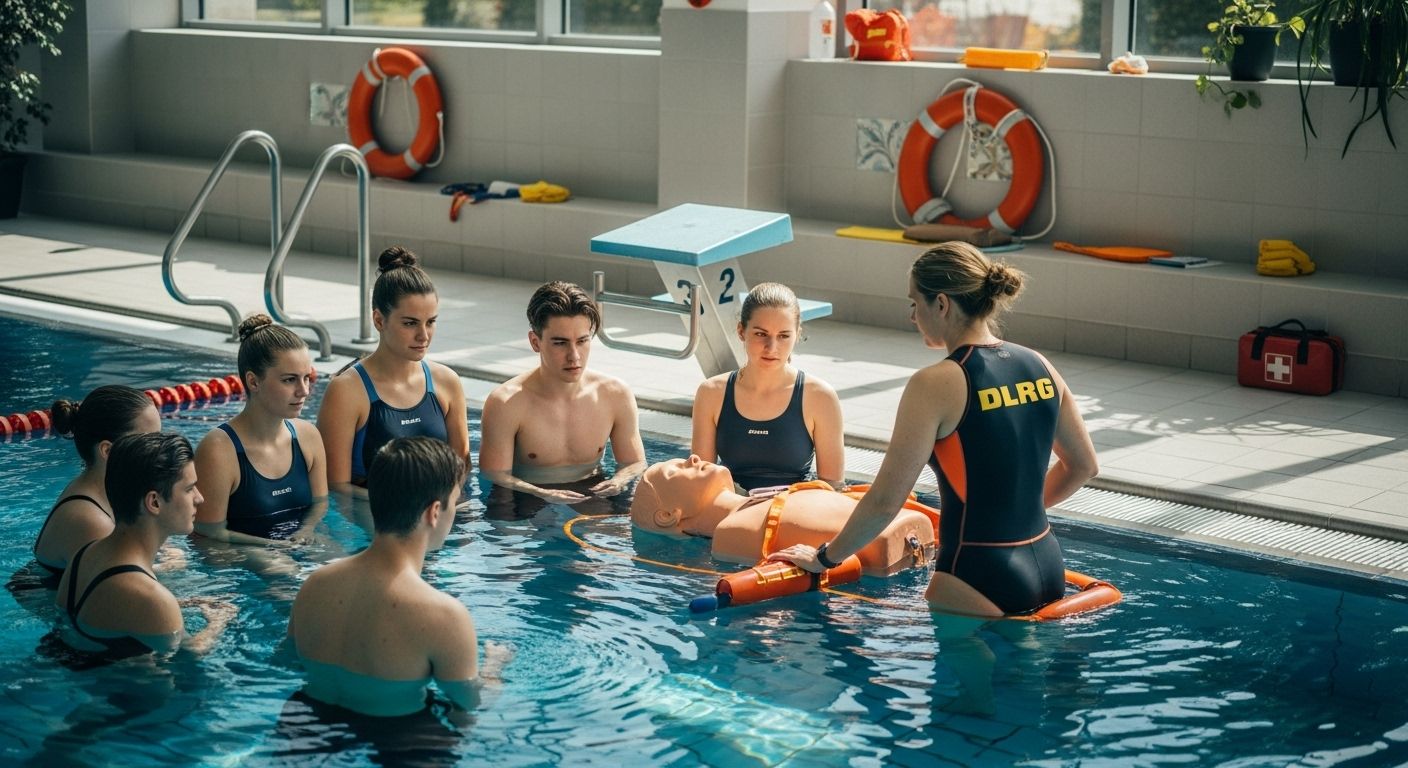
Table of Contents
- What is the DLRG Silver Badge and why is it important?
- What requirements must be met for the DLRG Silver Badge?
- What knowledge and skills does the DLRG Silver Badge cover?
- How are the requirements for the DLRG Silver Badge tested?
- What are the advantages of the DLRG Silver Badge for swimmers and trainers?
Quick Summary
| Takeaway | Explanation |
|---|---|
| Advanced swimming skills are required | Participants need the Bronze Swimming Badge and solid swimming skills for the Silver Badge. |
| Comprehensive training in rescue techniques | The Silver Badge provides extensive knowledge in water rescue, first aid, and hazard assessment. |
| Examination of theory and practice | The requirements include both theoretical and practical examinations to evaluate overall competencies. |
| Important lifesaver qualification | Holders are able to act safely and professionally in emergency situations due to the training. |
| Professional advantages for trainers | The Silver Badge opens up new professional perspectives and qualifications in lifeguarding for trainers. |
What is the DLRG Silver Badge and why is it important?
The DLRG Silver Badge is a significant qualification in lifeguarding that represents much more than a simple swimming award. It embodies comprehensive competence in water safety, rescue techniques, and basic medical knowledge.
The Basics of the Silver Badge
The badge certifies an advanced level of swimming ability and rescue competence. Participants must meet complex theoretical and practical requirements that train them to be potential lifesavers. Core competencies include:
- Safe swimming using various techniques
- Mastery of water rescue techniques
- Fundamentals of first aid
- Understanding of dangerous situations in and around water
According to DLRG information, the Silver Badge involves a comprehensive examination that combines theoretical knowledge and practical skills.
Significance for Water Safety
The Silver Badge goes far beyond a mere swimming award. It trains people who can save lives in an emergency. Holders possess specialized knowledge in hazard assessment, rescue techniques, and basic medical care. The training aims not only to enable swimming, but also to act professionally and safely in an emergency.
The requirements are demanding and include complex disciplines such as:
- Lifesaving with clothing
- Underwater swimming (streckentauchen)
- First aid measures
- Theoretical examinations on medical fundamentals
For swimming clubs, rescue services, and recreational athletes, the Silver Badge is an important qualification that demonstrates competence and responsibility in handling water situations.
What requirements must be met for the DLRG Silver Badge?
The DLRG Silver Badge represents a demanding qualification that requires specific prerequisites and competencies. Interested individuals must meet various physical and theoretical criteria to obtain this prestigious lifeguarding badge.
Age Limits and Basic Requirements
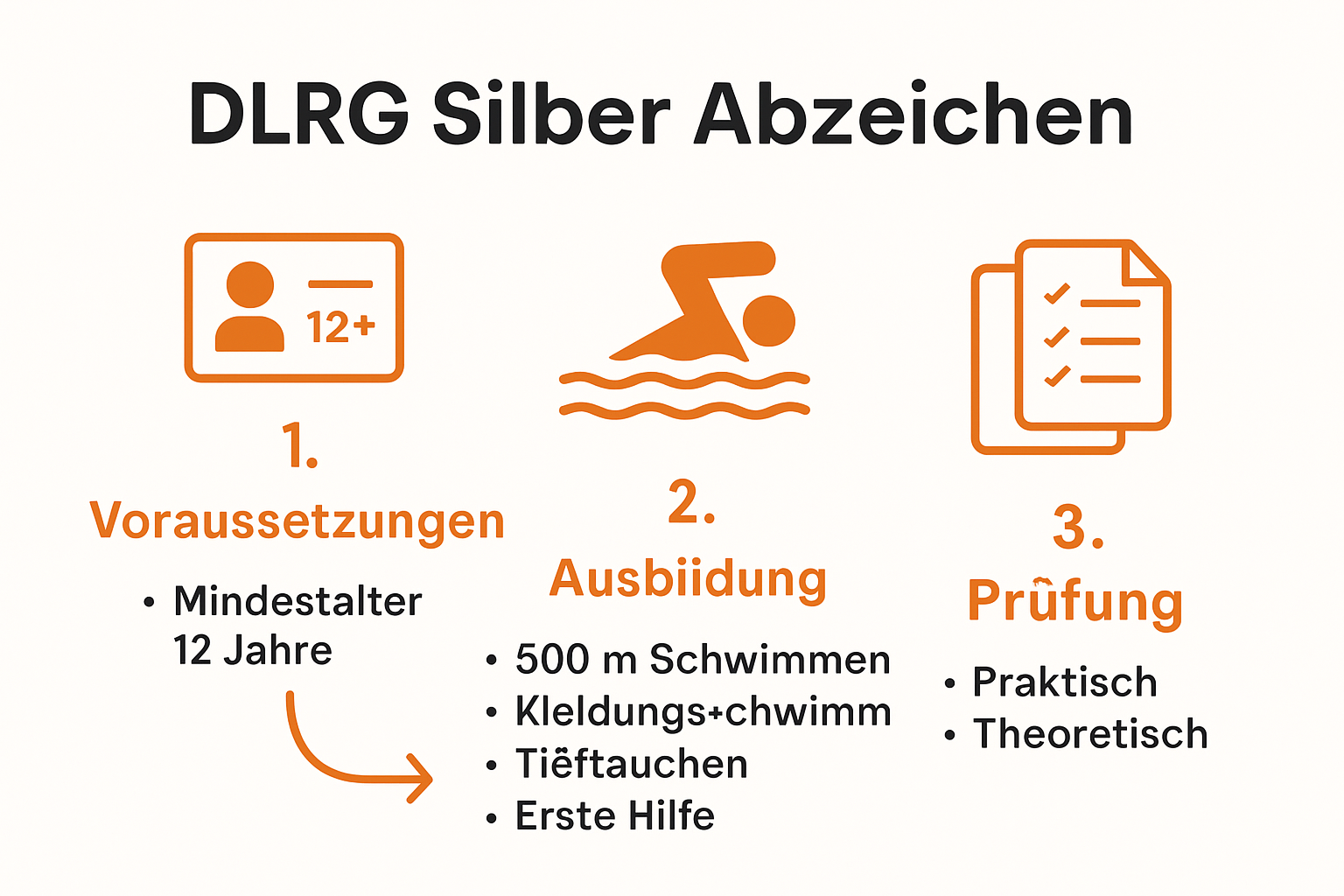
Clear conditions apply to the acquisition of the DLRG Silver Badge. Participants must already have solid swimming skills and meet certain age requirements. Typically, young people aged 12 and over can take the examination. Important basic requirements include:
- Possession of the German Bronze Swimming Badge
- Proof of sufficient swimming abilities
- Physical fitness for demanding rescue exercises
According to DLRG information, participants must pass a comprehensive theoretical and practical examination.
Practical and Theoretical Examination Requirements
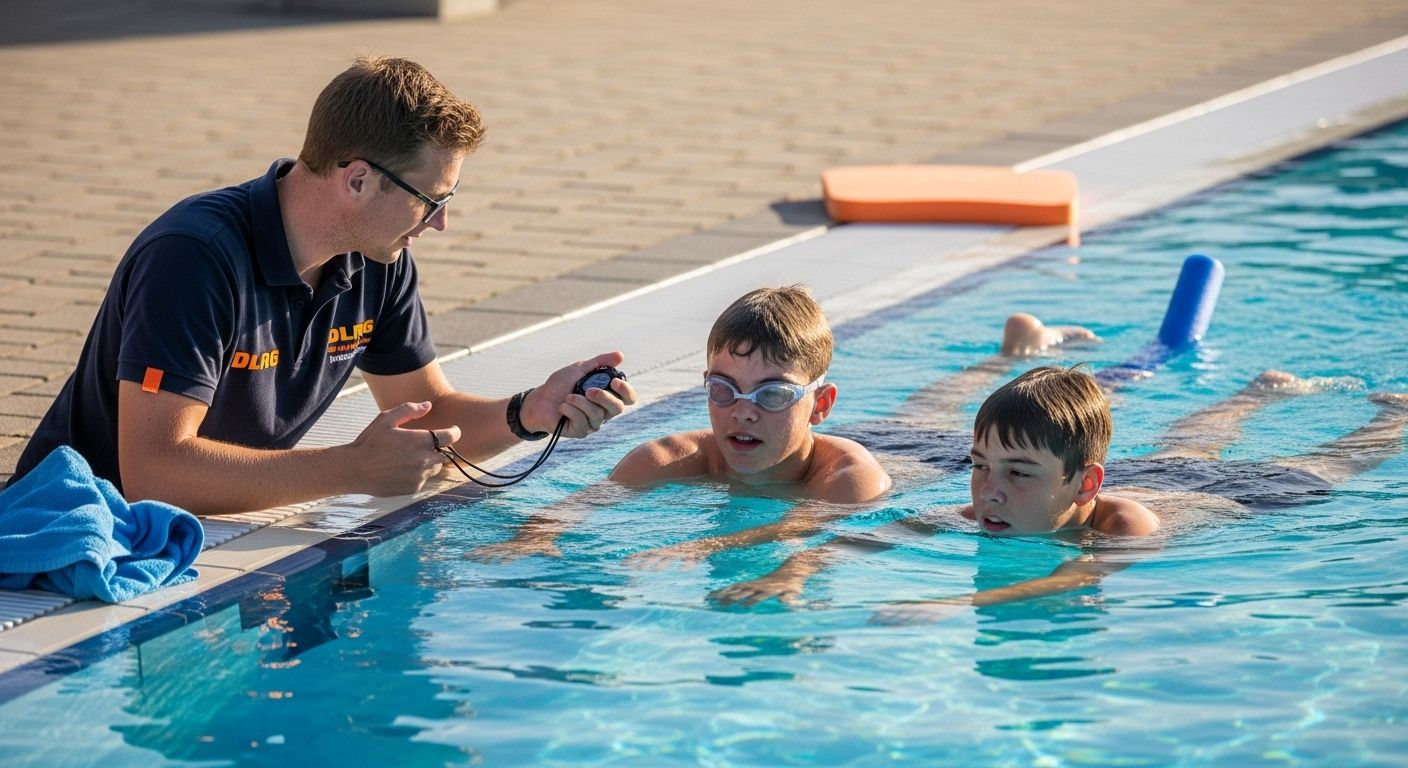
The Silver Badge examination consists of several challenging components. Candidates must demonstrate both their physical performance and theoretical knowledge. The key examination requirements include:
- 400 meters swimming in a maximum of 15 minutes
- 300 meters swimming in clothing
- Jumps from a height of at least 3 meters
- Underwater swimming (streckentauchen) over defined distances
- Theoretical examination on first aid knowledge
- Proof of hazard assessment and rescue techniques
The examination requires not only technical skills but also mental strength and the ability to act professionally in stressful situations. Successful completion demonstrates the competence to save lives in an emergency.
To provide a better overview of the various practical and theoretical examination requirements for the DLRG Silver Badge, here is a table of the most important components:
| Examination Part | Description |
|---|---|
| Swimming (400 m) | 400 meters swimming in a maximum of 15 minutes |
| Swimming in clothing (300 m) | 300 meters swimming in clothing |
| Jump | Jump from a height of at least 3 meters |
| Underwater swimming (Streckentauchen) | Diving over a defined distance |
| Theory exam | Written test on first aid, hazard assessment, and legal fundamentals |
| Cardiopulmonary Resuscitation | Practical demonstration of resuscitation |
| Release techniques | Executing and explaining release grips for embraces |
What knowledge and skills does the DLRG Silver Badge cover?
The DLRG Silver Badge represents comprehensive training in water safety, rescue techniques, and basic medical knowledge. It goes far beyond fundamental swimming skills, imparting complex competencies for emergency situations.
Theoretical Knowledge Areas
Safety and hazard assessment form the core of theoretical knowledge. Participants acquire in-depth knowledge of potential risks in and around bodies of water. Key areas include:
- Hazard analysis of water situations
- Understanding currents and environmental conditions
- Legal basis of the duty to rescue
- Medical fundamentals of first aid
According to DLRG information, the training includes a profound analysis of emergency scenarios.
Practical Rescue Competencies
Professional rescue techniques distinguish the Silver Badge from other swimming qualifications. Practical skills include highly complex rescue maneuvers:
- Professional water rescue techniques
- Recovery of persons under various conditions
- Release grips for embraces
- Cardiopulmonary resuscitation
- Use of rescue equipment
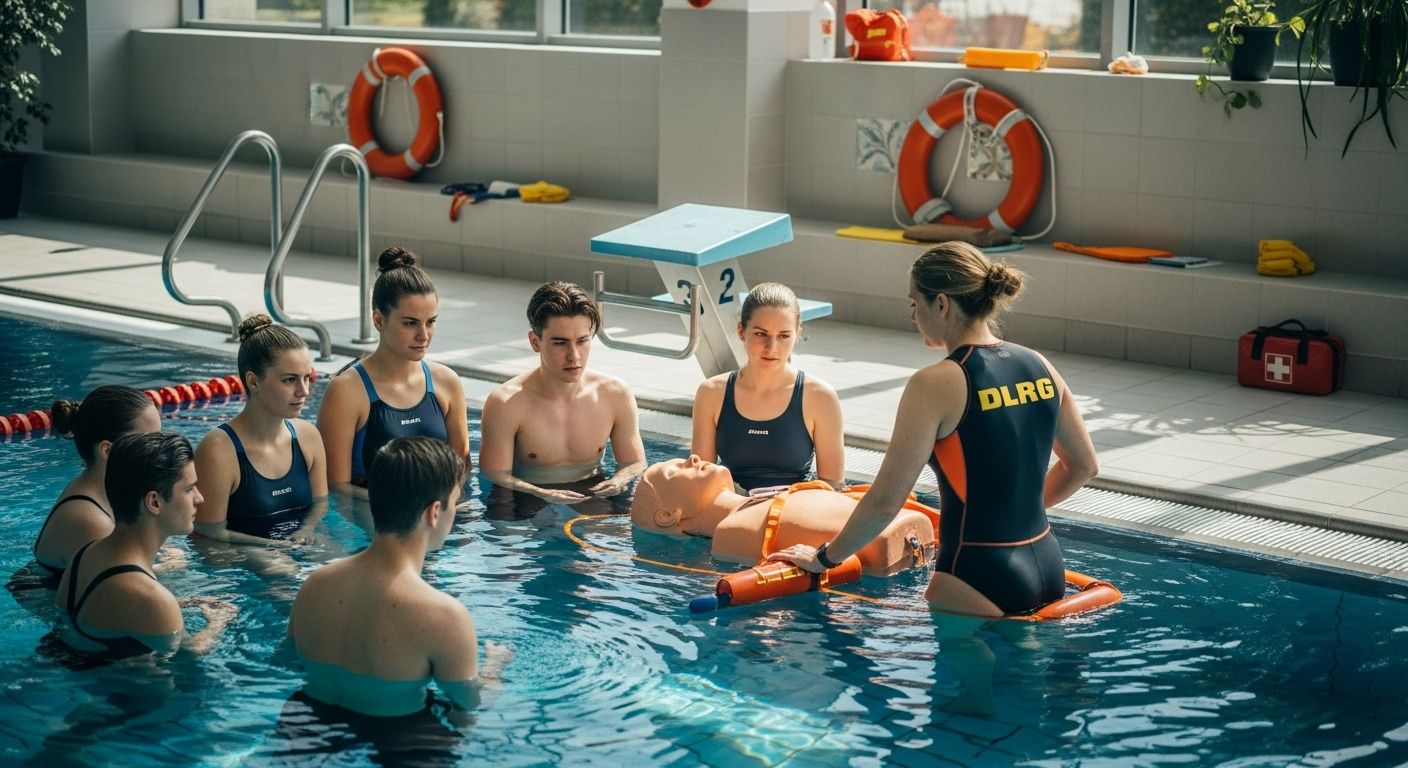
The training aims to enable participants to act purposefully and safely even under extreme stress. The goal is not just swimming, but saving lives.
The comprehensive training transforms participants from simple swimmers into qualified rescuers capable of responding professionally and responsibly to dangerous situations.
To clearly present the theoretical knowledge areas and practical competencies of the DLRG Silver Badge, we have created the following table:
| Area | Key aspects and content |
|---|---|
| Theory: Hazards & Law | Hazard analysis, currents, environment, legal basis of rescue |
| Theory: First Aid | Medical emergencies, immediate measures, care until help arrives |
| Practice: Rescue Techniques | Lifeguarding, recovery, use of rescue equipment |
| Practice: Release Grips | Releasing from embraces in water |
| Practice: Resuscitation | Cardiopulmonary resuscitation and emergency measures in and around water |
How are the requirements for the DLRG Silver Badge tested?
The examination for the DLRG Silver Badge is a two-stage process that comprehensively and precisely evaluates both theoretical knowledge and practical skills. A trained examiner supervises each phase to ensure that candidates fully meet all requirements.
Theoretical Examination Phase
The written examination tests the participants' basic knowledge in various areas of water safety and rescue techniques. Candidates must demonstrate their theoretical knowledge in the following areas:
- First aid fundamentals
- Hazard assessment in water situations
- Legal aspects of the duty to rescue
- Medical fundamentals of emergency care
According to DLRG information, participants must answer at least 70 percent of the theoretical questions correctly to proceed to the practical examination phase.
Practical Performance Test
The practical examination demonstrates the candidates' physical and technical abilities. The requirements are demanding and include various challenging disciplines:
- 400 meters swimming in a maximum of 15 minutes
- 300 meters swimming in clothing
- Jumps from a height of at least 3 meters
- Underwater swimming (streckentauchen) and rescue exercises
- Demonstration of release techniques
- Cardiopulmonary resuscitation
Each discipline is assessed individually and in detail, with not only performance but also the safety and professionalism of execution being crucial. Complete success requires outstanding physical fitness, technical skill, and mental resilience.
What are the advantages of the DLRG Silver Badge for swimmers and trainers?
The DLRG Silver Badge offers much more than a simple swimming qualification. It opens up numerous personal and professional development opportunities for participants and trainers in the field of water safety and rescue techniques.
Benefits for Swimmers
Personal safety and competence are at the heart of the benefits for swimmers. The comprehensive training provides not only technical skills but also a deep understanding of water safety:
- Increased self-confidence in water situations
- Professional rescue techniques
- Improved hazard awareness
- Personal development
According to CDC information, advanced swimming skills are crucial for preventing water accidents.
Benefits for Trainers
Professional development makes the Silver Badge a key to career opportunities in swimming and rescue sports. Trainers expand their professional perspectives through:
- Qualification for lifeguard courses
- Increased employment opportunities
- In-depth expertise
- Opportunities in swimming clubs and rescue organizations
Swimming badges for trainers offer additional opportunities for professionalization.
The DLRG Silver Badge is more than an award – it is a seal of quality for competence, safety, and professionalism in water sports. It enables swimmers and trainers to be not only technically proficient but also to act responsibly and safely in dangerous situations.
Your leap to the DLRG Silver Badge: Master requirements more easily with Pimpertz
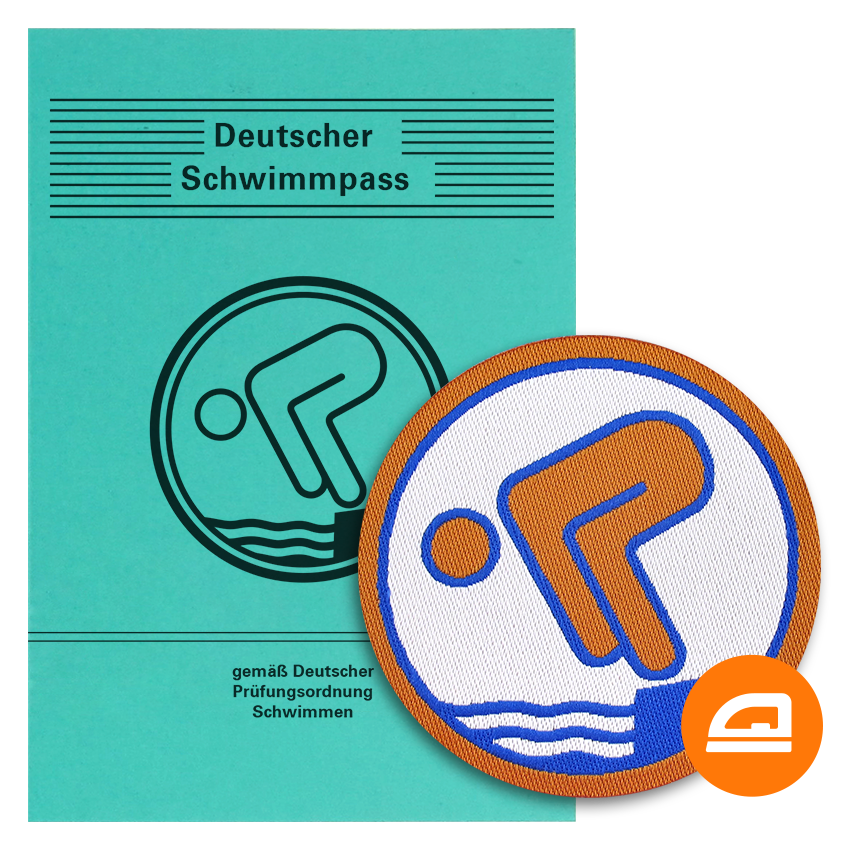
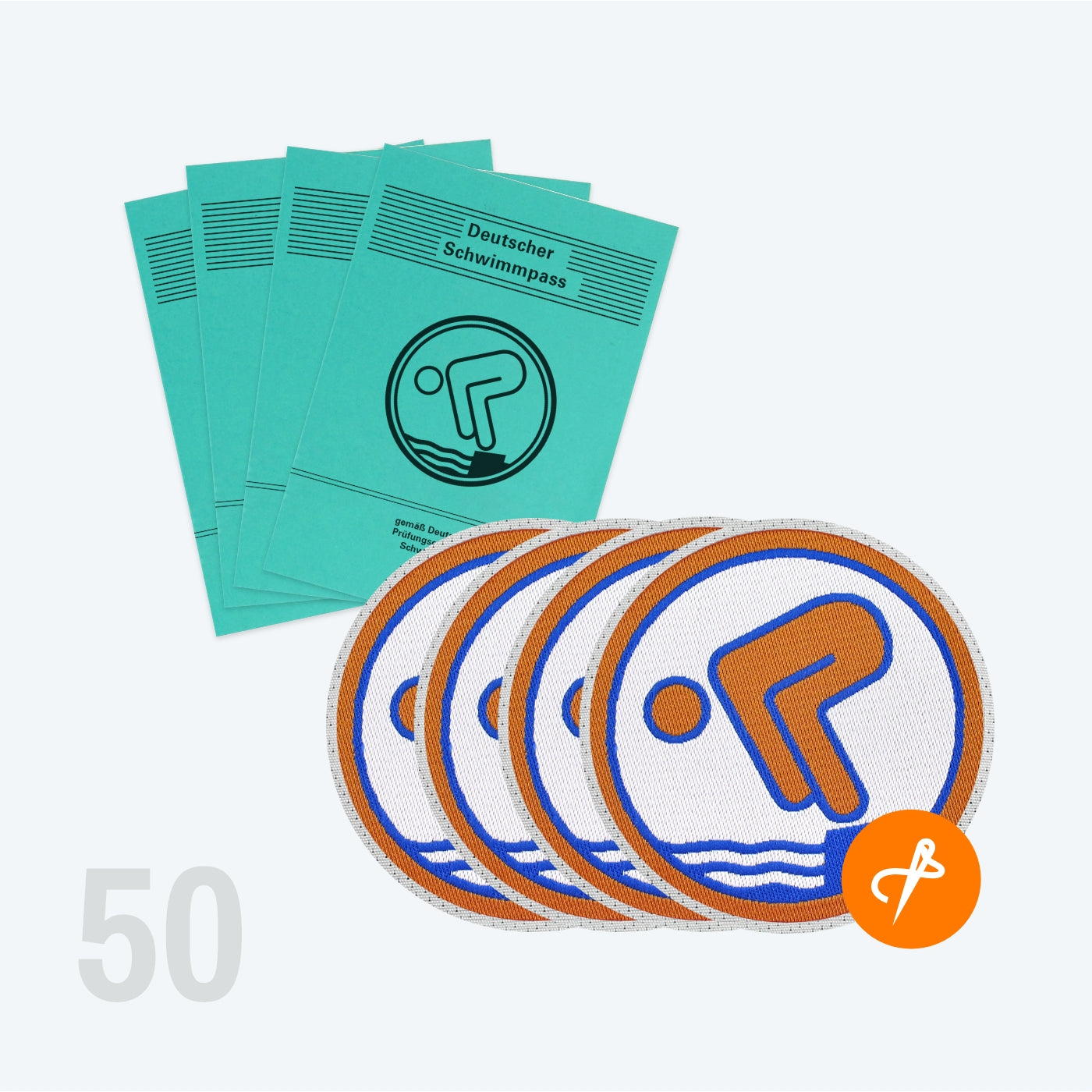
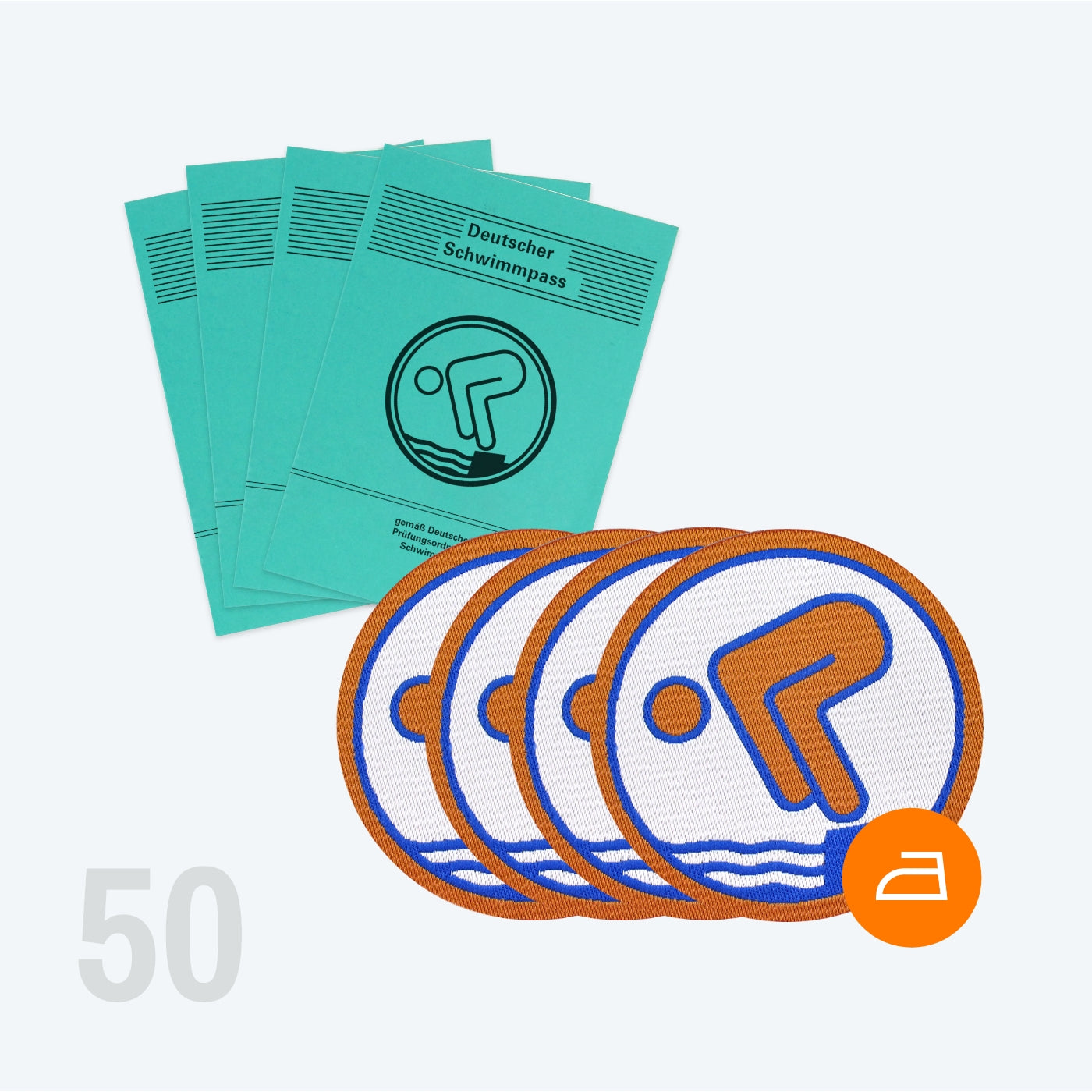
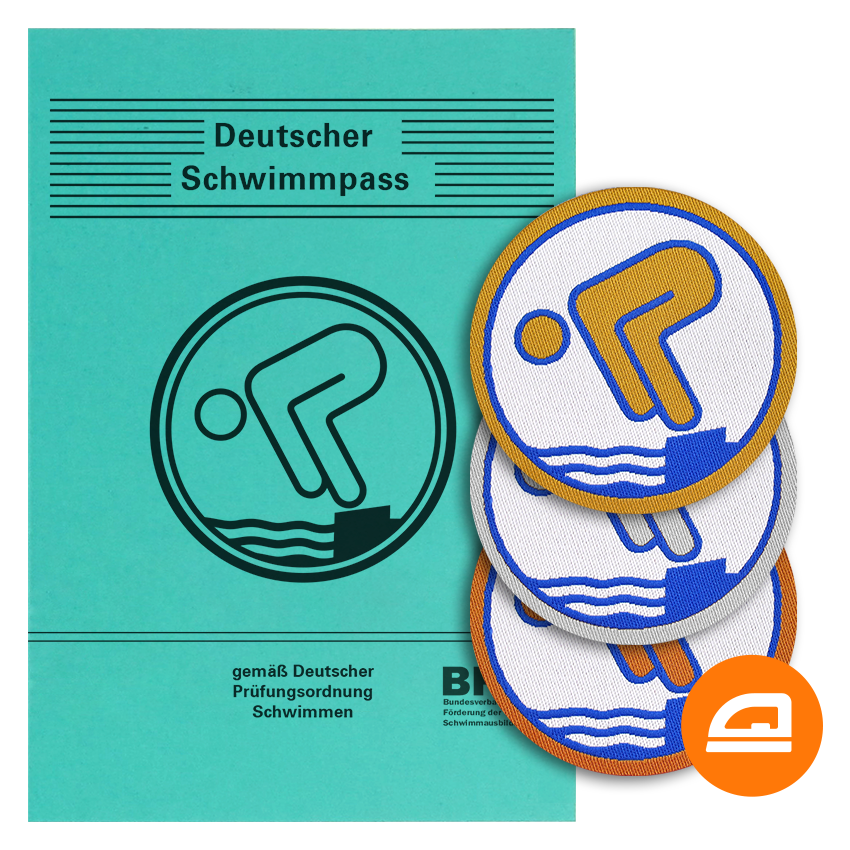
You have intensively studied the requirements for the DLRG Silver Badge and know how demanding the preparation can be. Often, the right badge or a high-quality certificate is missing, which conveys both motivation and pride. This is where Pimpertz comes in: As an official partner of the DLRG, we offer certified German Swimming Badges Bronze, Silver, Gold & German Swimming Pass in the best quality, as well as matching accessories for a safe and motivating swimming experience.
Trust in decades of experience and let your achievements shine not only in the water but also with a genuine quality badge. Secure your original awards now, including fast delivery, directly from Pimpertz or discover other child-friendly swimming badges such as our Seestern Stella Collection. Order today and make your path to the Silver Badge an unforgettable experience.
Frequently Asked Questions
What are the requirements for the DLRG Silver Badge?
To acquire the DLRG Silver Badge, participants must be at least 12 years old and possess the German Bronze Swimming Badge. Solid swimming skills and physical fitness are also required.
What examinations are required for the DLRG Silver Badge?
The examination includes both a theoretical and a practical component. Participants must swim 400 meters, swim 300 meters in clothing, jump from a height of 3 meters, perform underwater swimming (streckentauchen), and demonstrate their knowledge of first aid.
How is the knowledge for the DLRG Silver Badge tested?
Knowledge is tested through a written examination, where candidates must correctly answer at least 70 percent of the questions on first aid, hazard assessment in water situations, and legal aspects of the duty to rescue.
What are the advantages of the DLRG Silver Badge?
The Silver Badge offers swimmers personal safety, competence in rescue techniques, and improved hazard awareness. Trainers benefit from professional development opportunities and qualification for lifeguard courses.
Recommendation
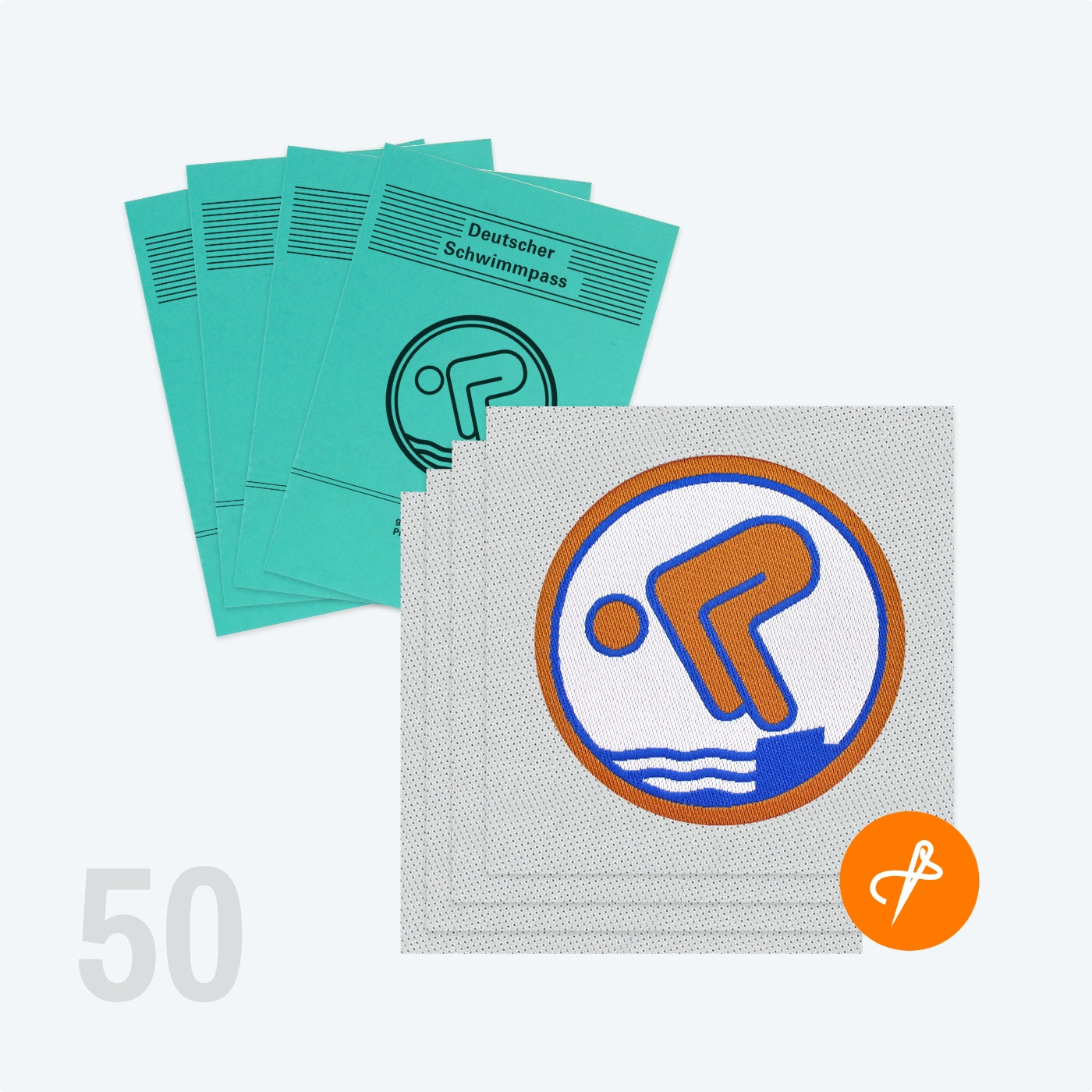
- 50er Set Silver Badge & Swimming Pass – Easy Plus for Ironing On
- German Silver Swimming Badge (Easy, laser-cut)
- Gold Swimming Badge on Roll – rectangular & for Sewing On
- 50 × Bronze Swimming Badge Easy – Iron-on Patch with Swimming Pass
- Set Silver Swimming Badge & German Swimming Pass | Easy Plus
- Set Bronze & Silver Swimming Badge & German Swimming Pass | Easy Plus