
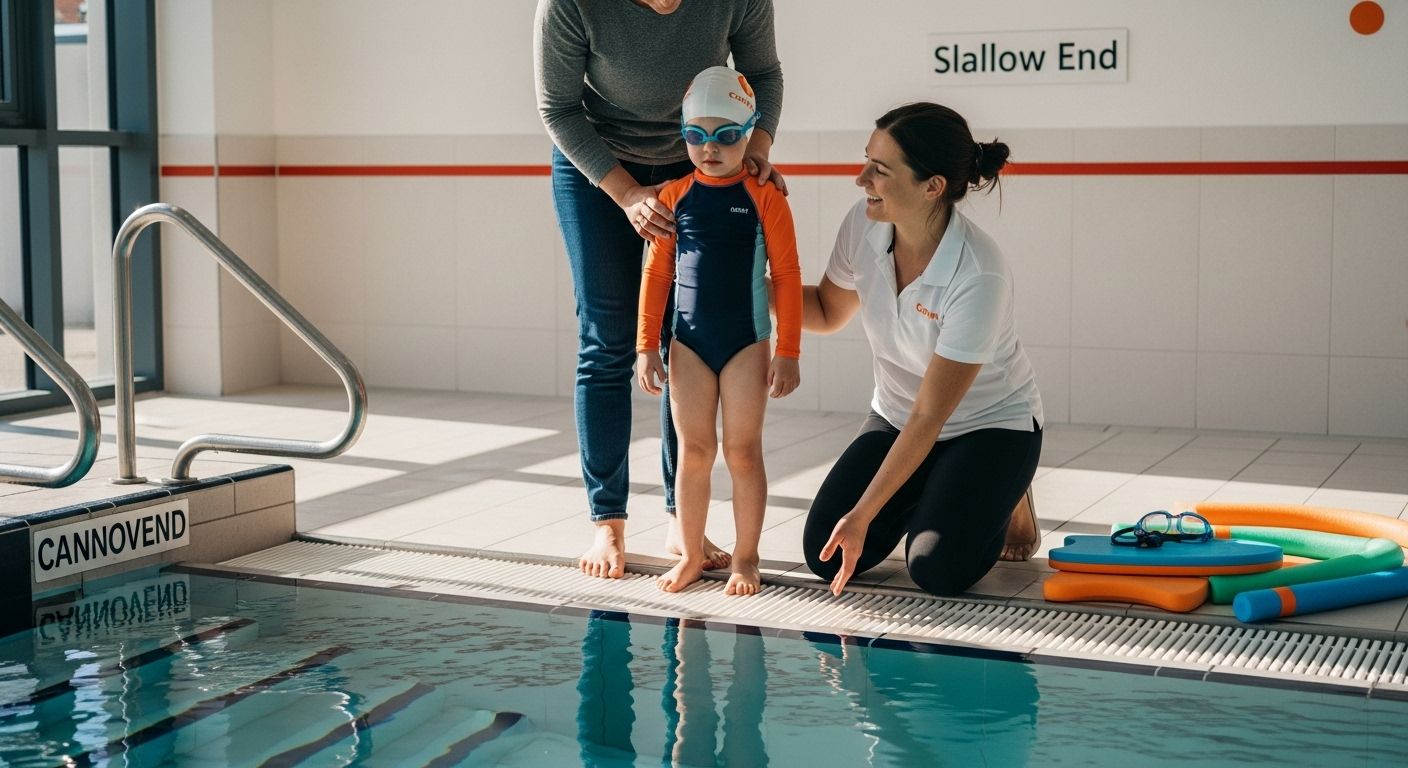
Learning to Swim Like a Seahorse: Your Step-by-Step Guide
Learning to swim for the Seahorse badge sounds simple, but many parents wonder how they can give their child the best start. Surprisingly, success often doesn't fail due to a lack of motivation, but rather due to the environment and proper preparation. Because over 70 percent of learning progress comes from a suitable swimming location, targeted accessories, and structured practice phases. What really matters is not just practicing in the water, but how cleverly you design the first steps.
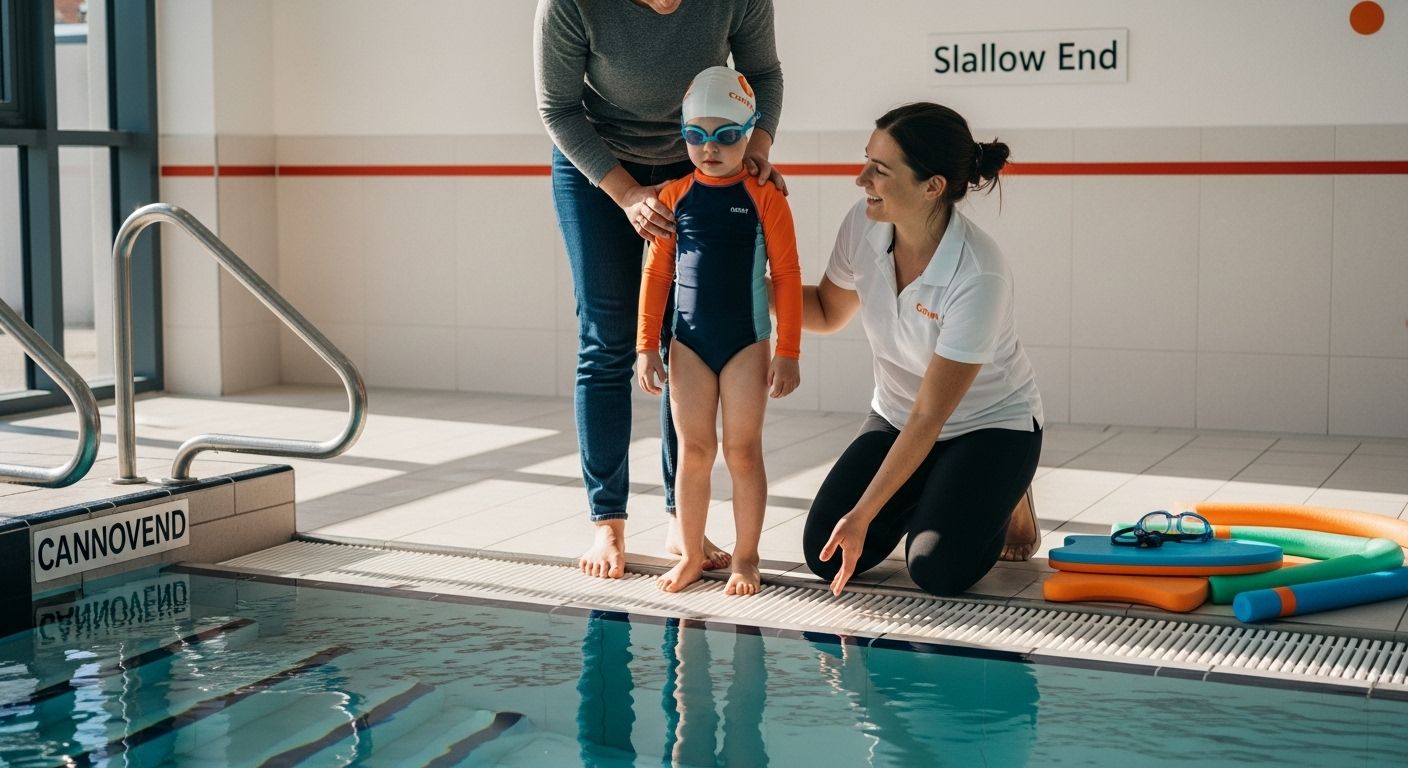
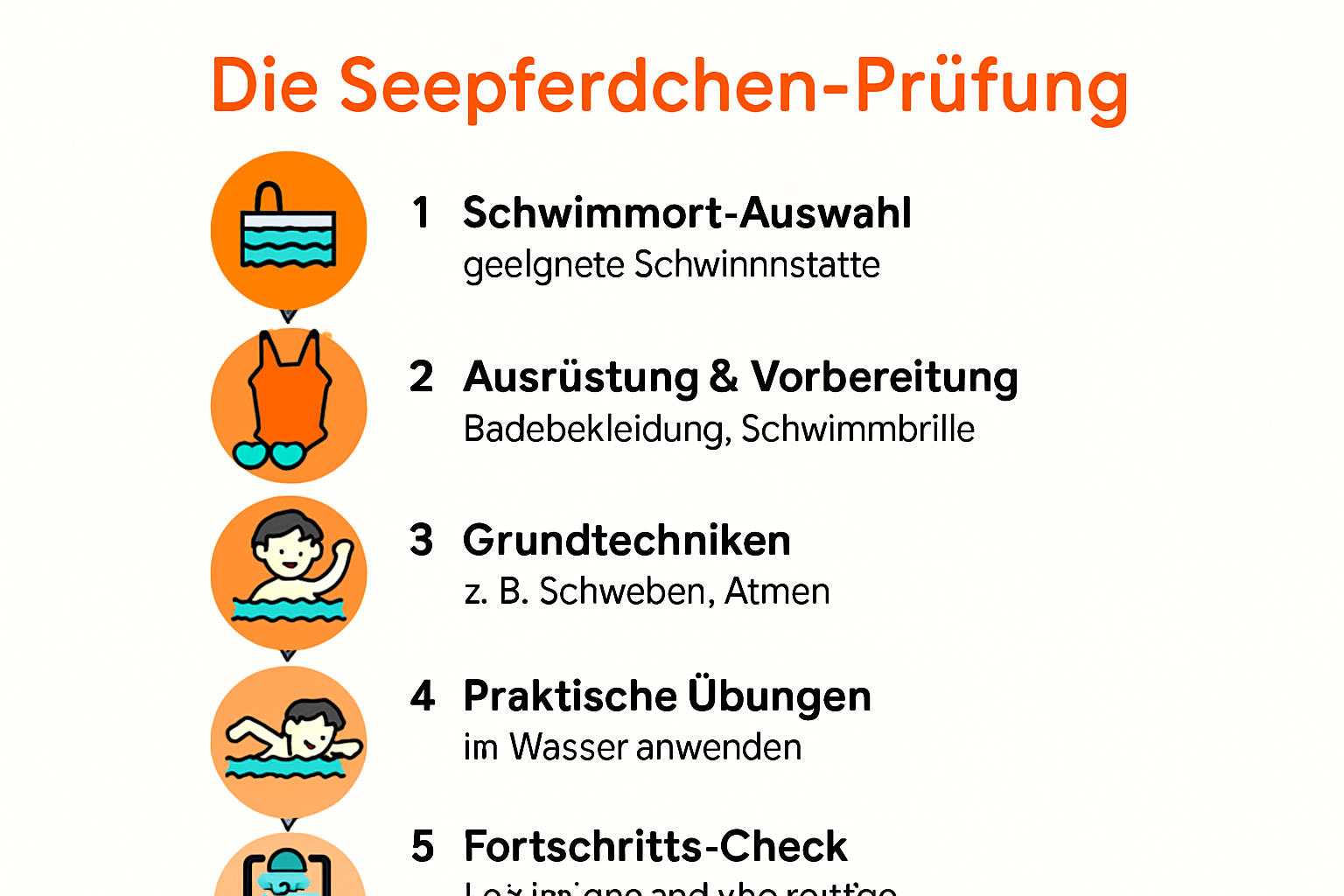
Table of Contents
- Step 1: Choose the Right Swimming Location
- Step 2: Prepare the Appropriate Swimming Accessories
- Step 3: Instruct Your Child in Basic Techniques
- Step 4: Practice Seahorse Swimming in the Water
- Step 5: Review the Child's Progress and Technique
Quick Overview
| Key Point | Explanation |
|---|---|
| 1. Choose a child-friendly swimming location | Look for a swimming pool with shallow areas and suitable temperatures for children. |
| 2. Prepare the right swimming accessories | Snug swimwear, goggles, and non-slip shoes are important for comfort and safety. |
| 3. Teach basic techniques playfully | Teach with positive games to encourage enjoyment of learning and reduce fears. |
| 4. Introduce structured practice sessions | Keep practice times short and regular to avoid overexertion and maximize progress. |
| 5. Systematically review progress | Regularly observe your child's technique and confidence to identify targeted improvements. |
Step 1: Choose the Right Swimming Location
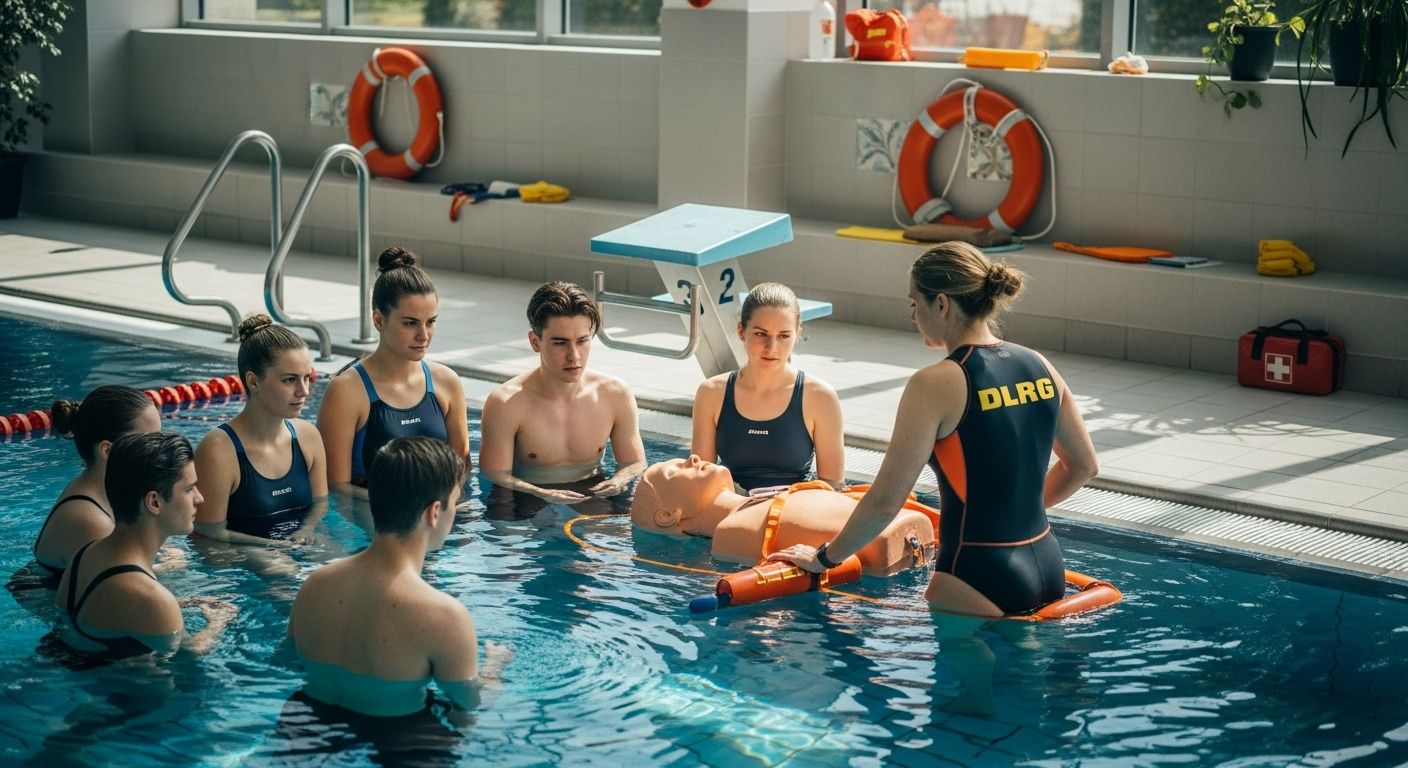
The first step to successfully learning to swim for the Seahorse badge is carefully choosing the right swimming location. The environment plays a crucial role in your child's learning success and safety. A well-chosen swimming location can increase motivation to learn and reduce fears.
Safety first means finding a place specifically suitable for children and beginners. Ideal options are swimming pools with shallow entry areas, warm water temperatures, and a calm pool section. Community pools or swimming schools often offer optimal conditions for Seahorse courses.
When selecting a swimming location, pay attention to the following important criteria:
- Clear visibility
- Sufficient space for swimming
- Qualified swimming instructors on site
- Child-friendly water temperature (ideally between 28 and 32 degrees Celsius)
According to the recommendation of the Centers for Disease Control and Prevention, you should particularly look for supervision by trained lifeguards. A swimming location with full-time lifeguards offers additional safety during swimming lessons.
When deciding on a swimming location, you should also consider your child's individual needs. Some children feel more comfortable in smaller groups, while others need more personal attention. Visit the swimming location in advance and let your child explore the environment. This can reduce uncertainties and fears beforehand.
Another important aspect is water quality. Modern swimming pools have filter systems and regular water checks that ensure a hygienic and safe environment. Ask about hygiene standards and do not hesitate to seek additional information.
Choosing the right swimming location is the first step towards a successful Seahorse swimming course. Take your time with this decision and trust your intuition as a parent.
Step 2: Prepare the Appropriate Swimming Accessories
The right equipment is crucial for a successful and safe Seahorse swimming course. Thoughtful preparation of swimming accessories helps your child feel comfortable and secure in the water. The focus here is on equipment that optimally combines comfort, safety, and learning support.
Clothing and basic equipment play a central role. Choose snug-fitting swim trunks or a swimsuit that guarantees freedom of movement. For beginners, close-fitting models that do not create additional water resistance are recommended. A well-fitting kickboard supports your child in initial swimming movements and helps them learn the correct body posture.
For added safety and comfort, you will need:
- Swim goggles to protect the eyes
- Swim cap for temperature regulation
- Soft swim noodle for exercises
- Non-slip water shoes for secure footing
According to the recommendation of the YMCA of Greater Kalamazoo, parents should remember that while swimming aids like swim noodles boost confidence, they do not replace a life jacket. Make sure to use aids only under direct supervision and as learning support.
Practical tips for equipment preparation: Have your child try on the swim equipment before the course begins. This reduces uncertainties and makes changing and gearing up a positive experience. A small sports bag, where all utensils are neatly stored, simplifies preparation.
To give you a quick overview of the necessary equipment for the Seahorse swimming course, here is a table with the most important materials and their respective purposes.
| Equipment | Description | Purpose |
|---|---|---|
| Swim trunks/suit | Snug-fitting, precise fit | Freedom of movement, comfort |
| Swim goggles | Protects eyes from chlorine and water | Safety, well-being |
| Swim cap | Cotton or silicone | Temperature regulation |
| Kickboard | Lightweight, buoyant | Train body posture |
| Swim noodle | Soft, flexible | Support during practice |
| Water shoes | Non-slip, good fit | Safety at the pool edge |
| Wetsuit | Optional for cold-sensitive children | Additional warmth |
Also consider temperature and individual needs. Children who are sensitive to cold will benefit from a wetsuit that provides extra warmth. Pay attention to the correct fit – too large or too small can restrict freedom of movement.
One last important aspect is psychological preparation. Make the equipment a positive experience. Let your child help choose or decorate the swimming gear. A personal connection to the equipment can increase anticipation and motivation.
With the right preparation and thoughtful equipment, you create the perfect foundation for a successful Seahorse swimming course.
Step 3: Instruct Your Child in Basic Techniques
Learning basic techniques is crucial for any successful Seahorse swimming course. This step aims to teach your child fundamental swimming skills and water safety. A playful and fear-free approach that perfectly combines fun and learning success is important.
Water safety begins with trust. First, gently introduce your child to the water. Let them explore the water temperature and surroundings. Encourage them to touch the pool bottom with their feet and make initial playful movements. Positive reinforcement is key – praise every small effort and show understanding for uncertainties.
The first basic techniques include:
- Water acclimatization and breathing
- Floating and body posture
- First swimming movements
- Water safety rules
According to the recommendation of Swim England, swimming techniques should be taught through playful activities. Encourage your child to swim like a seahorse or imitate maritime movements. This creative approach reduces fears and makes learning enjoyable.
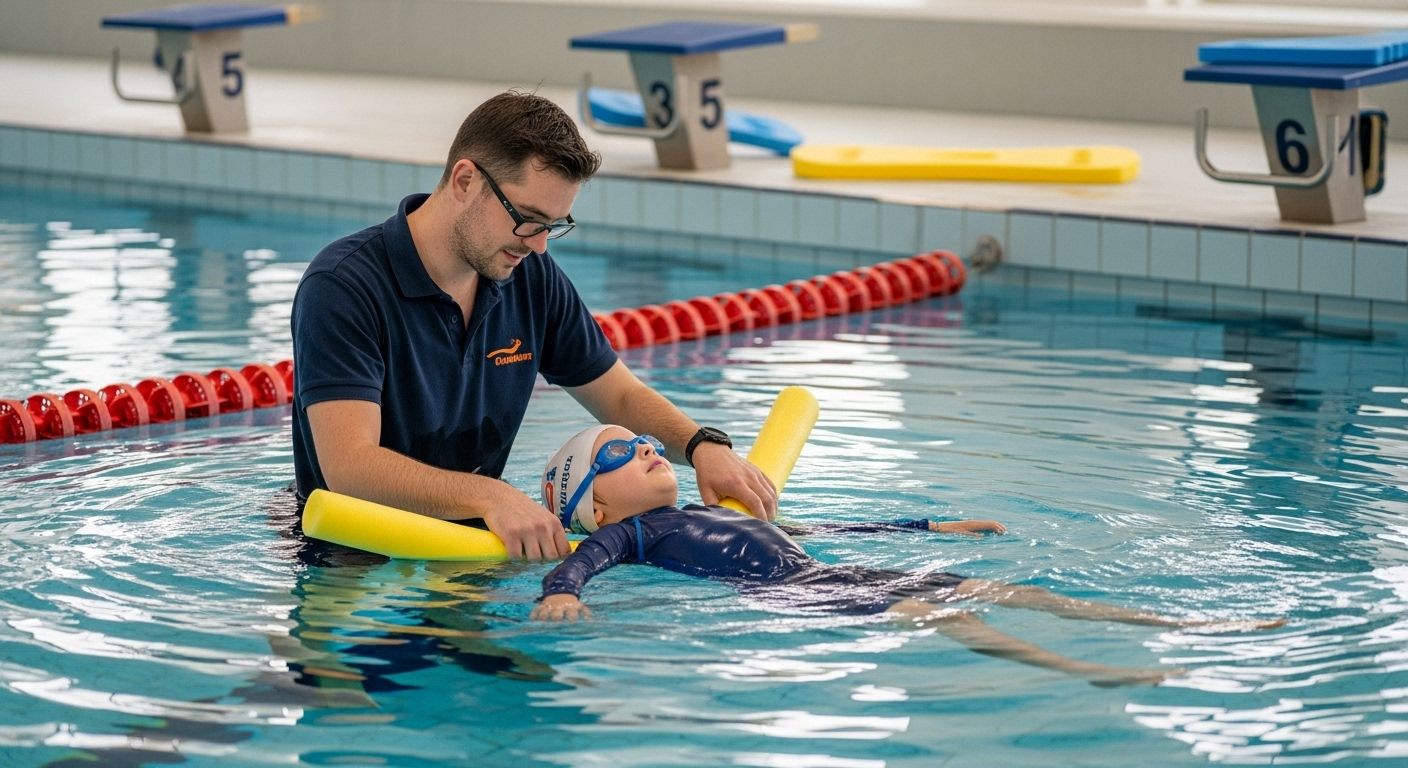
Breathing and floating are fundamental skills. Teach your child to take deep breaths in and out when their head is underwater. Start with short exercises like blowing bubbles. For floating, teach the back float – a position that conveys safety and relaxation. Initially, provide physical support so your child feels secure.
For initial swimming movements, use aids such as swim noodles or kickboards. Demonstrate the basic movements of front crawl: arm strokes and leg kicks. Let your child practice these separately at first before more complex coordination is required. Patience is crucial – every child learns at their own pace.
Water safety rules are also important. Teach your child never to swim unsupervised, always to listen to swimming instructions, and to call for help if they feel unsure. These rules are just as significant as the swimming techniques themselves.
At the end of each practice session, reflect together. Ask about their feelings, celebrate progress, and plan the next learning goals. This way, swimming becomes a positive, trust-building experience.
Step 4: Practice Seahorse Swimming in the Water
Now begins the most exciting part of the Seahorse swimming course – practical practice in the water. This step transforms theoretical knowledge into actual swimming skills. Crucial is a patient, supportive approach that perfectly combines fun and safety.
Structured practice sessions form the foundation of successful swimming instruction. Begin with short, intense training sequences of about 15 to 20 minutes. Overexertion can quickly lead to frustration, so it's important to adapt the pace to your child's needs and abilities. Regularity is key – short but frequent practice sessions show better results than infrequent, long training sessions.
Focus on the following core exercises:
- Water entry and exit
- Swimming short distances
- Back float and floating
- Breathing techniques
- Sculling movements with legs and arms
According to the recommendation of the Virginia Department of Health, children should master basic swimming skills such as water entry, moving at least 25 meters, turning, and safely exiting the water.
Motivation techniques play a crucial role. Turn exercises into small games. Let your child glide through the water like a seahorse, collect starfish, or dive for treasures. These playful elements reduce tension and make learning an experience. Praise every effort, not just successes.
Pay special attention to body posture and technique. Correct gently and constructively. Demonstrate movements and let your child imitate them. Use aids like swim noodles or kickboards to improve coordination. These aids provide security and help develop a feel for water resistance and movement sequences.
Observe your child carefully and be emotionally present. Your support and calmness transfer to your child. Signal confidence, even if not everything works perfectly right away. Small successes are big victories in learning to swim.
At the end of each practice session, reflect together on the progress. Celebrate successes, analyze challenges, and set new learning goals together. This way, Seahorse swimming becomes a positive, trust-building experience.
Step 5: Review the Child's Progress and Technique
The progress check is a crucial moment in the Seahorse swimming course. This step helps you objectively assess your child's development and identify targeted improvements. A structured but caring approach makes the progress check a motivating experience.
Regular observation forms the basis of successful technique evaluation. Conduct a systematic check every two to three weeks. Observe not only technical skills but also your child's emotional state. Trust and fun are at least as important as perfect swimming movements.
When reviewing, pay attention to the following key aspects:
- Body position in the water
- Coordination of arm and leg movements
- Breathing technique
- Water safety and self-confidence
- Distance swum
According to findings by scientists, immediate verbal feedback improves children's swimming technique by correcting movement errors in real-time. Therefore, always communicate observations constructively and encouragingly.
Document the progress. Keep a small swimming diary where you record successes, challenges, and developmental steps. Visualize progress through small diagrams or stickers. This motivates your child and makes learning progress tangible.
Pay attention to details during technical analysis. Observe water position, arm stroke coordination, and leg kick. Are the movements still stiff or already flowing? How is the breathing? A relaxed, rhythmic breathing pattern indicates a growing feel for the water.
Integrate playful review elements. Let your child do small tasks like collecting starfish, swimming a certain distance, or diving through hoops. These exercises playfully measure progress in technique and water safety.
Consider individual developmental differences. Every child learns differently and at their own pace. Do not compare your child to others, but focus on personal progress. Small successes are big victories in learning to swim.
Conclude each review with a positive conversation. Praise progress, discuss challenges, and set new learning goals together. This way, the Seahorse swimming course remains a motivating and joyful experience.
Below you will find an overview table of the main steps in the Seahorse swimming course with a brief description and the respective learning objective. This table helps you to understand the process in a structured way.
| Step | Brief Description | Learning Objective |
|---|---|---|
| Choose swimming location | Finding a child-friendly swimming pool | Safety, motivation |
| Prepare swimming accessories | Assembling and trying on equipment | Comfort, confidence |
| Instruct basic techniques | Playful learning of swimming basics | Water safety, technique |
| Practice in water | Structured practice sessions, playful design | Motor learning, fun |
| Review progress | Systematic observation and documentation | Motivation, technique improvement |
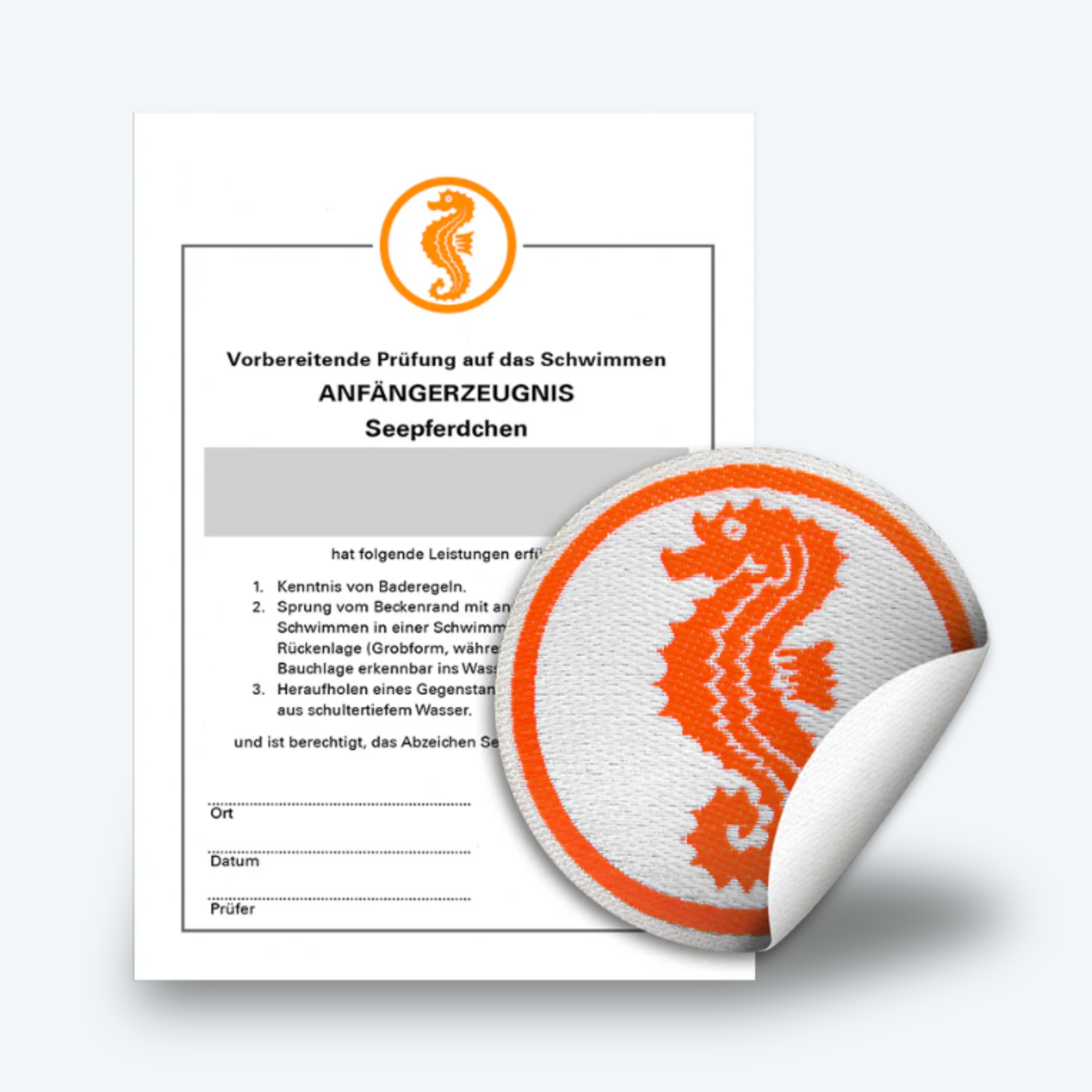
Reward and Pride After the Seahorse Badge – With Pimpertz, Learning to Swim Becomes a Success Story
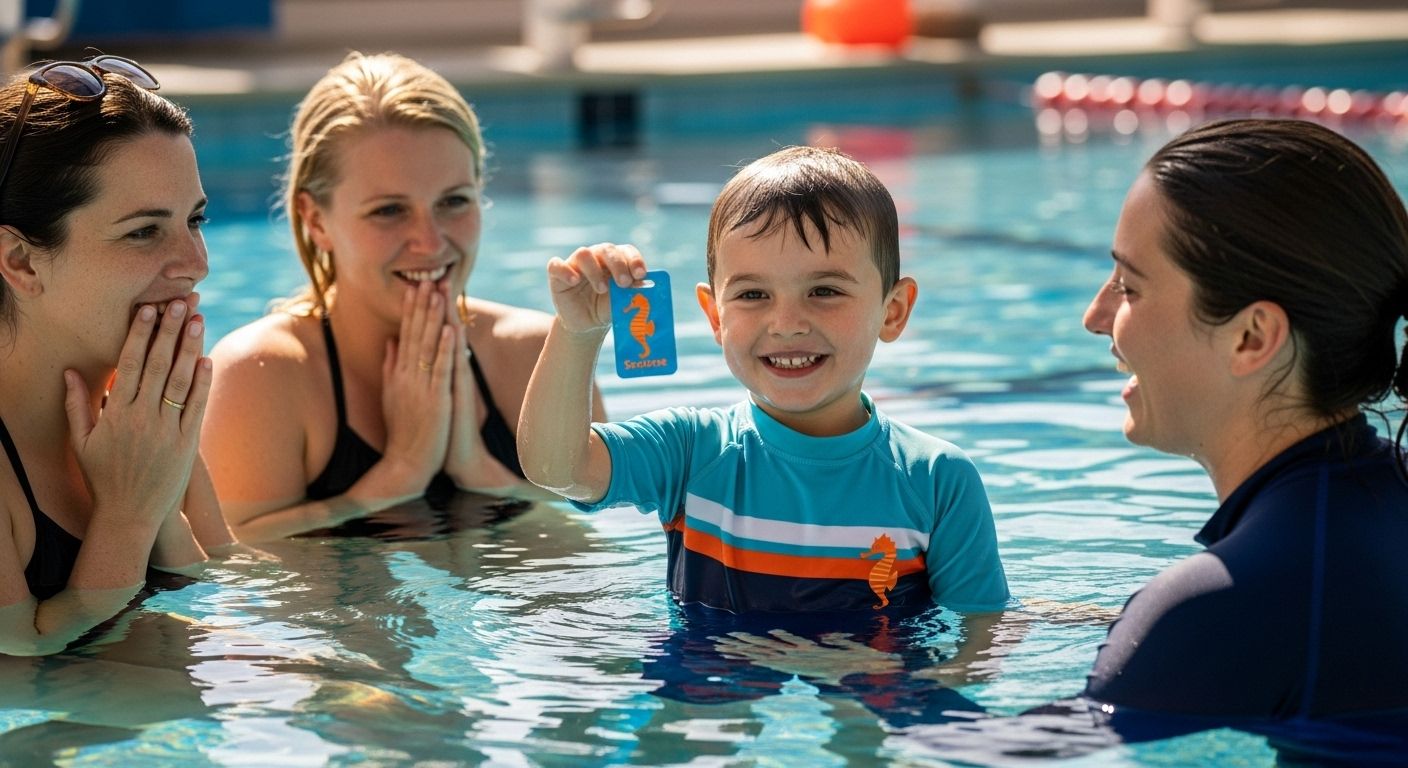
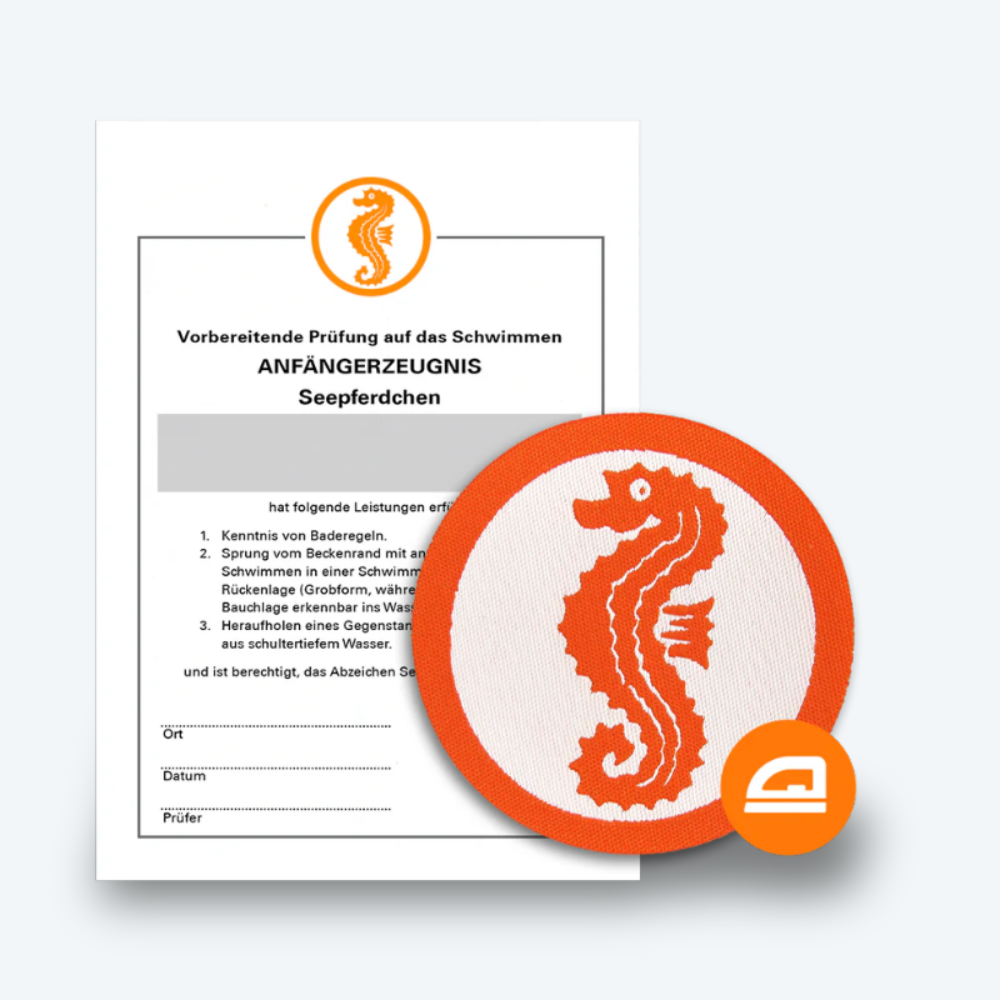
You have practiced swimming for the Seahorse badge with your child step by step and want this milestone to be remembered for a long time. Especially after so much effort, motivation, and perseverance, the right recognition is important. With high-quality swimming badges and certificates, you boost your child's self-confidence and ensure lasting motivation on the way to further swimming levels.
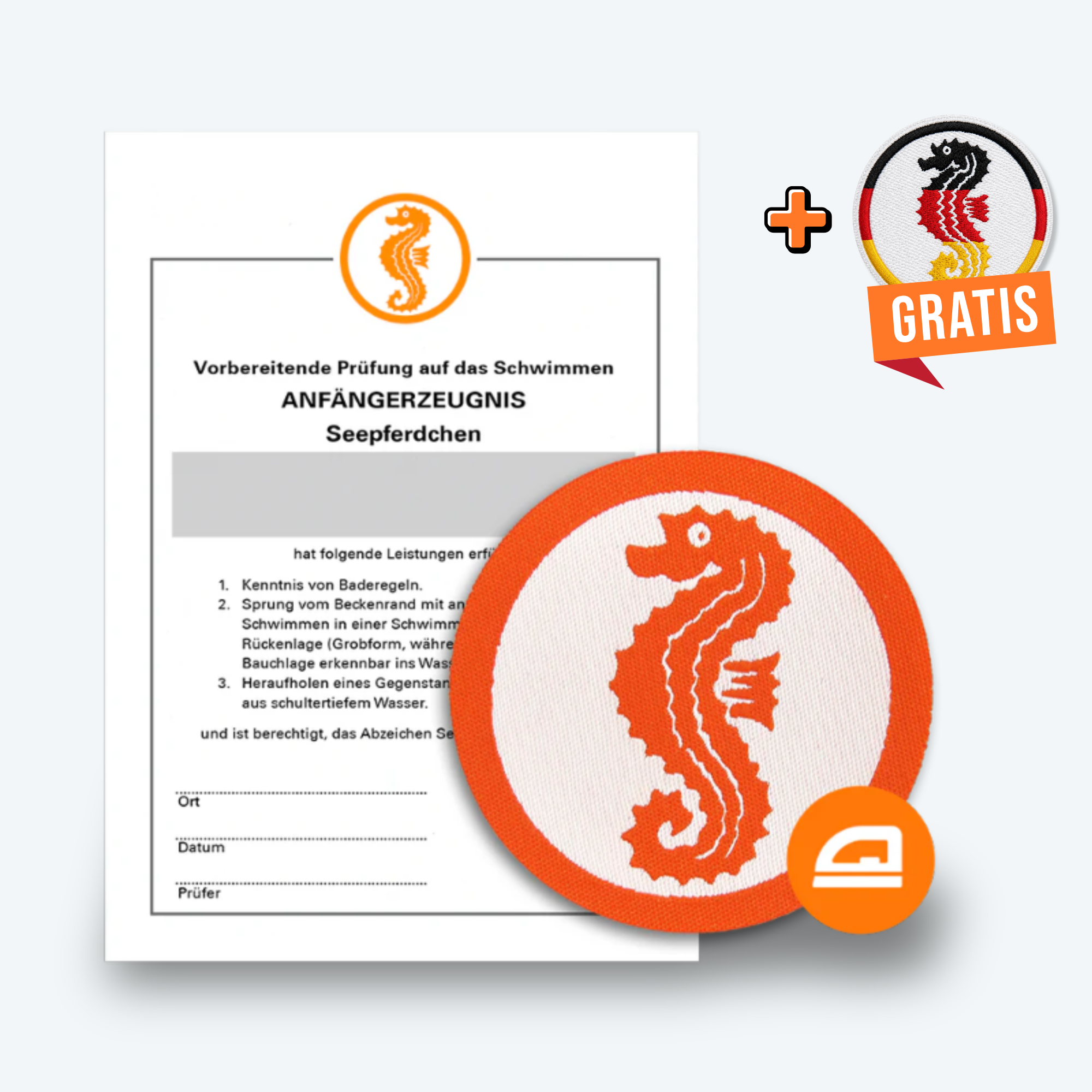
Discover now the creative and officially recognized Seestern Stella swimming badges & certificates that will make children's eyes light up. Are you looking for a special design or a suitable gift set? In our Pimpertz online shop, you will find the largest selection, from individual collector's albums to customizable badges. Secure the perfect souvenir of the Seahorse success today and make the completion of your swimming course a special experience that motivates and instills pride.
Frequently Asked Questions
How do I choose the right swimming location for the Seahorse course?
A suitable swimming location should be safe and child-friendly, with shallow water, warm water temperature, and qualified instructors. Visit the pool with your child beforehand to reduce fears.
What equipment do I need for Seahorse swimming?
Basic equipment includes a snug-fitting swimsuit, goggles, a swim cap, and non-slip water shoes. Aids like swim noodles and kickboards can also be helpful.
What basic techniques should I teach my child?
Important basic techniques are water acclimatization, breathing, floating, and first swimming movements. Positive reinforcement helps build your child's self-confidence.
How can I check my child's progress in swimming?
Conduct a systematic observation every two to three weeks to assess your child's posture, technique, and self-confidence. Document progress and celebrate small successes.
Recommendation
-
[
Seestern Stella Swimming Badges & Certificates](https://pimpertz.de/collections/seestern-stella-schwimmabzeichen)
-
[
Pirat Pimpi® Swimming Badges & Certificates](https://pimpertz.de/collections/schwimmabzeichen-pirat-pimpi)
-
[
50x Silver Badges for Sticking & Swim Pass – easy & quick](https://pimpertz.de/products/schwimmabzeichen-silber-zum-aufkleben-50er-set)
-
[
Set Seestern Stella - Stick-on Swimming Badge with Certificate](https://pimpertz.de/products/schwimmabzeichen-seestern-stella-urkunde-set)