
Parent-Teacher Communication – How to Support Your Child in Swimming Lessons
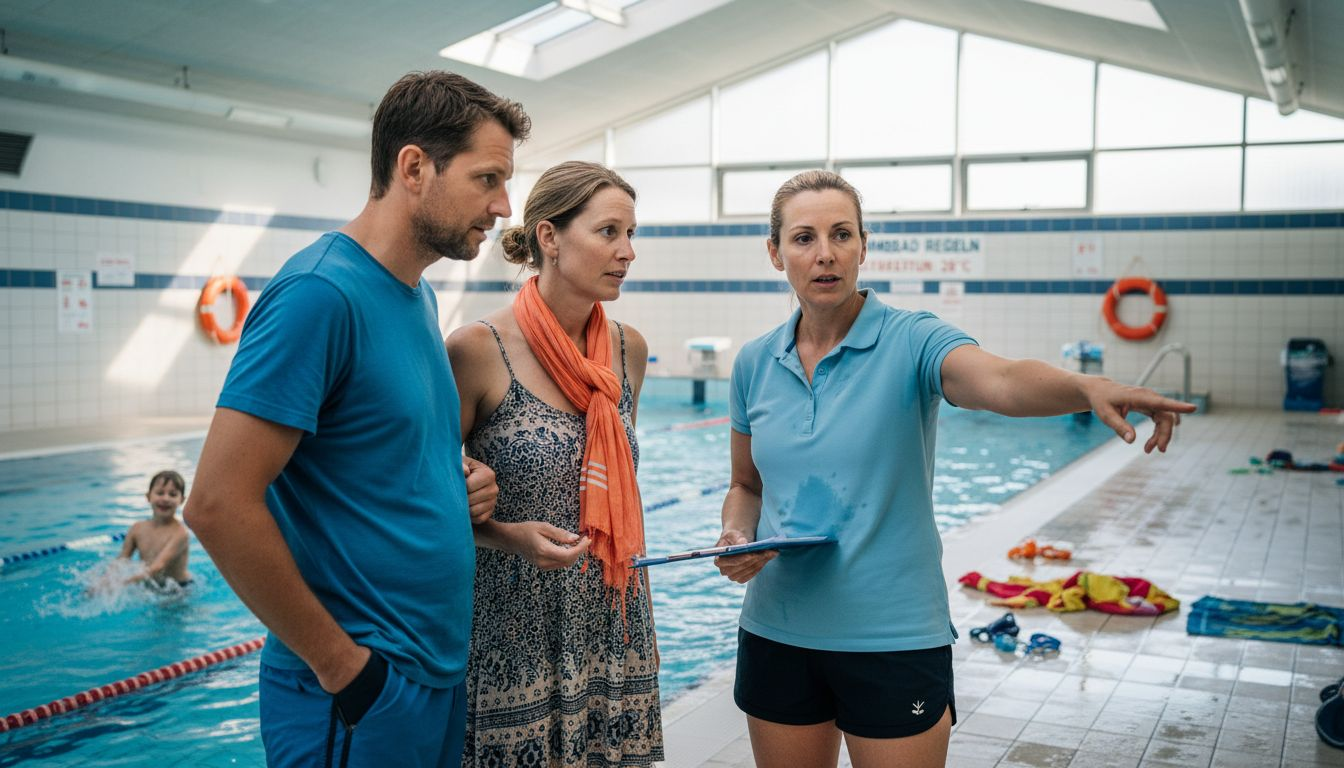
Parents often experience how crucial clear communication with swimming instructors is for their children's learning success. Communication forms the foundation of a collaborative partnership between family and school, which makes all the difference, especially in swimming lessons. Through regular information exchange, greater transparency, trust, and support are created for elementary school children in Central Europe. Here, parents can learn how to conduct targeted conversations and actively accompany their children's progress.
Table of Contents
- What Parent-Teacher Communication Means
- Important Forms in Swimming Lessons
- How Exchange Succeeds in Everyday Practice
- Utilizing Digital Tools and Secure Channels
- Constructively Resolving Challenges and Conflicts
Key Insights
| Point | Details |
|---|---|
| Important Role of Communication | Parent-teacher communication is crucial for children's development and requires regular exchange. |
| Diverse Communication Forms | Use personal conversations, digital channels, and written reports to exchange information effectively. |
| Constructive Conflict Resolution | In case of conflicts, parents and teachers should communicate openly and find solutions together, always in the child's best interest. |
| Sensible Use of Digital Tools | Digital communication platforms are helpful but should complement personal communication and consider data protection. |
What Parent-Teacher Communication Means
Parent-teacher communication forms the foundation of a successful educational partnership between families and schools. It enables a regular exchange of information that is crucial for children's development and fostering. Parental involvement in school builds a bridge between educational institutions and the home.
This communication encompasses various aspects of collaboration:
- Regular information exchange about learning progress
- Joint development of support strategies
- Transparent feedback on behavior and performance
- Constructive discussions in case of challenges
Socio-structural changes have further strengthened the importance of this cooperation. Families and schools are now jointly responsible for children's development. Compulsory schooling has created a shared responsibility that requires continuous communication.
Parents and teachers have a shared responsibility for the education and development of children.
Effective parent-teacher communication is based on mutual respect, openness, and the common goal of optimally supporting the child. It goes far beyond sporadic parent-teacher evenings and is understood as a dynamic, collaborative process.
Pro-Tip: At the beginning of the school year, agree on clear communication channels and rhythms with the class teacher.
Important Forms in Swimming Lessons
Parent-teacher communication in swimming lessons requires diverse forms of communication that effectively manage the exchange of information between parents, swimming instructors, and swimming schools. Effective communication tools play a decisive role in transparency and building trust.
The most important forms of communication include:
- Personal parent evenings
- Written learning reports and progress reports
- Digital communication channels such as email and messengers
- Individual development discussions
- Open training observations
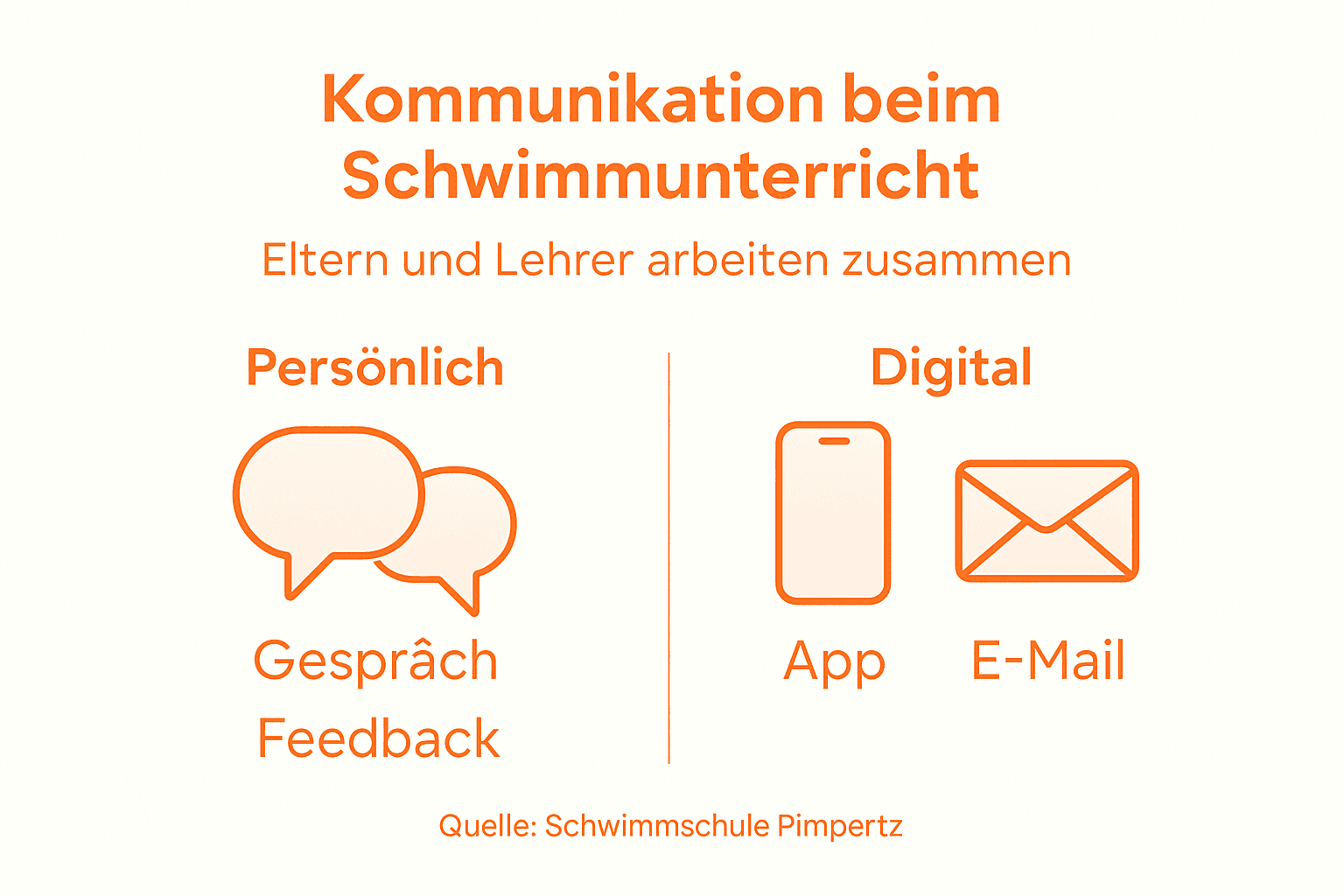
Each form of communication has specific advantages and disadvantages. Personal conversations enable direct exchange, while digital channels ensure fast and documented communication. A balanced and regular communication strategy is important.
The quality of communication is more critical than the quantity of contacts.
Modern swimming schools are increasingly using integrated communication solutions that connect various communication channels. These enable structured and transparent information transfer about progress, challenges, and individual development potential.
Here is a comparison of different communication forms in swimming lessons:
| Communication Form | Personal Contact | Digital Channels | Written Reports |
|---|---|---|---|
| Speed | Direct, immediate | Very fast and flexible | Sent regularly |
| Documentation | More oral, less fixed | Automatic archiving | Traceable in writing |
| Relationship Level | Empathetic, individual | Objective, detached | Objective, standardized |
| Data Protection | Unproblematic on-site | GDPR must be observed | Data protection possible |
Pro-Tip: Ask your swimming school about their preferred communication channel and remain consistent in its use.
How Exchange Succeeds in Everyday Practice
The exchange between parents and swimming instructors requires a conscious and structured approach. Communication between teachers and parents can be seen as a challenge but also as an opportunity to jointly support the child's learning and development.
For successful daily practice, the following strategies are recommended:
- Agree on fixed communication times
- Be proactive, not just reactive
- Document progress and challenges
- Show interest in the swimming instructor's perspective
- Remain objective and constructive
An open dialogue culture means communicating with each other respectfully and appreciatively. This specifically means actively listening, showing understanding, and jointly developing solutions.
Communication is more than words – it is an attitude of mutual respect.
The challenge lies in fostering constructive cooperation despite different perspectives. Digital communication channels can help to stay in touch flexibly and promptly but should not completely replace personal conversations.
Pro-Tip: Have a short but regular feedback conversation with the swimming instructor to stay continuously informed.
Utilizing Digital Tools and Secure Channels
Digital communication between parents and swimming instructors is becoming increasingly important. Digital parent communication, however, requires careful selection of communication channels and strict adherence to data protection.
Important aspects of digital communication tools include:
- Data protection compliance
- Transparency of communication
- Ease of use
- Fast accessibility
- Documentation capabilities
Modern digital communication platforms offer numerous advantages for information exchange. They enable timely and structured communication between parents and swimming instructors without completely replacing personal contact.
Digital tools should complement personal communication, not replace it.
When selecting digital communication channels, data protection aspects must always come first. Only official, GDPR-compliant platforms that ensure secure communication and protect the privacy of all involved are recommended.
Pro-Tip: Agree on clear communication rules and times for digital channels with the swimming instructor in advance.
Constructively Resolving Challenges and Conflicts
Conflicts between parents and swimming instructors are not uncommon and can be resolved constructively. Teacher-parent conflicts require a professional and respectful approach that prioritizes the child's well-being.
Important strategies for conflict resolution include:
- Timely and direct communication
- Active listening
- Objective description of the challenge
- Focus on common solutions
- Avoidance of blame
A constructive discussion atmosphere is based on mutual respect and the common goal of optimally supporting the child. This means controlling emotions and remaining professional.
Conflicts are opportunities for understanding and cooperation.
If direct discussions do not lead to a resolution, neutral mediators such as school administration or swimming school management can be brought in. It is always important to prioritize the child's well-being and think constructively.
The following overview shows typical causes of conflict and ways to resolve them:
| Cause of Conflict | Possible Solution | Role of Parents | Role of Teachers |
|---|---|---|---|
| Different expectations | Open conversation | Openly express one's own view | Understand parents' perspective |
| Lack of information | Joint documentation | Ask questions and seek clarity | Inform transparently |
| Lack of time | Agree on fixed communication times | Set priorities | Provide structured feedback |
| Emotional reactions | Create an objective atmosphere | Remain professional | Be neutral and solution-oriented |
Pro-Tip: Document conversations and agreements in writing to avoid misunderstandings.
Directly Support Parent-Teacher Communication with Pimpertz
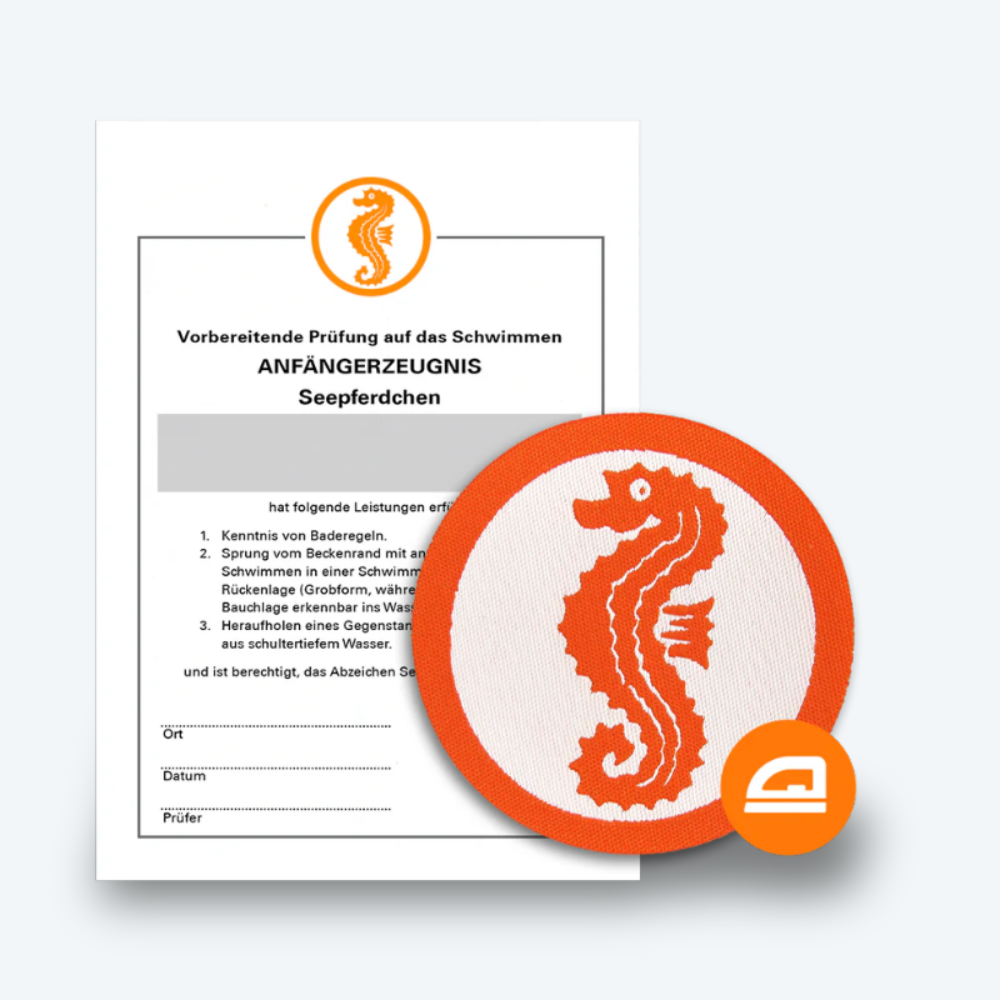
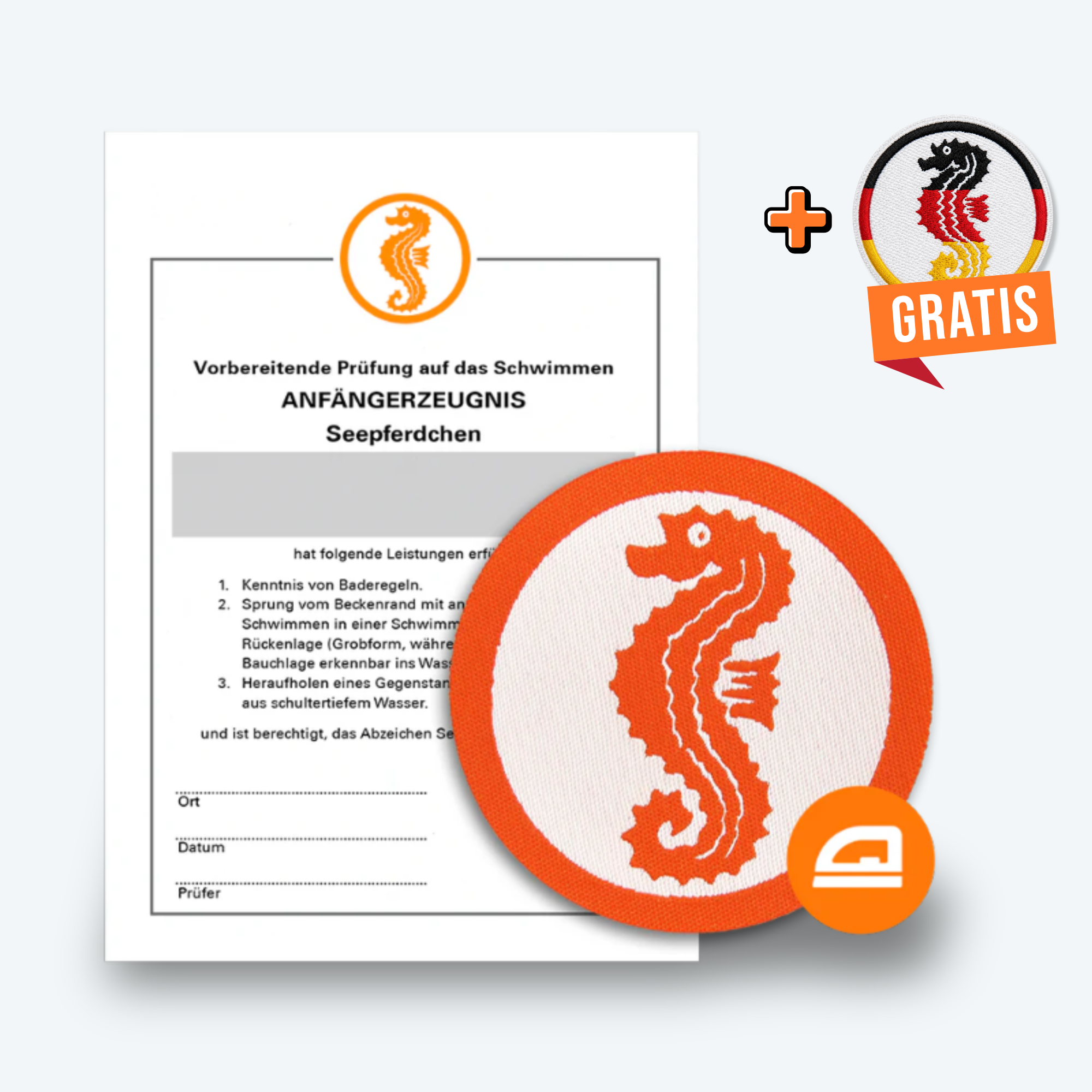
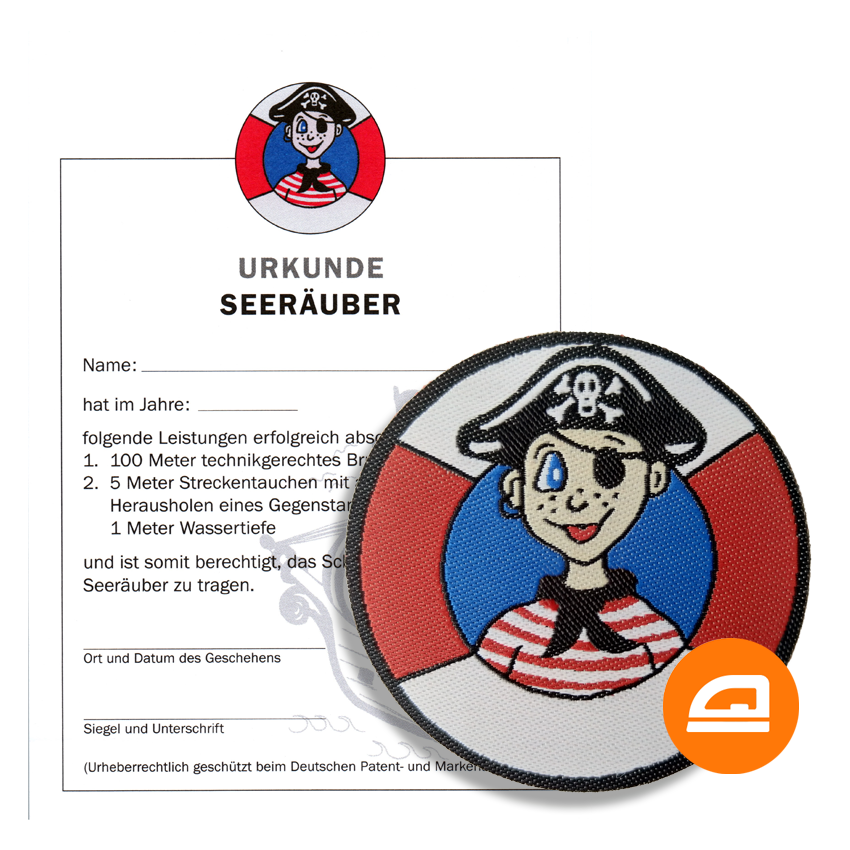
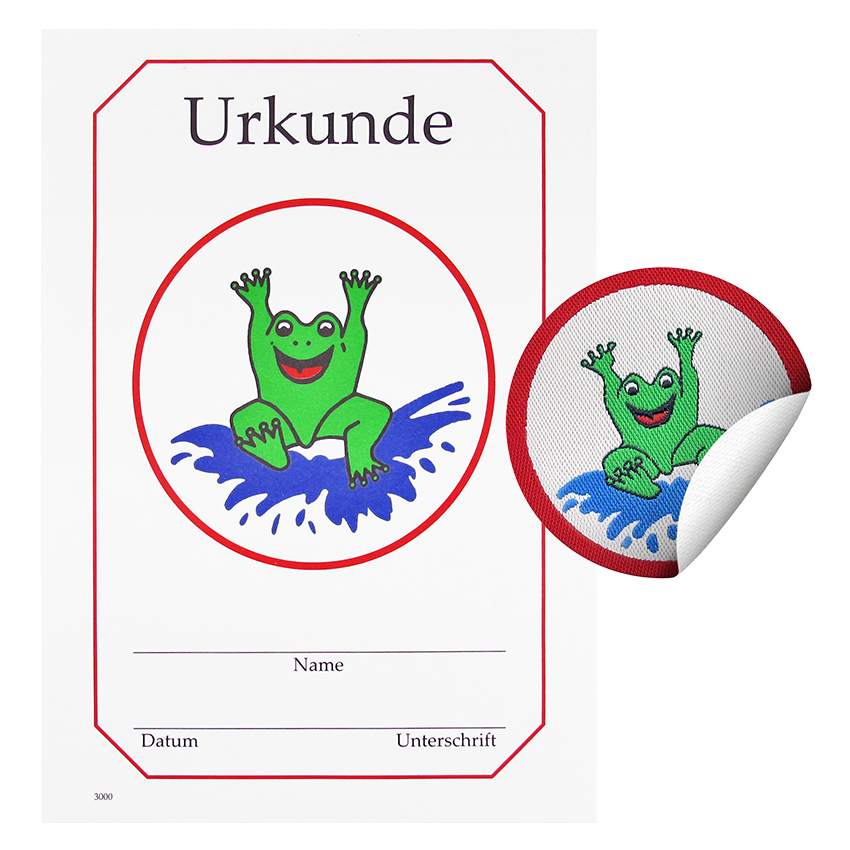
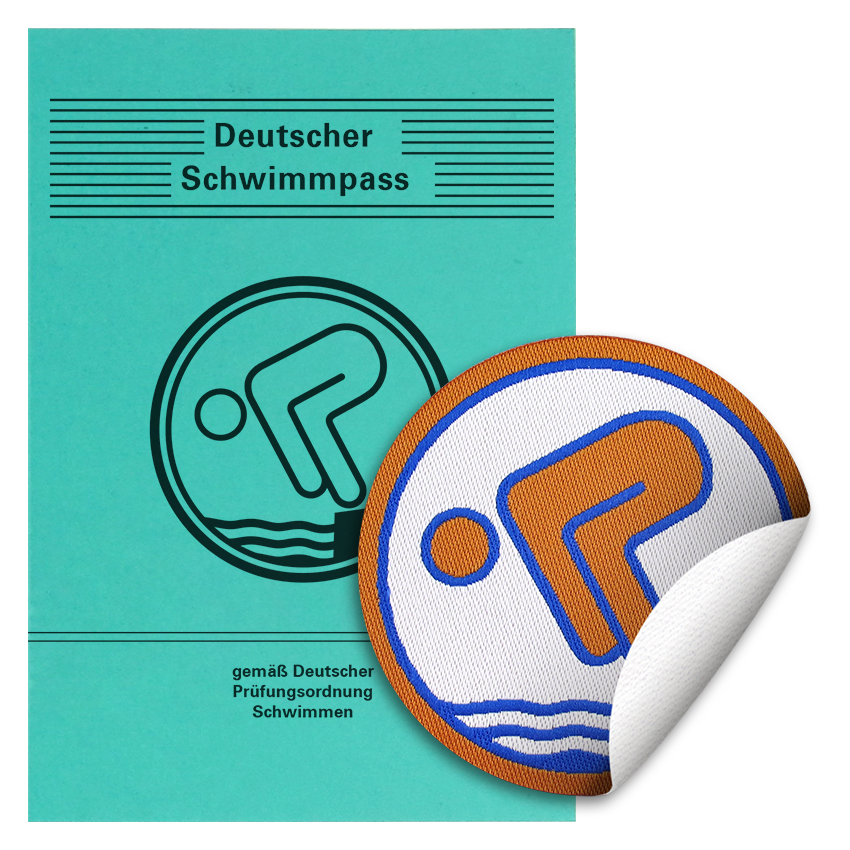
Close cooperation between parents and swimming instructors is crucial for your child's learning success and safety in the water. This article shows how important regular information exchange, transparent feedback, and trusting conversations are. This is exactly where Pimpertz comes in: We offer you original certified swimming badges and child-friendly certificates that make your child's progress visible and playfully encourage motivation. This way, you build a bridge between lessons and home.
Become part of a strong community and benefit from over 38 years of experience as well as official partnerships with DLRG and BFS. Browse our extensive range of swimming badges and certificates, discover practical accessories and gift sets, and create personalized bundles that perfectly suit communication with the swimming school. Visit pimpertz.de now and secure high-quality products for swimming lessons. This not only promotes the joy of swimming but also strengthens the trusting cooperation between parents and teachers.
Frequently Asked Questions
How can parent-teacher communication in swimming lessons be improved?
Communication can be improved through regular parent-teacher evenings, the use of digital communication channels, and regular feedback discussions.
What advantages do digital communication channels offer for parents and swimming instructors?
Digital communication channels enable fast, transparent, and documented communication, facilitating the exchange of information about children's progress.
How should conflicts between parents and swimming instructors be addressed?
Conflicts should be addressed promptly and directly, by actively listening, remaining objective, and focusing on common solutions without assigning blame.
What role do personal conversations play in parent-teacher communication?
Personal conversations foster direct exchange and the relationship between parents and teachers, which is particularly important for better understanding children's needs and perspectives.