
Understanding Trip Floaters Requirements: A Complete Guide
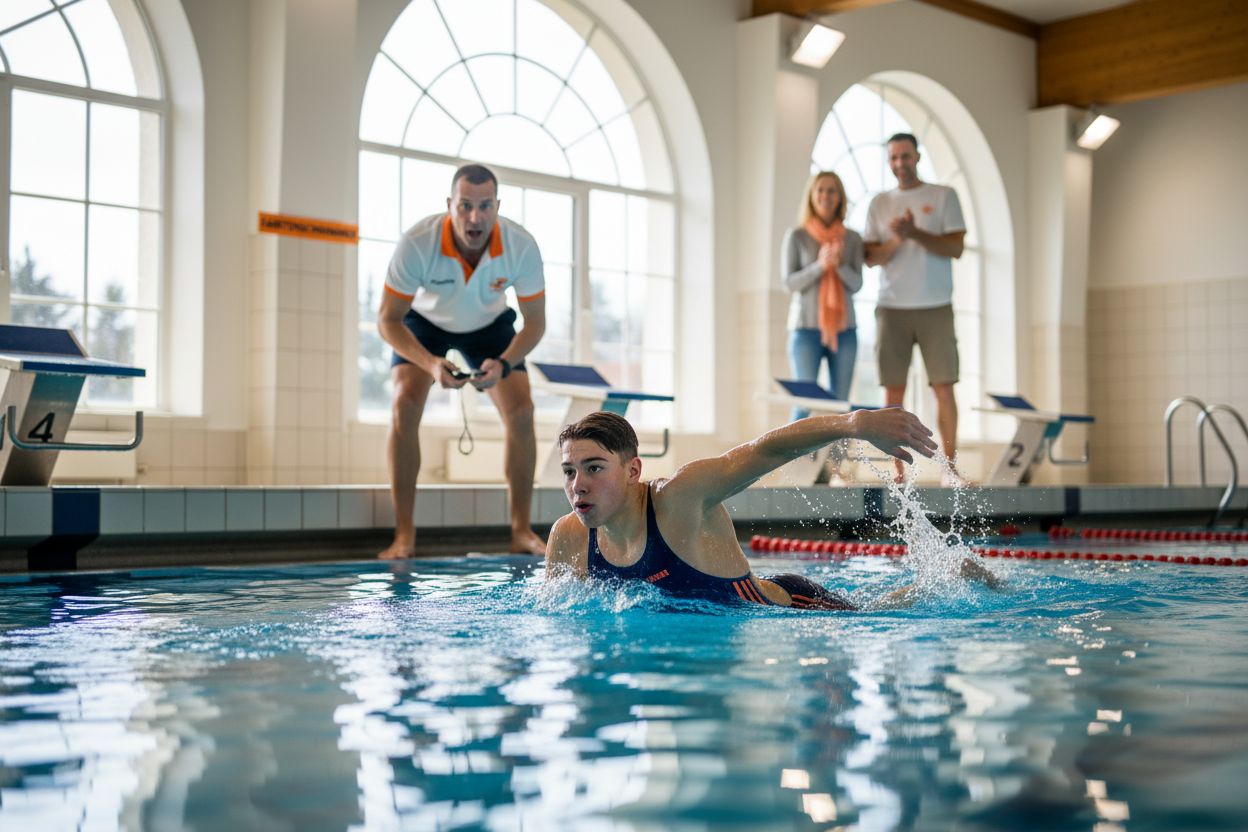
Long-distance swimmers are considered endurance specialists in the water and define swimming with impressive discipline. But did you know that these swimmers don't focus on speed, but on long distances and outstanding cardiovascular fitness? The big surprises lie less in competing against the clock, but in the mental and physical challenges that make every lap a real test of endurance.
Table of Contents
- What Are Long-Distance Swimmers And Their Requirements?
- The Importance of Long-Distance Swimmer Requirements for Children
- How Requirements Lead to Safe Swimming
- Important Concepts for Trainers and Swimming Organizations
- Real Applications and Examples in Swimming Schools
Quick Overview
| Takeaway | Explanation |
|---|---|
| Long-distance swimmers focus on endurance | They specialize in long distances and achieve more than just fast swimming. |
| Condition and technique are crucial | Excellent fitness and perfect technique are essential for successful long-distance swimming. |
| Mental strength is required | The ability to concentrate and persevere plays a big role in success in the water. |
| Safety is an important aspect | Children develop important safety skills and self-rescue abilities through swimming. |
| Standardized training methods are necessary | Uniform training standards ensure high-quality and comparable training for swimmers. |
What are Long-Distance Swimmers and Their Requirements?
Long-distance swimmers are swimmers who specialize in long-distance and endurance-oriented swimming disciplines. They differ from competitive swimmers in their focus on endurance and long-distance performance instead of pure speed. Our guide to learning to swim can give you further insights into different swimming styles.
Characteristics of Long-Distance Swimmers
The most important characteristics of long-distance swimmers include outstanding cardiovascular fitness, mental resilience, and technically perfected swimming techniques. They often train in open waters such as lakes, rivers, or the sea and value endurance and perseverance.
The requirements for long-distance swimmers are complex and include several aspects:
The following table summarizes the most important physical, technical, and mental requirements for long-distance swimmers and provides a quick overview of the central expectations.
| Requirement | Description |
|---|---|
| Physical Condition | Excellent endurance and strength |
| Technical Skills | Perfect swimming technique in various swimming styles |
| Mental Strength | Ability to concentrate and persevere over long distances |
| Breathing Technique | Control of breathing, especially in stressful situations |
| Adaptation to Water Conditions | Ability to adapt to different waters |
| Self-Rescue Skills | Competent action in emergencies and dangerous situations |
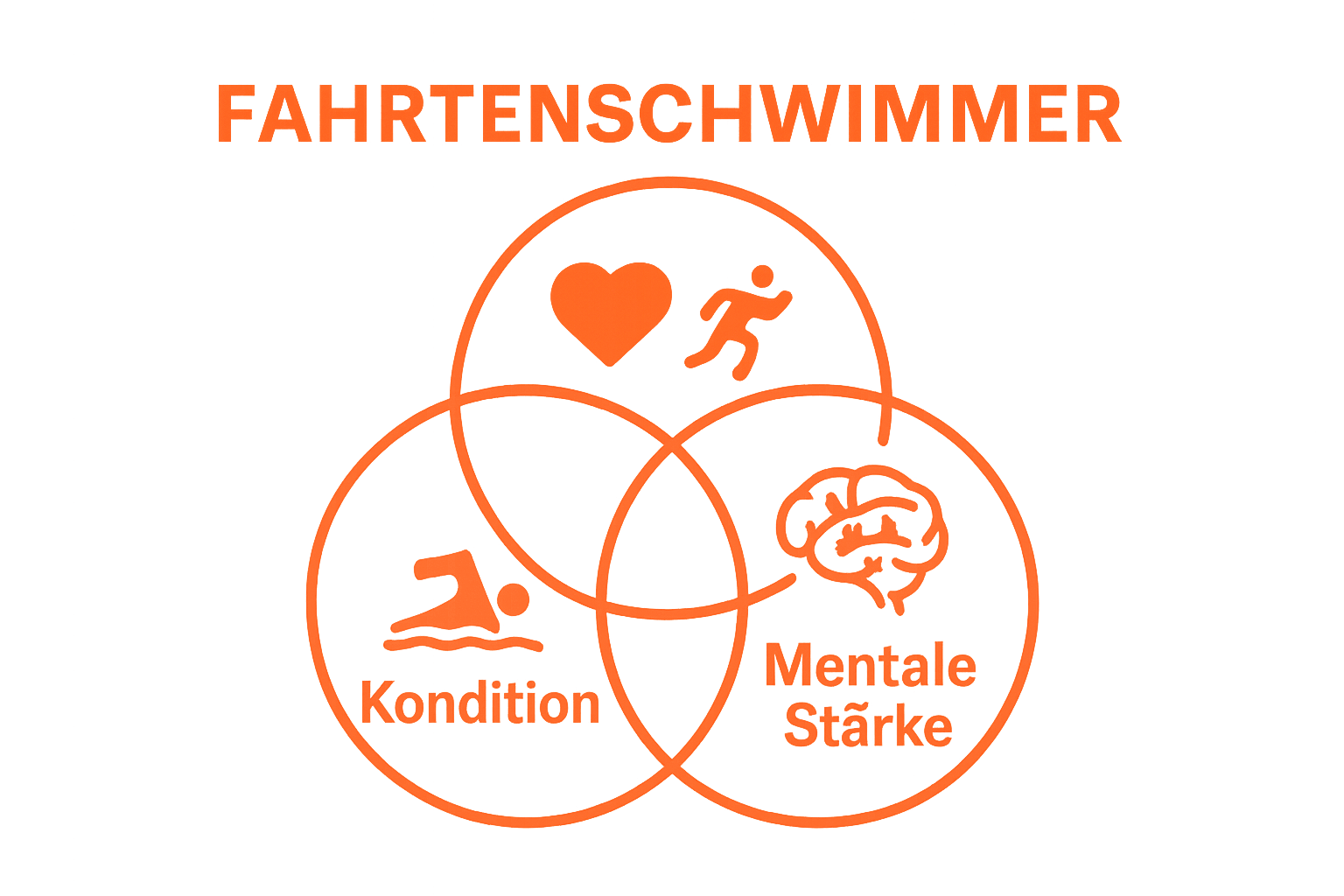
- Physical Condition: Excellent endurance and strength
- Technical Skills: Perfect swimming technique in various swimming styles
- Mental Strength: Ability to concentrate and persevere during long distances
Qualifications and Training
To be recognized as a long-distance swimmer, swimmers must meet strict qualification standards. According to the German Swimming Federation, this requires extensive preparation that includes several training components:
- Regular endurance training with increasing intensity
- Specific strength exercises to improve swimming efficiency
- Technical training to refine swimming technique
Long-distance swimmers fundamentally differ from other swimming categories through their specialization in long distances and their holistic approach to physical and mental preparation.
The following table provides a direct comparison between the characteristics and goals of long-distance swimmers and competitive swimmers to make the differences easily understandable.
| Criterion | Long-Distance Swimmer | Competitive Swimmer |
|---|---|---|
| Main Focus | Endurance, long distances | Speed, short distances |
| Training Focus | Cardiovascular fitness, technique | Strength, sprint technique |
| Mental Requirements | Perseverance, concentration | Responsiveness, focus |
| Typical Environments | Open waters (lake, river, sea) | Swimming pool, standardized pools |
| Evaluation Criterion | Endurance performance, technical precision | Time, placement |
The Importance of Long-Distance Swimmer Requirements for Children
For children, long-distance swimmer requirements play a crucial role in their athletic and personal development. Our swimming badge requirements offer a comprehensive insight into the stages of progress.
Physical and Mental Development
Long-distance swimmer requirements promote more than just technical swimming skills in children. They develop important life skills such as endurance, self-confidence, and perseverance. Children learn to push their physical limits and overcome mental challenges.
Important developmental aspects include:
- Increase in cardiovascular fitness
- Improvement of coordination and body control
- Building self-confidence and resilience
Safety and Health Benefits
According to findings from the German Swimming Federation, long-distance swimmer requirements provide children with important safety skills. They not only learn to swim proficiently but also develop a deep understanding of water safety.
The benefits extend far beyond just swimming:
- Prevention of water accidents
- Development of self-rescue skills
- Improvement of general physical fitness
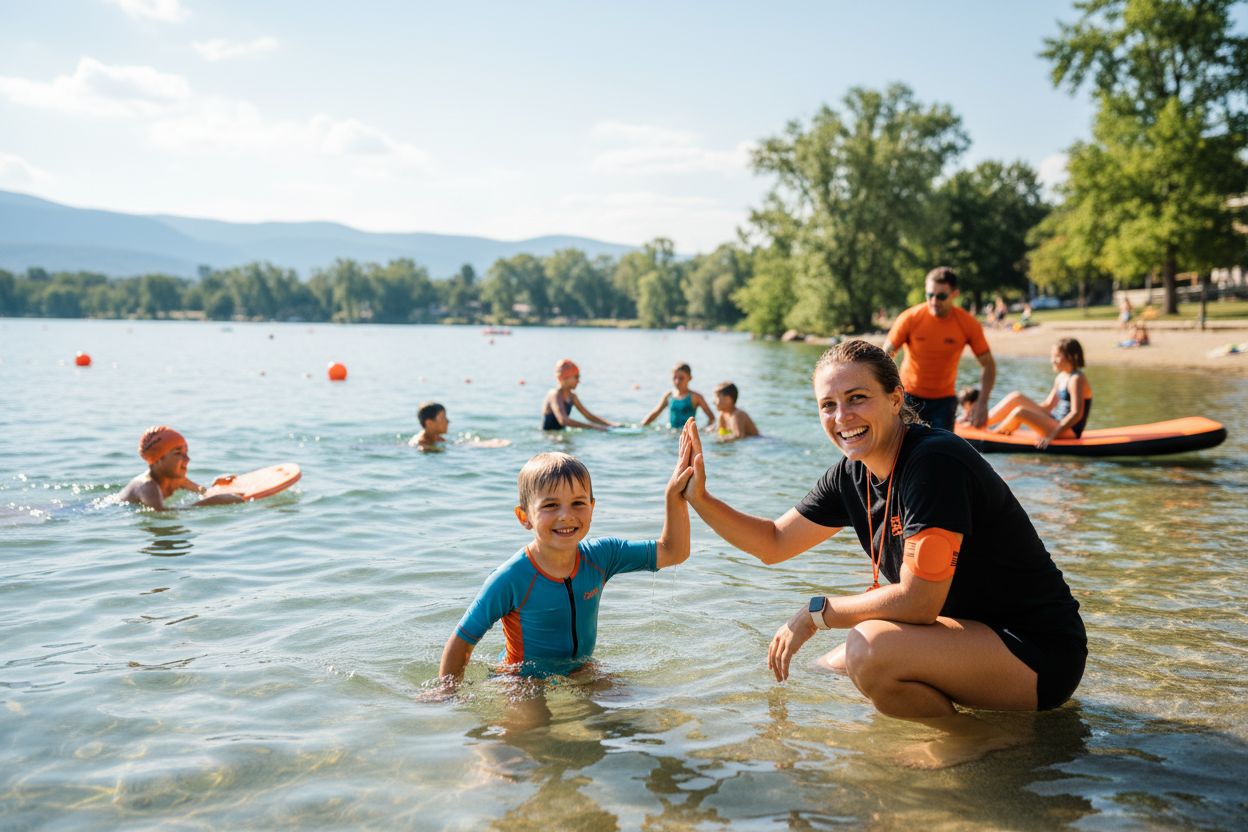
Through targeted training requirements, children become confident and competent swimmers who understand water not only as a medium for sport but as a safe living environment.
How Requirements Lead to Safe Swimming
Safe swimming skills are more than just technical abilities. They are a complex interplay of technique, knowledge, and self-confidence. Our swimming learning tips offer additional support for a safe swimming process.
Technical Foundations of Water Safety
The long-distance swimmer requirements define clear technical standards that are directly linked to water safety. Precise swimming techniques reduce accident risks and enable effective self-rescue strategies. Swimmers learn to recognize dangerous situations early and to react professionally.
Crucial safety-relevant techniques include:
- Correct breathing technique in stressful situations
- Effective swimming techniques for various water conditions
- Mastery of basic lifesaving skills
Psychological Aspects of Water Safety
According to studies by the German Life Saving Association, mental factors play a decisive role in water safety. Long-distance swimmer requirements train not only physical but also psychological competencies.
Important psychological safety components include:
- Development of self-confidence in the water
- Strategies for controlling panic and stress
- Mental resilience in unexpected challenges
Through systematic requirements, swimmers become competent water experts who understand safety not only as a skill but as a holistic competence.
Important Concepts for Trainers and Swimming Organizations
For trainers and swimming organizations, long-distance swimmer requirements are a complex system of professional development and training. Our fundamentals for swimming badges in schools provide additional context for educational institutions.
Standardization and Quality Control
The development of uniform training standards is crucial for swimming organizations. These standards ensure consistent training quality and enable comparable performance evaluations. Trainers must follow a structured approach that equally considers technical skills, physical condition, and mental preparation.
Key elements of standardization include:
- Defined performance criteria for different difficulty levels
- Systematic training methods
- Objective assessment tools
Pedagogical and Developmental Aspects
According to findings from the German Swimming Federation, long-distance swimmer requirements demand a holistic pedagogical approach. Trainers must consider not only technical skills but also individual developmental potential.
Important pedagogical concepts include:
- Individualized training strategies
- Psychological support
- Promotion of self-confidence and motivation
Through these comprehensive concepts, swimming organizations develop not only high-performing swimmers but also self-confident and resilient personalities.
Real Applications and Examples in Swimming Schools
Swimming schools implement long-distance swimmer requirements as complex, multi-stage training programs. Our swimming accessory recommendations can support swimming schools in practical implementation.
Structured Training Concepts
Modern swimming schools develop differentiated training programs that systematically divide long-distance swimmer requirements into various performance levels. These programs consider individual abilities, age, and developmental potential of the swimmers.
Typical implementation strategies include:
- Age-appropriate training modules
- Staged performance evaluations
- Individualized progress measurement
Practical Implementation Examples
According to studies by the German Swimming Federation, successful swimming schools focus on holistic training concepts. The long-distance swimmer requirements are understood not as rigid rules but as flexible development guidelines.
Specific application examples show:
- Integration of theory and practical training
- Regular performance reviews
- Development of individual training strategies
Through these targeted approaches, swimming schools transform long-distance swimmer requirements from abstract concepts into lively implemented training philosophies.
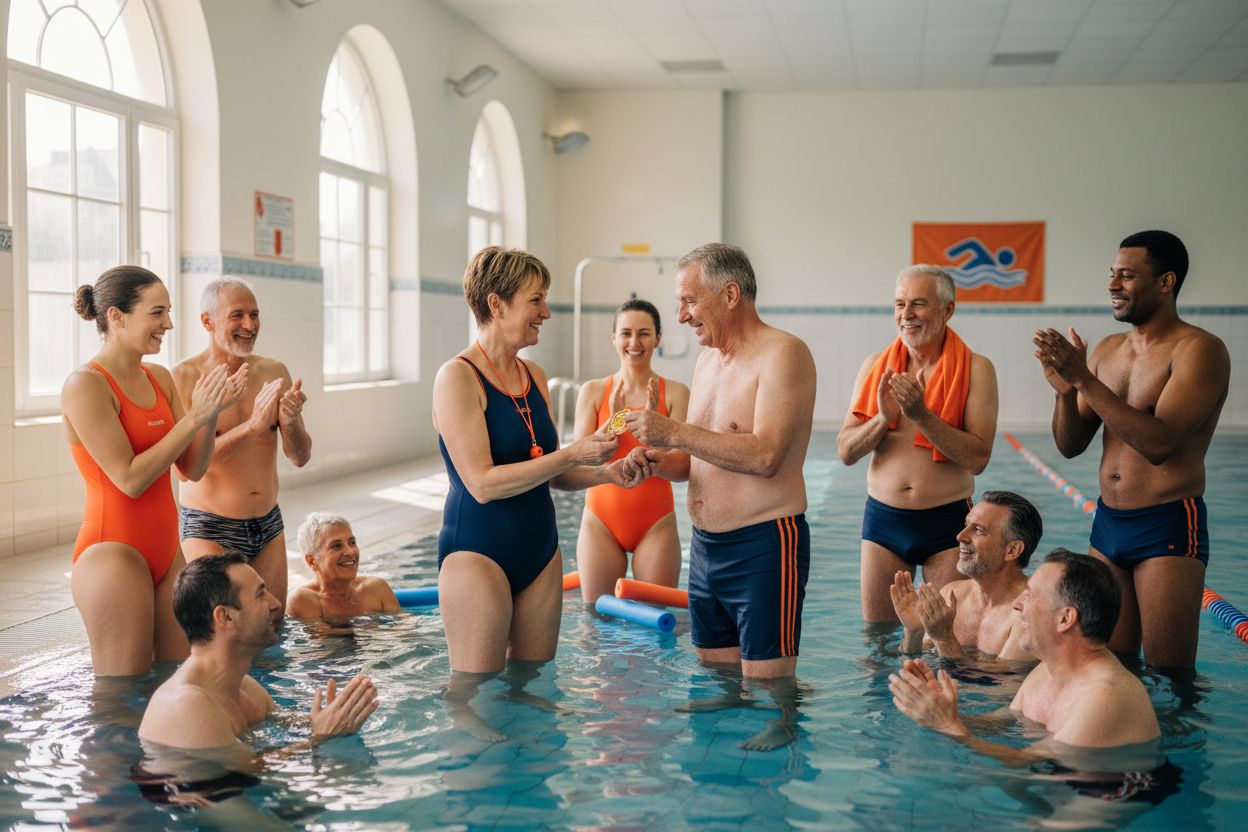
From Knowledge to Recognition: Celebrating Long-Distance Swimming Achievements with Pimpertz
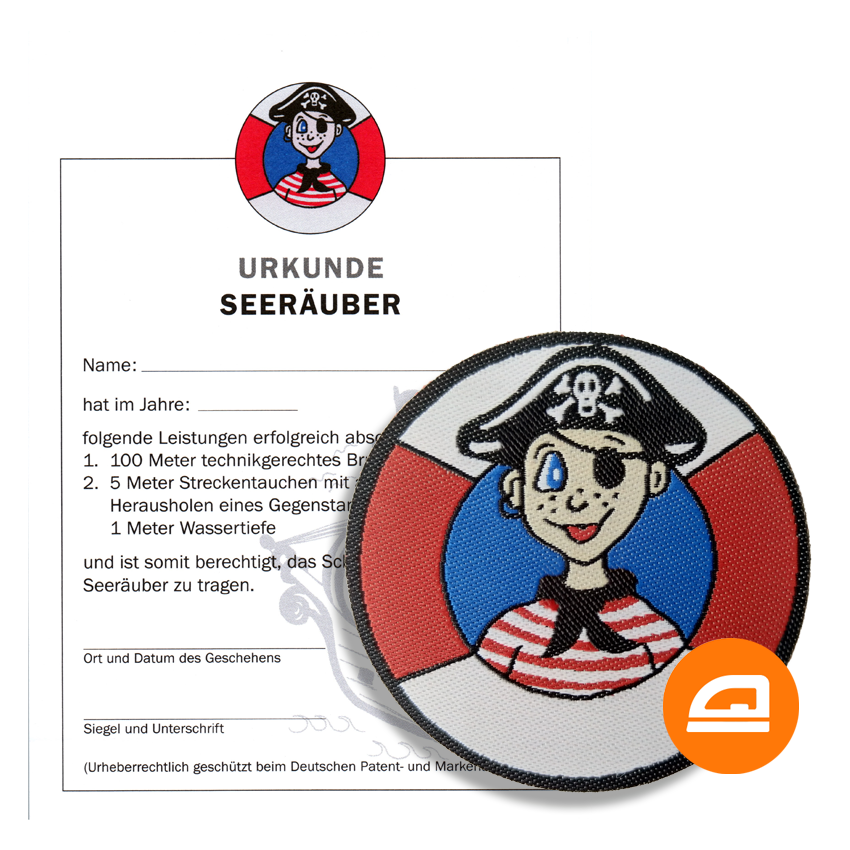
Anyone who truly understands the requirements for long-distance swimmers quickly realizes that the path to safe and enduring swimming is challenging. Children, parents, and coaches often face the task of making progress visible and generating genuine motivation. The well-thought-out performance levels, technical standards, and mental aspects from your guide deserve special recognition. This way, not only the learning process but also every achieved swimming badge becomes an unforgettable moment.
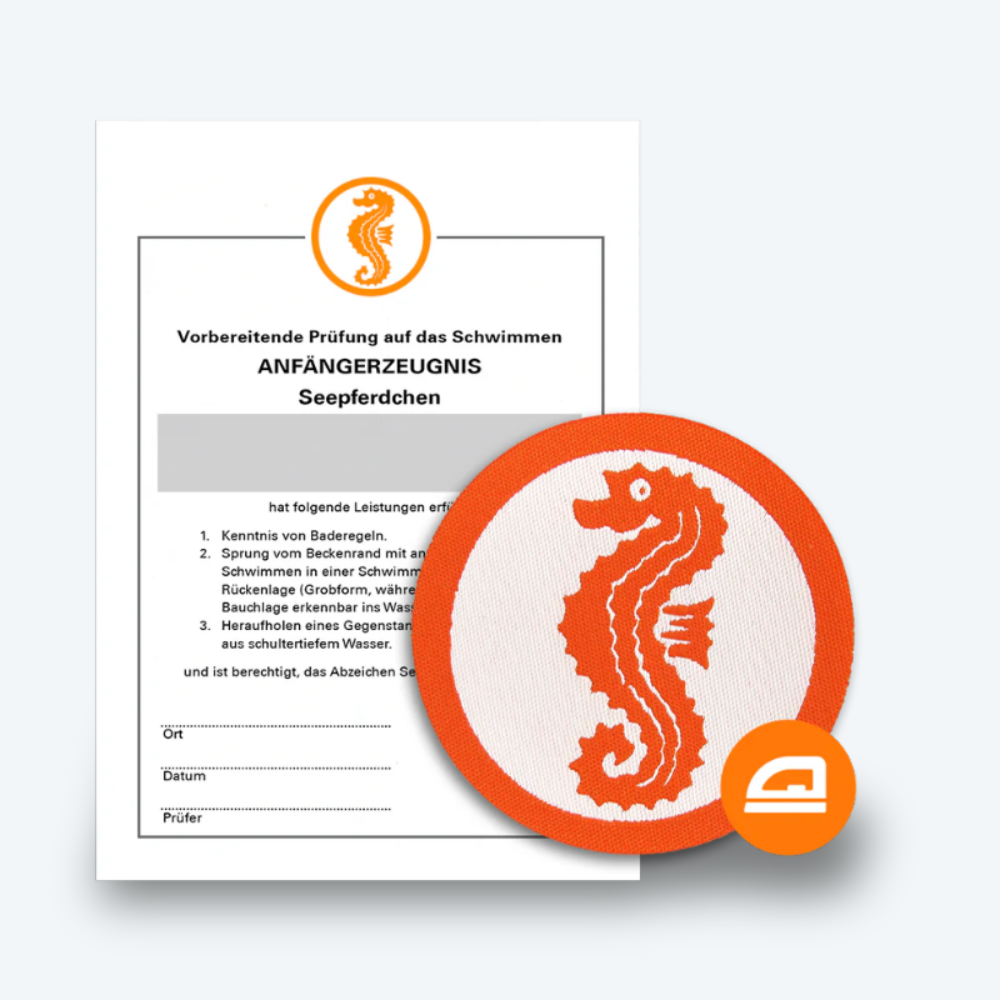
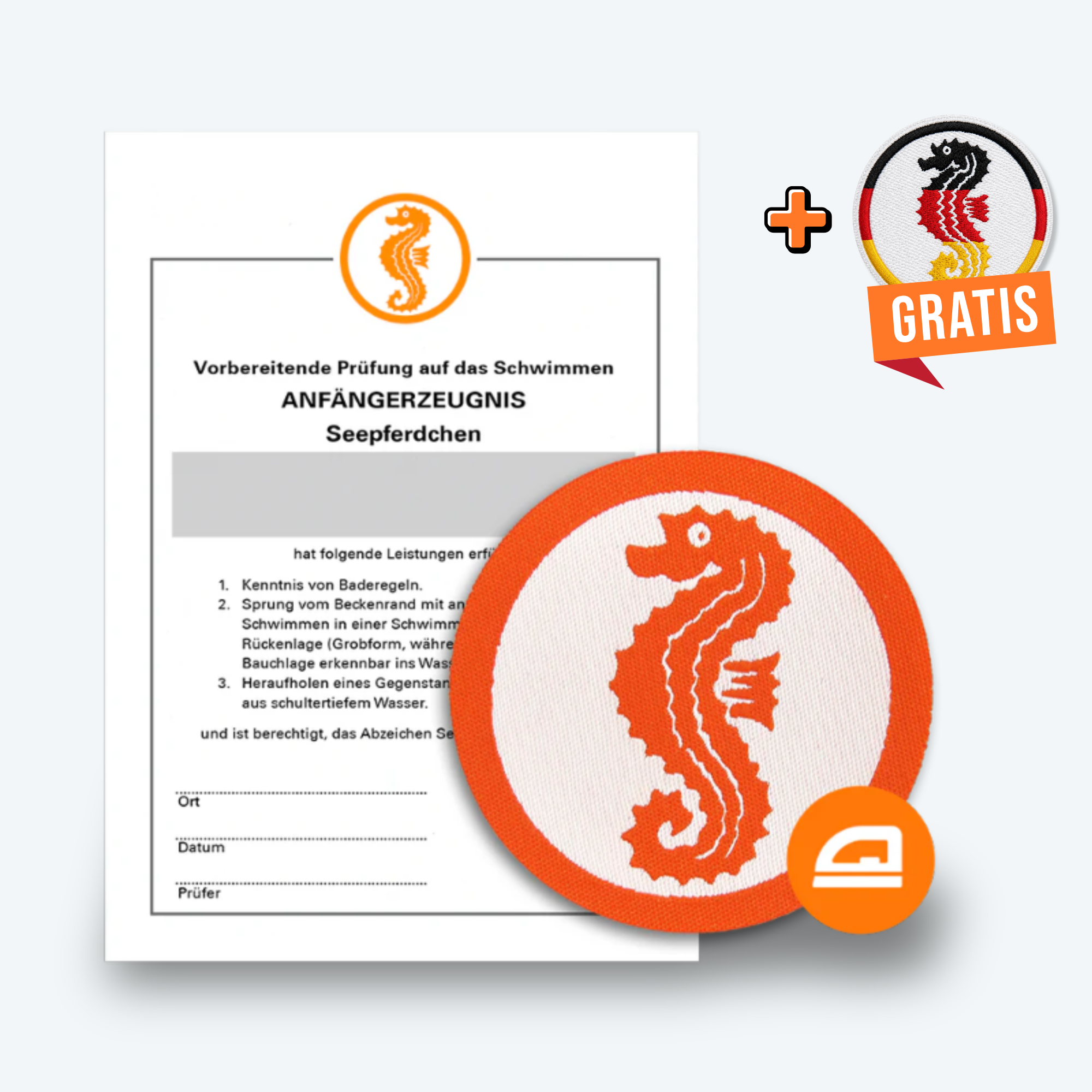
Now, put what you've learned into practice and give every success the appreciation it deserves. At Pimpertz, you'll find everything to support your swimming journey. Whether it's motivating swimming badges and certificates, practical accessory and gift sets, or professional advice for schools and clubs – thanks to over 38 years of experience, we accompany your swimmers from the first kilometer to the final test. Seize this moment and start directly with high-quality swimming accessories and original certified badges from Pimpertz. Learn more now and celebrate successes.
Frequently Asked Questions
What are the most important requirements for long-distance swimmers?
The requirements for long-distance swimmers include excellent physical condition, technical skills, and mental strength. This includes excellent endurance, perfect swimming techniques in various styles, and the ability to stay focused over long distances.
How can I improve my swimming technique for long-distance swimming?
To improve swimming technique for long-distance swimming, swimmers should incorporate regular technical training into their routine. This includes practicing specific swimming styles, breathing techniques in stressful situations, and practicing in different water conditions.
Why are mental skills important for long-distance swimmers?
Mental skills are important for long-distance swimmers because they help control stress and panic in challenging situations. Mental strength helps maintain concentration over long distances and promotes resilience.
What are the benefits for children who meet the requirements for long-distance swimming?
Children who meet the requirements for long-distance swimming benefit from various advantages, including improved cardiovascular fitness, the development of self-confidence and resilience, and important water safety skills. They learn to recognize their physical limits and can move safely in the water.