
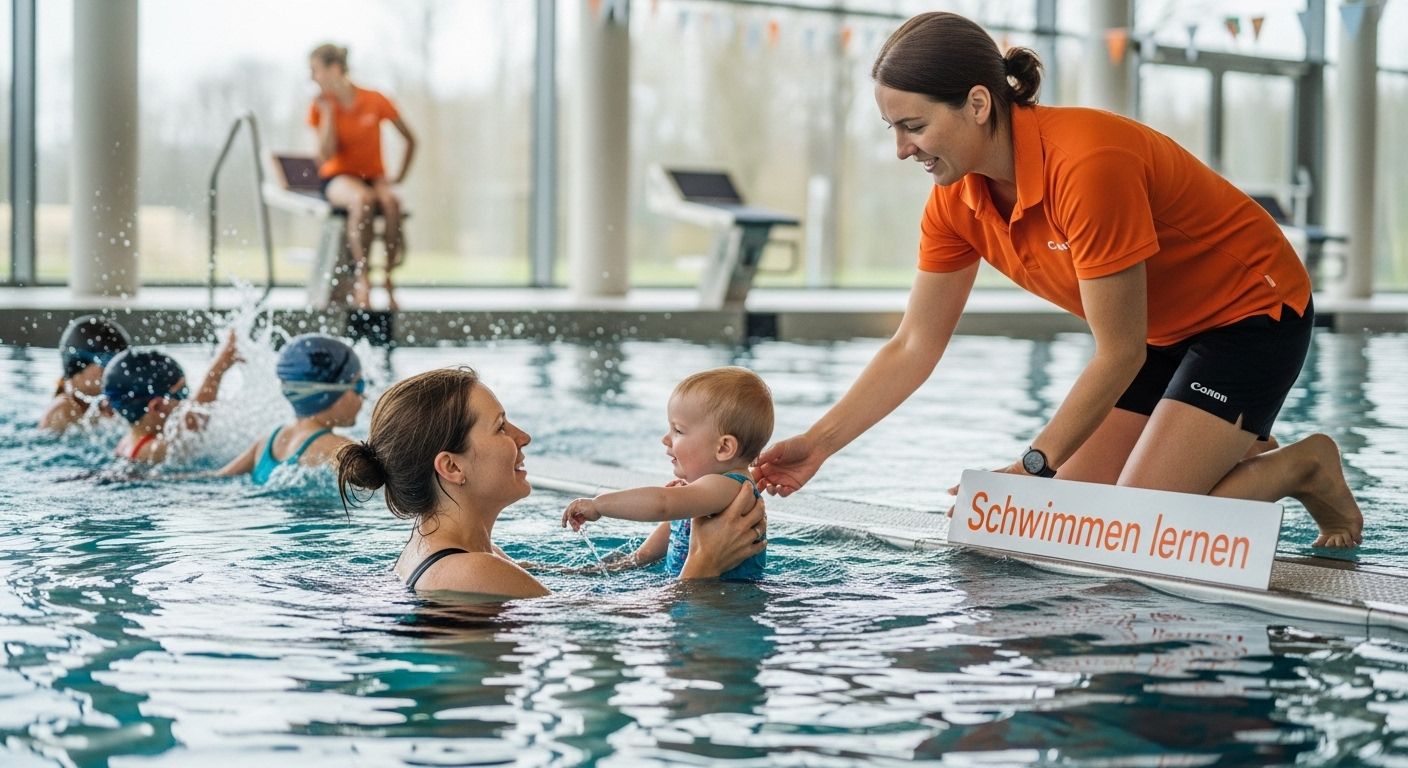
Teaching Children to Swim: Tips for Parents and Coaches
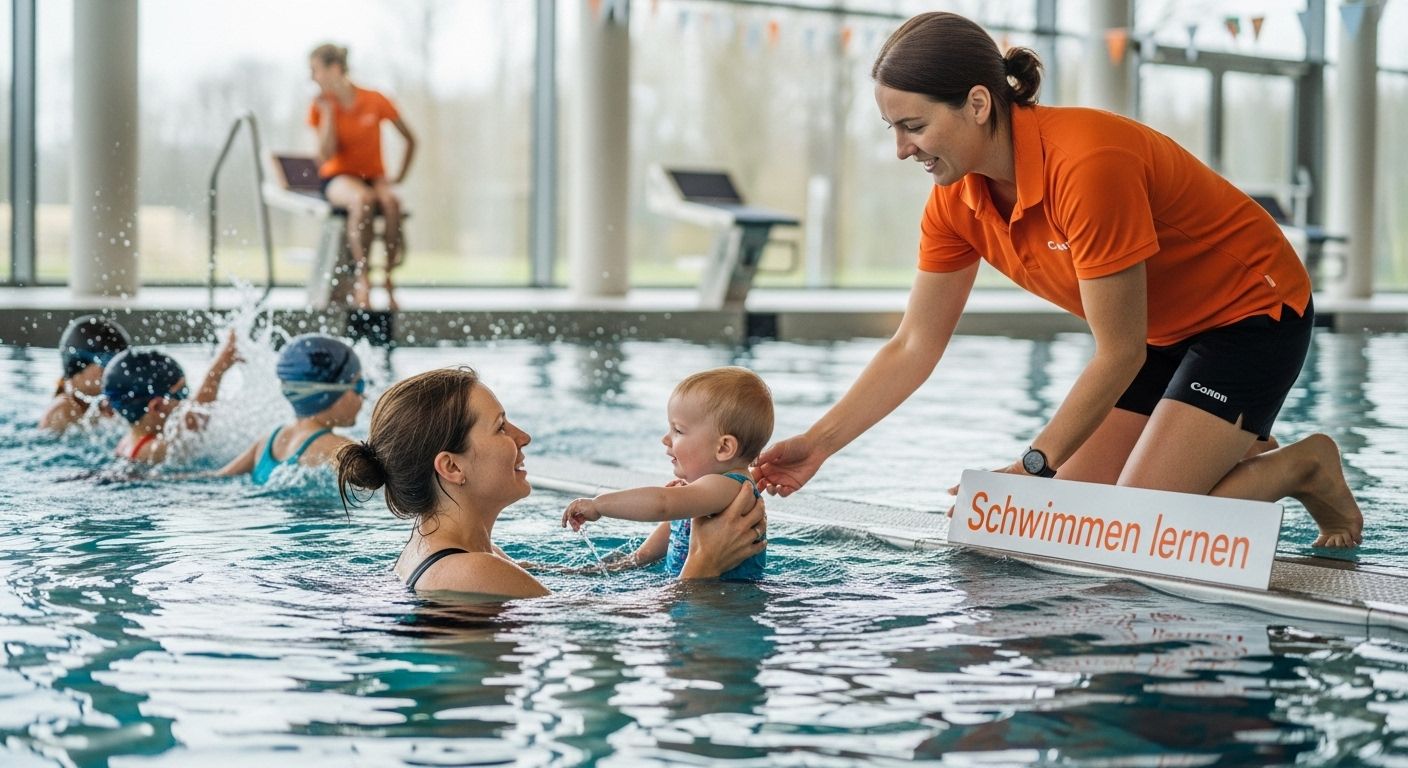
Swimming is one of the most important skills a child should learn early. Many parents underestimate the risk, even though regular swimming lessons can reduce the risk of drowning in children by up to 88 percent. But the surprising thing is that not only techniques in the water are crucial. Much more important is how much self-confidence and joy of life children can gain through playful learning in the water.
Table of Contents
- Why Learning to Swim is So Important for Children
- The Best Methods and Playful Exercises
- Avoiding Common Mistakes: Safety and Fun in the Water
- Helpful Equipment and Selection of Suitable Swimming Courses
Brief Summary
| Takeaway | Explanation |
|---|---|
| Swimming increases water safety | Children learn survival techniques and self-confidence, significantly reducing the risk of drowning. |
| Playful methods promote learning | Water games help children overcome fear and learn swimming movements. |
| Individual support is crucial | Small groups and qualified trainers significantly improve learning success. |
| Safety is the top priority | Constant supervision and realistic assessment of swimming abilities are essential. |
| Quality equipment improves swimming | Comfortable and safe equipment motivates children and improves swimming technique. |
Why Learning to Swim is So Important for Children
Swimming is much more than just a sport or a leisure activity. It is a vital skill that offers children safety, health, and joy. Parents and educators should understand the importance of learning to swim and actively support the development of this crucial competence.
Safety in and around Water
Children's safety is an absolute priority, and swimming can make a decisive difference here. The American Academy of Pediatrics emphasizes that swimming lessons significantly reduce the risk of drowning. Children who can swim have basic survival techniques in water situations. They learn how to orient themselves, assess dangers, and remain calm in an emergency.
Statistics show that drowning is still one of the leading causes of death in children. Regular swimming lessons can reduce this risk by up to 88 percent. It's not just about learning techniques, but also about developing self-confidence and respect for the element of water.
Physical and Mental Development
Swimming is a full-body workout that helps children in many ways. It strengthens muscles, improves coordination, and promotes cardiovascular health. Sports science studies show that regular swimming positively influences motor development.
In addition, swimming offers mental benefits. It boosts self-confidence, teaches perseverance, and provides a sense of achievement. Children learn to master challenges and to grow beyond themselves. Success in learning new swimming techniques shapes self-esteem and personality development.
Social Skills and Joy of Life
Swimming courses are more than just a sports activity. They are social meeting places where children learn to communicate with each other, support each other, and develop team spirit. The swimming pool becomes a place of learning, friendship, and joy.
Having fun in the water also means discovering new leisure opportunities. Whether it's a bathing lake, swimming pool, or family vacation by the sea – children who can swim experience more adventures and relaxation. They gain freedom of movement and independence that will enrich their lives.
Learning to swim is an investment in the future. It is a gift to children that combines safety, health, and joy of life. Parents and trainers bear a great responsibility to teach this important skill and enable children to have safe and joyful access to the world of water.
The Best Methods and Playful Exercises
Effectively teaching children to swim requires more than just technical instructions. It needs creative, playful approaches that are fun and at the same time convey fundamental swimming skills. The key is to transform learning into entertaining experiences that motivate and inspire children.
Water Games as a Learning Method
A scoping review shows that swimming lessons with integrated water games are significantly more effective than traditional teaching methods. Playful exercises help children lose their fear of water and learn basic movements playfully.
Examples of effective water games:
- Treasure Hunt: Children dive and collect objects from the bottom of the pool
- Crocodile Hunt: Movement exercises that train balance and coordination
- Sea Monster: Playful learning of swimming movements
These games are not only fun but also promote important motor skills such as balance, breathing, and water control.
Age-Appropriate Exercise Programs
A study on alternative swimming programs found that tailor-made exercises significantly improve swimming technique in primary school children. The key lies in adapting the methods to the child's developmental stage.
For beginners, this means:
-
Building trust: Slowly approaching the water
-
Playful water familiarization: Simple movement games
-
Short, positive training sessions: Maximum 30 minutes
Psychological Aspects of Learning to Swim
Swim England emphasizes the importance of a psychologically safe learning environment. Children need encouragement, positive reinforcement, and a feeling of security to make progress.
Important psychological strategies:
- Respect individual pace: No overstraining
- Celebrate successes: Appreciate small progress
- Take fears seriously: Be understanding and patient
Swimming lessons should be more than a technique unit. They are an opportunity to teach children self-confidence, joy, and safety in the water. Through creative, playful, and individual approaches, parents and trainers can give children a lifelong love for swimming.
Avoiding Common Mistakes: Safety and Fun in the Water
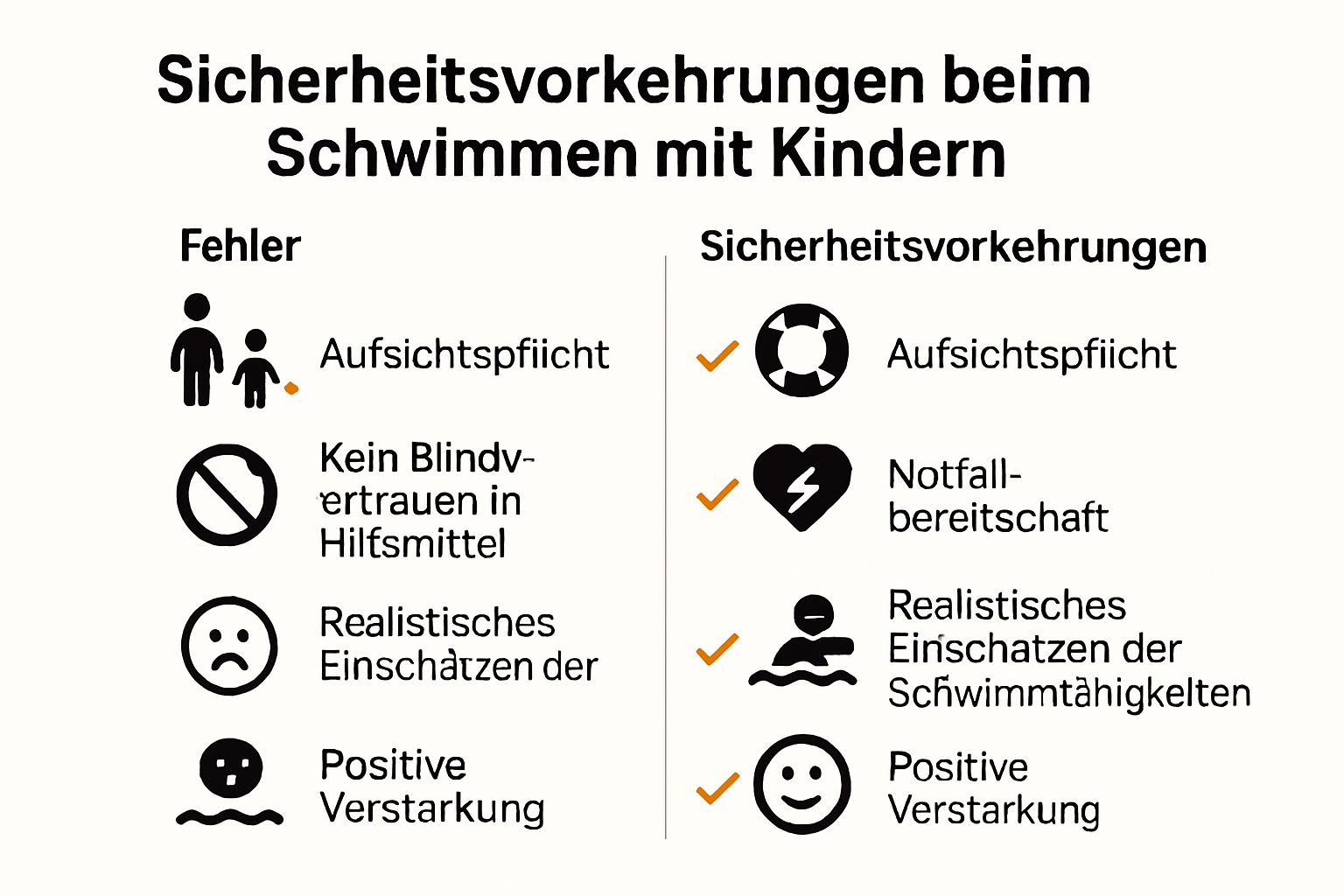
Swimming with children is a wonderful activity, but it requires careful preparation and attention. Not all parents and trainers are aware of the potential risks that can arise when basic safety rules are disregarded.
Incorrect Safety Assessments
The Centers for Disease Control and Prevention strongly warn against false safety assessments. A common mistake is relying on swimming aids like water animals or armbands. These aids give children a deceptive sense of security and by no means replace professional supervision.
Basic safety principles include:
- Constant supervision: Never leave children unattended
- Realistic assessment: Honestly evaluate swimming abilities
- Equipment: Only use tested safety equipment
Proper Supervision and Preparation
Safe Kids Worldwide emphasizes the importance of active and attentive supervision. Parents should always keep an eye on children in the water and keep weak swimmers within arm's reach at all times. This means not just being nearby, but actually being ready to intervene immediately.
Important preparatory measures:
- Visible contact: Never break eye contact
- Buddy system: Teach older children to swim in groups
- Emergency planning: Acquire CPR knowledge
Psychological and Technical Aspects
The Children's Hospital of Pittsburgh emphasizes that safety means more than just physical monitoring. Children must be psychologically prepared for water situations. Fear and overwhelming emotions can trigger dangerous reactions.
Important psychological strategies:
- Building trust: Do not pressure children
- Fear management: Gently introduce challenges
- Positive reinforcement: Appreciate progress
Water safety means a balance between caution and trust. Parents and trainers must teach children not only swimming techniques but also respect for water and self-confidence. Only then can learning to swim become a positive, safe, and joyful experience.
Helpful Equipment and Selection of Suitable Swimming Courses
The right equipment and a suitable swimming course are crucial for children's successful and safe swimming journey. A well-thought-out selection can increase learning potential and give children more joy and safety in the water.
Basic Swimming Equipment
For a successful start, children need a range of equipment that is not only practical but also safe and comfortable. The selection ranges from swimwear to safety accessories.
Important equipment items:
- Swimwear: Close-fitting, comfortable swimwear
- Goggles: Protect the eyes and improve underwater vision
- Swim cap: Reduces water resistance and protects hair
- Swim noodle: Aid for support when learning swimming techniques
When making a selection, parents should pay attention to quality, fit, and comfort. Modern swimming equipment is not only functional but can also give children additional motivation and self-confidence.
Criteria for Choosing a Swimming Course
Here is a summary table to help parents and trainers choose the best swim course by comparing the key criteria mentioned.
| Criterion | Recommended Choice | Explanation |
|---|---|---|
| Trainer Qualification | Certified, experienced swimming instructors | Ensures safe and sound instruction |
| Group Size | Small groups | Individual attention & better learning success |
| Age-Appropriate Courses | Specific programs for age & developmental stage | Focus on appropriate didactics and safety |
| Safety Standards | Clear guidelines and emergency plans | Minimizes risks, ensures quick intervention in an emergency |
| Water Safety Education | Integrated into instruction | Builds confidence and lifelong swimming competence |
Choosing the right swimming course is crucial for learning success. The American Swimming Association recommends considering several aspects:
- Trainer qualifications: Certified, experienced swimming instructors
- Group size: Small groups for individual attention
- Age-appropriate courses: Programs specifically for certain age groups
- Safety standards: Clear safety guidelines and emergency plans
The National Swimming Education Center emphasizes that a good course should teach more than just swimming techniques. It should teach children water safety, self-confidence, and enjoyment of swimming.
Additional Safety Equipment
The following table organizes important items mentioned in the article that form the recommended basic and additional swimming equipment for children:
| Equipment | Purpose/Benefit | Note |
|---|---|---|
| Swimwear | Comfort & freedom of movement | Close-fitting, comfortable |
| Goggles | Eye protection, better underwater vision | Good fit important |
| Swim Cap | Less water resistance, hair protection | Optional, but recommended |
| Swim Noodle | Support for practicing swimming techniques | Suitable for beginners |
| Life Vest | Increased safety for beginners | Use tested life vests |
| Swim Proficiency Wristband | Indication of swimming level | Especially in public pools |
| Observation Equipment | Rescue and safety at the poolside | E.g. life rings, poles |
In addition to basic equipment, there are other safety accessories that can support learning to swim. Water safety experts recommend:
- Life vests: Tested life vests for beginners
- Swim proficiency wristbands: To indicate swimming level
- Observation equipment: Life rings and rescue poles at the poolside
Investing in high-quality equipment and a qualified swimming course is an investment in the child's safety and development. Parents should not cut corners and always pay attention to quality, safety, and individual care.
The goal is not just to learn to swim, but to develop a lifelong positive relationship with water. With the right equipment, the right course, and the right support, children can experience swimming as enriching and joyful.
Frequently Asked Questions
How can I effectively teach my child to swim?
To effectively teach your child to swim, you should use playful methods, such as water games and age-appropriate exercises. It is important that the learning environment is safe and motivating to build self-confidence.
What safety measures should be observed when swimming with children?
Important safety measures include constant supervision, a realistic assessment of swimming abilities, and the use of tested swimming aids. Children should never be left unattended in the water.
What are the best methods to get children used to the water?
Effective methods for water acclimatization include playful water exercises, short and positive training sessions, and introducing children to the water in a trusting atmosphere. Water games can help reduce fears.
What equipment does my child need for swimming lessons?
For swimming lessons, your child needs comfortable swimwear, goggles, and possibly a swim noodle or vest for support. High-quality equipment contributes to safety and learning success.
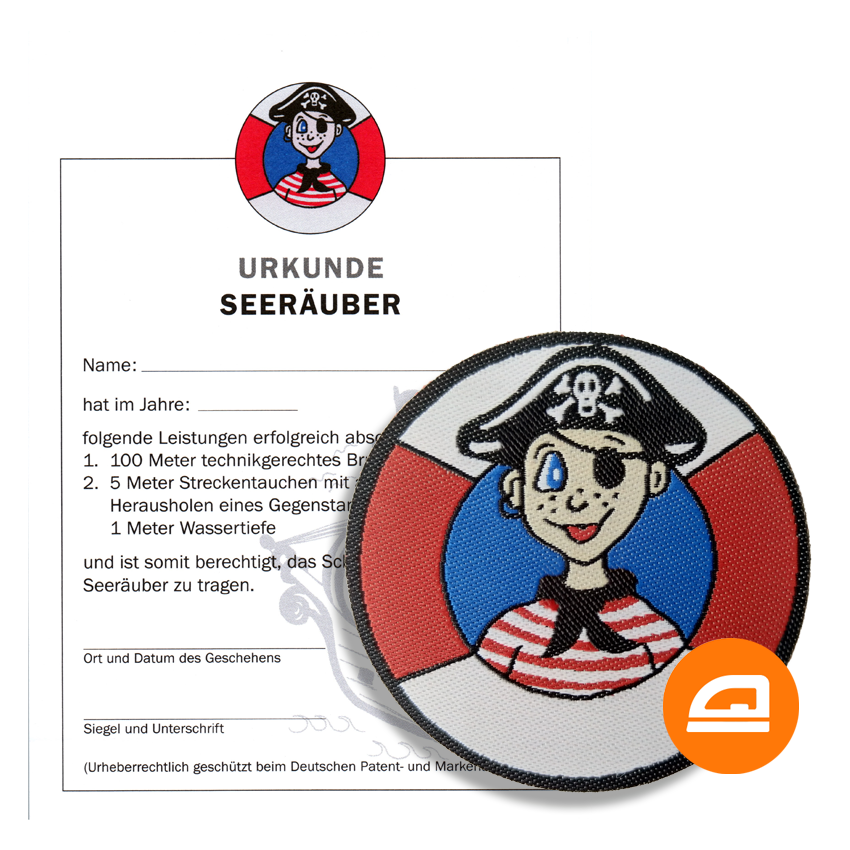
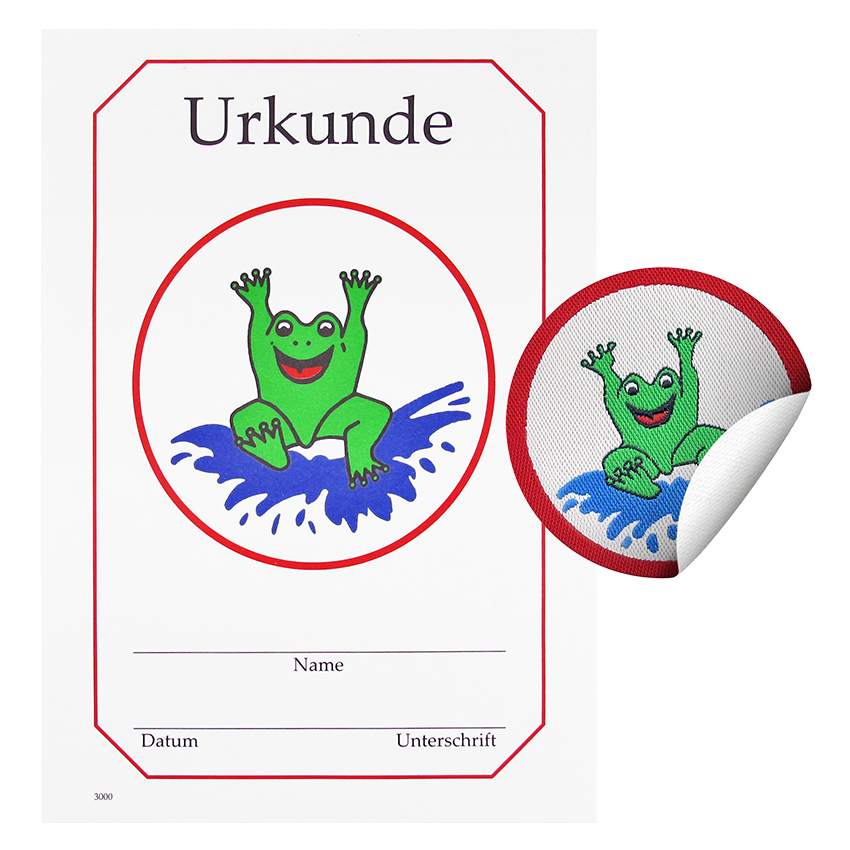
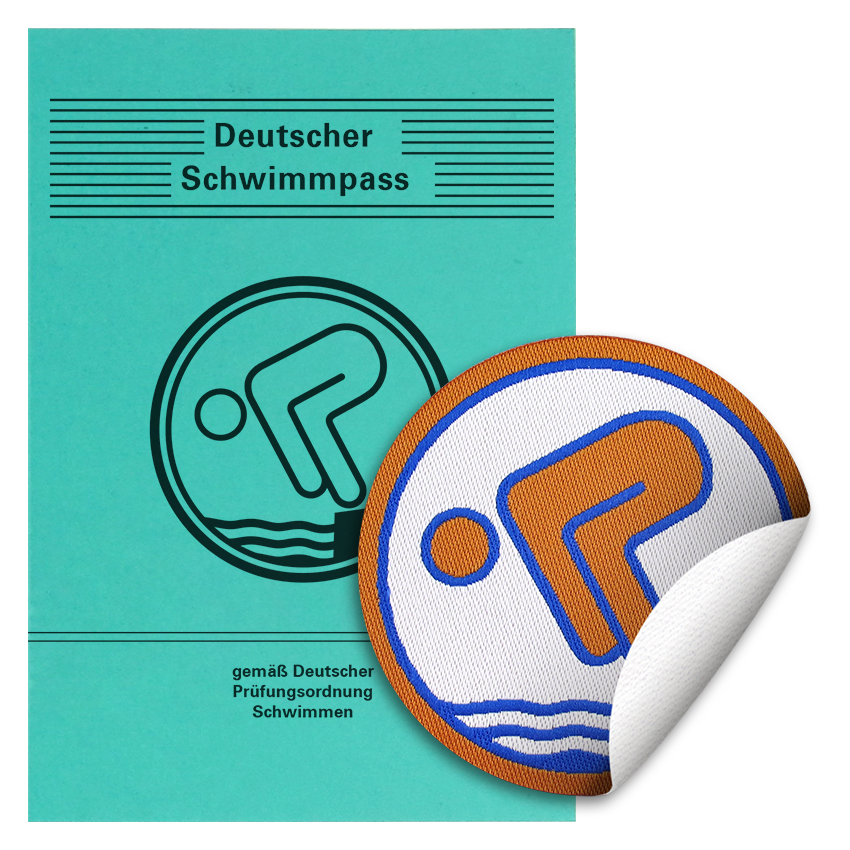
Swimming Badges Make the Difference – Give Your Child a Real Motivation Boost
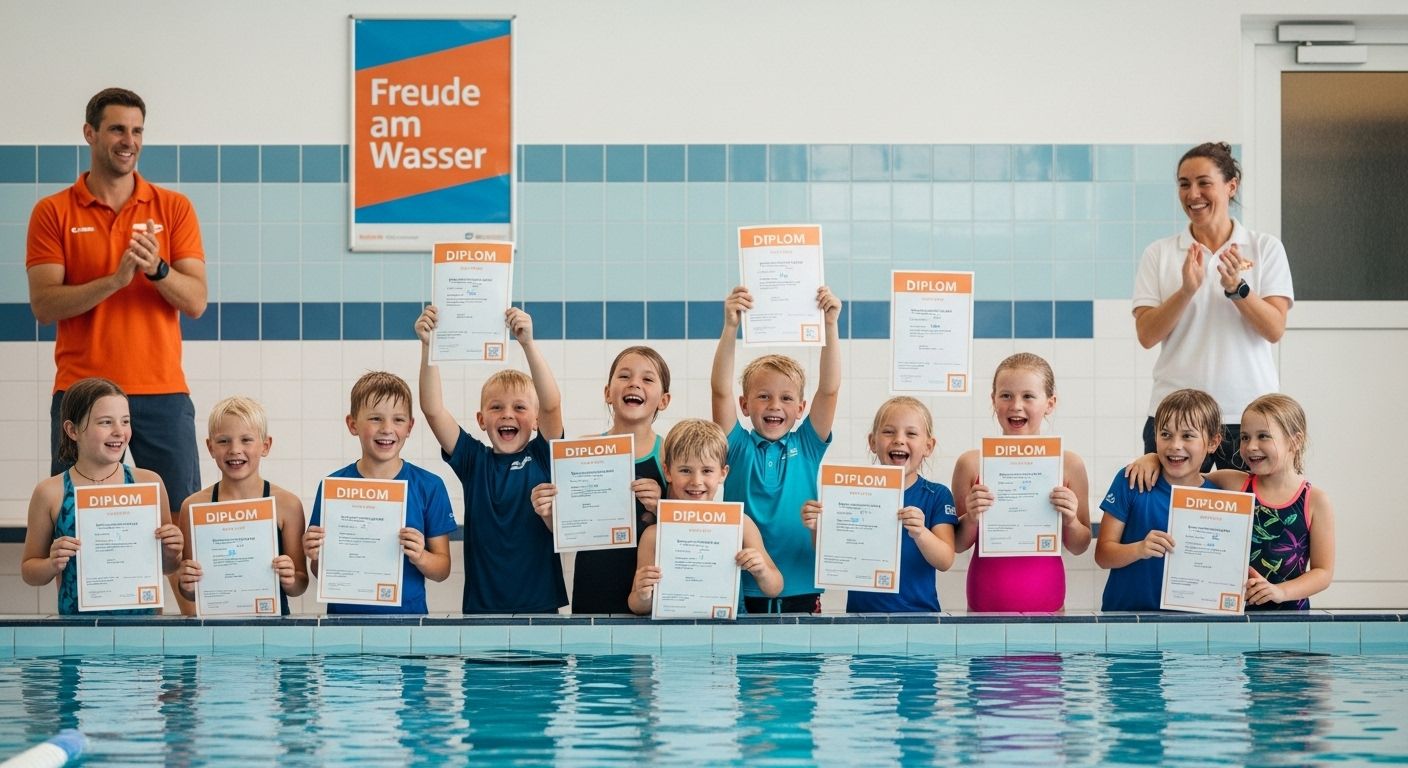
Many parents and trainers face the challenge of teaching children to swim safely and with joy. The pride in a swimming badge achieved or an age-appropriate certificate strengthens self-confidence, as emphasized in your article as a crucial learning factor. There is often a lack of motivating awards and child-friendly accessories to make learning success visible and to make the next level in swimming tangible.
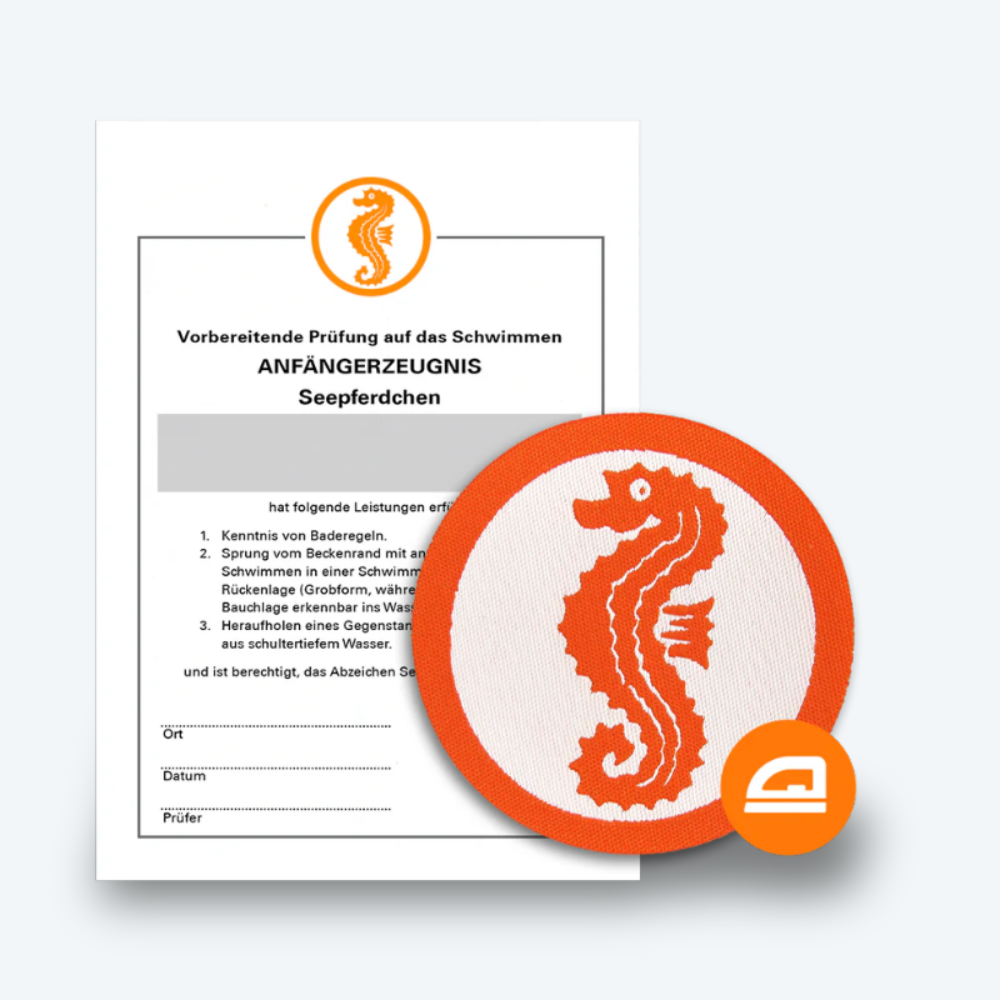
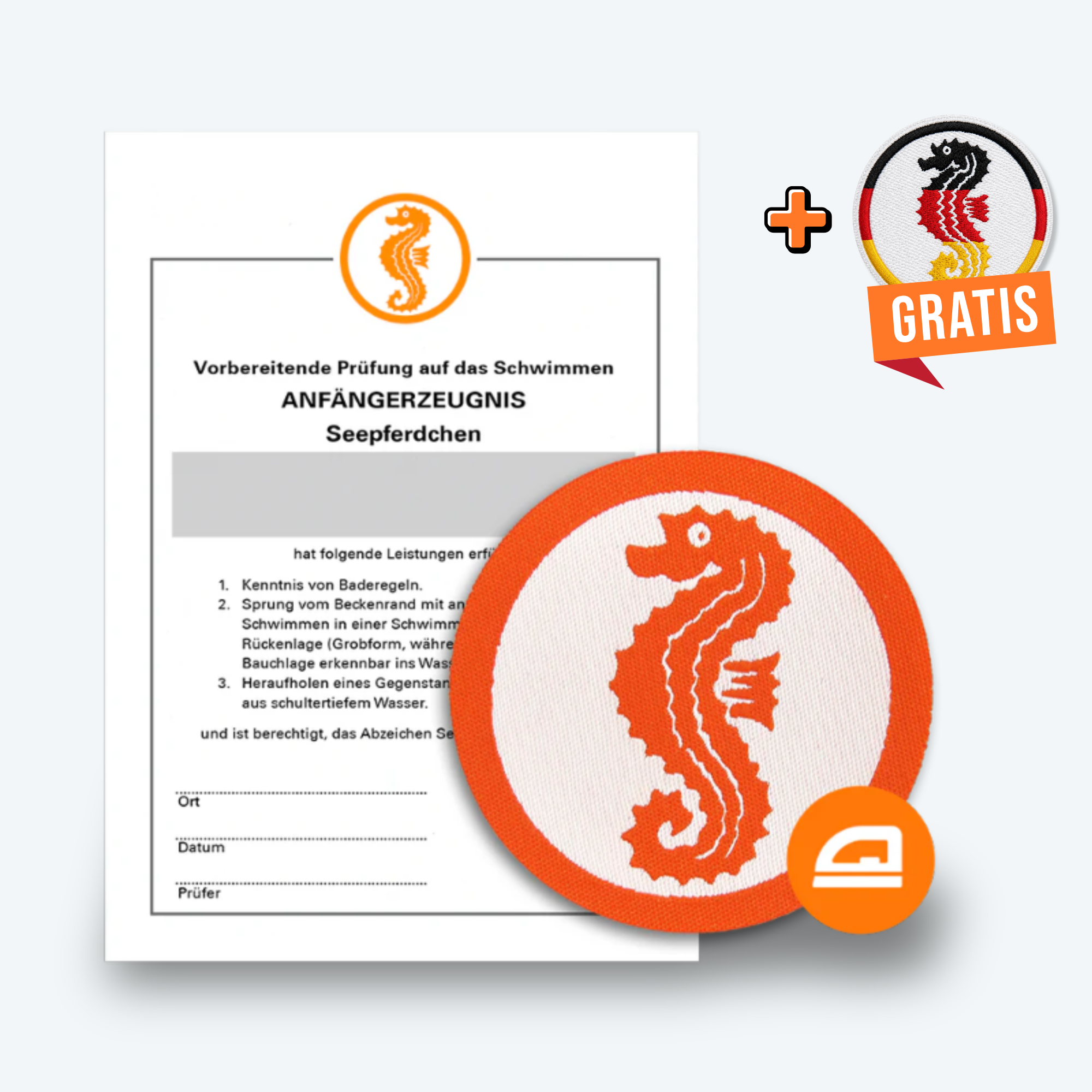
Now rely on quality and experience. At Pimpertz – Official Partner for Swimming Badges and Accessories you will find everything you need for your swimming lessons, home training, or school. Surprise your child with a certified Seepferdchen certificate or discover our motivation packages for clubs and parents. Strengthen children's joy of learning and safety – order today from Pimpertz and ensure lasting moments of success and real motivation when learning to swim.