
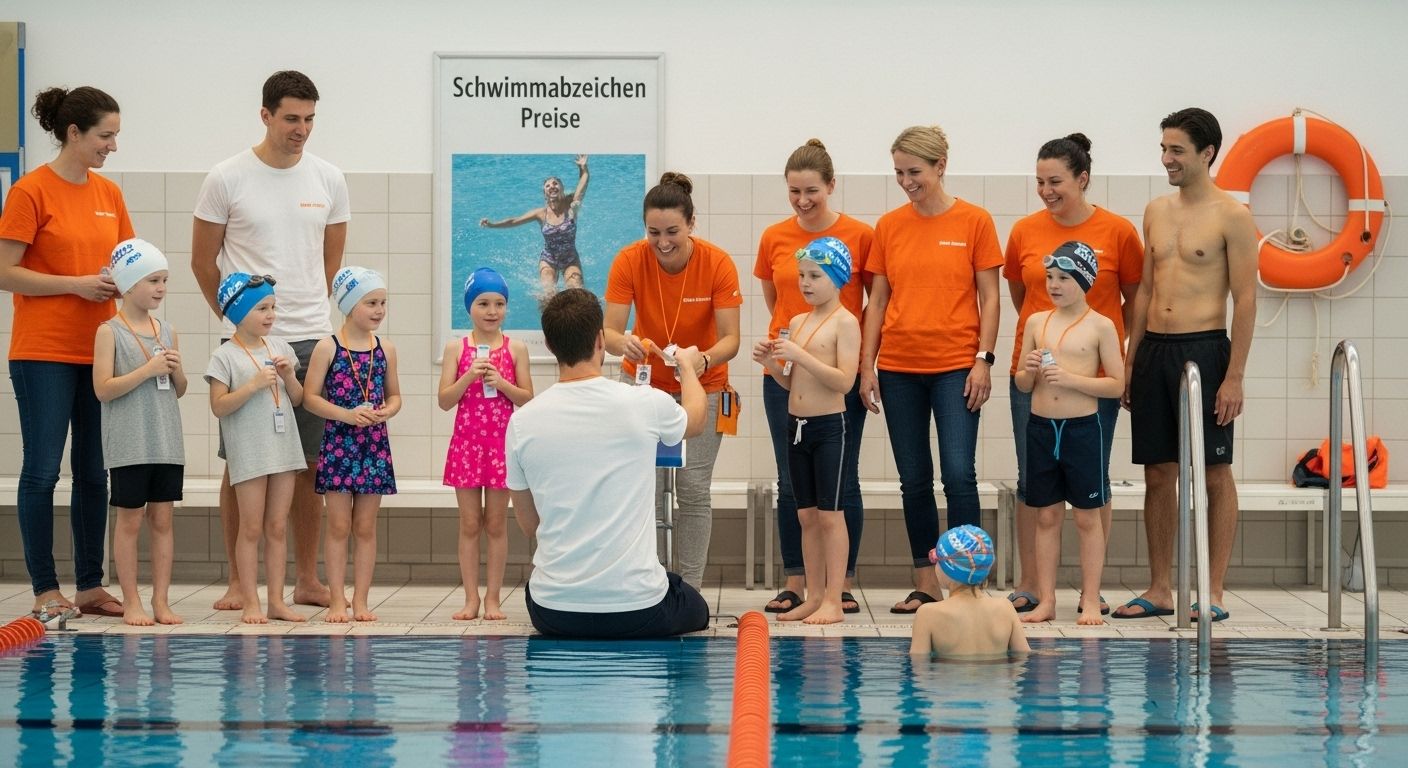
What does a swimming badge cost? All prices and information
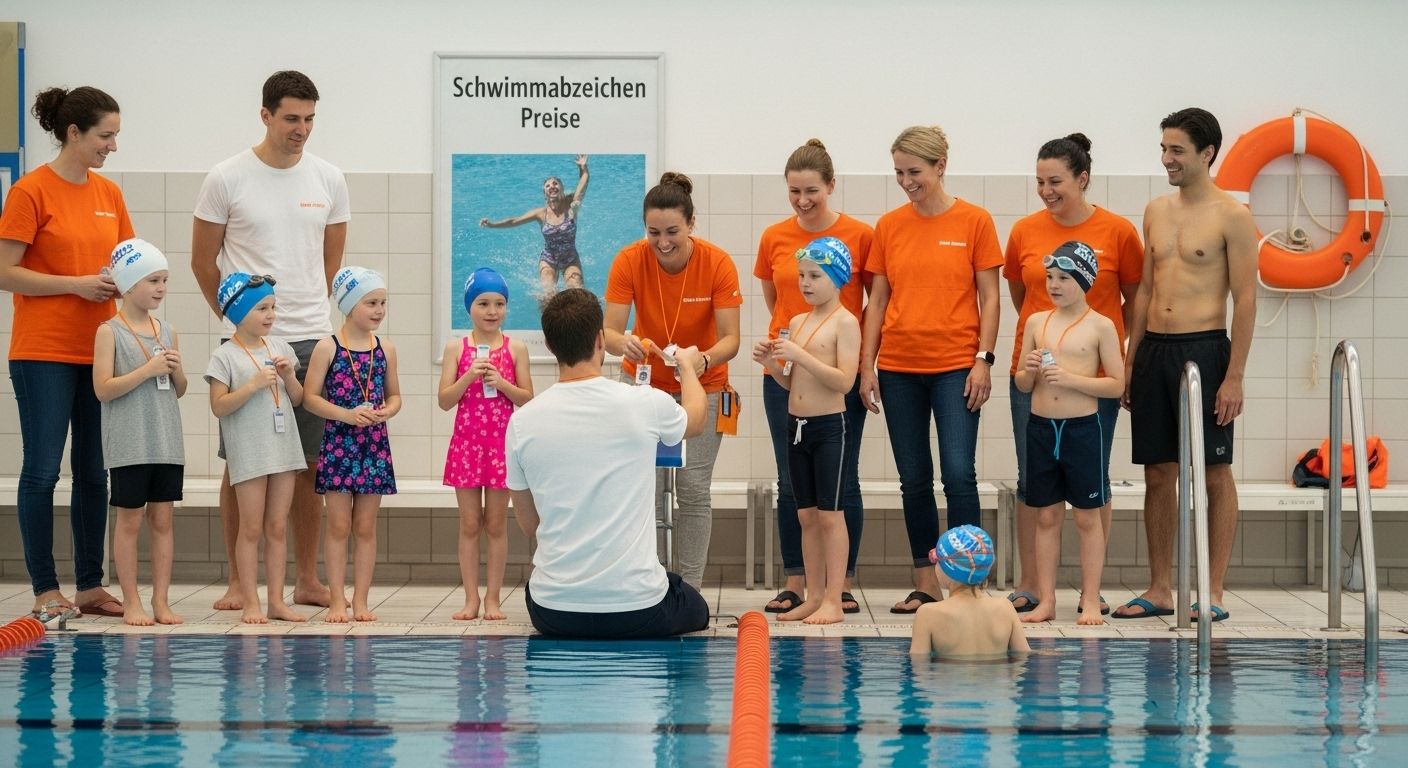
Swimming badges are an important step towards water safety for many families and make children proud of their progress. Yet, many are surprised to hear that the prices for a swimming badge can vary greatly. In some regions, the badge only costs a few euros, while elsewhere, parents may have to budget up to 150 euros in total for the course, examination, and equipment. If you think there are hardly any ways to save, you're mistaken. With simple tips, you can save smartly without compromising on the quality of the training.
Table of Contents
- Prices for Swimming Badges: An Overview
- Differences Between Providers and Regions
- Additional Costs: Materials and Examination
- Tips for Cost-Effective Badge Examination
Quick Summary
| Takeaway | Explanation |
|---|---|
| Swimming badges cost 2 to 30 Euros | Prices vary depending on the type of badge and manufacturer. Simpler badges like the "Seepferdchen" (Seahorse) are cheaper. |
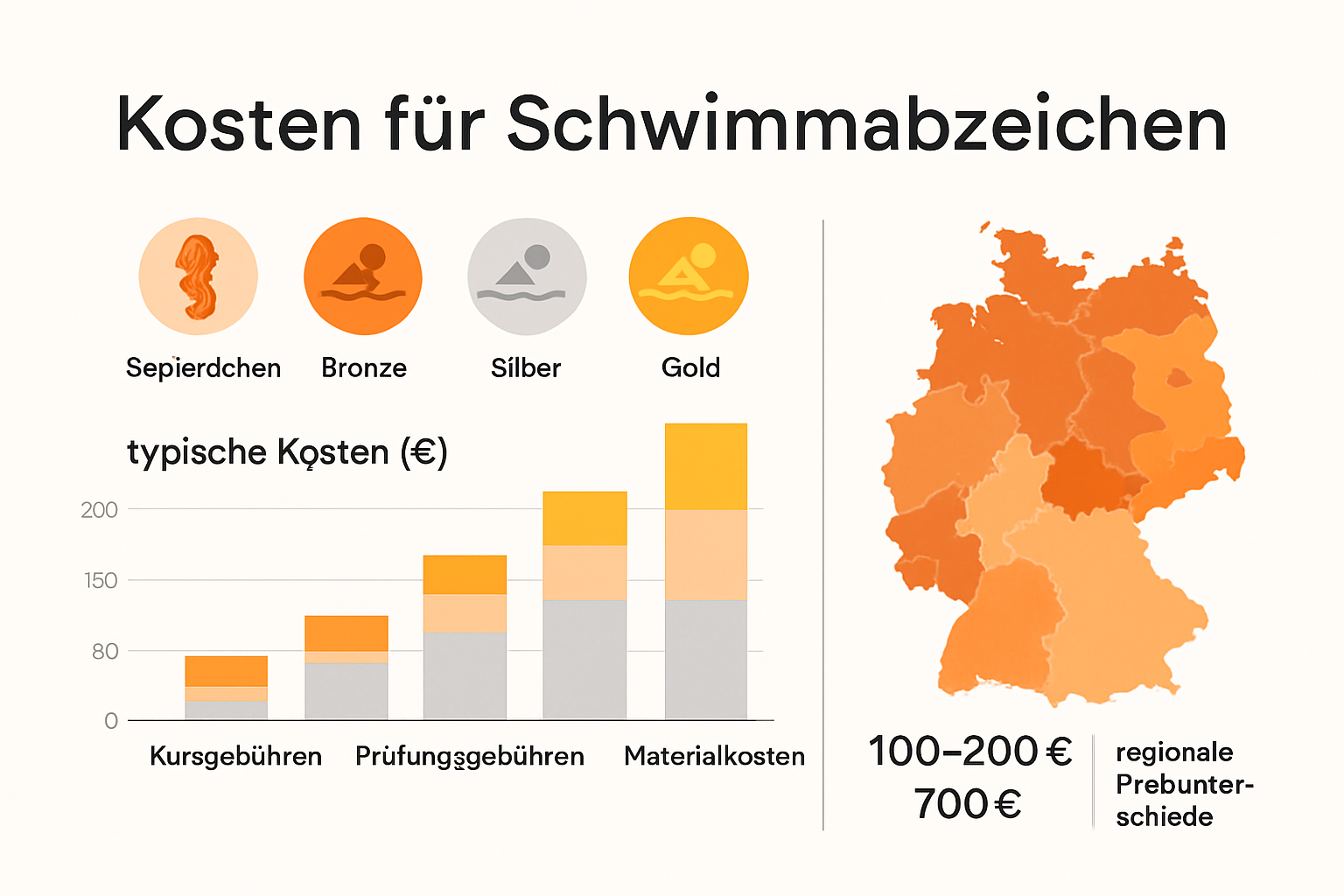
| Bulk orders save costs | Clubs and schools can save significantly on badges through bulk discounts. Check offers from different retailers. | | Consider regional differences | Prices for swimming badges vary between federal states. Coastal regions often offer cheaper options than southern federal states. | | Factor in additional equipment costs | Besides badges, parents should also consider costs for clothing and materials, which can quickly add up. | | Plan and compare early | Early search for offers and discounts at swimming schools and courses can significantly reduce costs.
Prices for Swimming Badges: An Overview
Swimming badges are more than just small pieces of fabric or pins. They document swimming skills, motivate children and young people, and are important milestones in swimming development. The prices for these badges vary depending on type, manufacturer, and features.
Price Categories and Standard Costs
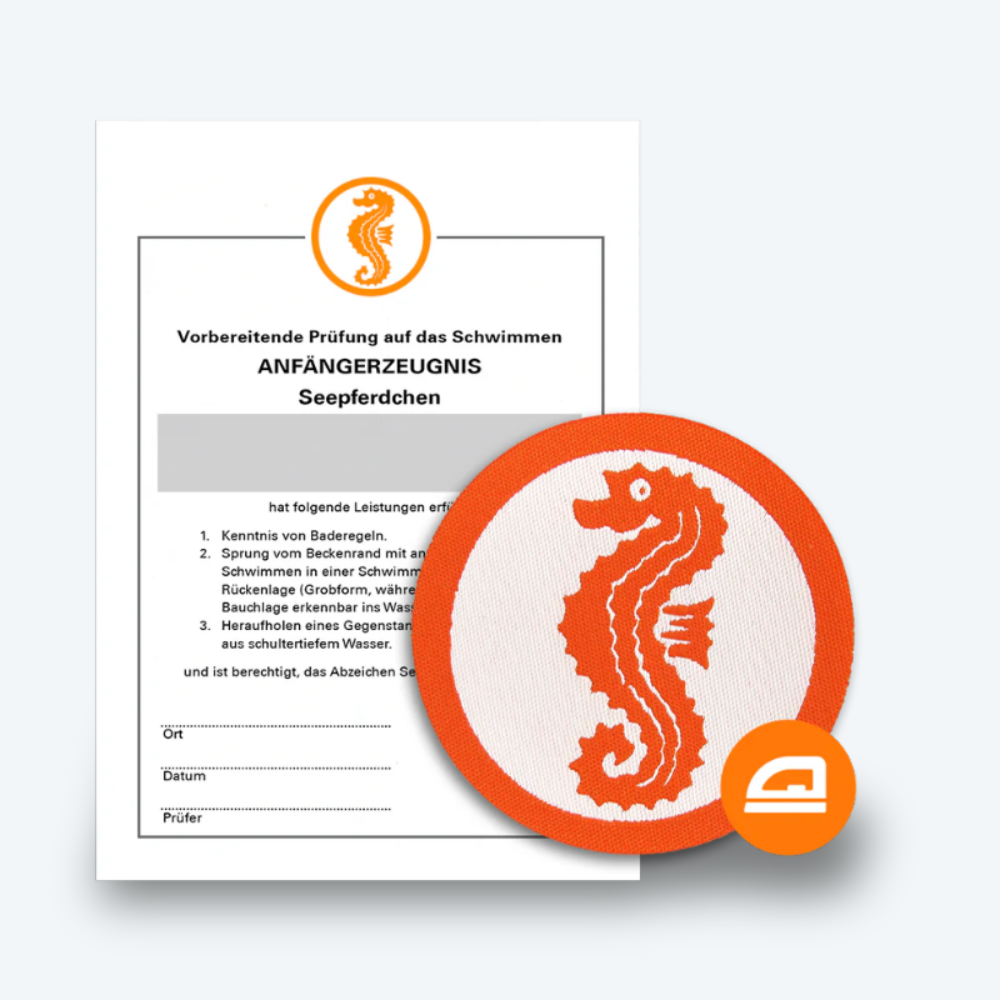
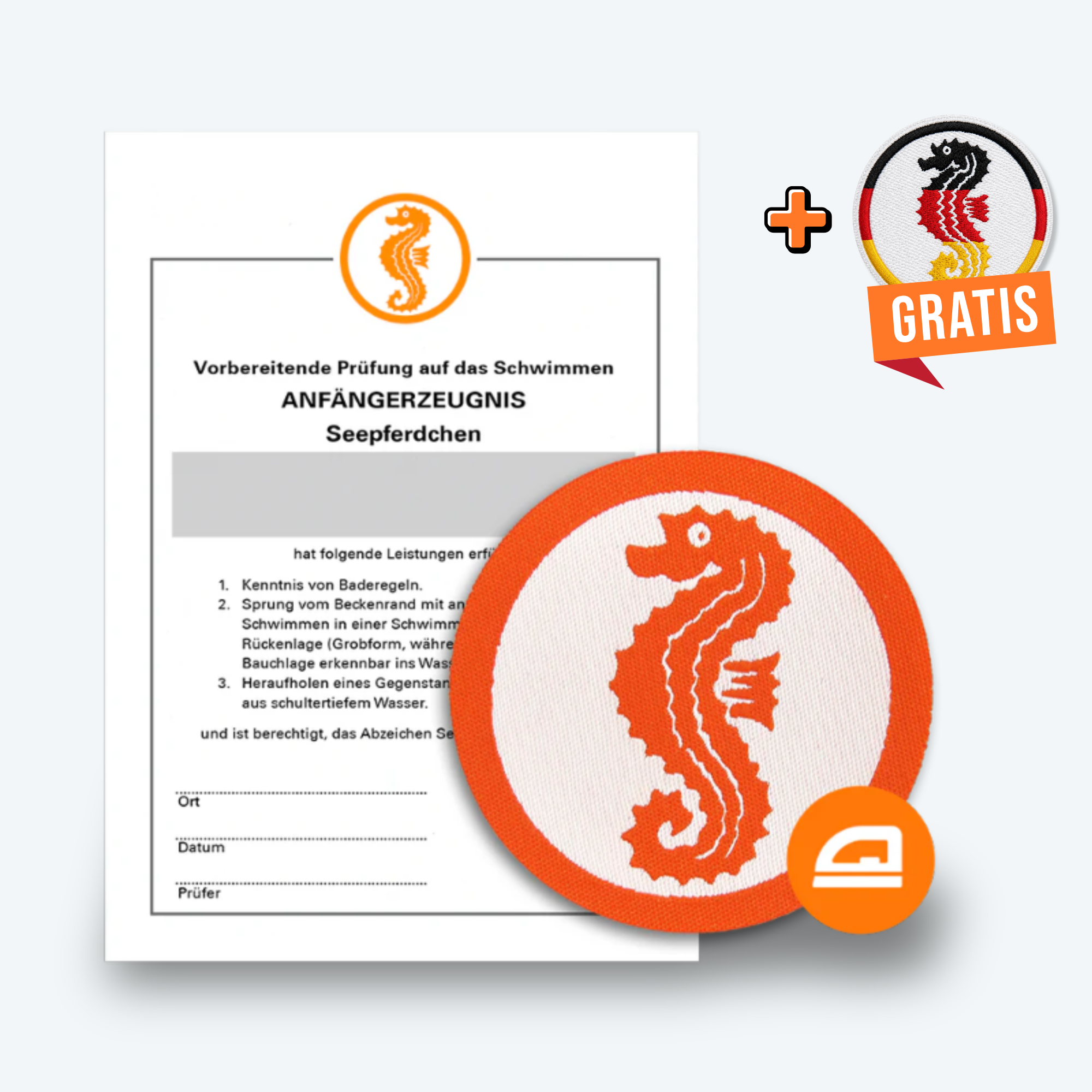
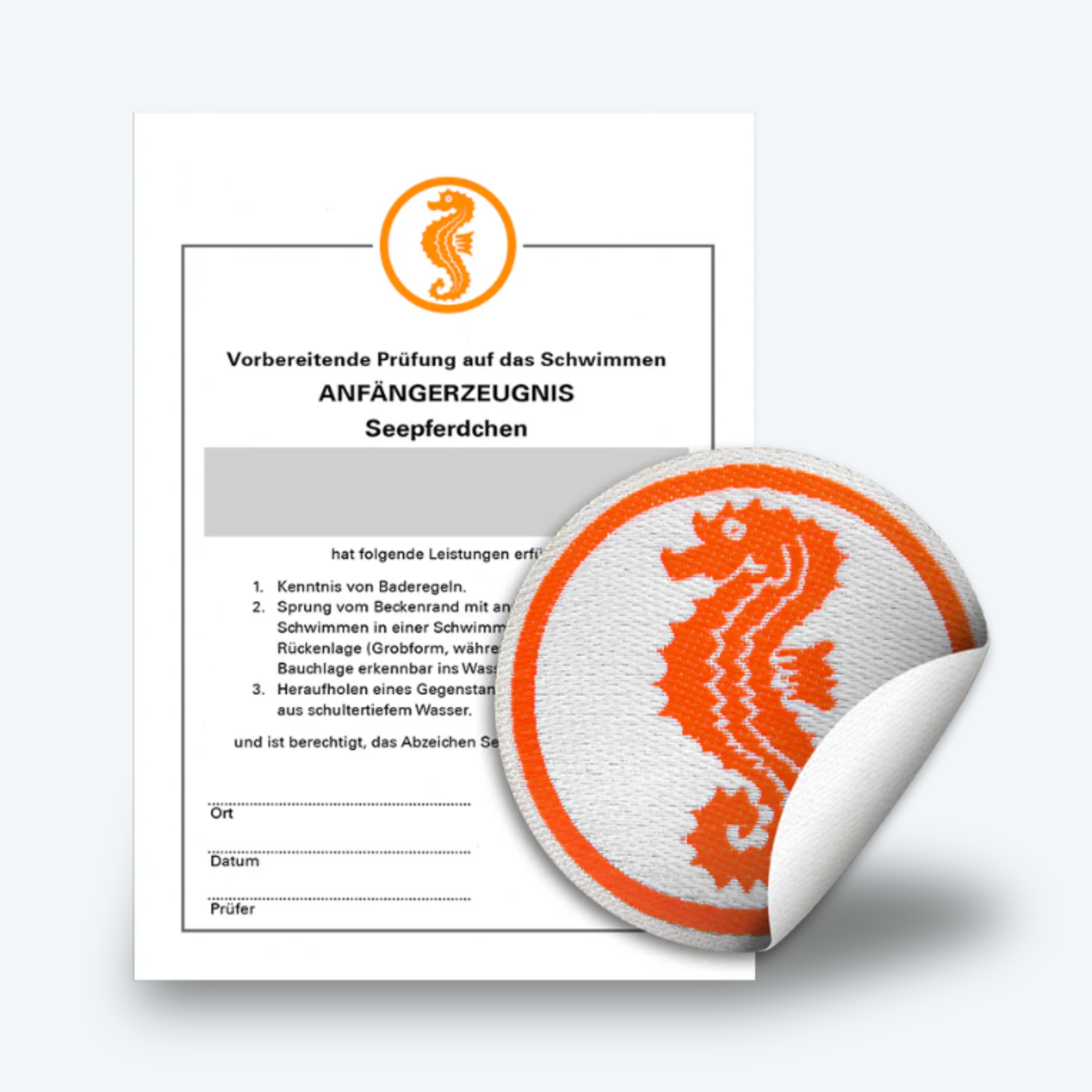
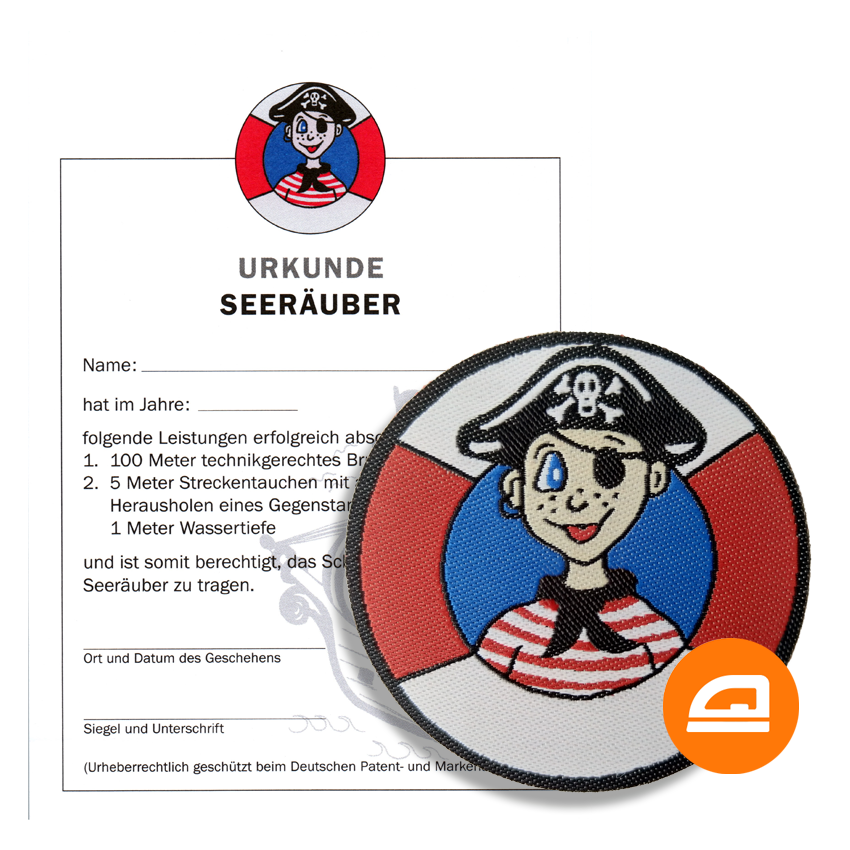
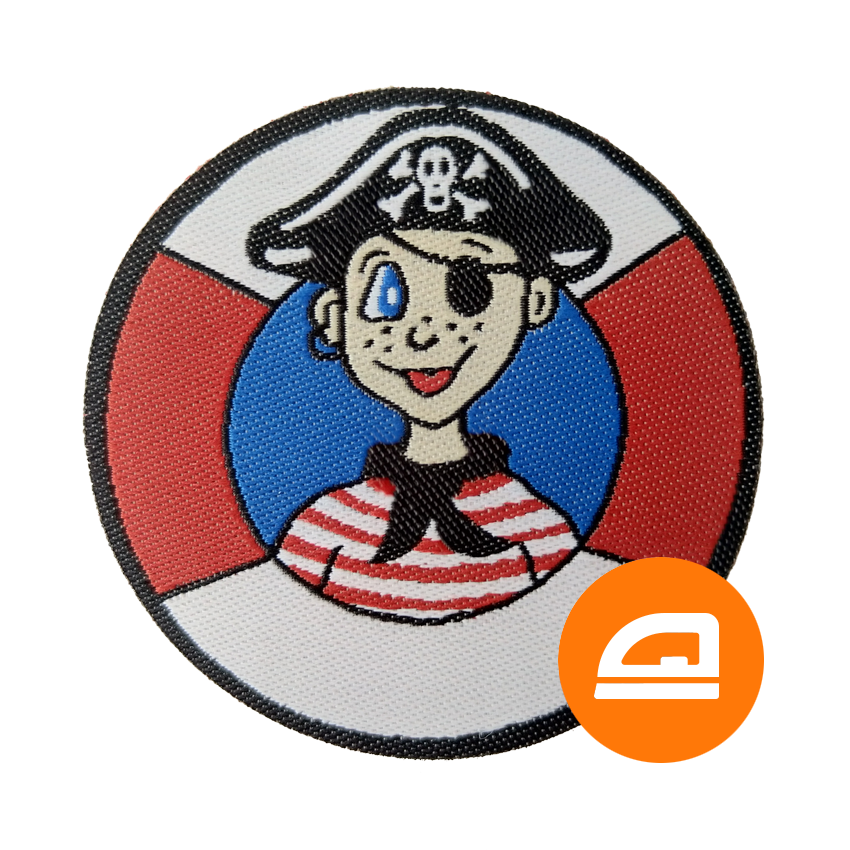
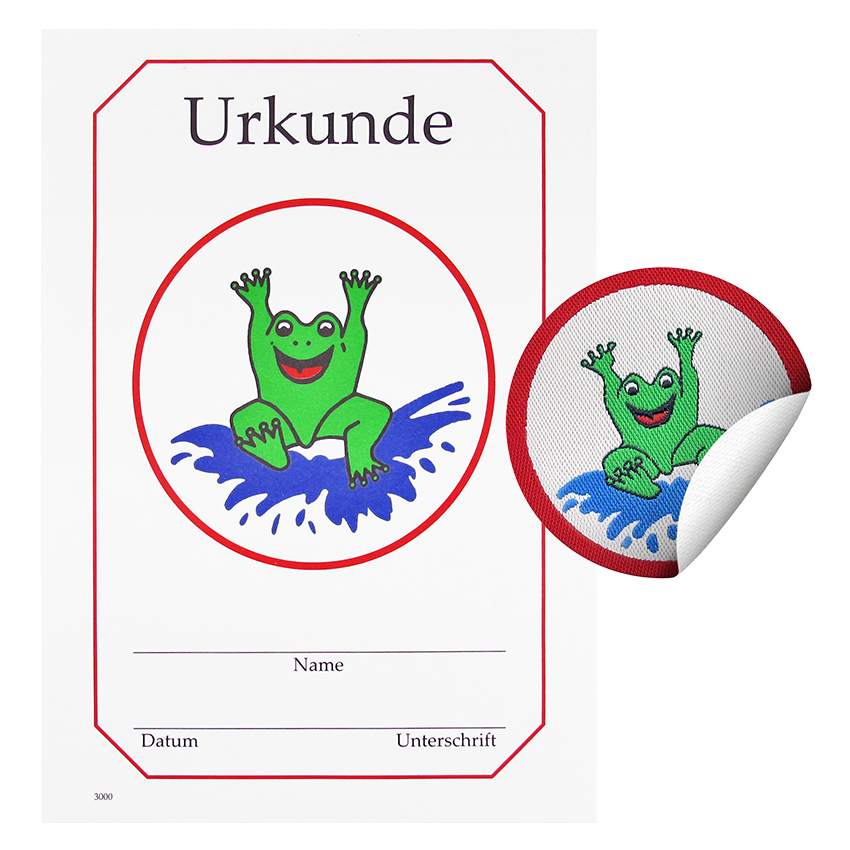
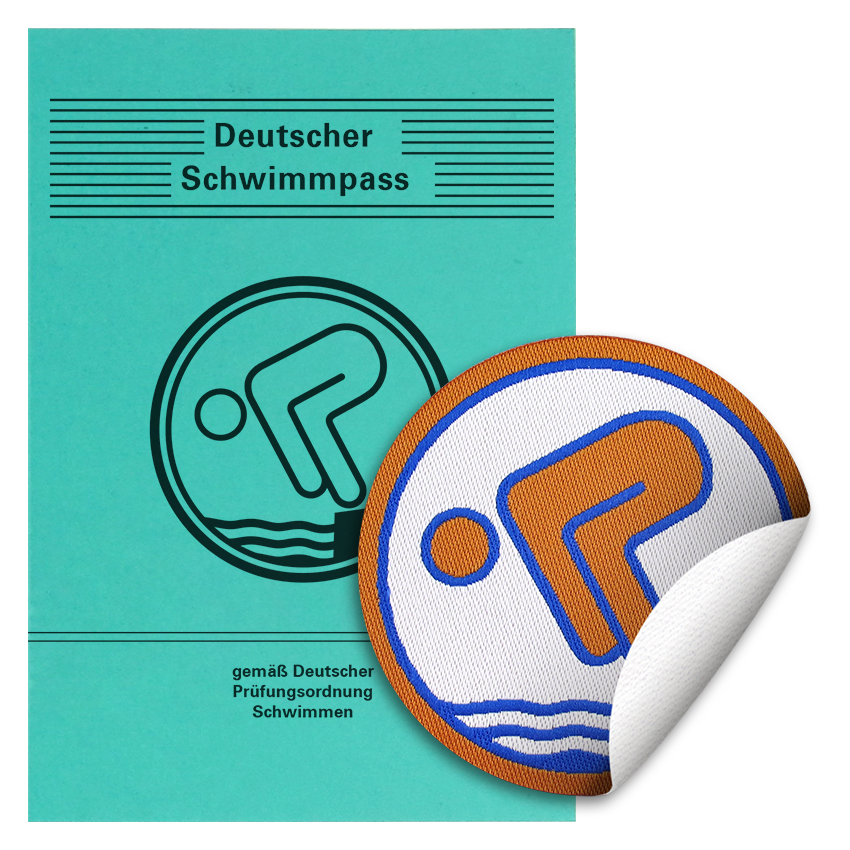
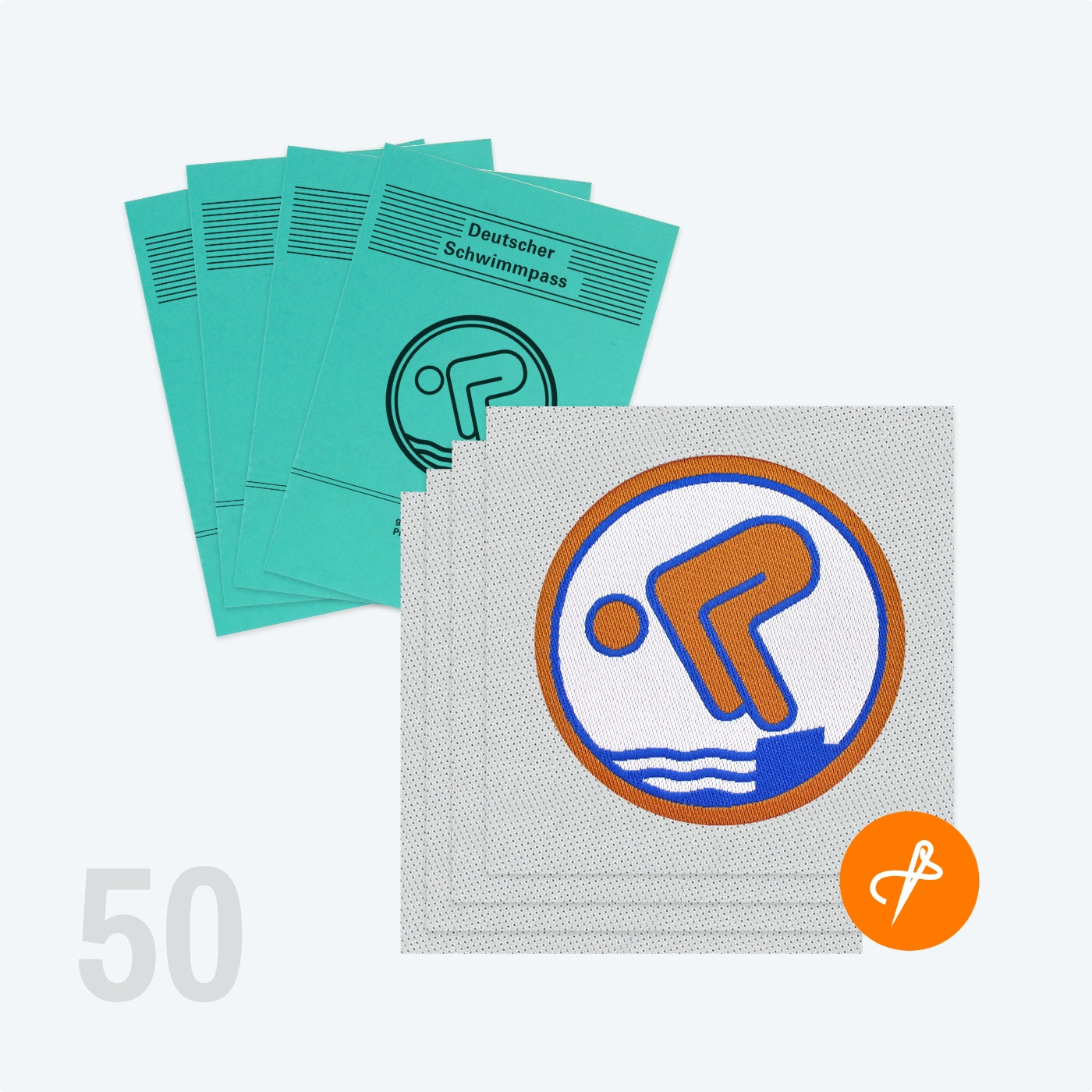
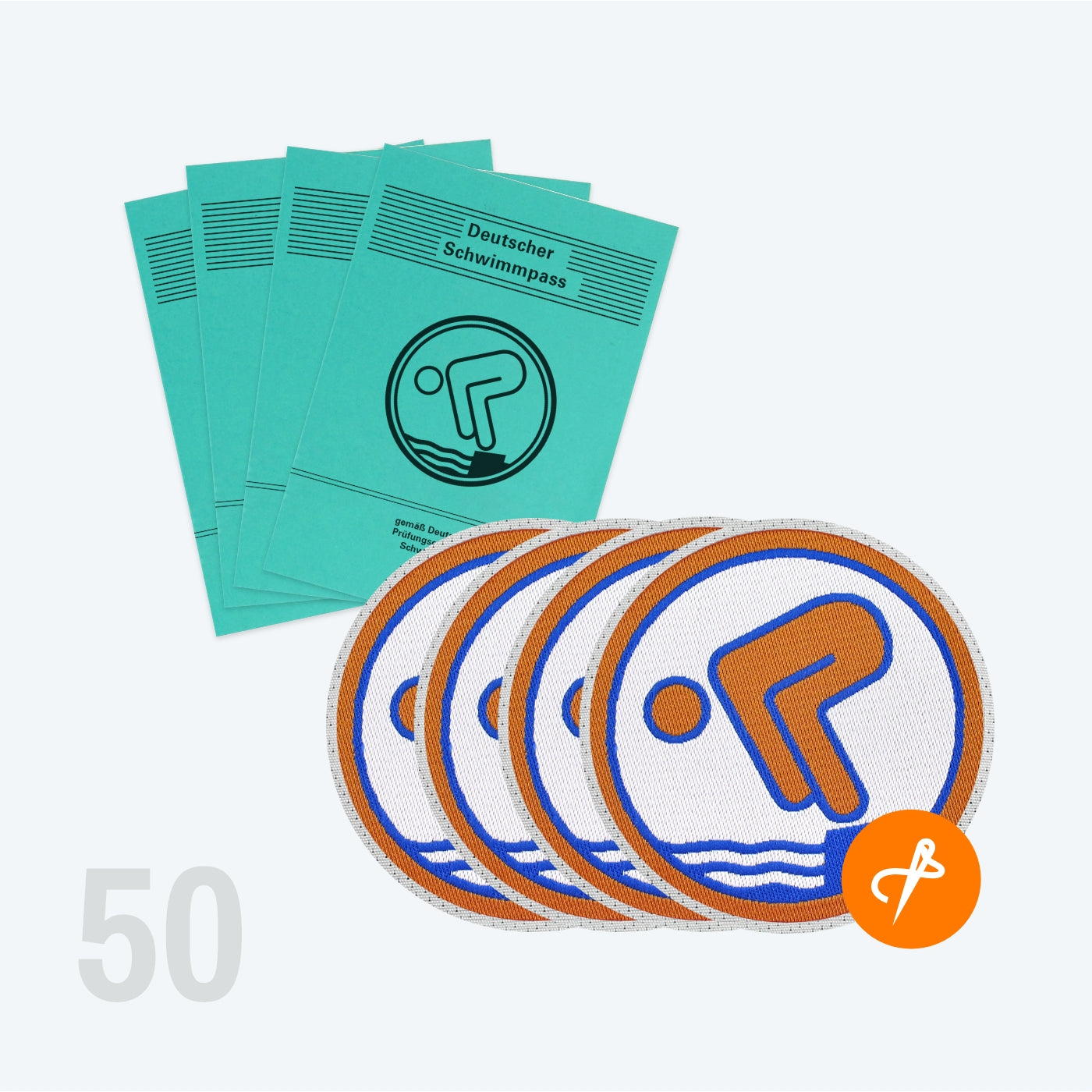
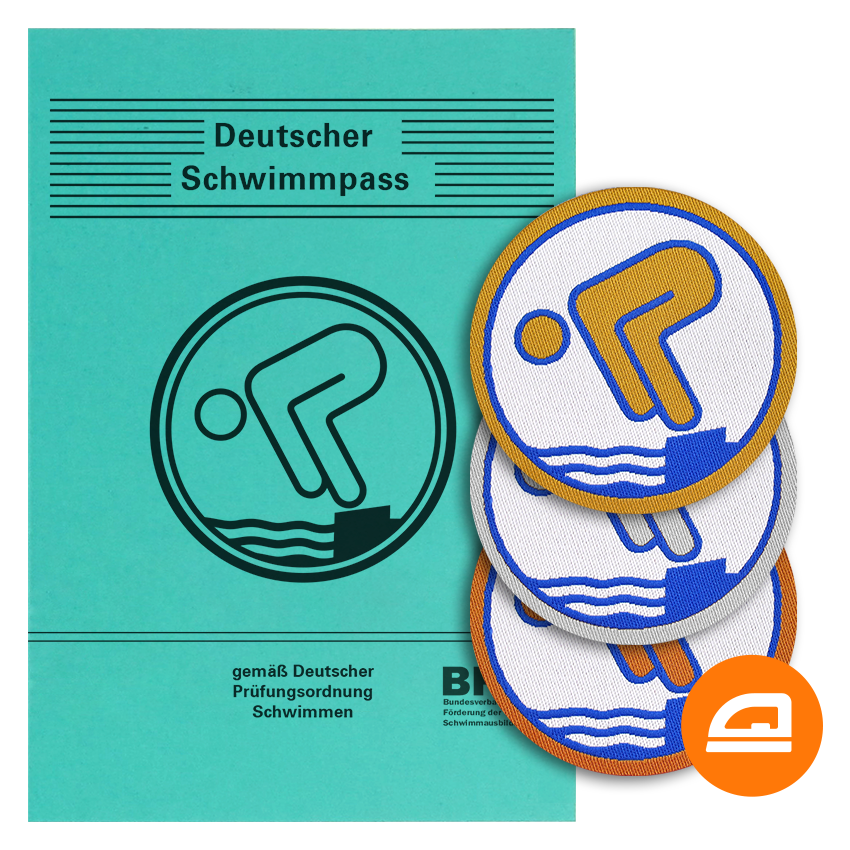
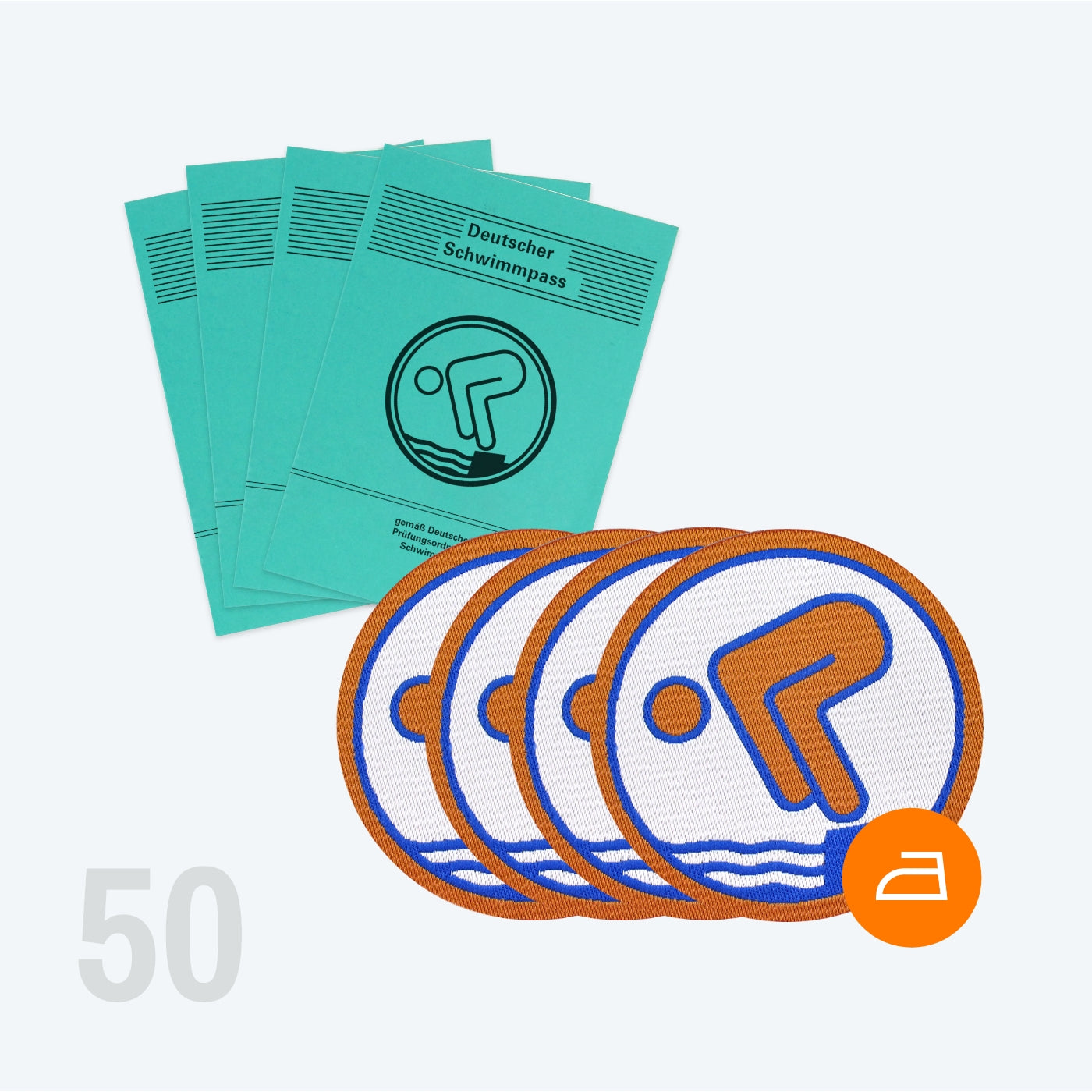
Basically, a distinction is made between different swimming badges with different price ranges. Simple badges for children, such as the Seepferdchen (Seahorse), usually cost between 2 and 5 Euros. Advanced swimming badges like Bronze, Silver, and Gold are typically offered in sets and cost between 10 and 30 Euros for 50 pieces.
The Federal Sports Association for Swimming provides official guidelines for swimming badges, standardizing price and quality. Interestingly, a study shows that investments in swimming lessons and corresponding badges significantly increase children's water safety.
Factors Influencing Price Differences
The prices for swimming badges are influenced by several factors:
- Material quality: High-quality, water-resistant fabrics and precise embroidery cost more
- Manufacturing method: Standardized badges from official associations are more expensive than cheap products
- Quantity: Bulk packs are cheaper per piece than single badges
According to data from the USA Swimming Foundation, professional swimming courses and associated badges can be an important investment in personal safety and development.
Those who regularly need swimming badges - such as swimming schools, clubs, or schools - can save significantly through bulk orders. Looking at quantity discounts is definitely worthwhile.
Differences Between Providers and Regions
Swimming badges differ not only in their prices but also in their offerings and regional characteristics. This variety often makes the selection of a suitable swimming badge more complex for parents and swimming schools.
Regional Price Differences
In Germany, the prices for swimming badges vary depending on the federal state and local swimming tradition. While swimming badges are often cheaper and more frequently offered in coastal regions like Lower Saxony or Hamburg, the costs in southern federal states like Bavaria or Baden-Württemberg can be slightly higher.
Swim England, for example, shows how prices for swimming badges are adjusted annually. For Germany, this means that prices are not static but evolve dynamically.
Differences Between Providers
Different providers have different pricing models and services. While traditional associations like the DLRG have standardized prices, private swimming schools often offer more individualized packages.
The American Red Cross, for example, demonstrates a tiered pricing model for swimming courses and badges, depending on the number of participants. In Germany, many providers follow similar principles.
Factors influencing price differences between providers include:
- Certification level: Officially recognized badges generally cost more
- Additional services: Some providers include certificates or digital credentials
- Group size: Smaller groups often mean higher costs per participant
For swimming schools and clubs, it is worthwhile to compare different offers and check for quantity discounts. Investing in high-quality swimming badges pays off in the long run.
To help you compare different types of providers and regional influences, see the table below. It highlights key differences in swimming badge pricing and offerings depending on region and organization type.
| Provider/Region | Typical Cost Range (EUR) | Key Features |
|---|---|---|
| Coastal Regions (e.g., Hamburg) | Lower | More frequent, competitive pricing |
| Southern States (e.g., Bavaria) | Higher | Fewer options, prices can be above average |
| Official Associations (e.g., DLRG) | Mid–High | Standardized, often include certificate |
| Private Swim Schools | Variable | Individual packages, sometimes pricier |
| Clubs/Schools (Bulk Orders) | Lower per badge | Benefit from discounts and bulk pricing |
Additional Costs: Materials and Examination
In addition to the pure costs for swimming badges, there are other financial aspects that parents and swimming schools must consider. The total investment in swimming skills includes more than just the badge itself.
Examination Fees and Course Costs
Obtaining a swimming badge usually requires participation in swimming courses and passing an examination. These costs vary depending on the provider and the difficulty level of the badge. Typically, course fees for children range from 50 to 150 Euros, depending on the course duration and intensity.
Interestingly, an example from Boulder, Colorado, shows how cities and communities try to reduce the costs of swimming education. Government grants can help lower the financial barriers to swimming lessons.
Necessary Equipment and Materials
For swimming training, children need additional equipment, which increases the total costs:
- Swimwear: Swim trunks or swimsuit (15-40 Euros)
- Goggles: 10-25 Euros
- Swim bag or tote: 10-30 Euros
- Towel and shower essentials: 20-50 Euros
These costs can quickly add up and should be considered in the overall planning. Parents should be aware that investing in swimming skills involves more than just the badge itself.
Here is a summary table that breaks down typical cost ranges for different elements involved in obtaining a swimming badge. Use this as a quick reference to plan for all potential expenses.
| Item/Service | Typical Cost Range (EUR) | Notes |
|---|---|---|
| Seepferdchen Badge | 0.75 – 2 | Basic level, entry badge |
| Advanced Badge Set (Bronze/Silver/Gold, 50 pcs) | 10 – 30 | For groups; per 50 badges |
| Swimming Course (per child) | 50 – 150 | Varies by region & provider |
| Swimwear (Suit/Trunks) | 15 – 40 | Required for lessons |
| Swim Goggles | 10 – 25 | Optional but recommended |
| Swim Bag | 10 – 30 | For carrying equipment |
| Towel & Shower Supplies | 20 – 50 |
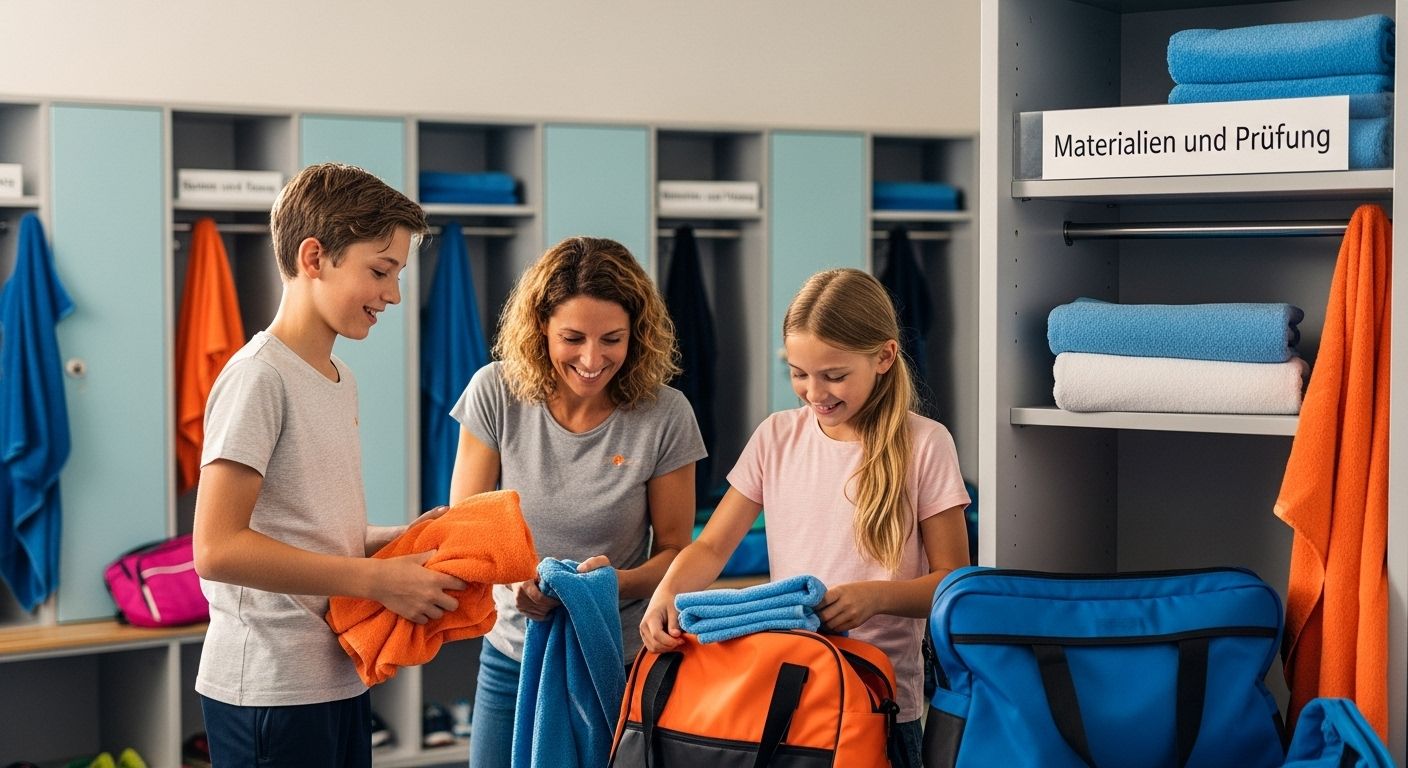
Some swimming schools and clubs offer complete packages that include course fees, examination, and sometimes even basic equipment. These offers can be a cost-effective option for families.
In conclusion, the cost of a swimming badge is an investment in a child's safety and development. Although the expenses may initially seem high, the long-term benefits – such as water safety, fitness, and self-confidence – are priceless.
Tips for Cost-Effective Badge Examination
Obtaining a swimming badge doesn't have to be expensive. With proper planning and clever strategies, parents and swimming enthusiasts can significantly reduce the costs of examinations and courses.
Early Planning and Research
The key to cost-effective swimming badges lies in proactive planning. Compare offers from different swimming schools and clubs early. Many facilities offer discounts for early birds or siblings.
The American Swimming Coaches Association emphasizes the importance of professional training. The same applies in Germany: qualified trainers can accelerate the learning process and thus save costs in the long term.
Group Discounts and Club Memberships
Group activities offer significant cost advantages. Swimming clubs and municipal swimming pools often have attractive offers:
- Club memberships: Often cheaper than individual courses
- Sibling discounts: Families with multiple children benefit
- Municipal offers: City swimming pools often offer cheaper courses
USA Artistic Swimming shows how professional organizations can make training costs transparent. Applied to swimming badges, this means: inform yourself about funding opportunities and group conditions.
Proactiveness and Additional Training Opportunities
Besides organized courses, there are other ways to improve swimming skills cost-effectively:
- Utilize free swimming times in public pools
- Use online tutorials as a supplement to in-person courses
- Parental support: Teach basic swimming techniques yourself
A cost-conscious swimming education requires creativity and commitment. Don't hesitate to combine different options and compare offers.
What matters is not the price, but the quality of the training. A cheap course is only worthwhile if it is conducted professionally and safely. Invest in your child's safety and development - that is priceless.
Frequently Asked Questions
What does a swimming badge cost in Germany?
Prices for swimming badges vary depending on the type of badge and region. Simple badges like the "Seepferdchen" (Seahorse) usually cost between 2 and 5 Euros, while advanced badges like Bronze, Silver, or Gold typically cost between 10 and 30 Euros.
What additional costs arise when taking a swimming badge examination?
In addition to the cost of the swimming badge itself, fees for swimming courses and examinations often apply. These can range from 50 to 150 Euros, depending on the duration and provider of the courses. Costs for necessary equipment, such as swimwear or goggles, should also be considered.
Why are there price differences for swimming badges in different regions?
Prices for swimming badges can vary depending on the federal state and local swimming tradition. Coastal regions often offer cheaper options, while prices in southern federal states may be higher, as fewer providers may be available there.
How can I save costs for swimming badges?
To save costs, parents can compare various offers early and look for group discounts or club memberships. In addition, many swimming clubs and schools offer discounts for siblings and early birds.
Secure Swimming Badges Smartly and Keep Costs Under Control
Many parents face the same challenge: How do I find the best quality swimming badges without breaking the bank? They want to enable their child to experience important successes while keeping an eye on the price differences for courses, materials, and examinations. It's particularly frustrating when hidden costs arise or urgently needed badges are out of stock. But this is exactly where Pimpertz provides the perfect solution.
Discover high-quality swimming badge sets, originally certified and tailored to your needs as parents, a club, or a school. Benefit from quantity discounts, tested material quality, and lightning-fast delivery. Trust in decades of experience and all the advantages of an official DLRG partner. Take the opportunity now to order your desired badge directly on pimpertz.de or choose exclusive Pirate Pimpi swimming badges for your course. Secure the best offers today and make the path to swimming success simple, safe, and affordable.