
Around 60 percent of all children in Germany still cannot swim safely by the end of primary school. Water familiarization and proper preparation are crucial to avoid fear and risks. Here you will learn how to safely guide your child step-by-step, from choosing suitable swimming equipment to successfully earning a swimming badge – including practical tips for more safety and fun in the water.
Table of Contents
- Step 1: Preparing Swimming Equipment and Environment
- Step 2: Promoting Children's Water Safety Confidence
- Step 3: Practicing Basic Swimming Movements
- Step 4: Consolidating and Varying Swimming Techniques
- Step 5: Checking Learning Progress with Swimming Badges
Brief Summary
| Important Point | Explanation |
|---|---|
| 1. Suitable Swimming Equipment | Proper swimwear, swimming goggles, and non-slip bath shoes are essential for safety and comfort. |
| 2. Trusting Water Experience | Fun activities and positive body language help children build confidence in the water. |
| 3. Prior Knowledge for Swimming Movements | Children should practice basic movements in the water through playful exercises. |
| 4. Progress and Technique Variations | Regular training and learning various swimming styles promote swimming competence and safety. |
| 5. Importance of Swimming Badges | Swimming badges document progress and motivate children in their learning process. |
Step 1: Preparing Swimming Equipment and Environment
Preparing swimming equipment and the environment forms the foundation for a safe and relaxed swimming experience with children. Careful planning prevents potential risks and creates a trusting atmosphere.
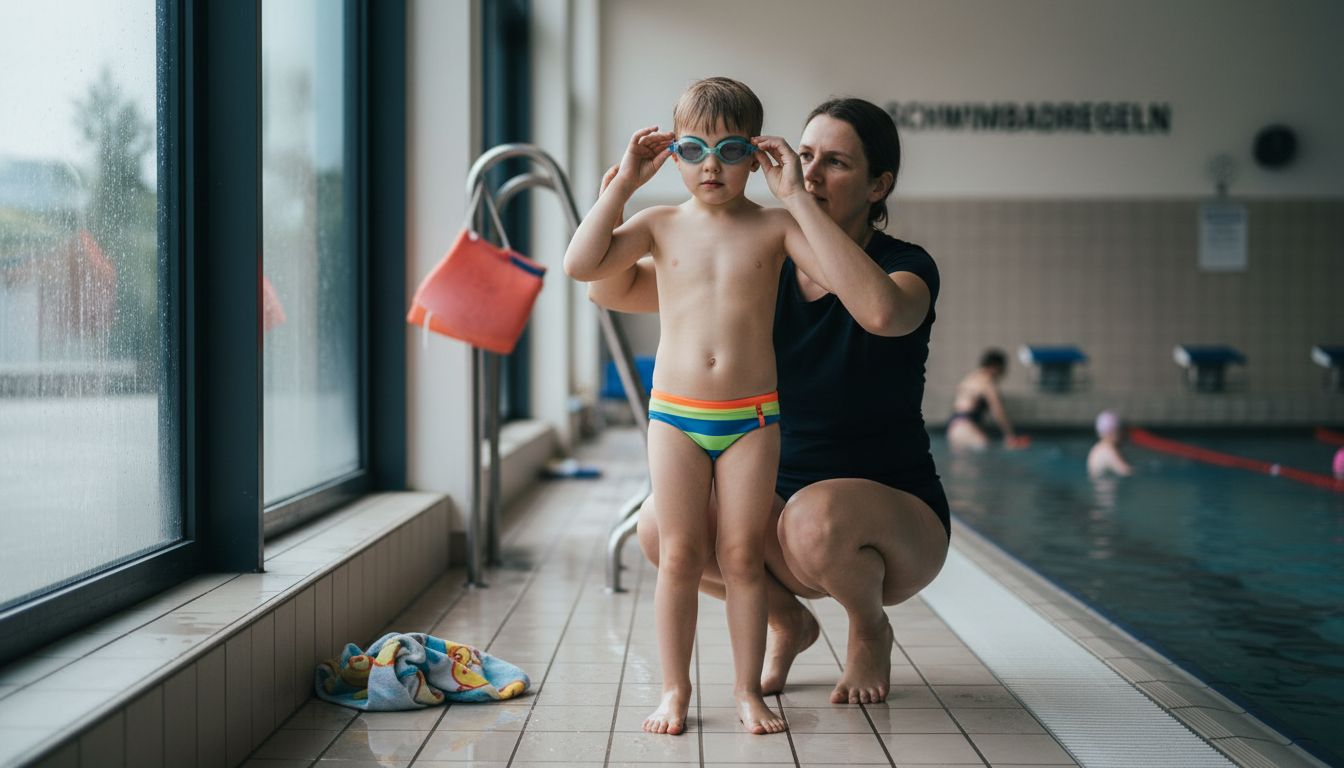
For equipment, you should first pay attention to well-fitting swimwear. Close-fitting swimsuits or swim shorts that do not restrict movement are recommended. Important tips for learning to swim show that suitable swimming gear is crucial for the learning process. Additionally, you will need swimming goggles, a swimming cap, and non-slip bath shoes for extra safety.
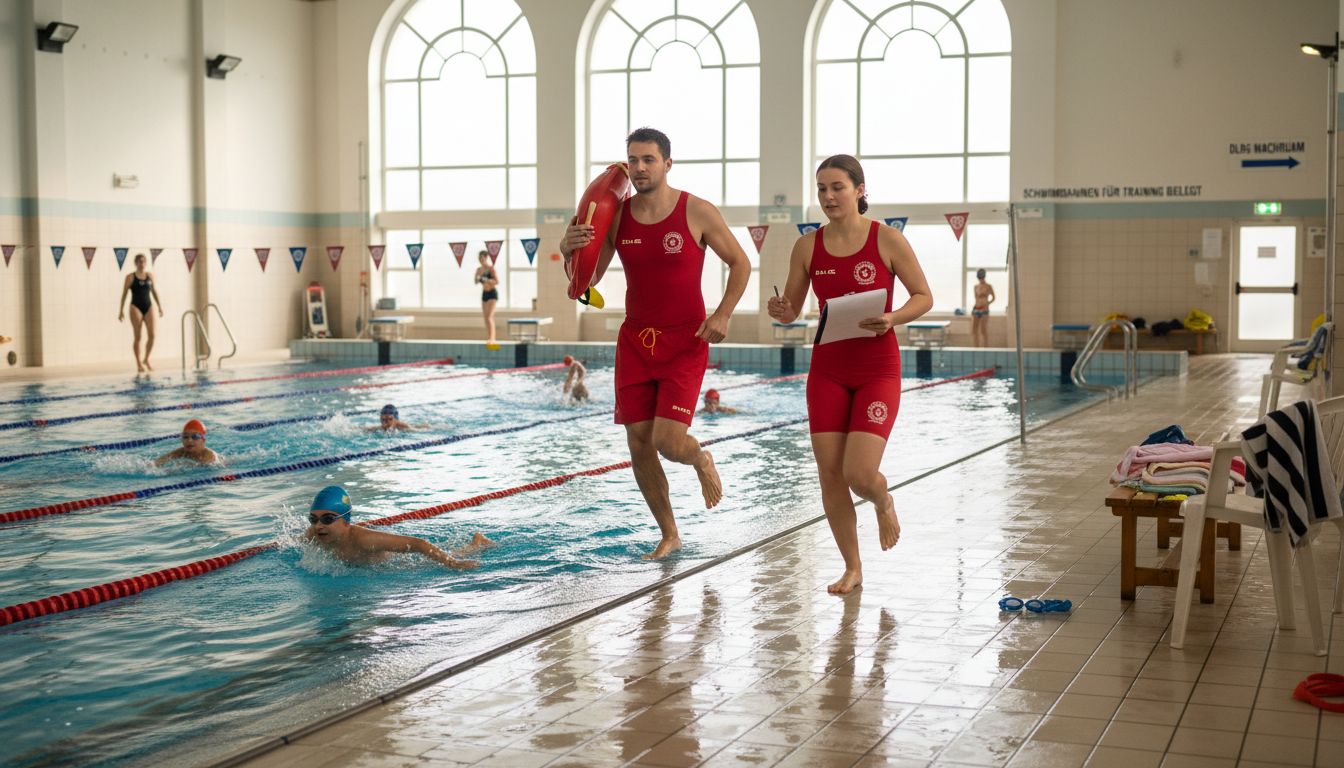
For environmental preparation, choose a manageable area with shallow water. Swimming pools with entry steps or children's pools are ideal. Make sure rescue equipment such as lifebuoys or kickboards are readily available. Check the water temperature beforehand; a pleasant 30 to 32 degrees Celsius is ideal for children. A warm changing room with towels and dry clothes completes the preparation.
Step 2: Promoting Children's Water Safety Confidence
Building water safety is a crucial step in teaching children to swim. A positive and trusting relationship with water forms the basis for all further swimming skills and enjoyment of this sport.
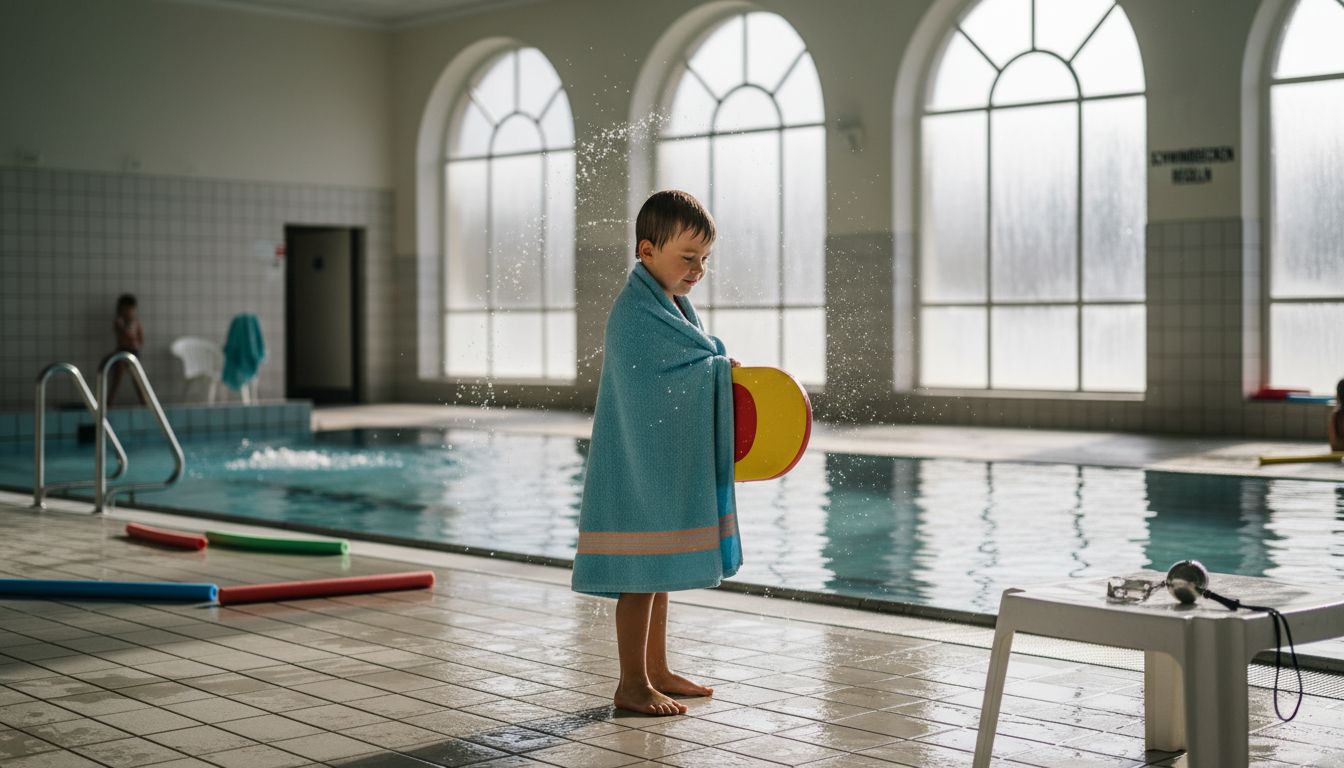
Start with playful activities that help children overcome their natural fear. Safely introducing toddlers to water shows how important gentle approaches are. Let your child first play in shallower areas, do water games, and make initial contact with the element. It is important not to let fear arise and always stay in immediate proximity.
Positive body language and encouraging words help children develop confidence. Show joy and relaxation in the water yourself. Praise every small achievement and make every water experience a positive one. Be careful not to overwhelm the child and always stay within their comfort zone. Your child's motivation and self-confidence will grow step by step.
Step 3: Practicing Basic Swimming Movements
Learning basic swimming movements is crucial for your child's water safety and enjoyment of swimming. This step builds on previous experiences with water safety and gently introduces children to their first coordinated movements.
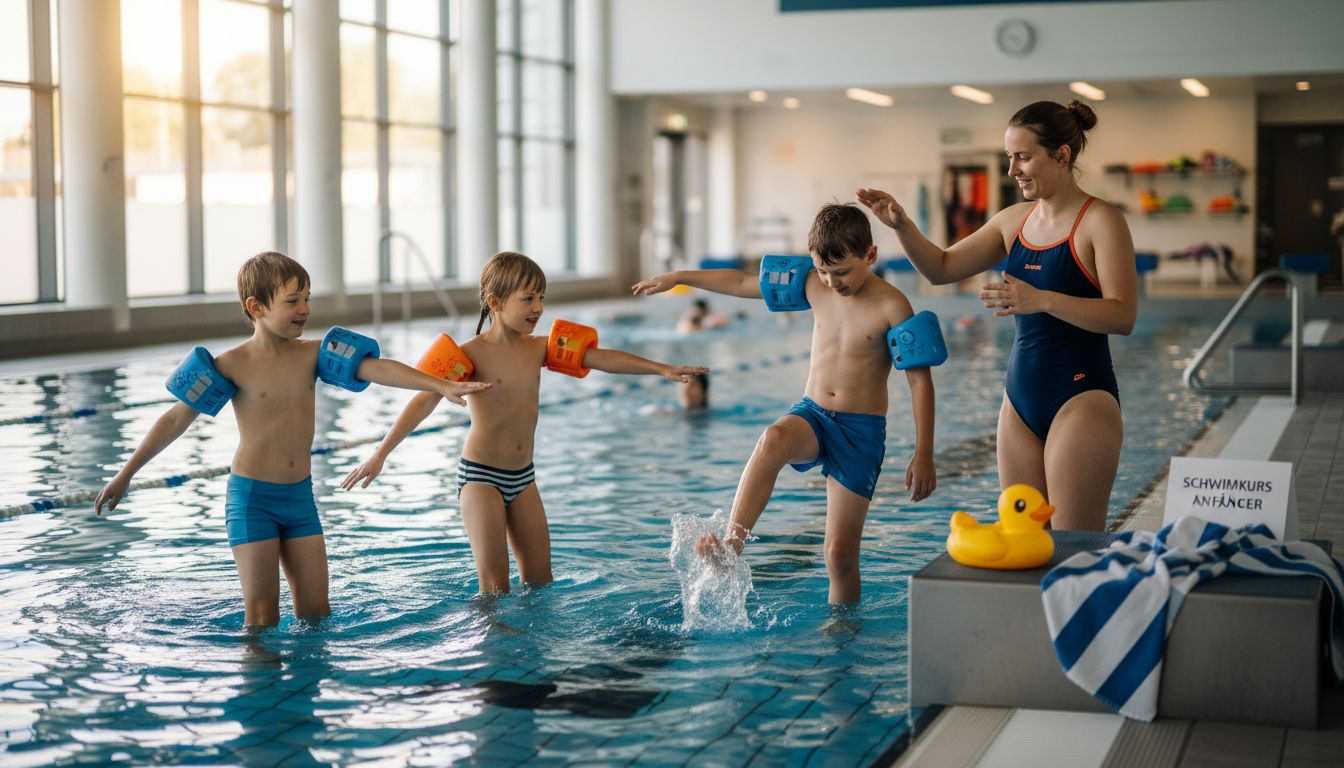
Start with simple movement exercises like the water walk. Let your child first walk in shallow water and feel the leg movements. Swimming lessons from age 3 recommend playful approaches like imitating animal movements or waddling like a duck. These methods make learning fun and reduce inhibitions.
Then focus on arm strokes and breathing technique. Practice gliding movements at the pool edge or with support first. A relaxed body posture and regular breathing are important. Show your child how to turn their head and take a breath. Patience and positive reinforcement are key to success. Every child learns at their own pace and needs individual attention.
Step 4: Consolidating and Varying Swimming Techniques
After the basic movements, the next step is to refine swimming skills and learn different techniques. In this section, we focus on imparting safety and joy in swimming to children.
Proven teaching methods of swimming schools emphasize the importance of a systematic approach. Start with simple techniques like front crawl. Good coordination of arm and leg movements and a regular breathing rhythm are important. Encourage your child to do short practice sessions and reward small progress.
For advanced children, learning different swimming styles such as backstroke or breaststroke is recommended. Make sure to adjust the pace to individual abilities. Regular training under professional guidance helps children improve their technique and gain confidence in the water.
Step 5: Checking Learning Progress with Swimming Badges
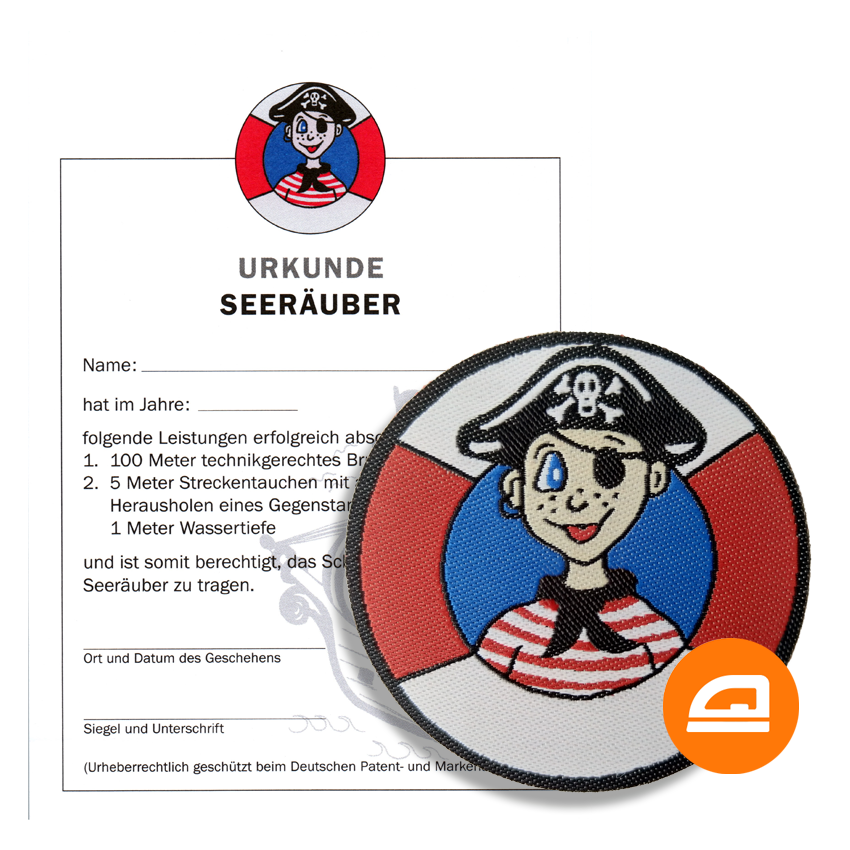
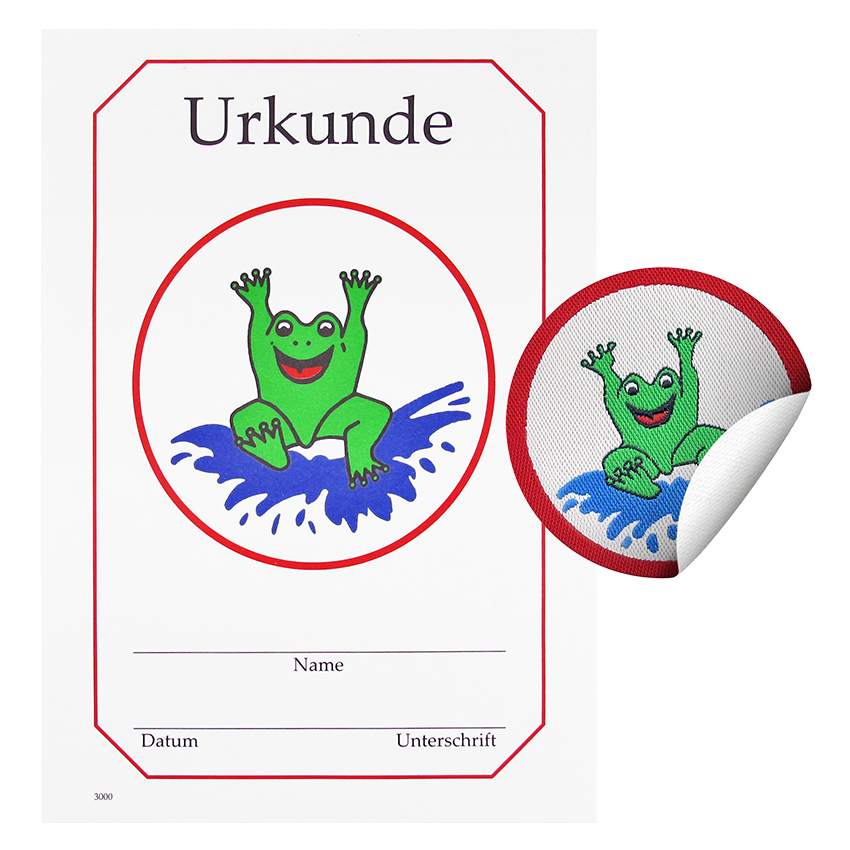
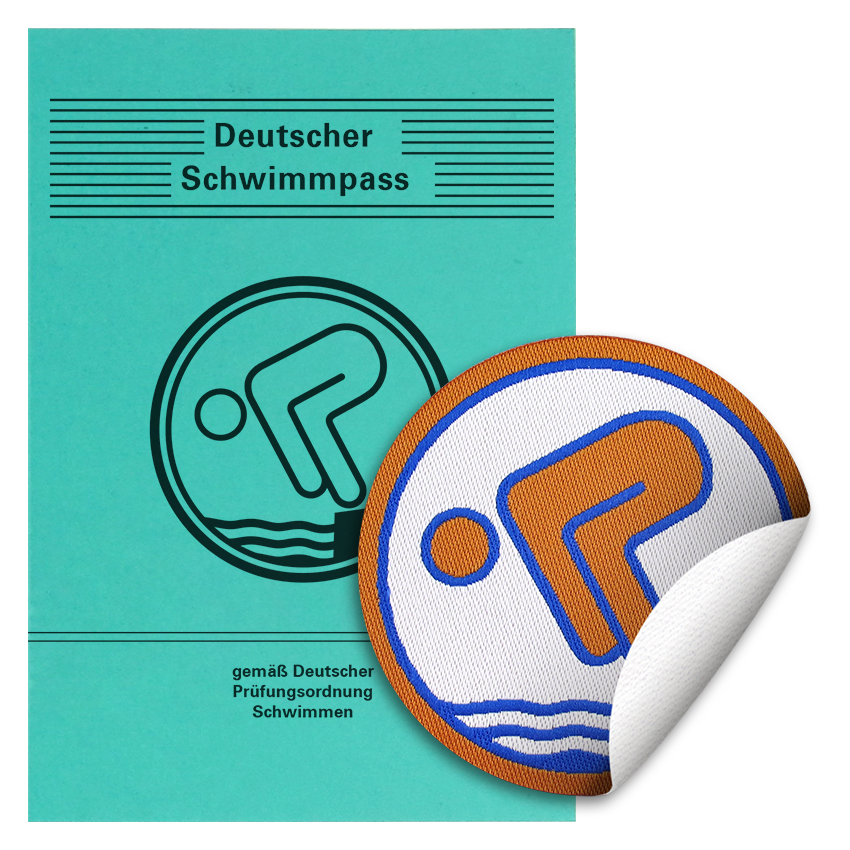
Swimming badges are more than just colorful pins; they document your children's progress and acquired swimming skills. They motivate and objectively show achieved swimming competencies.
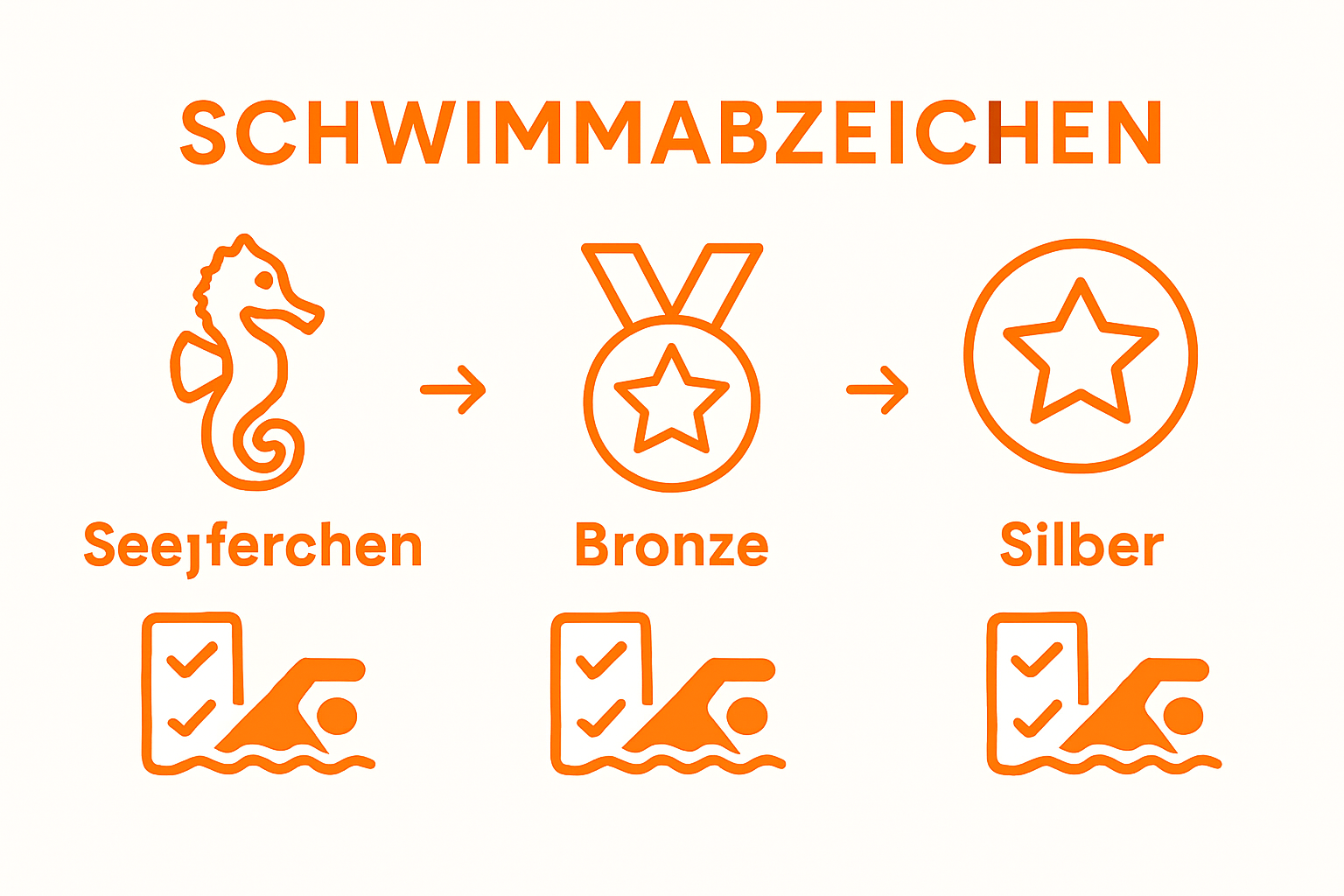
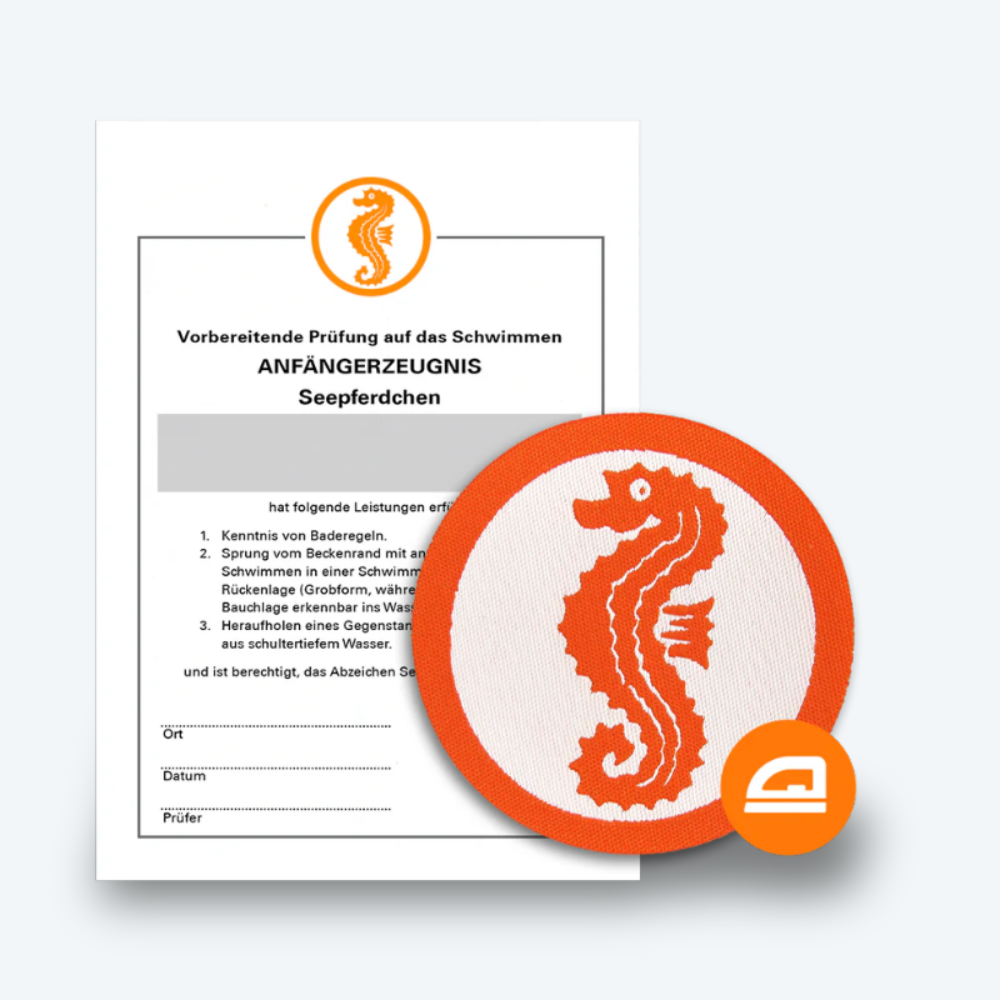
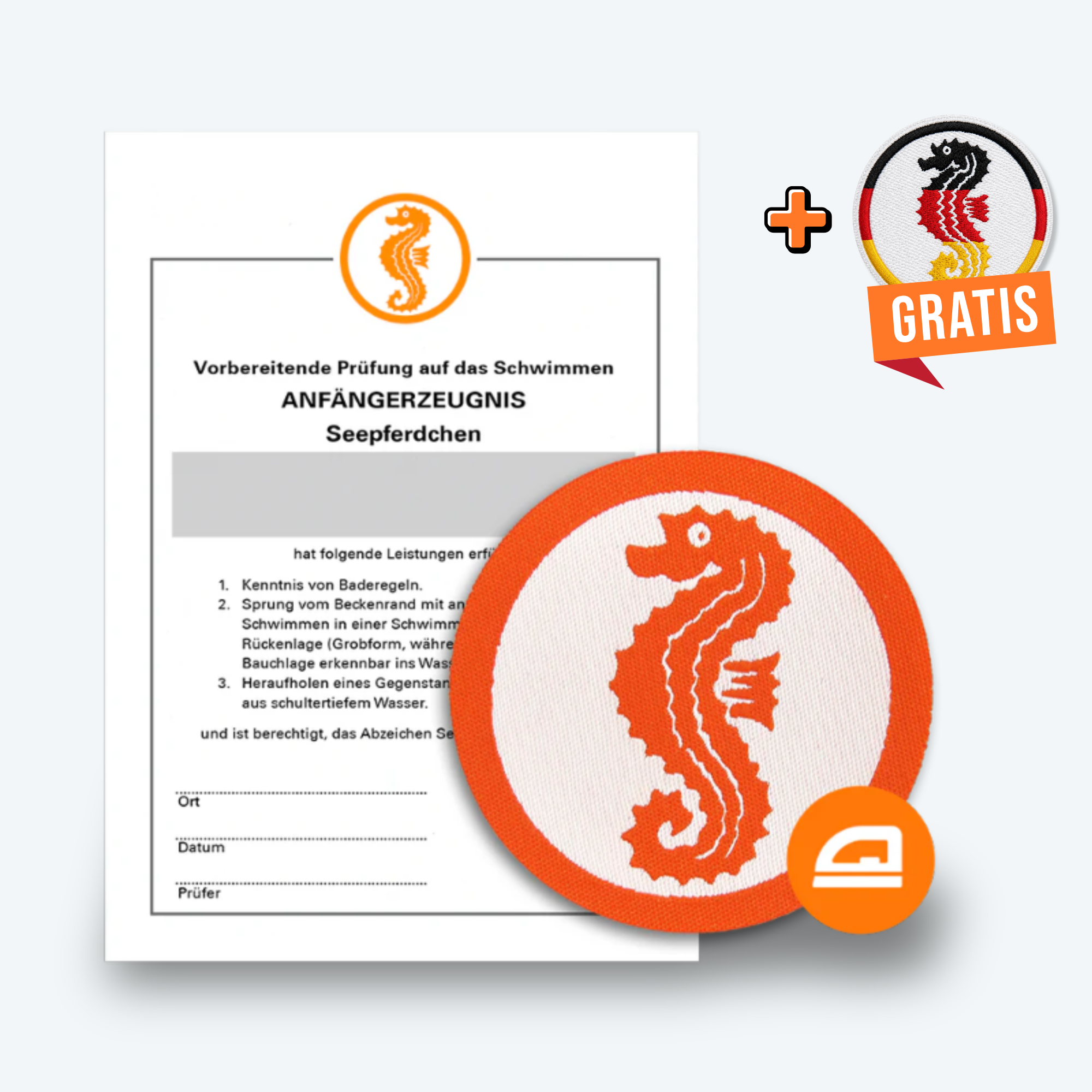
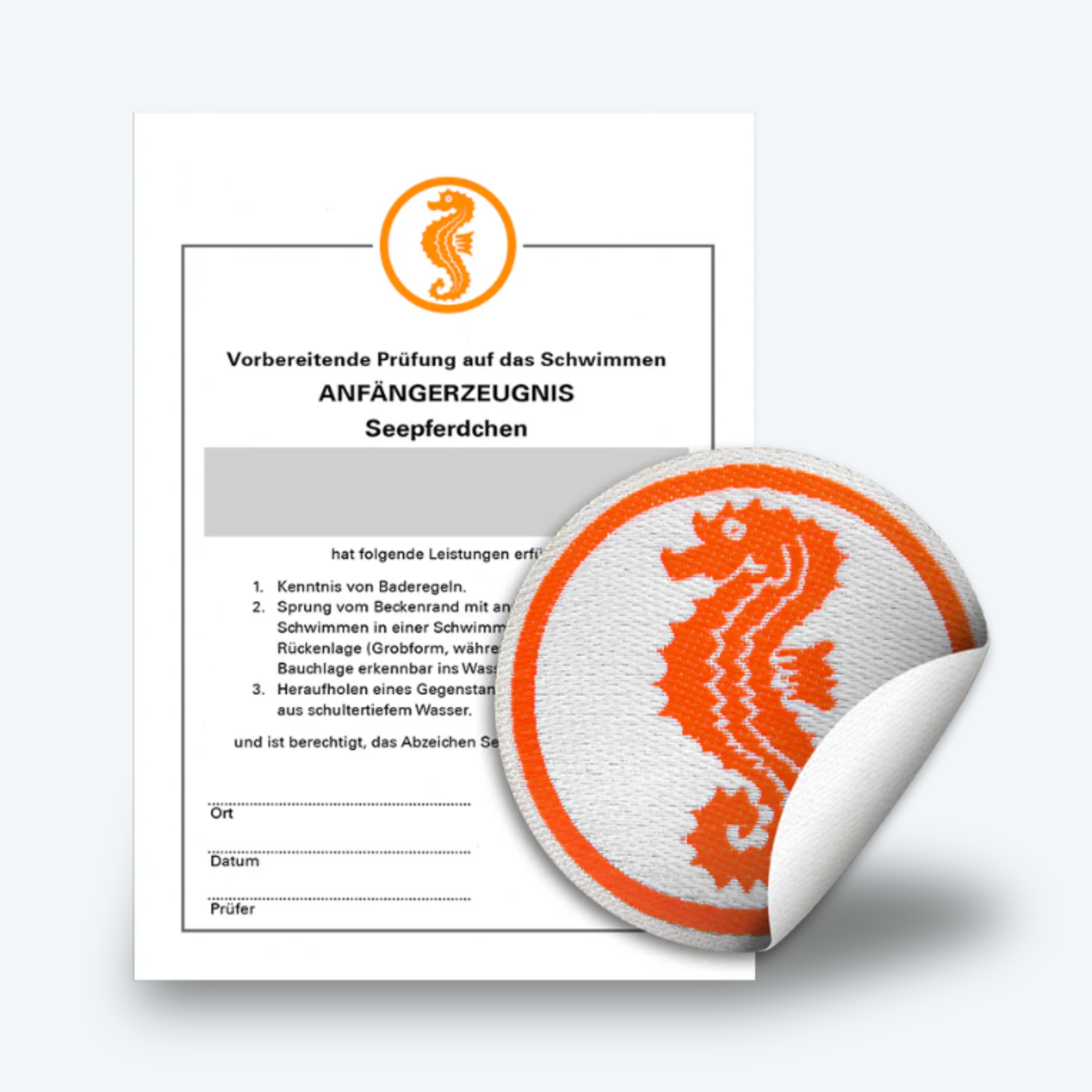
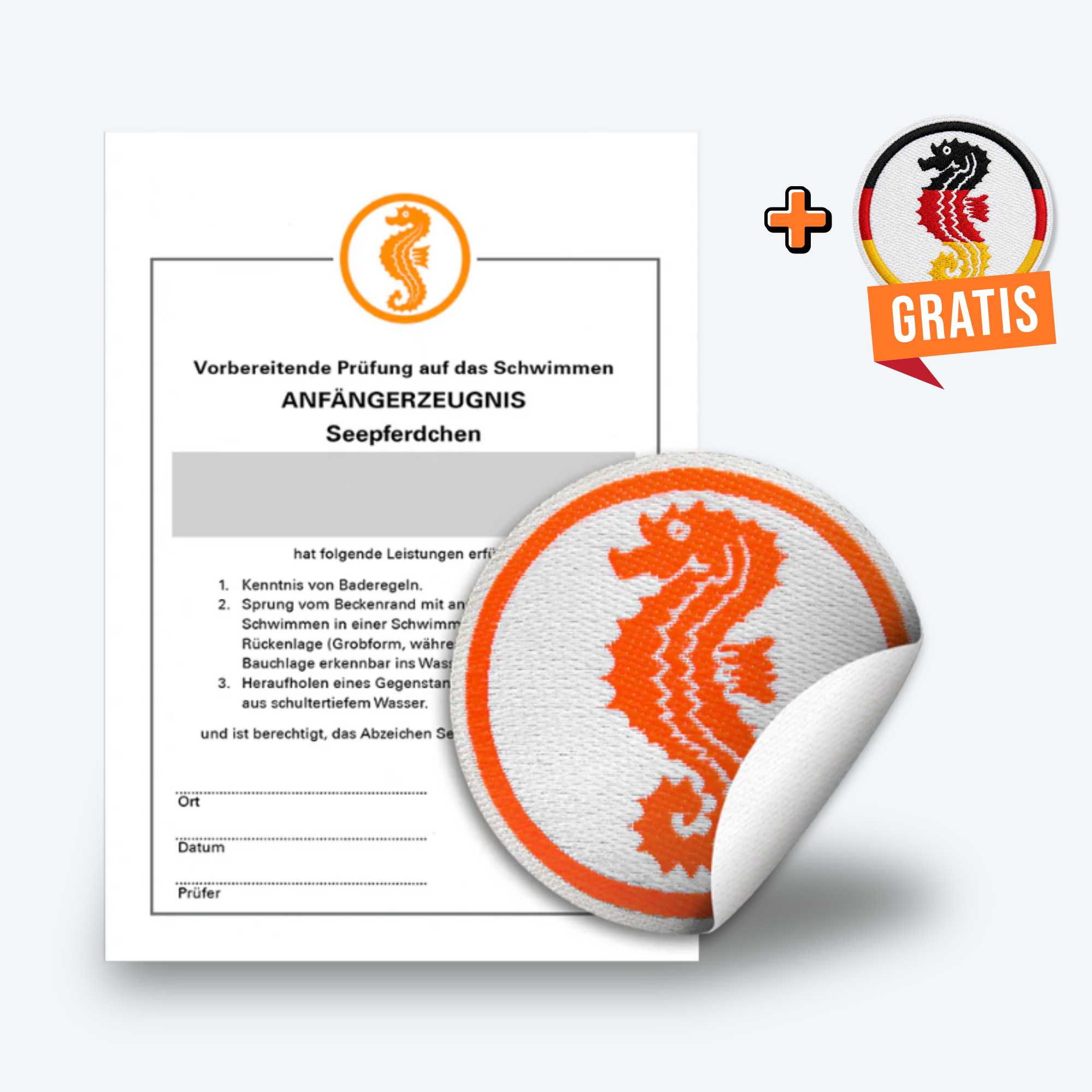
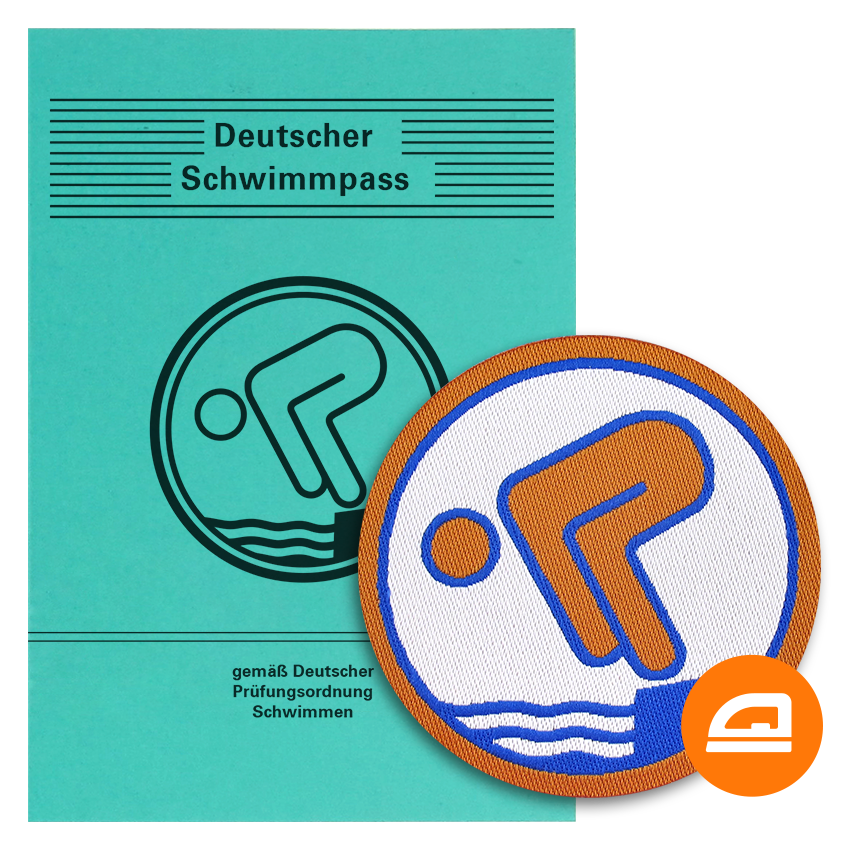
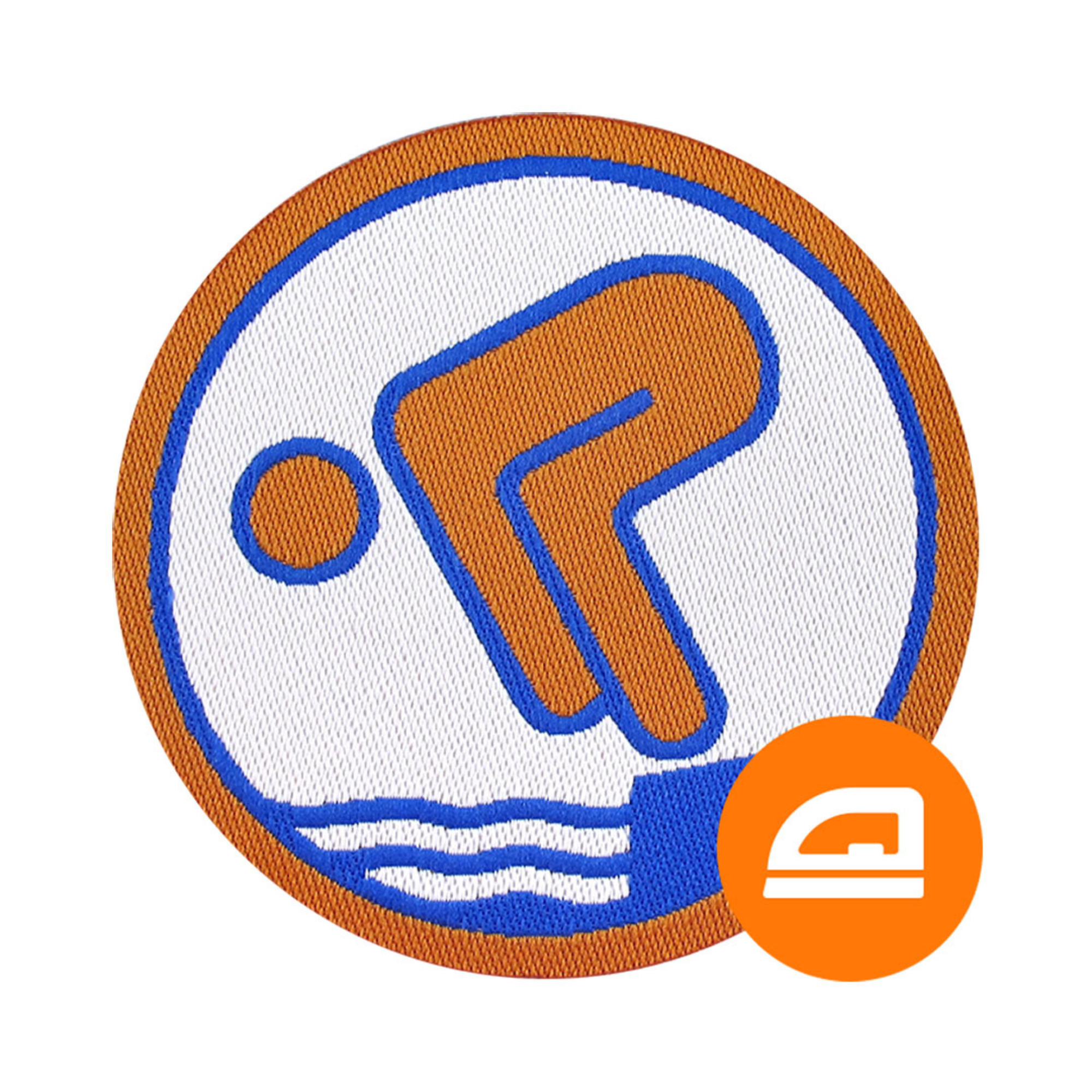
The primary school swimming badges provide a systematic overview of learning achievements. The Seepferdchen (Seahorse) as the first badge type certifies basic water safety. Bronze and Silver document increasing swimming skills with rising requirements such as swimming distance and technique complexity. Encourage your child to achieve these goals step by step.
When acquiring the badges, pay attention to official examinations by recognized associations such as the German Life Saving Association (DLRG). These guarantee standardized assessment criteria. Celebrate every success as an important milestone in your child's swimming learning process and continuously motivate them to keep practicing.
Teaching children to swim safely: Success with Pimpertz
Learning to swim safely is a challenge for many parents and swimming instructors. Your goal is to impart water safety and joy in swimming to children step by step. Water familiarization, basic swimming movements, and the consolidation of techniques play a crucial role. Motivation and learning success become visible and tangible through officially recognized swimming badges.
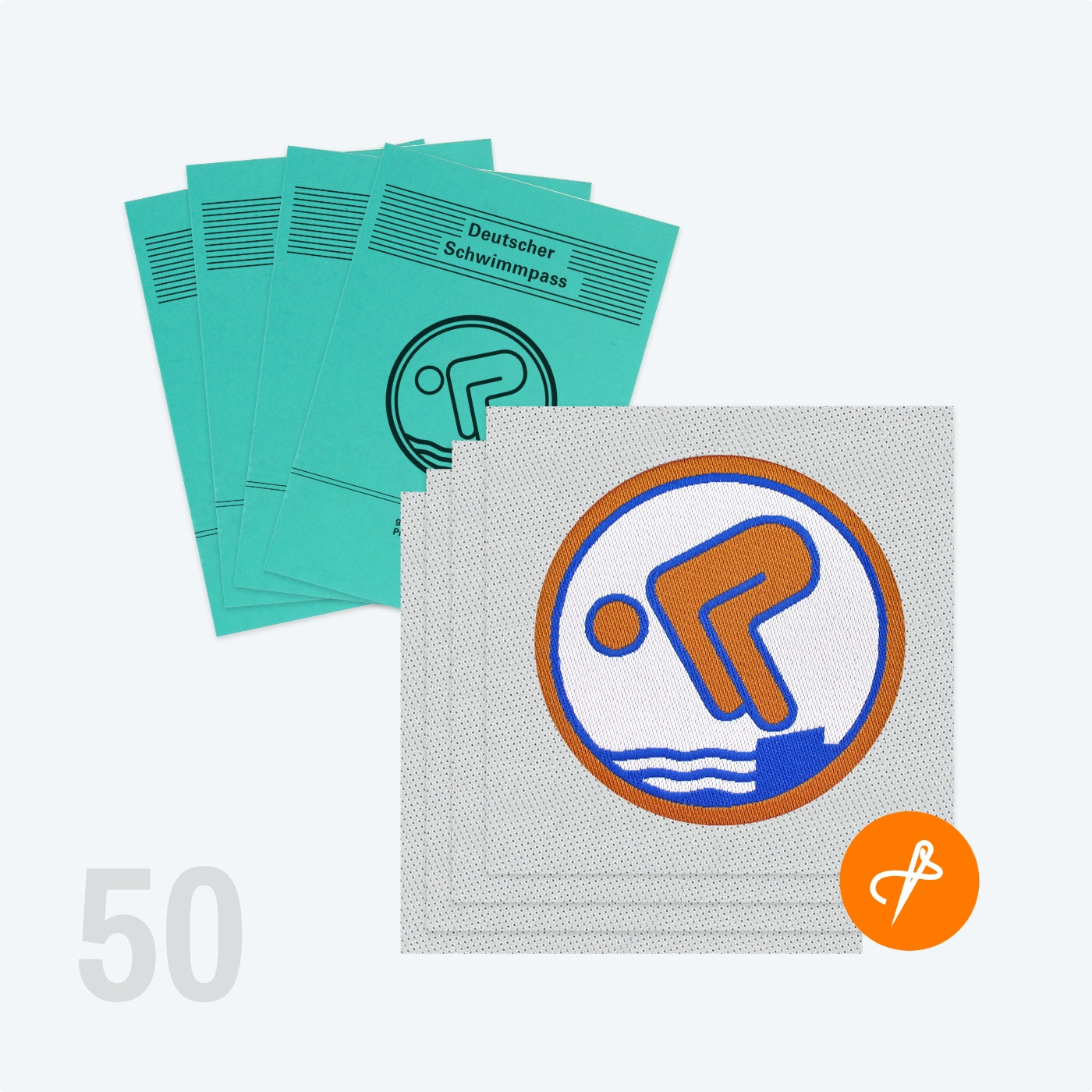
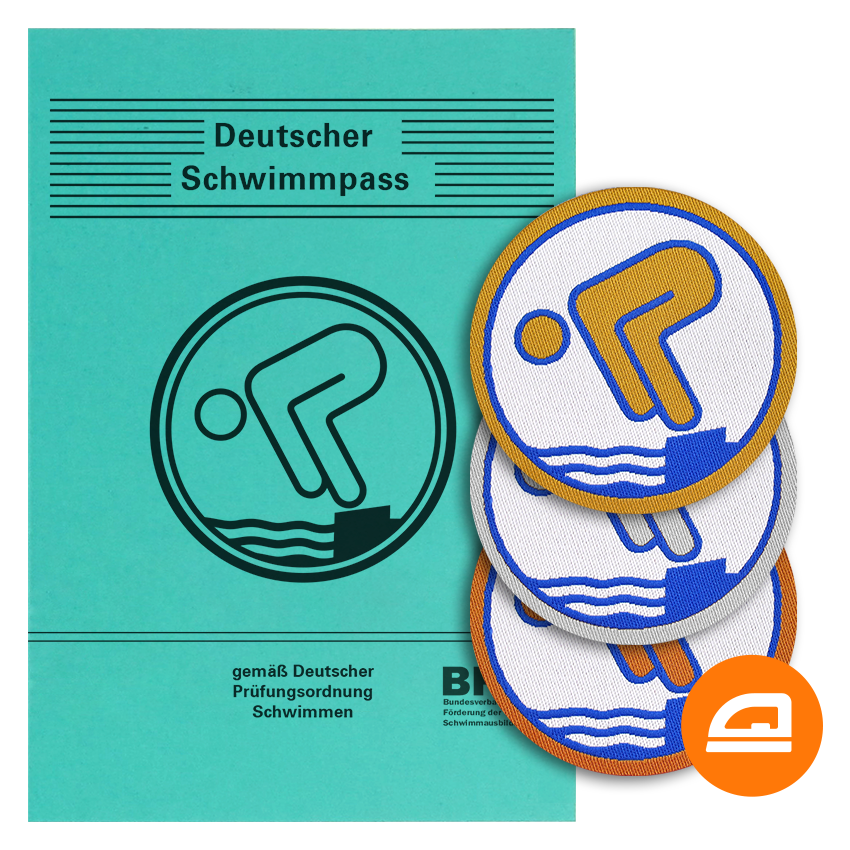
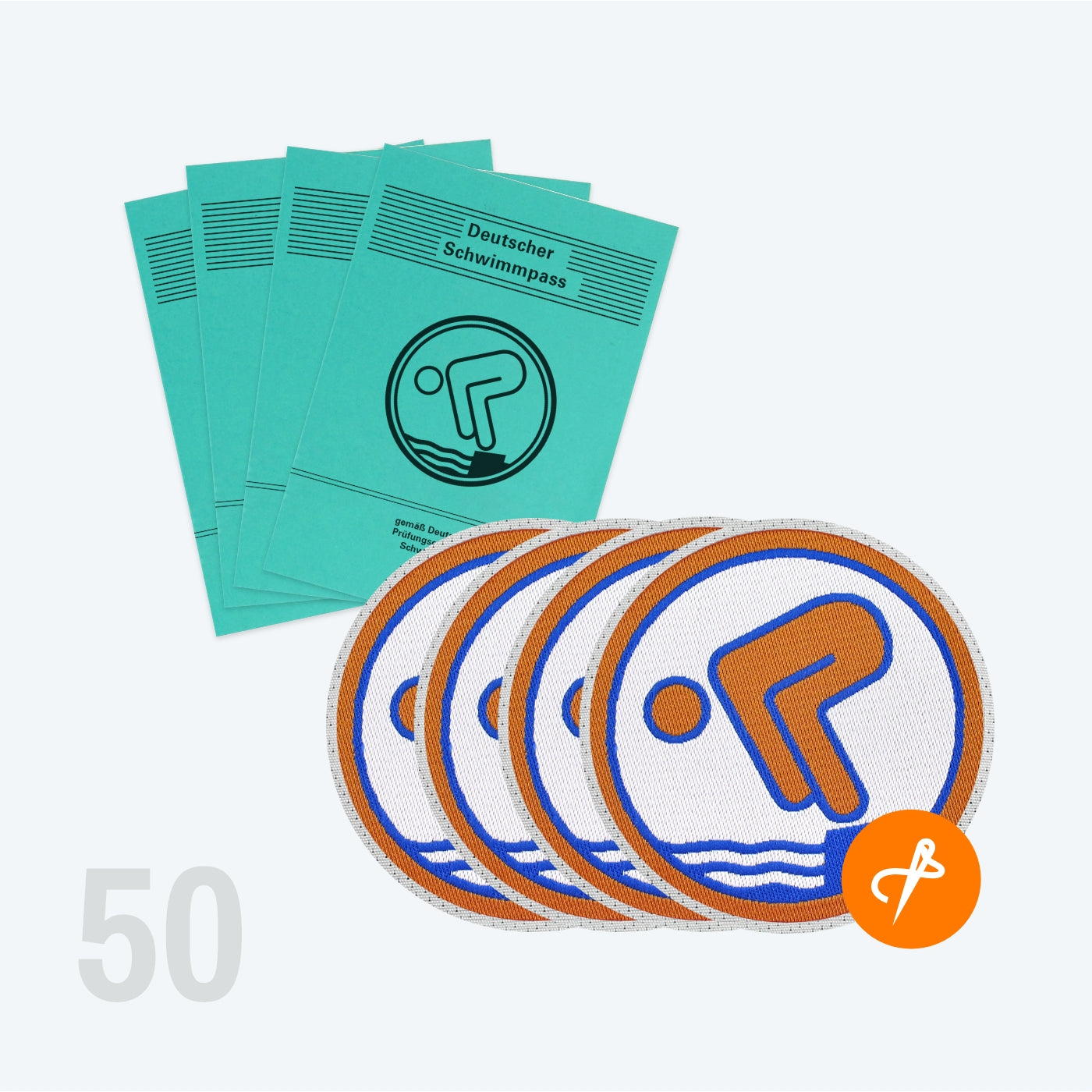
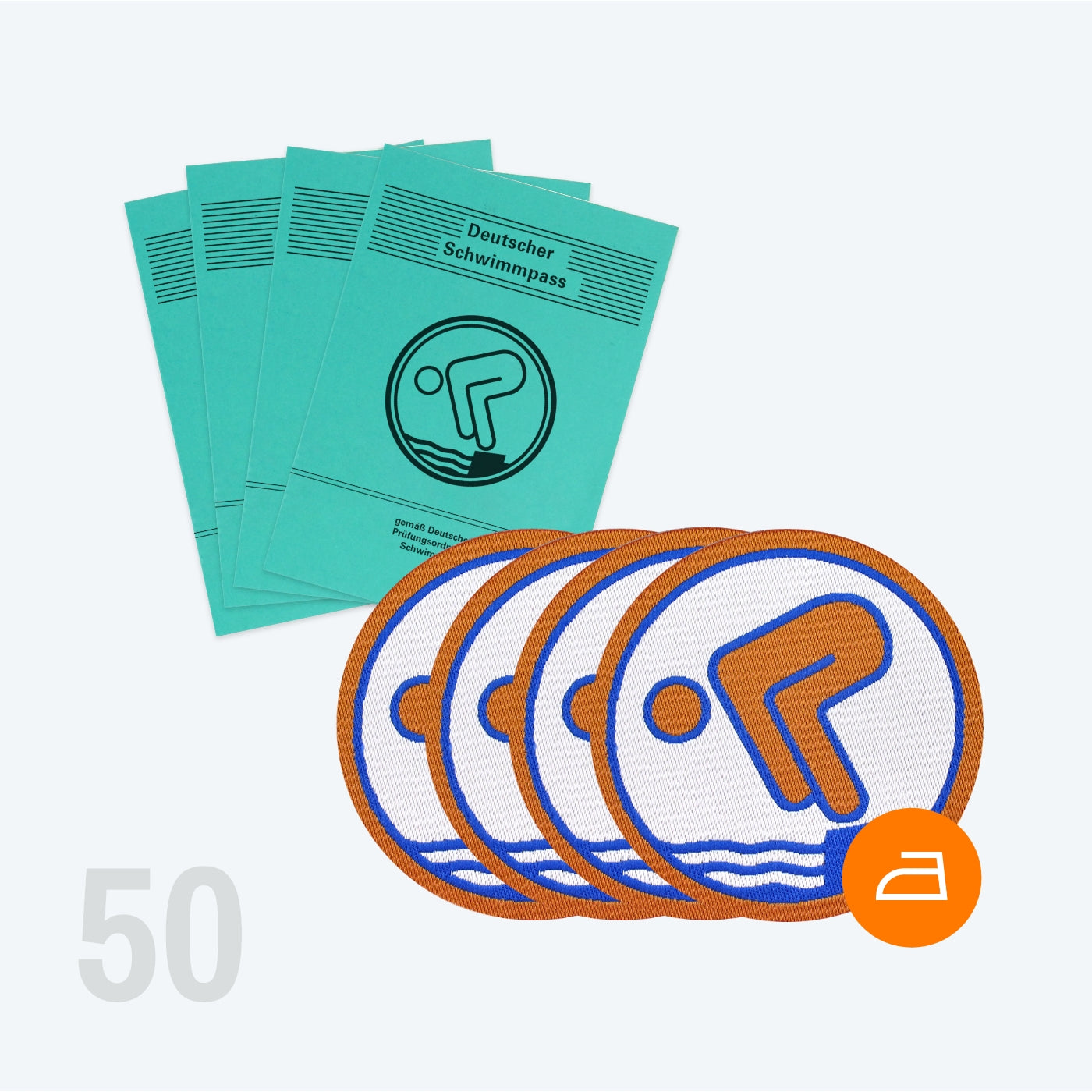
With the high-quality designed and certified swimming badges and certificates from Pimpertz, you not only give your child a visible sense of achievement but also sustainably foster their self-confidence in the water. Our lovingly designed collector's albums and practical cases offer the perfect complement to playful learning. Confidently supported by our long-standing partnership with the DLRG and the BFS, we guarantee the highest quality and fast delivery so you can start immediately.
Start the next step in your children's swimming learning process now. Benefit from our experience since 1987 and discover our diverse offers on pimpertz.de. Together, we create the best conditions for safe swimming and carefree hours in the water.
Frequently Asked Questions
How do I prepare my child for swimming?
To best prepare your child for swimming, you should first provide appropriate swimming equipment, such as a well-fitting swimsuit, swimming goggles, and non-slip bath shoes. Ensure the environment is safe and choose a location with shallow water.
How can I promote my child's water confidence?
Start with playful activities designed to reduce your child's natural fear of water. Let your child play in shallow water and use simple water games to build a positive connection with the element of water.
What basic swimming movements should my child learn?
Begin with simple movements such as the water walk or imitating animal movements. Also, show your child the basics of arm strokes and breathing techniques to improve coordination.
How can I consolidate my child's swimming techniques?
Promote swimming techniques through regular practice in short sessions and focus on simple techniques like front crawl. Use positive reinforcement and reward small progress to increase motivation.
How do swimming badges work and what are they good for?
Swimming badges document your child's progress in swimming and motivate continuous practice. Make sure that the badges are awarded through official examinations to objectively certify the acquired swimming skills.