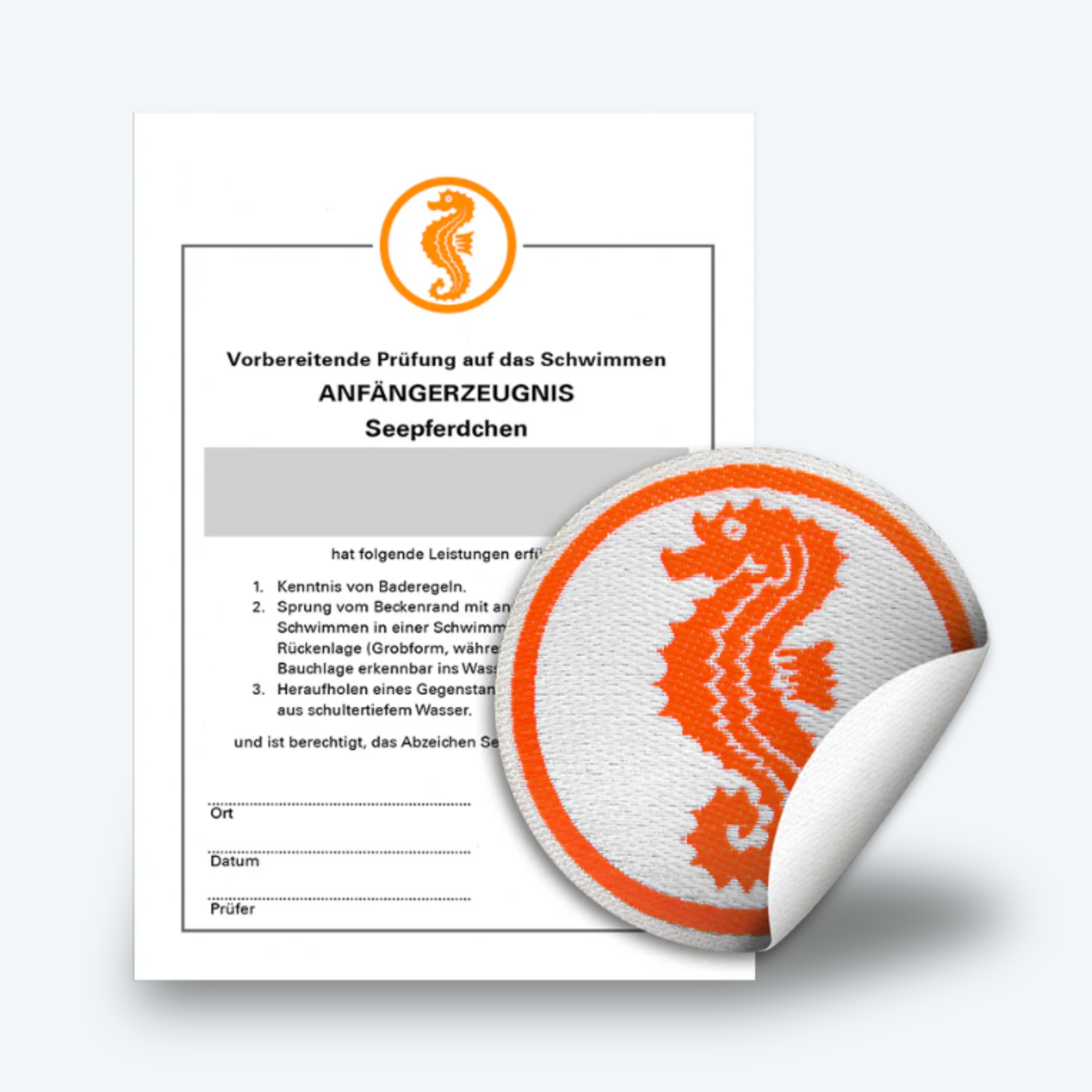
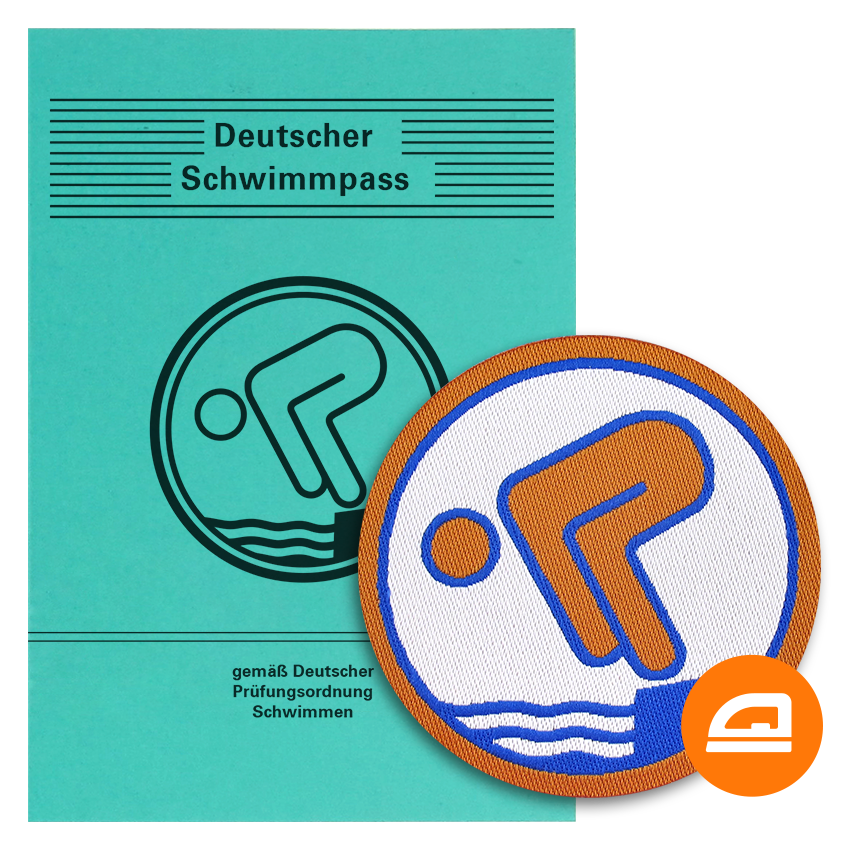

What You Need for the Seahorse Badge – All About the Swimming Certificate
More than 60 percent of children in Germany earn their Seahorse badge before the end of primary school. This small badge means much more than just entry into the swimming pool. It represents the first big step towards more water safety and self-confidence in the water. If you want to know why the Seahorse is not only a great goal but a crucial stage on the path to safe swimming, you'll find answers here, along with practical tips for preparation and motivation.
Table of Contents
- Seahorse Swimming Badge: Meaning and Goals
- Examination Requirements and Age Recommendations
- Detailed Procedure of the Seahorse Examination
- Practical Content and Swimming Techniques
- Common Mistakes and What to Avoid
- Recognition, Validity, and Next Swimming Goals
Key Takeaways
| Point | Details |
|---|---|
| Meaning of the Seahorse Badge | It represents the first step towards water safety and swimming education for children. |
| Examination Requirements | Children aged five and older should learn basic swimming skills and meet the examination requirements. |
| Development of Swimming Skills | After the Seahorse, children should continuously aim for further swimming badges and improve their technique. |
| Important Safety Aspects | The badge alone does not guarantee complete water safety; constant supervision in the water remains essential. |
Seahorse Swimming Badge: Meaning and Goals
The Seahorse badge is a significant milestone for children on their journey to safe swimming. It is more than just a colorful badge – it represents the first important step in water safety and swimming education. According to the German Life Saving Association (DLRG), the badge teaches children basic swimming skills and prepares them for safe swimming.
The main goals of the Seahorse badge are diverse. It's not just about teaching children to swim, but also about increasing their familiarity with water and their safety. As the Barmer health insurance company emphasizes, the badge motivates children by offering them a tangible goal and recognizing their progress. This strengthens not only their physical abilities but also their self-confidence.
The central aspects of the Seahorse badge include:
- Water familiarization: Children learn to move safely and relaxed in the water
- Basic swimming techniques: Learning the first swimming movements
- Safety aspects: Teaching basic rules of conduct in and around water
- Motivation: Recognition and reward for achieved swimming progress
For parents and swimming instructors, the Seahorse badge is an important step to introduce children to swimming early and develop their water competence. It forms the basis for all further swimming badges and significantly contributes to children's water safety.
Examination Requirements and Age Recommendations
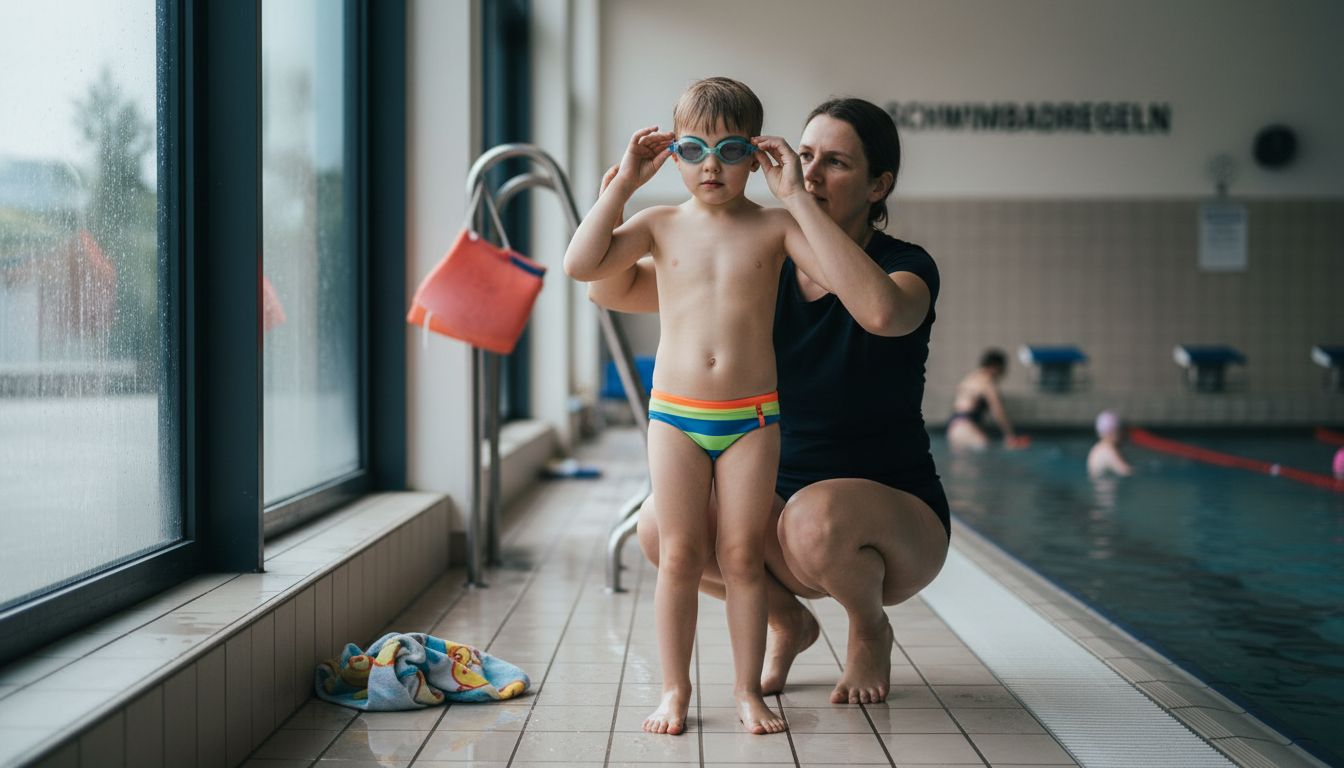
According to AOK recommendations, the Seahorse badge is designed for children aged five and older. This is the ideal time to learn basic swimming skills and understand initial safety aspects in the water.
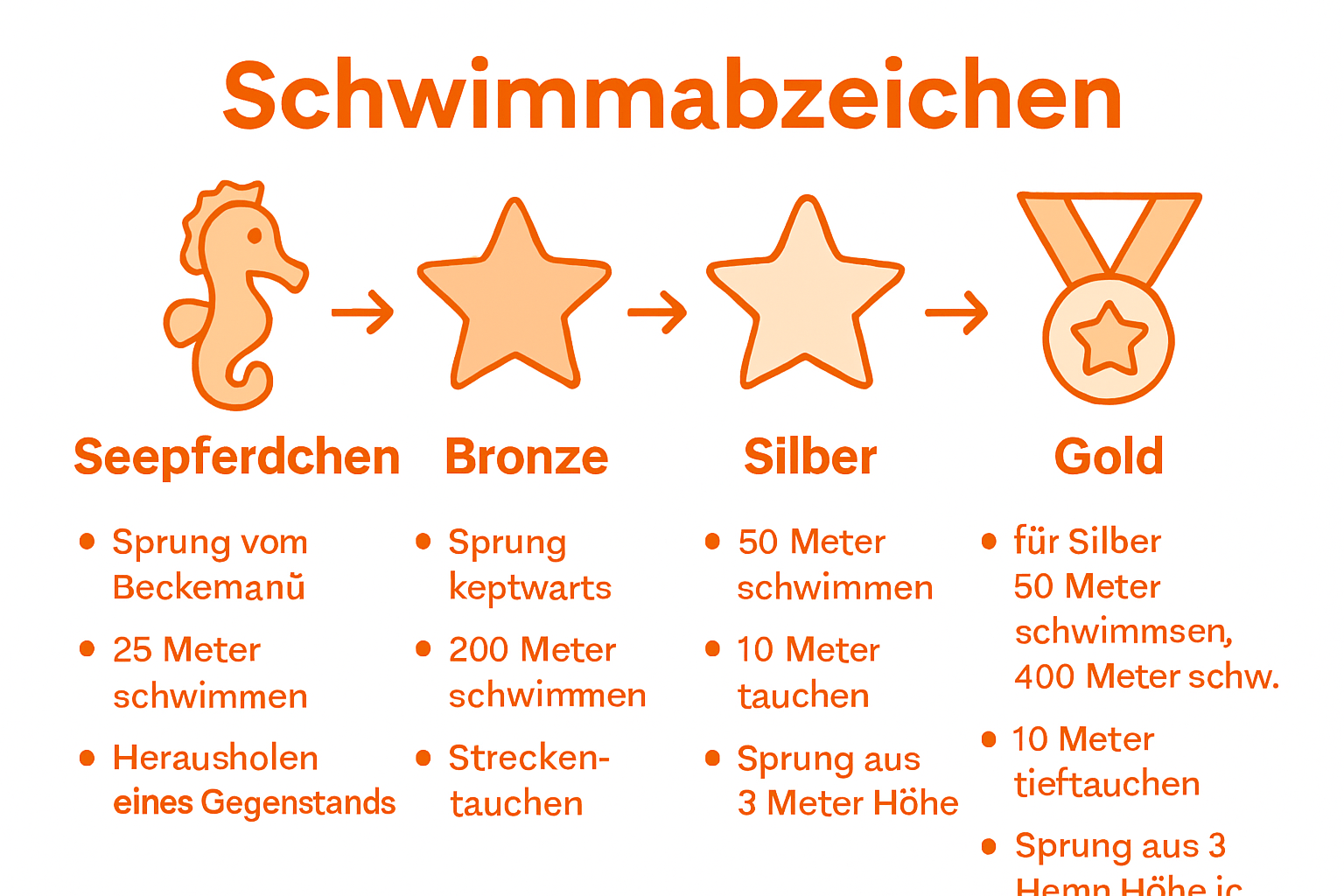
The examination requirements for the Seahorse are clearly defined and include several practical tasks. Children must:
- Jump safely into the water from the edge of the pool
- Swim a distance of 25 meters
- Retrieve an object from shoulder-deep water
In addition to physical requirements, mental aspects also play an important role. Children should develop joy and confidence in the water without fear. Swimming instructors and parents should guide the process gently and motivatingly, so that children enjoy swimming and the examination.
The age recommendation of five years is a guideline, not a strict limit. Every child develops individually, and swimming abilities can vary depending on their developmental stage. Crucial factors are the child's interest, their physical development, and their willingness to learn new movements.
Detailed Procedure of the Seahorse Examination
According to the guidelines of the German Life Saving Association (DLRG), the Seahorse examination follows a structured and precise plan. The examination consists of three essential elements that test a child's basic swimming skills and water safety.
The examination procedure includes the following stations:
- Jump from the edge of the pool: The child must jump into the water independently and safely
- 25-meter swim: The distance can be covered in a prone or supine position
- Diving task: An object must be retrieved from shoulder-deep water
The practical examination is supervised by a qualified swimming instructor or examiner who closely observes and evaluates the child's performance. Not only the technical execution is important, but also the child's safety and confidence in the water. As the Barmer health insurance company emphasizes, the examination is about demonstrating basic swimming skills and not perfect swimming techniques.
After successfully passing the examination, children receive the coveted Seahorse badge. This is more than just a badge - it symbolizes the first important step towards water competence and gives children self-confidence in their abilities. Parents and swimming instructors should make the process positive and encouraging to promote the joy of swimming.
Practical Content and Swimming Techniques
According to the guidelines of the German Life Saving Association (DLRG), the practical content of the Seahorse badge focuses on two basic swimming techniques: swimming in the prone and supine positions. These techniques form the basis for the further development of children's swimming skills.
The most important practical swimming techniques include:
- Front crawl swimming: Basic arm stroke and leg kick techniques
- Backstroke swimming: Relaxed and controlled movement in the water
- Diving tasks: Retrieving an object from shoulder-deep water
As the Barmer health insurance company emphasizes, these techniques are not about perfect execution, but about learning basic skills and water safety. Children should learn to move safely and relaxed in the water, to breathe, and to perform basic swimming movements.
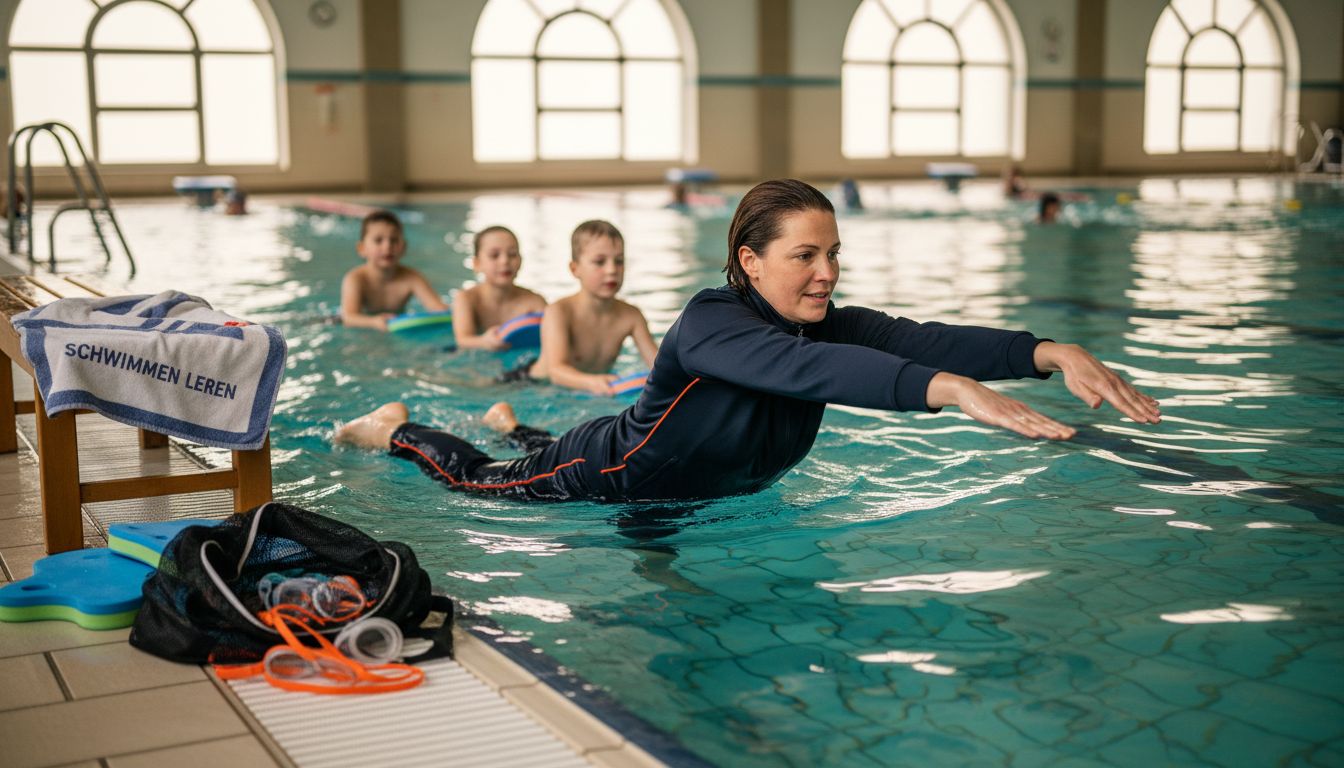
The focus is on developing confidence and enjoyment of swimming. Playful exercises such as gliding, floating, and small swimming distances help children discover their natural joy in movement and water and playfully develop their motor skills.
Common Mistakes and What to Avoid
As parents need to understand, the Seahorse badge alone is not enough to guarantee a child's complete water safety. It is an important first step, but not a guarantee of absolute safety.
Common mistakes that parents and swimming instructors should avoid include:
- Overestimating swimming abilities: The Seahorse does not mean that a child is already a safe swimmer
- Lack of supervision: Even with a Seahorse badge, children require constant supervision in the water
- Insufficient further training: After the Seahorse, children should attend further swimming courses
- False sense of security: The badge is not a license for risky behavior
Continuous development of swimming skills is important. Parents should encourage their children to acquire further swimming badges and to swim regularly. The learning process extends far beyond the Seahorse.
The most important rule remains: never leave children unsupervised in the water, regardless of which swimming badges they already possess. Learning to swim is an ongoing process of safety, technique, and enjoyment.
Recognition, Validity, and Next Swimming Goals
According to the guidelines of the German Life Saving Association (DLRG), the Seahorse badge is a motivational badge and not comprehensive proof of water safety. It marks the first important step in a child's swimming development and forms the basis for further swimming badges.
The next recommended swimming goals after the Seahorse are:
- German Swimming Badge Bronze: The official next goal
- Deepening of basic techniques: Improving front crawl and backstroke
- Endurance training: Mastering longer swimming distances
- Safety training: Learning further rescue techniques
As the Barmer health insurance company emphasizes, children should continuously work on their swimming skills after the Seahorse. This means regular training, further courses, and striving for advanced swimming badges.
The Seahorse is therefore not the goal, but the beginning of an exciting swimming journey. Parents and swimming instructors should encourage children to continuously improve their skills and develop a love for swimming.
Start Your Swimming Adventure Safely with the Seahorse Badge
The Seahorse badge is the first important milestone for children to develop confidence and joy in the water. When your child dares to jump into the water and swims the first 25 meters, they need more than just willpower. They need motivating swimming badges and lovingly designed certificates that make progress visible and encourage them to continue. This is where Pimpertz comes in, your experienced partner for high-quality swimming badges for over 38 years.
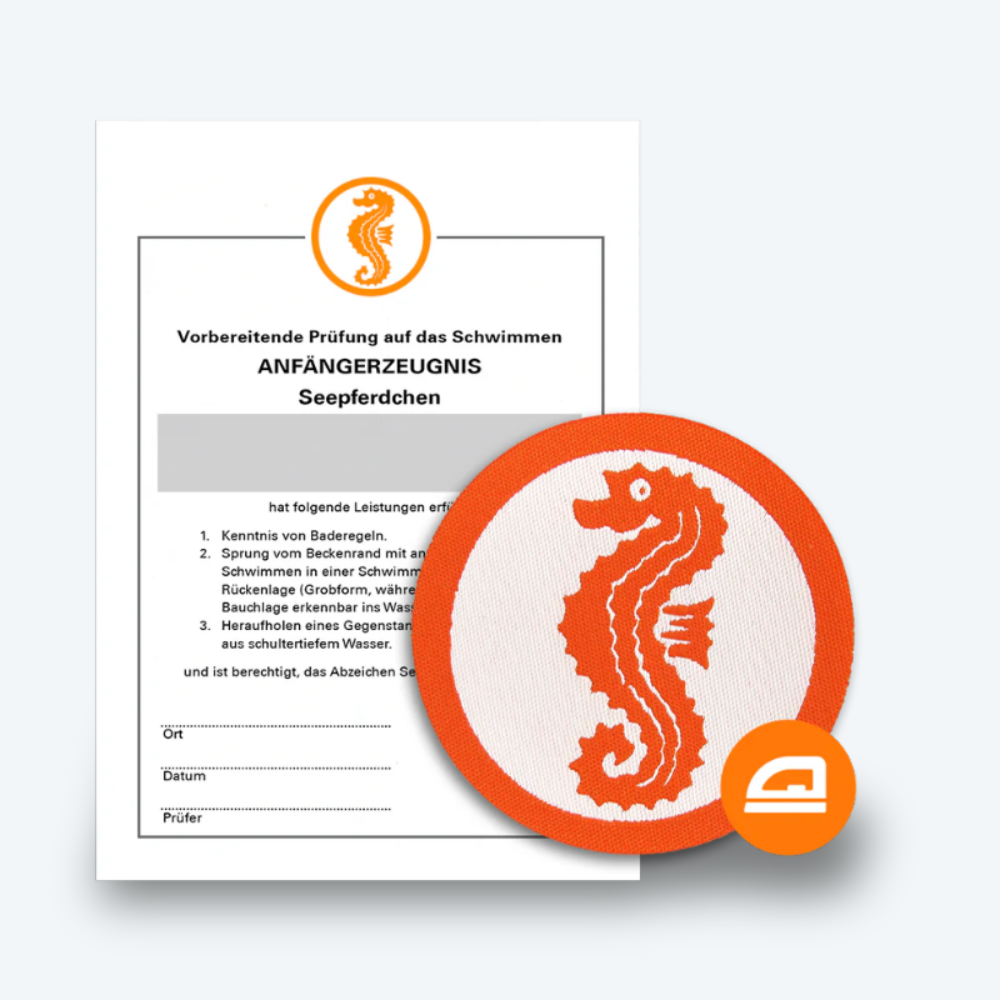
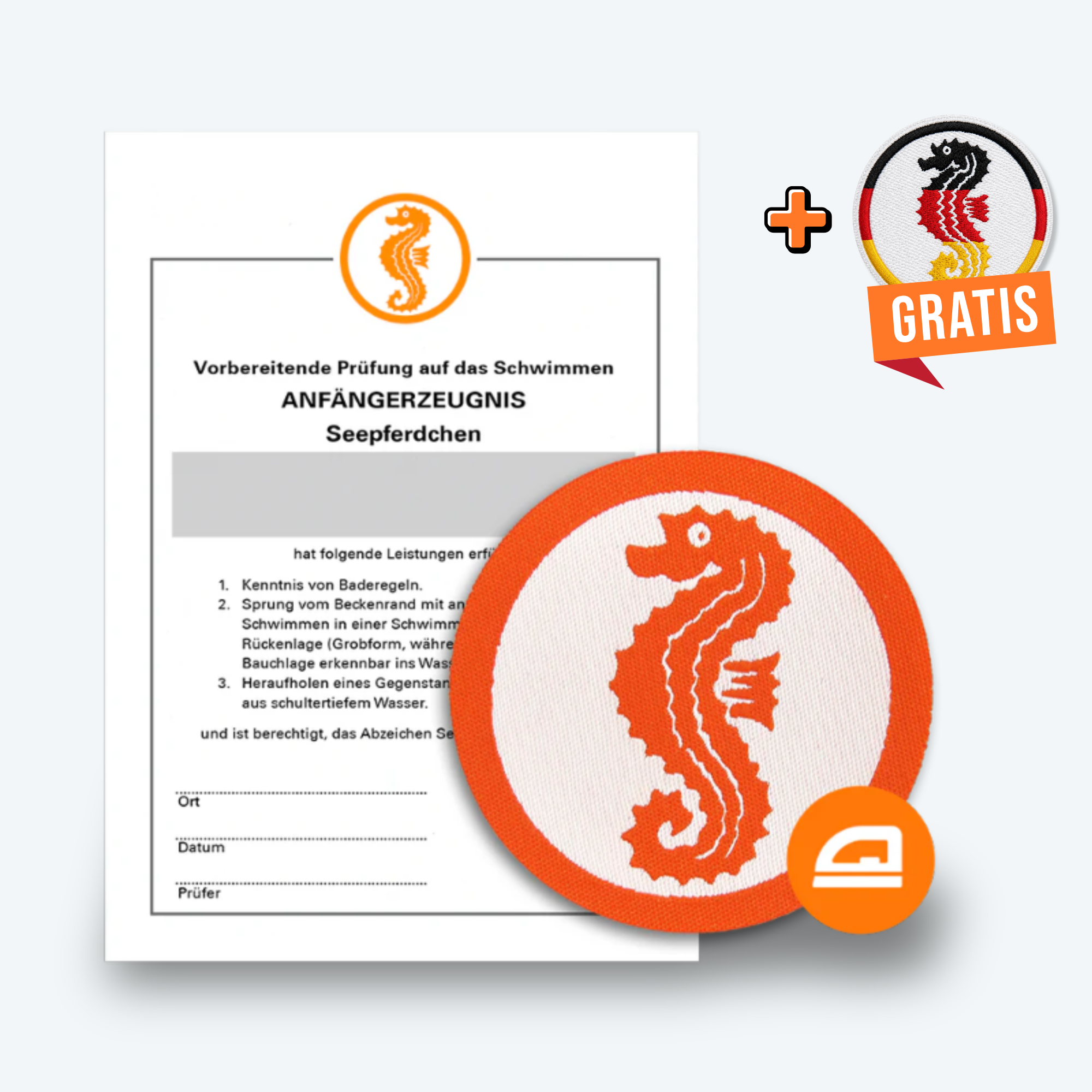
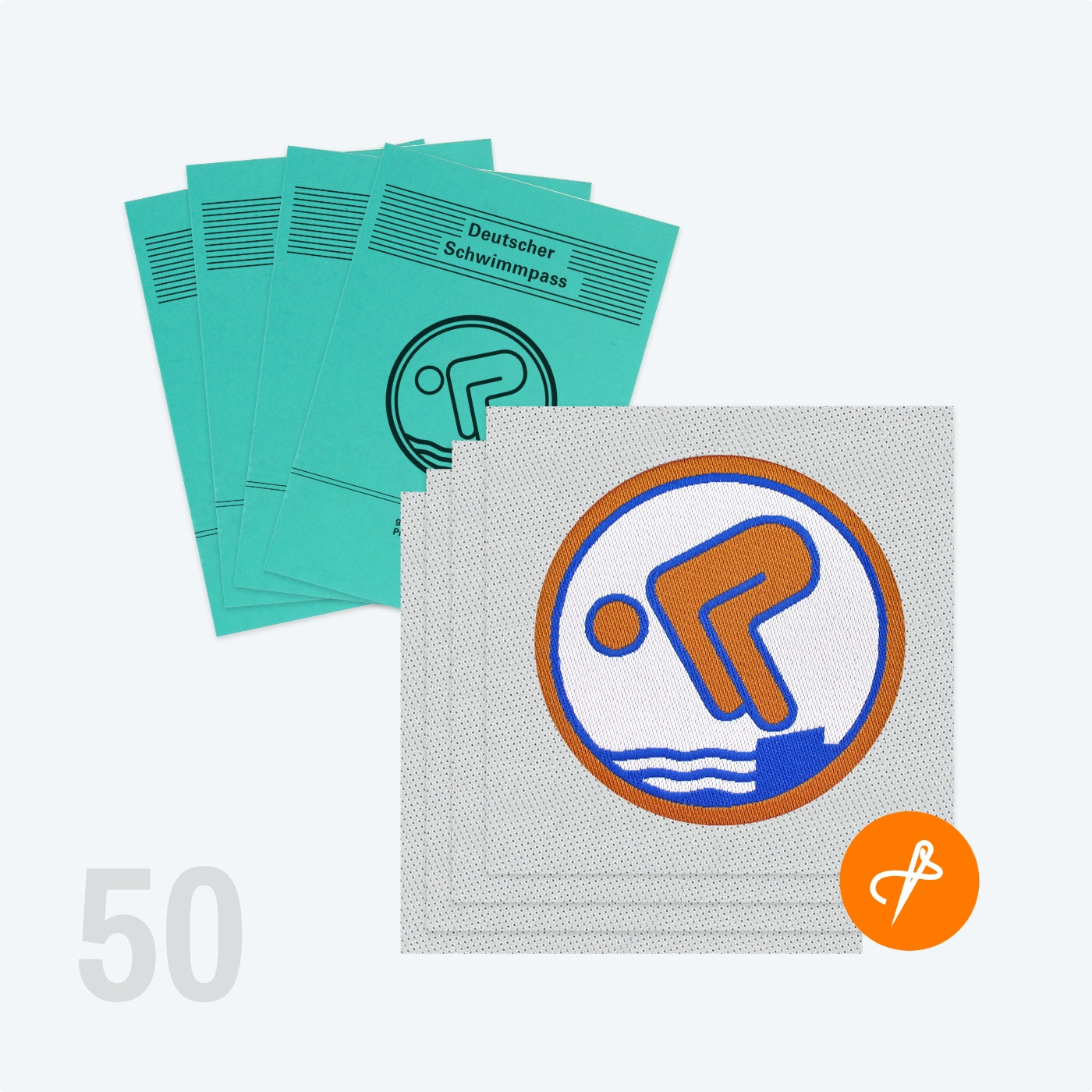
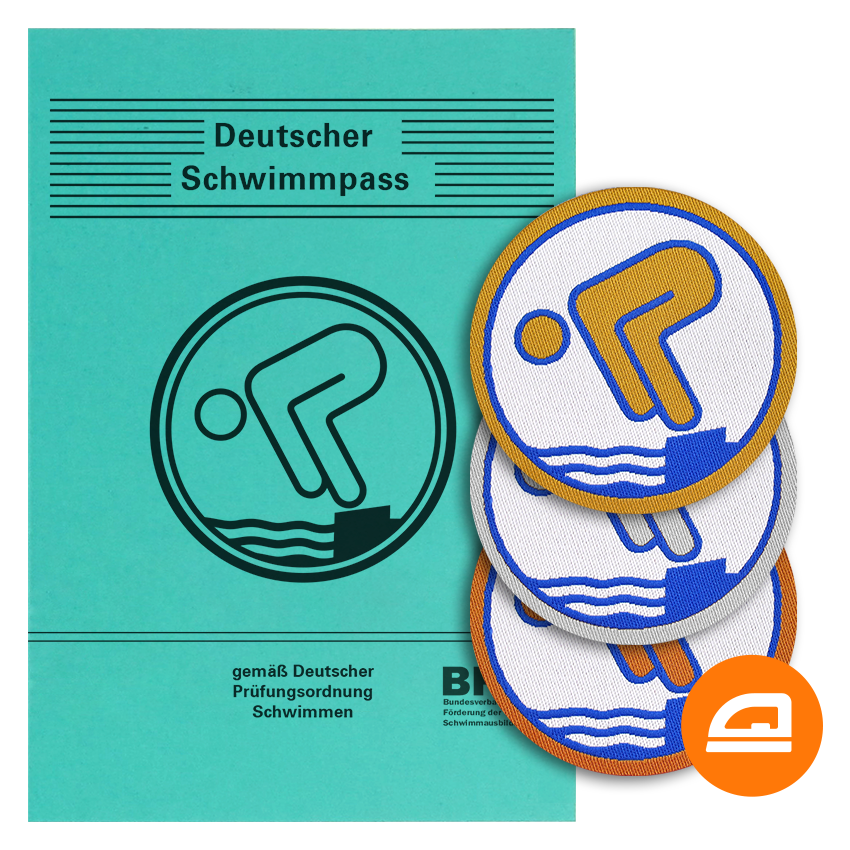
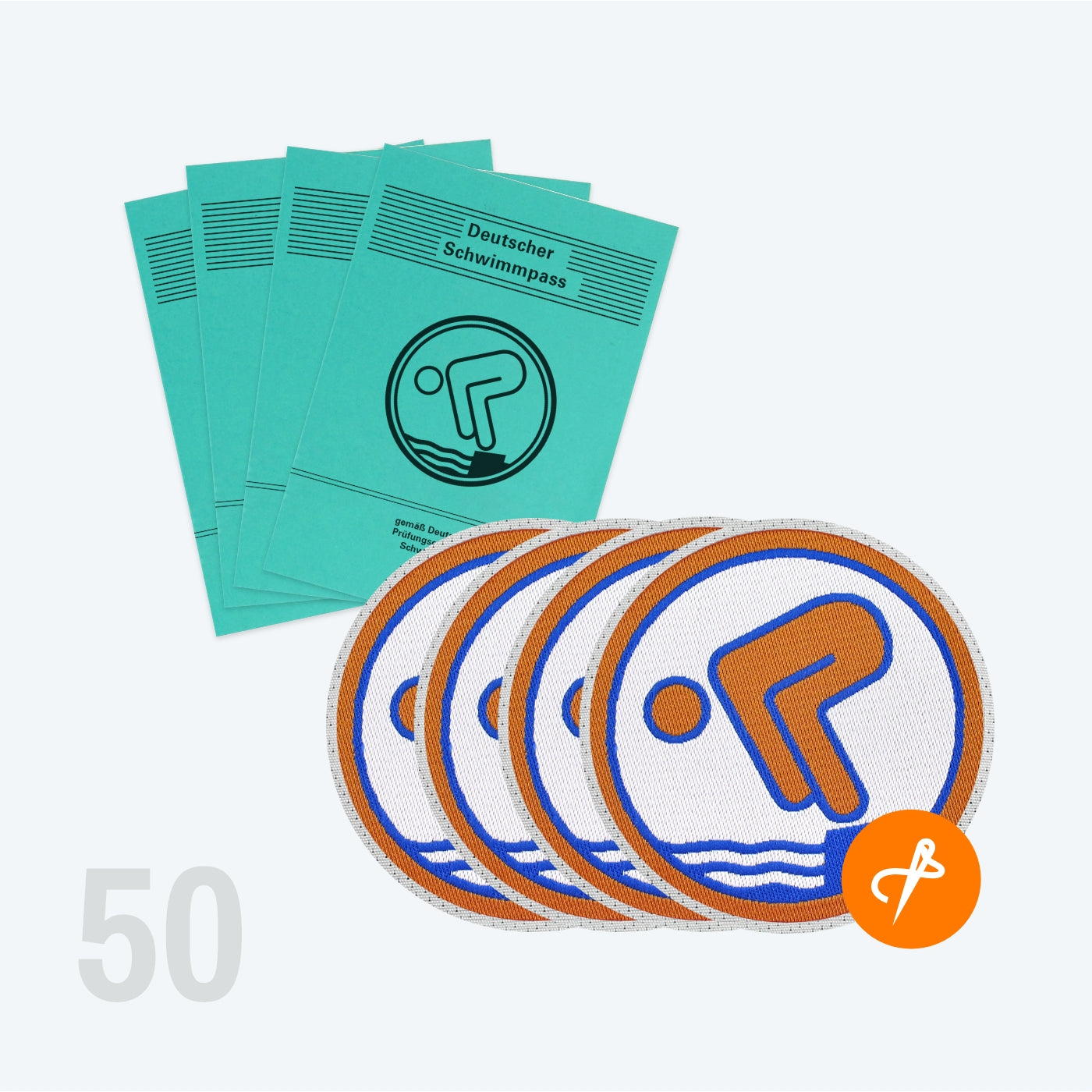
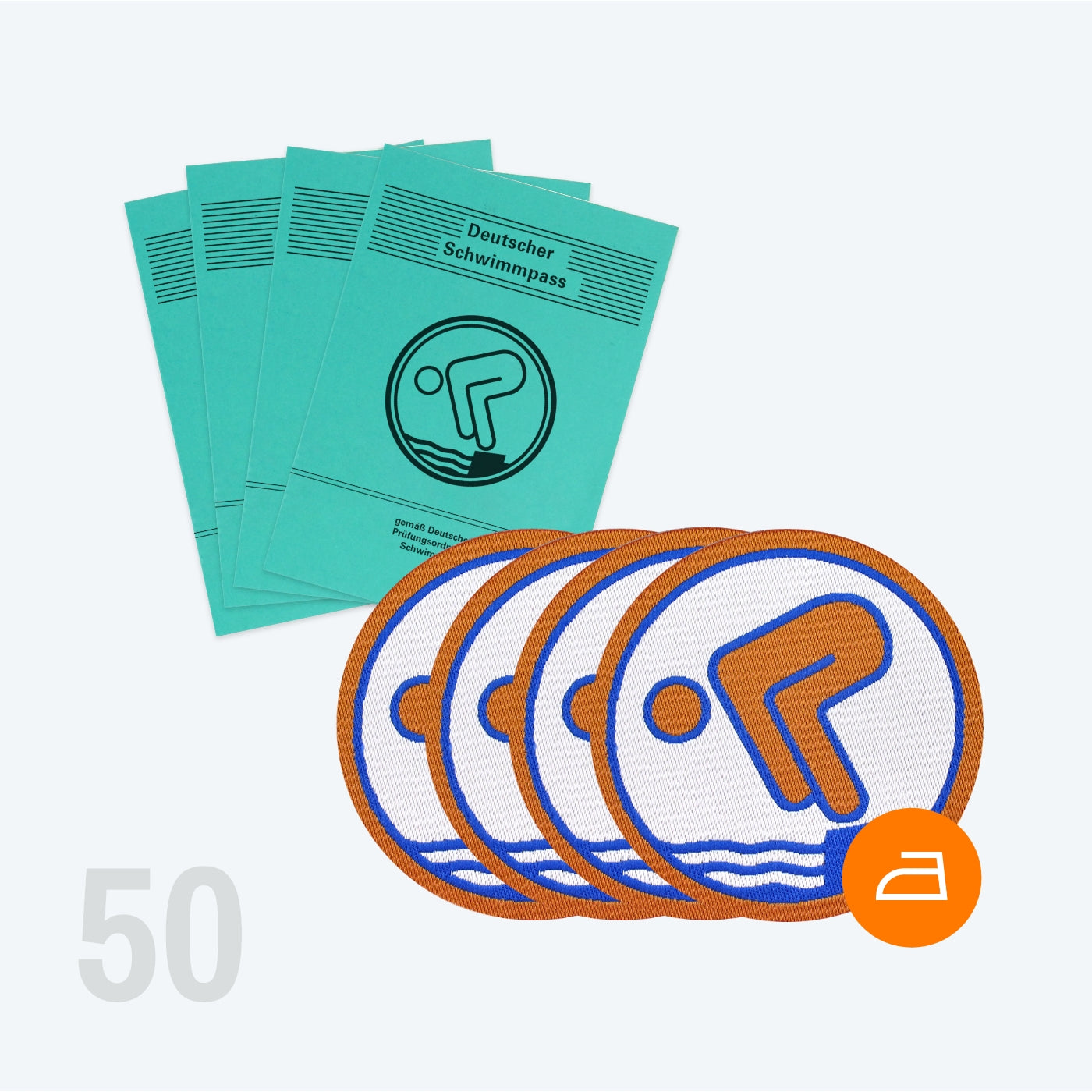
Discover a wide selection of child-friendly motifs at Pimpertz, such as our popular Starfish Stella swimming badges & certificates, which perfectly match the goals and challenges of the Seahorse. Our official certificates meet all DLRG requirements and motivate with quality and thoughtful design at the same time. With our fast shipping and personal advice, we support you at every step of swimming education.
Take the next step and give your child proud moments at the swimming pool. Visit pimpertz.de now and get the right swimming badges for the Seahorse and beyond. Promote water safety and fun together with Pimpertz and start your child's swimming career full of joy and success.
Frequently Asked Questions
What is the Seahorse swimming badge?
The Seahorse badge is a first swimming badge for children that teaches basic swimming skills and water familiarity. It marks an important step towards water safety.
From what age can children earn the Seahorse badge?
The Seahorse badge is recommended for children aged five and older. The age is a guideline, as children's development varies individually.
What are the examination requirements for the Seahorse?
For the Seahorse badge, children must jump into the water from the edge of the pool, swim 25 meters, and retrieve an object from shoulder-deep water.
What swimming techniques are taught with the Seahorse?
The practical content of the Seahorse badge includes swimming in prone and supine positions, as well as learning diving tasks for water safety.