


More than 60 percent of all parents in Central Europe want more safety for their children in the water. Water fun and protection are not contradictory, because a well-chosen swimming course can provide both. Here you will learn how to find the perfect course for your toddler step by step and lay the foundation for joy and safety in the water.
Table of Contents
- Step 1: Choose the right swimming course
- Step 2: Prepare your child optimally for the course
- Step 3: Make the first lesson an exciting experience
- Step 4: Support learning progress playfully
- Step 5: Check swimming skills and encourage for badges
Brief Summary
| Key Point | Explanation |
|---|---|
| 1. Check trainer qualifications | Look for courses with certified trainers who have experience working with toddlers. |
| 2. Attend a trial lesson before registering | Observe the training session to check the atmosphere and how the trainers interact with the children. |
| 3. Playful water acclimatization at home | Encourage your child to have their first water experiences with positive activities to reduce fear. |
| 4. Make the first lesson an adventure | Create a relaxed atmosphere and experience the first hour positively together. |
| 5. Document progress regularly | Keep a swimming diary to record successes and encourage your child's motivation. |
Step 1: Choose the right swimming course
When choosing a swimming course for your toddler, there are a few important aspects to consider. The right course should not only be safe but also fun and take into account your child's individual needs.
First, pay attention to the qualifications of the trainers. Look for courses with specially trained children's swimming instructors who have experience in water acclimatization for toddlers. A child-friendly atmosphere is crucial: the water temperature should be warm and pleasant, and the group size should be small so that your child receives individual attention.
The course content should be playful and oriented towards the children's developmental stages. Start with water acclimatization courses where the child can first develop confidence and joy in the water. Make sure that the swimming course emphasizes the joy of swimming rather than just teaching technique.
Pro tip: Before registering, attend a trial lesson and observe how the trainers interact with the children and whether your child feels comfortable in the group.
Here you will find a compact comparison of essential criteria for choosing a children's swimming course:
| Criterion | Impact on learning success | Typical ideal value |
|---|---|---|
| Trainer qualification | Safety, trust | Certified, experience with toddlers |
| Group size | Individual supervision | Maximum 6 children per group |
| Water temperature | Well-being and health | Approx. 30°C, consistently warm |
| Course content | Motivation and developmental promotion | Playful, age-appropriate |
Step 2: Prepare your child optimally for the course
Preparation for the swimming course is crucial for a successful and positive start. A child-friendly and trusting approach can alleviate fear of water and increase anticipation.
Playful water acclimatization at home is the key to relaxation. Encourage your child to gain initial water experience by doing simple activities together, such as blowing bubbles, splashing, and tentative diving attempts. Speak positively about swimming and avoid statements that could cause fear. Psychological preparation is just as important as practical preparation, so that your child can approach the swimming course without stress and with joy.
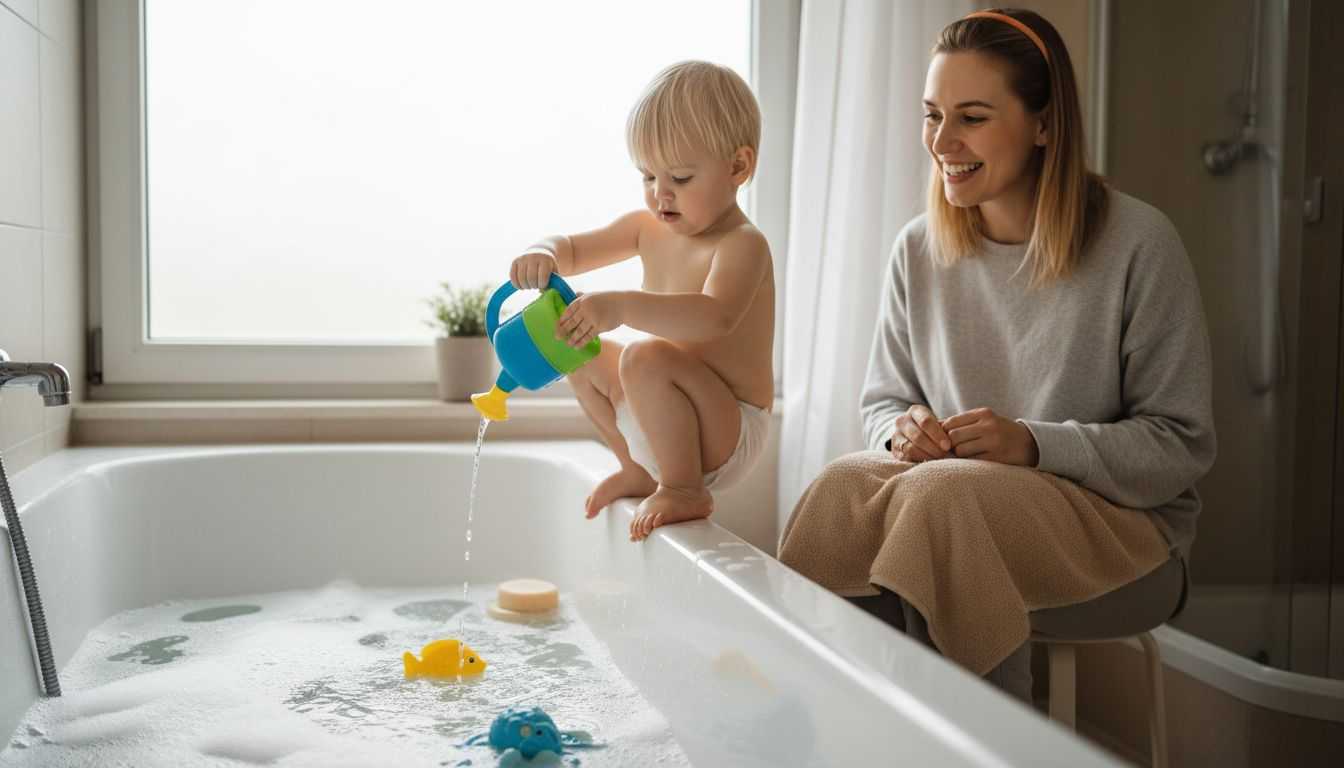
Build trust by showing your child that they are safe and will have fun. Tell them about your own positive swimming experiences or show videos of happy children in the swimming pool. The right mental attitude can make the difference between joy and discomfort.
Pro tip: Do a photoshoot with swimming equipment like goggles or a swimsuit to increase anticipation and create positive associations.
Step 3: Make the first lesson an exciting experience
The first swimming course is an exciting moment for your child. A carefully designed first lesson can lay the foundation for a positive swimming experience and build trust.
A playful and relaxed atmosphere is important. The swimming instructor should welcome the children with warmth and patience. Child-friendly swimming courses for toddlers usually begin with trust exercises in shallow water. Let your child first explore the surroundings and feel comfortable.
Support the positive mood by telling your child beforehand about the excitement and fun they will have. Avoid statements that could cause fear. An encouraging look and a cheering smile can work wonders. The goal is for your child to experience the first hour as an exciting adventure, not a challenge.
Pro tip: Pack the swimming gear together with your child and let them choose a special towel or toy to increase anticipation.
Step 4: Support learning progress playfully
Children learn best when movement and fun are combined. The key to successful swimming learning lies in motivating and playful support.
Water games can be crucial for learning progress. Encourage your swimming instructor to incorporate games like underwater treasure hunts or rocket countdowns that simultaneously train important swimming techniques. These activities not only promote motor skills but also increase self-confidence and joy in the water.
Observe your child's progress carefully and provide positive feedback. Focus on small successes such as the first independent glide or brave diving attempts. Avoid criticism and create an encouraging atmosphere where your child enjoys learning.
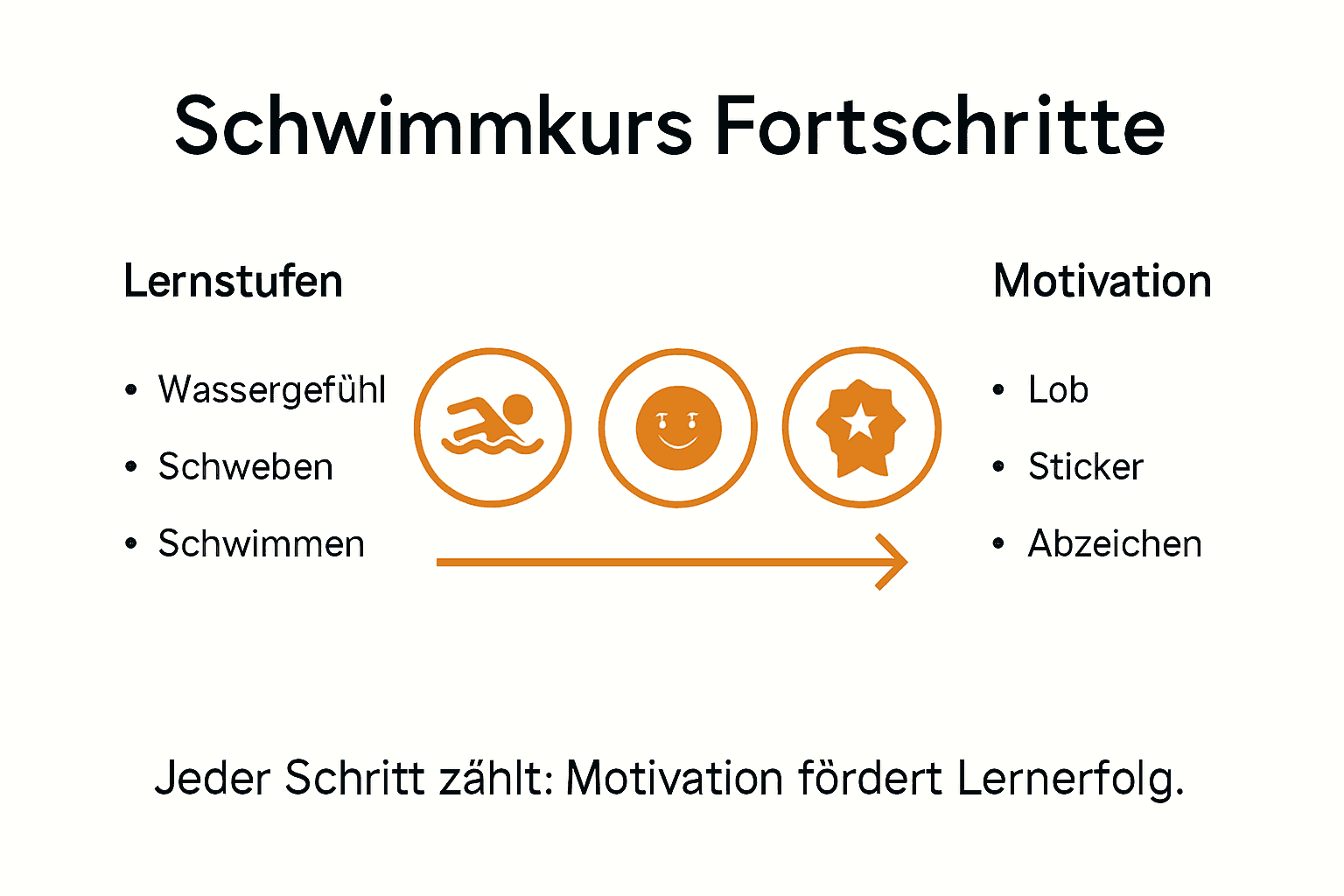
Pro tip: Keep a swimming diary where you collectively document progress and collect colored stickers as motivation.
Step 5: Check swimming skills and encourage for badges
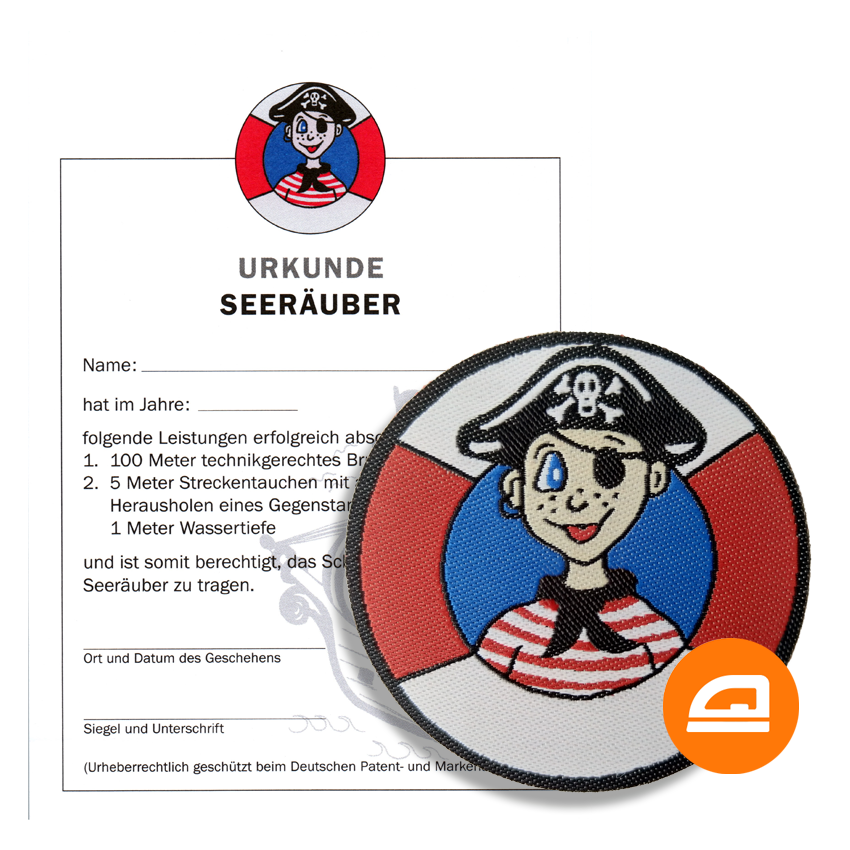
Swimming badges are more than just awards. They mark important milestones in your child's development and motivate them to continue learning. A systematic review of swimming skills helps to recognize and celebrate progress.
Structured swimming tests help measure learning progress and provide guidance for your child. Make sure the tests are age-appropriate and playful. Focus not only on technical skills, but also on water safety, endurance, and enjoyment of swimming.
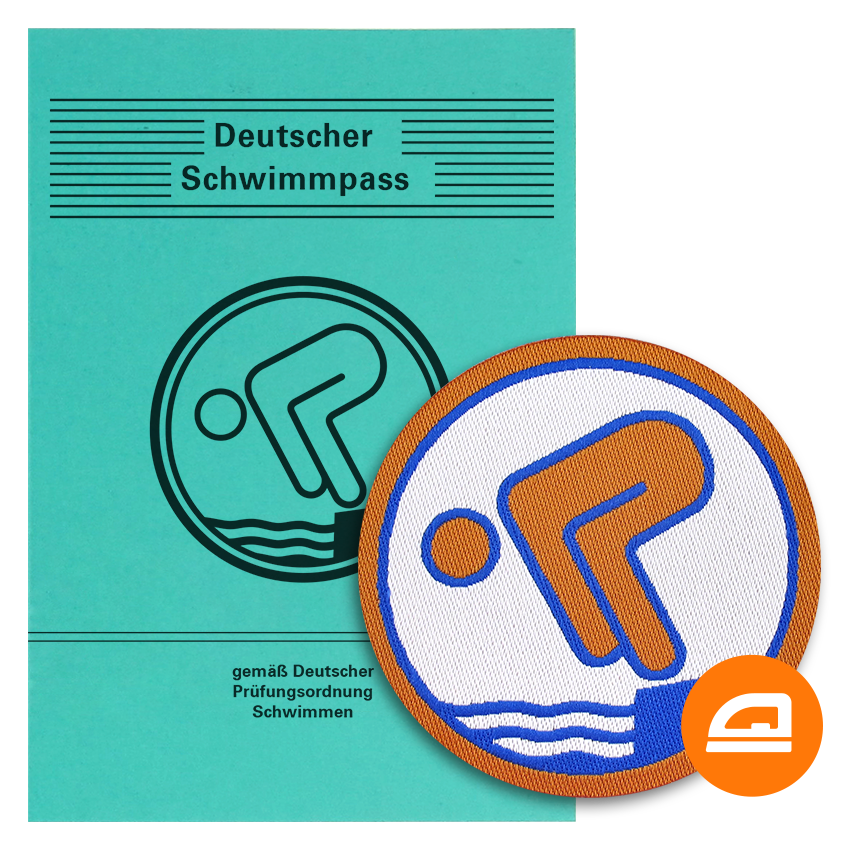
With every progress made, it is important to be positive. The various swimming badges such as the Seepferdchen (seahorse) or Bronze can serve as motivating goals. Discuss the requirements in a child-friendly manner and make preparation a joint adventure.
This brief overview shows well-known swimming badges, their meaning, and age-appropriate goals:
| Badge | Basic Requirements | Educational Benefit |
|---|---|---|
| Seepferdchen (Seahorse) | 25m swimming, jump, diving | First level of success, promotes motivation |
| Bronze | 200m swimming, jumping, diving | Strengthens self-confidence, endurance |
| Silver | 400m swimming, jumps, rescue | Enhances safety understanding |
Pro tip: Create a small display wall for the swimming badges so your child can proudly present their achievements.
Make your child's swimming start perfect with Pimpertz
The article clearly shows how important proper motivation and playful support are when teaching toddlers to swim. Challenges such as individual supervision, a trusting introduction to the course, and the understandable promotion of swimming badges are crucial for learning success. Equally important are high-quality and officially recognized swimming badges and lovingly designed accessories so that your child can proudly show their progress and you can sustainably support the learning process.
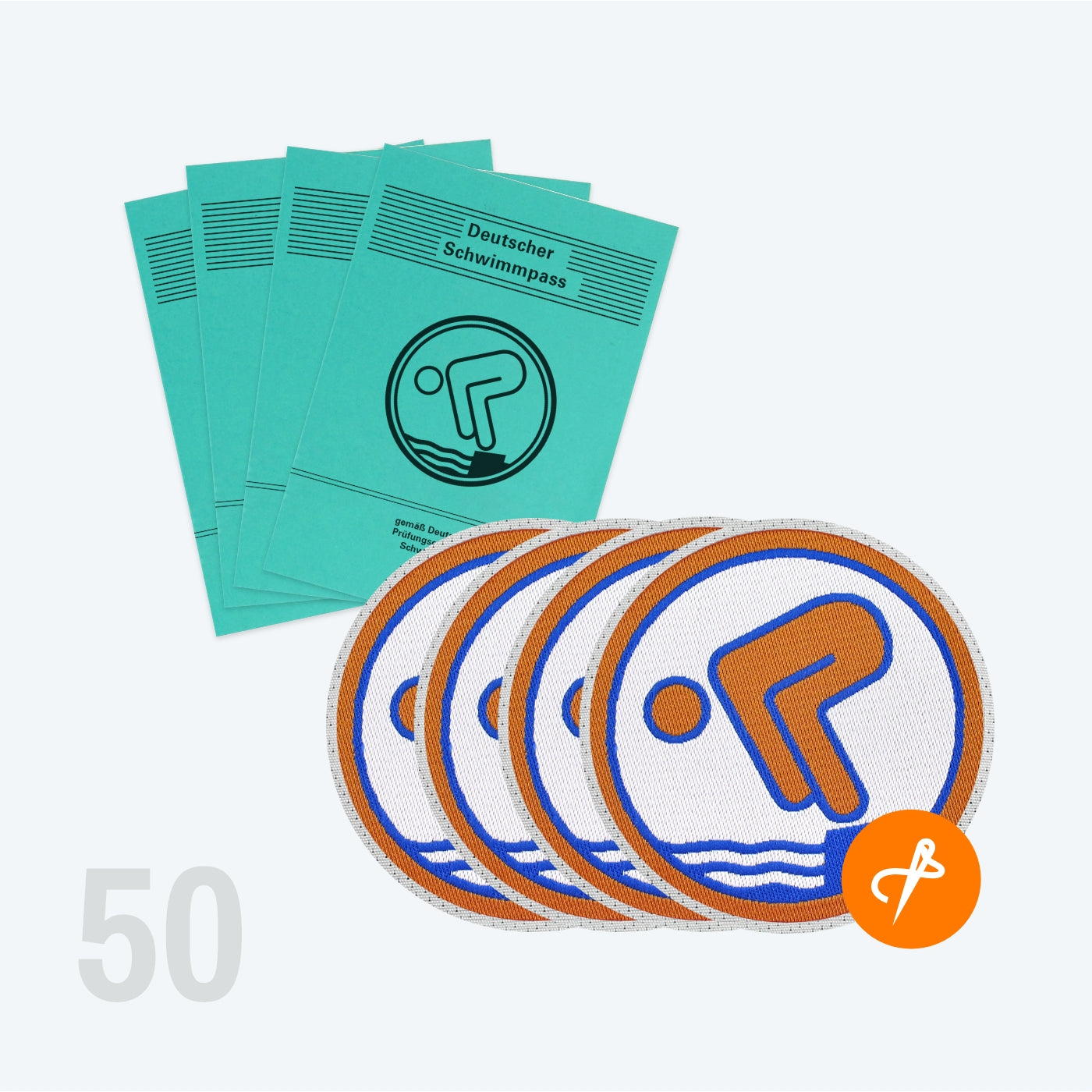
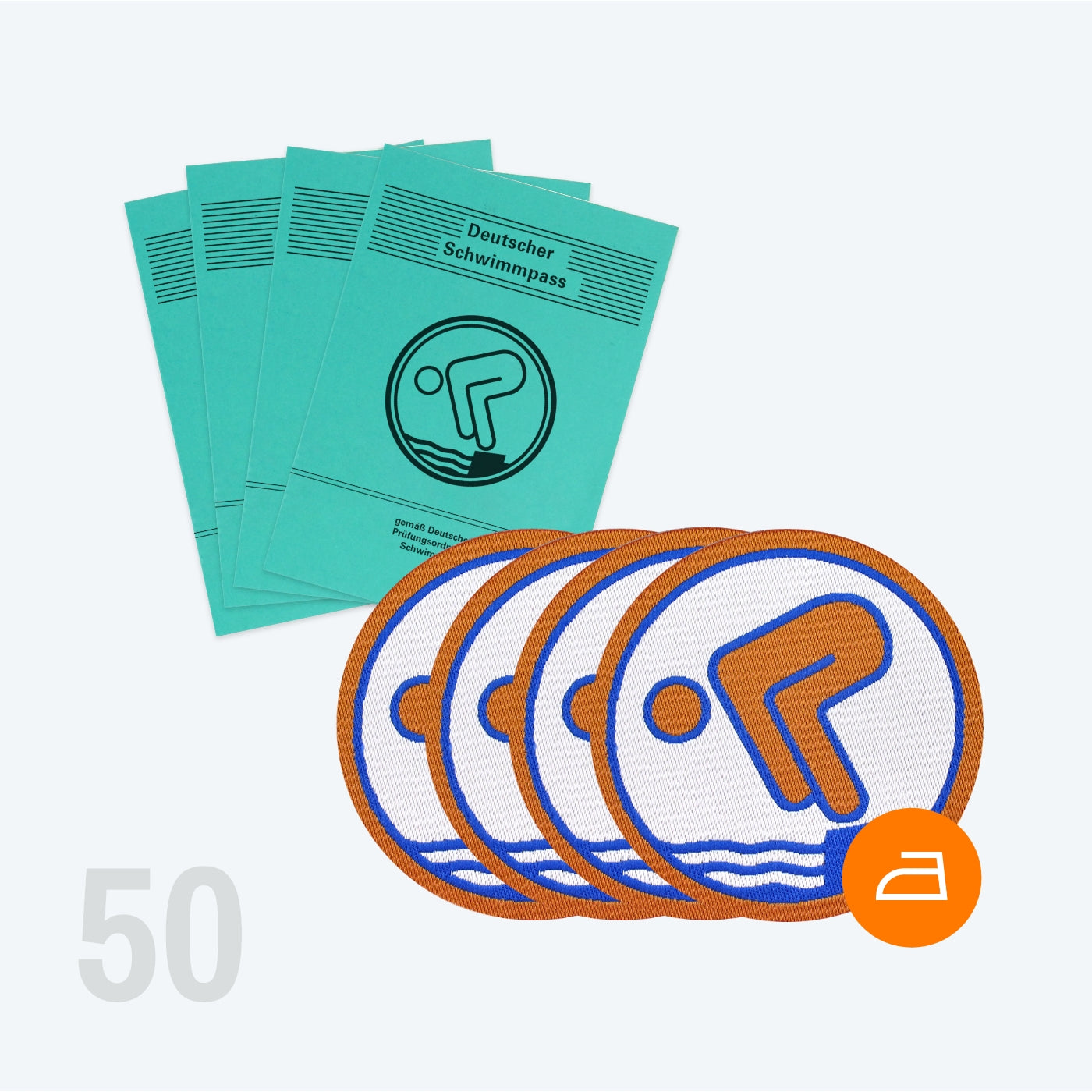
At Pimpertz, for over 38 years, you'll find everything parents and swimming instructors need for this journey: from original certified swimming badges to personal badge kits, collection albums, and waterproof cases. Our products boost motivation and turn every swimming achievement into an unforgettable experience. With lightning-fast shipping and expert advice, we make it easy for you to actively promote your child's joy in safe swimming. Please visit our site and discover the right solutions for your personal swimming course routine. Start today with the perfect swimming badges and accessory packages from Pimpertz and accompany your child on their way to learning to swim safely.
Frequently Asked Questions
How do I choose the right swimming course for my toddler?
To choose the right swimming course, you should consider the qualifications of the trainers and the group size. Make sure the trainers have experience with toddlers and that the course content is playful. Attend a trial lesson to get to know the trainers and the atmosphere.
What can I do to prepare my child for the swimming course?
Playfully prepare your child for the swimming course by conducting simple water activities at home. Foster trust by having positive conversations about swimming and showing inspiring pictures or videos. Start before the course begins, so your child is ready within one to two weeks.
How do I make the first lesson a positive experience for my child?
To make the first lesson an exciting experience, create a relaxed atmosphere and support your child with encouraging words. Tell them about the excitement and fun they will have. Pack the swimming gear together and let your child choose a special toy to increase anticipation.
What games are useful for promoting swimming learning?
Water games like treasure hunts or rocket countdowns are ideal for playfully teaching swimming. These activities not only support motor skills but also boost your child's self-confidence. Integrate these games regularly into the swimming course to increase motivation.
How can I document my child's progress in swimming?
Keep a swimming diary where you record your child's progress and motivate them with colorful stickers. Note small successes such as the first independent glide or diving attempts. This helps to make development visible and motivates your child to continue learning.
Why are swimming badges important for my child?
Swimming badges mark important milestones in the learning process and motivate your child to continue learning. They provide orientation and are designed to be playful to promote learning progress. Discuss the requirements in a child-friendly way to increase interest and engagement.


