



Communication in Children: Key to Developmental Success
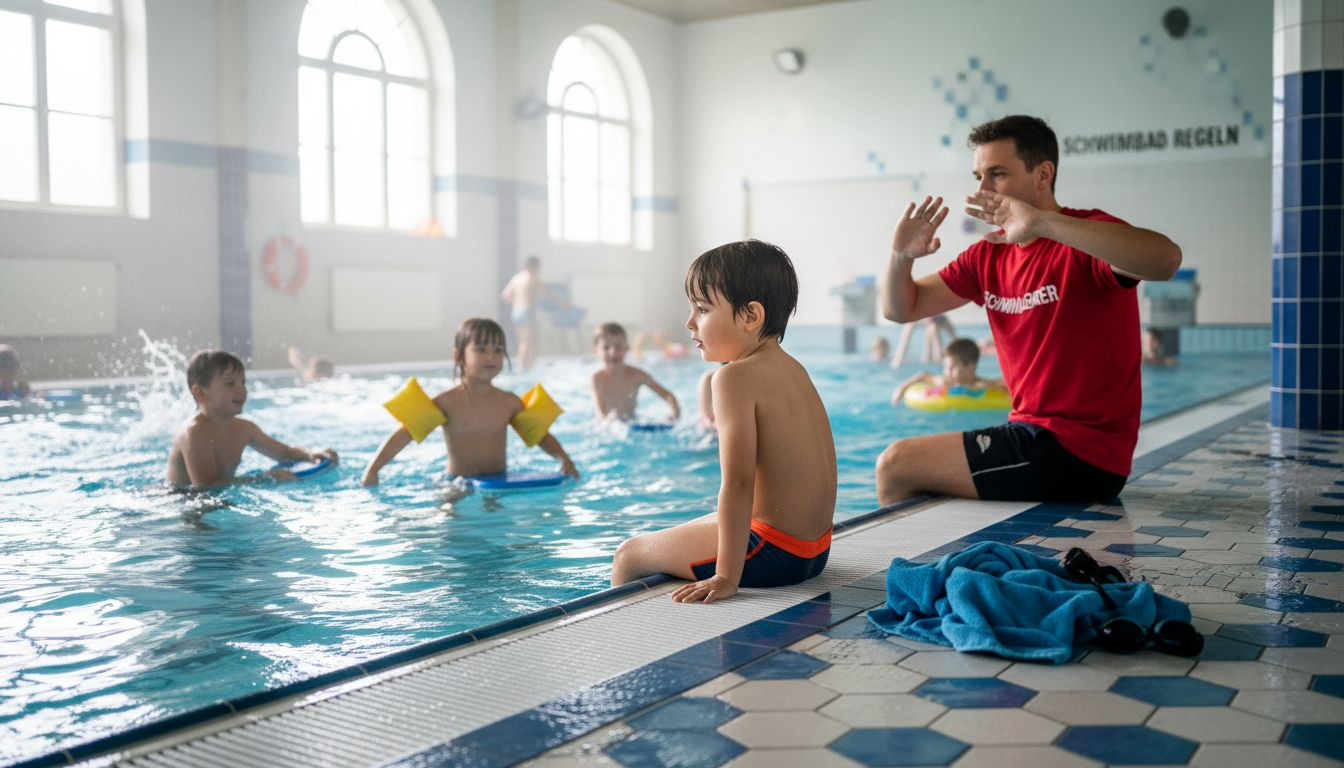
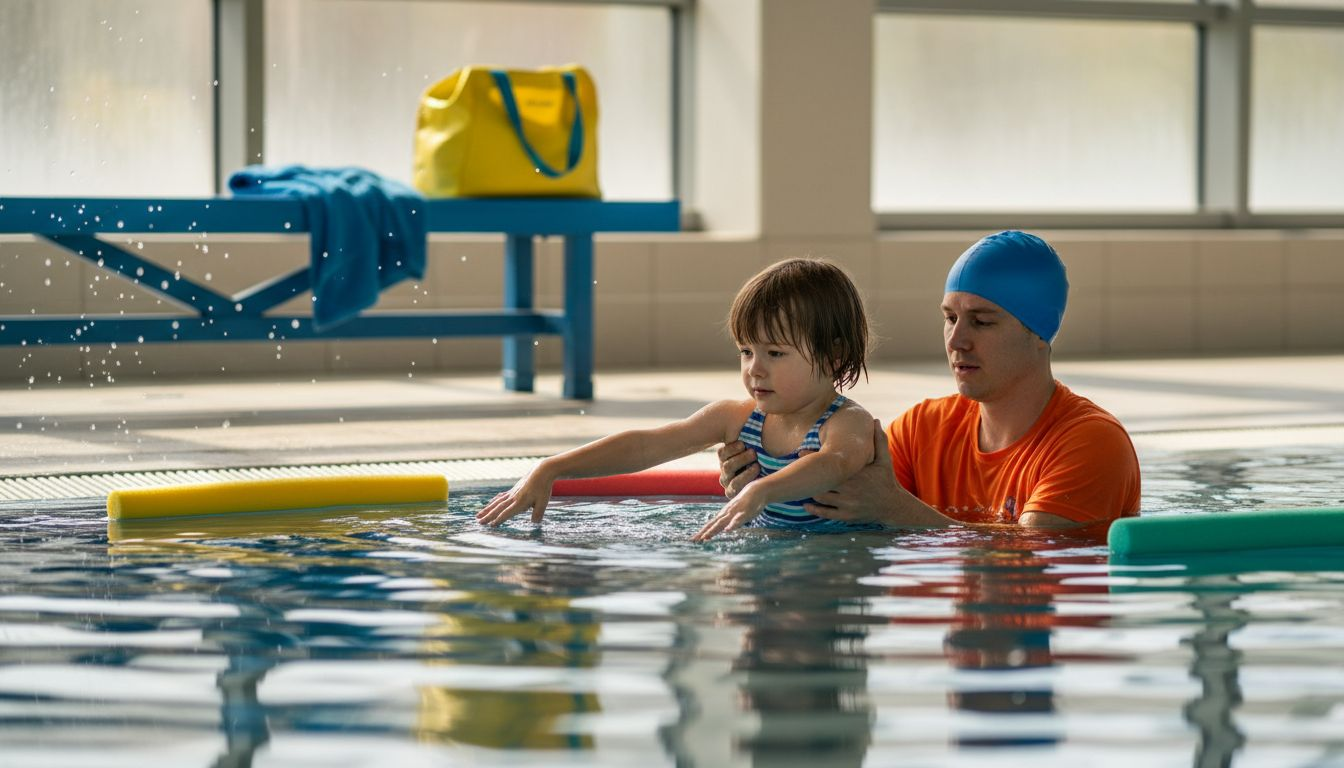
Many parents face the challenge of not only technically but also linguistically and emotionally supporting their preschool child in learning to swim. Communication is much more than spoken words – children often use their body language and facial expressions to convey feelings and wishes, especially when their vocabulary is still limited. This article shows how you can motivate and support your child with child-friendly communication, making learning to swim a positive experience for the whole family.
Table of Contents
- What is meant by communication in children?
- How language and body language develop
- Typical challenges and misunderstandings
- The role of parents in language acquisition
- Practical approaches to promotion at home
Key Insights
| Point | Details |
|---|---|
| Importance of communication | Communication is crucial for children's development and influences their expression, relationships, and understanding of the environment. |
| Phases of language development | Children go through various developmental phases, from sounds to complete sentences, with interaction with caregivers being central. |
| Challenges | Misunderstandings often arise from different perceptions between adults and children, which is why patience and active listening are important. |
| Role of parents | Parents should regularly talk to their children, tell stories, and create an appreciative communication atmosphere to promote language development. |
What is meant by communication in children?
Communication is the central key to children's development and far more than just the exchange of words. It involves a complex process of interaction in which children learn to express themselves, build relationships, and explore their environment.
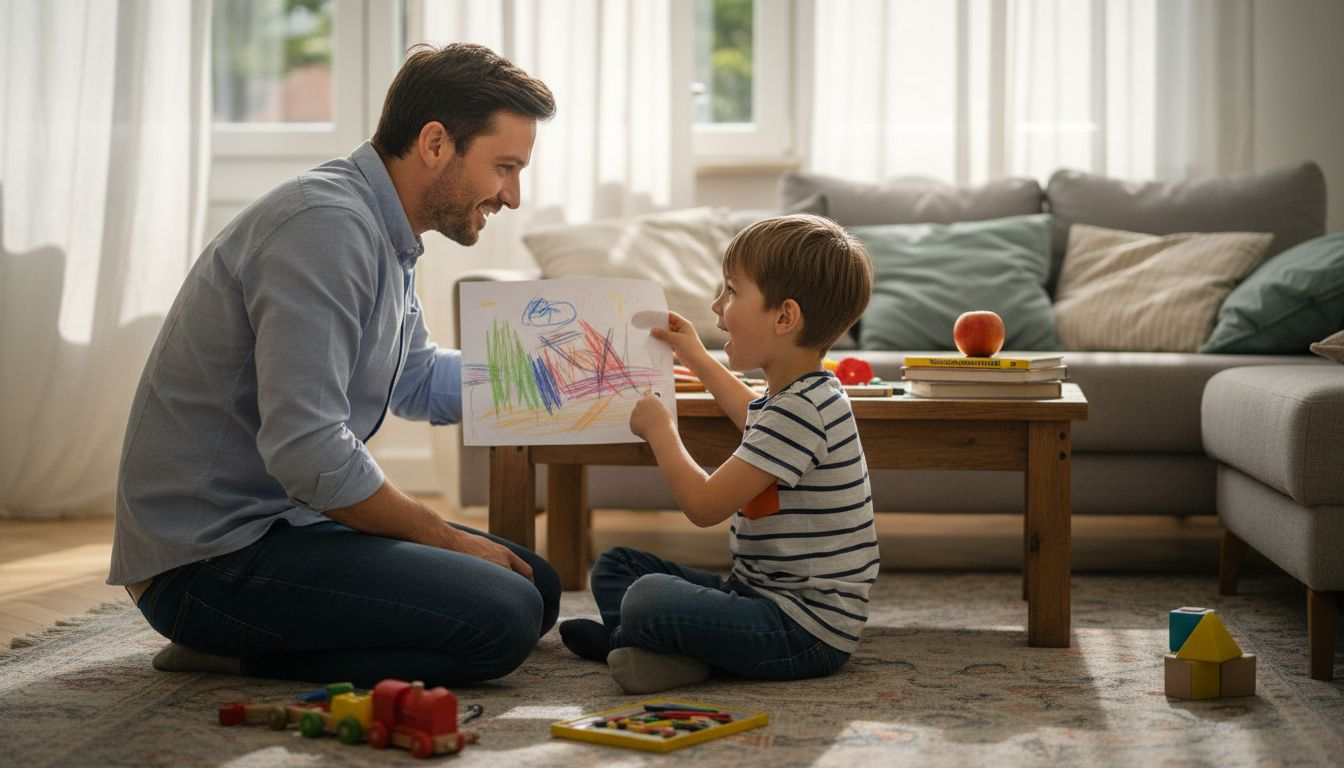
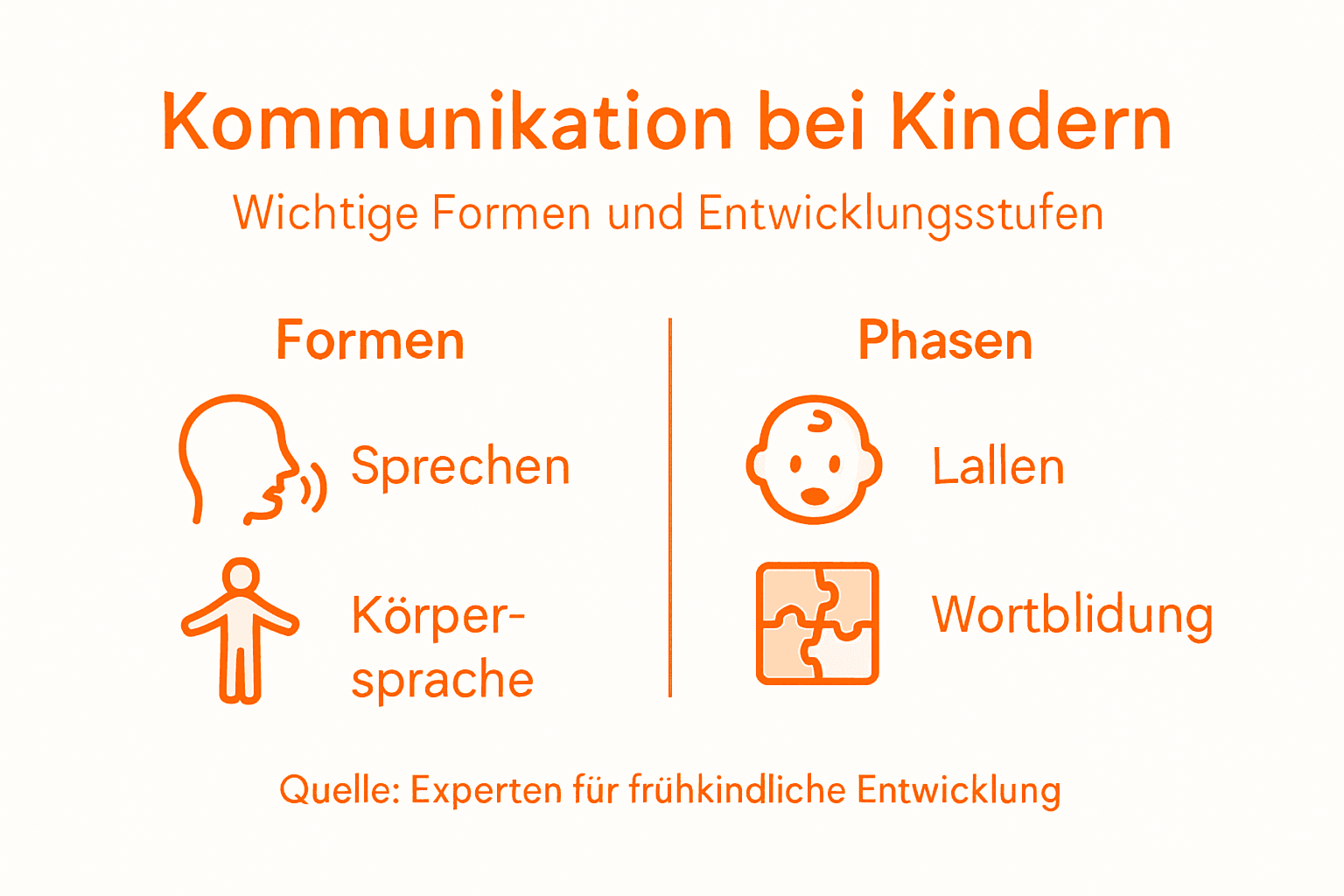
In child communication, a fundamental distinction is made between verbal and nonverbal forms of communication. Communication processes in kindergarten show that children initially communicate primarily through nonverbal signals such as facial expressions, gestures, and body language. These non-linguistic forms of expression are particularly significant in the early developmental phase when vocabulary is still limited.
The following compares verbal and nonverbal forms of communication in children:
| Form of communication | Characteristics in children | Typical examples |
|---|---|---|
| Verbal communication | Use of first words and sentences | “Mommy”, “ball”, short sentences |
| Nonverbal communication | Expression through gestures and facial expressions | Smiling, pointing, crying |
The most important aspects of child communication can be summarized as follows:
- Exchange of information through language and body language
- Building social relationships
- Exploring and understanding the environment
- Developing emotional intelligence
Successful communication requires at least two participants: a sender and a receiver who understand the same communication code. In children, this means that parents and caregivers play a central role in fostering and supporting communication skills.
Pro-Tip: Make sure to actively listen to your child and take their nonverbal signals seriously – this is the key to trusting communication.
How language and body language develop
The development of language and body language is a fascinating and complex process that begins even before birth. Children's language development already starts in the womb, where babies perceive their mother's voice and collect initial acoustic impressions.
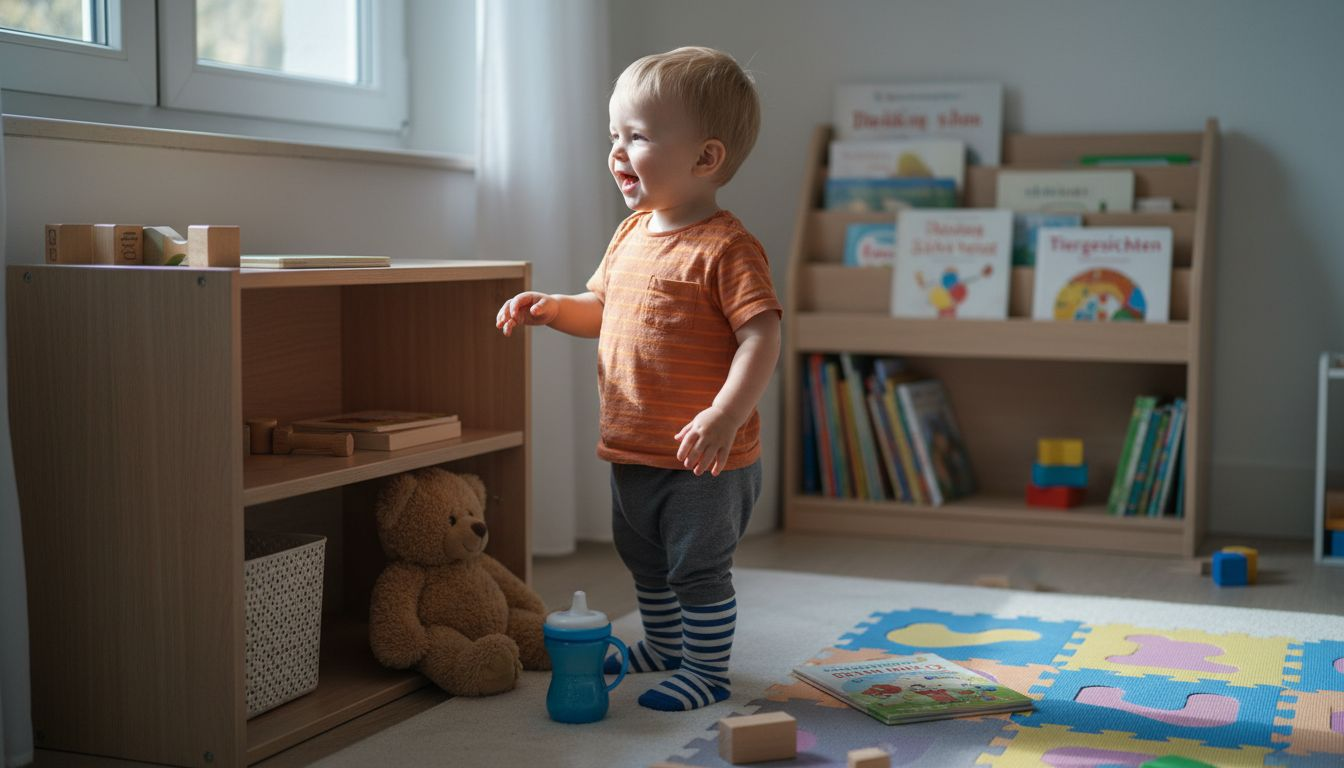
After birth, children go through various phases of communication development. They start with sounds like cooing and crying, then develop first syllables, and gradually learn to form words and sentences. Simultaneously, nonverbal communication develops through gestures and facial expressions, which play an equally important role in information exchange.
The main phases of language development include:
- Sound production phase (0-6 months)
- Imitation phase (6-12 months)
- First-words phase (12-18 months)
- Sentence formation phase (18-36 months)
Interactions with caregivers are crucial for development. Through regular exchange, listening, and responding to children's communication signals, language skills and emotional intelligence are equally promoted.
Pro-Tip: Continuously talk to your child, comment on daily activities, and attentively respond to their communication attempts.
Typical challenges and misunderstandings
Communicating with children presents particular challenges for parents and educators. Communication with children requires a deep understanding of children's unique ways of thinking and expressing themselves.
A central challenge is the different understanding of reality. Children have a different perception than adults – they often think more egocentrically and have a strong magical imagination. This can lead to misunderstandings if adults do not correctly interpret children's communication signals.
The most common communication barriers include:
- Underestimation of children's expressive abilities
- Lack of patience in listening
- Hasty interpretation of statements
- Ignoring nonverbal communication signals
- Failure to address emotional needs
Especially in multilingual contexts, additional communication barriers arise. Linguistic diversity can be both a challenge and an opportunity, depending on how openly and supportively adults deal with it.
Pro-Tip: Take your time to truly understand your child – listen actively and pay attention to their nonverbal signals.
The role of parents in language acquisition
Parents are the decisive pioneers in their children's language development. Early language interaction with children begins even before birth, when babies perceive their parents' voices and process these first acoustic impressions.
Language development is based on social interaction and emotional connection. Parents significantly shape their children's language skills through the language they offer. This happens not only through direct speaking, but also through singing, reading aloud, and patient listening.
The most important support strategies for parents include:
- Frequent and targeted speaking with the child
- Reading aloud and telling stories
- Active listening and asking questions
- Patiently repeating words
- Positive feedback for communication attempts
- Including multilingual suggestions
Particularly important is an appreciative communication atmosphere that encourages children to express themselves verbally and share their thoughts.
Pro-Tip: Create conscious conversation moments with your child daily and make communication a playful experience.
Practical approaches to promotion at home
Language development at home begins with everyday interactions and playful moments. Language promotion in family life offers parents numerous opportunities to playfully support their children's communication skills.
The key lies in continuous, loving attention and the conscious inclusion of language in all areas of life. Children learn best through direct interaction, imitation, and emotional connection. This means that every everyday situation can become a language learning opportunity.
The following overview summarizes aids for practical language promotion at home:
| Approach | Promotion | Benefit for the child |
|---|---|---|
| Joint singing | Vocabulary expansion | Sense of rhythm and listening comprehension |
| Role-playing games | Dialogue skills | Social interaction and creativity |
| Reading aloud and storytelling | Language comprehension and imagination | Concentration and communication |
Practical language promotion methods include:
- Looking at picture books and reading aloud together
- Playing games with rhymes and songs
- Verbally accompanying everyday actions
- Conducting role-playing games
- Asking open questions and listening
- Incorporating body language and facial expressions
- Utilizing multilingual suggestions
Particularly important is a patient and appreciative communication atmosphere that encourages children to express themselves verbally and share their thoughts.
Pro-Tip: Make language promotion a natural, playful part of your family life – without performance pressure and with lots of joy.
Promoting communication and making success visible
The development of communication skills in children is a central factor for their future success and self-confidence. Both verbal and non-verbal forms of expression play an essential role here. Parents and educators know how important it is to foster enthusiasm and motivation early on. This is where Pimpertz comes in, supporting you with high-quality swimming badges and certificates that provide the ideal complement to language and social development.
With our child-friendly and officially certified swimming badges & certificates, you create valuable moments of recognition that strengthen your child's self-confidence and encourage active communication. Use our diverse accessories & gift sets to playfully celebrate learning progress and promote social skills. Trust in over 38 years of experience and true partnership with DLRG and BFS for quality and fast shipping.
Start a motivating promotion phase now and discover how easily communication and learning go hand in hand with Pimpertz at https://pimpertz.de – make language development a success story.
Frequently Asked Questions
How important is communication for children's development?
Communication is crucial for children's development as it allows them to express themselves, build relationships, and understand their environment.
What role do parents play in their children's language development?
Parents are crucial for language acquisition by promoting their children's language skills through talking, reading aloud, and active listening.
What are the typical phases of language development in children?
The typical phases include the sound production phase (0-6 months), imitation phase (6-12 months), first words phase (12-18 months), and sentence formation phase (18-36 months).
What nonverbal forms of communication do children use?
Children use nonverbal forms of communication such as gestures, facial expressions, and body language to express their feelings and needs, especially in the early developmental stages.