
Swimming course during the summer holidays: Learn to swim safely
Summer holidays in Germany mean swimming trips and water adventures for many families, but safe handling of the element needs to be learned. Parents often face the challenge of finding the right swimming course for their children, because group size, trainer qualifications, and child-friendly infrastructure are crucial. This guide shows how a qualified swimming course not only teaches swimming techniques but also strengthens your child's self-confidence and water safety.
Table of Contents
- Step 1: Choose a Qualified Swimming Course
- Step 2: Prepare Your Child for the Course Start
- Step 3: Support Your Child in Learning Swimming Techniques
- Step 4: Review Progress and Badge Requirements
- Step 5: Celebrate Completion and Secure the Swimming Badge
Quick Overview
| Important Point | Explanation |
|---|---|
| 1. Choose a Qualified Swimming Course | Look for certified swimming instructors and appropriate group sizes for optimal learning conditions. |
| 2. Positive Preparation for the Course | Familiarize your child with water playfully and talk encouragingly about the swimming course. |
| 3. Support in Learning to Swim | Use playful methods and swimming aids to strengthen your child's confidence and motivation. |
| 4. Regular Progress Reviews | Inform yourself about badge requirements and document your child's development. |
| 5. Design a Graduation Ceremony for Successes | Celebrate your child's achievements with a festive certificate presentation and family celebration. |
Step 1: Choose a Qualified Swimming Course
When selecting a swimming course for your child, several crucial factors play an important role. A qualified swimming course can make the difference between a safe and an unsafe learning experience.
Pay attention to the following important criteria when choosing a course:
- Qualification of swimming instructors: Look for certified swimming instructors who have experience in child training
- Group size: Small groups allow for individual supervision and better learning
- Water temperature: A warm pool promotes children's willingness to learn and safety
- Course provider: Prefer courses from recognized organizations such as the DLRG or local swimming clubs
The infrastructure of the swimming pool also plays a crucial role. A child-friendly environment with shallow areas, safe entry points, and trained staff creates trust and safety for your little ones.
Important: A good swimming course not only teaches swimming techniques but also water safety and self-confidence.
You should also consider your child's age group and prior knowledge. There are special courses for different learning levels - from absolute beginners to children who have already gained some swimming experience.
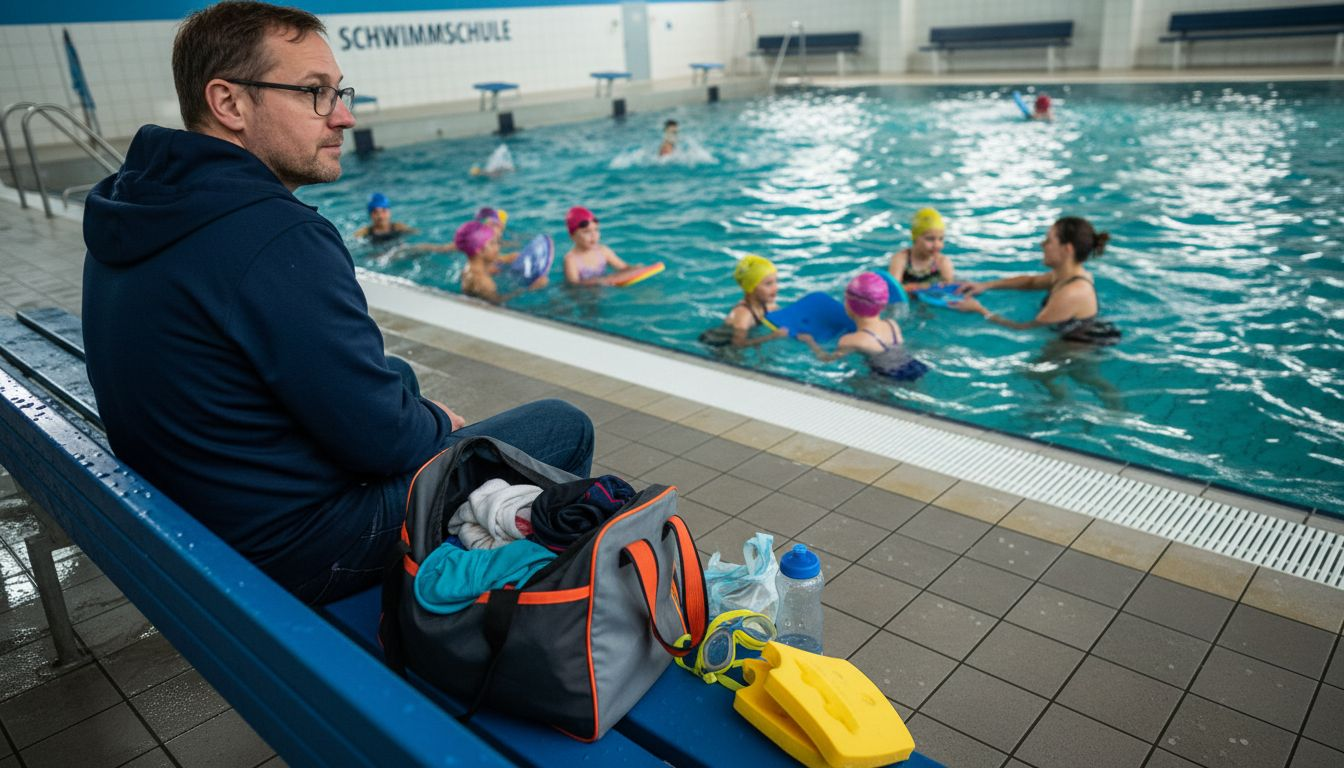
Pro Tip: Attend a trial lesson beforehand to get a feel for the atmosphere and the instructor and to see how your child gets along in the environment.
Step 2: Prepare Your Child for the Course Start
Preparing your child for the swimming course is crucial for a successful and anxiety-free start. A positive attitude towards water can shape the entire learning experience and give the child self-confidence.
Here are important preparation steps:
- Water contact: Familiarize your child with water through playful activities
- Exercises at home: Playful water games in the bathtub help to reduce inhibitions
- Swimming pool visits: Visit an indoor pool together beforehand to get to know the atmosphere
- Positive communication: Talk enthusiastically and encouragingly about the upcoming adventure
Prepare your child emotionally by taking their fears seriously and building trust. Show understanding, but at the same time convey confidence.
Important: Every child has their own pace - patience and encouragement are the keys to success.
Tell stories of positive swimming experiences, show child-friendly videos about swimming lessons, or read books on the topic together. This helps to awaken anticipation and interest.
Pro Tip: Pack the swimming gear together with your child and make it a small ritual they can look forward to.
Step 3: Support Your Child in Learning Swimming Techniques
Learning swimming techniques is a sensitive process that requires patience, understanding, and a positive approach. Your child needs your continuous support to gain confidence in the water and learn the correct movements.
The following strategies help with learning to swim:
- Playful methods: Use motivating learning approaches that combine fun and learning success
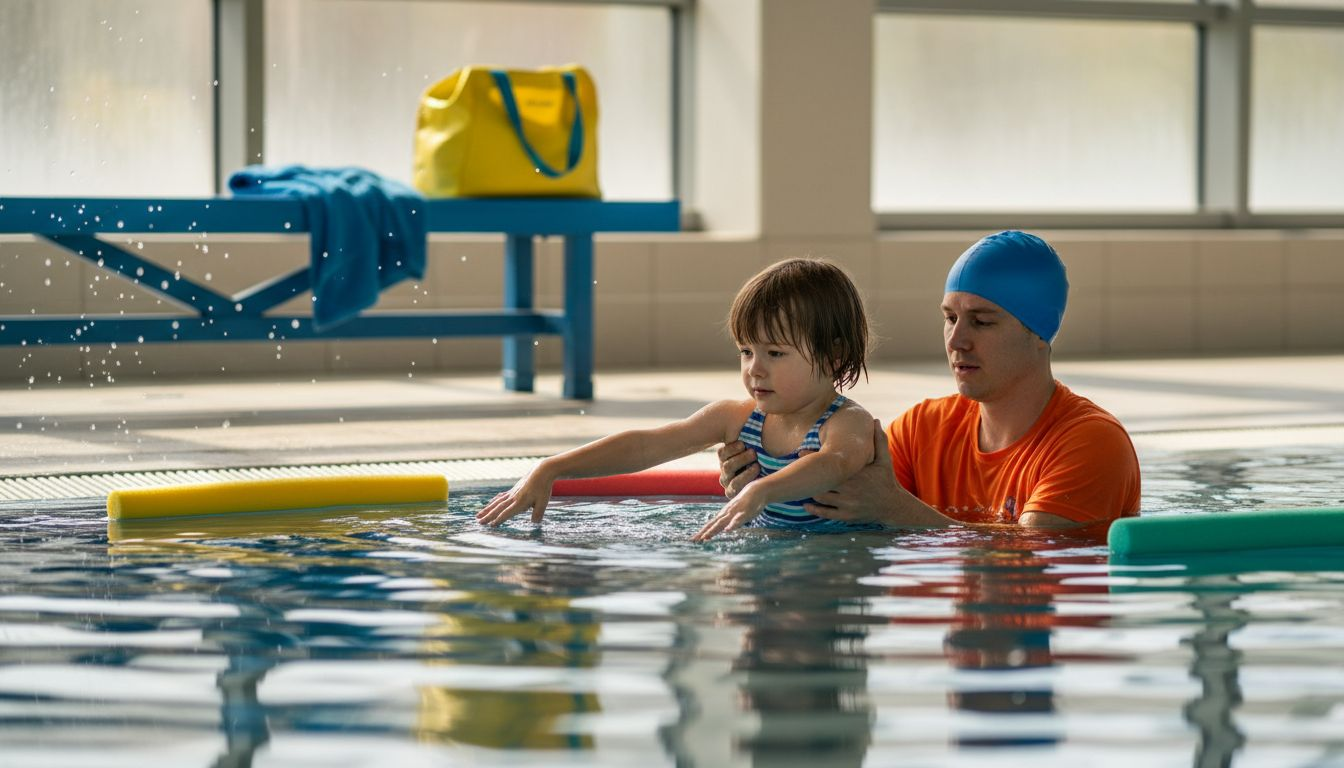
- Swimming aids: Use aids such as kickboards or pool noodles for more safety
- Step-by-step approach: Start with simple water movements and slowly increase complexity
- Positive reinforcement: Praise every small progress to maintain motivation
Ensure that the exercises correspond to your child's developmental stage. Every child learns differently and needs individual support.
Important: Avoid pressure and overstimulation - fun and trust are the keys to success.
Observe the instructor's techniques and practice similar movements at home in the bathtub or during joint swimming pool visits. This helps the child internalize the movement sequences.
Pro Tip: Make swimming a joint adventure where fun and progress are equally important.
This table shows how parents can effectively foster their child's motivation to learn swimming:
| Strategy | Description | Positive Effect |
|---|---|---|
| Joint swimming pool visits | Regular swimming with the family | Reduces fear, strengthens bonding |
| Celebrate own successes | Highlight badges and progress | Increases self-confidence |
| Patience and encouragement | No pressure, respect individual pace | Promotes sustainable learning |
| Playful practice at home | Water games in bathtub or garden | Builds familiarity with water |
Step 4: Review Progress and Badge Requirements
Reviewing swimming progress is an important motivational factor for children and gives you clear insight into their development. Regular progress reviews help structure the learning process and make successes visible.
Consider the following aspects when checking progress:
- Interim tests: Inform yourself about interim tests in the swimming course
- Badge requirements: Know the exact requirements for the various swimming badges
- Documentation: Keep a record of your child's development
- Communication: Talk regularly with the swimming instructor
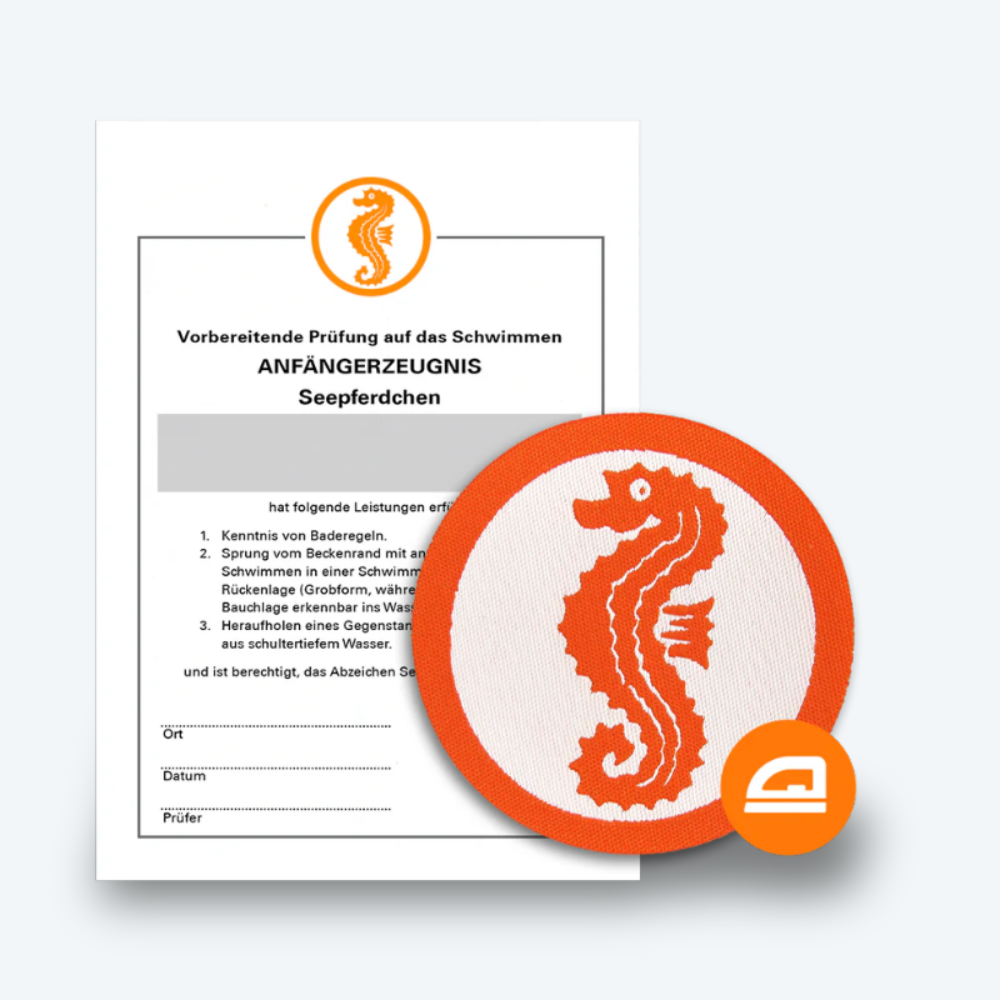
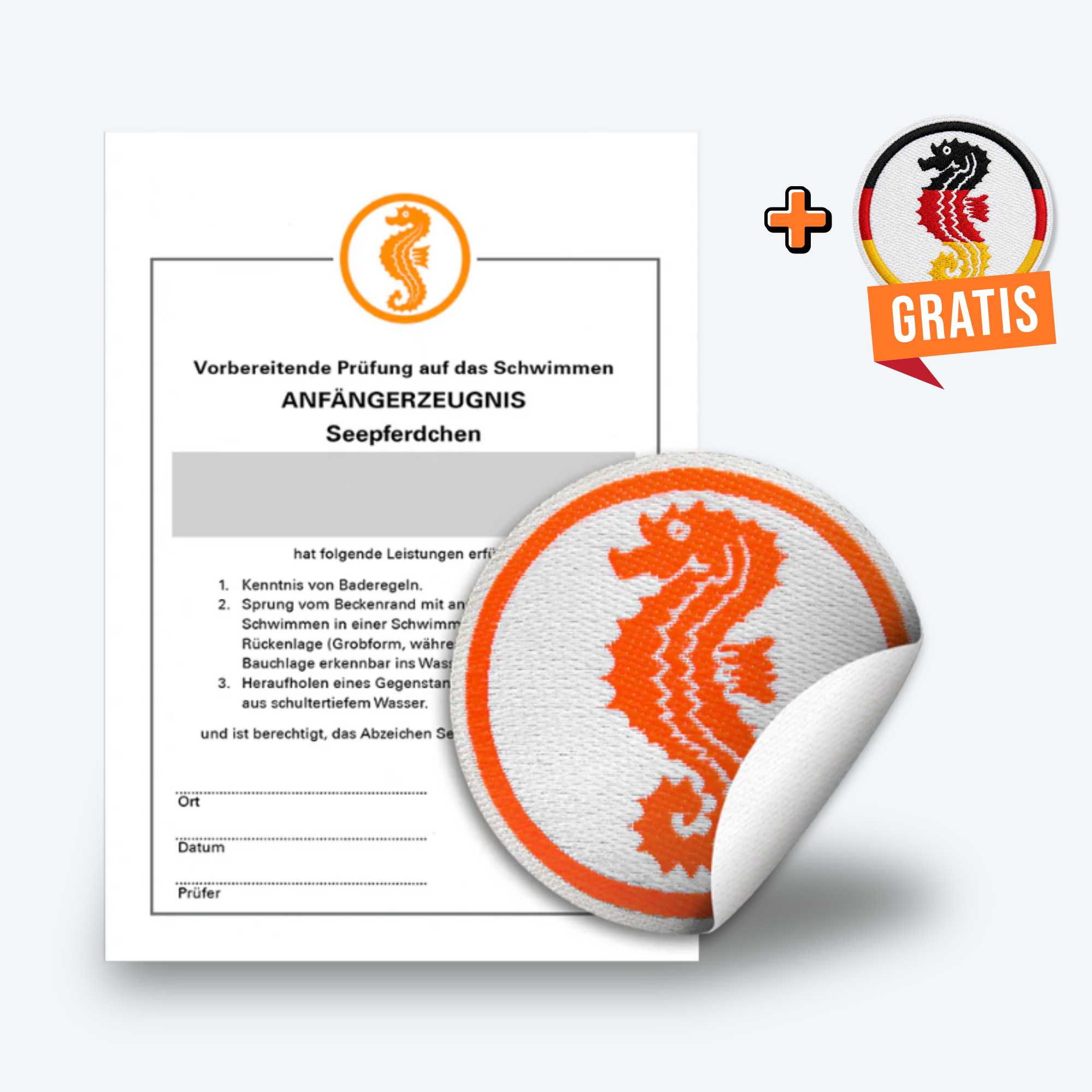
For the "Seepferdchen" (Seahorse) badge, for example, children must swim 25 meters, retrieve an object from shoulder-deep water, and know the bathing rules. Higher badges like Bronze, Silver, and Gold build on each other and require increasingly demanding skills.
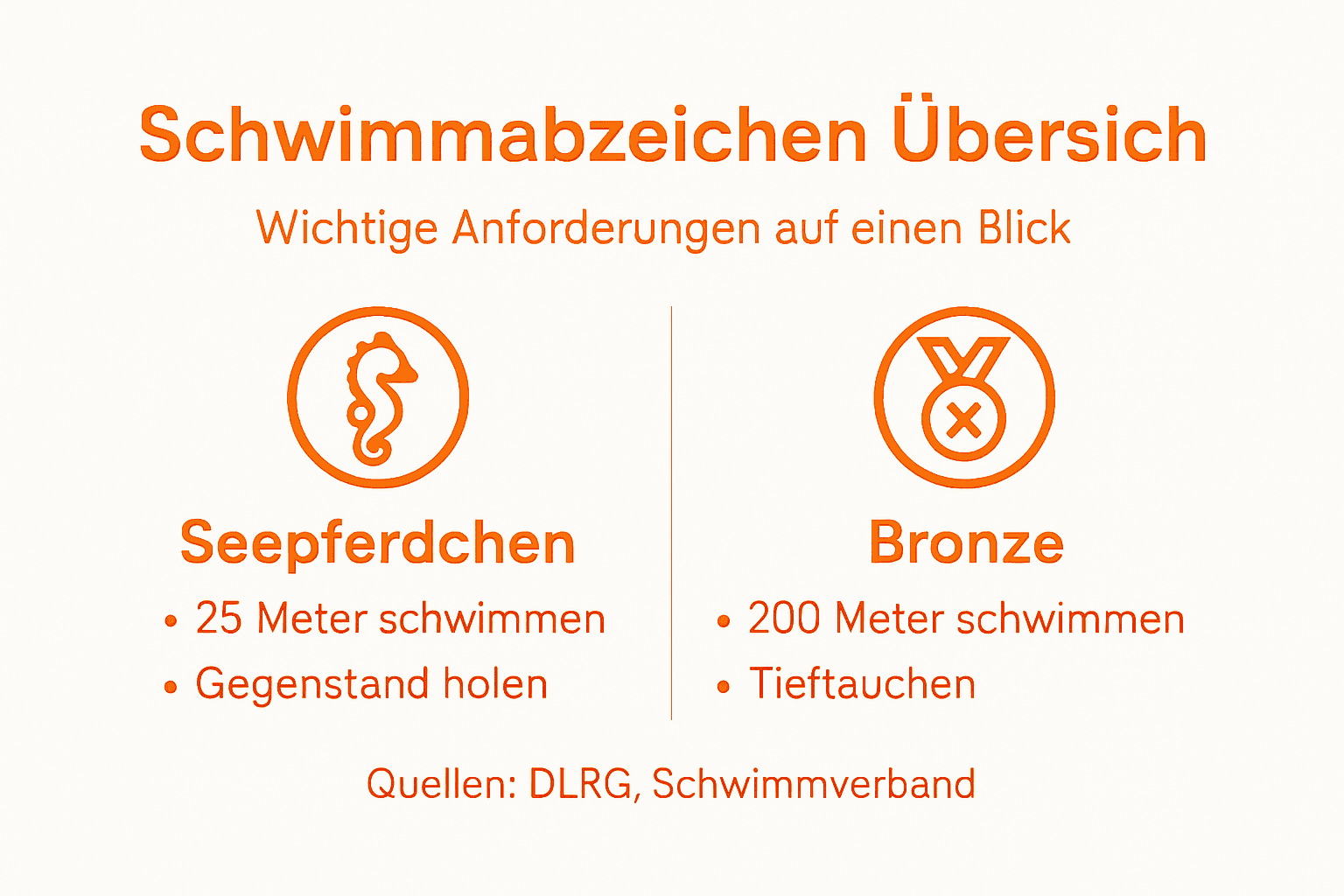
Here is an overview of the most important swimming badges and their requirements:
| Badge | Requirements | Recommended Age | Special Feature |
|---|---|---|---|
| Seepferdchen (Seahorse) | 25 m swimming, diving for an object, bathing rules | from 5 years | First official proof |
| Bronze (Freischwimmer) | 200 m swimming in 15 min., diving exercise, starting jump | from 6-7 years | Prerequisite for deeper water |
| Silver | 400 m swimming, various diving tasks | from 8 years | Increased safety in water |
| Gold | 800 m swimming, rescue and diving tasks | from 9-10 years | Proof of advanced skills |
Important: Every badge is a milestone - celebrate your child's successes!
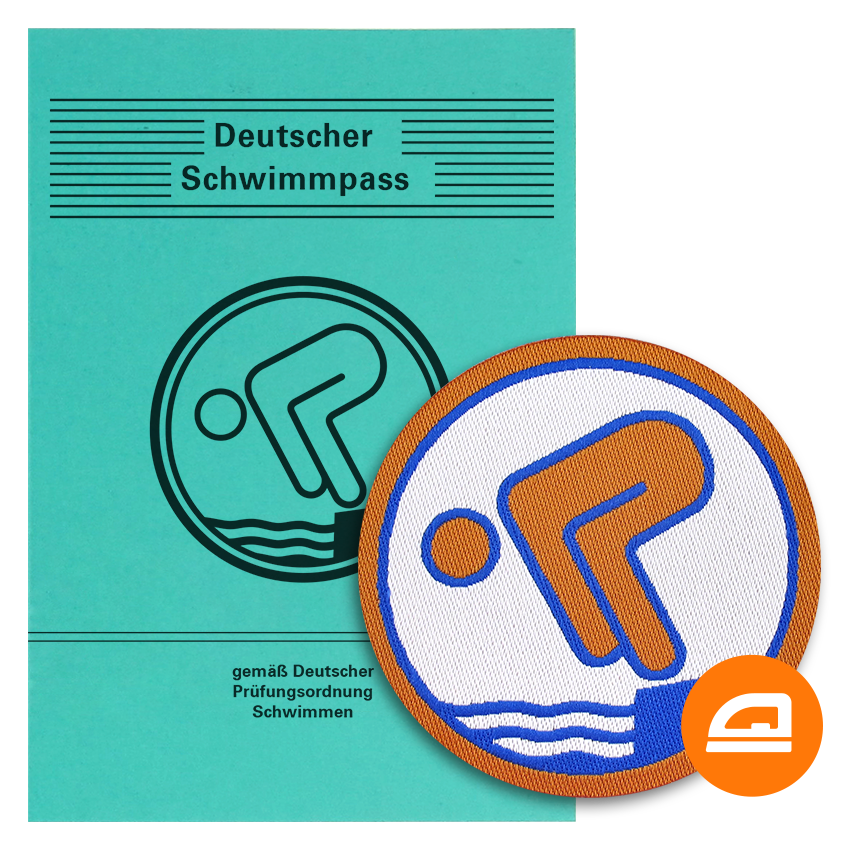
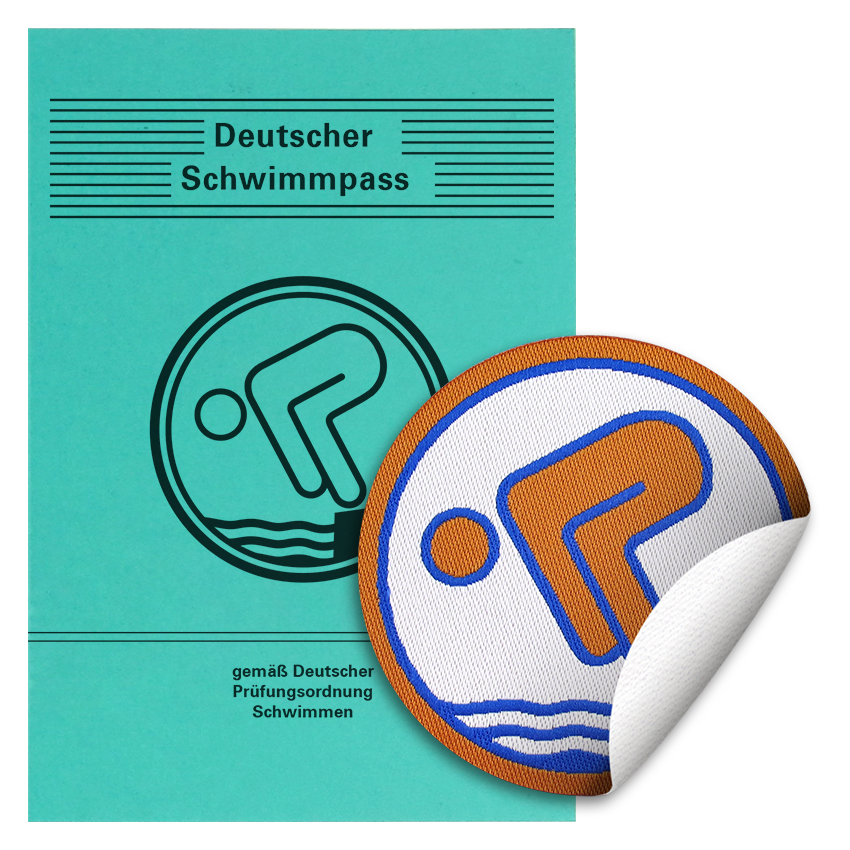
Note that requirements vary depending on the age group and swimming badge. For the German Swimming Badge in Bronze, children must swim about 200 meters in 15 minutes, retrieve a submerged object from approx. 2 meters deep, and perform a starting jump.
Pro Tip: Make the review of swimming progress a positive experience where your child can feel joy and pride.
Step 5: Celebrate Completion and Secure the Swimming Badge
The completion of the swimming course is a special moment that acknowledges your child's achievement and progress. Traditional swimming badge ceremonies are more than just a ceremony - they are an important motivational factor.
Plan the graduation celebration with the following elements:
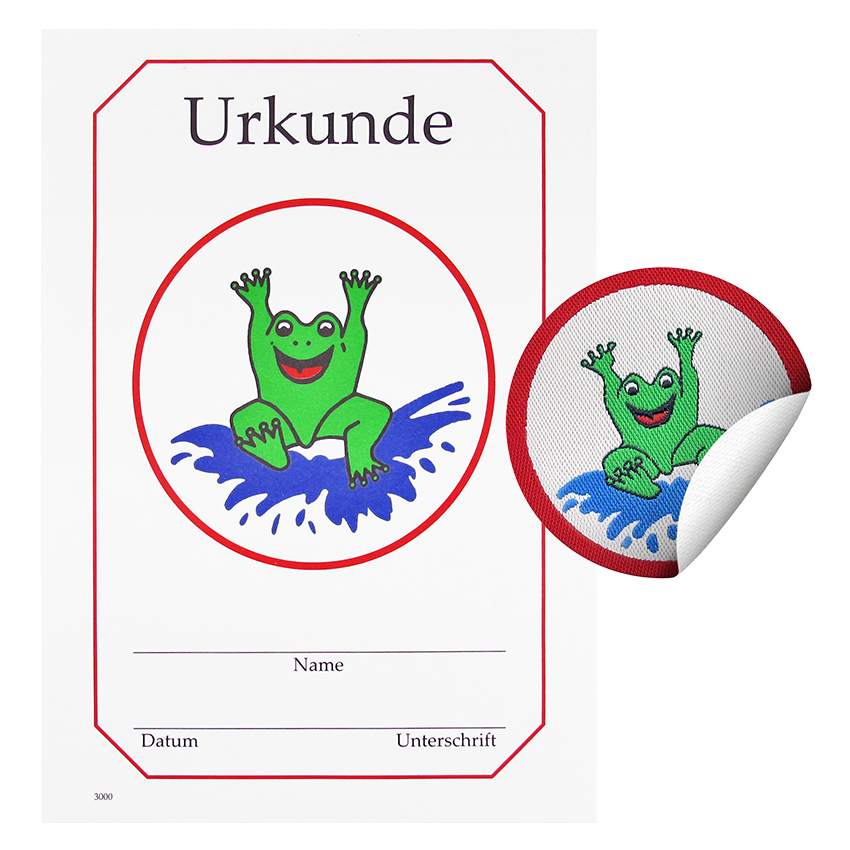
- Certificate presentation: Create a festive moment of recognition
- Family involvement: Invite relatives to honor the achievement
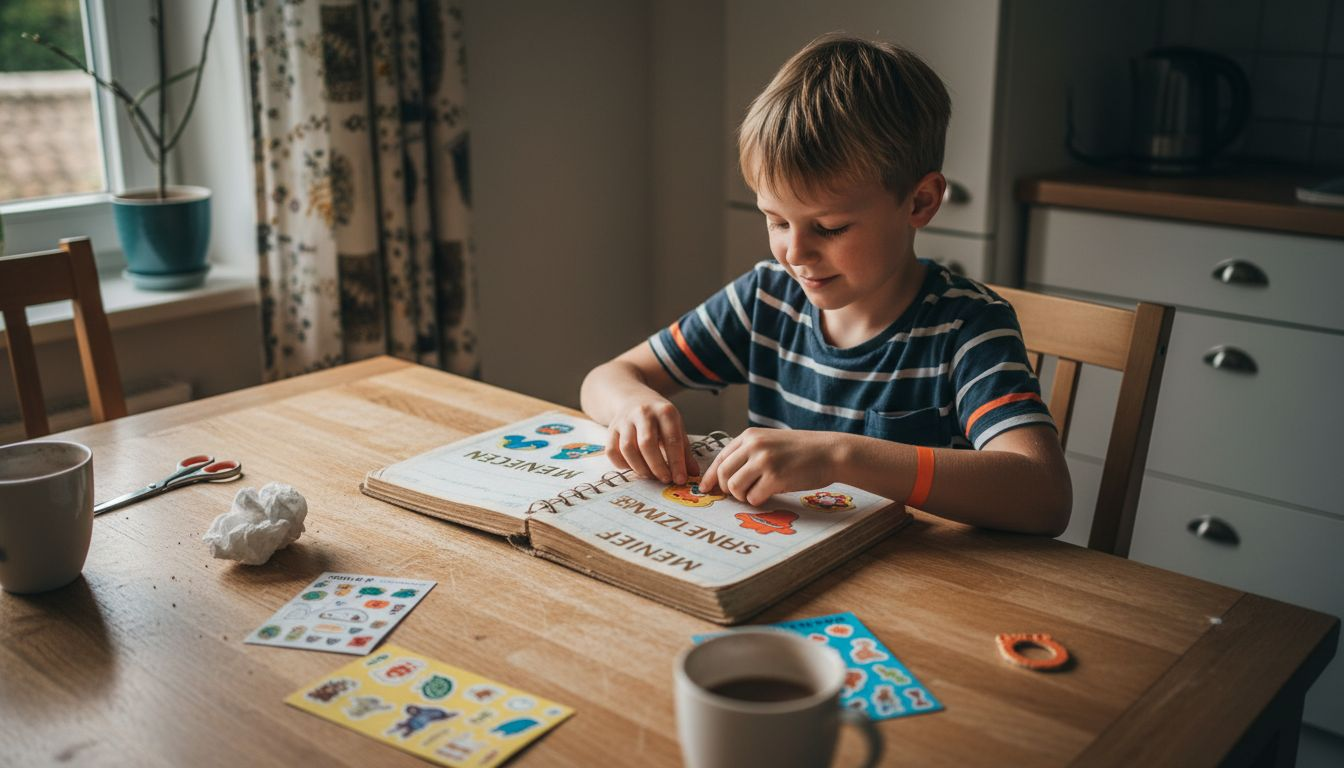
- Personal keepsakes: Photograph the moment
- Small celebration: Celebrate the success with your family
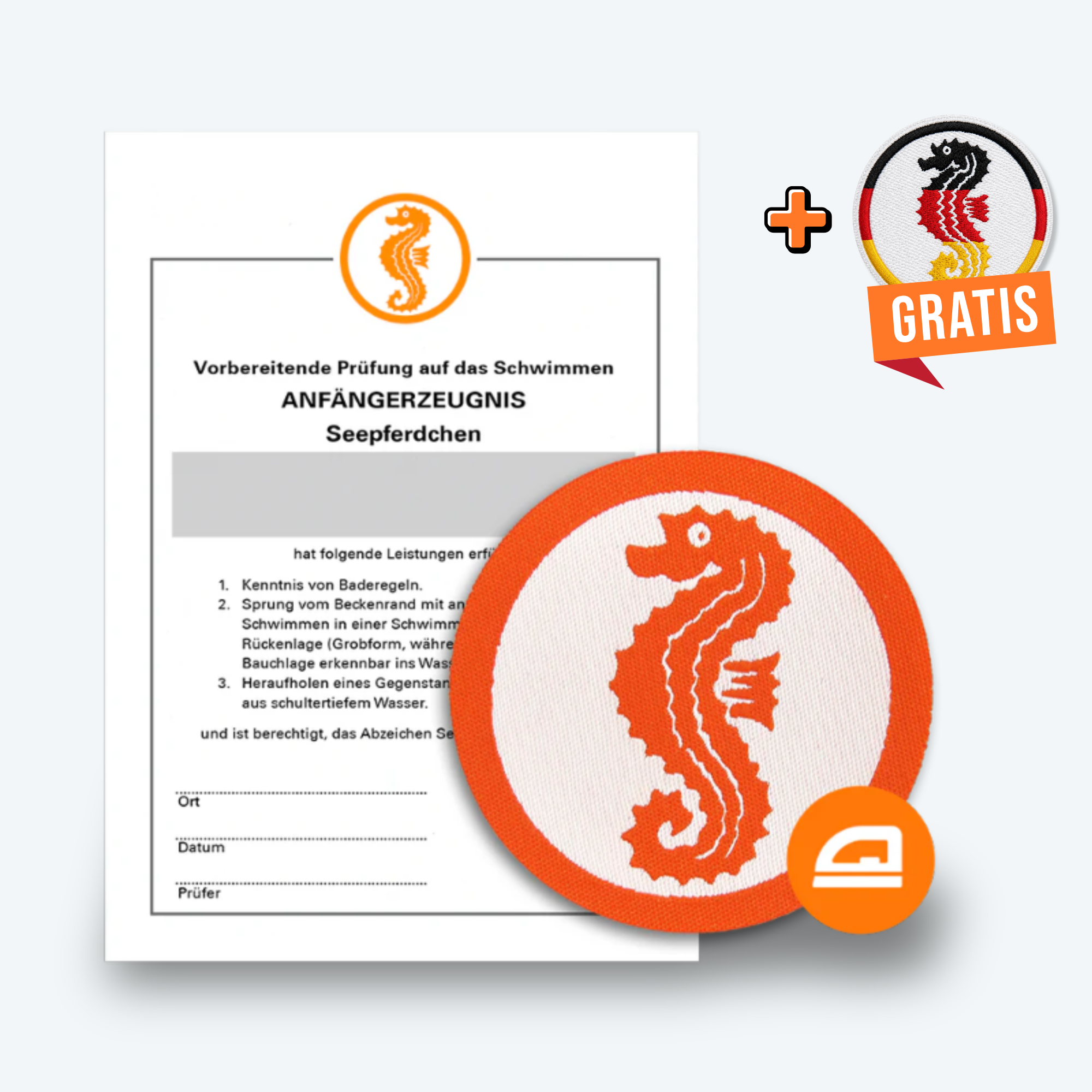
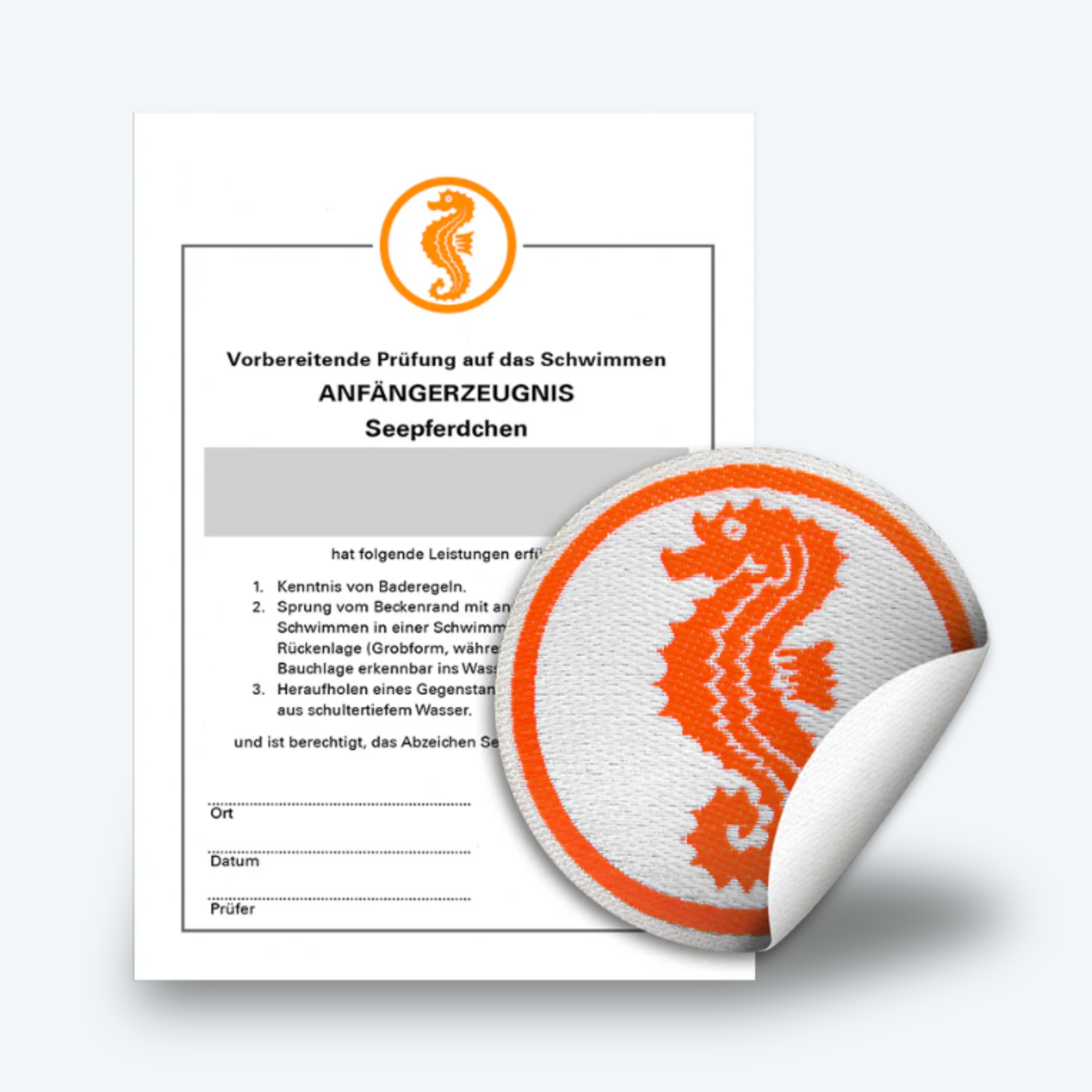
The official swimming badge not only documents the acquired skills but also serves as a proud keepsake of the swimming journey.
Important: The celebration should convey joy and pride, not create performance pressure!
Note that each badge is a milestone that strengthens your child's self-confidence and promotes their motivation for further sports activities.
Pro Tip: Keep the badge and certificate in a place of honor to permanently acknowledge your child's achievement.
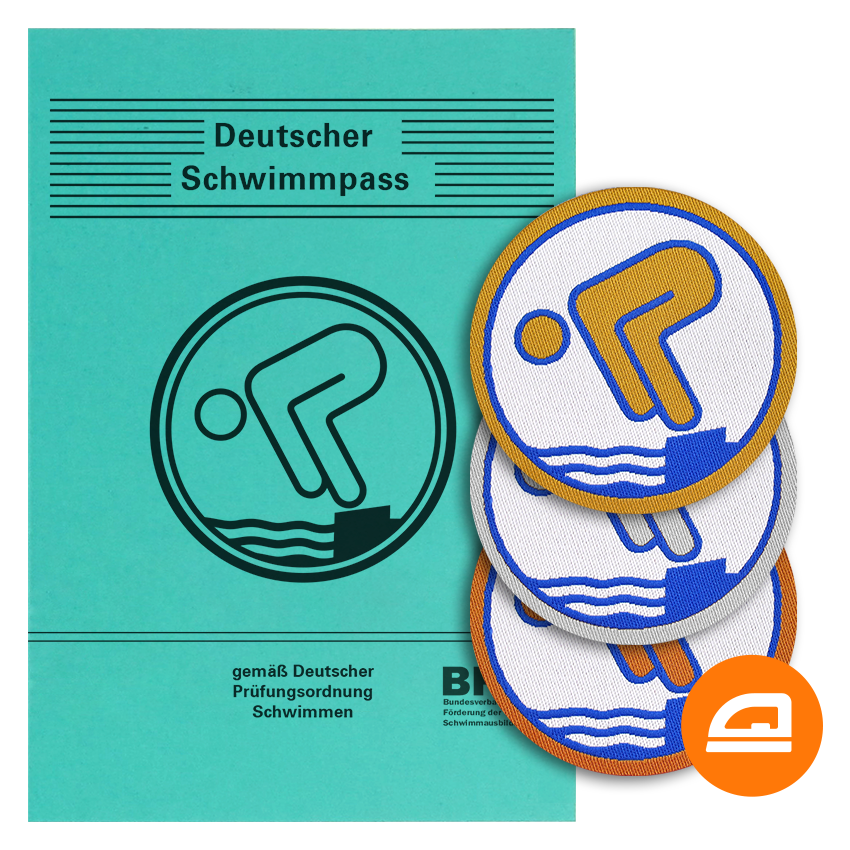
Swimming Badges and Accessories for a Successful Swimming Course in the Summer Holidays
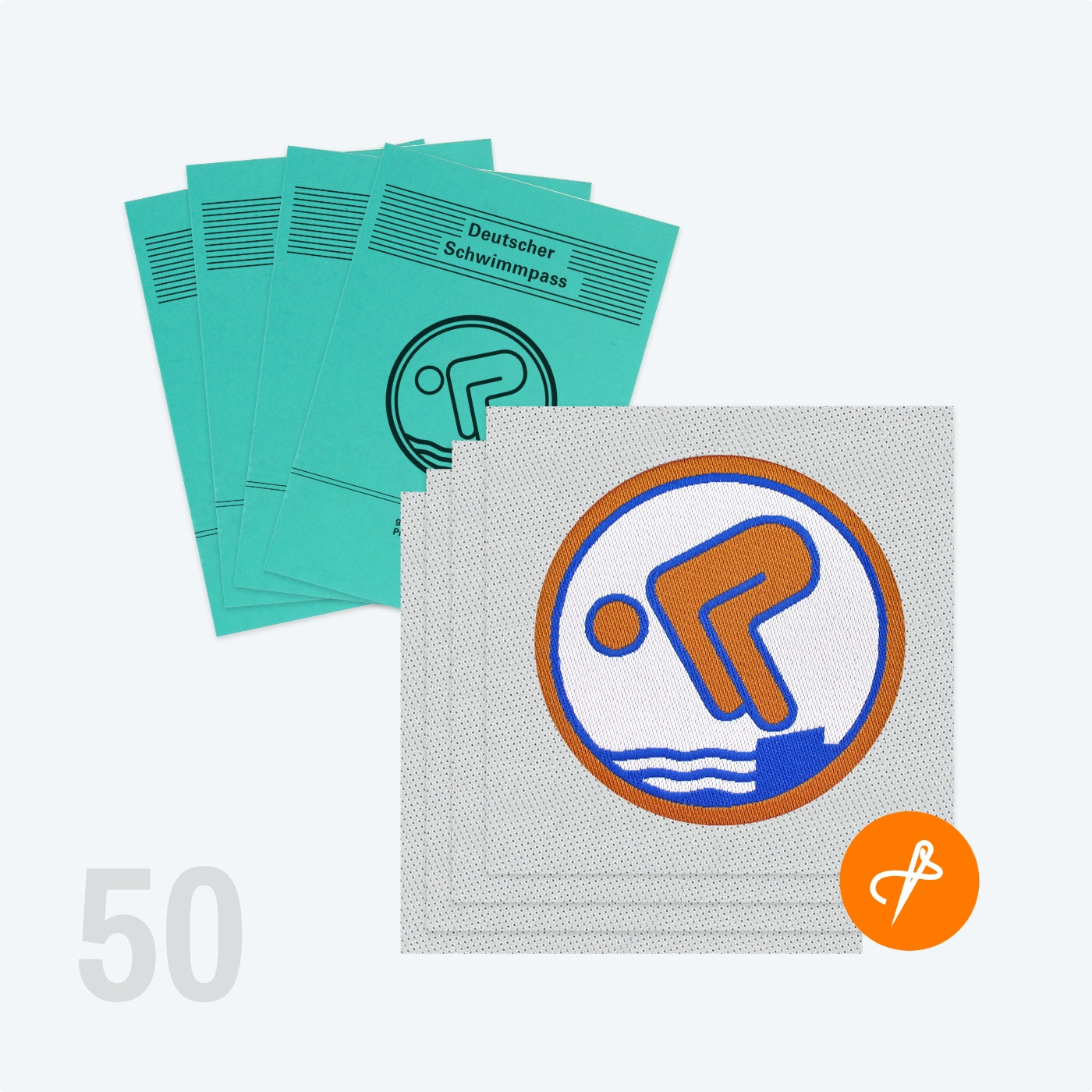
The article clearly shows how important proper preparation and structured support are when learning to swim. Parents not only want qualified swimming courses but also well-documented progress and motivating recognition for their children. Those who accompany the learning process want to use high-quality swimming badges and appealing certificates to boost the child's pride and make success visible. This is exactly where Pimpertz, as an official partner of the DLRG and BFS, comes in, offering a wide selection of originally certified and child-friendly swimming badges for over 38 years, making water safety tangible.
Rely on first-class quality and fast service when ordering swimming badges, collector albums, or personalized sets for your summer holiday swimming course. This provides additional motivation for learning swimming techniques and facilitates progress monitoring. Furthermore, use the competent advice and practical bundles from Pimpertz for an all-round successful experience in learning to swim. Start now and make the swimming course an unforgettable success for your child with appropriately designed badges and lovely accessories. Discover our offer at pimpertz.de and secure your child the deserved pride and recognition with high-quality swimming badges and certificates. Further information and ordering options can be found directly in our online shop under Pimpertz Schwimmabzeichen.
Make a difference for your child and support them in learning to swim safely with Pimpertz products that combine quality and joy.
Frequently Asked Questions
How do I find the best swimming course for my child during the summer holidays?
A good swimming course should be led by qualified instructors who have experience in child training. Look for small group sizes and child-friendly infrastructure. Check the course providers and, if necessary, talk to other parents about their experiences.
What preparations are important before my child starts the swimming course?
Prepare your child by playfully introducing them to water. Visit an indoor swimming pool together or play water games at home to reduce fears and build anticipation. Positive conversations about swimming also help to build trust.
How can I support my child in learning swimming techniques?
Support your child through playful methods and regular practice sessions in the water. Praise them for progress and use swimming aids like kickboards to convey safety. Attend swimming lessons together to reinforce the learned techniques.
What are the requirements for swimming badges and how can I track my child's progress?
The requirements for swimming badges vary by level; for example, the "Seepferdchen" (Seahorse) requires swimming 25 meters and diving for an object. Document your child's progress and participate in interim tests during the course to check their learning status.
How do I plan a graduation ceremony for my child's swimming course?
Create a special graduation ceremony with a certificate presentation and invite family and friends. Take photos to capture this important moment, and celebrate the success with a small party or a special outing. This will make the completion an unforgettable experience for your child.
What role do parents play during the swimming course?
Parents should play a supportive role by encouraging their child and accompanying them if necessary. Show understanding for your child's fears and strengthen their self-confidence. Maintain regular contact with the swimming instructors to understand the learning process and promote it together.
Recommendation
- 7 Important Swimming Learning Tips for Parents and Coaches
- How much does a swimming course cost? Understanding for Parents and Providers
- Swimming course 3 years: Children learning to swim safely
- Learning to swim in old age: Step-by-step to success
- Summer Camp Switzerland | International Camp And Travel